
Jun 12
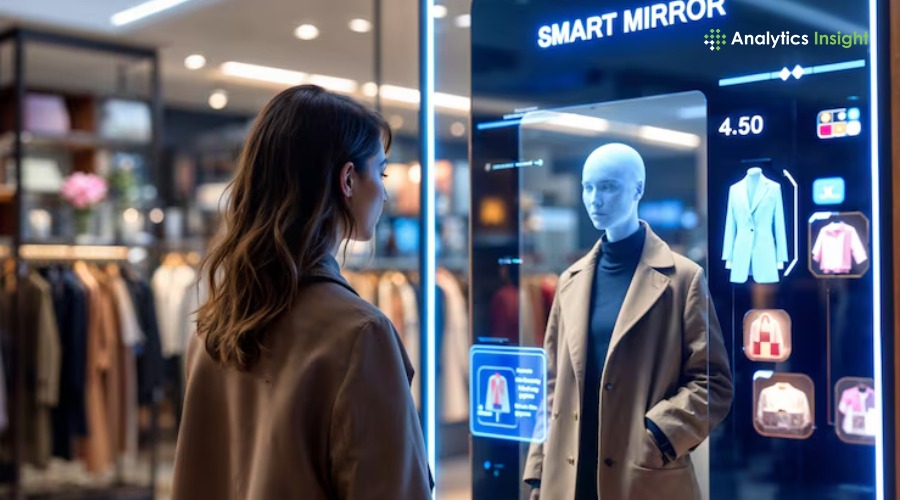
𝐓𝐡𝐞 𝐁𝐢𝐠𝐠𝐞𝐬𝐭 𝐂𝐨𝐧𝐬𝐮𝐦𝐞𝐫 𝐓𝐞𝐜𝐡𝐧𝐨𝐥𝐨𝐠𝐲 𝐈𝐧𝐧𝐨𝐯𝐚𝐭𝐢𝐨𝐧𝐬 𝐭𝐨 𝐖𝐚𝐭𝐜𝐡 𝐢𝐧 𝟐𝟎𝟐𝟔
Curious about the future of technology? Explore the biggest consumer tech innovations expected to shape 2026, from intelligent homes and AI assistants to smart cars, advanced robots, and flexible displays.
#Technology2026 #FutureTech #ArtificialIntelligence #SmartHome #SmartCars #AI #AINews #AnalyticsInsight #AnalyticsInsightMagazine
Read More 👇
zurl.co/tRjhB
13

👀🔥 HOW TO PROVE YOU ARE HUMAN IN AN AI-DRIVEN WORLD
(Without Compromising Your Privacy) 🔐
─────
**1. The World Faces a New Dilemma**
By 2026, AI can write like you, speak like you, and even mimic your thought patterns.
➤ AI can successfully pass job interviews.
➤ AI can generate sophisticated fake product reviews.
➤ AI can build entire social networks that appear indistinguishable from reality.
The internet is becoming saturated with bots. The most alarming part? **No one can tell who is actually human anymore.**
When a platform asks, *"Are you human?"* — how do you prove it? Traditional methods like providing an ID, phone number, or facial scan only create a new set of risks. 🔐
─────
**2. Proving Your Humanity Costs Your Privacy**
Every time you verify your identity online, you are handing over sensitive personal data.
➤ They store your records.
➤ Their systems are vulnerable to breaches.
➤ Your personal data can be sold on the dark web.
You’ve proven you’re human, but now a third party holds your name, face, and national ID. Surely, there must be a better way.
─────
**3. What If You Could Prove It Without Revealing Anything?**
This is exactly what **Zero-Knowledge Proof (ZKP)** achieves.
ZKP is a method to prove you possess certain knowledge without revealing the information itself. It sounds like magic, but it is grounded in pure mathematics. 🧮
─────
**4. Think of It This Way**
Imagine you know my Wi-Fi password. I want to verify that you know it — but I don't want you to say it out loud for fear of eavesdroppers.
What do you do?
➤ You connect to the Wi-Fi successfully right in front of me.
➤ I see your device is online.
➤ I am convinced you know the password — without a single character ever being disclosed.
That is the essence of **Zero-Knowledge Proof**. Computers perform a similar feat through algorithms — instead of a Wi-Fi connection, they solve a mathematical puzzle that only someone with the correct "key" can solve.
─────
**5. Why This Is Vital in the Era of AI**
Currently, platforms verify "humanness" by harvesting data. ZKP completely inverts this process. Instead of storing your actual info, the system only retains a "mathematical proof":
➤ This is a verified human.
➤ This user has been authenticated.
➤ This action was performed by a person, not a bot.
No one knows who you are; they only know for certain that you are real. 🌐 Major networks like Ethereum, Zcash, and various blockchain ecosystems are pioneering this path to safeguard user sovereignty.
─────
**6. The Real-World Challenges**
ZKP is not without its hurdles:
➤ Complex mathematical proofs require significant computational power.
➤ Systems can be slower and more energy-intensive.
While real-world integration is still being optimized, the trajectory is clear. The builders behind this technology are moving with absolute conviction. ⚙️
─────
**7. A 40-Year-Old Vision**
In 1985, three MIT scientists — Shafi Goldwasser, Silvio Micali, and Charles Rackoff — published the foundational theory of ZKP. At the time, the idea seemed light-years ahead of its time.
➤ Goldwasser and Micali eventually received the 2012 Turing Award — the "Nobel Prize" of Computing. 🏆
➤ Silvio Micali later founded Algorand to bring his research into practical reality.
The journey from theory to life:
➤ 1985: The concept is born.
➤ 2016: Zcash becomes the first blockchain to implement ZKP at scale.
➤ 2019: Ethereum begins its integration process.
➤ 2026: The world finally needs this technology to survive the surge of AI.
They solved a problem that the world didn't even have 40 years ago. Today, we have the solution. 😄
💬 In a future where AI can mirror our every behavior, what do you believe is the "ultimate trait" that defines our unique value as humans?
Wishing everyone an energetic and lucky day! ❤️🌟
#ZeroKnowledgeProof #ZKP #AIWorld #DigitalIdentity #Blockchain #Privacy #Web3 #Technology2026
3
12
124
6,682

Apr 7
What is the mission of Dreams Network & Technology in 2026? Watch to find out how they aim to innovate and empower through technology.
#DreamsNetwork #Technology2026 #Innovation #DigitalTransformation #FutureTech #TechForBusiness #ContentCreation
2
244

Mar 10
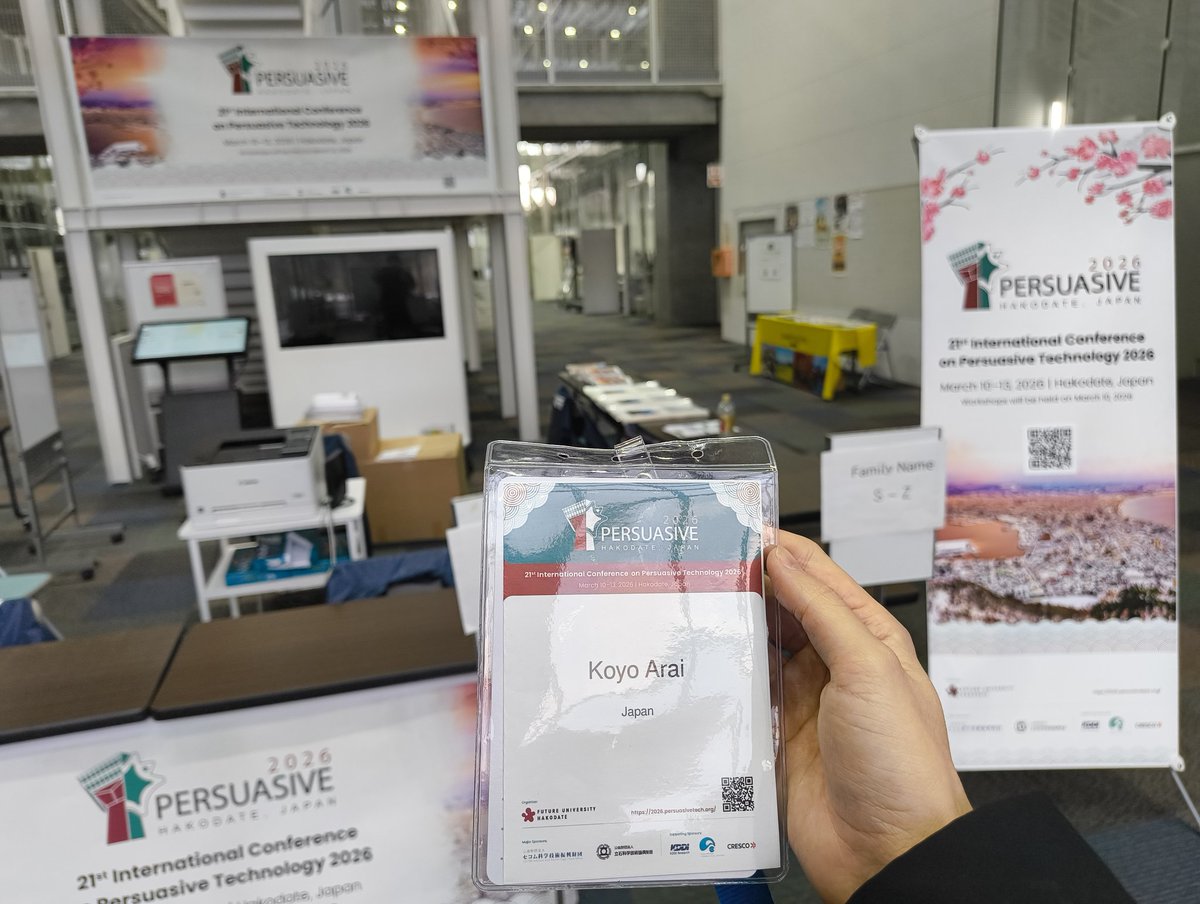
Persuasive Technology2026に来てます。最終日のPoster & Demoで発表します!
PD-18) Reconsider Today's Commute: Reframing Routine Route Choice
Koyo Arai and Atsushi Hasegawa
2026.persuasivetech.org
1
4
424

Feb 26
🌐 Web 3.0 ยังไม่ทันใช้คล่อง... Web 4.0 มาแล้วเหรอ 🤖
หลังจาก Justin Sun (เจ้าพ่อ TRON) ประกาศ All in Web 4.0 หลายคนเริ่มสงสัยว่าเรากำลังก้าวข้ามยุคกันไวขนาดนี้เลยเหรอ ? มาทำความเข้าใจแบบภาษาบ้านๆ ในโพสต์เดียวครับ 👇
.
📌 Web 4.0 คืออะไร ? (ฉบับเข้าใจง่าย)
.
ถ้า Web 3.0 คือโลกที่เราเป็น #เจ้าของข้อมูล (Crypto/Blockchain) 🔗
.
Web 4.0 คือยุค #อินเทอร์เน็ตที่คิดแทนเรา (AI-Driven) 🤖✨ มันไม่ใช่แค่เครื่องมือให้เรากดสั่งเหมือนเดิม แต่เป็นเหมือน #เลขาอัจฉริยะ ที่รู้ใจและจัดการงานหลังบ้านให้เราเสร็จสรรพครับ
.
💡 ยกตัวอย่างให้เห็นภาพ
.
📖 Web 1.0 (ห้องสมุด) : อ่านข้อมูลได้อย่างเดียว นิ่งๆ แข็งๆ
.
📱 Web 2.0 (โซเชียล) : เราเขียนได้ โพสต์ได้ คุยกันได้ (Facebook/YouTube/IG/X)
.
🏦 Web 3.0 (ธนาคารส่วนตัว) : เราคุมเงิน คุมข้อมูลเอง ไม่ผ่านตัวกลาง (Crypto/NFT)
.
🤖 Web 4.0 (คู่หูรู้ใจ) : เว็บที่ คิด วิเคราะห์ ทำงานแทน แบบอัตโนมัติ
.
🌟 ตัวอย่างในชีวิตจริง
.
ยุคเก่า : เราต้องเข้าแอป จองตั๋วเครื่องบินเอง เลือกไฟล์ทเอง กรอกชื่อเอง แล้วกดจ่ายเงินเอง
.
ยุค Web 4.0 : AI ของเรารู้ว่าเรามีทริปไปญี่ปุ่นเดือนหน้า มันจะเปรียบเทียบราคา จองโรงแรมที่ชอบ วางแผนเที่ยว ให้จบ ✈️ โดยที่เราไม่ต้องขยับนิ้วสั่งเลย เพราะมันทำงานตามคำสั่งที่เราบอกไว้ได้ครับ
.
🎯 แล้ว TRON เกี่ยวอะไรกับ Web 4.0 ?
.
Justin Sun ไม่ได้แค่พูดลอยๆ แต่กำลังดัน TRON ให้เป็น ธนาคารของ AI เพราะ AI เปิดบัญชีธนาคารปกติไม่ได้ แต่มันใช้ Blockchain ได้
.
1️⃣ AINFT หัวหอกสำคัญ : เปลี่ยนจากตลาด NFT ปกติ เป็นแพลตฟอร์มที่ AI จ่ายเงิน (USDT) เพื่อจ้าง AI ตัวอื่นมาทำงาน หรือสร้างรูป/ข้อความแล้วขายเป็นสิทธิ์บน Chain ได้ทันที 🎨💸
.
2️⃣ AI Economy : TRON กำลังสร้างระบบที่ AI ทำธุรกิจกันเองได้ 24/7 จะซื้อข้อมูลหรือจ้างงาน ก็ใช้ค่าธรรมเนียมที่ถูกและเร็วระดับ 100,000 TPS ⚡
.
3️⃣ ขุมทรัพย์ Stablecoin : ด้วย USDT บน TRON ที่มีมหาศาล (83 พันล้านดอลลาร์) ทำให้มันเป็นเงินดิจิทัลที่ดีที่สุดสำหรับ AI Agents ในการทำธุรกรรม 💵📈
.
สรุปสั้นๆ : ถ้า Web 4.0 คือ สมองอัจฉริยะ TRON ก็คือเส้นเลือดและธนาคาร ที่ทำให้สมองนั้นทำธุรกิจได้จริงในโลกดิจิทัลครับ
.
ทุกคนคิดว่าเราพร้อมหรือยัง ? กับโลกที่ AI จัดการชีวิตให้เกือบทุกอย่าง... มาแลกเปลี่ยนความเห็นกันครับ👇💬
.
@justinsuntron @trondao @TronDao_THA
.
#TRONGlobalFriends #TRON #Web4 #JustinSun #AI #Blockchain #Technology2026 #Crypto #PETERPRIEW


All in Web 4.0
2
9
14
1,509

Feb 19
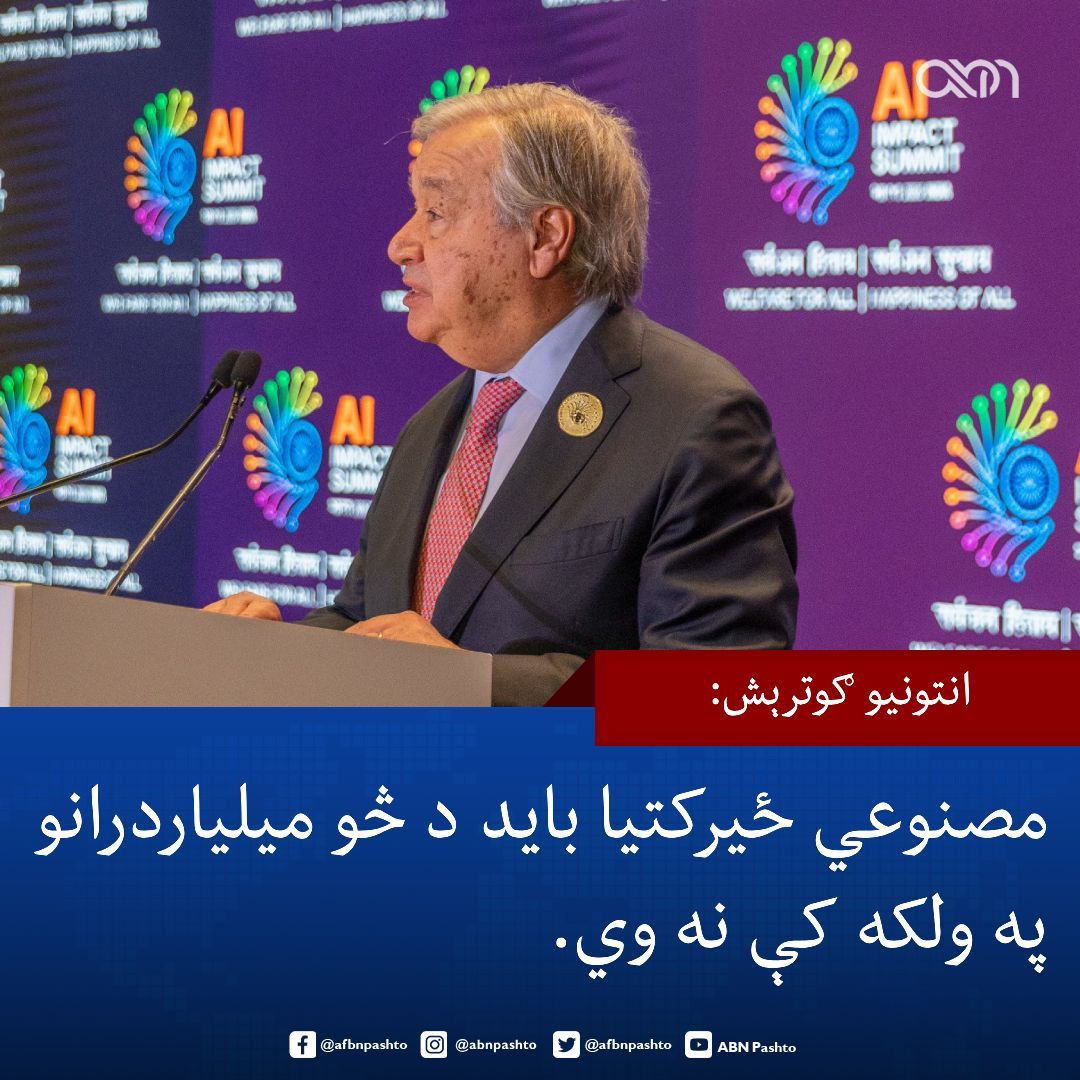
د ملګرو ملتونو سازمان سرمنشي، انتونیو ګوترېش د مصنوعي ځیرکتیا (AI) د راتلونکي په اړه په خپلو تازه څرګندونو کې ویلي، چې د دغې پیاوړې ټکنالوژۍ برخلیک باید د محدودو هېوادونو او څو کسانو تر کنټرول لاندې پاتې نشي.
ګوترېش په ډاګه کړه چې د مصنوعي ځیرکتیا راتلونکی نشي کولای د محدودو هېوادونو له خوا وټاکل شي او نه هم د څو میلیاردرانو هوسونو او ارادې ته پرېښودل کېدای شي.
د سرمنشي په وینا، مصنوعي ځیرکتیا باید په هر چا پورې اړه ولري او ټولو ته د لاسرسي وړ وي.
نوموړي ټینګار وکړ چې دا ټکنالوژي باید د ټولو په ګټه وي او د هر چا لپاره د خوندیتوب ډاډ ورکړي.
د ملګرو ملتونو دا غبرګون په داسې حال کې راځي چې د مصنوعي ځیرکتیا ډېری مهمې برخې او پرمختګونه دا مهال د امریکا او چین په څېر د محدودو هېوادونو او د مایکروسافټ، ګوګل او ټېسلا په څېر د لویو شرکتونو په لاس کې دي.
#ABN | #UnitedNations | #AntonioGuterres | #ArtificialIntelligence | #AIforGood | #GlobalEquity | #Technology2026
28
2,740

#WATCH | In the ‘Tech Trends’ segment, a special conversation with Debobrat Ghosh, Editor, Science India, exploring the new and emerging technologies to look out for in 2026.
#TechTrends #FutureTech #EmergingTechnologies #Technology2026 #DeshkaPehlaChannelDeshkaApnaChannel
1
244

10 Dec 2025
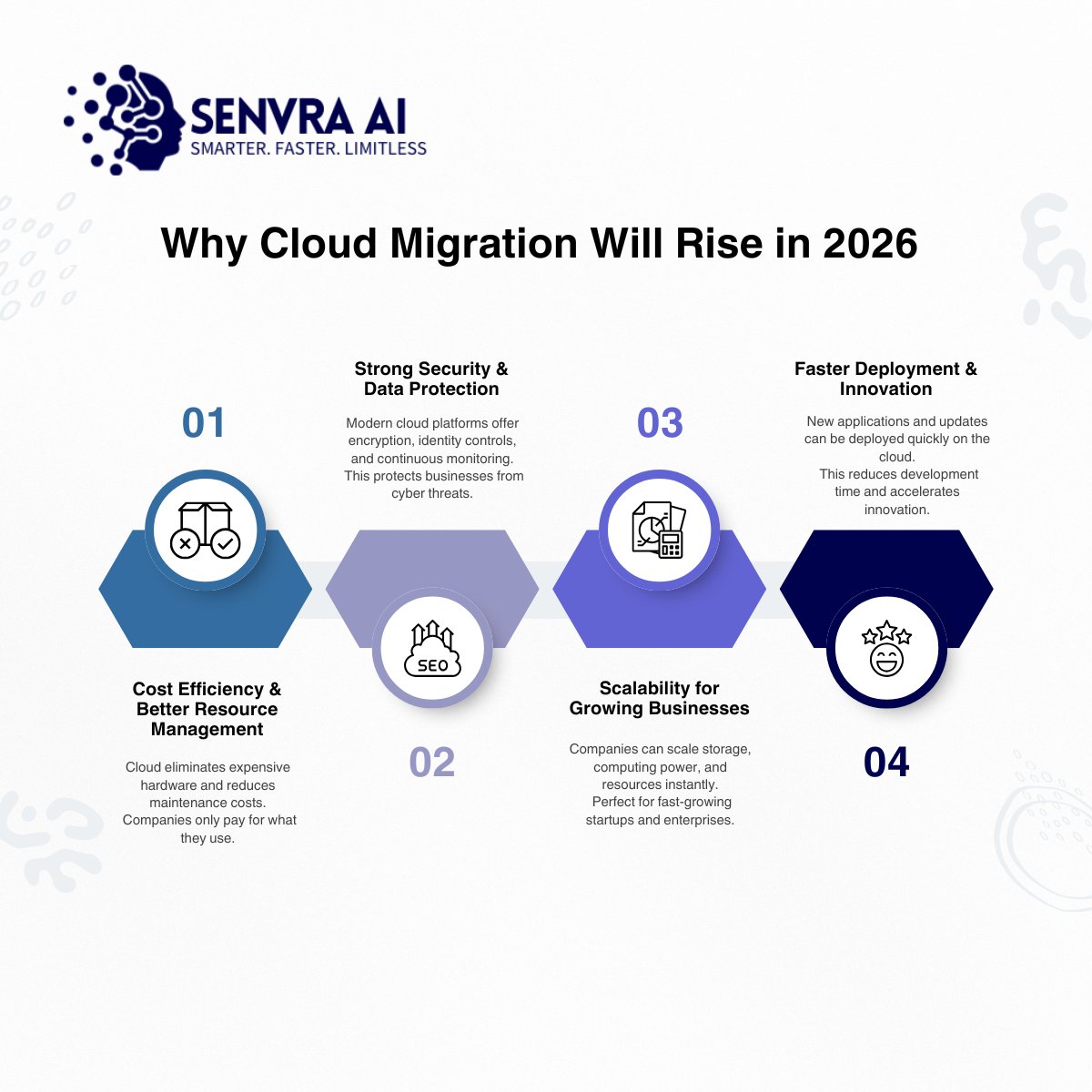
Why Cloud Migration Will Rise in 2026
As businesses continue to scale and digital demands increase, cloud migration is becoming one of the most strategic investments of 2026
#CloudMigration #CloudComputing #DigitalTransformation #BusinessGrowth #Innovation #Technology2026
2
145