
في عالم الاتصالات الضوئية، بدل أن نقوم بحفر الأرض وتمديد كابلات جديدة عند امتلاء السعة، نلجأ لتقنيات تقسيم الطول الموجي (WDM - Wavelength Division Multiplexing)، والتي تسمح بدمج وإرسال عدة ألوان (أطوال موجية) مختلفة من الضوء عبر ليفة ضوئية واحدة.
لكن هندسياً، لا تعمل كل أنظمة الـ WDM بنفس الطريقة؛ فالفرق الجوهري الذي يحدد التكلفة والسعة يكمن في "دقة التباعد" بين هذه القنوات الضوئية داخل شعيرة الزجاج.
هل تستخدمون تقنيات الـ WDM في شبكاتكم حالياً لمواجهة تزايد حركة المرور، أم تعتمدون على حلول أخرى؟ شاركونا في التعليقات
#OpticalFiber #WDM #FiberOptics #BroadbandTech #TelecomInfrastructure #أكاديمية_اتصالاتي
8
420

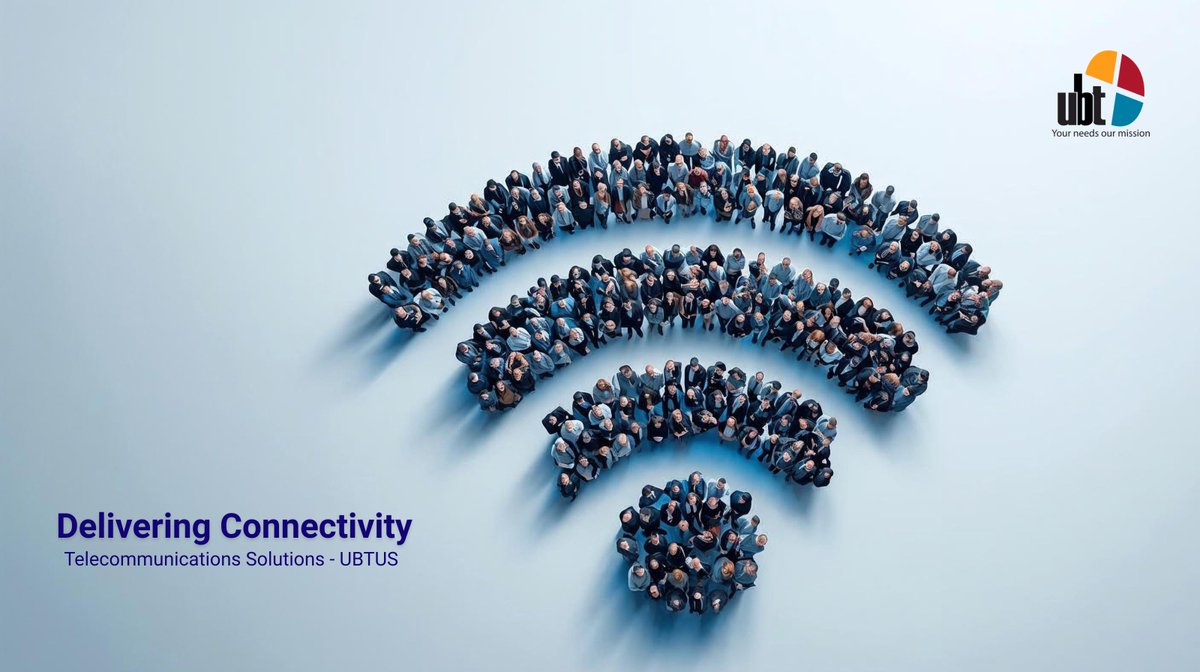
Delivering connectivity.
Need a trusted telecom partner? Let's connect.
📞 1 248-588-1781 | ✉️ info@ubtus.com
#Telecommunications #TelecomInfrastructure #NetworkInfrastructure #TelecomConstruction #TelecomServices #ConnectivitySolutions #5G #TelecommunicationsInfrastructure
1
1
20

From fiber backhaul to rooftop antennas – the backbone of mobile data.
#CellTower #TelecomInfrastructure #USA #Texas #Dronephotography
pond5.com/stock-footage/item…
1

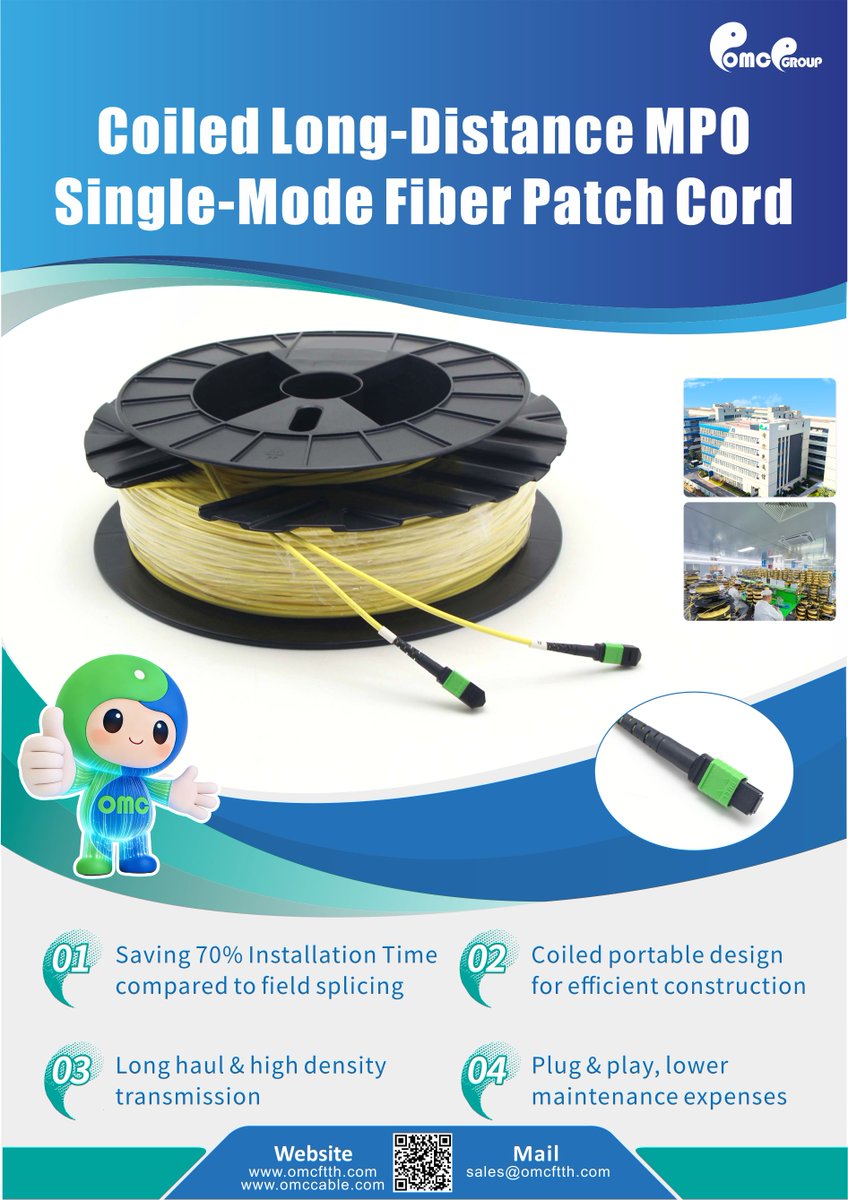
🔥Coiled Long-Distance MPO Single-Mode Fiber Patch Cord
Check it out 👉Websites: omcftth.com | omccable.com
Email: sales@omcftth.com
#MPO #FiberPatchCord #SingleModeFiber #DataCenterCabling #TelecomInfrastructure #HighDensityFiber #LongDistanceFiber
19

Jun 12
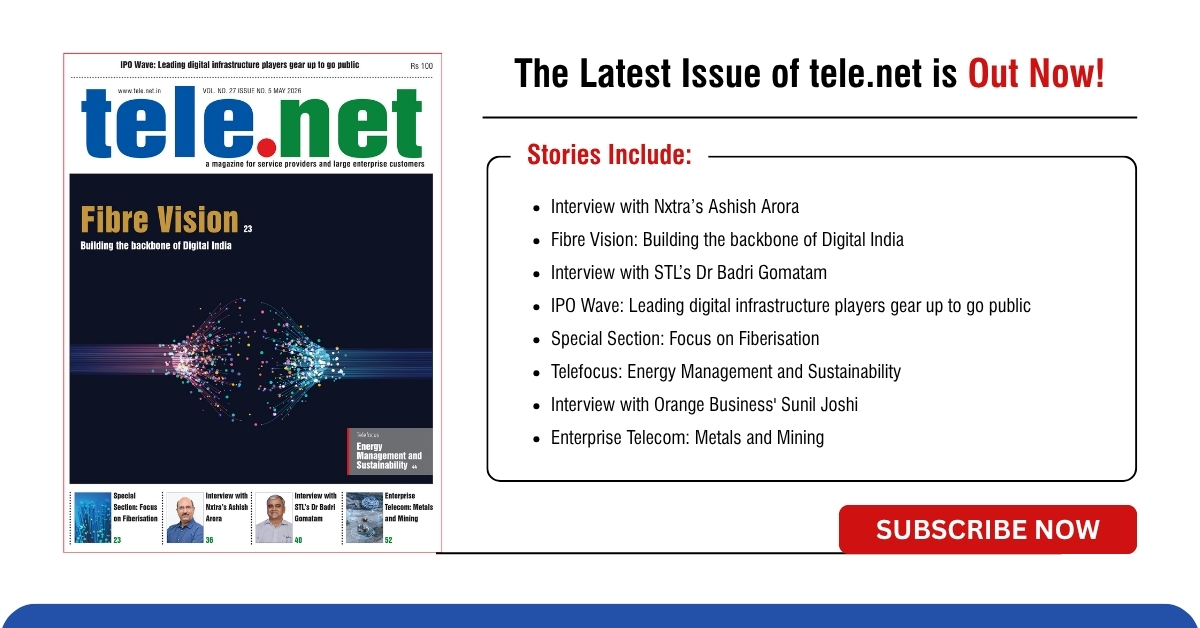
Subscribe to the latest issue of @telenet_mag here: indiainfrastructure.com/prod…
#SubscribeNow #LatestIssue #Telecom #Telecommunications #IndianTelecom #EvolvingAI #DataCentre #CloudComputing #EthicalAI #TelecomInfrastructure #TelecomSpectrum #EnergyManagement
1
7

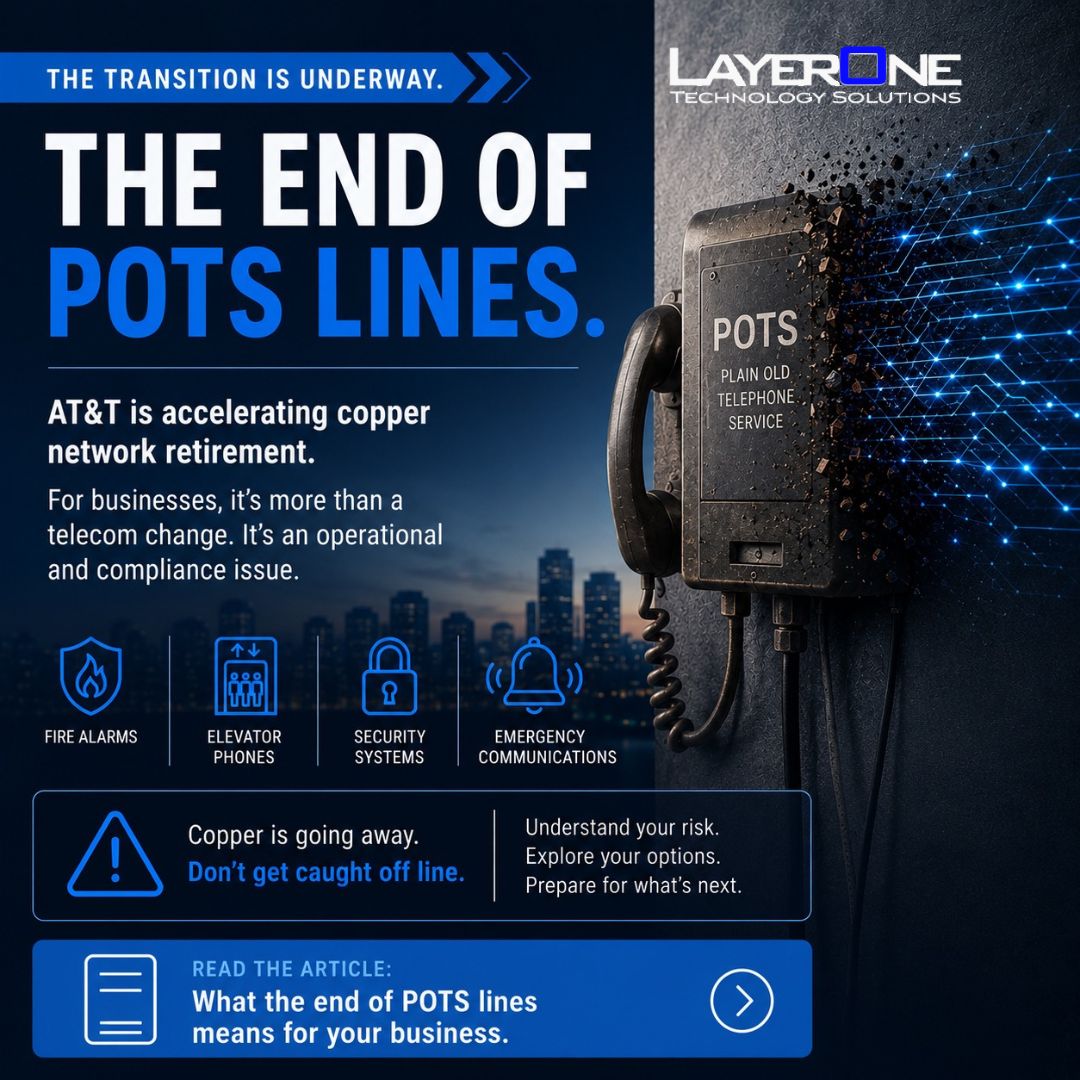
AT&T's copper decommissioning is underway, and the transition away from traditional POTS lines is accelerating as reported by Reuters. Article tagged below.
It may not be on your radar, but it is a big transition.
We recently published a brief overview of what the end of POTS lines means for businesses and the steps organizations can take to prepare.
Make the end-of-POTs transition, and call us for a free consultation. 👉 Call 301-235-9922 for a free consultation and start your project faster: layeronecorp.com
#POTSLines #TelecomInfrastructure #LifeSafetySystems
2

Jun 11
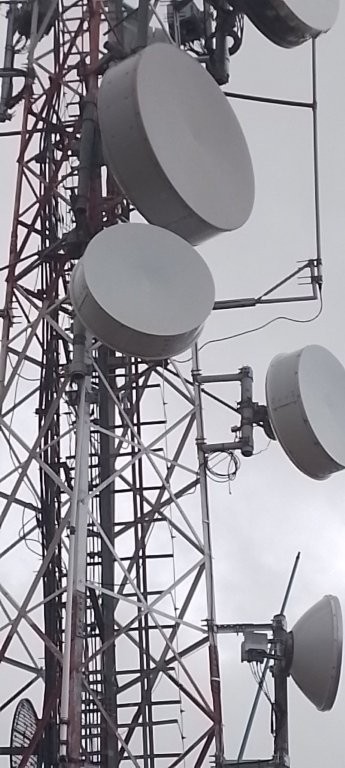
Where quality meets connectivity—every installation, alignment, and integration is executed with precision to deliver networks that perform when it matters most. 📷
#Digital& #Telecom #ICT #TelecomInfrastructure #NetworkDeployment #Connectivity #QualityFirst #thefutureeveryday
3

Pakistan's digital backbone has quietly reached scale.
Over 200 million telecom subscribers, more than 150 million broadband connections, 95% 4G-enabled networks, and 92% telecom coverage as per the PTA Annual Report 2024-25, via Profit by Pakistan Today.
These numbers belong to years of investment by Pakistan's telecom sector and regulators, and they change what's possible for the technology industry built on top of them.
This is where STZA comes in. Special Technology Zones exist to convert that connectivity into economic output: giving startups, IT exporters, and global technology firms a regulatory environment that lets them build on infrastructure the country already has.
The foundation is national. The ecosystem to leverage it is what STZA is building.
#STZA #DigitalPakistan #TelecomInfrastructure #SpecialTechnologyZones #PakistanTech #Connectivity
35

Every building has signal blind spots. Smart businesses fix them before customers notice.
#Mosaned designs & deploys advanced 5G indoor coverage. No dead zones. No communication gaps.
#TelecomInfrastructure #SignalBoost
9
كل منشأة فيها مناطق ضعف تغطية. المنشآت الذكية تحلها قبل ما العملاء يلاحظونها.
#مساند تصمم وتنفذ حلول تغطية داخلية 5G متقدمة بدون مناطق ميتة ولا انقطاع تواصل.
#TelecomInfrastructure #SignalBoost #تغطيه_الجوال #شبكه #انترنت

1
1
25

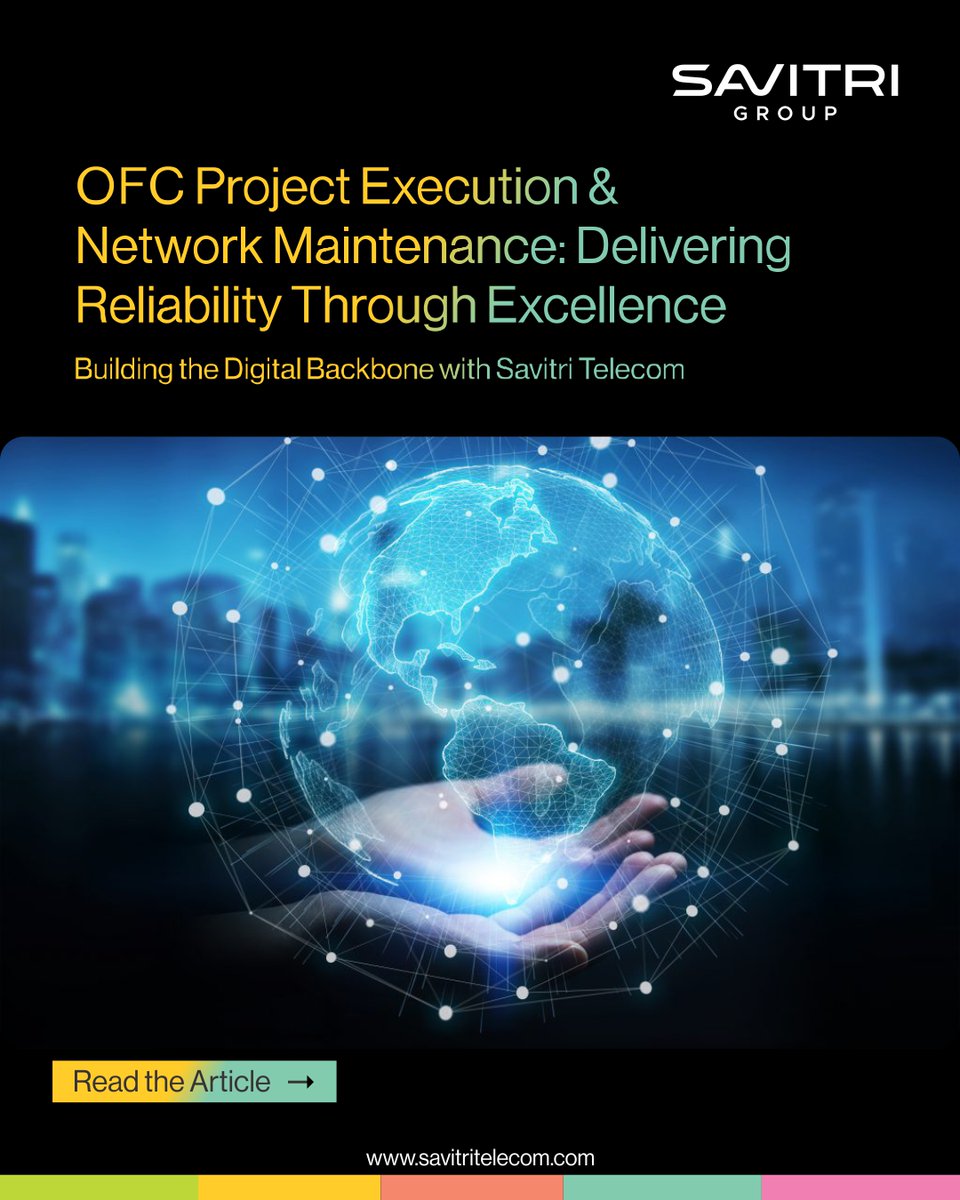
BLOG | Reliable fiber networks start with smart execution. From planning and deployment to testing and maintenance, every step matters.
🔗 Read the full article: savitritelecom.com/ofc-proje…
#FiberOptics #TelecomInfrastructure #NetworkMaintenance #DigitalConnectivity
1
3

RAILTEL BAGS ₹82.04 CR RAILWAY SIGNALING ORDER 🚆📡
• Receives LoA from Haryana Rail Infrastructure Development Corporation Ltd. 🤝
• Order value stands at ₹82.04 Cr (including taxes) 💰
• Scope includes Design, Supply, Installation, Testing & Commissioning (SITC) of Signaling & Telecommunication systems ⚙️
• Project covers Dhulawat–Manesar New Patli section, including Chandla Dungerwas and Pachgaon Halt Stations 🚉
• Execution timeline up to 27 November 2027 ⏳
• Strengthens RailTel's order book in the railway signaling and telecom infrastructure segment 📈
#RailTel #IndianRailways #RailwaySignaling #TelecomInfrastructure #RailInfra #Infrastructure #OrderWin #StockMarketIndia #BusinessUpdate #Railways
1
107
، تعتمد تقنية الألياف إلى المنزل (FTTH) على معمارية عبقرية تُعرف بالشبكة الضوئية السلبية (PON - Passive Optical Network).
كلمة "سلبية" أو Passive هنا ليست مجرد مصطلح عابر، بل هي ثورة هندسية تعني عدم وجود أي أجهزة فعالة تستهلك طاقة كهربائية في الميدان بين مقسم المركز الرئيسي (OLT) والمستخدم النهائي (ONU/ONT).
كل المكونات المتواجدة في الصناديق بالشوارع وتحت الأرض هي عبارة عن زجاج ومرايا ومقسمات بصرية سلبية فقط، مما يرفع من اعتمادية الشبكة ويقلل تكاليف الصيانة والأعطال الكهربائية بشكل مذهل.
هل تفضل العمل على الشبكات السلبية بالكامل (PON) أم ترى أن الشبكات النشطة (Active Optical Networks) لها الأولوية في تطبيقات معينة؟ شاركنا برأيك
#FTTH #GPON #PassiveOpticalNetwork #TelecomInfrastructure #أكاديمية_اتصالاتي
1
10
377
90% من مشاكل شبكات الـ FTTx سببها "المكونات الصامتة" التي تقع بين الـ OLT والـ ONT
تتكون شبكة الـ ODN (Optical Distribution Network) من كافة المكونات السلبية التي تربط جهاز الـ OLT بأجهزة الـ ONT في بيوت المشتركين. هذه الشبكة، رغم بساطتها الظاهرية، هي المسؤولة عن أكثر من 90% من مشاكل الشبكة ميدانياً إذا لم يتم تصميمها وتركيبها بدقة متناهية.
المسار يمر بمراحل حاسمة: الكابلات الرئيسية (Feeder)، كابلات التوزيع (Distribution)، وكابلات التوصيل النهائي (Drop Cables). المشكلة أن كل نقطة اتصال في هذه المسارات، سواء كانت لحاماً فيزيائياً (Splice) أو وصلاً ميكانيكياً (Connector)، تمثل نقطة فقد محتملة للقدرة الضوئية يجب حسابها بدقة ضمن الميزانية الضوئية قبل بدء المشروع.
هل واجهتم من قبل شبكة تنهار كفاءتها تدريجياً بسبب تراكم نسب الفقد عند نقاط الاتصال الميدانية؟ شاركونا تجاربكم
#FTTx #ODN #FiberOptics #NetworkDesign #TelecomInfrastructure #أكاديمية_اتصالاتي
1
5
287

Jun 2
With real-time visibility, faster fault identification, and intelligent diagnostics, Pace Digitek's CNOC platform helps optimize network performance and accelerate response times.
#PaceDigitek #CNOC #TelecomInfrastructure #NetworkManagement #DigitalTransformation

2
2
512

May 31
And that's when I realized...
Exicom may not remain just an EV charging company.
It is quietly expanding into:
⚡ #BatteryStorage
⚡ #DataCenterPower
⚡ #DCMicrogrids
⚡ #TelecomInfrastructure
⚡ #EnergyManagement
#EnergyTransition #CleanEnergy #BESS
1
2
162

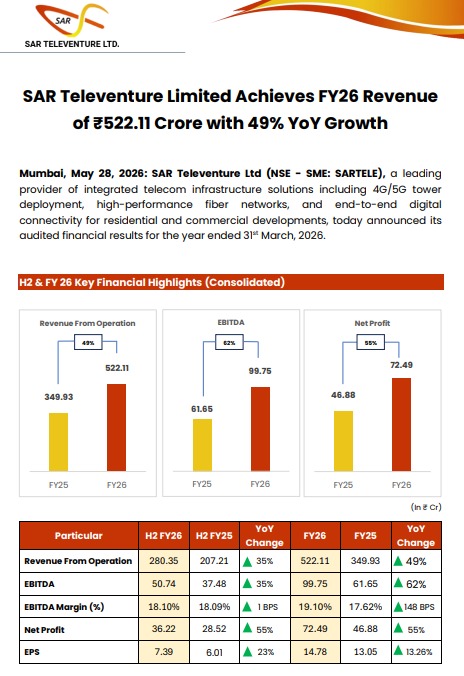
SAR Televenture Ltd posts stellar FY26 performance with Revenue soaring 49% YoY to ₹522 Cr, EBITDA jumping 62% to ~₹100 Cr, EBITDA Margin expanded to 19.10% ( 148 bps) & PAT surging 55% to ₹72 Cr 📡
#H2FY26
•Revenue up 35% YoY to ₹280.35 Cr
•EBITDA up 35% YoY to ₹50.74 Cr
•PAT grew 55% YoY to ₹36.22 Cr
#Key Drivers
•Rising demand for 4G/5G telecom infrastructure
•Rapid expansion in FTTH & OFC network deployment
•Strong project execution across key markets
•Strategic acquisitions & partnerships enhancing nationwide reach
•Growing enterprise connectivity & broadband solutions portfolio
SAR Televenture is strategically positioned to benefit from India’s accelerating digital infrastructure transformation, backed by increasing telecom capex, fiberisation, 5G rollout momentum, and rising data consumption.
#SARTeleventure #Telecom #5G #DigitalInfrastructure #FTTH #Broadband #FiberOptics #Infrastructure #SMEStocks #StockMarketIndia #GrowthStocks #TelecomInfrastructure
2
4
640

May 26
🚀 Advancing Digital Partnerships in Uzbekistan!
Zhang Jianpeng (James), ZTE SVP and President of Asia-Pacific and CIS, met with H.E. Sherzod Shermatov, Minister of Digital Technologies of the Republic of Uzbekistan, to discuss the further expansion of telecommunications infrastructure and data center development projects across the country.
During the meeting, the sides reviewed ongoing efforts to strengthen Uzbekistan’s digital infrastructure, ensure the stability and security of telecom networks, and implement the next phase of data center initiatives.
Strategic cooperation between Uzbekistan and China in the telecom sector was a key focus, including joint projects aimed at expanding connectivity and improving services in remote regions.
ZTE representatives also shared insights into the company’s long-term presence in the Uzbek market, completed infrastructure projects, and continued work on network modernization.
It was noted that Uzbekistan’s telecom operators currently hold strong positions in international Speedtest rankings – a clear reflection of the country’s rapid digital progress.
The two sides also exchanged views on strengthening the capacity of local specialists and further developing Uzbekistan as a regional digital hub in cooperation with ZTE.
#ZTE #ZTEUzbekistan #DigitalUzbekistan #TelecomInfrastructure #DataCenter #DigitalTransformation #Uzbekistan #StrategicPartnership #ZTEPartner



2
6
857

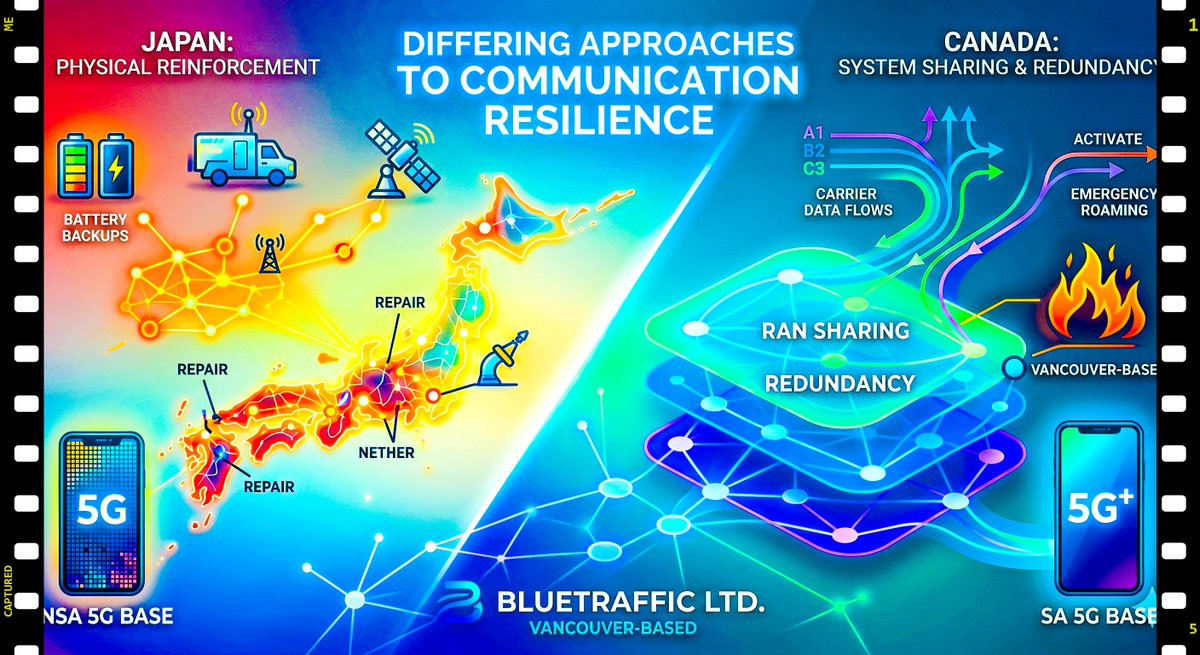
災害時の「通信途絶」対策、日本とカナダの設計思想と基盤の違い。
🇯🇵 日本:ハードウェア局地戦 基地局のバッテリー強化や移動基地局車の派遣など、物理的補完が主流。通信規格は4G設備を流用したNSA方式が多く、端末表示は通常の「5G」。
🇨🇦 カナダ:平時のインフラ共有 × 次世代基盤(SA)の冗長化 広大な国土と孤立リスクを想定し、通信網を強固に多層設計。 ① 平時の共有:TELUS等は常時、基地局を共同利用(RANシェアリング)。 ② 緊急時の冗長化:通信障害時は政府主導の「緊急時ローミング」で他社網へ強制接続。 ③ 次世代基盤:主要都市では真の5G「SA方式」が確立。カナダでiPhone左上に『5G 』と表示されるのは、災害時のトラフィック急増にも耐えうるこの専用・大容量回線の証です。
弊社はバンクーバーを拠点に、この「5G 」と「冗長化」を前提とした北米インフラを活用し、次世代の通信途絶対策ソリューションを構築します。
#BLUETRAFFIC #BC州 #バンクーバー #通信インフラ #BCP対策 #TELUS #5GPlus
🇯🇵 Japan: Hardware-Centric Localized ResponsePhysical reinforcement is the primary focus, such as enhancing base station batteries and deploying mobile cell towers. The network standard mostly utilizes the NSA (Non-Standalone) method, which repurposes existing 4G equipment, resulting in a standard "5G" display on devices.
🇨🇦 Canada: Peacetime Infrastructure Sharing × Next-Gen (SA) RedundancyAnticipating a vast territory and isolation risks, the communication network is built with a robust, multi-layered architecture.
Peacetime Sharing: Carriers like TELUS constantly share base stations (RAN sharing).
Emergency Redundancy: During outages, government-mandated "Emergency Roaming" enables forced connections to other carriers' networks.
Next-Gen Infrastructure: True 5G "SA (Standalone)" is established in major cities. The "5G " indicator on iPhones in Canada is proof of this dedicated, high-capacity line built to withstand sudden traffic surges during disasters.
Based in Vancouver, our company leverages this North American infrastructure—rooted in "5G " and network redundancy—to build next-generation solutions for communication disruptions.
#BLUETRAFFIC #BC #Vancouver #TelecomInfrastructure #BCP #TELUS #5GPlus
3
322

May 22
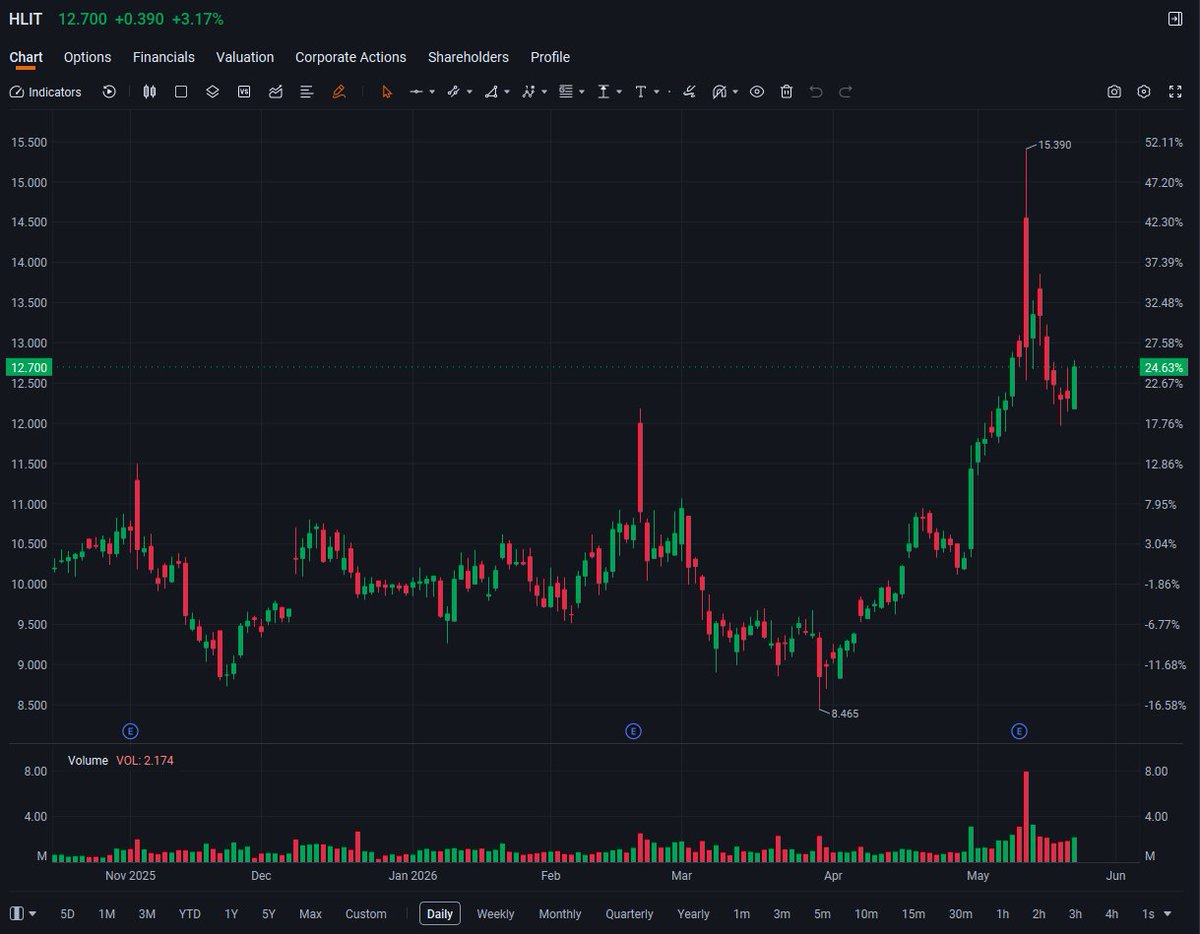
$HLIT (Harmonic Inc.)
HLIT is not just a traditional telecom equipment name anymore. It’s increasingly being re-rated as a broadband infrastructure cloud-native networking software hybrid, with exposure to the DOCSIS 4.0 upgrade cycle, fiber expansion, and the early stages of “AI-enabled telecom infrastructure” buildout.
Outlook:
Moderately bullish, but cyclical — more of a structured mid-cycle re-rating story than a straight growth compounder.
Key drivers:
• DOCSIS 4.0 rollout and global broadband upgrade cycle accelerating
• Broadband segment showing strong growth momentum (notably YoY expansion in recent quarters)
• Backlog continues to trend higher, signaling solid demand visibility
• Ongoing transition into a more focused broadband infrastructure pure-play after video business separation
• Improving mix toward higher-quality recurring and software-driven revenues
Risks:
• Historically cyclical revenue profile with noticeable volatility
• Highly dependent on telecom operator CapEx cycles (macro-sensitive)
• Post-video business transition still in progress → near-term financial noise
• Competitive pressure from peers like Ciena and other network infrastructure players
Trading framework:
• Support: $11.8 – $12.2
• Accumulation zone: pullback to 20-day MA with volume contraction
• Breakout trigger: sustained move above $13.5 on strong volume
• Risk control: below $11.2 invalidates near-term bullish structure
Core view:
HLIT is a communications infrastructure cycle structural re-rating name. The story is no longer just “equipment cycle exposure,” but a combination of:
broadband upgrade cycle backlog strength gradual software/network architecture shift
Best suited for trend trading / swing positioning aligned with sector cycles, rather than pure long-term passive holding or short-term noise trading.
#Broadband #DOCSIS40 #TelecomInfrastructure #Networking #CyclicalStocks #EdgeComputing #HLIT
2
433