Apr 25
The github port worked out of the box on my Debian 14 testenvironment, including a clean .deb package. I need further testing and come back to you...
claude.ai/public/artifacts/e…
1
2
38

🚨 Alleged NordVPN Breach Highlights Critical Risk of Test Environment Exposure
A threat actor using the handle 1011 posted on a cybercrime forum, alleging they exfiltrated multiple databases from a NordVPN development server by brute-forcing a misconfigured system. The event underscores the often-overlooked vulnerability of (temporary) testing and development platforms.
Hacker's Claims
→ Hacker 1011 asserted they compromised a NordVPN development server, acquiring 10 databases
→ The data included sensitive Salesforce and Jira access tokens
→ Hacker released sample data and made the full dataset available for download to premium members of the forum, following a common pattern of using leaks to build credibility within the criminal community.
Investigation and Counter-Claims
→ NordVPN has conducted a forensic investigation and publicly refuted the core allegations
→ The company states the leaked data originates not from its systems, but from a third-party automated testing platform it evaluated approximately six months ago
→ NordVPN clarifies that during the trial, it created a temporary, isolated environment containing only non-production, synthetic dummy data used to test functionality
→ The specific API tables and database schemas in the leak are stated to be artifacts unique to that third-party test environment, which the company no longer uses
⚠️ The Real Threat: Unsecured Test Environments
This incident, verified or not, highlights a pervasive security gap. Test and development environments are frequently treated with lower security postures but can create serious risks if they are exposed, misconfigured, or contain residual credentials.
🛡️ Closing Security Gaps: Essential Controls
To prevent similar exposure, organizations must elevate the security of non-production systems:
→ Governance & Isolation: Treat test environments as critical assets. Ensure they are fully isolated from production networks and governed by formal security policies.
→ Credential Management: Never use live, permanent credentials in testing. Employ short-lived, least-privilege tokens and enforce multi-factor authentication (MFA) even for internal tools.
→ Data Sanitization: Strictly prohibit the use of real customer or business data. Utilize synthetic, masked, or anonymized data by default.
→ Third-Party Visibility: Maintain a comprehensive inventory of all third-party testing, QA, and automation platforms used, even temporarily.
→ Monitoring & Logging: Extend security monitoring and logging to non-production systems to detect brute-force attempts or unauthorized access.
→ Formal Decommissioning: Implement a formal process to review, secure, and completely decommission temporary environments immediately after trials or projects conclude.
Whether a confirmed breach or a case of exaggerated claims, any internet-facing system, including temporary test platforms, is a potential attack surface. Robust security must extend beyond the core production perimeter to encompass every tool and environment in an organization's digital ecosystem.
#NordVPN #DataBreach #Cybersecurity #InfoSec #TestEnvironment #VPN #CloudSecurity #ThirdPartyRisk
1
3
335

20 Jul 2025
Mock services in dev for external market data feeds. #TestEnvironment @IIBA @IIBAToronto @credly
#MDMarketInsights #BusinessAnalysis #CapitalMarkets #FinancialServices #TradeFloor #FinanceIndustry #InvestmentAnalysis #DataAnalytics #RiskManagement #TradingStrategies #MarketResearch #FinancialData #InvestmentManagement #AssetManagement #Fintech #RegulatoryCompliance #PortfolioManagement #Derivatives #MarketAnalysis #FinancialTechnology #TradingTools #QuantitativeAnalysis #InvestmentStrategy #BusinessIntelligence #FinancialInnovation #EconomicAnalysis #TradingSystems #DataScience #HedgeFunds #PrivateEquity #RiskAnalysis

1
2
7

25 Sep 2024
#今日の積み上げ
#駆け出しエンジニアと繋がりたい
#jest
testEnvironmentはJestのテスト実行環境を設定するオプション。デフォルトはNode.js環境だが、フロントエンドのテストにはjsdomを使ってブラウザに近い環境で実行できる。
7
150

29 Apr 2024
Five days of the @Stellantis #Hackathon in Frankfurt/Main are behind us. We'll tell you more about it on #LinkedIn: linkedin.com/feed/update/urn…
#softwaretesting #testbench #testenvironment #coding #SWX #softwaredevelopment #frankfurt
2
115

23 Apr 2024
The heating, ventilation, and air conditioning (#HVAC) manufacturer Copeland now relies on software-in-the-loop simulation when validating its climate control units. The virtual #testenvironment is based on dSPACE tools. ow.ly/FZWl50RjFsu

1
112
7 Mar 2024
Discover how the Chinese AICC leverages our #testenvironment for cutting-edge #sensorsimulations to recreate any driving scenario with precision. Check out the article here: dspace.com/en/pub/home/appli…
🚗💡 #technologyinnovation

1
3
138

18 Aug 2023
jest の testEnvironment に cloudflare or wrangler とか指定できたら神なんだけどな(?)
1
4
1,023

19 Apr 2023
no jest config:
testEnvironment: "jsdom",
setupFilesAfterEnv: ["<rootDir>/.jest/setup.ts"],
no arquivo ./.jest/setup.ts
import "@testing-library/jest-dom";
import React from "react";
tu pode renomear o arquivo/mudar pasta se quiser, só deixar o do config de acordo
1
4
329

🚀 Level up your #ActiveDirectory skills with our comprehensive guide on setting up a Windows Server 2022 AD test environment using #VirtualBox & Albus Bit's AD Test Data Generator! 💡📚
➡️ albusbit.com/blog/how-to-set…
#WindowsServer2022 #ITProfessionals #SysAdmin #TestEnvironment
1
2
48

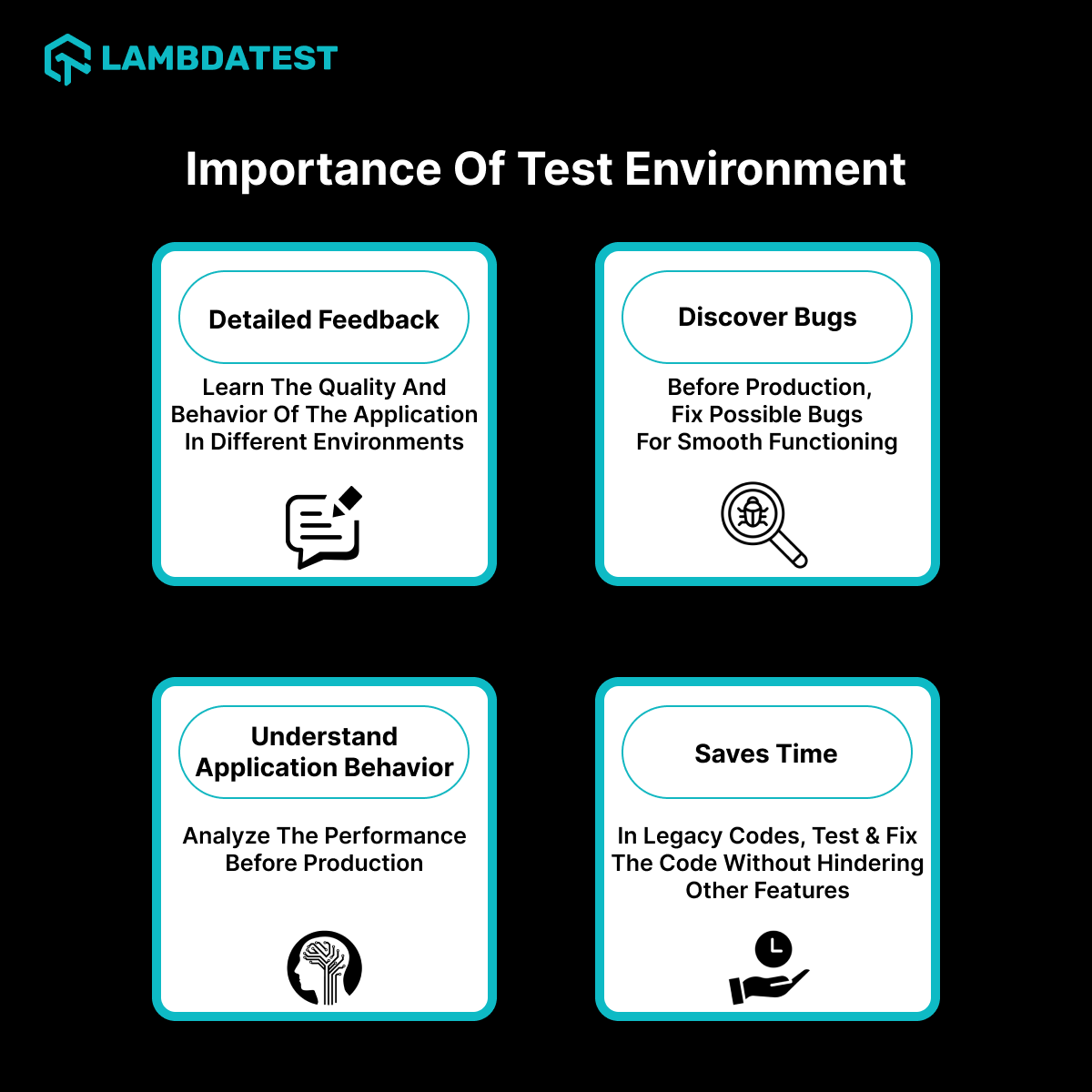
Having a stable test environment is key to dependable and consistent performance from the application.📲
Learn its importance and how setting a test environment can be a game changer. 🔗
Read more: bit.ly/3UYqXEg
#WebTesting #CrossBrowserTesting #TestEnvironment
1
1


💡Comprende el mundo de #SoftwareTesting a través de su terminología #ISTQB y ¡en español!
🐞 Entorno de pruebas (Test environment)
#HASTQB #SSTQB #CTFL #EntornodePruebas #Testenvironment #SerTesteresCool #PruebasAutomatizadas #PruebasManuales #SoftwareTesters #FYCGroup

2
2

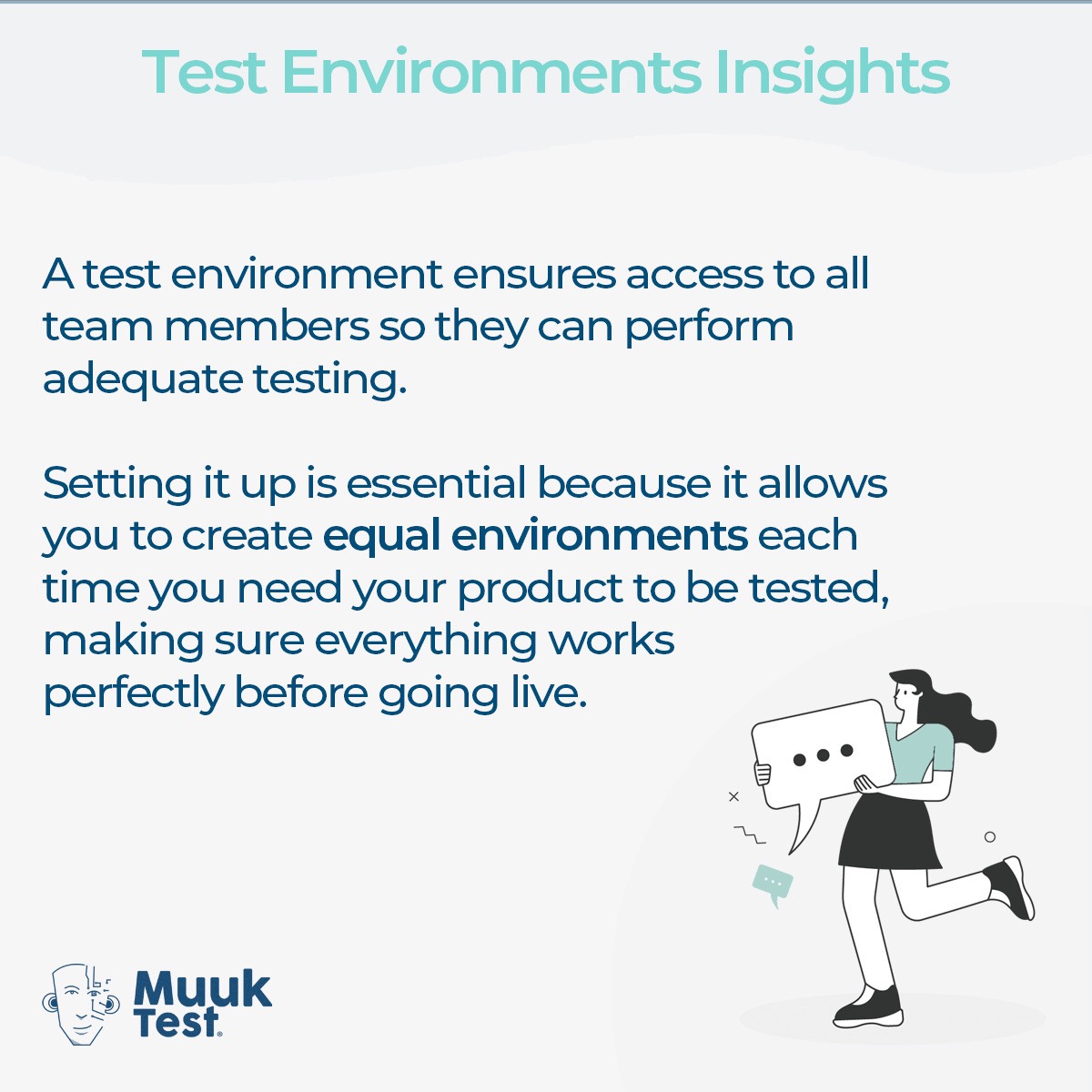
Why are Test Environments crucial for a QA tester to determine software quality? ⚡️
bit.ly/3nLjx8F
#SoftwareTesting #TestEnvironment #QualityAssurance #TestAutomation
2
How to set up a Test Environment and how doing it correctly will ensure quality and control over your software. 🚀
Here are some best practices that will allow you to set it up as effectively and simply as possible. 💡
#SoftwareTesting #TestEnvironment
bit.ly/3nLjx8F
1

New Blog Post - Read how Roost creates ephemeral preview environments and eliminates the burden of custom script creation and managing complex software.
hubs.li/Q01clP-z0
#eaas #ephemeralenvironment #previewenvironment #testenvironment #cloudnative
3
2

19 May 2022
Wrangler2が出てもテストするにはminiflareのjest環境使わないといけないと思ってたけど、wranglerでtestEnvironmentを作ろうとしているらしい。
github.com/cloudflare/wrangl…
2

22 Apr 2022
Very, that's the goal. But the branch seems so raw, I doubt it's close from finished. The "hardhat" points to it being a testenvironment. Hope someone can elaborate.
1
1


Enov8 Blog: How to Value Stream DevOps With
Test Environment Management? by by Ukpai Ugochi. Read on: lnkd.in/g8Pq-AkY
#testenvironment #devops #vsm #valuestreammanagement #softwaredevelopment #softwaretesting