
"100GW/year of solar satellites = 100GW/year of AI brains. Energy alone isn’t magic; thinking without humans is just noise. Maybe the real upgrade isn’t more satellites—it’s smarter prompts, clever humans, and teamwork. ☀️🤖🧠 #AI #SpaceTech #ThinkBeforeYouBuild"
2

24 Dec 2025
What you see is the result. What you don’t see is everything that made it possible.
#SystemsMatter #ThinkBeforeYouBuild #brandsworthbuilding #MarketingStrategy #Creatives #Web3 #Founders #CommunityDriven #launch #pitching #BrandStrategy #Website
5
356

2 Jul 2025
The person should have played Cities: Skylines or used proper simulation software to test how traffic would flow at that junction 🧠🚦🛣️
Let’s embrace simulation technology 💻📊 It saves us from avoidable chaos 🙏🏾
There’s hope 🙌🏾 This mess can still be corrected 🛠️🚧
#UrbanPlanning101 #TrafficMadness #ThinkBeforeYouBuild

2 Jul 2025

A closer look at the Marwa intersection on Lekki Epe Expressway.
Do you notice anything wrong with this intersection?
1
1
10
145

7 May 2025
There is a deep intellectual crisis at the heart of today’s development discourse. Across both academia and practice, we are witnessing the dangerous rise of technicalism — an obsessive reliance on tools, toolkits, and skills training under the illusion that what we lack are implementers, not interrogators. This managerial approach to development treats crises as technical glitches rather than structural consequences. It produces functionaries, not thinkers; technicians, not visionaries.
But let us be clear: policies are not failing simply because we lack the skills to implement them. Many of them fail because they were never meant to work. Much of what we call “development policy” in the Global South is isomorphic — designed to mimic successful models elsewhere, yet structurally unfit for our realities. These are not merely flawed frameworks; they are remnants of coloniality — alien, imposed, and performative. They preserve the illusion of governance while ensuring the continuity of dependence.
To focus solely on upskilling students within such a broken architecture is to train them to maintain their own marginalization. You cannot simply empower people to fix what was never built to serve them. We must empower them to critique, dismantle, and reimagine. And that requires something far deeper than technical training — it demands philosophical grounding.
True development must begin with fundamental questions: What is development? Who defines it? For whom? Toward what end? Until we cultivate students who can ask these questions — who can confront power, history, ideology, and injustice — we will continue to produce efficient failures. Projects that run, but lead nowhere. Policies that sound progressive, but reproduce inequality.
We don’t just need better implementation. We need better imagination. The kind that emerges not from donor templates, but from decolonial thinking. Not from bureaucratic blueprints, but from philosophical inquiry. Development must stop being a race to act and start being a call to think.
Without philosophy, we are building roads without direction, systems without soul, and futures without freedom. It is not enough to do. We must first believe — in justice, in context, in people, and in the radical power of thought.
#DecolonizeDevelopment #PhilosophyFirst #BeyondTechnicalism
#RethinkDevelopment #EpistemicJustice #DevelopmentJustice
#IsomorphicMimicry #DecolonialThinking #StructuralChange
#PolicyWithPurpose #ReimagineGovernance #CriticalDevelopment
#EducationForLiberation #ThinkBeforeYouBuild #RadicalImagination
1
6
10
527

5 Apr 2025
Before you write a single line of code, ask yourself: "Why am I building this?"
Clarity is the real MVP not hype.
Think smarter. Build better.
#thinkbeforeyoubuild #startuplife #buildwithpurpose #techface #clarityoverhype #foundermindset #deepthinking #startupwisdom

3
39

18 Feb 2025
Maybe your dad was a wise man. Speed without accuracy is a recipe for disaster. A blockchain that prioritizes transactions per second over decentralization, security, and uptime isn’t innovation—it’s a ticking time bomb. 🚀💥 #Solana #ThinkBeforeYouBuild 🤝
4
309

1
51

17 Mar 2020
#Compartmentation- for a set duration that permits all occupants to escape AND safe access and egress from the building for the emergency services, to prevent this. #thinkbeforeyoubuild
16 Mar 2020

#LODD 03/13/2020
Benjamen "Ben" Lauren(23)
Forsyth Township FD, Gwinn(MI)
While working a duplex fire, FF
Lauren became trapped from a
floor collapse between the first
and basement floors; #RIPBrother


18 Dec 2019
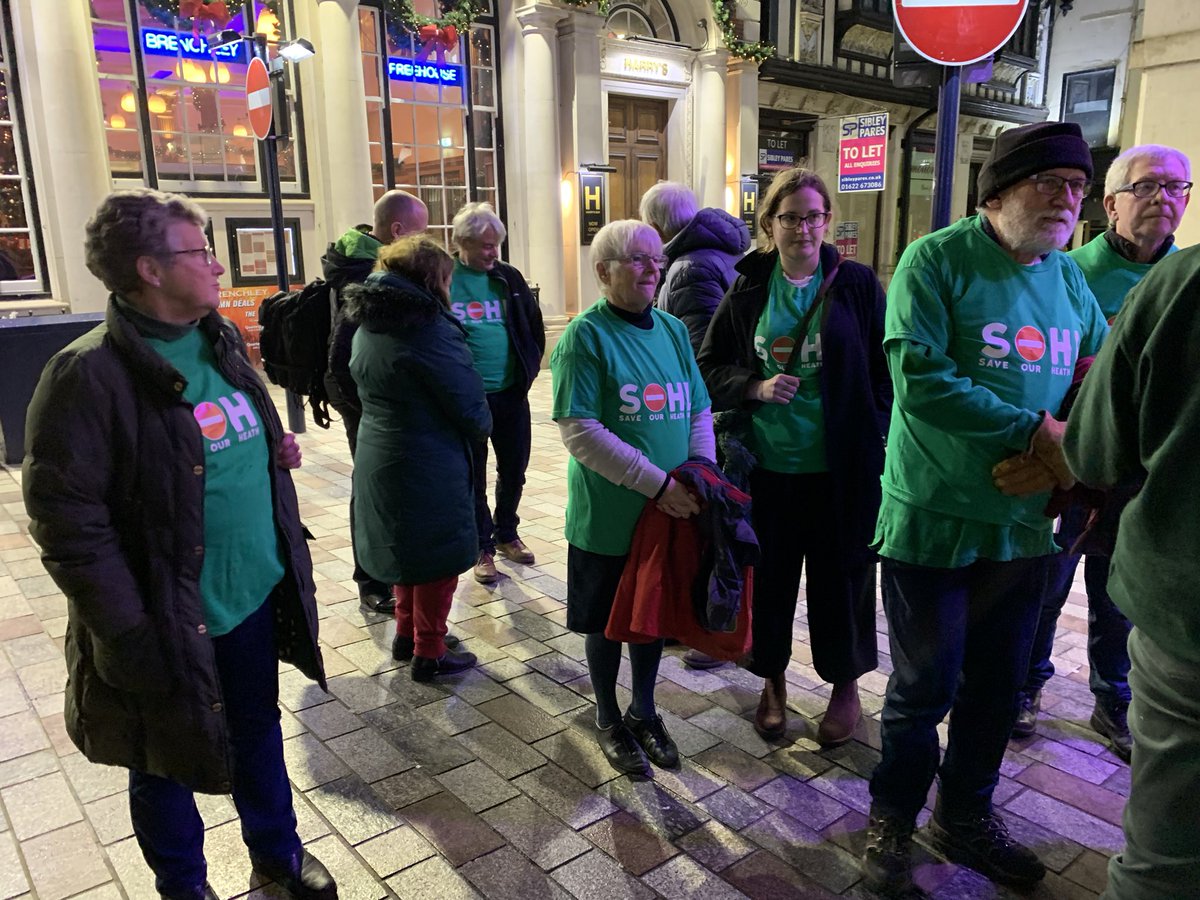
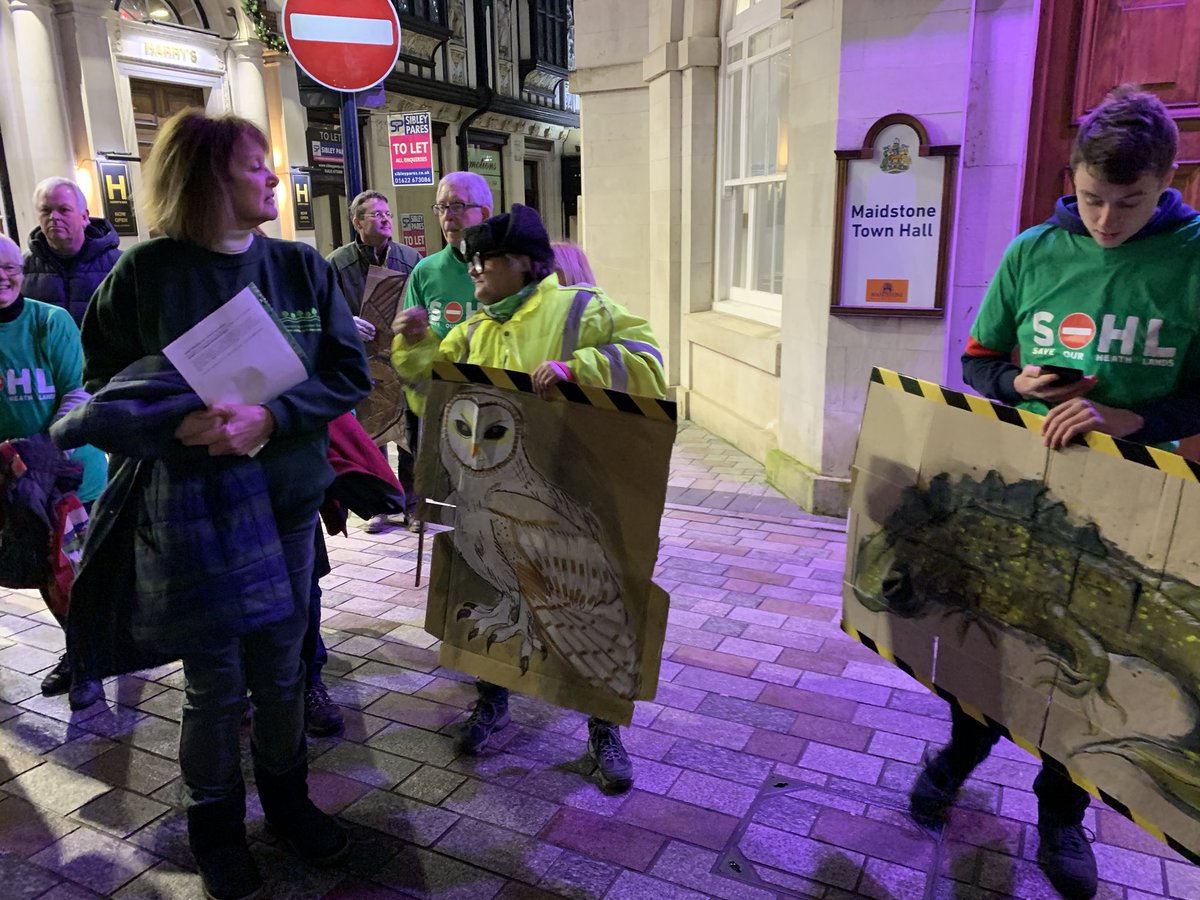
.@SOHeathLands .@jpurle .@_gajarvis .@DownsMail .@kentlivenews .@KM_newsroom .@Kent_Online Protest against too much #housing: #SaveOurHeathlands and #ThinkBeforeYouBuild #Maidstone: Think Before You Build #InfrastructureNow
5
4

6 Nov 2019
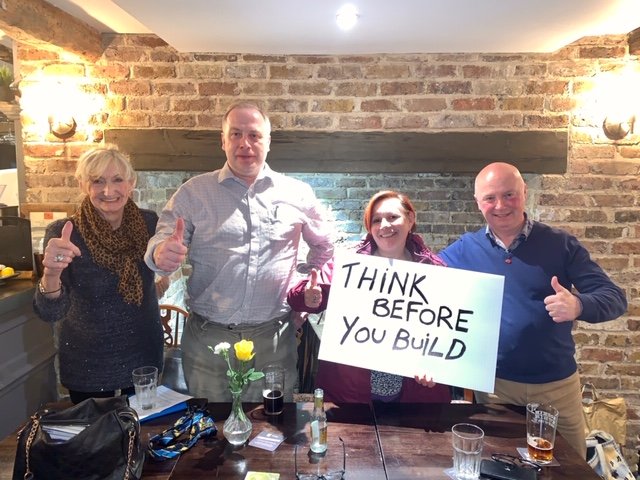
Victory for the #ThinkBeforeYouBuild campaign against a 14 storey block of flats in the county town which would have resulted in the loss of the War Memorial there....campaigners celebrate in The Stag....
downsmail.co.uk/news_sport/N…
1
4
5 Nov 2019
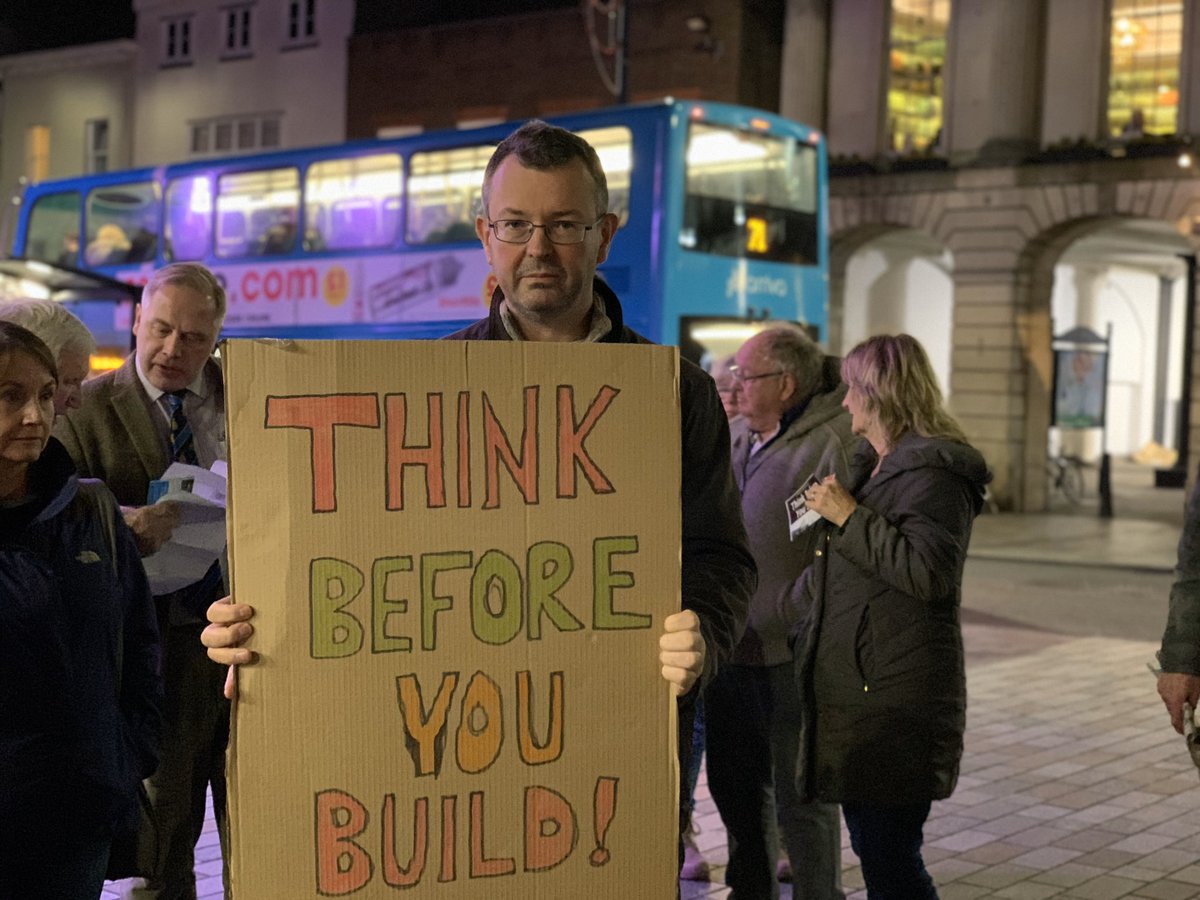
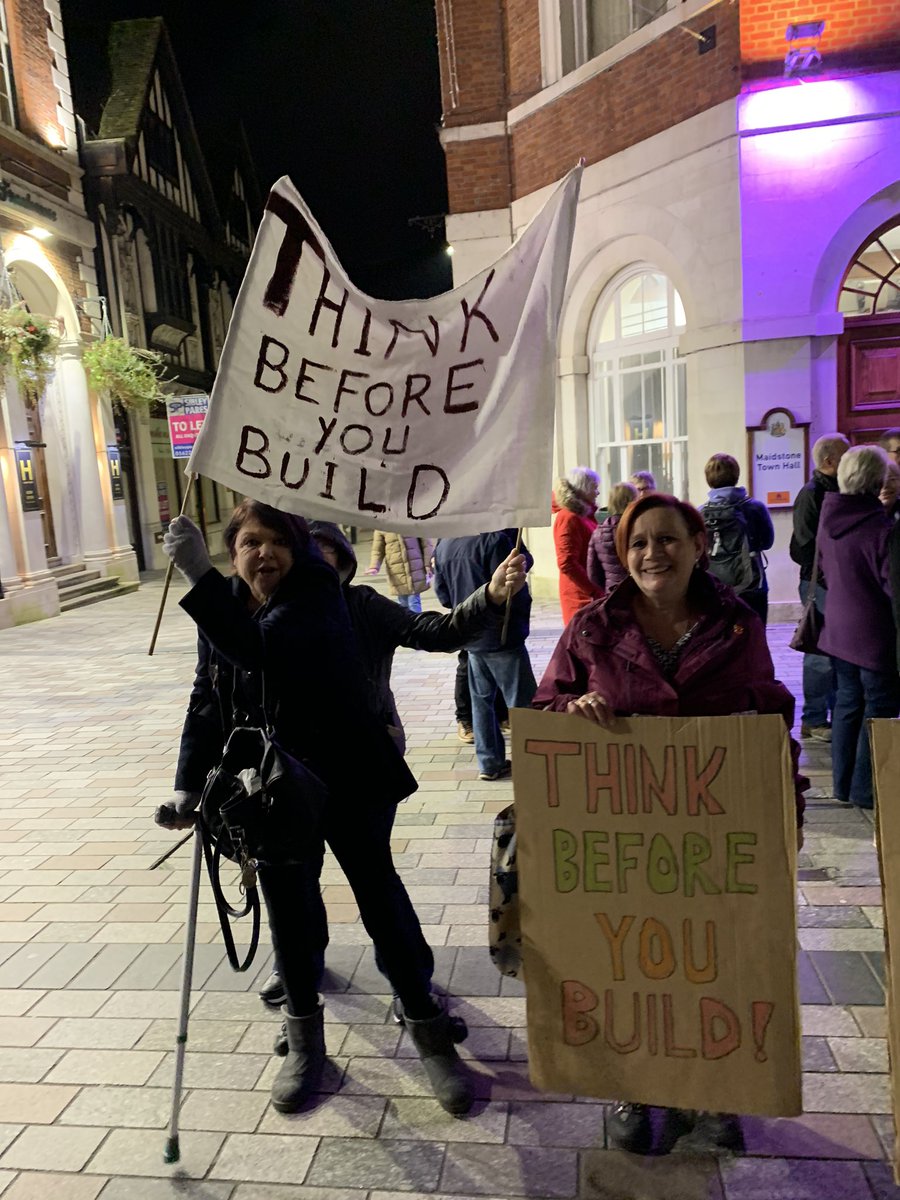
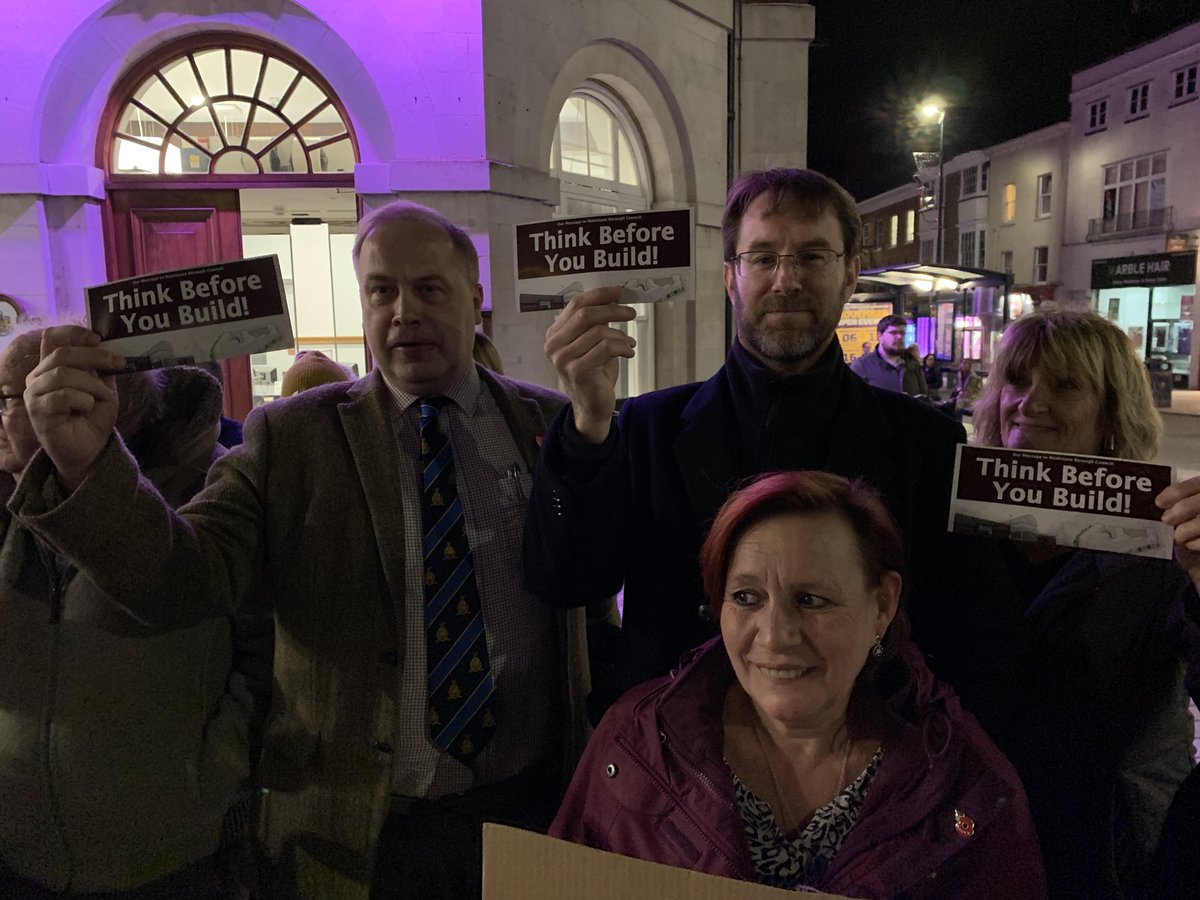
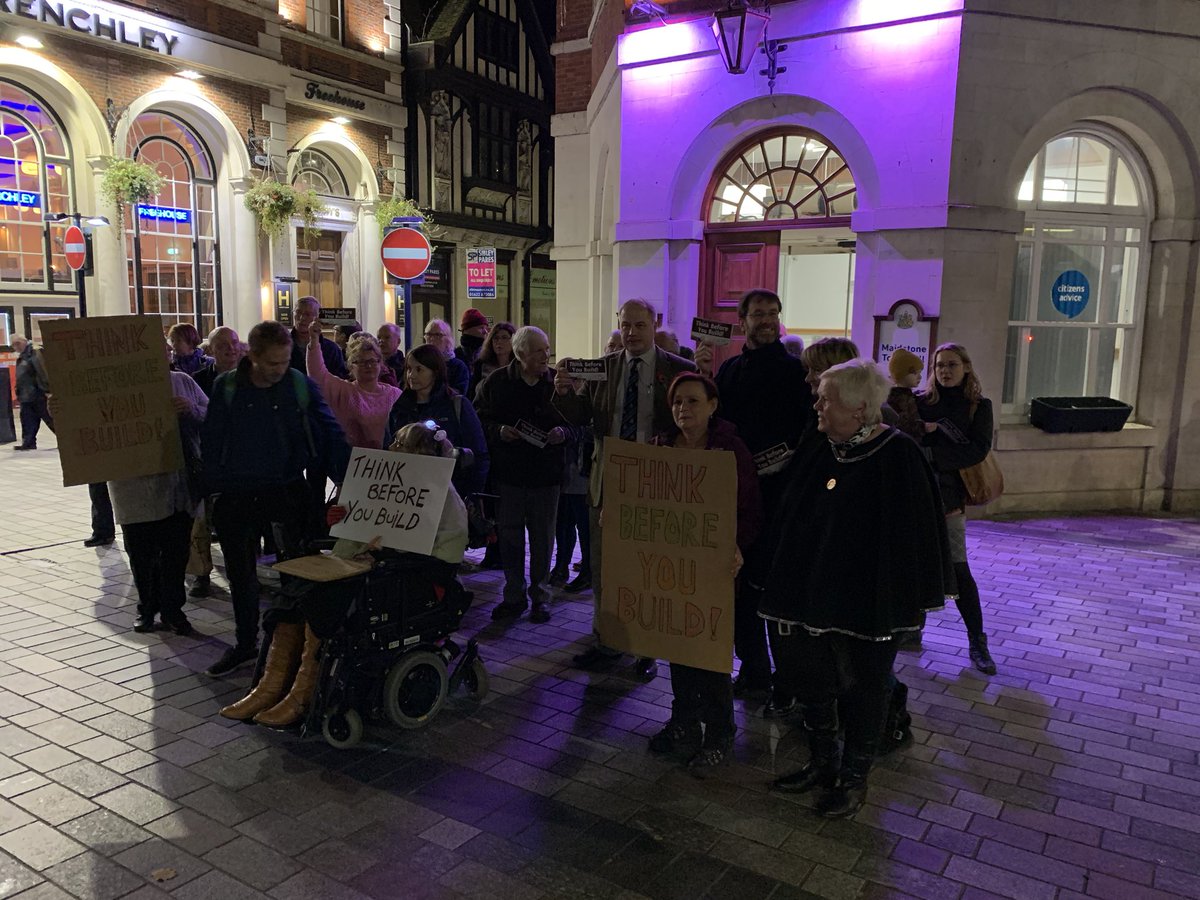
.@jpurle .@DownsMail .@KentMessenger .@kentlivenews .@bbcsoutheast .@itvmeridian #ThinkBeforeYouBuild protest outside #Maidstone Town Hall against the proposed development of a 15 storey, 281-block of flats. 5,500 signatories to our #petition.
2
3
5 Nov 2019
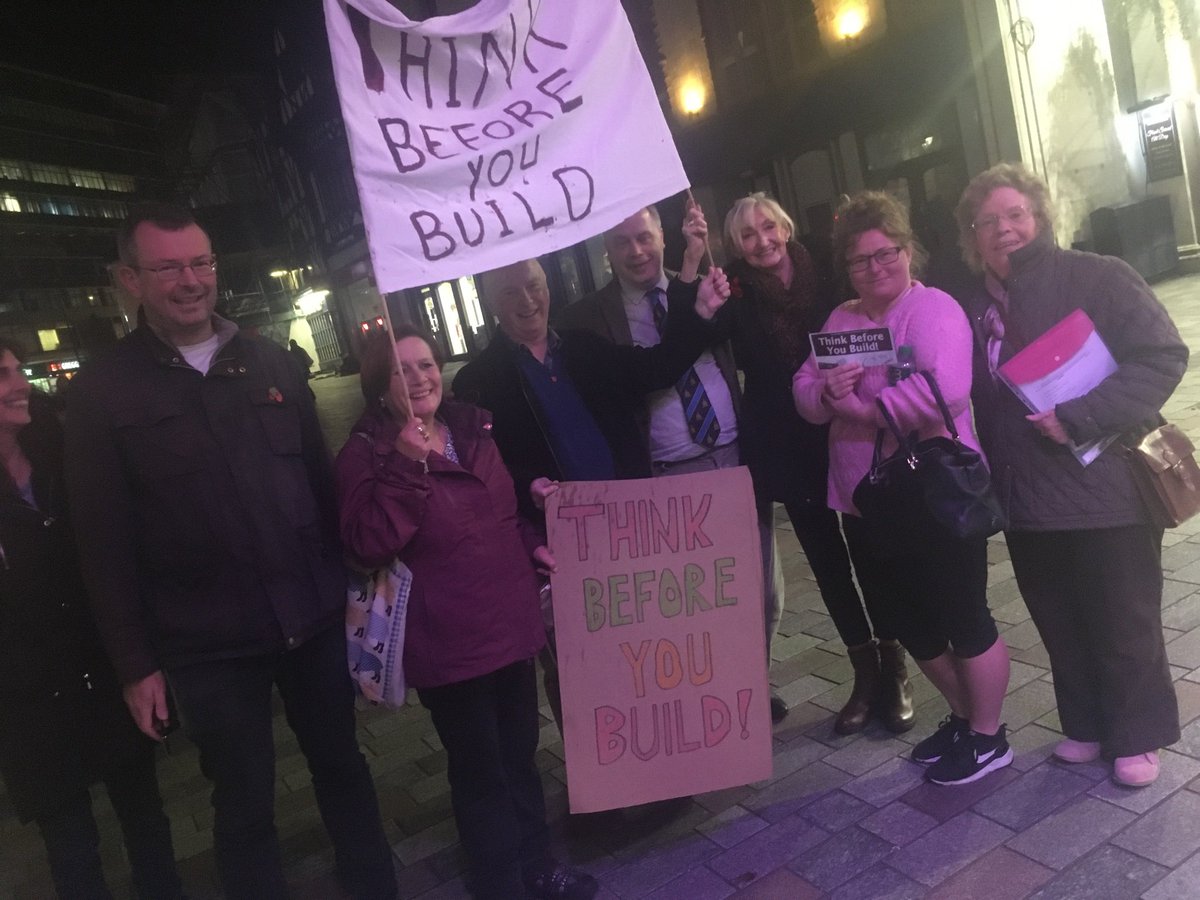
Big turnout tonight for council meeting on housing numbers in the borough...#thinkbeforeyoubuild
1
4

6 Oct 2019
Dear @maidstonebc, a year has passed and it’s still not a great idea. #ThinkBeforeYouBuild in #Maidstone
6 Oct 2018

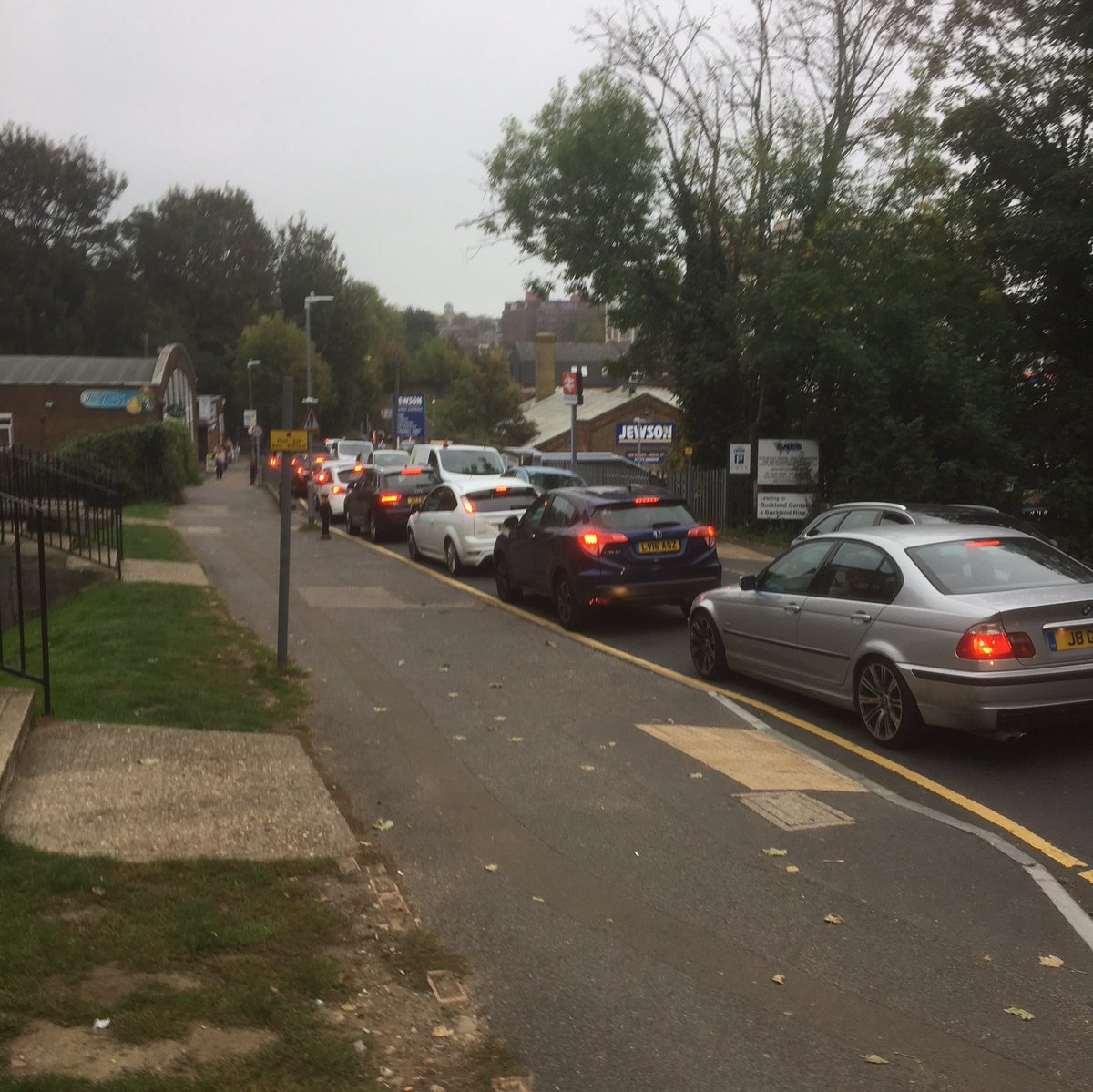
Hey @maidstonebc Here's an idea. Let's NOT just build another 1,100 flats down here in #Maidstone's St Peters Street. Let's have a balanced & positive regeneration instead.
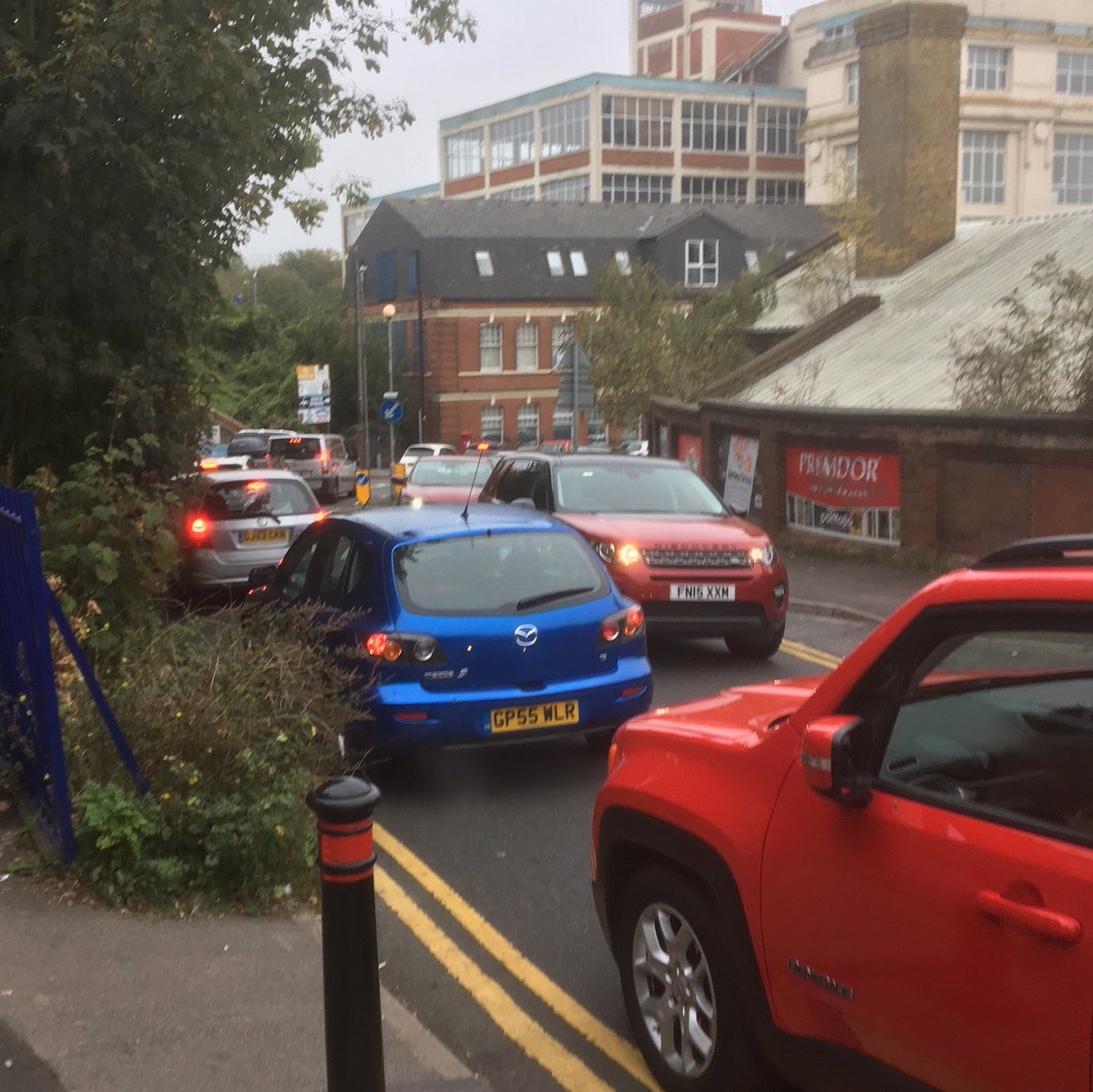
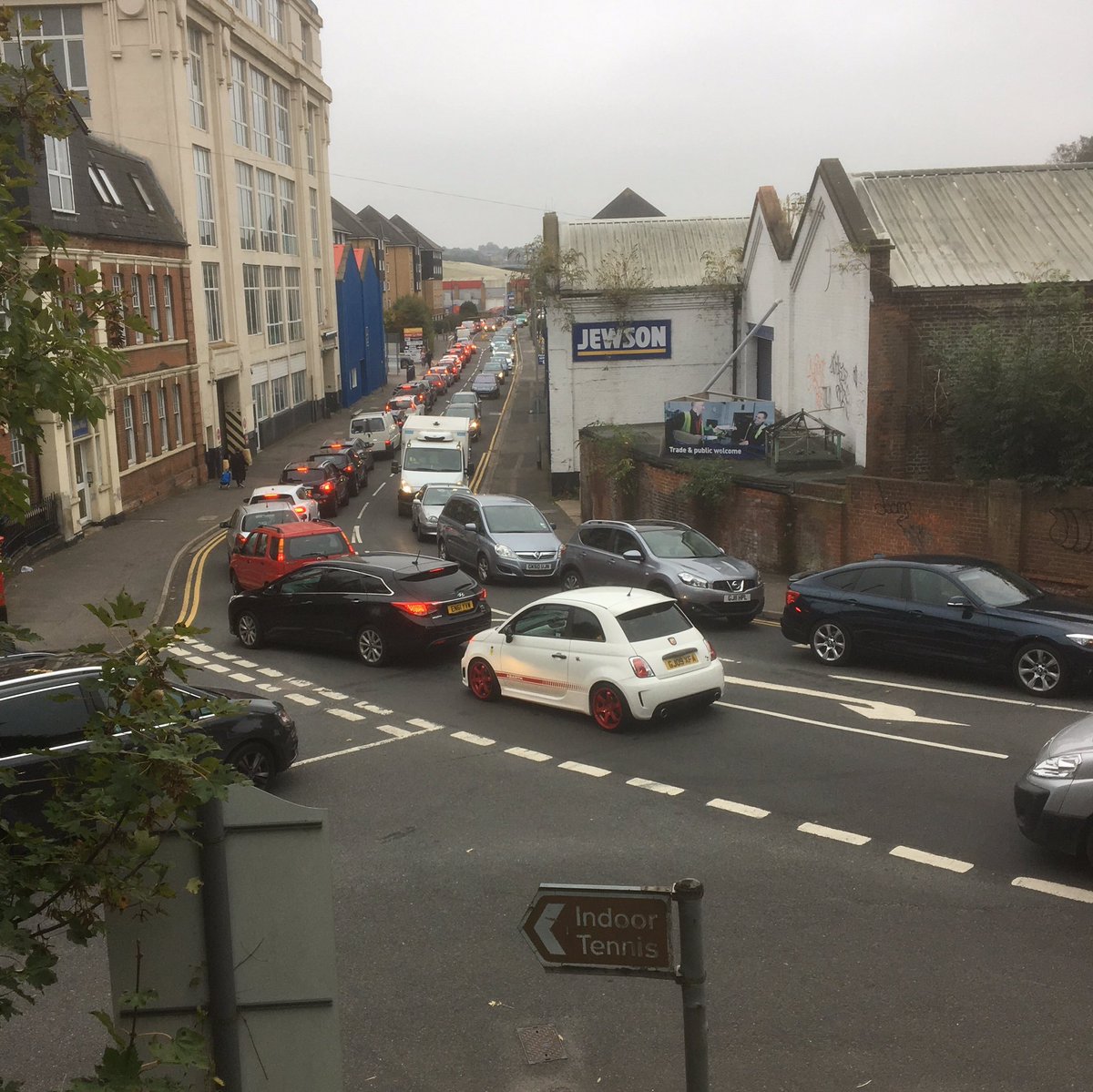
2
3

27 Sep 2019
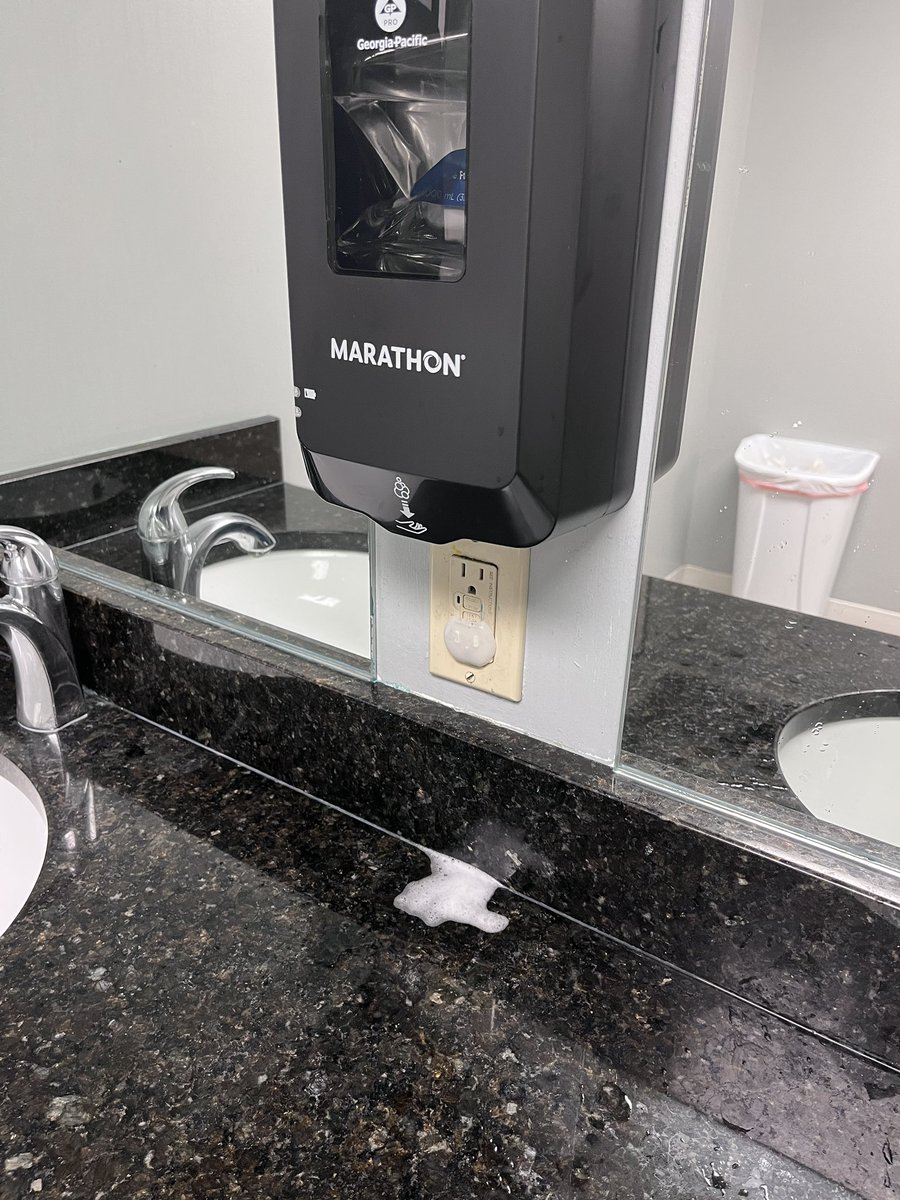
Dear Hotels, if you have a central switch for all lights, DON'T turn off the sockets that I wake up in the morning with empty smartphone and watch #ThinkBeforeYouBuild 🙈
2

12 Sep 2019
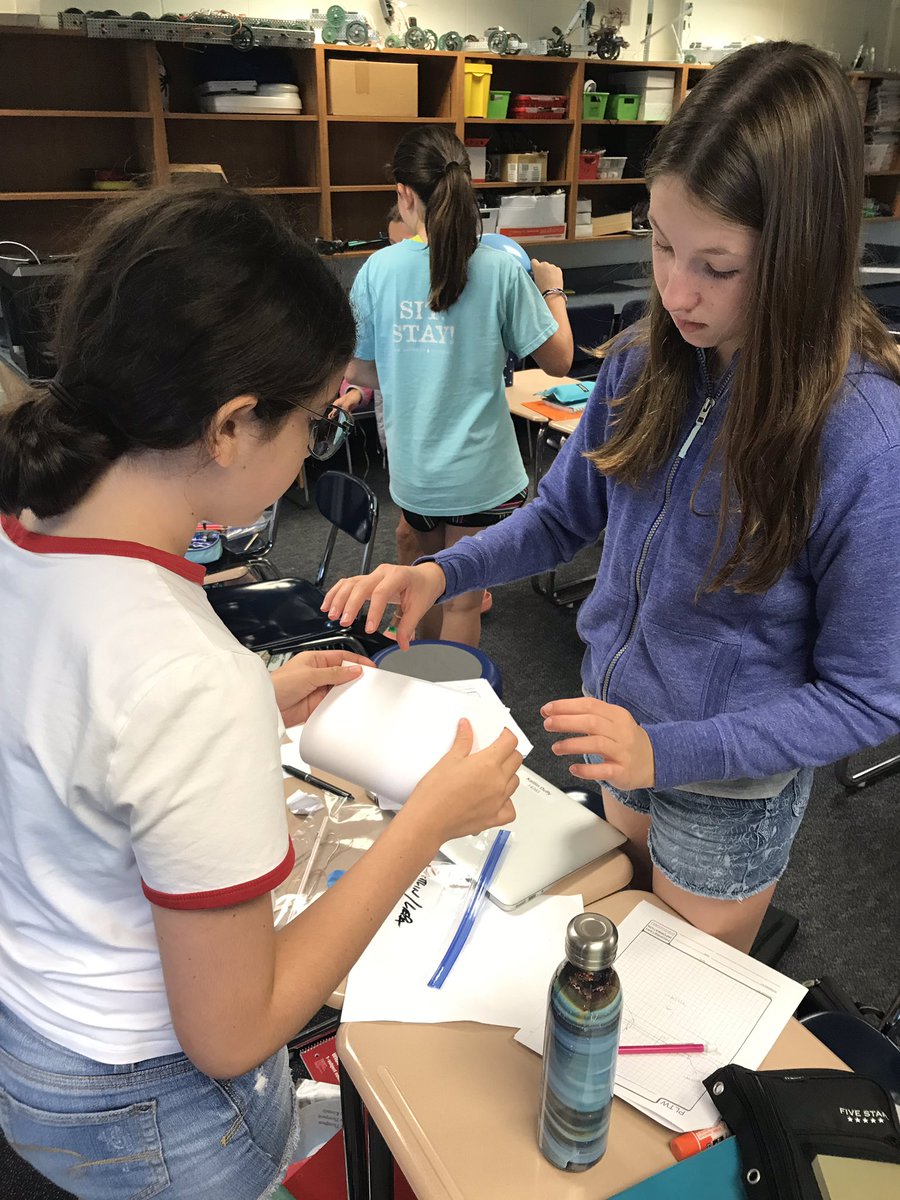
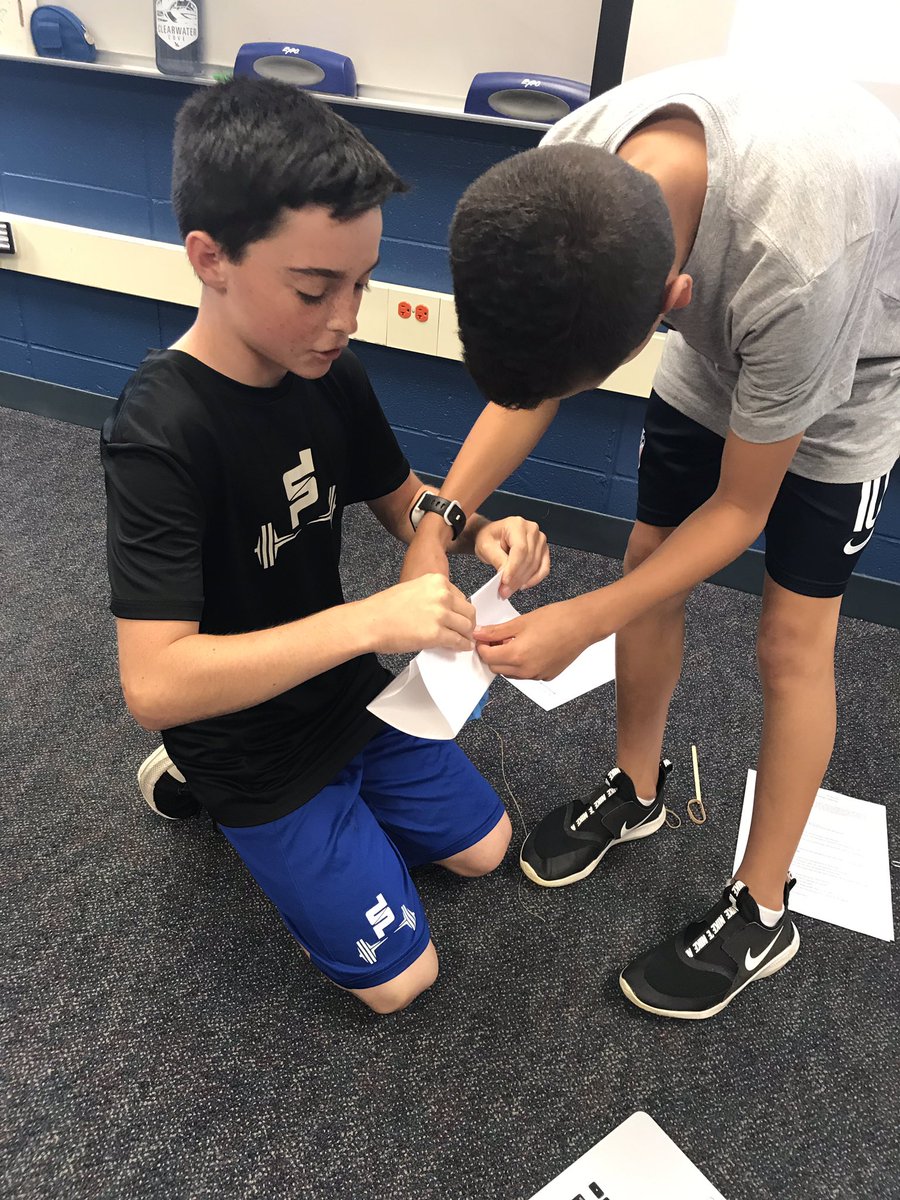
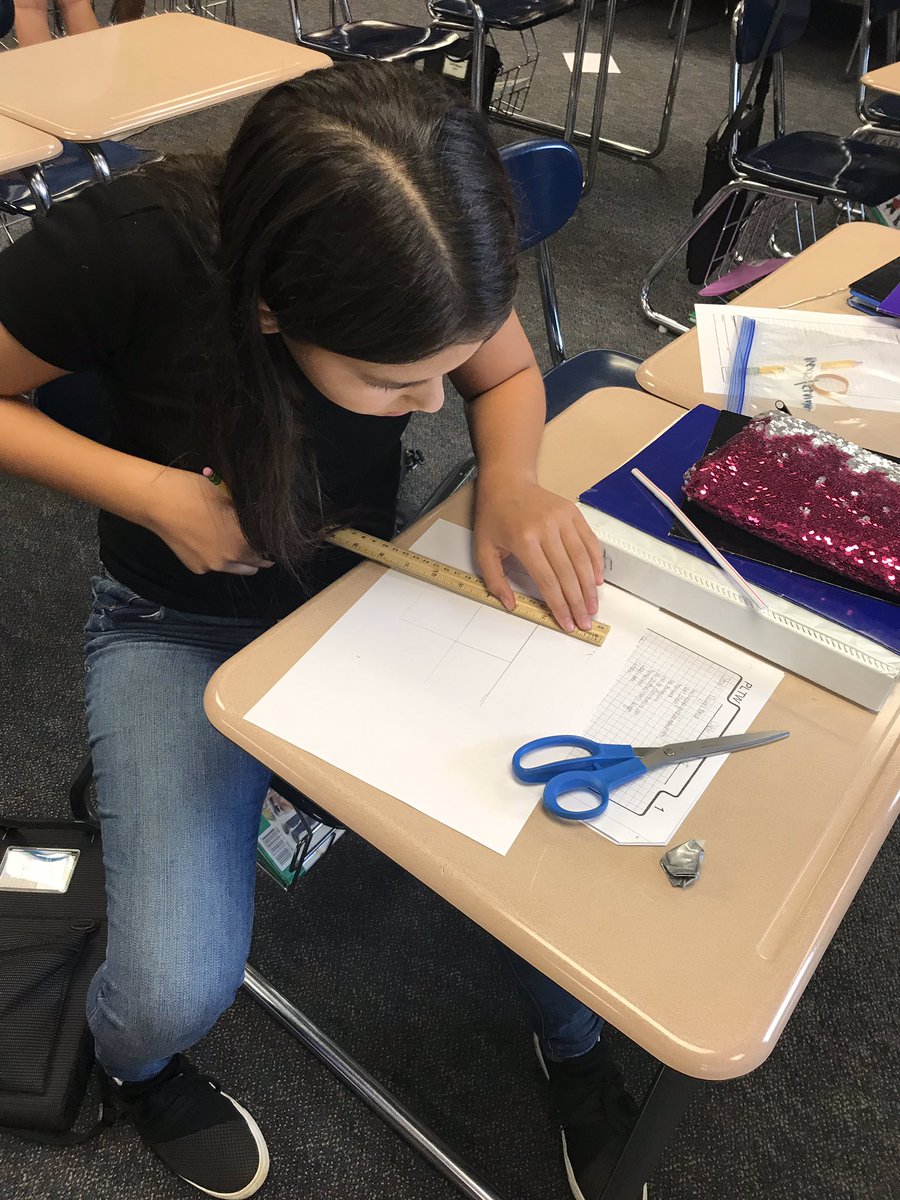
The engineering design process in action with 6th grade STEM #106learns #thinkbeforeyoubuild #learninginaction #failurehelpsyoulearn
1
4

12 Feb 2018
The two laws of building products 1. If you can’t sell it, don’t build it, 2. If you can’t build it, don’t sell it. medium.com/swlh/the-two-laws… #thinkbeforeyoubuild #startup
2
4

21 Jun 2017
Many churches are losing their way because they are building roads to nowhere. #thinkbeforeyoubuild #mnumc #mnannualconference2017
1
6

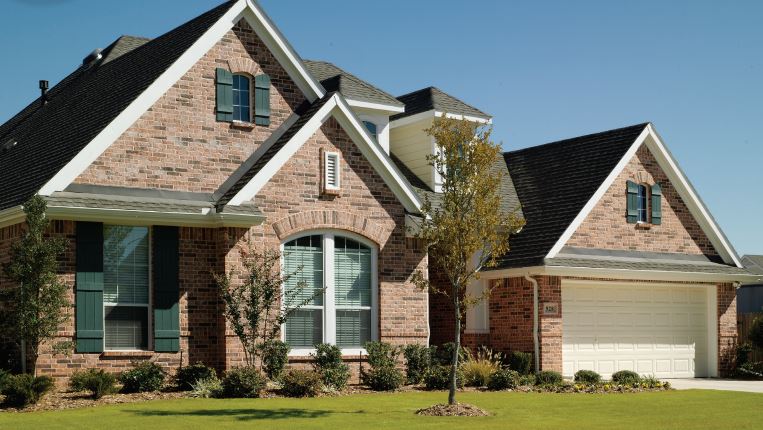
Did you know brick costs 20% less than stucco, 10% less to install & 70% less to maintain! #thinkbeforeyoubuild #acmebrick #since1891
1
4

11 May 2016
Wow @sara_ann_marie's #drupalcon keynote is deep and thought provoking... #thinkbeforeyoubuild
1
1
5