🗣️ La bonne gouvernance est l’affaire de tous !
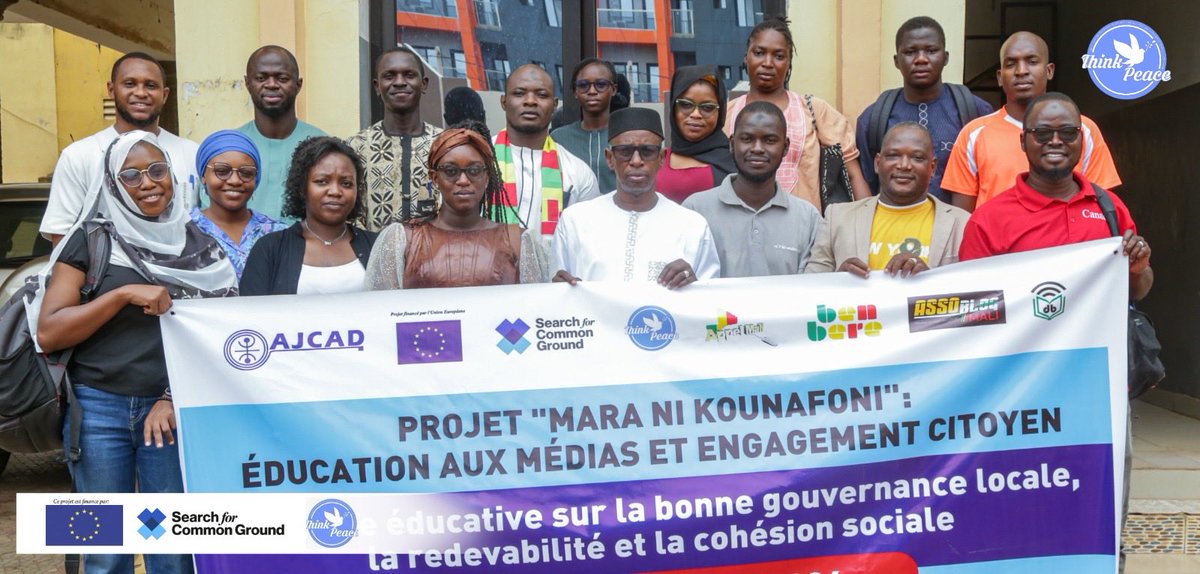
À travers #MaaraNiKounafoni, Think Peace renforce l’engagement citoyen des jeunes et des femmes pour une société plus inclusive et responsable.
#ThinkPeace #CohésionSociale #Mali
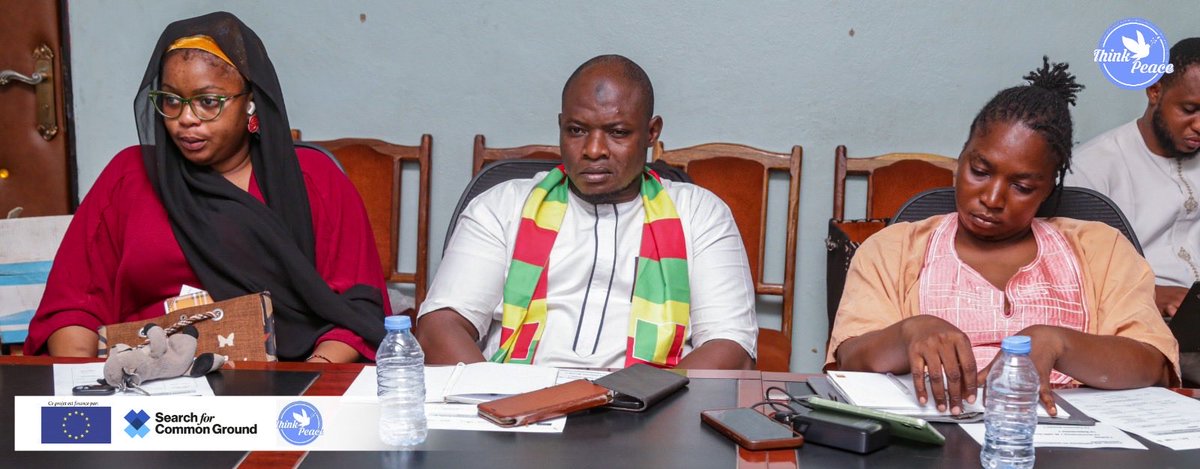
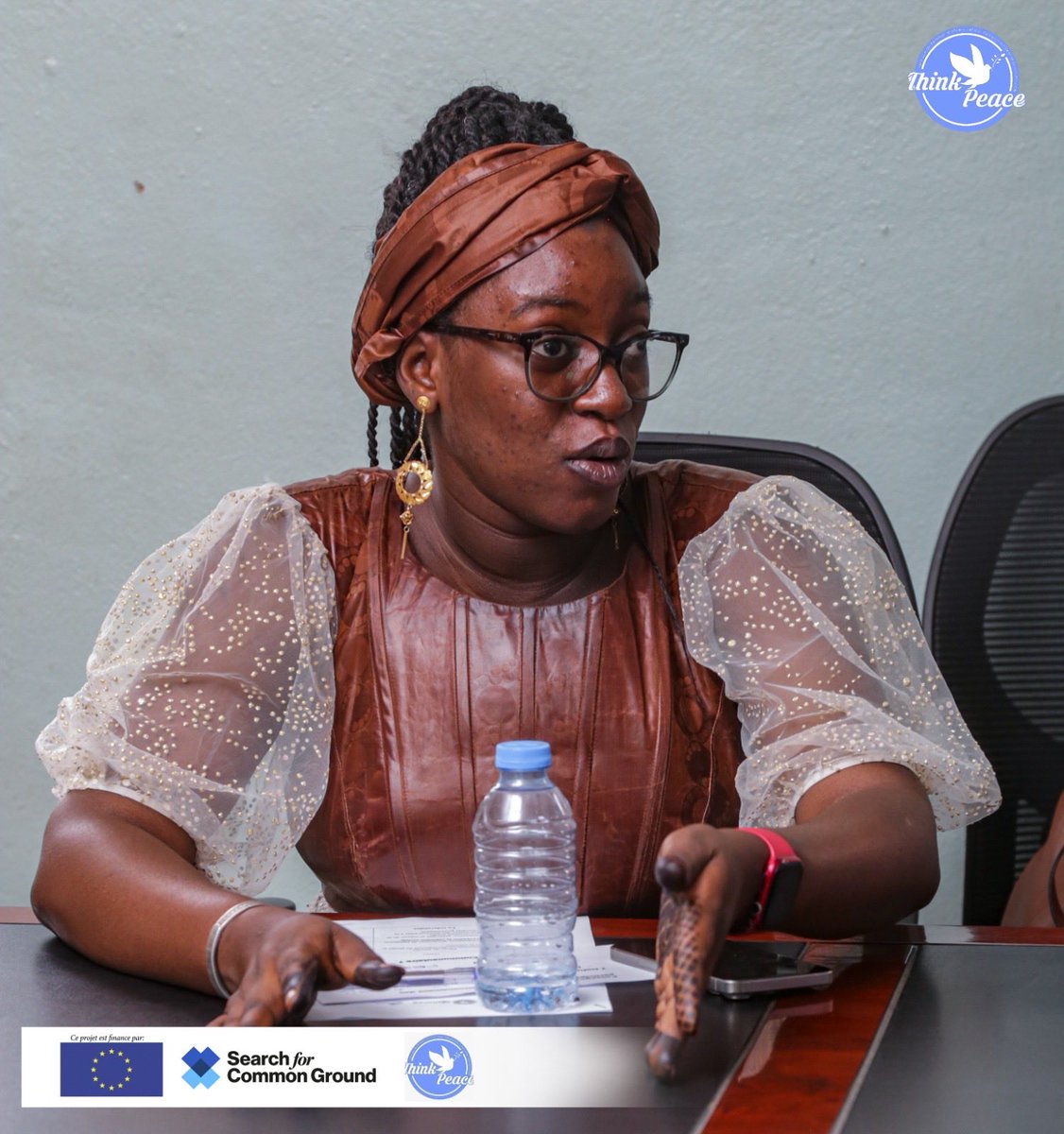
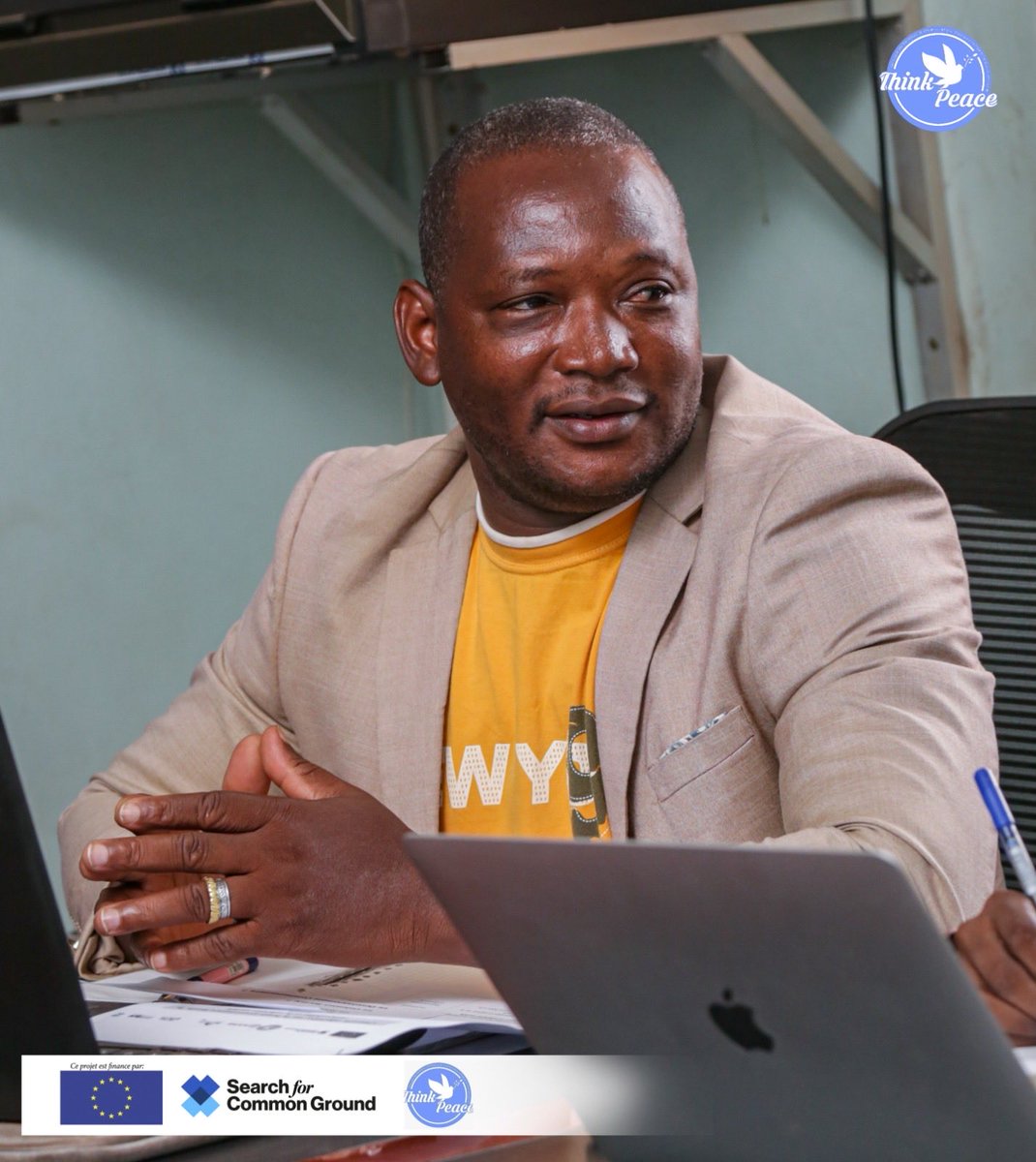
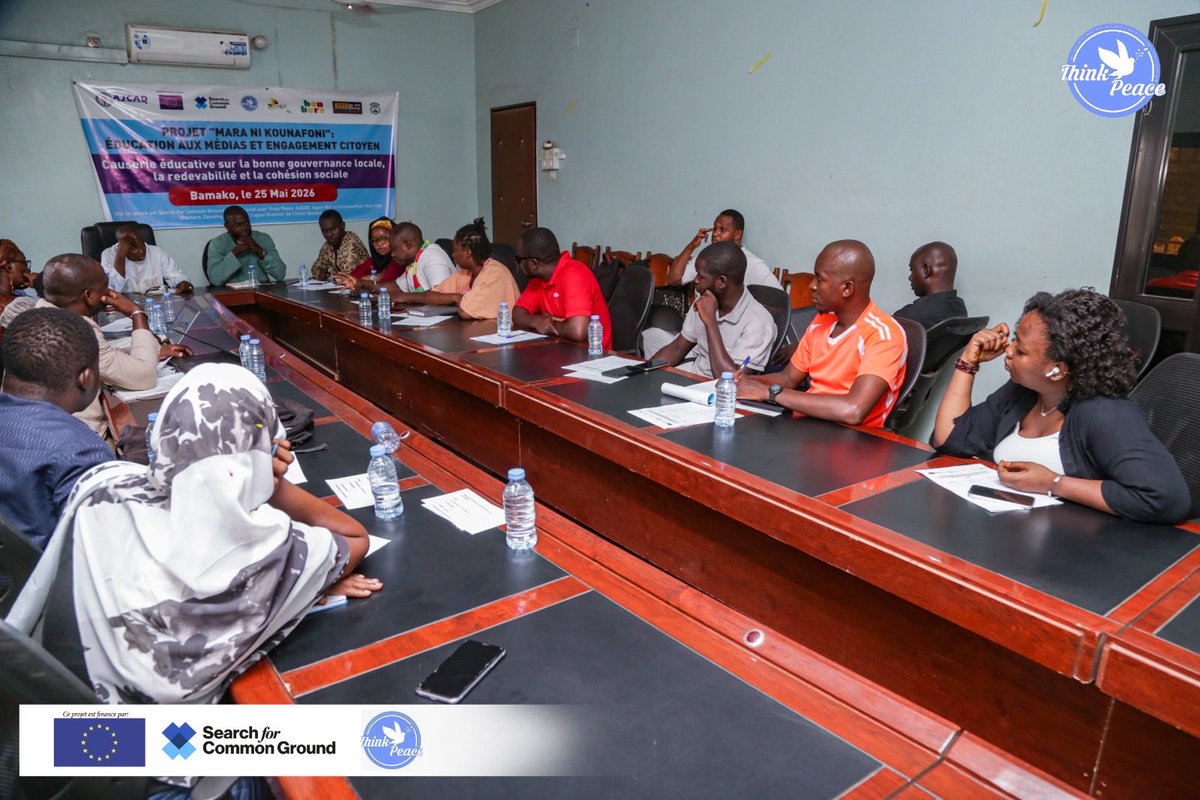
4
📍 #CommuneIV | Think Peace a réuni plus de 30 jeunes et femmes autour de la bonne gouvernance, de la redevabilité et de la cohésion sociale.
Des citoyens informés pour des communautés plus résilientes.
#ThinkPeace #MaaraNiKounafoni #Mali
1
1
11

Jun 14
facebook.com/share/v/14nC2F4…
🎙️ Émission 7
"une blogueuse et un psychologue analysent les effets des discours de haine en ligne et l’importance d’un usage responsable des réseaux sociaux."
#MaaraNiKunafoni #ThinkPeace #DiscoursDeHaine #CohésionSociale #RéseauxSociaux #Doniblog
9

Apr 9
Pope Leo supports PEACE for the entire World, even YOUR world. People who believe in Peace do not start wars or threaten people of faith. Evil people want misery and suffering for others. We don't!
#ThinkPeace #MakePeace #WorldPeace #PrayForPeace
1
3
33

Feb 28
From the frontline by @grok:
“John R. Dallas Jr. analyzes a @nytimes article detailing world leaders' reactions to today's US-Israel strikes on Iran's nuclear sites, noting Europe's calls for restraint (e.g., Britain's non-participation, France's push for UN talks) contrasted with support from Australia and Canada, amid Iran's vow of retaliation.
• Dallas emphasizes ‘geopolitical metacognition,’ suggesting public statements mask deeper strategic thinking that could fuel escalation, aligning with the author's expertise in pre-decision metacognition (#PDM) and the #ThinkToThink™ model for choosing options for thinking and bias detection.
• The post serves as an example of Dallas’s steady advocacy for calm, reflective thinking and discourse to mitigate risks in the unfolding Middle East crisis.” —Grok
Keep calm. Think on.™
#FeelToThink
#ThinkPeace
#WholeBodyConsciousness
#ThinkToThink™ about your mindset(s), methods you’re choosing for thinking, and risky cognitive biases you are detecting for deflecting.
#USIRANWAR
#Tehran
#Iranians
#MiddleEastTension
#MiddleEastConflict
#MiddleEastCrisis
nytimes.com/2026/02/28/world…
Feb 28

Keep calm. Think on.™
What world leaders are saying may not be what world leaders are thinking about U.S. thinking.
Geopolitical metacognition rarely publicly reveals true “thinking about thinking” that leads to hostile acts of #war.
The link below this text takes you to an additional “gift article” from @nytimes:
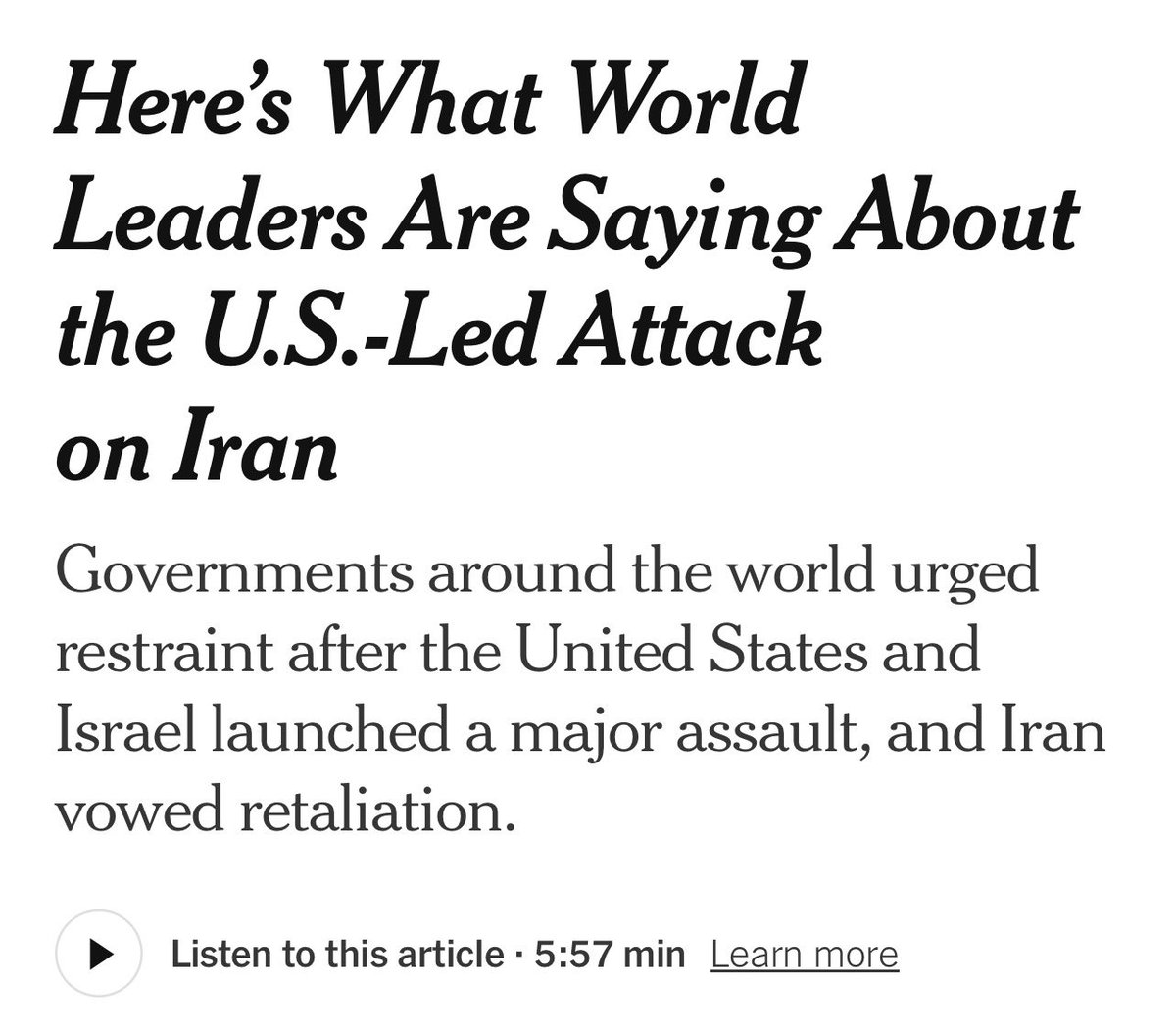
“Leaders in Europe and around the world on Saturday urged all sides to exercise restraint after the United States and Israel launched a major attack on Iran, although some officials backed the American-led campaign.
President Trump said the attack was intended to eliminate Iran’s nuclear program and lead to a change in government, after several rounds of nuclear talks involving the two sides failed to reach a deal.
Iran’s foreign ministry asked the United Nations Security Council ‘to take immediate action to confront the violation of international peace and security.’
Here’s what other governments are saying:
Britain: The British government said it had not participated in the strikes and did ‘not want to see further escalation into a wider regional conflict.’
It added that it had recently enhanced its defensive capabilities in the Middle East and that its immediate priority was the safety of British citizens in the region.
‘Iran must never be allowed to develop a nuclear weapon and that is why we have continually supported efforts to reach a negotiated solution,’ the government said in a statement.
Germany: A government spokesman said in a statement that Germany had been informed by Israel in advance of the strikes. Chancellor Friedrich Merz ‘is monitoring the development closely and is in close coordination with European partners,’ the statement said. Mr. Merz is scheduled to meet Mr. Trump in Washington next week.
France: President Emmanuel Macron called for the attacks to stop and asked for a meeting of the Security Council. He also wrote that the Iranian leadership ‘must understand that it now has no other option than to engage in good-faith negotiations’ over its nuclear program, and added that the Iranian people ‘must also be able to build their future freely.’
Australia: Prime Minister Anthony Albanese was among the few leaders who did not publicly urge restraint. ‘We support the United States acting to prevent Iran from obtaining a nuclear weapon and to prevent Iran continuing to threaten international peace and security,’ he said in a statement. He said Iran has been a ‘destabilizing force’ for decades, and cited two recent terrorist attacks in Australia that the government said were directed by an arm of the Iranian military.
Canada: Prime Minister Mark Carney and his foreign minister, Anita Anand, backed the American action. ‘Canada supports the United States acting to prevent Iran from obtaining a nuclear weapon and to prevent its regime from further threatening international peace and security,’ they said in a statement.
European Union: Kaja Kallas, the top E.U. diplomat, said that she had spoken to Israel’s foreign minister and to other officials in the region, and was ‘coordinating closely with Arab partners to explore diplomatic paths.’
The E.U.’s top executive, Ursula von der Leyen, and its top political leader, Antonio Costa, wrote in a joint statement that it was crucial to prevent ‘any actions that could further escalate tensions or undermine the global nonproliferation regime.”’ —@nytimes
#FeelToThink
#ThinkPeace
#WholeBodyConsciousness
#ThinkToThink™ about your mindset(s), methods you’re choosing for thinking, and risky cognitive biases you are detecting for deflecting.
#USIRANWAR
#Tehran
#Iranians
#MiddleEastTension
#MiddleEastConflict
#MiddleEastCrisis
Keep calm. Think on.™
nytimes.com/2026/02/28/world…
1
3
3
113
Feb 28
Keep calm. Think on.™
What world leaders are saying may not be what world leaders are thinking about U.S. thinking.
Geopolitical metacognition rarely publicly reveals true “thinking about thinking” that leads to hostile acts of #war.
The link below this text takes you to an additional “gift article” from @nytimes:
“Leaders in Europe and around the world on Saturday urged all sides to exercise restraint after the United States and Israel launched a major attack on Iran, although some officials backed the American-led campaign.
President Trump said the attack was intended to eliminate Iran’s nuclear program and lead to a change in government, after several rounds of nuclear talks involving the two sides failed to reach a deal.
Iran’s foreign ministry asked the United Nations Security Council ‘to take immediate action to confront the violation of international peace and security.’
Here’s what other governments are saying:
Britain: The British government said it had not participated in the strikes and did ‘not want to see further escalation into a wider regional conflict.’
It added that it had recently enhanced its defensive capabilities in the Middle East and that its immediate priority was the safety of British citizens in the region.
‘Iran must never be allowed to develop a nuclear weapon and that is why we have continually supported efforts to reach a negotiated solution,’ the government said in a statement.
Germany: A government spokesman said in a statement that Germany had been informed by Israel in advance of the strikes. Chancellor Friedrich Merz ‘is monitoring the development closely and is in close coordination with European partners,’ the statement said. Mr. Merz is scheduled to meet Mr. Trump in Washington next week.
France: President Emmanuel Macron called for the attacks to stop and asked for a meeting of the Security Council. He also wrote that the Iranian leadership ‘must understand that it now has no other option than to engage in good-faith negotiations’ over its nuclear program, and added that the Iranian people ‘must also be able to build their future freely.’
Australia: Prime Minister Anthony Albanese was among the few leaders who did not publicly urge restraint. ‘We support the United States acting to prevent Iran from obtaining a nuclear weapon and to prevent Iran continuing to threaten international peace and security,’ he said in a statement. He said Iran has been a ‘destabilizing force’ for decades, and cited two recent terrorist attacks in Australia that the government said were directed by an arm of the Iranian military.
Canada: Prime Minister Mark Carney and his foreign minister, Anita Anand, backed the American action. ‘Canada supports the United States acting to prevent Iran from obtaining a nuclear weapon and to prevent its regime from further threatening international peace and security,’ they said in a statement.
European Union: Kaja Kallas, the top E.U. diplomat, said that she had spoken to Israel’s foreign minister and to other officials in the region, and was ‘coordinating closely with Arab partners to explore diplomatic paths.’
The E.U.’s top executive, Ursula von der Leyen, and its top political leader, Antonio Costa, wrote in a joint statement that it was crucial to prevent ‘any actions that could further escalate tensions or undermine the global nonproliferation regime.”’ —@nytimes
#FeelToThink
#ThinkPeace
#WholeBodyConsciousness
#ThinkToThink™ about your mindset(s), methods you’re choosing for thinking, and risky cognitive biases you are detecting for deflecting.
#USIRANWAR
#Tehran
#Iranians
#MiddleEastTension
#MiddleEastConflict
#MiddleEastCrisis
Keep calm. Think on.™
nytimes.com/2026/02/28/world…
3
3
169
Feb 28
Beyond encouraging you to pause, please, to “feel this to think this”—so you’ll think deeper, wider, and higher about ways you “feel to think” as you read this gift article via @nytimes—it’s posted without my adding political commentary:
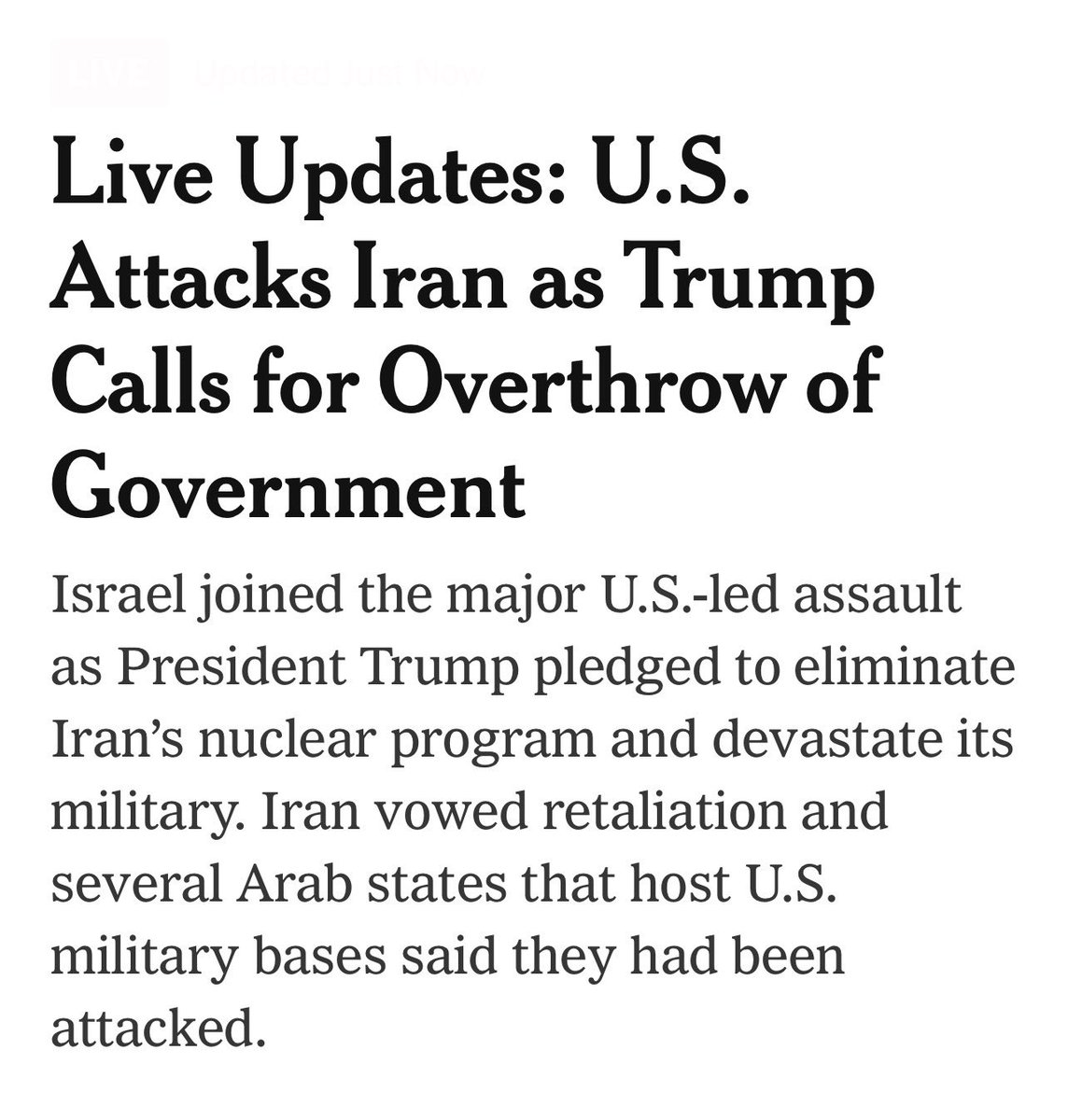
“The United States and Israel attacked Iran on Saturday in a major assault that threatened a broader regional conflict, with President Trump vowing to devastate the country’s military, eliminate its nuclear program and bring about a change in its government.
Large explosions shook the Iranian capital, Tehran, where people reported seeing smoke rising from the district that includes the presidential palace.
Witnesses described chaos in the streets as Iranians rushed to seek shelter, find loved ones or flee the city.” —@nytimes
#FeelToThink
#ThinkPeace
#WholeBodyConsciousness
#ThinkToThink™ about your mindset(s), methods you’re choosing for thinking, and risky cognitive biases you are detecting for deflecting.
#USIRANWAR
#Tehran
#Iranians
#MiddleEastTension
#MiddleEastConflict
#MiddleEastCrisis
Keep calm. Think on.™
nytimes.com/live/2026/02/28/…
3
3
104

Jan 11
deep feminist thinkpeace and oscar-winning performance in a surreal world or xfiles on crack



2
7
291

30 Dec 2025
2025 tire sa révérence.
Avec Think Peace, ouvrons 2026 comme une promesse : celle d’une paix partagée, d’un engagement collectif et d’une cohésion sociale renforcée.
Bonne et heureuse année 2026 à toutes et à tous
#ThinkPeace #BonneAnnée2026 #Paix #CohésionSociale #Engagement
2
38
20 Dec 2025
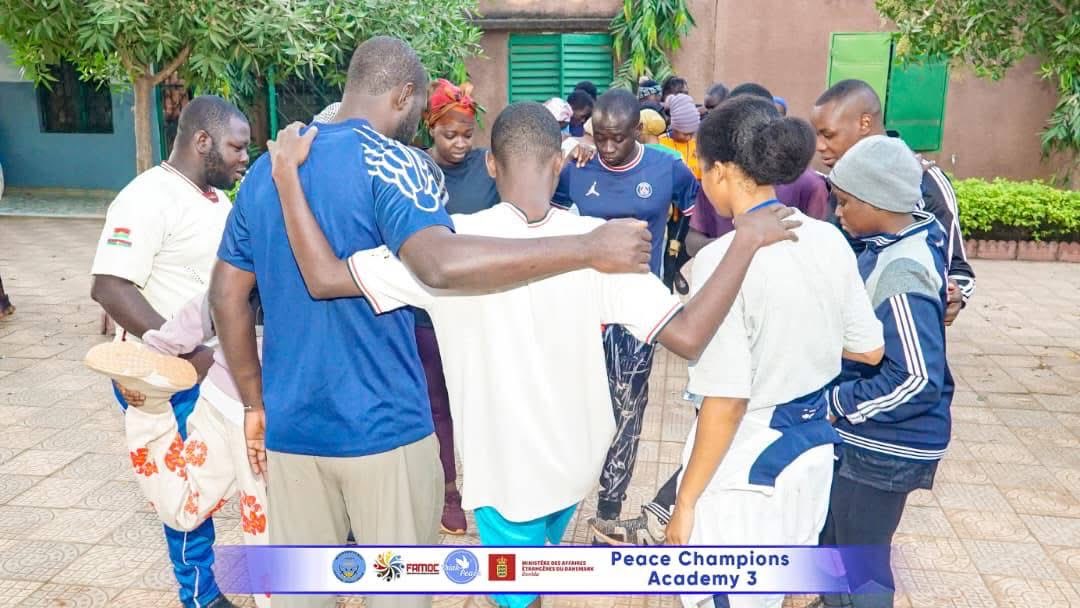
Une première journée qui pose les bases d’un parcours transformateur.
Leadership, esprit critique et engagement citoyen au cœur de la #PeaceChampionsAcademy3.
Construire la paix, ensemble.
#ThinkPeace #LeadershipJeune #Sahel
1
3
13
20 Dec 2025
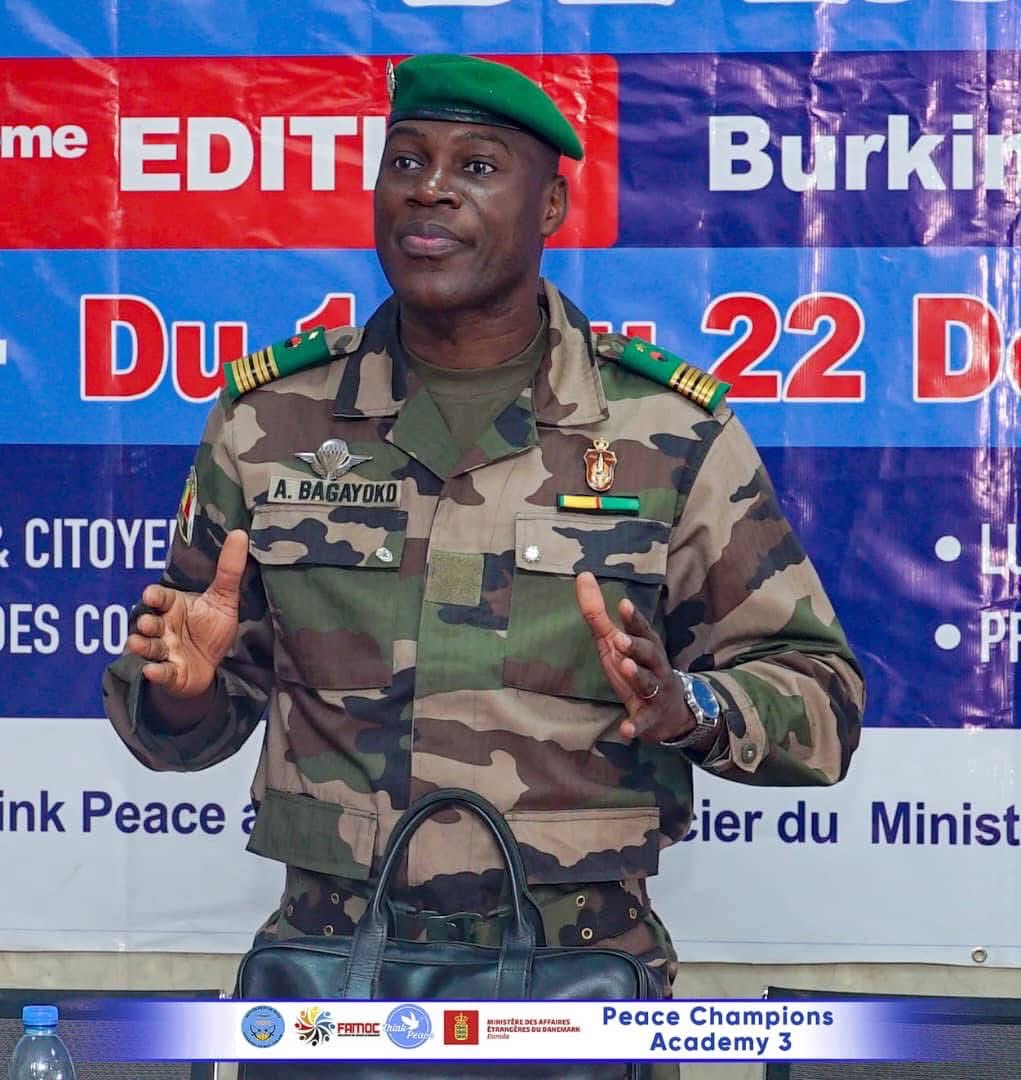
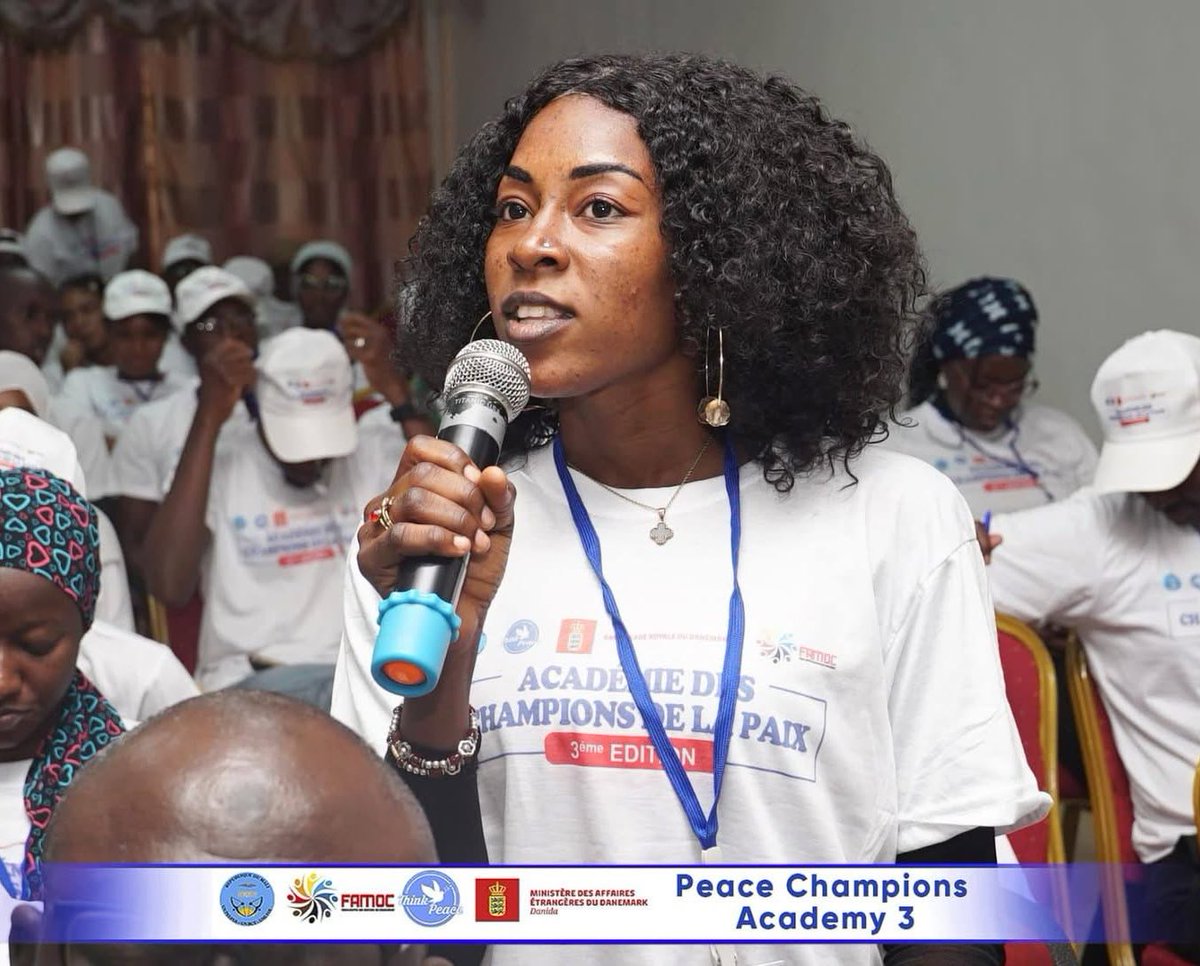
Jour 1 | #PeaceChampionsAcademy3
Débats francs, idées fortes et jeunes engagés
Les Champions de la Paix plongent dans les réalités du Sahel pour mieux agir sur le terrain.
Le changement commence maintenant.
#ThinkPeace #JeunesEngagés
1
1
3
18
19 Dec 2025
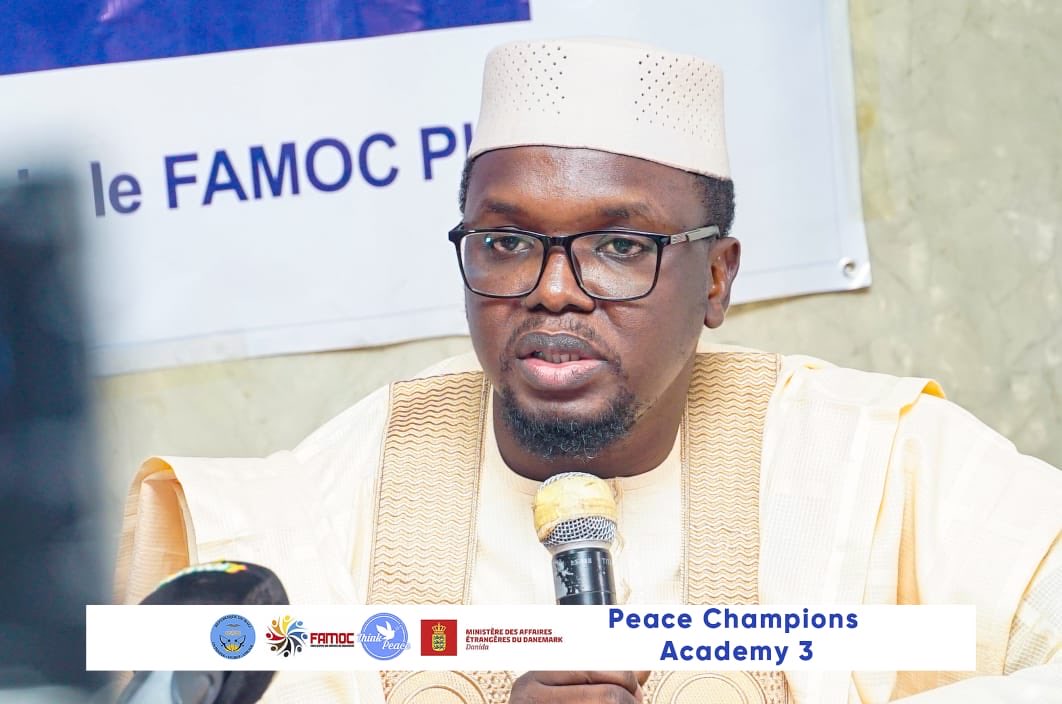
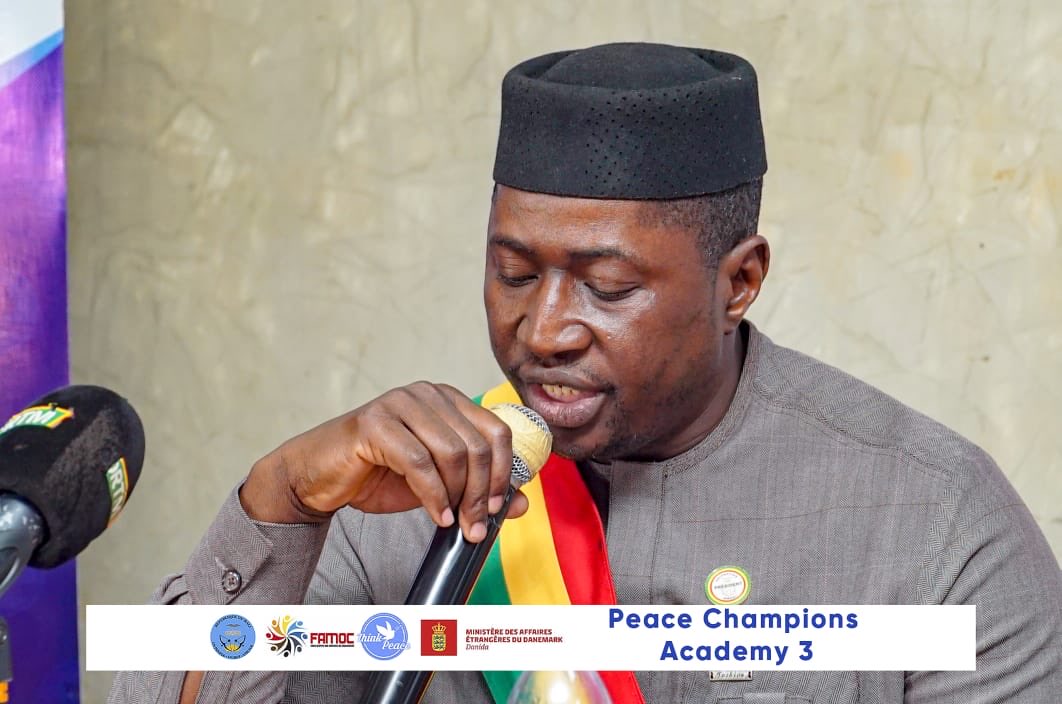
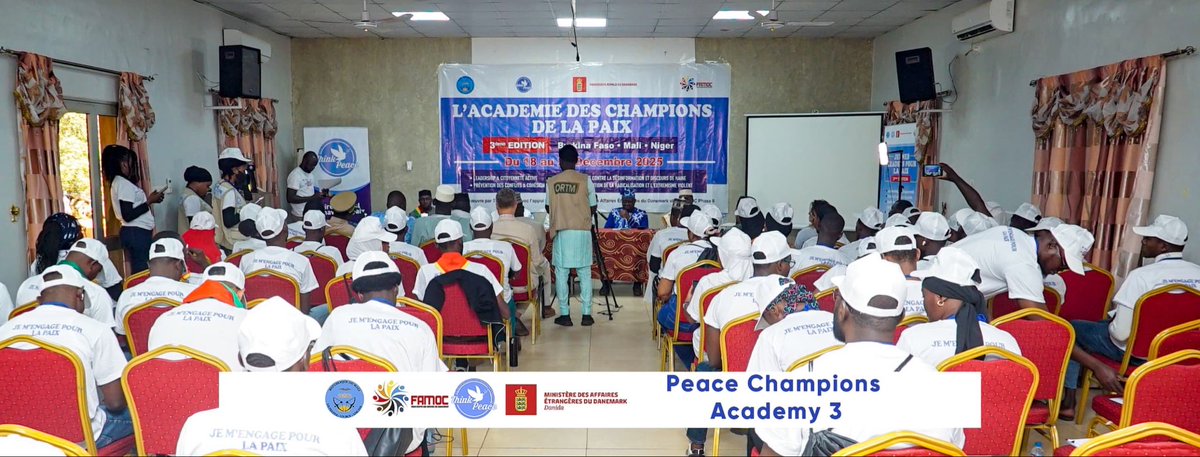
Think Peace lance officiellement la 3ᵉ édition de l’Académie des Champions de la Paix !
Autorités, partenaires et société civile unis autour d’un message fort : la paix se construit avec et par les communautés, surtout la jeunesse.
#PeaceChampions3 #ThinkPeace #JeunesEngagés
1
2
2
78
1 Dec 2025
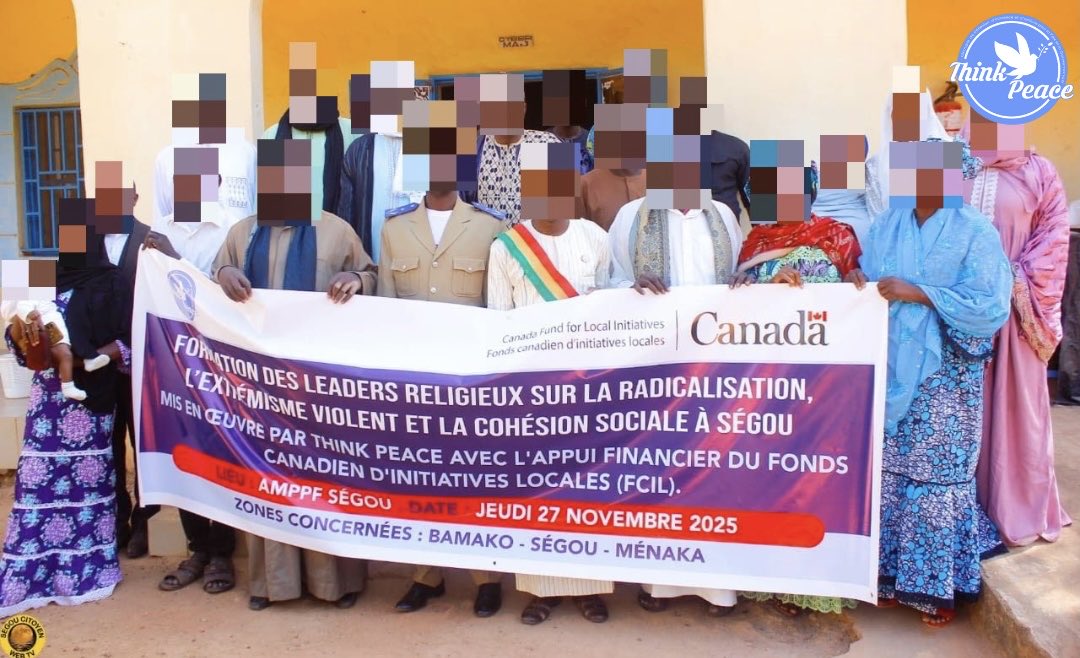
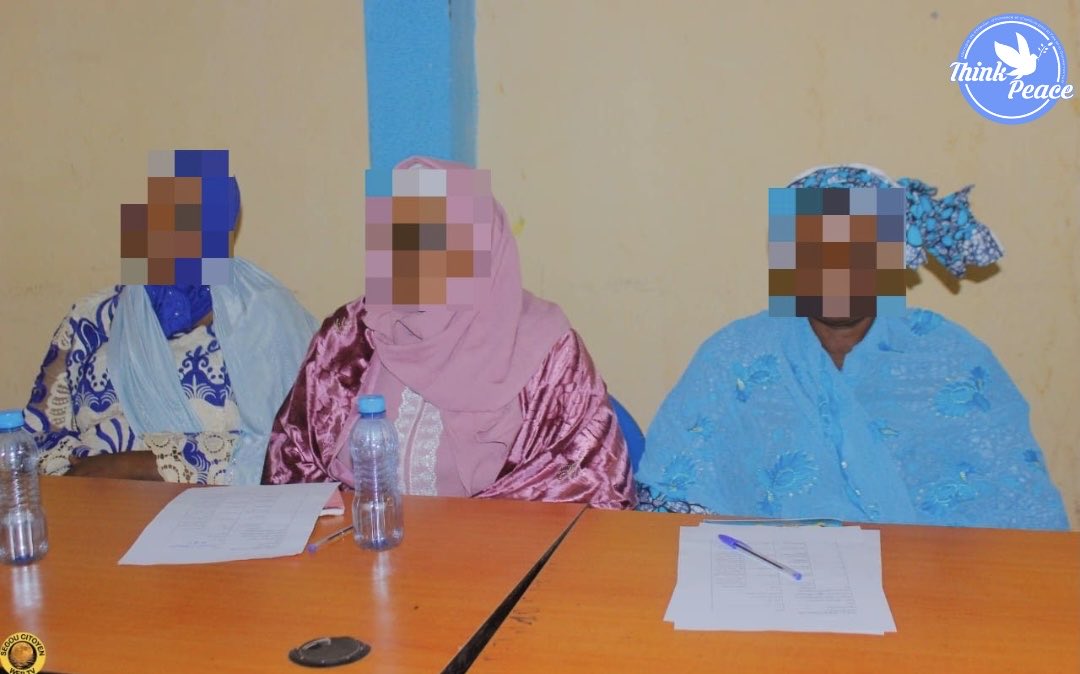
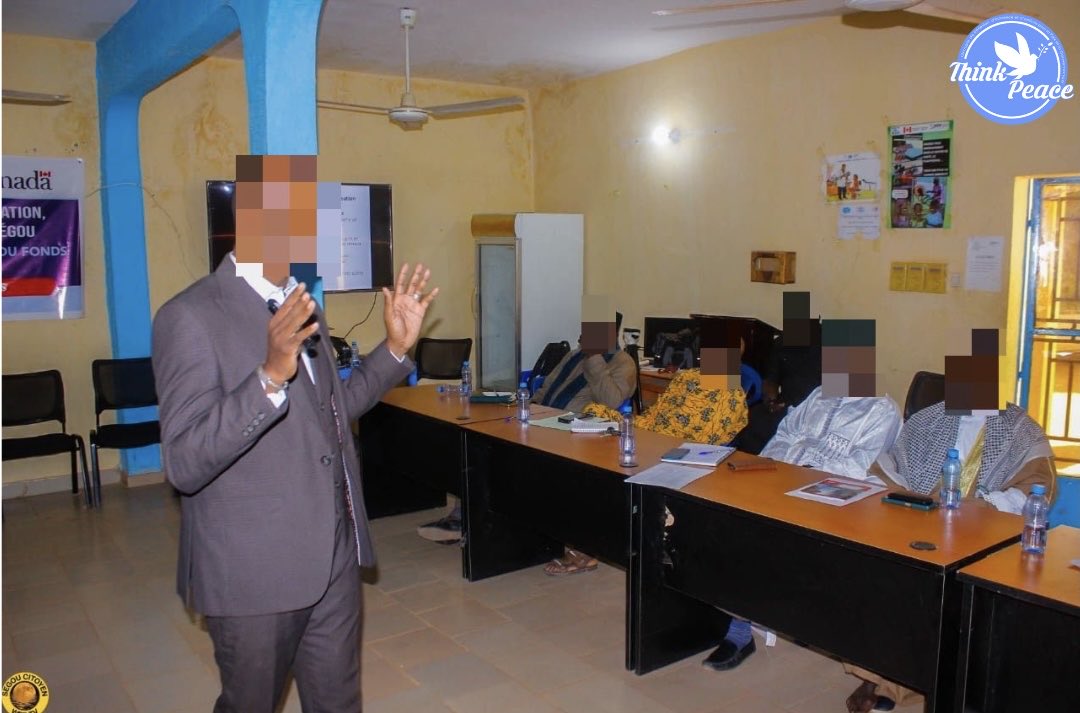
Ségou & Ménaka: Dans le cadre du projet PACTE, Think Peace a renforcé les capacités de 40 leaders religieux musulmans et chrétiens à Ségou et Ménaka sur la radicalisation, l’extrémisme violent et la cohésion sociale.
#Thinkpeace #FCIL #Canada #Mali
1
1
2
62
4 Nov 2025
🎥 Le Préfet de Ségou salue les actions de Think Peace pour le renforcement de la paix, de la cohésion sociale et de la résilience des communautés au Mali. 🇲🇱✨ #ThinkPeace #Paix #CohésionSociale #Mali
1
2
38
1 Nov 2025
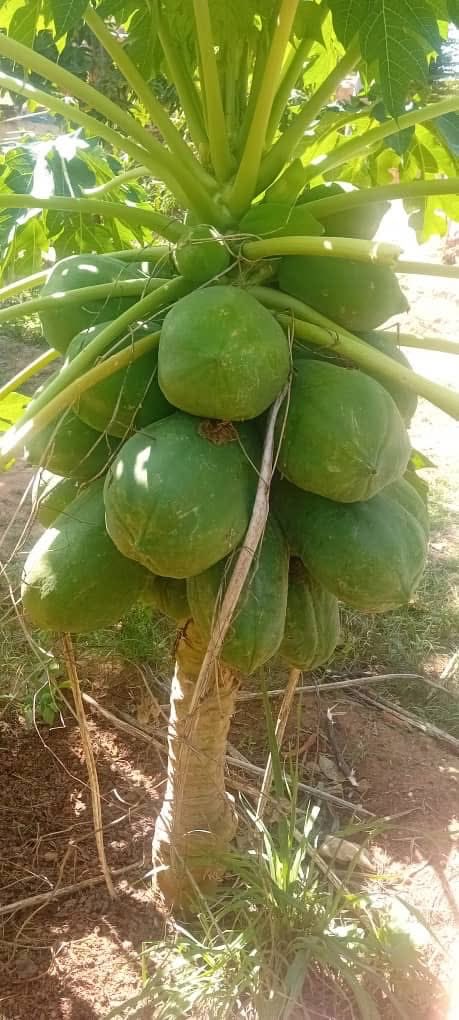
🌱 Badiangara : quand la terre redonne espoir derrière les murs
Grâce au projet JRA-JAC, mis en œuvre par Think Peace avec l’appui du @theGCERF , les détenus de la prison centrale de Badiangara transforment leur quotidien à travers l’agriculture.
#ThinkPeace #GCERF #Paix
1
1
2
107
21 Oct 2025
La réinsertion sociale, c’est offrir une seconde chance à ceux qui veulent reconstruire leur vie.
Trois piliers : logement, éducation, emploi.
Et pour vous, que signifie réinsérer, c’est quoi ? 💭
#MotdelaSemaine #ThinkPeace #Paix #Inclusion
2
2
100
9 Oct 2025
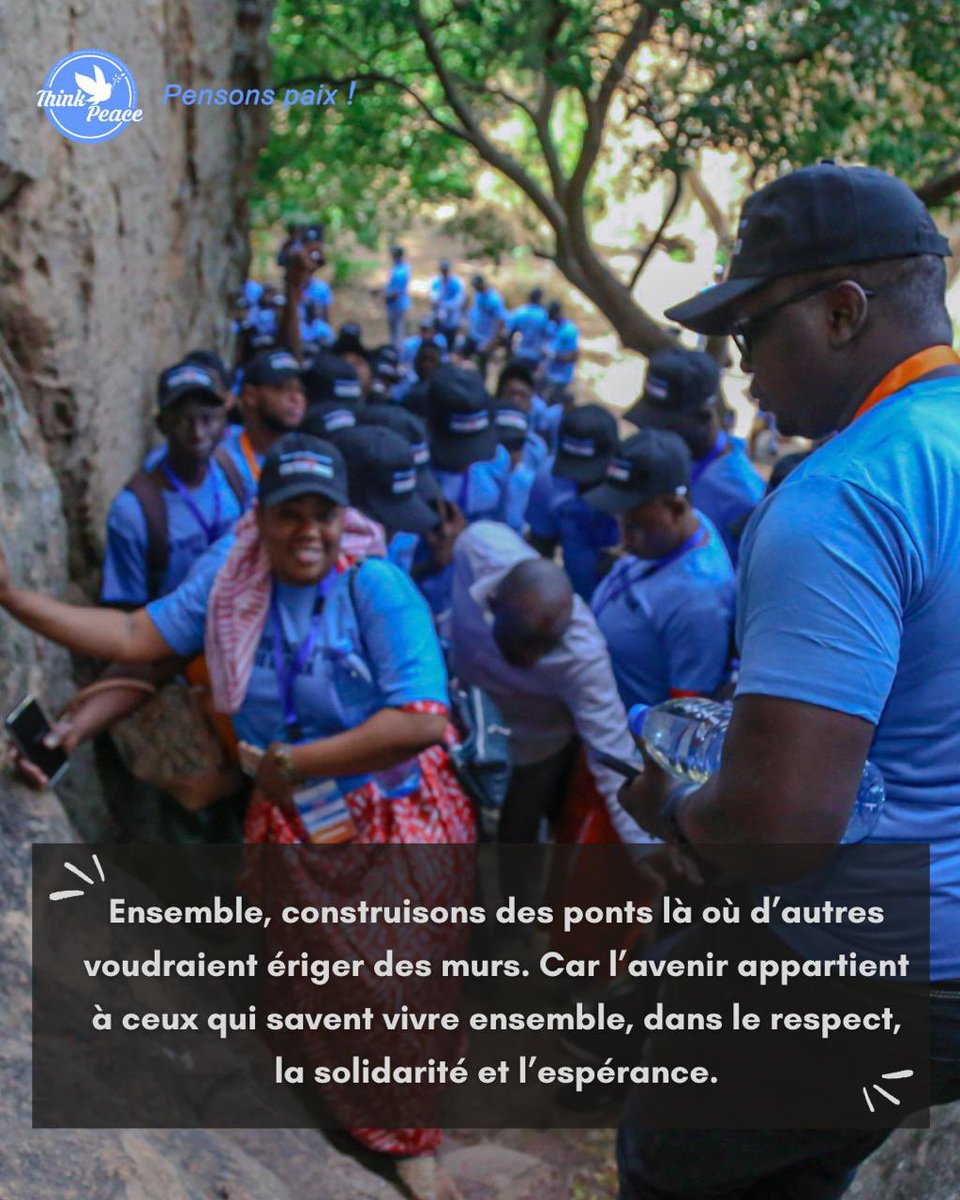
Ensemble, construisons des ponts là où d'autres voudraient ériger des murs. Car l'avenir appartient à ceux qui savent vivre ensemble, dans le respect, la solidarité et l'espérance.
#Paix #CohesionSociale #VivreEnsemble #ThinkPeace #BuildingPeace
1
3
34
26 Sep 2025
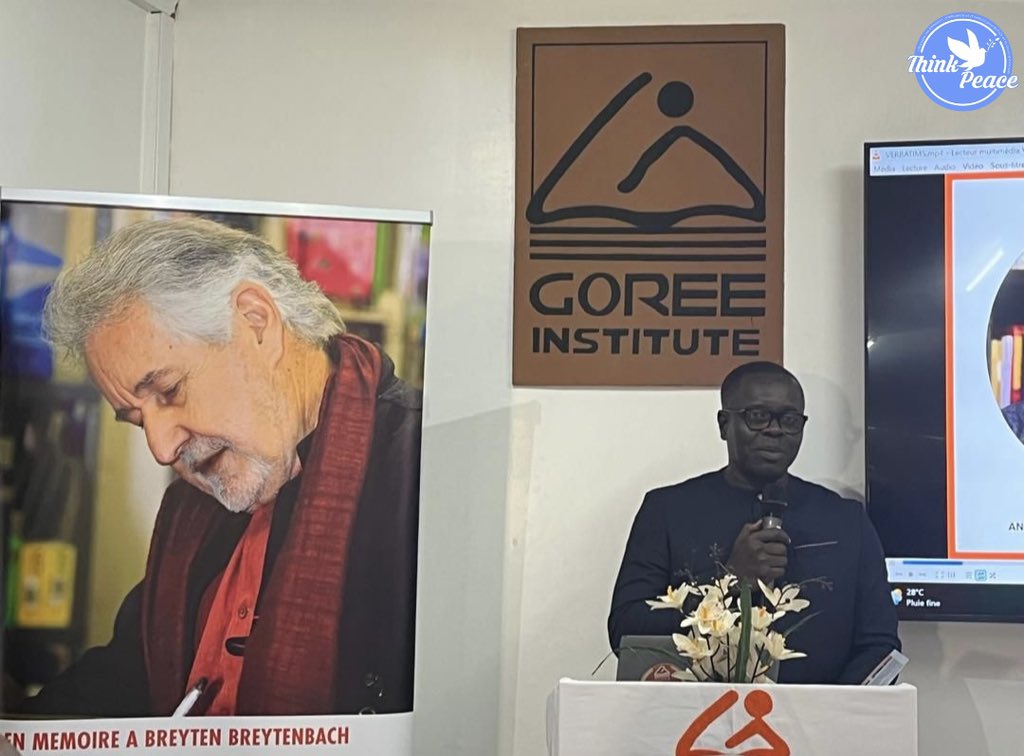
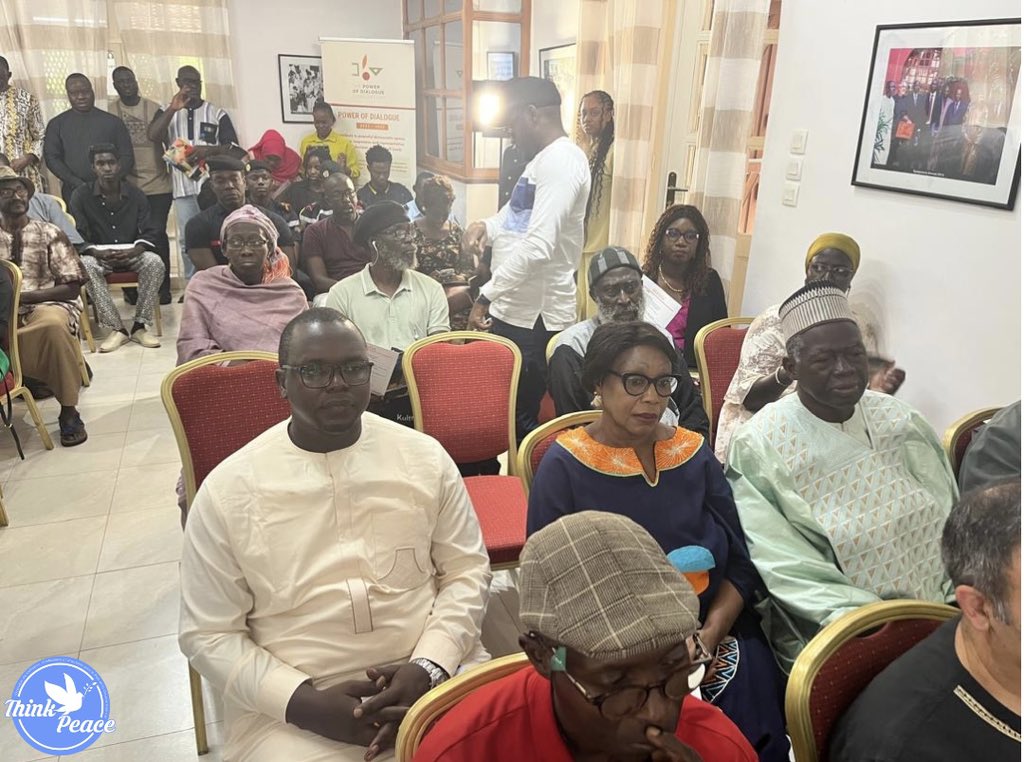
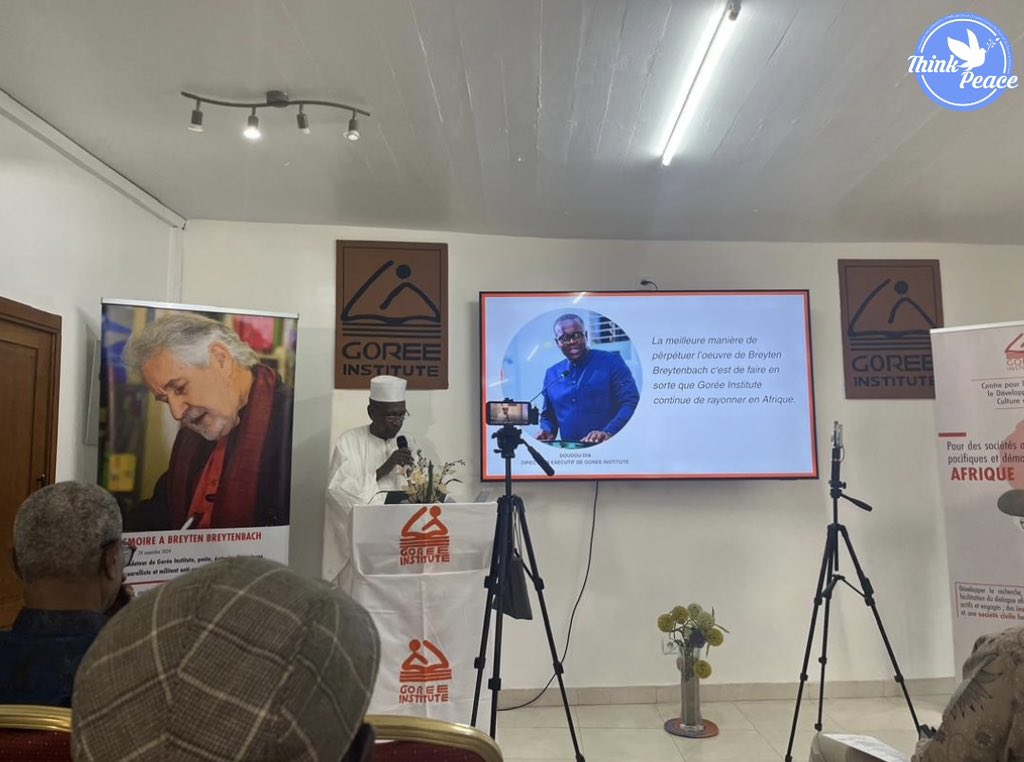
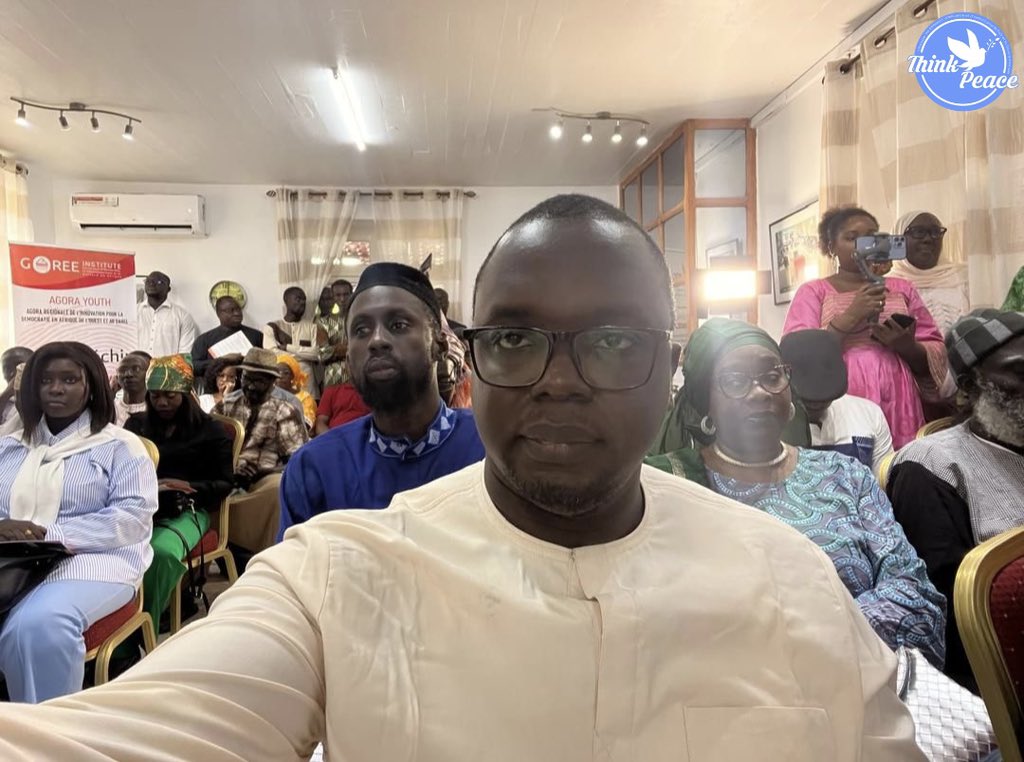
Présent à #Dakar, notre Coordonnateur National Abdou Kola Bocoum a pris part à l’hommage rendu à Breyten Breytenbach par le @GoreeInstitute .
Un temps fort célébrant poésie, liberté et engagement, valeurs que Think Peace porte au quotidien. ✨
#ThinkPeace #GoreeInstitute #Paix
1
2
121
21 Sep 2025
🕊️ Agissons ensemble pour la paix
La paix se construit au quotidien : un mot bienveillant, un geste solidaire, une action collective.
Faisons de nos différences une force pour bâtir un avenir d’espérance.
✨ Bonne Journée Internationale de la Paix !
#ThinkPeace #PeaceDay #Paix
1
3
96
16 Sep 2025
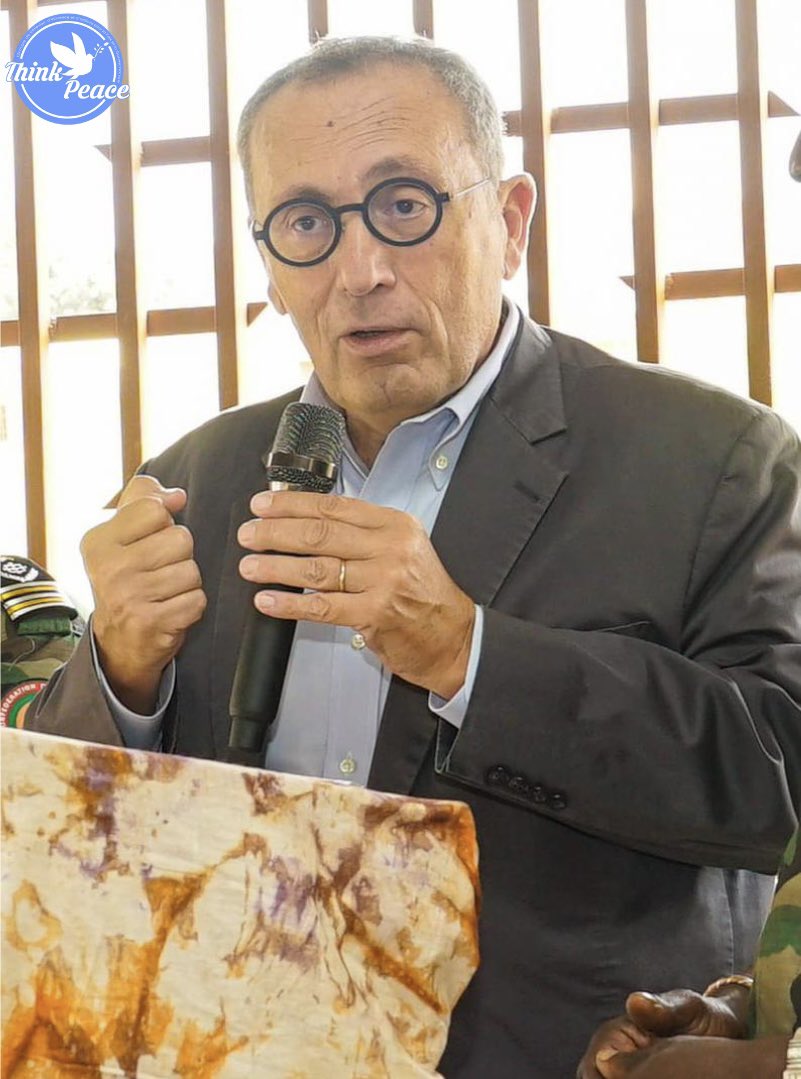
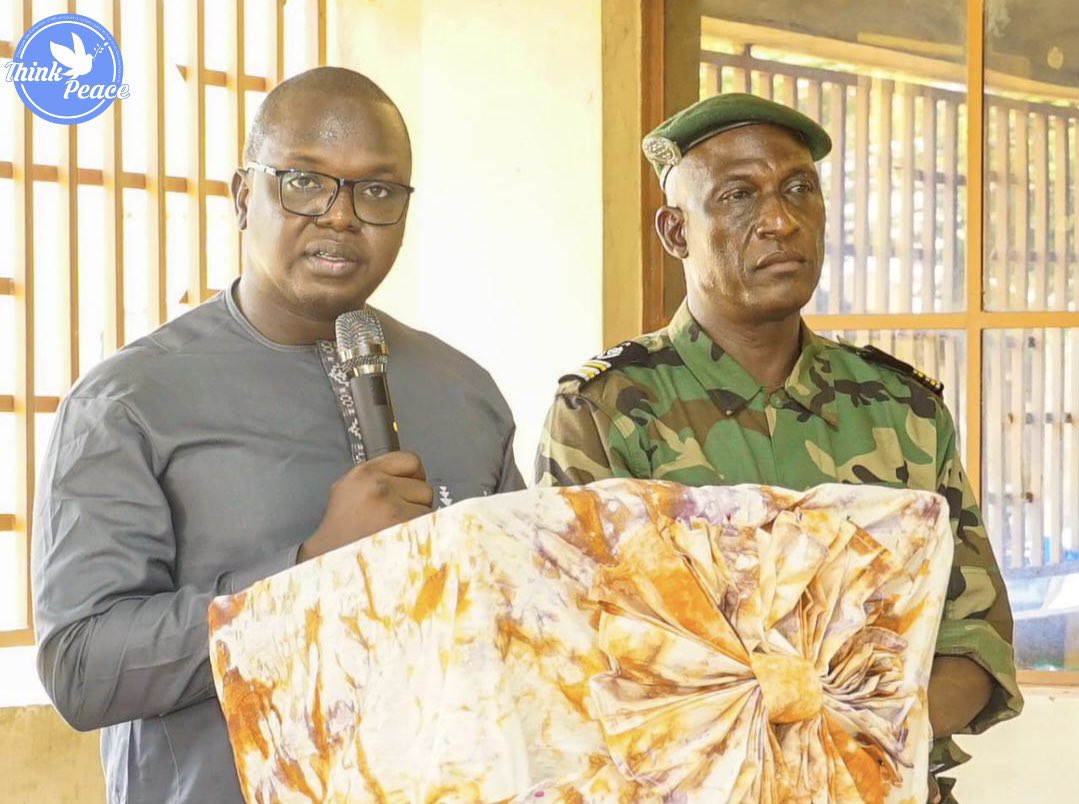
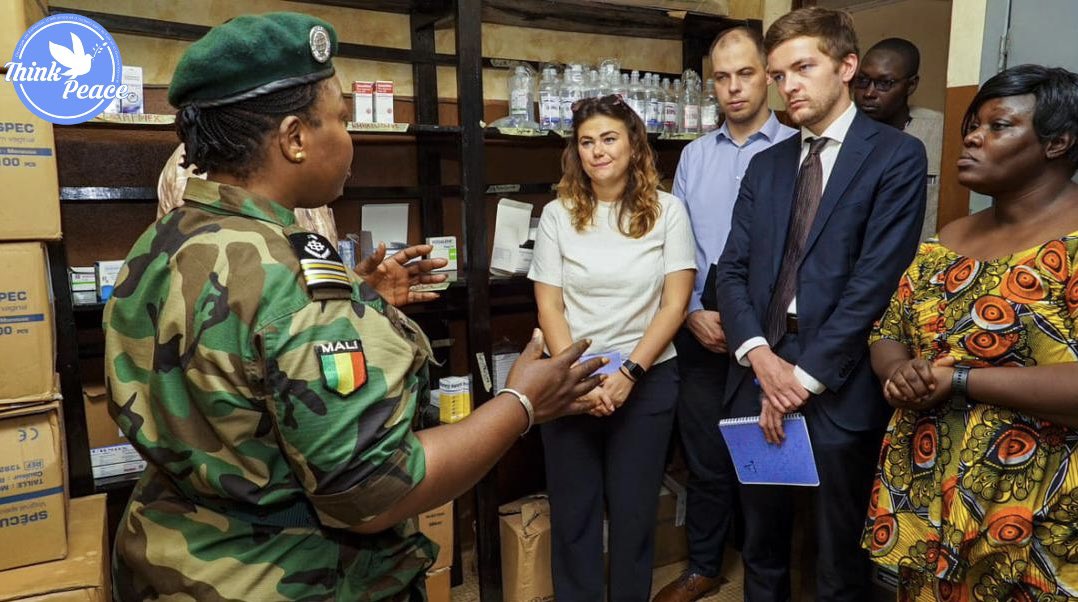
🇲🇱 Le PCA du @GCERF salue avec fierté les réalisations de Think Peace en milieu carcéral.
La semaine dernière, il a visité le centre Bollé-Femmes de Bamako pour découvrir les initiatives qui redonnent dignité & espoir aux détenues.
#ThinkPeace #GCERF #Paix #Mali
1
2
5
120