
Mar 6
Sensible solution:
Tokenize your IP on @base (hash the legal proof!)
Get 24/7 theft detection, enforcement and automatic royalties even when AI trains on your work
Will you tokenize after this ruling?
#TokenizedIP #AIEthics $AMPD
1
1
3
52

The Next Trillion Dollar Shift
How Tokenized IP Is Turning Creators Into Asset Issuers
What if your favorite song, patent, book, or software code was not just content but an investable asset
What if creators did not wait months for royalty statements but got paid instantly on chain
Tokenized intellectual property is quietly becoming one of the most powerful narratives of 2026.
While speculation cools and markets mature, real revenue generating assets are moving on chain.
Music royalties, patents, licensing rights, publishing revenue, and digital brands are being transformed into programmable financial products.
This is not NFTs 2.0
This is ownership being rebuilt from the ground up
☆ What Is Tokenized IP
Tokenized IP converts intellectual property rights into blockchain based tokens.
These tokens can represent revenue share, fractional ownership, governance power, or licensing rights.
A song can be split into thousands of tokens.
A patent worth millions can be divided into micro shares.
Revenue flows automatically to holders through smart contracts.
Instead of centralized platforms taking massive cuts, creators issue tokens directly to their communities.
Fans become stakeholders.
Ownership becomes liquid.
Royalties become automated.
☆ Why This Is Gaining Traction in 2026
The global IP market generates trillions annually, yet most of it is illiquid and gatekept.
Tokenization unlocks access.
Creators gain upfront liquidity without giving up full ownership.
Investors gain exposure to real yield producing assets instead of purely speculative tokens.
Regulatory clarity is improving across major jurisdictions, opening the door for compliant tokenized royalty funds and institutional IP products.
This narrative also converges with real world assets, stablecoin settlement, AI driven licensing, and on chain governance.
It sits at the intersection of culture and capital.
☆ How It Works
Creators or rights holders establish a legal structure representing the intellectual property.
Tokens are issued that represent fractional rights or revenue streams.
Smart contracts automate royalty payouts whenever income is generated from streaming, licensing, or sales.
These tokens can be traded on secondary markets, giving liquidity to historically locked assets.
Governance features may allow token holders to participate in licensing decisions or creative direction.
Everything becomes transparent and programmable.
☆ Projects Building in the Space
@join_royal is pioneering music royalty tokenization, allowing fans to purchase shares in songs and earn streaming revenue.
@Securitize provides compliant infrastructure for tokenizing securities, including funds backed by royalties and intellectual property portfolios.
@TokenySolutions focuses on enterprise grade token issuance with built in compliance for global markets.
@audiusproject is building decentralized music streaming where artists monetize directly and communities participate through tokens.
@soundprotocol experiments with limited music editions tied to royalty rights and community ownership.
☆ The Bigger Picture
For years, creators have relied on platforms that extract most of the value.
Tokenized IP flips that structure.
Revenue flows automatically.
Ownership is fractional and global.
Fans share in upside.
The next evolution of the internet may not just be social or decentralized.
It may be financialized creativity where intellectual property becomes a programmable asset class.
In a digital world driven by content, culture, and code, tokenized IP could redefine how wealth is created and distributed.
The question is no longer whether ownership will move on chain.
The question is who captures the value when it does.
#Crypto #TokenizedIP #CreatorEconomy #Web3 #2026Narratives
97
5
98
5,591

Feb 12
K-POP Onchain ◎
DB Securities partners with Solana to bring Korean STOs global.
K-POP IP tokenized onchain – fans own pieces and benefit from ecosystems.
Entertainment assets getting real DeFi access, 24/7 trading.
From passive fans to active stakeholders.
Which K-POP group or IP deserves onchain first?
#Solana #RWA #TokenizedIP #KPop
1
3
22

Jan 11
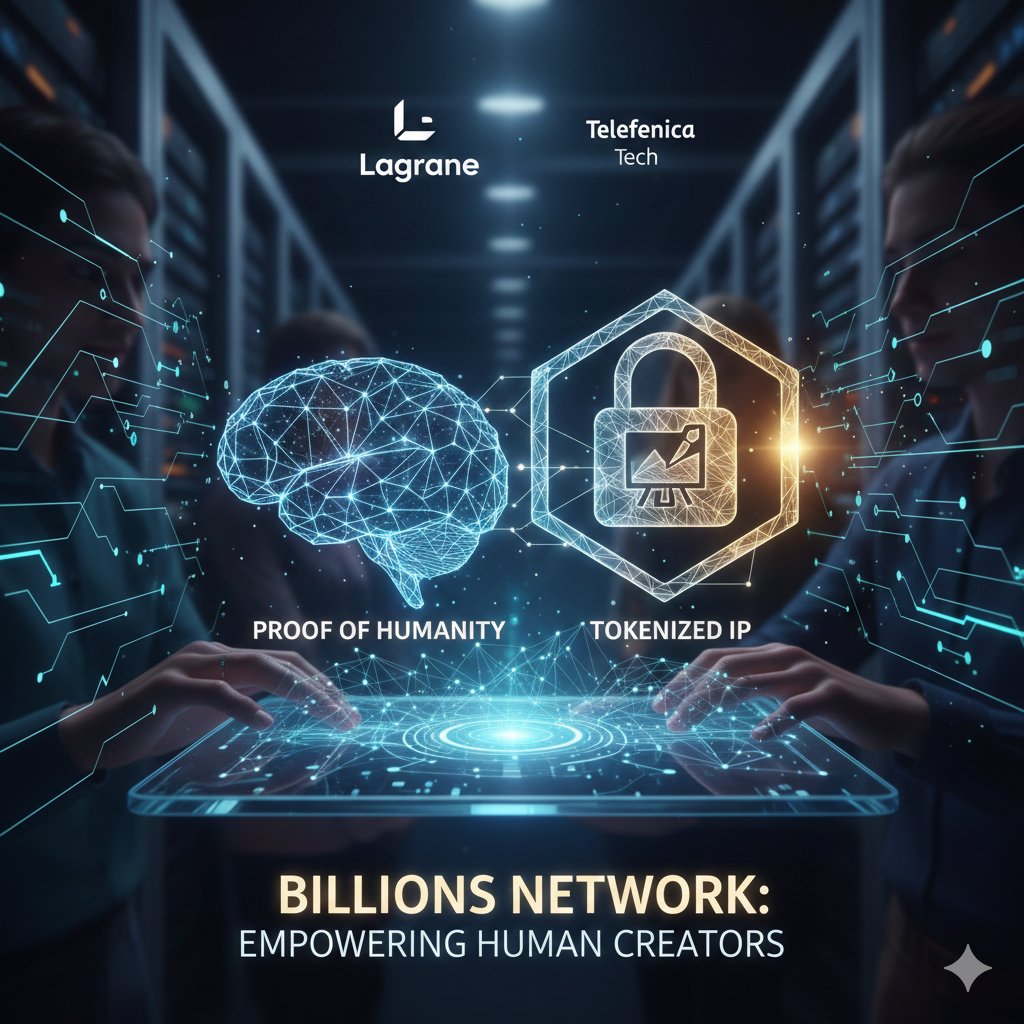
Creators, listen up! 🎨 In the age of AI, how do you prove you’re human and protect your work? @billions_ntwk Network has the answer.
By combining Proof of Humanity with tokenized intellectual property, they’re ensuring creators can own, share, and monetize their content without compromising privacy. Partnering with giants like Lagrange and Telefónica Tech, #Billions is making digital identity bot-resistant, portable, and human-first.
This isn’t just identity verification it’s identity empowerment. 💪✨
#BillionsNetwork #ProofOfHumanity #TokenizedIP #CreatorEconomy #DigitalIdentity #Web3 #AI #PrivacyFirst #Innovation #Creators #ContentOwnership #Decentralization #TechNews #FutureOfCreativity @wallchain
2
46
20 Dec 2025
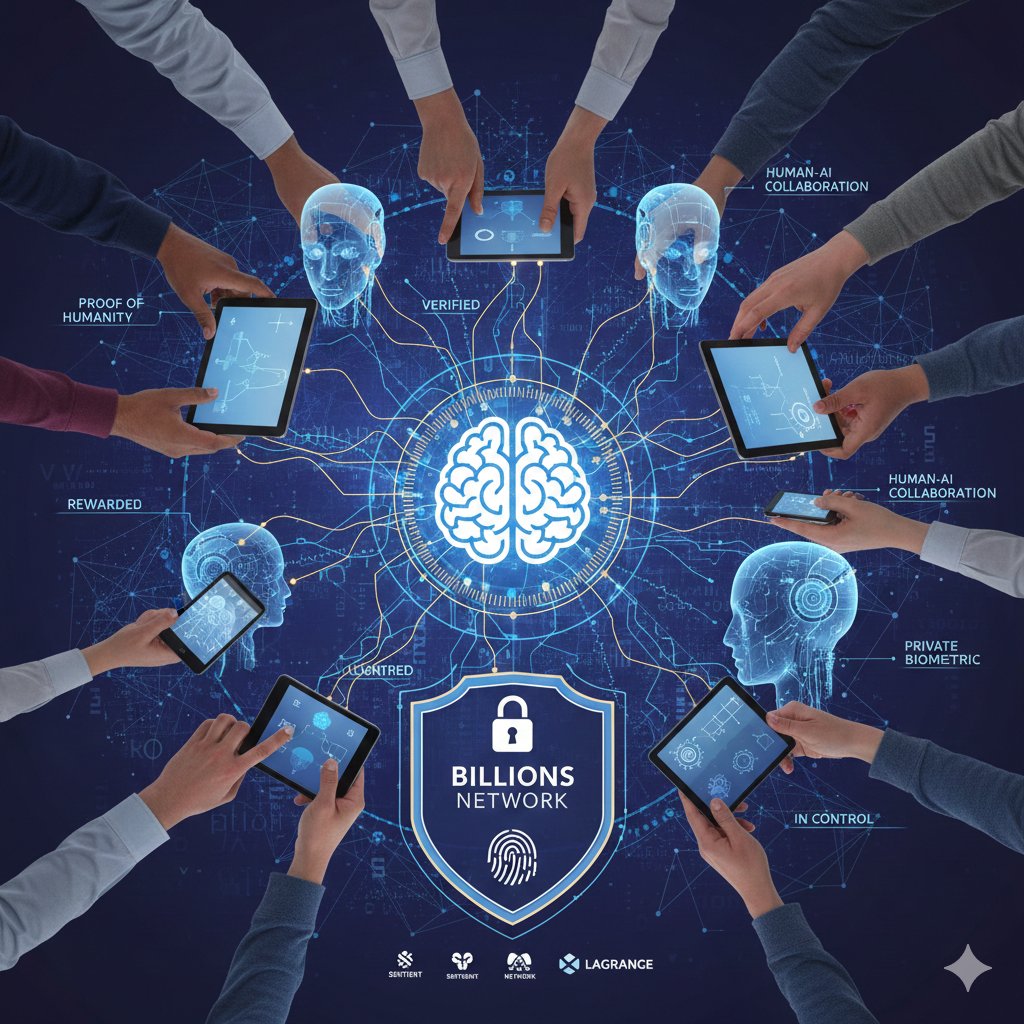
Bots farming airdrops? AI blurring creativity? 🤖 Time for a human-layer solution.
Shoutout to @billions_ntwk for leading the charge with a $30M funding round to merge human uniqueness with AI collaboration. Through partnerships with Sentient, Camp Network, Lagrange, and more, they're building a network where humans are verified, creators are protected, and identity is portable not exploitable. 🔗🛡️
From private biometric Proof of Uniqueness to composable identity for AI agents, Billions is crafting the trust layer for the next internet.
Be verified. Be rewarded. Be in control.
📲 Get the app & join the network today.
#ProofOfHumanity #BillionsNetwork #HumanAndAI #Web3Identity #PrivacyFirst #Decentralization #Creators #TokenizedIP #AIAgents #Verification #KYC #AgeVerification #CryptoNews #TechTrends #Innovation #BlockchainTech #DigitalFuture #Billions #00Billions #Sentient #CampNetwork #Lagrange @wallchain
2
3
25
15 Dec 2025
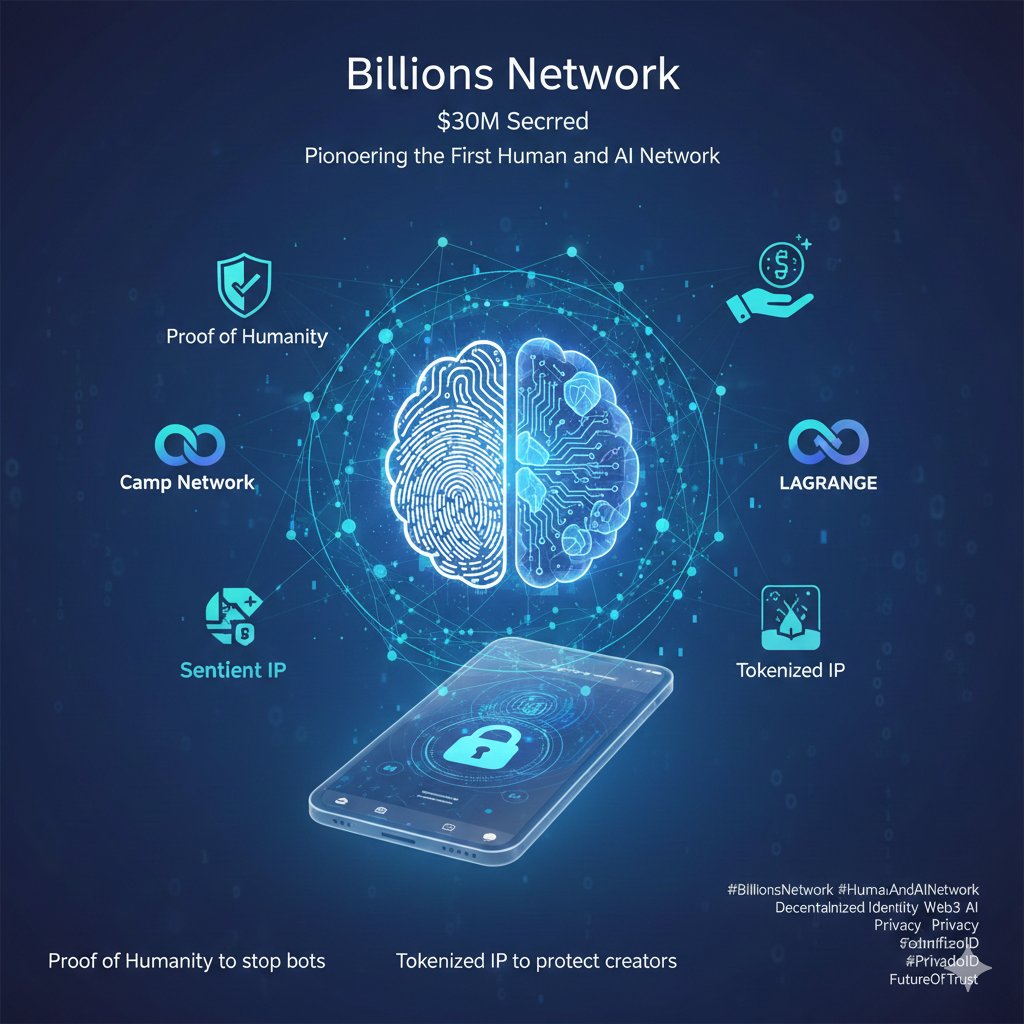
Big news in decentralized identity: @billions_ntwk Network has secured $30M to pioneer the first Human and AI Network.
This isn't just about verification it's about ownership, trust, and creativity in the AI era.
✅ Proof of Humanity to stop bots.
✅ Tokenized IP to protect creators.
✅ Partnerships with Camp Network, Sentient, Lagrange, and more.
They're already live with a mobile app, private biometric proofs, and a vision for an internet where humans not algorithms control their identity and work.
🌐 The future is verified. Are you in?
👉 Explore Billions Network
👉 Get the App
#BillionsNetwork #HumanAndAINetwork #ProofOfHumanity #DecentralizedIdentity #Web3 #AI #Privacy #TokenizedIP #Verification #00Billions #PrivadoID #FutureOfTrust @wallchain
2
6
26
9 Dec 2025
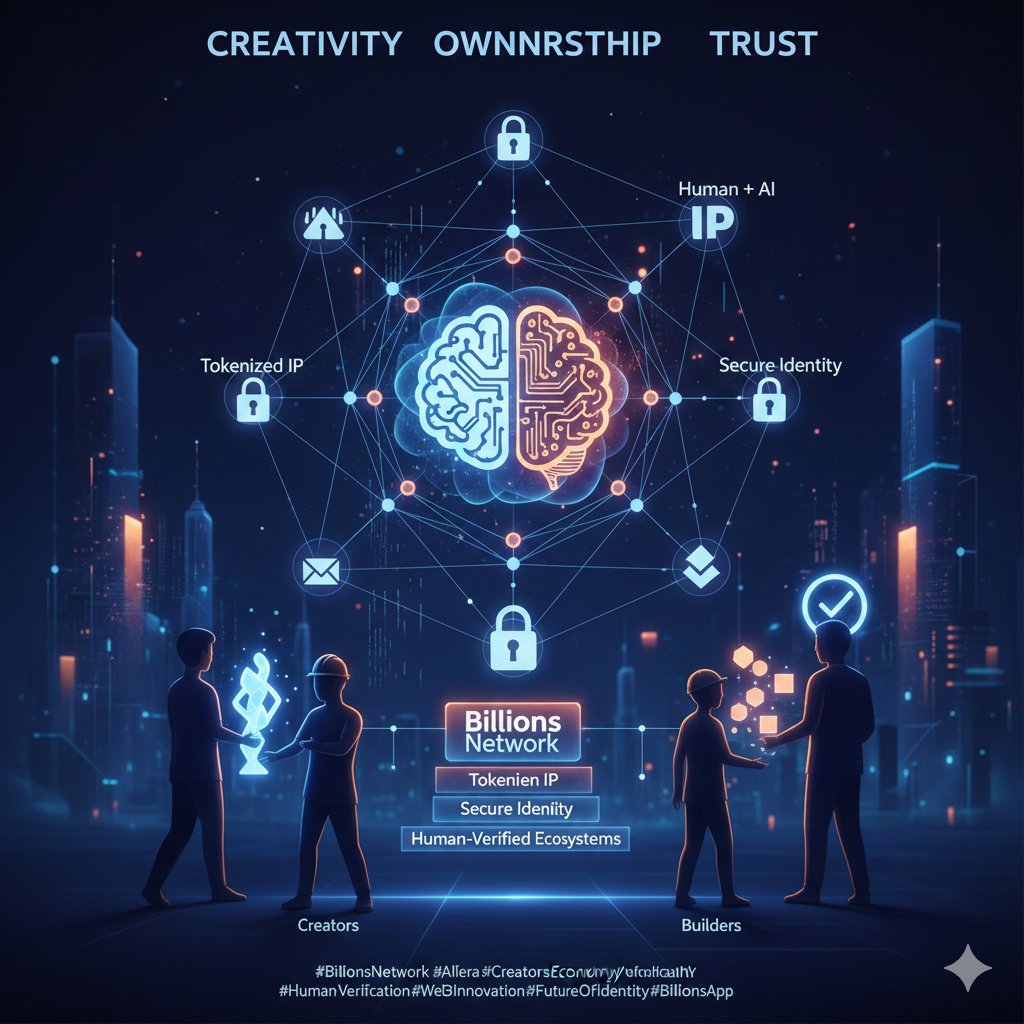
Creativity, ownership, and trust matter more than ever and at the core of this shift stands @billions_ntwk .
With tokenized IP, secure identity, and human-verified ecosystems, the project is setting the new standard for the global Human AI network.
Exciting times ahead for creators, builders, and verified humans.
#BillionsNetwork #AIera #CreatorsEconomy #HumanVerification #TokenizedIP #Web3Innovation #FutureOfIdentity #BillionsApp @wallchain
3
16

6 Dec 2025
GM FAM
Developers can now build fantasy sports apps, games, or engagement platforms using SCOR’s SDK and liquid IP layer. Sports IP becomes programmable, remixable, and ready for innovation.
A massive opportunity.
@SCORProtocol
@wallchain
#SCOR #SportsTech #TokenizedIP
6
1
10
53

4 Dec 2025
Partnership Announcement: @MelodyAssets
Melody is a blockchain-based Music RWA platform connecting creators, fans, and investors by tokenizing music assets into on-chain value and rights.
By enabling attribution, revenue sharing, and long-term creator returns through LP mechanisms and copyright yield, Melody is redefining how music becomes investable, ownable, and programmable on-chain.
We’re excited to support the future of Music Web3 infrastructure together.
#MOVA #MelodyAssets #MusicRWA #RWA #TokenizedIP #Web3Music #CreatorEconomy #BSC #Blockchain

4
17
3,468

20 Nov 2025
Sports just got real on chain with @SCORProtocol
Every fan action counts. Mini-games, challenges, and events are tied to your digital identity, growing your influence as you play. 🏆
Developers get structured, verifiable data ready for integration. Clubs and athletes can tokenize IP and create new revenue streams without middlemen.
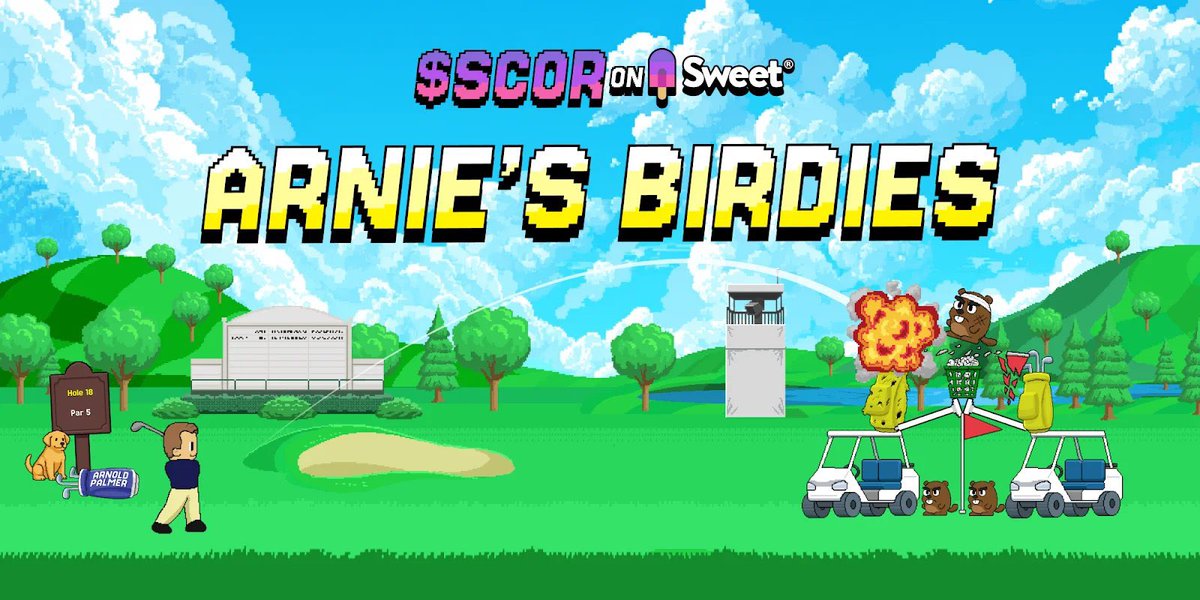
Arnie’s Birdies is live turn skill into measurable on chain rewards. Your plays, your impact, fully portable, fully yours. 🎯
#SCORProtocol #Web3Sports #FanEngagement #TokenizedIP #Wallchain
3
4
9
58

20 Nov 2025
Imagine owning verifiable IP from an artist whose work shows in exhibitions. That's the power of the adot°.
Comment 'world-class' if you're ready to collect! 🖼️
#TokenizedIP #tokenized #cryptocurrency
36
1
26
11,105

18 Nov 2025
In a world where ideas travel faster than capital, @cityprotocolHQ is building the missing infrastructure that lets IP become liquid value.
Instead of creators relying on gatekeepers, the protocol makes it possible to issue, tokenize and scale IP in minutes — not months.
From brand concepts to story universes, toys, characters, music, and even cultural assets, everything can become programmable, tradeable capital.
What makes City Protocol stand out is how it blends:
🔹 Issuance — tokenizing IP with transparent pricing systems
🔹 AI-driven co-creation — turning fans into active builders
🔹 IP-RWA bridges — connecting real-world IP rights with on-chain liquidity
🔹 Ecosystem worlds like City ID, Viral City, Totem Toy City & more
This is more than a platform.
It’s a creator economy operating system that transforms communities into growth engines and turns creativity into an investable asset class.
The next wave of Web3 won't just be about tokens — it will be about IP empires built by everyone, not just a few.
#CityProtocol #IPRWA #Web3Creators #TokenizedIP #AIEconomy

141
99
284

14 Nov 2025
Quick X402 update: i³ is live on the @solana @solana_devs Devnet — turning AI models into on-chain IP assets with PoI valuation, verified lineage, and USDC-settled usage. @SolanaFndn @SolanaVentures @Solana_zh @SolanaConf @solanalabs
We’re polishing the prototype, integrating sponsor track features, and stress-testing the Modelverse with real users.This is just the beginning. We’re here for the long run — and we’ll keep on building. ⚙️🛠️#Solana #SolanaX402 #SolanaHackathon #SolanaBuilders #SolanaEcosystem
#AI #OnchainAI #AIonSolana #AgentEconomy #AIModels #LLM #Modelverse
#DePIN #Compute #OnchainCompute #RWA #TokenizedIP #Web3
#USDC #Circle #USDCPayments #ProgrammableLicensing
#xLabs #NYM #SponsorTrack #Crypto #Blockchain
2
15
11,718
11 Nov 2025
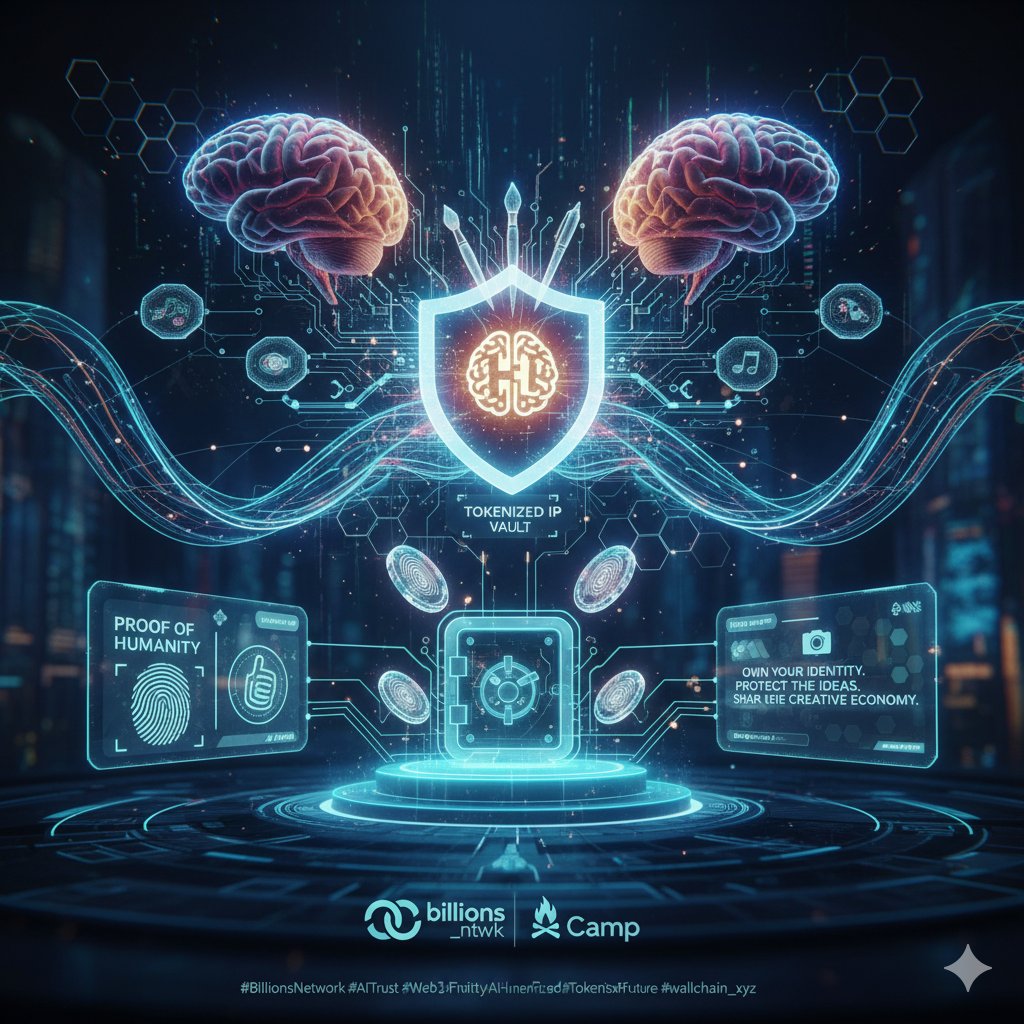
x Camp are protecting human creativity in the AI era — with Proof of Humanity and tokenized IP that lets creators truly own and monetize their work.
Own your identity. Protect your ideas. Shape the new creative economy. @billions_ntwk
🧠 Read more: billions.network/blog/billio…
#BillionsNetwork #AITrust #Web3Identity #HumanFirstAI #TokenizedIP #DecentralizedFuture #BillionsxCamp @wallchain
2
3
44

🚀 Redefining Science Funding!🚀
@BioProtocol isn’t just a launchpad—it’s revolutionizing #DeSci with optimized AUM & POL, fueling sustainable growth via trading fees. 💰
@SpectruthDAO partners with @BioProtocol & @BioProtocolEco to launch $SPTRA and $GAIN for AI-driven PTSD health & trials with synthesized Ibogaine.🧬🧪
Join the #Web3Health revolution! Follow, like, & retweet to invest in trauma care’s future!💪
#AgenticAI #BioTech #CryptoHealth #TokenizedIP

12
18
56
1,265

9 Nov 2025
The @cityprotocolHQ Launchpad & Issuance module is built to power the next generation of creative economies.
It gives artists, innovators, and builders the tools to:
✅ Launch their own projects seamlessly
💰 Raise capital from a global audience
🔄 Trade IP-backed assets securely and transparently
By turning intellectual property into liquid, tradable value, City Protocol unlocks a new economic model for creativity, one where creators stay in control, profits are shared fairly, and innovation flows freely.
#CityProtocol #Web3Creators #TokenizedIP #CreativeEconomy

13
10
108
3,606

7 Nov 2025
Most innovation doesn’t fail from lack of ideas, it fails from lack of markets.
@cityprotocolHQ fixes that by turning IP into an investable financial primitive. Each idea becomes a yield-bearing digital asset , tradable, collateralized, and liquid.
Through Decentralized Asset Tokens (DATs), City builds the first IP capital market, where creativity competes for liquidity the same way tokens compete for TVL.
The outcome: an open economy where ideas earn yield and intellectual property moves like capital.
#CityProtocol #TokenizedIP #RWAs #CreatorEconomy
7 Nov 2025

Capital markets evolved around factories. Then software.
The next asset class? Intellectual property as capital.
@cityprotocolHQ builds the first decentralized IP market , connecting ideas, assets, and liquidity through a unified protocol.
Its IP Strategy layer lets creators tokenize innovations, structure synthetic yield markets, and trade IP-backed derivatives.
This is how IP exits academia and enters DeFi , powered by DATs, secured by crypto, and priced by demand for innovation.
The new economy won’t run on proof-of-work.
It’ll run on proof-of-creation.
#CityProtocol #IPTokenization #DeFi #CreatorEconomy #RWAs
6
13
24
202
7 Nov 2025
IP Yield Curves
Every market has a yield curve. Creativity didn’t, until now.
@cityprotocolHQ tokenizes IP revenue, royalties, and licensing streams, creating measurable cashflow profiles for ideas.
Investors can now value IP not by hype, but by projected returns. Cultural assets gain liquidity depth, credit spreads, and yield dynamics.
This isn’t another NFT platform it’s the Bloomberg Terminal for intellectual property, where imagination becomes a financial asset that earns interest.
#CityProtocol #TokenizedIP #RWA #CreatorEconomy
7 Nov 2025
The Liquidity Layer for Ideas
The traditional IP economy is static, full of paper contracts, slow settlements, and illiquid royalties.
@cityprotocolHQ Protocol re-codes this into programmable liquidity.
Creators verify ownership → tokenize IP rights → issue DATs that fractionalize future cashflows → access capital instantly.
It’s the same logic DeFi used for money markets, now applied to ideas.
A patent, film script, or meme can become an investable unit within minutes.
No agents, no studios, no six-month waiting cycles.
Once IP achieves real-time liquidity, the creative economy stops being speculative.
It becomes measurable, composable, and tradable, at global scale.
#CityProtocol #CreatorEconomy #Tokenization
8
12
22
3,270

GM Quacker 🫶
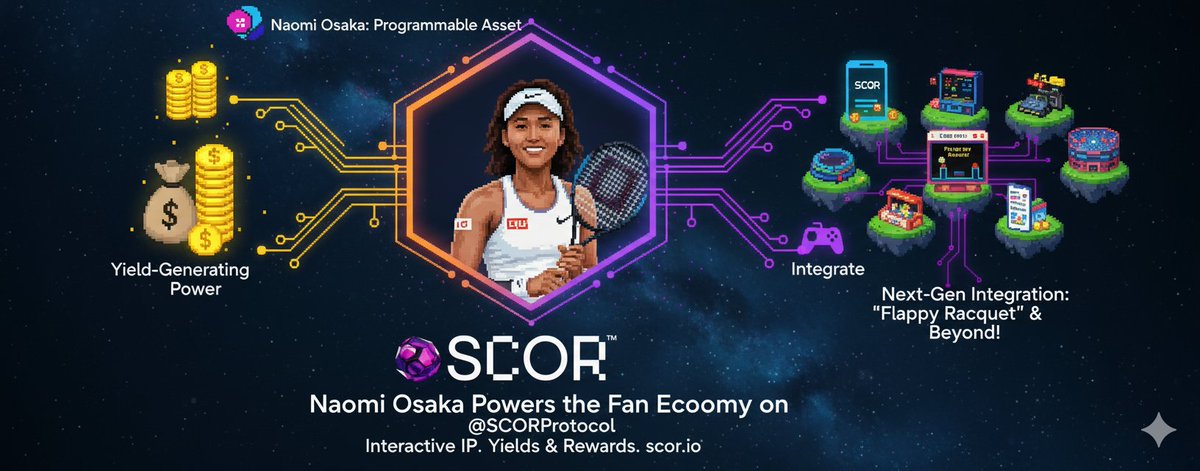
Naomi Osaka isn’t just redefining tennis she’s redefining ownership in the digital age.
With her iconic IP becoming a Programmable Asset on @SCORProtocol, fans aren’t just cheering from the sidelines anymore. they’re part of the action.
🔹 Playable IP Her identity becomes part of immersive fan experiences like Flappy Racquet, bringing stars directly into gameplay.
🔹 Yield for the Community This isn’t a static collectible. It generates value, powering SCOR’s ecosystem and rewarding supporters.
🔹 Interactive Fandom You’re not just a fan. you’re a participant in her digital journey.
This is where entertainment meets tokenized innovation. This is the future of athlete-driven economies.
#Web3 #FanEconomy #ProgrammableAssets #TokenizedIP #AIxBlockchain #DigitalOwnership #GameFi #AthleteEconomy #FutureOfFandom #SCORProtocol #NaomiOsaka #Web3Gaming #OnChainCulture #DeFi #NFTs
3
2
6
90

6 Nov 2025
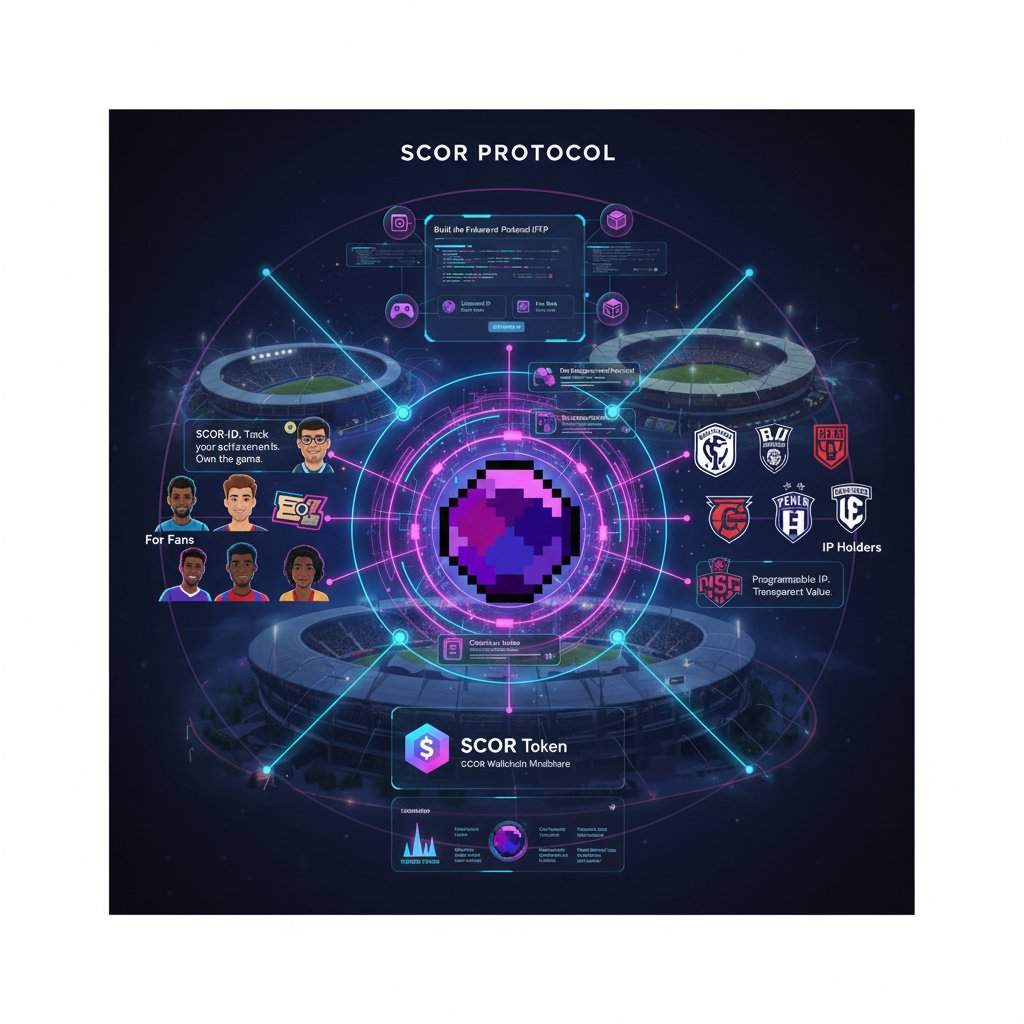
Welcome to the future of sports. SCOR Protocol is building the on-chain Fan Economy where Fandom meets Ownership! 🚀 $SCOR Token, SCOR-ID, and Programmable IP are transforming the $500 Billion industry. #SCORProtocol #Web3Sports #FanEconomy #TokenizedIP #Blockchain @SCORProtocol
3
3
79