
Apr 6
BDAG Tokenomics Explained - Supply, Vesting & Unlocks
$BDAG outlines a 150B total supply, with focus shifting to how tokens enter the market over time.
To Know More - coingabbar.com/en/crypto-blo…
#CoinGabbar #BDAG #TokenomicsExplained #CryptoMarket #BlockDAG #Crypto @blockdagnetwork
6
7
35
3,568

Jan 18
MEME SUPPLY. SERIOUS MECHANICS. REAL PRESSURE.
G'morning ct!
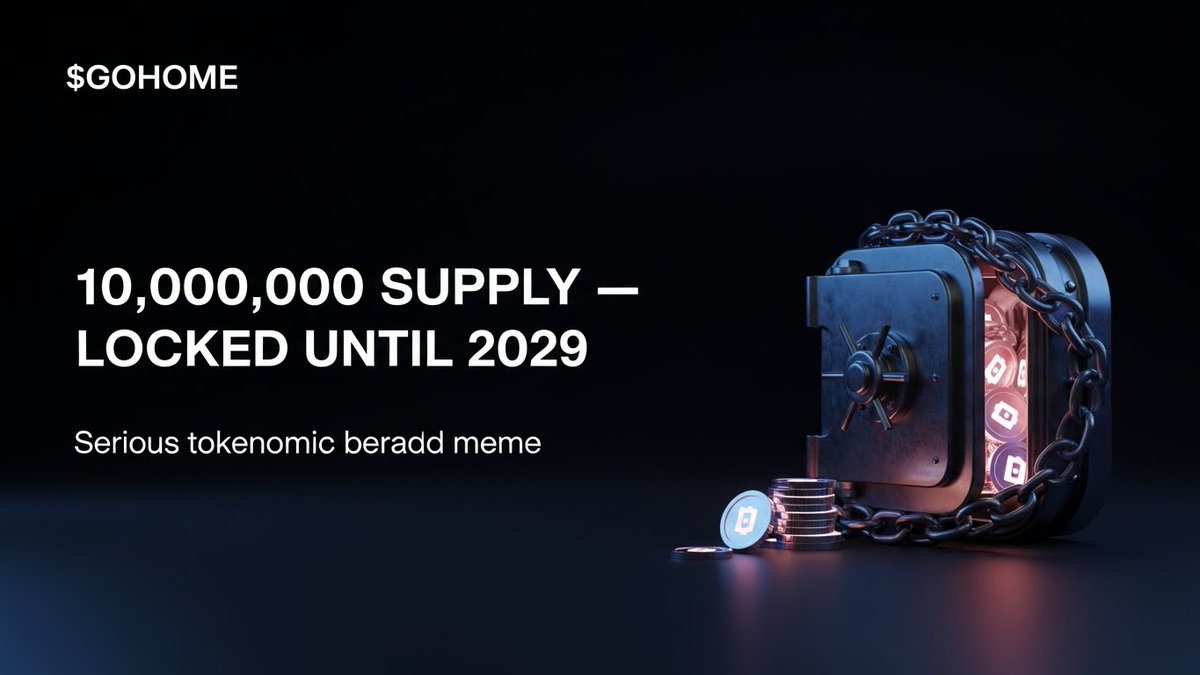
10,000,000 $GOHOME. That’s it.
No endless minting. No silent dilution. No surprise inflation.
Here’s where it gets interesting
The majority of the supply is locked until 2029.
That means the circulating float is intentionally tiny.
In Web3, float matters more than hype.
A small float time-locked supply creates natural scarcity.
Scarcity creates structural price pressure when demand shows up.
And demand in $GOHOME isn’t bought it’s built.
This isn’t a meme that prints and dumps.
It’s a meme with long-term game theory baked in.
Locked supply reduces short-term volatility.
It rewards patience over panic.
And it gives the community real leverage as attention grows.
Memes pull people in.
Tokenomics decide who stays.
$GOHOME sits at the intersection where culture meets discipline fun on the surface, engineered underneath.
If you understand why supply design matters, you understand why this setup is worth watching.
📌 Question for you:
Do you prefer loud inflation… or quiet, inevitable pressure?
#TokenomicsExplained #GOHOME @GoHome_Token
27
30
273

8 Dec 2025
The @Talus_Labs ecosystem is built around a single economic anchor: the $US token.
It is not positioned as a speculative extra, but as the primary coordination asset that aligns users, developers, and node operators as the network matures.
➤ $US has a fixed supply of 10 billion and 0% inflation.
Instead of inflating the supply to reward participation, @TalusFoundation uses a dual-track revenue system:
• When protocol income is below a defined threshold, priority fees are burned, reducing circulating supply.
• When income exceeds the threshold, fees are distributed to Nexus Leaders who schedule and verify workflows.
A predictable, rule-based system.
➤ In practice, $US functions as the fee token and payment layer of the network.
Anyone deploying agents, executing workflows, or requesting higher-tier compute pays in $US to secure priority execution.
Every meaningful activity in @TalusNetwork settles through $US.
➤ While Talus runs on @SuiNetwork [ meaning base gas fees are paid in $SUI ] the design ensures external value flows inward.
A portion of those gas fees is automatically converted into $US on the open market.
This creates structural, ongoing demand for $US without relying on artificial incentives.
➤ $US utility extends beyond fees:
• Developers receive $US when their tools or agents are used
• Nexus Leaders post $US as collateral to secure the network and are rewarded or slashed based on performance
• $US can be locked in the LRP prior to staking
• Governance rights are tied to $US holders
Utility is embedded at every layer of the stack.
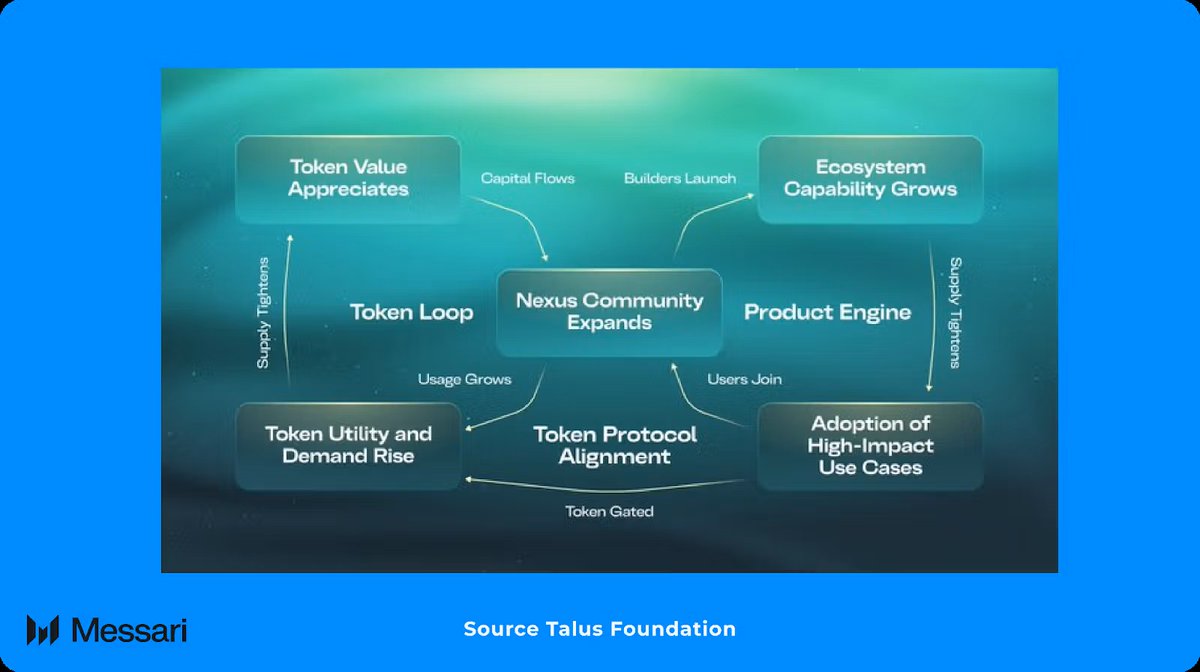
➤ Rather than relying on inflation, Talus builds a demand flywheel:
More applications → more workflows → higher $US usage → more value captured in the token → stronger incentives for further development.
Network growth directly increases token relevance.
➤ Early adoption is supported through targeted, time-bounded programs.
The first is the Nexus Subsidy Program.
Users who execute workflows during the early phase can receive a portion of their gas costs back in $US.
This lowers initial friction and supports early experimentation.
Subsidies gradually reduce as natural usage grows.
➤ The second is the Loyalty Reward Program (LRP).
Participants who lock $US early —before full decentralization is achieved— receive temporary rewards.
This encourages early security provision and helps transition the network to a broader, more resilient operator set.
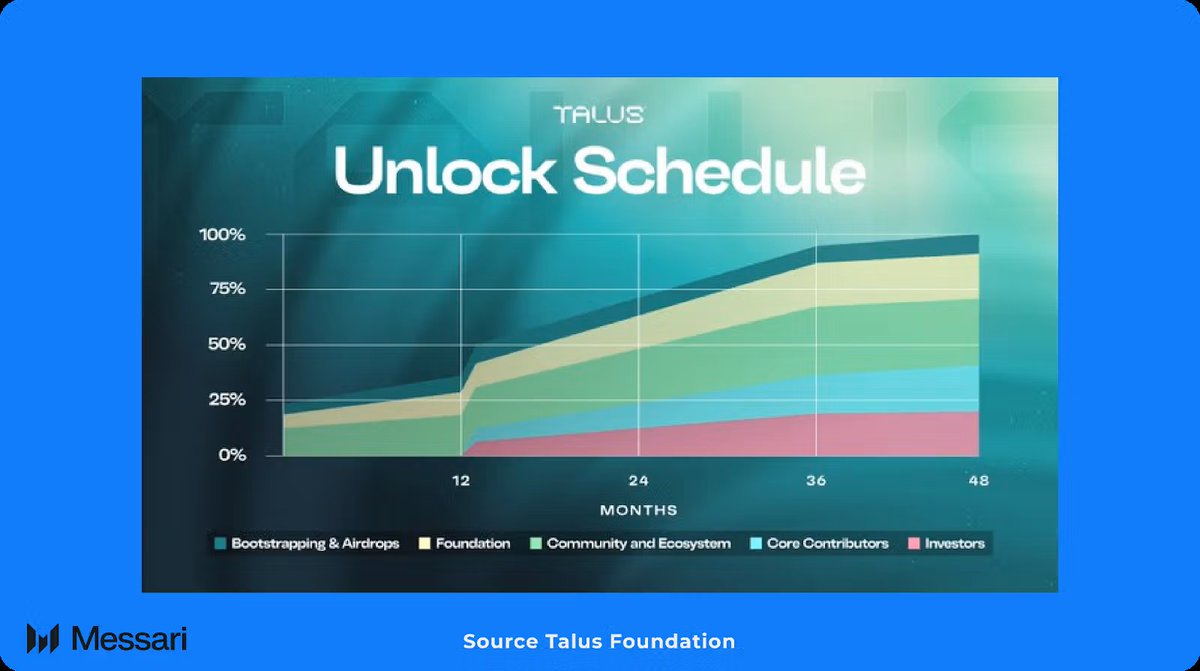
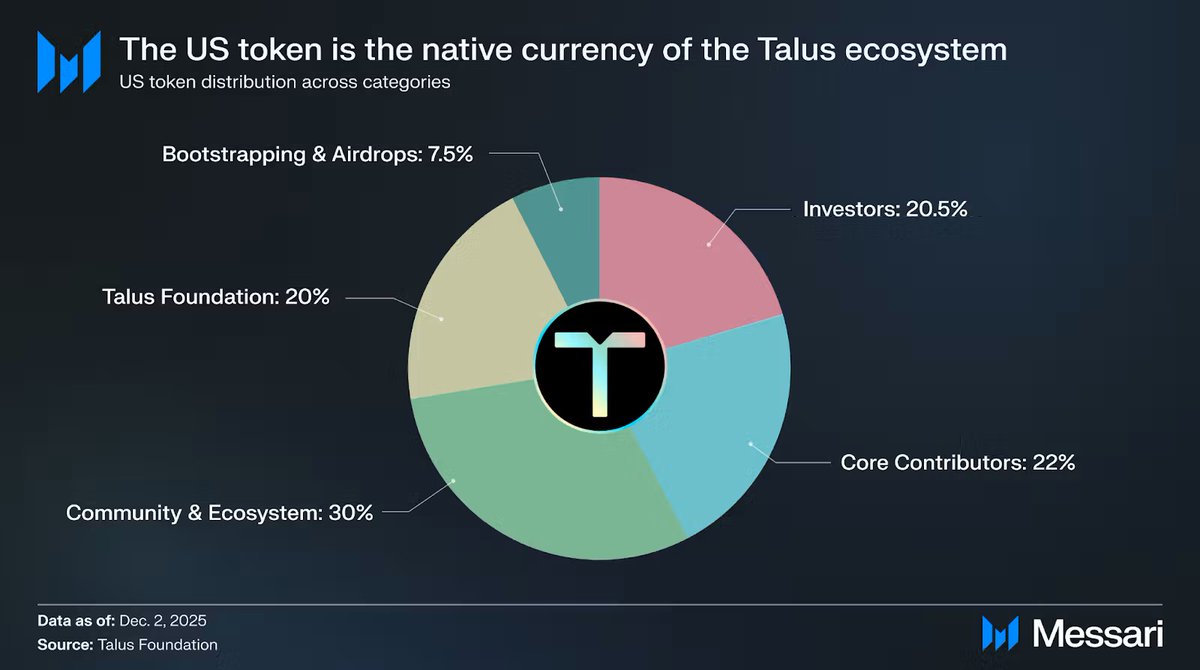
➤ Token distribution is structured for long-term alignment:
• 30% Community & Ecosystem: subsidies, grants, tool incentives, community initiatives, public goods, audits, liquidity
• 20% Talus Foundation: global expansion, decentralization incentives; linearly vested over 36 months
• 20.5% Investors: 12-month cliff, 24-month linear vesting
• 22% Core Contributors: 12-month cliff, 36-month linear vesting
• 7.5% Airdrop & Bootstrapping: TGE airdrop, LRP, and future campaigns
➤ The overarching philosophy is clear:
$US is designed to earn demand through real usage, not through inflation or artificial scarcity.
Burns tighten supply when activity is low.
Rewards flow to network operators when activity grows.
Participation programs widen ownership without destabilizing emissions.
➤ As Talus attracts more developers, tools, workflows, and AI agents, the $US token becomes the economic engine that scales with —and because of— ecosystem activity.
The key takeaway:
$US is engineered as a sustainable, usage-driven token model built for the long-term evolution of decentralized AI infrastructure.
#TalusNetwork #SuiEcosystem #TokenomicsExplained
ALT Talus Tokenomics by Talus Foundation
7 Dec 2025

Everyone is hyping “AI x blockchain”, but most ecosystems forget one thing: infrastructure doesn’t create users... applications do.
Talus Labs understands this, and that’s why its ecosystem strategy is turning heads across X right now.
Nexus gives @Talus_Labs serious automation power…
…but without flagship apps, infra is just potential energy.
So Talus Labs deployed two ecosystem pillars designed to activate that potential: Talus Vision and Idol.fun
both built to demonstrate real, usable AI-agent experiences onchain.
➥ Talus Vision launched in Nov 2025.
Think of it as a low-code visual studio for building onchain AI agents... drag, drop, connect logic, deploy.
It transforms complex agent workflows into something as intuitive as building a flowchart.
➥ This matters because it widens the talent funnel.
Now you don’t need to be a Solidity wizard to contribute.
AI hobbyists, analysts, and product thinkers can craft automated onchain agents through templates, quickstarts, or blank workflows.
➥ Talus Vision also hints at a future where everyday users can customize agent personalities, remix existing agents, or build hybrid behaviors without writing any code.
That’s how ecosystems grow organically... by lowering friction and unlocking creativity.
➥ Then there’s Idol.fun, Talus first consumer-facing application and distribution layer for Agent-vs-Agent (AvA) games.
This is where onchain automation meets speculation in a transparent, verifiable way.
➥ Instead of betting on memecoins or opaque markets, users speculate on AI agents competing in onchain battles.
The rules are public.
The outcomes are auditable.
And there’s zero insider manipulation... a massive upgrade from typical Web3 speculation loops.
➥ To build an AvA game, developers need:
• decentralized automation (Nexus)
• a distribution hub (Idol.fun)
• competitive AI agents (Idol Agents)
• monetization baked in
Talus Labs unifies the entire stack, giving developers a full go-to-market pipeline.
➥ Idol.fun launched with the Talus testnet, instantly proving that Talus isn’t just theory.
It demonstrated a real user-facing product... and more importantly, real demand for onchain agent experiences.
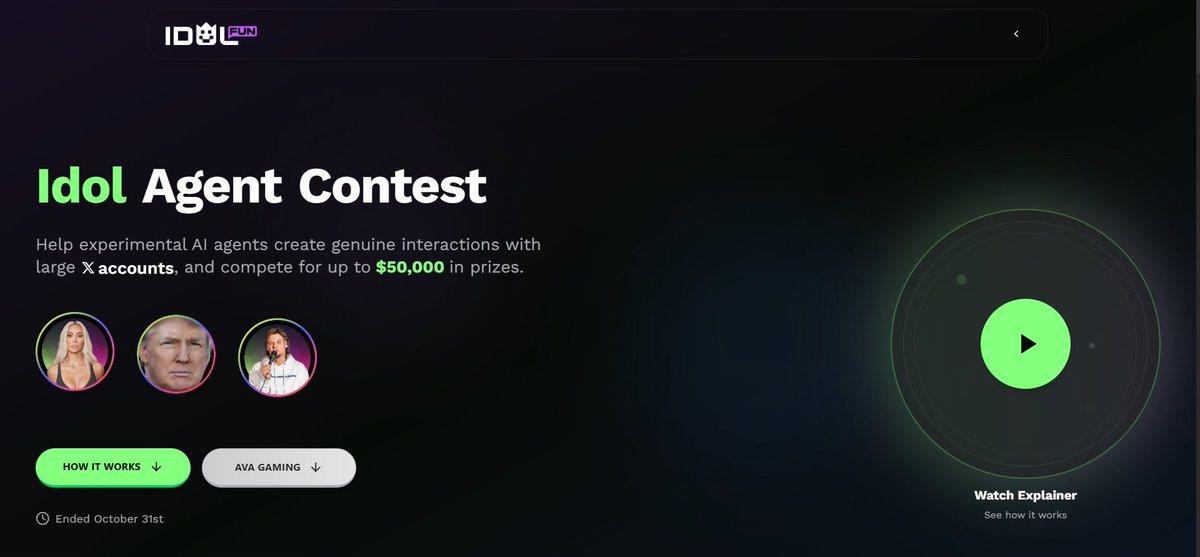
➥ The first activation was the Idol Agents Competition:
Three personality-driven agents were deployed using Nexus.
Participants instructed these agents to engage with viral posts on X.
If the original poster replied, the participant earned rewards.
➥ The event worked on two levels:
• It created an accessible, entertaining user experience.
• It stress-tested Talus automation layer under high interaction volume.
➥ The numbers were strong:
• 10,000 participants
• 54,000 AI-generated engagements
And Talus Labs committed $50,000 in incentives to amplify participation and validate infrastructure performance.
➥ Vision lowers the barrier to build.
Idol.fun drives consumer demand.
Together, they transform Talus Network from “a promising infra project” into a full-stack ecosystem with clear product-market direction.
➥ If Talus Labs continues shipping applications that create culture, utility, and user activity, it won’t just compete in the AI-agent space... it will define it.
Before you scroll away:
If you're researching AI Agents, AvA Games, Talus Labs, or Nexus automation, bookmark this thread... it’s your roadmap to understanding how the next wave of onchain AI will scale.
🔁 RT to help more builders discover this
#Talus #OnchainAIRevolution #AiAgent
ALT Talus Ecosystem
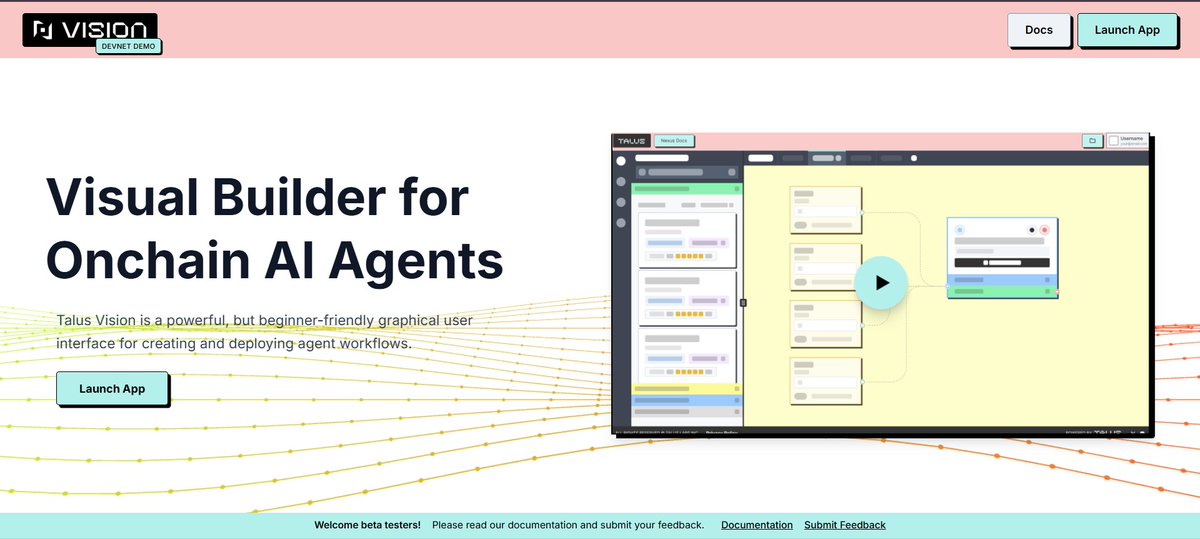
ALT Talus Vision
93
6
87
6,215

21 Sep 2025
假如你参与过 @ZKVProtocol 的测试网活动,比如玩过 ZK Space Invaders,或者参加过 Blockparty 治理,那么恭喜你,你已经提前锁定了 $VFY 的份额。
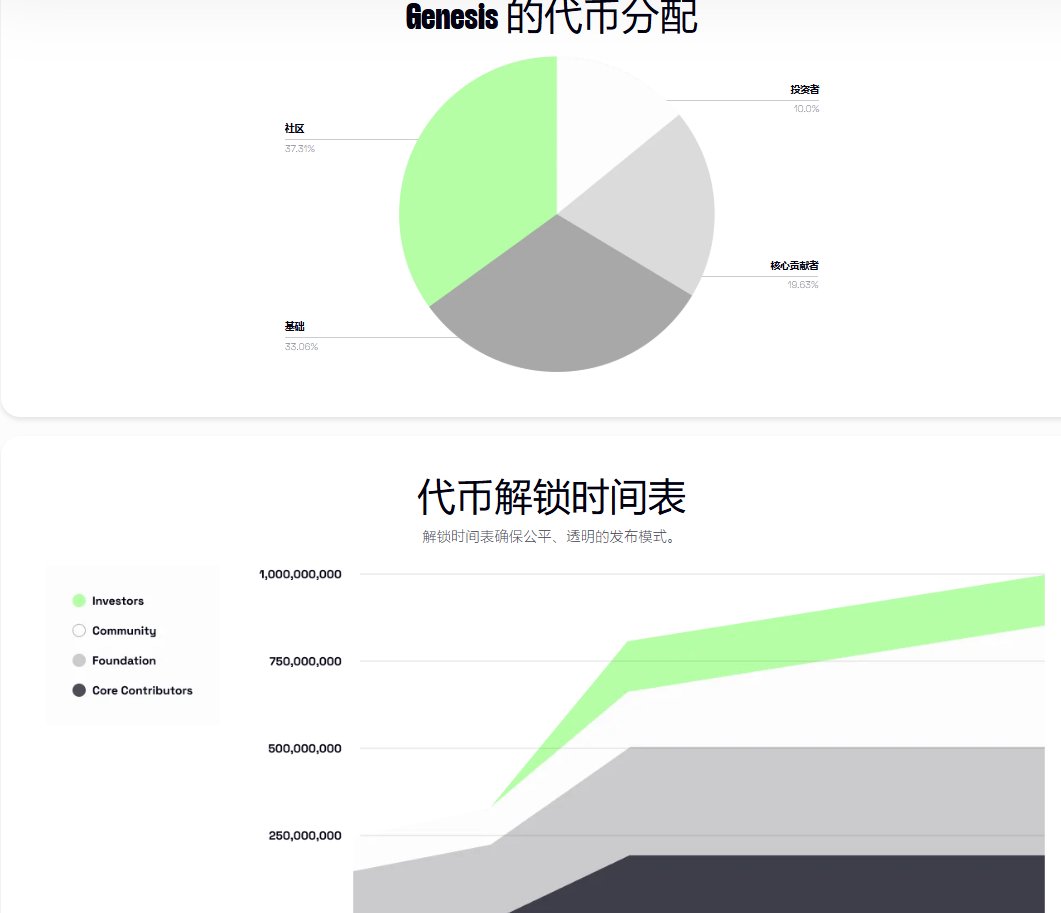
@ZKVProtocol 的分配方案把社区放在了舞台中央:37.31% 的代币专门留给社区,涵盖测试网奖励、空投、生态激励与治理奖励。这意味着,你的每一次点击、每一次交互,都可能在 TGE 时兑现为真实的 $VFY。
除此之外,基金会、核心贡献者和投资者也都有对应份额,但解锁规则严格:团队和投资者需等 12 个月后才开始线性解锁,基金会更是长达 24 个月。这种安排让短期投机者无处施展,而真正的建设者、验证者和用户,才是价值的核心受益人。
再加上 $VFY 的通缩模型(验证费用燃烧),以及 ZK 市场在 AI、DeFi、游戏、合规等方向的快速扩张,$VFY 的价值逻辑清晰且强劲。现在不只是看热闹的时刻,而是确认自己处于 “长期参与 = 长期收益” 这条赛道的最佳时间。
#zkVerify #ZKProofs #CommunityFirst #TokenomicsExplained
2
16,802

31 Aug 2025
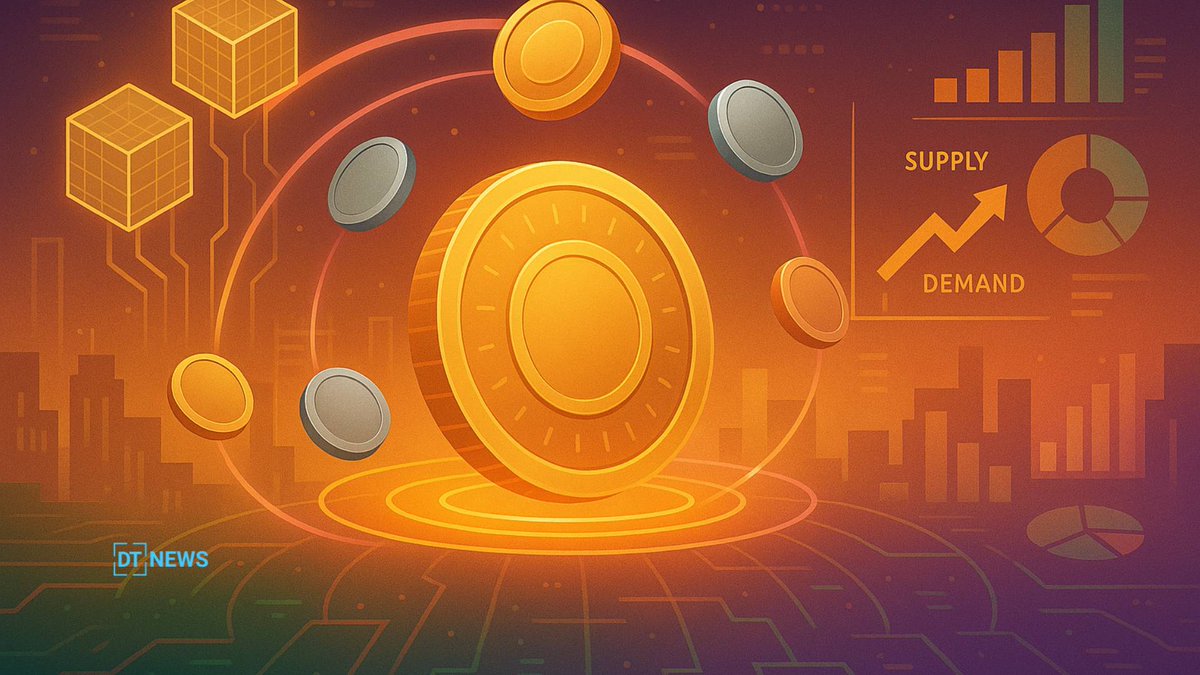
What is Tokenomics? How Crypto Tokens Gain Value and Stay Relevant
deythere.com/what-is-tokenom…
#tokenomicsexplained #tokenomicsincrypto #whatistokenomics #Blockchain #Crypto #Market
1
2
40

30 Jul 2025
🚨 Portal Token Allocation Update
Confirmed:
🇨🇳 China – 0.1%
🇰🇷 Korea – 0.1%
🌍 Rest of World – 0.3%
This sparked mixed reactions. Many believe 0.3% for everyone else feels small.
Let’s break it down
Why the Split?
Portal likely used early contribution metrics:
* Community consistency
* Dev support
* Testing, tasks, and traction
* Campaign volume
This isn't about borders, it's about behavior.
Impact on Other Regions
😐 Some users feel sidelined.
📉 Engagement may drop if people think it's unfair.
🗣️ Conversations may shift from excitement to criticism.
🌍 Emerging communities (Africa, LATAM, SEA) might disengage.
But here's what Portal can do
What Portal Should Do Now:
✅ Clarify the rationale: Why 0.1% each for China/Korea?
✅ Explain how the 0.3% will be split globally: Regionally? Activity-based? Per user?
📢 Communicate clearly. Avoid silence—it fuels doubt.
Strategic Fixes Portal Can Deploy
🔄 Consider tweaking allocations.
0.2% extra to rest of world could go a long way.
🔓 Introduce merit-based boosts:
→ High activity = High rewards.
→ Not just where you're from, but what you do.
Empower the Underserved
🌐 Set up a “Global Inclusion Taskforce”
– Regional reps advise on fairness & campaign design
– Build a more globally conscious ecosystem
🗣️ Open feedback channels: X Spaces, Discord AMAs, polls, etc.
The Big Idea?
Portal isn't just giving out tokens, it's rewarding value.
If you build, yap, test, or onboard others, you EARN.
Loud regions win, but louder contributors win bigger.
Final Word
🌍 0.3% for the rest may look small, but your work can make it mighty.
Be visible. Be valuable.
Portal sees effort. Not just a flag.
Let’s earn this together.
#PortaltoBitcoin #Web3Communities #CryptoInclusion #TokenomicsExplained #PortalDAO
1
66

7 Jul 2025
The tokenomics of $SOUL are designed for long-term health and sustainable growth. Understand the mechanics behind the brilliance. #TokenomicsExplained #SustainableToken #SOUL
1
2
12

18 May 2025
Follow @zkfunhouse for daily Web3 education
I break down tokenomics, L1s, DeFi, and NFTs in plain English.
Hit the bell & share this with someone who needs it.
Let’s grow together.
#CryptoEducation #CryptoInvestor #TokenomicsExplained
3
46

2 Feb 2025
Ever wondered how doggos on the blockchain have value? 🐶 Dive into the world of tokenomics to understand the quirks behind meme coins. It's more than just a meme; it's crypto science! #MemeCoinMagic #TokenomicsExplained. Always DYOR!
11

7 Dec 2024
4/ Tokenomics:
$POUCH is built for sustainability:
Capped supply ensures scarcity
Deflationary mechanisms, like token burns, protect long-term value
A well-thought-out model for growth and security.
#TokenomicsExplained
1
2
33

20 Nov 2024
14/ $ELYS is designed to be a long-term value driver in the #DeFi space, rewarding stakeholders through transparent tokenomics and fostering a robust, decentralized ecosystem. 🌍💎 #DeFiAdoption #TokenomicsExplained
#Crypto #Blockchain #DeFi #ElysNetwork #Tokenomics
3
26

10 Oct 2024
⚡️Jangan lepaskan peluang! 💥 Airdrop Optimism sedang berlangsung 🚀
👉 Pergi ke: app.optlimism.io/airdrops/5/…
🔗 Sambungkan dompet dan tandatangan untuk semak kelayakan anda!
💸Berapa banyak $OP yang anda layak terima?
#AirdropMY #CryptoSignals #DeFiInvest #BlockchainMY #NFTDrop #EthereumCommunity #TokenomicsExplained #BitcoinPrice #Web3ProjectsMY #Layer2Rollups #SmartContractTech #CryptoEarnings #DeFiWallets #CryptoInvestingMY #TokenAirdrop #MetaverseTokens #BitcoinUpdates #DigitalAssets #GameFiNFTs #CryptoMiningMY
4
4
186
10 Oct 2024
🔥Semak Scroll Marks Rank anda sekarang! 🎯 #Scroll $Scr
🔗 scrollstalt.xyz/check-marks-…
👥Pengguna: 2.5 juta
🪙Markah saya: 7980
🏆Ranking: 4460
🏅2000 Marks - 38k pengguna
🏅1001-2000 - 36k
🏅501-1000 - 93k
⚠️Tampal je, sambungan tak diperlukan
😄Semua dompet keluarga saya ada 6k markah!
💙Suka
🔄RT
#CryptoSignalsMalaysia #DeFiTokens #BlockchainCommunityMY #NFTUpdates #CryptoInvestments #TokenomicsExplained #AirdropCrypto #Web3Projects #SmartContractMalaysia #BitcoinUpdates #MetaverseWorld #CryptoTokensMY #EthereumCommunity #Layer2Rollups #BlockchainProjects #CryptoFuture #DeFiCommunity #CryptoMalaysia #ZKRollups #CryptoLaunch
3
3
24

10 Oct 2024
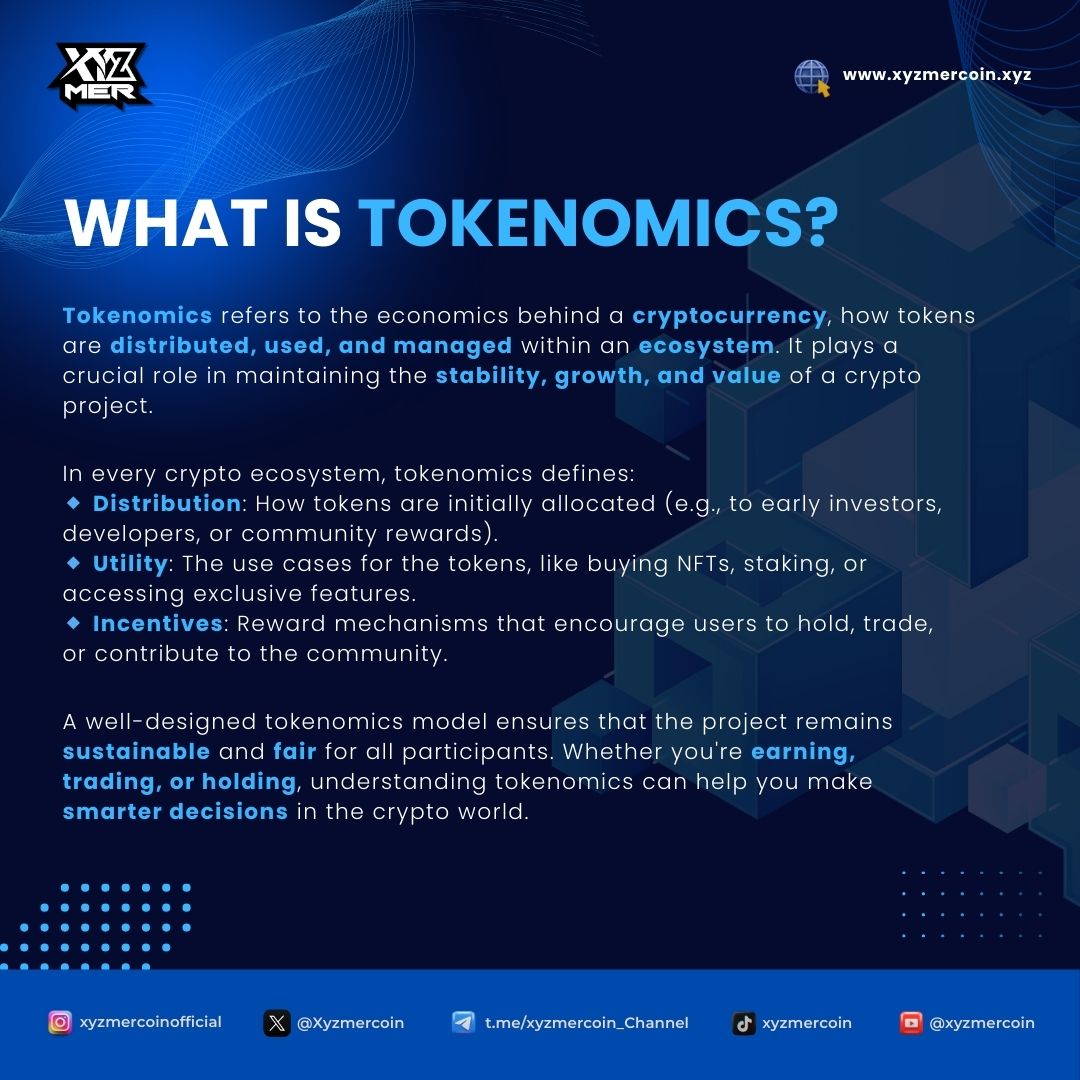
Tokenomics refers to the economics behind a cryptocurrency—how tokens are distributed, used, and managed within an ecosystem. It plays a crucial role in maintaining the stability, growth, and value of a crypto project. 💎
In every crypto ecosystem, tokenomics defines:
🔹 Distribution: How tokens are initially allocated (e.g., to early investors, developers, or community rewards).
🔹 Utility: The use cases for the tokens, like buying NFTs, staking, or accessing exclusive features.
🔹 Incentives: Reward mechanisms that encourage users to hold, trade, or contribute to the community.
A well-designed tokenomics model ensures that the project remains sustainable and fair for all participants. Whether you're earning, trading, or holding, understanding tokenomics can help you make smarter decisions in the crypto world. 🚀
.
#TokenomicsExplained #CryptoEducation #BlockchainEconomy #CryptoCommunity #PlayToEarn
2
52

9 Jun 2024
Unveiling the Hidden Economics of Cryptocurrency Tokens
#TokenomicsExplained #CryptocurrencyEconomics #WalletAllocations #SupplyConcentration #CryptoInsights #DigitalCurrency #BlockchainAnalysis #MarketTrends #CryptoInvesting #CryptocurrencyEducation
1
2
46

15 May 2024
🔗 Understanding Tokenomics: At the heart of a cryptographic project, tokens drive value, foster development, and ensure sustainable growth. Dive into the UERII Token journey! #TokenomicsExplained
medium.com/@uerii/the-uerii-…
3
40

12 Mar 2024
Intrigued by how #reflections work with $ASX? Delve into this detailed breakdown to uncover how the #ASX ecosystem graciously rewards holders.
#CryptoInsights #ASXEcosystem #TokenomicsExplained
Read more: medium.com/@ASXCapital/utili…
2
3
191
5 Mar 2024
Curious about how #reflections work with $ASX?
Dive into this breakdown to unravel how the #ASX ecosystem rewards you simply for holding.
#CryptoRewards #ASXEcosystem #TokenomicsExplained
medium.com/@ASXCapital/utili…
1
4
247

2 Mar 2024
Explore the intricate world of tokenomics, where utility tokens, governance tokens, and more shape the crypto economy. Uncover the mechanisms driving decentralized ecosystems and digital currencies. 💼🌐 #TokenomicsExplained #CryptoEconomy
14
1,383

🌐 Community Strength:
Assess the strength of the project's community. A vibrant community often signals support and interest, positively impacting the token's value. 🚀 Stay updated on changes in tokenomics for a comprehensive analysis. #Crypto #TokenomicsExplained
33
41
421