
i do think every child in the nation should be taught sign language and use of touchchat alongside english learning regardless of disability status
2
19

Jan 12
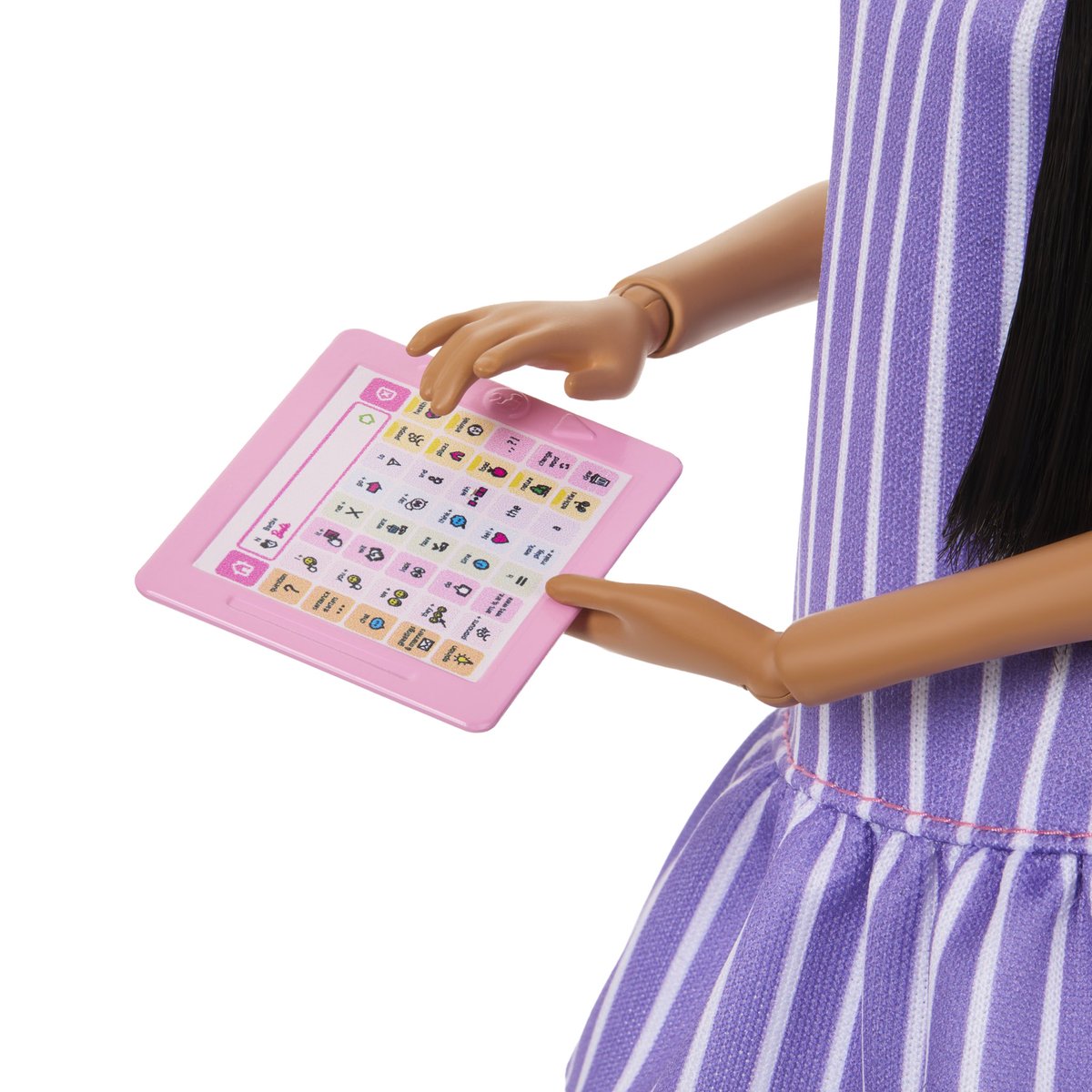
This is so adorable. I work with a lot of kids who are nonverbal or partially nonverbal that use Lamp or TouchChat and it is wonderful to see them represented by this.


2
10
504

23 Dec 2025
…they need to communicate with her too. You can subscribe to Nigerian Sign Language YouTube videos for them to learn with her.
3. You can download TouchChat or Proloquo2go. They are comms apps where she can tap words like “eat” “school” “Hello”, etc just to communicate… (2)
1
4
185

30 Sep 2025
TouchChat and the iPad saved our sanity and improved our daughter’s communication ability immensely. She can do max 3-4 phrases/word approximations, but the iPad is always there when we don’t know.
8
851

3 Aug 2025
I made a post not long ago about this. As a Special Education teacher, I always encourage iPads because of their adaptability features for students with disabilities.
1. Accessibility Features
iPads include built-in accessibility tools like VoiceOver, Zoom, AssistiveTouch, Speak Screen, and Guided Access—making them usable for students with visual, auditory, motor, or cognitive impairments.
2. Customizable Communication Tools
Apps like Proloquo2Go, TouchChat, and LAMP Words for Life turn iPads into dynamic AAC (Augmentative and Alternative Communication) devices, empowering nonverbal or minimally verbal students to communicate.
3. Visual Supports and Schedules
iPads can display visual schedules, timers, social stories, and behavior cues to support students with autism or executive functioning challenges, reducing anxiety and increasing independence.
4. Engaging, Multisensory Learning
The combination of audio, visuals, and tactile interaction helps reach a variety of learning styles—especially helpful for students with cognitive or sensory processing disabilities.
5. Motivation and Engagement
iPads are highly motivating for many students, increasing attention and participation. Gamified apps and interactive lessons can encourage reluctant learners to engage more fully.
6. Portability and Discreet Support
Unlike bulky equipment, iPads are portable and socially acceptable, allowing students to use support tools (like speech output or visual aids) discreetly during general education classes or community outings.
7. Personalized Learning
Students can access apps and materials tailored to their specific learning needs, pace, and IEP goals—from adaptive math games to interactive books with read-aloud features.
8. Improved Fine Motor Alternatives
For students with physical disabilities or fine motor difficulties, iPads can replace writing tasks with typing, tapping, or voice-to-text, making assignments more accessible.
9. Independent Practice and Feedback
Apps provide instant feedback and allow students to practice skills independently, helping build confidence and reducing dependence on teacher prompting.
10. Data Tracking and Progress Monitoring
Teachers can use iPad apps to collect data on student performance and engagement, helping track IEP goal progress and adjust instruction as needed.
5
15
1,202

17 Jun 2025
6時半~
>家庭支援のためのツール活用方法と学術的な知見に基づいた情報提供の可能性について
>東京大学先端科学技術研究センター LEARNの赤松裕美先生
TouchChat等での書字支援,OpenDyslexic等の活用,記憶の仕方等を含めてUDL実現のために,学習者の個性を発見して案内するような仕組はあるのだろうか?
13 Jun 2025

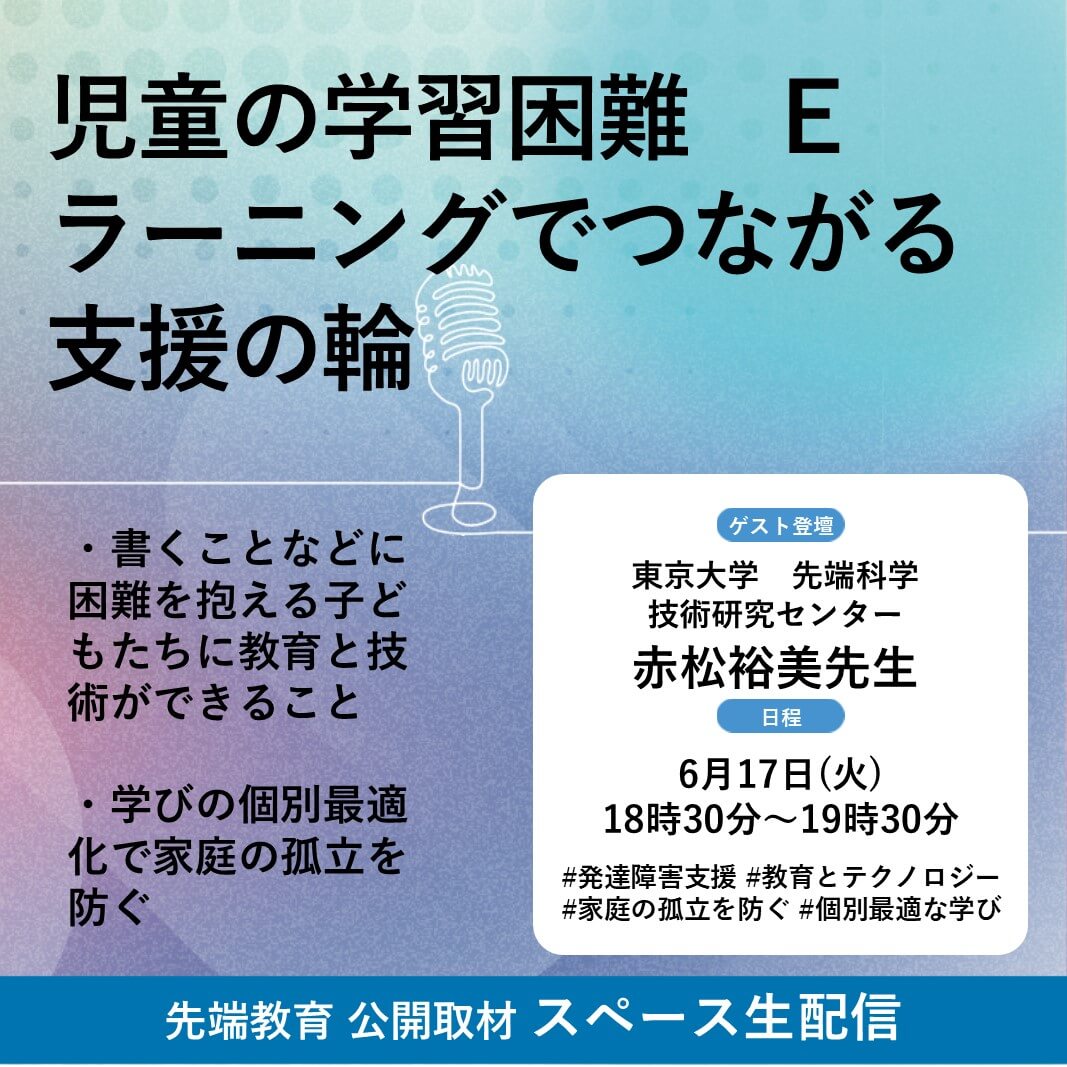
発達障害のある子どもを育てる家庭にとって、日々の学びをどう支えるかは切実な課題です。困難の背景には、「家庭内でできる学習支援がわからない」「周囲に相談できる人がいない」といった、情報へのアクセスの偏在と社会的孤立があります。
しかし近年、AIを活用したEラーニングや書字支援アプリなど多様な学習支援技術が開発されてきました。
例えば、文字を書くことが苦手な子どもに対し、文章構成を支援するAIライティングツールなど、家庭で使える技術は少しずつ整備されつつあります。
一方で、ツールを知っているだけでなく「相談できる相手がいるか」という点も家庭の孤立を左右します。家庭ごとに事情は異なり、誰もがすぐに同じ方法を取れるわけではありませんが、話すことができる場があると知ることは孤立を防ぐ一歩です。
東京大学先端科学技術研究センター LEARN @_learnforall の赤松裕美先生を迎え、家庭支援のためのツール活用方法と、学術的な知見に基づいた情報提供の可能性について配信します。是非皆さんご参加ください。
#個別最適な学び #学習障害 #孤立を防ぐ教育支援
x.com/i/spaces/1MnGnwNPROdJO
1
5
311

7 Jan 2025
Career Life Skills (CLS) students at Hersey are developing their communication skills using TouchChat, a device that serves as their voice. See how they are building connections and honing their interview skills!
1
3
36
3,280

13 Jun 2024
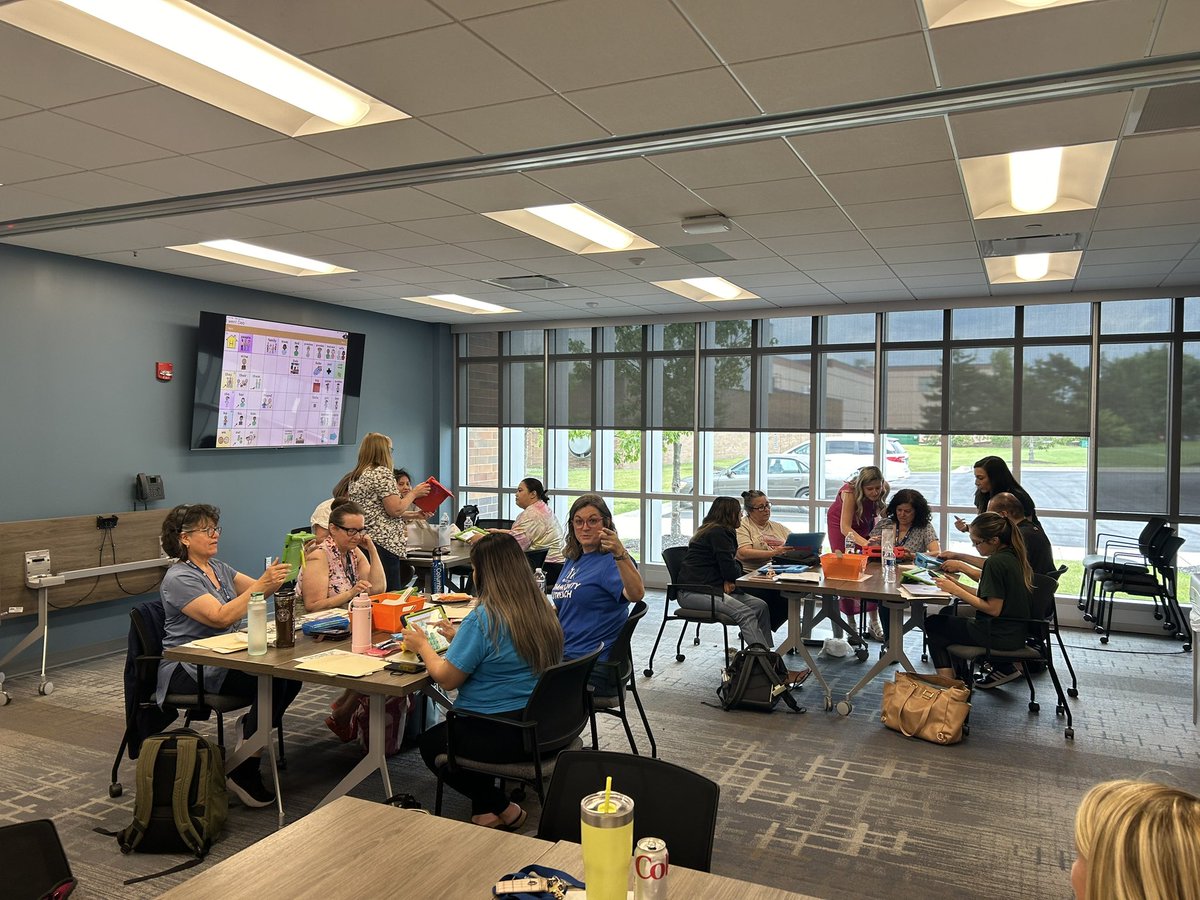
A great summer PL session on utilizing the TouchChat AAC communication tool. Great group of staff fully engaged in hands on learning. Love it! #D59Learns
2
7
707

Recently Naomi visited the Coast Mountain School District and coached on editing buttons in #TouchChat for personalization. The student got involved! Can you spot what they personalized? We have a Cookie Dough Blizzard fan!
#SD82 @CoastMtnSD @SaltilloBrand #AAC #Inclusion
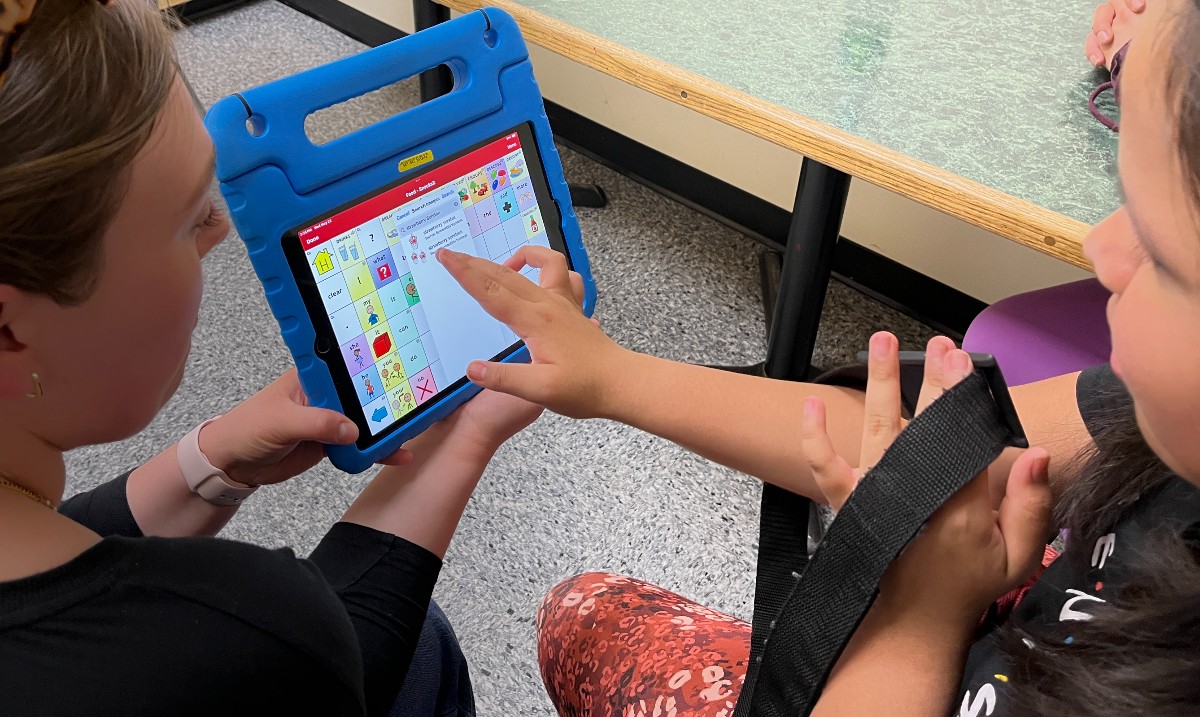
ALT a woman holds an iPad with TouchChat edit screen visible. The student points finger at screen to select.
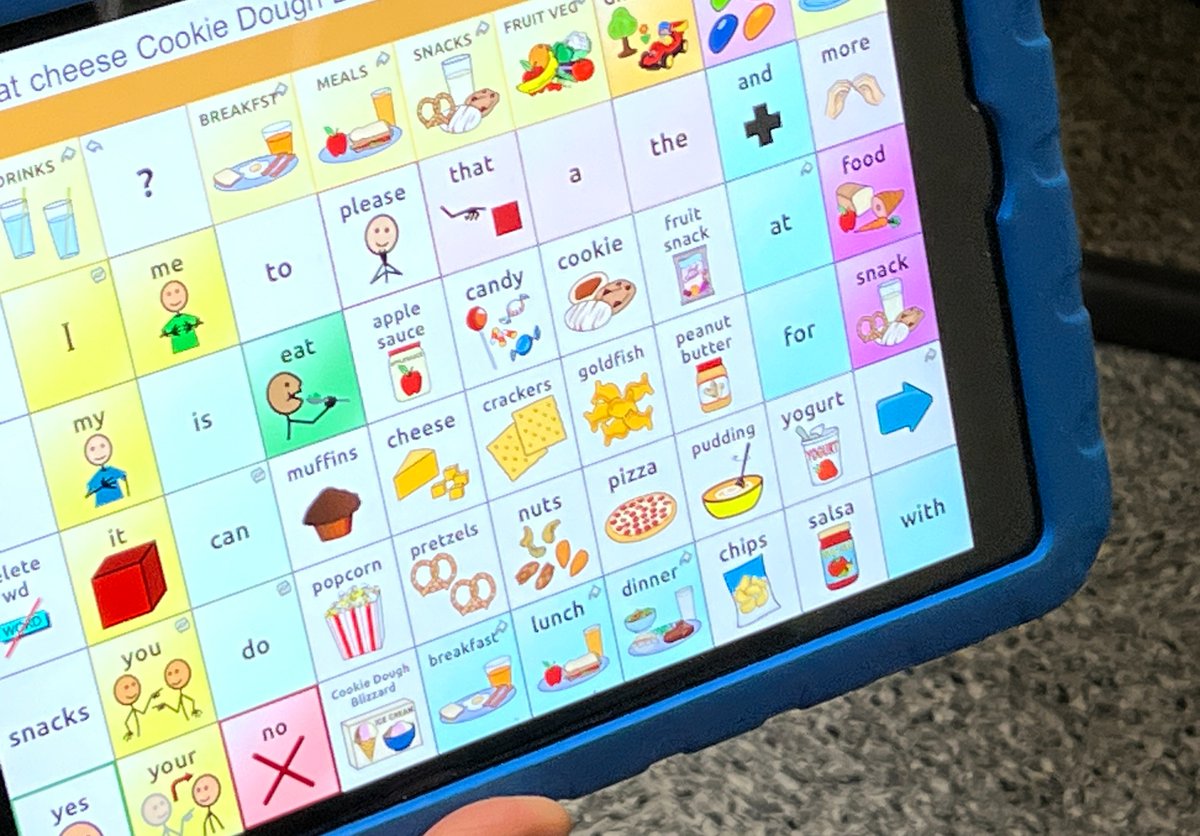
ALT A TouchChat communication screen with food/meal options. A Cooking Dough Blizzard button is visible on bottom row.
2
80

4 Jun 2024
If my child uses TouchChat on an iPad to communicate wants and feelings but never uses grammar, what exactly is she doing? Touches one button to say "water" or just types out "go out car now angry"...what are the final bosses of language calling that?
3
62

30 May 2024
When AAC meets literacy! This student is using the phonics section of her @touchchat speech generating device to sound out CVC words!
#specialedication
#speciallydesignedinstruction
#differentiation
#aac
#literacyforall
3
100

29 May 2024
Sorry, it says you can't be messaged. Program is called TouchChat-you'd want your son's speech therapist to advise you if it's good for him. You're way ahead of us at 4-we had no words till 6. All the best to you!
1
23

17 May 2024
This was incredible! How did she know wall starts w/"w"? I didn't even make an exaggerated w sound. It was further, strong, evidence of her early reading skills. TouchChat & augmented communication devices are *life-changing*! Everyone who needs one should have one! #Momvocate.
1
28

10 May 2024
I use proloquo4text app iOS as a typing aid. I also use touchchat assistant communication device when voice goes, can preprogramm pages of buttons so do not have to type basic needs etc, whole sentences can be programmed into one button to press. There’s a free AAC on android too
1
9
349

25 Apr 2024
A loves drawing during his incentive breaks-he is SO creative! Here he is independently explaining a picture to me.👮🚓
#augmentativecommunicationdevices #touchchat
@WindsorWildcats @ahsd25dss @jungster01
9
220

15 Apr 2024
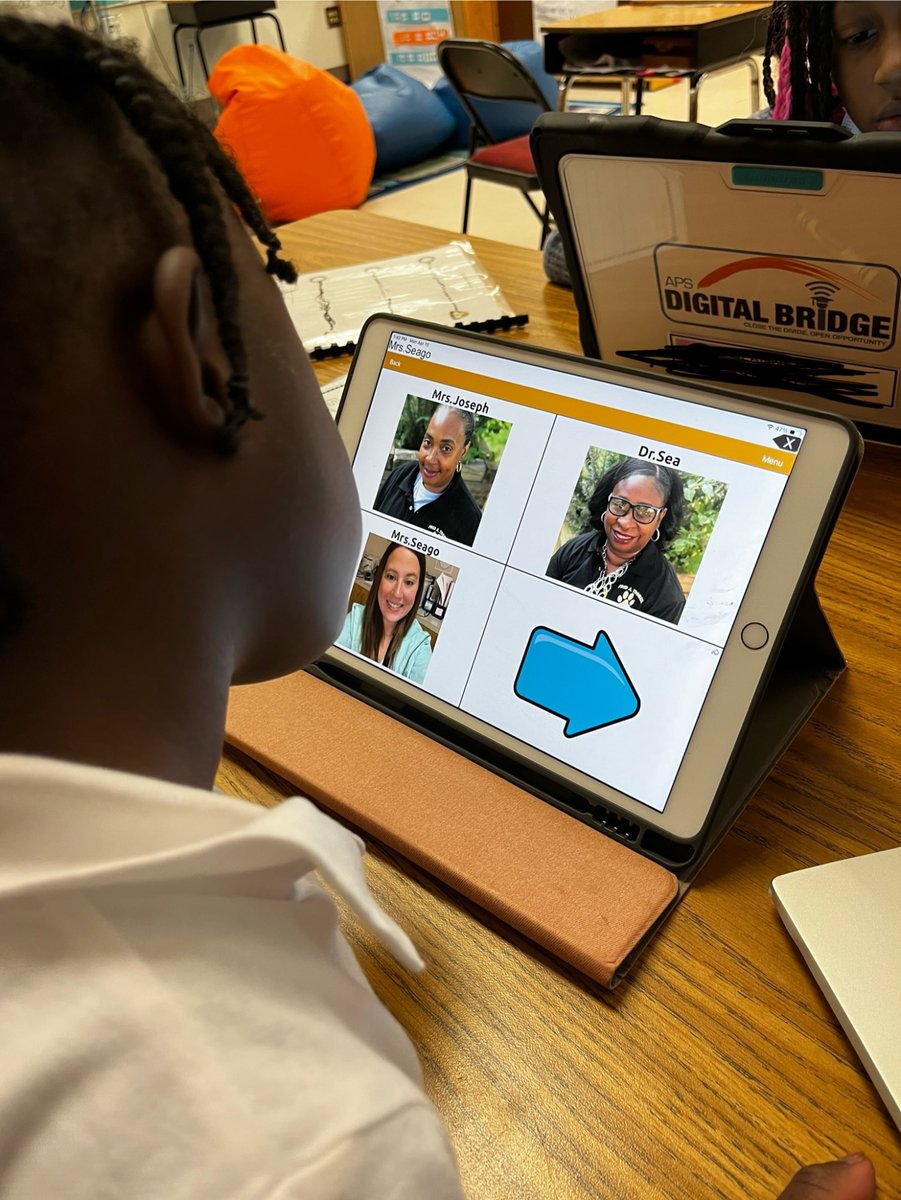
So happy to become a TouchChat Partner this year! Through this program, we have access to an AAC program to be able to use with ALL of our students in MOID❤️ @ToomerES @APS_DSE #communicationmatters #AAC
2
2
170
This @Surrey_Schools student has quickly become adept using her big toe to converse on #Touchchat in class. She also thumbs up & high fives with her foot. The focus now is to mount her device in a more #accessible position.
#AAC #MountingForAAC #BCEd #SupportingStudents #Access

ALT A student's leg propped up on a table, foot touching a device with a TouchChat communication screen. Beside someone holds up a picture book.
1
1
6
285

12 Mar 2024
For help with updating you can check out our YouTube Channel or contact our fabulous customer support team on 01733 370470 (option 2).
#softwareupdate #updatetime #iosaac #aacapps #touchchat #LAMPWFL #DialogueAAC #wordpower
19
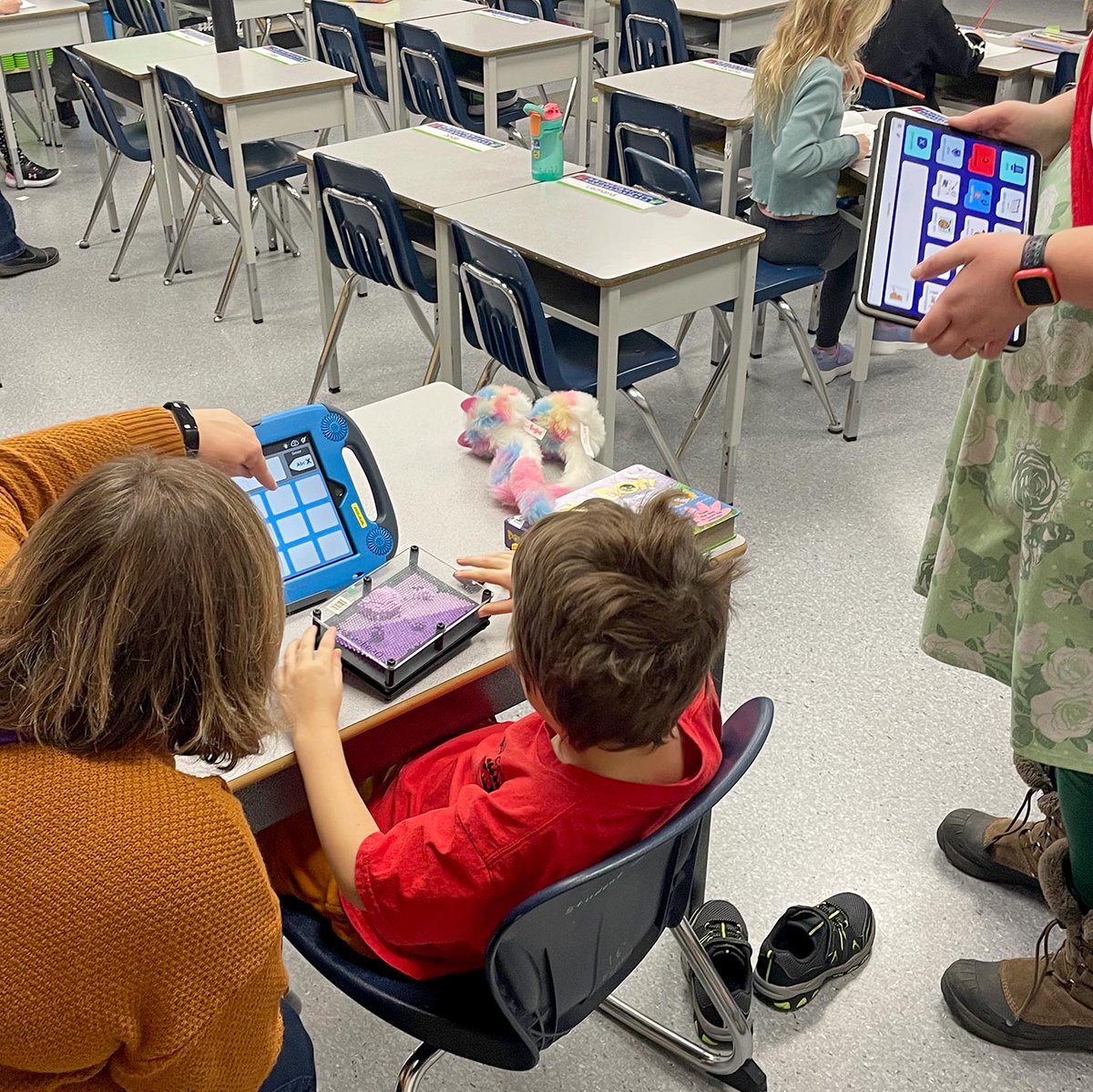
#SLP Arika has been working with #SD28 SLPs, Sarah & Lynne, to assist a Quesnel student using @TouchChat and TD Snap PODD. Together they are collaborating to build inclusive #AAC support in the classroom.
@TobiiDynavox #AssistiveTechnology #InclusiveClassroom #SchoolDistrict28
1
128

16 Dec 2023
I “get it.” When my medically fragile son was little and toys would be everywhere I was just thankful for another day with him. Also nonverbal and Asl has been amazing along with iPad (TouchChat). Wishing you the best.
1
3
44