
If u tell the TRUTH, it doesn't matter who the f you work for...
#TruthToPower
Mar 7

Charlie Pierce did or does write for the Boston Globe. So he's a left wing douche bag
5



Jun 12
JDLL 706 Wondering with my friend Rachel where all our friends have gone? #jdll #neveragain #israel #endjewhatred #antisemitism #democrats #truthtopower #October7th #proudjew #jewishpride #jewishlivesmatter #jew #jewish #TruthAndJustice #truthtopower instagram.com/reel/DZfc4OoEQ…
5

Jun 12
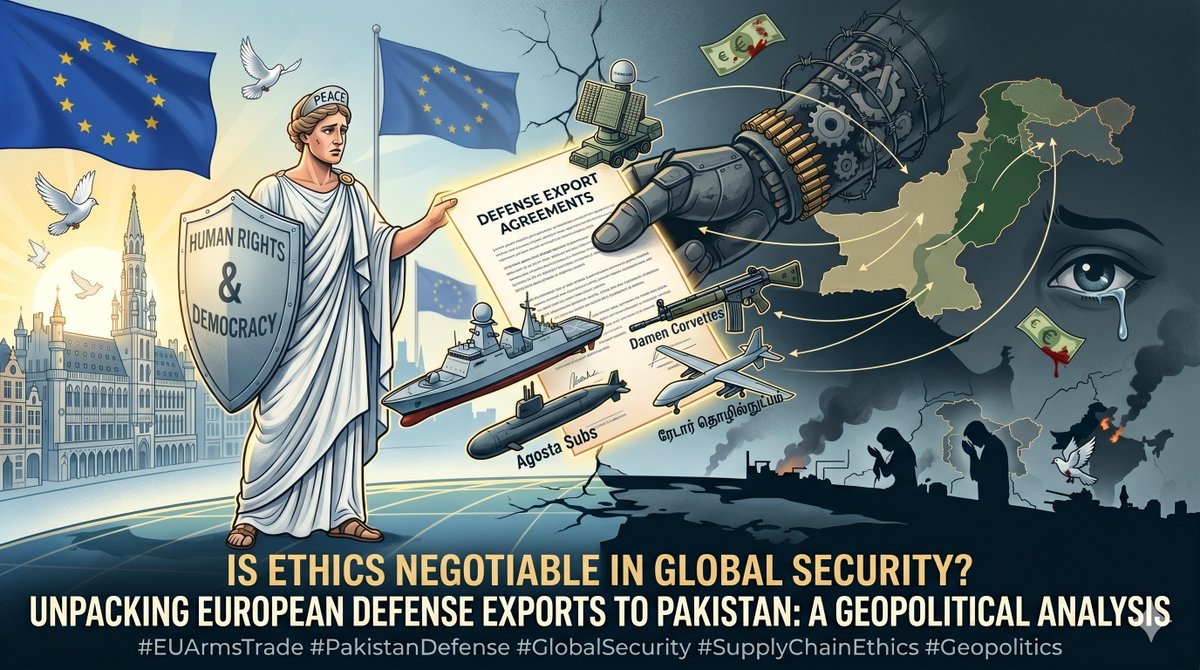
"No European country has been attacked with Indian weapons... so keep that in mind."
With those few, piercing words, Dr. S. Jaishankar did more than just respond to a question; he dismantled years of manufactured moral superiority in a single breath. 🇮🇳✨
There is a unique kind of brilliance in how Dr. Jaishankar handles the global stage. It is not just about the facts—it is the razor-sharp precision with which he cuts through hypocrisy, stripping away the complex diplomatic jargon to reveal the raw, uncomfortable truth underneath. He stands as a towering figure of intellectual defiance, speaking for a nation that no longer accepts being lectured by those whose actions contradict their high-minded rhetoric.
Watching him is a masterclass in modern statesmanship. When he speaks, you don’t just hear a Foreign Minister; you hear the voice of a civilization that has reclaimed its narrative. He embodies a quiet, steely confidence—a brilliance that doesn’t need to shout to be heard, yet resonates deeply across the globe.
It is emotional to witness this transformation in how India is perceived. For too long, we were the ones on the defensive, forced to justify our existence and our security. Today, under his leadership, we are the ones asking the tough questions. We are the ones holding a mirror to the world’s most powerful nations, forcing them to confront their own double standards regarding arms proliferation and regional security.
Dr. Jaishankar doesn’t just represent India’s interests; he represents our dignity. He shows us that diplomacy, when wielded with this level of wit and conviction, is the most powerful weapon a nation can possess. He reminds us that true power lies not in how much you can threaten, but in how effectively you can articulate the truth that others are too afraid to speak.
Thank you, Dr. Jaishankar, for being the unwavering voice of a billion hopes. Your clarity is our strength, and your brilliance is our pride. 🛡️🔥
#SJaishankar #IndiaForeignPolicy #DiplomaticBrilliance #VoiceOfIndia #NationalPride #Geopolitics #TruthToPower #Statesmanship #StandWithIndia #TheNewIndia
3
4
89

😉……😏 #truthtopower
Jun 11

A JUDGE HAD NO WORKERS RIGHTS
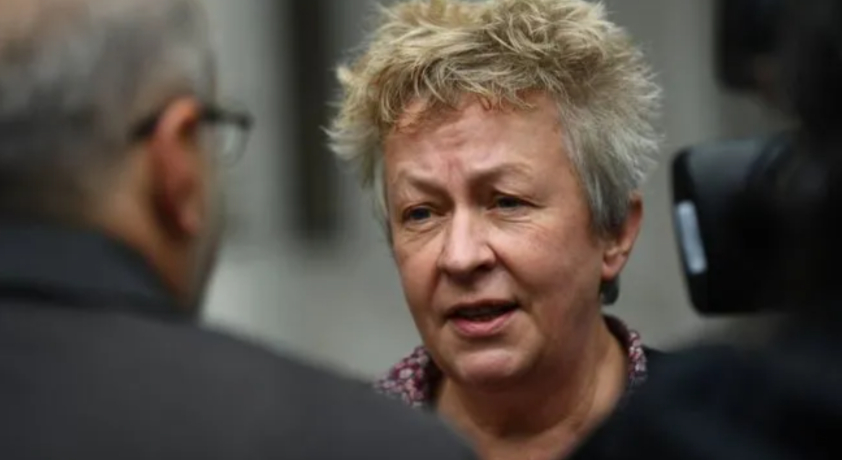
Claire Gilham was a district judge in Warrington. She spent her days dealing with some of the most difficult civil and family cases in the North West. People going through divorce, debt, custody battles. The kind of work that matters.
The courts she worked in were a mess. Unsafe buildings. Overworked staff. Budget cuts so deep that basic safety was gone. Violent people in courtrooms with no security. She even received death threats.
She reported it. Formally. In writing. To the people above her.
Their response was remarkable. They told her the problems she was describing were not really problems. They were just her personal working style. She was then bullied and loaded with extra work for daring to speak up.
So she did what any reasonable person would do. She took the Ministry of Justice @MoJGovUK to an employment tribunal.
Here is where it gets truly absurd.
A judge in England has no whistleblower protection. None. The law that protects workers who speak out about wrongdoing did not cover judges because judges are classified as office-holders, not workers.
The person sitting in court enforcing the law for everyone else had fewer legal rights than almost anyone sitting in front of her.
She lost at tribunal. She lost at the Court of Appeal. She started a crowdfunding campaign just to keep the case alive. Most people would have stopped.
She did not stop.
In October 2019, after seven years, @UKSupremeCourt ruled in her favour. Unanimously. Five judges, zero dissent. The law was rewritten to protect judges who blow the whistle. And the ruling went further, helping workers across the public and private sectors who had been denied the same protection.
One judge. No institutional backing. Fighting the entire Ministry of Justice with a crowdfunding page. She changed the law for everyone.
@guardian @BBCNews @lawgazette @thetimes @UKSupremeCourt - Gilham v Ministry of Justice [2019] UKSC 44
3
Jun 11
JDLL 705 Choosing to wear a baseball cap to a baseball game takes on major significance in this age of Jew hatred #jdll #neveragain #israel #newyorkmets #baseballcap #proudjew #jewishpride #endjewhatred #jewhatred #truthtopower #antisemitism #jewish #jew instagram.com/reel/DZdHAbYkW…
10

Jun 11
she needs more gold plated everything while she speaks "truthtopower" of being "under the oppressor's thumb."
Not a race thing, 'tis a greed thing, and this one, like the rest, is greeeeeeeeeeeeeeeeeeeeeeeeeeeeeeeedy.
4

 Eugene

Not a fan, don’t need to be though, truthtopower is still the truth!
Jun 11

🇺🇸Tucker Carlson completely grilled Trump🔥
He said: "Today I'm telling you the reality thay Netanyahu is the PRESIDENT of the United States, and
Trump is a SPOTTY COMMANDER in chief who announces a deal 38 times and it never materializes. 🔥🤣
This is extremely shameful for our nation.
Finally someone said it 👏
7
Jun 10
JDLL 704 it feels so good for Jews and Israel to know that we have friends like Malik Roberts fighting for us. #jdll #neveragain #endjewhatred #israel #civilrights #proudjew #allies #truthtopower #speakout #jewishpeople #racism #blackjewishunity #truth instagram.com/reel/DZaVSUiEV…
6


Jun 9
JDLL 703 I’ll do my Jew . You do your Jew. #jdll #neveragain #endjewhatred #israel #ElonGold #jew #jewish #trauma #truthtopower #jewishpeople #proudjew #jewishpride #nojudgement #jewishhistory #Shindlerslist #speakout instagram.com/reel/DZYetBvEV…
9

Gino 🆘 retweeted

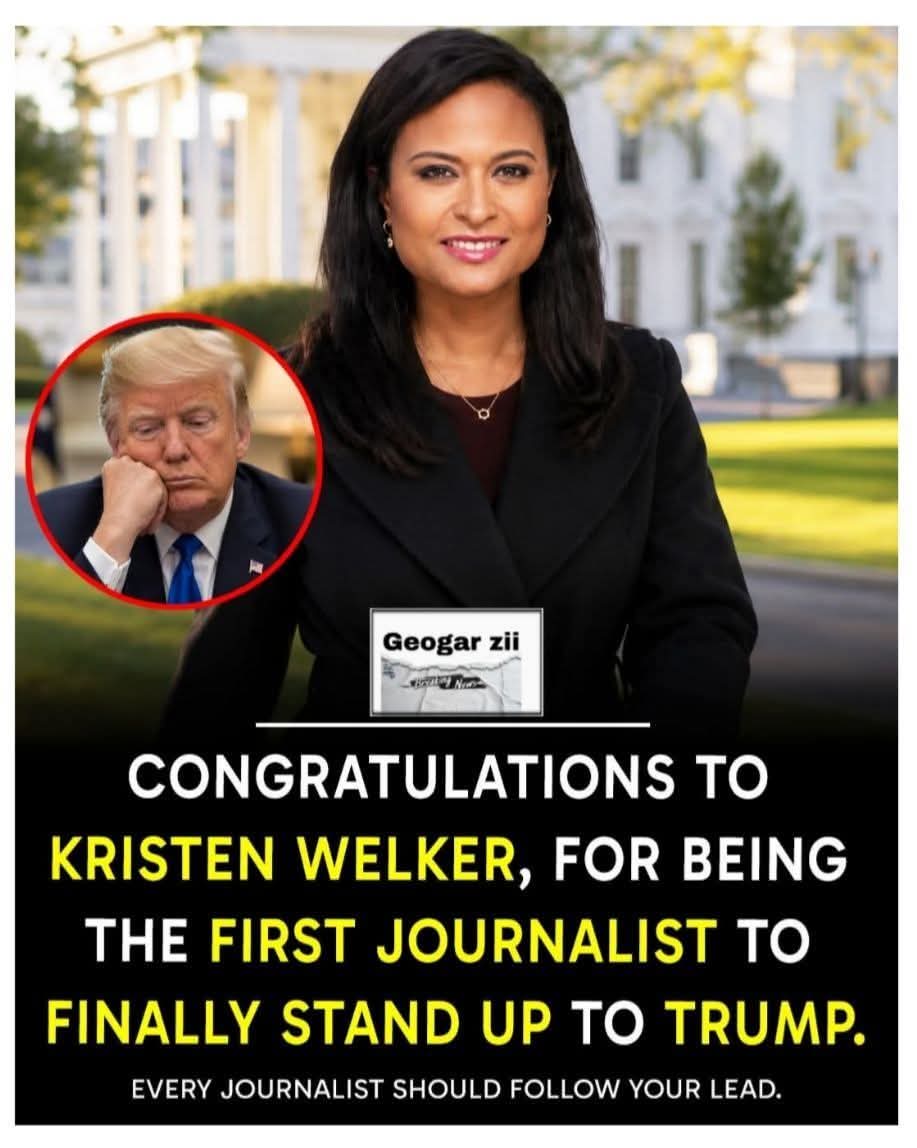
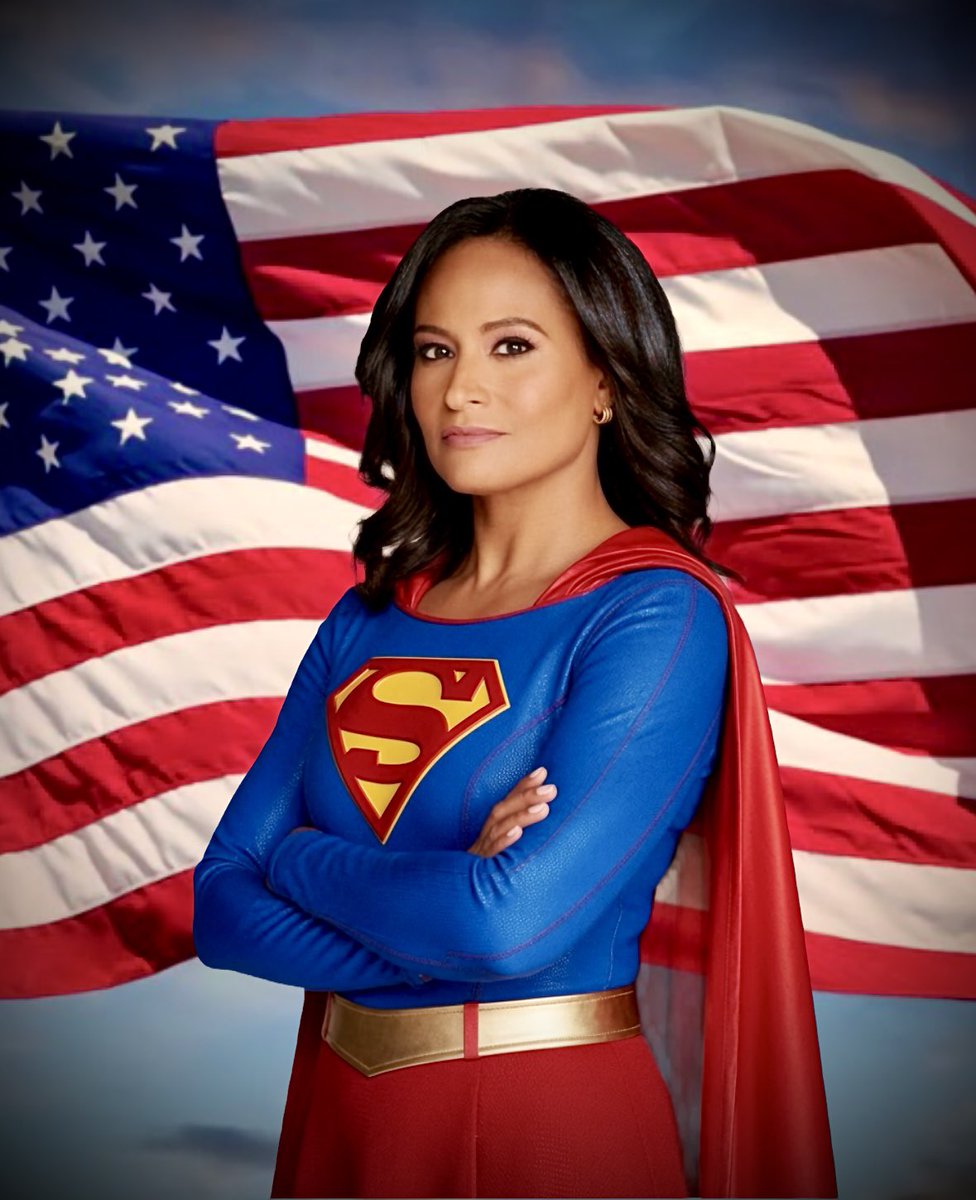
She did it. She spoke Truth to Power
and she was heard the w🌎rld over
Thank you @kwelkernbc 🙏
#TruthToPower
#KristenWelker
#American
#Hero
#Journalist
#integrity
#Nevertrump
#NeverAgain
#truth
1
3
43

Doing something to Indians?
How about waking up those blinded by
✡️ Talmudic
Lurianic Kabbalistic inspired
Feminism
Marxism
Transgenderism
MultiCulturalism
Monopolism
Eugenics
Scientism
Modernism
Not
enough
that I’ve courage
to speak TruthToPower
to those close enuf to hear?
1
7
Jun 8
JDLL Toda Raba to @ElonGold and @LizzySavetskyvfir fighting back against the horrific blood libel perpetrated by the @nytimes. No we dont have to take it. #jdll #neveragain #bloodlibel #israel #truthtopower #bloodlibel #proudjew #TribeccaFilmFestival instagram.com/reel/DZVaqLQER…
10