Wellington Ladeira retweeted

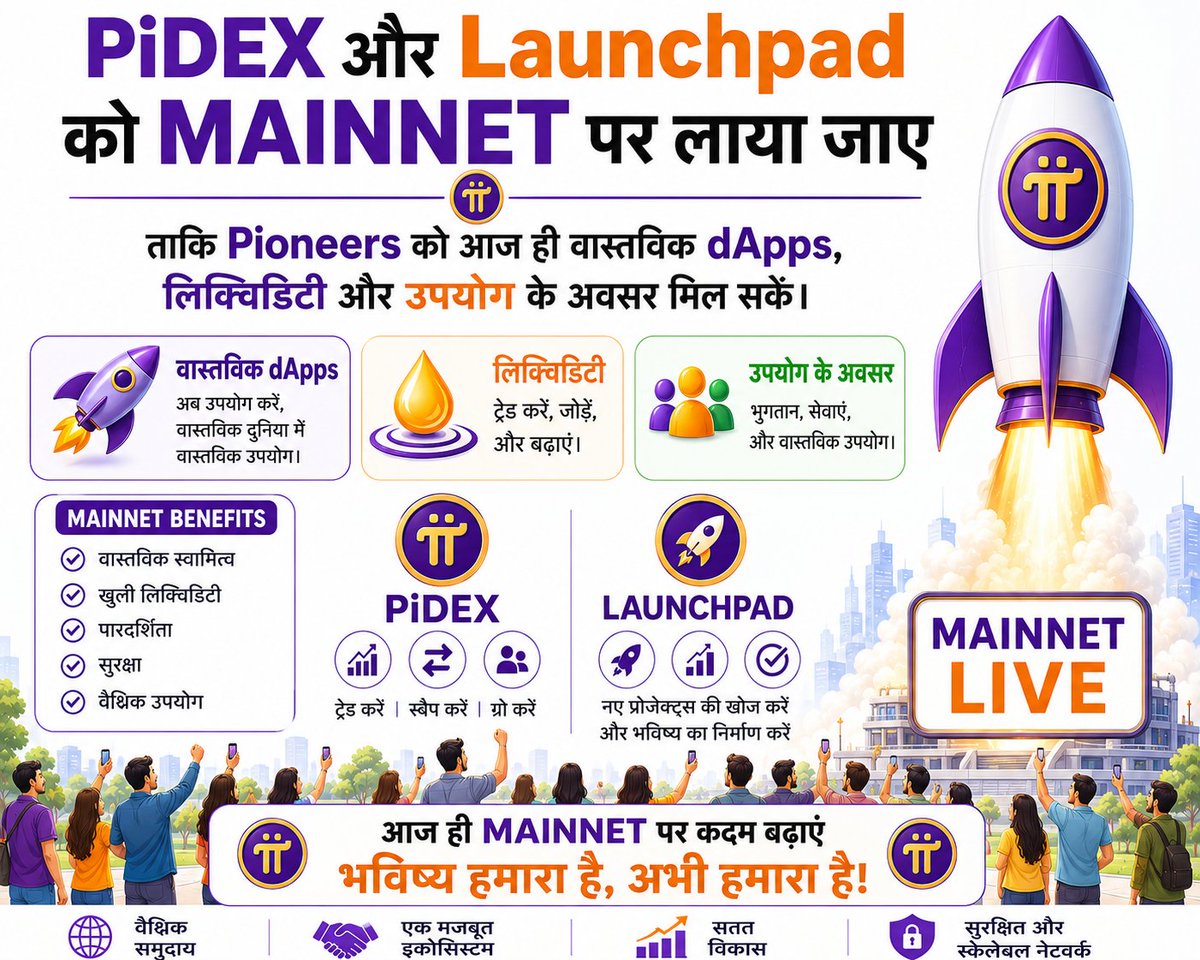
Pi का भविष्य Listings से नहीं, Utility से बनेगा.
क्या आप सहमत हैं? 👇💜
#PiNetwork #BuildOnPi #UtilityFirst
2
6
57
477


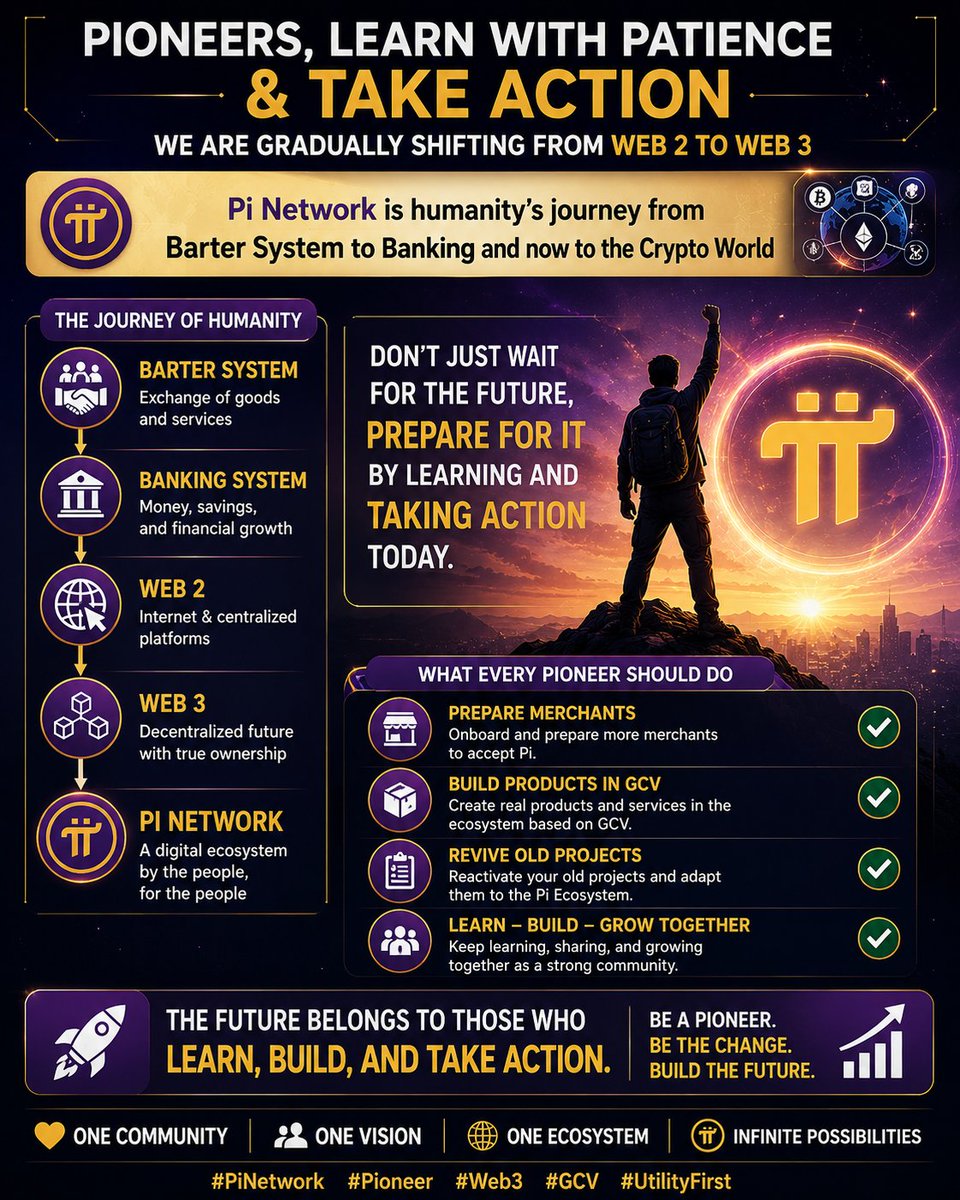
Pioneers, the future is not built by waiting it is built by learning and taking action.
As the world shifts from Web2 to Web3 let's prepare merchants, build real utility, revive projects, and grow the Pi ecosystem together
#PiNetwork #Web3 #Pioneer #UtilityFirst #GCV #PiCommunity
44

Jun 11
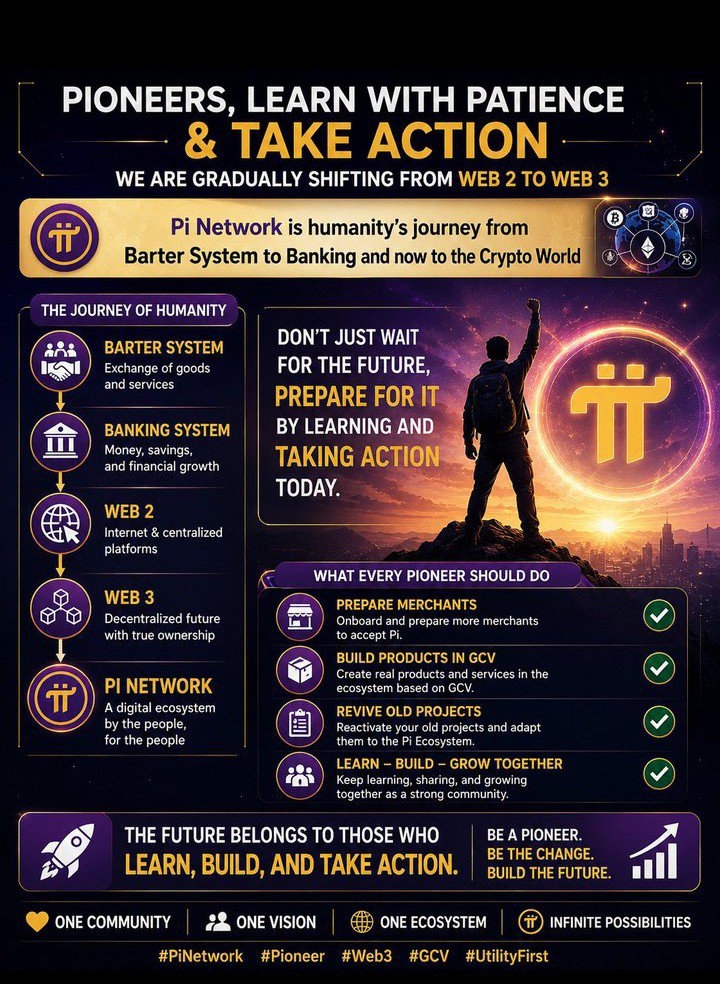
Pioneers, the future is not built by waiting it is built by learning and taking action.
As the world shifts from Web2 to Web3 let's prepare merchants, build real utility, revive projects, and grow the Pi ecosystem together
#PiNetwork #Web3 #Pioneer #UtilityFirst #GCV #PiCommunity
10
78
1,039

Pioneers, the future is not built by waiting it is built by learning and taking action.
As the world shifts from Web2 to Web3 let's prepare merchants, build real utility, revive projects, and grow the Pi ecosystem together
#PiNetwork #Web3 #Pioneer #UtilityFirst #GCV #PiCommunity
15
121
1,205
अब Real , Utility चाहिए.
🚀 PiDEX Mainnet पर. 🚀 Launchpad Mainnet पर.
Pioneers सिर्फ Hold नहीं करना चाहते— वे Build, Trade, Earn और Use करना चाहते हैं।
Pi का भविष्य Listings से नहीं, Utility से बनेगा.
क्या आप सहमत हैं? 👇💜
#PiNetwork #BuildOnPi #UtilityFirst
1
6
21
331

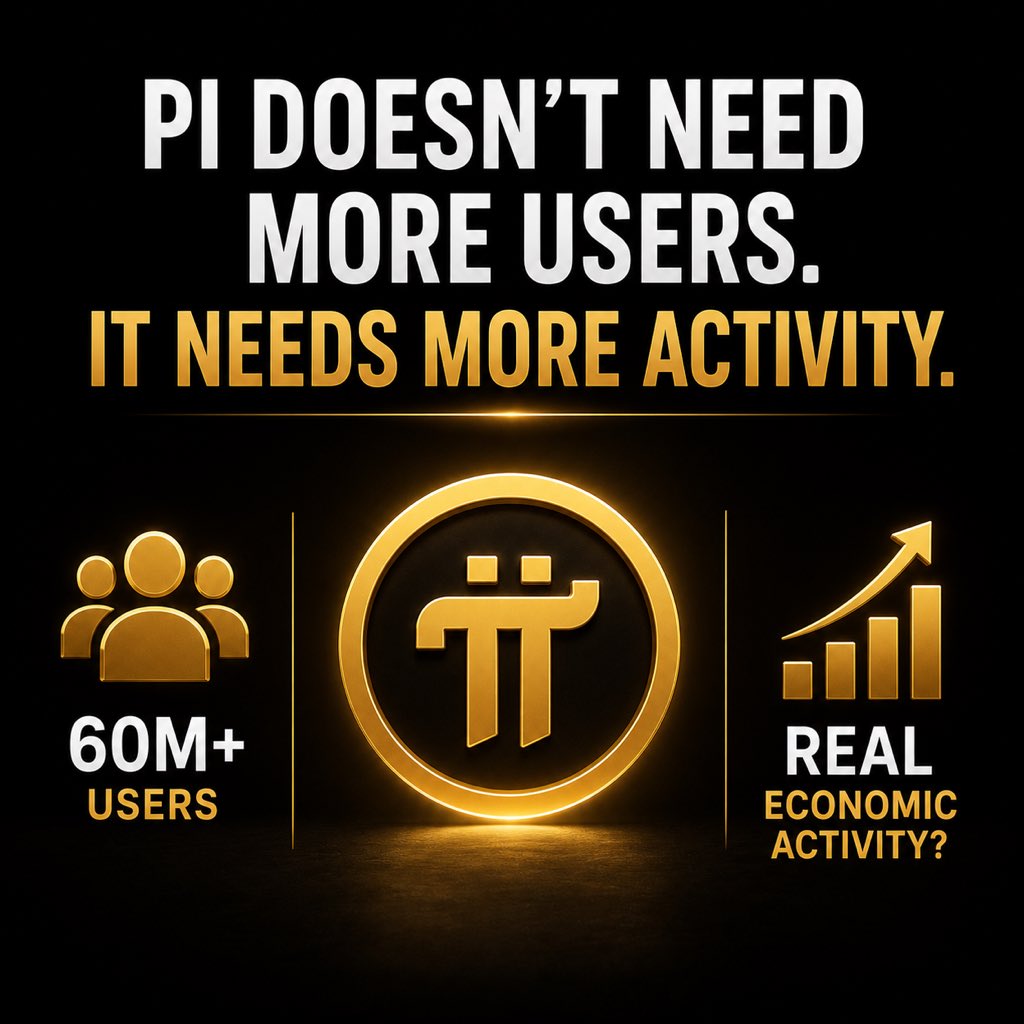
💜 Pi doesn’t need more users.
It needs more activity.
Think about it.
Pi already has one of the largest communities in crypto.
Millions of accounts.
Millions of wallets.
Millions of verified users.
But a network isn’t measured only by how many people join.
It’s measured by what people do after they join.
Are people transacting?
Are developers building?
Are businesses accepting Pi?
Are apps creating real value?
That’s the next big test.
History shows that communities can create attention.
Utility creates sustainability.
The future of Pi may depend less on how many new users arrive and more on how many existing users become active participants in the ecosystem.
Agree or disagree?
👇 Let’s discuss.
#PiNetwork #PiCoin #Web3 #Blockchain #CryptoAdoption #DigitalEconomy #UtilityFirst
18
254
Jun 10
💜 Many people are asking the wrong question about PiRC2.
They’re asking:
“Is Pi’s smart contract technology better than Ethereum’s or Solana’s?”
The answer today is simple:
Probably not.
Ethereum and Solana have years of development, mature ecosystems, and far more advanced smart contract capabilities.
But that’s not the comparison that matters.
The more interesting question is:
What is Pi trying to build?
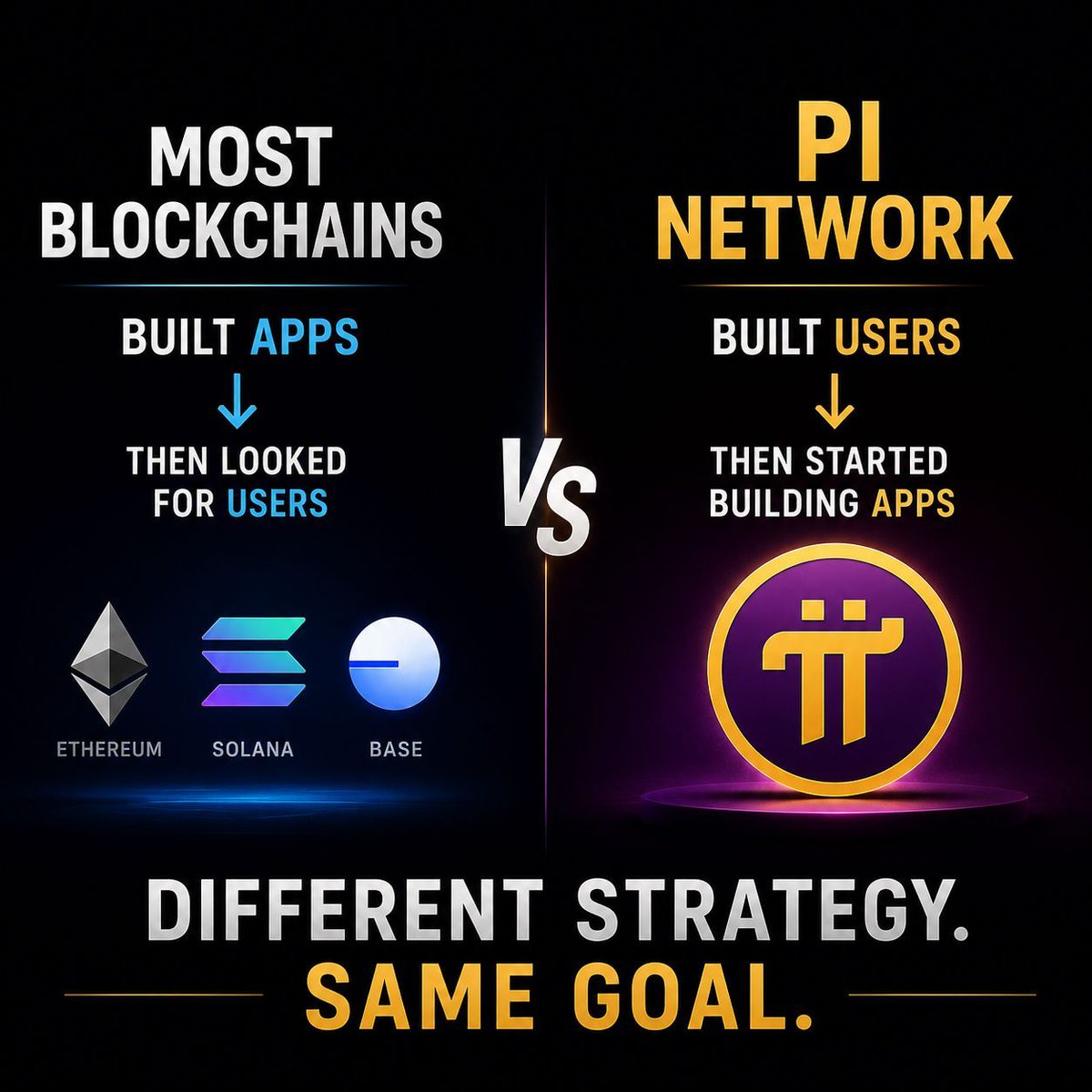
Most blockchain ecosystems started with infrastructure first and then spent years trying to attract users.
Pi took a different route.
It spent years building:
• A large user base
• KYC verification
• Wallet infrastructure
• Browser ecosystem
• Domains
• KYB for businesses
Now it’s gradually introducing the tools that can connect those pieces together.
That’s what makes Pi’s subscription-focused approach interesting.
Not because subscriptions are new.
They’re not.
Ethereum, Solana, Arbitrum, Optimism, and many others already support similar functionality.
What’s different is the priority.
Many chains first became known for trading, speculation, yield farming, and DeFi.
Pi’s first public smart contract demonstration focuses on subscriptions, memberships, recurring payments, and business activity.
That sends a signal.
It suggests the focus may be less about speculation and more about commerce.
Of course, success is not guaranteed.
The real test isn’t launching smart contracts.
The real test is whether businesses, developers, and users actually adopt them.
Technology creates possibilities.
Adoption creates value.
And that’s the metric worth watching.
#PiNetwork #PiRC2 #Web3 #Blockchain #CryptoAdoption #SmartContracts #DigitalEconomy #UtilityFirst
3
1
22
1,686

Everyone talks about adoption.
We focus on activity.
At LinkersMap, every transaction is designed to connect with real businesses, real payments, and real economic value.
Utility creates demand. Demand creates growth.
#LinkersMap #UtilityFirst #Blockchain #Web3 #DigitalEconomy
1
1
16
💜 Many people are asking the wrong question about PiRC2.
They’re asking:
“Is Pi’s smart contract technology better than Ethereum’s or Solana’s?”
The answer today is simple:
Probably not.
Ethereum and Solana have years of development, mature ecosystems, and far more advanced smart contract capabilities.
But that’s not the comparison that matters.
The more interesting question is:
What is Pi trying to build?
Most blockchain ecosystems started with infrastructure first and then spent years trying to attract users.
Pi took a different route.
It spent years building:
• A large user base
• KYC verification
• Wallet infrastructure
• Browser ecosystem
• Domains
• KYB for businesses
Now it’s gradually introducing the tools that can connect those pieces together.
That’s what makes Pi’s subscription-focused approach interesting.
Not because subscriptions are new.
They’re not.
Ethereum, Solana, Arbitrum, Optimism, and many others already support similar functionality.
What’s different is the priority.
Many chains first became known for trading, speculation, yield farming, and DeFi.
Pi’s first public smart contract demonstration focuses on subscriptions, memberships, recurring payments, and business activity.
That sends a signal.
It suggests the focus may be less about speculation and more about commerce.
Of course, success is not guaranteed.
The real test isn’t launching smart contracts.
The real test is whether businesses, developers, and users actually adopt them.
Technology creates possibilities.
Adoption creates value.
And that’s the metric worth watching.
#PiNetwork #PiRC2 #Web3 #Blockchain #CryptoAdoption #SmartContracts #DigitalEconomy #UtilityFirst
3
3
25
544
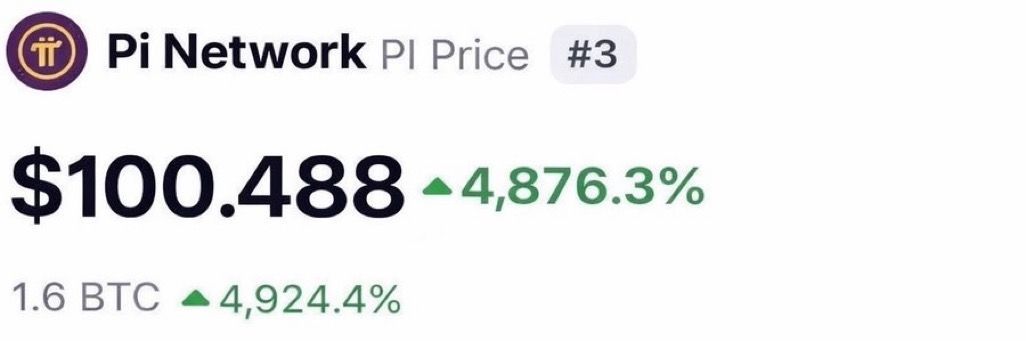
💜 Imagine seeing this price on your screen one day.
Crazy?
Maybe.
Impossible?
Nobody knows.
But here’s what’s interesting:
The reason people still debate Pi’s future isn’t because of a screenshot.
It’s because of the size of the network behind it.
Millions of users.
Millions of verified identities.
A growing ecosystem of apps, businesses, and developers.
The truth is that no image, prediction, or influencer can determine Pi’s future value.
Only utility can.
Only adoption can.
Only real economic activity can.
Bitcoin wasn’t built in a day.
Neither were the world’s largest technology platforms.
The biggest opportunities often look unrealistic long before they look obvious.
Whether Pi ever reaches $100 or not isn’t the most important question.
The real question is:
What could a global digital economy with tens of millions of participants eventually be worth?
That’s the conversation worth having.
#PiNetwork #PiCoin #Web3 #Blockchain #CryptoAdoption #DigitalEconomy #FutureOfFinance #UtilityFirst
10
200

Jun 9
Most projects sell dreams.
DAKU V2 focuses on building use cases that can survive every market cycle. 💪
#DAKUV2 #UtilityFirst #Blockchain #CryptoCommunity #Web3
1
7
Vijay Kamble retweeted

Mar 25
Participation creates growth.
Growth creates opportunity.
#Linkies #UtilityFirst
3
7
210
Vijay Kamble retweeted
Mar 11
3
6
187

A strong ecosystem isn't defined by attention—it's defined by utility.
@konnex_world continues to focus on building meaningful connections, practical solutions, and long-term value for its community. 🌐🚀
#Konnex #Web3 #Innovation #UtilityFirst
4