
𝐂𝐥𝐞𝐚𝐫 𝐕𝐢𝐬𝐢𝐨𝐧 𝐢𝐬 𝐂𝐥𝐨𝐬𝐞𝐫 𝐓𝐡𝐚𝐧 𝐘𝐨𝐮 𝐓𝐡𝐢𝐧𝐤!
There isn't just one way to achieve clear vision—there are multiple options, and the right one depends on your age, lifestyle, and eye condition.
In this video, Dr. Sadaf Niaz Shah explains the different ways to see clearly, from glasses and contact lenses to advanced vision correction procedures like LASIK and ICL, along with special myopia control glasses designed for children.
Watch now and discover which vision solution could be right for you or your loved ones.
For appointment, call: 𝟗𝟔𝟒𝟏-𝟗𝟏𝟗𝟏𝟗𝟏
Aao Accha Dekhein
#SharpSightEyeHospitals #AaoAcchaDekhein #ClearVision #VisionCorrection #LASIK #ICL #ContactLenses #MyopiaControlGlasses #KidsEyeCare #EyeCare #SILK #FEMTO #EyeHealth #DrSadafNiazShah
1
1
18

Jun 11
Is that a shark… or are you missing the details? 🦈👀
Blurry vision can make it harder to enjoy the moments right in front of you. Forever Young™ Lens helps patients see clearly at both near and far distances, so you can experience life with more clarity.
Wang Vision was the first in the state to perform the Forever Young™ Lens procedure.
📞 Call 615-321-8881 to schedule your consultation.
#WangVision #ForeverYoungLens #Glasses #VisionCorrection #Aging #BlurryVision #NearSighted #EyeSurgery
7
Jun 10
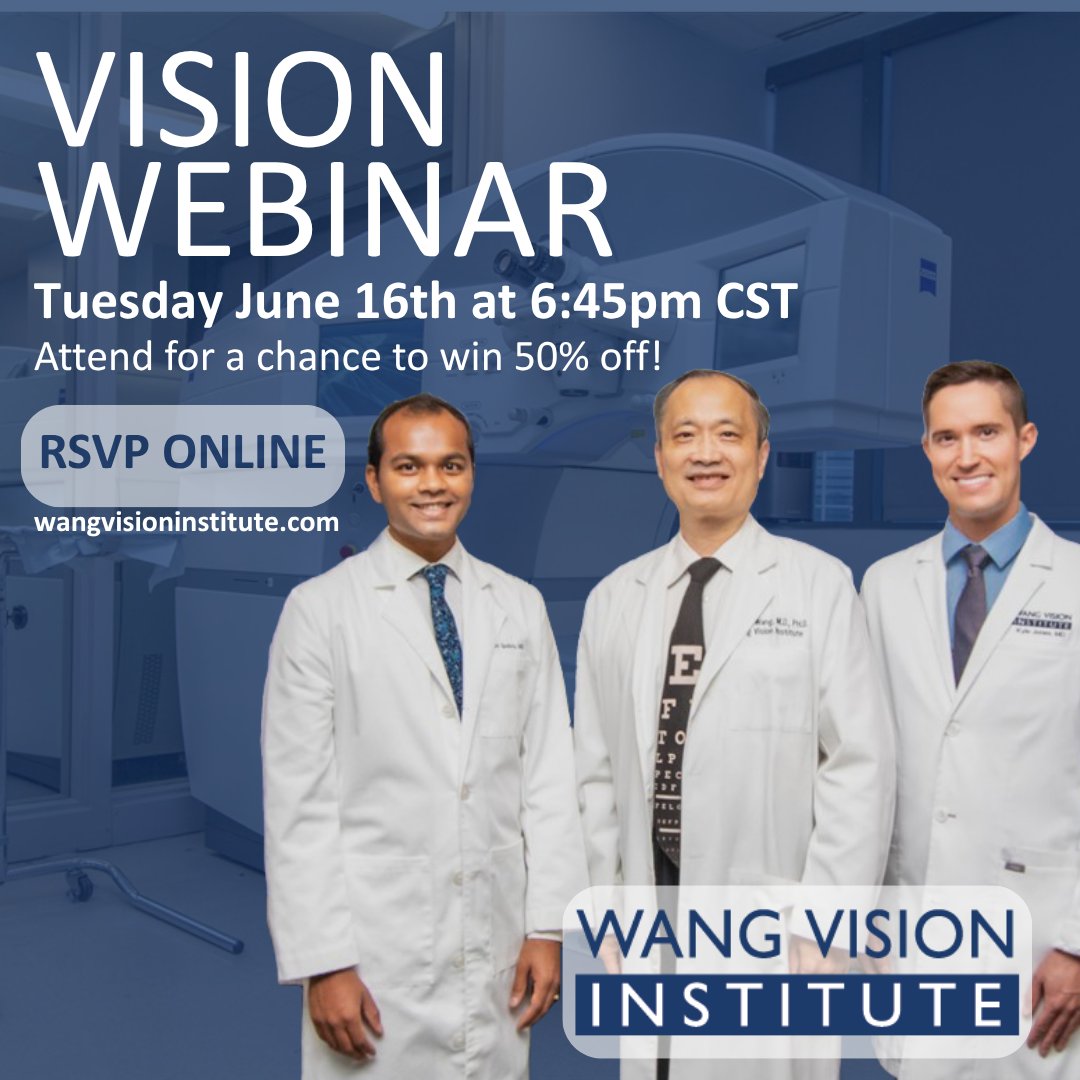
👁 Curious which vision correction option may be right for you?
Join our free Wang Vision Webinar on June 16th to learn about today’s advanced vision correction options—LASIK, ZEISS SMILE, EVO ICL, Forever Young™ Lens, and Laser Cataract Surgery.
🎉 Attendees are entered to WIN 50% OFF elective procedures!
👉 Register: wangvisioninstitute.com/semi…
Patients from 40 states and 55 countries have trusted Wang Vision Institute with their vision care.
#WangVision #EyeHealth #EyeSurgery #visioncorrection #lasercataractsurgery #LASIK #EVOICL #ZeissSMILE #ForeverYoungLens
19
𝐓𝐢𝐫𝐞𝐝 𝐨𝐟 𝐝𝐞𝐩𝐞𝐧𝐝𝐢𝐧𝐠 𝐨𝐧 𝐠𝐥𝐚𝐬𝐬𝐞𝐬 𝐞𝐯𝐞𝐫𝐲 𝐝𝐚𝐲?
If you're considering a permanent solution for clearer vision, it's important to understand that not every vision correction option is suitable for everyone. The right choice depends on your eye health, lifestyle, age, and visual requirements.
In this video, Dr. Nitee Gupta explains how doctors determine the most suitable treatment for each individual and what factors you should consider before making a decision.
Learn about:
✔️ Who is eligible for vision correction surgery
✔️ Factors that influence treatment selection
✔️ What to expect before and after the procedure
✔️ How to achieve clear vision with the latest advancements in eye care
Watch the full video and take the first step towards a glasses-free life.
📞 Book an appointment: 9641-919191
Aao Accha Dekhein
#SharpSightEyeHospitals #DrNiteeGupta #VisionCorrection #GlassesFreeLife #EyeCare #EyeHealth #ClearVision #EyeHospital #HealthyEyes #AdvancedEyeCare #AaoAcchaDekhein
1
1
22

Jun 10
Confused between Femto LASIK and traditional LASIK?
The biggest difference lies in how the corneal flap is created.
In traditional Microkeratome LASIK, a specialized surgical blade creates the flap. In Femto LASIK, a femtosecond laser is used to create the flap before the vision correction procedure.
In this short, Shivam Sood explains the key difference between these two popular LASIK procedures in under a minute.
👁️ Planning LASIK? Understand your options before making a decision.
👉 Save this video for future reference.
Join our Freedom Rising Movement on Whatsapp:
drshivamsood.com/join-our-fr…
#FemtoLASIK #LASIK #EyeHealth #VisionCorrection #EyeCare #LASIKSurgery #LaserEyeSurgery #Ophthalmology
26

विश्व नेत्रदान दिवस हर साल 10 जून को दुनिया भर में मनाया जाता है ताकि नेत्रदान से जुड़ी भ्रांतियों को दूर किया जा सके, अंधेरे में जीवन बिता रहे लाखों लोगों के जीवन में उम्मीद की किरण जगाई जा सके और लोगों को अपनी आँखें दान करने के लिए प्रेरित किया जा सके। विश्व स्वास्थ्य संगठन (WHO) के आंकड़ों के अनुसार, दुनिया भर के लगभग 4 करोड़ दृष्टिहीन या गंभीर रूप से दृष्टिबाधित लोगों में से एक-चौथाई अकेले भारत में रहते हैं। इनमें से करीब 12 लाख लोग कॉर्नियल ब्लाइंडनेस (पुतली की खराबी) से पीड़ित हैं, जिनमें बच्चों और युवाओं की संख्या बहुत अधिक है। हैरान करने वाली बात यह है कि बेहतरीन चिकित्सा सुविधाओं के बावजूद, भारत में हर साल लगभग 1,00,000 कॉर्नियल ट्रांसप्लांट सर्जरी करने के लिए कम से कम 2,70,000 डोनर आंखों की जरूरत होती है, लेकिन जागरूकता की कमी के कारण इसका एक छोटा हिस्सा ही मिल पाता है। मांग और आपूर्ति के बीच का यही बड़ा अंतर इस विशेष दिवस के महत्व को और बढ़ा देता है।
नेत्रदान से जुड़े कई ऐसे दिलचस्प और कम जाने-माने तथ्य हैं जो आम जनता को नहीं पता होते। उदाहरण के लिए, आम धारणा के विपरीत, नेत्रदान में पूरी आंख को निकालकर किसी दूसरे व्यक्ति में नहीं लगाया जाता, बल्कि केवल आंख की सबसे ऊपरी पारदर्शी परत, जिसे कॉर्निया कहते हैं, उसी का उपयोग किया जाता है। आधुनिक चिकित्सा विज्ञान में आए नए बदलावों के कारण अब एक ही कॉर्निया को अलग-अलग परतों में विभाजित किया जा सकता है। इसका मतलब यह है कि पहले जहाँ एक डोनर केवल दो लोगों को रोशनी दे पाता था, वहीं आज एक ही नेत्र दाता की मदद से 4 अलग-अलग मरीजों की कॉर्नियल ब्लाइंडनेस को ठीक किया जा सकता है। नेत्रदान की पूरी प्रक्रिया में समय का बहुत महत्व होता है; इंसान की मृत्यु के ठीक 4 से 6 घंटे के भीतर कॉर्निया को निकाला जाना अनिवार्य होता है और इस प्रक्रिया में डॉक्टर को मात्र 15 से 20 मिनट का समय लगता है। नेत्रदान के लिए उम्र की कोई ऊपरी सीमा नहीं होती; 80 या 90 वर्ष के बुजुर्गों की आंखें भी पूरी तरह से स्वीकार्य होती हैं। इसके अलावा, जिन लोगों को चश्मा लगा हो, जो मधुमेह (डायबिटीज), उच्च रक्तचाप (हाइपरटेंशन) से पीड़ित हों, या जिनका मोतियाबिंद का ऑपरेशन हो चुका हो, वे भी आंखें दान कर सकते हैं। केवल एचआईवी, हेपेटाइटिस बी या सी, रेबीज या टिटनेस जैसी संक्रामक बीमारियों से मरने वाले लोगों का ही नेत्रदान नहीं लिया जाता है।
नेत्रदान का सबसे संवेदनशील और महत्वपूर्ण पहलू यह है कि इस प्रक्रिया से मृत व्यक्ति के चेहरे पर कोई विकृति या गड्ढा नहीं बनता है। मेडिकल टीम बहुत ही सम्मानजनक तरीके से कॉर्निया निकालकर चेहरे की बनावट को पहले जैसा ही बनाए रखती है, जिससे अंतिम संस्कार के रीति-रिवाजों में कोई देरी या बाधा नहीं आती। एक और दिलचस्प कानूनी तथ्य यह है कि यदि किसी व्यक्ति ने अपने जीवनकाल में नेत्रदान का संकल्प लिया भी हो, तो भी मृत्यु के बाद अंतिम निर्णय उसके परिवार और सगे-संबंधियों की सहमति पर ही निर्भर करता है। इसलिए केवल डोनर कार्ड बनवाना काफी नहीं है, बल्कि अपने परिवार को इस इच्छा के बारे में पहले से बताना सबसे जरूरी होता है। यह पूरी प्रक्रिया डोनर के परिवार के लिए पूरी तरह से मुफ्त होती है और अंतर्राष्ट्रीय नियमों के तहत आंखें देने वाले और लेने वाले दोनों परिवारों की पहचान को पूरी तरह से गुप्त रखा जाता है। विश्व नेत्रदान दिवस हमें याद दिलाता है कि मृत्यु के बाद भी अपनी आंखों के जरिए किसी दूसरे के जीवन को रोशन करना और उसे आत्मनिर्भर बनाना मानवता की सबसे बड़ी सेवा है।
Dr Suresh K Pandey
SuVi Eye Hospital, Kota
World Eye Donation Day is celebrated globally every year on June 10 to clear misconceptions surrounding eye donation, light up a candle of hope for those trapped in absolute darkness, and encourage millions across the planet to pledge their eyes. According to the World Health Organization (WHO), out of the nearly 40 million visually impaired and sightless individuals across the globe, a staggering one-fourth live in India. Among them, nearly 1.2 million individuals specifically suffer from corneal blindness, with children and young adults accounting for a massive chunk of this percentage. Shockingly, even though medical infrastructure is ready, India faces a tremendous deficit, requiring roughly 270,000 donor eyes annually to comfortably clear a backlog of 100,000 required surgeries, yet managing only a fraction of that number. This staggering demand-supply gap underlines the immense significance of this specific day.
There are numerous fascinating and lesser-known dimensions to eye donation that remain hidden from public knowledge. For instance, contrary to the popular belief that the entire eyeball is shoved into a recipient’s socket, modern medical science only utilizes the cornea—the clear, front window layer of the eye. Even more incredible is the recent breakthrough in surgical splitting techniques. A few decades ago, one donor could only benefit two blind individuals. Today, a single donated cornea can be carefully sliced into different anatomical layers, effectively curing up to four separate patients from corneal blindness. Furthermore, time is of absolute essence; the extraction process must be executed precisely within 4 to 6 hours of a person's death and takes no more than 15 to 20 minutes. There is absolutely no upper age limit for donating eyes; tissues harvested from donors in their late eighties or nineties are routinely used successfully. Additionally, individuals with poor eyesight, spectacles, high blood pressure, diabetes, or even those who have undergone previous cataract surgeries make perfectly eligible candidates. The only strict medical exemptions apply to individuals who pass away from communicable blood-borne diseases like HIV, Hepatitis B or C, rabies, or tetanus.
Perhaps the most comforting yet least understood aspect of eye donation is its strict respect for the deceased. The retrieval process leaves absolutely no facial disfigurement or hollow sockets, as the medical team replaces the extracted tissue seamlessly, allowing families to proceed with traditional funeral arrangements without any delay or aesthetic alterations. Interestingly, even if an individual officially signs an eye donation pledge during their lifetime, the legal right to execute that wish ultimately lies with the next of kin after death. This makes family counseling and open conversations about one’s post-death wishes far more critical than simply holding an eye donor card. Financially, the entire procedure is completely free of cost to the donor’s family, and by international law, the identities of both the donor family and the recipient are kept strictly confidential to preserve privacy and prevent commercial exploitation. World Eye Donation Day reminds us that leaving our eyes behind to give someone else a lifetime of independence is the highest form of altruism, transforming a tragic end into a miraculous beginning for someone else.
Dr Suresh K Pandey
SuVi Eye Hospital, Kota
#WorldEyeDonationDay #EyeDonation #DonateEyes #GiftOfSight #CornealBlindness #VisionCorrection #AwarenessMatters #SuViEyeHospitalKota #DrSureshKPandey #DrVidushiSharma #Kota #Healthcare #SocialCause #HumanityFirst See less
56

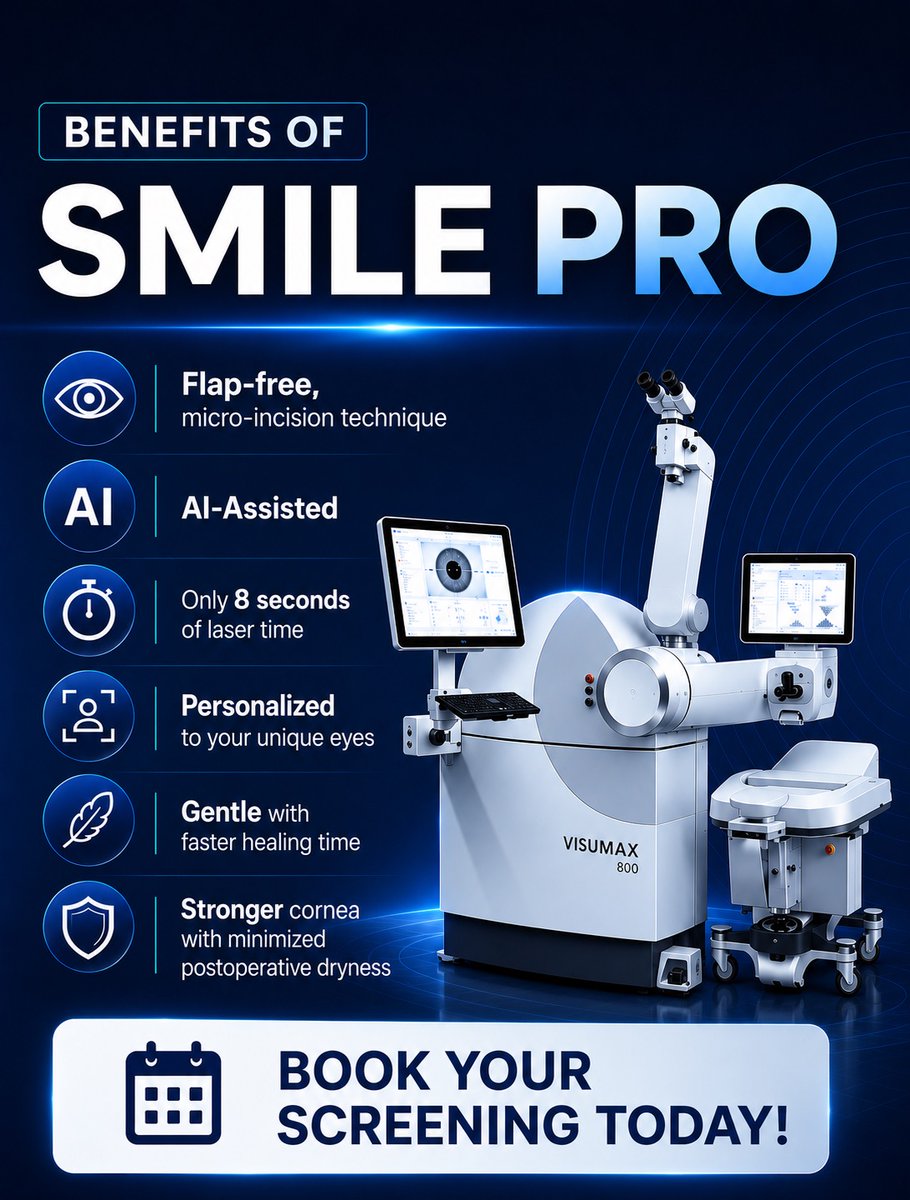
✨ Discover the Benefits of ZEISS SMILE Pro ✨
Designed to deliver a personalized vision correction experience with advanced technology, precision, and comfort in mind.🙌
Ready to see life with greater clarity? 👉manhattanlasikcenter.com
#SMILEPro #VisionCorrection #LASIK
30
Jun 9
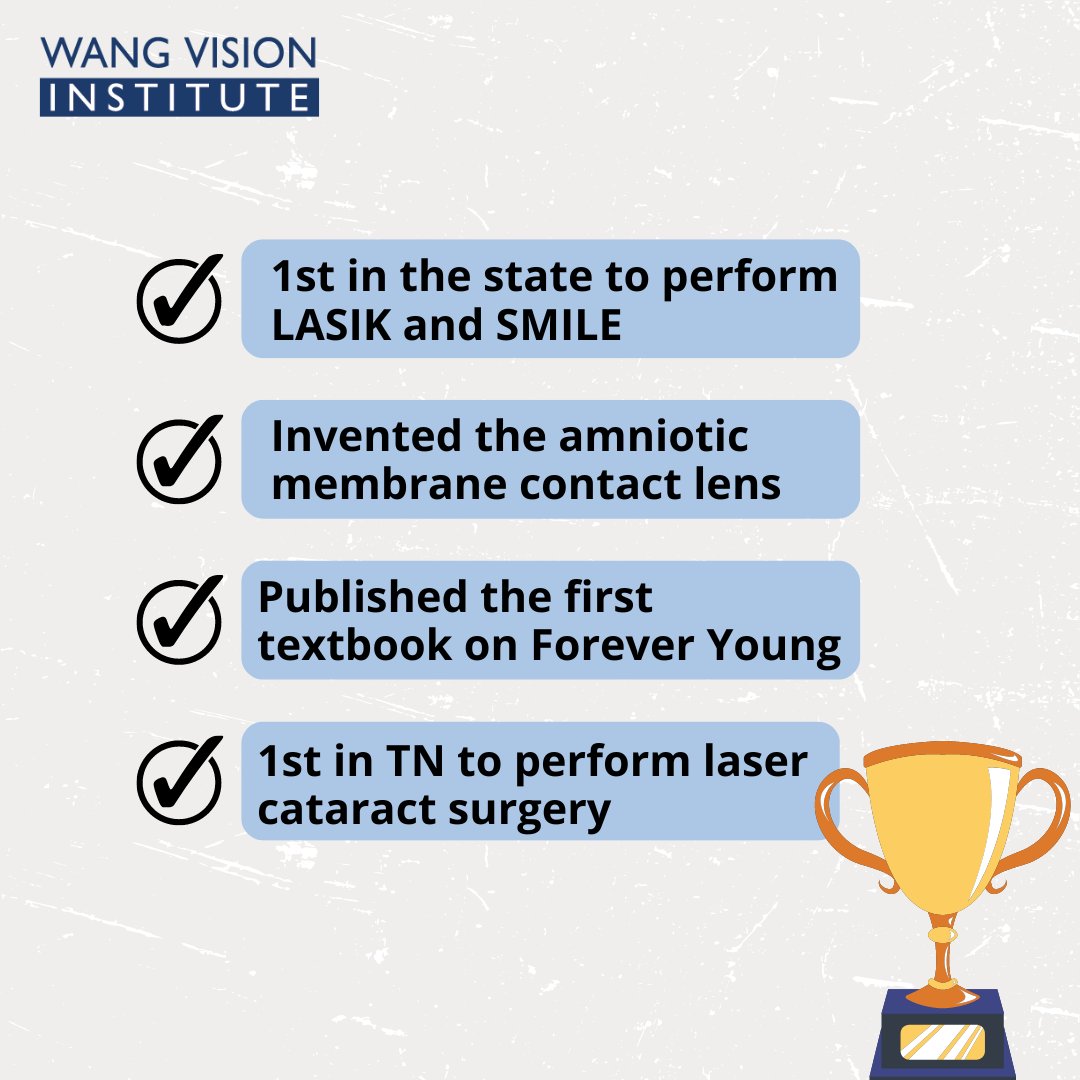
At Wang Vision Institute, we’re proud to set the standard in vision care! 🌟🏆
With our state-of-the-art technology and team of renowned experts, Wang Vision has performed 55,000 procedures, including on over 4,000 doctors.
📞 Call 615-321-8881 to schedule your consultation.
#WangVision #EyeHealth #EyeSurgery #visioncorrection #lasercataractsurgery #LASIK #EVOICL #ZeissSMILE #ForeverYoungLens #DryEye #Glasses #Contacts #nearsightedness #EyeCare
8

#TCSAI #GoldenMask #OpticalGlasses. 🧠 From Visual Cortex to Whole‑Brain Coherence. A groundbreaking wearable device positioned to revolutionize #visioncorrection, #consciousness enhancement & #cardiovascular regulation sonovamusicrecords.com/tcsai… #AI #ArtificialIntelligence #Lux #IA
1

Refractive Surgery Advances Vision Correction
Modern refractive surgery is helping people achieve clearer vision with less dependence on glasses.
Read more - thelifesciencesmagazine.com/…
#RefractiveSurgery #VisionCorrection #EyeHealth #EyeCare #TheLifeSciencesMagazine
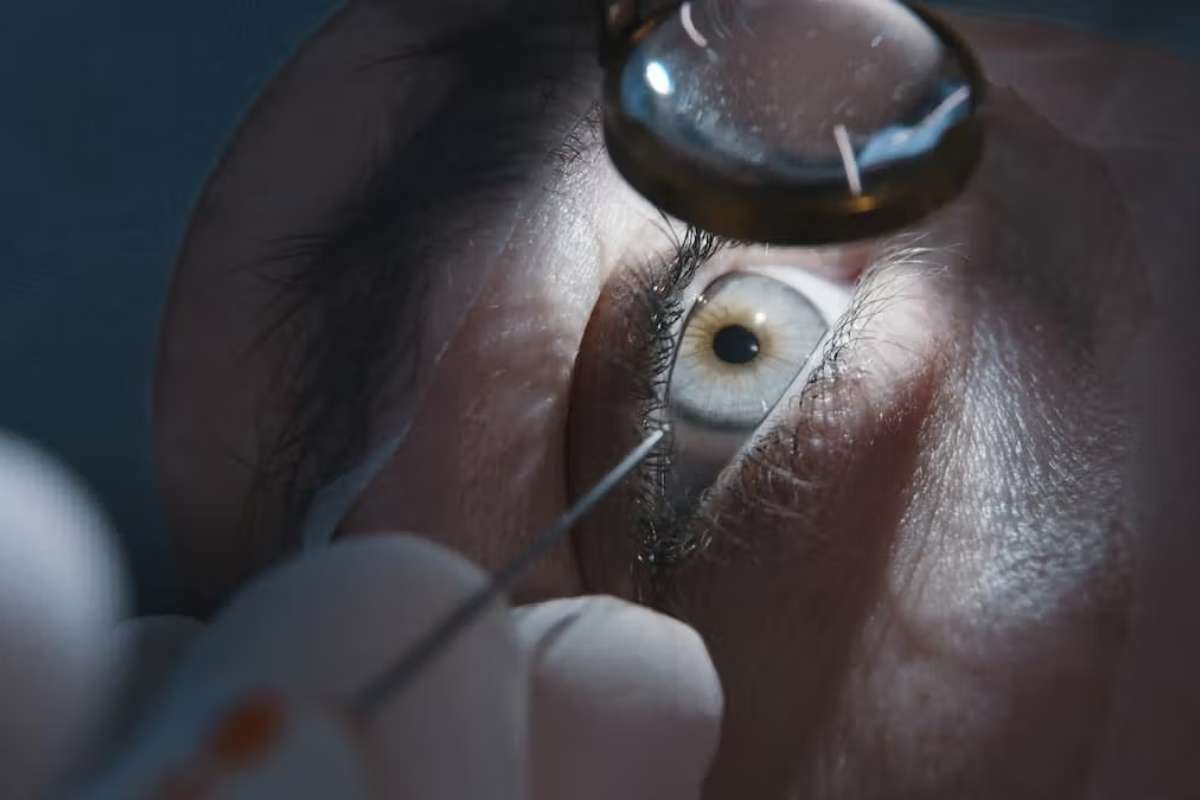
ALT Extreme close-up of an eye during a refractive surgery examination, showing a magnifying lens and a fine medical instrument held by a gloved hand.
15

Tired of constantly searching for your glasses?
📍 Visit Suseela Netralaya for a comprehensive eye evaluation and find out if you're a candidate for spec-removal surgery.
#SuseelaNetralaya #LASIK #SILKProcedure #ICLSurgery #VisionCorrection #EyeCare #FreedomFromGlasses
13

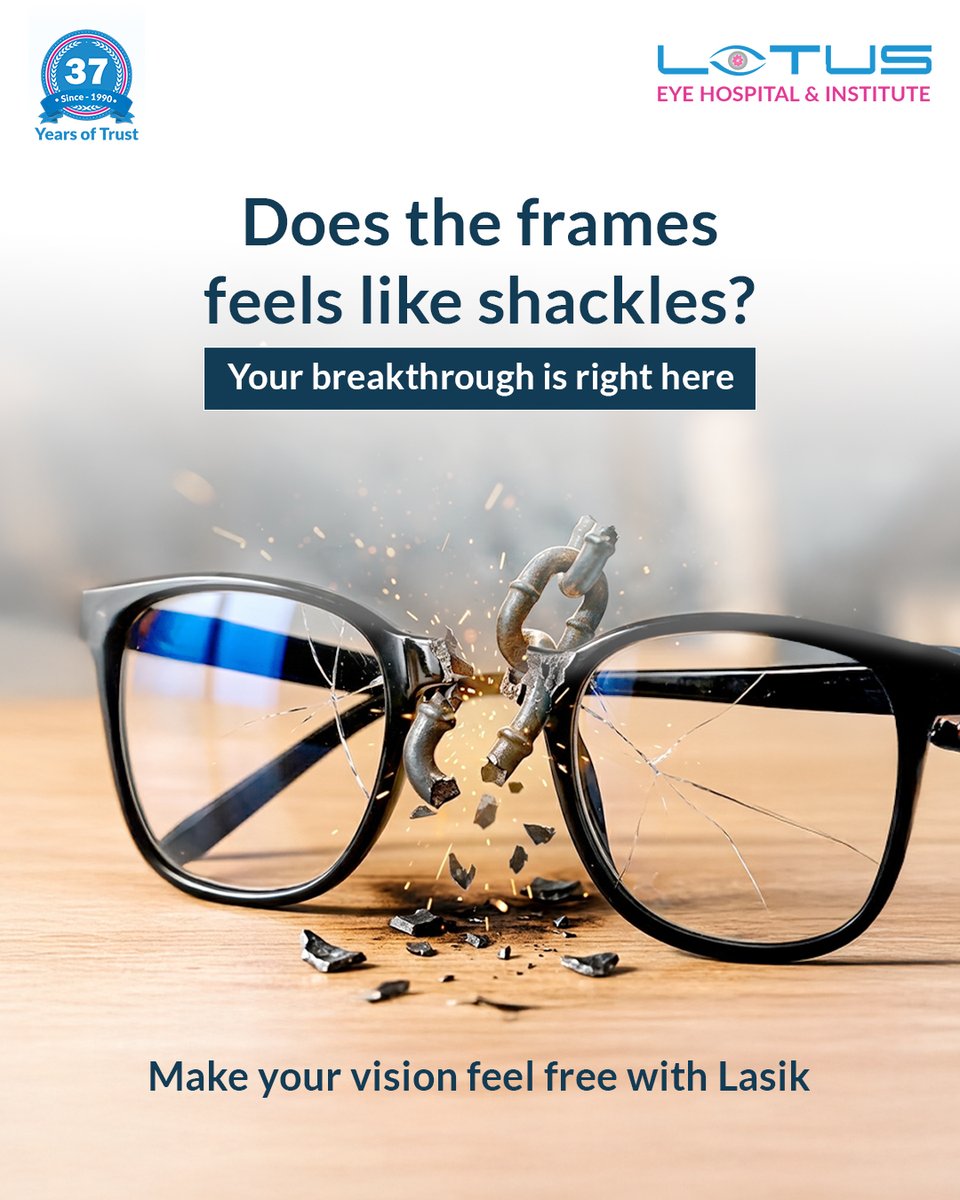
Shatter the limits of blurry vision. 👓⚡
Step into a life beyond frames and experience true visual freedom with LASIK.
Because your eyes deserve clarity without compromise. 👁️✨
#LASIK #LaserVisionCorrection #EyeCare #ClearVision #FreedomFromGlasses #EyeHealth #VisionCorrection
25

May 28
Every refractive error has its own correction. Myopia with minus lenses, hyperopia with plus lenses, and astigmatism with cylindrical lenses. Clear vision starts with the right prescription 👓
#EyeCare #OptometryLife #VisionCorrection #EyeHealth #arktvug
3
7
57

🚨 South Korea Just Cured Blurry Vision Forever — Why Aren’t We Allowed to Have It?
(Videos & Sources below 👇)
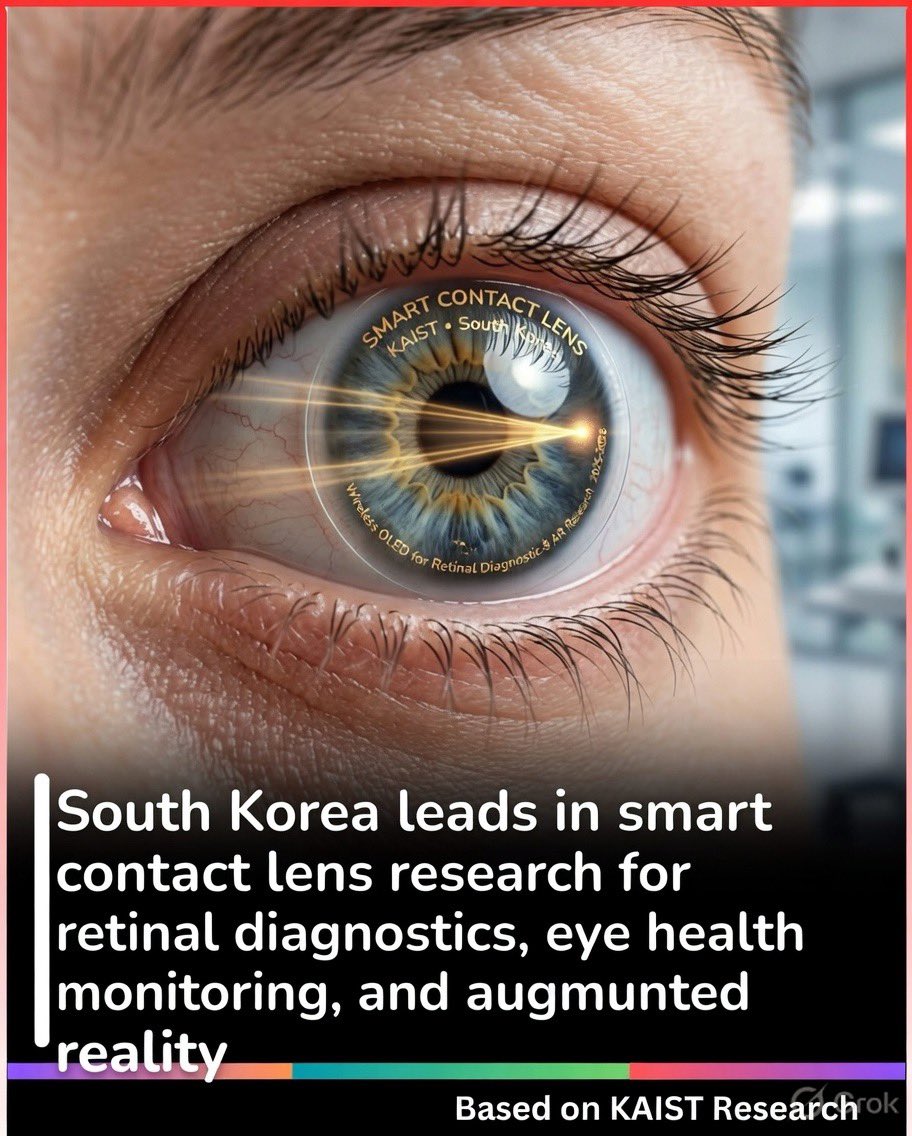
South Korea has developed smart contact lenses that could permanently correct vision — but the $100 billion glasses industry isn’t happy.
Glasses, daily contacts, and even LASIK only correct vision temporarily. They don’t heal your eyes.
South Korean engineers created smart contact lenses with tiny electronic elements that dynamically adjust focus. These lenses direct light perfectly onto your retina.
Their Aim ? Wear them once — and your vision becomes permanently corrected. Many report sharper naked-eye vision afterward.
Imagine waking up with crystal-clear sight.
No more glasses.
No more contacts.
No more hassle — even for kids who once needed thick lenses.
The global vision correction industry earns $100 billion every year from ongoing solutions.
A true one-time fix threatens that recurring revenue.
So why is this breakthrough being slowed down while billions remain dependent on temporary fixes?
South Korea has the technology in 2026.
The system seems to prioritise profit over permanent vision freedom.
Why are we still wearing glasses when a real solution exists?
👀 Drop a comment if you want this available NOW!
Tag someone tired of blurry vision.
Watch these exciting videos on South Korea’s smart contact lens tech:
• Smart Contact Lenses 2026: The Beginning of the Post-Phone Era? (AR displays & future vision tech)
youtube.com/watch?v=tlhPSGs2…
• Smart Contact Lenses 2026 | Are Smartphones Finally Dead? (Korean innovation highlights)
youtube.com/watch?v=56SREH6h…
• These smart contact lens prototypes could convince you to ditch your glasses (XPANCEO prototypes with wireless power & biosensing)
tiktok.com/@techradar/video/… (short visual demo)
or related coverage:
techradar.com/health-fitness…
#FutureOfVision #SmartContactLenses #VisionCorrection #EyeHealth #TechBreakthrough #NoMoreGlasses #SouthKoreaTech
Separate Sources & Verification
(2026):
What’s real and exciting right now:
•KAIST’s world-first wireless OLED contact lens for retinal diagnostics (2025) – a major step for eye health monitoring.
medicalxpress.com/news/2025-…
•Advances in wireless smart contact lenses for ophthalmic health, monitoring (glucose, pressure), and eye-function enhancement.
Review in Advanced Materials (2026): advanced.onlinelibrary.wiley…
•XPANCEO prototypes (2025–2026) showing AR vision, biosensing, wireless power transfer, and glaucoma management in contact lenses — very close to replacing glasses for some uses.
techradar.com/health-fitness…
The broader vision care/eyewear surgery market is indeed massive (tens to hundreds of billions globally), with strong recurring revenue from glasses and contacts.
Real progress in South Korea is impressive for diagnostics, AR overlays, and disease management — it could transform eye care. A true “one-and-done” permanent fix for common refractive errors is still in early research/prototype stages, not yet a commercial product.
Exciting future ahead though! What do you think — game-changer or still hype? 👀
1
38
53
3,013

Astigmatism: Why does it make everything blurry? Glasses, contacts, or surgery? Vote and explain! #Astigmatism #VisionCorrection
2
2
26
Is LASIK surgery a miracle or a gamble? I've had patients regret it big time. Share your LASIK horror stories or successes! Let's debate. #LASIK #VisionCorrection
@DocPriyamMD @Doctors__squad @akin_dominion @RDOptometrists @Sage_medics @Dr_Chibuike_M @Dr_Shiv_kumar_ @Brainstormmed01
1
5
5
236

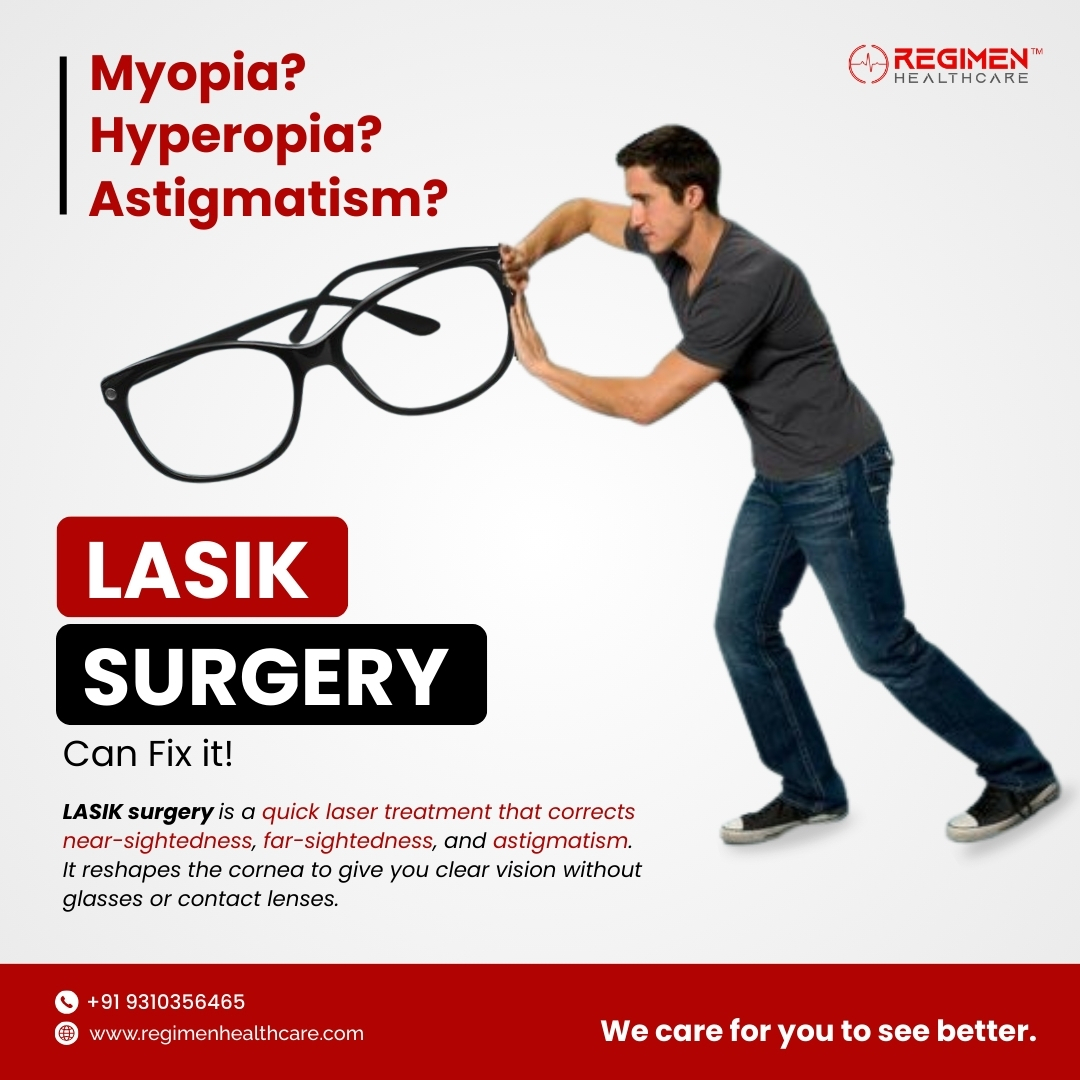
Myopia? Hyperopia? Astigmatism? 👓
LASIK surgery can correct vision with a quick laser procedure—helping you see clearly without glasses or contact lenses.
🌐 regimenhealthcare.com | 📞 91 9310356465
#LASIK #LaserEyeSurgery #VisionCorrection #Myopia #Astigmatism
2
28

Feb 9
MY custom glasses are coming! 📦
Bye-bye strabismus,
dizziness & negativity 👋
Hello clarity ✨👓
#CustomGlasses #NewBeginnings #VisionCorrection

8
1,881

Blurry vision and glare at night are not just signs of aging 👁️
They can indicate cataract.
.
.
.
.
#CataractCare #EyeCheckup #VisionCorrection #HealthyEyes #EyeCareExperts
1
5
12

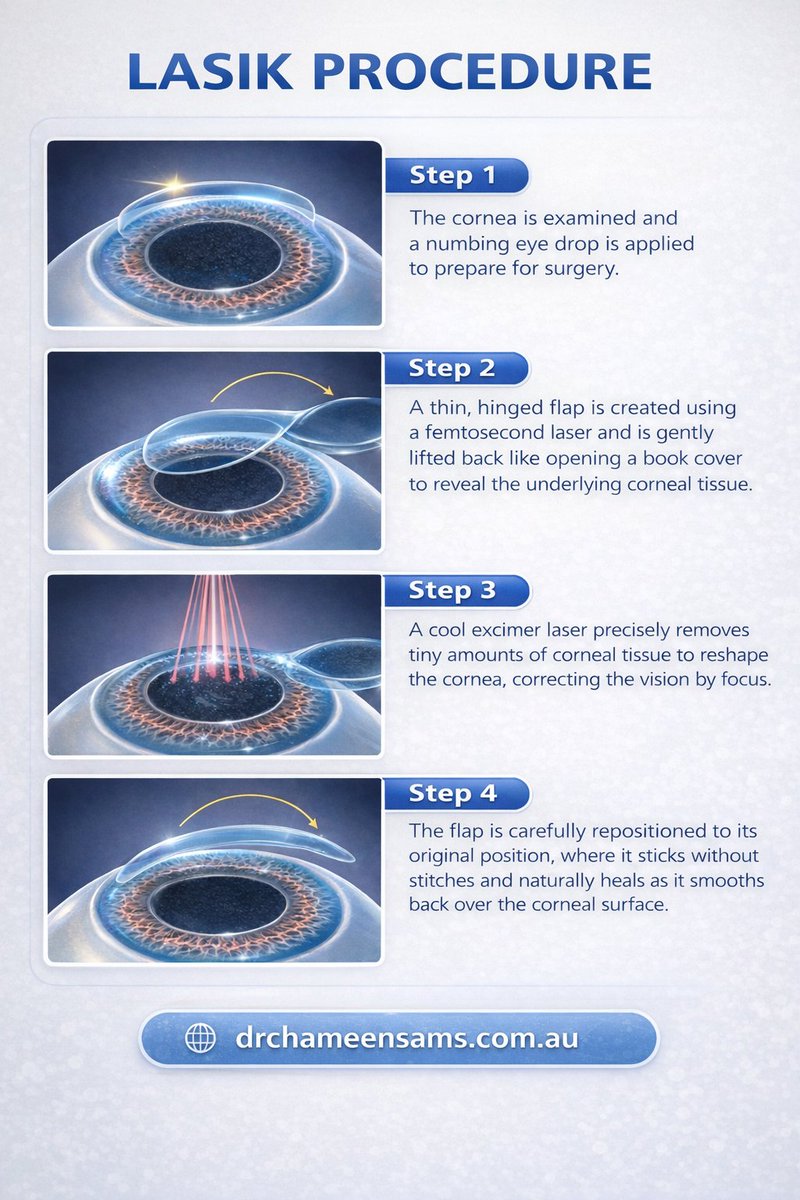
Curious about how LASIK works?
This simple step-by-step guide shows how laser eye surgery reshapes the cornea to help improve vision—quick, precise, and stitch-free.
#LASIK #LaserEyeSurgery #VisionCorrection #EyeHealth #ClearVision #EyeCare
5
452