
38m
You’re actually so thick, since Lewis has come and actually been able to have his say on the car it’s in the top 2 fastest cars… also Lewis have 7 WDCs, Charles has 8 race wins, Pls see the difference 😂😂
37

At least Max fans have wins and Chips backing up their arguments however ludicrous. Charles has 8 wins in 8 seasons and that fanbase is talking to Lewis like he's not won 7 whole WDCs. Lmao. The levels of delulu is..
7
137
💙 mythic 💜 bitch 🩷 retweeted

MAY NICO ROSBURG COME BACK TO F1 AFTER LEWIS RETIRES TOMORROW AND REPLACE LEWIS IN FERRARI AND GET 8 WDCS WITH FERRARI (LEWIS RETIRES CUS HE KNEW NICO WAS COMING AND RAN AWAY COWARDLY) AMEN 🙏🙏🙏🙏🙏🙏🙏🙏🙏🏻🙏🏼🙏🏽🙏🏾🙏🏿🫶🫶🫶🫶🫶🫡🫡🫡🫡🫡🫡🥰🥰🥰🥰🥰🥰🥰🥰🥰👌😝🇮🇹

MAY KIMI ANTONELLI PULL A ROSBERG AND RETIRE BY MONZA CITING STRESS (ALSO HOW THE FUCK WOULD WE RETIRE TOMORROW) 🙏🙏🙏🙏🙏🙏🙏🙏😍😍😍😍😍🥰🥰🥰🥰🥰🧙🧙🧙🧙🧙🧙♀️🧙♀️🧙♀️🧙♀️🧛🧛🧛🧚♂️🧚♂️🧚♂️🧚♂️💛💛💛💛💞💞💞💞💞💞💝💝💝💝💝💝
6
32
2,854

It always fill me with joy to see now stats like “the only people to outqualify a Merc in 2026 are WDCs: HAM VER NOR”. Awesome to see NOR a champion.
Pacy, pacy qualifier, and RUS/LEC early-season 2026 have completely healed NOR early-season 2025.

Define nobody cares, because nobody cares in terms of pulling a back to back, because its unrealistic but a WDC is just that, a name in history. He is and will always be a champion.
10
RANGE Programme Kenya retweeted

Jun 13
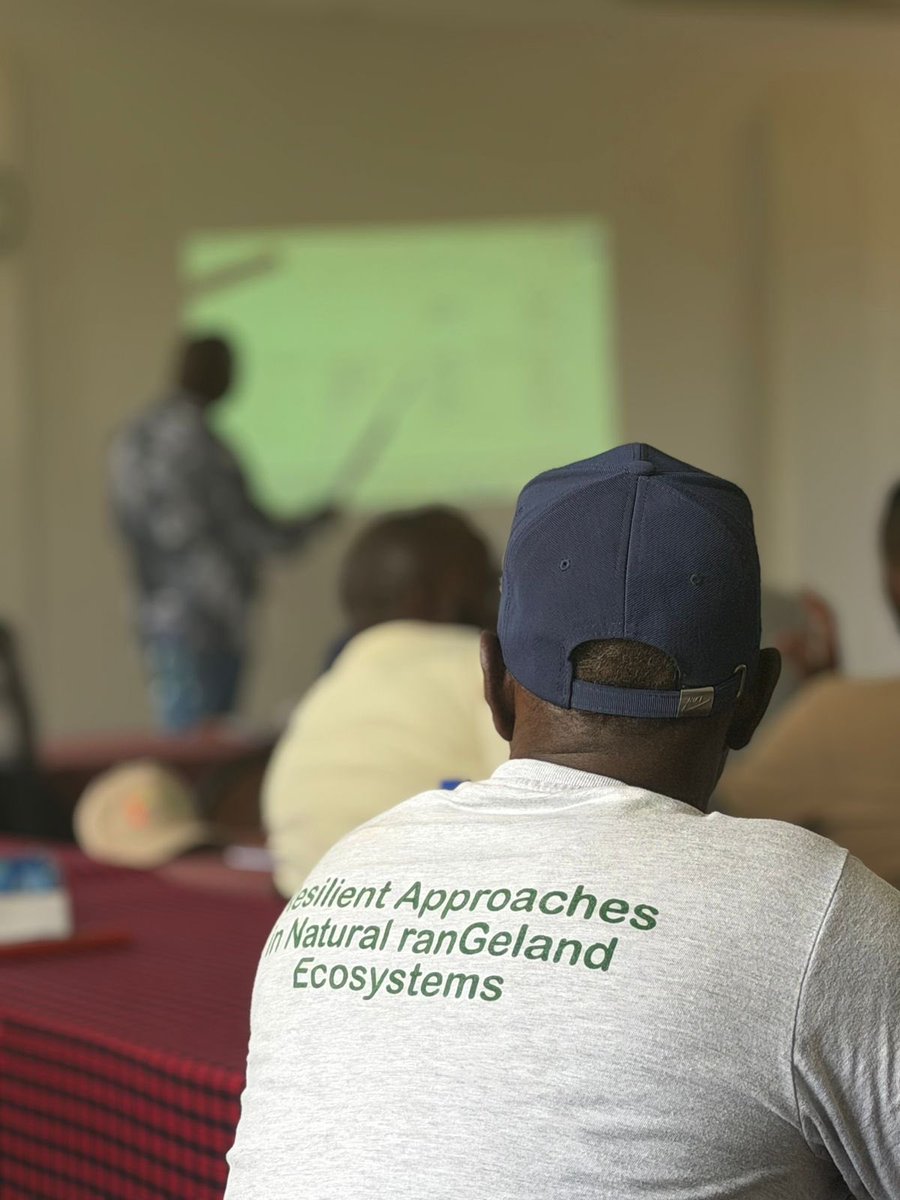
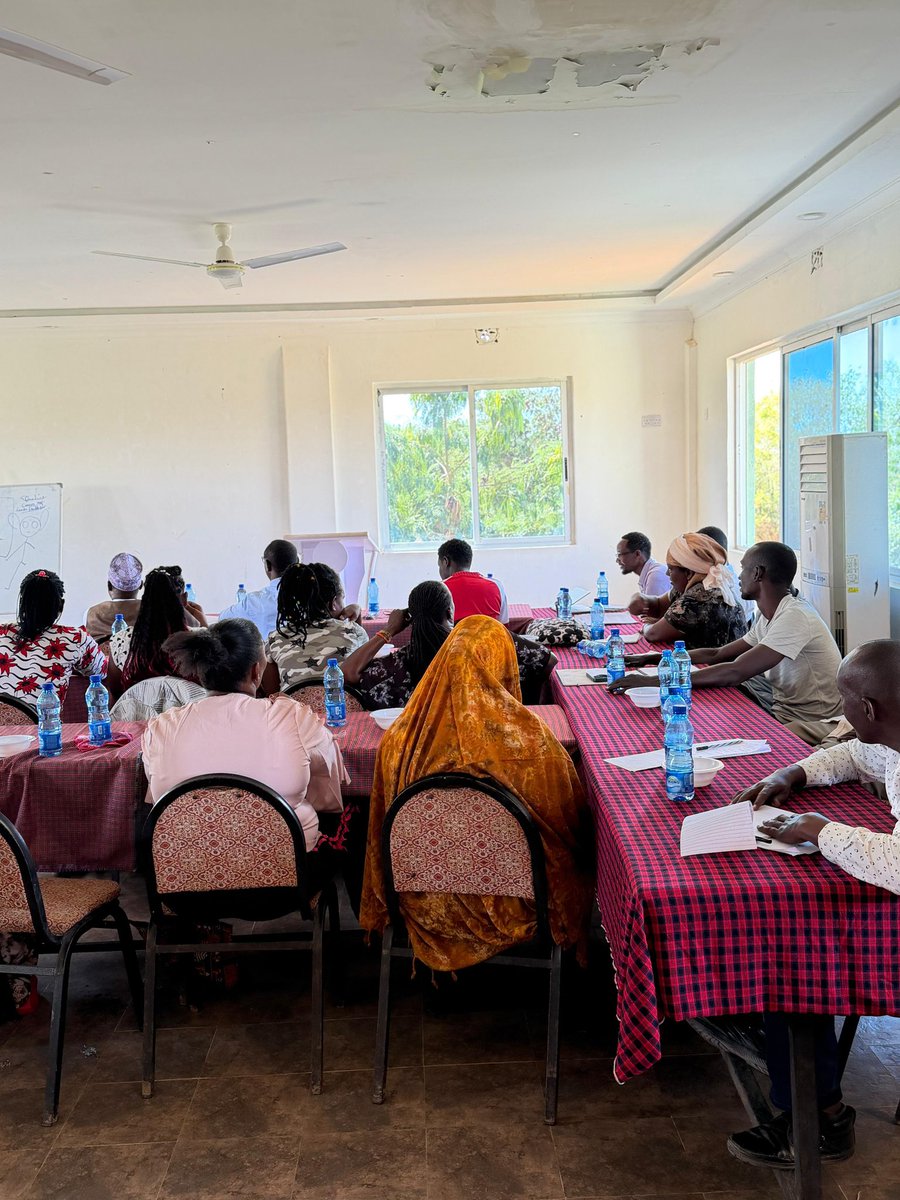
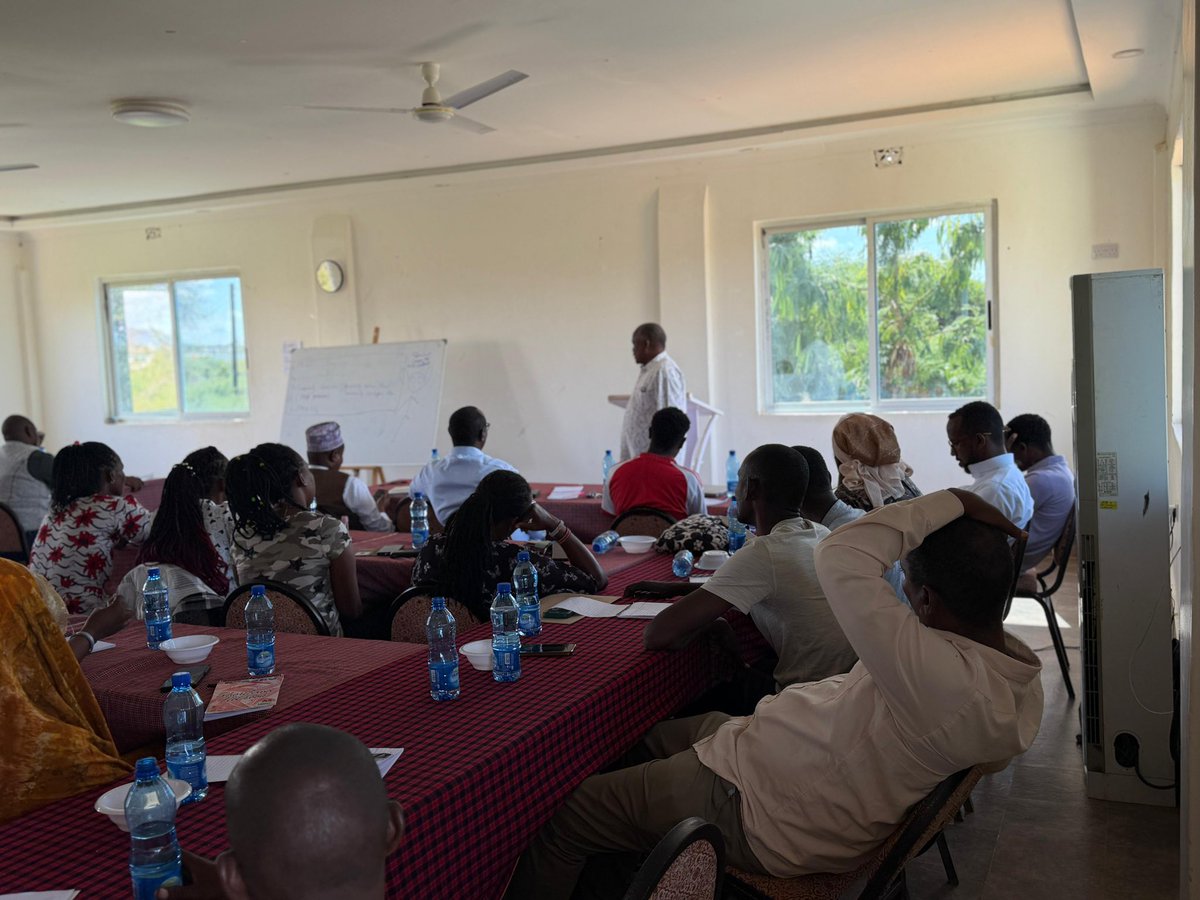
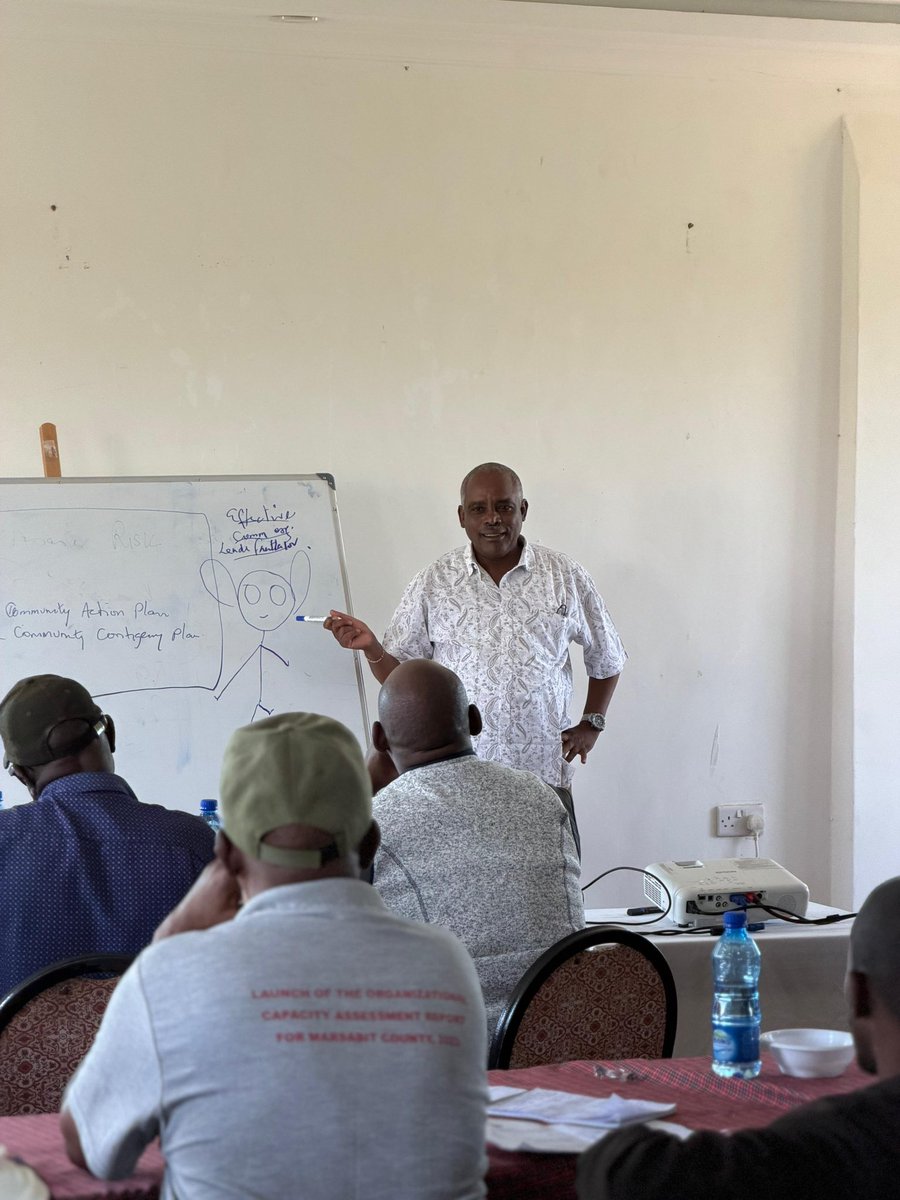
Representatives from 12 Ward Development Committees (#WDCs) across Isiolo, Marsabit and Samburu counties came together to reflect on a journey of local leadership, community-driven development and collective action. Having spent the past year advancing priorities identified and approved by their communities, the WDCs gathered to share experiences, celebrate achievements, reflect on lessons learned and chart the way forward.
The WDCs represented Baawa, Lodokojek, Wamba West, Waso, Golbo, Maikona, Sagante/Jaldesa, Laisamis, Charri, Kinna, Ngaremara and Burat Wards. Throughout the workshop, participants took stock of the progress made in implementing ward priorities, highlighting successes, challenges and the practical lessons emerging from efforts to respond to local development needs. Their stories underscored the critical role that community-led structures play in ensuring that development processes remain responsive, inclusive and accountable to the people they serve.
Convened by @FCDCKenya through the @RANGEprogramme , the two-day Reflection, Learning and Re-planning Workshop provided a platform for meaningful dialogue, peer learning and strategic planning. Participants reflected on how local leadership structures can work more effectively together to address some of the most pressing challenges facing communities across the region.
A key area of discussion focused on strengthening collaboration between WDCs and other community institutions, particularly Community Land Management Committees (CLMCs). Recognizing the interconnected nature of natural resource management, land governance and conflict, participants explored ways of improving coordination and joint action around grazing management, access to water resources, land use planning, conflict prevention and the promotion of peaceful coexistence. These discussions were especially important in the context of increasing pressure on shared resources driven by climate variability, population growth and changing livelihoods.
The workshop also offered an opportunity for participants to review existing advocacy plans and sharpen key messages for engagement in county planning and budgeting processes. Discussions emphasized the importance of ensuring that community priorities are effectively represented in decision-making spaces and that development investments respond to the realities and aspirations of local communities.
Special attention was given to understanding the needs of marginalized and vulnerable groups and exploring practical ways of strengthening linkages and participation mechanisms to ensure that no one is left behind. Participants reflected on how inclusive development approaches can create opportunities for all community members to contribute to and benefit from development initiatives.
In addition, the workshop examined how disaster risk management, climate change adaptation and vulnerability reduction can be more effectively integrated into ward development initiatives. Participants shared experiences and insights on building resilience and strengthening communities' capacity to anticipate, withstand and recover from climate-related and other shocks.
The workshop concluded with a comprehensive re-planning exercise for the next financial year. Each ward reviewed its priorities, identified emerging needs and developed actionable plans aligned with county planning and budgeting cycles. Through this process, the WDCs reaffirmed their commitment to promoting inclusive participation, strengthening accountability, mobilizing local solutions and ensuring that community voices continue to shape development decisions and drive sustainable development outcomes across @isioloCounty011 , @MarsabitGov and @SamburuCountyKE counties.
2
4
161
And by far the worst longevity in the 21st century out of all multi-WDCs. 2008-17 elite performance (and 2019 was also good, but 2018 was not)
1
56
Aster¹² retweeted
MAY KIMI ANTONELLI GET 8 WDCS BEFORE LEWIS GETS A WIN IN FERRARI AMEN🙏🙏🙏🙏🙏🙏🙏🙏🙏🙏🙏🙏🙏🙏🙏🙏🙏🙏🙏🙏🙏🙏🙏🙏🙏🙏🙏🏻🙏🏼🙏🏼🙏🏽🙏🏾🙏🏿🙏🏿
MAY KIMI ANTONELLI'S LEGACY START AND END IN 2026 AMENNNN 🙏🙏🙏🙏🙏🙏🙏🙏🙏🙏🙏
12
14,733

Really need Oscar to manage it soon so we can continue the “this has been done by these several WDCs and also Piastri” narrative

🚨| Lewis Hamilton, Lando Norris, and Max Verstappen are the only non-Mercedes drivers with front row starts this season.
[Sprints & Grands Prix]

42
Roundabout retweeted

Lewis gives Ferrari 7 WDCs, elite technical reference data, no need to starve Leclerc politically, and huge commercial upside — without Max’s baggage.
That’s why his value is bigger than lap time.
1
1
39

WASHINGTON STATE
NON-PROFIT NGOS
June 13, 2026
Eligible Non-profit Categories: Only specific organizations are permitted to join PEBB/SEBB. These include employee organizations representing state civil service or school employees (unions), Sovereign Indian Tribal organizations, and non-profit organizations that perform specific government functions.
1) Non-profits MIGHT access some programs indirectly via contracts/grants.
2) Exceptions or Special Cases
Government Contracts/Grants:
If a non-profit receives substantial state funding and operates in a way that blurs lines (e.g., acting as a government agent), there could be specific requirements.
3) Public Benefit Non-profits (RCW 24.03A.245): A designation for certain 501(c)(3)s.
4) Some, not all, non-profit NGOs in Washington State can provide their employees access to public employee benefits like those through the Public Employees Benefits Board (PEBB) for health insurance or the Department of Retirement Systems (DRS) plans like PERS.
4) Certain "public-like" non-profits: Some qualify as participating employer groups or "employers" under relevant statutes if they are formed by or closely tied to government entities (e.g., via interlocal agreements under RCW 39.34)
5) Examples and Mechanisms
PEBB Health Benefits (medical, dental, vision, etc.): Employer groups (political subdivisions, certain entities) can contract with the Health Care Authority (HCA) to participate. This includes some nonprofits created through government cooperation.
6) Eligibility requires meeting WAC 182-12-111 criteria; all eligible employees typically transfer as a unit.
7) PERS/Retirement: Nonprofits formed by cities, fire districts, etc., under interlocal agreements can qualify as "employers" for PERS (and sometimes LEOFF), allowing employees to participate in public retirement plans.
8) Workforce development councils, community action agencies, or similar entities: Some operate as nonprofits but participate in PERS/PEBB due to their public funding, governance, or interlocal status (e.g., examples like Pacific Mountain Workforce Development Council).
9) How It Works
These non-profits must apply and contract with HCA (Health Care Authority)/DRS (Dept. of Retirement Systems).
10) Participation is often tied to performing government functions or receiving substantial public authority/funding. Not every nonprofit can join—it's evaluated case-by-case.
11) Workforce Development Councils (WDCs) are prominent examples of non-profits that often participate in both PEBB and PERS due to their structure, public funding, and interlocal ties:
Other Potential Categories
12) Certain Community Action Agencies or similar public-benefit non-profits may qualify in some cases, though many operate under private nonprofit rules (confirm case-by-case).
13) Non-profits created by or through interlocal agreements with cities, counties, ports, districts, or Sovereign Indian Tribes can sometimes join as "participating employer groups."
14) Sovereign Indian Tribal governments in Washington State can voluntarily participate in public employee benefits programs like PEBB (Public Employees Benefits Board) for health, dental, vision, and related insurance, similar to certain local governments and political subdivisions.
15. Key Details on PEBB Participation
Eligibility: Federally recognized Sovereign Indian Tribal governments are explicitly allowed to purchase PEBB benefits for their employees under RCW 41.05 and WAC 182-08. They apply and contract with the Health Care Authority (HCA) as "employer groups."
16. What’s Included: Participating Sovereign Indian Tribes can access medical, dental, vision, life, AD&D, and long-term disability coverage.
17. Voluntary and Sovereign: Participation is optional due to Sovereign Indian Tribal sovereignty.
Credit: Grok, who helped me put this together.
36

"Carrying the team for 8 years" OMG I didn't know that thanks for clearing that up. He surely must have won 3-4 WDCs at least right?

Some people seem to have a very short memory. Charles Leclerc is Mr. Ferrari, and he has been carrying the team on his back for 8 years.
Please, put some respect on his name. Last year, he dragged that tractor to 7 podiums and a pole position.
121

Notice how Alonslow never said the same about Lewis when he was wracking up WDCs during his reign in the 2010s. This was definitely a jab to Hamilton more than recognising Max's achievements.
34

eto na lang example ha lewis hamilton won 1 wdc for mclaren and 6 for merc. now he's in ferrari does it mean his 7 wdcs with 2 diff teams are nullified lmfaaaooo use your fucking brain bro
6
251

watch out it’s not long before liv16 starts yapping about how wdcs don’t mean anything if they’re not won in red…though i’m sure their driver would disagree.
13
576
How many WDCs does Leclerc have …0…none..nada. Hamilton…8. DUECES ✌🏾
29
Haha. I have to admit I sometimes forget he won it last year. His win is up there with other forgettable WDCs like Button, Rosberg, etc.
79
