19 years ago today, NATO defense ministers sat down in Brussels to figure out what the hell had just happened to Estonia. Two months earlier, Russian hackers had basically turned an entire country's internet into a smoking crater, and nobody quite knew what to do about it.
The whole thing started when Estonia moved a Soviet war memorial from downtown Tallinn to a cemetery. Moscow was furious. Within hours, coordinated cyberattacks slammed Estonian government sites, banks, telecom networks, and news outlets. The timing wasn't subtle: attacks peaked on May 9, Russia's Victory Day, with Russian-language attack instructions posted online for anyone to follow.
For days, Estonia's digital life ground to a halt. The Prime Minister's office went dark. Major banks like Hansabank couldn't process transactions. Mobile networks crashed. It was the first time anyone had watched an entire nation get cyber-mugged in real time.
Estonian investigators traced the attacks back to Russian IP addresses and found coordination happening in Russian forums where people shared target lists like they were trading baseball cards. The Kremlin denied involvement, naturally, but the sophistication and timing told a different story.
What made this a watershed moment wasn't just the scale. It was that Estonia, one of the most digitally advanced countries in Europe, got taken down by what were mostly basic distributed denial-of-service attacks. Some SQL attacks hit key servers, but US diplomatic cables later noted Estonia's network was never really at risk of total shutdown. The psychological impact was bigger than the technical damage.
NATO had been focused on protecting its own systems, not helping members defend theirs. The Estonian attacks changed that calculation overnight. By October 2007, NATO had hammered out its first cyber defense policy. By May 2008, they'd opened the Cooperative Cyber Defence Centre of Excellence in Tallinn, with James Mattis calling the need "compelling."
That center became home to the Tallinn Manual project, the most influential attempt to figure out how international law applies when nations start hacking each other. They're working on version three now, which tells you how fast this space keeps evolving.
The real legacy isn't the technical details. It's that 2007 Estonia showed how authoritarian states could mess with democracies without firing a shot. Russia proved you could cripple a NATO ally's daily life with laptops and internet connections. By 2016, NATO finally acknowledged that cyber attacks could trigger Article 5 collective defense.
Estonia got hit first, but it wasn't going to be the last. The playbook was written, tested, and ready for export. Every major cyber conflict since traces back to lessons learned in Tallinn that spring.
foreigninterference.org/post…
#foreigninterference #CoordinatedCyberWarfare #CriminalBotnetWeaponization #CyberEspionage #DDoSAttacks #DiplomaticCoercion #FinancialCyberTheft #GovernmentDestabilization #InfrastructureAttacks #WebsiteDefacement
1
61

Jun 13
‼️𝗔𝗹𝗹𝗲𝗴𝗲𝗱 𝗪𝗲𝗯𝘀𝗶𝘁𝗲 𝗖𝗼𝗺𝗽𝗿𝗼𝗺𝗶𝘀𝗲 𝗔𝗹𝗲𝗿𝘁 🇳🇬
The threat actor group “404Crew Cyber Team” has claimed responsibility for compromising the website of Mcchstfuntua.edu.ng, a School of Health Sciences and Technology in Nigeria.
At this time, no technical details regarding the alleged intrusion have been provided publicly. The authenticity of the claim and the extent of any impact on the institution’s systems have not been independently verified.
Educational institutions remain frequent targets of cyber threat actors due to the sensitive personal, academic, and administrative information they often maintain.
#CyberSecurity #Nigeria #Education #WebsiteDefacement #ThreatIntel #404Crew

1
85

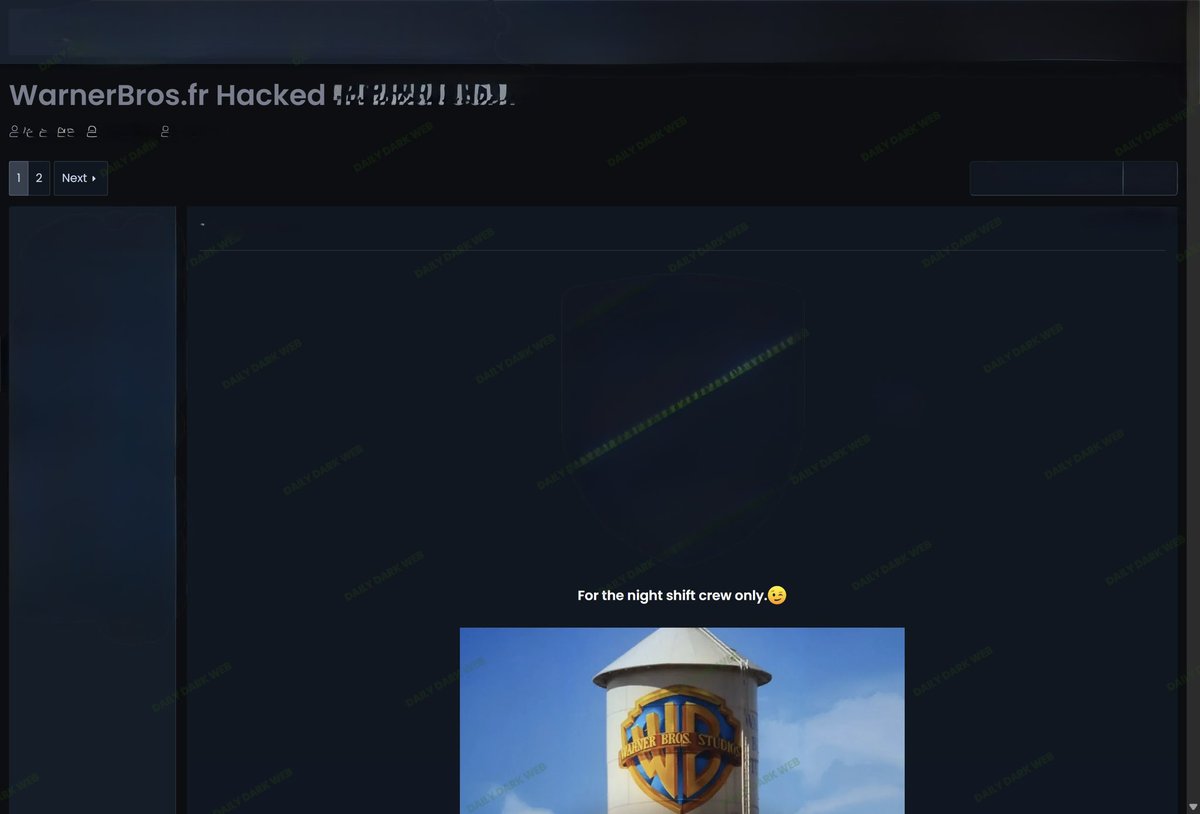
🇫🇷 A threat actor on an underground forum is claiming to have compromised WarnerBros.fr.
The post contains minimal technical details and appears to reference an internal or “night shift crew” themed message alongside Warner Bros. branding imagery.
At this time:
• The claims remain unverified
• No confirmed evidence of data theft has been independently validated
• The scope and impact of the alleged compromise remain unclear
Potential scenarios could include:
• Website defacement
• CMS/admin panel compromise
• Credential reuse or stolen access
• Third-party hosting compromise
• Temporary unauthorized access to web assets
Media and entertainment organizations remain attractive targets due to:
• High public visibility
• Valuable intellectual property
• Marketing and promotional infrastructure
• Employee/vendor ecosystems
• Potential reputational impact
Threat actors frequently exploit compromised media domains for:
• Brand impersonation
• Malicious redirects
• SEO poisoning
• Credential harvesting
• Malware delivery campaigns
• Publicity and reputation-driven attacks
Organizations should monitor for:
• Unauthorized DNS changes
• Suspicious admin logins
• Unexpected redirects or injected scripts
• Newly issued SSL certificates
• Modified web content or assets
• Abnormal CDN/WAF activity
Users should remain cautious of:
• Emails or links claiming to be from Warner Bros. domains
• Unexpected login requests
• Fake streaming or promotional pages
• Suspicious download prompts
Daily Dark Web is monitoring underground channels for additional indicators, validation attempts, and potential follow-on activity related to this alleged incident.
#DDW #Intelligence #France #WarnerBros #CyberSecurity #DarkWeb #ThreatIntelligence #WebsiteDefacement #MediaSecurity
1
3
10
2,863



Mar 15
🚨 Alert 🇺🇸
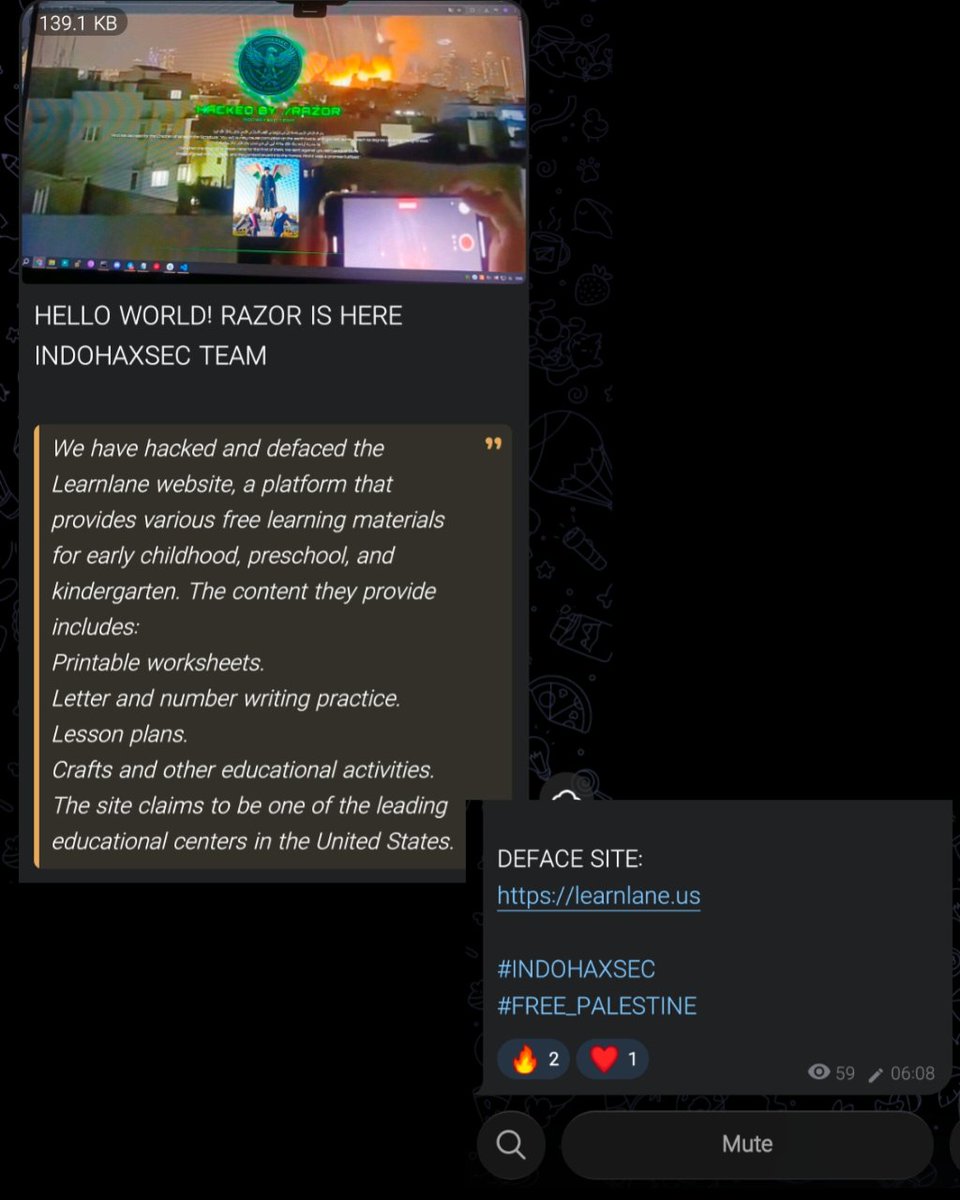
The INDOHAXSEC team has claimed responsibility for hacking and defacing the U.S. educational website Learnlane learnlane.us
#INDOHAXSEC #CyberAttack #WebsiteDefacement #Learnlane #CyberSecurity #UnitedStates
3
129
Mar 11
🚨 Alert 🇺🇸
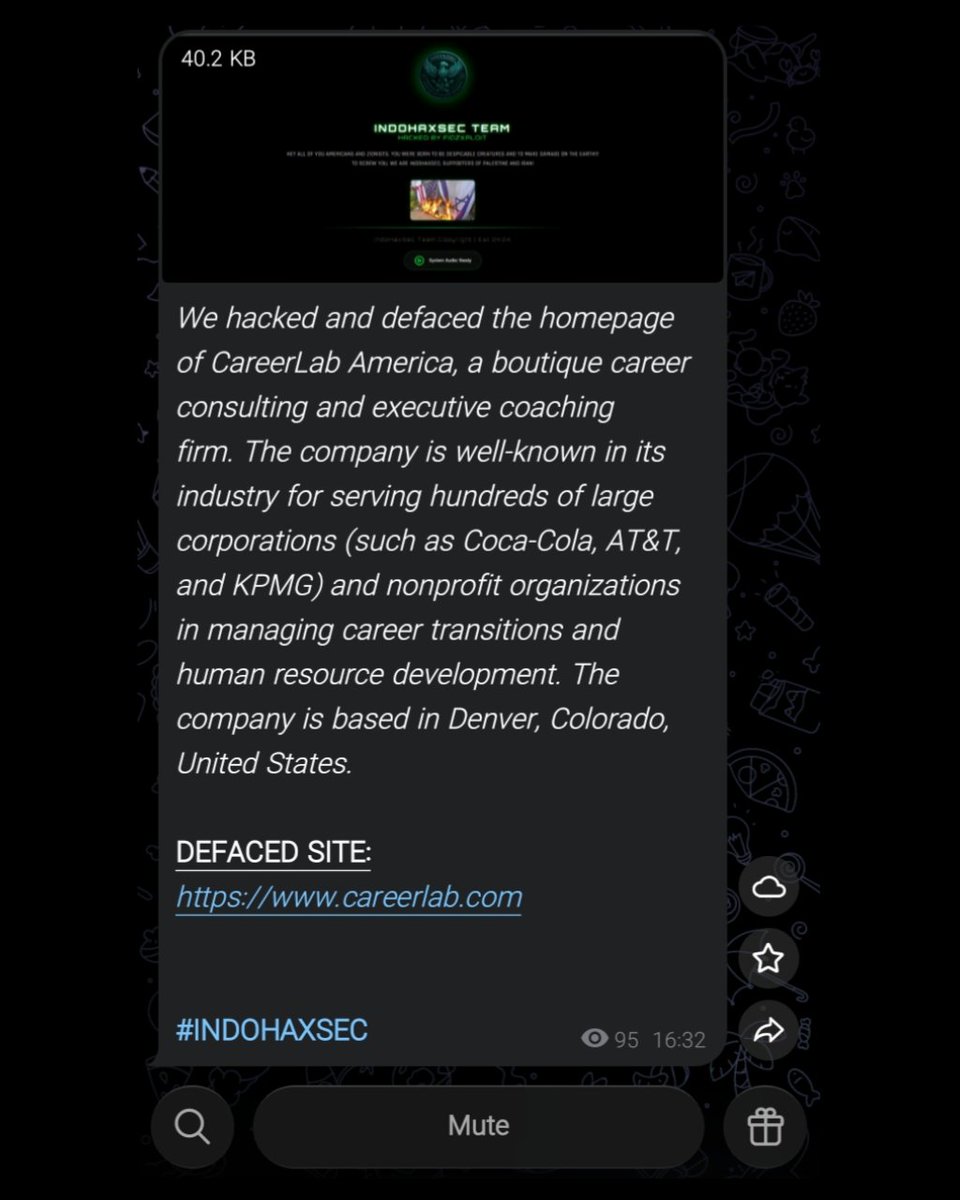
The hacking group known as INDOHAXSEC has reportedly carried out a website defacement attack against the official homepage of CareerLab America careerlab.com
#CyberSecurity #DataBreach #WebsiteDefacement #IndoHaxSec #CyberAttack
3
157

3 Jun 2025
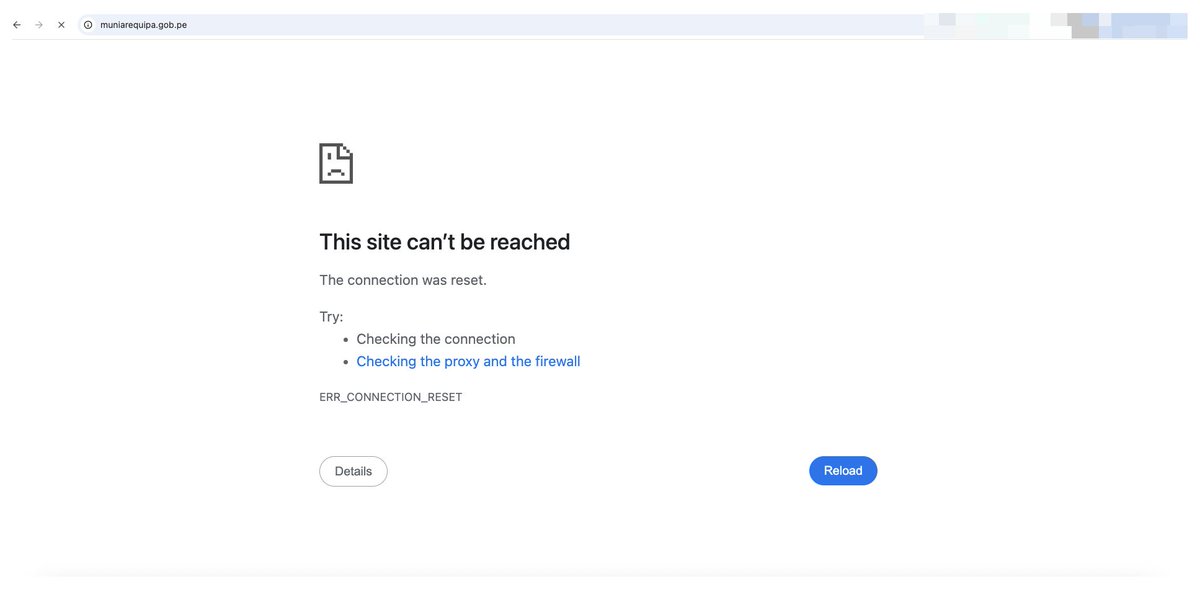
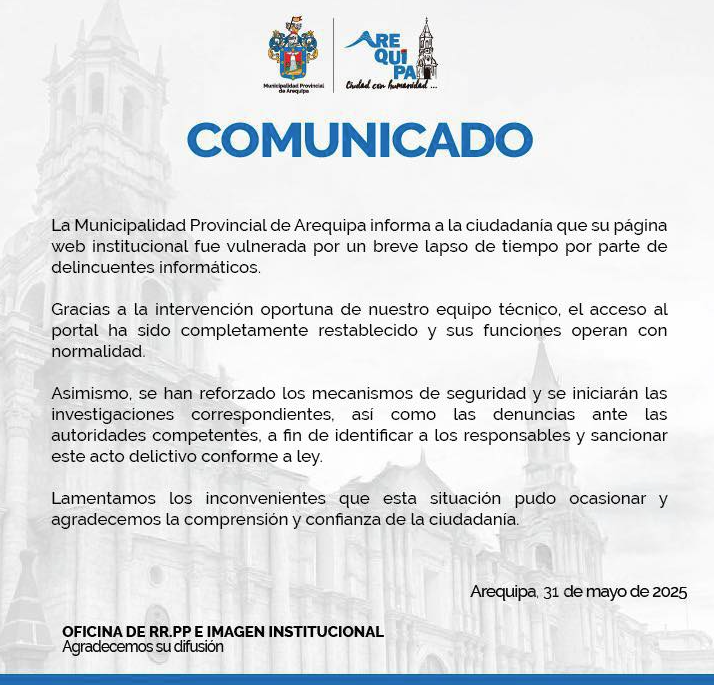
🚨 The #hacker group #DefacePeru has defaced the official website of the Provincial Municipality of #Arequipa, #Peru 🇵🇪 (@arequipamuni).
@GobiernoPeru_
Stay informed, monitor cyber threats, and sign up for free on #VenariX 👉 venarix.com
#CyberAttack #WebsiteDefacement #ArequipaMuni #infosec #CyberSec #Ciberseguridad #Lima #Peru

2
854

4 Oct 2024
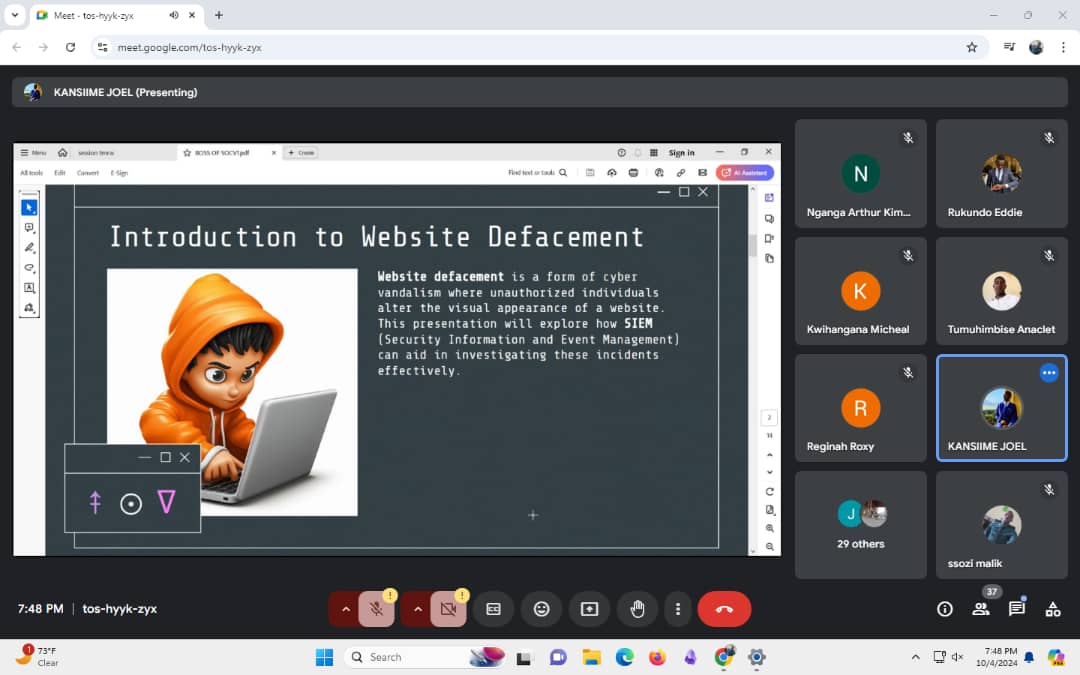
🚨 Just wrapped up an awesome session on investigating #WebsiteDefacement using #Splunk SIEM! 🌐🔍 Covered key steps in detecting, analyzing, and responding to web attacks. ⚠️🛡️
#CybersecurityAwarenessMonth

3
116

29 Aug 2024
🔍 Cyber Threats on the Rise: A Closer Look at Pro-Iranian Cyber Operations 🔍
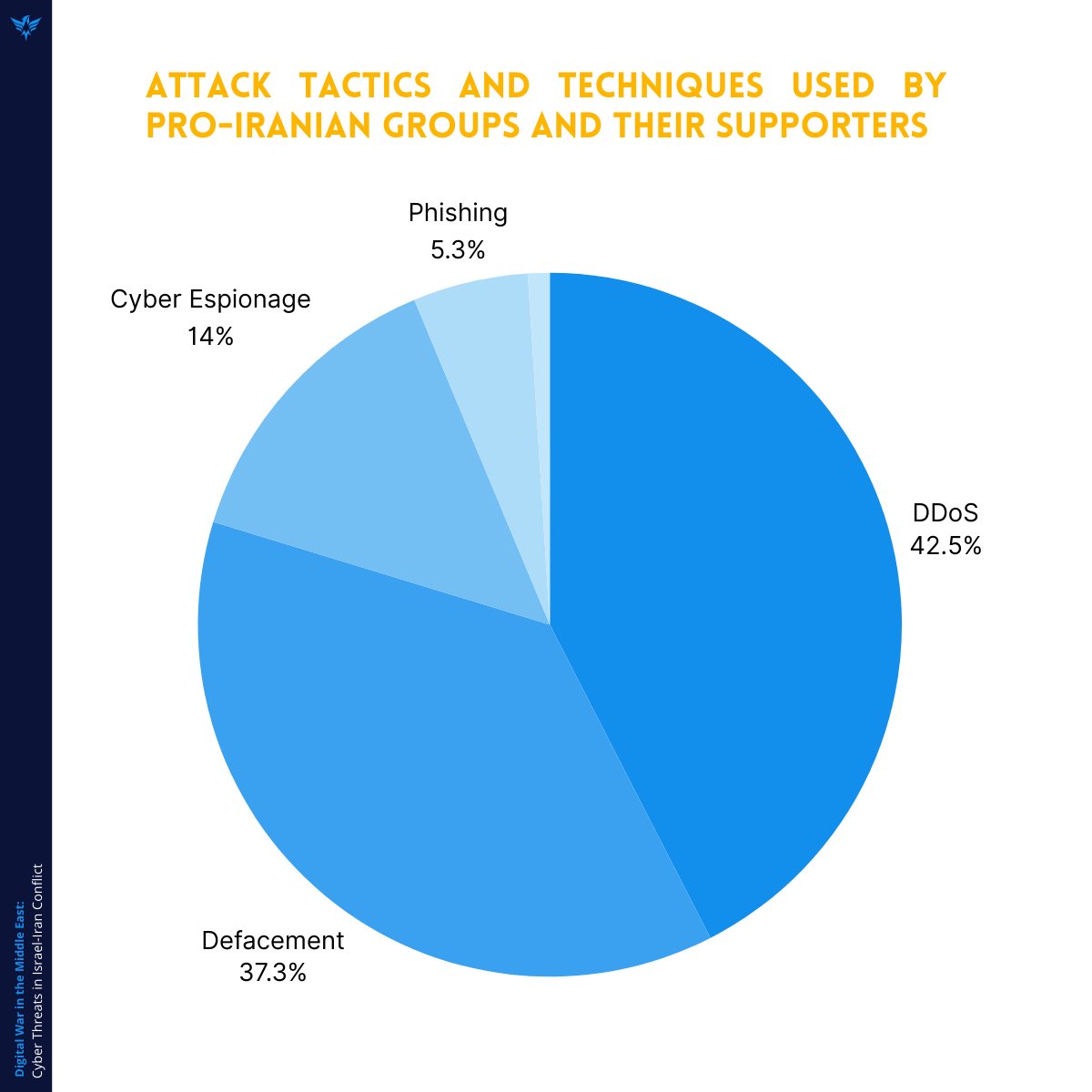
Our latest analysis highlights the diverse tactics used by pro-Iranian groups in cyber operations, with key attack methods including:
🌐 DDoS Attacks (B.5): Pro-Iranian groups frequently use Distributed Denial of Service (DDoS) attacks against Israeli online services. These attacks involve sending massive traffic to make targeted websites temporarily inaccessible.
💻 Website Defacement (7.3): Groups supporting Iran may make unauthorized changes to the appearance or content of a targeted website. These changes are usually made to the site's homepage and include a page with the attackers' message or intent.
🕵️♂️ Cyber Espionage and Information Collection (): Pro-Iranian groups may engage in cyber espionage to collect sensitive data from specific individuals or organizations.
🎣Phishing Attacks (%5.3): In some cases, pro-Iranian organizations may use phishing attacks to obtain sensitive information from targeted groups or individuals. In April 2024, APT42 appears to have intensified targeting users located in Israel.
⚠️ Social Engineering and Ransomware (%1): Pro-Iranian groups use social engineering tactics to achieve their goals. They may also use ransomware to harm their targets or steal information.
These findings underscore the broad and evolving nature of cyber threats posed by groups aligned with Iran. Stay informed and vigilant.
For more insights, check out the full report 👉🏻 threatmon.io/digital-war-in-…
#CyberSecurity #CyberThreats #DDoSAttack #WebsiteDefacement #CyberEspionage #Phishing #Ransomware #ProIranianGroups #DigitalDefense #StaySafeOnline
1
5
726

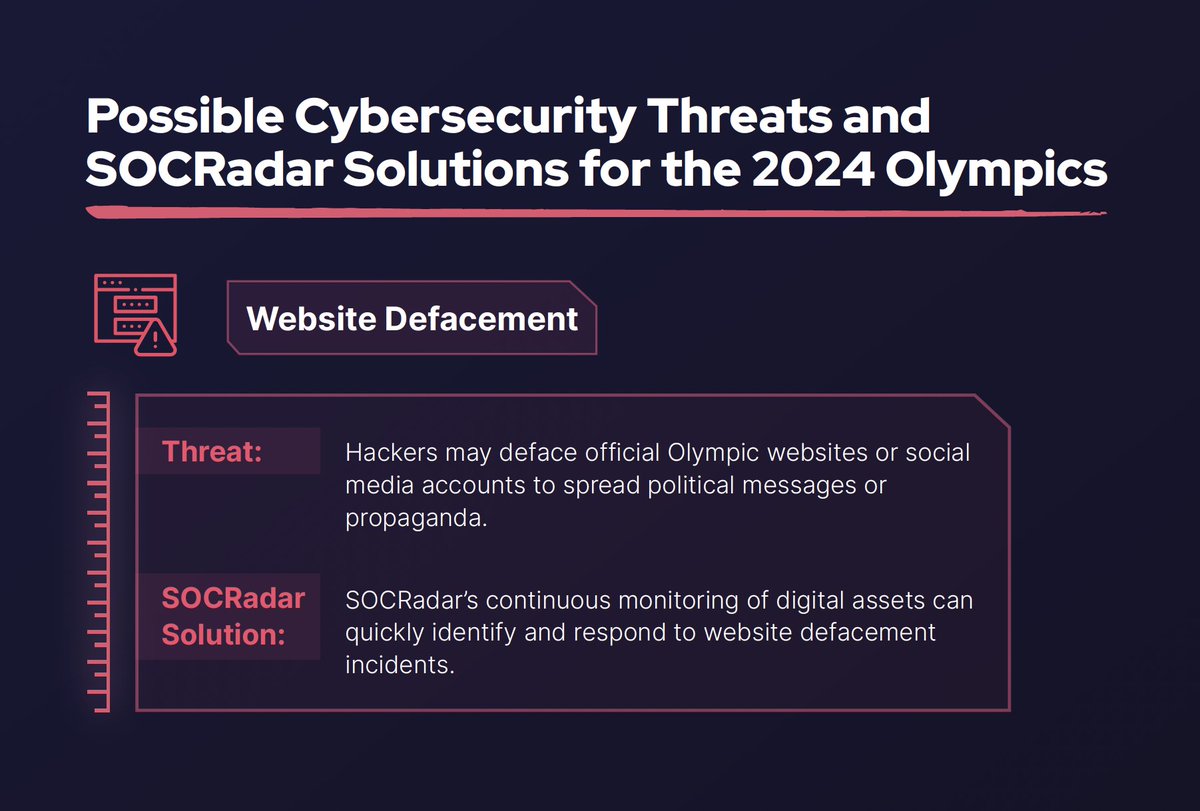
🏃♂️ Starting Week 2 of the #Olympics: #WebsiteDefacement - Hackers may deface official Olympic websites or social media accounts to spread political messages or propaganda.
🔍 SOCRadar’s continuous monitoring of digital assets can quickly identify and respond to defacement incidents.
💡 Learn more: socradar.io/resources/dark-w…
#CyberSecurity #Paris2024 #DigitalAssetProtection #ThreatIntelligence
2
332

1 Aug 2024
Ever wondered about the hidden threats behind #websitedefacement? 🌐👀 RangeForce is here to shine a light on this often-overlooked attack vector.
🔗 Join RangeForce Free Edition to take the first step toward fortifying your digital presence: rangeforce.com/free-edition

4
114

9 Dec 2023
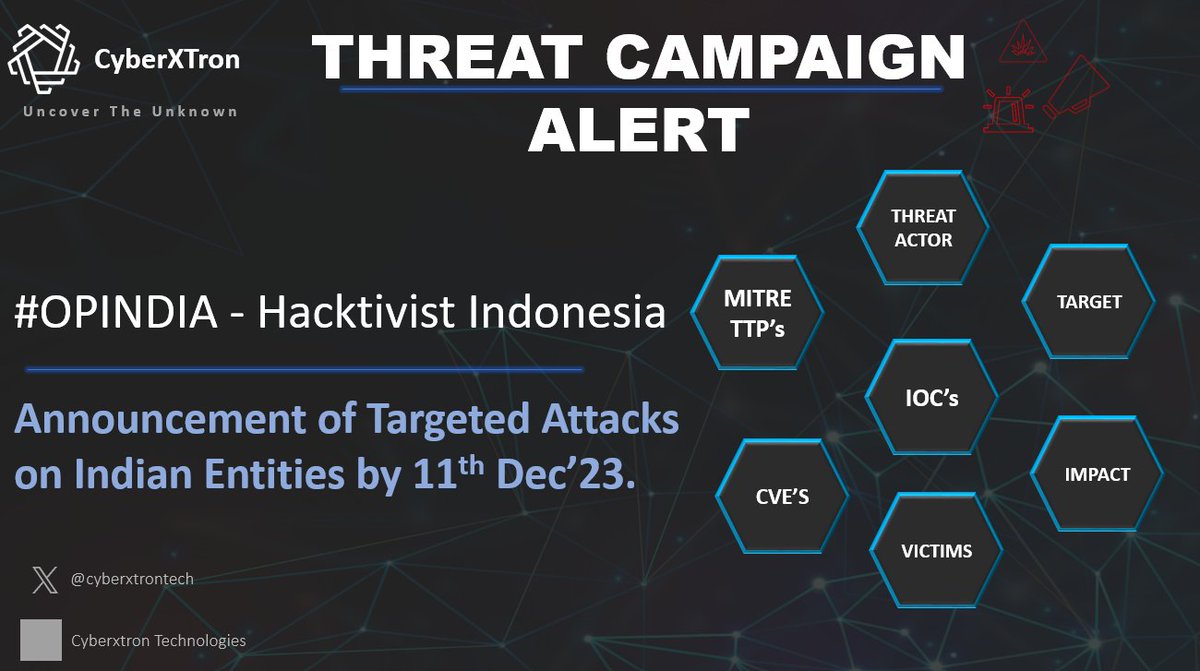
🚨 Threat Campaign Alert: Announcement of Targeted Attacks on Indian Entities: Unveiling the #OPINDIA Campaign by 'Hacktivist Indonesia🚨
Threat Actor: Hacktivist Indonesia
Attack Methods: DDoS Attacks, Website Defacement, Sensitive Data Leak
Target Industries: Government and private Sectors
Target Countries: India
Timeline: 11th Dec'23
Impact: Website/Service Unavailability, Reputational impacts, Sensitive Data Disclosure
Action: Organizations are advised to review their security practise and Incident management process (Especially against DDoS attacks).
Be vigilant and in case of targeted attacks, report the same to CERT-IN/respective regulatory authorities promptly.
---------------------------------------------------------------------------------------
🚀Join us on our mission to secure the digital world and make cyber defense affordable to everyone! 🌐 Follow "CyberXTron Technologies" for the timely, relevant and actionable cyber threat insights.
#OPINDIA #HacktivistIndonesia #DDoS #WebsiteDefacement #ThreatCampaign #Cyberattacks #CyberSecurity 🛡️🔒
1
2
788

10 Jun 2023
3
23