
Apr 18
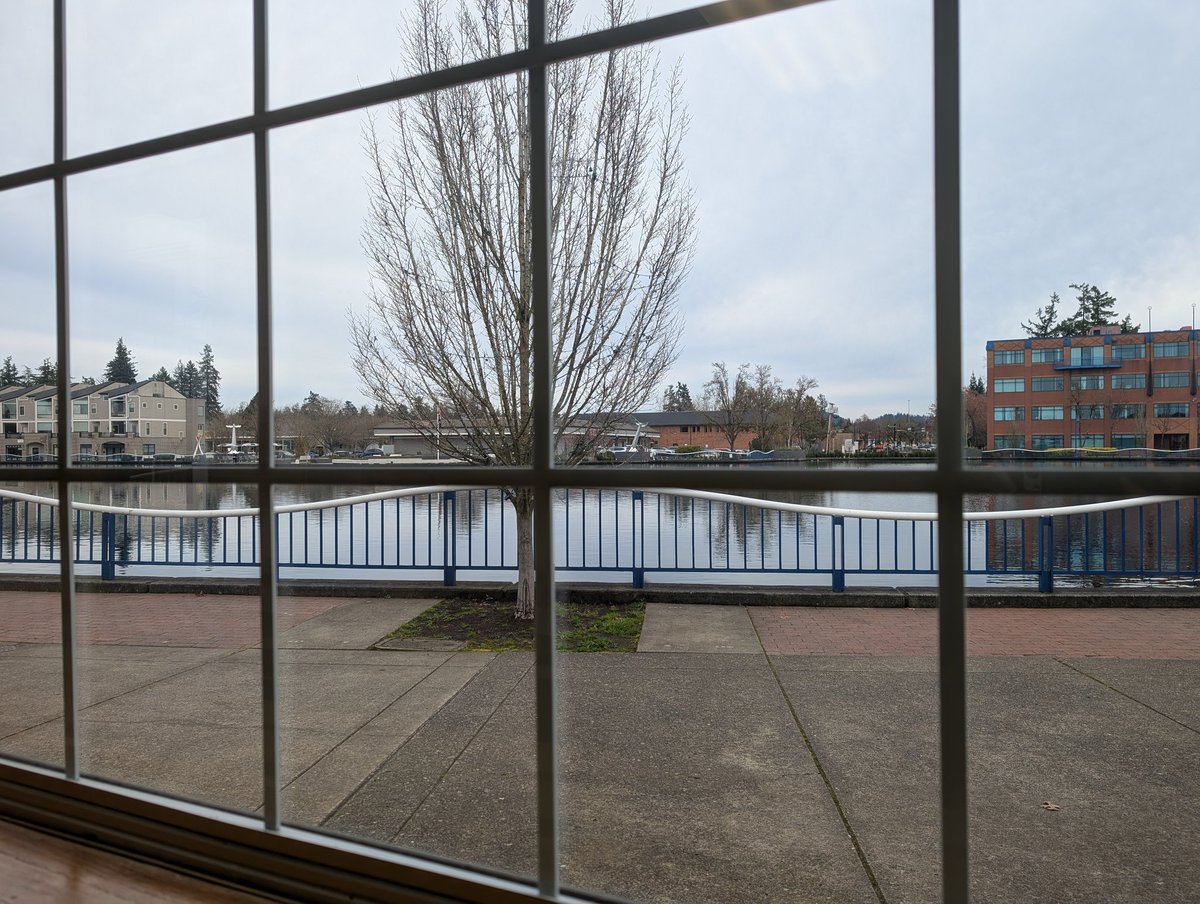
Tualatin, Oregon, USA - Saturday, February 28, 12:51 PM. #Tualatin #Oregon #USA #PacificNorthwest #TualatinLakeOfTheCommons #WinterTree #アメリカ #湖 #冬の木
25
Apr 18
Vancouver, Washington, USA - Wednesday, February 25, 2:42 PM. #Vancouver #Washington #USA #PacificNorthwest #BlueSky #WinterTree #アメリカ #青空 #冬の木
16
Mar 30
Vancouver, Washington, USA - Thursday, February 5, 3:41 PM. #Vancouver #Washington #USA #PacificNorthwest #BlueSky #WinterTree #アメリカ #青空 #冬の木
16

Mar 19
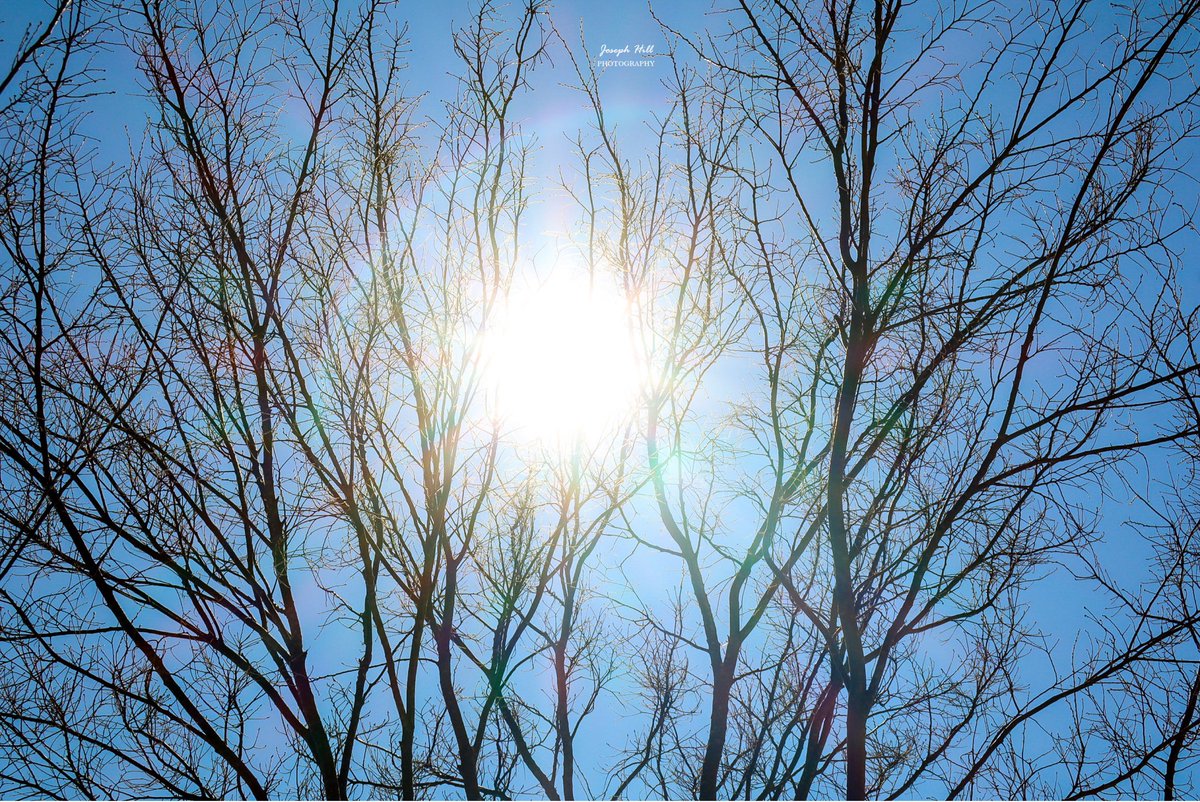
Winter Sunlight☀️❄
Photo By: Joseph Hill🙂📸☀️
#sunlight #bluesky #tree #wintertree #winter #nature #daylight #beautiful #peaceful #daytime #wintertime #wintervibes #winterphotography #NaturePhotography #SouthernPinesNC #March
49

Mar 13
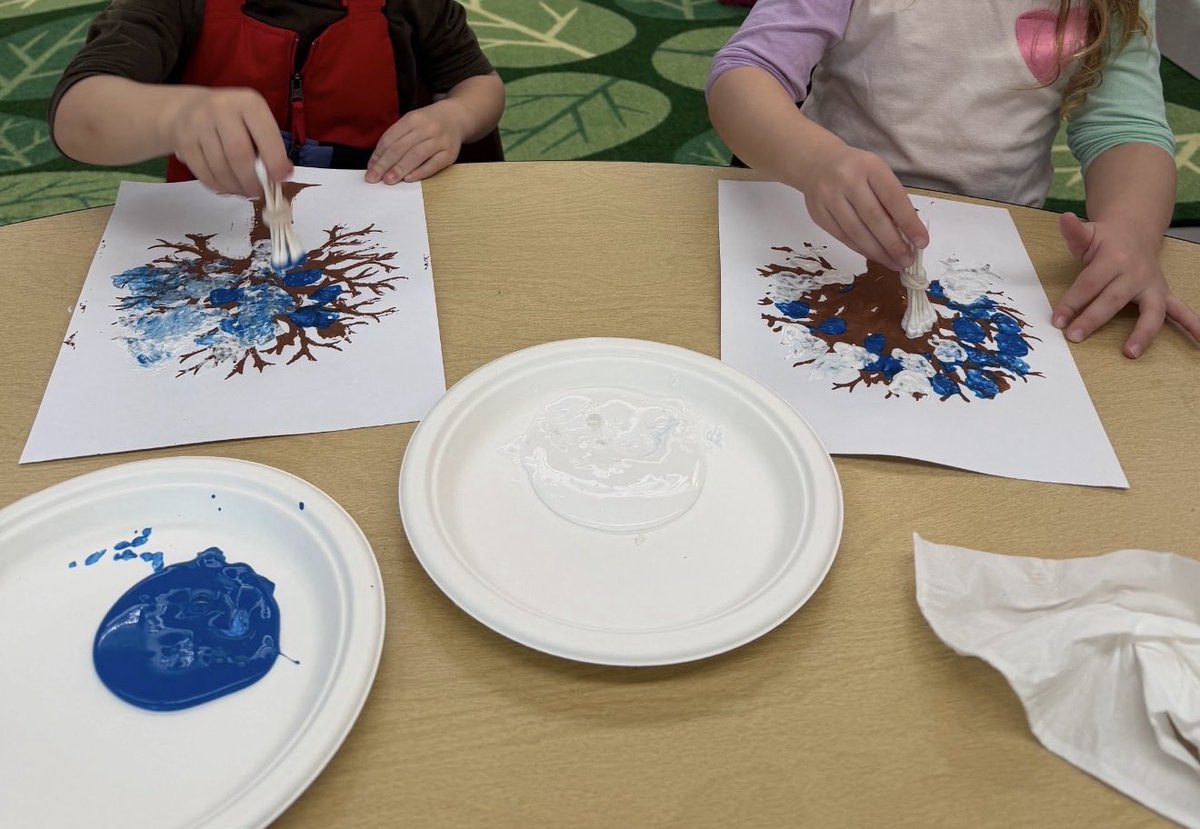
As much as I like the idea, I’d never do it with my students. My youngest students know that food isn’t for playing, so I use Q-tips instead.
#WinterTree
6
223
Mar 12
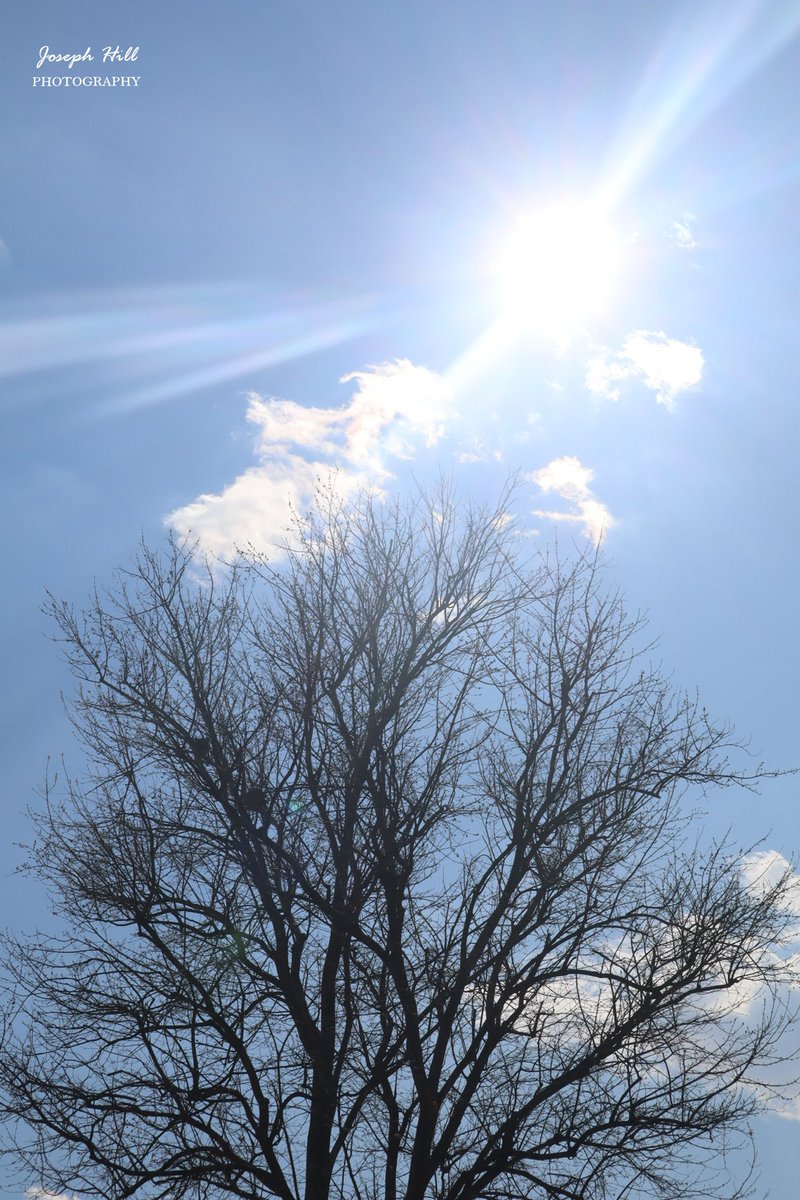
Winter Sunlight☀️☁️❄
Photo By: Joseph Hill🙂📸
#sunlight #clouds #bluesky #tree #wintertree #winter #nature #daylight #beautiful #peaceful #daytime #wintertime #wintervibes #winterphotography #NaturePhotography #SouthernPinesNC #March
83
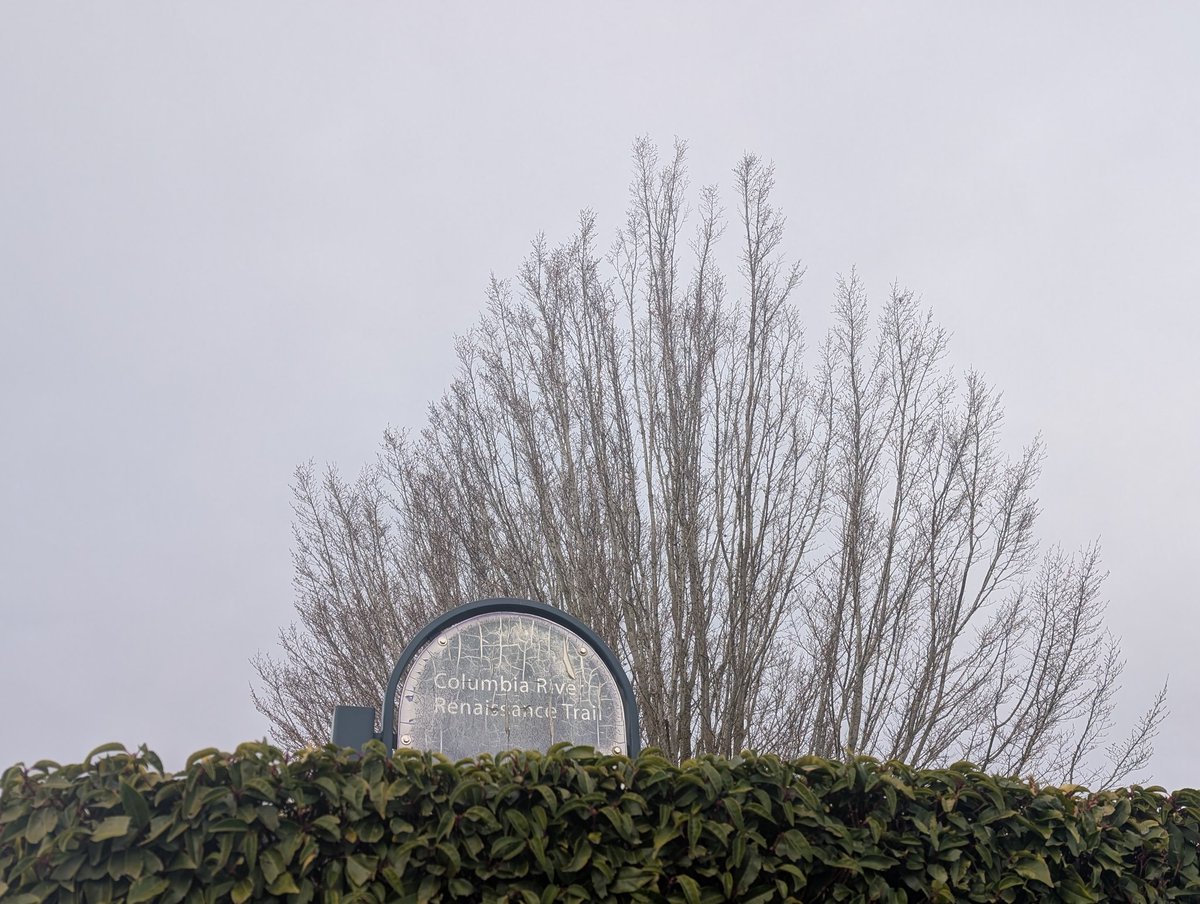
Vancouver, Washington, USA - Thursday, January 22, 3:10 PM. #Vancouver #Washington #USA #PacificNorthwest #CloudyDay #WinterTree #アメリカ #雲 #冬の木
18
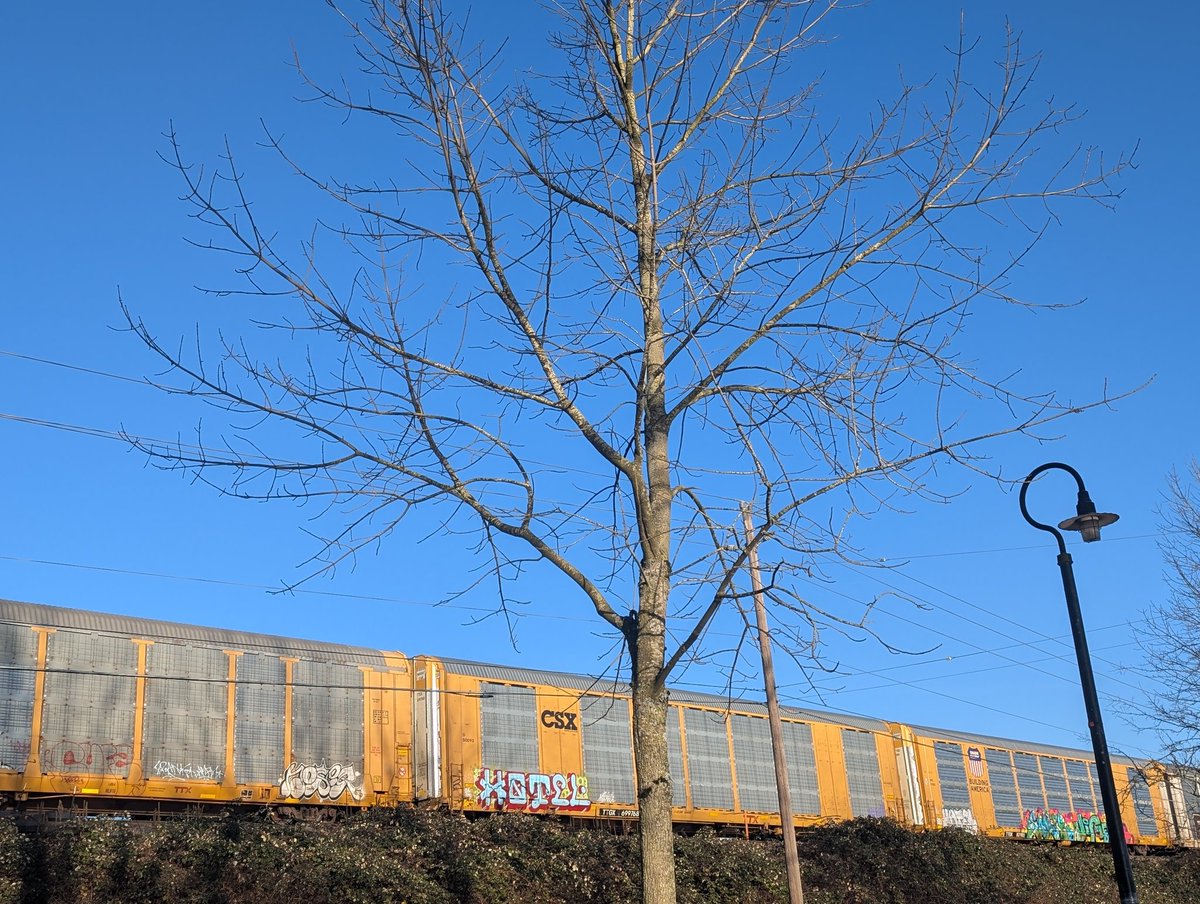
Vancouver, Washington, USA - Wednesday, January 21, 3:22 PM. #Vancouver #Washington #USA #PacificNorthwest #BlueSky #WinterTree #Train #アメリカ #青空 #冬の木 #電車
19

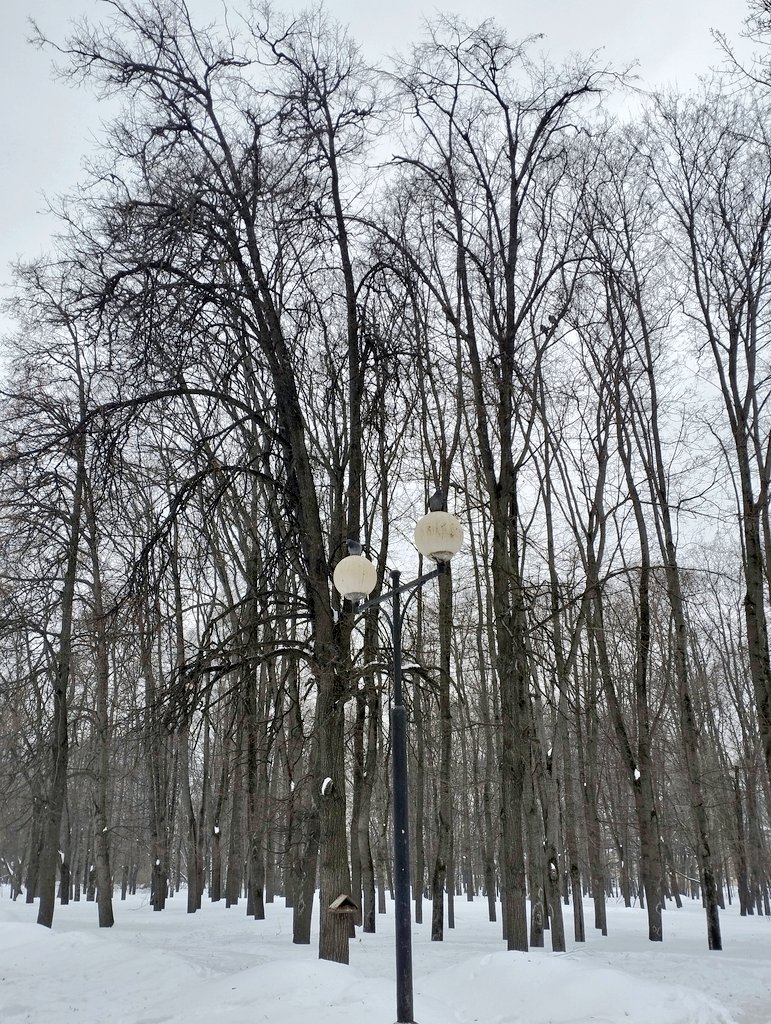

Mar 3
Mighty winter tree standing proud 🌳
#thicktrunktuesday
#wintertree

ALT A large, mature, leafless tree in winter, in a field of grass, with the shape of the canopy branches almost circular in shape.
19
18
135
751
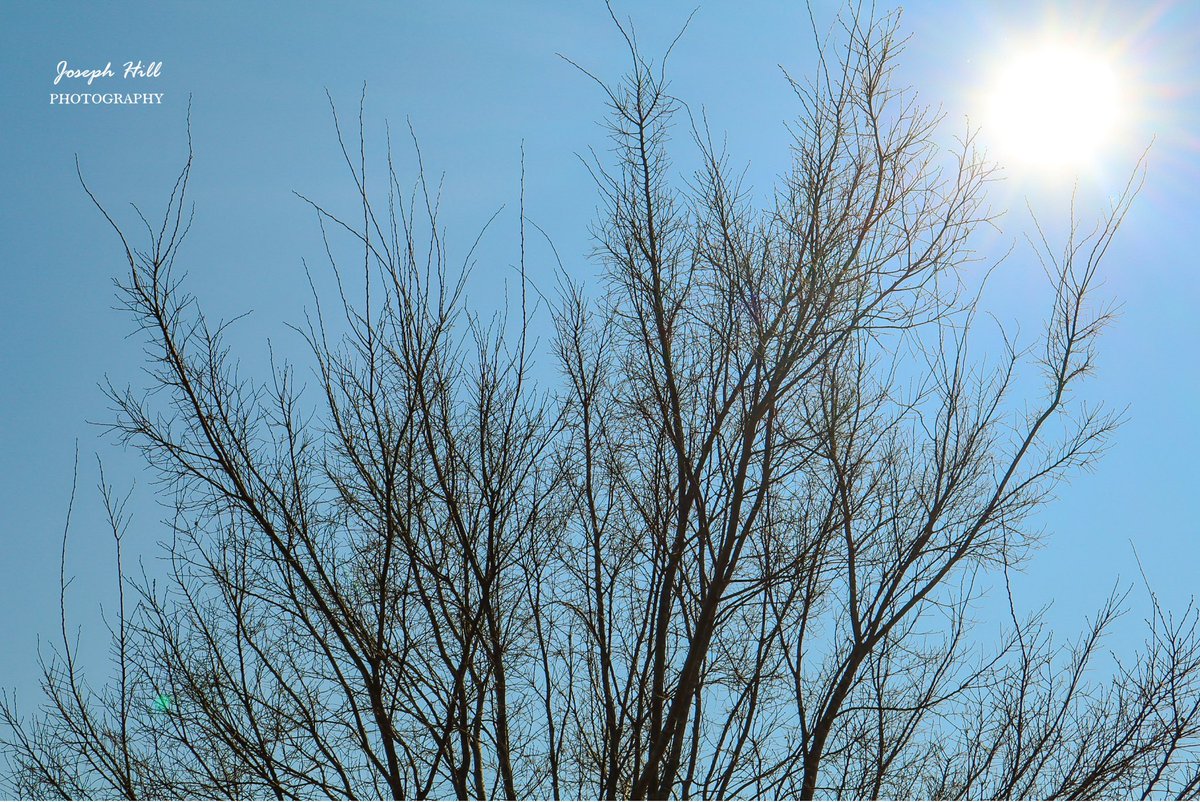
Winter Sunlight☀️❄
Photo By: Joseph Hill🙂📸☀️
#sunlight #bluesky #tree #wintertree #winter #nature #daylight #beautiful #peaceful #daytime #wintertime #wintervibes #winterphotography #NaturePhotography #SouthernPinesNC #March
60

Feb 15
1
6
86

■ 【Tree Form-36】 Masterpieces of bonsai teach us the “meaning and value of tree form” through extraordinary, non-everyday shapes.
■ I visited Japan’s highest-level bonsai exhibition,
“The 100th Kokufu Bonsai Exhibition (Kokufu-ten)”
(February 11, 2026). Historic masterpieces can be appreciated there. The venue was the Tokyo Metropolitan Art Museum in Ueno, Taito Ward.
■ Bonsai (BONSAI) is a traditional Japanese art and cultural practice in which plants from mountains and fields are cultivated in small containers. Through techniques such as pruning and wiring, artists express grand natural landscapes and the aged appearance of trees within a limited space.
■ Bonsai originated from the Chinese practice of penjing about 1,300 years ago and was introduced to Japan during the Heian to Kamakura periods. At first, it was a hobby of monks and samurai of the upper classes, but during the Edo period it spread among common people. From the Meiji era onward, it developed into a living art form internationally appreciated as “BONSAI.”
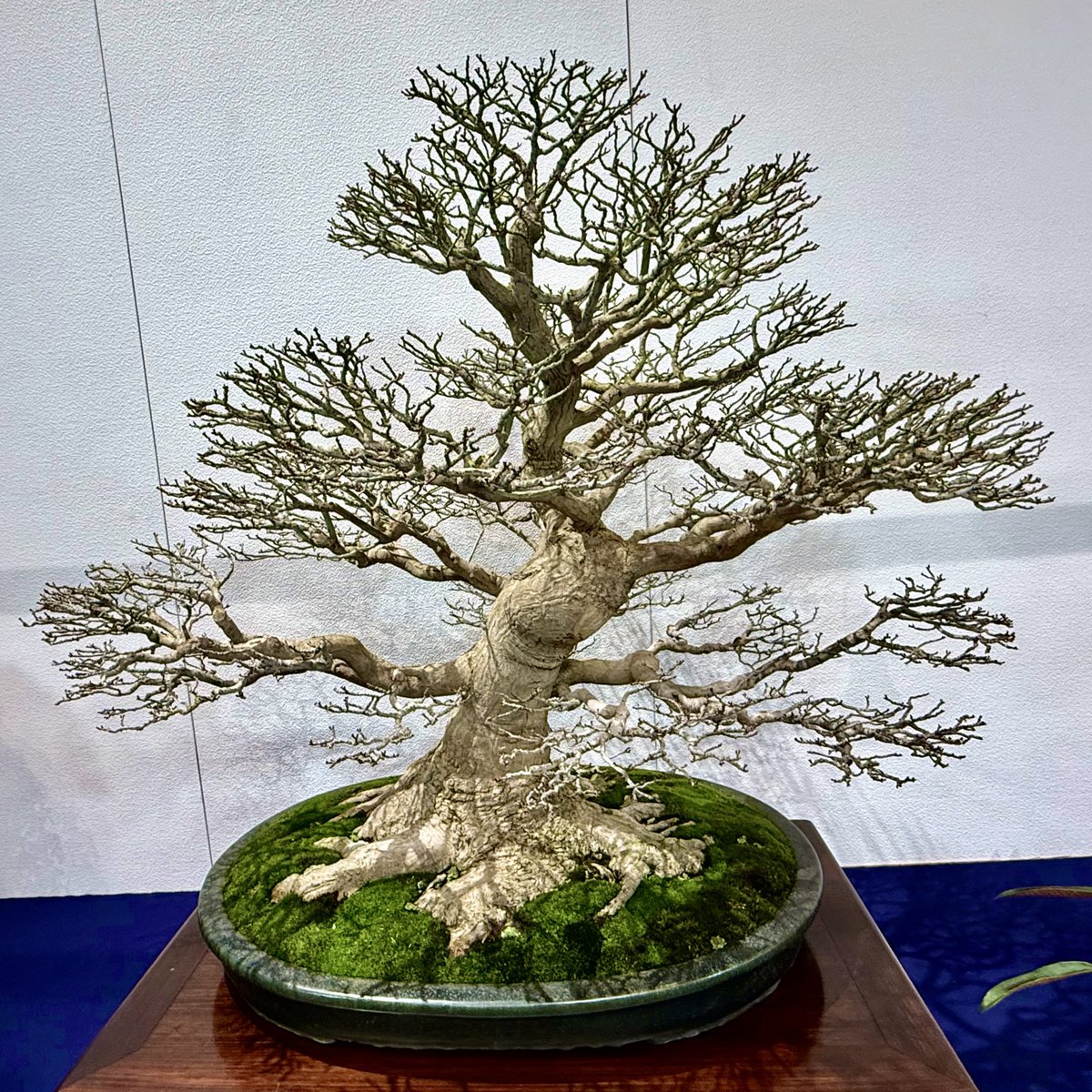
■ In this post, I introduce one example of a work that received the Kokufu Award. The tree species is Japanese maple (momiji), specifically the cultivar “Shishigashira.” The exhibitor is Mr. Naotaro Hikida from Osaka Prefecture.
■ “Shishigashira” is characterized by its curled leaves and thick trunk. Please look especially at the relationship between the lower trunk and the thick, widely spreading roots. It is an extremely unique formation.
■ The tree form shown in the photo is in its leafless state. This winter appearance is called “kanju” (winter tree) and is the best season to appreciate the fine ramification of the branches.
■ Let us symbolically apply this bonsai form to the “shape of the mind” and consider what kind of “stage of mental development” it might correspond to.
#Maple #Momiji #Shishigashira #TreeForm #WinterTree #Bonsai #BONSAI #KokufuTen
1
16
464
Feb 12
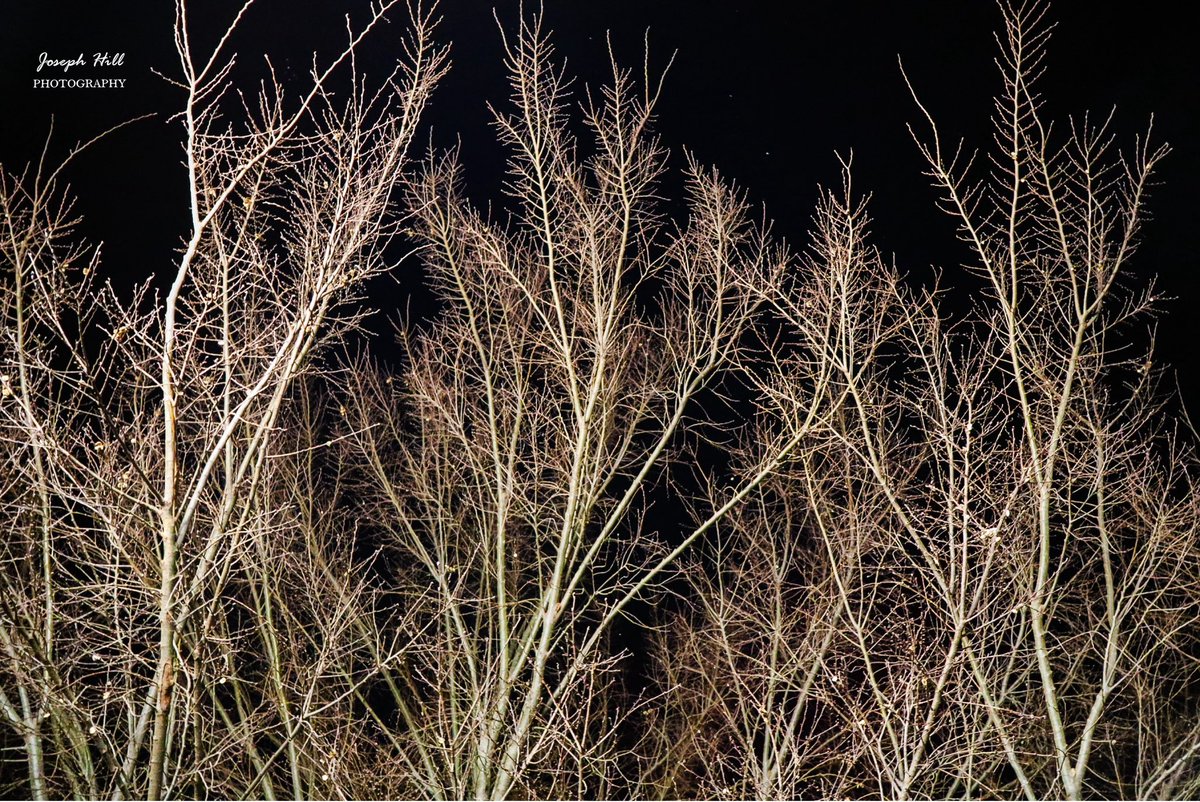
WINTER!❄️
Photo By: Joseph Hill🙂📸❄️
#Winter❄️ #wintertree #tree #closeup #sky #wintersky #Nightsky #night #nature #beautiful #peaceful #nighttime #wintertime #wintervibes #winterphotography #NightPhotography #SouthernPinesNC #February
1
52
Feb 10
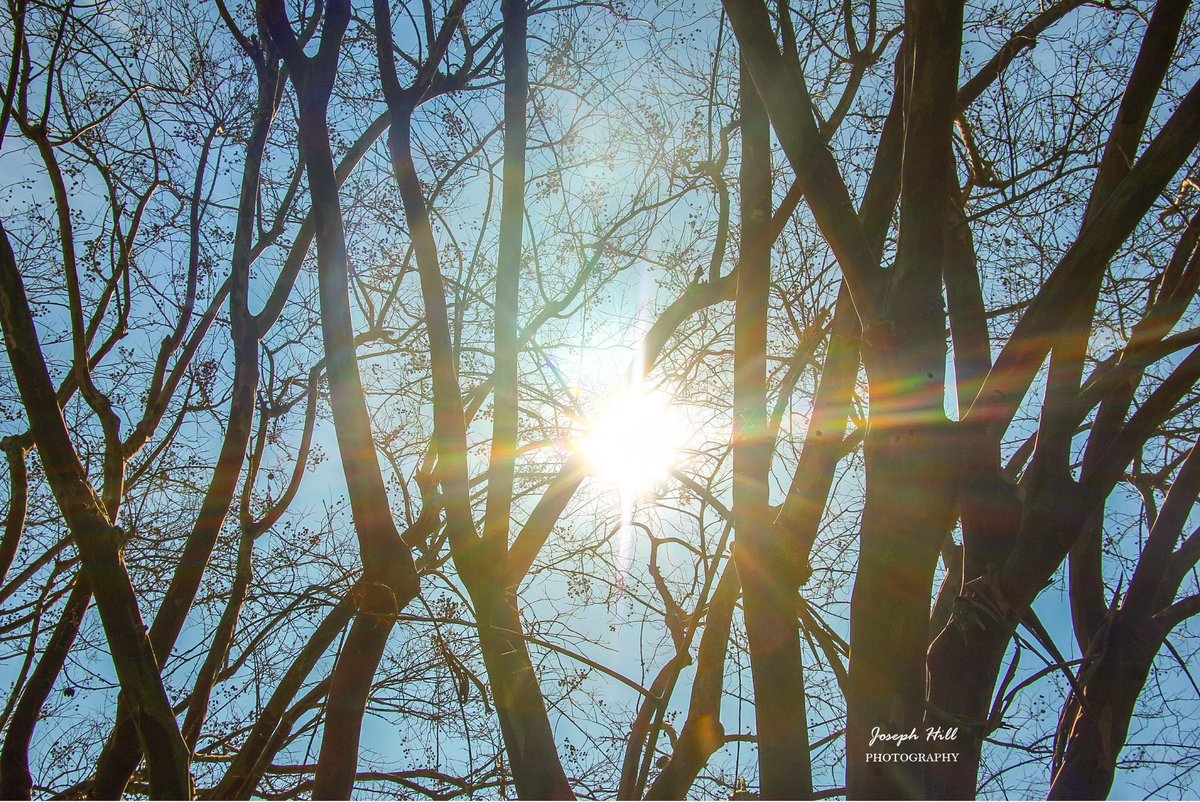
Winter Sunlight☀️❄
Photo By: Joseph Hill🙂📸☀️
#sunlight #bluesky #tree #wintertree #winter #nature #daylight #beautiful #peaceful #daytime #wintertime #wintervibes #winterphotography #NaturePhotography #SouthernPinesNC #February
56
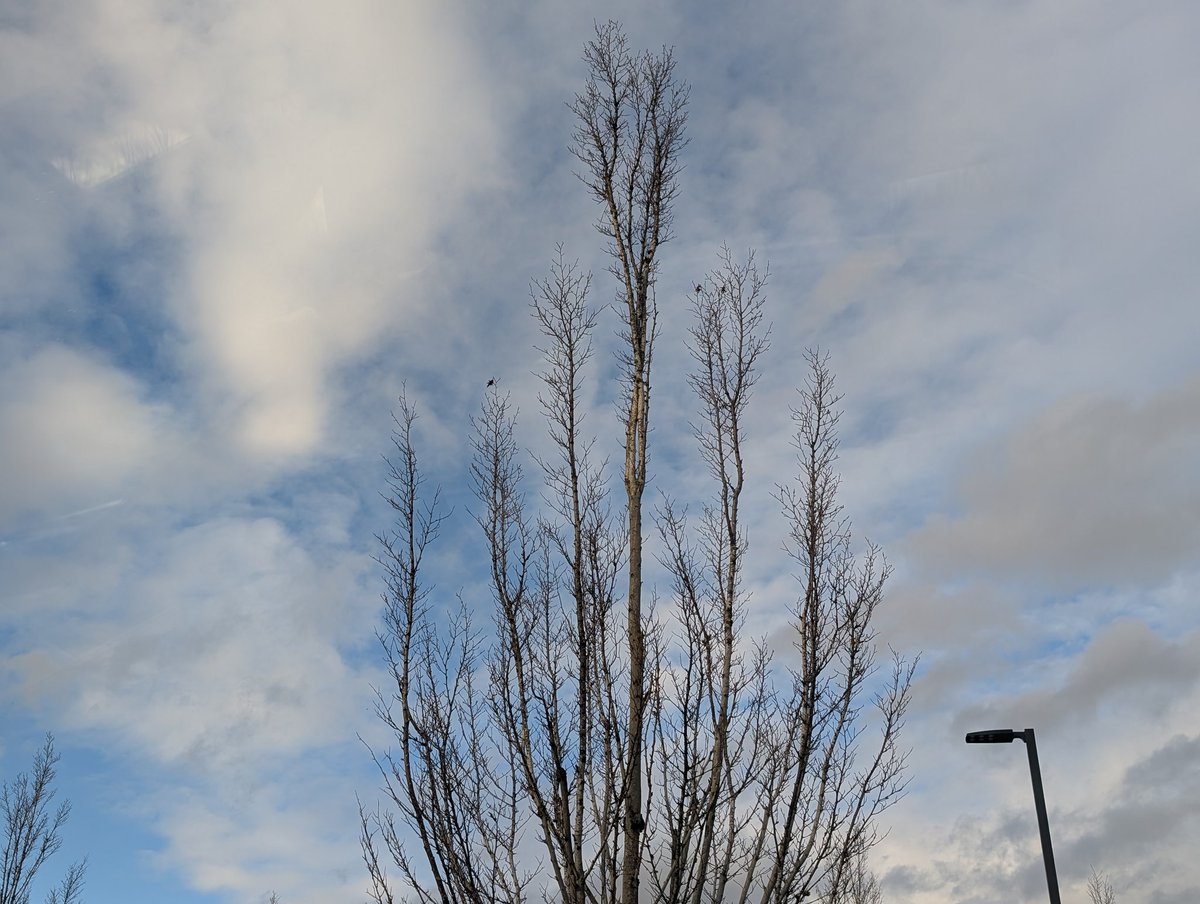
Vancouver, Washington, USA - Monday, December 22, 3:02 PM. #Vancouver #Washington #USA #PacificNorthwest #WinterTree #Clouds #アメリカ #冬の木 #雲
15
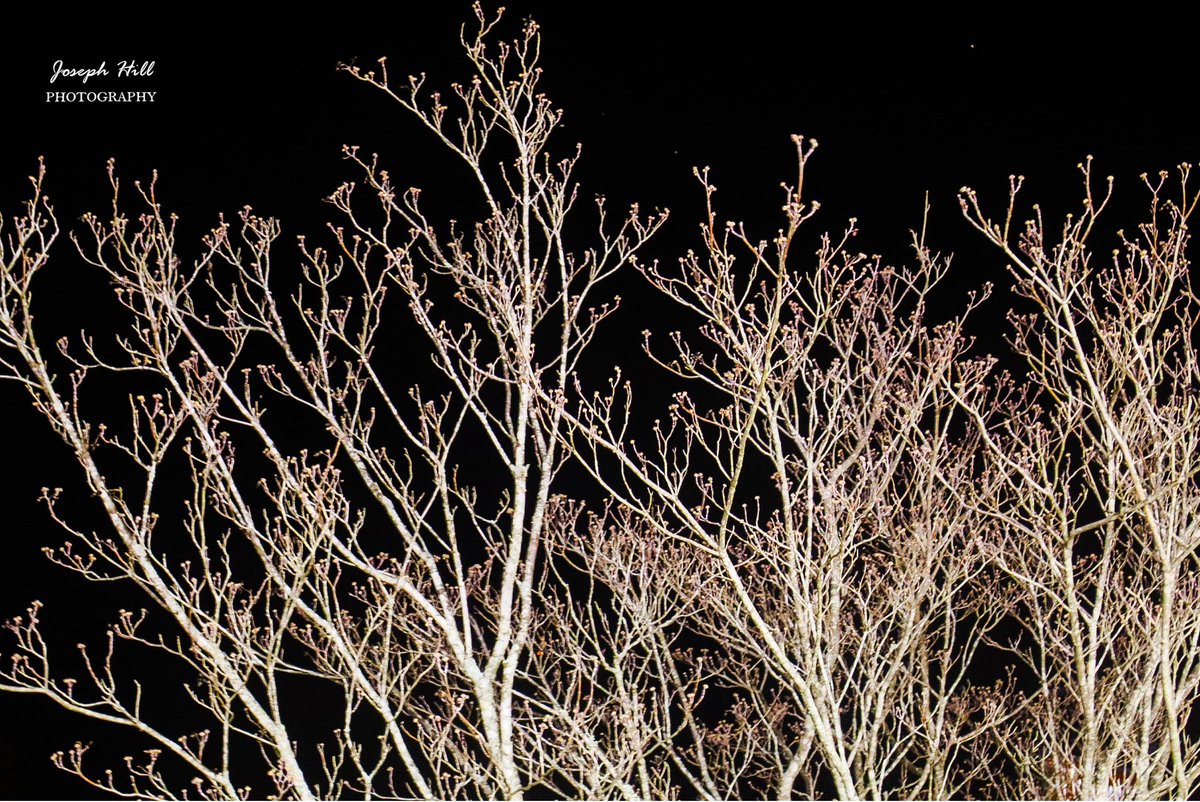
WINTER!❄️
Photo By: Joseph Hill🙂📸❄️
#Winter❄️ #wintertree #tree #closeup #sky #wintersky #Nightsky #night #nature #beautiful #peaceful #nighttime #wintertime #wintervibes #winterphotography #NightPhotography #SouthernPinesNC #February
1
79

I’m just a girl 😂 #wintertree #snow #wood #winter #fiskars #outdoors #tr... youtube.com/shorts/8C4p4s6oP… via @YouTube 😉SAME

19

Jan 30
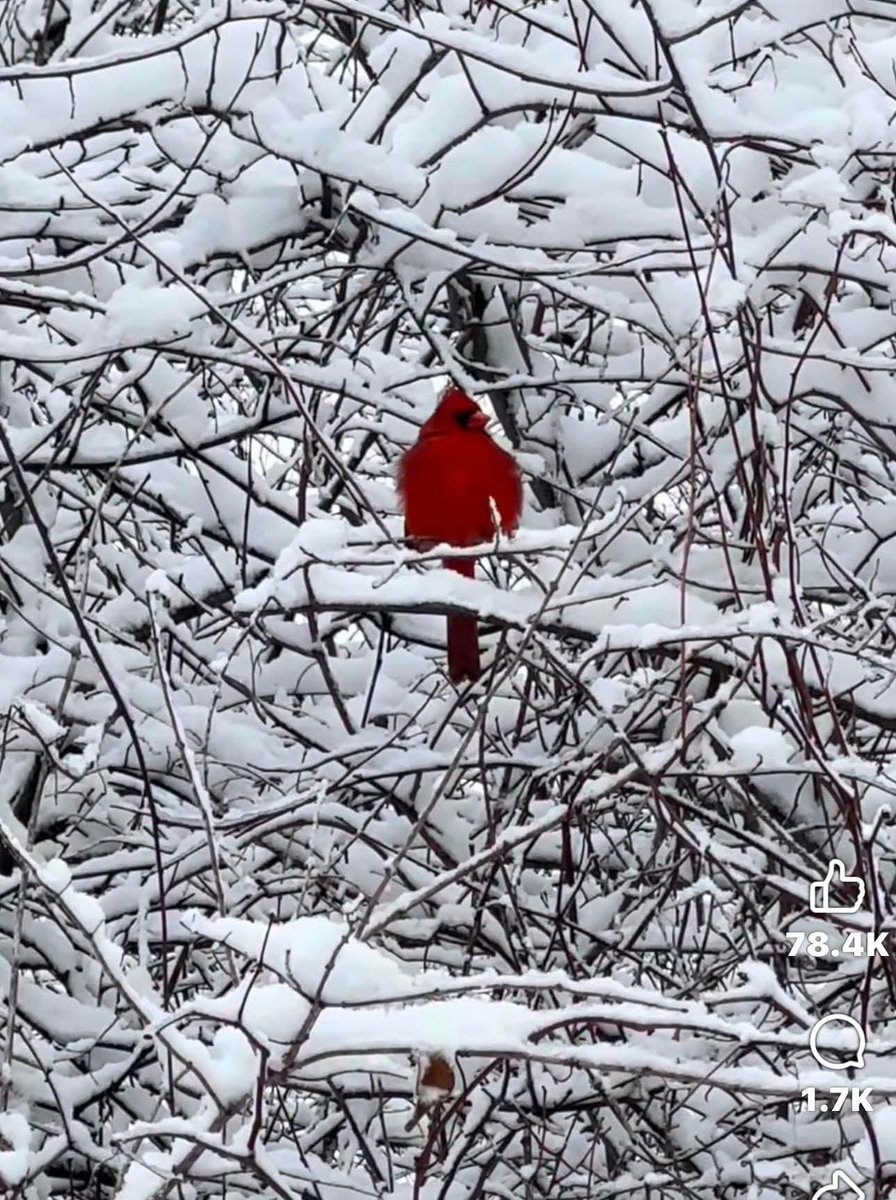
One of winter’s most beautiful views.❣️
#ปอนด์ภูวินทร์ #BBMzansiS6 #はたらく細胞 #ppnaravit #tree #wintertree #snow #bird
1
1
10
512

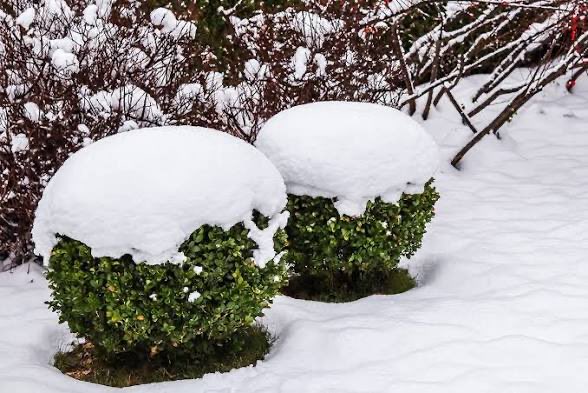
The safest way to protect your trees and shrubs is to carefully lift branches upward with a broom and gently shake the snow off, starting near the top of the plant and working down.
Cheers to winter!❄️
#gllandcare #snowremovalservices #treecare #lawncareservice #wintertree
7