
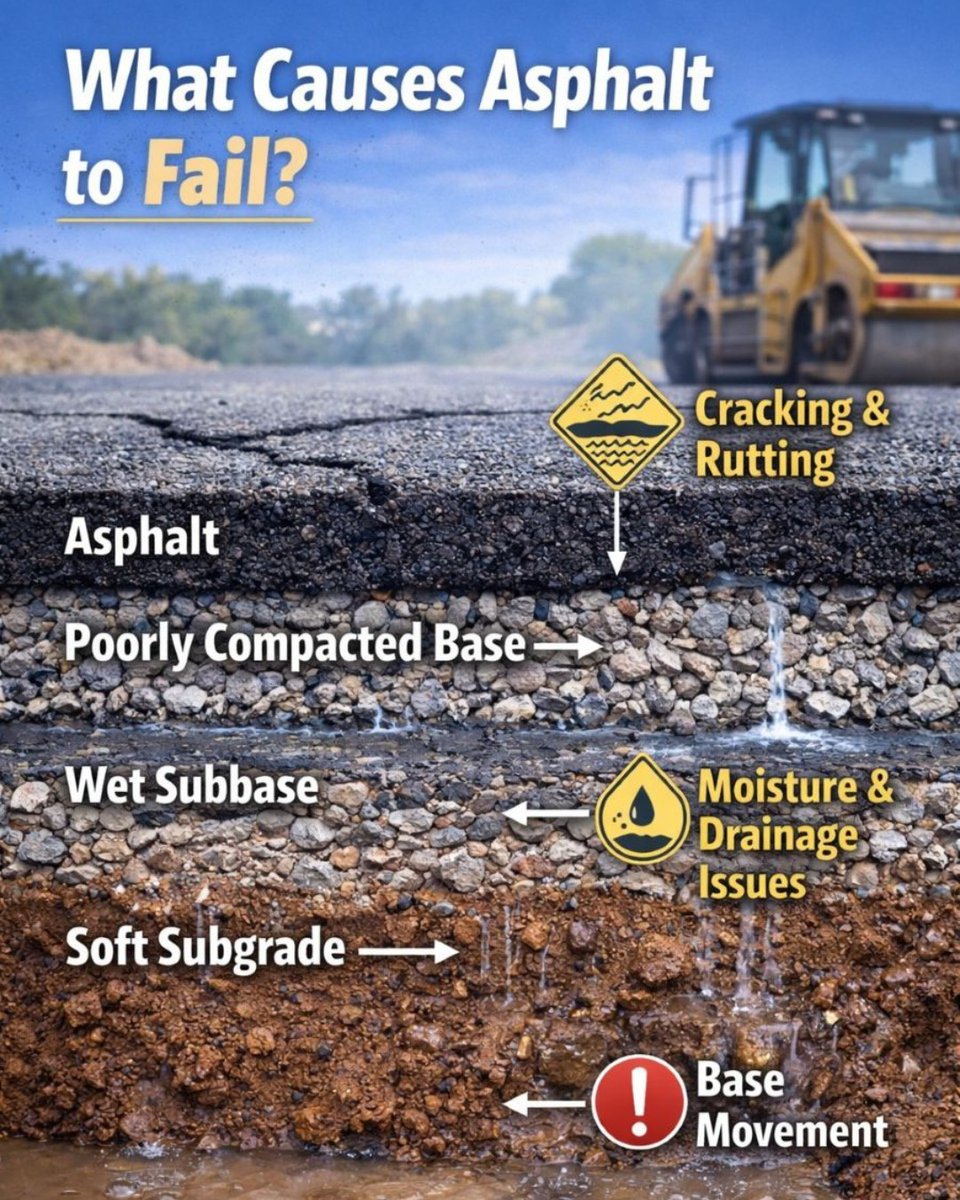
Asphalt problems usually do not begin at the surface — they begin below it.
When pavement starts to crack, rut, shift, or break down sooner than expected, the issue is often tied to what is happening underneath the top layer. A smooth asphalt finish may look strong on day one, but long-term performance depends on the stability, drainage, and compaction of the layers below it.
The asphalt surface is designed to handle traffic and provide a durable riding course, but it relies on the aggregate base and subbase to carry and distribute the load. If those supporting layers are made with the wrong material, placed incorrectly, or not compacted properly, the pavement above them can begin to fail much faster.
One of the biggest factors in asphalt life is drainage. Water is one of pavement’s biggest enemies. When moisture gets trapped in the structure, it can weaken the base, soften the subgrade, and lead to movement over time. That movement often shows up as cracks, potholes, depressions, and surface fatigue.
Compaction also matters at every level. Even high-quality aggregate must be installed and compacted correctly to create a stable foundation. Without that support, traffic loads are not distributed the way they should be, especially in high-use areas like commercial lots, access roads, plant entrances, and heavy haul routes.
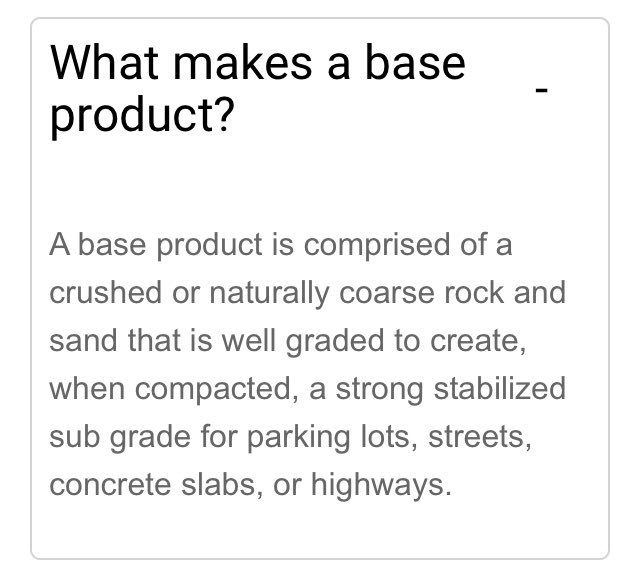
This is why the right aggregate matters long before the final asphalt layer is placed. A properly built pavement system depends on strong underlying materials that support strength, drainage, and long-term performance from the ground up.
At Shoreline Aggregate, we supply quality materials for the layers that make pavement perform — because a longer-lasting asphalt surface starts with a stronger foundation.
shorelineaggregate.com
219-878-9991
#AsphaltPerformance #PavingEducation #RoadConstruction #AggregateBase #Subbase #CompactionMatters #DrainageMatters #AsphaltContractor #ConstructionMaterials #HeavyConstruction #Infrastructure #ShorelineAggregate #ShorelineDelivers
126

19 Nov 2025
⚙️ Smart Aggregate Laying Tool!✨
#civilengineering #theconstructor #civilengineer #civilconstruction #aggregatebase #roadconstruction #constructiontools #smartconstruction #pavementwork #constructionmethods
Video/Audio Courtesy: Unknown
DM for credit or removal requests.
1
3
285

10 Nov 2022
Moving People. Moving Products. Moving the WORLD.
#AggregateIndustries #AggregateMining #AggregatePlant #AggregateStone #AggregateBase #BuildingMaterials #BuildItBetter #WisdomWednesday #RocksBuildAmerica #Rocks #Conveyors247 #BlueCollarAmerica
26 Oct 2022
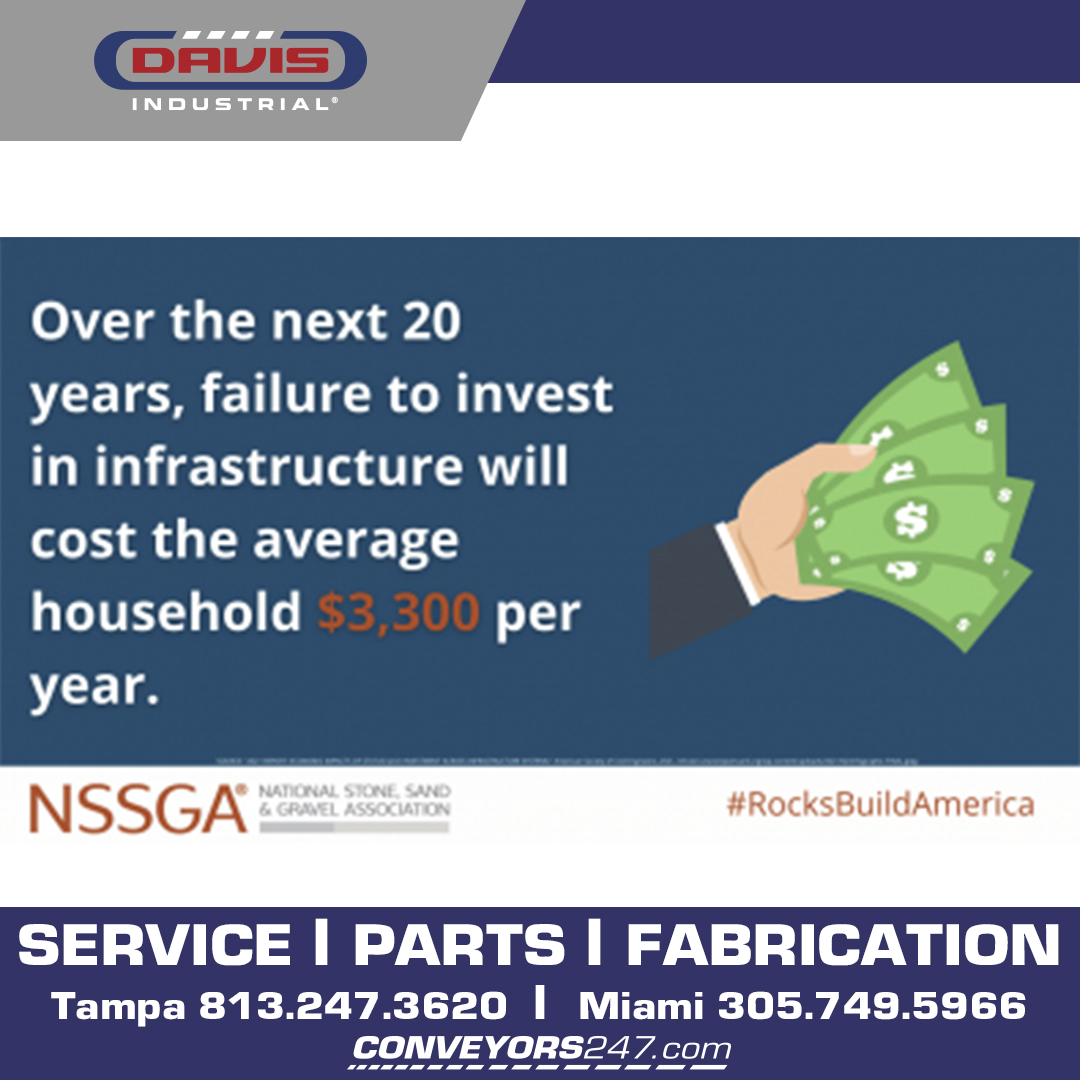
And thats why we keep our aggregate customers up and running 24/7.
Most everything in the world has touched a conveyor at some point in its life cycle.
#AggregateIndustries #AggregateMining #AggregatePlant #AggregateStone #AggregateBase #BuildingMaterials #BuildItBetter

5 Oct 2021
Adding to the stockpile at our SEMO Quarry in Cape Girardeau. We have plenty of high quality limestone products available.
Contact Clayton at (573) 225-4810 to learn more.
#aggregates #limestone #DeltaROCKS #CapeGirardeau #CrushedStone #aglime #RipRap #AggregateBase
2
31 Mar 2021
The crews of ASA Asphalt provide the same great service and quality products its customers have received for years!
You may learn more by talking with Kenny Lambert, Nate Crowden, or Austin Williams at (573) 722-3111.
#AsphaltPaving #ASAasphalt #grading #aggregatebase

2

30 May 2019
Some good looking sand out at one of the pits this morning. Do you need some #WashedConcreteSand , #TypeII , #AggregateBase , #FillDirt , #DecorativeRock , #LandscapeRock or need dirt/rock/sand/brocken… instagram.com/p/ByGIFqbHa-h/…
1
5 Mar 2019
Learn more about us by visiting deltacos.com, follow us on Instagram at @DeltaCompanies, and like us on Facebook at @DeltaCompaniesInc.
#aggregates #asphalt #asphaltpaving #asphaltemulsions #construction #grading #aggregatebase #HMA @ColasUSA @GroupeColas

1
1
10 Jan 2019
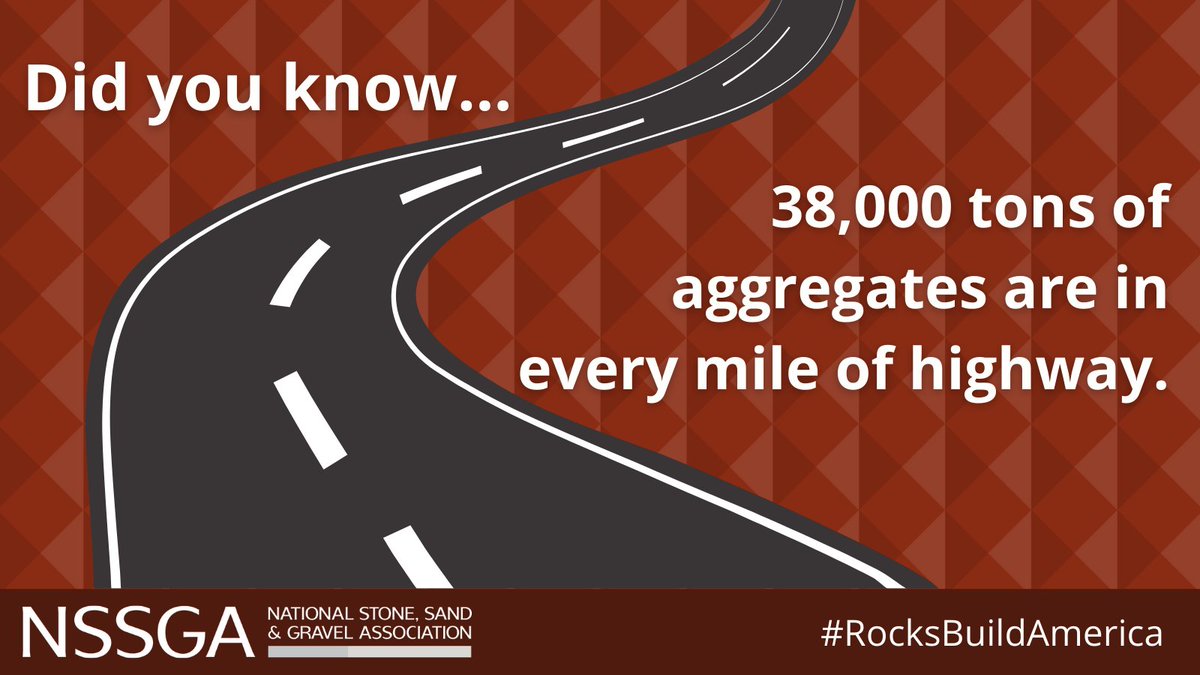
Aggregates are the essential raw materials found in every home, building, road, bridge and public works project.
#aggregates #crushedstone #crushedrocks #limestone #sand #gravel #aggregatebase @NSSGA @MoLimestonePA @IAAP_aggregates
1
2
24 Oct 2018
Need #aggregates in southern Illinois?
Sales: Jack Hennessey
Phone: (618) 995-2392
Mobile: (618) 922-1224
Email: jhennessey@deltacos.com
#limestone #crushedrock #crushedstone #Illinois #riprap #aggregatebase

16 Jul 2018
RT x.com/HeartlandAcMat/status/… RT @DeltaCompanies: Learn more about our Construction Services by clicking deltacos.com/industrial-and-… #Construction #Grading #AggregateBase #Commercial #Industrial …
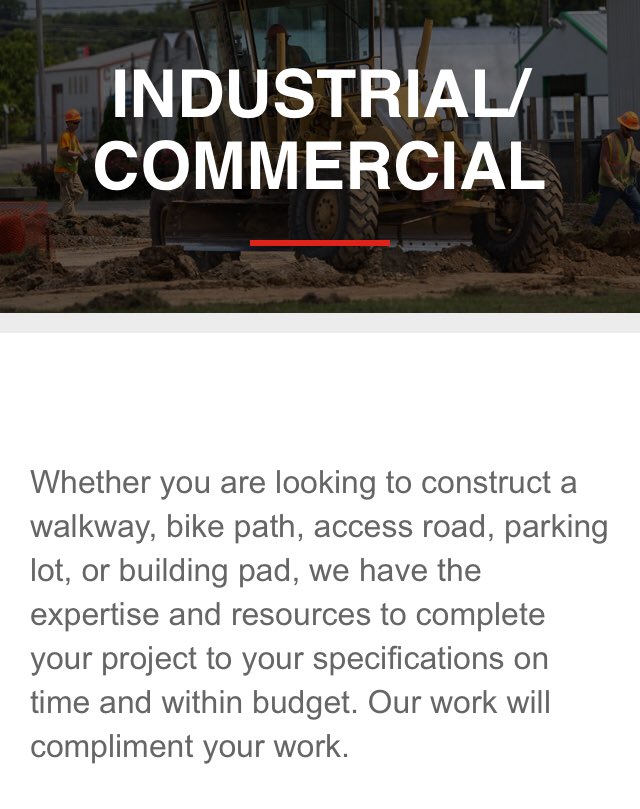
13 Jul 2018

Learn more about our Construction Services by clicking deltacos.com/industrial-and-…
#Construction #Grading #AggregateBase #Commercial #Industrial #asphaltpaving
13 Jul 2018
RT x.com/mrbrettjmoore/status/1… RT x.com/DeltaCompanies/status/… Learn more about our Construction Services by clicking deltacos.com/industrial-and-… #Construction #Grading #AggregateBase #Commercial #Indus…
13 Jul 2018
Learn more about our Construction Services by clicking deltacos.com/industrial-and-…
#Construction #Grading #AggregateBase #Commercial #Industrial #asphaltpaving
13 Jul 2018
RT x.com/DeltaCompanies/status/… Learn more about our Construction Services by clicking deltacos.com/industrial-and-… #Construction #Grading #AggregateBase #Commercial #Industrial #asphaltpaving
13 Jul 2018
Learn more about our Construction Services by clicking deltacos.com/industrial-and-…
#Construction #Grading #AggregateBase #Commercial #Industrial #asphaltpaving
13 Jul 2018
Learn more about our Construction Services by clicking deltacos.com/industrial-and-…
#Construction #Grading #AggregateBase #Commercial #Industrial #asphaltpaving
1


15 Oct 2012
World-class port in Iloilo goo.gl/fb/YkxrY #regional #aggregatebase #canoes #commuters #constructionfirms #dike #dotc #embankment

17 Nov 2011
@kellabyte Just have your aggregate inherit from AggregateBase and then register the various replayable events
1

8 Sep 2011
@jonathan_oliver We've built it on top of the store. We extend ConventionEventRouter and AggregateBase. The uglyness is that we slapped..