
10 Jun 2025
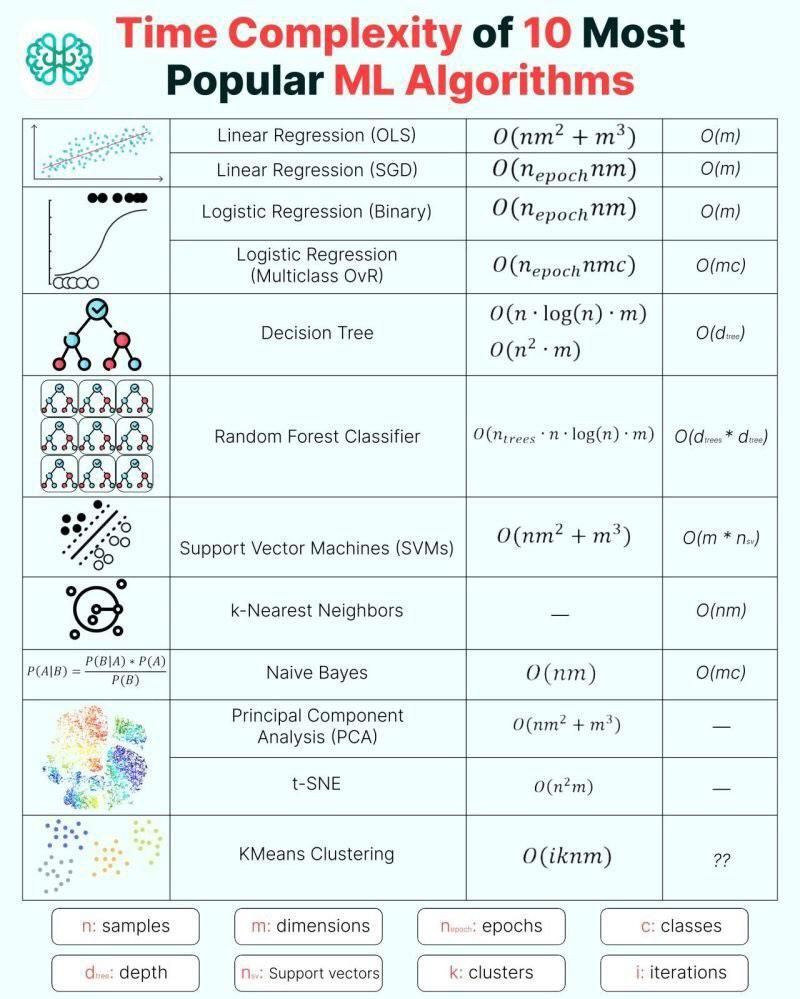
#Infographic: Time complexity of the 10 most popular ML algorithms.
Rt @ingliguori
#MachineLearning #MLAlgorithms #DataScience #AIAlgorithms #AITrends #AlgorithmAnalysis
cc: @HaroldSinnott @MikeNashTech @pchamard
3
98


25 Dec 2024
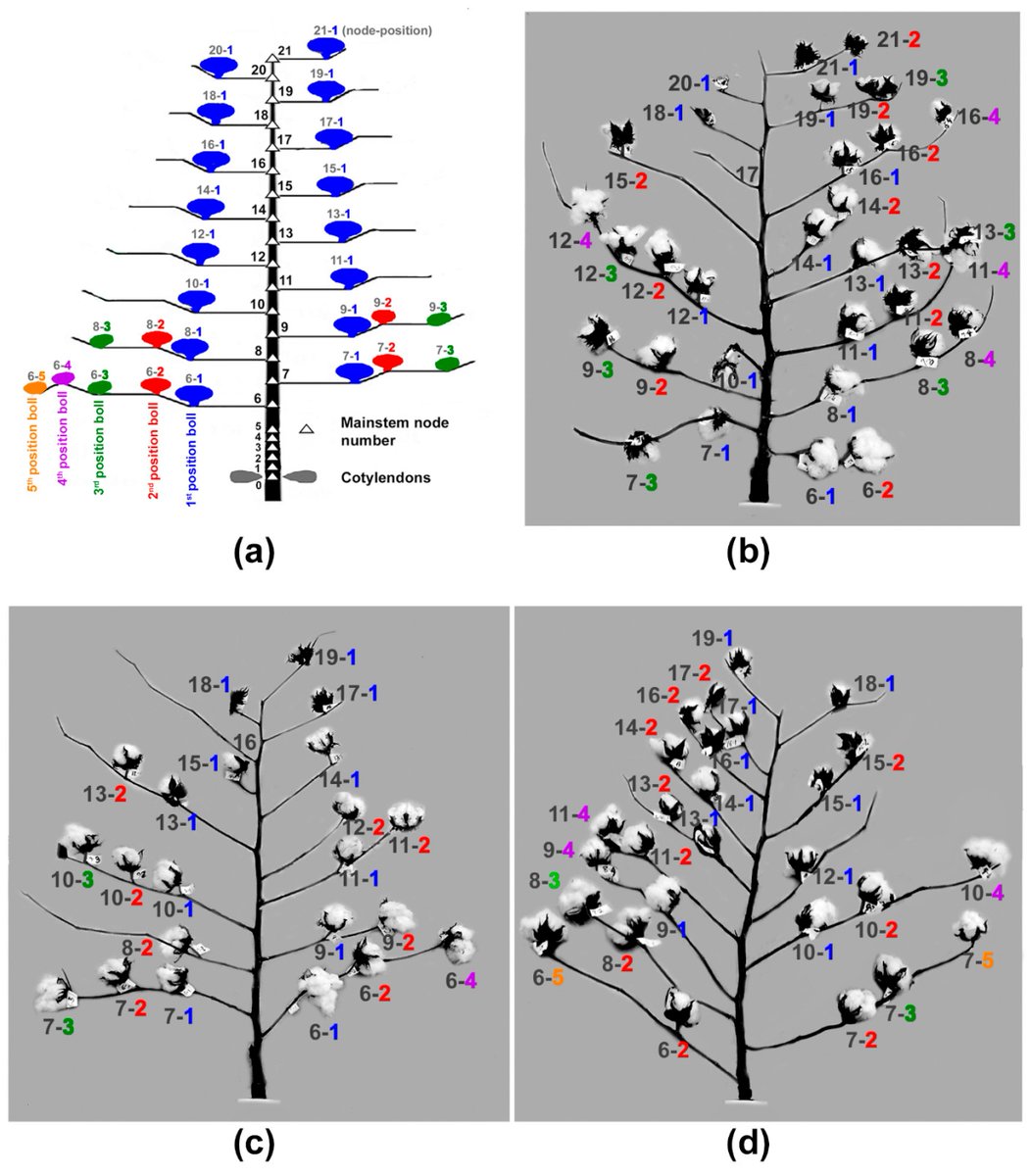
Fourier Transform Infrared (FT-IR) Spectroscopy and Simple Algorithm Analysis for Rapid and Non-Destructive Assessment of Cotton Fiber Maturity and Crystallinity for Plant Mapping
mdpi.com/1424-8220/24/9/2888
@USDA
#fouriertransforminfraredspectroscopy; #algorithmanalysis
2
130


Just wrapped up a deep dive into algorithm runtime analysis! 🧠🔍 Learned how to assess the efficiency of various algorithms, from O(N) to O(N²). Check out my code examples for a clearer understanding. #AlgorithmAnalysis #Coding #Efficiency #RustLang
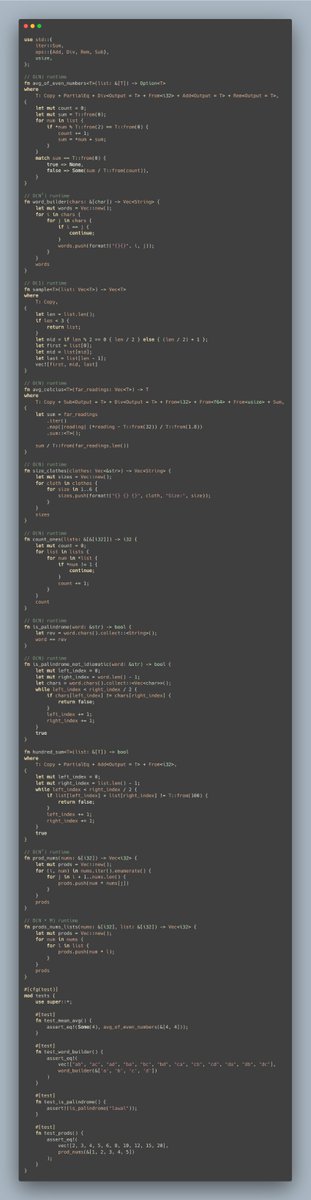
ALT Jay Wengrow - A Common-Sense Guide to Data Structures and Algorithms, Chapter 7
1
3
8
313

13 May 2024
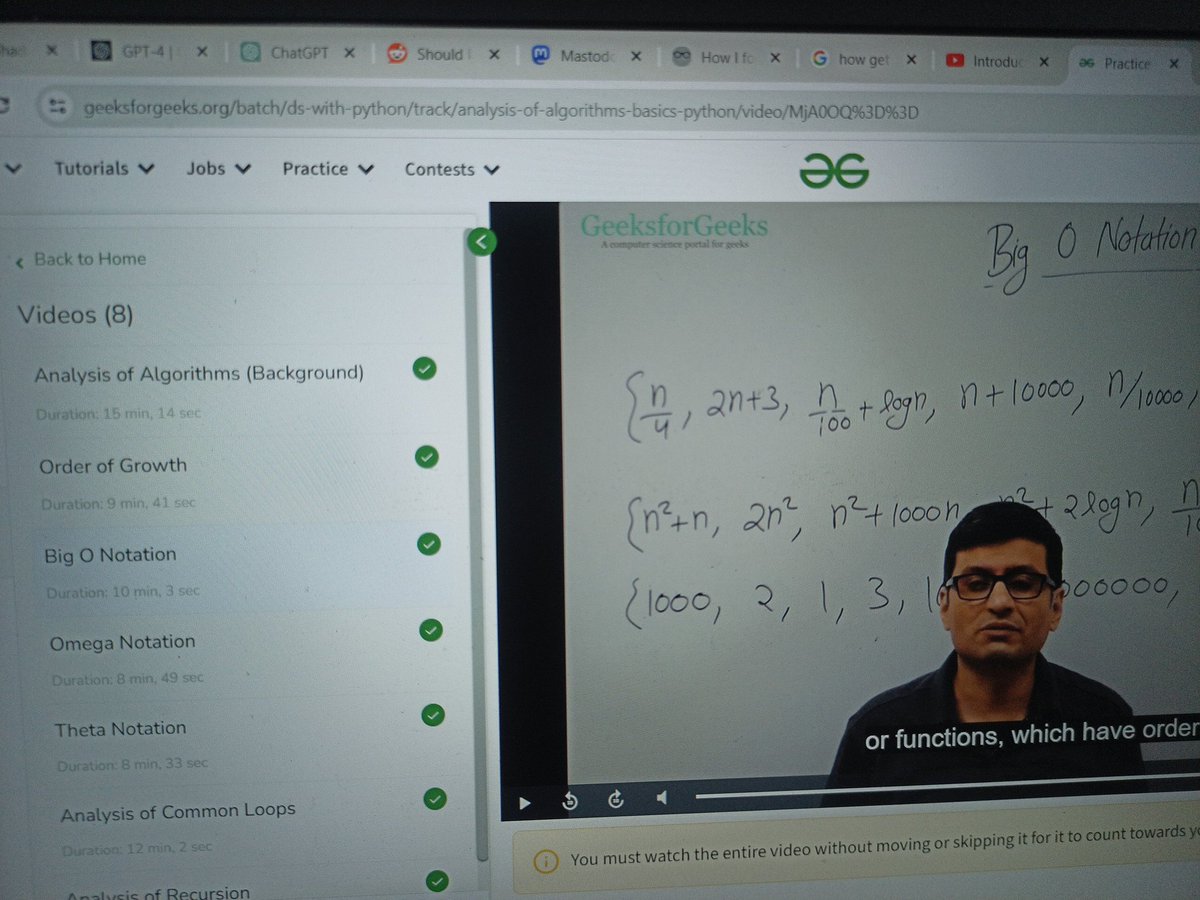
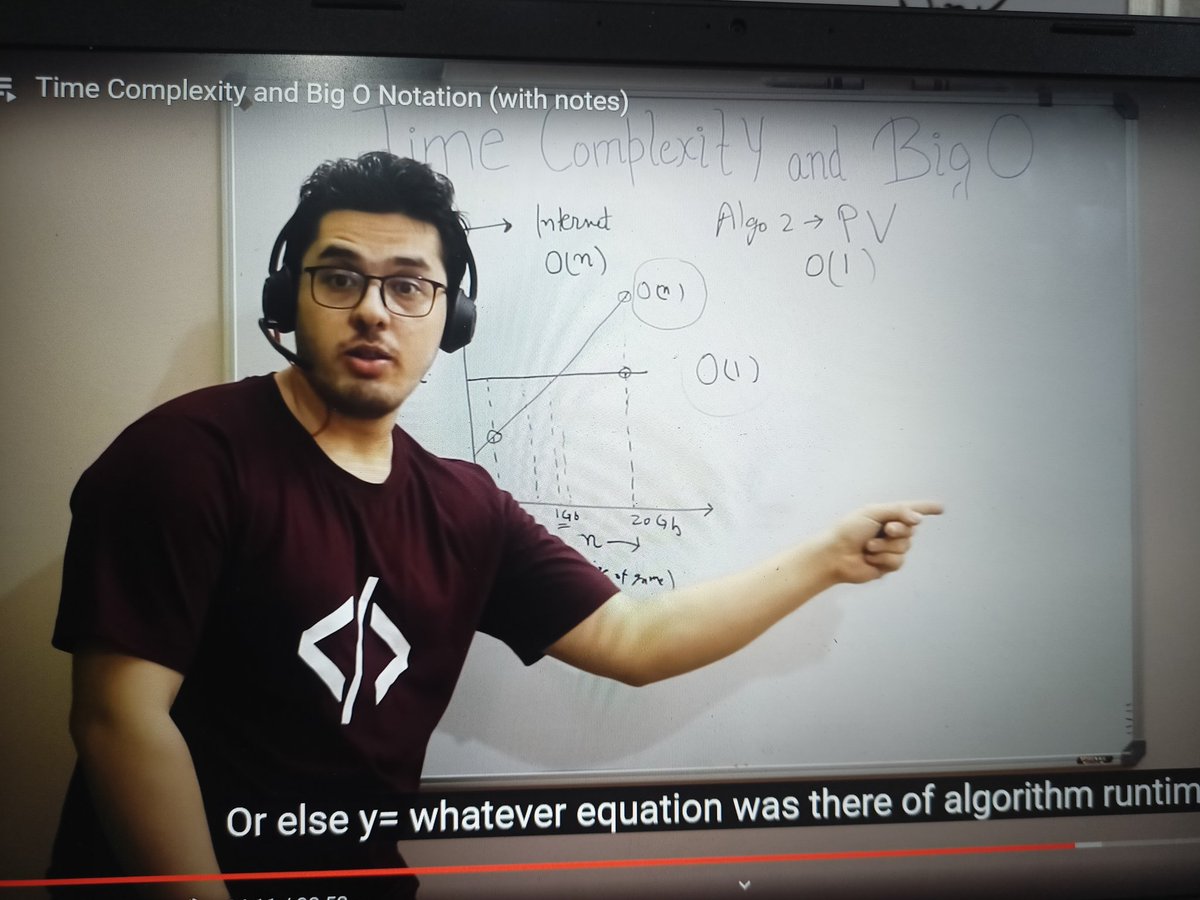
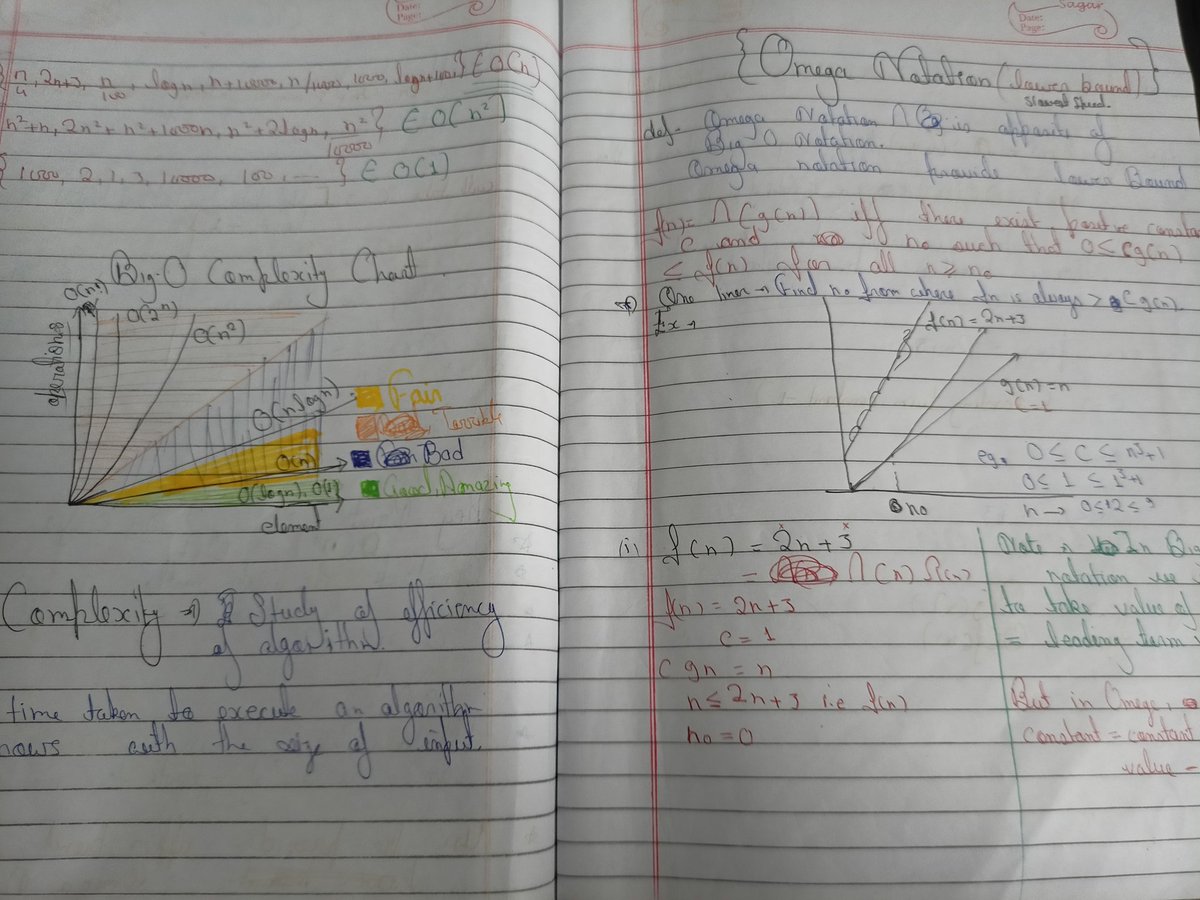
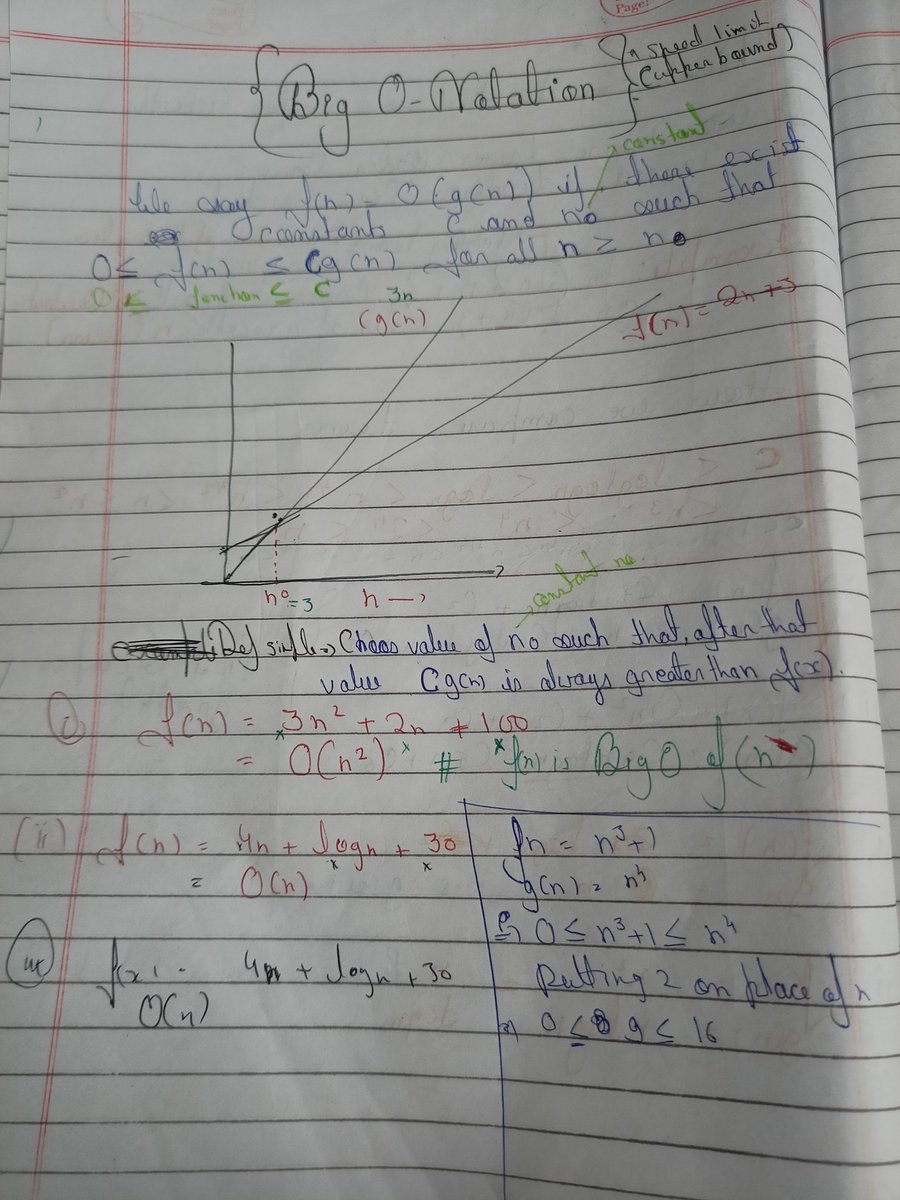
"Day 2 of #DSAChallenge:
Diving into the intricacies of algorithm complexity with:
- #BigO, #Theta, and #Omega notations
-Studied about Time complexity
-Studied about the Best,Worst and Avg case of Notations.
#BigO #AlgorithmAnalysis #DataStructures #code #100DaysOfCode #DSA
1
137

30 Jan 2024
Important factors to analyze an algorithm's efficiency:
⏱️ Time Complexity: Measures execution time efficiency
💾💿 Space Complexity: Evaluates variable usage
🛜 Network/Data Transfer
⚡ Power Consumption
🖥️ CPU Register Consumption
#AlgorithmAnalysis #TechKnowledge 🚀
1
4
157

20 Jun 2023
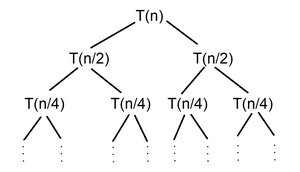
🌳 Day 7: Analyzing Recursion - Insights & Calculations! Dive into the Recursion Tree method to understand the time complexity of recursive algorithms. Discover how to analyze and optimize recursive functions. #AlgorithmAnalysis #Recursion #100DaysOfCode
3
25
18 Jun 2023
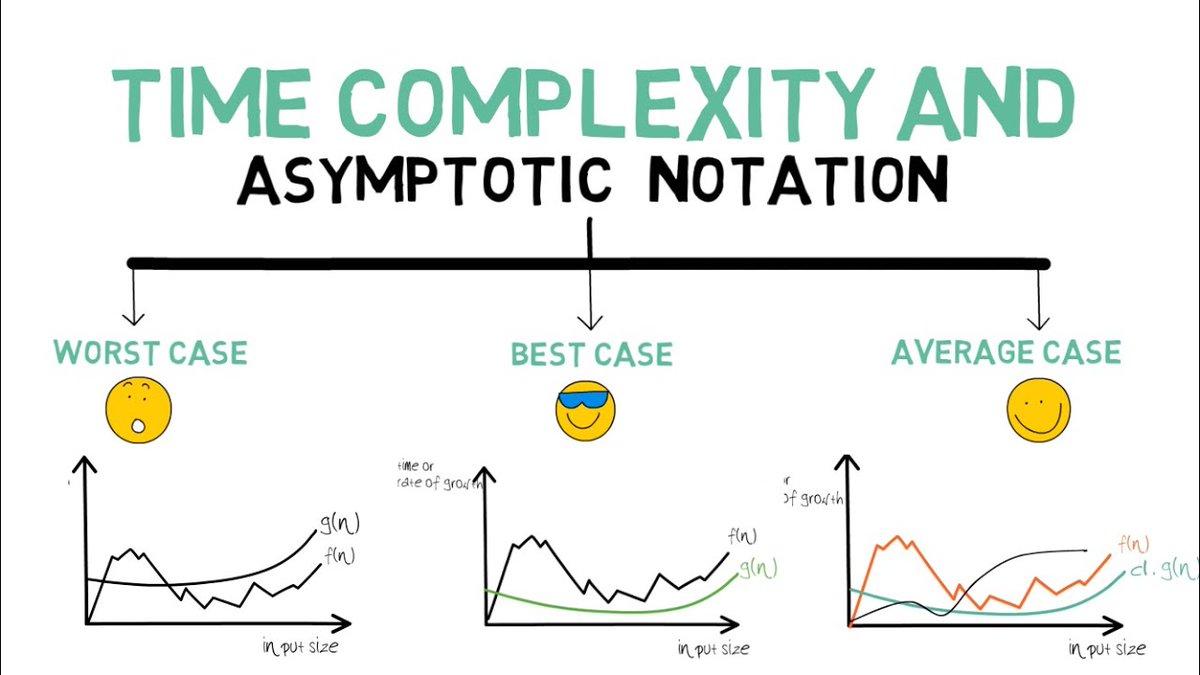
Day 5: 📊 Excited to dive into algorithm analysis & asymptotic notations! of my #100daysofcode challenge focuses on Big O, Omega, and Theta. These notations provide concise representations of algorithmic complexity. Let's optimize code efficiency! 💡💪 #AlgorithmAnalysis
2
26
17 Jun 2023
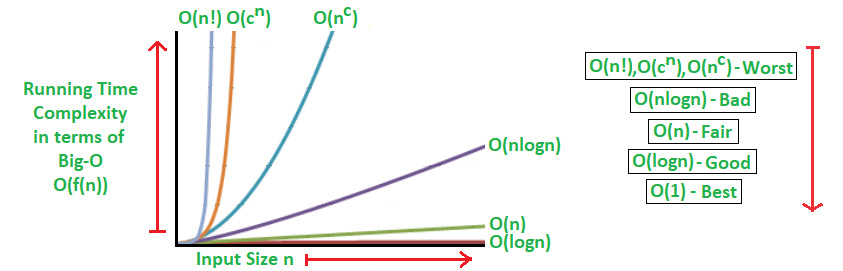
Day 4: 📉 Big O Notation Unraveled! Let's demystify this essential concept in algorithm analysis. Discover how Big O notation graphically represents algorithm complexity and gain insights into its applications. #AlgorithmAnalysis #BigONotation #100daysofcode
2
17
16 Jun 2023
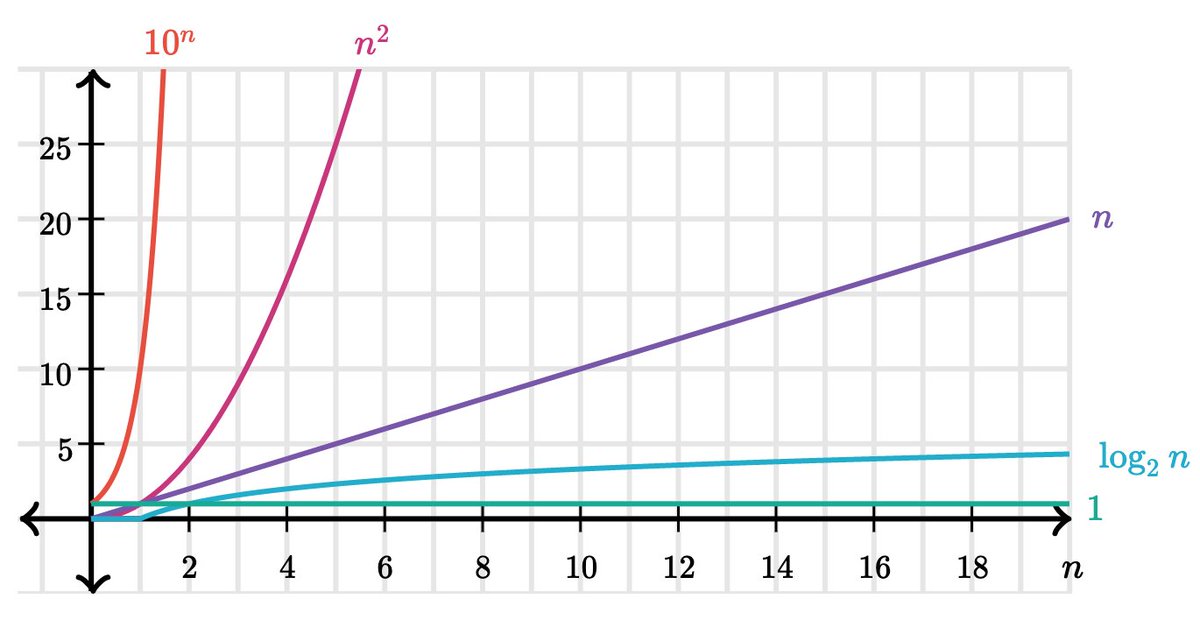
📈 Day 3: Unveiling the Order of Growth! Let's demystify the mathematical calculation of algorithmic efficiency. Join me as we dive into limits, functions, and calculating the order of growth. #AlgorithmAnalysis #OrderOfGrowth #100daysofcode
1
3
57

20 Apr 2023
Welcome to the Inaugural Lecture “The Future is How” of Prof. Dennis Komm. The introduction comes from Professor and Department Head @kennyog
#algorithms #didactics #education #theoreticalcomputerscience #algorithmdesign #algorithmanalysis
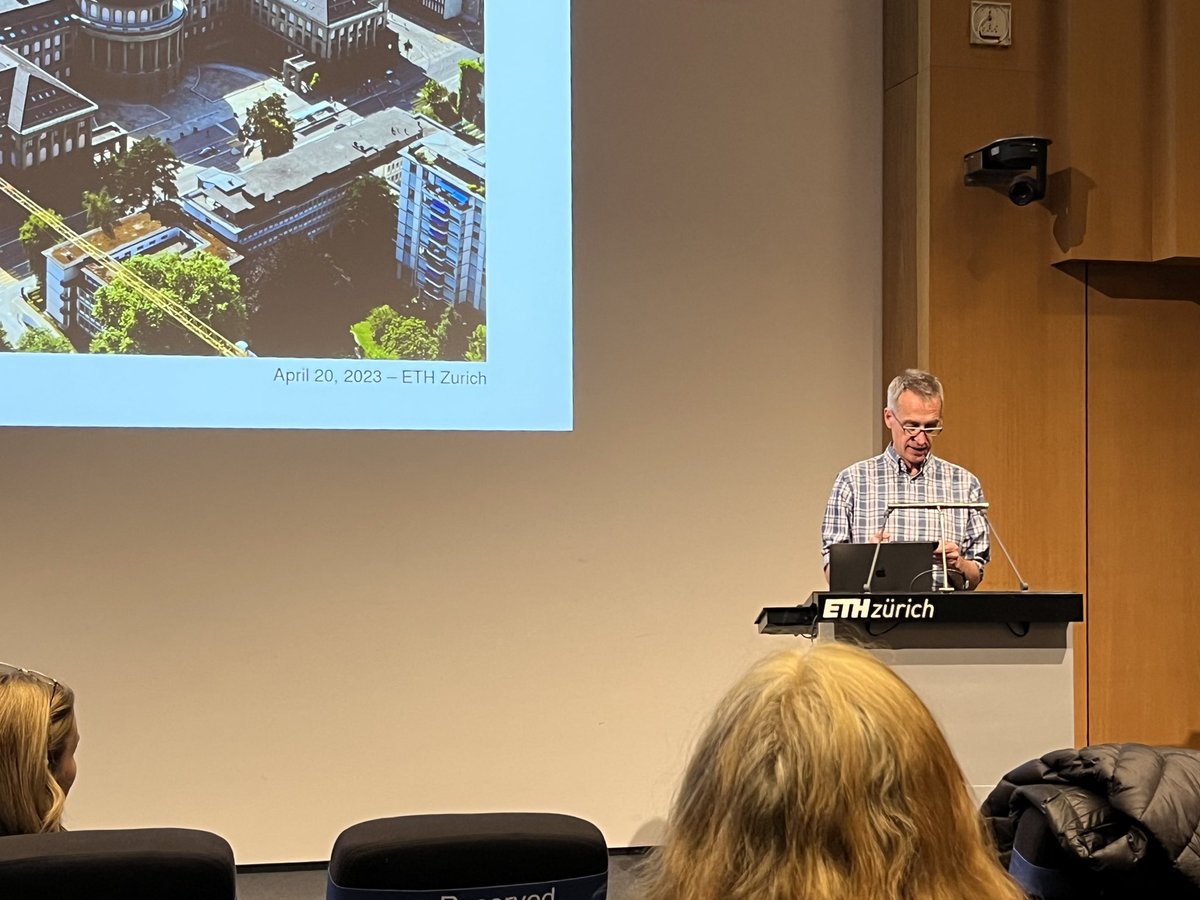
4
450

5 Oct 2020
6 Mathematical #Functions you need for #Algorithm #Analysis
link.medium.com/mmTisQE3kab
#AlgorithmAnalysis #SoftwareEngineering #SoftwareDevelopment #TowardsDataScience
#Python #Programming
2
2


28 Nov 2018
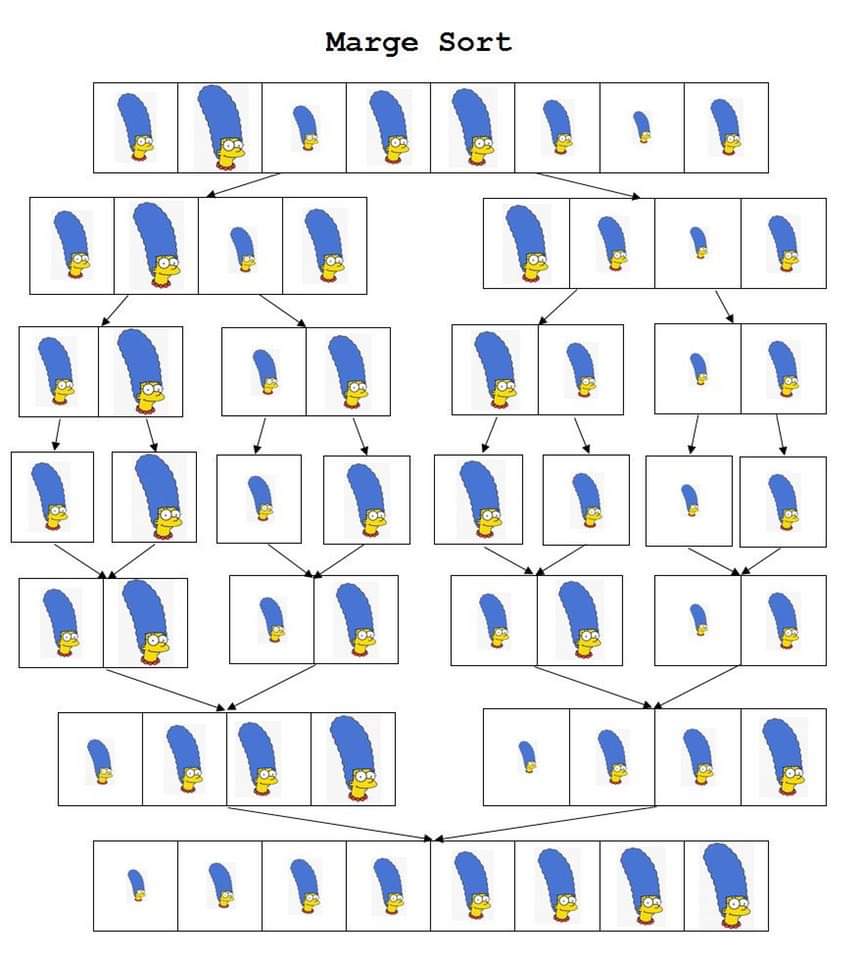
Celebrating that I've finished my obligatory theoretical computer science courses! #MargeSort #Automata #algorithmAnalysis #PhD
1
1
15

8 Aug 2018
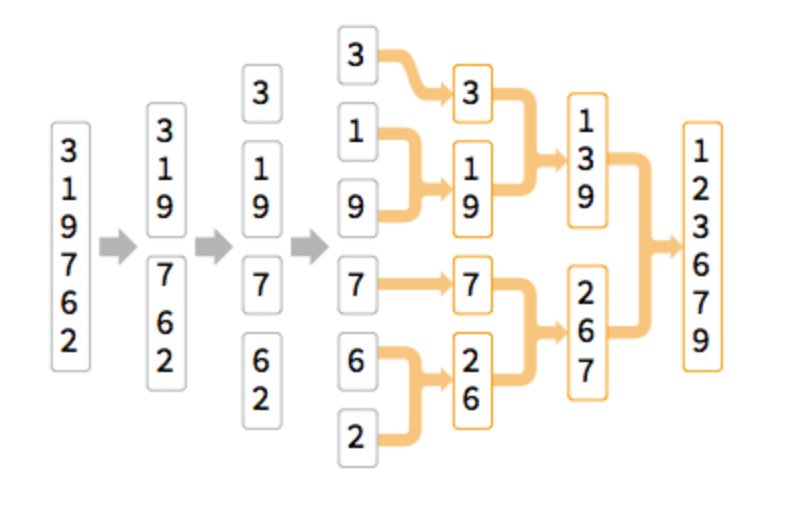
On their faces, #algorithmanalysis, function approximation and number theory seem radically different. However, they share a common toolset: #asymptotic relations and the important concept of asymptotic scale. Find out more here: wolfr.am/wIdw31Zc

2
2

26 Jul 2018
On their faces, #AlgorithmAnalysis, function approximation & #NumberTheory seem radically different. However, they share a common toolset: #asymptotic relations & asymptotic scale concept. Read on: wolfr.am/woOjAgZR

4
6

14 Jan 2017
#AlgorithmAnalysis ka assignment yad agaya class m 29 logon ne 1ka asignmnt copy kia aur 30 students class se bahir hoye
14 Jan 2017

کاپی پیسٹ کا تو یہ عالم ہے کہ کل ایک ٹویٹ میں اِملا کی غلطی ہوگئی، دیگر سات کے سات نے بھی غلطی درست کئے بغیر ویسے ہی چھاپ دی
1


30 Aug 2016
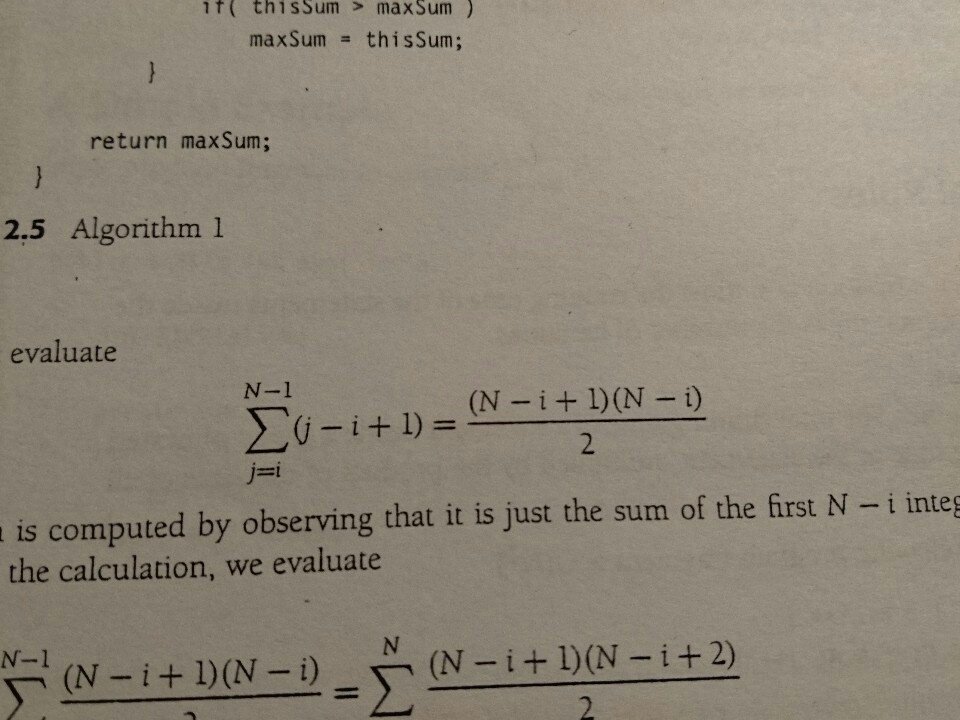
Learning #algorithms is learning how to break problems down.Thanks to #Datastructures and #AlgorithmAnalysis
1
3