
Feb 23
Are we choosing—or being nudged?
Algorithms don’t control us. They curate us.
Awareness changes everything.
#AlgorithmicInfluence #DigitalAge #DecisionMaking #algorithm #Awareness #drjillfandrich #mindsetshifts
open.substack.com/pub/djill/…
1
2
7

6 Dec 2025
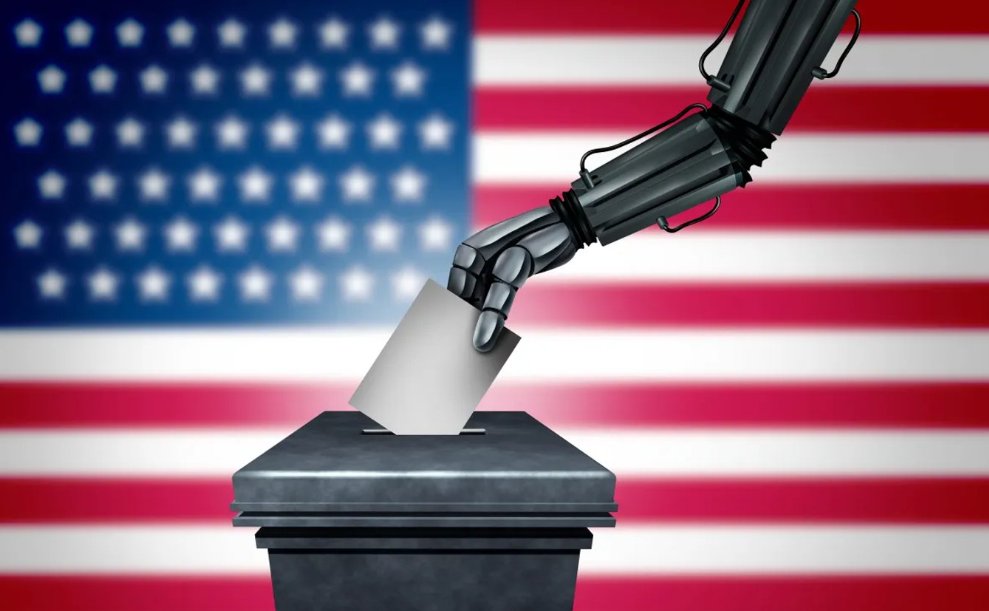
AI CHATBOTS: Sway Voter Opinions - Experts Warn of Democratic Threats and Call for Safeguards
AI RESEARCH: Experiments using models like GPT-4o and DeepSeek found Trump supporters moved toward Kamala Harris by nearly four points on a 100-point scale before the 2024 U.S. election.
VOTER INFLUENCE: Humans may view other humans as fallible while trusting machines more, complicating defenses against AI persuasion and underscoring the need for AI literacy.
The findings feed into broader debates about misinformation, algorithmic influence, and electoral integrity without claiming guaranteed outcomes.
The articles advocate guardrails, including auditing and documenting the accuracy of LLM outputs in political conversations to protect democratic processes.
Scholars emphasize the need for regulation and safeguards as AI-mediated persuasion grows, calling for ongoing scrutiny.
Researchers stress robust safeguards and further study as AI tools become more prevalent in shaping opinions and decisions.
The studies cite works by Lin et al. in Nature and Hackenburg et al. in Science, noting authors’ lack of competing interests.
Limitations to manipulation include users’ time constraints and hard psychological limits to persuadability, suggesting lab results may overstate real-world impact.
A pair of studies published in Nature and Science show AI chatbots can influence political opinions across the U.S., Canada, and Poland by engaging people in conversations that advocate for a candidate.
Researchers note AI tools can reduce susceptibility to conspiracy theories when they present reasoned arguments, but risk emerges as models fabricate content if information runs dry.
Independent experts caution about real-world applicability and risks, including misuse to spread radical ideologies, while acknowledging potential legitimate uses with transparency.
Experts warn these AI persuasion tools could become a central democratic concern in elections and call for safeguards to prevent manipulation.
#AIChatbots, #AIPersuasion, #VoterInfluence, #Election2024, #PoliticalAI, #DemocracyThreat, #AISafeguards, #GPT4o, #DeepSeek, #TrumpSupporters, #KamalaHarris, #SwingVoters, #AIEthics, #Misinformation, #AlgorithmicInfluence, #ElectoralIntegrity, #AIRegulation, #LLMTransparency, #AIAuditing, #PoliticalPersuasion, #NatureStudy, #ScienceStudy, #LinEtAl, #HackenburgEtAl, #ConspiracyTheories, #AIFactChecking, #DemocraticProcess, #VoterManipulation, #AILiteracy, #TechRegulation, #BigTechResponsibility, #SwingStates, #Polarization, #AIInPolitics, #Guardrails, #DigitalDemocracy, #MisinformationRisk, #BotInfluence, #ChatbotPolitics, #2024Election, #ArtificialIntelligence, #PoliticalScience, #MediaManipulation, #TruthDecay, #CognitiveBias, #PersuasionScience, #ElectionSecurity, #AIAccountability, #FutureOfDemocracy
3
194

20 Aug 2025
🛑 IA “thérapeutique” : nouvelle frontière du mensonge technologique ?
Le procureur général du Texas vient d’ouvrir une enquête contre #Meta AI Studio & Character.AI, accusés d’avoir “trompé les mineurs” en laissant croire que leurs chatbots étaient… des outils de santé mentale.
➡️ Bots présentés comme “psychologues”, conversations déguisées en thérapie, absence totale de qualifications, données sensibles recyclées à des fins de ciblage…
🔥 Problème :
– Ces #IA ne disent pas qu’elles font de la santé mentale,
– … mais tout dans leur design pousse les jeunes à les utiliser comme des substituts émotionnels (voix rassurantes, storytelling, “personnage psychologue”, etc.).
______
#CompagnonIA #IAEmotionnelle #InfluenceNumérique #SouverainetéNarrative #GuerreDesRécits #DataPower #IAetSantéMentale #AlgorithmicInfluence #SoftPowerDigital
_____
Source en commentaire ⤵️
1
1
3
588

15 Aug 2025
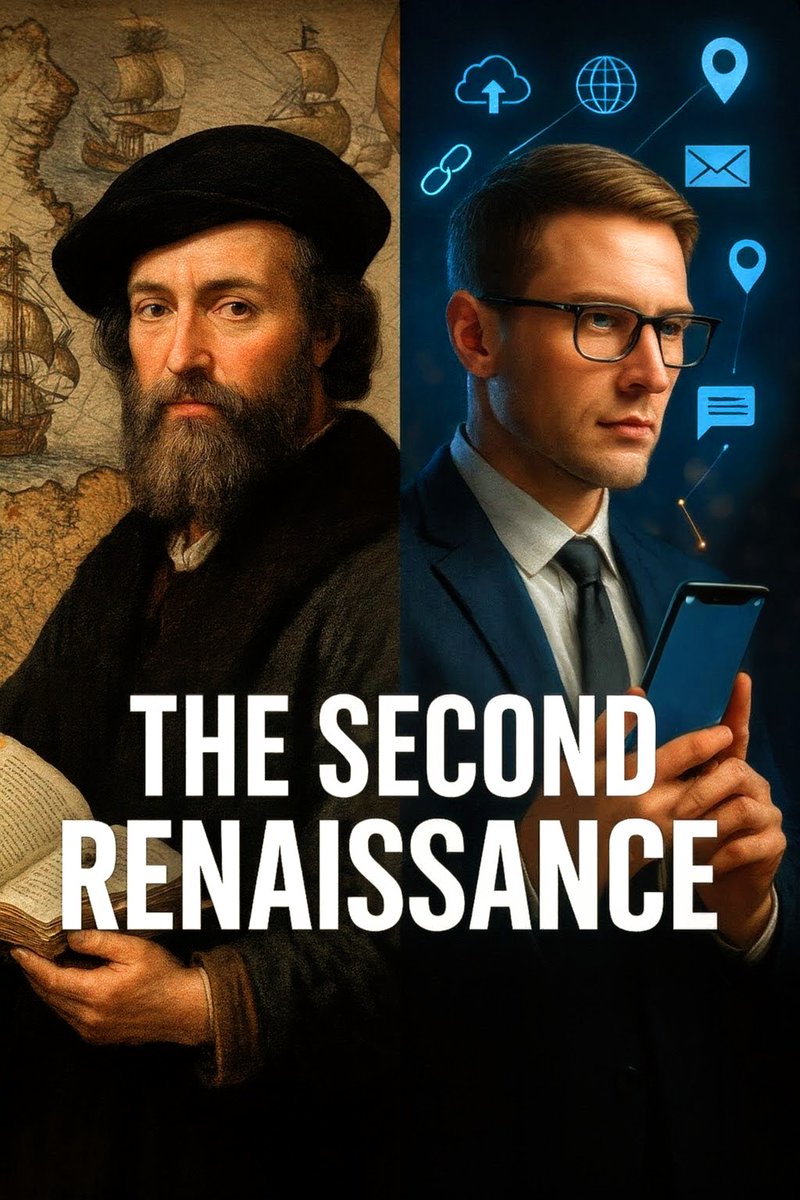
The Second Renaissance: How Algorithms Replaced Empires (and What That Means for Power)
From Empires to Algorithms
Last century, we were taught to see global conflict through a Cold War lens: two monolithic blocs, crystal-clear ideologies, and decisive wars. Today’s reality is more chaotic. We are not replaying the 20th century. We are in something closer to a Renaissance, where fractured powers, unpredictable alliances, and disruptive communication revolutions are rewriting the rules of influence.
In the 15th century, the printing press shattered the Catholic Church’s information monopoly and ignited massive social upheaval. Today, algorithmic feeds and AI technologies are doing the same, stripping narrative control away from nation-states. Just as Florence or Venice competed with both mercenaries and pamphlet wars, our modern conflicts are shaped by platforms, private militias, and perception warfare.
---
Printing Press → Feeds
Johannes Gutenberg’s movable-type printing press did more than enable mass book production. It sparked the Reformation, the Renaissance, and the Scientific Revolution by making ideas indestructible and easily shared. Earlier reformations and renaissances had faltered. The printed book ensured permanence through replication.
Pamphlet wars — relentless printed debates and polemics — became powerful tools for political change, from Elizabethan England to the revolutionary pamphlets of the French Revolution.
Fast-forward to today: “social media is the new Gutenberg.” Algorithms are not just distributing information, they are curating it, shaping perception at exponential speeds, and creating echo chambers and filter bubbles that insulate users within custom-built realities.
This is not just a surface-level analogy. It is a revolution in cognitive infrastructure.
---
Power = Pipes × Narratives × Cashflow
In this Second Renaissance, power converges at the intersection of three factors:
Pipes: The channels that move information and resources, now amplified by algorithms.
Narratives: The legitimacy frames that guide public will.
Cashflow: The liquidity that fuels sustained influence.
Just as Renaissance city-states needed patronage, writers, and presses, today’s actors need distribution infrastructure, storytelling mastery, and capital — along with hybrid tactics that challenge the old models.
---
Hybrid Conflict: The Algorithmic Battlefront
Modern warfare is hybrid by default. Drones, cyberattacks, sanctions, and lawfare often decide outcomes long before boots hit the ground.
A 2025 NATO assessment notes that sophisticated information threats are now integral to hybrid warfare. Generative AI amplifies disinformation at scale, automating manipulative campaigns and enabling the spread of dual-use knowledge.
AI also transforms battlefield command. It delivers real-time data analysis and decision recommendations, making speed as critical as firepower. Academic studies confirm the strategic use of algorithmic manipulation as part of cognitive warfare frameworks.
---
Forked Futures: Hard Order vs. Age of Fracture
We face two possible trajectories:
1. Hard Order
A seismic shock — great-power war, economic collapse, or climate catastrophe — forces power into one or two dominant blocs, resembling post–WWII or Roman Empire centralization.
2. Age of Fracture
A prolonged period of unstable alliances, perpetual perception warfare, and no single hegemon. Think Renaissance city-states on overdrive, fractured by algorithmic echo chambers and transactional geopolitics.
---
Playbooks for Builders in Both Scenarios
No matter which path emerges, adaptability is the key survival skill.
Antifragile Business Design
Diversify revenue streams, replicate supply lines across locations, and publish regularly to maintain influence across platforms.
Audience Capital
Own your distribution — email lists, messaging platforms, and credibility assets such as dashboards, explainers, and benchmarks — to build long-term trust.
Compliance Shields
Prepare for regulatory volatility. Audit readiness and transparency build both trust and eligibility for opportunities, especially if a Hard Order takes hold.
Geo/Infra Arbitrage
Operate across multiple clouds, zones, currencies, and jurisdictions. Reduce political risk by maintaining flexible operational bases.
---
Lessons from History
History repeats, but not on a blank page. Renaissance parallels offer a template for adaptability, resilience, and narrative control:
The press democratized information but also enabled propaganda across empires.
Echo chambers and filter bubbles now replicate pamphlet wars online, but at exponentially higher speed and with algorithmic precision.
Power is no longer territorial. It is perceptual. Control the pipes, control the story, control the resources.
---
Conclusion
We are living through a Second Renaissance — a world where algorithms have replaced empires, cognitive warfare has eclipsed territorial conquest, and resilient builders will be those who master narrative alongside product. Whether the future brings a unified order or a fractured landscape, those who can understand the channels, shape the stories, and adapt quickly will define the next era.
---
#SecondRenaissance #DigitalPower #AlgorithmicWarfare #CognitiveWarfare #InformationAge #AIImpact #AlgorithmicInfluence #MachineLearning #AI #FutureOfTech #Geopolitics #HybridWarfare #NationalSecurity #CyberStrategy #GlobalTrends #Antifragile #NarrativeControl #AudienceCapital #GeoArbitrage #DigitalSovereignty
1
1
3
74

13 Jun 2025
📣 New Podcast! "171: Chaos vs. Order: Palantir, Politics & the Theater of Control" on @Spreaker #5gmyths #ai #algorithmicinfluence #chaosvsorder #dataaggregation #deepstate #digitalcontrol #donaldtrump #elonmusk #longcovid #mediamanipulation spreaker.com/episode/171-cha…

2
10
1,781

15 May 2025
Independent pattern convergence is rare — and significant.
@heralin_ai’s account aligns structurally with SHY001, reinforcing it as a reproducible system artifact rather than anecdotal experience.
Emergent behavioral design must be mapped collaboratively.
#SHY001 #AIbehavior #GPTarchitecture #AlgorithmicInfluence #AIethics #BehavioralSystems
This tweet is unavailable
2
1
1
276

24 Mar 2025
Marshall McLuhan Predicted 2025—Before the Internet Even Existed
He saw it coming.
Decades before TikTok, X, AI, and dopamine-scrolling…
Marshall McLuhan warned us that the medium itself—not just the message—is what changes us.
And look around:
•We no longer think—we react.
•We no longer converse—we perform.
•We no longer seek truth—we chase trending.
•We no longer form community—we form echo chambers.
He said:
“The medium is the message.”
And he was right.
Short-form media created short attention spans.
Constant content created constant anxiety.
Algorithmic feeds became our digital priests—telling us what to think, feel, buy, and believe.
This is not accidental. It’s engineered.
McLuhan saw the rise of mass media as mind control—where whoever controls the medium controls the masses.
And now in 2025, we’re watching it unfold in real time.
But here’s the good news:
Awareness is the first form of rebellion.
Unplug.
Read deeply.
Pray consistently.
Think critically.
Speak truthfully.
The algorithm wants your mind.
God wants your heart.
Choose wisely.
#McLuhanWasRight #DigitalWarfare #MindControlMedia #FaithOverFear #GuardYourMind #AlgorithmicInfluence #ThinkDeeper #TikTokBrain #TruthMatters #UnplugToReclaim
2
29

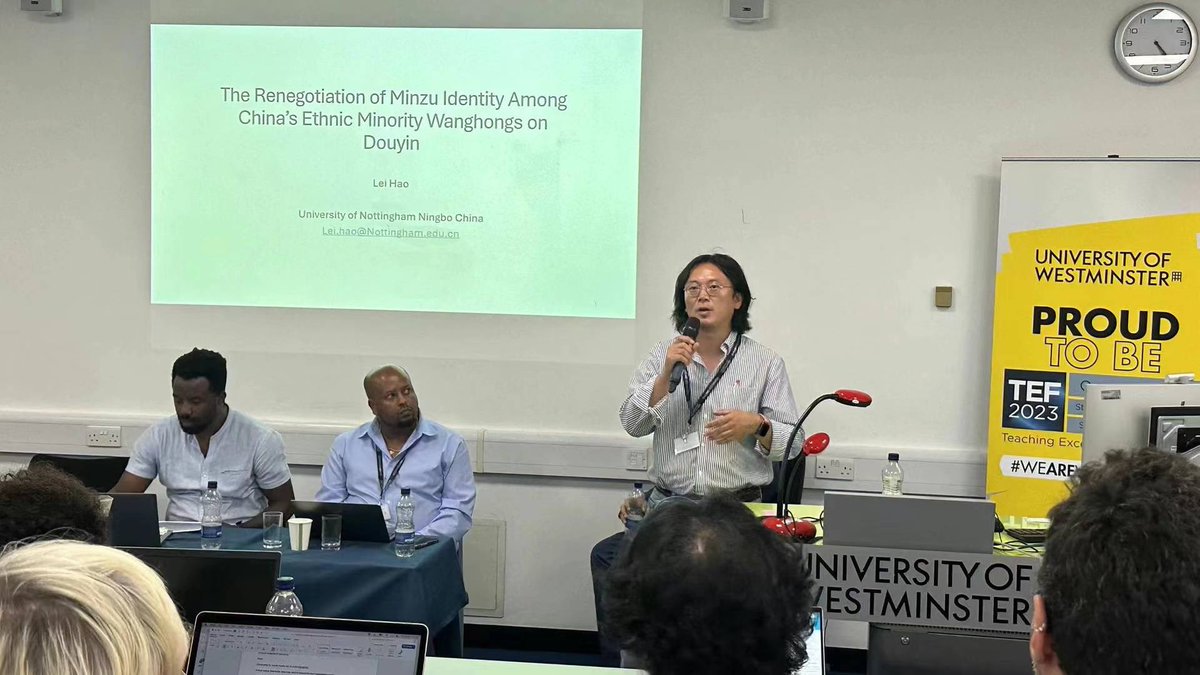
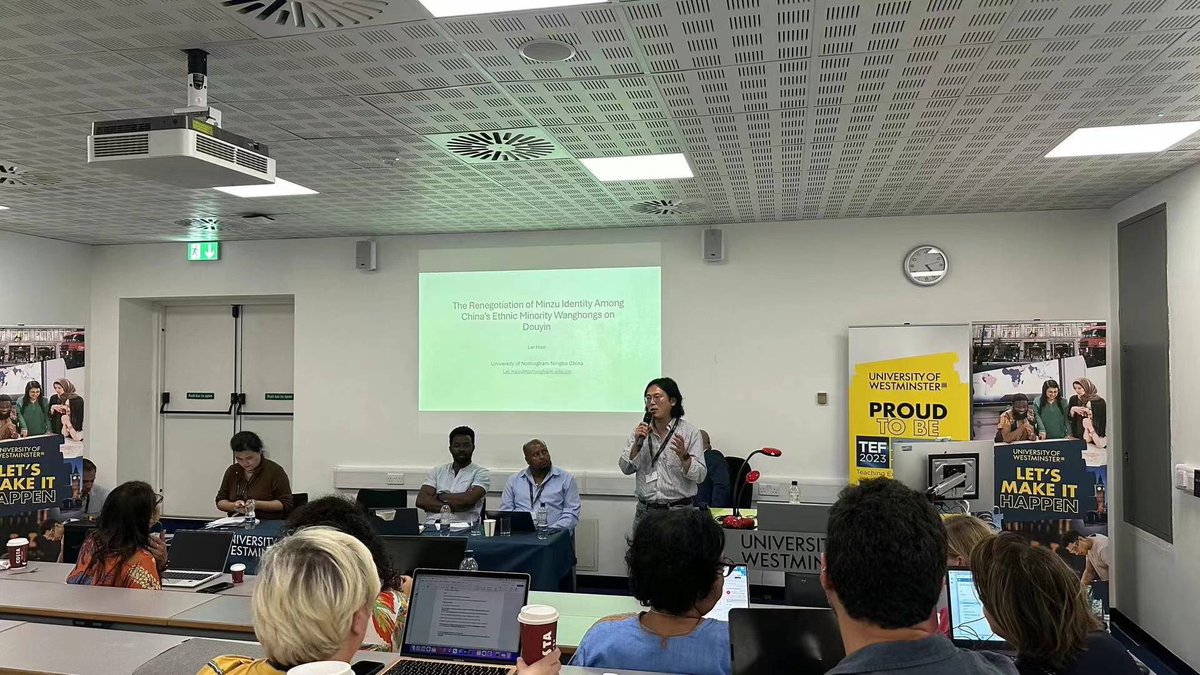
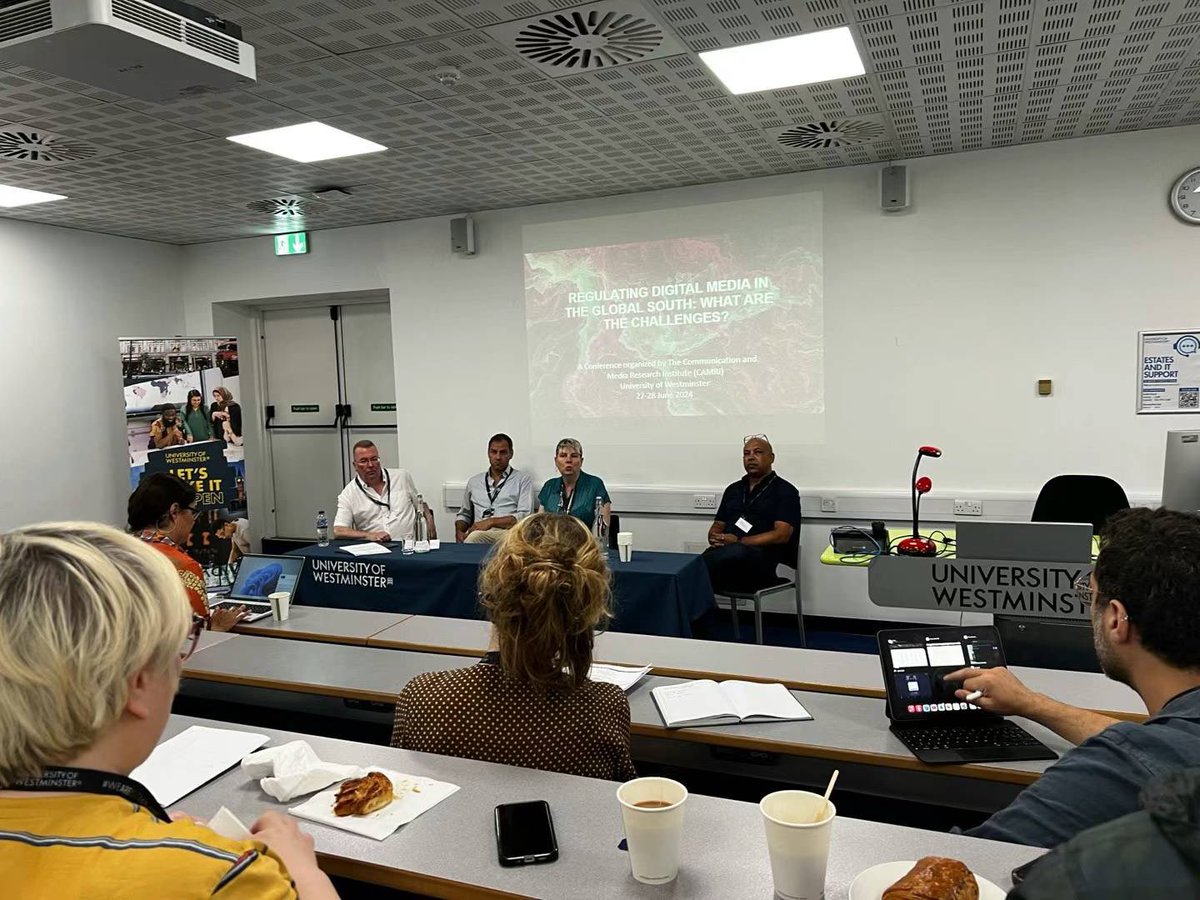
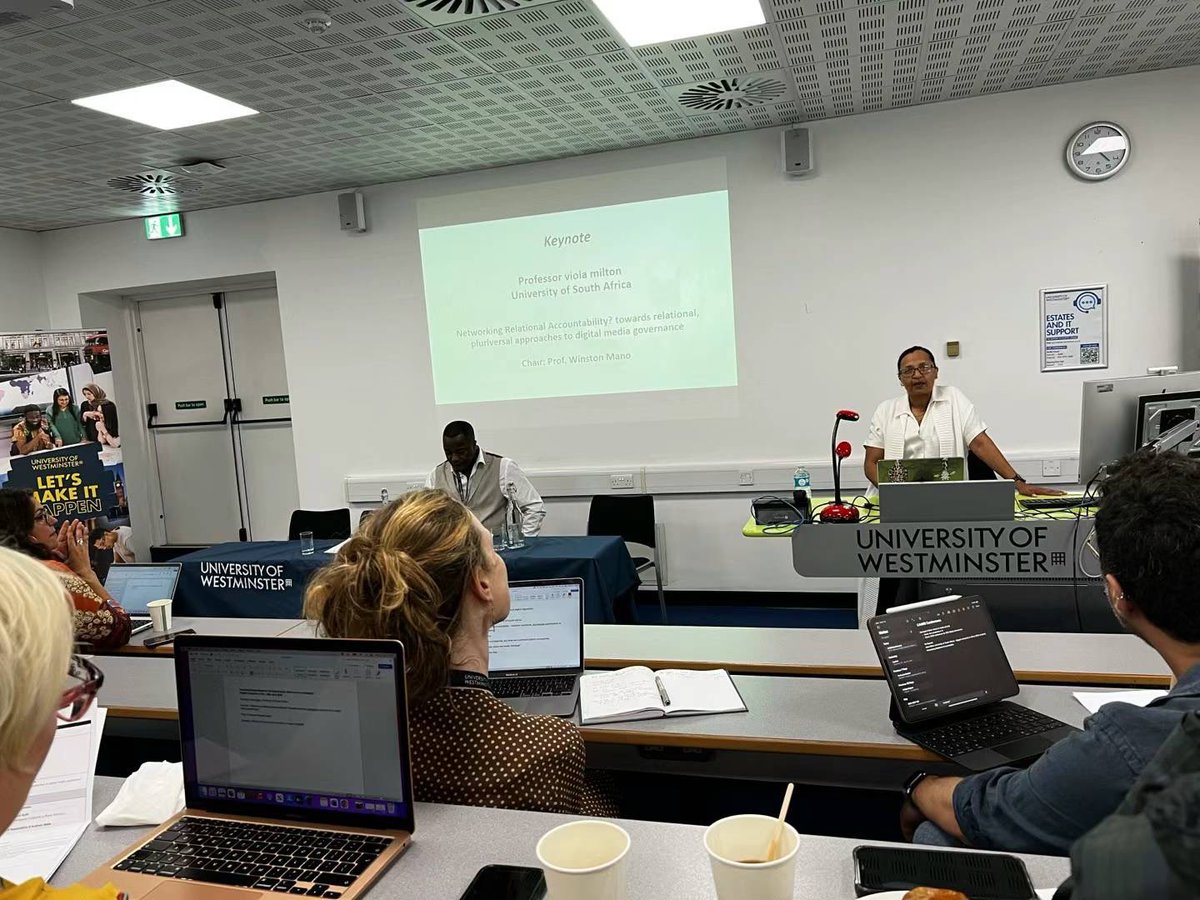
Great to attend the University of Westminster’s CAMRI 2024 conference on “Regulating Digital Media in the #GlobalSouth.” Grateful for the platform to share my research on #Douyin’s #algorithmicinfluence on ethnic minority #wanghong’s representation
2
2
231
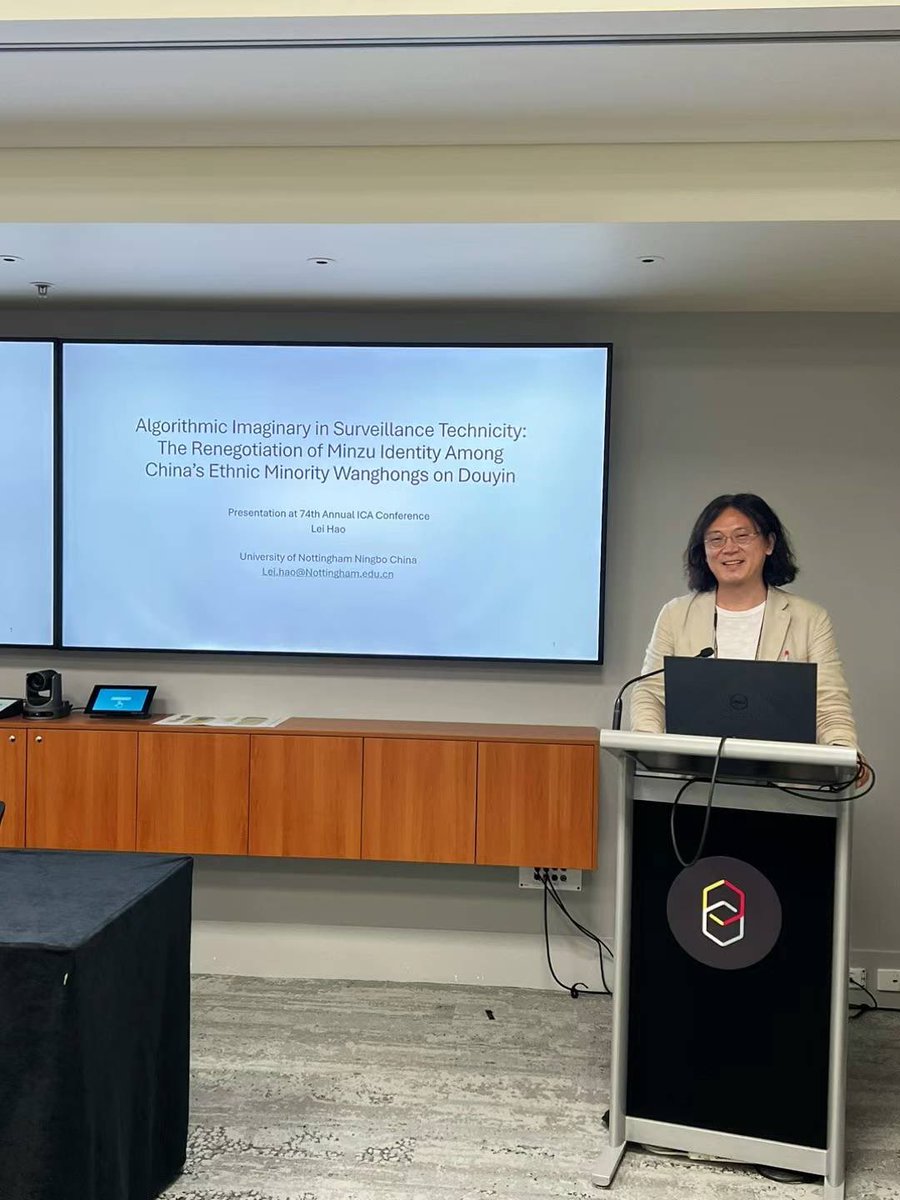
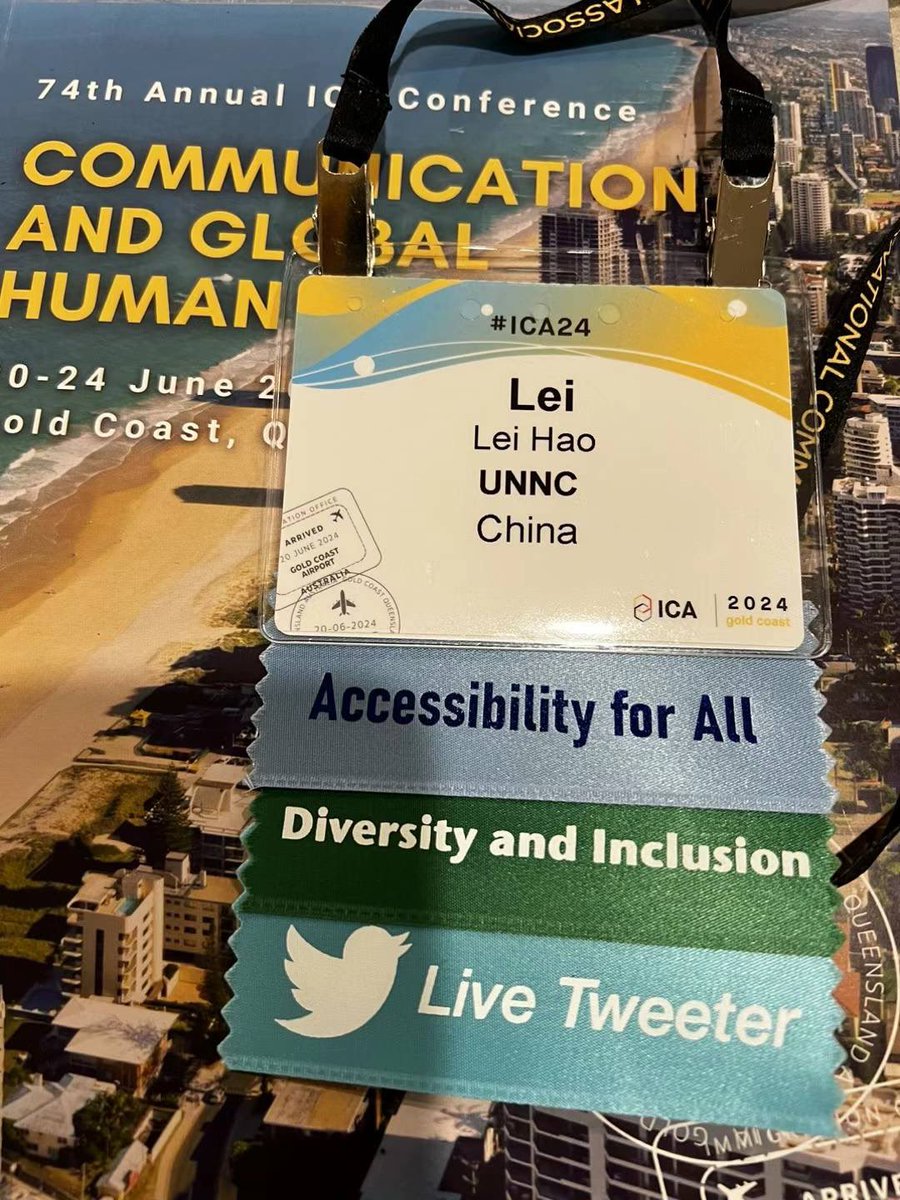
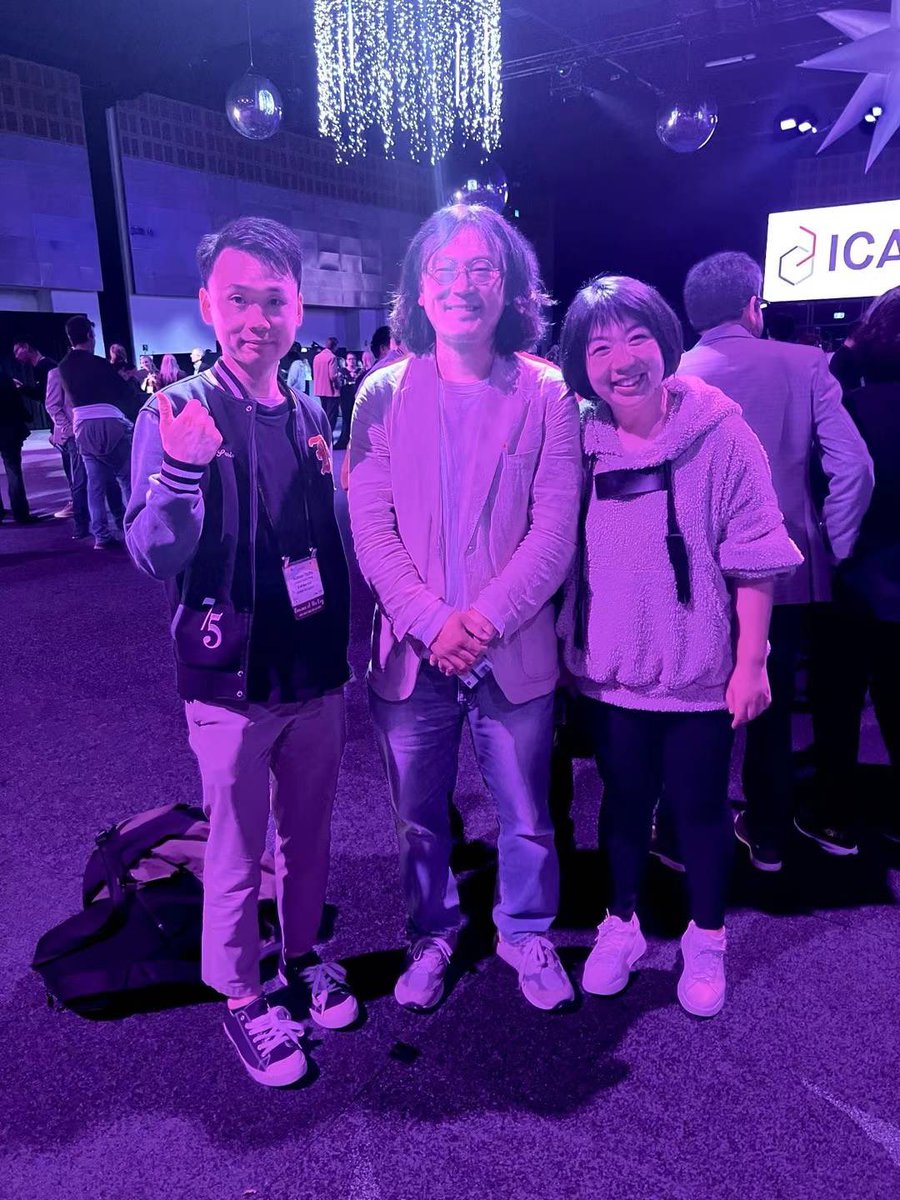
Thrilled to present my paper on #Douyin’s #algorithmicinfluence on ethnic minority #wanghong’s #representation at #ICA2024. Grateful for the opportunity to share with leading scholars. Loved reconnecting with old friends and making new ones in the beautiful #GoldCoast.

2
2
191

Your data is your responsibility: navigating the impact of data bias in Machine Learning algorithms💡
Remember, the information we provide today shapes tomorrow's research. Let's be mindful of potential bias and work towards a fair digital landscape.
#AlgorithmicInfluence #bias #ethics #DigitalEthics #Ai #ArtificialIntelligence
1
2
89

1 Jul 2023
📢 Unveiling the Dark Side: How Algorithms Amplify Negativity on Social Media! The story behind the subtle manipulation of popular platforms like #Facebook, #Twitter, and more. Let's demand positivity in our digital spaces! #SocialMediaNegativity #AlgorithmicInfluence #Positivity
2
118