
Biology is a sciencestudy done by humans. U r saying science recognizes only two science terms that people also use to call humping. Does science ever use the word sex for humping. This biology shit is harder than 10thgrade. Pubescence or not. I read nothing else after
70

Apr 29
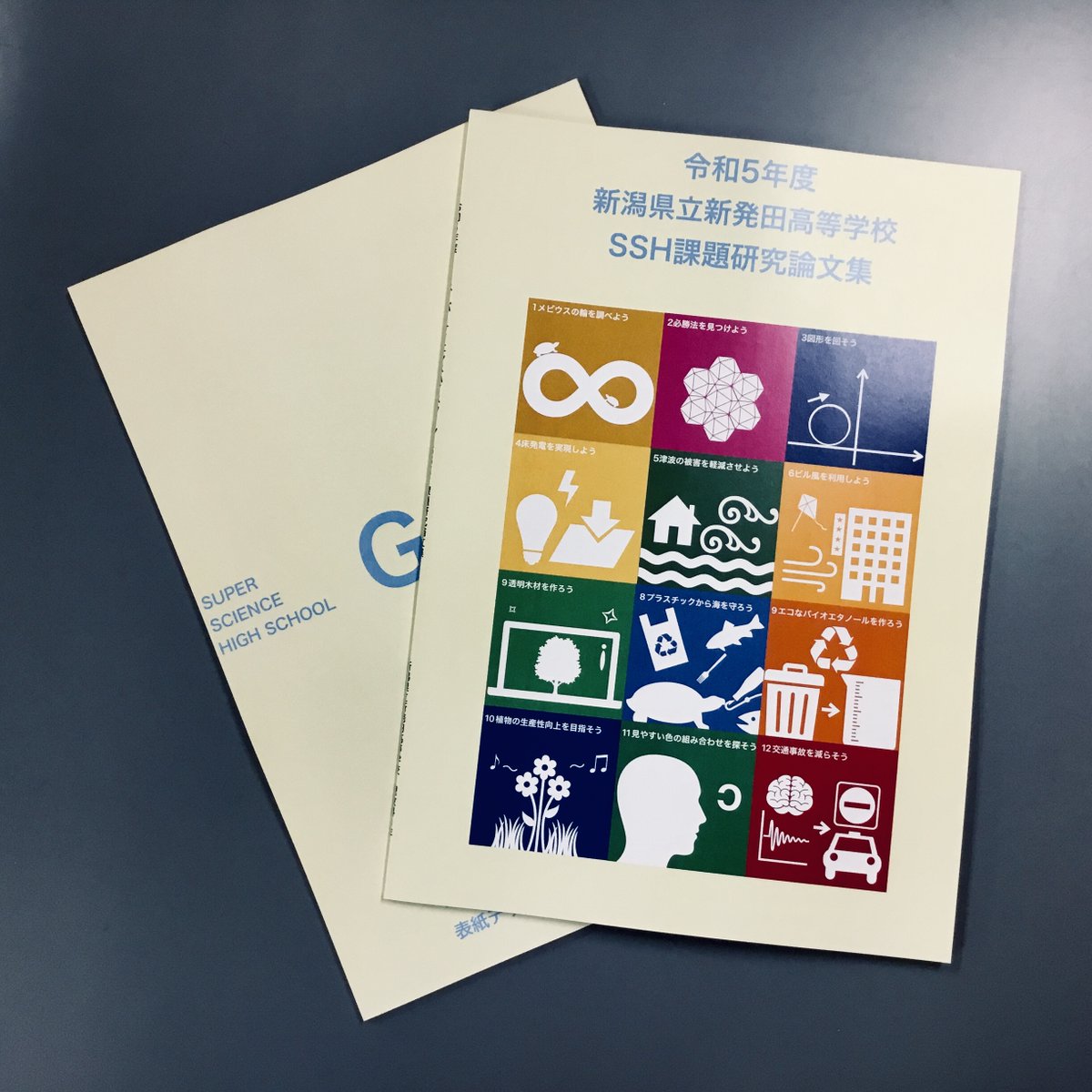
芝高→ScienceStudy、ScienceLiteracy
南高→江風SS
長岡→SS
柏崎→KSP
高田→SS
という感じ。
ひっかけで、県高、三条、万代は理数科(理数コース)はあるけど、SSH指定は受けていない。
私の頃は、もう少しユニークな科目がありましたが、どこも平準化した感じはしますね……
1
2
719

📚MedChemExpress Digest | FDA-Approved Drug Library
💊Drug repurposing is a faster, safer, and more cost-effective alternative to new drug development: lower risk, shorter timelines, and reduced investment.
✅Approved drugs already have well-characterized bioactivities, pharmacokinetics, and safety—ideal for repurposing.
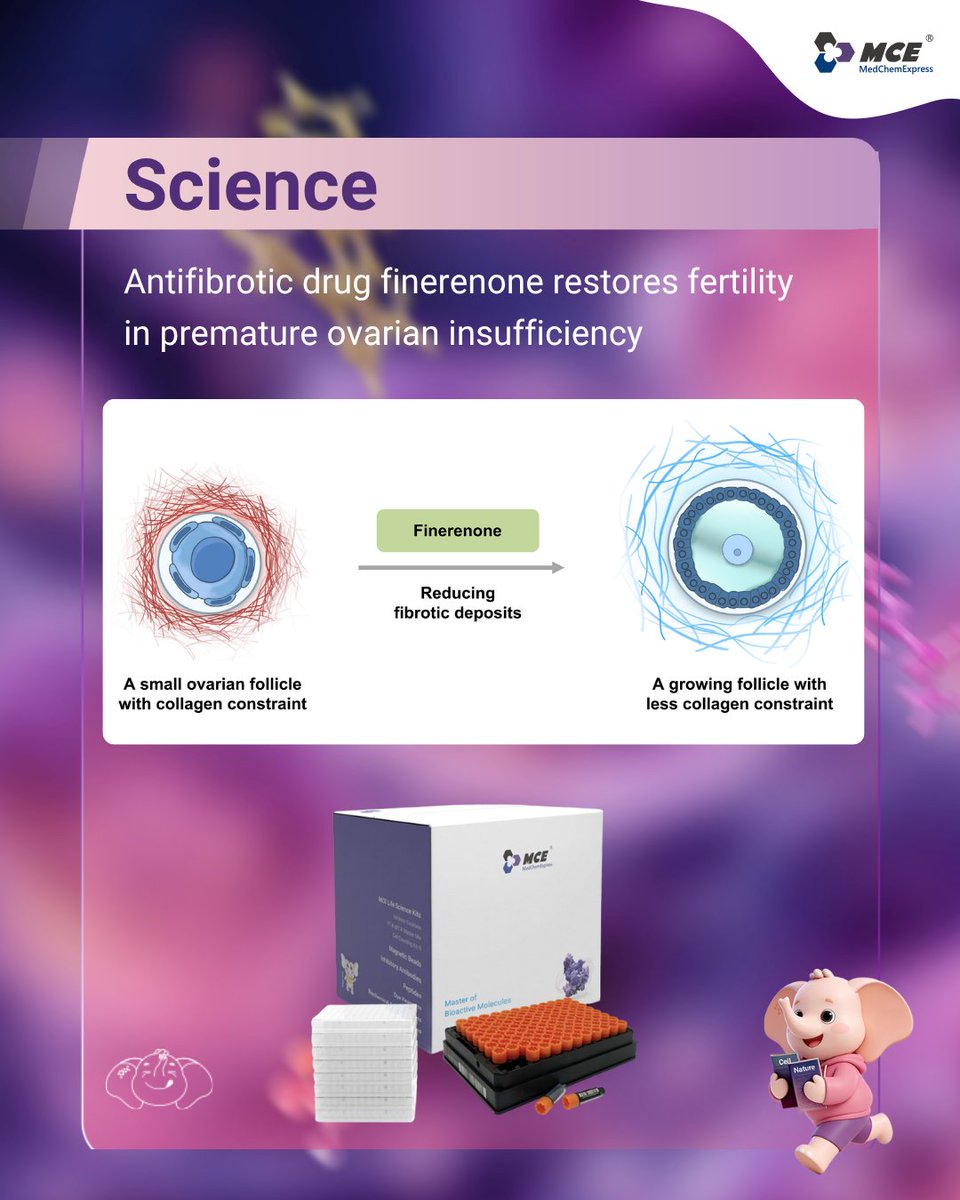
🔬MedChemExpress offers a unique FDA-Approved Drug Library (HY-L022, 3,205 compounds) with extensive preclinical and clinical data to accelerate drug discovery. A recent #Science study on premature ovarian insufficiency (#POI) used the MCE library, screening 1,297 FDA-approved compounds and identifying finerenone, a mineralocorticoid receptor antagonist, which reduced ovarian fibrosis in mouse models, promoted follicle development and fertility, and showed clinical benefits—some patients even progressing to IVF without major side effects. 🔗ow.ly/AFab50YCMOV
#DrugRepurposing #FDAApprovedDrugs #LifeSciences #PharmaInnovation #OvarianHealth #DrugDiscovery #PreclinicalResearch #ClinicalResearch #ScienceStudy #Finerenone
3
5
283

Feb 11
Science Study: मेनोपॉज का असर दिमाग पर भी, याददाश्त कमजोर और चिंता-अवसाद का खतरा बढ़ा; MRI अध्ययन से खुलासा
#Study #ScienceStudy #Research
amarujala.com/india-news/mri…
2
1
331

Jan 16
Your mouth bacteria can predict risk of chronic liver disease, says study yespunjab.com/?p=206591
#LiverHealth #GutHealth #OralMicrobiome #MedicalResearch #HealthNews #ChronicLiverDisease #Microbiome #ScienceStudy #DigestiveHealth #NatureMicrobiology #HealthScience #WellnessResearch
6

6 Dec 2025
AI CHATBOTS: Sway Voter Opinions - Experts Warn of Democratic Threats and Call for Safeguards
AI RESEARCH: Experiments using models like GPT-4o and DeepSeek found Trump supporters moved toward Kamala Harris by nearly four points on a 100-point scale before the 2024 U.S. election.
VOTER INFLUENCE: Humans may view other humans as fallible while trusting machines more, complicating defenses against AI persuasion and underscoring the need for AI literacy.
The findings feed into broader debates about misinformation, algorithmic influence, and electoral integrity without claiming guaranteed outcomes.
The articles advocate guardrails, including auditing and documenting the accuracy of LLM outputs in political conversations to protect democratic processes.
Scholars emphasize the need for regulation and safeguards as AI-mediated persuasion grows, calling for ongoing scrutiny.
Researchers stress robust safeguards and further study as AI tools become more prevalent in shaping opinions and decisions.
The studies cite works by Lin et al. in Nature and Hackenburg et al. in Science, noting authors’ lack of competing interests.
Limitations to manipulation include users’ time constraints and hard psychological limits to persuadability, suggesting lab results may overstate real-world impact.
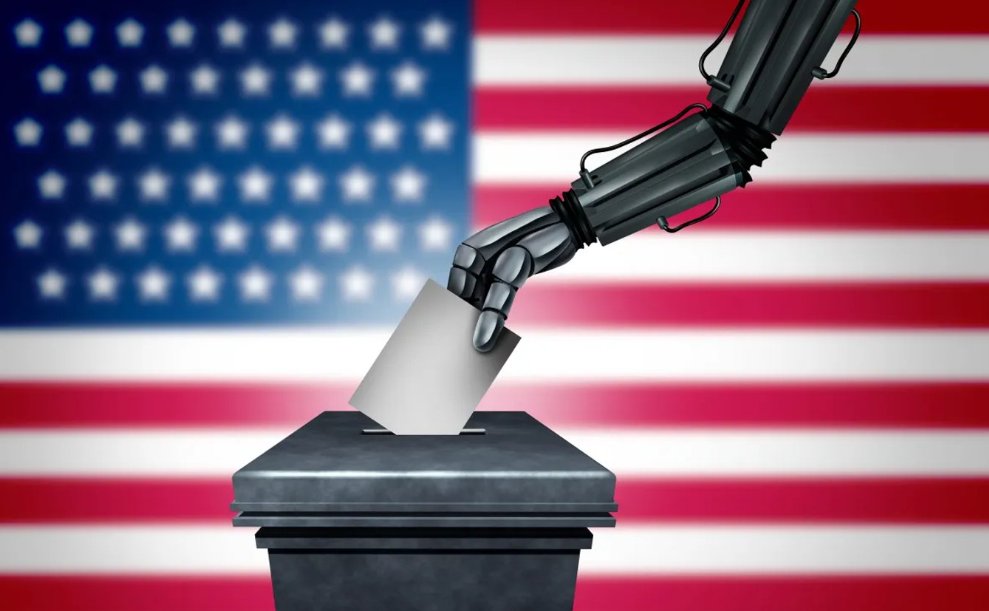
A pair of studies published in Nature and Science show AI chatbots can influence political opinions across the U.S., Canada, and Poland by engaging people in conversations that advocate for a candidate.
Researchers note AI tools can reduce susceptibility to conspiracy theories when they present reasoned arguments, but risk emerges as models fabricate content if information runs dry.
Independent experts caution about real-world applicability and risks, including misuse to spread radical ideologies, while acknowledging potential legitimate uses with transparency.
Experts warn these AI persuasion tools could become a central democratic concern in elections and call for safeguards to prevent manipulation.
#AIChatbots, #AIPersuasion, #VoterInfluence, #Election2024, #PoliticalAI, #DemocracyThreat, #AISafeguards, #GPT4o, #DeepSeek, #TrumpSupporters, #KamalaHarris, #SwingVoters, #AIEthics, #Misinformation, #AlgorithmicInfluence, #ElectoralIntegrity, #AIRegulation, #LLMTransparency, #AIAuditing, #PoliticalPersuasion, #NatureStudy, #ScienceStudy, #LinEtAl, #HackenburgEtAl, #ConspiracyTheories, #AIFactChecking, #DemocraticProcess, #VoterManipulation, #AILiteracy, #TechRegulation, #BigTechResponsibility, #SwingStates, #Polarization, #AIInPolitics, #Guardrails, #DigitalDemocracy, #MisinformationRisk, #BotInfluence, #ChatbotPolitics, #2024Election, #ArtificialIntelligence, #PoliticalScience, #MediaManipulation, #TruthDecay, #CognitiveBias, #PersuasionScience, #ElectionSecurity, #AIAccountability, #FutureOfDemocracy
3
194

28 Apr 2025
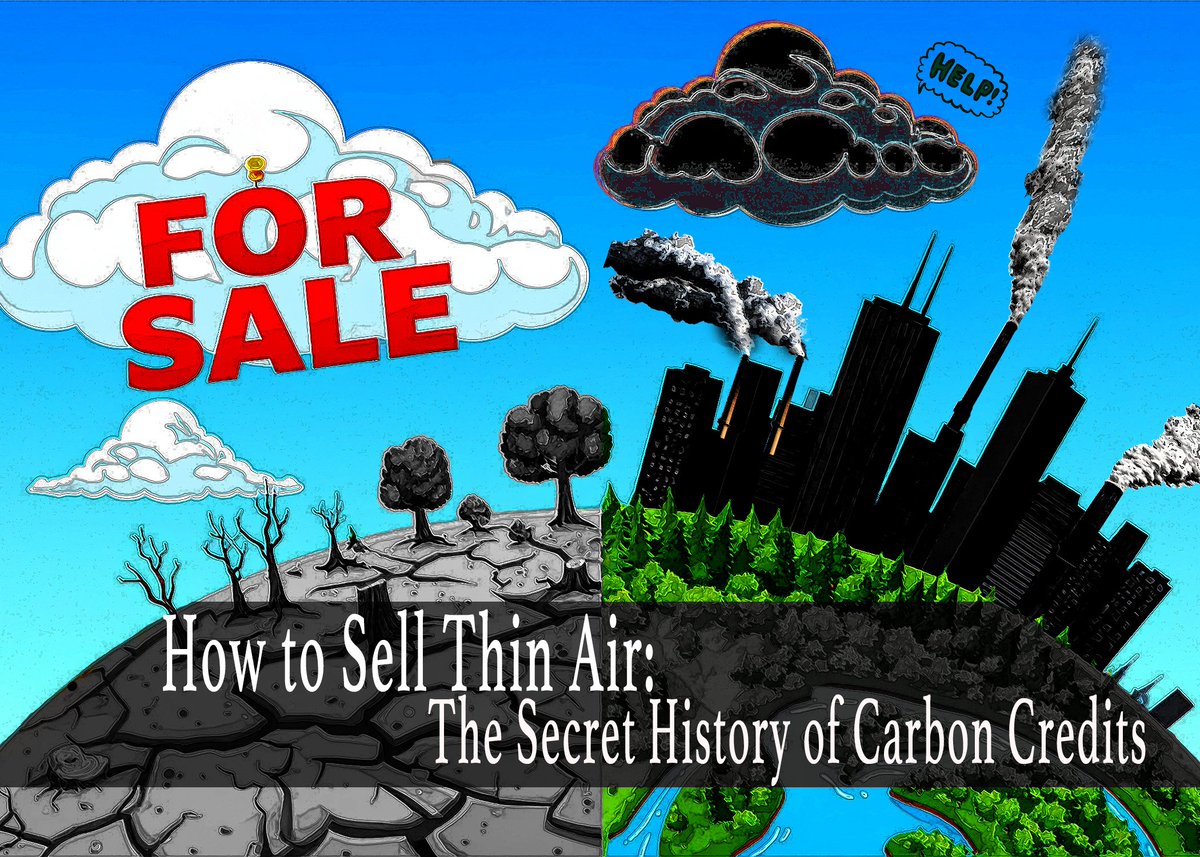
How to Sell Thin Air: The Secret History of Carbon Credits
From Kyoto to Crypto — The Market That Let Corporations Buy Pollution While You Paid the Price
By Serge Brown | April 24, 2025
The Pollution You Can’t See
It started with a simple idea: if you can’t stop polluting, pay someone else not to.
By the time that idea reached Wall Street, it wasn’t about the climate—it was about cash.
Today, billionaires and bankers trade carbon credits like digital Monopoly money. But the truth is stark: most of these “green” offsets don’t reduce emissions—they enable them. What began as a plan to save the planet is now criticized as a deeply flawed system, signed into law, not born in a lab.
Welcome to the world of carbon credits. A market built to save the planet, hijacked to sell empty promises.
I. The Birth of a Loophole (1997): Kyoto’s Poisoned Gift
In 1997, world leaders met in Kyoto, Japan, to confront global warming. The Kyoto Protocol was celebrated as the first binding treaty to cut greenhouse gas emissions.
But major polluters like the U.S. resisted actual reductions—too costly, too disruptive.
Their solution? Allow rich countries to fund green projects in developing nations and claim credit for the supposed emissions cuts.
This was the Clean Development Mechanism (CDM), turning carbon into a tradable commodity. One ton of CO₂ avoided equaled one carbon credit. The flaw? Reductions were often unverified. If you could document it, you could sell it.
“Don’t stop polluting. Just pay someone to claim they didn’t pollute and call it a win.”
II. Enter the Opportunists: Enron, Wall Street, and the Carbon Derivatives Game
Carbon credits weren’t dreamed up by environmentalists. The real pioneers were fossil fuel giants and traders.
Enron, before its 2001 collapse, championed cap-and-trade—a system where polluters buy permits to emit—and laid the foundation for emissions markets.
This wasn’t about clean air. It was about a trillion-dollar asset class.
By the 2000s, banks like Goldman Sachs and Morgan Stanley jumped in, bundling credits into investment products and creating futures contracts to bet on pollution’s price. Carbon became a currency, driven by politics and corporate PR, not climate science.
III. The Illusion of the Forest: Offsets, REDD , and the Ghost of the Amazon
The simplest carbon credit pitch? Plant a tree, save the planet.
But this feel-good idea became a fraud factory.
REDD (Reducing Emissions from Deforestation and Forest Degradation), a UN program to pay for forest preservation, let companies earn credits for “saving” forests—often already protected or not at risk. A 2023 Sciencestudy found 94% of Verra-certified rainforest offsets delivered no real emissions cuts due to inflated baselines.
These phantom reductions let companies like Shell, Delta Airlines, and Nestlé claim “net zero” while emissions continued. A 2023 Guardian investigation exposed widespread REDD overstatements.
The human cost was just as real. In Brazil’s Amazon, the Suruí Indigenous people joined a REDD project in 2013, hoping to protect their forest and earn income. They were promised wealth for preserving trees, but the reality was grim. The project sold carbon credits to firms like Natura, restricting Suruí land access and traditional practices like farming. By 2017, internal conflicts and illegal logging surged, and the project collapsed, leaving the community divided and their forest vulnerable (The Guardian, 2017).
In Cambodia’s Cardamom Mountains, the Chong Indigenous people faced similar betrayal. The Southern Cardamom REDD project, run by the Cambodian Ministry of Environment and Wildlife Alliance, began in 2015 without consulting the Chong. For over two years, they were excluded from decisions about their ancestral lands. By 2022, Chong residents reported forced evictions and criminal charges for farming or foraging in areas now designated for carbon credits. Human Rights Watch documented these violations, noting that the project’s $18 million in credit sales by 2021 brought little benefit to the Chong, who faced restricted livelihoods (Human Rights Watch, 2024).
This wasn’t justice. It was what critics call climate colonialism.
IV. The Scam Grows Up: Fraud, Double Sales, and the EU Heist
In 2005, the European Union launched the Emissions Trading System (ETS), a cap-and-trade platform requiring polluters to buy credits for excess emissions.
Fraud soon followed.
Between 2008 and 2009, carbon VAT fraud cost EU taxpayers €5 billion (Europol, 2010). Syndicates bought credits VAT-free in one country, sold them at inflated prices in another, and pocketed the tax difference, often laundering money.
Shady brokers also double-sold credits or repackaged expired offsets. Weak global oversight meant one Brazilian offset could be sold in Europe, Asia, and America—simultaneously.
When exposed, culprits pleaded ignorance:
“We were trying to do good. We didn’t know.”
While rare projects, like methane capture from landfills, showed verifiable results, most credits fell short, undermining the system (Nature Climate Change, 2021). These exceptions prove that offsets can work in theory, but they’re drowned out by a flood of dubious claims.
V. Tokenizing the Air: Carbon on the Blockchain
By the 2020s, carbon markets went digital, sparking a crypto-carbon boom.
Platforms like Toucan Protocol, KlimaDAO, and Regen Network tokenized credits on blockchains, enabling fractional trading via smart contracts—digital agreements that automate trades securely. By 2023, this market hit an estimated $1 billion in trading volume (CoinDesk).
But crypto’s pitfalls emerged. Pump-and-dump schemes and fake projects proliferated. A 2022 Toucan-linked project was exposed for selling credits tied to nonexistent forests (Bloomberg). Many tokens were speculative promises, not real reductions.
Silicon Valley VCs, fresh from surveillance tech, fueled this digital air with speculative hype, not verifiable cuts.
VI. The Carbon Capture Patent Dominance: Locking Up the Sky
Carbon credits are one revenue stream. Another? Patents on carbon capture tech, increasingly tied to credits as regulators demand removals.
These technologies, which pull CO₂ from the air or industrial processes, are controlled by a few players:
Bill Gates’ Carbon Engineering holds patents like Carbon Dioxide Capture Method and Facility.
Climeworks, backed by Stripe and Microsoft, owns Steam Assisted Vacuum Desorption for CO₂ Capture.
Fred Ebrahimi’s CarbonCure Technologies controls 120 patents for CO₂-to-concrete mineralization.
The U.S. Navy owns the Electrolytic-Cation Exchange Module (E-CEM) for converting oceanic CO₂ into fuel.
8 Rivers Capital developed the Allam Cycle for integrated carbon capture in power generation.
This patent dominance blocks competitors and inflates costs. As governments mandate removals, companies sell credits tied to proprietary tech, profiting while passing costs to consumers.
Carbon capture isn’t just about climate. It’s about monopolizing compliance tech.
VII. The Final Trick: You Pay Twice
Carbon credits don’t just enable pollution—they monetize it, and you pay the price.
Taxes and inflation fund offset programs.
Energy costs rise when companies “go green” with dubious credits.
Pension funds and ESG portfolios bet on carbon futures.
Health costs mount from unchecked pollution, as emissions persist.
The carbon market is projected to hit $250 billion by 2030 (BloombergNEF, 2023).
But how much carbon has it removed? Less than 5% of credited reductions were verifiable (Nature Climate Change, 2021; ProPublica).
Visualizing the Grift:
Despite questionable effectiveness, the carbon credit market is booming. Here’s the trajectory:
VIII. Conclusion: Selling the Sky Back
Carbon credits were pitched as climate salvation but have become a flawed system for profiteering.
Born in Kyoto, scaled by Wall Street, and now controlled by billionaires, they’ve failed to decarbonize.
We didn’t clean the air.
We financialized the sky.
And they’re selling it back to us—one offset at a time.
Will we keep funding this market, or demand real solutions like stricter emissions laws, reforestation without middlemen, and community-led clean energy?
The choice is ours.
Sidebar: Timeline of Carbon Credits
1997: Kyoto Protocol births Clean Development Mechanism (CDM).
2001: Enron collapses, leaving cap-and-trade legacy.
2005: EU Emissions Trading System (ETS) launches.
2008–2009: €5 billion VAT fraud hits ETS (Europol).
2010s: REDD grows; 94% of offsets deemed ineffective (Science, 2023).
2020s: Tokenized credits hit $1 billion (CoinDesk).
2030: Market projected to reach $250 billion (BloombergNEF).
About the Author
Serge Brown is the host of Serge vs Goliath, a show exposing corporate overreach and environmental profiteering. He writes on climate, politics, and systemic government corruption.
18
60
101
5,560

22 Apr 2025
Ever feel like science exams are a mystery? 🔍 Create a study schedule that breaks down topics into bite-sized lessons. Consistency is key! How do you keep your study routine fresh and exciting? Let us know! #ScienceStudy #StudySmart
2
3
27


11 Dec 2024
What’s Going on Wednesday?
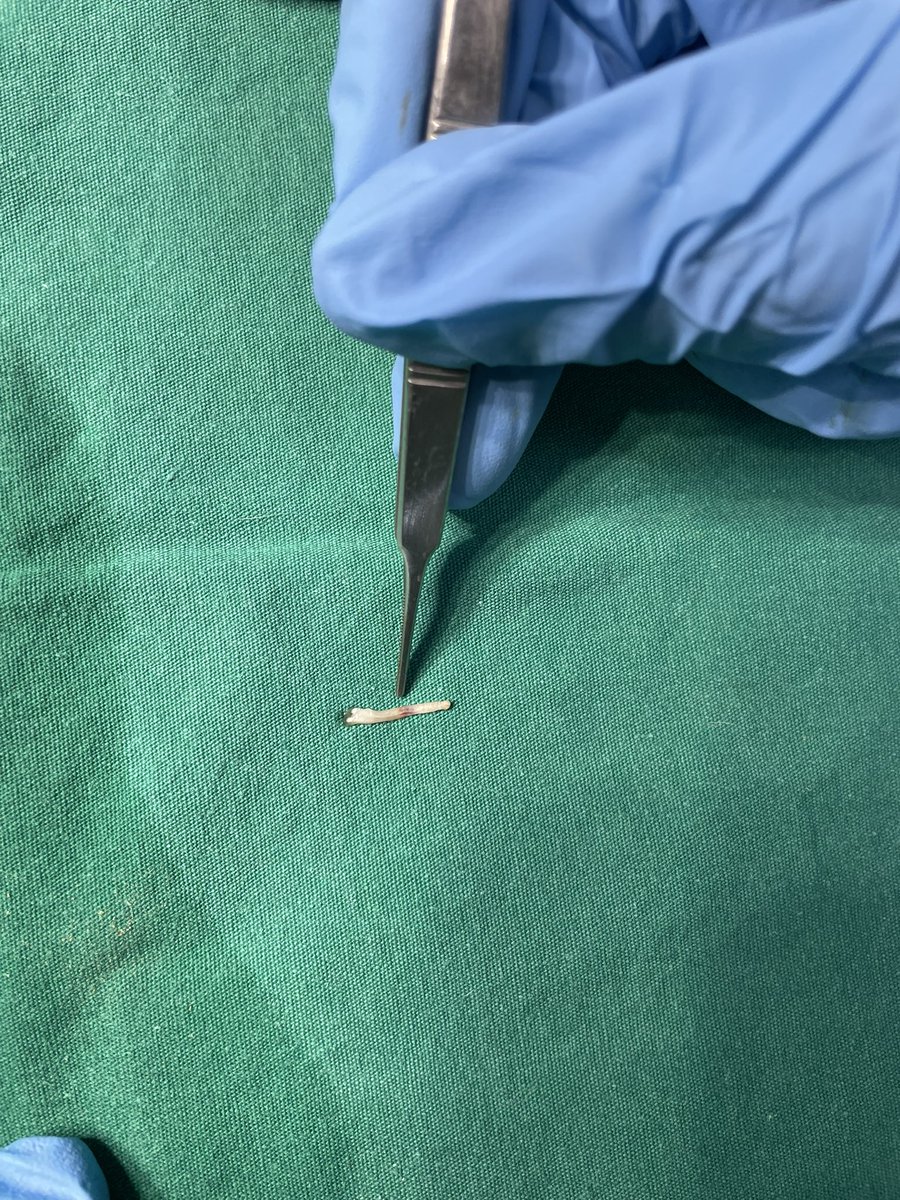
Check out the latest from the SCIENCE Study—a huge RCT on epicondyle fractures in kids. Results coming in 2025!
👉 Learn more: SCIENCEstudy.org
#SCIENCEStudy #RCT #Paediatrics #Orthopaedics
5
23
1,526

28 Aug 2024
➡️Science Alert की एक रिपोर्ट के अनुसार Y Chromosomes धीरे-धीरे लुप्त हो रहा है और एक नया सेक्स जीन पुरुषों का भविष्य हो सकता है।
➡️पिछले 300 मिलियन वर्षों में, इसने अपने मूल 1,438 जीनों में से 1,393 को खो दिया है, केवल 45 gene बचे हैं। जेनेटिक्स के एक प्रतिष्ठित प्रोफेसर और कुलपति के साथी जेनिफर ए मार्शल ग्रेव्स के अनुसार, Y chromosomes "समय से बाहर चल रहा है", यदि यह प्रवृत्ति जारी रहती है, तो Y Chromosomes 11 मिलियन वर्षों के भीतर पूरी तरह से गायब हो सकता है, जिससे पुरुष और मानव अस्तित्व के भविष्य के बारे में आशंकाएँ बढ़ जाती हैं।
➡️हालांकि नई खोज एक वैकल्पिक संभावना का समर्थन करती है - कि मनुष्य एक नया gene विकसित कर सकता है।
#Ychromosome #xychromosome #ScienceStudy #scienceresearch #humanresearch #humanbody #genes #chromosomes #DNA #malespecies

158


22 Jan 2024
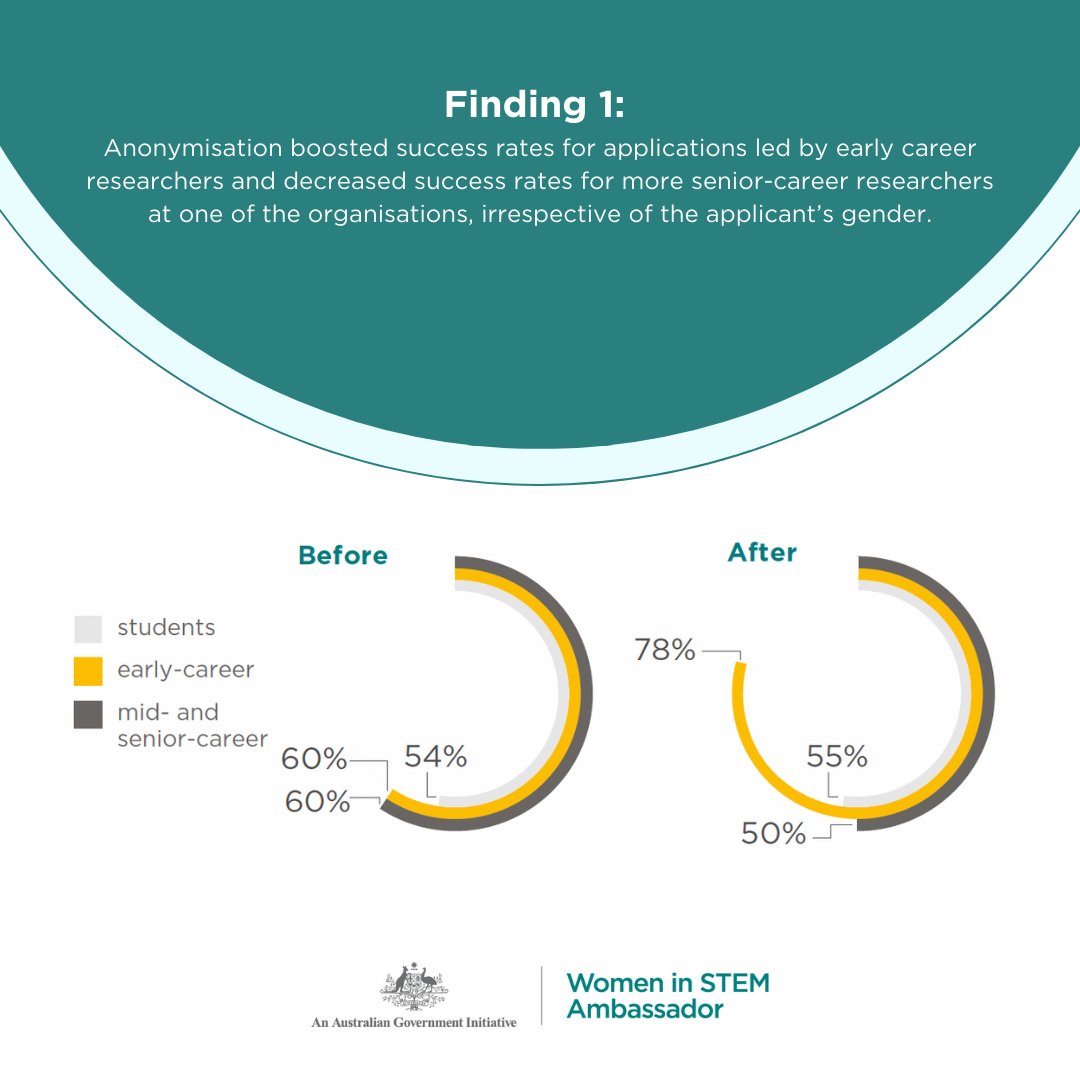
Finding 1⃣: Anonymisation boosted success rates for applications led by early career researchers and decreased success rates for more senior-career researchers at one of the organisations, irrespective of the applicant’s gender. #ResearchInsights #sciencestudy
1
2
21

5 Aug 2023
வாழ்க்கையை மேம்படுத்தும் ஹோம் சயின்ஸ் படிப்பு..!
#youthmalar #lifehomes #sciencestudy #DT #Dailythanthi
dailythanthi.com/young-flowe…
6
982

29 Jun 2023
Dan Perry explaining challenges of @CrafftStudy ScienceStudy and OddSocks study
Great to hear what research is being undertaken and coming soon
Kids fracture management looks exciting in the future #neptune23
1
4
203

Resveratrol: A Potential Key to Preventing Age-Related Muscle Loss and Heart Enlargement. - Meri Bebe Tiffin Blog
#ScienceResearch #ScienceStudy #ResearchStudy #AntiAging #agingwell #aging
meribebetiffin.weebly.com/1/…
1
3
55

16 Mar 2023
एक सीमा के बाद विज्ञान भी सीमित हो जाता है - डॉ. मोहन भागवत
Full Video link- youtu.be/GyxhAf4tDok
#ScienceStudy #BharatKaBhavishya #AkhandBharat #Sangh #DrMohanBhagwat
19
72
1,020

31 Aug 2022
North Carolina Agricultural and Technical State University Joins Brookhaven Lab’s Quantum Center 👥🎓
@ncatsuaggies
thequantuminsider.com/2022/0…
#quantum #quantumcomputing #quantumcenter #University #sciencestudy #education
3

27 Aug 2022
We are delighted to announce that the Belfast T&O research team have now recruited their 20th patient for the international SCIENCE study, which aims to determine the best management for medial epicondyle fractures #SCIENCEStudy #medialepicondyle @NIHRresearch #NICRN #TORCNI
1
2
18

5 May 2022
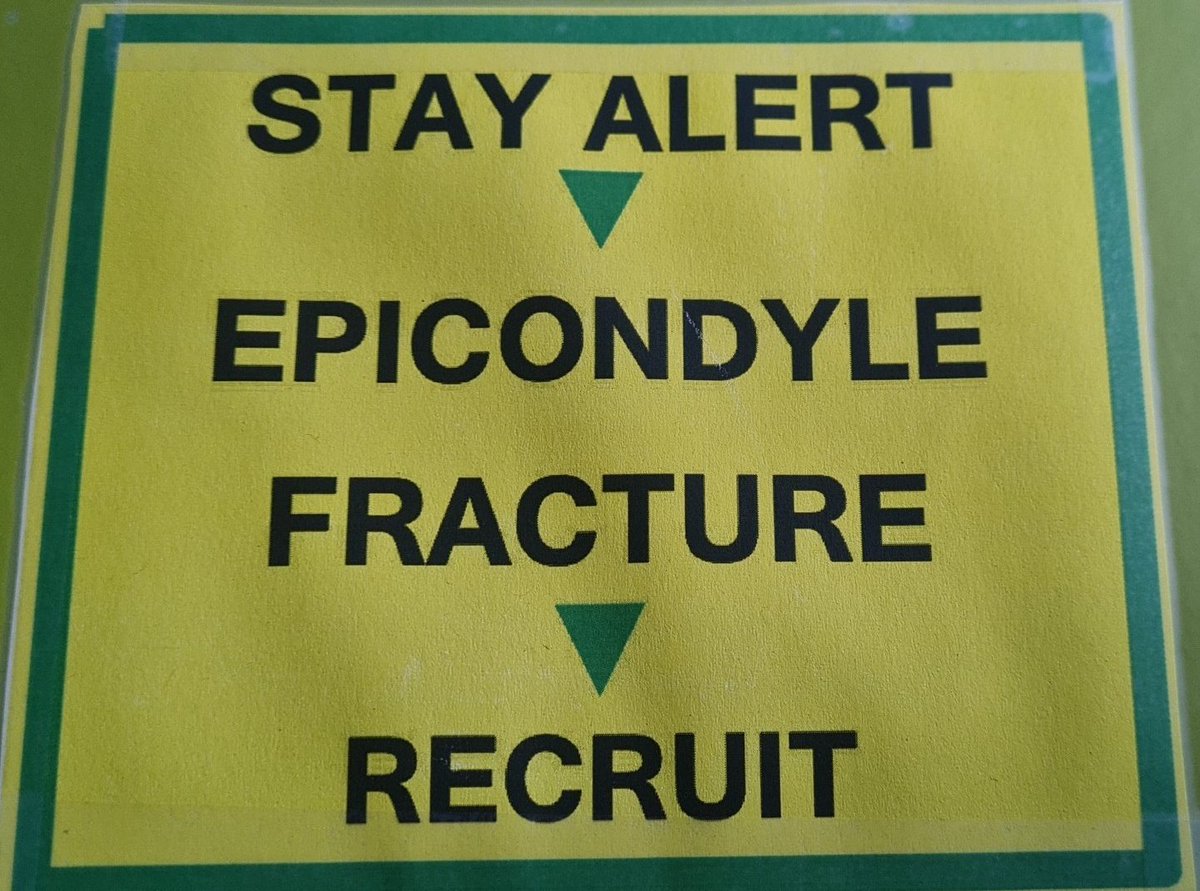
Well that was a productive day ! X 2 children recruited and randomised with thanks to the excellent # clinic team @WestSuffolkNHS #SCIENCEstudy @NIHRCRNeoe @Oxford_Trauma
1
4