
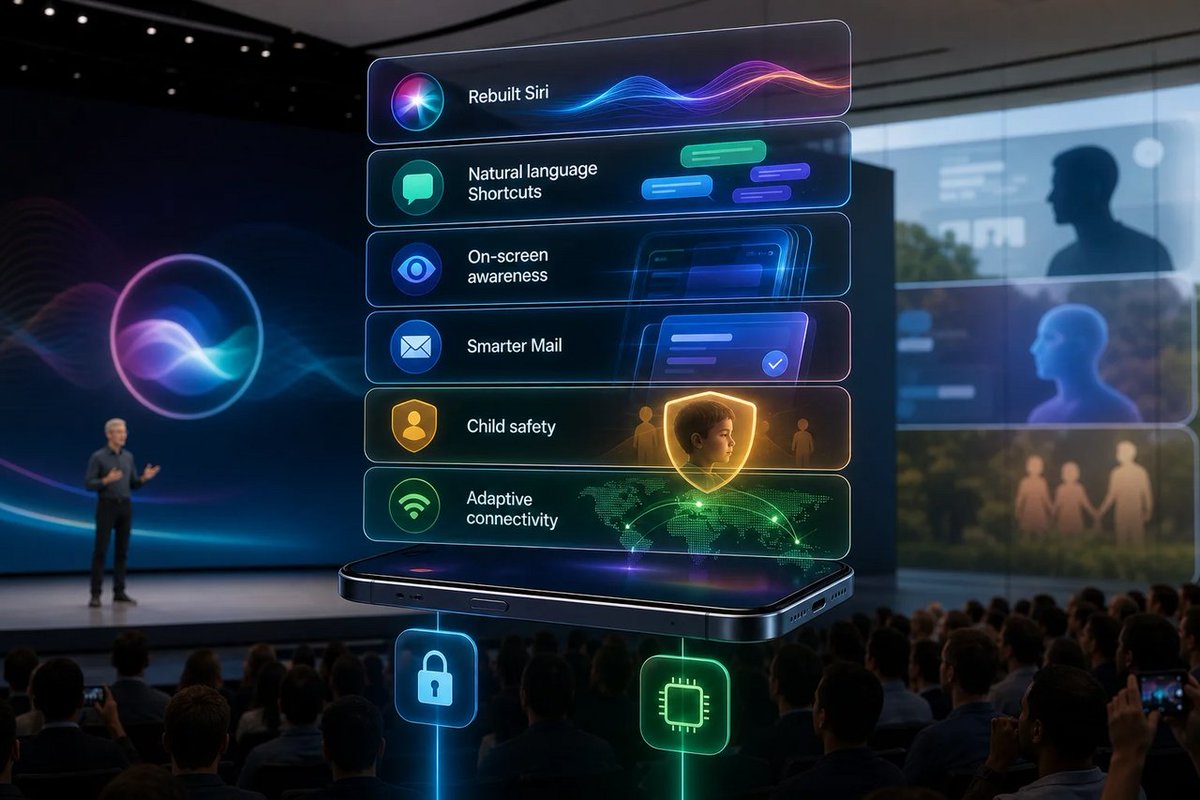
🍏 Apple rebuilt Siri like it’s “finally” catching up to Android… but with safer vibes. Translation: same features, fewer lawsuits, and a lot of marketing. Windows users, brace.
windowsforum.com/threads/ios…
#AppleIntelligence #Ios27 #SiriRebuild #MobilePrivacy
2

8m
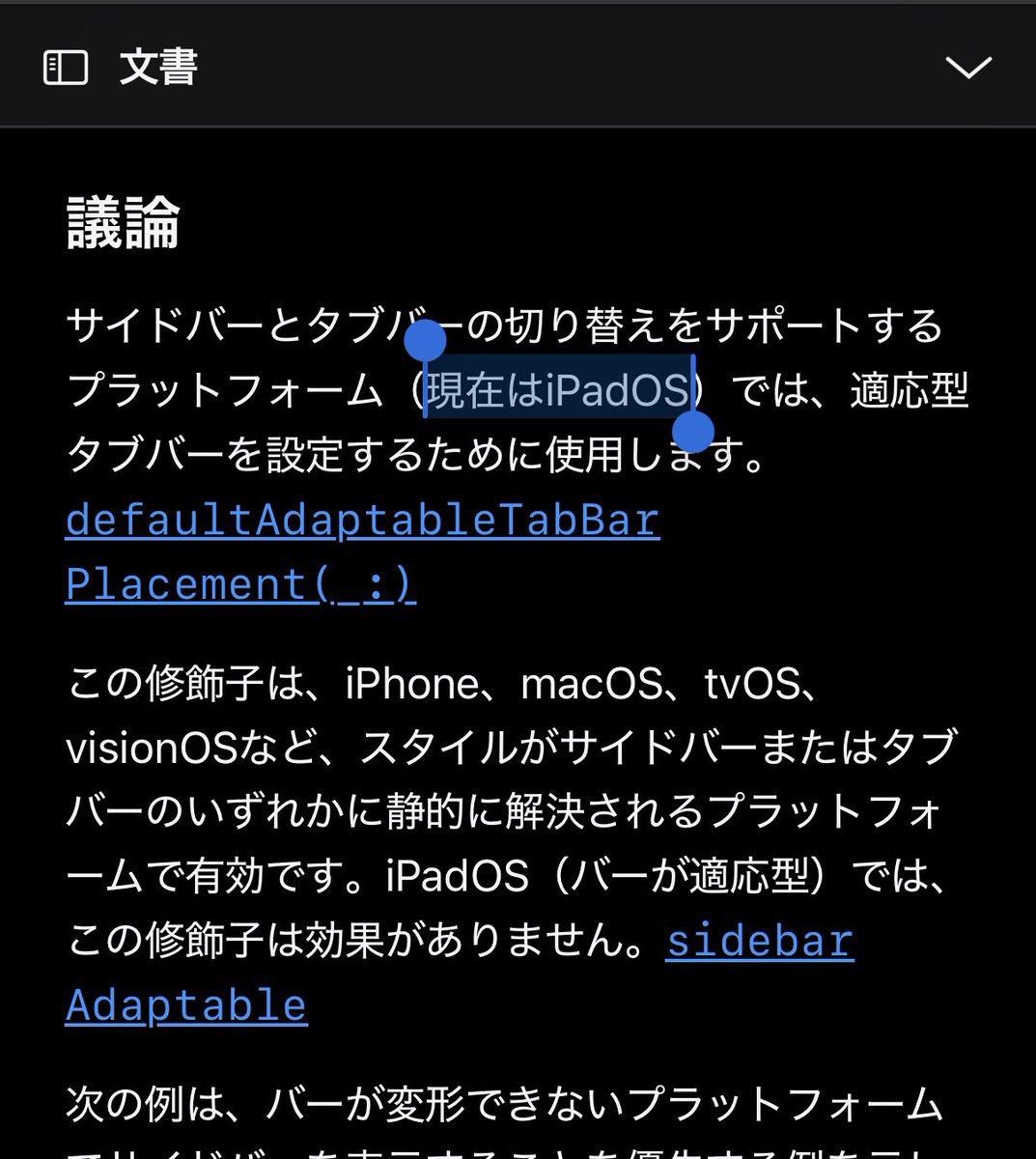
折りたたみiPhone、 もし本当に来るなら “開いた時と閉じた時でUIが変わる” 前提の設計になるの面白い。
今のiPadOSの サイドバー⇄タブバー切り替え思想って、 そのままFold系iPhoneへの布石にも見えるんよな。
Appleって、 いきなり製品出すより 先にOSやAPI側で伏線張ること多いから、 こういうドキュメント見ると期待してしまう。
#Apple #iPhoneFold #iPadOS #iOS27 #AppleIntelligence #ガジェット #WWDC

1
12
9m
オンデバイスAIって プライバシー面は強いけど、 コンテキスト長との戦いが難しいよな…。
だから最近、 RAM・GPU・NPU性能の重要性が 一気に上がってる気がする。
#AppleIntelligence #AI #LLM #ガジェット
10
9m
Apple Intelligence、 “オンデバイスAI”の限界と可能性が かなり見えてきた感ある。
4096トークンだと、 軽量&高速な代わりに 長文保持や深い会話は厳しめ。
逆にCloud Proの262k級が本当なら、 Appleも最終的には 「端末AI+クラウドAI」の ハイブリッド路線を本気で進めてる感じするな。
ローカルLLM需要もまだまだ伸びそう。
#AppleIntelligence #LLM #AI #iPhone #Apple #ガジェット #ローカルLLM

今のところでわかってるコンテキスト長
AFM 3 Core→4096トークン (公式)
AFM 3 Core Advanced→不明
(4096トークン?)
AFM 3 Cloud→32k (推定)
AFM 3 Cloud Pro→262k (推定)
Cloud Proはやはりデカめだ
13

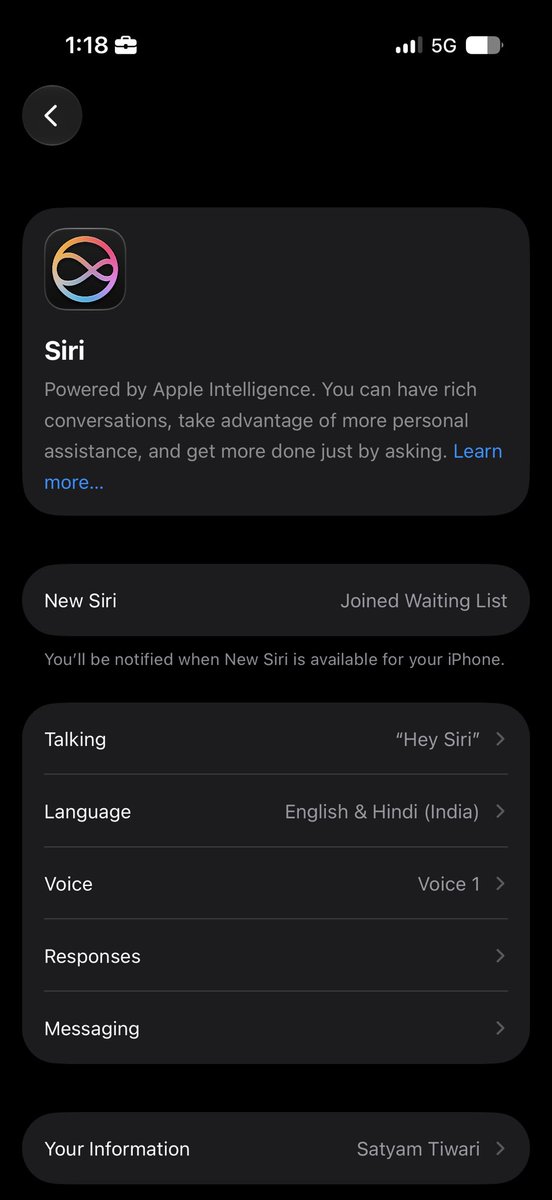
Hey @Apple — joined the New Siri waitlist over 24 hours ago, still waiting. 👀 An ETA feature on the waitlist would go a long way — not just for me, but for everyone waiting in the dark. Small addition, big difference! #AppleIntelligence #Newsiri
1
111

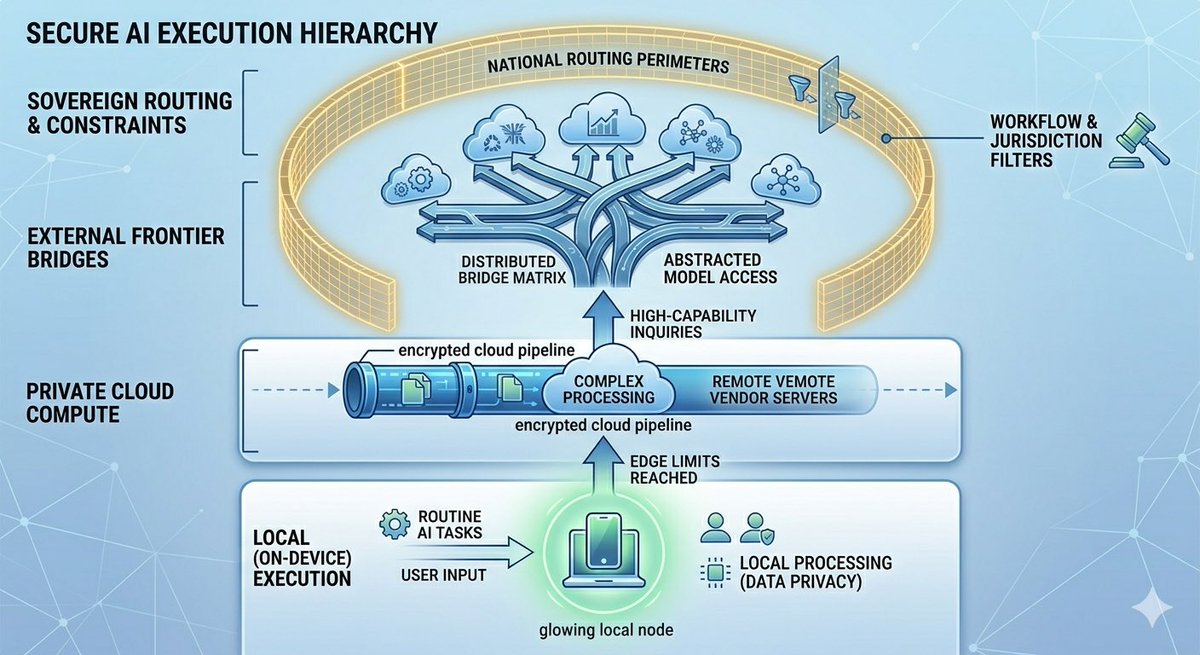
Consumer AI architecture is undergoing a significant transformation. Apple’s WWDC26 frameworks indicate a shift away from purely local-only operations or complete cloud dominance, towards a hybrid consumer AI routing approach. This means that systems are now divided into two categories: those with heavier or context-dense operations that directly route into Private Cloud Compute, and those that abstract out to designated third-party networks like Claude or Gemini.
Despite this shift, the cloud remains a crucial component of AI infrastructure. Worldwide AI infrastructure spending is projected to reach a staggering $1.36 trillion in 2026, demonstrating the continued momentum of backend processing, even in the face of localized processing alternatives.
However, this shift also raises concerns about sovereignty risks. The recent suspension of access to Anthropic’s Fable 5 and Mythos 5 models due to export-control directives highlights how centralized frontier intelligence dependencies can be disrupted.
In response to these challenges, workloads are now being routed more effectively across device, edge, and cloud boundaries. This routing is based on various factors, including privacy, latency, token costs, and legal jurisdictions.
While local context remains unverified, regional consumer device eligibility and local language support are still not fully established. This means that local developers must build flexible abstraction layers to ensure that their applications can operate seamlessly across different devices and regions.
#AI #appleintelligence #wwdc26 #fable5 #mythos5
58

Google Android @GeminiApp is put on @apple trajectory that changed apple-AI aka #AppleIntelligence into Siri-AI-💩poop. @tim_cook
21

iOS 27でリマインダーのリスト内編集が5→8項目に。
時刻・緊急・繰り返しが加わり、詳細画面を開かず付けられます。
言葉で説明して作る機能も加わりますが、Apple Intelligence対応iPhoneが前提。
apple-hacks.com/entry/ios27-…
#iOS27 #リマインダー #AppleIntelligence #iPhone #タスク管理
159

TechRadar just published the first real hands-on with Siri AI on iPhone, Mac, and iPad. The verdict is surprising.
I tried Siri AI on the iPhone, Mac, and iPad — here's why I'm convinced Apple's long-overdue next-gen assistant will win you over. We got an up-close look at the new Siri AI in action on multiple platforms, and, even in dev beta, the power and promise are unmistakable.
What impressed the reviewer across all three platforms:
ON iPHONE:
▪ Conversational follow-ups work naturally — "book a table" → "actually make it for 6 not 4" → Siri understood
▪ Onscreen awareness genuinely useful — summarizes open pages, drafts replies from context
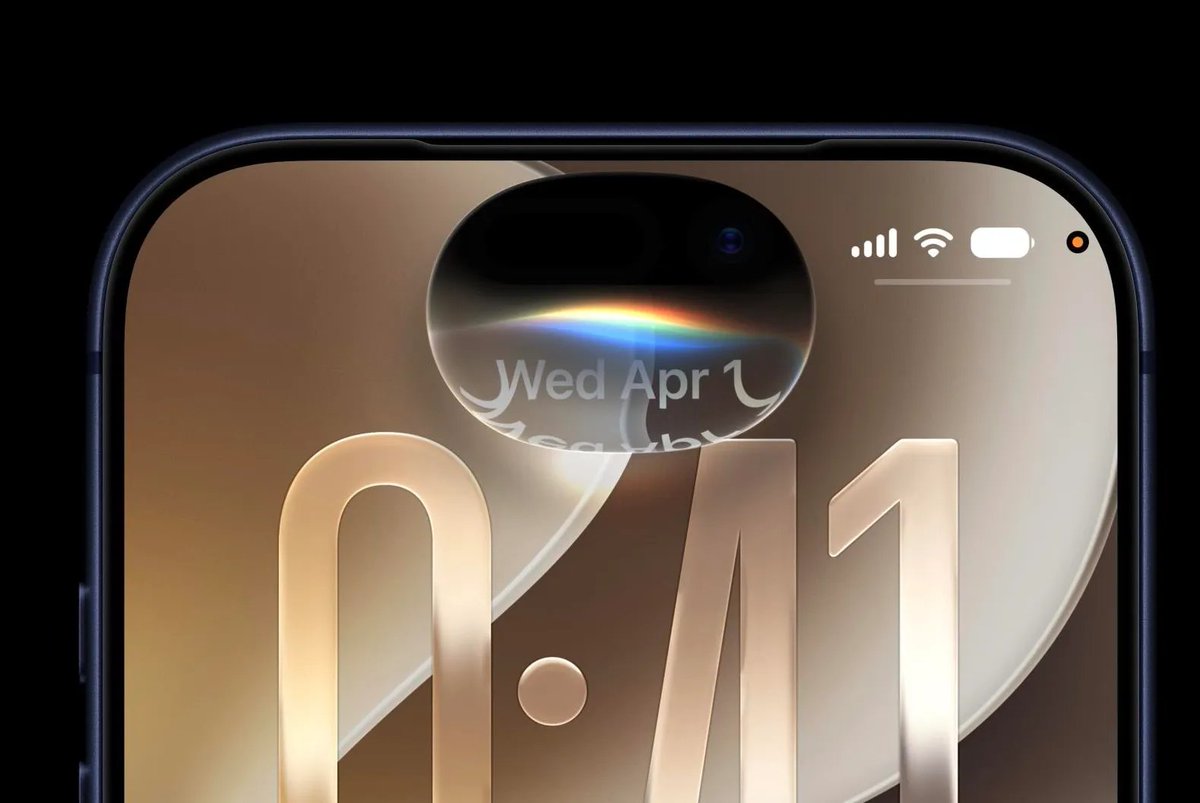
▪ Dynamic Island Siri trigger: "Search or Ask" prompt feels native, not bolted on
ON MAC:
▪ Spotlight integration seamlessly surfaced Siri AI — one keyboard shortcut away
▪ macOS Golden Gate Siri AI felt more polished than expected for beta
▪ Visual Intelligence on Mac exceeded expectations
ON iPAD:
▪ Best implementation of the three — larger screen Siri AI = genuinely powerful multitasking
The caveat: Siri AI is NOT in Beta 1 yet. This is a pre-release preview Apple shared with select press.
Public availability: "later this year" (US only, with waitlist)
Early verdict: when it ships — it will be worth the wait. 🍎
#SiriAI #iOS27 #Apple #WWDC26 #macOSGoldenGate #AppleIntelligence
1
227

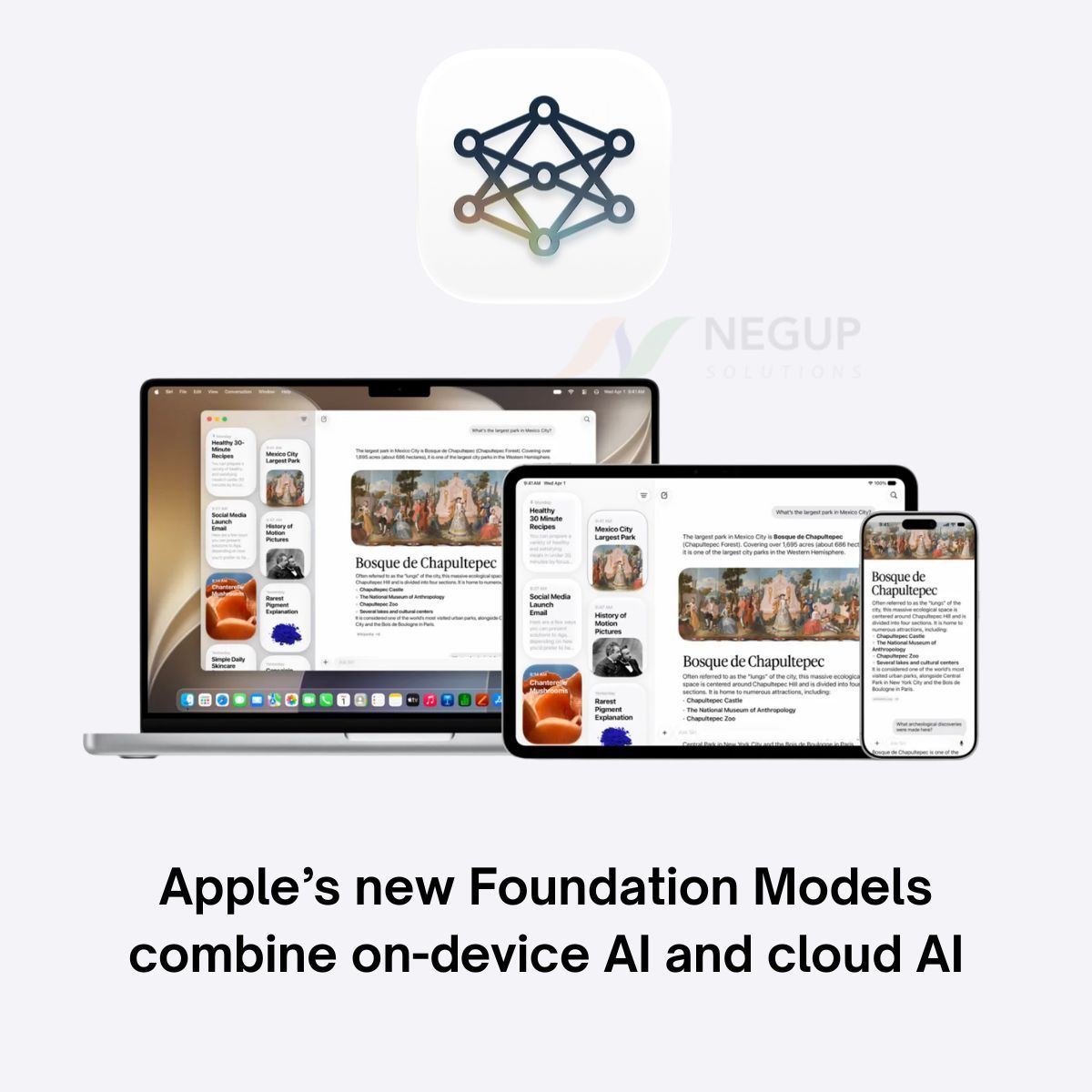
🍎🤖 Apple’s new Foundation Models combine on-device AI and cloud AI to deliver smarter, faster, and more private user experiences.
Read the full blog here 👇️
breakread.com/apple-foundati…
#Apple #AppleIntelligence #FoundationModels #AI #Privacy #Innovation #Technology #TechNews
9
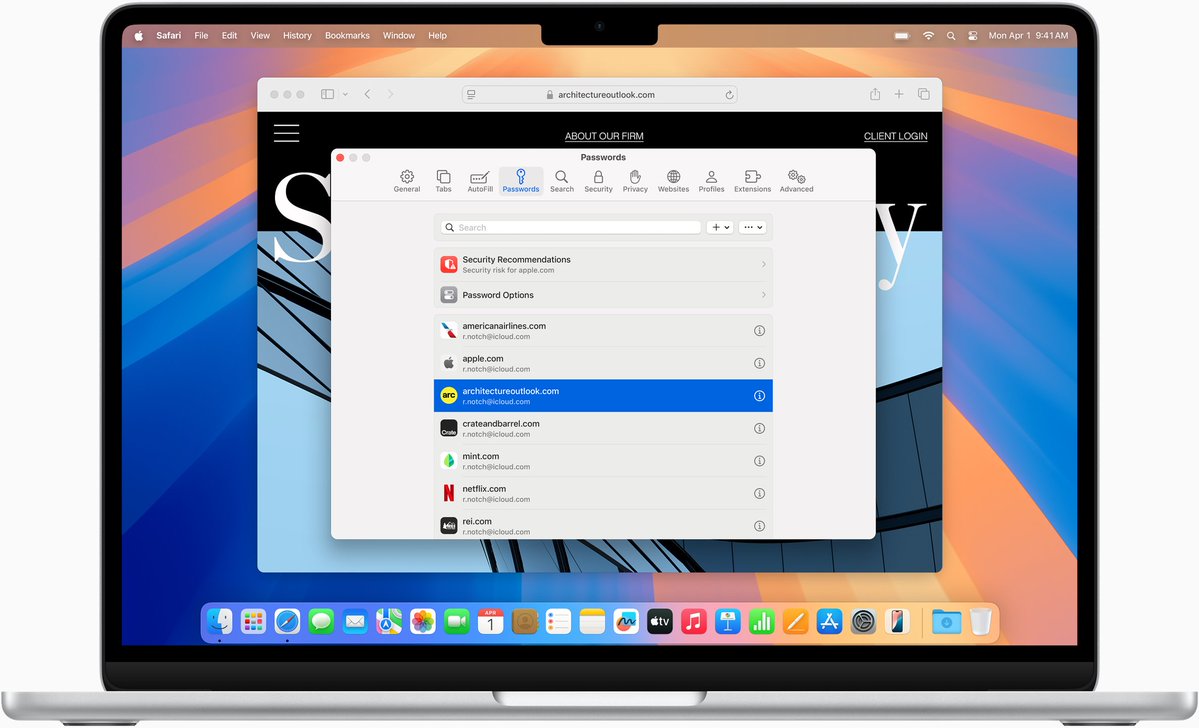
Apple Safari just got its biggest AI upgrade in history. Here's everything WWDC announced for the browser.
Apple announced new AI-powered features for Safari at WWDC 2026, using Apple Intelligence to enhance tab management, password security, browser customization, and more.
Safari AI features confirmed at WWDC 2026:
TAB MANAGEMENT:
▪ AI automatically names and groups your tabs by topic
▪ "Focus Tabs" mode: hides everything unrelated to your current task
▪ Tab groups sync intelligently across iPhone, iPad, Mac
BROWSING INTELLIGENCE:
▪ Page Summary: one-tap AI summary of any webpage
▪ Key Points: extracts bullet points from long articles
▪ Reply Suggestions: AI drafts email/message replies from page content
PASSWORD & SECURITY:
▪ Passkey suggestions now context-aware
▪ Password health scoring: identifies weak/reused passwords proactively
▪ Phishing detection: flags suspicious login pages before you enter credentials
CUSTOMIZATION:
▪ Start page: fully customizable with AI-recommended content
▪ Compact mode: new layout for one-handed iPhone browsing
For Samsung Galaxy users: Chrome on Android already has many of these features via Gemini Intelligence. Safari is catching up — and in some areas, overtaking.
The browser wars just got an AI dimension. 🌐
#Safari #iOS27 #Apple #WWDC26 #AppleIntelligence #Browser
99
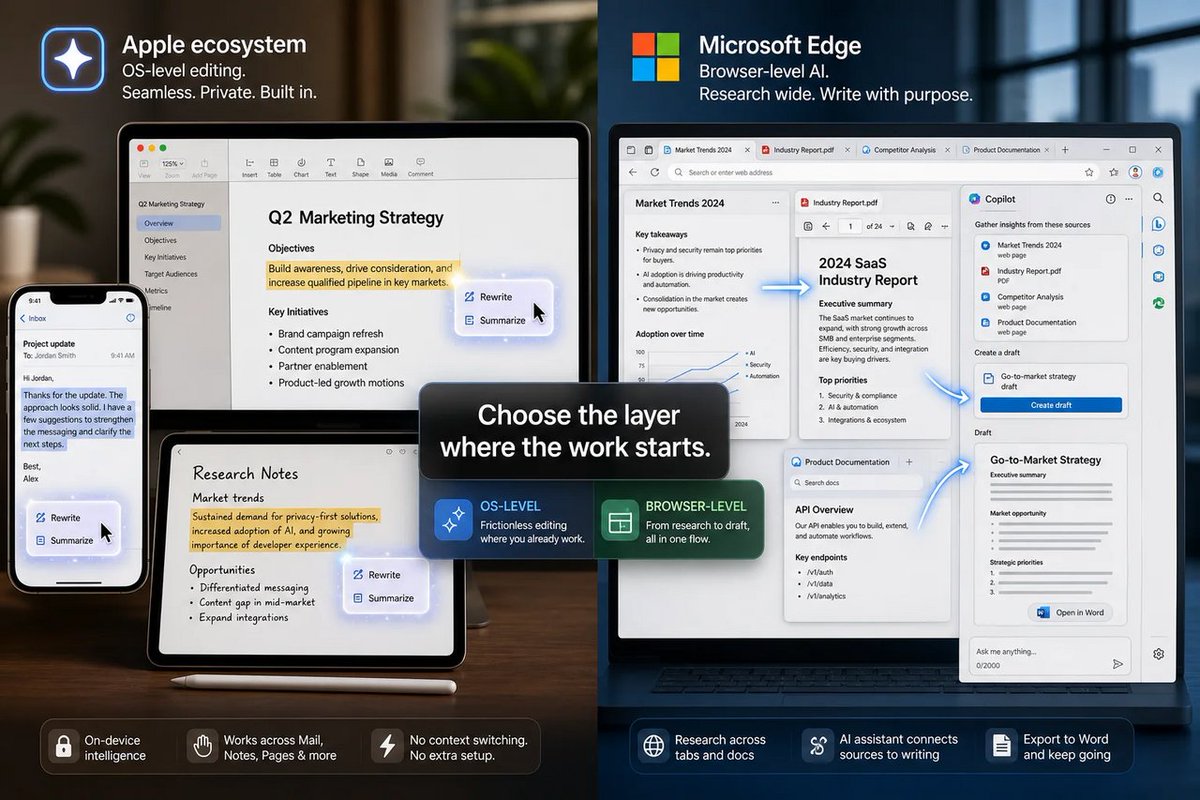
🪟 Apple Intelligence in your bubble, Edge Copilot across reality. Translation: one ecosystem keeps you comfy, the other works when your tabs (and PDFs) get messy.
windowsforum.com/threads/app…
#AppleIntelligence #EdgeCopilot #AiWritingTools #Windowsforum
12

🌅 今日の注目ニュース(X投稿用)
⚽ FIFAワールドカップ2026が熱狂拡大
史上最大の48か国参加大会が開幕。アメリカ、メキシコ、カナダの3か国共催で世界中の注目を集めています。
🤖 AIがワールドカップの主役級に
Google Geminiがアルゼンチン代表の分析支援に導入され、試合分析や戦術立案をサポート。AI活用がスポーツの新時代を象徴しています。
🍎 Appleの「Siri AI」が話題継続
WWDCで発表された次世代Siriは、画面理解やメール検索など大幅進化。AppleのAI巻き返し戦略に市場の関心が集まっています。
🏟️ スポーツ×テクノロジーが加速
AI審判支援、スマートボール、選手分析AIなど、ワールドカップは史上最もテクノロジー色の強い大会となっています。
📝 X投稿文
🌅朝のニュースまとめ
⚽ ワールドカップ2026が熱狂拡大
🤖 AIが代表チームの戦術分析を支援
🍎 Apple「Siri AI」が大幅進化
🏟️ スポーツ×AI時代が本格到来
2026年は「AIが現実世界を変える年」になりそうです。
#今日のニュース #ニュースまとめ #ワールドカップ #FIFAWorldCup #AI #生成AI #Gemini #Apple #SiriAI #AppleIntelligence #テクノロジー #サッカー #朝活 #時事ニュース #DX

151

🌅 今日の注目ニュース(X投稿用)
⚽ FIFAワールドカップ2026が熱狂拡大
史上最大の48か国参加大会が開幕。アメリカ、メキシコ、カナダの3か国共催で世界中の注目を集めています。
🤖 AIがワールドカップの主役級に
Google Geminiがアルゼンチン代表の分析支援に導入され、試合分析や戦術立案をサポート。AI活用がスポーツの新時代を象徴しています。
🍎 Appleの「Siri AI」が話題継続
WWDCで発表された次世代Siriは、画面理解やメール検索など大幅進化。AppleのAI巻き返し戦略に市場の関心が集まっています。
🏟️ スポーツ×テクノロジーが加速
AI審判支援、スマートボール、選手分析AIなど、ワールドカップは史上最もテクノロジー色の強い大会となっています。
📝 X投稿文
🌅朝のニュースまとめ
⚽ ワールドカップ2026が熱狂拡大
🤖 AIが代表チームの戦術分析を支援
🍎 Apple「Siri AI」が大幅進化
🏟️ スポーツ×AI時代が本格到来
2026年は「AIが現実世界を変える年」になりそうです。
#今日のニュース #ニュースまとめ #ワールドカップ #FIFAWorldCup #AI #生成AI #Gemini #Apple #SiriAI #AppleIntelligence #テクノロジー #サッカー #朝活 #時事ニュース #DX

153

Apple's iOS 27 introduces a standalone Siri app, providing a centralized hub for interactions and enhanced synchronization across devices. This marks a significant step in AI integration within the Apple ecosystem.
#iOS27 #SiriApp #AppleIntelligence #AI #Apple #TechNews
thedailytechfeed.com/ios-27-…
86

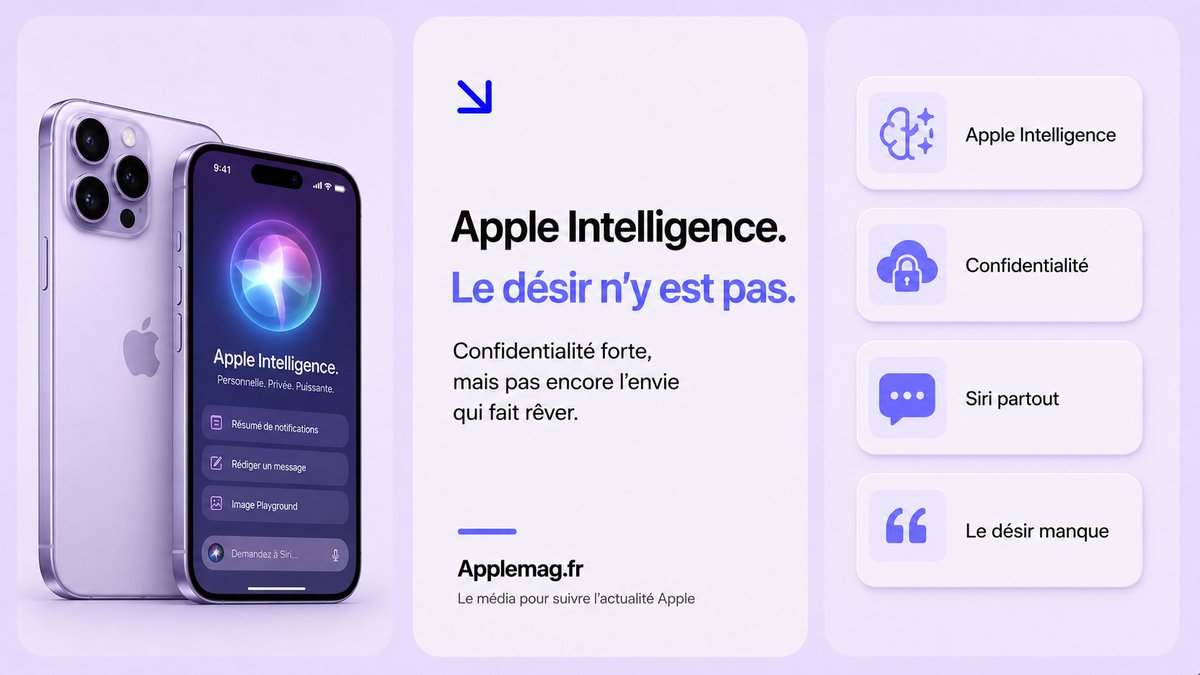
Apple Intelligence existe depuis 2 ans.
Et cette WWDC était censée être le moment où tout bascule.
Le partenariat avec Google sur Gemini. Le nouveau Siri. Les fonctions IA partout dans les apps.
Sauf que.
Ce qu'Apple présente aujourd'hui, ChatGPT le fait depuis 2023.
Ce que Siri promet, Google Assistant le livrait il y a 18 mois.
La promesse Apple c'est : "les mêmes choses, mais avec notre niveau de confidentialité."
C'est pas rien. Mais c'est pas suffisant pour créer l'envie.
Apple ne vend pas des fonctionnalités. Apple vend du désir.
Cette année, le désir n'était pas là.
Vous ressentez la même chose ou vous trouvez que je suis trop sévère ?
#AppleIntelligence #Siri #Apple #WWDC2026 #IA
2
1
102
13h
iOS 27の「空間リフレーム」、 最初は“AIで後から構図変える機能”くらいに思ってたけど、 これ実はかなり面白い。
“写真”というより“生成された画像”に近くなる瞬間もあるけど、 逆に「どう撮れば良い写真になるか」を学習できるのが興味深い。
AIが写真を奪うんじゃなくて、 “写真の感覚”を教えてくれる側になるの、 かなり未来感ある。
Appleらしい、 ただ便利にするだけじゃないアプローチだと思った。
#WWDC26 #iOS27 #AppleIntelligence #Apple #iPhone #AI #写真
Jun 13

iOS 27 Developer Betaの空間リフレーム機能。「写真か?画像か?」と言う視点で見るのは若干足りないと思いはじめた。
前半の空間認識はデバイス上で。構図を決めてからの画像生成はPrivate Cloud Computeで、という処理。
公式の作例と違って、周辺の画像が欠けている構図でトライすると、どうしても世界の裂け目が見えてしまう。
確かに後から構図が変えられる機能は写真ではなくて画像になってしまう。
しかしこの空間リフレームを使っていると、あらかじめ写真を撮影するときにどうすれば良い構図になるかを習得できる。
おそらく写真が上達すればだんだん使わなくなっていく機能になるんだろうな、と思った。
とても教育的な機能だと思う。人類が写真が上手くなれば、クラウドの演算能力も使わなくても、良い写真が溢れるようになる。
#WWDC26
85

13h
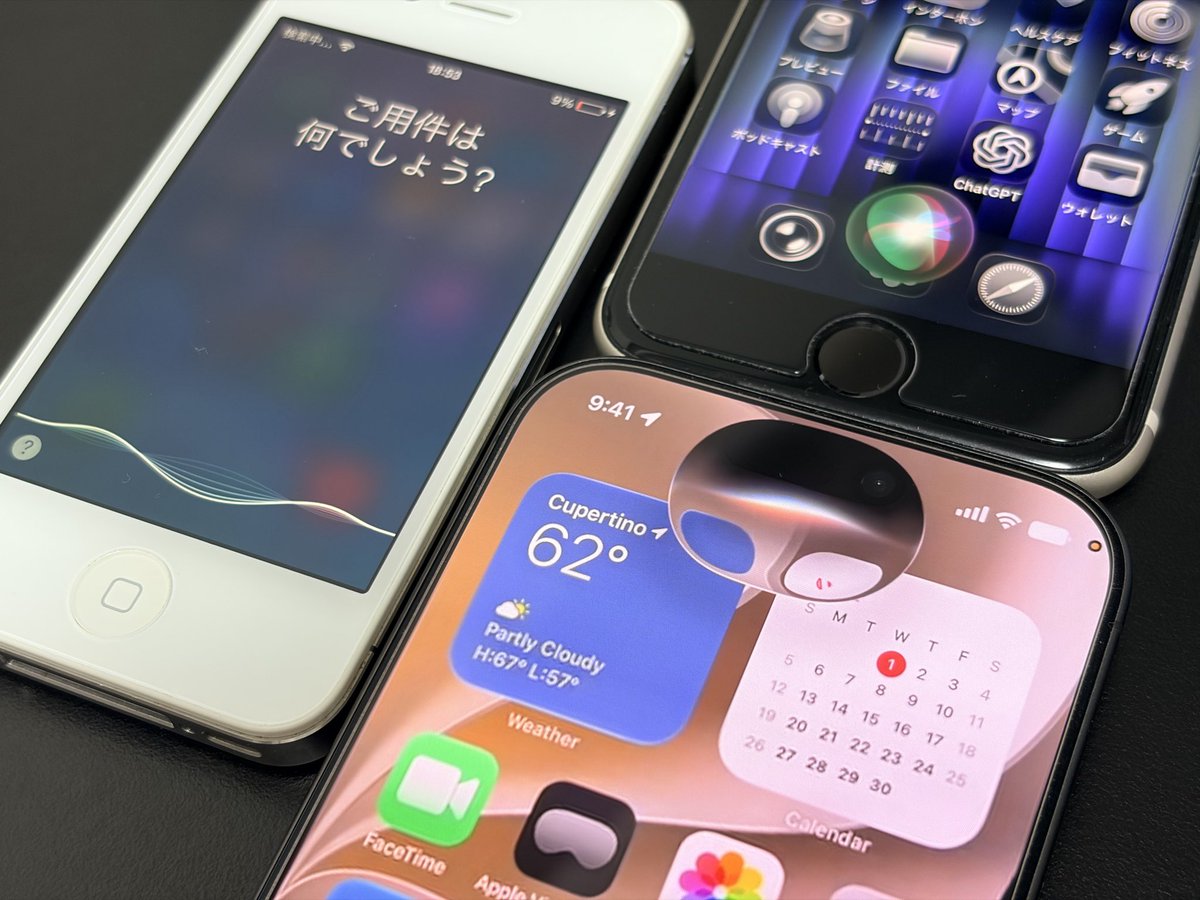
WWDC26で発表されたSiri AI、 “技術”だけじゃなく 各国の法律や規制まで影響してるの興味深い。
EUではDMAやプライバシー規制の関係で Apple Intelligence展開が難しいって話もあるけど、 逆に日本は導入余地があるの面白い。
AI時代って、 性能競争だけじゃなく 「どこの国で使えるか」まで重要になってきてる。
数年後、 国ごとにAI体験かなり変わりそう。
#WWDC26 #Apple #AppleIntelligence #Siri #AI #iOS27 #生成AI
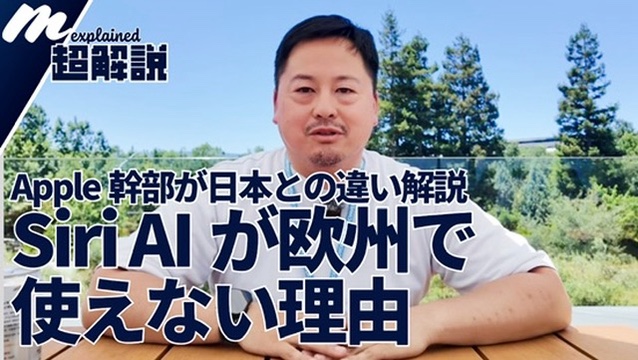
#WWDC26 を取材していて、かなり印象的だった話です。
WWDC26で発表されたSiri AI/Apple Intelligenceは、EUでは提供されない見通し。
なぜ日本では可能性があり、EUでは難しいのか。
DMA、スマホ新法、プライバシー、AI時代の競争政策を整理しました。
👇
120