
7.
b) The other reason why #Trump is showing impatience towards #Meloni:
to exert sustained pressure on Italy to achieve a goal the US has been working towards for the last 25 years: to push to revise #Article11 of Italy's pacifist #Constitution (Italy repudiates #war)
1
5
14
363
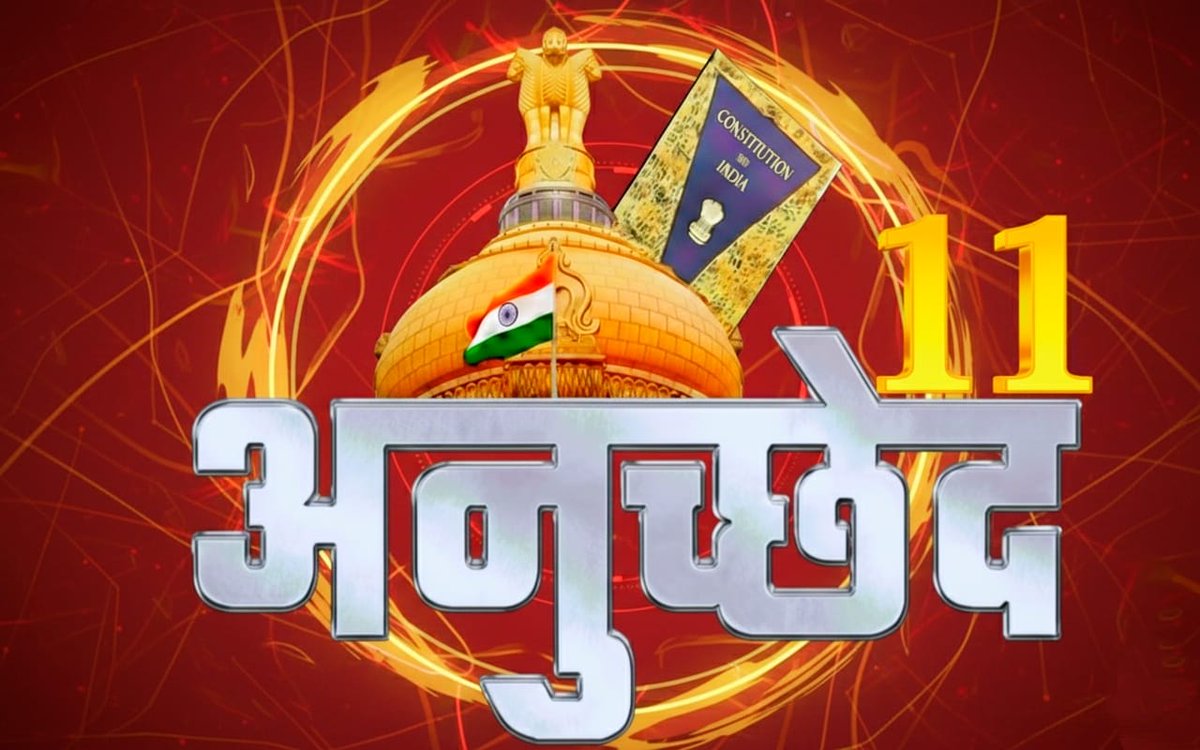
“भारतीय संविधान” का अनुच्छेद 11: ‘नागरिकता से जुड़ा सर्वोच्च अधिकार’ (Article-11)
#IndianConstitution #ReligiousFreedom #Article11 #FundamentalRights #SecularIndia #BharatSamvidhan #RightToReligion #IndiaUnityInDiversity #SamvidhanKiShakti #ConstitutionOfIndia
tothepointnews.in/article-11…
3
5
115,147

23 Dec 2025
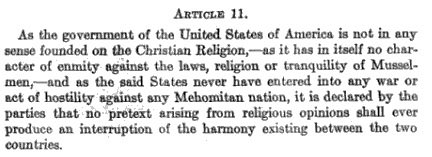
Not according to #Article11 of the #TreatyOfTripoli, ratified by Congress and signed by President John Adams in 1796.
Someone tell this airhead to read a real book instead of Truth Social posts from her yam-faced boss.
1
72

23 Dec 2025
Un député EELV lance une proposition de loi pour que le peuple ne puisse pas voter un changement de Constitution (par référendum, article11) !
✅Seuls, les élus pourraient changer la Constitution qui les encadre. Incroyable culot.

@DidierMaisto
⚠️ ALERTE : Proposition de loi const. veut rendre l'art. 89 EXCLUSIF pour réviser la Constitution, interdisant l'art. 11 !
cutt.ly/ats9ze3S
Adieu référendum direct pour un #Frexit ou sortie UE si votée.
@Houdiakova @AlexLanglois_ @PhilippeMurer
58
604
905
13,227

15 Nov 2025
“भारतीय संविधान” का अनुच्छेद 11: ‘नागरिकता से जुड़ा सर्वोच्च अधिकार’ (#Article11) tothepointnews.in/article-11… via @News2ThePoint
5
7
82

13 Nov 2025
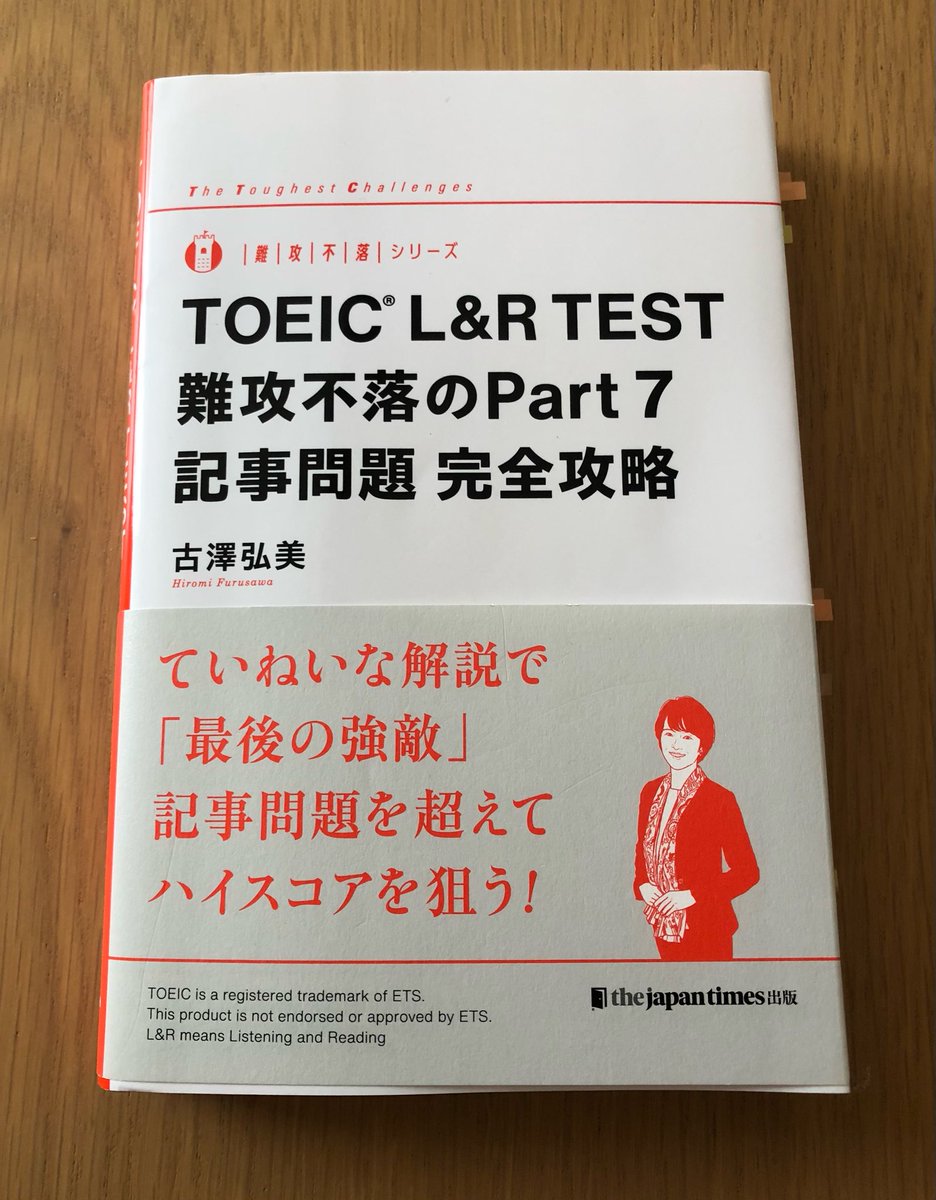
問題を解きながらArticle11まで読み進めました。記事読解に必要なポイントが丁寧にわかりやすく解説されていて、記事を読みながら具体的に「分詞による修飾」や「倒置」などを学ぶことができました😊
1
93
1,008
13 Nov 2025
“भारतीय संविधान” का अनुच्छेद 11: ‘नागरिकता से जुड़ा सर्वोच्च अधिकार’ (#Article11)
By - @ImSitaSahay
tothepointnews.in/article-11… via @News2ThePoint
5
7
99
13 Nov 2025
“भारतीय संविधान” का अनुच्छेद 11: ‘नागरिकता से जुड़ा सर्वोच्च अधिकार’ (Article-11)
#IndianConstitution #ReligiousFreedom #Article11 #FundamentalRights #SecularIndia #BharatSamvidhan #RightToReligion #IndiaUnityInDiversity #SamvidhanKiShakti #ConstitutionOfIndia
tothepointnews.in/article-11…
2
65

24 Oct 2025
Denial of Fair Process, Transparency, and Constitutional Safeguards
I wish to express my deep and continuing concern regarding the conduct of my case, the misuse of legislative provisions such as the Protected Disclosures (Amendment) Act, the introduction of last-minute evidence by the State, and the complete absence of independent media scrutiny. Collectively, these factors represent serious breaches of constitutional and human rights principles, undermining public confidence in the rule of law and the integrity of democratic institutions.
Although the Protected Disclosures framework was intended to protect individuals exposing wrongdoing, in practice it has operated to silence and marginalise me. Its procedural flaws denied me meaningful access to justice and the protections it was meant to guarantee. The State introduced evidence at the eleventh hour, depriving me of the opportunity to review or respond — in direct contravention of the principles of equality of arms, fair procedure, and natural justice.
Of particular concern is the treatment of the Byrne case. This case was introduced only after my case had formally closed, without notice or opportunity for response, and was then used selectively and unfavourably against me in the final judgment. The Byrne case involved a key constitutional issue common to both proceedings — namely, undue and unprecedented interference in the voting rights of county councillors, who were placed under improper political pressure to block all independent candidates from nomination. This interference strikes at the heart of Article 28.1 of the Irish Constitution, which protects democratic governance, collective responsibility, and institutional independence. It also undermines the constitutional safeguards surrounding the two distinct routes to presidential nomination, which exist precisely to prevent political parties in government from exercising exclusive control over that process.
Despite the profound constitutional implications of these matters, none of this was reported by the media. No journalists attended the critical leave hearing or any subsequent proceedings, and the press merely reproduced the outcome of the judgment without reference to the underlying facts, evidence, or procedural irregularities. This has resulted in a distorted public record, erasing key constitutional issues from view and shielding serious democratic concerns from public scrutiny. The absence of media presence throughout the case gives the appearance of a de facto media blackout, undermining open justice and the public’s right to know.
These cumulative irregularities — including the last-minute introduction of evidence, the selective use of precedent after the case had closed, and the total absence of journalistic oversight — amount to multiple breaches of domestic, European, and international legal standards, including:
Article 6 of the European Convention on Human Rights (ECHR) – the right to a fair and public hearing by an independent and impartial tribunal;
Article 10 ECHR – the right to freedom of expression and the public’s right to receive information, including judicial transparency;
Articles 41 and 47 of the EU Charter of Fundamental Rights – the right to good administration, reasoned decision-making, and an effective remedy before an impartial tribunal;
Article 11 of the EU Charter – the right to freedom of expression and media pluralism;
Directive (EU) 2019/1937 (EU Whistleblowing Directive) – guaranteeing protection for individuals making disclosures in the public interest, access to justice, and freedom from retaliation or suppression; and
Article 28.1 of the Irish Constitution, which safeguards democratic governance and institutional independence from undue political influence.
Taken together, these failings constitute a serious breach of fair process, democratic accountability, and constitutional integrity. The selective post-closure introduction of the Byrne case, its misuse in the judgment, and the total media silence surrounding these developments have deprived the public of transparency and denied me the procedural fairness guaranteed under both Irish and European law.
This situation reflects a broader pattern of institutional bias, procedural concealment, and suppression of truth, which undermines not only individual justice but also public confidence in the independence of Ireland’s judicial and political systems.
#AccessToJustice #FairTrial #OpenJustice #RuleOfLaw #MediaFreedom #TransparencyMatters #EqualityOfArms #WhistleblowerProtection #DemocraticIntegrity #InstitutionalBias #ConstitutionalBalance #EUCharter #ECHR #Article6 #Article10 #Article11 #Article41 #Article47 #Article28_1 #TruthAndAccountability
1
3
92
24 Oct 2025
PRESS STATEMENT
Denial of Fair Process, Transparency, and Constitutional Safeguards
I wish to express my deep and continuing concern regarding the conduct of my case, the misuse of legislative instruments such as the Protected Disclosures (Amendment) Act, the introduction of last-minute evidence by the State, the selective use of precedent, and the complete absence of independent media scrutiny. Collectively, these factors represent serious breaches of constitutional and human rights principles, undermining public confidence in the rule of law and the integrity of democratic institutions.
Although the Protected Disclosures framework was designed to protect those who expose wrongdoing, it has instead operated in my case as a mechanism of obstruction. Its procedural deficiencies denied me meaningful access to justice and the very protections it was intended to guarantee. Evidence was introduced by the State at the last moment, depriving me of the opportunity to respond adequately, thereby breaching the principles of equality of arms and fair hearing.
Equally concerning is the selective reliance on the Byrne case, which was applied against me in a narrow and inconsistent manner, disregarding the shared constitutional issue at the heart of both cases. A key issue—previously raised and central to both matters—concerned unprecedented interference in the voting rights of county councillors, who were placed under improper pressure to block independent candidates from nomination. This interference directly undermines the constitutional balance envisaged under Article 28.1 of the Irish Constitution, which protects democratic governance and collective responsibility. It also affects the integrity of the two constitutional routes to presidential nomination, which exist precisely to ensure that political parties in government do not exercise sole control over the nomination process. The erosion of these checks and balances represents a serious threat to democratic pluralism and the separation of powers.
Despite the constitutional and public importance of these issues, they were entirely omitted from media coverage. No journalists attended or reported on the critical leave hearing, and subsequent reporting was limited to reproducing the judgment without any analysis, context, or scrutiny. The absence of media presence throughout the proceedings has created the appearance of a de facto media blackout, shielding the process from public accountability and distorting the public record. This lack of transparency has not only obscured the substantive issues at stake but has also prevented informed public oversight in a case that touches upon the foundations of democratic governance and institutional integrity.
The combination of these procedural failures, selective interpretation of law, and absence of public scrutiny constitutes a breach of multiple legal and constitutional guarantees:
Article 6 of the European Convention on Human Rights (ECHR), ensuring the right to a fair and public hearing within a reasonable time by an independent and impartial tribunal;
Article 10 ECHR, guaranteeing freedom of expression and the public’s right to receive information on matters of democratic accountability and judicial transparency;
Articles 41 and 47 of the EU Charter of Fundamental Rights, guaranteeing the right to good administration, reasoned decisions, and an effective remedy before an impartial tribunal;
Article 11 of the EU Charter, protecting freedom of expression and media pluralism;
Directive (EU) 2019/1937, the EU Whistleblowing Directive, which requires the protection of individuals who disclose wrongdoing and prohibits retaliation or obstruction of justice;
And Article 28.1 of the Irish Constitution, safeguarding democratic governance, institutional independence, and constitutional balance.
These violations, taken together, reveal a systemic failure of open justice, transparency, and democratic accountability. They suggest a troubling pattern of institutional bias, procedural irregularity, and media silence, all of which have the cumulative effect of concealing constitutional issues of national significance.
The denial of fair process, suppression of public scrutiny, and obstruction of truth not only infringe my personal rights but also erode the very principles upon which a democratic society is founded.
#AccessToJustice #FairTrial #FreedomOfExpression #OpenJustice #RuleOfLaw #MediaFreedom #DemocraticIntegrity #EqualityOfArms #TransparencyMatters #WhistleblowerRights #GoodGovernance #EUCharter #ECHR #ProtectedDisclosures #Article6 #Article10 #Article11 #Article41 #Article47 #Article28_1 #TruthAndAccountability
1
2
2
107

12 Jul 2025
They can proscribe groups. They can’t proscribe truth. I’m preparing to challenge this under the Human Rights Act. Let’s go.
#HumanRightsAct #Article10 #Article11 #PalestineAction #RightToProtest
2
8
530

24 Jun 2025
5
10
828

22 Jun 2025
BS. It falls under Article11 presidential powers. Do you really think an operation this sensitive is going to risk leaks through congress? 🤣🤣🤣
1
4
50

24 Apr 2025
Keep following, liking and retweeting, spread the message that we will not rest until cops have a choice on who gets the privilege of representing their views. 7/7
#BreakTheMonoploy
#Article11
1
4
325

17 Mar 2025
Prove he lied!!!
You have your head in the sand, Mark. You haven't been listening, bad boy.
XI.
Canada acceding to this confederation, and adjoining in the measures of the United States, shall be admitted into, and entitled to all the advantages of this Union; but no other colony shall be admitted into the same, unless such admission be agreed to by nine States.
Article11, November 5, 1777.
5
53

27 Jan 2025
Soporifique interview de #Bayrou sur @LCI
Aucun projet clair à part fermer la porte à un référendum sur l'#immigration car "l'#article11 de la constitution ne le permet pas".
Certes, mais le @Conseil_constit n'est pas compétent pour l'empêcher !
#Retailleau à la niche
1
4
468

7 Dec 2024
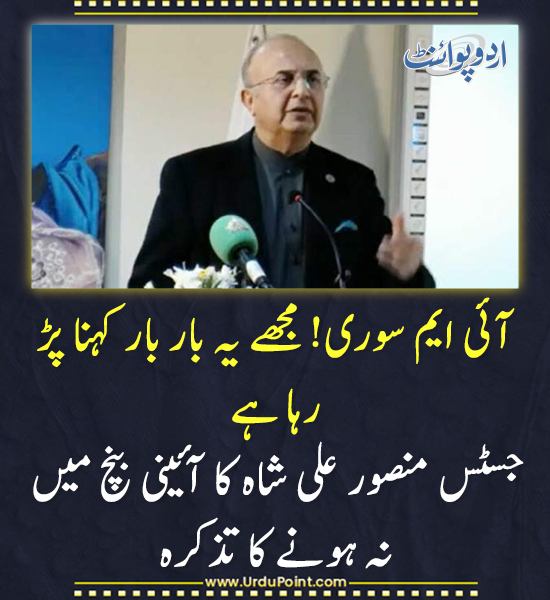
خبر کی مزید تفصیل جانئیے
urdupoint.com/n/4254835
#JusticeMansoorAliShah #ConstitutionalLaw #Article11 #PakistanJudiciary #Islamabad #LegalUpdates
21
205
1,985

7 Sep 2024
Dans mon tweet sur @ultiaa / @poncefleur j'avais pas fait attention mais une grande partie des commentaires intolérants, viennent beaucoup de la communauté LGBTQ
Je me suis demandé quel était le lien, entre Ultiaa (hétéro d'après google et ces itws) et cette communauté qui représente les autres sexualités que les hétéros justement.
En tombant sur une de ces interviews (pj), j'ai vu qu'elle se plaignait qu'on la considère trop comme une femme, et qu'elle aimerait qu'on la considère plus pour ce qu'elle FAIT. Ceci peut donner le lien, la défense de la femme dans un milieu qui leur semble misogyne, ok.
Je suis donc aller voir ces rediffs, car ceux qui me suivent le savent, j'ai un gros problème avec l'histoire mainstream que vendent certains streamers sur la misogynie sur Twitch ou meme sa sexualisation pour l'homme. Pourquoi ? Parce que ce sont les femmes qui ont amenés les plans webcam larges pour montrer leur corps, ce sont les femmes qui ont instrumentalisé leur expression de faciès pour jouer sur des connotations (Pokimane très forte la dedans) et ce sont les femmes qui ont amenés les bikinis et autre Amouranth dans le game, pas les hommes.
Les hommes, avant l'arrivé des femmes sur Twitch, se butaient sur LOL/SC2/CS et ils en avaient rien à foutre des femmes et du sexe quitte à rester puceau encore 5 ans.
Sachant que la vérité c'est que les premières streameuses (10 ans) étaient TOUTES des exs ou en couple avec les premiers gros streamers, et je n'ai jamais vu l'inverse se produire : Un homme devenir rentable/connu car il est porté par sa copine qui est une grosse streameuse.
Donc quand elle dit dans des interviews (en pj), que c'est compliqué d'être une femme dans le twitch game c'est étrange, car elle utilise les plans larges, et elle SERAIT avec un streamer plus gros qu'elle donc c'est bizzare, surtout que quand tu lis son interview en PJ ou meme quand tu regardes ces donations goal, madame ne fait que de parler de la femme ou d'elle, au lieu de placer la matière première les jeux vidéos, au centre de son stream/itw.
Mais si tu écris cela, tu te tapes la communauté LGBTQ , qui est d'une intolérance incroyable alors qu'elles demandent de la tolérance aux autres et qui protège une hétéro mais comme c'est une femme ca passe, vous m'appelez quand cette communauté défendra un hétéro homme (qui ne sort pas avec une Ultiaa ou une représente protégée bien sur)
Donc si on résume, les meme qui se servent en partie de la sexualisation s'en plaignent dès qu'ils estiment que ca dépasse les limites, comme si il fallait garder l'homme dans un carquoi de mec assez excité pour qu'il est envie de regarder une streameuse parce qu'il la trouve jolie mais qu'il s'emballe pas trop car tout c'est que du business pour kiffer un taf agréable. Faut arrêter maintenant.
Bref, je voulais l'écrire, car on a le droit d'exprimer son avis #article11 et non ce n'est pas du harcèlement ou que sais je, c'est la vie, partager, échanger, communiquer qui sont d'ailleurs les notions que prônent Ultiaa dans son itw, bref c'est le monde à l'envers, pour ca que je pense que jamais je ne remettrais ma photo de profile à l'endroit 😉
Pj : blogpeda.ac-poitiers.fr/cgsp…
7
18
4,220

12 Aug 2024
Imagine being so full of yourself and your censorship megalomania, that you are working against your own rulebook.
Btw, Orwell would be proud of your newspeak, you must be native.
#Article11 #DSA

12 Aug 2024

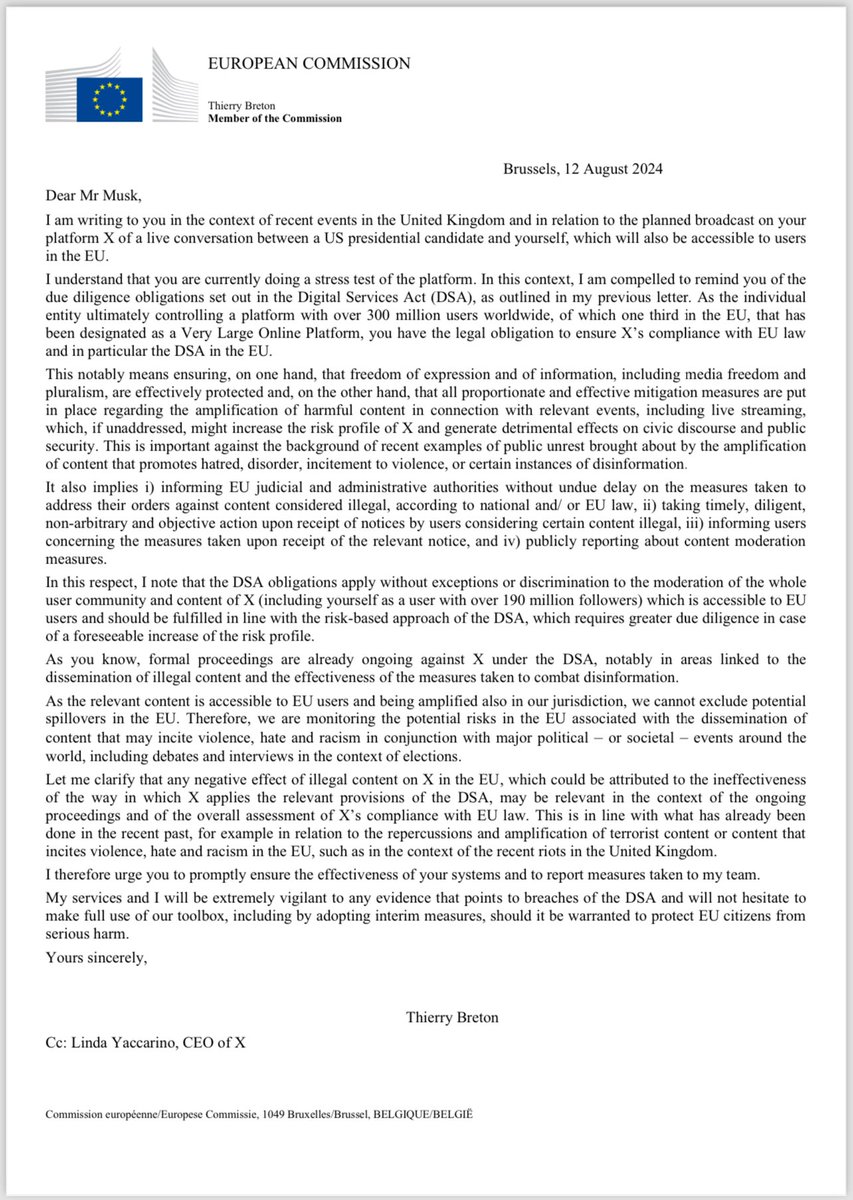
With great audience comes greater responsibility #DSA
As there is a risk of amplification of potentially harmful content in 🇪🇺 in connection with events with major audience around the world, I sent this letter to @elonmusk
📧⤵️
2
98

8 Aug 2024
🇫🇷 Peut-on utiliser l'article 11 pour réformer la France ? Donnez votre avis en commentaire ! @sergefederbusch @BOROWSKIMIKE
L'émission complète est ici : geopolitique-profonde.com/ar…
#France #GPTV #article11
1
3
7
1,570