
22 Mar 2025
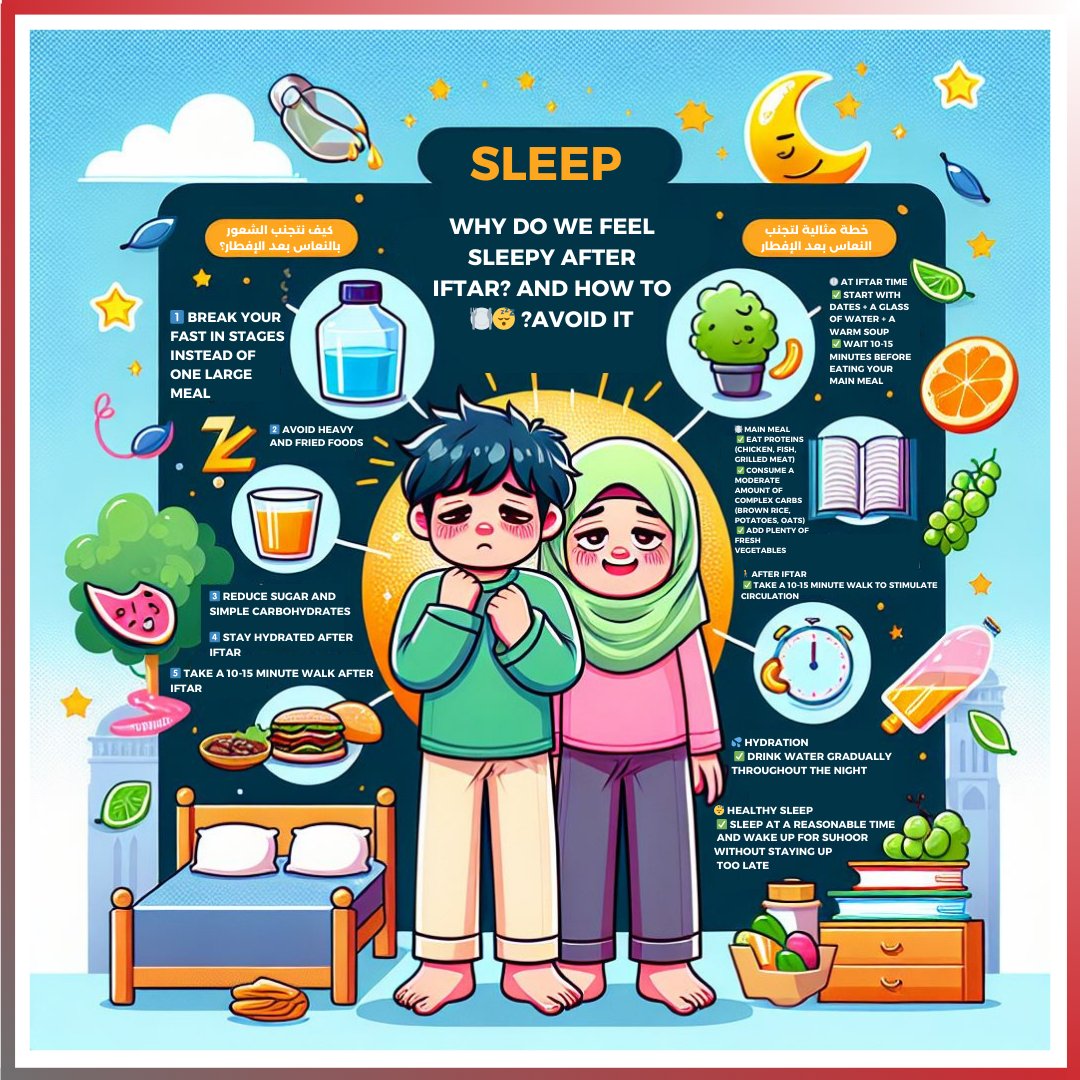
Why Do We Feel Sleepy After Iftar? And How to Avoid It? 😴🍽️
Have you ever felt an overwhelming urge to sleep right after breaking your fast in Ramadan? 🤔 This is a common issue among fasting individuals and is caused by several factors, including food choices, portion sizes, blood sugar fluctuations, and how the digestive system reacts after long fasting hours.
In this article, we will explore the reasons behind post-Iftar drowsiness and how to prevent it, so you can stay active and make the most of your time during Ramadan.
---------------------
🔹 First: Why Do We Feel Sleepy After Iftar?
Several factors contribute to post-Iftar fatigue, including:
1️⃣ Rapid Rise and Drop in Blood Sugar Levels
- During fasting, blood sugar levels gradually decline. When you eat a meal rich in carbohydrates and sugars, blood sugar spikes suddenly.
- Soon after, the body releases a large amount of insulin, causing a rapid drop in blood sugar, leading to fatigue and sleepiness.
2️⃣ Increased Blood Flow to the Digestive System
- After long fasting hours, the body requires significant energy to digest food, which leads to increased blood flow to the stomach and intestines at the expense of the brain and muscles, making you feel drowsy.
3️⃣ Eating Heavy and Fatty Meals
- Consuming fried and high-fat foods forces the digestive system to work harder, causing sluggishness after eating.
- Fatty foods take longer to digest, leading to higher energy consumption and making you feel tired.
4️⃣ Dehydration and Lack of Water
- Not drinking enough fluids during fasting hours affects blood circulation and energy levels, increasing post-Iftar drowsiness.
- Dehydration makes the blood thicker, slowing oxygen delivery to the brain, resulting in fatigue and sleepiness.
5️⃣ Overeating in One Sitting
- Eating a large meal all at once causes rapid stomach expansion, sending signals to the brain that lead to a feeling of fullness and tiredness.
- A full stomach triggers the release of hormones like leptin, which promote satiety and drowsiness.
6️⃣ Lack of Proper Sleep and Irregular Sleep Patterns
- Staying up late and waking up early for Suhoor leads to insufficient sleep, making you feel drained after Iftar.
- Irregular sleep disrupts melatonin production, making your body more prone to sleepiness at the wrong times.
---------------------
🔹 Second: How to Avoid Feeling Sleepy After Iftar?
Fortunately, there are many ways to reduce post-Iftar drowsiness and stay energetic, including:
✅1️⃣ Break Your Fast in Stages Instead of One Large Meal
- The best way to avoid post-Iftar sleepiness is by dividing your meal into two smaller portions.
- Start with dates, water, or a light soup, then wait 10-15 minutes before eating the main meal.
- This approach prevents a sudden rise in blood sugar and reduces strain on the digestive system.
✅2️⃣ Avoid Heavy and Fried Foods
- Replace fatty and fried foods with light, balanced meals containing protein, complex carbohydrates, and fiber.
- Best choices:
✅ Grilled chicken or fish instead of fried options.
✅ Brown rice or baked potatoes instead of white rice and fried foods.
✅ Fresh salads and vegetables to aid digestion and prevent sluggishness.
✅3️⃣ Reduce Sugar and Simple Carbohydrates
- Avoid consuming sugary desserts immediately after Iftar, as they cause a quick blood sugar spike followed by a crash, making you feel sleepy.
- Opt for healthier sweets like fruit, dates, or oatmeal-based desserts.
✅4️⃣ Stay Hydrated After Iftar
- Make sure to drink 8-10 cups of water between Iftar and Suhoor to replenish lost fluids.
- Proper hydration improves blood circulation and prevents fatigue.
✅5️⃣ Take a 10-15 Minute Walk After Iftar
- Engaging in light movement after Iftar helps boost blood circulation and prevent drowsiness.
- Walking aids digestion and reduces stomach pressure.
✅6️⃣ Get Quality Sleep at Night
- Aim for 7-8 hours of sleep per day to maintain energy levels.
- Avoid staying up too late to ensure you remain active after Iftar the next day.
✅7️⃣ Choose Refreshing Drinks Over Stimulants
- Avoid coffee and strong tea immediately after Iftar, as they can cause dehydration and disturb sleep.
- Try:
✅ Lemon and mint-infused water 🍋🌿
✅ Herbal teas like chamomile or ginger ☕
✅ Natural juices with no added sugar
---------------------
🔹 Third: The Best Plan to Avoid Post-Iftar Drowsiness
🕕 At Iftar Time
✅ Start with dates a glass of water a warm soup
✅ Wait 10-15 minutes before eating your main meal
🍽️ Main Meal
✅ Eat proteins (chicken, fish, grilled meat)
✅ Consume a moderate amount of complex carbs (brown rice, potatoes, oats)
✅ Add plenty of fresh vegetables
🚶 After Iftar
✅ Take a 10-15 minute walk to stimulate circulation
💦 Hydration
✅ Drink water gradually throughout the night
😴 Healthy Sleep
✅ Sleep at a reasonable time and wake up for Suhoor without staying up too late
---------------------
🔹 Conclusion: How to Avoid Feeling Sleepy After Iftar?
✨ Follow these simple steps:
✅ Break your fast gradually, not all at once
✅ Avoid heavy, fried foods that slow digestion
✅ Reduce sugar and simple carbohydrate intake
✅ Drink enough water after Iftar
✅ Engage in light activity like walking
✅ Ensure you get proper sleep and avoid staying up too late
💡 By adopting these healthy habits, you will feel more energized after Iftar and make the most of your time during Ramadan!
#Ramadan #HealthyIftar #RamadanEnergy #AvoidFatigue #HealthyFasting #StayActive #RamadanWithoutSluggishness #RAITI #RAITI_Medical
---------------------
References
pubmed.ncbi.nlm.nih.gov/1275…
qoala.my/en/blog/news/ramada…
1
2
74
8 Mar 2025
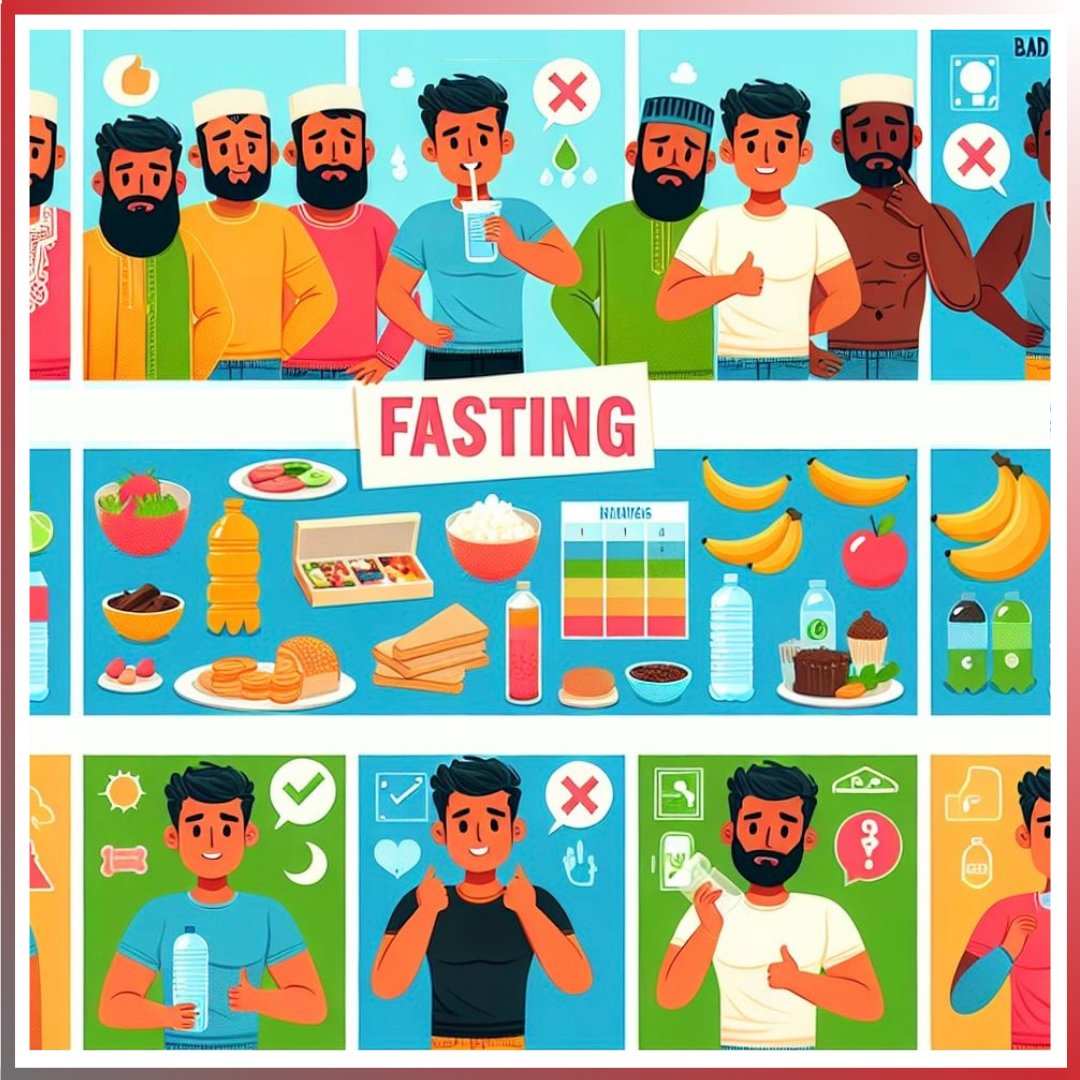
The most common mistakes that reduce fasting quality and affect energy levels – and how to avoid them 🛑
Fasting offers numerous health and spiritual benefits, but certain bad habits can reduce its effectiveness and negatively impact energy levels and overall well-being. Many people make mistakes during suhoor, iftar, or fasting hours, leading to fatigue, dehydration, excessive hunger, and even weight gain.
In this article, we’ll discuss the most common fasting mistakes and how to avoid them to maximize the physical and mental benefits of fasting.
---------------------
🔴 First: Common Mistakes During Suhoor 🥣
1️⃣ Skipping Suhoor or Eating Too Early
Some believe that skipping suhoor helps reduce hunger, but it actually leads to lower energy levels during the day.
Eating suhoor too early causes the body to deplete its energy reserves quickly.
✅ Solution:
Make sure to eat suhoor as late as possible, just before Fajr.
Focus on protein- and fiber-rich foods like eggs, oats, fruits, and nuts to stay full and energized.
2️⃣ Consuming Sugary and Refined Carbohydrates 🍞🍩
Eating too much white bread, pastries, and sweets causes a rapid spike in blood sugar, followed by a sharp drop, leading to hunger and fatigue.
✅ Solution:
Replace refined carbohydrates with whole grains like oats, whole wheat, and quinoa.
Choose natural sugar sources, such as fruits, instead of processed sweets.
3️⃣ Not Drinking Enough Water 💧
Dehydration leads to headaches, fatigue, and low energy throughout the day.
Drinking large amounts of water at once isn’t effective; hydration should be gradual.
✅ Solution:
Drink 2-3 cups of water at intervals during suhoor.
Eat water-rich foods like cucumbers, yogurt, and watermelon.
Avoid caffeinated drinks like coffee and tea, which increase water loss.
---------------------
🔴 Second: Common Mistakes During Fasting Hours ☀️
4️⃣ Lack of Physical Activity and Prolonged Sitting 🛋️
Being inactive slows down metabolism and causes sluggishness.
✅ Solution:
Take a 15-20 minute walk in the late afternoon to boost circulation.
Do light stretching or yoga to stay active.
5️⃣ Excessive Sun Exposure and Dehydration 🌞
Spending too much time in the sun increases fluid loss, causing fatigue and dehydration.
✅ Solution:
Stay in cool, shaded areas, especially during midday.
If you must be outside, wear light clothing and a hat for protection.
---------------------
🔴 Third: Common Mistakes at Iftar 🍽️
6️⃣ Eating Large Portions All at Once
Consuming a heavy meal immediately after Maghrib overloads the digestive system, leading to bloating and sluggishness.
✅ Solution:
Start with dates and water, then wait 10-15 minutes before having your main meal.
Begin with soup and salad before moving on to heavier dishes.
7️⃣ Eating Too Many Fried and Fatty Foods 🍟
Fried foods and unhealthy fats cause digestive issues and weight gain, and they increase cholesterol levels.
✅ Solution:
Opt for grilled, steamed, or baked foods instead of fried ones.
Use healthy oils, such as olive oil, instead of hydrogenated fats.
8️⃣ Drinking Too Much Water or Cold Drinks at Once 🥤
This can cause stomach discomfort and poor digestion.
✅ Solution:
Sip water gradually instead of drinking large amounts all at once.
Avoid carbonated drinks and sugary juices, which cause bloating and digestive issues.
---------------------
🔴 Fourth: Common Mistakes After Iftar 🏃♂️
9️⃣ Avoiding Any Physical Activity After Iftar 🚶
Sitting for long periods after iftar leads to poor digestion and weight gain.
✅ Solution:
After iftar, take a 20-30 minute walk to aid digestion.
Light exercise after Taraweeh improves fitness and metabolism without overexerting the body.
🔟 Overindulging in Sweets and Sugary Drinks 🍰
Traditional sweets and sugary drinks cause rapid blood sugar spikes, followed by crashes, leading to fatigue.
✅ Solution:
Eat sweets in moderation, and choose healthier alternatives like dates or fruits.
Replace sodas with natural, unsweetened juices or fruit-infused water.
---------------------
✅ Summary: How to Make Your Fasting Healthy and Effective?
🔹 Don’t skip suhoor, and eat it late with protein- and fiber-rich foods.
🔹 Stay hydrated before Fajr and after Iftar to prevent dehydration.
🔹 Avoid excessive sugar and refined carbs to maintain stable energy levels.
🔹 Break your fast with dates and water, and eat in stages instead of consuming a large meal at once.
🔹 Reduce fried and fatty foods for better digestion and overall health.
🔹 Engage in light physical activity after Iftar to improve digestion and energy levels.
💡 By avoiding these mistakes and adopting healthy habits, you will feel more energized and active throughout Ramadan!
#HealthyFasting #FastingMistakes #RamadanNutrition #IntermittentFasting #HealthyLifestyle #RamadanKareem #DigestiveHealth #StayHydrated #AvoidFatigue #RAITI #RAITI_Medical
---------------------
References
eatingwell.com/article/76761…
drsumaiya.com/post/ramadan-n…
1
2
44

9 Sep 2024
Driving tired can be as dangerous as driving under the influence. Learn the risks and how to prevent fatigue to stay safe on the road. Read more about the dangers of driving tired and how to stay safe. ameriautotransport.com/#Road… #StayAlert #DriveSafe #AvoidFatigue



2
51

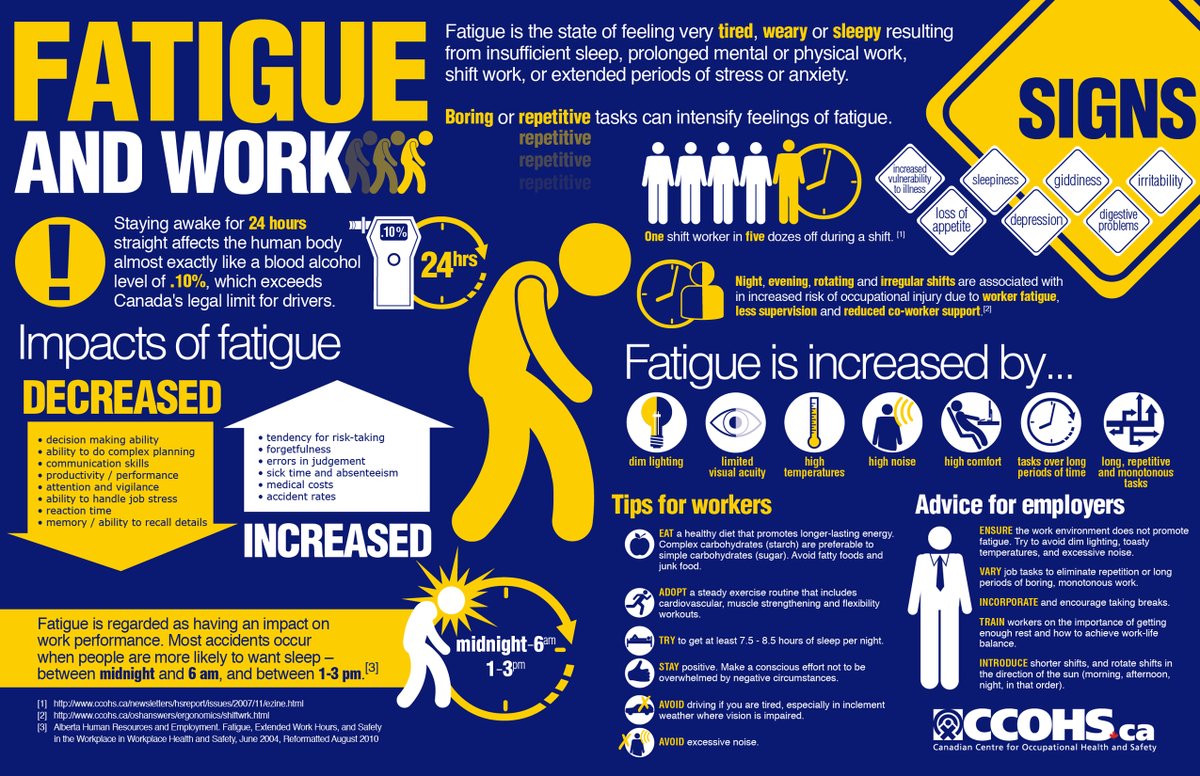
Did you know 24 hours without sleep has the same effect on the body as a blood alcohol level of .10%? Tips for workers on avoiding fatigue: ow.ly/T6NB50KT65A #AvoidFatigue #HealthyHabits #infographic
11
11
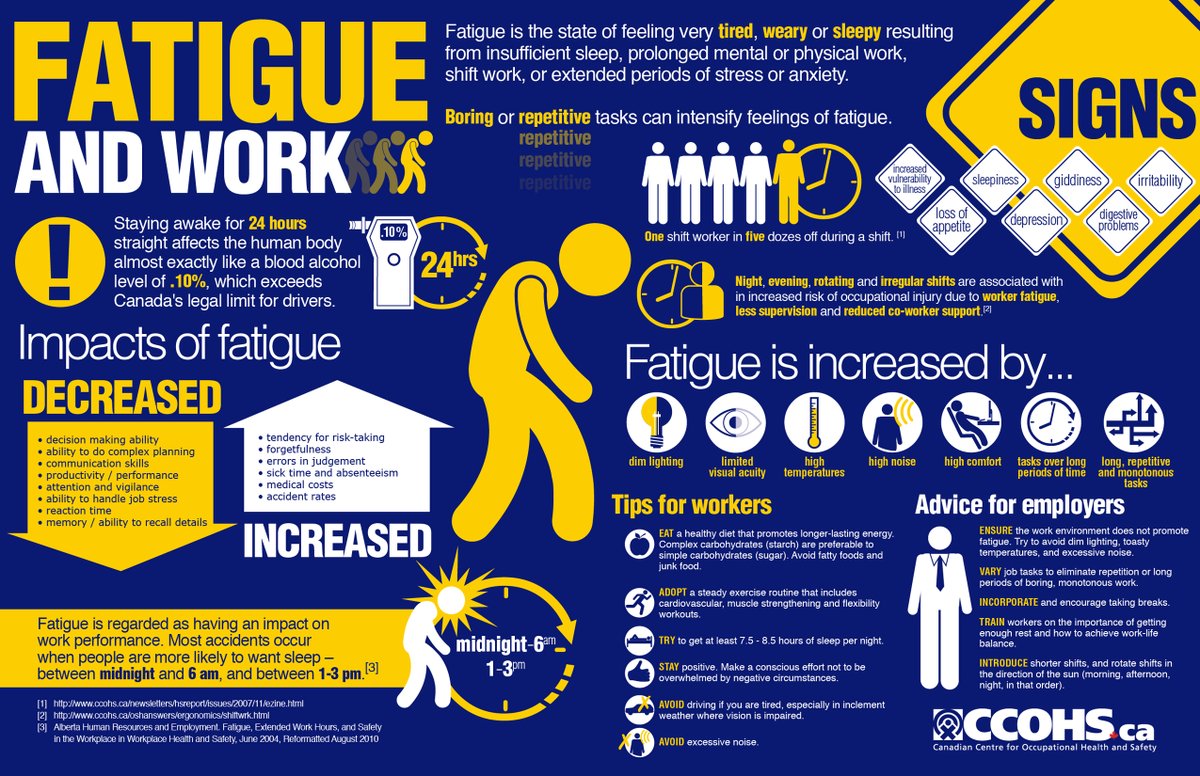
Did you know 24 hours without sleep has the same effect on the body as a blood alcohol level of .10%? Tips for workers on avoiding fatigue: ow.ly/r2qS50IiYxG #WorldSleepDay #AvoidFatigue #HealthyHabits #infographic
6
5

21 Oct 2020
2/8 #PlannedRest in any #personalisedRehab #journey involves learning to #plan to break days into bite sized chunks according to needs & opportunities of that day w an appropriate rest period as finishing point of each task to #avoidfatigue & #ensure #successful #taskcompletion
2
2

15 Oct 2019
Today is the day! 📱
We're proud to announce Version3 of our MacRail Systems app is now live.
Visit the Workforce app on GooglePlayStore now! Download it here ➡️ bit.ly/33yvjr2
#MacRailSystems #Fatigue360 #workplace #software #AvoidFatigue #FatigueRiskManagement
1
2

5 Oct 2019
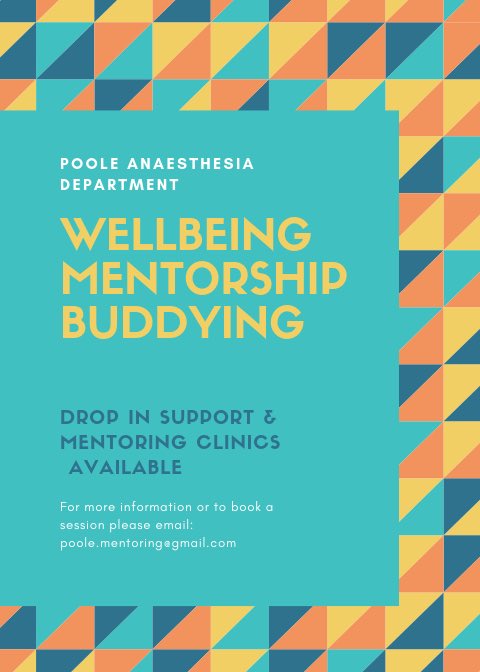
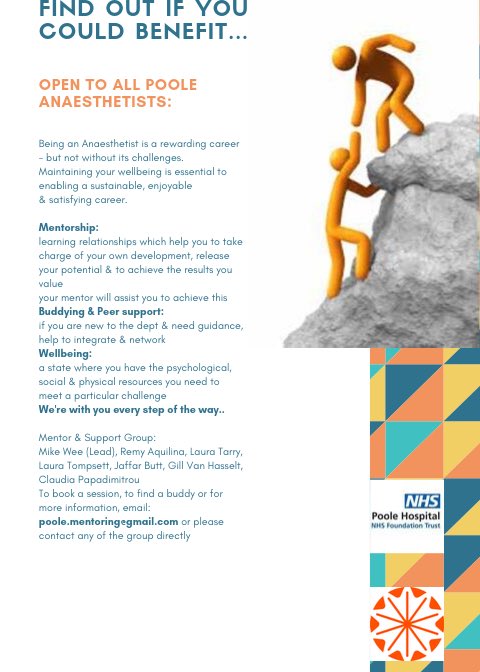
Passion for wellbeing & enthusiasm to make things better for patients, better for clinicians; creating better more sustainable careers& mindful work places..Project launching @Poole_Hospital @AAGBI #wellness #mentor #mindful #avoidfatigue #selfcare #transition #change #support
1
1

27 Jun 2018
It’s hot again folks! Don’t forget to drink plenty of water #stayhydrated #avoidfatigue #lookafteryourself
1
2

21 Apr 2018
Probably the biggest role. #avoidfatigue innovateperformance.com/blog…
21 Apr 2018

Fatigue surely has to play a huge role, as there is so much weightlifting and, at leasr in soccer, too many games and bad training periodization going ln
2
1
1
28 Jan 2018
Fatigue is a major contributing factor to most non contact injuries. Fresh athletes perform best, healthy teams win. #avoidfatigue bleacherreport.com/articles/…
29
39
6 Dec 2016
And fatigue also reveals poor quality of actions and increased susceptibility to injury. #avoidfatigue
5 Dec 2016

Fatigue & pressure will always reveal athletes character, hunger to succeed and ability to control emotions in adverse situations.
3
11

5 Dec 2014
“@RAF_SA: Government departments unite in the fight against road deaths. #AvoidFatigue #FestiveRoadSafety fb.me/1s5S7y6wQ”
1
4

29 Oct 2013
If you are tired stop at a designated rest area where it is safe to have a nap. #AvoidFatigue
3
2
28 Oct 2013
Long distance travelling can get very tiring, you should take a minimum 15 min break out of the car every two hours. #AvoidFatigue
27 Sep 2013
Make each journey an exciting one by stopping at different rest-stops to and from your holiday destination. #AvoidFatigue.
26 Sep 2013
#N3TC encourages road users to make frequent rest-stops so that you stay alert while driving. #AvoidFatigue.
1
1
24 Sep 2013
#N3TC encourages road users to make frequent rest-stops so that you stay alert while driving. #AvoidFatigue.
1
1
22 Sep 2013
Plan suitable rest-stops before your trip so that you can stay alert while driving. #AvoidFatigue
1
1