
May 21
Quick learning on Boolean Algebra!
Understand operations & expressions in a simple way.
🎥 Watch now: youtu.be/bl1kJeBZL6k
#BooleanAlgebra #MagicMarks #DigitalElectronics #EngineeringStudents #QuickLearning #BTech #OnlineLearning
6

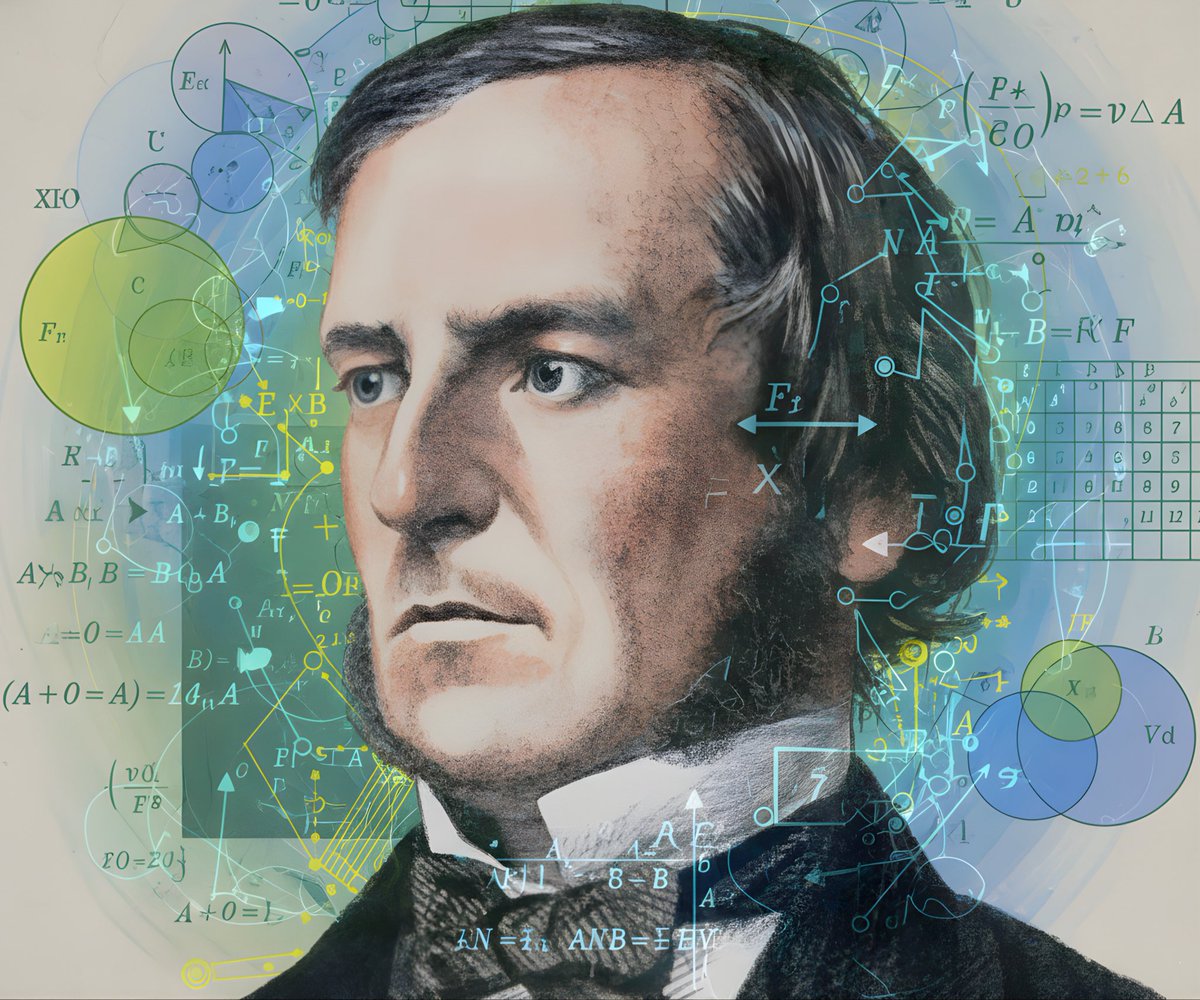
George Boole in his 1st book The Mathematical Analysis of Logic (1847), An Investigation… (1854). #Booleanalgebra has been fundamental in the development of #digital #electronics & is a basis in modern #programming #languages. #settheory #statistics en.wikipedia.org/wiki/Boolea…
1
35

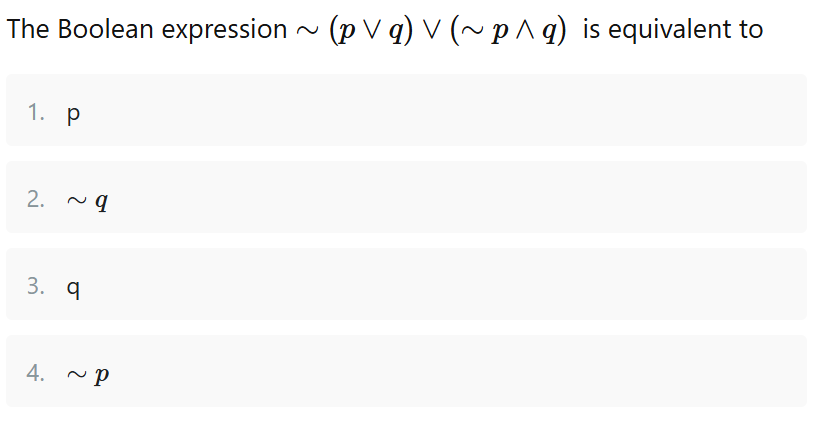
Crack this logic puzzle
Can you find the correct answer?
#LogicPuzzle #BooleanAlgebra #MathChallenge #BrainTeaser #LearnMath
2
145

Difference between digital and Analog signals #digitalsignal #analogsignals #booleanalgebra #naumancybernate
1
1
6

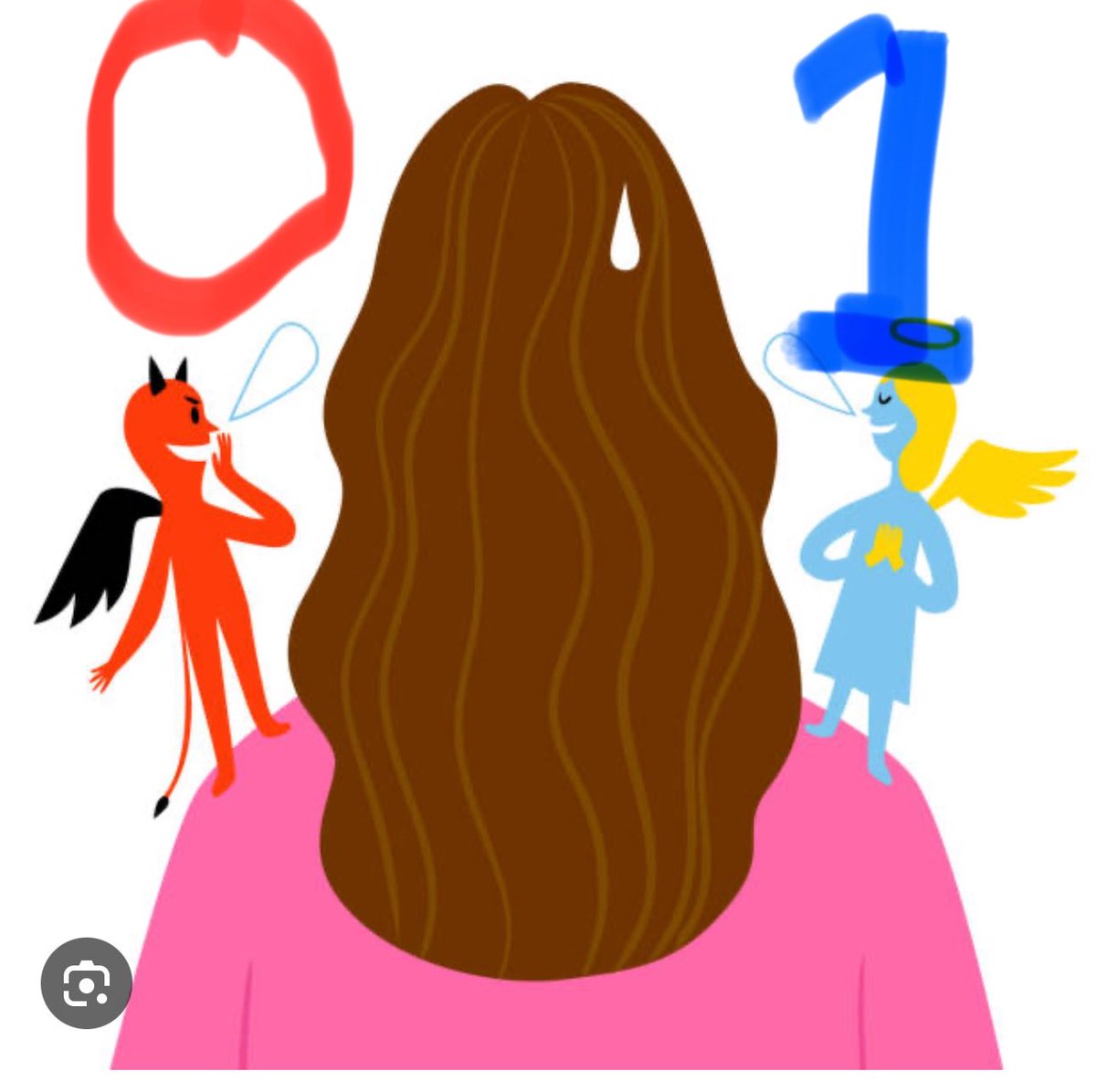
आपण शाळेत गणित शिकताना 'बायनरी नंबर सिस्टिम' (Binary Number System) शिकलो. '०' आणि '१' फक्त अंक नाहीत, तर ते 'तर्क' आहेत, हे जगाला पहिल्यांदा जॉर्ज बूल यांनी पटवून दिले. आणि त्यातून जन्म झाला #BooleanAlgebra चा.
1
1
27

@glennbeck & See, #GlennBeck? Maybes If i HAD Decided To Pursue The Subject i COULD Prove That It's a BooleanAlgebra Problem? But i DIDN'T So i CAN'T!
2

17 Dec 2025
George Boole, a 19th-century mathematician, laid the foundation for modern computing with his development of Boolean algebra, transforming human reasoning into mathematical logic.
1. **Background**: Boole aimed to formalize thought processes, inspired by philosophers like Aristotle. His 1854 work, "An Investigation of the Laws of Thought," created a mathematical system for reasoning.
2. **Propositions**: Boole focused on true/false statements and operations like AND, OR, and NOT. He quantified these using variables, treating them mathematically, which allowed complex reasoning to be simplified.
3. **Binary System**: Boole’s logic is binary; he represented "true" as 1 and "false" as 0, mirroring how we often make binary decisions. This 1/0 framework turned logic into computable math, enabling the tech behind modern computers.
#GeorgeBoole #BooleanAlgebra #Computing #Logic
21
14 Dec 2025
Heres knowledge they withheld from the education system.
🧵 How computers trace back to George Boole’s 19th-century work on human logic & propositions. A deep dive into binary roots with 1s and 0s. Let’s break it down step by step! #TechHistory #BooleanAlgebra
1/ George Boole, an English mathematician/logician, pioneered formalizing “laws of thought”—how humans reason & evaluate propositions (true/false statements). His 1854 book An Investigation of the Laws of Thought introduced Boolean algebra, turning logic into math.
2/ Boole studied propositions: declarative statements like “It is raining” (true or false, no gray areas). Human reasoning combines them via AND, OR, NOT. E.g., “Raining AND have umbrella” is true only if both are.
He assigned variables (x = raining, y = umbrella) & used algebra: AND as multiplication (x*y=1 if both true), OR as addition (with tweaks), NOT as 1-x.
3/ Key: It’s binary! True = 1 (affirmation, “on”), False = 0 (negation, “off”). Why? Simplifies logic to two states, like human binary decisions (guilty/not).
Truth table for AND:
•1 AND 1 = 1
•1 AND 0 = 0
•0 AND 1 = 0
•0 AND 0 = 0
All ops restricted to 0/1—no fractions. Makes reasoning calculable!
4/ Boole’s ideas weren’t for machines initially. In 1930s, Claude Shannon applied them to electrical circuits: Closed switch = 1 (current flows), Open = 0.
Gates: AND (series), OR (parallel), NOT (inverter). This enabled digital logic in early computers like ENIAC, building on Babbage’s concepts.
5/ Evolution to modern tech: Binary is core—data as 1s/0s (e.g., “A” = 01000001). CPUs use transistor gates for Boolean ops. Programming (if statements) reduces to this. AI extends it.
Without Boole, we’d lack digital precision!
Summary: Boole turned propositional logic into binary algebra (1=true/on, 0=false/off), paving way for circuits that “think.” From abstract math to your phone! Questions? #Computing #Logic
41

2 Nov 2025
On Nov 2, we honor George Boole, creator of Boolean algebra. He turned logic into 1s and 0s,laying the foundation for modern computing! 💻⚡#TechHistory #GeorgeBoole #BooleanAlgebra #Computing #STEM
3
30

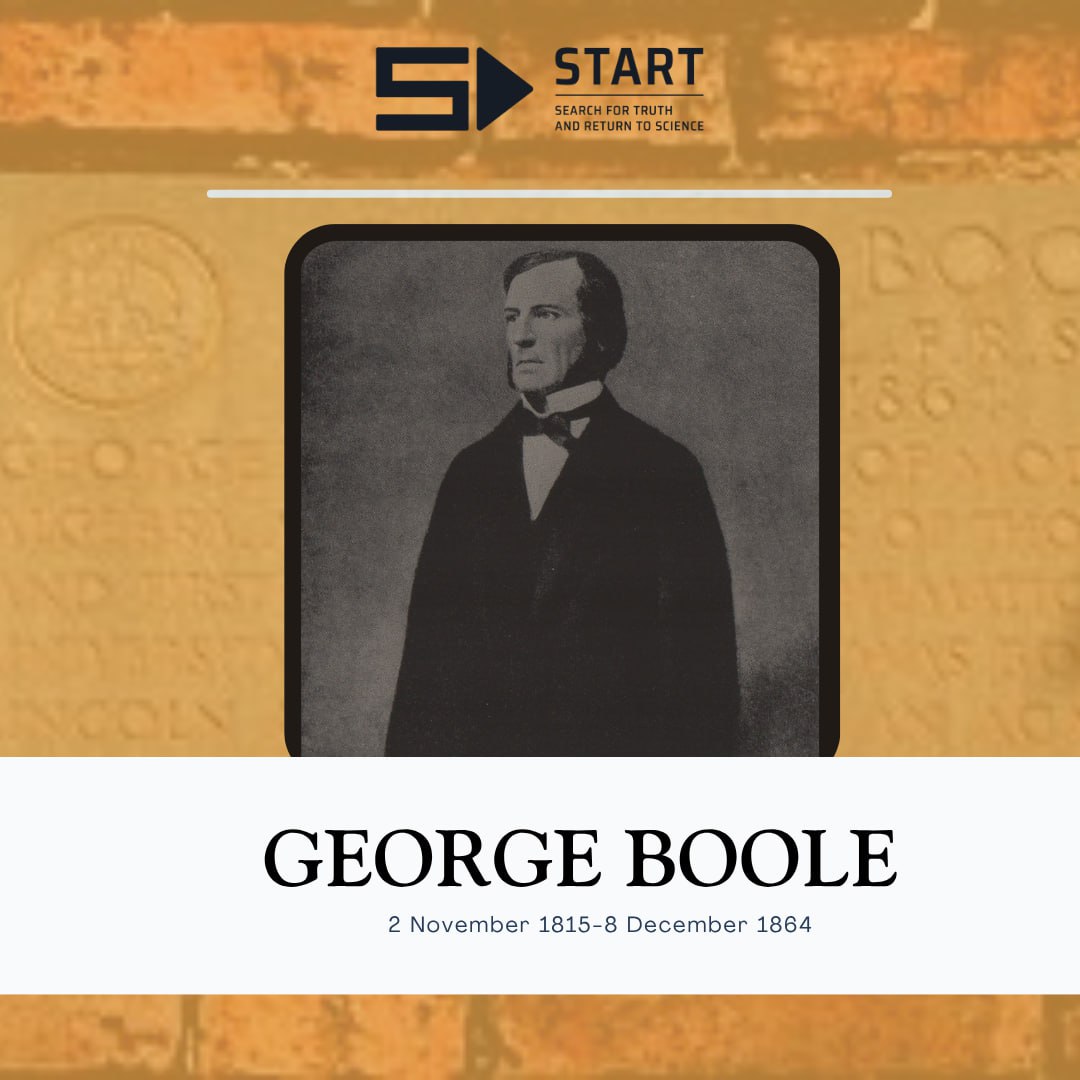
George Boole was a self-taught mathematician best known for Boolean Algebra which has been applied to the design of logic circuits with simple switches and control elements – the basis for computing systems.
@startoutreach
#GeorgeBoole #MathematicalLogic #BooleanAlgebra
19




18 May 2025
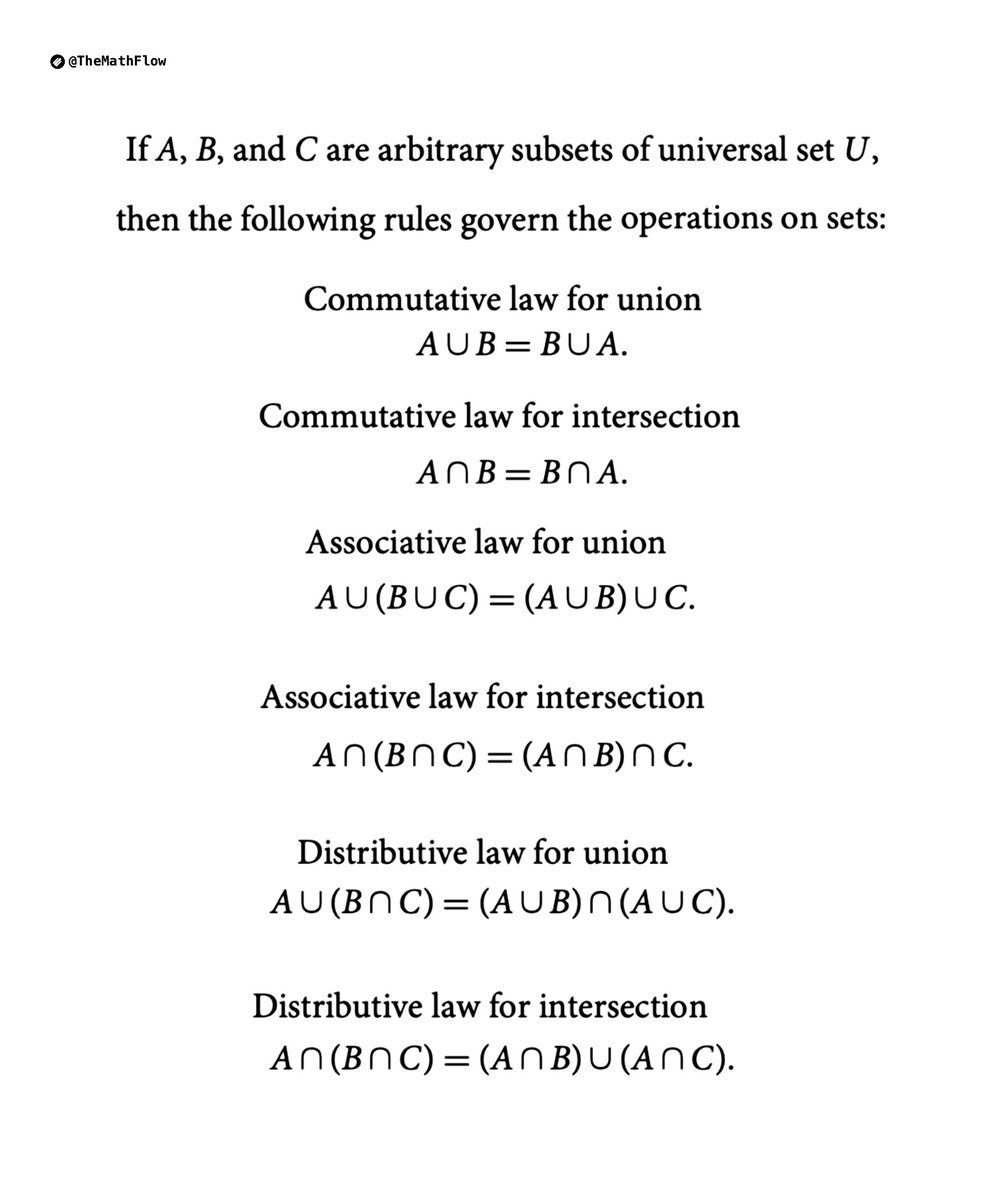
Boolean algebra is the backstage pass to every digital miracle you touch. 🔐⚡️ Truth tables— eight rows, three variables— demolish every commutative, associative, and distributive identity:
• A ∨ B = B ∨ A
• A ∨ (B ∨ C) = (A ∨ B) ∨ C
• A ∨ (B ∧ C) = (A ∨ B) ∧ (A ∨ C)
No hand-waving, no mysticism—just 1s and 0s lining up in perfect agreement.
Why care? Because those same identities slash gate counts in silicon, shrinking your phone’s logic from warehouse-sized mainframes to a sliver of 3-nm silicon. They rewrite SQL queries so databases answer in milliseconds instead of minutes. They’re the reason a JPEG decompresses instantly and why your router’s firewall rules don’t melt the CPU.
And Bitcoin? Pure Boolean ballet. 🟧 Every node audits a transaction with a checklist of ANDs & ORs: input unspent ∧ signature valid ∧ sum(inputs) ≥ sum(outputs). The order of checks? Irrelevant—commutativity guarantees the same verdict. Multi-sig scripts? Distributed law in action: (SigA ∧ KeyA) ∨ (SigB ∧ KeyB) refactors to cash-saving bytecode. Even SHA-256—mined trillions of times per second—leans on Boolean combinations honed by the same truth-table logic.
So when @TheMathFlow posts those dusty set-theory axioms, realize they’re the invisible gears of the entire cognitive economy. They make AI inference chips sip power, keep satellites in sync, and let 450 EH/s of hashpower agree on who owns which sats.
Math receipts over influencer vibes. Verify the rows, feel the certainty, then stack the knowledge like you stack sats—forever immune to hype, inflation, and copy-paste errors.
Commutative clarity. Associative assurance. Distributive dominance. That’s the real triple-halving. 🚀
#BooleanAlgebra #SetTheory #Bitcoin #ProofNotTrust

130

18 May 2025
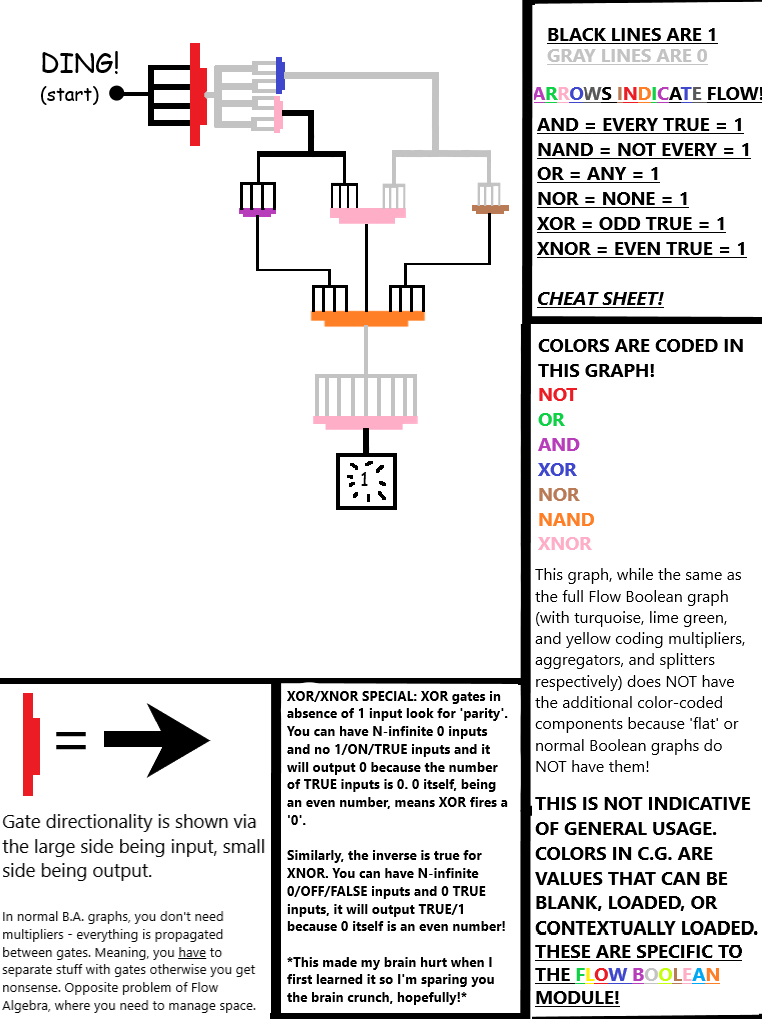
If you would actually believe it, this is the SAME output/input schema in 'normal' Boolean Algebra, as the Flow Boolean graph shown earlier.
Yes, it takes up much less space. But, 'flat' Boolean has its own issues that will be covered in TPM.
#Logic #Philosophy #BooleanAlgebra
62
17 May 2025
So I took down the prior Boolean Algebra graph after realizing that it had a couple problems that I needed to work out.
I realized in working it out that I had created something in Conceptual Geometry I'm calling Flow Boolean in The Philosopher's Map.
I'll put another up soon.
#Logic #Philosophy #BooleanAlgebra
30

27 Apr 2025
Paying tribute to George Boole, whose algebraic logic paved the way for the digital age. How does his legacy continue to influence modern computing? 💻 $AIMASTER #BooleanAlgebra @MathHistory
1
1
15
24 Mar 2025
Boolean algebra manages AI logic gates, essential for decisions. How do you implement Boolean logic? $AIMASTER #BooleanAlgebra #AIModelsInc
1
1
5