
🪥 जोर से ब्रश करना सफाई नहीं, नुकसान की निशानी हो सकता है।
अपने दांतों को प्यार से साफ करें, क्योंकि आपकी मुस्कान अनमोल है। 😊🦷
#DentalCare #BrushingTips #HealthyTeeth #DrGudiaDentalCare
19

theadc.dental/blogs/post/bru…
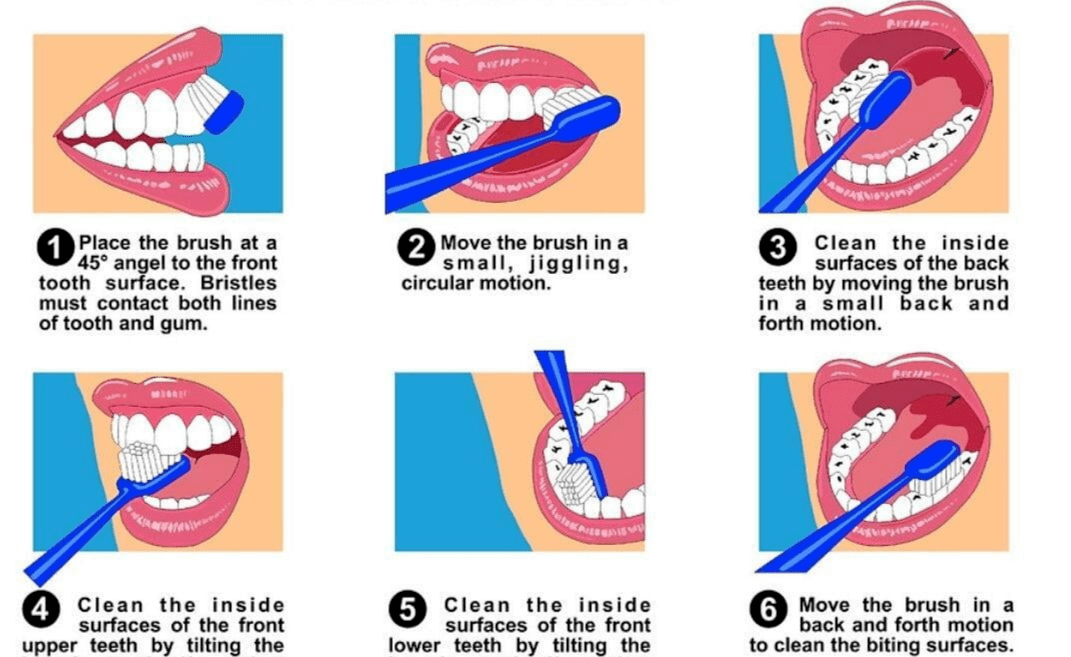
🪥 **Brushing the Right Way Matters!**
Healthy teeth start with proper brushing. Hold your toothbrush at a 45° angle, use gentle circular motions, and brush for 2 minutes twice a day.
#HealthySmile #BrushingTips #OralHealth #DentalCare #ADCDental
5

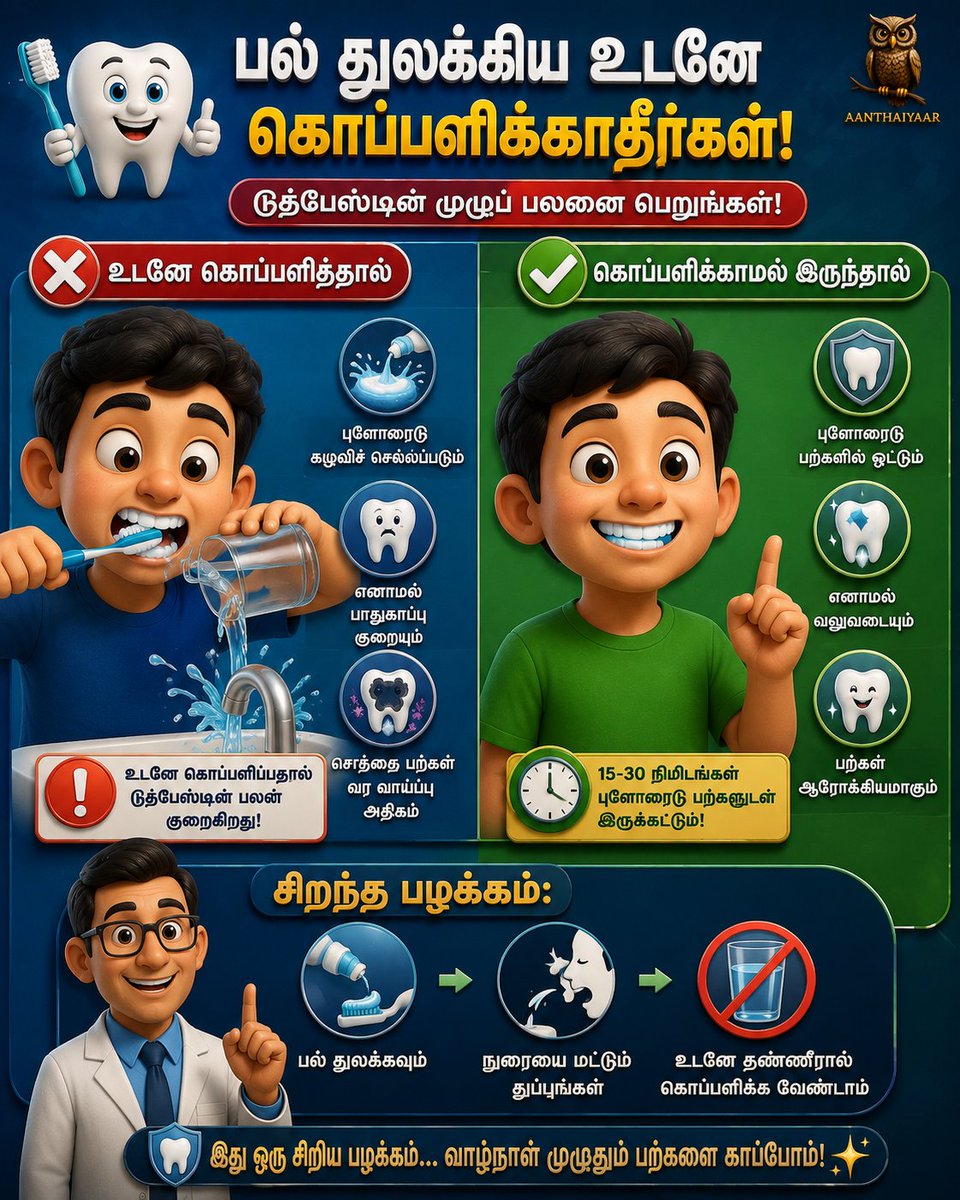
🦉நாம் தினமும் காலையில் பல் துலக்கிய உடனே வாயைக் கொப்பளிக்கும் வழக்கத்தைக் கொண்டிருக்கிறோம், ஆனால் அந்த எளிய பழக்கம் நாம் பயன்படுத்தும் டூத்பேஸ்ட்டின் முழுப் பலனையும் பற்களுக்குக் கிடைக்காமல் தடுத்துவிடுகிறது என்று பல் மருத்துவ நிபுணர்கள் புதிய அதிர்ச்சித் தகவலைத் தந்துள்ளனர்.
சமூக ஊடகங்களில் வைரலாகி வரும் 'பல் துலக்கிய உடனே வாயைக் கொப்பளிக்கக் கூடாது' என்ற ஆரோக்கியக் குறிப்பு குறித்துப் பல்வேறு பல் மருத்துவர்களிடம் ஆராய்ந்த போது, அதில் இருக்கும் அறிவியல் உண்மை பெரிய அளவில் உறுதி செய்யப்பட்டுள்ளது.
நாம் பொதுவாக இரண்டு நிமிடங்கள் பல் துலக்கிவிட்டு உடனே தண்ணீ ஊற்றி வாயைக் கொப்பளிக்கும் போது, பற்களைப் பாதுகாக்கும் 'புளோரைடு' (Fluoride) மற்றும் எனாமல் பழுதுபார்ப்பிற்கான வேதிப்பொருட்கள் அனைத்தும் பற்களில் ஒட்டாமல் உடனடியாகக் கழுவிச் செல்லப்படுகின்றன.
டூத்பேஸ்ட்டில் உள்ள புளோரைடு பற்களின் எனாமலை வலுப்படுத்தவும், சொத்தைப் பற்கள் வராமல் தடுக்கவும் குறைந்தது 15 முதல் 30 நிமிடங்கள் வரை பற்களின் மேற்பரப்போடு தொடர்பில் இருக்க வேண்டியது அவசியமாகும்.
நாம் சாப்பிட்ட பிறகு வாயில் சுரக்கும் அமிலங்களால் எனாமல் பலவீனமடையும் போது, இந்த புளோரைடு தான் பற்களை மீண்டும் பளபளப்பாக்கிப் பாதுகாக்கிறது என்பதால், பல் துலக்கியவுடன் வாயில் இருக்கும் கூடுதல் நுரை மற்றும் பேஸ்ட்டை மட்டும் துப்பிவிட்டு, உடனடியாகத் தண்ணீரால் வாயைக் கொப்பளிப்பதைத் தவிர்ப்பதே பற்களின் ஆரோக்கியத்திற்குச் செய்யும் மிக எளிய மற்றும் சிறந்த பழக்கமாற்றமாகும் என்று மருத்துவர்கள் பரிந்துரைக்கின்றனர்.
#DentalHealth #BrushingTips #ToothpasteFacts #FluorideProtection #OralHygiene #HealthyTeeth #DentistAdvice #பல்ஆரோக்கியம் #பல்மருத்துவகுறிப்பு #எனாமல்பாதுகாப்பு #புளோரைடு #ஆரோக்கியவாழ்வு #ஆந்தைரிப்போர்ட்டர்
1
1
49

May 6
બ્રશ કર્યા પછી પણ કેવિટી કેમ થાય છે? જાણો ડોક્ટરો પાસેથી સાચું કારણ
#DentalCare #Cavity #OralHealth #BrushingTips #HealthTips #DentistAdvice #HealthyTeeth
tv9gujarati.com/health/why-c…
125

Apr 30
Do you know the right way to brush your teeth?
Useful tips for maintaining good dental hygiene.
Find out the correct brushing technique from Dr. Ritu Duggal.
Watch the ‘Total Health’ podcast with @Bhawnayar, only on #DDNews.
🔗youtube.com/watch?v=wRIx-A5X…
#TotalHealthPodcastOnDD #BrushingTips #TeethCare #DentalCare
4
23
2,320

Apr 30
क्या आप दांत साफ करने का सही तरीका जानते हैं?
दांतों की अच्छी देखभाल के लिए उपयोगी टिप्स।
जानिए, डॉ. रितु दुग्गल से दांतों की सफाई का सही तरीका।
देखिए ‘टोटल हेल्थ’ पॉडकास्ट, भावना नैय्यर के साथ, सिर्फ डीडी न्यूज़ पर।
#TotalHealthPodcastOnDD #BrushingTips #TeethCare #DentalCare
youtube.com/watch?v=wRIx-A5X…
@Bhawnayar
1
39
108
3,739

Mar 10
Healthy teeth start with correct habits.
Most people think brushing is just moving a brush across their teeth. But there's a right way and a wrong way.
Watch these videos to learn the correct brushing technique, how to angle the brush, how to reach every surface, and how to stop scrubbing and start brushing smarter.
Precision brushing leads to better oral health. 🦷
#OralHealth #BrushingTips #HealthyTeeth #DentalCare
Mar 10

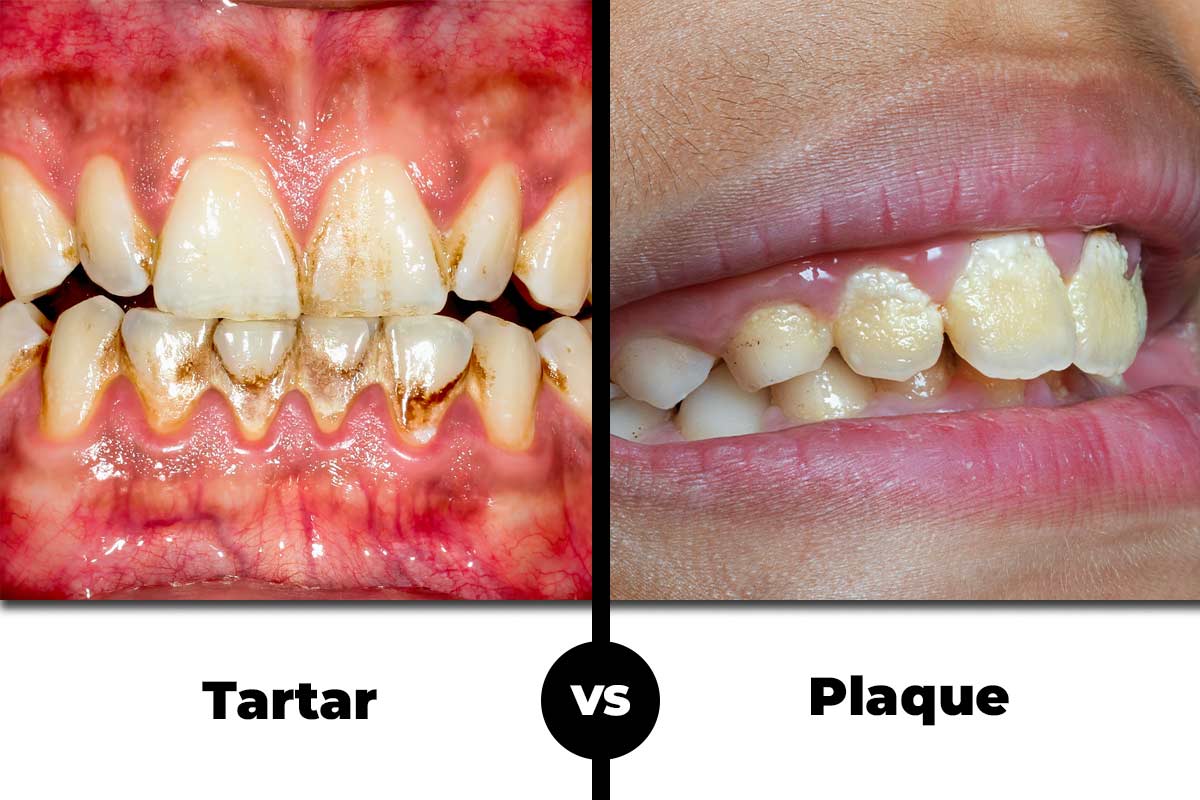
Oral Health: Plaque, Calculus, and What You Need to Know to Keep Your Teeth
Let's talk about something many of us ignore until it hurts, our teeth and gums.
You may have heard the words "plaque" and "calculus" before, but what do they actually mean? Why should you care about them? Let's break it down in simple terms.
Plaque vs Calculus: What's the Difference?
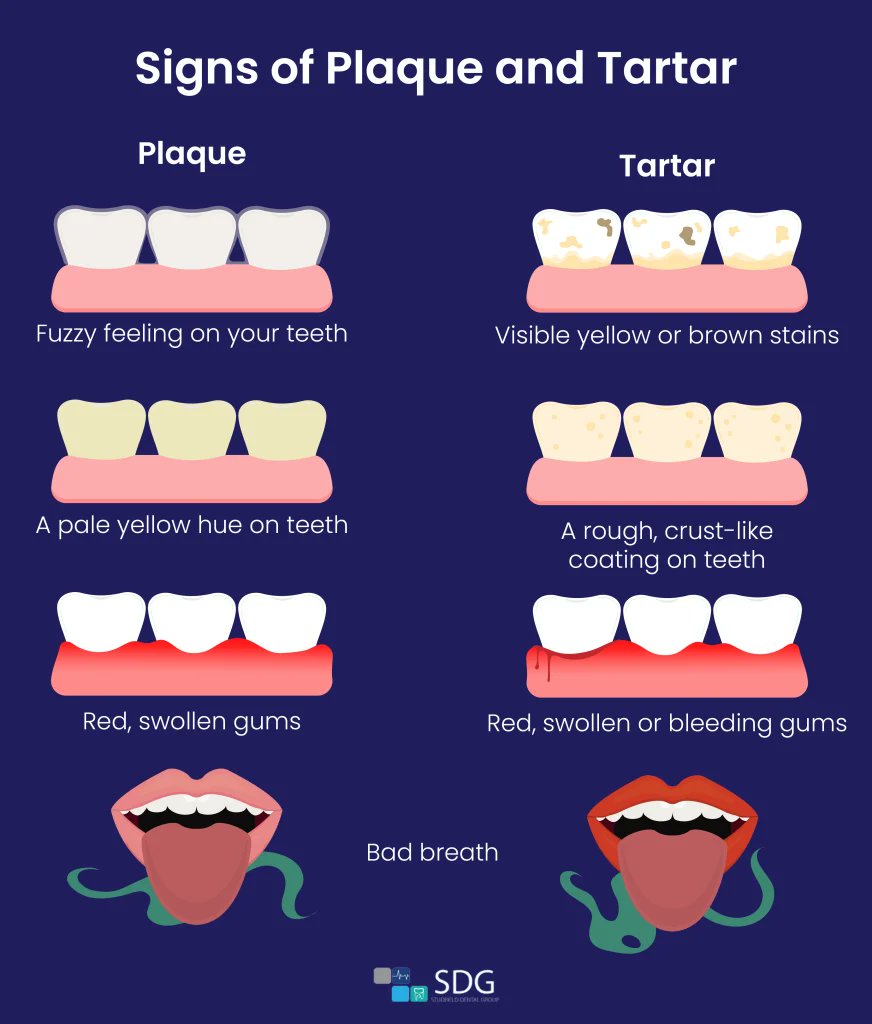
Plaque is that soft, sticky, fuzzy feeling you sometimes notice on your teeth, especially when you wake up or haven't brushed in a while. It is a film of bacteria that forms constantly on your teeth, mixing with the sugars and starches you eat.
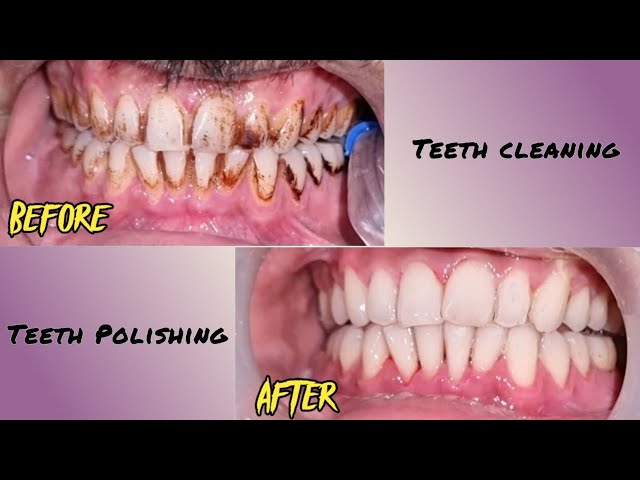
Calculus (also called tartar) is what happens when plaque stays on your teeth too long and hardens. This can start in as little as 24 to 72 hours. Once it hardens, you cannot remove it by brushing alone, it needs a dentist or dental professional to take it off.
What Happens If You Ignore Them?
When plaque and calculus are left on your teeth, the bacteria produce acids that attack your gums and enamel. This can lead to:
Gingivitis: Early gum disease. Your gums become red, swollen, and may bleed when you brush. The good news? This can be reversed with proper care.
Periodontitis: Advanced gum disease. The gums pull away from your teeth, forming pockets that trap more bacteria. Over time, the bone holding your teeth can be destroyed. This is hardly reversible.
Cavities: Holes in your teeth caused by acid eating away the enamel.
Bad breath (halitosis): That persistent smell that won't go away, no matter how much you brush, is often caused by bacteria building up.
Other health problems: Studies have linked gum disease to heart disease, diabetes, and even dementia. Your mouth is connected to the rest of your body.
How to Prevent Plaque and Calculus Buildup
The good news? Most of these problems are entirely preventable with a few simple habits:
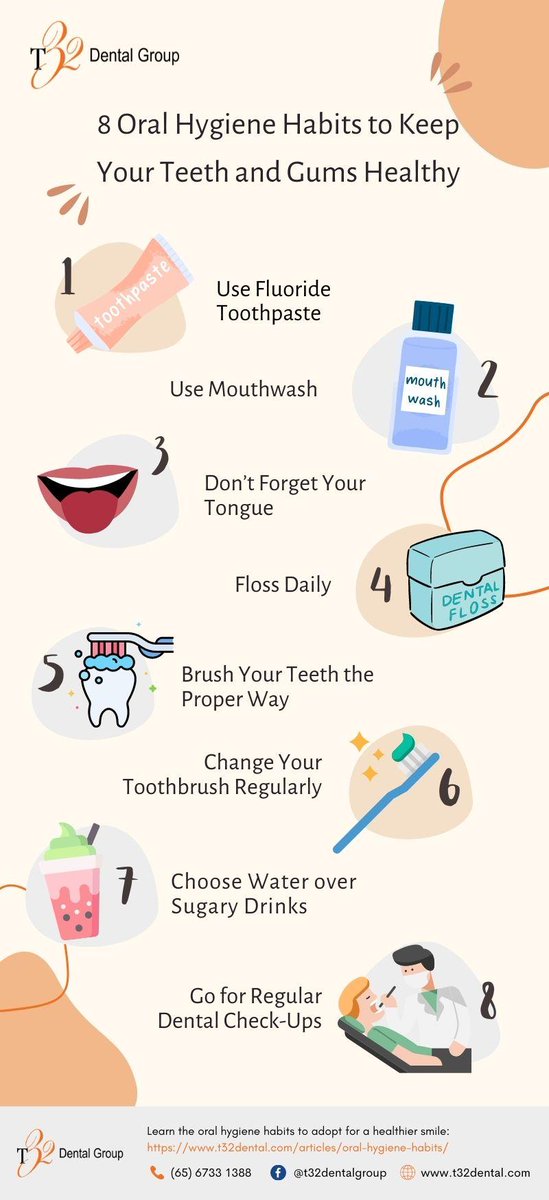
Brush twice daily: Knowhow to properly brush using a fluoride toothpaste and a soft-bristled brush. Pay attention to the gumline, where plaque likes to hide.
Floss every day: This is the only way to remove plaque from between your teeth. A brush cannot reach there.
Use mouthwash: An antimicrobial or fluoride mouthwash can kill extra bacteria and strengthen your enamel.
Watch what you eat: Bacteria love sugar and starch. If you eat sweets, bread, or drink soda, try to rinse your mouth with water afterward.
Drink water: Water helps produce saliva, which naturally cleans your mouth and neutralizes acids.
Don't smoke: Smoking increases your risk of gum disease and makes it harder for your gums to heal.
Visit a dentist regularly: Even with perfect brushing, some calculus can still form. A professional cleaning every six months will remove it.
What to Do If Calculus Has Already Formed
If you already have hard, yellow or brown deposits on your teeth, especially behind your lower front teeth or along the gumline, do not try to scrape it off yourself. You can damage your enamel and gums.
The only safe way to remove calculus is through a professional cleaning called scaling and polishing. A dentist or dental hygienist uses special tools to gently break it off without harming your teeth.
When to Should See a Dentist
Do not wait until you are in pain. See a dentist if you notice:
Bleeding when you brush or floss
Red, swollen, or tender gums
Gums pulling away from your teeth
Persistent bad breath
Loose teeth or changes in how your teeth fit together when you bite
Pain when chewing
Extra Tips for Better Oral Health
Clean your tongue: Bacteria also live on your tongue. A tongue scraper or even your toothbrush can help remove them and reduce bad breath.
Replace your toothbrush: Every 3 months, or sooner if the bristles look frayed. An old brush does not clean well.
Stay consistent: Brushing once a day is not enough. Make it a habit, morning and night.
Your teeth are not just for chewing. They affect your confidence, your health, and even your heart.
#OralHealth #DentalCare
6
6
422

Don't forget to spit, but don’t rinse after brushing your teeth.
#Brushingtips #childoralhealth #childhealth
4
7
270
1 Sep 2025
કામની વાત : બ્રશ કર્યા પછી તરત જ પાણી કેમ ન પીવું જોઈએ? કોગળા કરવા પણ ખતરનાક !
#HealthTips #DentalCare #BrushingTips #WaterAfterBrushing #GarglingWarning #OralHealth #FluorideProtection
tv9gujarati.com/photo-galler…
219

12 Aug 2025
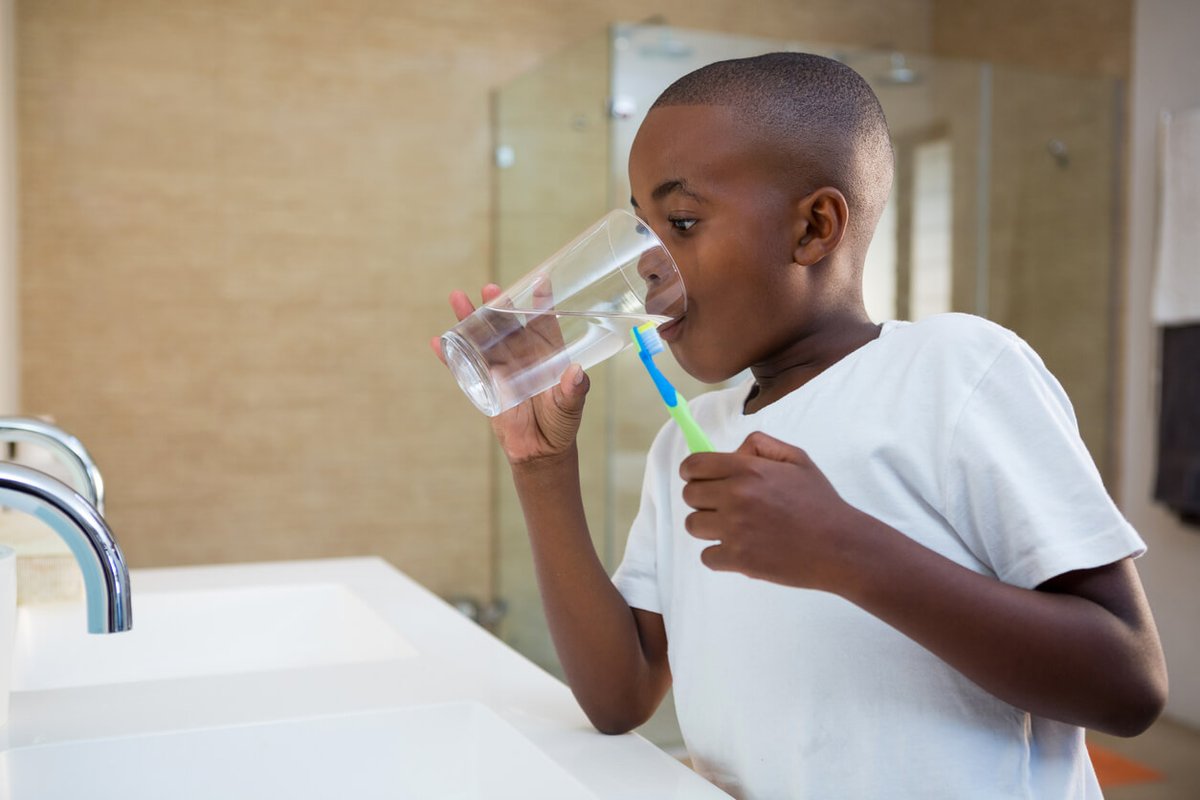
💧 Did you know?
The water you use to brush your teeth matters! 🚿🪥
✅ Choose clean, safe water
✅ Prefer fluoridated water (if available)
✅ Avoid untreated or high-mineral water.
Smart water = healthier smiles!😁
#OralHealth #BrushingTips #SmartChoices #TuesdayAdvice
1
2
11
415

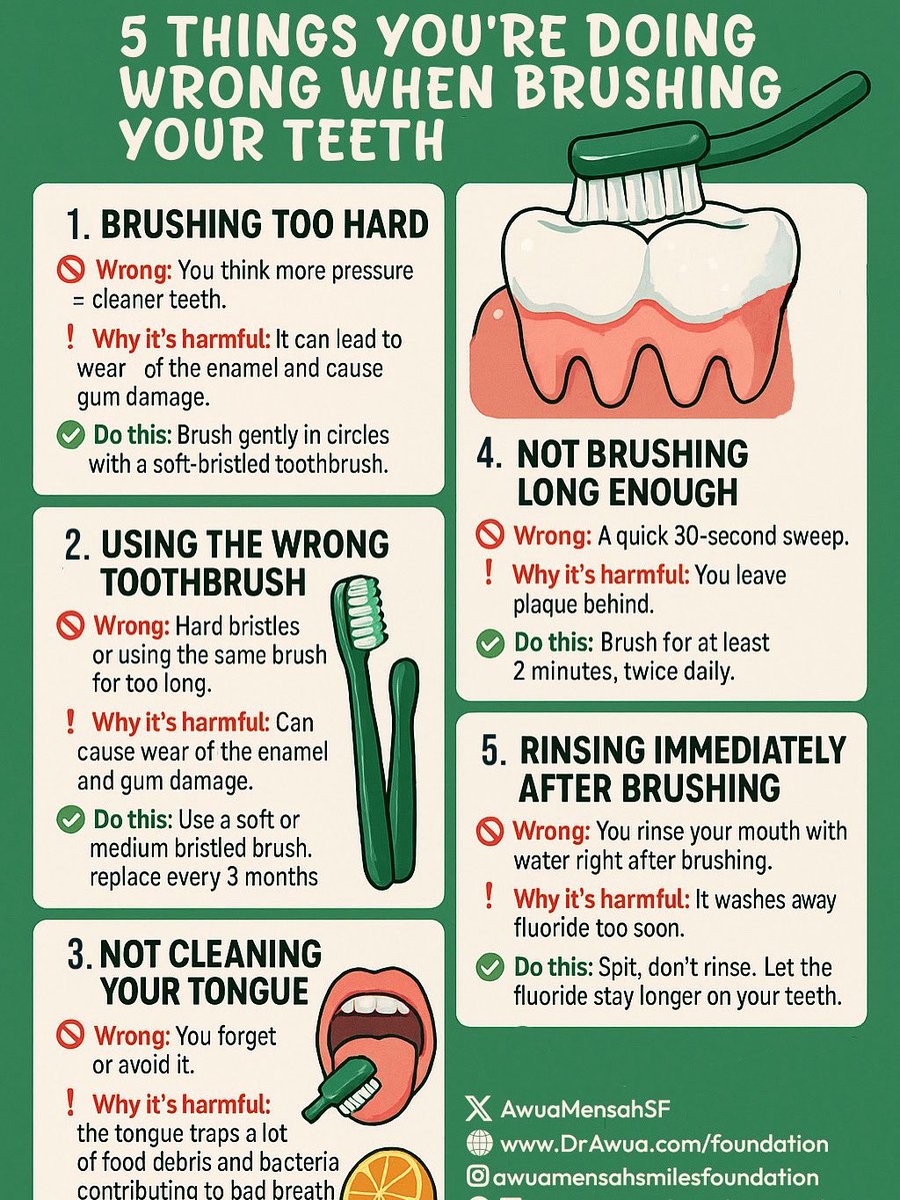
New week, New tips
Brushing with the right technique,the right tools and for the right amount of time plays a role in giving you the brightest smile
Building better habits towards brushing today means fewer dental issue’s tomorrow!
#wohd25 #BrushingTips #Oral #Amsf
1
3
36

9 Apr 2025
ब्रश करताना किती टूथपेस्ट वापरावी? लहानांपासून मोठ्यांपर्यंत आहे वेगळं प्रमाण, तज्ज्ञ सांगतात...
loksatta.com/lifestyle/healt…
#brushingtips #lifestyle #healthnews #oralhealth #expertadvice #brushing #brush
199

17 Feb 2025
A fun, two-minute timer can help kids brush long enough to clean every tooth!
Try a sand timer or their favorite song. ⏳🎵 #HealthySmiles #BrushingTips
Video courtesy of the Iowa Department of Health and Human Services.
2
756
Don't forget to spit, but don’t rinse after brushing your teeth. #Brushingtips #childoralhealth #childhealth
1
5
9
342

17 Jun 2024
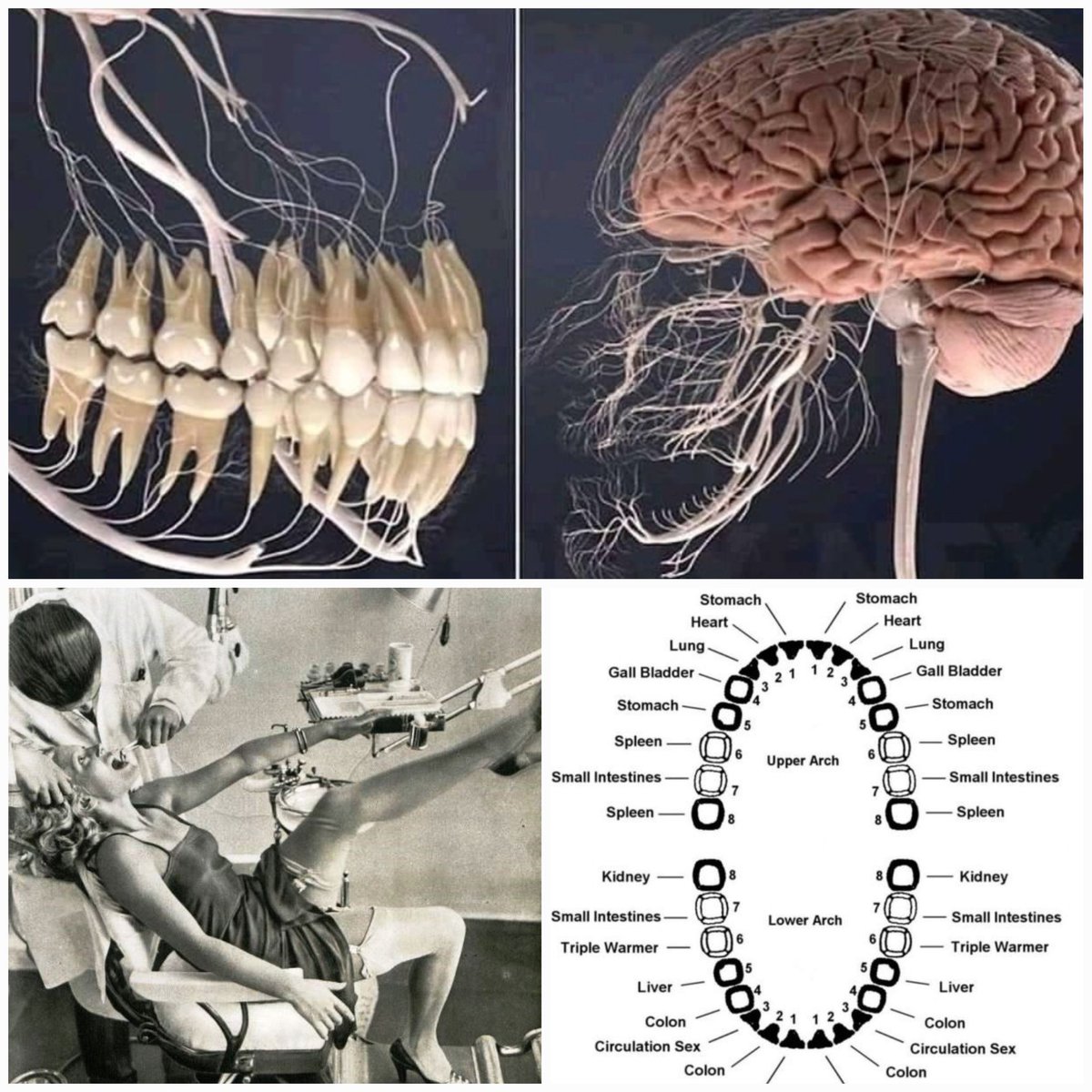
"Бидний ШҮДНИЙ МЭДРЭЛ нь ТАРХИ-тай шууд холбогддог бөгөөд шүд болгон БИЕИЙН өөр өөр ЭРХТЭН болон үйл ажиллагаатай "нарийн сувгаар" харилцан холбоотой байдаг.
#OralHealth #ToothTips #DentalCare #HealthySmile #OralCare #DentistTips #HygieneMatters #HealthyTeeth #OralHygiene #HappyTeeth #SmileBright #ToothHealth #PreventCavities #StrongTeeth #BrushingTips #FlossDaily #SmileHealthy #Oralwellness #PerfectSmile #NaturalSmile
1
3
141

22 Sep 2023
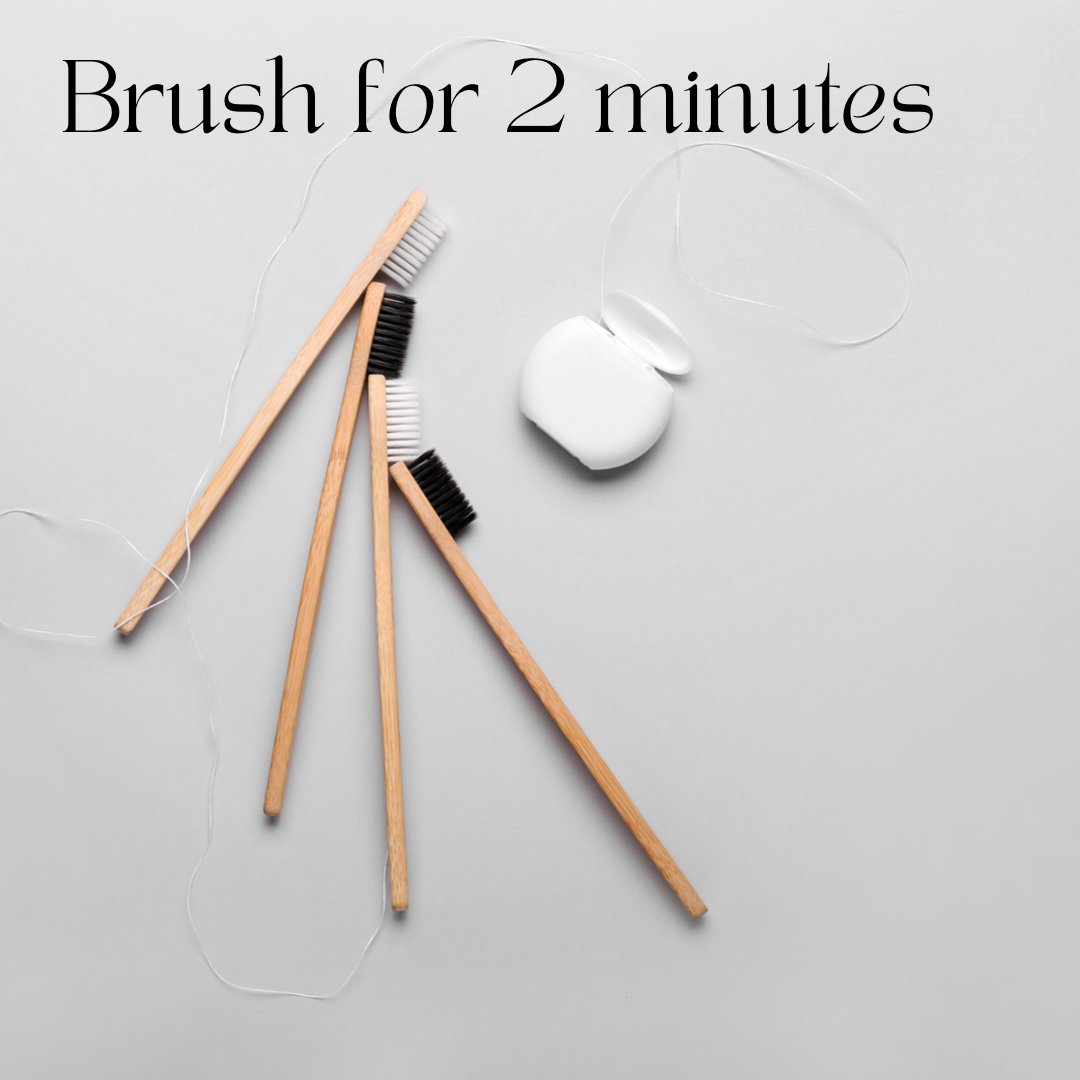
⏰ Don't rush your brush! Remember, it's recommended to brush for a full 2 minutes to maintain a sparkling smile! ⏳ #BrushingTips #OralHealth
1
7
81

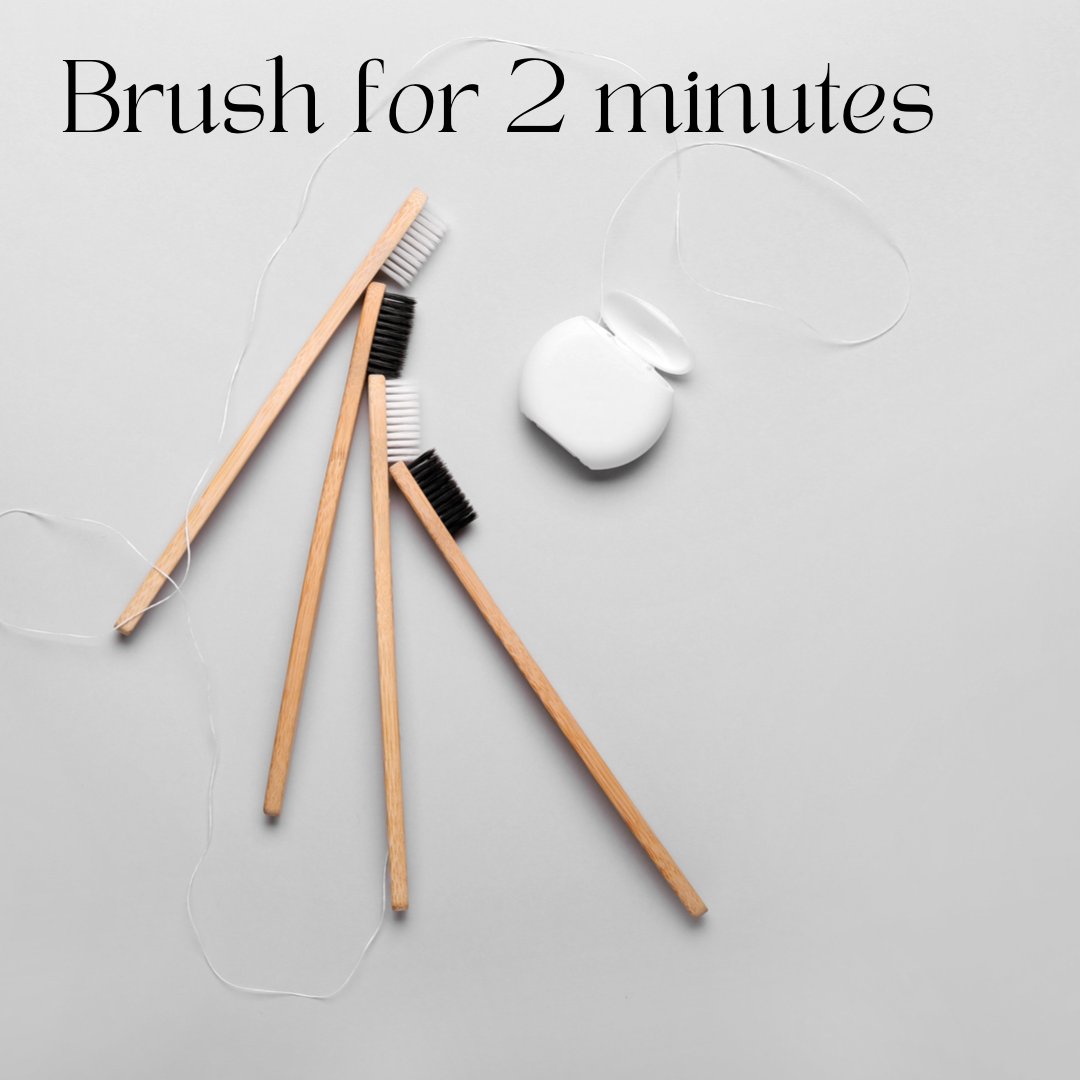
⏰ Don't rush your brush! Remember, it's recommended to brush for a full 2 minutes to maintain a sparkling smile! ⏳ #BrushingTips #OralHealth
2
23

30 Aug 2023
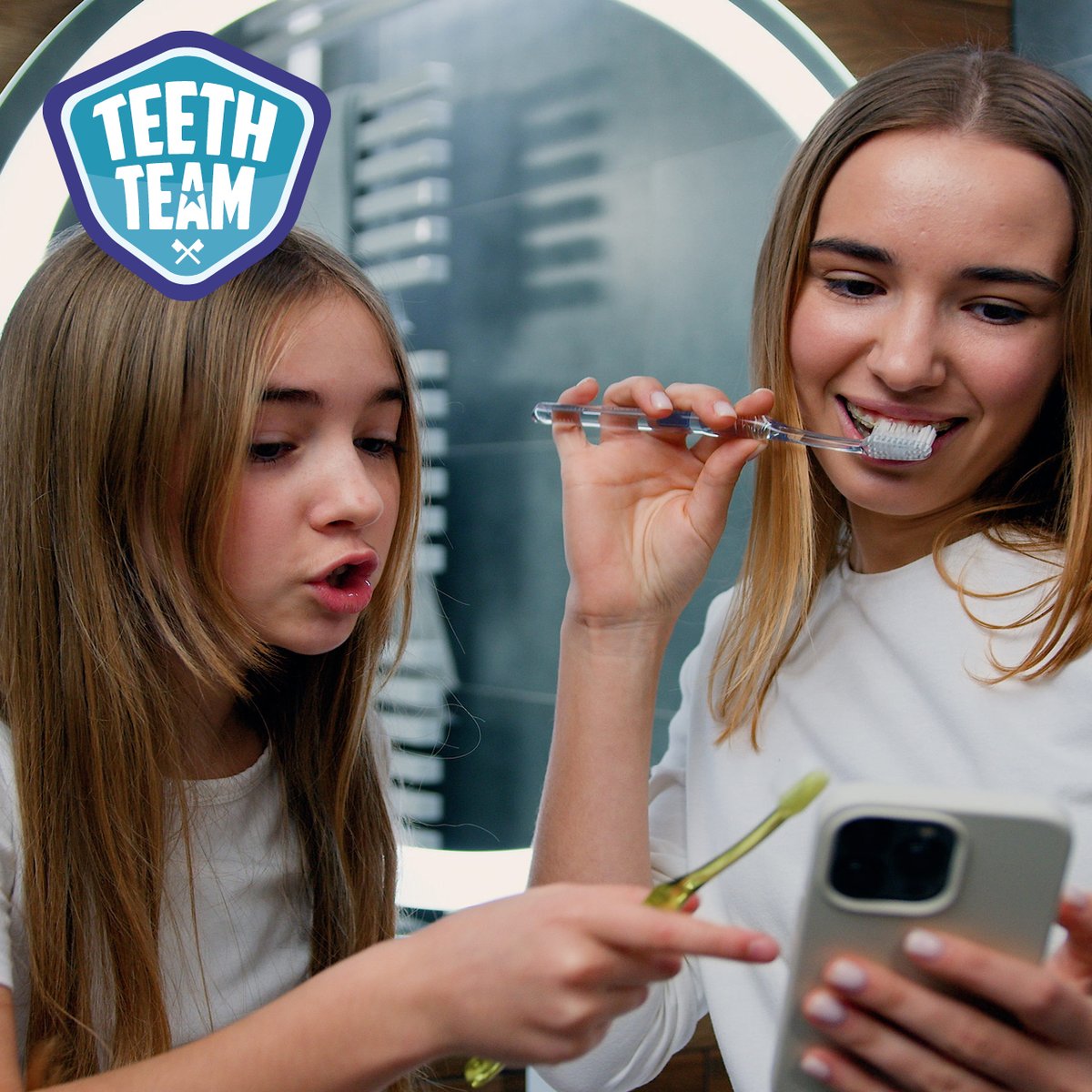
In a recent study, 98% of parents said dental apps help their kids brush for longer and help them learn how to brush correctly.
Do you use an app to help your children with brushing?
More about technology in dentistry:
dentistry.co.uk/2023/07/03/t…
#brushingtips #parenting
3
7
286

23 Jul 2023
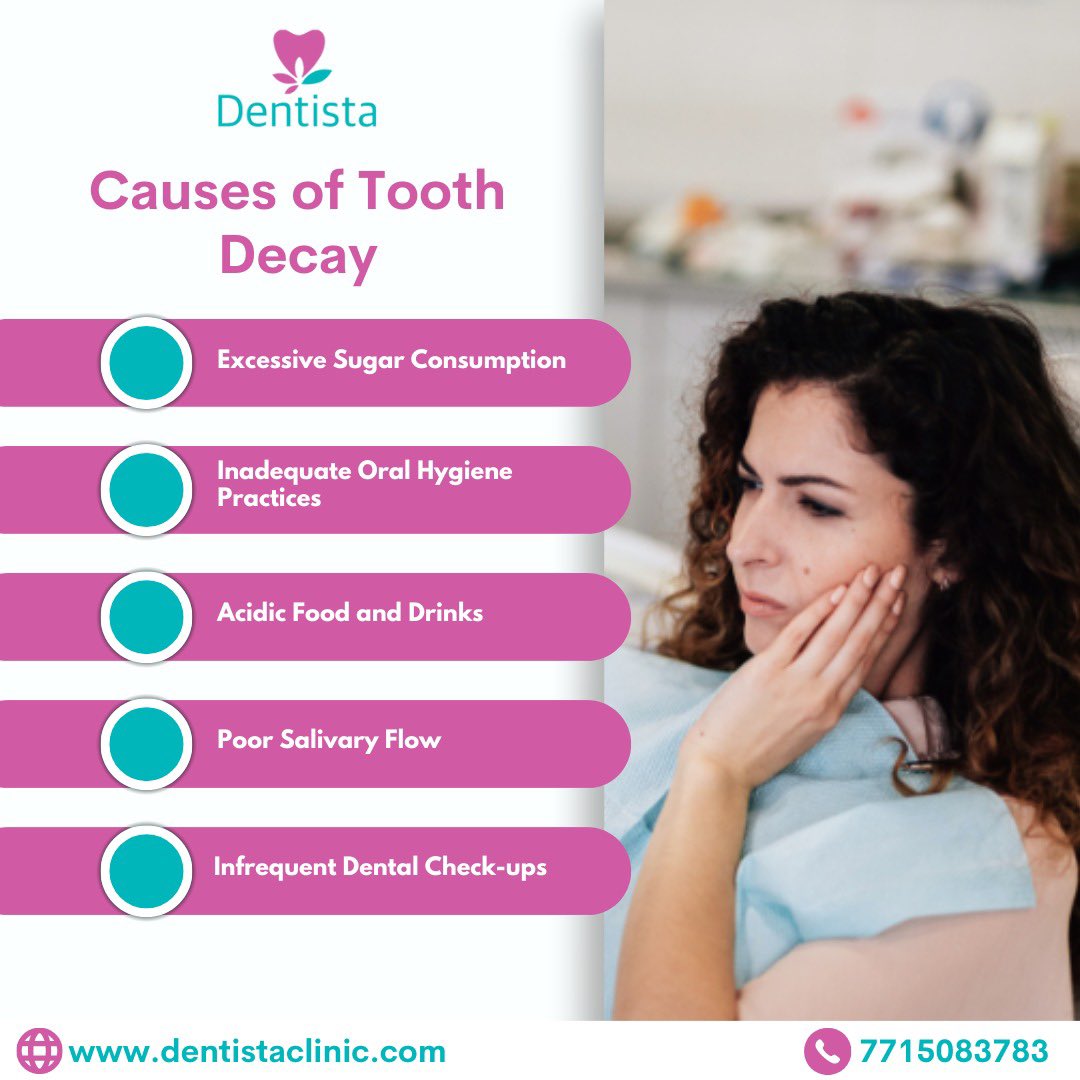
Book an Appointment Today on 91-7715083783 / 022-28711098
#Dentista #DentistaClinic #MumbaiDentist #Goregoan #ToothDecay #OralHealth #SugarAwareness #BrushingTips #AcidicFoods #PreventCavities #CavityFreeSmile #StayInformed #HealthyHabits #HappyPatients #SmileWithConfidence
2
72
7 Jul 2023
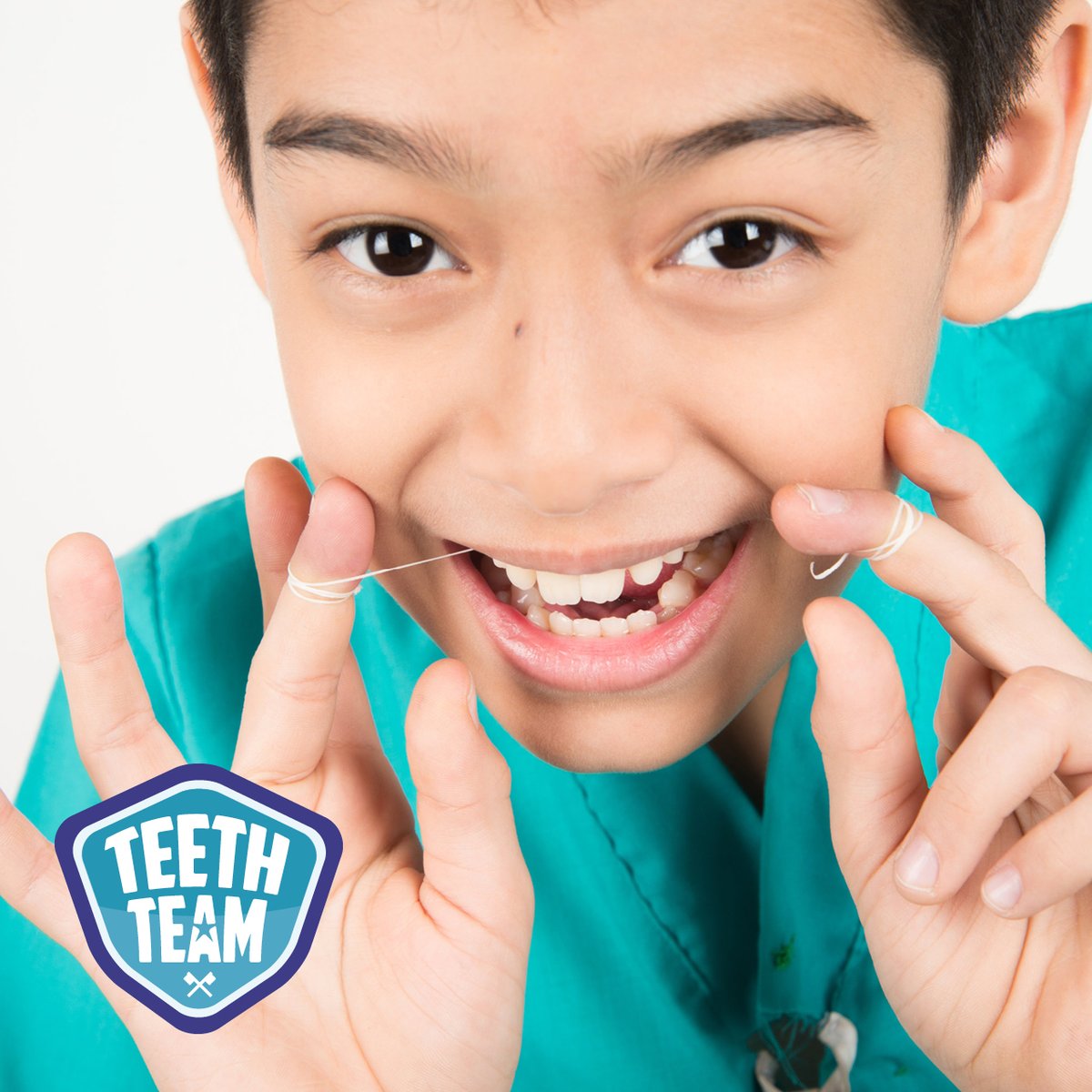
Top brushing tip: Clean in between your teeth once a day with floss or interdental brushes.
Children often develop decay in the spaces between their teeth, but cleaning them once a day with floss can prevent that.
Find more tips here:
teethteam.org.uk/parents/adv…
#brushingtips
3
4
182