Maurice W retweeted

Sometimes in life, captions are irrelevant 💙🧡🏆
1
43
211
7,898

You dont just throw a picture with no details and captions here, especially with Ais can create dam fake content. Did you know communist Vietnam did make fake history document film about Vietnam war for 50 years to teach kids inside the country?
All picture were made by communist
1

sissymarinadx🍏 retweeted

Ya estoy trabajando en nuevas captions y nuevos sissy hipnos, para destruir tu masculinidad, animarte a comer tu semen y sobre todo que termines siendo una total puta. ;)
4
5
65
741
Lu❤️ retweeted

26Jun13 grain haus (Seoul)
DPR IAN - Ment1
(there might be some errors in the captions)
2
9
28
532
ailee retweeted
26Jun13 grain haus (Seoul)
DPR IAN - Ment3
(again, the captions might be wayyy off)
13
72
764
Itsyaboydev retweeted

Jun 12
Superfan gets Bred! #captions #breedingcaptions #caption #breeding #bred #creampie #breedingcaption #cum #impregnate
3
743
19,479
129,016

i would post those misogynist gifs with really corny captions but i dont wanna seem OOC doing that bs
3

He probably did some serious behind closed doors ASS KISSING. Many of these posters have captions added with ugly pictures. So tired of seeing this pos's face.
5
Mr love retweeted

Jun 12
Thanks to @SissCaptComp for this lovely captions pic of me (which is true)
2
48
216
6,659

Last year I saw a tweet from someone saying something along the lines of "If all you're doing is cutting clips and captions, AI will replace you."
Now in the big 26' this couldn't be further from the truth, most auto-cutting software sucks and most auto-captions are inaccurate.
3
Darren retweeted

- Dm open for all, read bio first though.
- Captions only in images to test not getting sus'd 😈
- $end on Throne in bio if you want custom voice clips 🎙

4
8
442
Ipek Divit retweeted

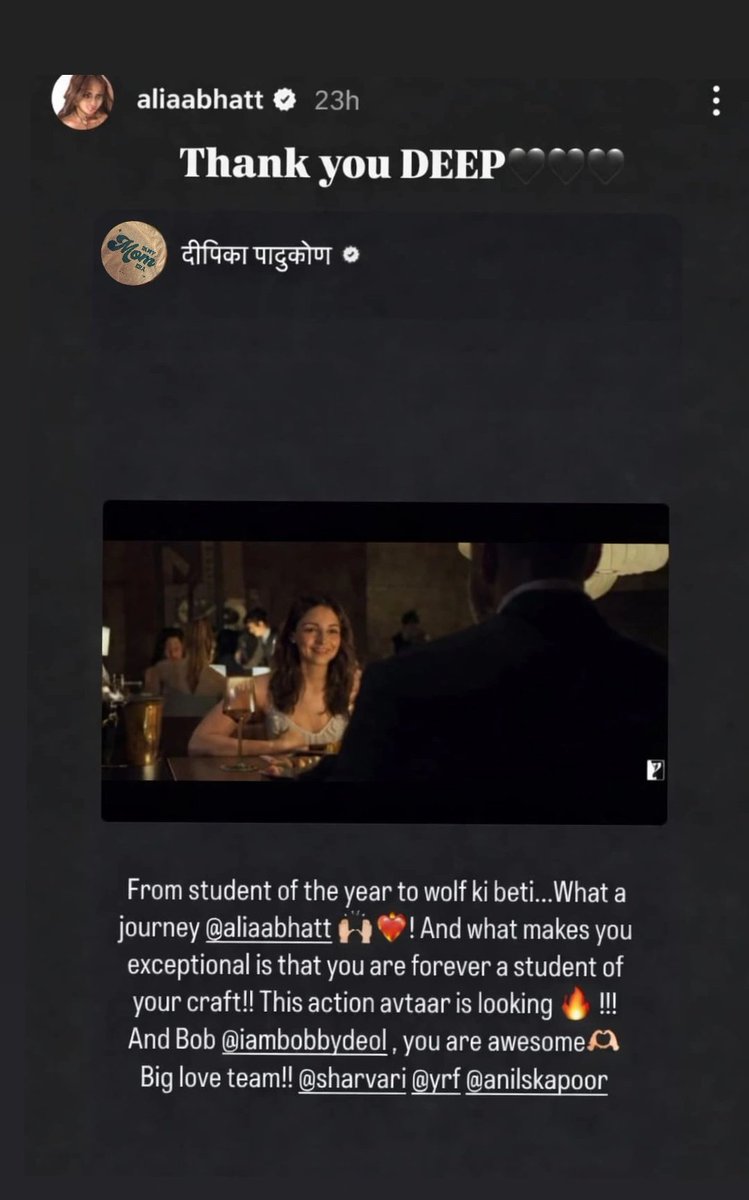
imagine being this jobless to make fake screenshots and captions over this 😭😭

Ranveer Singh's wife, Deepika Padukone, shared a post promoting Alia Bhatt's upcoming movie Alpha, yet she hasn't made a single post about her own husband's film Dhurandhar.
Oops, maybe she's too busy with SRK her upcoming film #King
1
11
67
1,883
kiki retweeted

May 13
twitter porn is so peak but wtf are the captions man
243
1,602
31,128
1,193,107

The captions from videos of Wema Sepetu and Whosu's kid are 👌🏽👌🏽. Swahili is such a beautiful language. Everyone including their friends and family have such beautiful words for their testimony.
10

11m
prompt: Use the uploaded profile picture as the main reference image.
Carefully read the PFP first and extract these traits before designing the battlestation:
the dominant colours,
the overall energy and personality — deadpan, cute, chaotic, stylish, mysterious, loud, minimal, awkward, serious, playful, etc.,
the visual weight — light, heavy, simple, busy, soft, sharp, rounded, angular, etc.,
the most distinctive visual features — silhouette, head shape, hair shape, visor, eyes, accessory, expression, posture, clothing shape, symbol, or background colour.
Create one single image of a battlestation only.
Do not include the original PFP in the final image.
Do not create a side-by-side comparison.
Do not create a split layout.
Do not create a collage.
Do not add text, captions, logos, or watermarks.
The battlestation must feel like a physical manifestation of the PFP’s personality. It should feel like: “this PFP turned into a battlestation.”
Use the single most distinctive feature of the PFP as the main design move. Translate that feature into the battlestation’s overall setup, silhouette, desk shape, monitor arrangement, PC case form, chair shape, lighting design, or room composition so the connection feels immediate and obvious.
Use 1–3 secondary features as supporting battlestation details — keyboard style, keycap colours, mousepad design, speaker placement, RGB accents, wall decor, shelf objects, cable styling, desk accessories, figurines, lighting strips, acoustic panels, monitor wallpaper vibe, or material choices.
The humour should come from deadpan literalism: the battlestation should take the character seriously as an actual setup. It should feel slightly absurd, overcommitted, and personality-heavy, but still plausible enough that someone could really own it.
Aim for 70% character translation and 30% realistic battlestation design.
Prioritise recognisability and personality over generic setup aesthetics.
Important: do not default to a generic RGB gaming setup, generic minimalist desk, or generic streamer room. Avoid making it merely stylish, vague, or over-designed. Avoid turning the PFP into only a moodboard. Preserve the PFP’s recognisable character through the battlestation design itself.
If the PFP is a stylish anime or human portrait, keep the humour by translating the attitude, silhouette, expression, posture, and defining feature into a battlestation with personality — not just a fashionable desk setup.
Colour extraction rule: derive the battlestation palette primarily from the PFP subject itself. However, if the background colour is vivid or distinctive, treat it as an important part of the palette and visibly incorporate it into the setup through wall colour, LED lighting, desk finish, chair accents, peripherals, monitor glow, shelf colour, or decorative objects.
Carry the PFP palette into the battlestation using believable materials and objects: painted desk surfaces, metal frames, plastic peripherals, RGB lighting, fabric chair upholstery, desk mats, monitor bezels, PC case panels, wall finishes, shelves, and room accessories.
Composition: create a single wide cinematic battlestation scene.
The battlestation should be shown in a clear, slightly cinematic view, enough to see the full setup and room personality.
Lightly contextualised room background only — do not let the background overpower the setup.
The final image should feel distinct, memorable, funny, and scroll-stopping, like a real setup that perfectly matches the character.
7
