
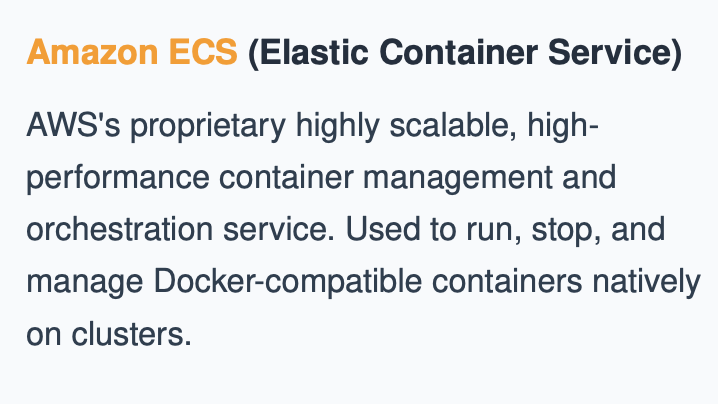
Did a deep dive into Amazon ECS and learned how it automatically scales containers up and down based on demand.
#AWS #AmazonECS #Docker #Containers #CloudComputing #DevOps #CloudNative #AWSCloud #SoftwareEngineering #TechLearning #BackendDevelopment
1
13

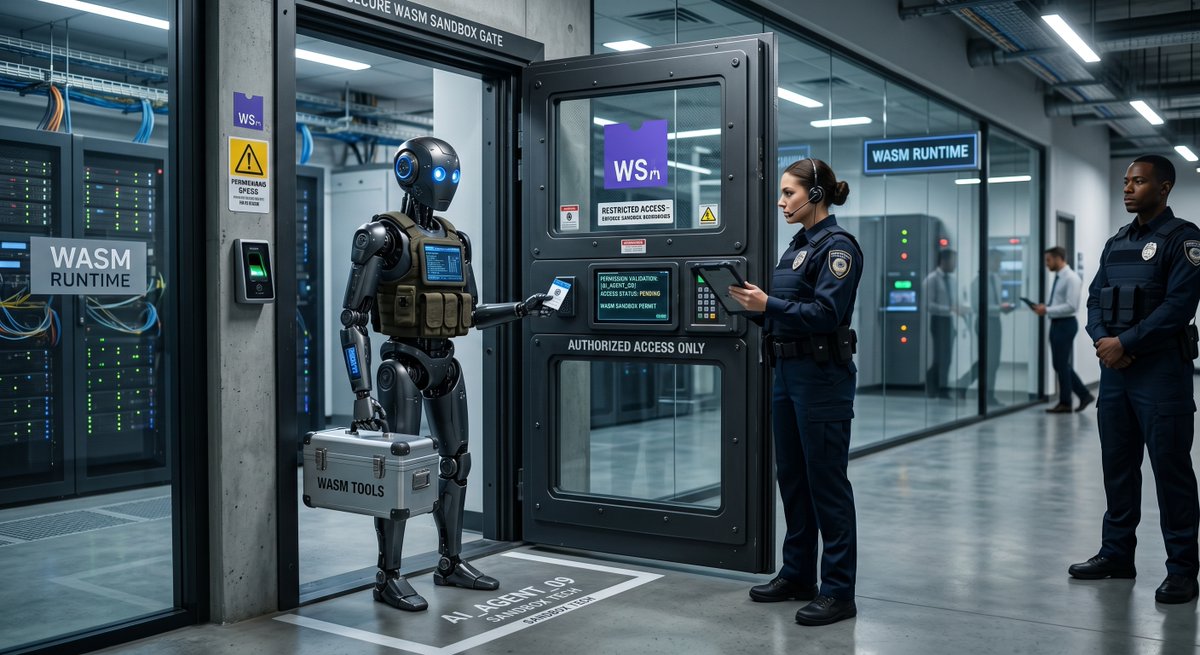
WASI 0.3 sounds boring but important. That is exactly why AI infrastructure teams should pay attention.
The Bytecode Alliance announced that WASI 0.3 is official. The WASI Subgroup ratified WASI 0.3.0, rebasing WASI onto the WebAssembly Component Model’s async primitives. In plain English: async is now native to WebAssembly Components, and runtime and toolchain support is starting to land.
This is not a model launch. There is no dramatic demo. Nobody is pretending a runtime spec has achieved AGI, which is refreshing.
But the AI-agent stack has a runtime problem.
Agents need to call tools, run code, touch files, query systems, and coordinate workflows. That sounds powerful until you ask the Day 2 questions.
1) Where does untrusted agent-generated code run?
2) What permissions does it get?
3) How do we isolate tools?
4) How do we make execution portable across clouds, edge locations, and enterprise environments?
5) How do we observe and revoke what the agent is doing?
WebAssembly is not the whole answer. But capability-scoped, portable components are a very plausible part of the answer.
WASI 0.3 matters because agent infrastructure needs more than orchestration frameworks and clever prompts. It needs secure execution boundaries, composable interfaces, and runtime standards that do not assume every workload lives in one vendor’s happy path.
This is especially relevant for healthcare, financial services, and regulated industries. The agent cannot just “take action” because a demo looked good. It needs a governed place to act.
The next phase of AI agents will be less about chat and more about controlled execution.
That means the boring plumbing may decide which agent platforms actually survive production.
#AIInfrastructure #AIAgents #WebAssembly #WASI #PlatformEngineering #CloudNative #EnterpriseAI
48

After years of working with Kubernetes, I always felt there was room for a better cluster visibility experience.
So I built one.
🚀 Introducing K8Lens — an open-source Kubernetes dashboard focused on helping you understand your cluster faster with actionable insights.
Would love for you to:
• Try it
• Break it
• Share feedback
• Suggest features
Links below 👇
k8lens.dev/
#Kubernetes #K8s #CloudNative #DevOps #OpenSource #CNCF #buildinpublic
37

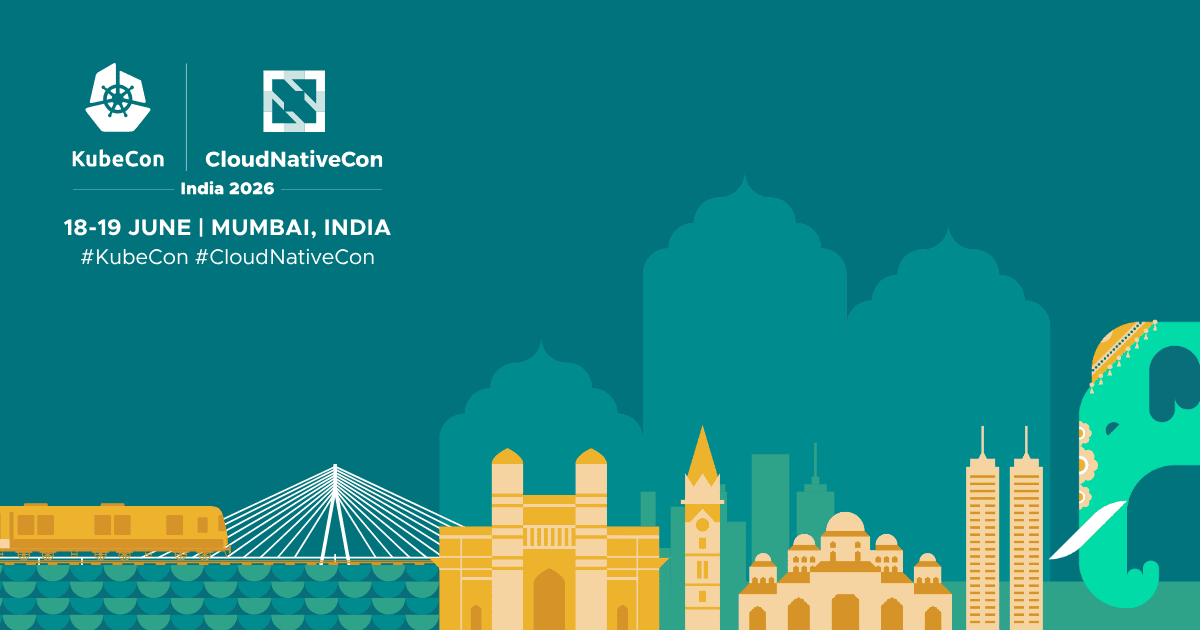
The cloud-native community is heading to Mumbai! 🇮🇳 Join us for KubeCon CloudNativeCon India (June 18–19) to talk Kubernetes innovation and platform engineering. 🕹️✨
👉 Register now: okt.to/Id9iGL
#KubeCon #CloudNative
8

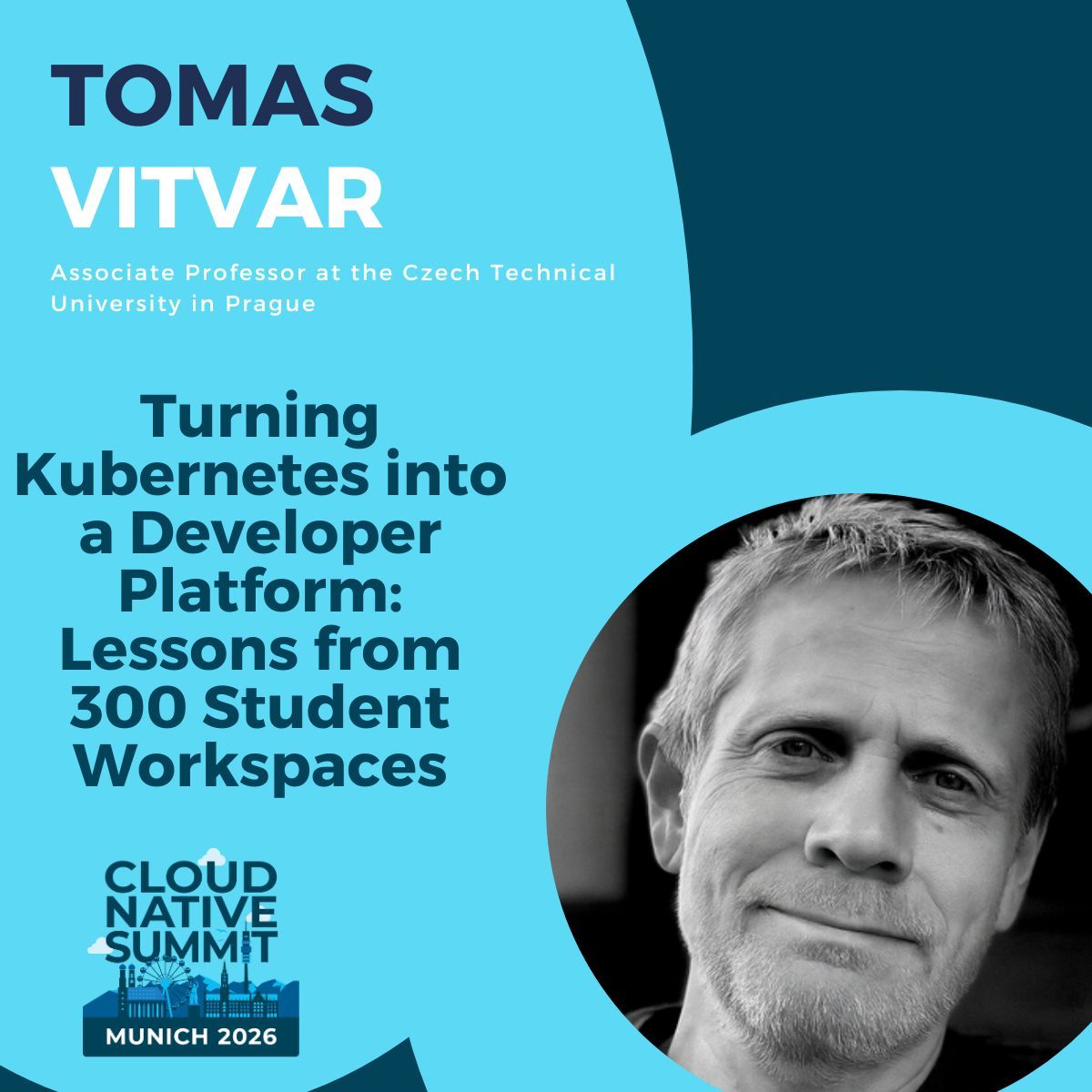
🔥 New Speaker Drop 🔥
Say hello to Tomas, one of the incredible voices joining us at #CNSMunich. We look forward to you and your talk, Tomas!
🎟️ Tickets: cnsmunich.de/
#opensource #kubernetes #cloudnative #AI #platformengineering #community
10

🗣 Shoutout to our #KubeCon #CloudNativeCon India gold sponsors. Join us 18-19 June in Mumbai, where the #CloudNative community unites to collaborate, learn, & shape the future of #OpenSource cloud computing. Register: bit.ly/3PvpWGe Schedule: bit.ly/4v1s9JQ
1
4
444

Did I type kubectl delete pod or kubectl delete namespace? 😅 Mistakes happen. Come master deployments with the best in cloud native at KCD Gujarat 2026.
📍 Ahmedabad | September 19
Super early bird tickets LIVE now → kcdgujarat.com
#KCDGujarat2026 #CloudNative

1
9


KubeCon India is in 4 days.
Don't walk in blind.
Register for Monday's session here: luma.com/e3g6bqe4
See you there. And then see you at JWCC on June 18.
#KubeConIndia #CloudNative #Kubernetes #CNCF
1
7

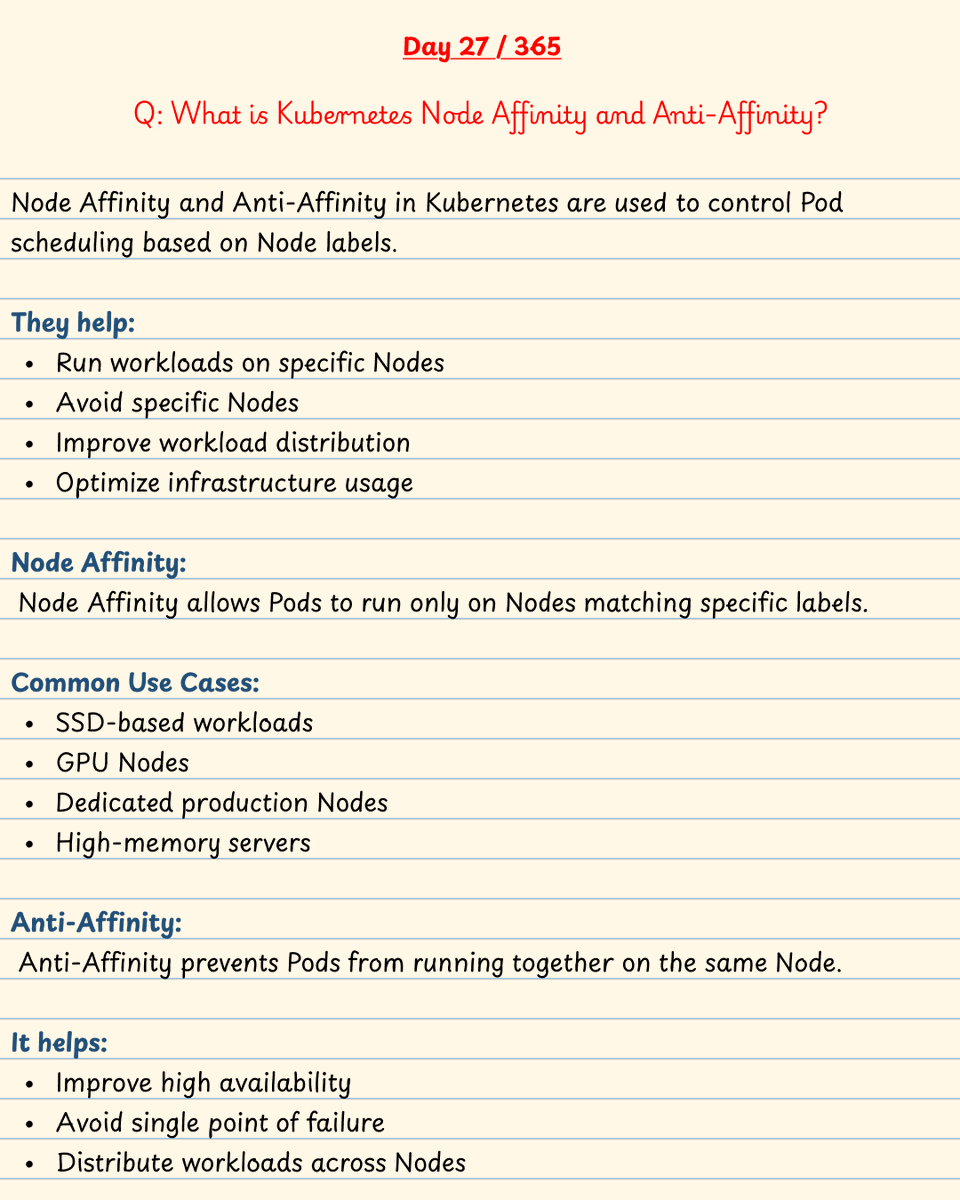
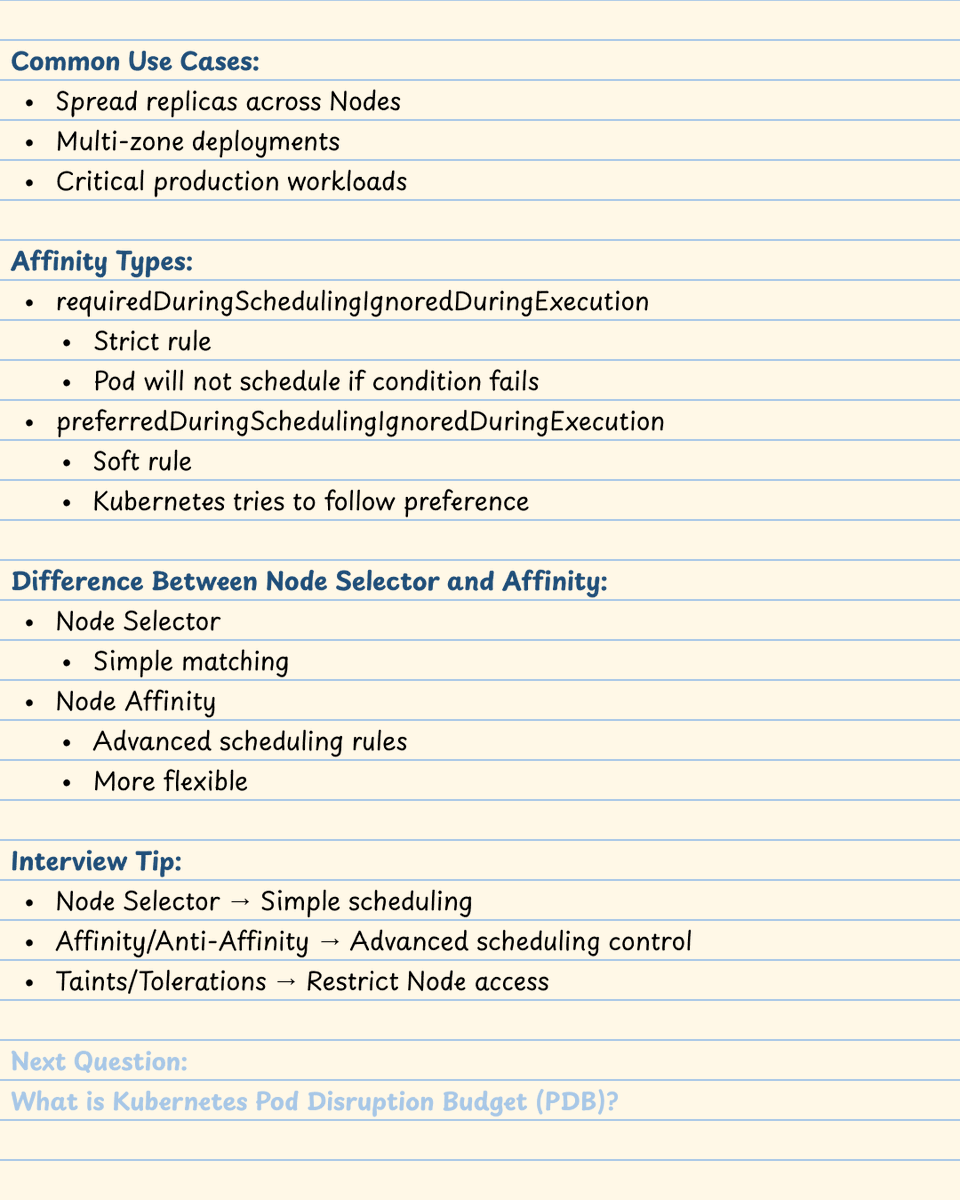
🚀 Day 27 of #365DaysDevOpsChallenge
🎯 Real Interview Question:
What is Kubernetes Node Affinity and Anti-Affinity?
#DevOps #Kubernetes #K8s #Docker #CloudComputing #AWS #CloudNative #SRE #PlatformEngineering #InterviewQuestions #KubernetesScheduling #TechTwitter #NodeAffinity
9

Jun 13
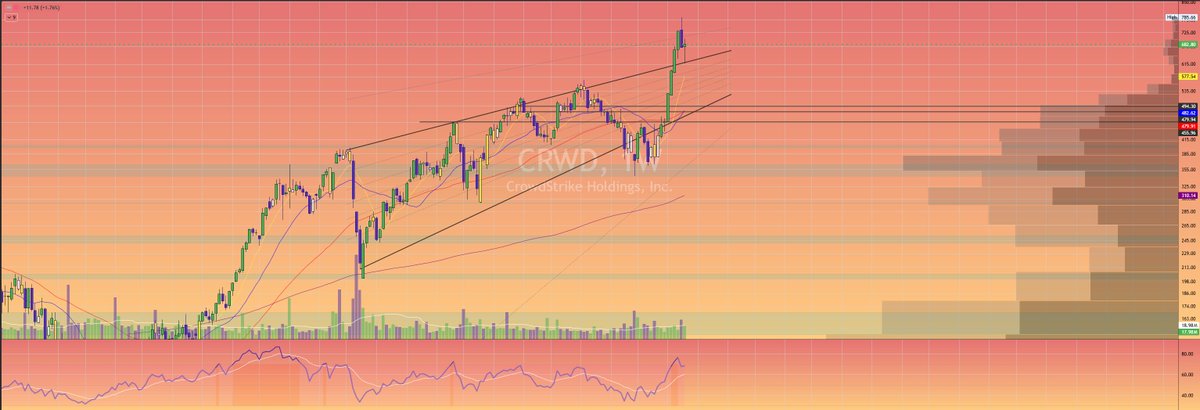
$CRWD is giving us a textbook breakout-and-retest. This is exactly what institutions look for before entering a new trend leg—the price action is testing the old ceiling, confirming it’s now the floor. The platform consolidation narrative is stronger than ever. Watch for the next surge as the retest holds.
🐂 Bull Level: Hold $610.00 as the new support floor to launch toward $700.00 .
🐻 Bear Level: $575.00 must hold; a drop below here invalidates the retest structure.
#CRWD #CrowdStrike #CyberSecurity #CloudNative #hovdid
148

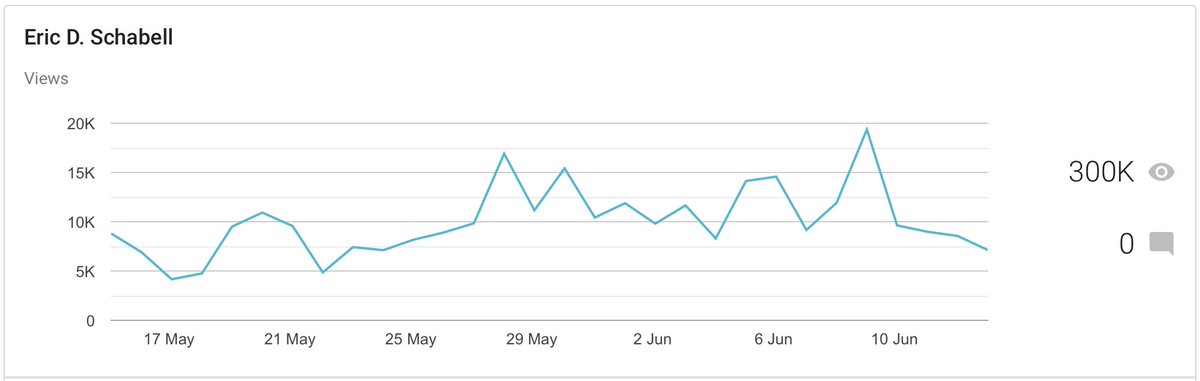
My blog activity has been around for some 20 yrs, but only tracking visitors for ~18 yrs. It's nice to see so much interest and viewer totals climbing this last year to my highest 30 day total of 300k visitors! schabell.org #cloudnative #appdev #observability #o11y
2
4
102

Unlock the potential of #CloudNative with Agent Loops! Discover how this innovative approach enhances verification, boosts reliability, and ensures seamless operations in complex environments. Dive into the future of cloud solutions! 🌐🔍 #TechInnovation #CloudComputing
1
9

Jun 13
I'll be heading to KubeCon CloudNativeCon India 2026 in Mumbai!
If you're planning to attend, let's connect! Drop me a DM. I would love to meet up 👋
#KubeCon #CloudNativeCon #CloudNative #Kubernetes
1
1
23

Keycloak v DevOps režimu: bezpečné změny, méně chyb, vyšší provozní jistota
gemsystem.cz/specifikace-moz…
#DevOps #Kubernetes #Docker #CloudNative #Keycloak #SSO #GEMSystem #B2B #ContinuousDelivery
1
13
Keycloak in DevOps Mode: Secure Changes, Fewer Errors, Higher Operational Certainty
gemsystem.cz/en/specifikace-…
#DevOps #Kubernetes #Docker #CloudNative #Keycloak #SSO #GEMSystem #B2B #ContinuousDelivery
11
Keycloak im DevOps-Modus: Sichere Änderungen, weniger Fehler, höhere Betriebssicherheit
gemsystem.cz/de/specifikace-…
#DevOps #Kubernetes #Docker #CloudNative #Keycloak #SSO #GEMSystem #B2B #ContinuousDelivery
12

Overseeing the creation of the runtime environment for the #AI era
#CNCF is the org that oversees the creation of all the #opensource technology around #Kubernetes. This #cloudnative stack is the basis for the runtime env for most AI workloads.
youtu.be/RR25TMaOOV0?si=_2LO…
78

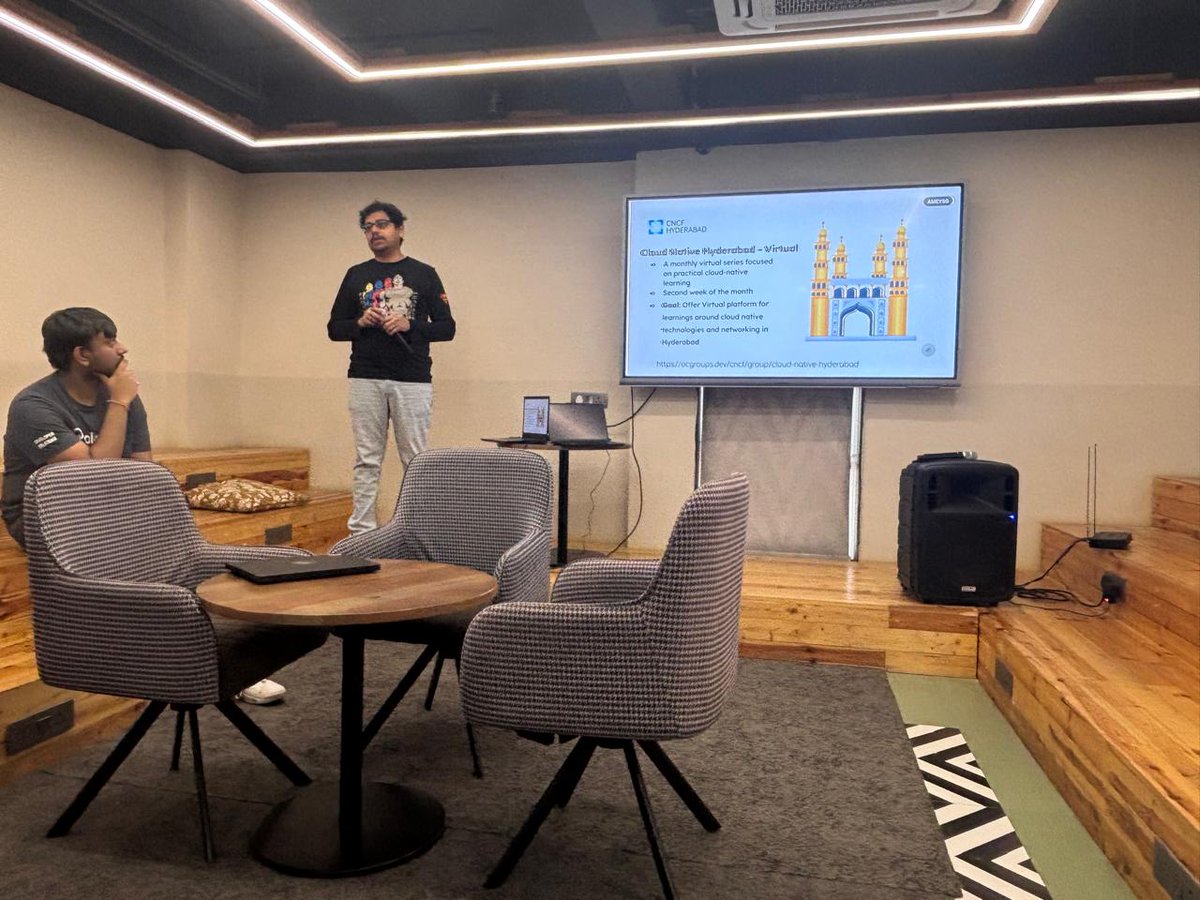
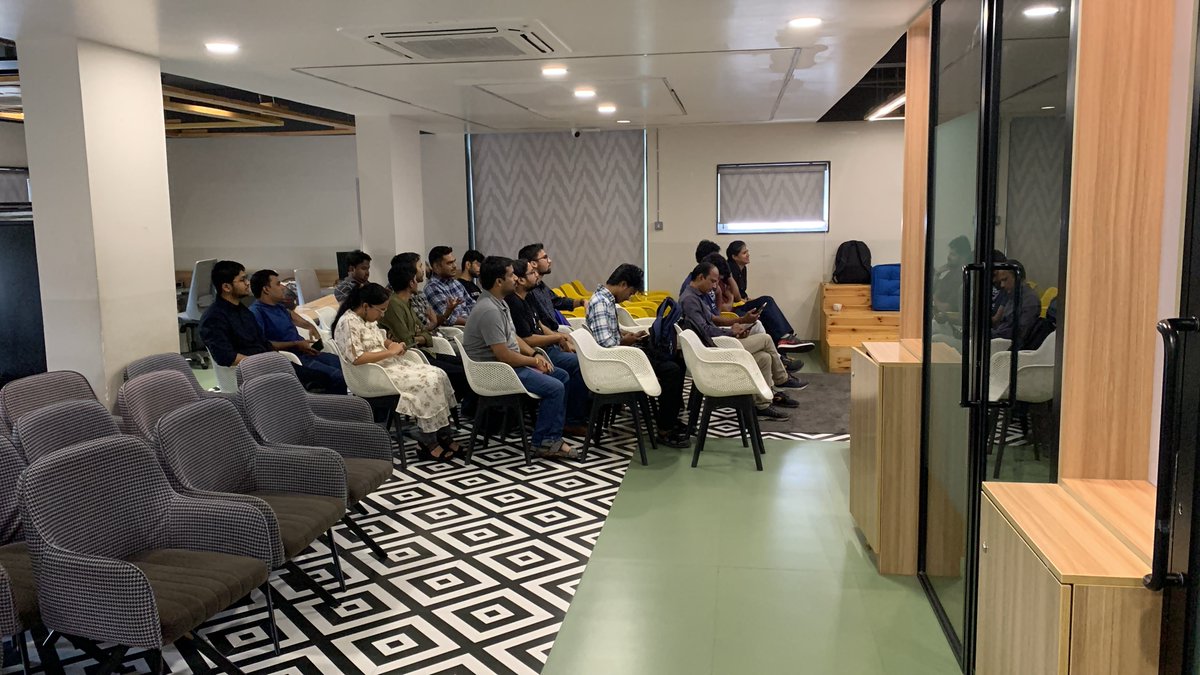
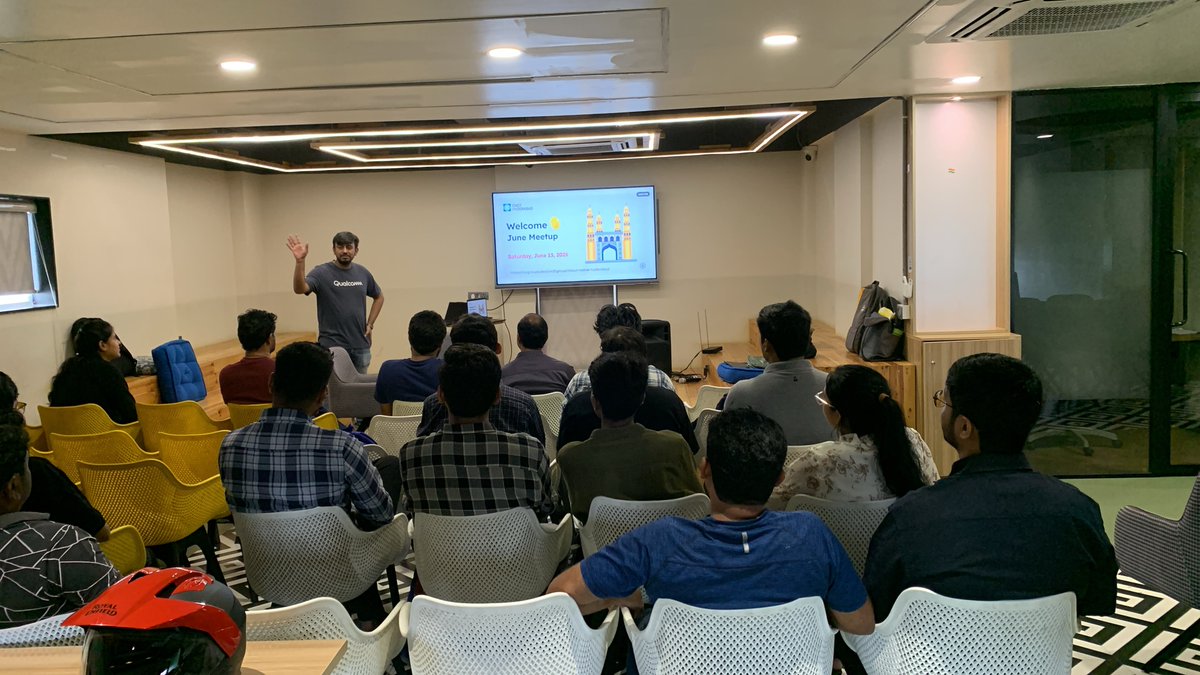
🔴 We're live!
Kicking off the event with a welcome note from @carrycooldude and Raghu
Looking forward to discussions on Edge AI, AI agents, observability, and hybrid AI architectures.
@CloudNativeFdn
@Qualcomm_Dev
#CloudNative#DeveloperCommunity
1
8
267