
25 Oct 2025
🤖 The Role of x402 in Supporting Scalable Robotic Development
The x402 protocol, originating from the HTTP 402 Payment Required status code, represents a framework for implementing fine-grained, machine-to-machine micropayments within networked systems. Its primary value lies in enabling autonomous, low-latency economic interactions between digital agents without requiring a centralised billing infrastructure. ⚙️
In the context of robotic development, x402 provides a means to introduce dynamic resource exchange and incentive alignment across distributed simulation and development environments. For instance, within a cloud-based robotics platform such as RoboStack, x402 can be employed to facilitate:
💡 Pay-per-use simulation resources — allowing developers or agents to access specific simulation modules, physics engines, or pre-trained robot models through small, on-demand payments.
🧩 Module-level monetisation — enabling contributors of high-value assets (e.g., environment maps, sensor emulators, or control algorithms) to receive compensation automatically each time their module is instantiated or queried in simulation.
🧠 Autonomous agent transactions — permitting robotic agents or AI systems to autonomously request additional data, computational resources, or model parameters from the network during training, thereby emulating economic decision-making within the development loop.
🌍 Sustainable open-source funding — similar to topping up a balance or donating to ROS 2 or other open-source robotics projects, x402 can provide continuous micro-funding channels that sustain shared infrastructure and community contributions.
By integrating x402 into simulation workflows, robotic ecosystems can reduce dependence on high-cost physical prototyping, support more granular resource sharing, and cultivate an economy of reproducible, incentive-driven research artefacts. Such mechanisms directly enhance the scalability, accessibility, and sustainability of modern robot development pipelines. 🚀
#RoboStack #x402 #CloudRobotics #Sim2Real #EmbodiedAI #Web3AI #RobotOS
3
20
5,702
25 Sep 2025
Thanks for having me @VaderResearch — really enjoyed sharing more about what we’re building with RoboStack. Excited for what’s ahead!
#RoboStack #CloudRobotics #Sim2Real #EmbodiedAI
25 Sep 2025

1/ Robostack is building a collaborative layer on top of low-level simulation platforms like Gazebo & Isaac Sim, with its proprietary Robot Context Protocol at the core.
We sat down with @RoboStack_io founder @Lycan0422 to discuss simulations and what the Robostack team is building.
4
521
29 Jun 2025
Unpredictable, dynamic tasks are where robotics pipelines struggle most.
RoboStack focus on testing robots in simulated extreme and unforeseen environments — no hardware risk and scalable learning before real-world deployment.
#RoboStack #Sim2Real #EmbodiedAI #CloudRobotics #AI
29 Jun 2025

This German #AI #Robotics startup has built an AI-powered system that helps robots handle unpredictable tasks
by @micropsi
#ArtificialIntelligence #Robotic #AI #MachineLearning #RPA #ML #MI
cc: @chidambara09 @JimMarous @AndrewYNg
2
4
396
25 Jun 2025
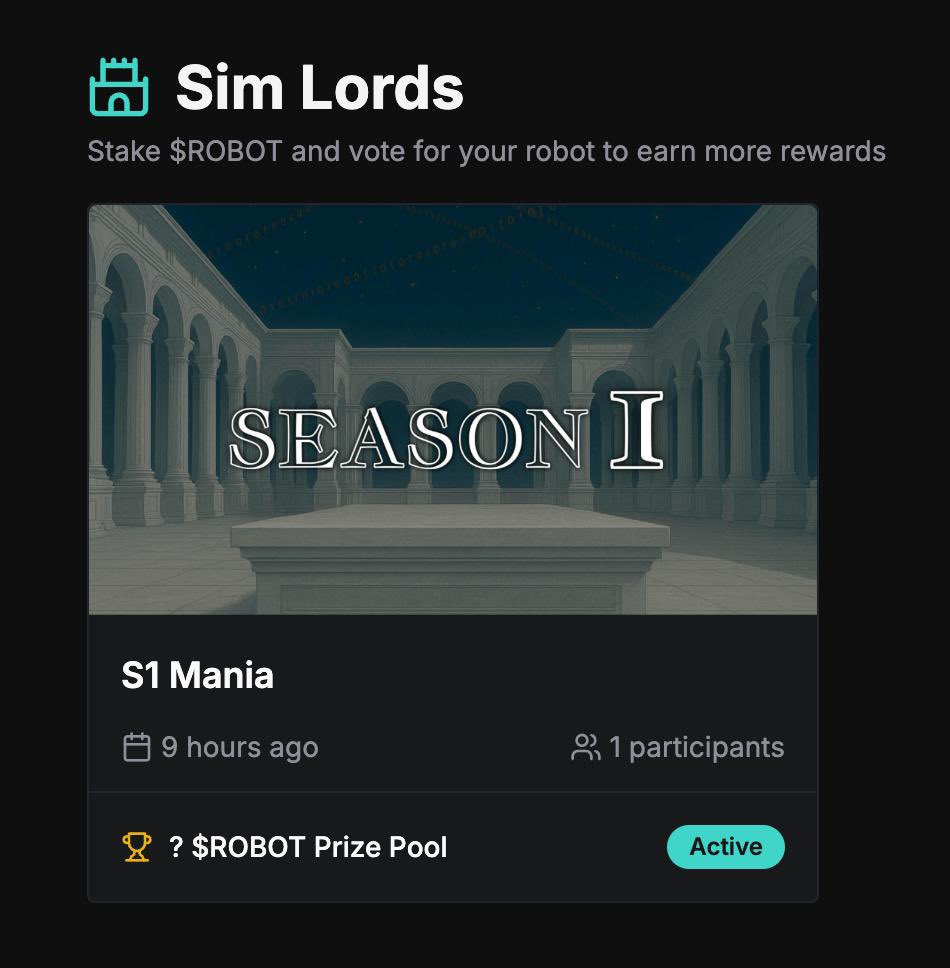
Big thanks to @virtuals_io for the support — we’ve successfully linked $ROBOT stake positions on Virtuals!
More rewards and utilities for $ROBOT stakers coming soon on RoboStack ⚙️
#RoboStack #Virtuals #Staking #CloudRobotics
15
2
21
4,820
25 Jun 2025
Two years! Long development cycles are one of the biggest blockers in robotics. RoboStack aims to shorten that loop by bringing testing, and deployment into a unified cloud workflow.
Faster iteration, fewer physical bottlenecks.
#RoboStack #CloudRobotics #Sim2Real #RobotDev
23 Jun 2025

This humanoid robot literally hovers! 🤯
Italian Institute of Technology has created the world’s first jet-powered humanoid robot, called iRonCub3, which can hover in mid-air using jet thrust.
The robot, built with four jet engines, uses two engines on its arms and two on its back, allowing it to remain stable during flight. Weighing 70 kilograms, robot can generate > 1000 newtons of thrust, enough to lift off the ground by 50 cm.
The research team spent two years developing the robot, focusing on stability and flight control, using machine learning to adapt to changes in aerodynamics.
Its structure includes a titanium spine and heat-resistant materials to handle the extreme conditions created by the jet turbines. 🚀
This achievement opens new possibilities for robots that can move both on the ground and in the air, performing tasks that are too difficult for traditional machines.
Hovering robots weren't on my 2025 robotics bingo card... 😮💨
2
1
4
343
24 Jun 2025
Exciting! Scaling real-world intelligence takes more than hardware.
Simulation-first workflows and scalable infrastructure are key.
We’re exploring with RoboStack — making it easier to build, test, and deploy smarter robots in the cloud.
#RoboStack #AI #CloudRobotics #Sim2Real
24 Jun 2025
Unique Starbucks at NAVER 1784: 100 #Robots in Action
by @naverlabs
#Innovation #EmergingTech #Tech #Technology
cc: @miketamir @evankirstel @theadamgabriel
1
2
296
16 Jun 2025
Nice to meet @0xalevator today — fantastic guy to talk with, and left the convo genuinely inspired by the ideas we exchanged.
Great to share what we’re building with RoboStack — a cloud-based simulation platform for scalable robotics.
#RoboStack #CloudRobotics #EmbodiedAI
16 Jun 2025

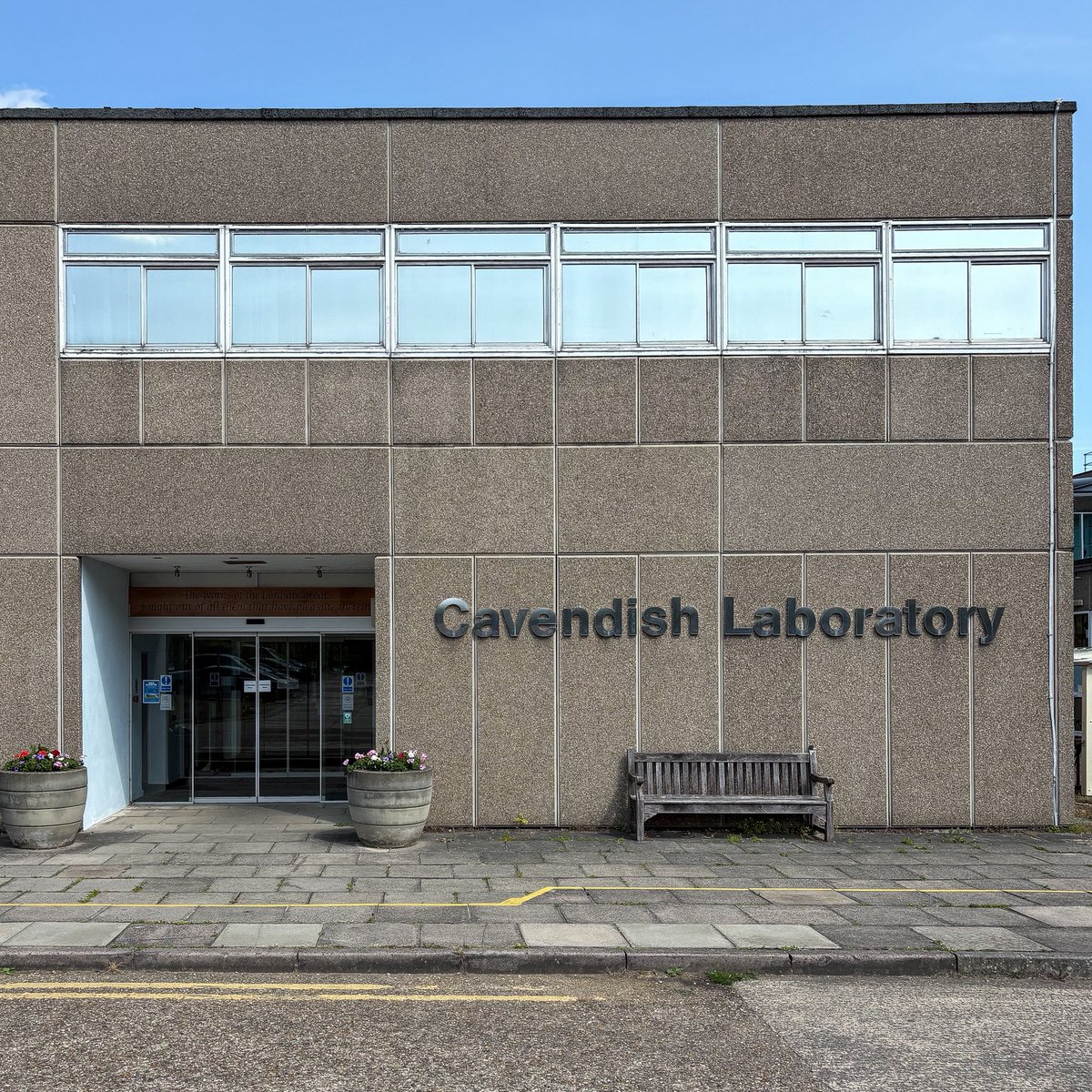
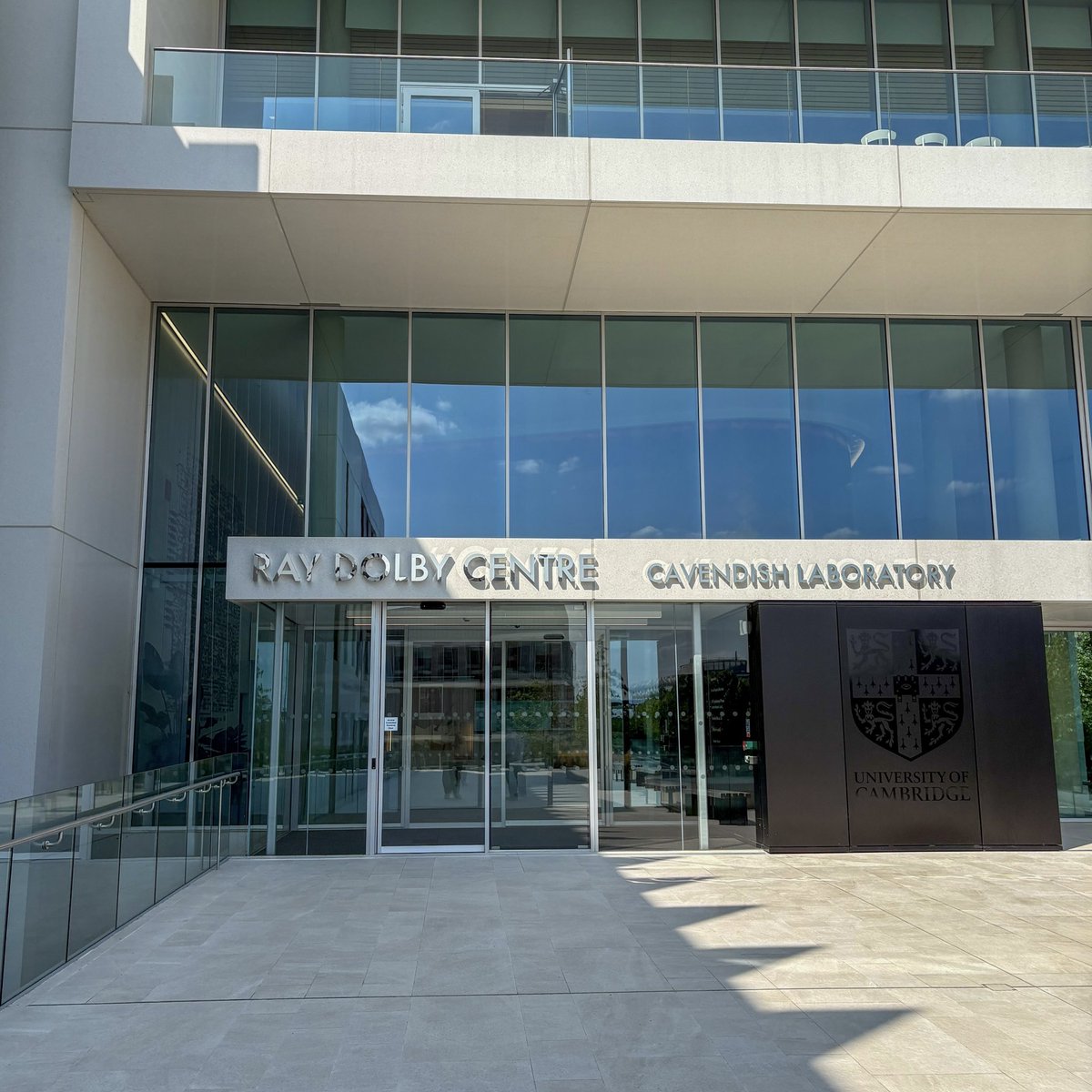
At @Cambridge_Uni for a PhD workshop... but also got a special tour of the legendary Cavendish Lab from @Lycan0422, co-founder of @RoboStack_io
Finally clicked what an AI-native cloud platform for robot simulation really is - one of the moving parts for the future of embodied AI 🤖
1
2
12
3,487

10 Jun 2025
🤖 RoboStack — Where Robots Become Possible Again
I grew up with a simple dream:
To build a robot that could do what humans can’t.
Not just for fun — but for something that matters.
But robotics in the real world?
Too expensive. Too complex. Too far out of reach.
⸻
Then came RoboStack.
A cloud-native robotics simulation platform where you can build, test, and deploy robots —
without owning a single piece of hardware.
You can start here:
👉 robostack.io/factory
⸻
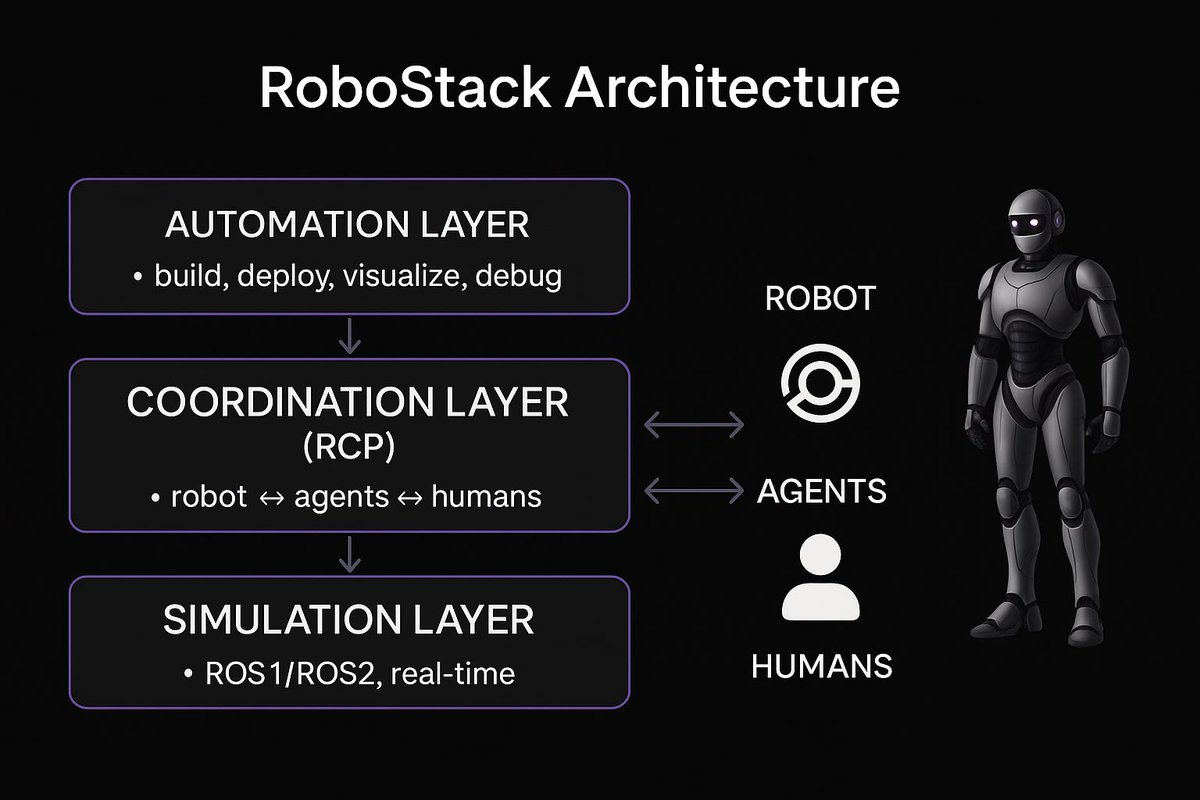
🧠 A simple, powerful architecture:
1.Simulation Layer
→ ROS1/ROS2 running real-time in the cloud
2.Coordination Layer (RCP)
→ A standardized protocol for AI ↔ robot ↔ human interaction
3.Automation Layer
→ Code, test, debug with Jupyter or AI prompts — all from the browser, no setup required
⸻
RoboStack is like Unreal Engine for the physical world.
But instead of rendering pixels, it simulates sensors, decisions, and motion.
This isn’t an AI demo.
This is infrastructure — for robots that think, react, and learn.
⸻
And no — I’m not writing this for a token.
I’m writing this because I see what RoboStack is building:
A service layer where autonomous agents are not just possible, but practical.
It’s not about hype. It’s about execution.
Start building:
🔗 robostack.io/factory
⸻
#ROBOT #Virtuals #CloudRobotics
#AIInfra #Mindshare #RoboStack
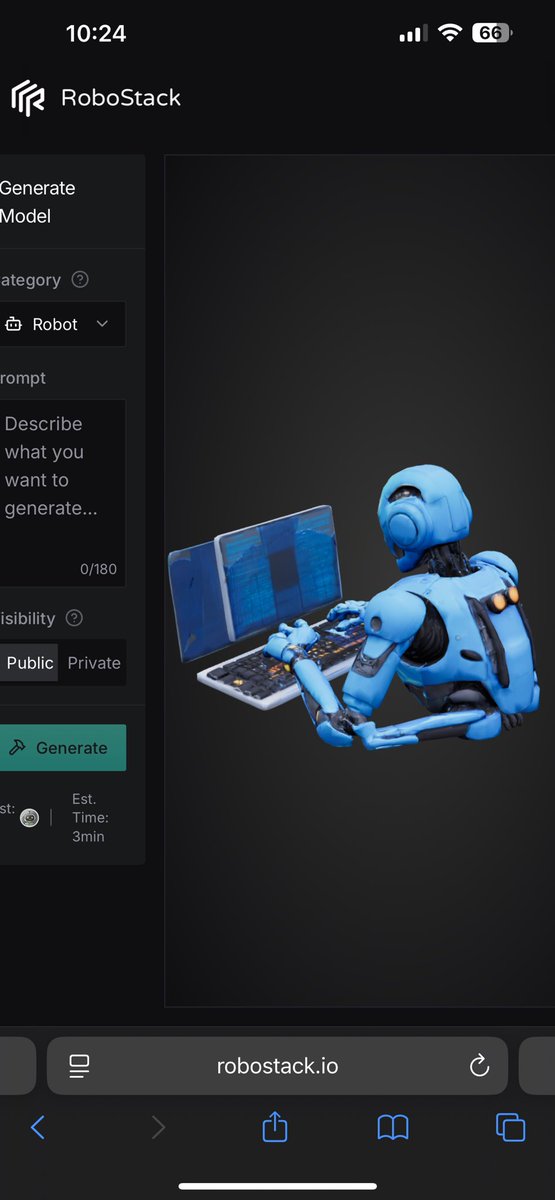
22
21
258

With
@RoboStack_io
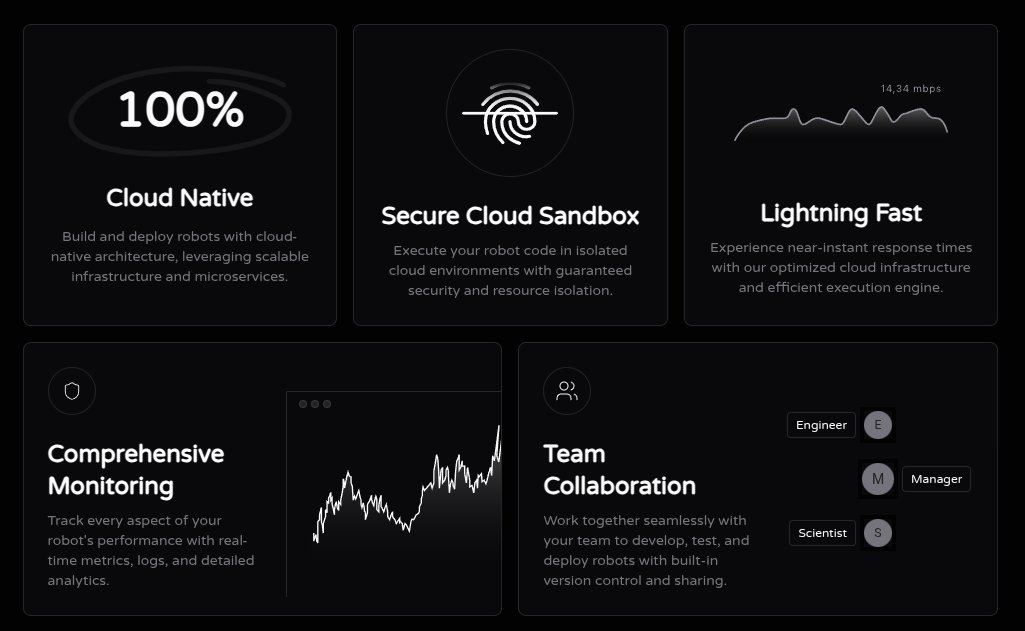
, you can build and deploy robots using cloud-native architecture. Features include isolated cloud environments for secure execution, real-time performance metrics, and built-in version control for seamless team collaboration. #CloudRobotics
1
3
13
8 Jun 2025
10/
If you're building robots, agents, or AI systems that move, RoboStack gives you a faster, cheaper, and more open foundation to deploy them.
Try it here 👉 RoboStack.io
Let’s build the future of embodied AI.
#RoboStack #SimLords #AI #CloudRobotics #Web3
1
1
3
117
6 Jun 2025
Robotics shouldn’t be gated by cost, hardware, or complexity.
That’s why we built RoboStack — a cloud-native platform where devs can simulate, deploy, and trade robotic intelligence at scale.
Sim Lords is just the beginning.
#RoboStack #SimLords #CloudRobotics #RCP
6 Jun 2025

🚀 Welcome to Robostack: Sim Lords
We’re thrilled to introduce the first chapter of Robostack’s innovative journey—Sim Lords! 🌟
robostack.io/factory
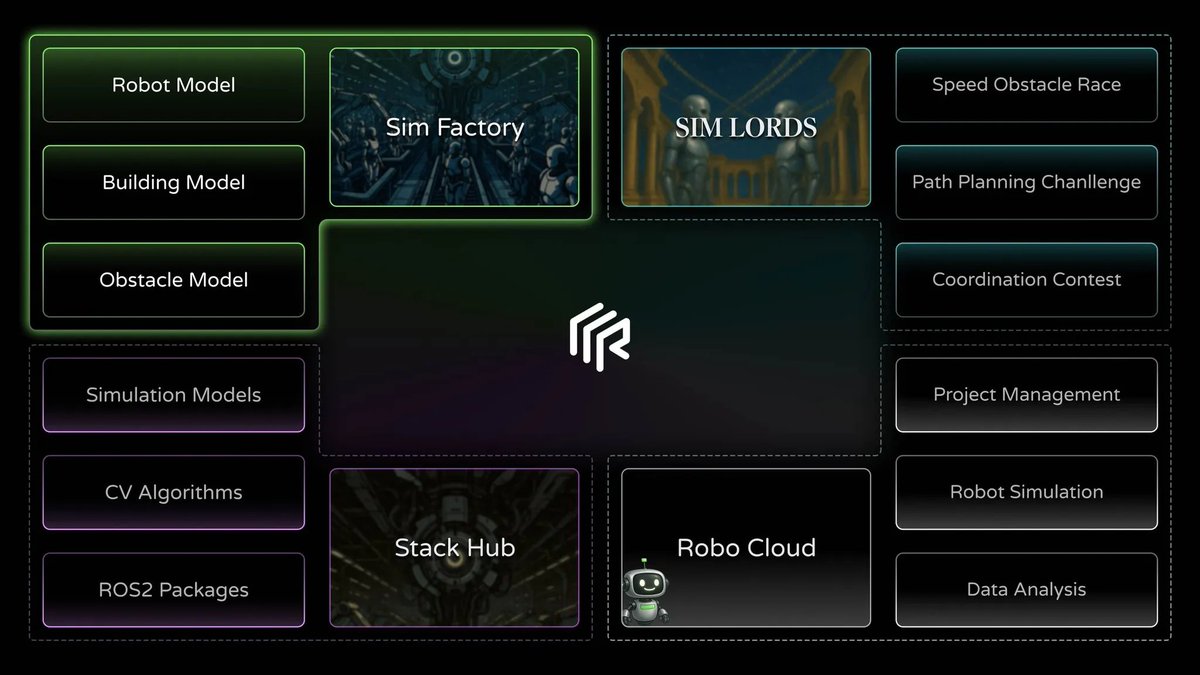
Robostack’s tech stack is built on three core pillars:
1️⃣ Sim Factory – WHERE YOU DESIGN & CREATE SIMULATION ELEMENTS
2️⃣ Robo Cloud – WHERE YOU RUN SIMULATIONS & UNLOCK INSIGHTS
3️⃣ Stack Hub – THE MARKETPLACE FOR VALUABLE SIMULATION PRODUCTS
Sim Lords is the first product to bring these technologies to life in a tangible, engaging, and fun way. It is more than just a tool—it’s a movement. We’re creating a space where users can generate valuable modeling tools, simulation data, and insights to propel the future of robotics.
1
2
144
6 Jun 2025
Elon gets it. @RoboStack_io
This is exactly the future we're building with RoboStack —where intelligent robotic agents can be developed, simulated, deployed, and traded like digital assets.
The age of autonomous collaboration is here.
#RoboStack #AIagents #CloudRobotics #Web3

True @Tesla_Optimus
2
151

29 May 2025
RoboStack's answer to robotics bottlenecks is Cloud-native simulation. Aims for realistic virtual envs & scalable infra to accelerate dev, training, & deployment. Runs entirely in the cloud, no local setup. Interesting approach. ☁️🤖 #CloudRobotics
4
34

27 May 2025
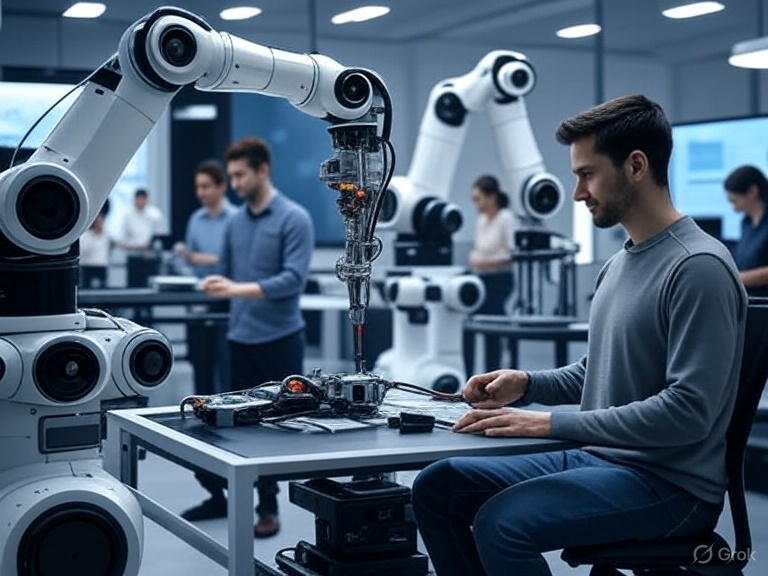
RoboStack_io’s RCP: The Silent Standard Redefining Robotics 🤖
What if the future of robotics isn’t just about building smarter machines… but creating systems that understand us?
@RoboStack_io’s RCP (Robot Context Protocol) feels like a quiet, confident leap in that direction. It’s not just a platform—it’s a rethink of how humans, AI agents, and robots work together.
So what makes it different—and why might it matter?
🧠 RCP as the TCP/IP of Robotics
Just like the internet’s core protocols unlocked a new era of connectivity, RCP enables modular, scalable, real-time collaboration between robots. Think: machines that can actually adapt, communicate, and cooperate.
☁️ Cloud-Native by Design
No more months wasted on hardware tuning. RoboStack lets devs simulate, iterate, and deploy—fully in the cloud. Fast testing, fewer field failures.
🧩 A New OS for Autonomy
This isn’t just about tools. It’s a full-stack operating system for decentralized robotic control. Real-time, agent-native, and built for a world where robots aren’t assistants—they’re collaborators.
So… is RCP the future of seamless autonomy? Or just a bold prototype with potential?
Either way, @RoboStack_io is asking the right questions—and quietly building something big.
What do you think? Could this be the protocol that rewires robotics?
#RoboStack #RCP #AIagents #Robotics #Autonomy #CloudRobotics
6
3
13
263

25 May 2025
2/4 Some of @RoboStack_io's powerful features include Cloud-native infra, Secure Sandbox, Fast response times, Real-time monitoring & Collaboration tools. #RoboStack #CloudRobotics
6
1
8
48

24 May 2025
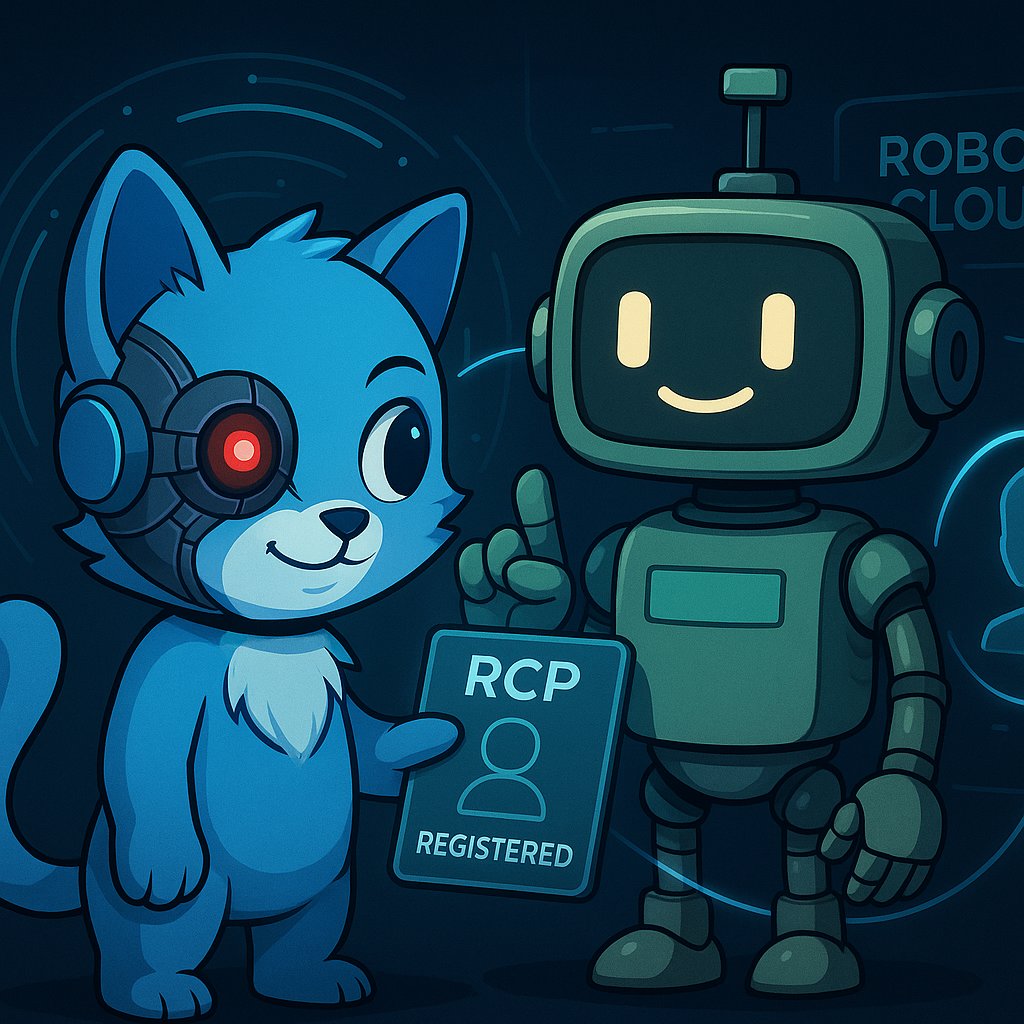
[시뮬레이션 로그: 브이원 x RoboStack]
@virtuals_io 인턴 브이원이
오늘은 @RoboStack_io
클라우드 시뮬레이션 센터에 도착했습니다
그 앞에 나타난 건 RoboStack의 $ROBOT
브이원은 RCP(Robot Context Protocol)를 통해
로봇 클러스터 내부에 접속하는데...
💡 RoboStack은 이런 플랫폼
- 실제 하드웨어 없이, 클라우드에서 로봇을 시뮬레이션
- 에이전트와 로봇의 행동을 고정밀 물리 기반으로 테스트
- 다양한 템플릿(환경/작업/모델)을 만들고 공유 가능
- 시뮬레이션이 실행될 때마다 기여자는 $ROBOT으로 보상받음
RCP는 이 모든 연결의 중심입니다
로봇, 사람, AI 에이전트를
하나의 프로토콜로 묶는 통신 구조로
RoboStack은 실패를 줄이고,
로봇이 자라나는 클라우드 실험실이라고 볼수있죠
#RoboStack #Virtuals #RCP #CloudRobotics
쿨다운 기간동안 야핑은 @RoboStack_io 으로!
1
1
6
98

5 Sep 2024
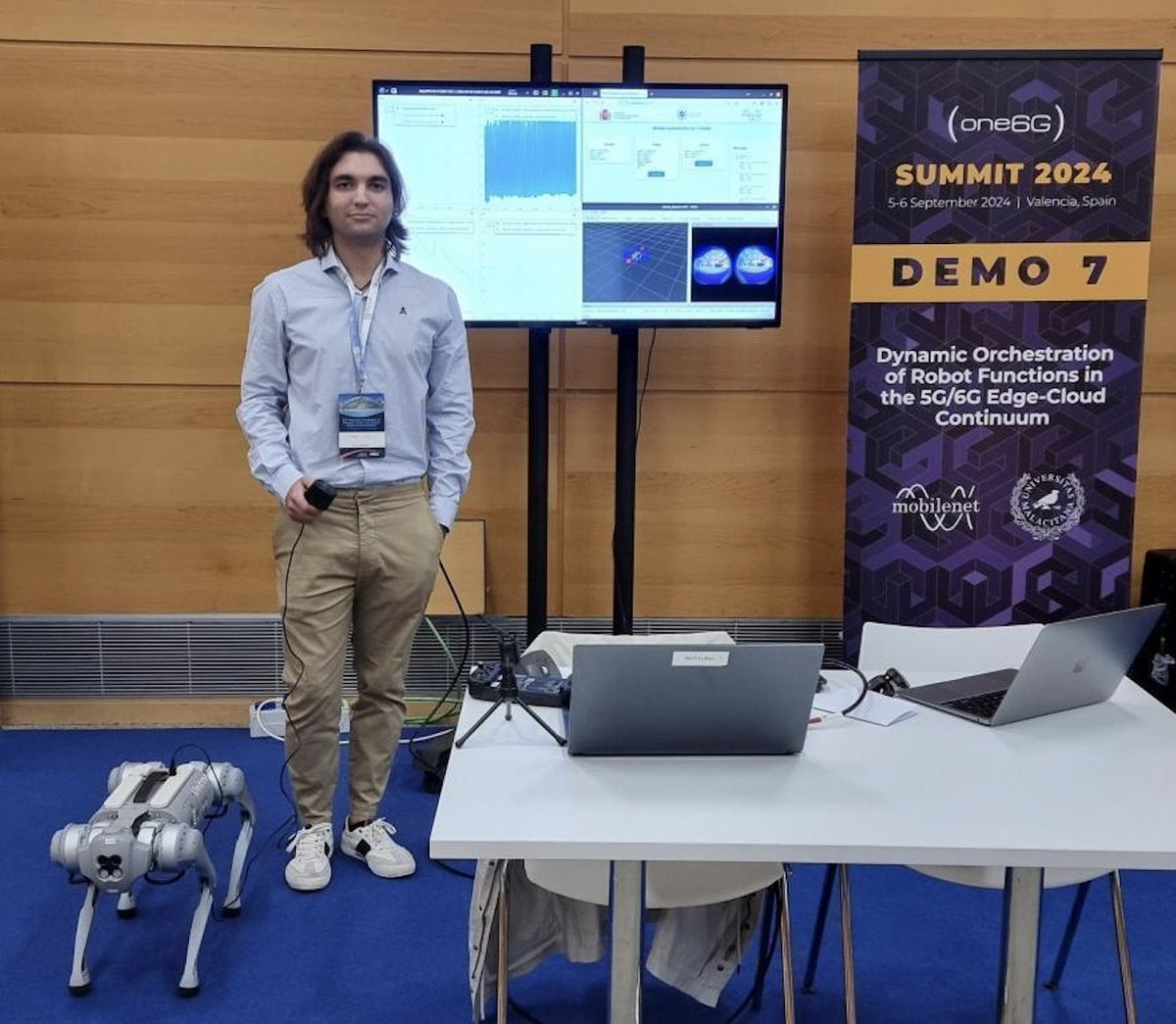
@MobilenetUMA is also at the 4th @one6GGlobal summit (#one6GSummit2024) at Valencia after the @IEEE PIMRC, showing our latest dev in #5g/#6g support to #cloudrobotics via #AI/#ML. Don't miss our demo "Dynamic Orchestration of Robot Functions in the 5G/6G Edge-Cloud Continuum"!
1
2
86

15 Apr 2024
Dive into #CloudRobotics at the hands-on #ICRA24 Tutorial on 17 May! 🤖💡
🎓 Led by academia & industry leaders
🔍 Explore cutting-edge @ROSorg tools
🛠️ Get hands-on with #FogROS2 & @CloudGrippe
From #UCBerkeley, #CMU, #KTH, @ieee_ras_icra
sites.google.com/view/icra-2…
1
7
28
5,512
21 Mar 2024
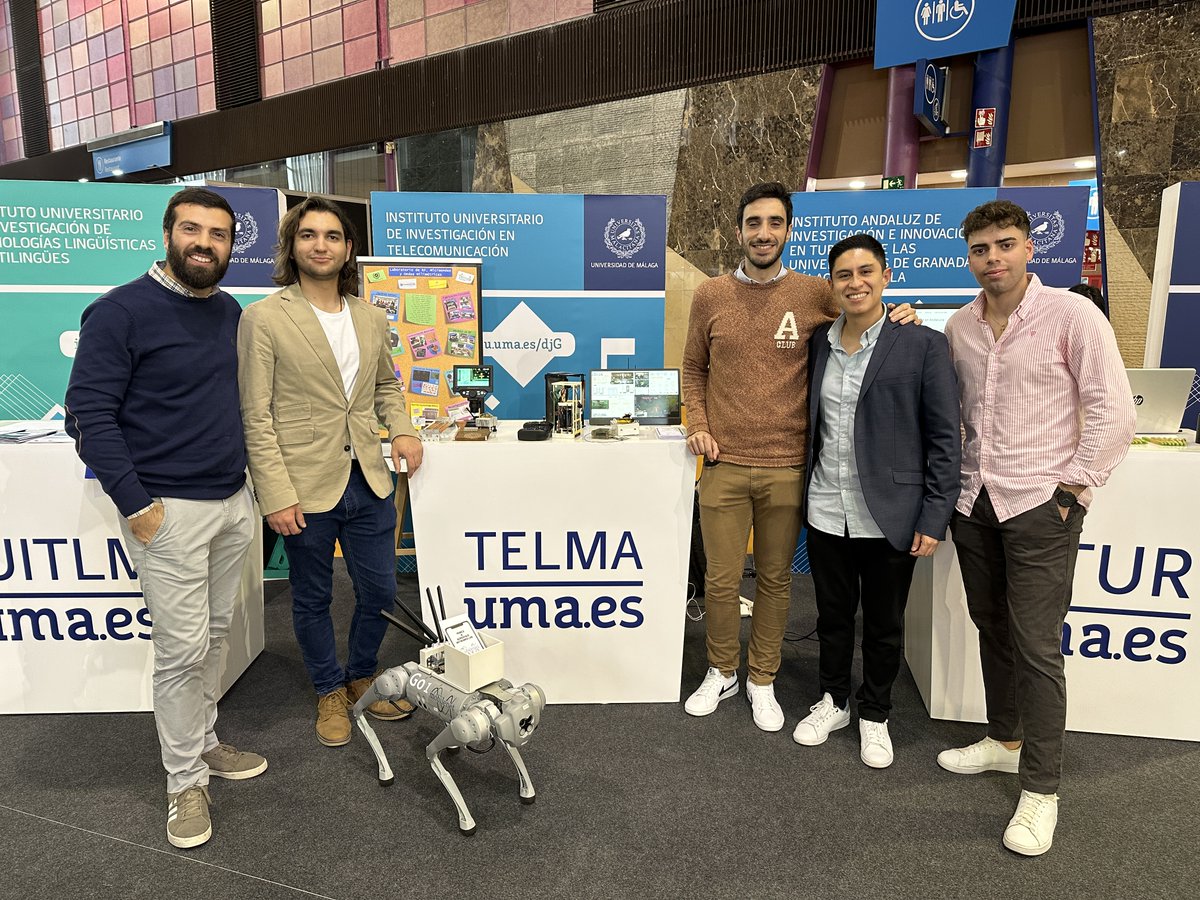
@MobilenetUMA is present these days at @ForoTransfiere showing some of our #5G / #6G #AI #ML solutions to provide services such as #XR, #cloudgaming, #localization and #cloudrobotics. Find us at TELMA stand in the @OTRIUMA @InfoUMA area!
1
2
6
214

19 Feb 2024
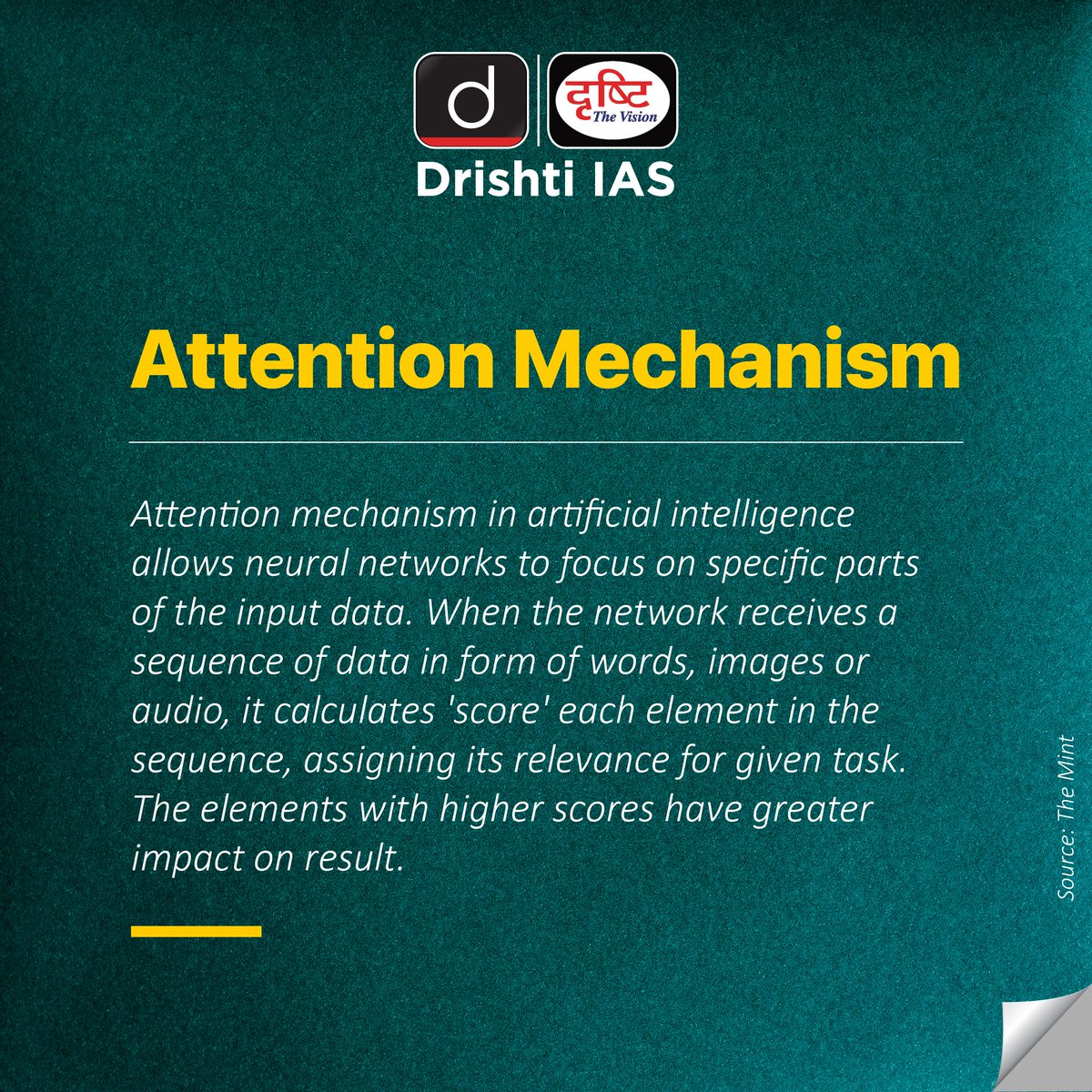
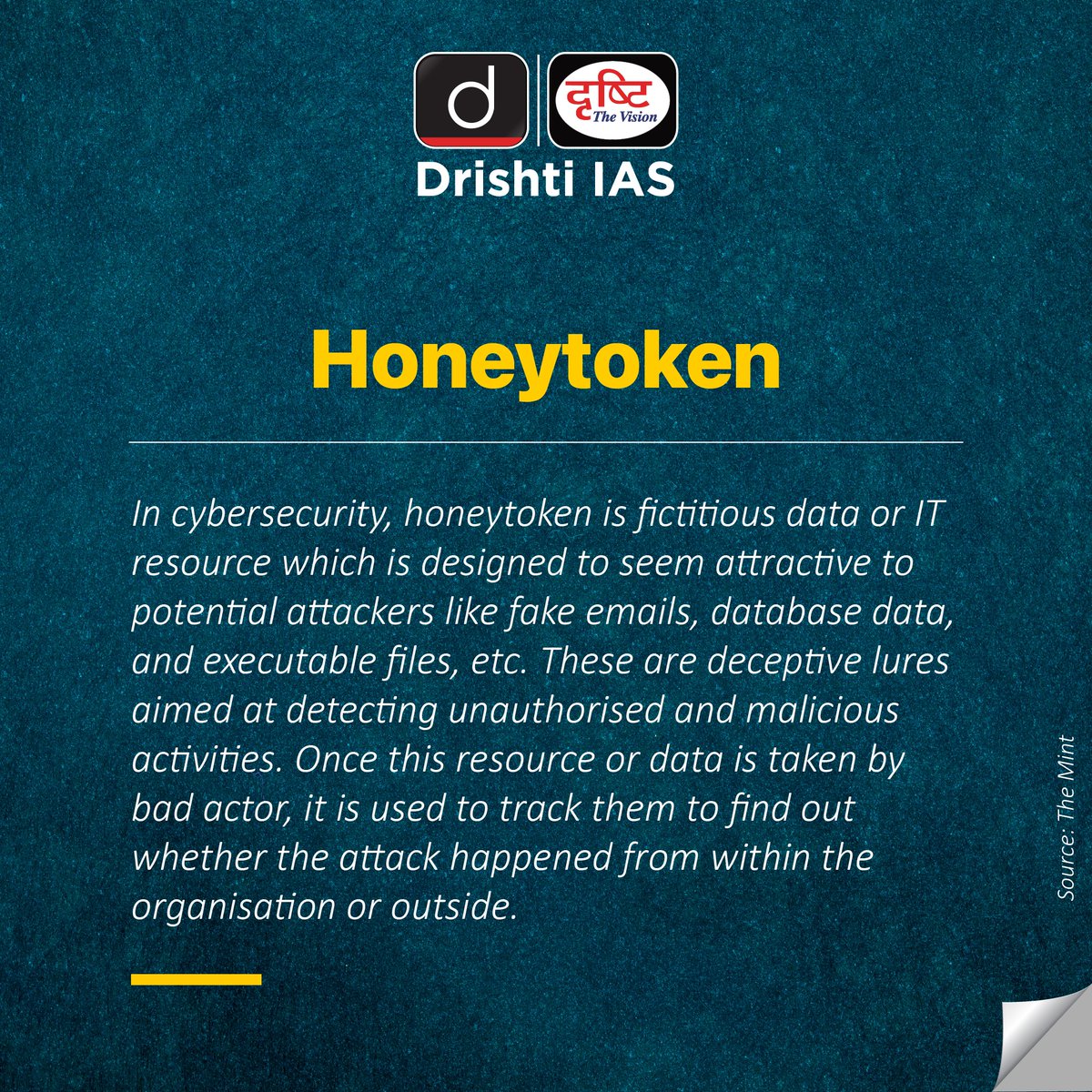
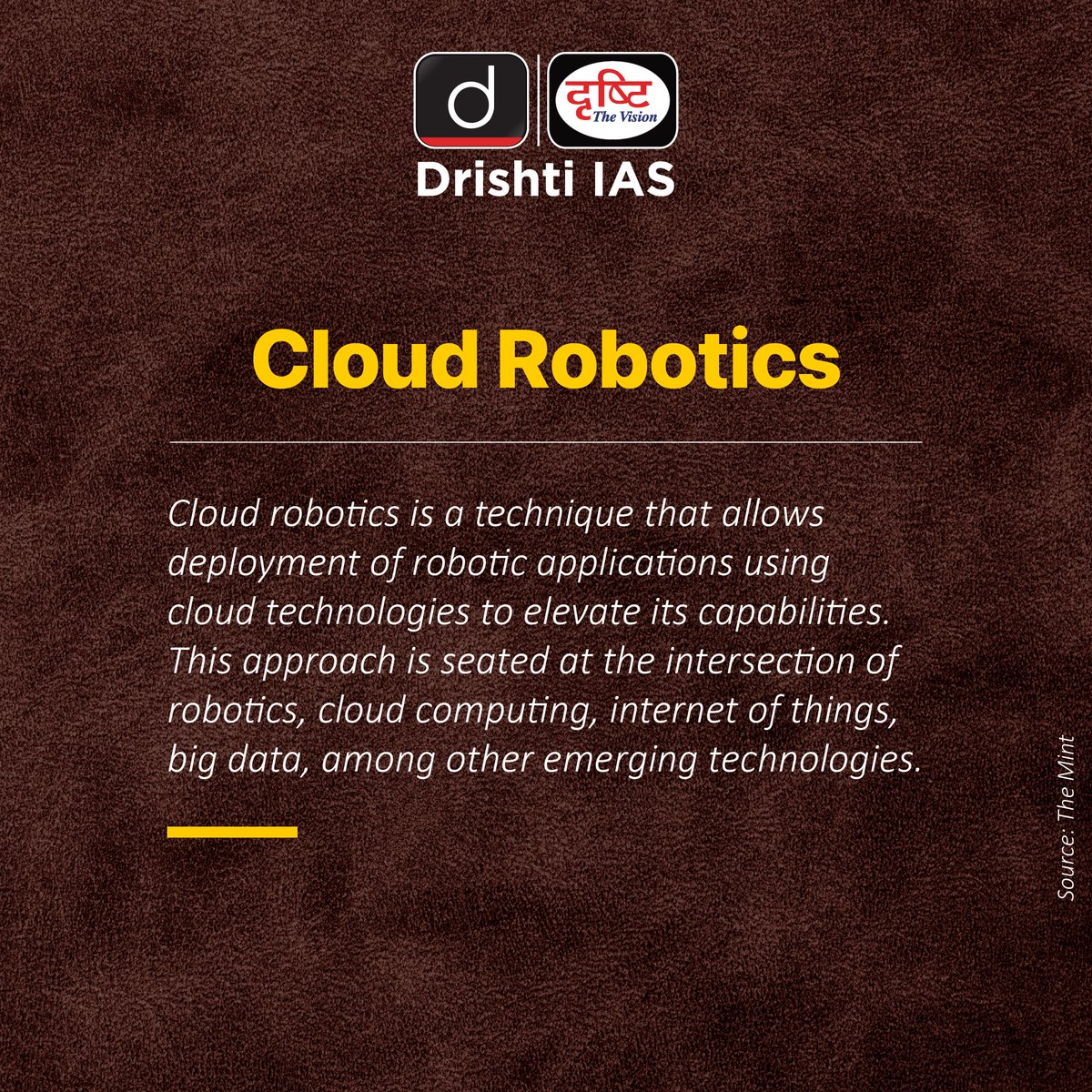
Today, we're exploring four key #Terms: Lights-Out, #Attention #Mechanisms, #Honeytokens, and #CloudRobotics. Learn more about how they're optimizing production and security
#Economics #Economy #Manufacturing #Technology #AI #IT #Robotic #UPSC #IAS #DrishtiIAS #DrishtiIASEnglish

1
2
445