

15 Aug 2025
Interesting Random Fact: A single cloud can hold the weight equivalent of 100 elephants in water droplets. #CloudScience #WeatherWonders
2
2
6
187

11 Jul 2025
Cloudpilled, Cloudcel, Cloudmaxxing, Cloudfailure, Cloudhon, Cloudoid, Cloudmogger, Cloudshit, Cloudpassing, Cloudworms, Cloudbian, Cloudscience, Cloudgender, Cloudsexual, Cloudboxing, Cloudremoval, Cloudfuel, Cloudrepper, Cloudchad, Cloudcope, Cloud50.
You're welcome. 😊
1
6
111

8 Jun 2025
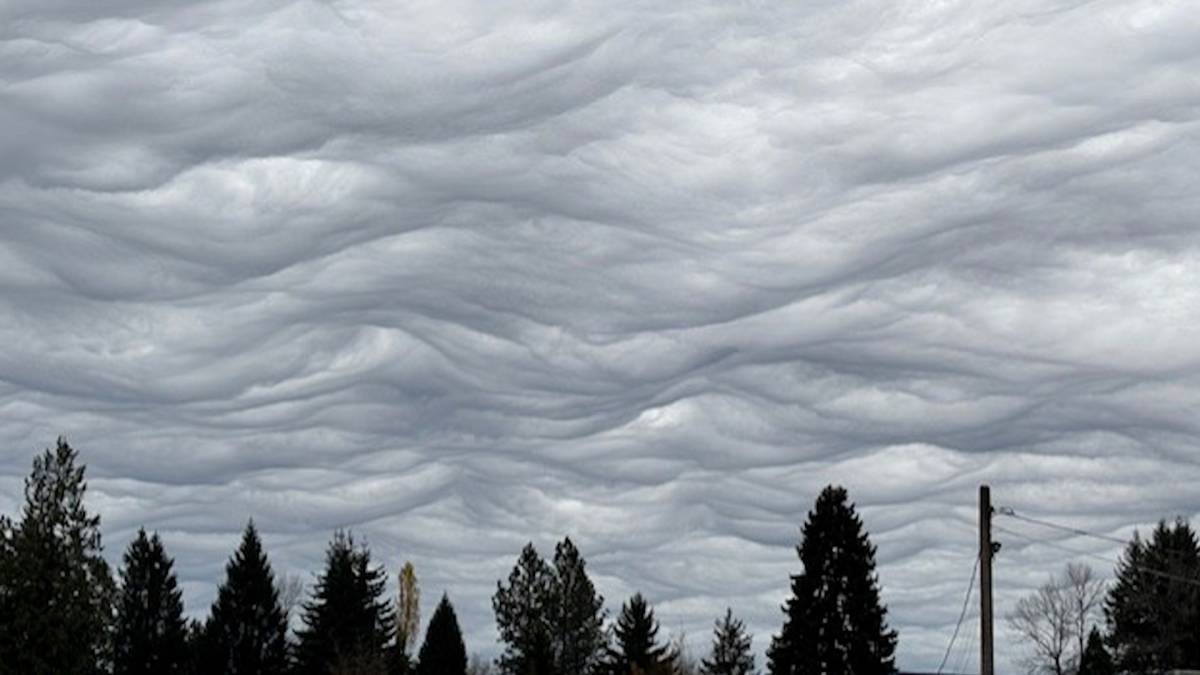
🌊☁️ Asperitas Clouds – Ocean Waves in the Sky ☁️🌊
A rare and dramatic sky show you don’t see every day!
Good afternoon cloud watchers and weather lovers! 👀🌦️
Have you ever looked up and felt like the sky was mirroring the sea — like waves were rolling across the heavens? If so, you may have witnessed one of the rarest and most mesmerising cloud formations on Earth — the asperitas cloud.
📸 These stunning, wave-like cloud formations are a relatively new addition to meteorology, only officially recognised in 2017 by the World Meteorological Organization — making them the first new cloud type added in over 50 years! 🌍
🔍 What Are Asperitas Clouds?
Asperitas (from the Latin ‘aspero’ meaning “to make rough”) are dramatic clouds that resemble rippling ocean waves seen from below. They typically form in the mid-levels of the atmosphere — between 4,000 and 10,000 feet — and appear to undulate like a stormy sea overhead.
🌪️ These clouds are rare, mysterious, and atmospheric showstoppers, with a beauty that’s both eerie and breathtaking. While they don’t usually bring rainfall themselves, they’re often seen following thunderstorms or in areas with unstable weather conditions.
🧪 How Do Asperitas Clouds Form?
That’s still a bit of a meteorological mystery! 🤔 But one leading theory suggests they form in the aftermath of convective storms, when wind shear (wind changing direction and speed with height) causes the cloud base to ripple and churn, much like waves on a choppy sea. Others suggest that mammatus clouds play a role, descending into turbulent air layers and creating those trademark undulating shapes.
No matter the mechanism, instability in the atmosphere is key to their formation.
🌩️ Weather Linked to Asperitas:
Although the clouds themselves don’t produce rain, they often signal turbulent weather — like thunderstorms or unsettled post-storm skies. So if you see asperitas overhead, you’re likely standing in a zone where the atmosphere has been through a dramatic shift.
🧠 A Bit of Cloud History
The Cloud Appreciation Society first proposed adding asperitas to the International Cloud Atlas in 2008, backed by hundreds of dramatic photos submitted by keen-eyed sky watchers from around the world. Their persistence paid off — and in 2017, asperitas was officially recognised as the first new cloud classification since 1951. 🌤️
📚 Did You Know?
We're still learning more about asperitas — including what "parent cloud types" they form from. The World Meteorological Organisation is continuing to study this phenomenon, and more info is expected in the next edition of the International Cloud Atlas.
So next time the sky looks like it’s rolling like the sea, grab your camera — you might just catch a moment of atmospheric history in the making! 📷
#AsperitasClouds #CloudAppreciation #SkyWaves #WeatherPhenomena #KernowWeatherTeam #WMO #CloudScience #LookUpCornwall #RareClouds #CloudLoversUnited #MysteriousSkies
3
6
330

#Infographic: Phases of the data value chain.
Via @ingliguori
#CloudComputing #DataScientist #Programming #BI #IoT #DataOps #DataAnalytics #DataSecurity #DataDriven #BigData #AI #Tech #IIoT #Python #JavaScript #CloudScience

5
154
#Infographic: Phases of the data value chain.
Via @ingliguori
#CloudComputing #DataScientist #Programming #BI #IoT #DataOps #DataAnalytics #DataSecurity #DataDriven #BigData #AI #Tech #IIoT #Python #JavaScript #CloudScience

2
118

29 Oct 2024
A Cloud Can Weigh Over a Million Pounds:
“Clouds may look light and fluffy, but an average cumulus cloud can weigh over 1.1 million pounds—about the weight of 100 elephants! 🌧️ #WeatherFacts #CloudScience”
4
29

17 Sep 2024
Did you know? 🌍☁️ Climate change is altering cloud formations, affecting weather patterns and global temperatures. Understanding their role is crucial for our future.
#ClimateChange #CloudScience #Sustainability #GoodTuesday #TuedayFeeling #TuesdayMotivation
4
145
#Infographic: Stages of the data value chain.
Via @ingliguori
#CloudComputing #DataScientist #Programming #BI #IoT #DataOps #DataAnalytics #DataSecurity #DataDriven #BigData #AI #Tech #IIoT #Python #JavaScript #CloudScience

2
257

13 Aug 2024
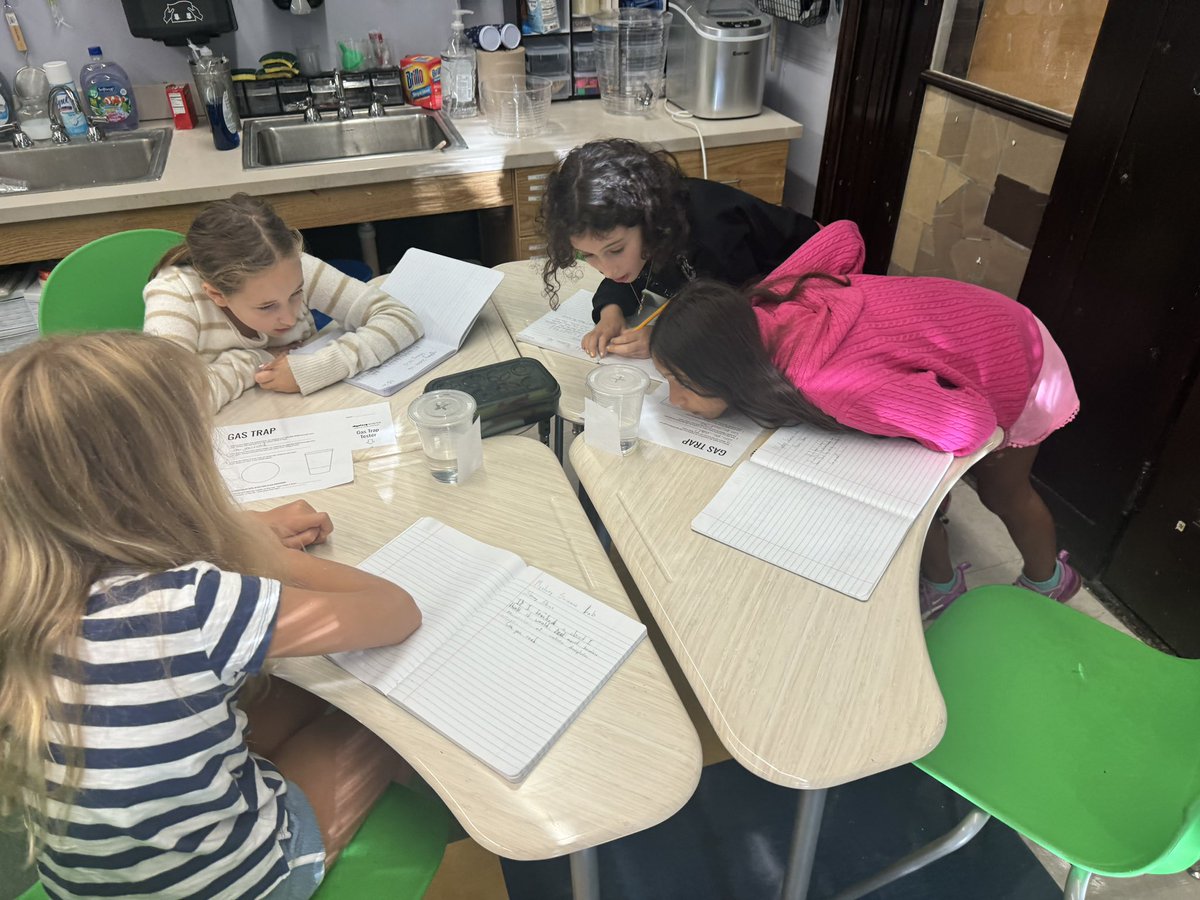
The fabulous 4th grade dragons had fun observing and inquiring what makes a cloud 🌧️ with @SamanthaMickens and Ms. Perkins! #STEAM #CuriousDragons #CloudScience @drjtoney @sarapruett5

1
6
173

27 Jan 2024
Let me look up some data and theorize. Water is comprised of two hydrogen and one oxygen and are more of a vapor.
Clouds stay in the sky due to a combination of factors related to their density, the air around them, and the forces acting upon them. The key concept to understand here is density.
Density is defined as the mass per unit volume of a substance. In the case of clouds, the density is lower than that of the surrounding air. This is because clouds are made up of water droplets or ice crystals that are very small and have a lot of space between them. The water droplets or ice crystals in a cloud have a low mass per unit volume, which means that the overall density of the cloud is lower than the density of the air around it.
Now, let's talk about atomic weight. Atomic weight is the average mass of an element's atoms, based on the relative abundance of its isotopes. For our purpose, the atomic weight of oxygen and hydrogen, the two elements that make up water, is relevant. The atomic weight of oxygen is 15.999 u (atomic mass units), and the atomic weight of hydrogen is 1.008 u.
When water molecules (H2O) form in the atmosphere, the atomic weight of the oxygen and hydrogen atoms contribute to the overall weight of the water droplets or ice crystals. However, the density of these water droplets or ice crystals is still lower than the density of the surrounding air.
The reason other things fall to the ground is that they have a higher density than the air around them. For example, a rock has a much higher density than air, so it falls to the ground when there is nothing to support it.
In summary, clouds stay in the sky because their density is lower than that of the surrounding air, despite the atomic weight of the water droplets or ice crystals that make up the cloud.
#CloudFormation #CloudPhysics #AtmosphericScience #Weather #WaterCycle
#Climate #Meteorology #CloudScience
#AtmosphericPressure #AirDensity #Clouds
#Sky #Nature #Science #WeatherForecast
#Environment #ClimateChange #WeatherFacts
#CloudWatching #GravityFalls #gravity
#CloudLovers
2
5
288

29 Oct 2023
Scientists found 9 types of plastic, including some that seed clouds.
🎥 @Wef
@arikring @Shi4Tech @sallyeaves @MikeHudema @mvollmer1 @AdamRogers2030 @gvalan @KanezaDiane @jblefevre60 @Nicochan33 @SDG2030 @FrRonconi @smoothsale @helene_wpli @HeinzVHoenen @supplychnqueen @Analytics_699 @PawlowskiMario @fogle_shane @sonu_monika @enilev @postoff25 @LavaletteAstrid @sminaev2015 @rwang0 @ComesAnnemarie @BetaMoroney @Victoryabro @RagusoSergio @ExpertsRock @TanyaSinha_ @RLDI_Lamy @smaksked @vanivina9 @kashthefuturist
#PlasticInClouds #CloudSeedingPlastic #SDGs #PlasticPollution #EnvironmentalImpact #PlasticDiscovery #Climate #Weather #ScienceAlert #CloudScience #BanPlastic #EcoCrisis #WeatherChange #PlasticWeather
1
33
31
2,319

9 Sep 2023
🌥️ هل تعلم أن هناك ثلاث طرق أساسية تتبدد بها السحب؟ دعونا نستكشفها معًا!
1 ️⃣ زيادة درجة الحرارة: مع ارتفاع درجة الحرارة، يصبح الهواء داخل السحابة أكثر دفئا. وهذا الدفء يسمح للهواء باحتجاز المزيد من بخار الماء، مما يؤدي إلى تبخر قطرات الماء السائلة داخل السحابة. وفي نهاية المطاف، تصبح جزيئات السحابة أصغر من أن تكون مرئية، وتتبدد السحابة.
2 ️⃣ الاختلاط بالهواء الأكثر جفافًا: في بعض الأحيان، تواجه السحب كتلًا هوائية أكثر جفافًا أثناء تحركها عبر الغلاف الجوي. عندما يحدث هذا، يمتزج الهواء الأكثر جفافًا مع السحابة، مما يتسبب في تبخر قطرات السحابة. تعمل عملية الخلط هذه على تقليل السحابة تدريجيًا.
3 ️⃣ غرق الهواء: داخل السحابة، قد تتعرض مناطق معينة لهواء هابط. عندما يهبط الهواء، فإنه ينضغط ويسخن، مما يزيد من قدرته على الاحتفاظ ببخار الماء. ويؤدي هذا إلى تبخر قطرات السحابة، مما يؤدي في النهاية إلى تبدد السحابة.
إذا كنت مهتمًا بمعرفة المزيد حول تبديد السحابة ورؤية مقطع فيديو رائع بفاصل زمني يصور هذه العملية، فاطلع على مقطع الفيديو الخاص بك/madmardigan على Reddit! إنها رحلة بصرية ساحرة تعرض سحر الطبيعة.
[ 📹 رابط الفيديو: < x.com/Rainmaker1973/…>]
دعونا نستمر في التعجب من عجائب غلافنا الجوي! 🌤️✨ #CloudScience #Nature #Weather
2
2
279
9 Sep 2023
🌥️ Did you know that there are three primary ways that clouds dissipate? Let's explore them together!
1️⃣ Temperature Increase: As the temperature rises, the air within the cloud becomes warmer. This warmth allows the air to hold more water vapor, leading to evaporation of the liquid water droplets within the cloud. Eventually, the cloud particles become too small to be visible, and the cloud dissipates.
2️⃣ Mixing with Drier Air: Sometimes, clouds encounter drier air masses as they move through the atmosphere. When this happens, the drier air mixes with the cloud, causing the cloud droplets to evaporate. This mixing process gradually diminishes the cloud.
3️⃣ Air Sinking: Within a cloud, certain areas may experience descending air. As the air sinks, it compresses and warms, increasing its capacity to hold water vapor. This results in the evaporation of cloud droplets, eventually causing the cloud to dissipate.
If you're interested in learning more about cloud dissipation and seeing a fascinating timelapse video that captures this process, check out u/madmardigan's video on Reddit! It's a mesmerizing visual journey that showcases the magic of nature.
[📹 Video link: <x.com/Rainmaker1973/status/1…>]
Let's continue to marvel at the wonders of our atmosphere! 🌤️✨ #CloudScience #Nature #Weather
9 Sep 2023

The 3 primary ways that clouds dissipate are (1) temperature increase, (2) mixing with drier air (3) air sinking within the cloud. When the temperature increases, the air has a higher capacity to evaporate liquid water
[📹 u/madmardigan, 5 min timelapse]
x.com/Levandov_2/status/1700…
2
2
226

8 Jul 2023

3
360

12 Oct 2022
Our research on clouds has a bright forecast! Check out details for the Pi Cloud Chamber here:
phy.sites.mtu.edu/cloudchamb…
#CloudScience #AtmosphericScience
8 Oct 2022

If you've ever been in a plane when it hits turbulence, you know swirling air can have big effects. It can also cause changes in humidity that drive the development of clouds, according to research @michigantech. #ScienceNeverSleeps energy.gov/science/ber/artic…
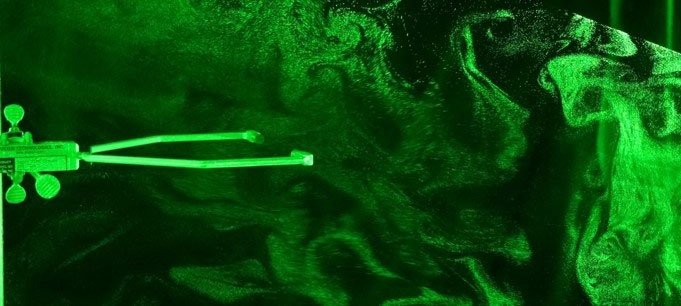
ALT Photo of swirling air and cloud droplets in a cloud chamber, lit by green light
1
2

11 Oct 2022
A sonic temperature sensor and cloud droplets in the laser sheet inside Michigan Tech's cloud chamber. 🌧️
#CloudScience #AtmosphericScience
8 Oct 2022
If you've ever been in a plane when it hits turbulence, you know swirling air can have big effects. It can also cause changes in humidity that drive the development of clouds, according to research @michigantech. #ScienceNeverSleeps energy.gov/science/ber/artic…
ALT Photo of swirling air and cloud droplets in a cloud chamber, lit by green light
1
6

16 Aug 2022
Very excited to finally see this huge collaborative effort online!
Combining in-situ measurements at the Southern Ocean, new method to detect small ice, ice nucleating particle measurements and instrument simulator approach to the CAM model #CloudScience
agupubs.onlinelibrary.wiley.…
5

28 Feb 2022
Below is part 2of3 of my tributes to the up-coming NFT project @transparenttina:
"CloudScience"
Everyone should be accepted for who they are and where they are from. Discord will re-open soon so keep an eye out!
@louiserossnft
#transparenttina
#NFT
3
13

17 Nov 2021
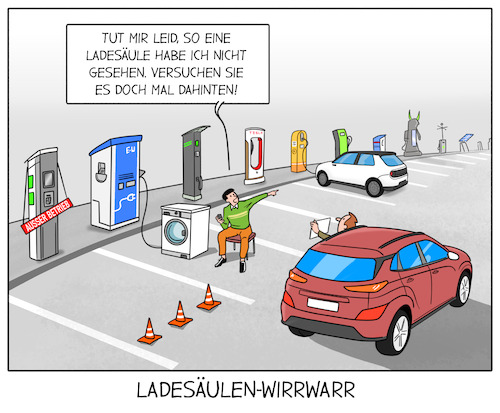
Ladesäulen-WirrWarr ... es bleibt kompliziert
(Cartoon von CloudScience)
4
5