
Jun 4
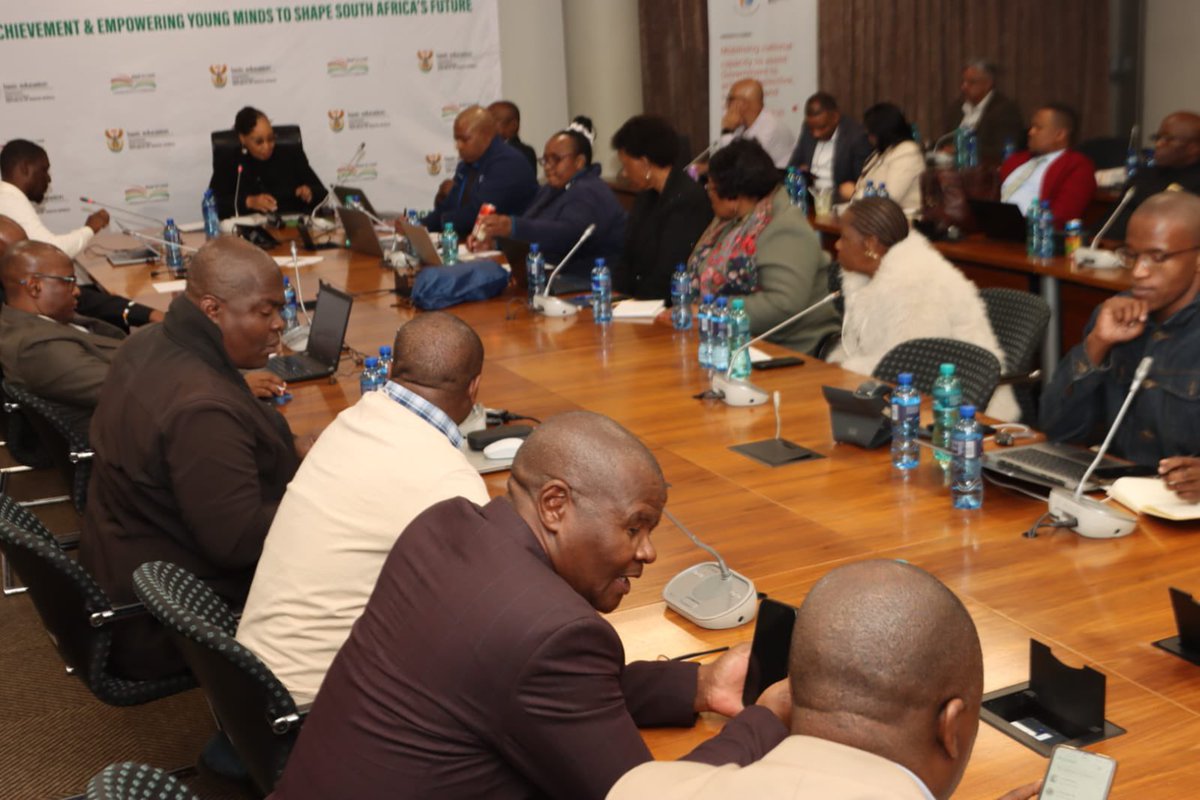
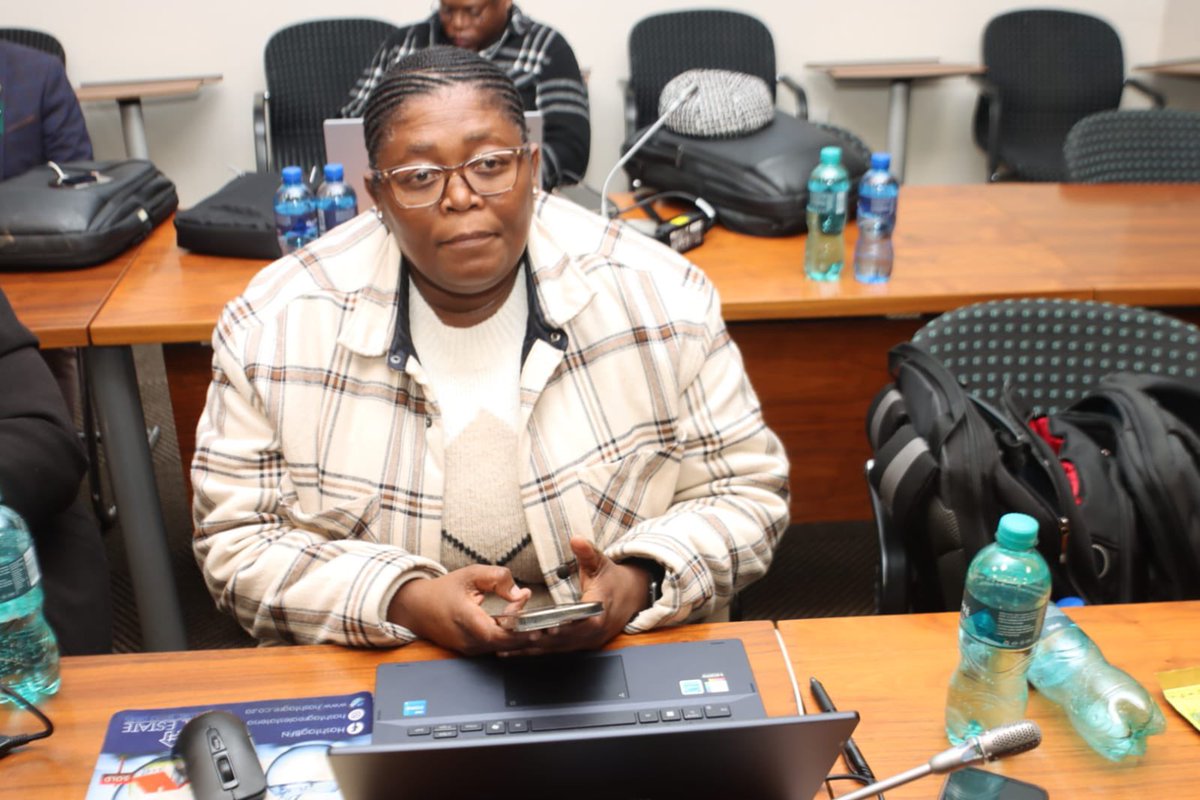
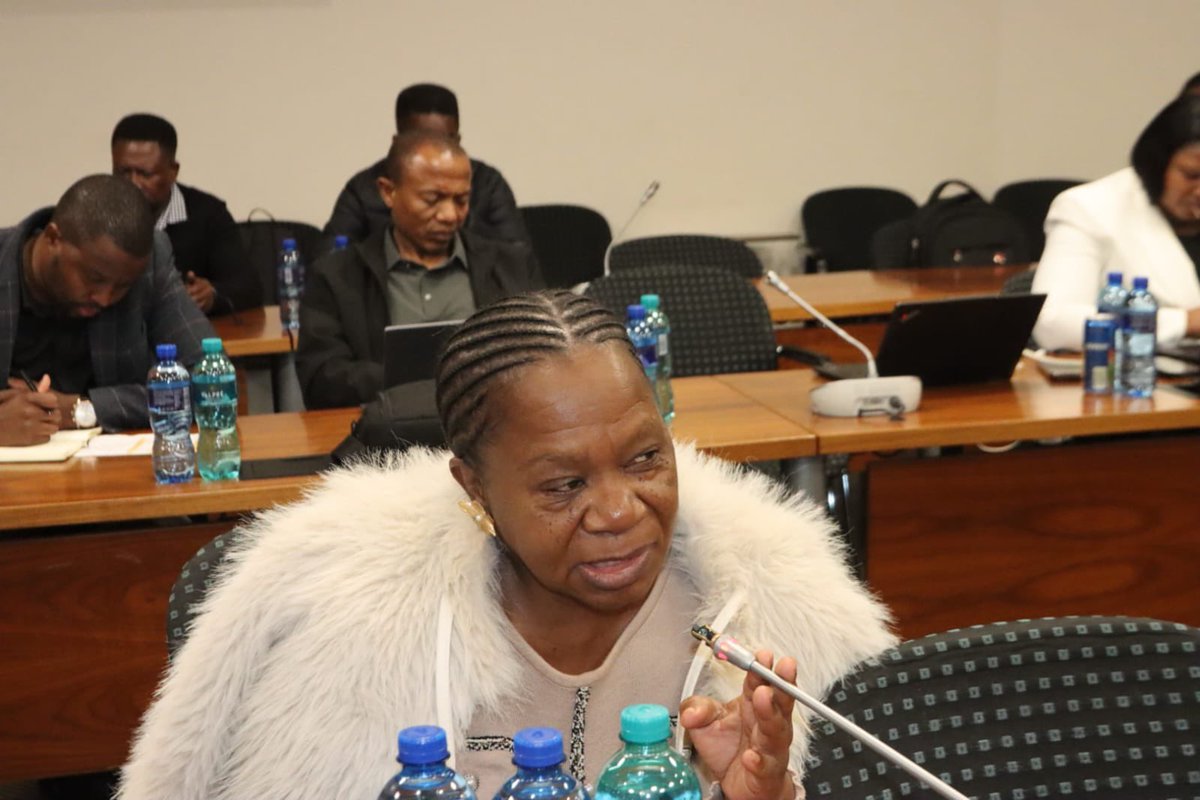
Mr Leonard Gumani Mudau, Chief Education Specialist for Mathematics at the DBE, presented on the status of Mathematics participation and performance across provinces, highlighting key trends in enrolment, learner progression, and system-wide support needs.
His presentation provided an overview of provincial participation patterns, with emphasis on FET phase enrolment trends and the importance of strengthening foundational learning in Grades 8 and 9 to support learner confidence and progression in Mathematics.
He also shared insights from learner performance analysis, noting areas where continued focus is required to improve conceptual understanding, teaching approaches, and engagement with mathematical problem-solving.
The presentation further reflected on provincial participation against national targets, underscoring the need for ongoing interventions to support improved uptake and sustained participation in Mathematics.
Overall, the presentation reinforced the importance of continued collaboration and targeted support to strengthen Mathematics teaching and learning outcomes across all provinces.
#MSTGrant #MSTGrant2026 #MathematicsEducation #ScienceEducation #Technology #TeacherDevelopment #MST #CodingAndRobotics #SkillsForTheFuture #YouthDevelopment #GovZAUpdates #EducationZA

1
3
1,379
Jun 4
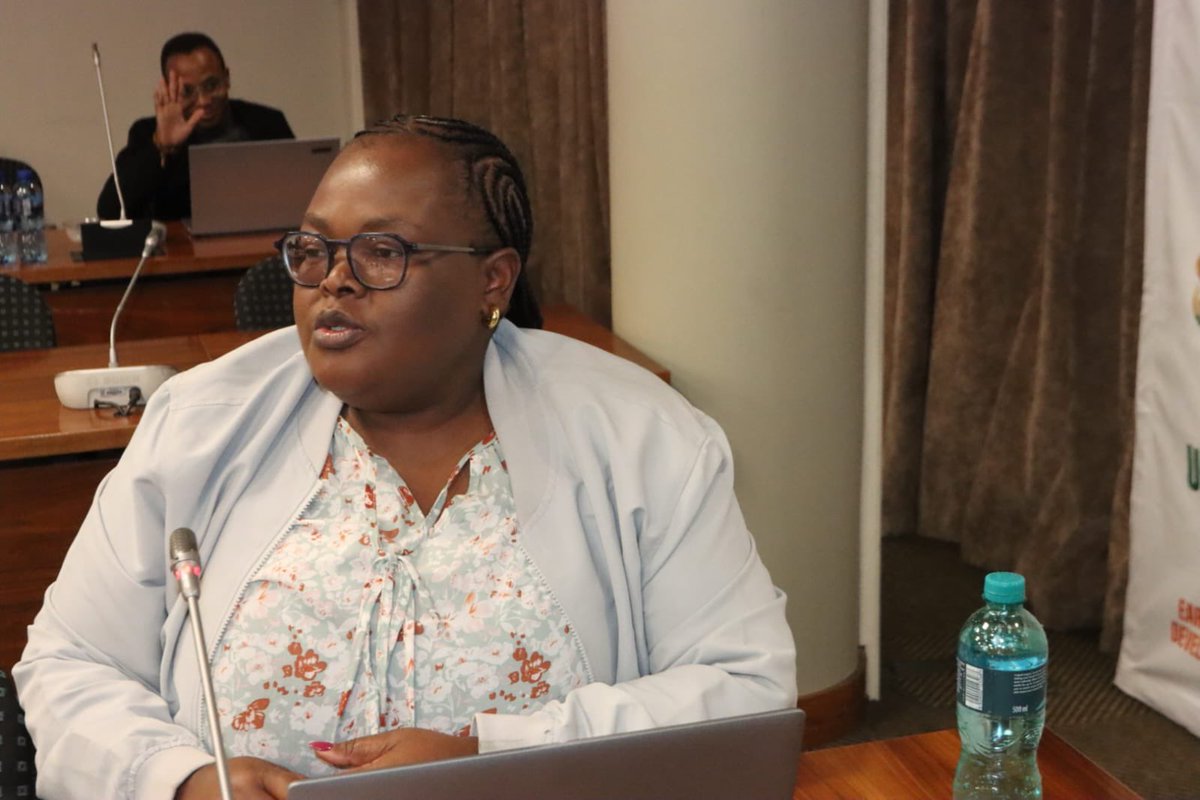
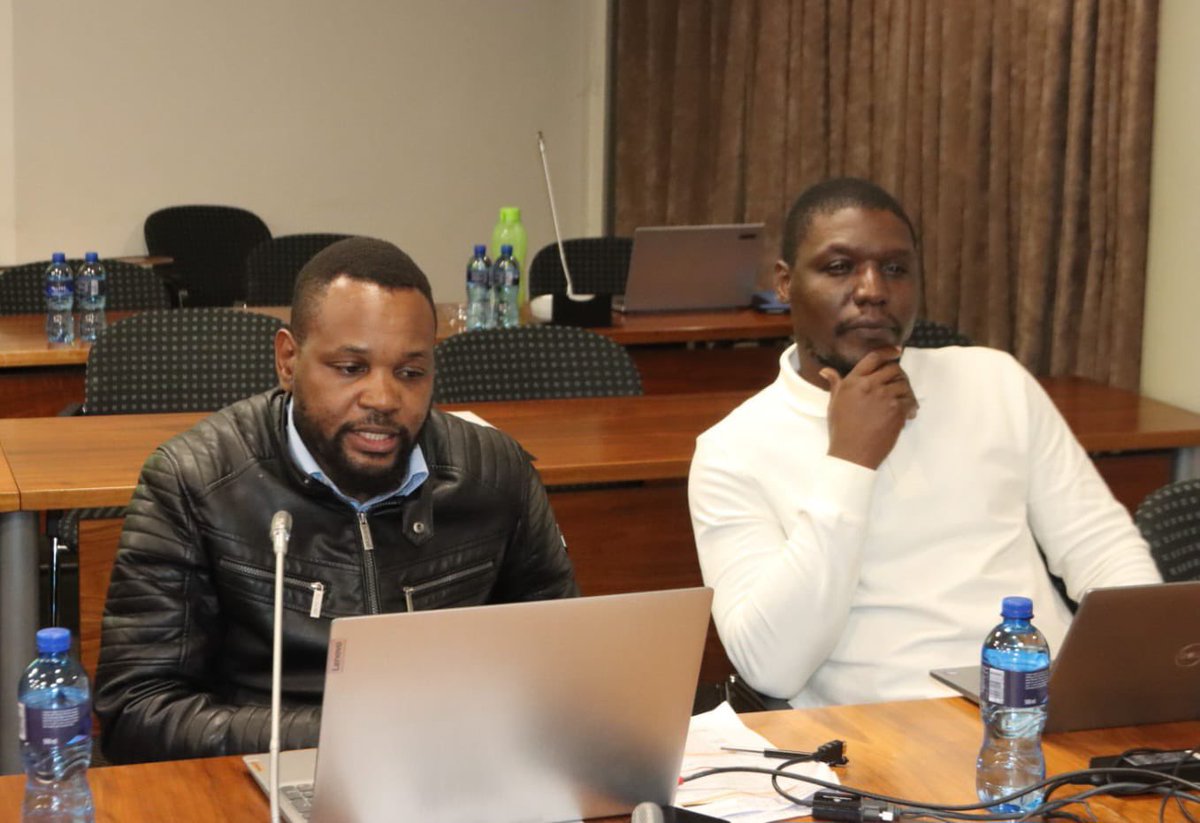
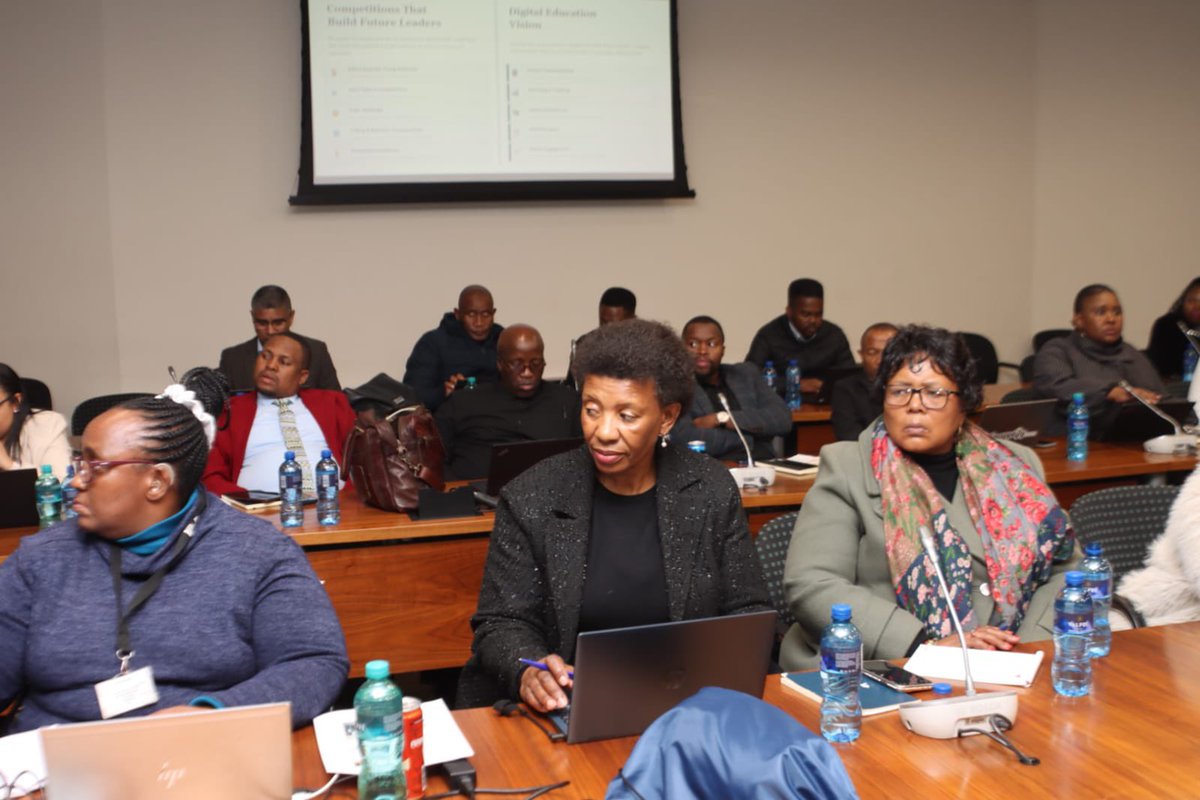
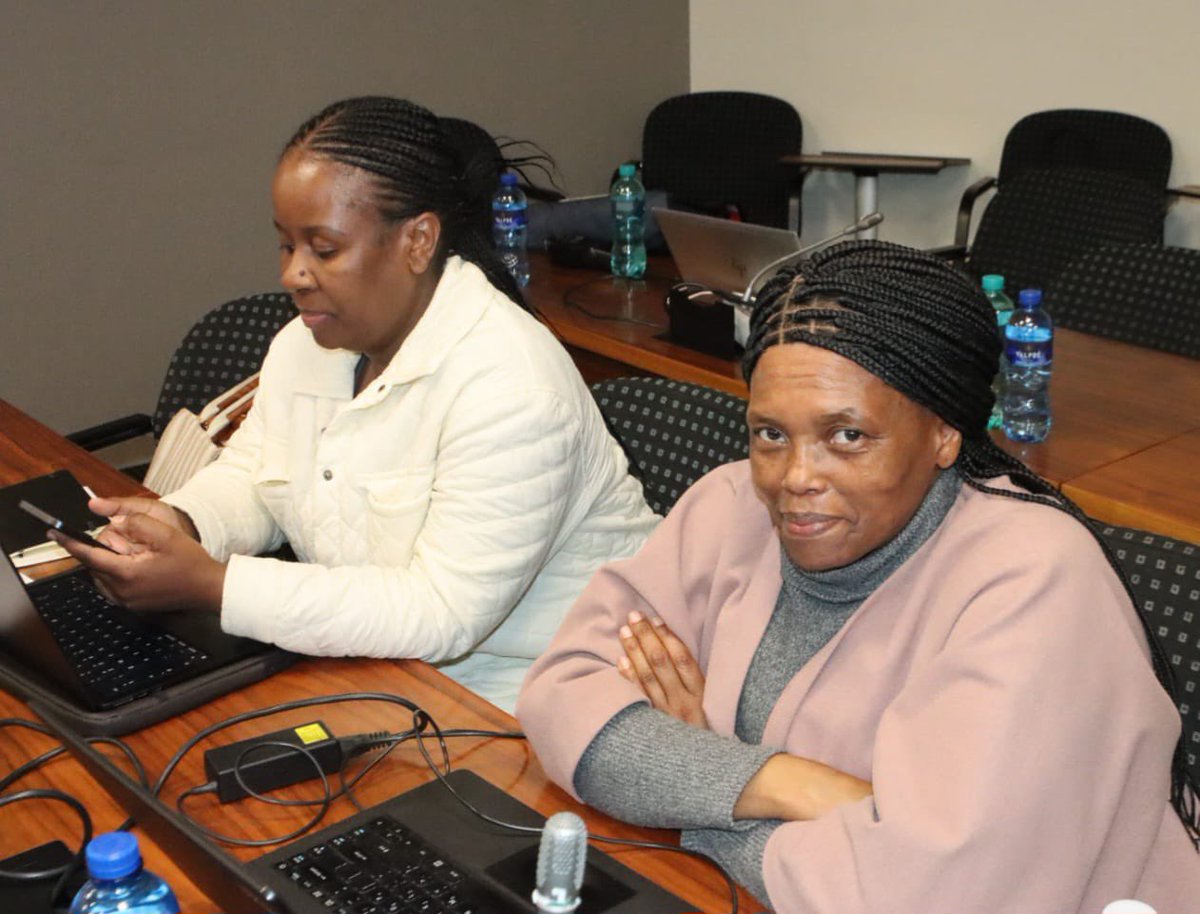
Following insightful school visits earlier in the programme, delegates reconvened at the MST Grant Seminar for stakeholder presentations focused on advancing Mathematics, Science and Technology (MST) education across South Africa.
Presentations by the Sasol Foundation highlighted ongoing investments in STEM education, teacher development, technical subjects, coding and robotics, mobile science laboratories, career guidance, and skills development initiatives that support national education priorities.
Delegates also engaged with presentations from Academic Business Systems, Calotrix Pty Ltd, and 3wix Group Lab and Rebedu Store, which showcased innovative educational resources, digital solutions, practical learning tools, and technologies designed to enhance teaching and learning in Mathematics, Science and Technology classrooms.
The engagements underscored the value of strong partnerships between government, industry, and education stakeholders in expanding access to quality STEM education and supporting learner success, particularly in rural and under-resourced communities.
#MSTGrant #MSTGrant2026 #MathematicsEducation #ScienceEducation #Technology #TeacherDevelopment #MST #CodingAndRobotics #SkillsForTheFuture #YouthDevelopment #GovZAUpdates #EducationZA
1
336
Jun 4
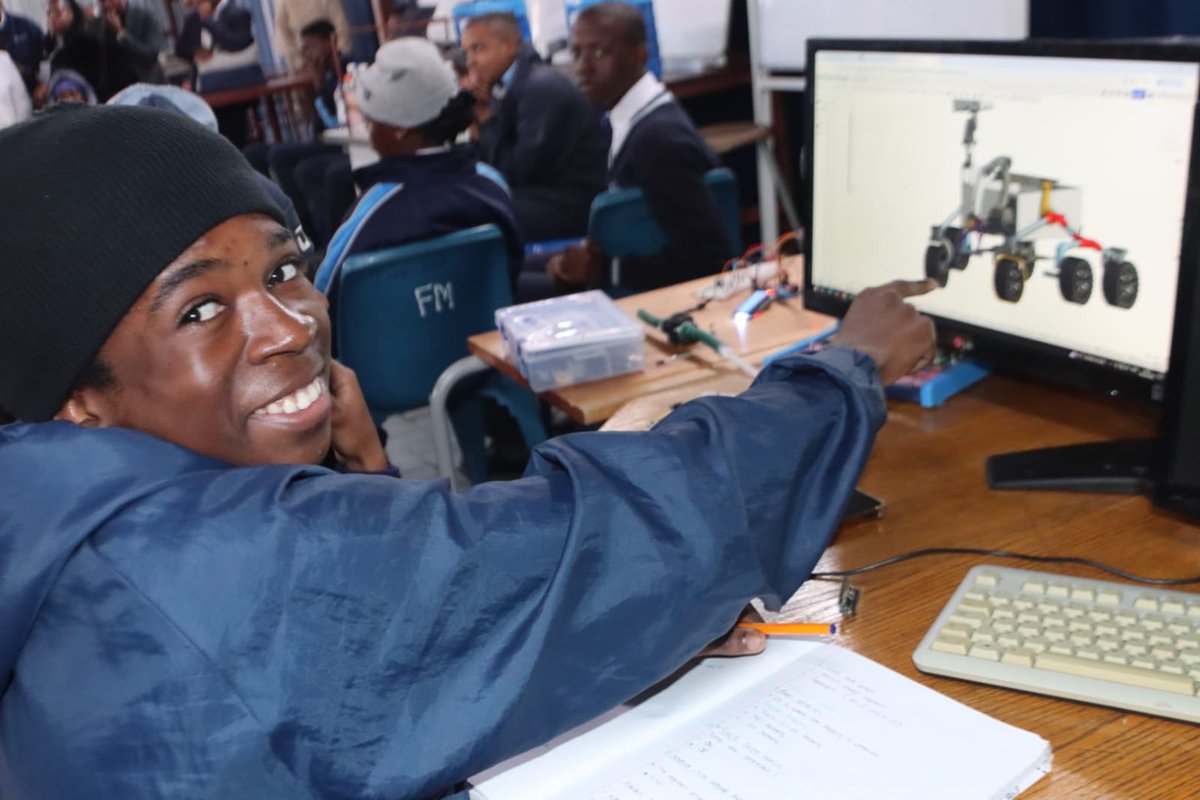
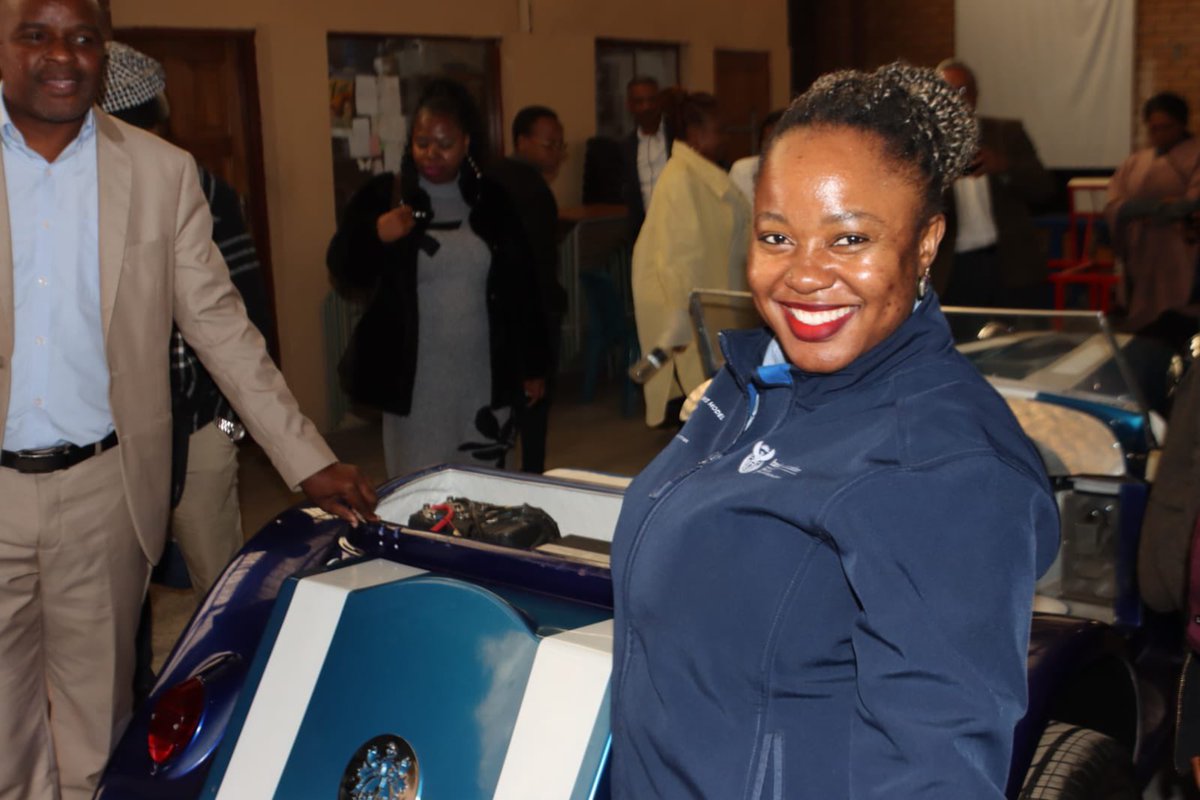
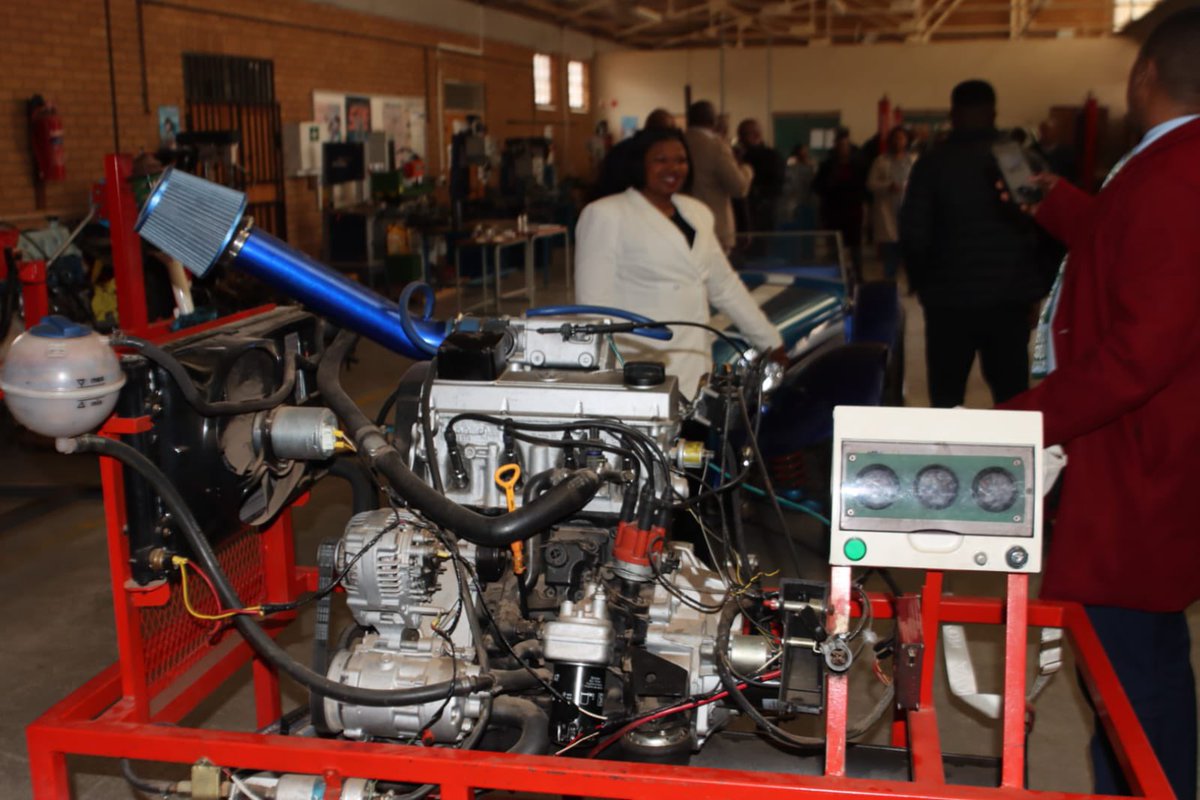
The school visits provided delegates with a valuable opportunity to engage directly with educators and learners, gaining first-hand insight into innovative teaching practices, technical and vocational education programmes, and learner achievements. Through classroom and workshop demonstrations, delegates witnessed how schools are equipping learners with practical skills for the future.
The visits also highlighted the significant impact of the MST Conditional Grant in strengthening Mathematics, Science and Technology education through improved infrastructure, specialised resources, and enhanced learning opportunities. Together, these investments are helping to create enabling environments that support excellence, innovation, and the development of future-ready learners who can contribute meaningfully to the economy and society.
#MSTGrant #MSTGrant2026 #MathematicsEducation #ScienceEducation #Technology #TeacherDevelopment #MST #CodingAndRobotics #SkillsForTheFuture #YouthDevelopment #GovZAUpdates #EducationZA

1
1
1,099
Jun 4
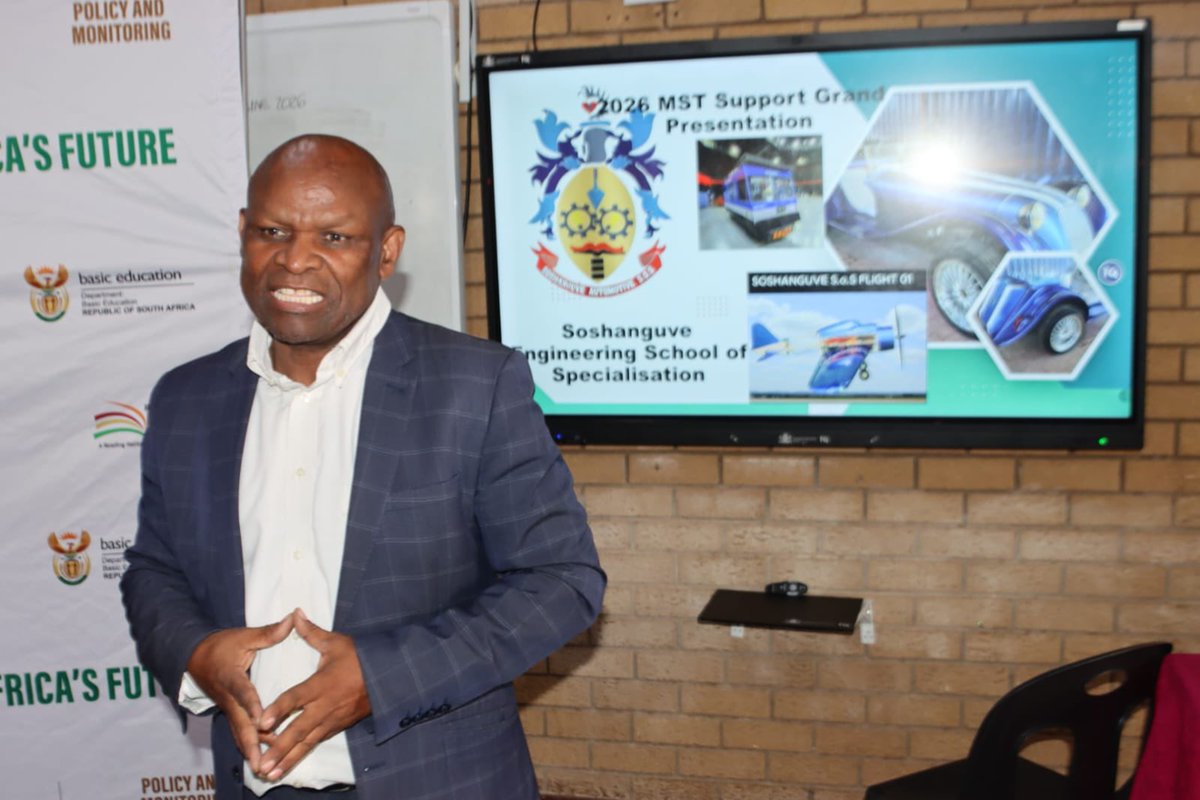
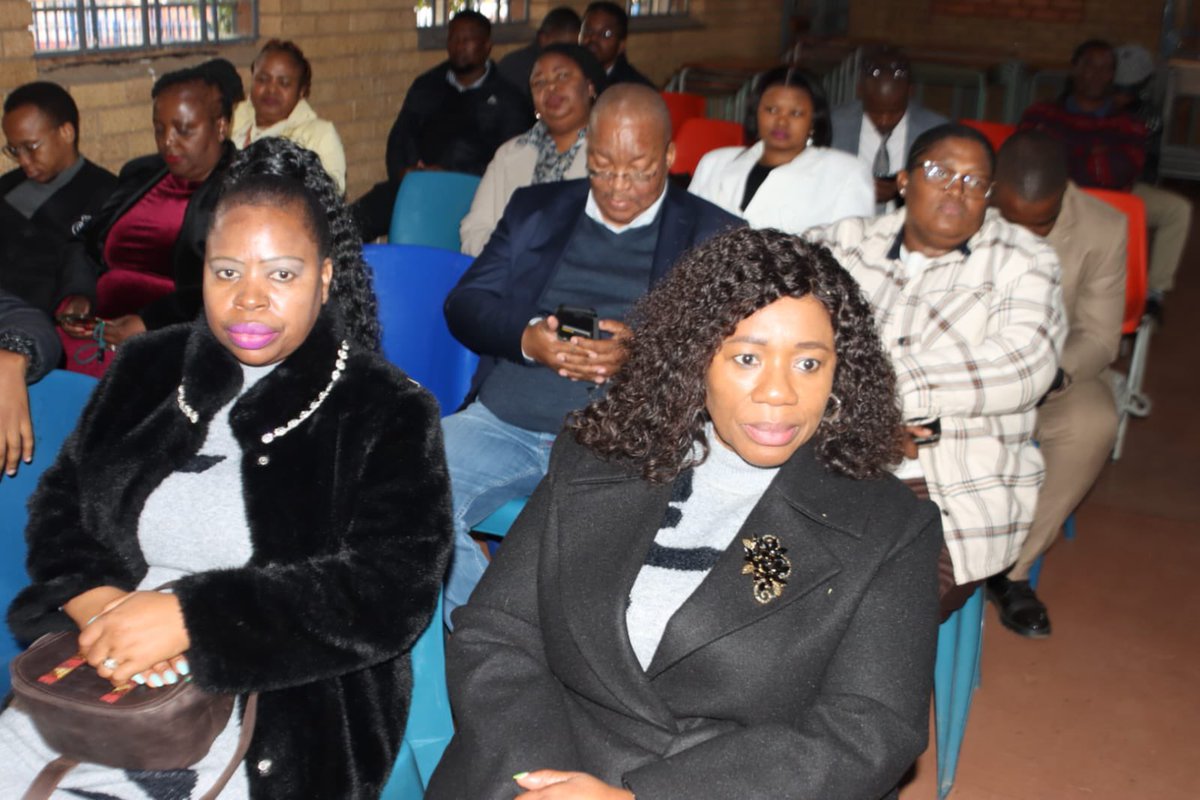
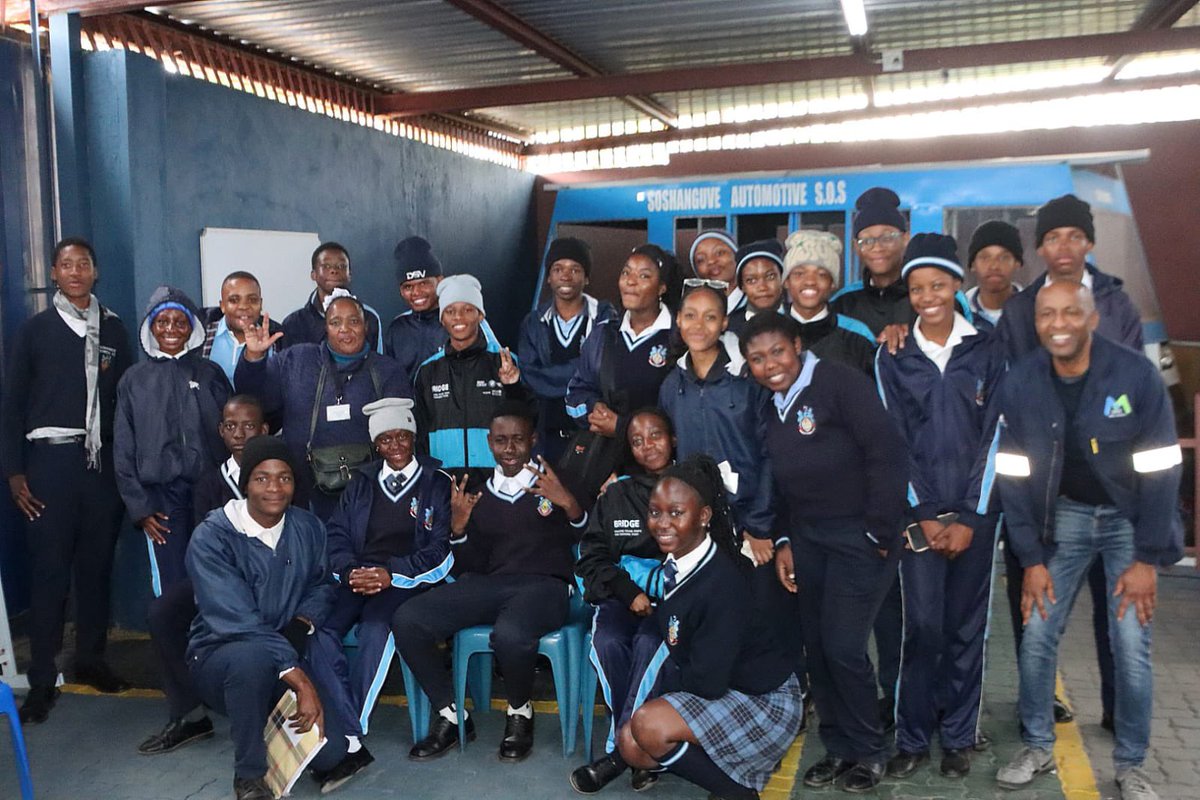
The second school visited by the delegates was Soshanguve Engineering School of Specialisation, where Principal Mr A.T. Mashiane highlighted the school’s commitment to producing globally competitive graduates through quality technical and vocational education.
He acknowledged the support provided through the MST Grant in enhancing teaching and learning, strengthening technical programmes, and improving infrastructure. Mr Mashiane also celebrated the school’s outstanding 100% Matric pass rate in 2025, attributing the achievement to the dedication of educators, learners, parents, and partners.
He emphasised the role of innovation, industry collaboration, and international partnerships in preparing learners for future opportunities and economic participation.
#MSTGrant #MSTGrant2026 #MathematicsEducation #ScienceEducation #Technology #TeacherDevelopment #MST #CodingAndRobotics #SkillsForTheFuture #YouthDevelopment #GovZAUpdates #EducationZA
1
3
1,294
Jun 4
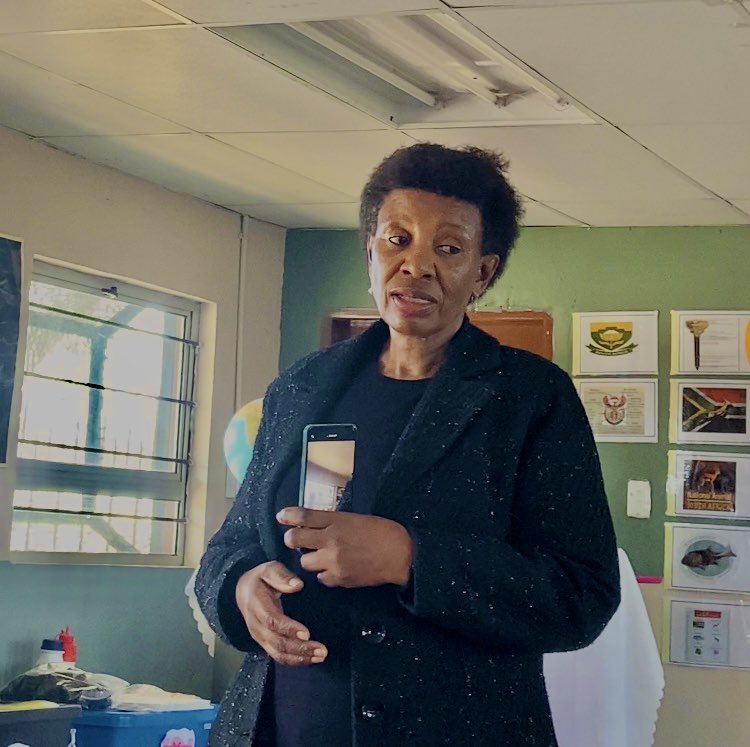
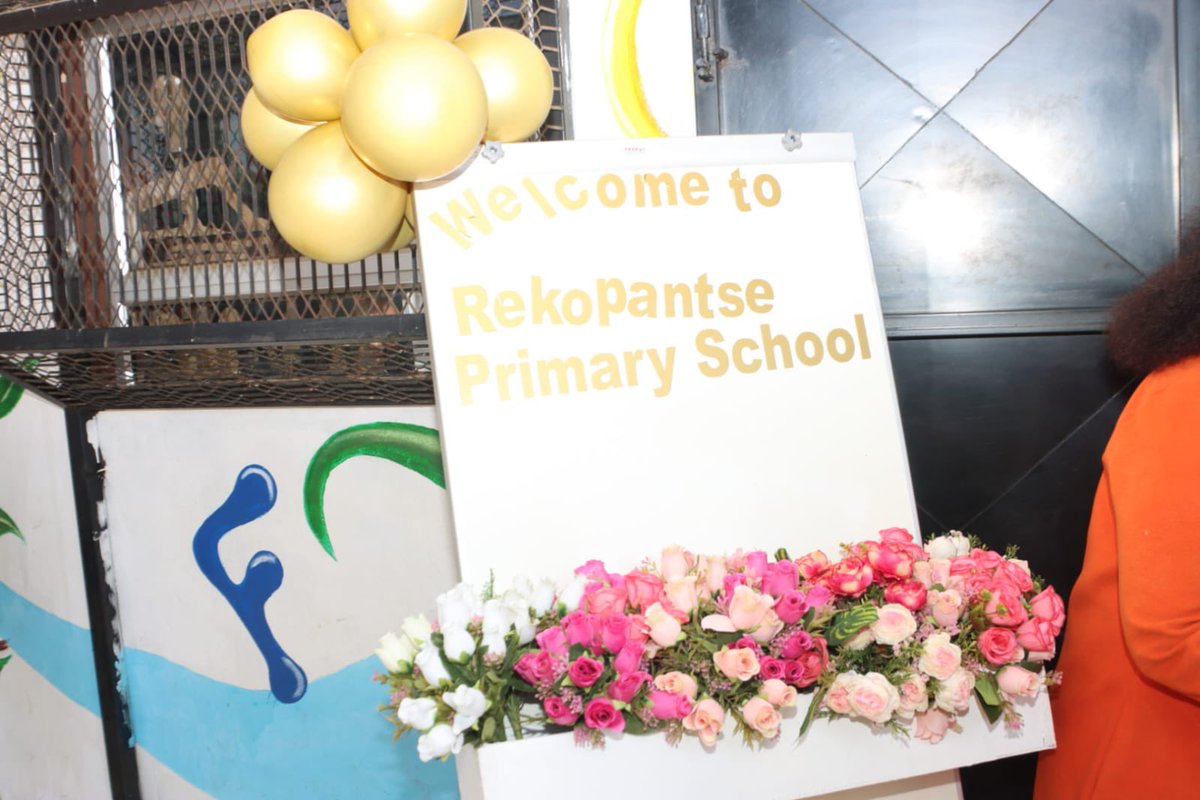
During the first school visit, Principal of Rekopantse Primary School, Ms Annah Sekhuthe, shared the school’s inspiring journey. Situated in a community facing significant socio-economic challenges, including child-headed households, poverty, crime, and substance abuse, Rekopantse Primary has remained focused on empowering learners through quality education.
With a strong emphasis on Mathematics, Science, Technology, and Coding & Robotics, the school has cultivated a culture of excellence, consistently achieving outstanding learner performance. Ms Sekhuthe highlighted how hands-on learning, mother tongue instruction in the Foundation Phase, and real-world problem-solving approaches help learners develop critical thinking and confidence despite the challenges they face.
#MSTGrant #MSTGrant2026 #MathematicsEducation #ScienceEducation #Technology #TeacherDevelopment #MST #CodingAndRobotics #SkillsForTheFuture #YouthDevelopment #GovZAUpdates #EducationZA

2
374
Jun 4
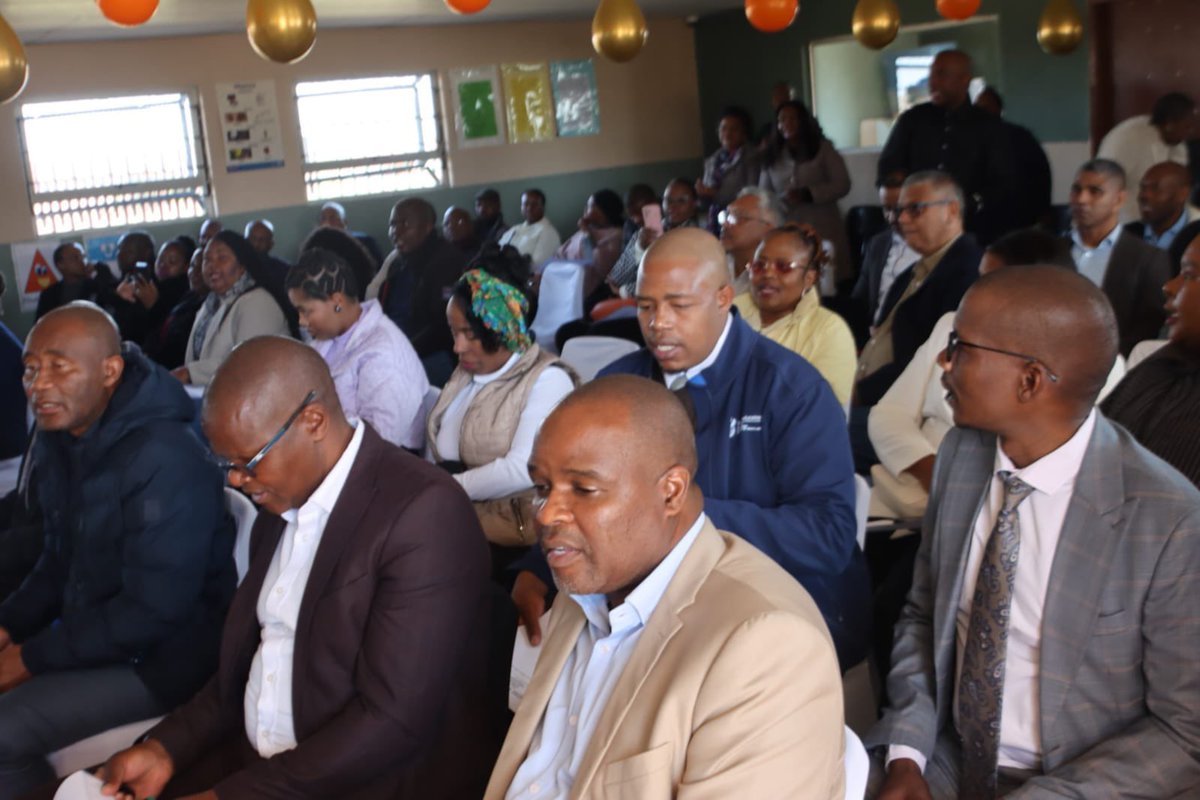
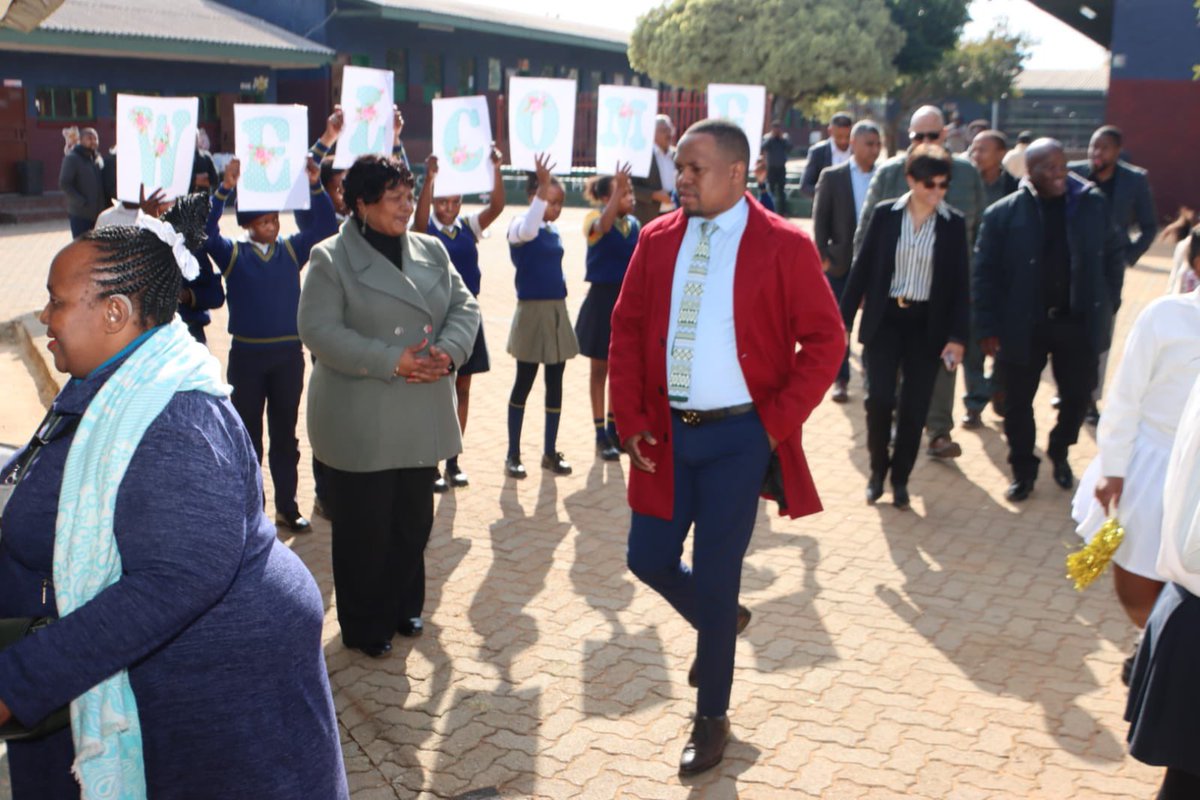
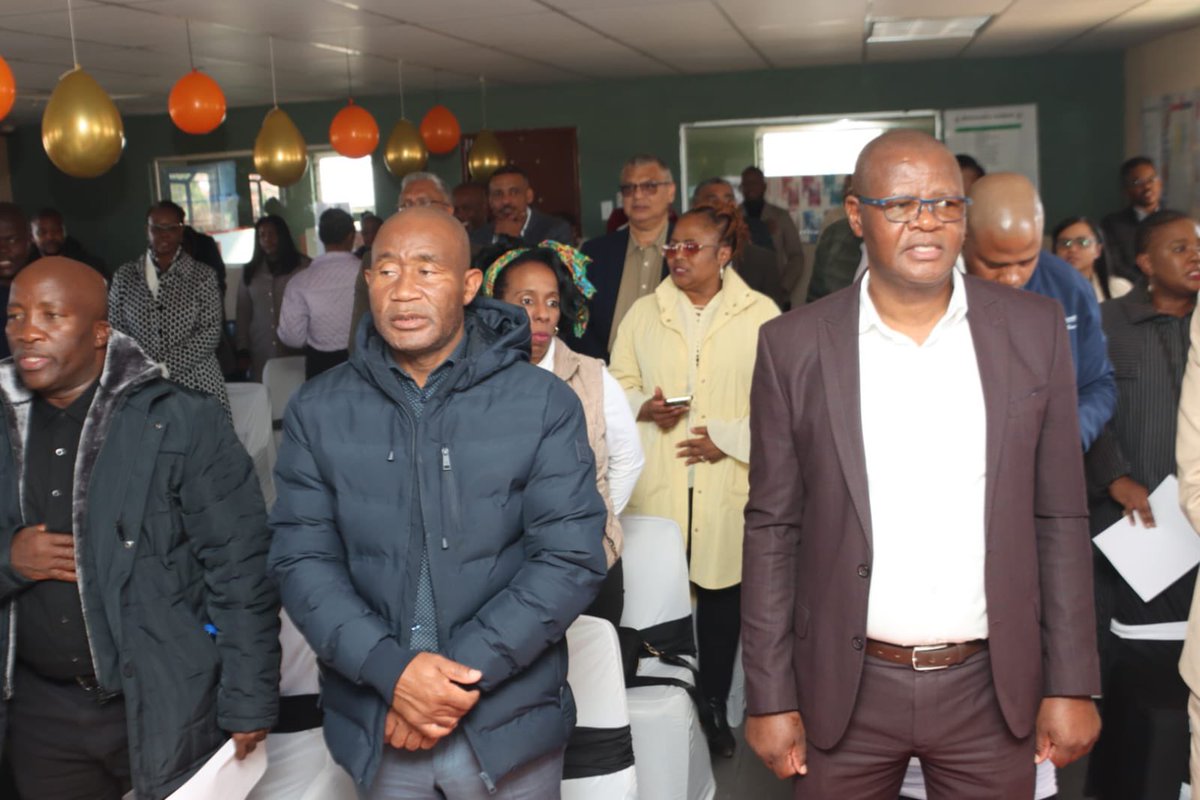
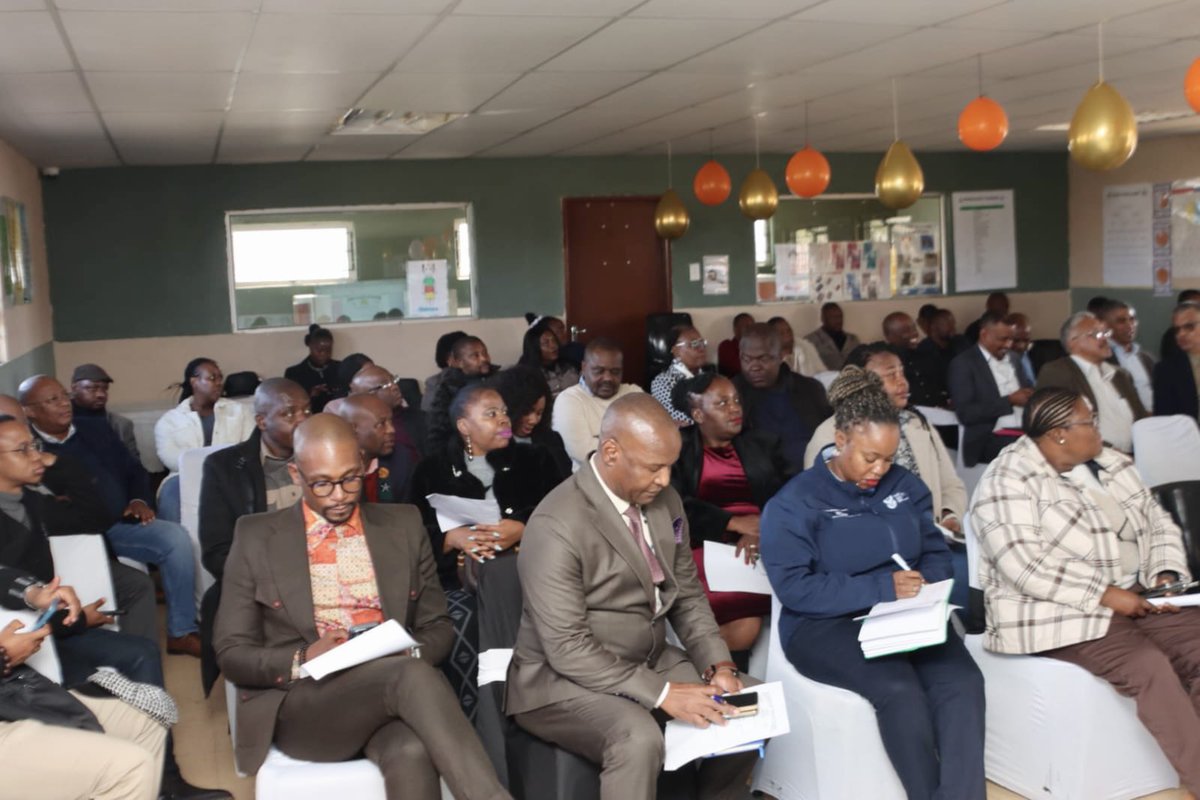
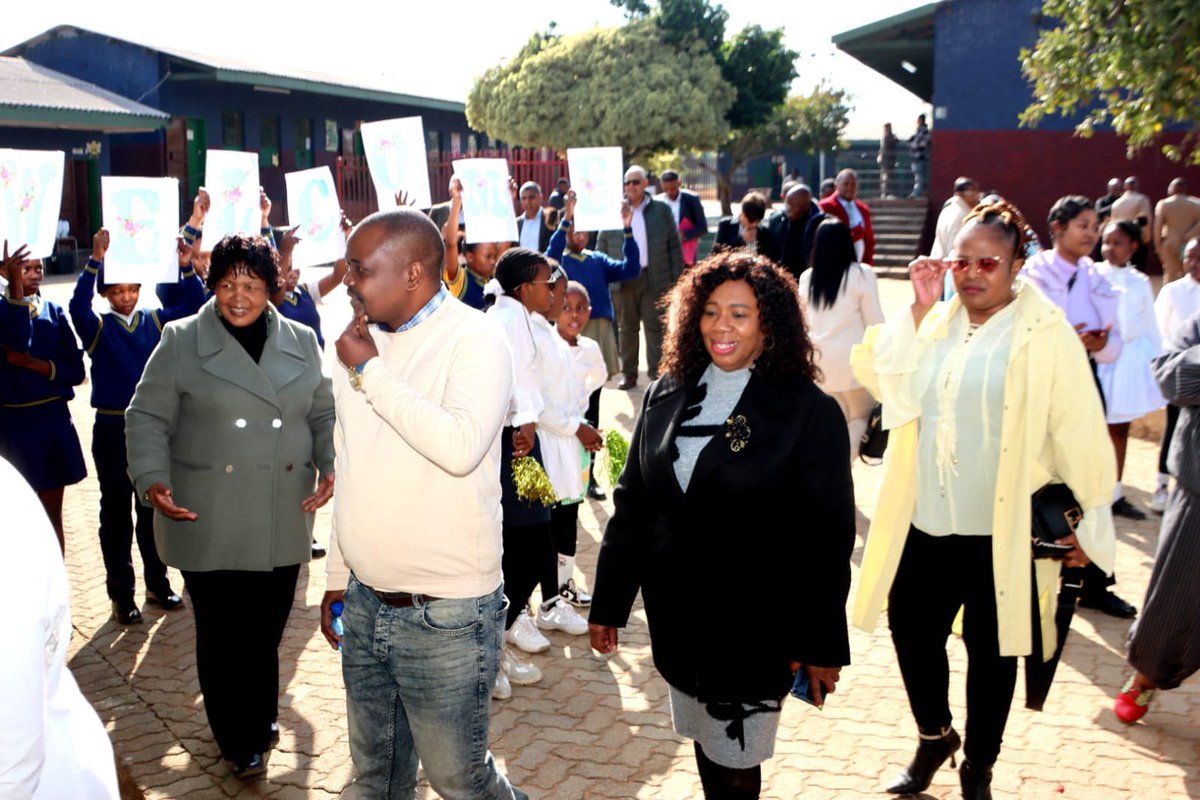
#MSTConditionalGrant | Day 2 of the Mathematics, Science and Technology (MST) Conditional Grant Inter-Provincial Seminar moves beyond the conference room and into schools, where delegates will experience firsthand how MST interventions are being implemented at school level.
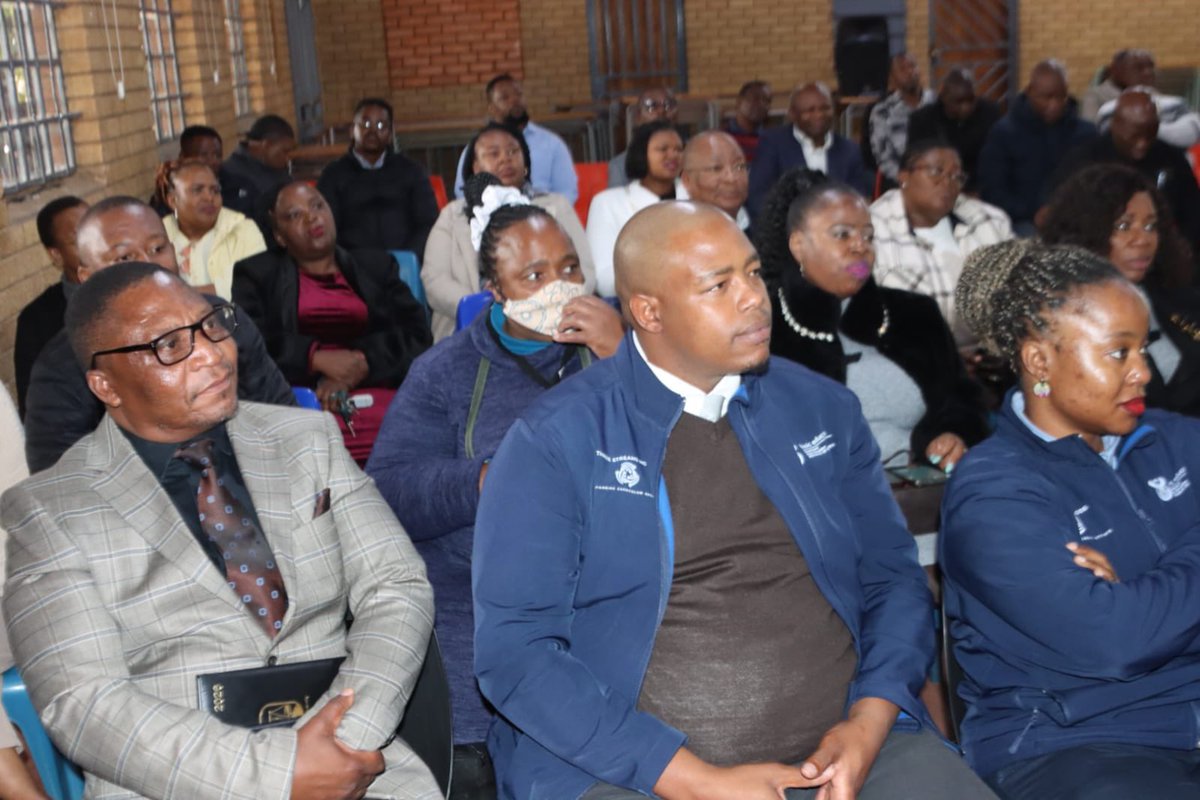
The school visits provide an opportunity for provinces to share experiences, exchange best practices, and learn from innovative approaches that are strengthening the delivery of Mathematics, Science and Technology education.
Delegates will engage with school leadership and educators to gain insights into the utilisation of resources, learner support strategies, community involvement, and the overall impact of the MST Conditional Grant.
#MSTGrant #MSTGrant2026 #MathematicsEducation #ScienceEducation #Technology #TeacherDevelopment #MST #CodingAndRobotics #SkillsForTheFuture #YouthDevelopment #GovZAUpdates #EducationZA
5
1
16
3,887
Jun 3
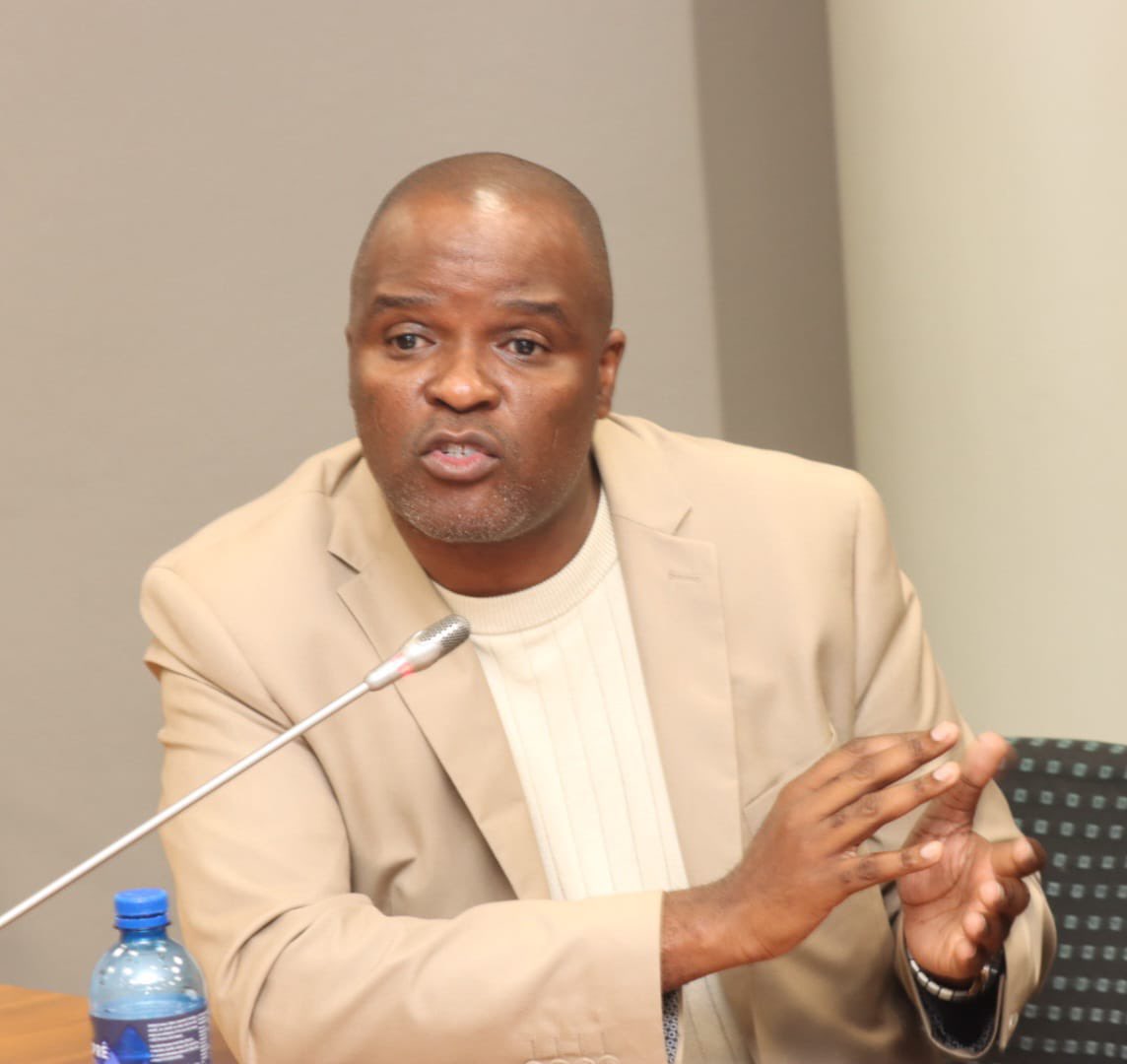
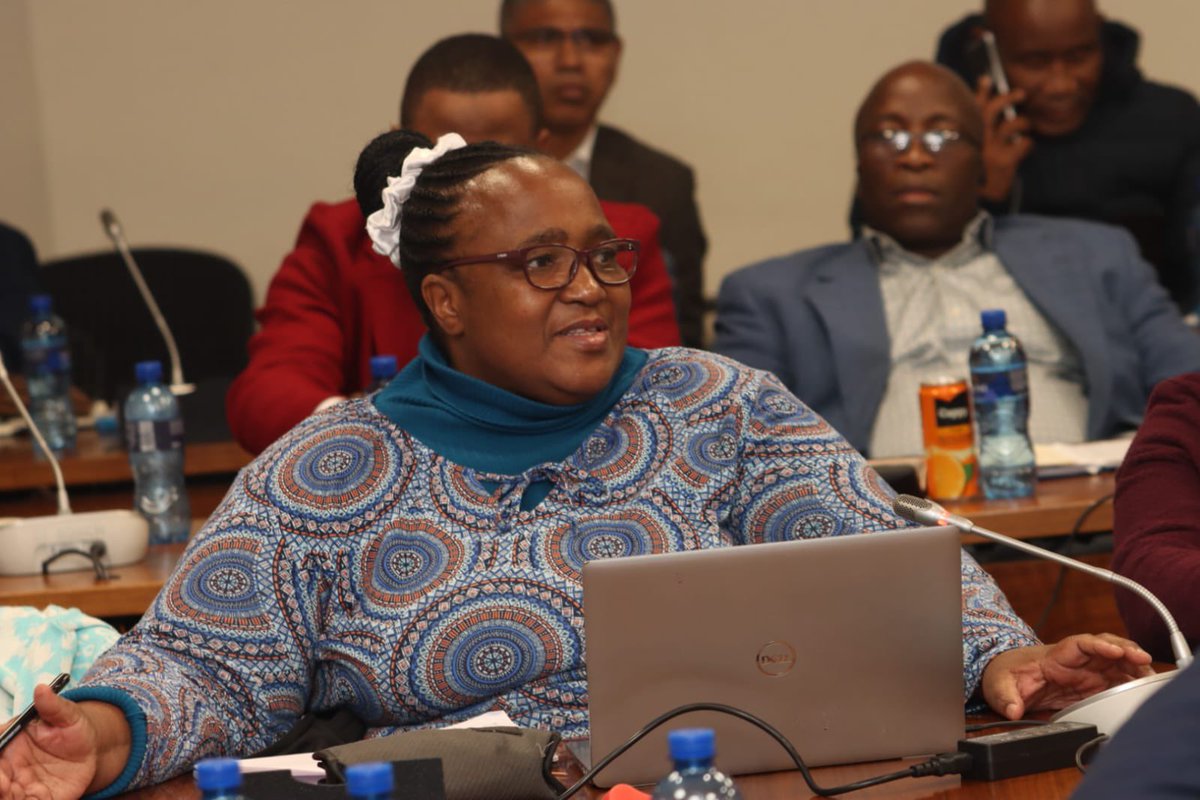
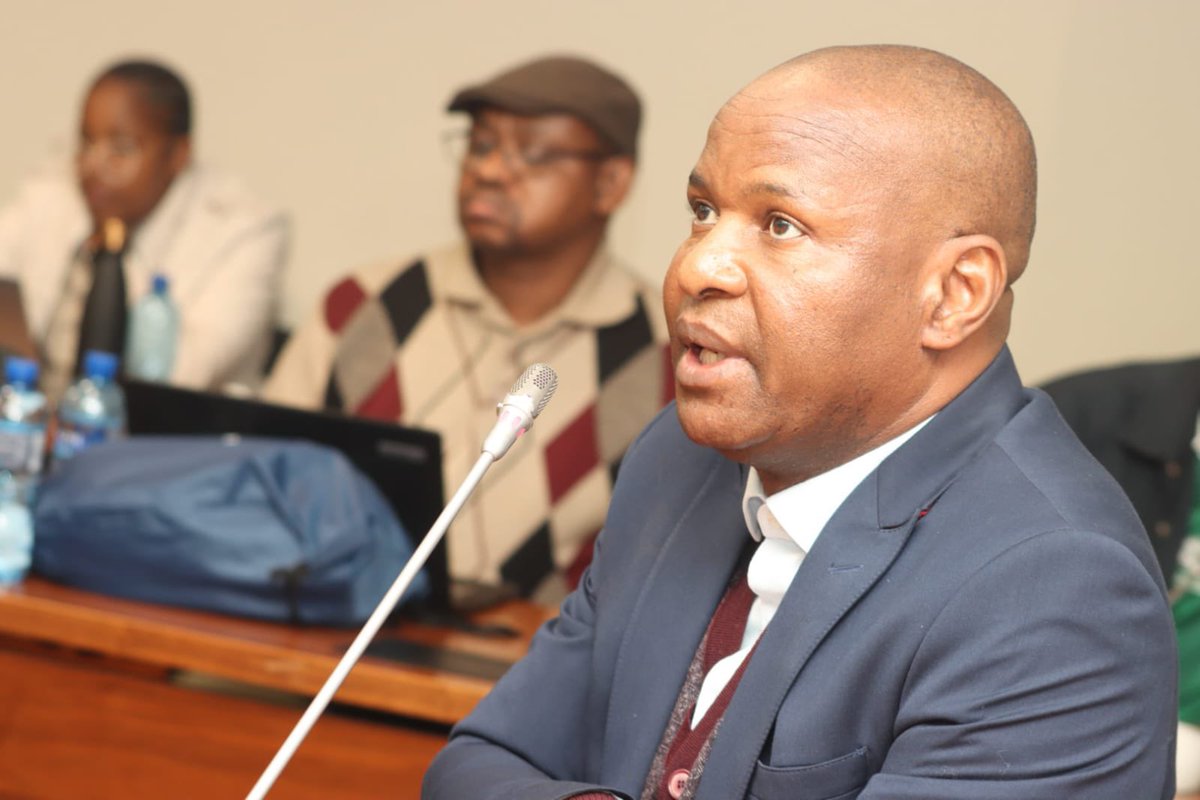
Provincial Education Departments (PEDs) took the floor to present their 2025/26 performance and outline strategic plans for 2026/27.
Representatives from the Eastern Cape, Free State, Gauteng, KwaZulu-Natal, Limpopo, Mpumalanga, Northern Cape, North West and Western Cape shared progress, lessons learned and innovative approaches in implementing the Mathematics, Science and Technology (MST) Conditional Grant.
The presentations provided an important platform for collaboration, accountability and the strengthening of MST education across all provinces, reinforcing a collective commitment to improving learner outcomes and developing future-ready skills.
#MSTGrant #MSTGrant2026 #MathematicsEducation #ScienceEducation #Technology #TeacherDevelopment #MST #CodingAndRobotics #SkillsForTheFuture #YouthDevelopment #GovZAUpdates #EducationZA

2
1,085
Jun 3
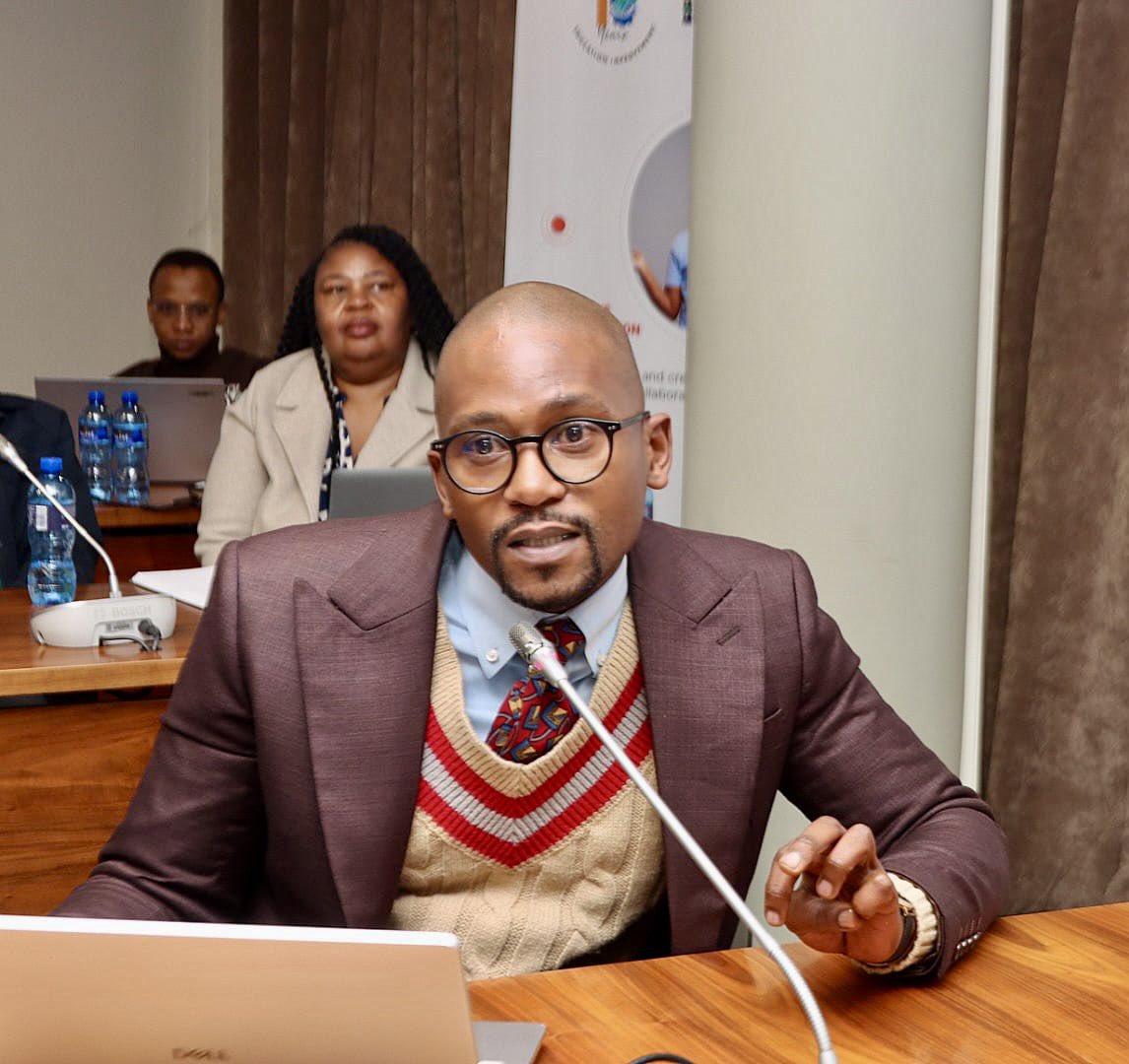
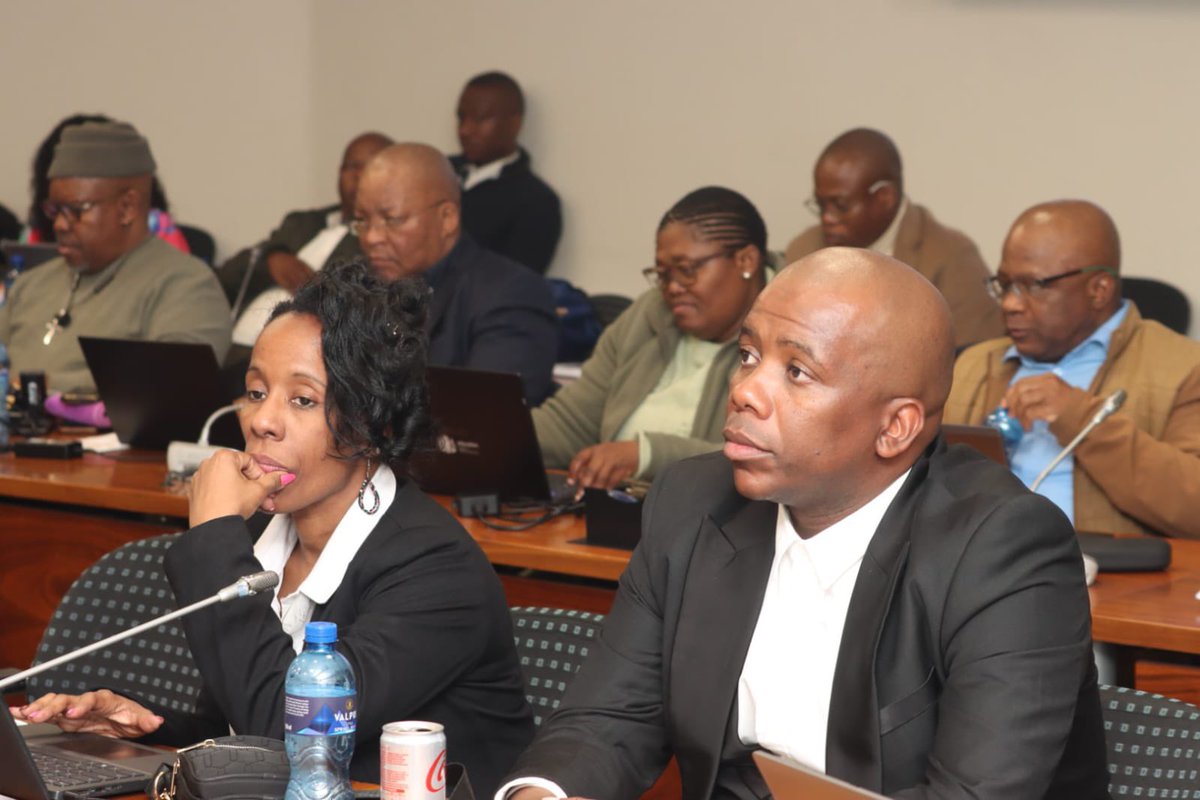
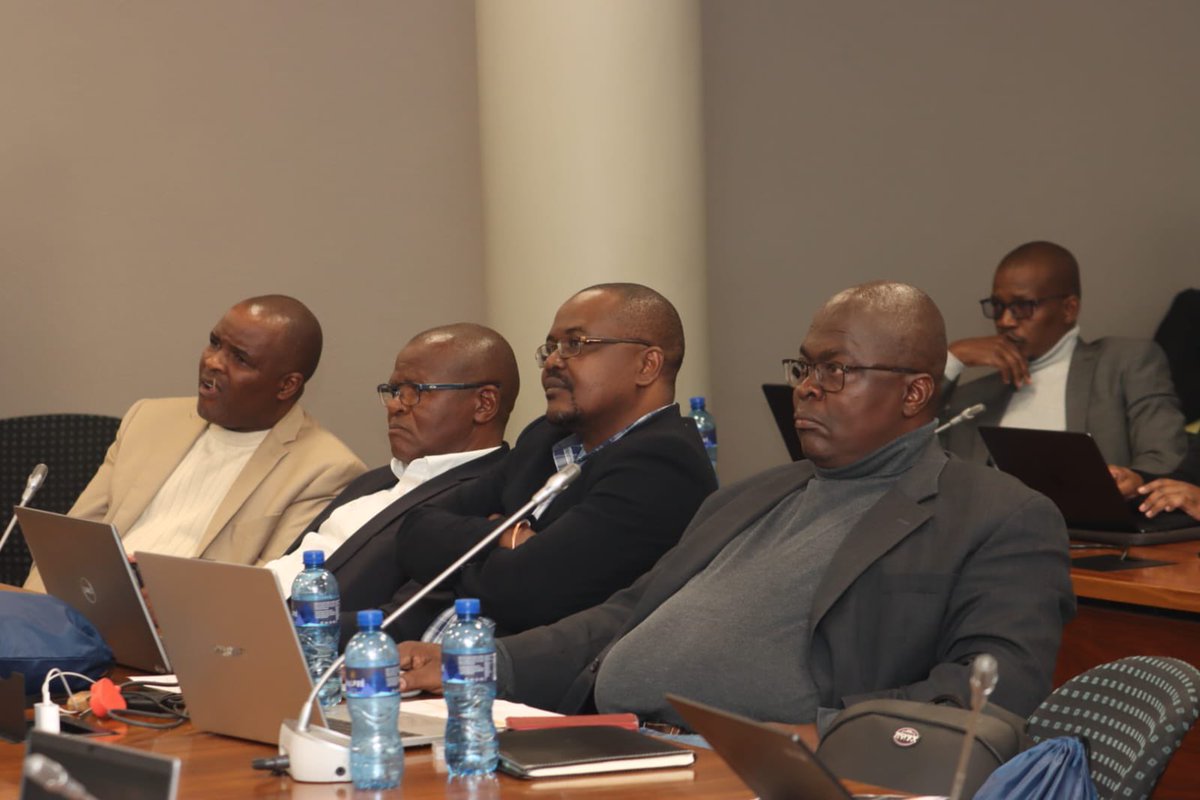
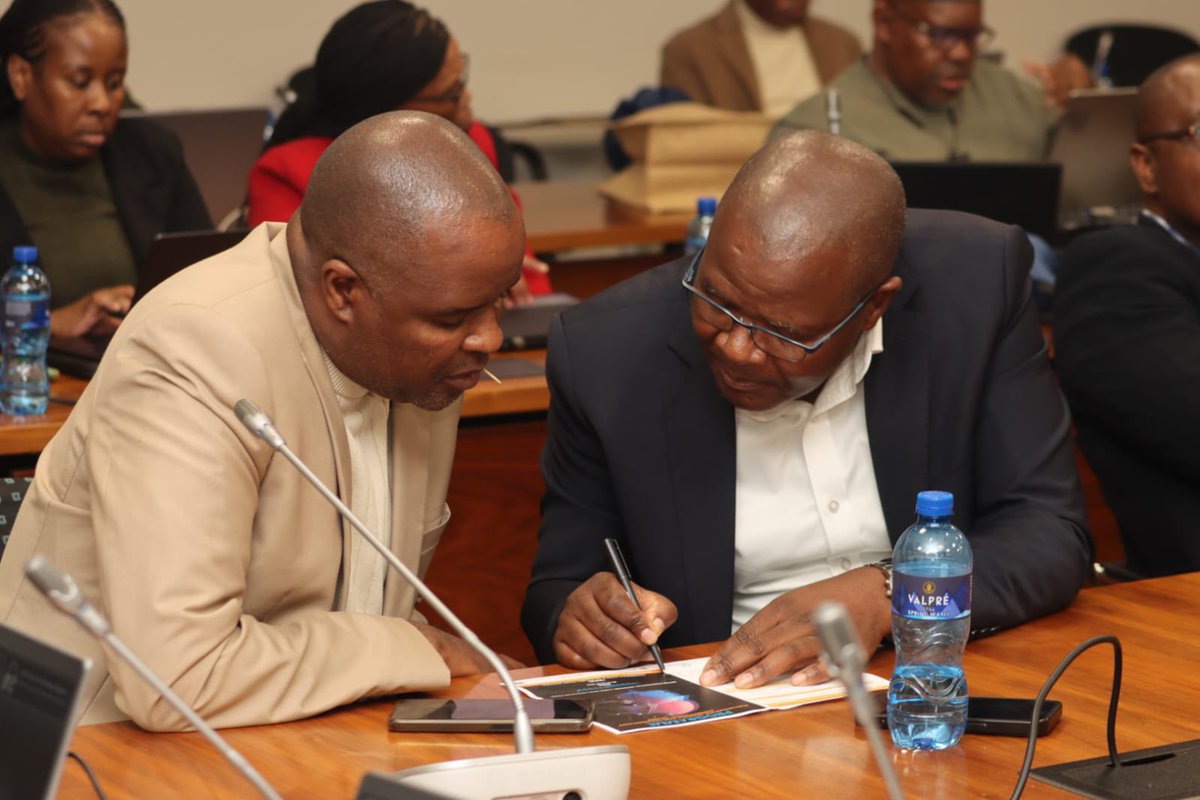
Mr Terence Khala, Acting Director: Communications and Research, highlighted the strategic importance of advocacy and communication in advancing the Mathematics, Science and Technology (MST) Conditional Grant agenda and strengthening public understanding of the sector’s achievements.
Drawing on insights from a video sweep conducted in Limpopo, Free State, Mpumalanga and North West, Mr Khala emphasised the need to showcase the tangible impact of the MST Grant and the transformative work taking place in schools across the country. He noted that effective advocacy is critical to building public confidence in the education system, strengthening stakeholder support and demonstrating government’s commitment to translating policy into meaningful outcomes for learners.
A central theme of his presentation was the importance of telling human stories. Mr Khala stressed that while data and policy outcomes remain important, it is the stories of learners, educators and communities that truly bring the impact of educational interventions to life. By highlighting the experiences of learners whose aspirations have been broadened, teachers who are driving innovation in the classroom, and schools that are achieving success through MST interventions, the sector can create more compelling and relatable narratives that resonate with the public.
Mr Khala further called for MST to be positioned as a national movement for opportunity, aspiration and inclusion. Through strategic communication, authentic storytelling and evidence-based advocacy, the sector can challenge negative perceptions, celebrate success stories and demonstrate how investments in MST education are equipping young South Africans with the knowledge and skills required to solve problems, drive innovation and participate meaningfully in the economy.
#MSTGrant #MSTGrant2026 #MathematicsEducation #ScienceEducation #Technology #TeacherDevelopment #MST #CodingAndRobotics #SkillsForTheFuture #YouthDevelopment #GovZAUpdates #EducationZA
2
11
1,035
Jun 3
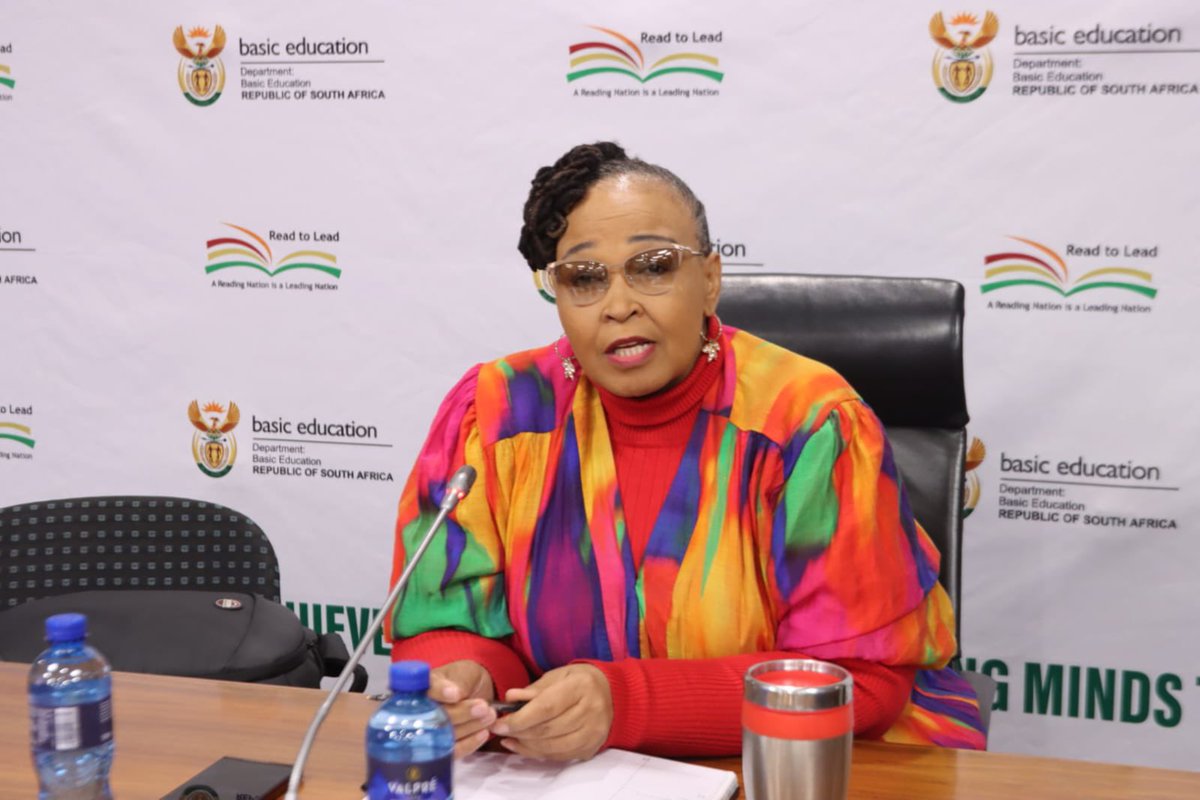
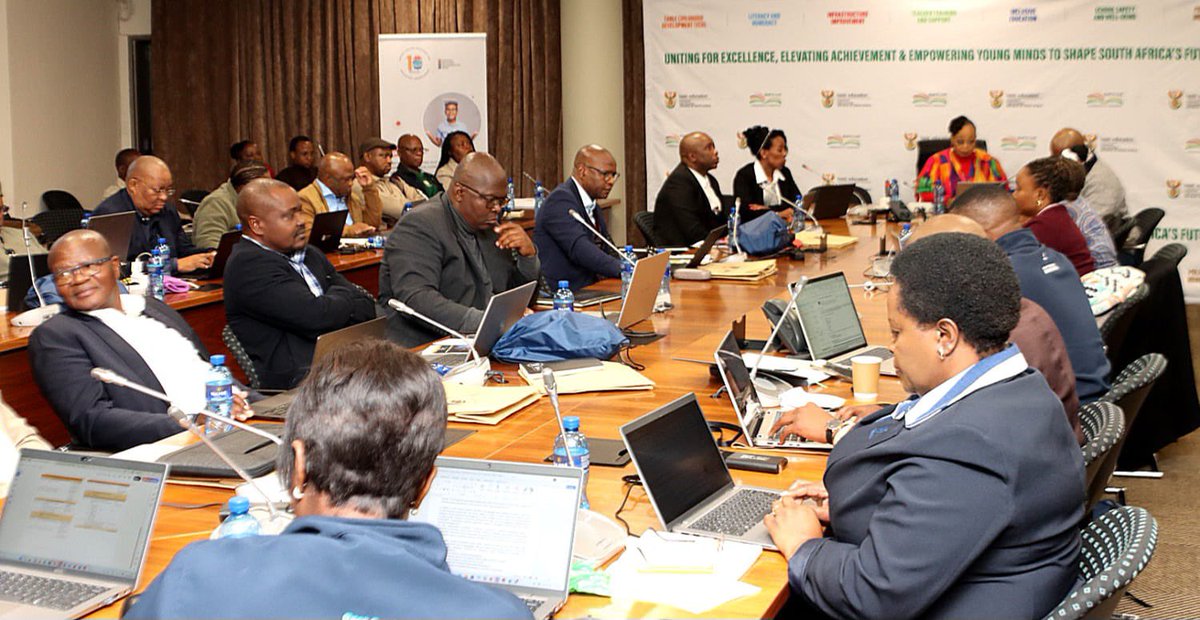
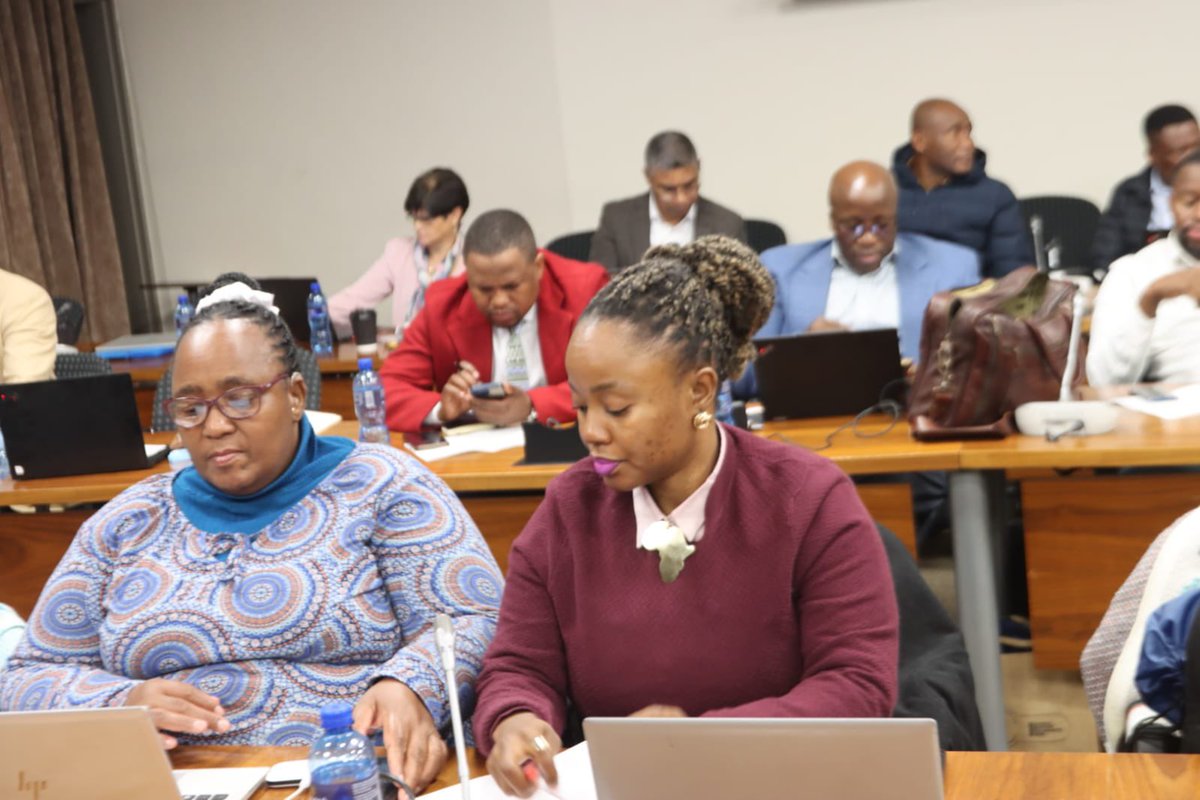
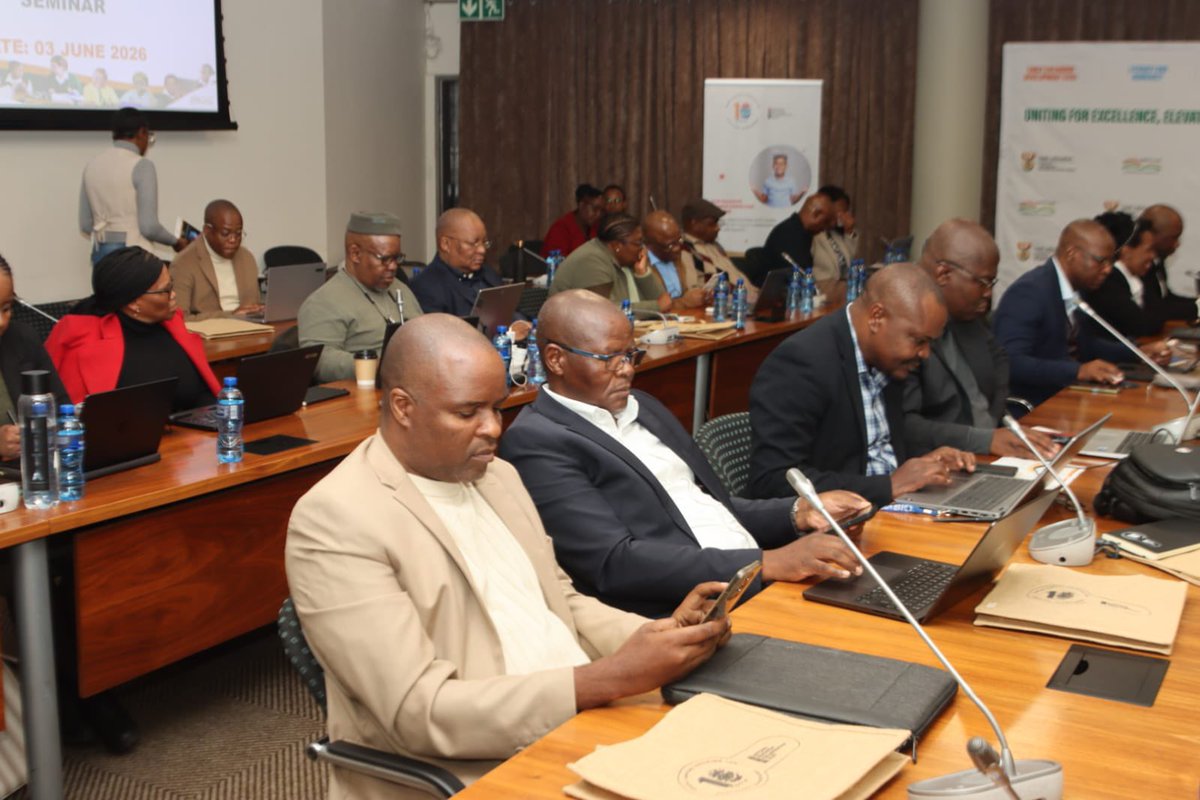
Ms Elspeth Khembo, Director: MST, Curriculum Innovation and E-learning, outlined the implementation and impact of the MST Conditional Grant, emphasising its role in strengthening the education system through targeted resourcing of schools. She explained how the grant supports over a thousand schools with both material and human resources, including additional teachers and structured teacher development and learning improvement programmes.
Ms Khembo highlighted the focused prioritisation of MST subjects, including Mathematics (Grades 1–12), Technical Mathematics (Grades 10–12), Physical Sciences, Agricultural Sciences, Technical Sciences, and emerging areas such as Coding and Robotics and Information Technology.
She further explained that the grant is implemented through approved provincial business and procurement plans under the oversight of the transferring officer, with strong accountability mechanisms including monitoring, verification, and evaluation in line with legislative frameworks.
Ms Khembo also located the MST programme within broader national and international education goals, referencing the NDP and sector targets for improved learner performance in systemic evaluations and Grade 12 results, while acknowledging that current outcomes remain below desired levels.
She concluded by stressing the urgent need to strengthen delivery in STEM education to meet national targets, including the production of 30,000 artisans and improved learner achievement in mathematics and science.
#MSTGrant #MSTGrant2026 #MathematicsEducation #ScienceEducation #Technology #TeacherDevelopment #MST #CodingAndRobotics #SkillsForTheFuture #YouthDevelopment #GovZAUpdates #EducationZA
1
2
1,026
Jun 3
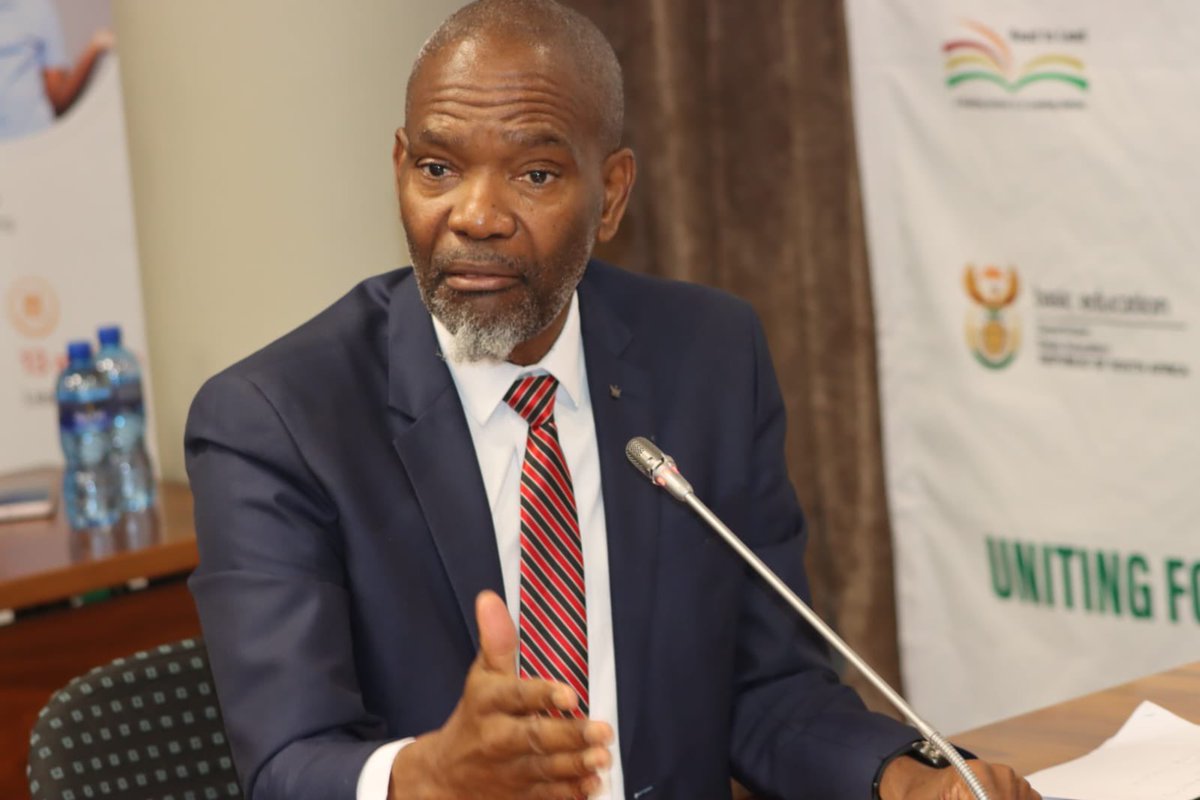
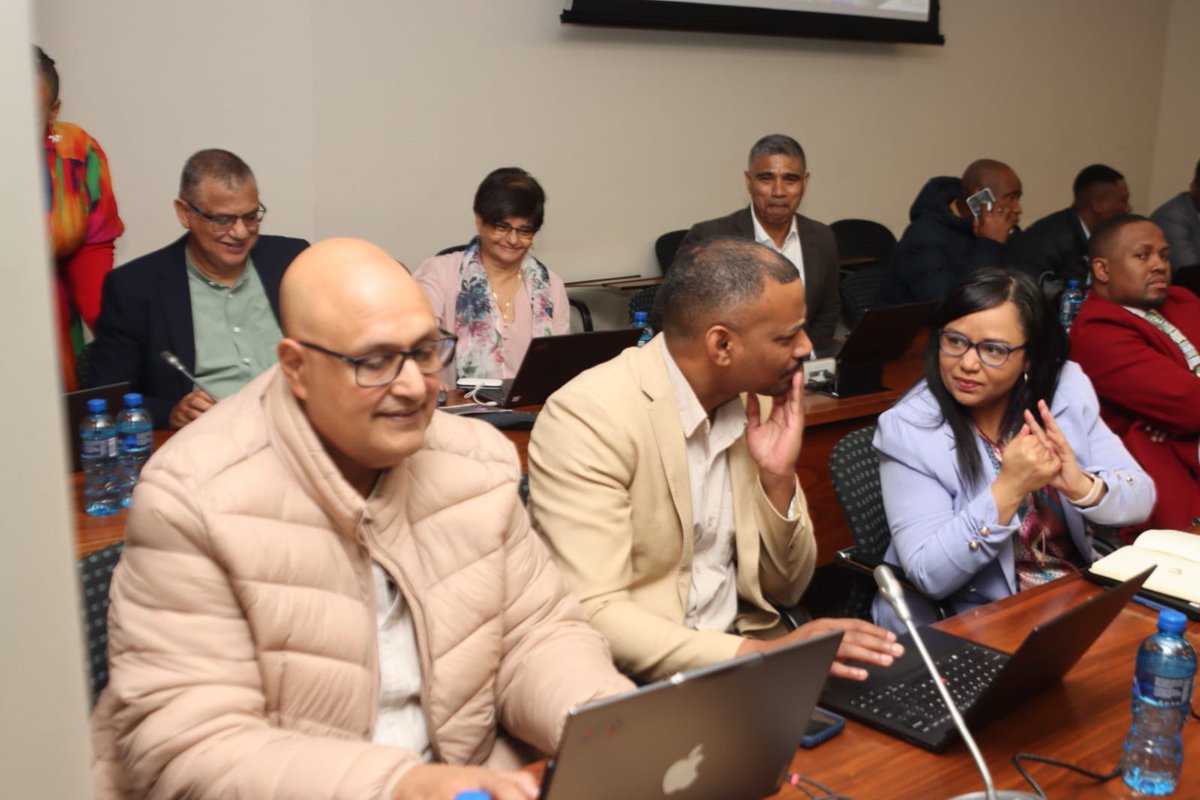
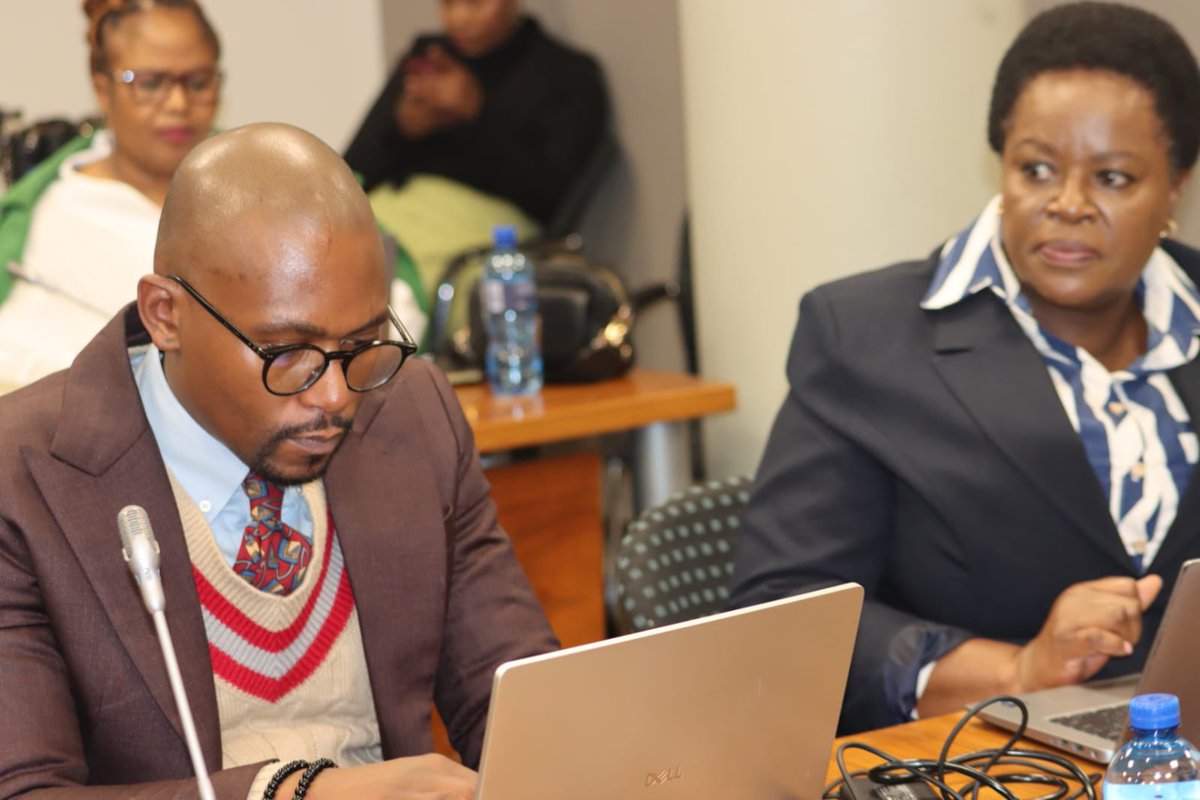
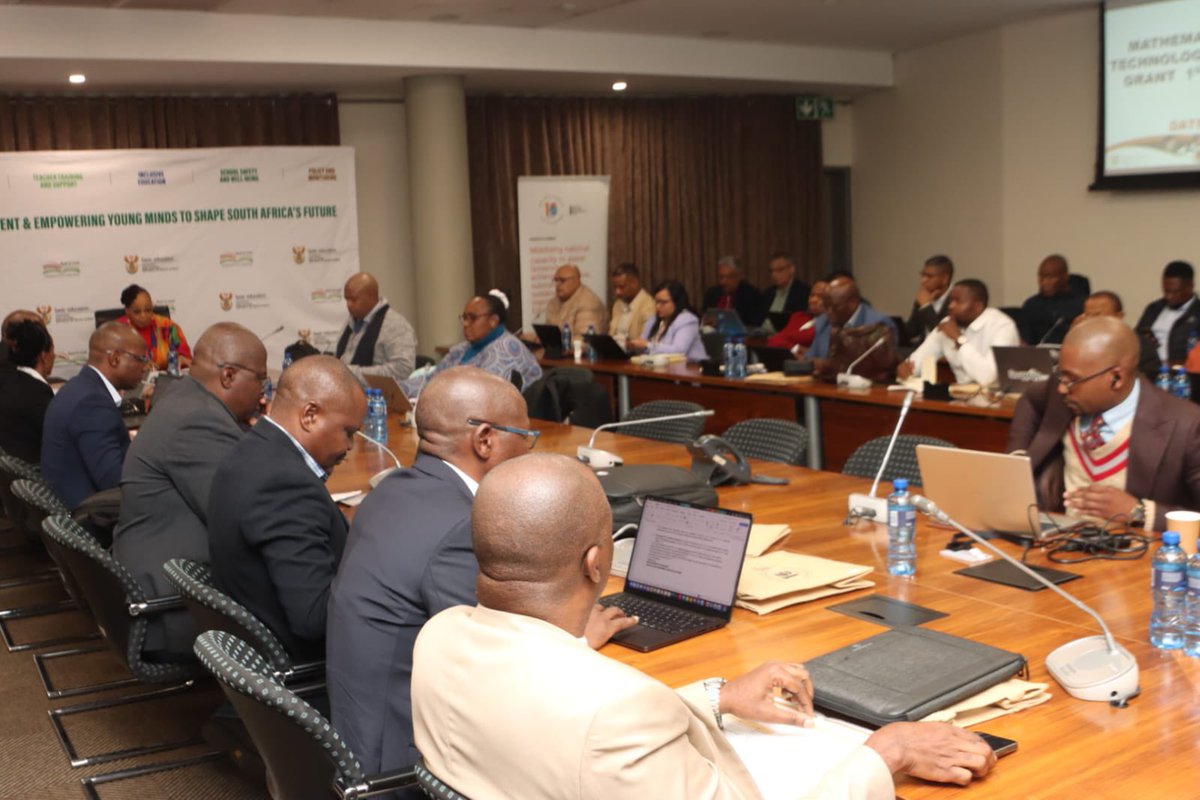
“Education investment must deliver measurable impact.”
Speaking at the MST Conditional Grant Seminar, Dr Tlhabane, Chief Director: MST & Curriculum Enhancement Programmes, stressed that while sound financial management and expenditure remain important, the true measure of success is improved learner outcomes.
He highlighted the important role that strategic partnerships play in strengthening education, citing the Sasol Foundation’s continued investment in STEM education, teacher development and learner support as an example of how collaboration between government and the private sector can help build a stronger skills pipeline for South Africa.
Dr Tlhabane also commended provinces for improving grant spending and urged stakeholders to focus on demonstrating the impact of investments in Mathematics, Science and Technical Education to build a stronger skills pipeline for South Africa’s future.
#MSTGrant #MSTGrant2026 #MathematicsEducation #ScienceEducation #Technology #TeacherDevelopment #MST #CodingAndRobotics #SkillsForTheFuture #YouthDevelopment #GovZAUpdates #EducationZA
#MSTGrant #MSTGrant2026 #MathematicsEducation #ScienceEducation #Technology #TeacherDevelopment #CodingAndRobotics #SkillsForTheFuture #MST #YouthDevelopment #GovZAUpdates #EducationZA
2
5
565
Jun 3
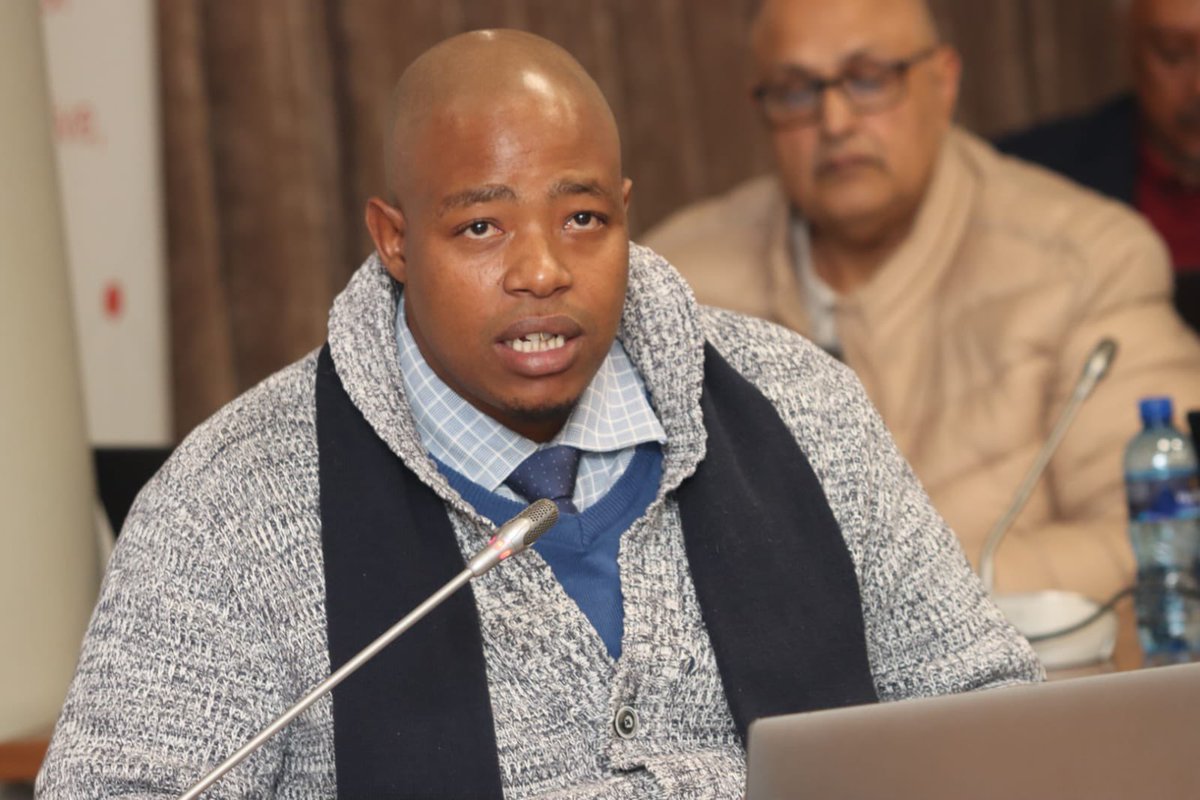
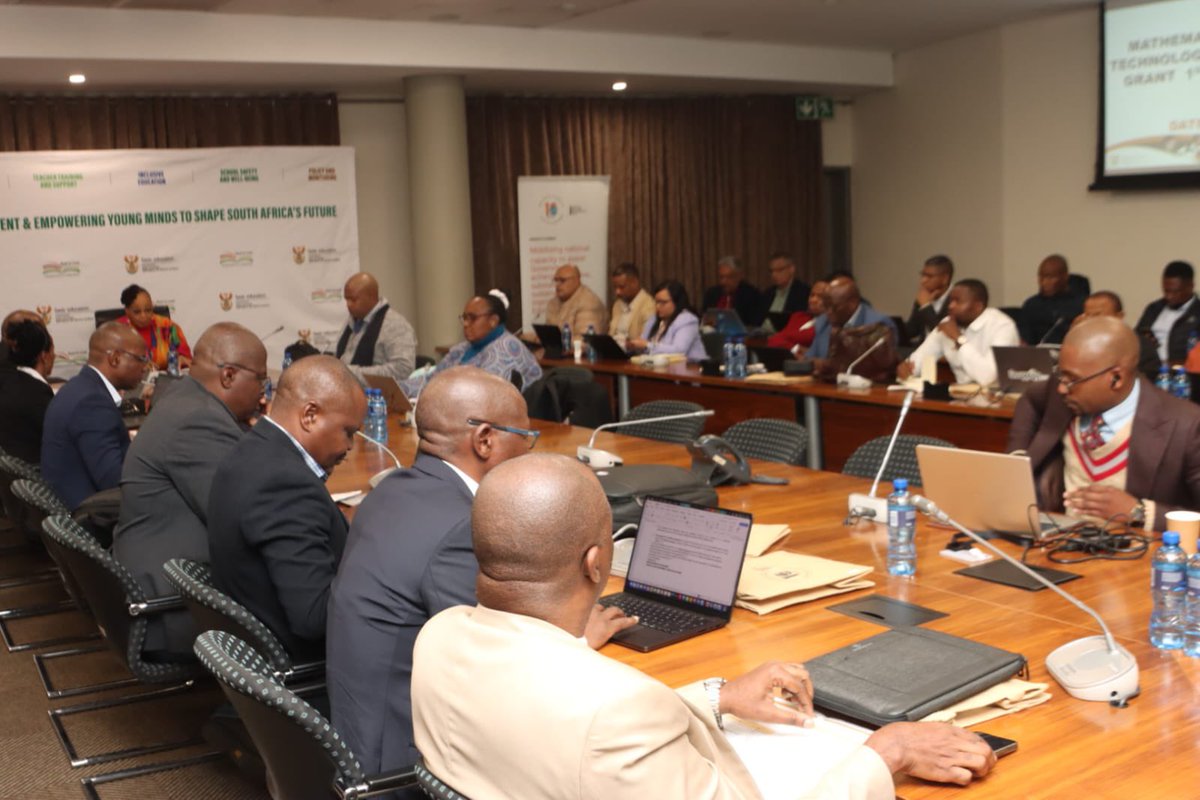
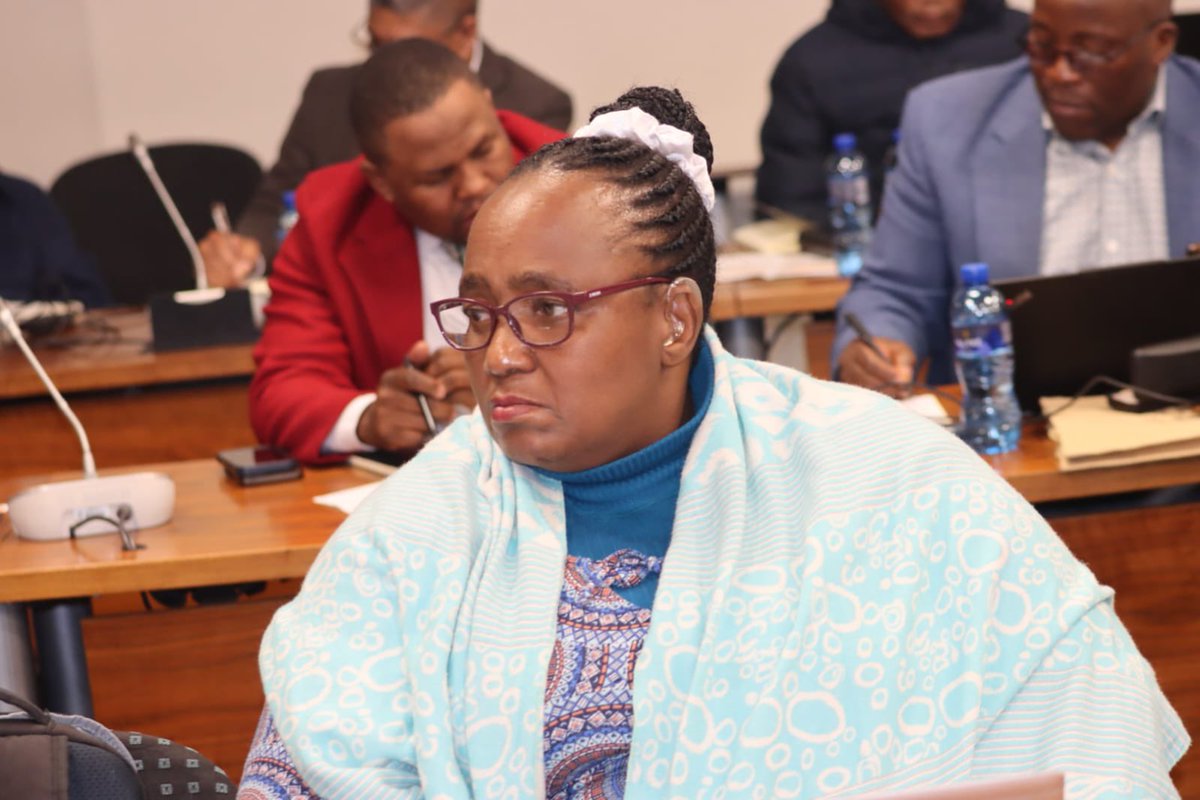
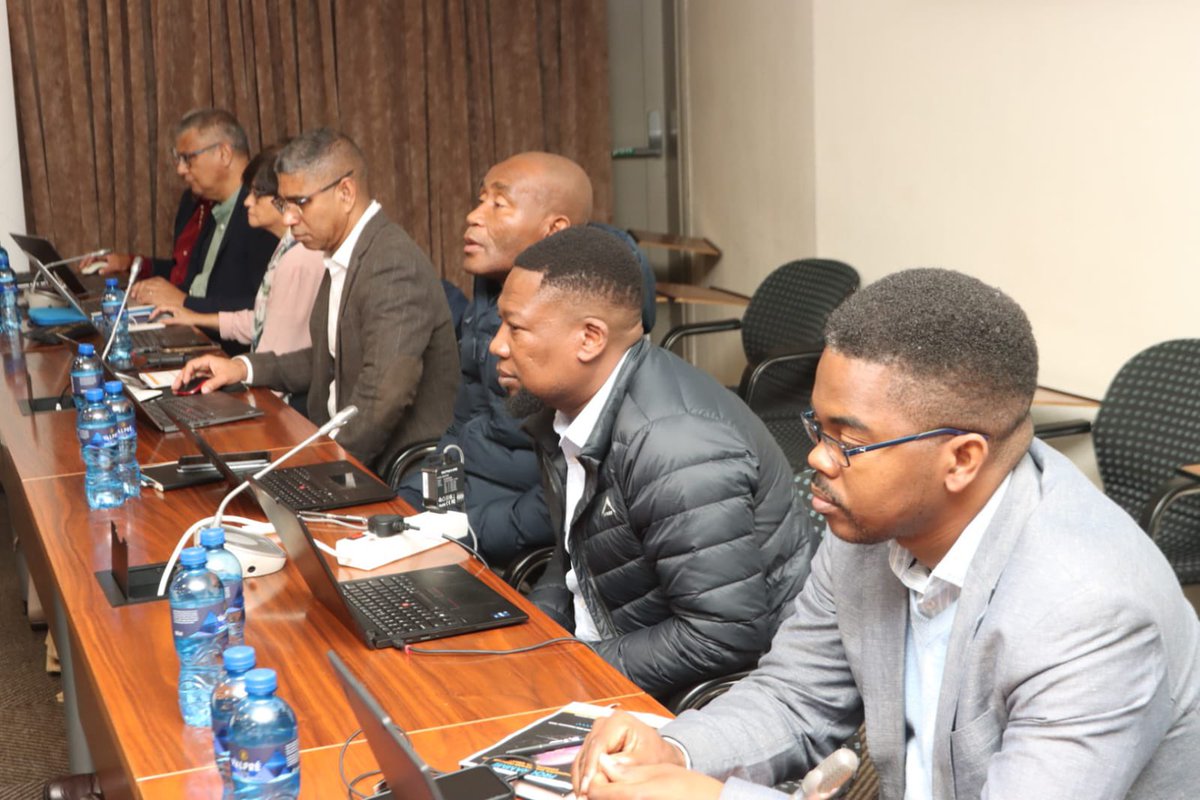
Mr Mlungisi Mkhwanazi, Project manager: MST Conditional Grant, reflected on the strong performance of the MST Conditional Grant during the previous financial year, highlighting improved financial management and reduced underspending across provinces. He commended provinces that consistently achieved full expenditure and shared the grant’s impact through investments in ICT resources, MST equipment, learner support programmes, and teacher development initiatives.
He also introduced the revised 2025/26 MSTCG reporting template and outlined the annual monitoring and evaluation process aimed at strengthening accountability, tracking progress, and supporting effective implementation of Mathematics, Science and Technology programmes nationwide.
#MSTGrant #MSTGrant2026 #MathematicsEducation #ScienceEducation #Technology #TeacherDevelopment #CodingAndRobotics #SkillsForTheFuture #YouthDevelopment #GovZAUpdates #EducationZA
1
2
7
971
Jun 3
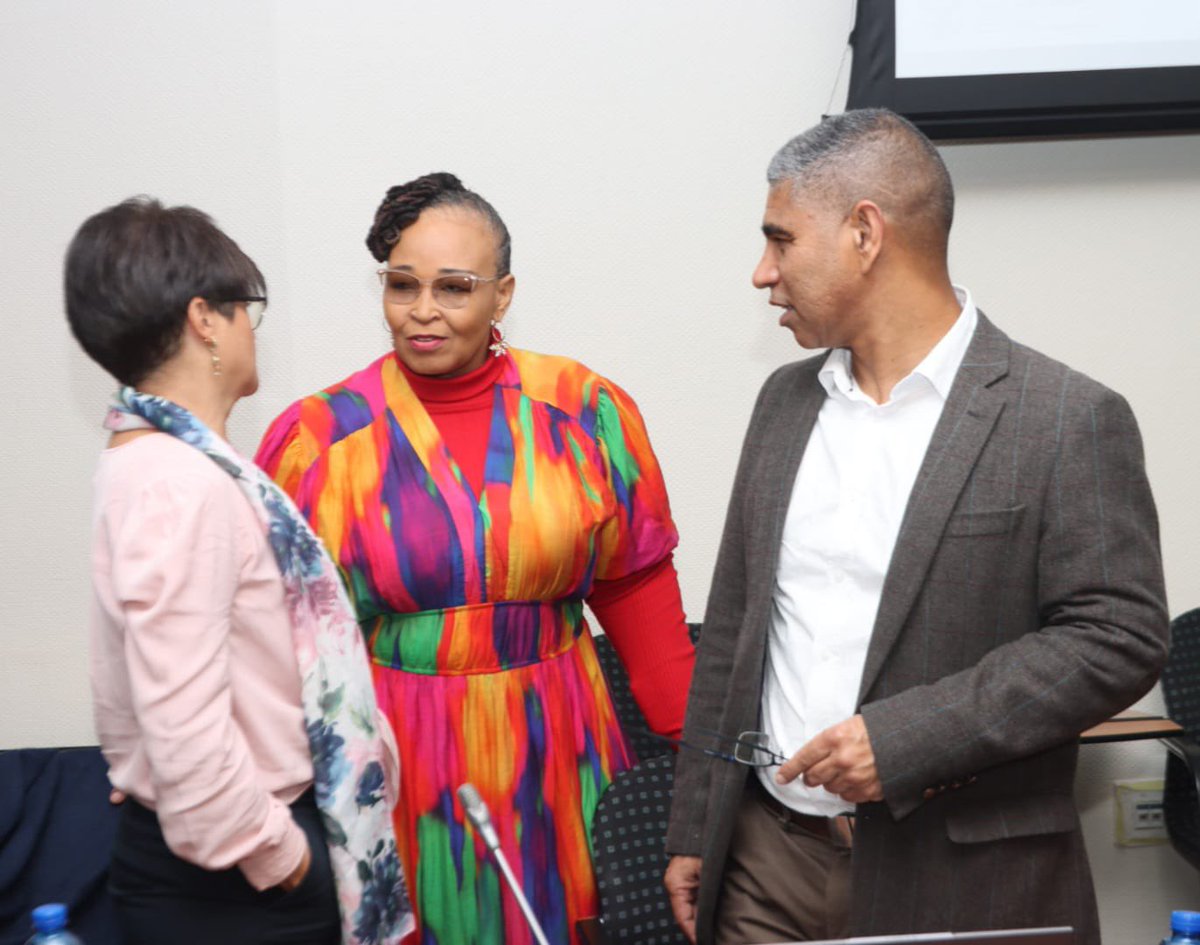
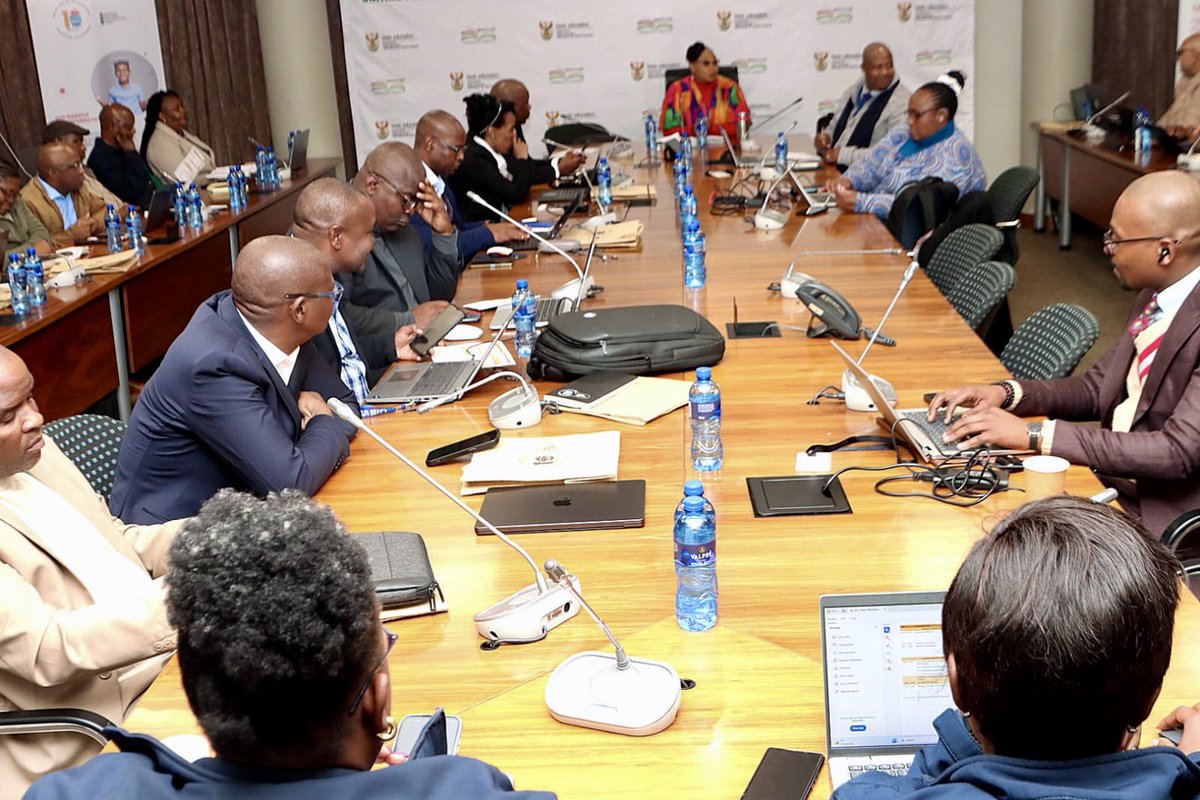
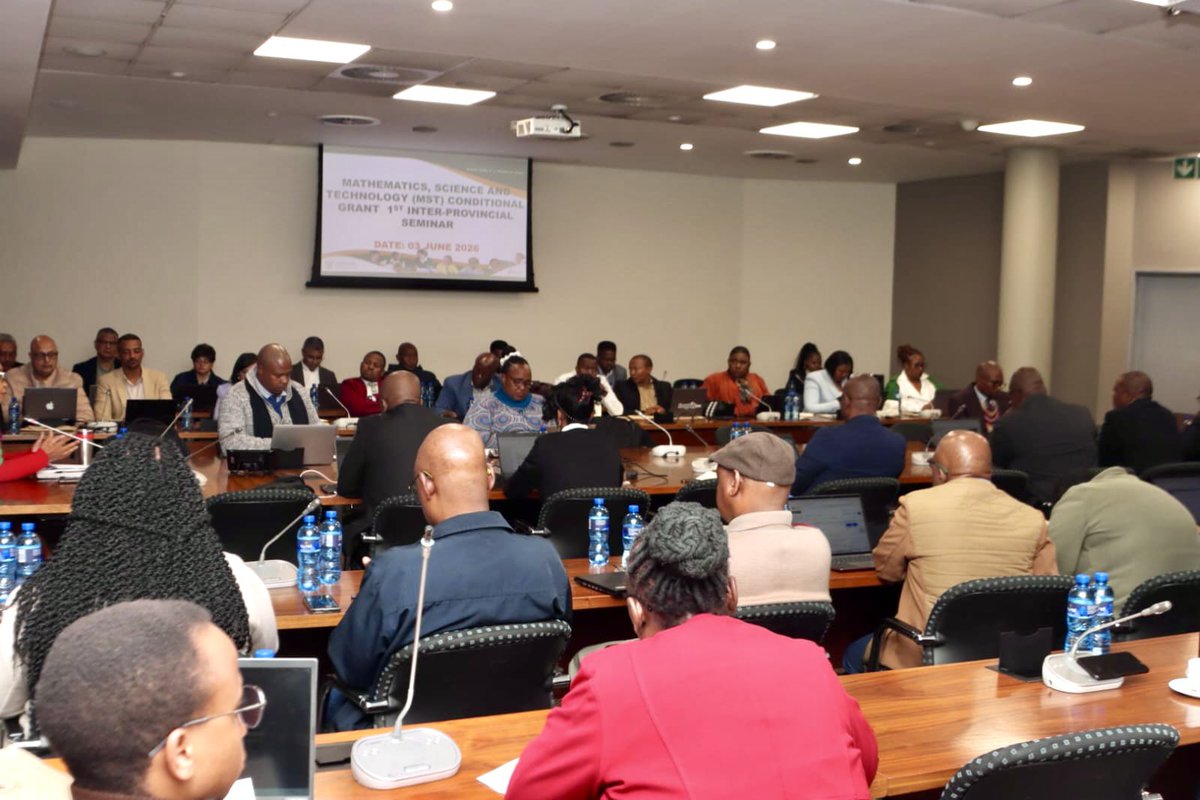
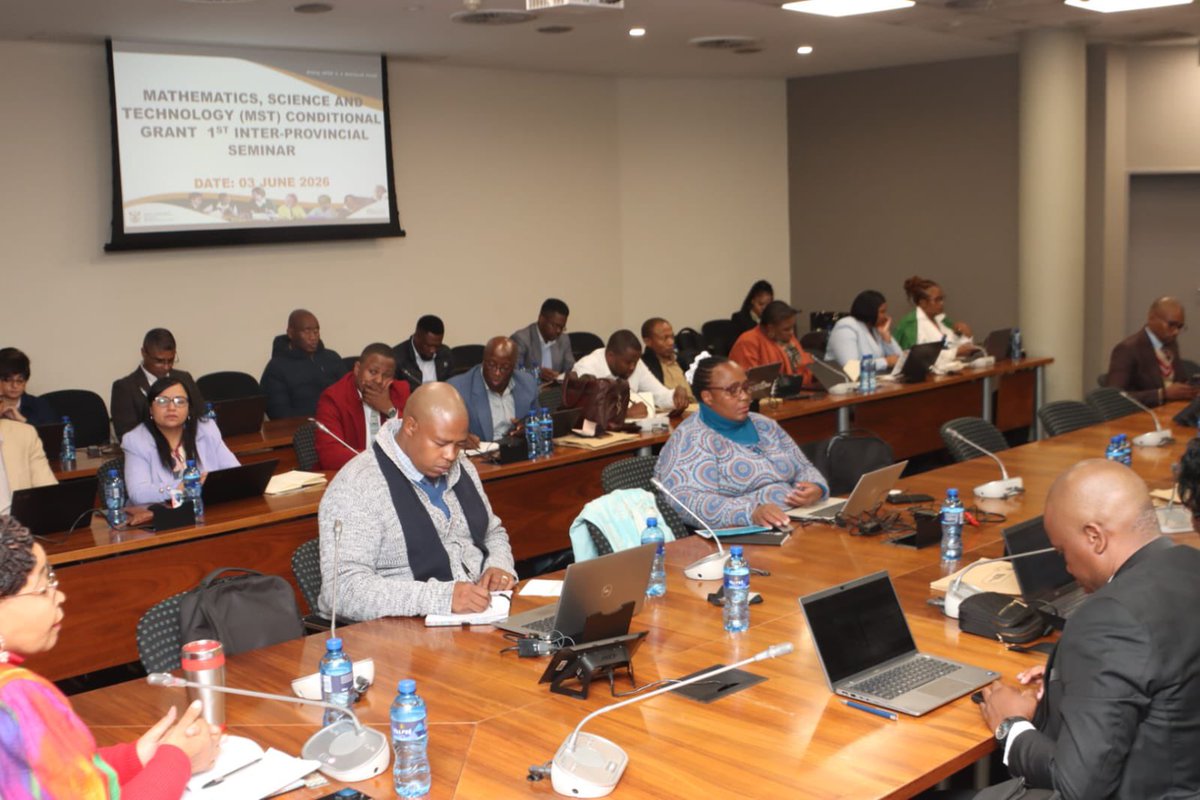
#MSTConditionalGrant | The Department of Basic Education’s Mathematics, Science and Technology (MST) Conditional Grant InterProvincial Seminar is officially underway. Over the course of two days, the seminar brings together Provincial Education Departments (PEDs), MST Directors and Coordinators, strategic partners and key stakeholders as a critical platform to review implementation progress, share best practice and strengthen the delivery of MST education across all nine provinces.
The seminar centres on four key strategic aims: ensuring a relevant and responsive curriculum; advancing teacher support and development; increasing learner participation and excitement in Science and Technology subjects; and deepening strategic partnerships that extend and amplify the work of the Grant.
Through the MST Conditional Grant, the DBE continues to invest in a generation of learners equipped with the scientific and technological competencies South Africa needs to meet the goals of the National Development Plan by 2030.
#MSTGrant #MathematicsEducation #ScienceEducation #Technology #TeacherDevelopment #CodingAndRobotics #SkillsForTheFuture #YouthDevelopment #GovZAUpdates #EducationZA
7
2
12
3,349

May 21
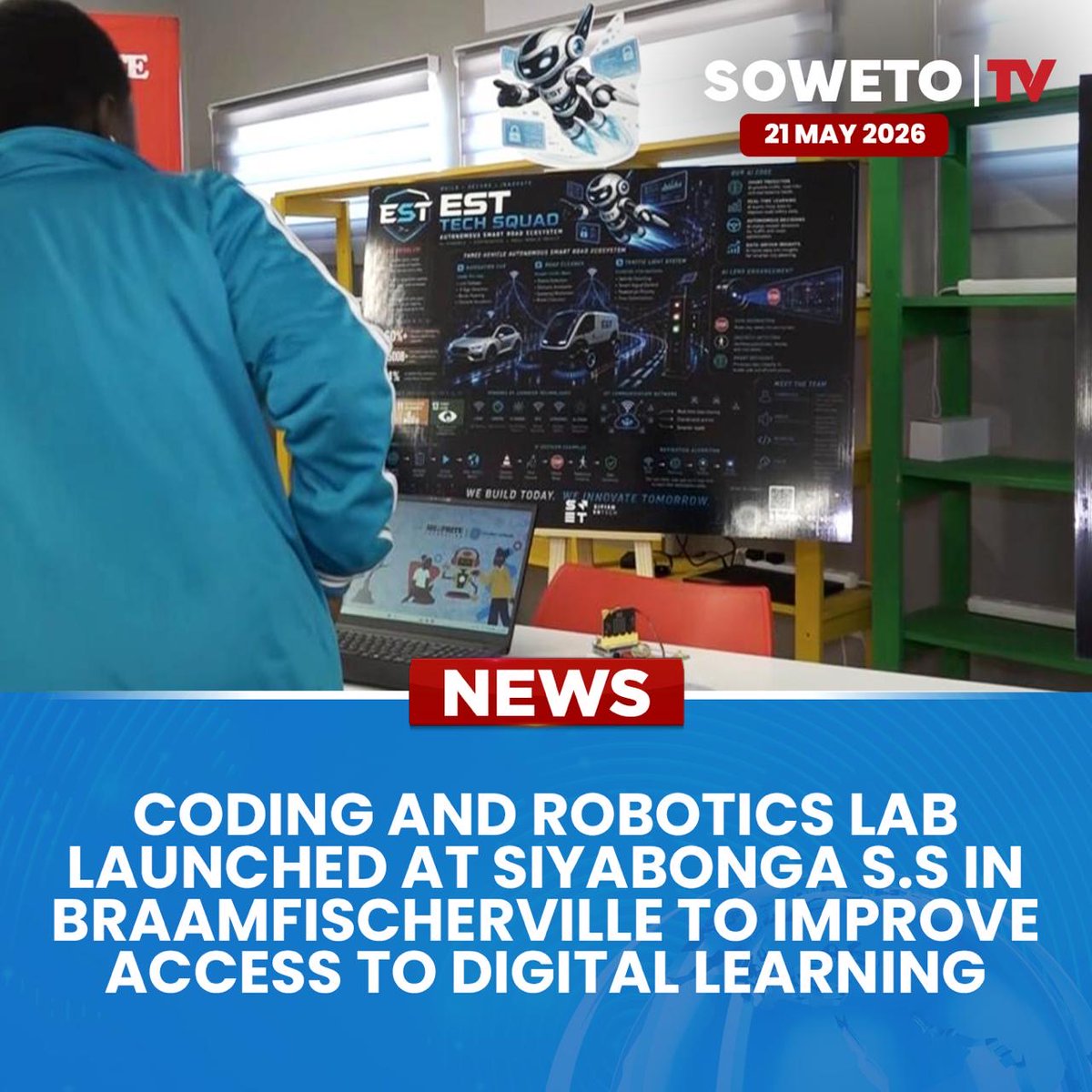
The Shoprite Foundation and Trevor Noah Foundation have launched a coding and robotics lab at Siyabonga Secondary School to boost digital learning and tech skills for learners.
Published: 21 May 2026
#ShopriteFoundation #TrevorNoahFoundation #CodingAndRobotics #DigitalLearning
2
37
May 8
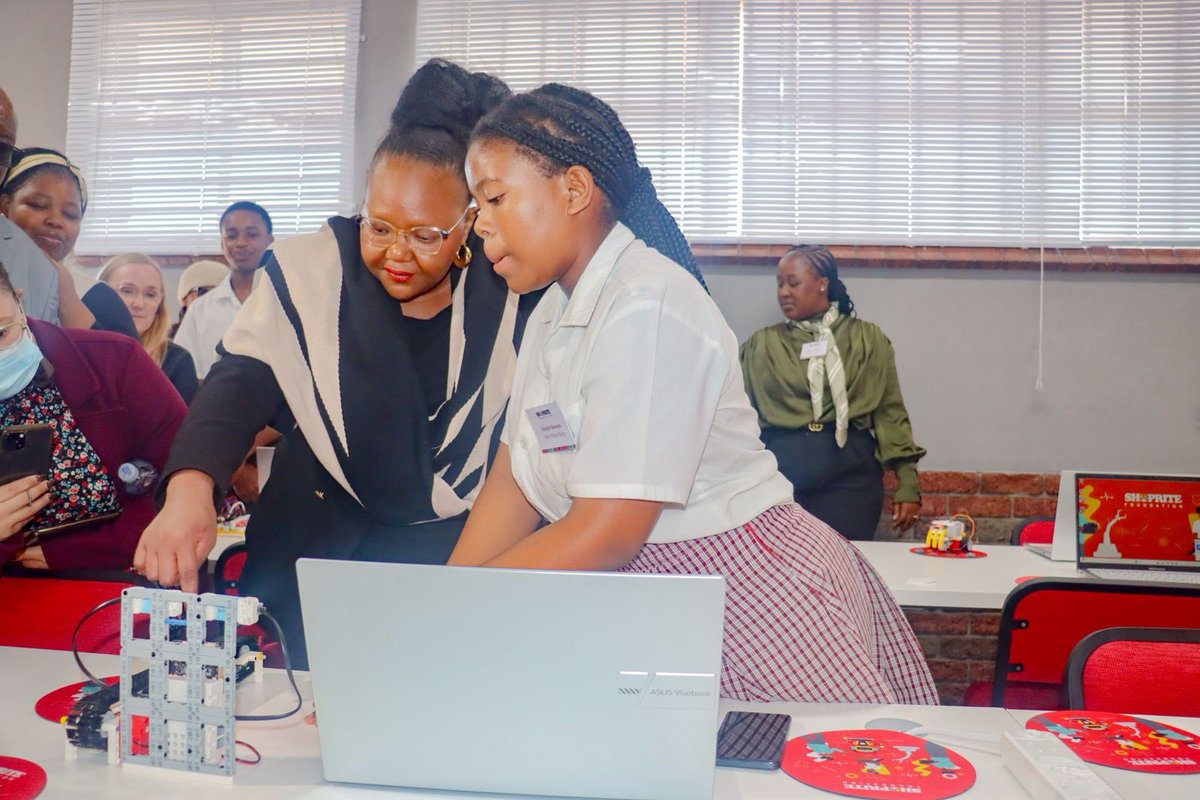
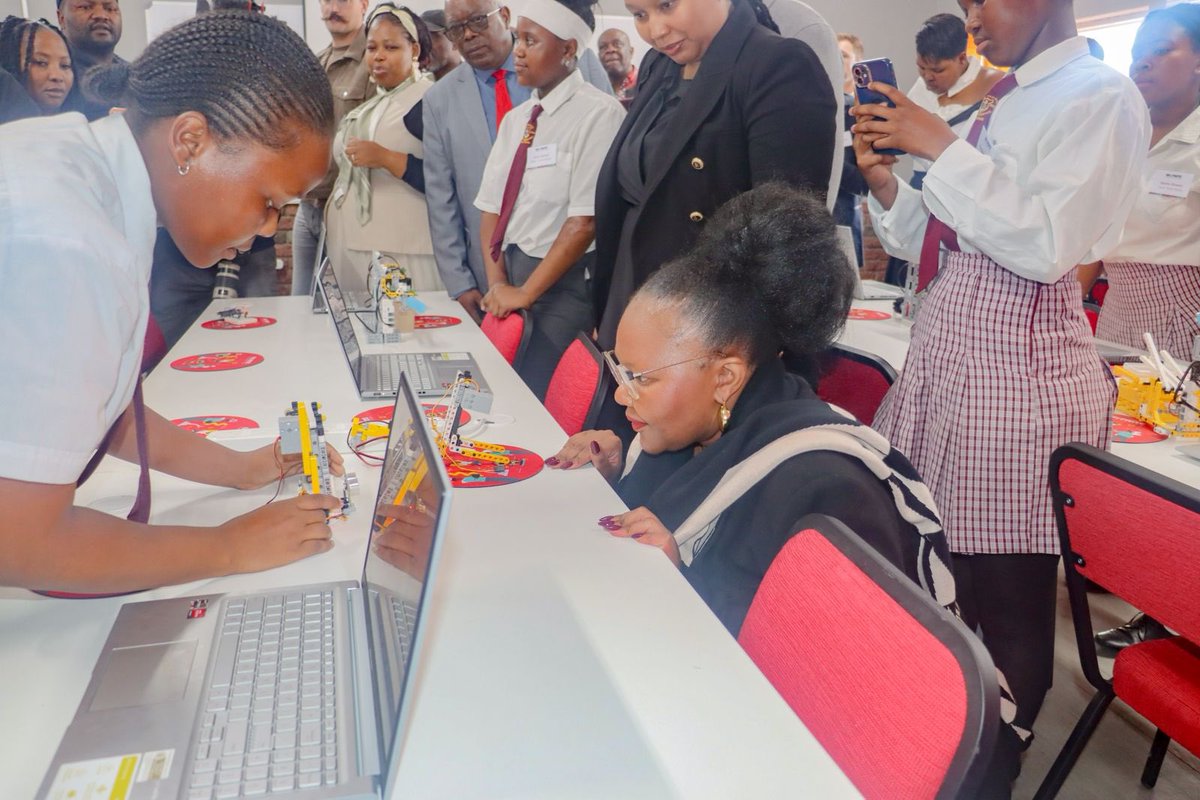
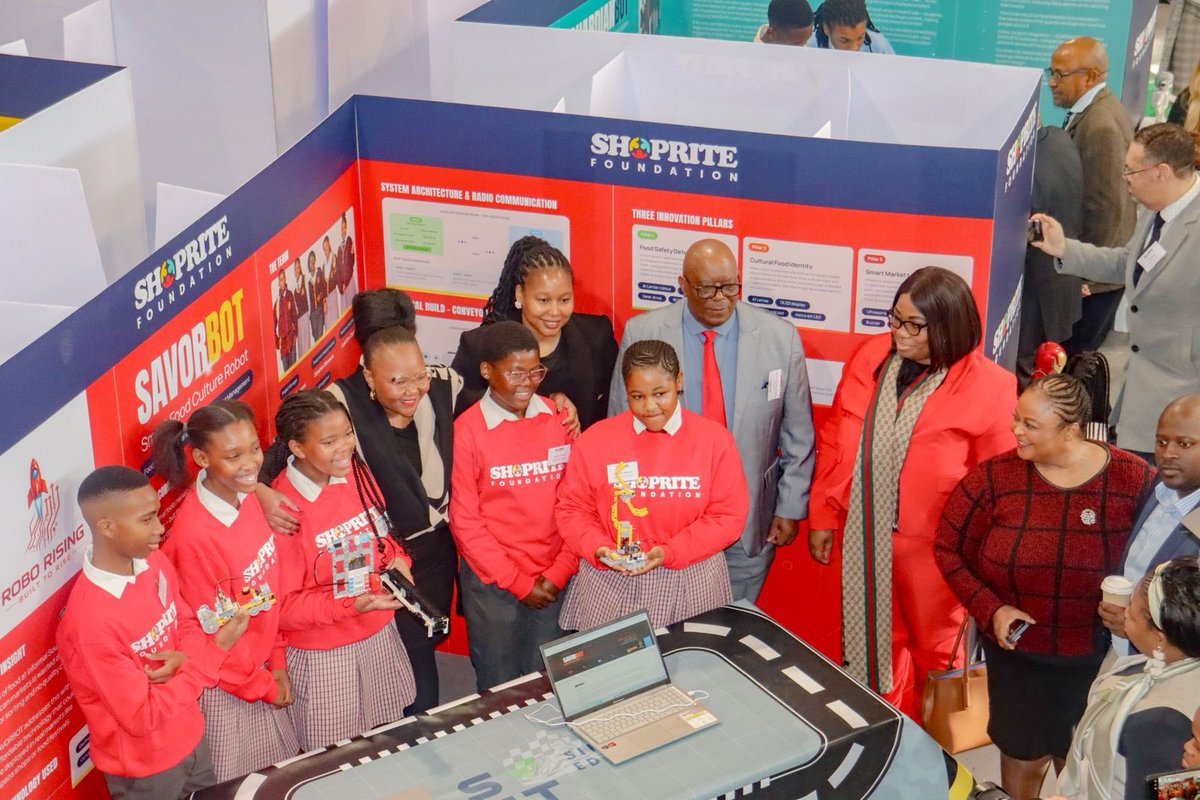
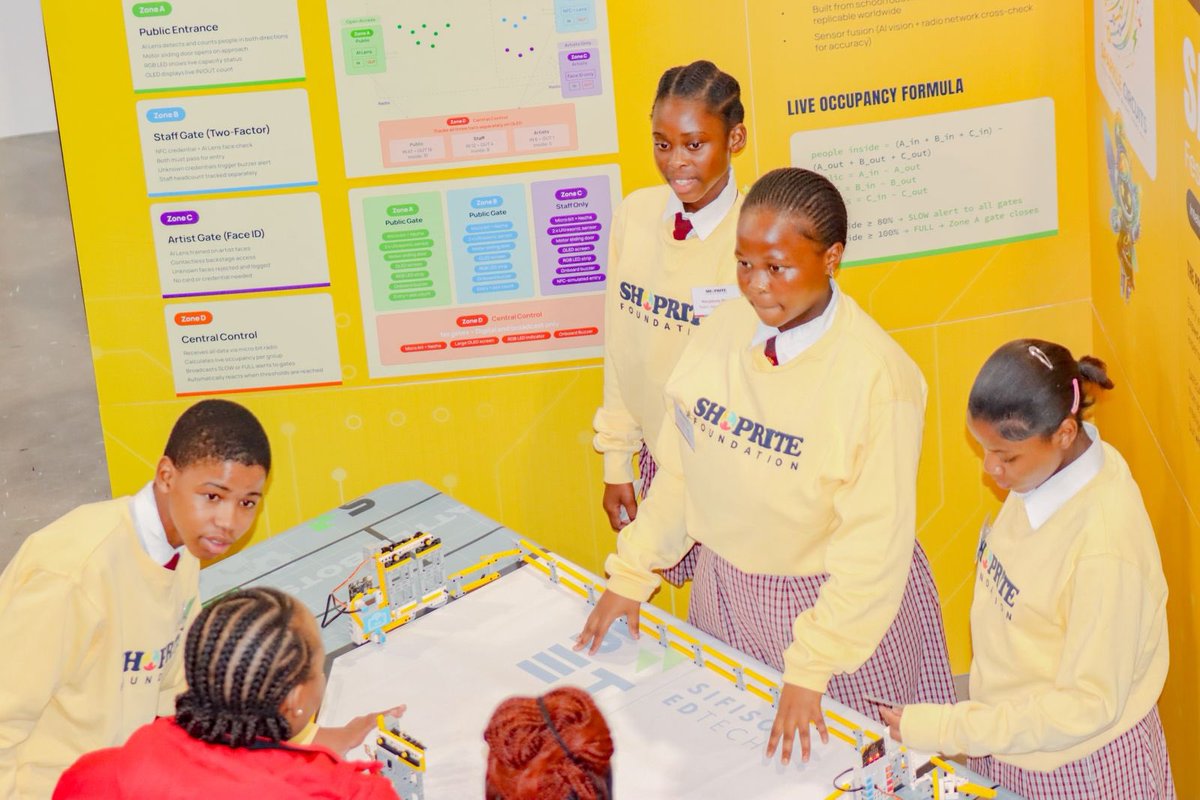
The future of education walked through these doors today. Minister Siviwe Gwarube officially opened the state-of-the-art robotics laboratory at Joe Slovo Engineering High School, where learners proudly showcased the lab’s capabilities in a live interactive demonstration — programming robots to respond to sound, rhythm, and real-time inputs in ways that left the room in awe.
From circuit to code, these young engineers showed the Minister exactly what’s possible when world-class infrastructure meets world-class potential. The lab is open, and so is every door that comes with it. No cap, this is giving! 🤏🏾
#STEMEducation #CodingAndRobotics #FutureReady #DigitalLearning #Khayelitsha #STEMForAll #GovZAUpdates #EducationZA
1
569
May 8
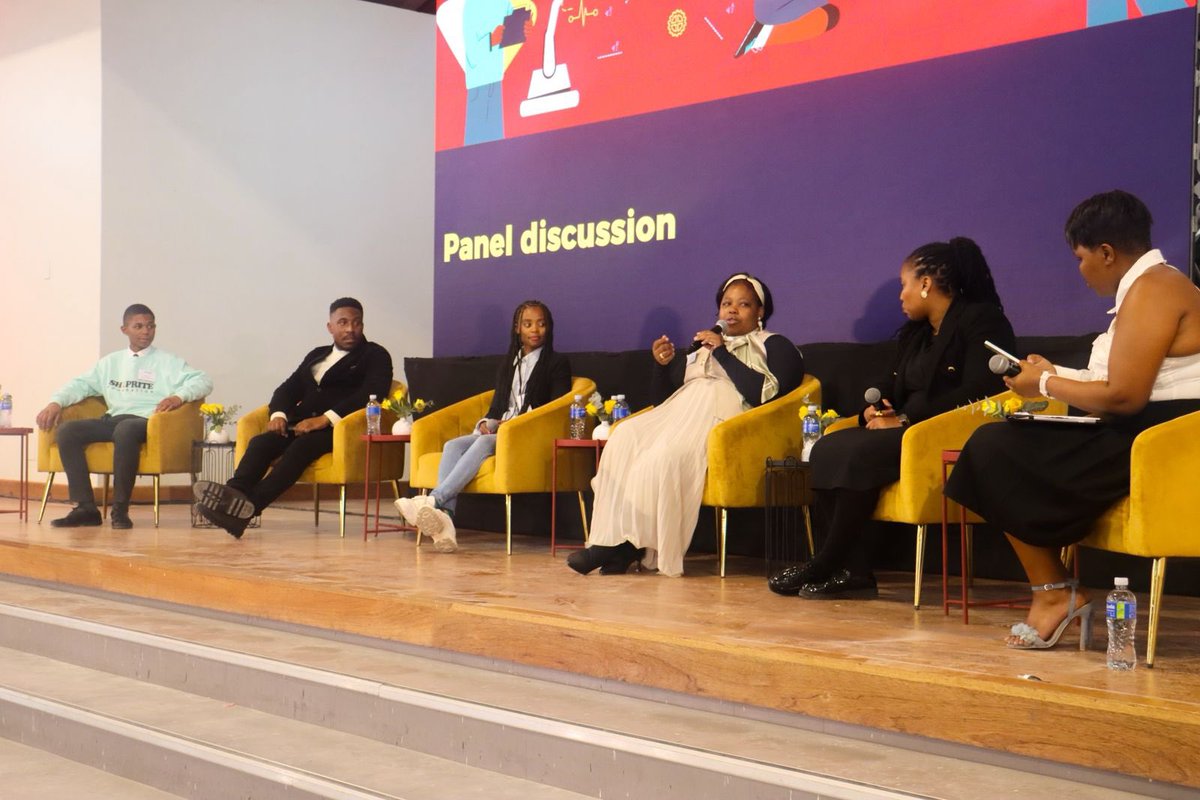
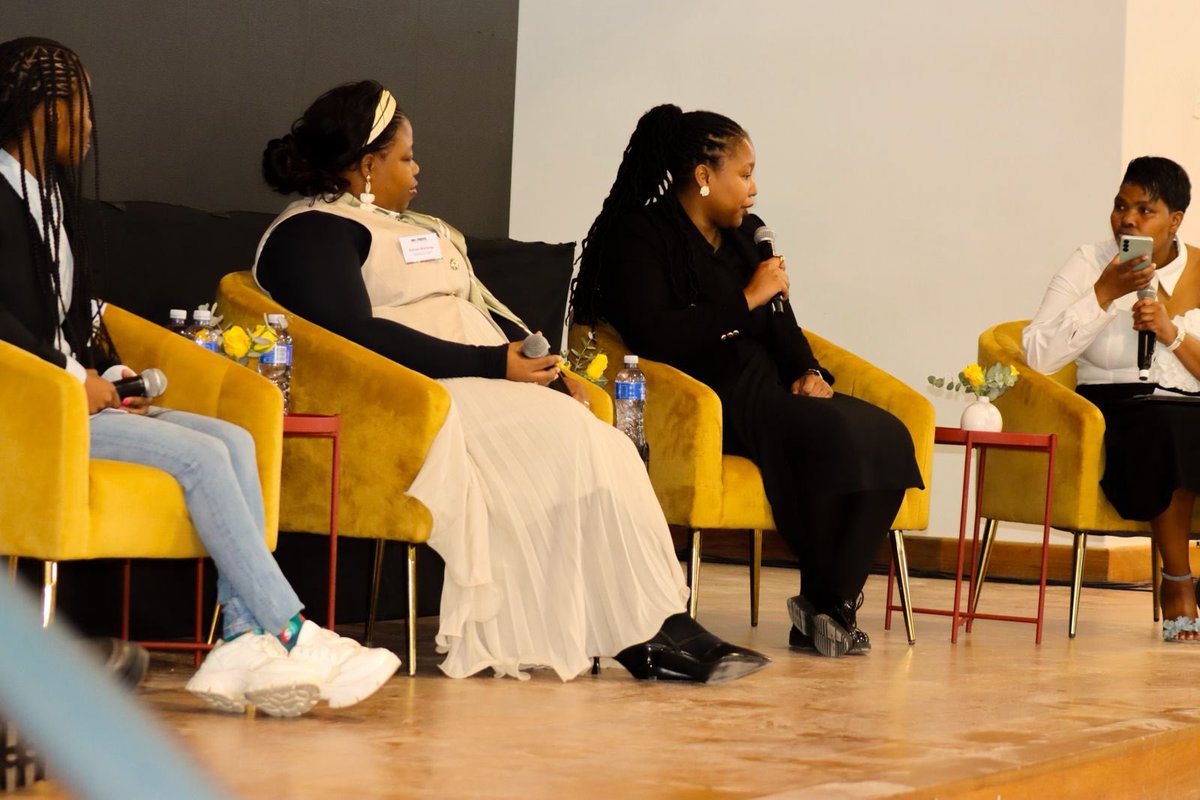
The launch of the new coding and robotics lab at Joe Slovo Engineering High School brought together a dynamic panel of voices, facilitated by Radio Zibonele’s Lizeka Khweleni to reflect on what this milestone means for the school and its learners.
Maude Modise: Director of Shoprite Foundation of the explained that Joe Slovo was deliberately selected for its exceptional academic track record, particularly its strong matric and Mathematics pass rates, making it an ideal home for a technology-centred STEM facility.
Xoliswa Mahlangu of Sifiso Edtech and lab teacher Mr Tetani spoke candidly about early staff anxieties, teachers from non-tech backgrounds initially feared redundancy but shared how those concerns gave way to enthusiasm, with even language teachers embracing coding and robotics training.
Youth Council member Caroline Tleane and learner from Joe Slove Inga Javu captured the learner perspective powerfully: the lab has shifted how young people see ICT equipment, no longer just for social media, but as tools for innovation, systematic thinking, and building real futures.
The panel collectively affirmed that this lab is not just a tech upgrade it is an investment in imagination, inclusion, and the next generation of South African problem-solvers.
#STEMEducation #CodingAndRobotics #FutureReady #DigitalLearning #Khayelitsha #STEMForAll #GovZAUpdates #EducationZA
1
379
May 8
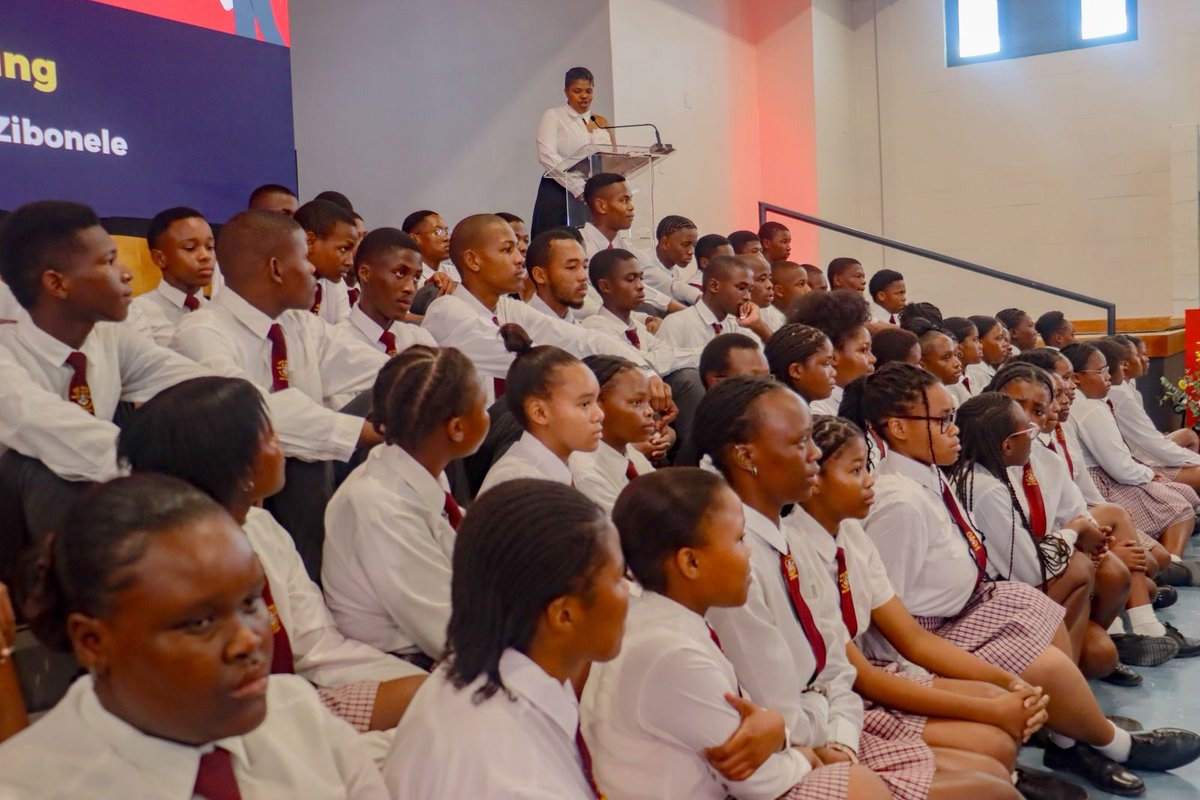
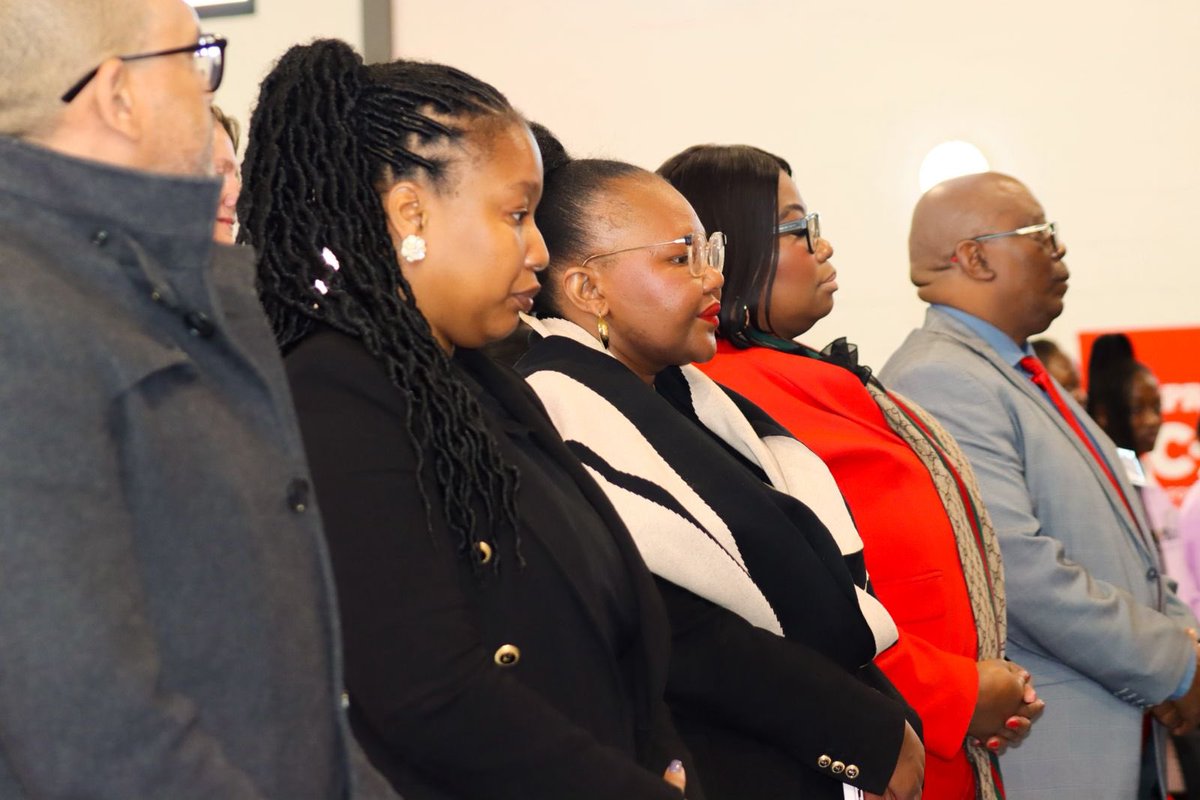
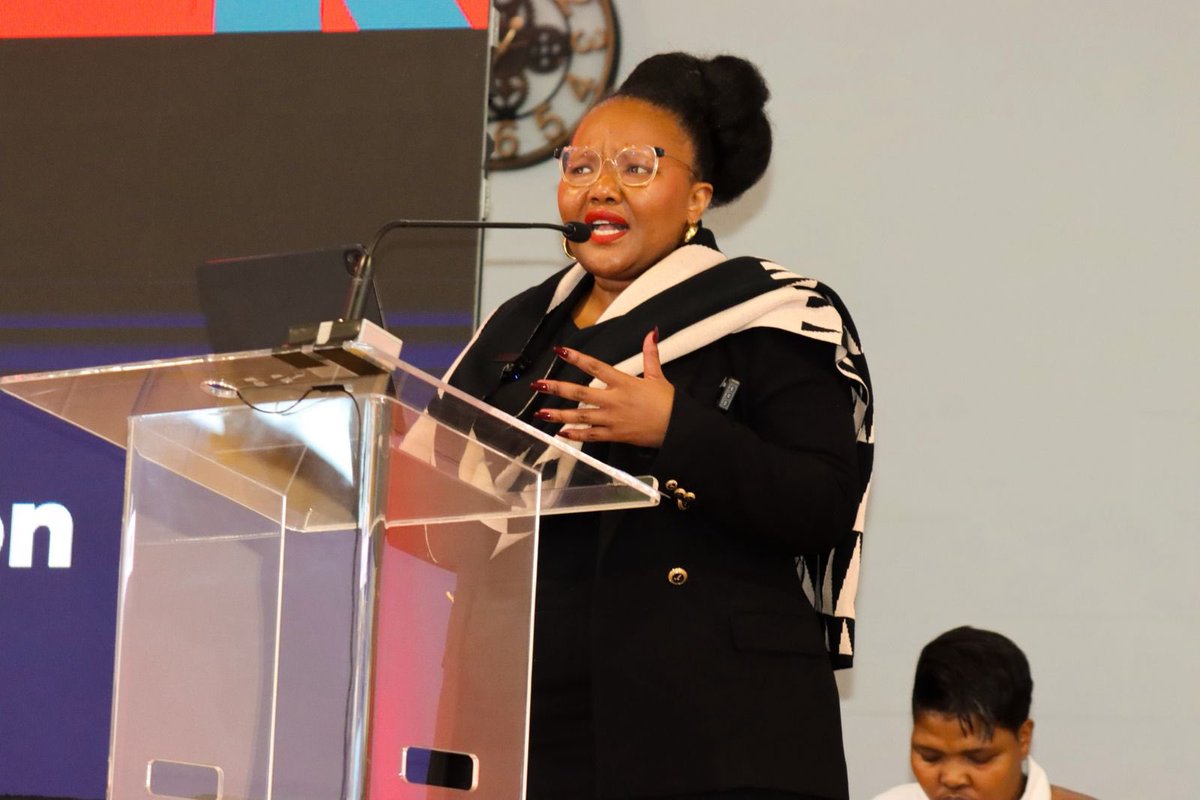
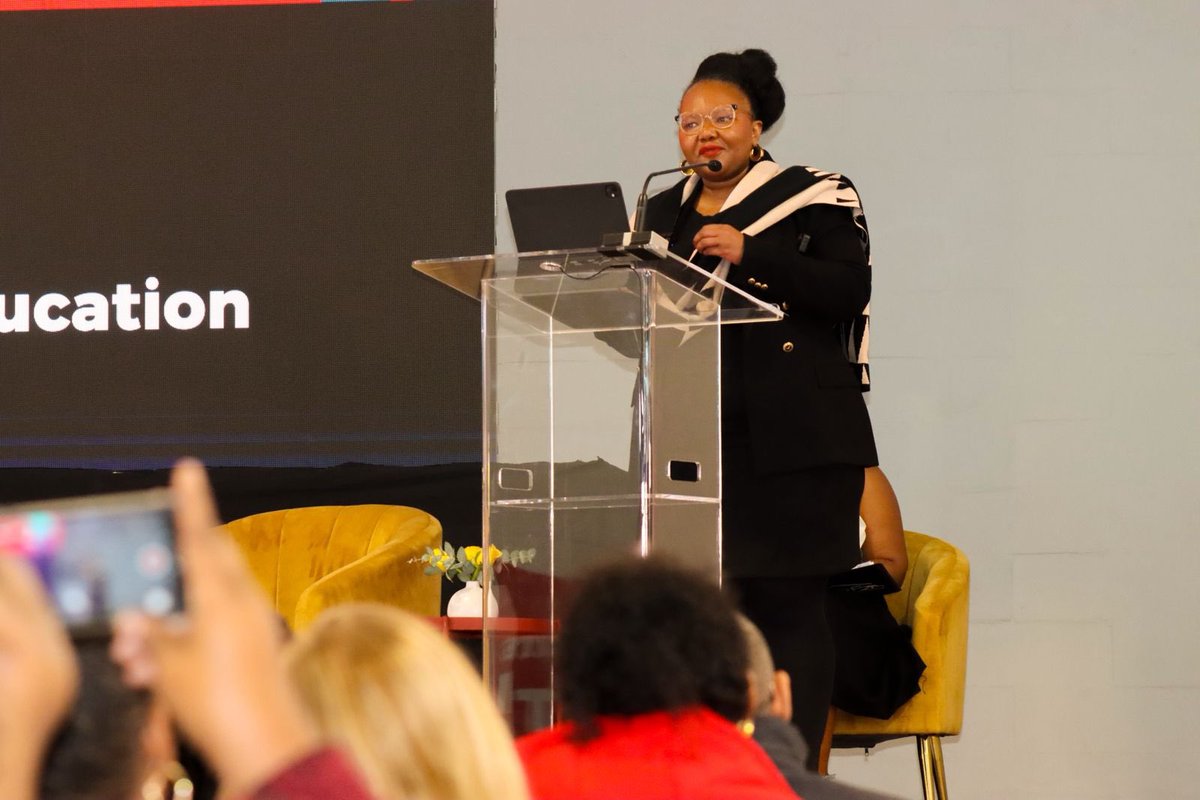
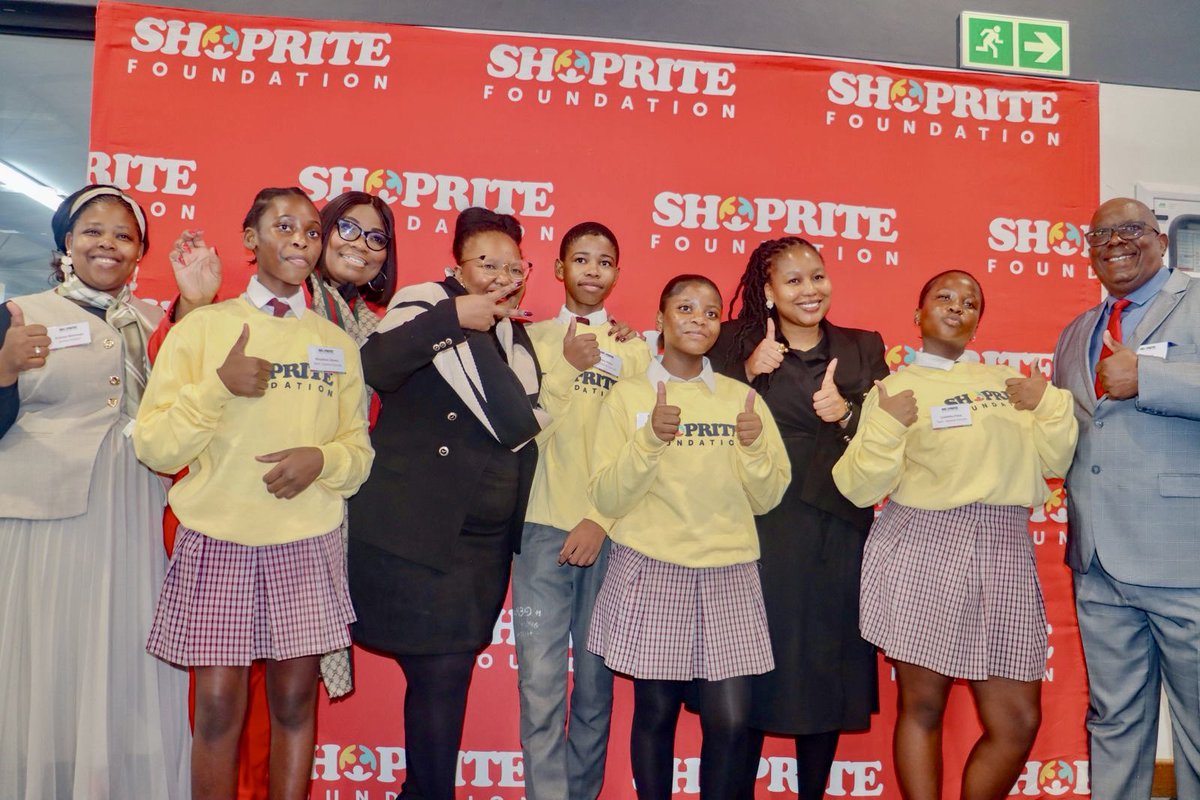
Minister Siviwe Gwarube delivered a passionate address at the opening of the Robotics and Digital Learning Lab at Joe Slovo Engineering High School, describing the occasion as the opening of a door of possibility for learners in the Khayelitsha community.
Acknowledging the Shoprite
Foundation’s investment as an act of responsible corporate citizenship, she stressed that public-private partnerships are no longer optional but essential. She was equally emphatic that robotics, coding and artificial intelligence must be built on strong foundations; a child who cannot read for meaning or reason with numbers will struggle to access the very technology this lab offers.
Foundational literacy and numeracy, she argued, are not separate from innovation but its prerequisite.
She spoke to what has long held communities like Khayelitsha back: not a shortage of talent or ambition, but a shortage of access. This lab, she said, begins to change that.
Her challenge to learners, educators and the broader community was clear; own this facility, protect it, and ensure it serves every learner, including those who have not yet discovered where their strengths lie.
“This lab tells every learner who walks through its doors: you belong in the future we are building. You have not been forgotten. Your community has not been forgotten.“
#STEMEducation #CodingAndRobotics #FutureReady #DigitalLearning #Khayelitsha #STEMForAll #GovZAUpdates #EducationZA
1
354
May 8
In the heart of Khayelitsha, technology is becoming a tool for possibility. 🤖
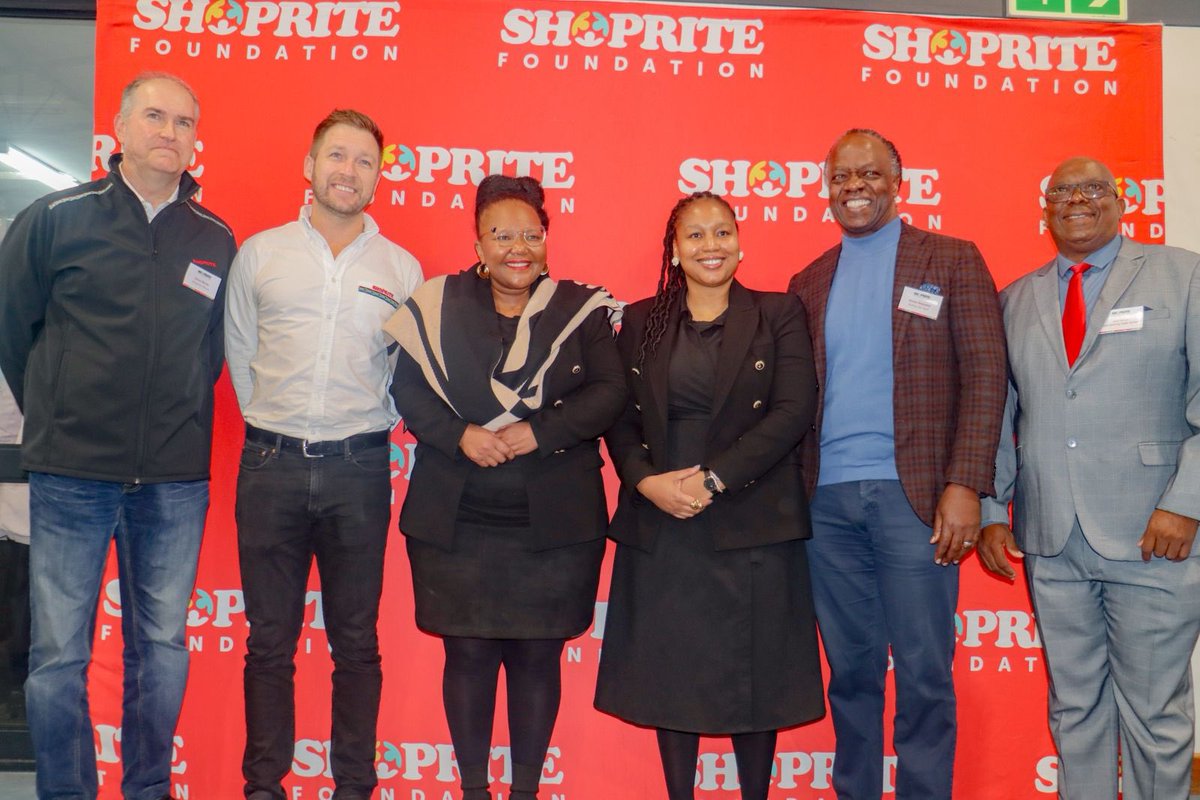
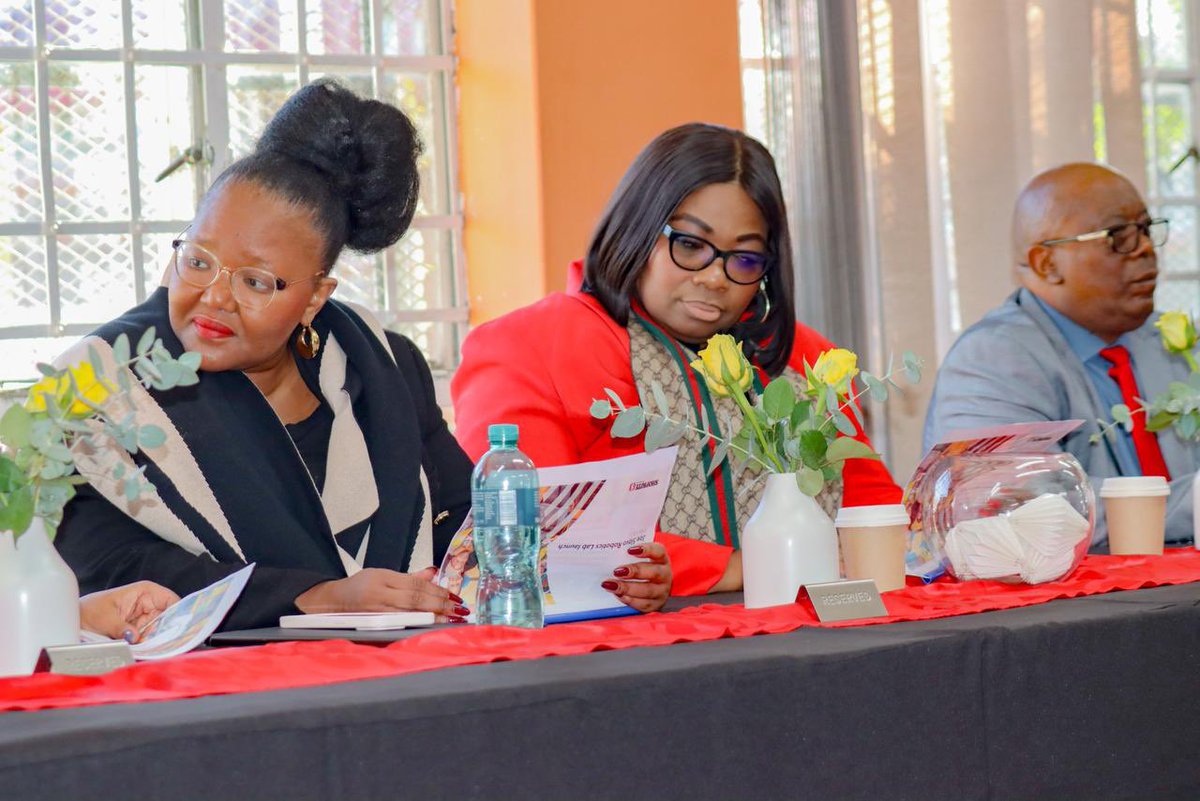
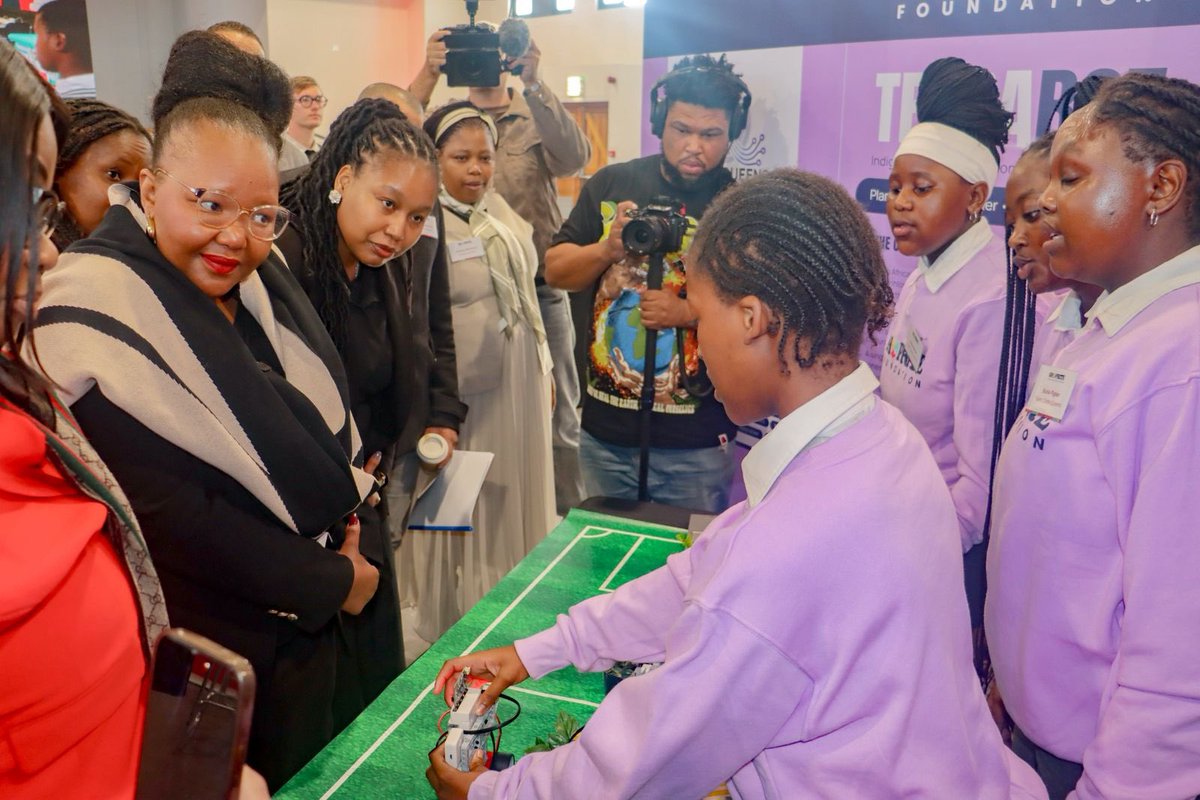
Minister of Basic Education, Ms Siviwe Gwarube joins the Shoprite Foundation and Sifiso EdTech at Joe Slovo Engineering High School to launch a new Robotics and Digital Learning Lab — opening more doors for learners to explore coding, robotics, AI and digital innovation.
From the classroom to real-world tech skills, learners are not just preparing for the future, they are building it.
This is what future-focused education looks like: access, opportunity and young minds ready to lead in the digital age.
#STEMEducation #CodingAndRobotics #FutureReady #DigitalLearning #Khayelitsha #STEMForAll #GovZAUpdates #EducationZA
3
1
3
1,192

29 Jul 2025
We’re excited to welcome Robotix Institute as an exhibitor at Zambia Tech-Xpo 2025!
Robotix Institute is inspiring the next generation of innovators through coding, robotics, and STEM education. By equipping young minds with practical skills and creative tools, they’re empowering learners to build the future, one robot at a time.
Aligned with the theme “AI and Payments: Driving Zambia’s Digital Revolution,” Robotix Institute plays a vital role in nurturing Zambia’s future tech leaders and digital problem-solvers.
Visit their booth at Zambia Tech-Xpo 2025, happening 7–8 August at the Mulungushi International Conference Centre, and see how the future is already being built in our classrooms.
Get your tickets now:
tinyurl.com/ZambiaTechXpoTix
#ZambiaTechXpo25 #RobotixInstitute #STEMZambia #FutureInnovators #CodingAndRobotics #TechEducation
4
1
2
94
11 Jul 2025
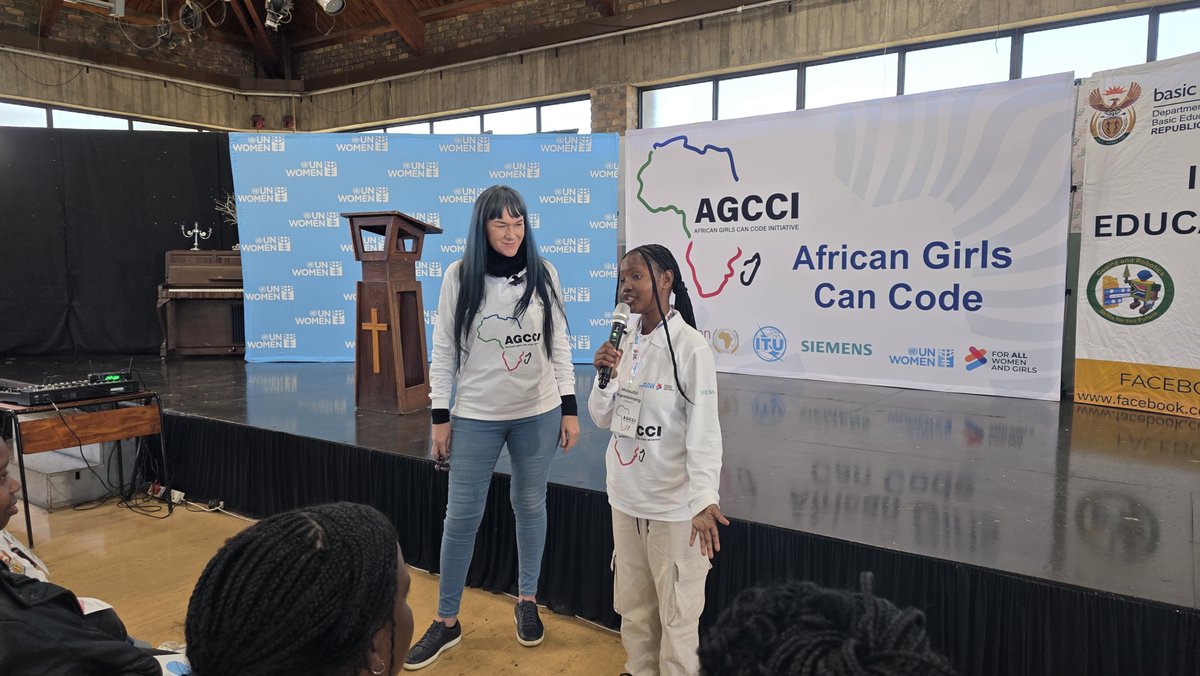
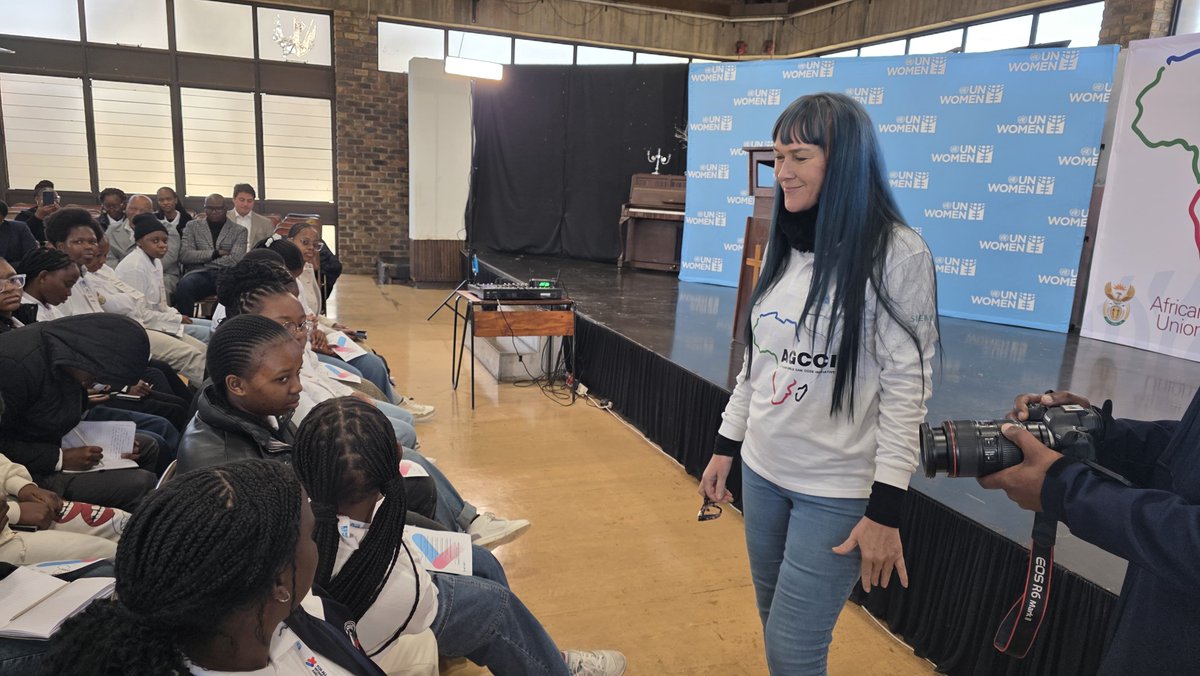
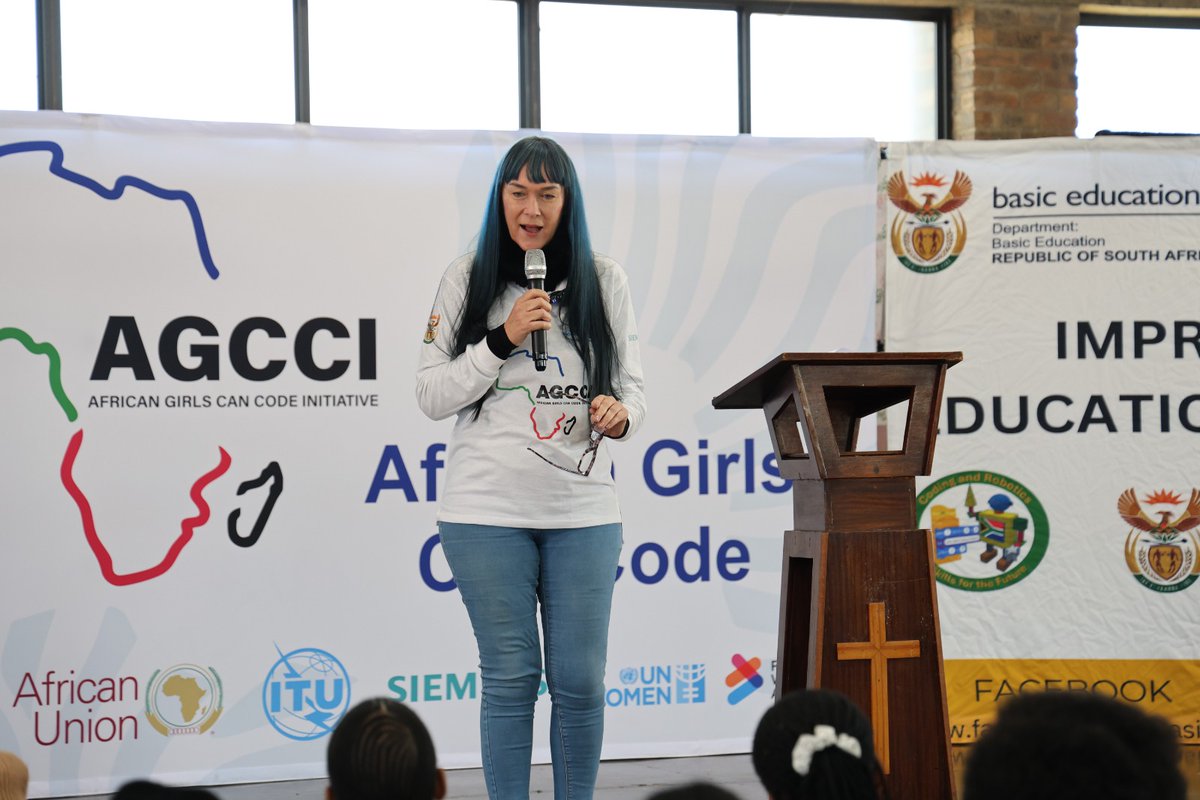
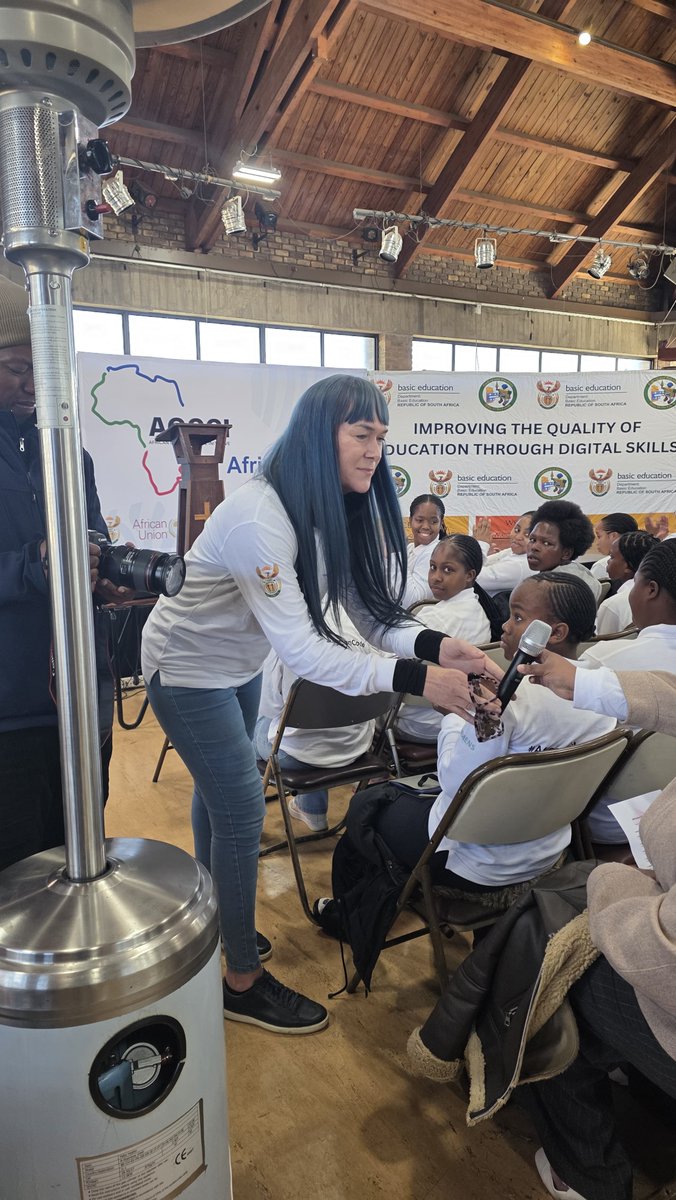
Speaking on the importance of partnerships, Ms Aleta Miller, Representative: UN Women South Africa Multi Country Office, lauded the power of cooperation and collaboration on making lasting impact in communities.
#AGCCI #CodingAndRobotics #GirlsInTech #GirlsInSTEM
1
787
11 Jul 2025
11 Jul 2025

"AGCCI represents far more than a training programme. It is building momentum for a movement of empowerment. It’s equipping girls with digital skills to not just join the digital economy but to lead it, own it, and make it their own." @unwomenSA Rep,@AletaFMiller
3
1,274