
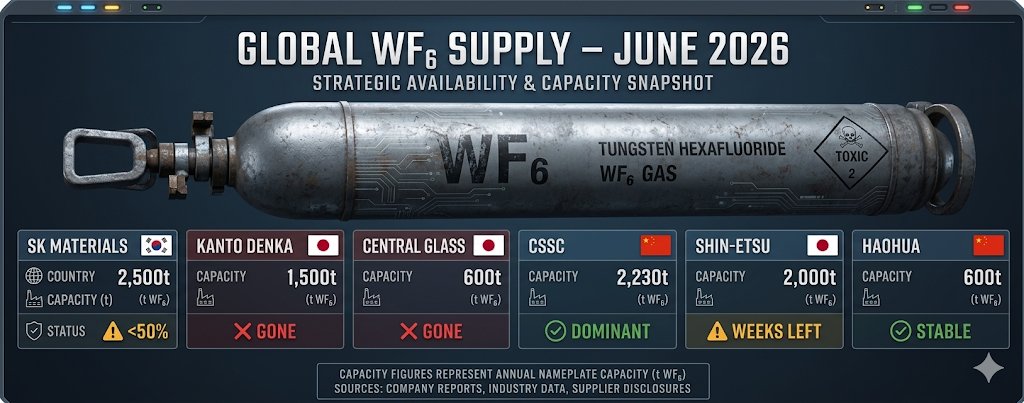
2.100 toneladas fuera para siempre. Cuando CSSC supere a todos los no chinos en 2027, la dependencia será total. Ojo con esto. ¿Alguien más sigue el WF6 de cerca?
11
Jason Soto retweeted
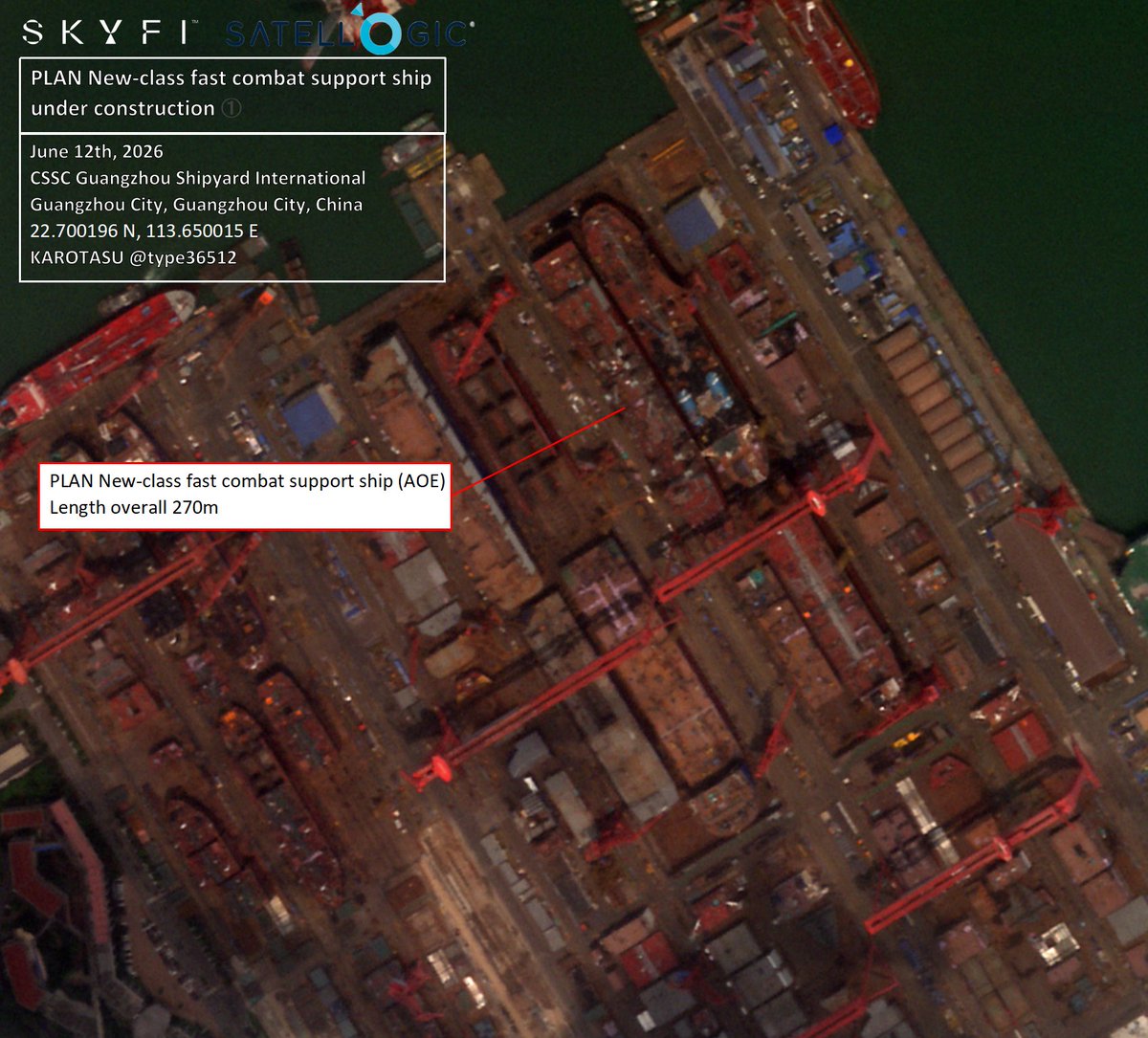
中国海軍[PLAN]向け新型補給艦建造状況 ②
6/12撮影の衛星画像。CSSC広船国際で建造中。4月撮影の状況と比較し艦橋構造物や機関部などが組み立てられ、船体はほぼ完成状態と思われる。全長は約270mとなっており、就役すれば世界最大の補給艦艇となる
@SkyfiApp
@Satellogic
8
55
3,882
U2ame retweeted

Apr 12
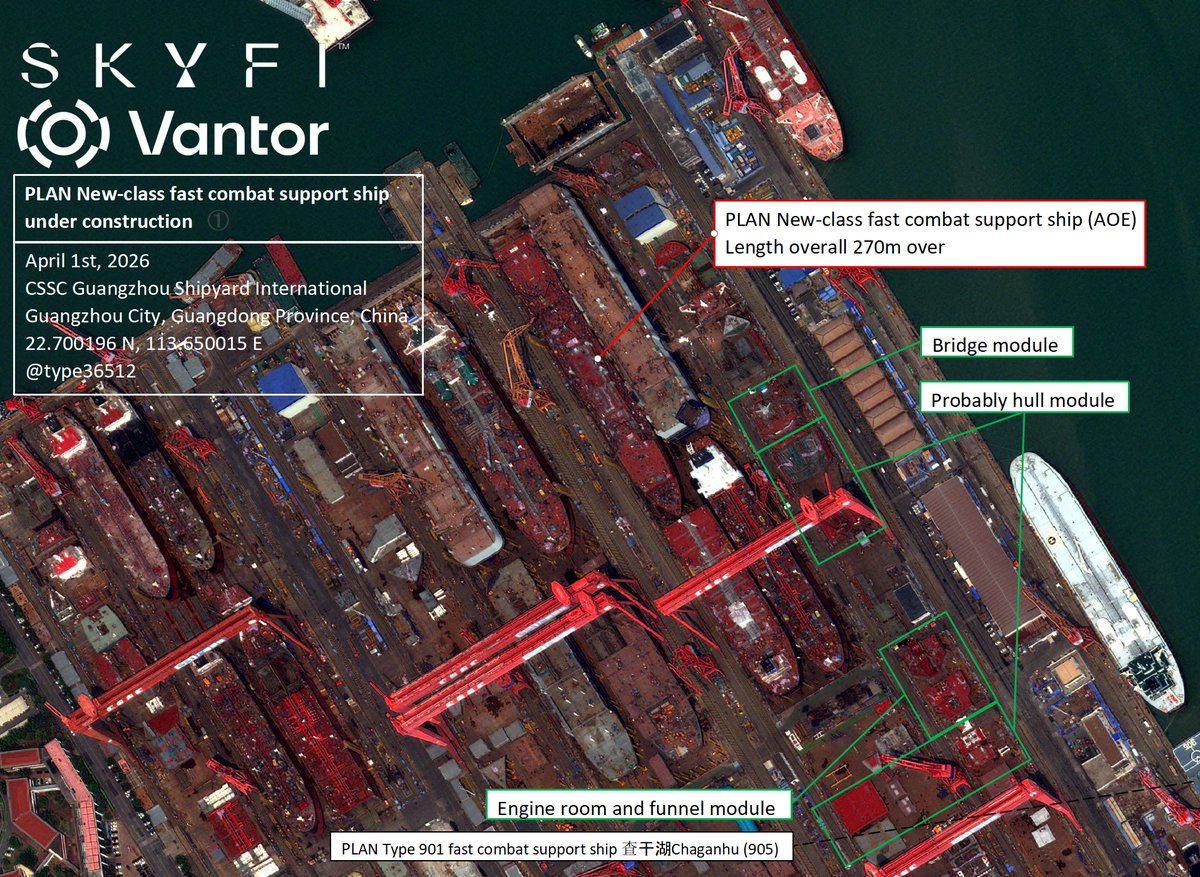
中国海軍[PLAN]向け新型補給艦建造状況
4/1撮影の衛星画像。CSSC広船国際2号ドックで1隻が建造。3/25時点で露出していた機関室には既に船体が組み上げれる。ドック横には艦橋、煙突(機関部)、船体のブロックが置かれる。造船所岸壁には901型 查干湖(905)が停泊
@SkyfiApp
@vantortech
Apr 11

念のため衛星画像を購入して確認してみたが、建造している船は新型補給艦で間違いない。建造は2号ドックで現状1隻のみ。実寸も本当に全長260~270m程度はある。Janes画像では見切れているが、もう少し南側には煙突など上部構造物のブロックも既に置いてある。この建造ペースなら夏頃には進水するだろう
1
28
106
15,281

Chinese Shipbuilders Secure $4.4 Billion in Green Vessel Orders
Chinese shipbuilders secured orders exceeding 30 billion yuan ($4.4 billion) at the Posidonia maritime exhibition, intensifying competition for next-generation new-energy vessels against Japanese and South Korean rivals.
State-owned CSSC received orders for approximately 20 ships, including VLCCs, oil tankers, and feeder container ships.
piqmarkets.com/commodities-e…
1
1,183

Jun 14
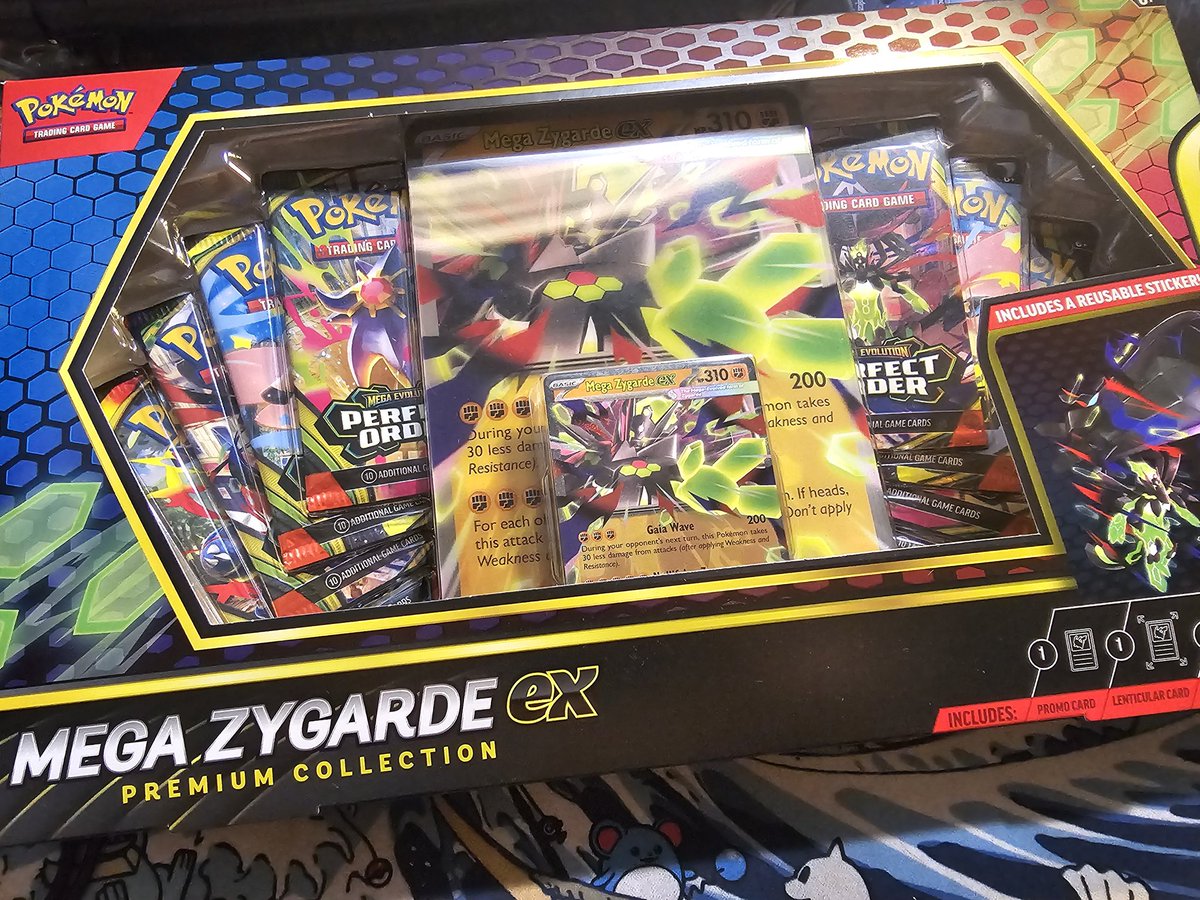
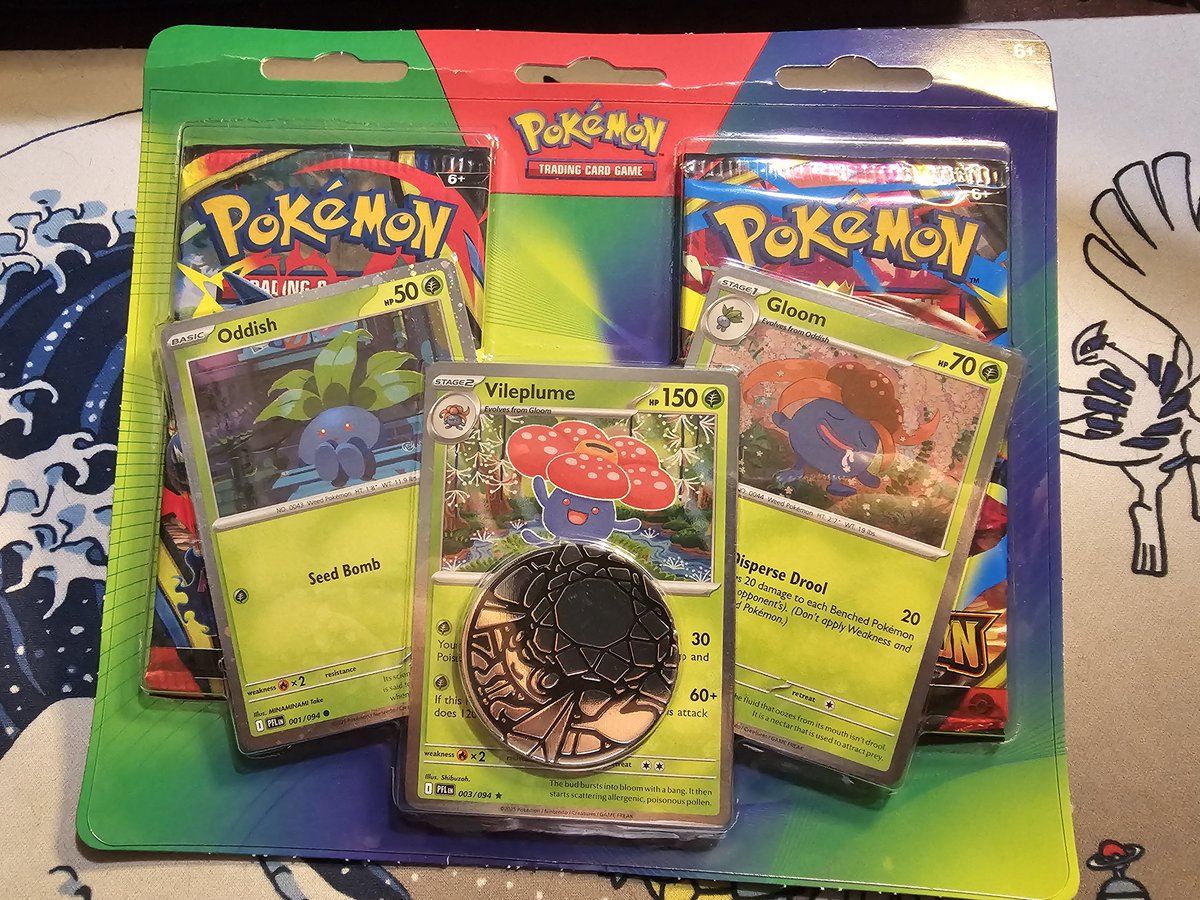
Twitch.tv/orngranger 715pm cst. Pack openings and some chill vibes. Lets go! #OrngRanger #StayShiny #Pokemon #Pokémon #PokemonCards #PerfectOrder #Zygarde #MegaZygarde #Chikorita #Oddish #Gloom #Vileplume #PokemonPerfectOrder #PokemonTCG #CSSC #PCG #Twitch


23

The peace process needs continuity and coherence
Armenia’s parliamentary elections have produced their outcome. The key point is that the leadership which agreed the peace agenda with Azerbaijan remains in power. That continuity matters for keeping the process on track.
The peace process between Azerbaijan and Armenia is not a collection of isolated gestures, but a sequenced agenda. One of its elements is a referendum on a new Armenian constitution that would no longer contain territorial claims against Azerbaijan.
At present, Armenia’s ruling party does not have enough seats in parliament to carry out the procedural steps needed to call a referendum. But that does not mean a referendum is impossible.
The adoption of an Armenian constitution without territorial claims remains the only obstacle to a peace agreement. It is an obstacle that must be overcome.
How long could this take?
That depends on the Armenian government. Prime Minister Nikol Pashinyan has said that a new constitution should bring the so-called “Karabakh movement” to an end.
Once the procedural issues are settled, Armenia’s new government will have to define its position on the peace agenda agreed last year, an agenda that follows a clear sequence.
Azerbaijan has approached the agreements reached with responsibility. During Armenia’s election campaign, it showed maximum restraint and continued to implement steps under the peace agenda in the normal course.
Unfortunately, as soon as the results of the Armenian elections became clear, a number of European politicians, journalists and experts began producing articles and giving interviews claiming that a referendum was impossible and lecturing Azerbaijan that it should sign a peace agreement without one. Some even went so far as to use the word “should” in their articles. The arrogance is striking, and it will not be forgotten!!!
It is worth recalling that the peace process between Azerbaijan and Armenia is BILATERAL!!! Those who wish to offer advice in the language of obligation can keep it to themselves. At the very least, Baku does not need such advice.
We have already been through this in 2021-2024. And where are those so-called advisers now, the ones who wanted to lecture us on what to do and how to do it?
There is no need to repeat the mistakes of the recent past.
Equally dangerous are the calls by some particularly overexcited commentators to put pressure on Azerbaijan and President Ilham Aliyev. How dare they assume that pressure on Azerbaijan, or on President Aliyev personally, would work? Experience has shown the opposite. Azerbaijan does not bend under pressure, Aliyev certainly does not, and those who try usually end up strengthening the very position they hoped to weaken.
External pressure could also undermine the atmosphere in the bilateral negotiating format, a format that has already delivered results which are now a regular feature of the news cycle.
My advice to the so-called advisers is simple: stay out of it.
Many of these “advisers” write in their articles and say in their interviews that there is now a window of opportunity, and that it must be seized. What these short-sighted people fail to understand is that this window is opened by Azerbaijan and Armenia themselves, and how long it remains open depends first and foremost on Baku and Yerevan.
The peace process does not depend on the EU, the US, Russia or Iran. These actors can either help the process or try to obstruct it. But if Baku and Yerevan have agreed on something within the peace agenda, obstruction by any outside country will not produce results. Countries that say they support the peace process should help implement the agreed and sequenced steps, and nothing more.
The results of the elections in Armenia have created a challenge for the peace process. That challenge can be overcome only through negotiations between Azerbaijan and Armenia and through the implementation of all sequenced steps, including a referendum on Armenia’s constitution.
The point is simple: peace will not come through pressure or lectures. This opportunity was created by Baku and Yerevan, and it is for them to preserve it. Those who really support peace should help where they can, and stay aside where they cannot. Otherwise, Azerbaijan can also start lecturing them on everything they got wrong in the past.
Farhad Mammadov
Director, CSSC
1
1
2
188

Jun 12
Airbus ships the wings, fuselages, and tail of every A320 assembled in Alabama across the Atlantic from Saint-Nazaire, France.
The two cargo ships currently on the route are over twenty years old, and the smaller one carries just three to four aircraft sets per crossing. Three new vessels, each carrying six sets, are being built at a CSSC shipyard on the Yangtze.
A European aircraft, assembled in America, delivered on ships built in China.
gcaptain.com/airbus-goes-to-…
1
1
8
328

Jun 12
タングステンはいたるところで足りない
【ニュース】日本の減産を前に供給逼迫、半導体製造に不可欠なガスWF₆の価格が200%以上急騰したとの報道
中国の希土類輸出規制が市場の注目を集め続ける一方で、もう一つの重要な半導体材料も価格が急激に変動している。chinastarmarket.cnによると、中国税関総署のデータでは、六フッ化タングステン(WF₆)の価格は2026年4月に1キログラムあたり149.79ドルに達し、前年同月比28.33%、前月比203.83%上昇した。
The Elecが指摘しているように、WF₆は半導体ウェハ上にタングステン膜を形成するために使用される重要な前駆体ガスであり、この膜はチップ内部の導電経路として機能します。WF₆はDRAM、NAND、ロジックの製造に用いられますが、特に需要が高いのは3D NANDです。3D NANDでは垂直に積層された構造のため、繰り返し成膜工程が必要となり、200層構造の場合、通常200サイクル程度になるとレポートは説明しています。
ChemNetは、2026年以降、海外サプライチェーンの逼迫、中国のタングステン輸出規制、半導体需要の急増により、高純度WF₆の世界的な需給ギャップが急激に拡大していると指摘している。同報告書によると、タングステン材料に対する中国の輸出規制により供給が逼迫し、WF₆生産量の60~70%を占めるタングステン粉末の供給が逼迫したことで、主要サプライヤーによる価格上昇が急速に引き起こされた。
WF₆ 日本の減産が迫る中、供給が逼迫
特筆すべきは、The Elecが4月に、日本の関東電化工業とセントラルガラスが、サムスン電子やDBハイテクなどの韓国の半導体メーカーに対し、WF₆の供給途絶の可能性について警告したと報じたことである。ChemNetは、これら2社の在庫は5月から6月までしか持たないと予想されており、下半期の供給は不透明だと付け加えている。
こうした状況の中、ChemNetは関東電化とセントラル硝子が2026年7月から恒久的に生産を停止する見込みであり、この動きは供給体制を大きく変える可能性があると報じている。
chinastarmarket.cnによると、世界のWF₆生産量は年間わずか8,000~9,000トンと推定されている。6N以上のグレードに特化した日本のサプライヤー2社を合わせても約2,000~2,200トンに過ぎず、両社の撤退が噂されていることから、世界の供給量に大きな影響を与えるだろうと、同レポートは指摘している。
ChemNetによると、韓国のメーカーも動きを見せており、SK SpecialtyとFoosungも4月から5月にかけて、2026年の価格を70%~90%引き上げると発表した。
世界的な供給逼迫でWF₆価格が急騰
世界的な供給逼迫の中、WF₆の価格はあらゆる純度グレードで急騰している。ChemNetによると、中国の5Nグレード(純度99.999%)WF₆は現在1キログラムあたり1,670~1,810人民元で取引されており、前年比232.7%上昇している。一方、6NグレードのWF₆の価格は1トンあたり220万~300万人民元までさらに上昇し、4月初旬の水準から190%以上上昇したと報じられている。
そのため、中国のサプライヤーが代替供給源として台頭しつつあると言われている。ChemNetは、中国のWF₆産業が急速に成長しており、CSSC Sci-Techがトップ、Haohua GasとGranditが第2層に続く競争環境を形成している一方、他の企業も事業拡大を加速させていると指摘している。同レポートによると、中国国内の総生産能力は年間約4,500トンに達し、世界の供給量の約50%を占めている。
ChemNetによると、CSSC Sci-Techは既にTSMC、Samsung、SMIC、そして中国の大手NANDフラッシュメーカーなど、世界有数のファウンドリやメモリメーカーのサプライチェーンに参入しており、調達量の60%以上を国内メモリメーカーが占めているという。
しかし、アナリストの見解を引用した同レポートは、新たなWF₆(水力発電設備)の設備増強と顧客資格認定のサイクルには通常18~24ヶ月かかるため、2027年までは世界市場は厳しい均衡状態が続き、価格は高止まりすると予想されると指摘している。
10
24
232
131,471

Jun 12
Chinese Shipbuilders Land $4.4 Billion Orders as Competition for Green Vessels Intensifies #China #ShipBuilders
Los astilleros chinos cerraron pedidos por más de 30.000 millones de yuanes (4.400 millones de dólares) en la exposición marítima Posidonia en Grecia, en plena carrera con Japón y Corea del Sur por dominar los buques de nueva energía. La estatal CSSC sumó unos 20 buques por más de 10.000 millones de yuanes —incluidos 12 superpetroleros encargados por Dynacom—, mientras la emergente Hengli Heavy Industries aseguró otros 15.000 millones en pedidos firmes y opcionales; a esto se agregaron operaciones cercanas a los 1.000 millones de dólares cada una, como la de la armadora griega Angeliki Frangou con Wuhu Shipyard, con algunos contratos liquidados en yuanes. El auge de pedidos responde a las altas tarifas de flete, la demanda de buques ecológicos y el fuerte flujo de caja de los armadores, en un contexto de flota global envejecida (Marinakis), capacidad absorbida por las flotas fantasma de Irán y Rusia, y proyecciones de unos 450.000 millones de dólares en ingresos para 2026 (Gordon), aunque con advertencias sobre precios elevados y riesgos de caída (Moulopoulos).
En el plano tecnológico, las tres potencias compiten con enfoques distintos frente a las exigencias de cero emisiones de la UE y la OMI: China, vía Jiangnan (CSSC), presentó un concepto de portacontenedores propulsado por reactores de sales fundidas (MSR), con una solución de transbordo offshore para sortear el rechazo público a los barcos nucleares en puertos —resistencia visible entre activistas griegos—; Corea del Sur, con HD Hyundai y Samsung Heavy Industries más Lloyd's Register, apuesta por propulsión nuclear y pequeños reactores modulares (SMR); y Japón, con Kawasaki Heavy Industries, se inclina por el hidrógeno mediante su sistema dual MHFS, ya probado en un barco real. Finalmente, los armadores griegos se mostraron expectantes y críticos del marco de la OMI: Procopiou denunció que las "penalidades de cero emisiones netas" pueden triplicar el costo de un barco pese a que el sector mueve el 90% del comercio global con solo el 2% de las emisiones, y reclamó —junto a otros magnates— que China lidere el desarrollo de un combustible verde y que se definan vías tecnológicas claras antes de aplicar multas uniformes.
caixinglobal.com/2026-06-12/…
65
SouthernGripen retweeted
Jun 11
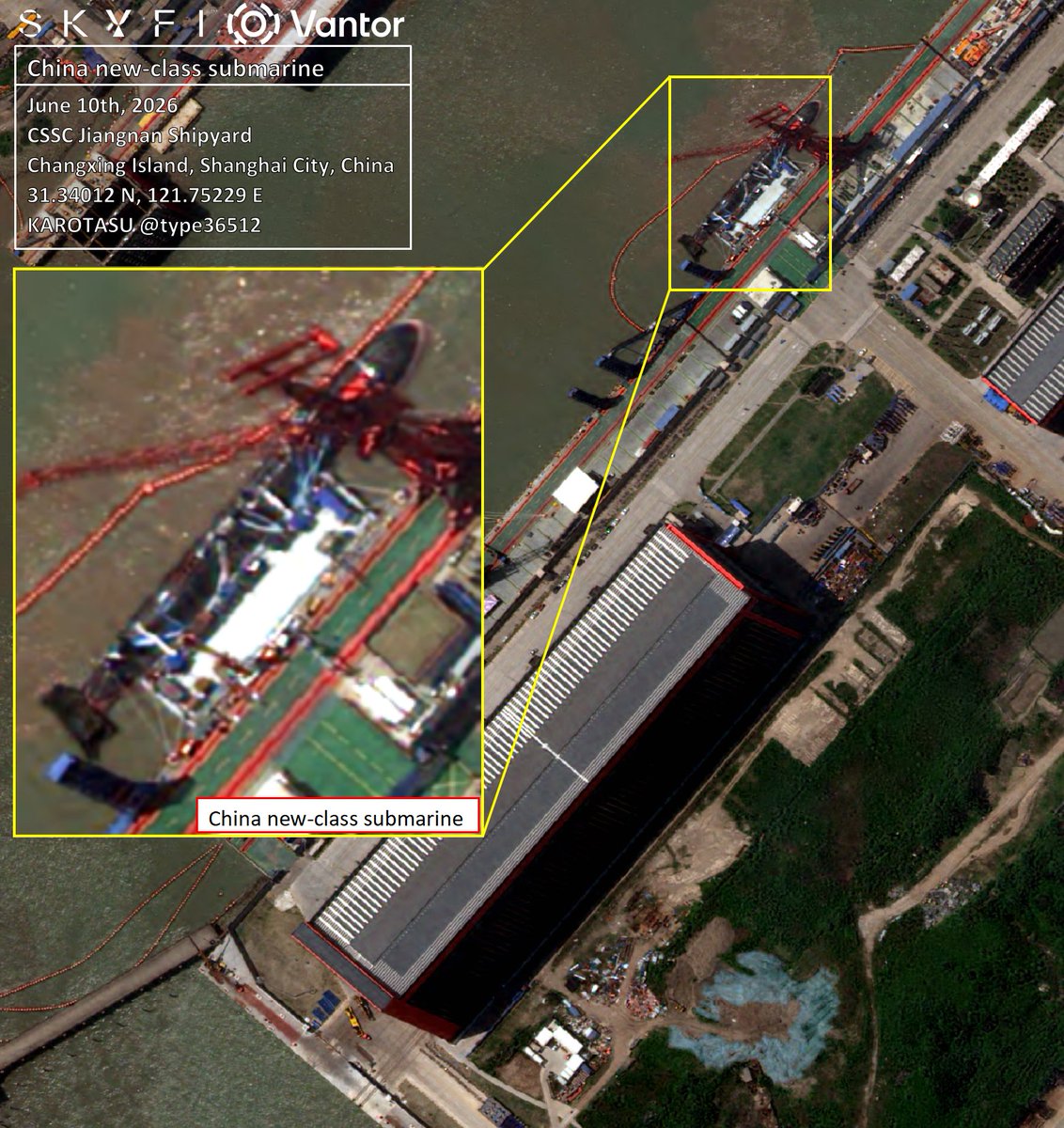
CSSC江南造船 新型潜水艦
6/10撮影の衛星画像。先月末頃に進水した新型潜水艦は艤装岸壁に停泊。水線長約120m、X舵という構成だが、セイルの詳細はクレーンの影で詳細不明。潜水艦には多数の吸排気ダクトホースが延ばされ、周囲にはオイルフェンスが設置。艤装中と思われる
@SkyfiApp
@vantortech
2
27
110
8,740

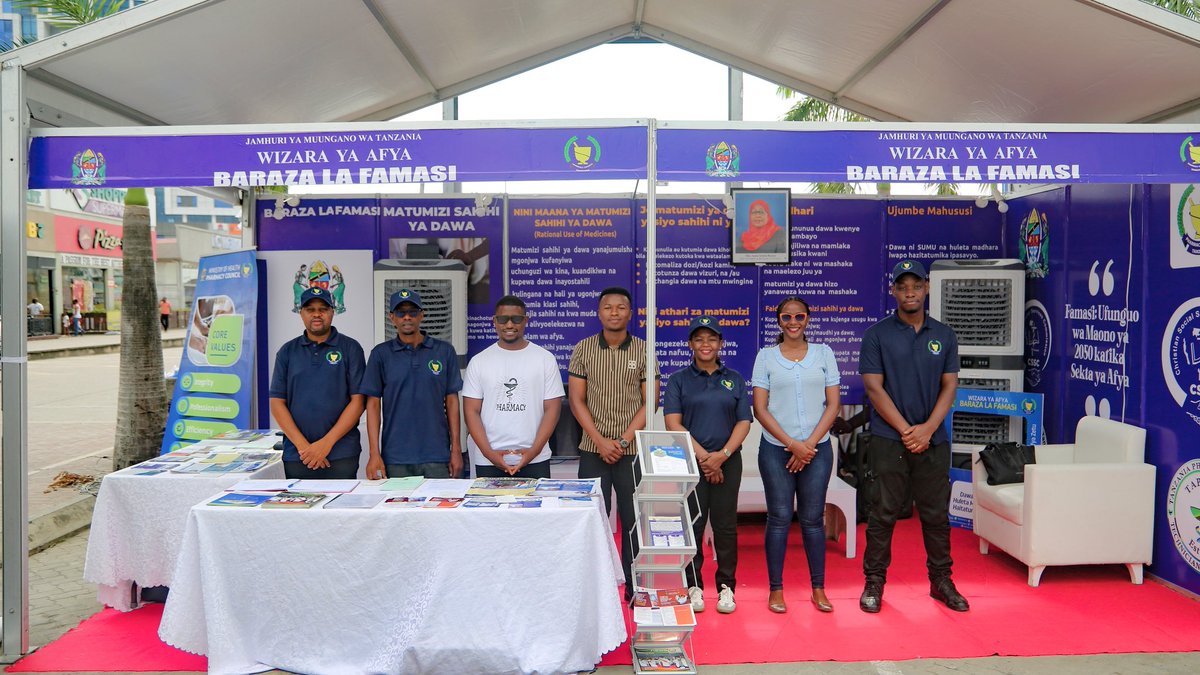
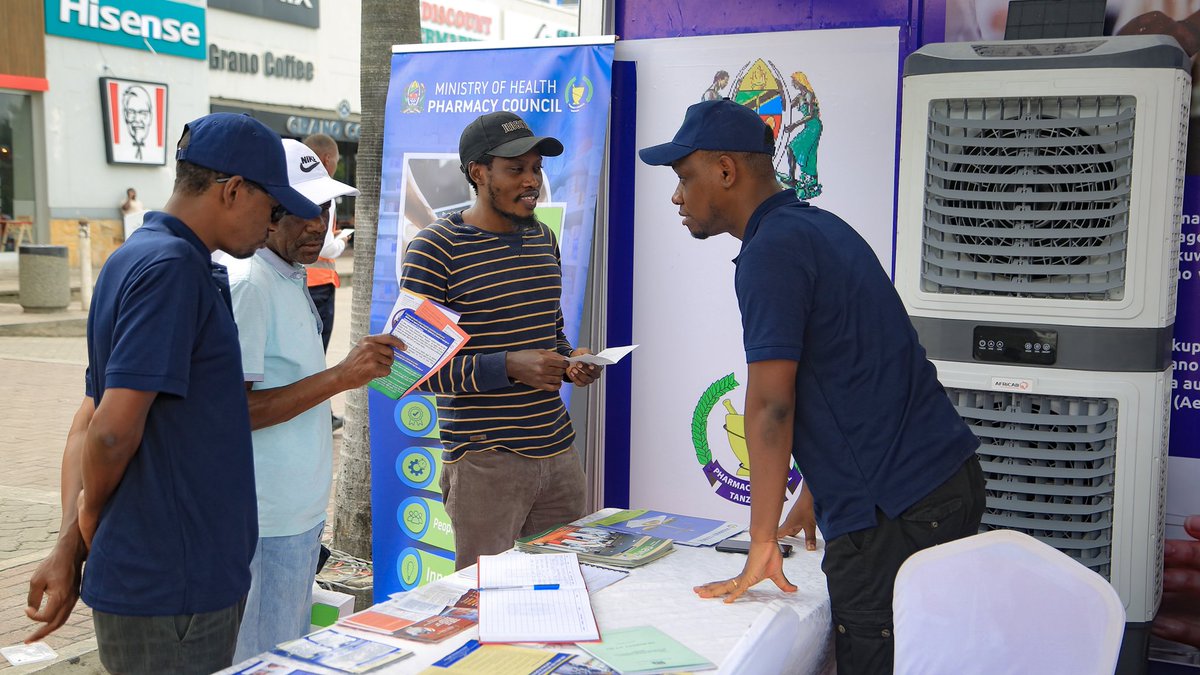
Katika kuadhimisha Wiki ya Famasi inayofanyika tarehe 10 hadi 16 Juni 2026 yenye Kaulimbiu "Famasi: Ufunguo wa Maono ya 2050 katika Sekta ya Afya", Baraza la Famasi kwa kushirikiana na Christian Social Services Commission (CSSC) pamoja na Vyama vya Kitaaluma.


3
73


Jun 12
🚨The WF_6 Supply Chain Shock🚨
China has successfully weaponized the semiconductor supply chain by restricting upstream tungsten exports, causing a massive downstream collapse in non-Chinese mid-stream processing.
Tungsten Hexafluoride (WF_6) - the irreplaceable precursor gas used in 80% of advanced chip manufacturing (3D NAND, HBM, logic chips) - is seeing vertical price spikes. 6N-grade spot prices have surged 190% since April to RMB384k per tonne, while ultra-pure 7N-grade long-term contracts have hit RMB500k per tonne.
1️⃣ What Chipmakers Are Facing:
Advanced semiconductor manufacturers (TSMC, Samsung, SK Hynix, Intel, Micron) are entering a period of extreme vulnerability.
• Supply Evaporation:
A big part of non-Chinese WF_6 supply has suddenly vanished. Major Japanese mid-stream processors like Kanto Denka and Central Glass are permanently shutting down due to a lack of Chinese feedstock.
• A Monopoly Bottleneck:
Chinese state-backed CSSC Special Gases soon holds a commercial monopoly on the ultra-high-purity 7N-grade gas required for sub-3nm nodes.
• The Squeeze Play:
Demand for WF_6 is soaring because stacking more layers in AI training clusters and HBM memory requires more tungsten deposition passes per wafer. Chipmakers have zero chemical substitutes and will have to scramble for panic-buying offtake agreements at astronomical prices just to keep their fabs running.
📈My Personal View - A Positive Impact on @Almonty_ $ALM
Ultimate Strategic Leverage:
As the price signal travels backward violently from gas shortages to upstream panic, Almonty Industries is positioned exactly where the Western world needs to look.
• The Price Signal Pull:
The extreme shortage of WF_6 is triggering a massive demand pull for raw tungsten feedstock that no mining model anticipated. Since Almonty's Sangdong mine in South Korea is one of the largest and highest-grade tungsten project outside of China, its asset value skyrockets.
• Geopolitical Premium:
Fabs and surviving non-Chinese gas processors (like Korea's SK Specialty or Foosung) are now desperate to source tungsten from places that cannot be turned off by Beijing. Almonty doesn't just get to sell at peak market prices; it gets to dictate terms to a world that suddenly cares deeply about the exact origin of its tungsten.
Especially now, Almonty's position as a reliable, non-Chinese supplier of high-purity raw materials becomes even more unassailable.
1
396

Jun 12
3. 전력망(GE Vernova, Eaton)
- HD현대일레트릭,효성중공업,LS ELECTRIC, 산일전기,대한전선
4. 방산/우주항공(Lookheed Martin,RTX)
- 한화에어로스페이스,lig넥스원,현대로템,한국항공우주
5. 조선/ LNG (CSSC, mitsubishi Heavy)
- HD현대중공업,한화오션,삼성중공업,한화시스템
1
2
22
491