
Jun 4
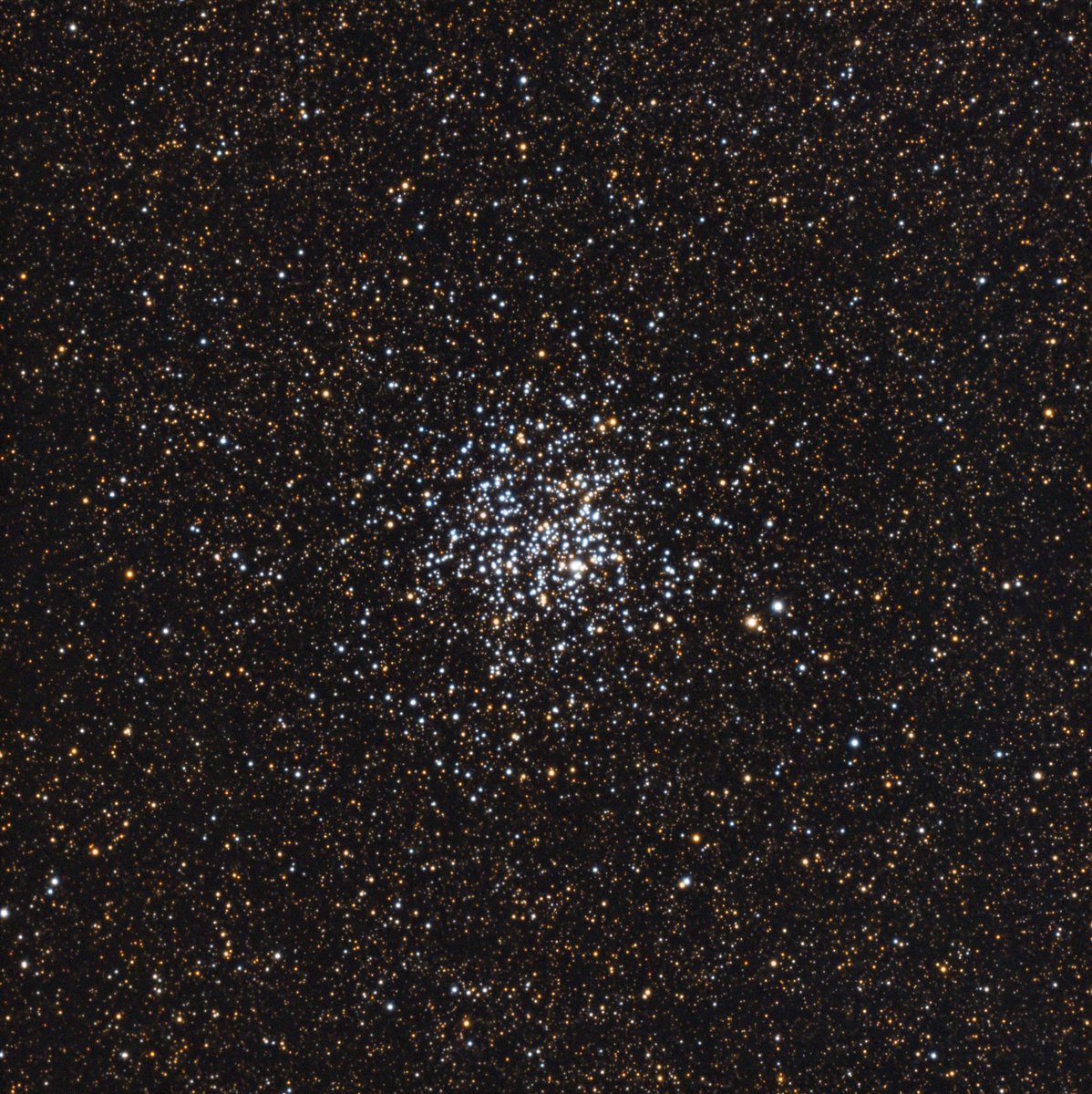
Thousands of stars packed into a single frame.
Captured by Brittney (@britt__miller) with a Celestron C8, this image showcases Messier 11, the Wild Duck Cluster, one of the richest open clusters in our galaxy. Located about 6,000 light-years away in Scutum, M11 contains hundreds of young, bright stars concentrated into a dense region of the Milky Way.
What makes this target stand out is the contrast: a brilliant cluster of blue-white stars surrounded by warmer golden stars.
📍 Messier 11 (Wild Duck Cluster)
🔭 Captured with a Celestron C8
📸 Image by Brittney (@britt__miller)
#Messier11 #WildDuckCluster #OpenCluster #Celestron #C8 #Astrophotography #NightSky #MilkyWay #DeepSkyObject #Astronomy
7
55
1,609

Apr 29
Die besten Galaxien für die Fotographie
Immer das Neueste aus der Astrononie mit der Sternenbeobachtungs-App #StarWalk. #dso #deepskyobject #visiblegalaxies #galaxy #skytonight #starwalk #maysky #deepspace starwalk.space/ay/de/may-dso
2
16

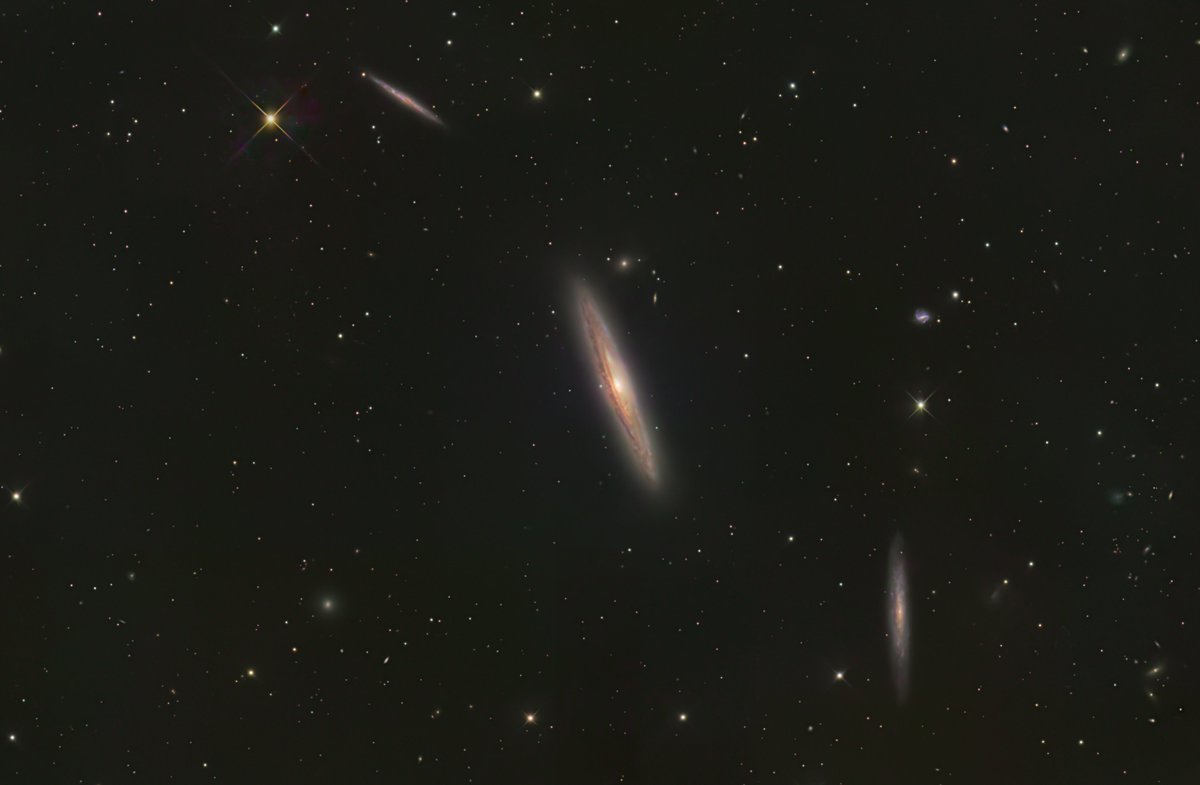
Na tym zdjęciu uchwyciłem trio galaktyk: NGC 4216 (w centrum), NGC 4222 (w lewym górnym rogu) oraz NGC 4206 (w prawym dolnym). To część Gromady w Pannie – regionu pełnego odległych, majestatycznych wysp gwiazd.
NGC 4216 to galaktyka spiralna widziana niemal z krawędzi, z wyraźnym pasmem pyłu przecinającym jej dysk. Towarzyszące jej galaktyki również prezentują się jako smukłe, wydłużone struktury, co nadaje całemu kadrze wyjątkowy, harmonijny charakter.
Zdjęcie powstało podczas 4 godzin integracji przy użyciu teleskopu RC 10" oraz kamery z ToupTek 2600 ATR C, w warunkach nieba klasy Bortle 4/5.
#astrofotografia #deepSky #NGC4216 #NGC4222 #NGC4206 #VirgoCluster #kosmos #astronomia #space #astrophotography #deepskyobject #touptek
5
30
658


Blue Arcs Toward Andromeda
#AndromedaGalaxy #BlueArcs #SDSO1 #DeepSkyObject #Astrophotography #AmateurAstronomy #Galaxy #Space #Cosmos #Astronomy
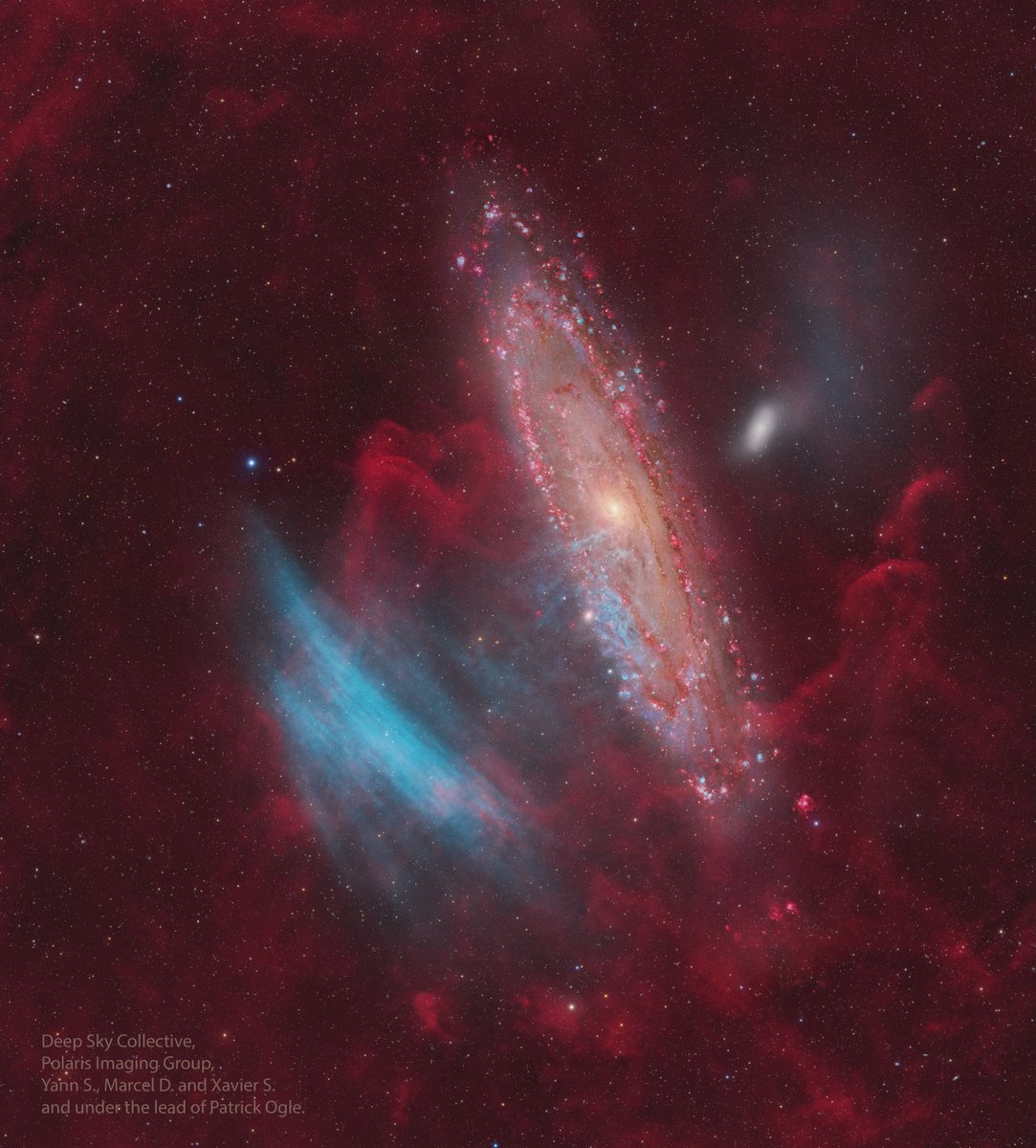
ALT A stunning image of the Andromeda Galaxy (M31) with gigantic blue arcs, dubbed SDSO 1, spanning nearly the same angular size as M31 itself.
1
2
2
71

28 Mar 2025
Tenez-vous au courant des dernières actualités d'astronomie avec l'application d'observation des étoiles #StarWalk. #dso #deepskyobject #visiblegalaxies #galaxy #starcluster #skytonight #starwalk #aprilsky #deepspace starwalk.space/ay/fr/dso-apr
2
3
120
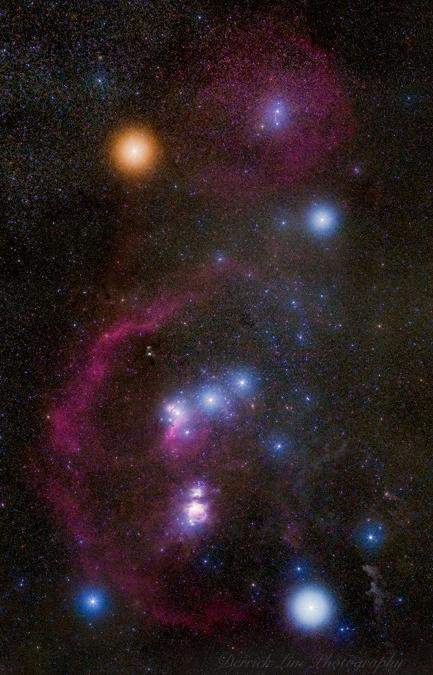
Astronomy Picture from 21/03/2018
Camera Orion
Source: apod.nasa.gov/apod/ap180321.…
#Orion #Constellation #Astrophotography #Nebula #Stars #Space #BarnardsLoop #Betelgeuse #Rigel #DeepSkyObject #WinterConstellation #NightSky #Astronomy #Cosmic
1
1
59
Astronomy Picture from 03/05/2019
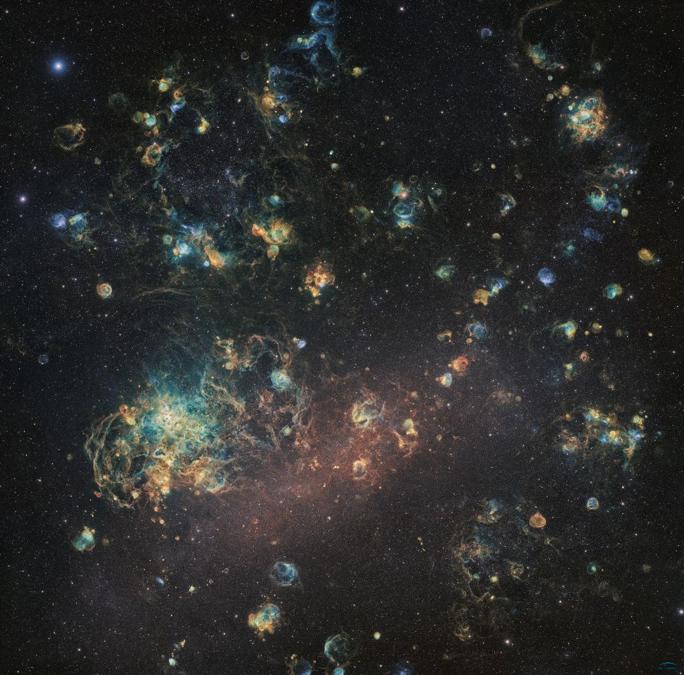
Clouds of the Large Magellanic Cloud
Source: apod.nasa.gov/apod/ap190503.…
#LMC #TarantulaNebula #HIIregions #DeepSkyObject #Astrophotography #Space #Cosmos #Galaxy #Nebula #StarFormation #Astronomy #SpacePhotography #Dorado #LargeMagellanicCloud
1
2
49

2 Dec 2024
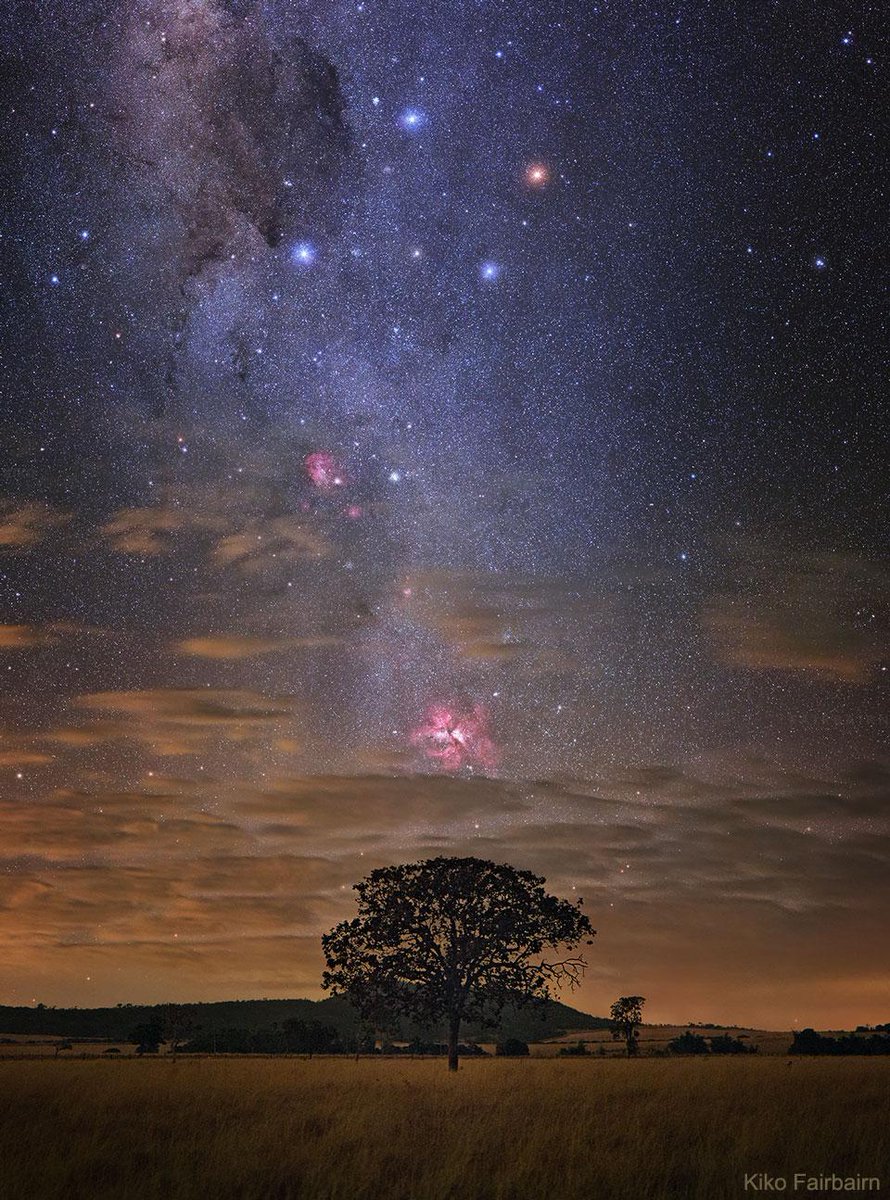
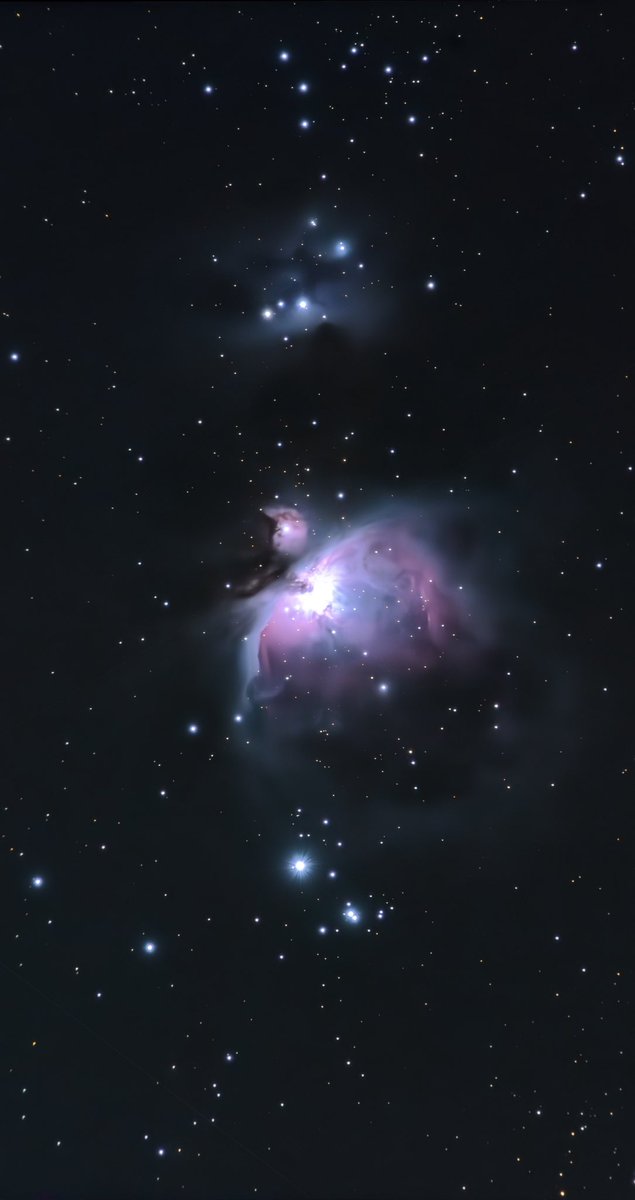
A rework of the Orion constellation.
#orionconstellation #astrophotography #orion #stars #space #nightsky #longexposure #nebula #orionsbelt #astronomy #orionnebula #constellation #nightskyphotography #astrophoto #nightphotography #star #deepskyphotography #astro #starphotography #sky #stargazing #deepskyobject #astrophotographer #nasa #betelgeuse #d #orionthehunter #canon #deepsky #horseheadnebula
1
2
51
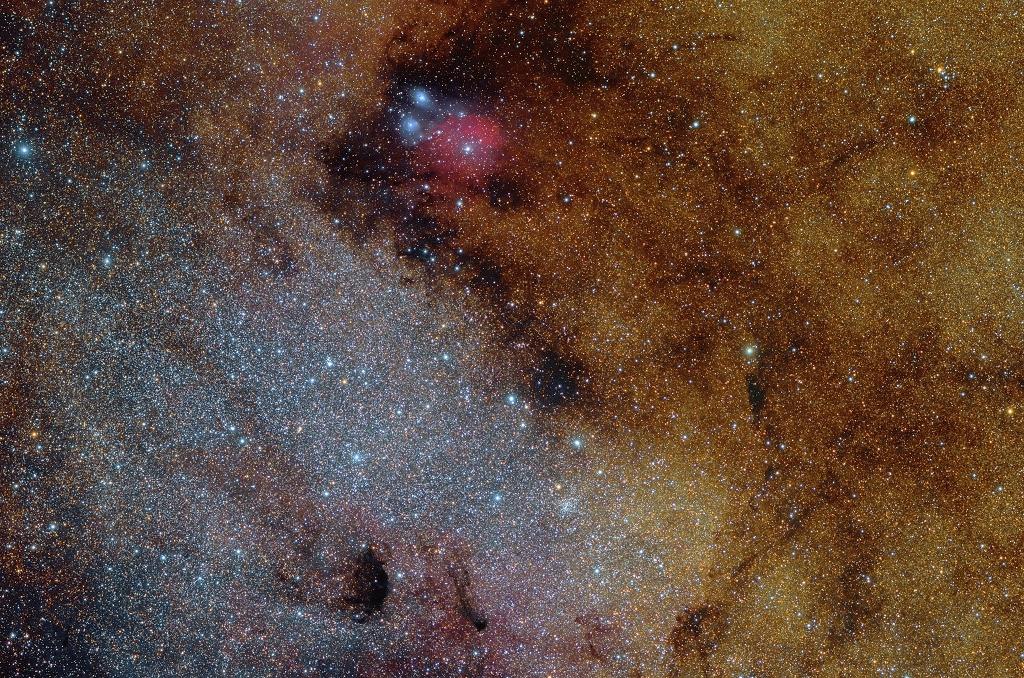
Messier 24: Sagittarius Star Cloud
Source: apod.nasa.gov/apod/ap180629.…
#Messier24 #M24 #SagittariusStarCloud #MilkyWay #DeepSkyObject #Astrophotography #Space #Astronomy #Cosmos #Stars #Nebula #DustClouds #IC1284 #TelescopicView #WindowToTheMilkyWay #SagittariusConstellation
2
2
3
568

23 Nov 2024
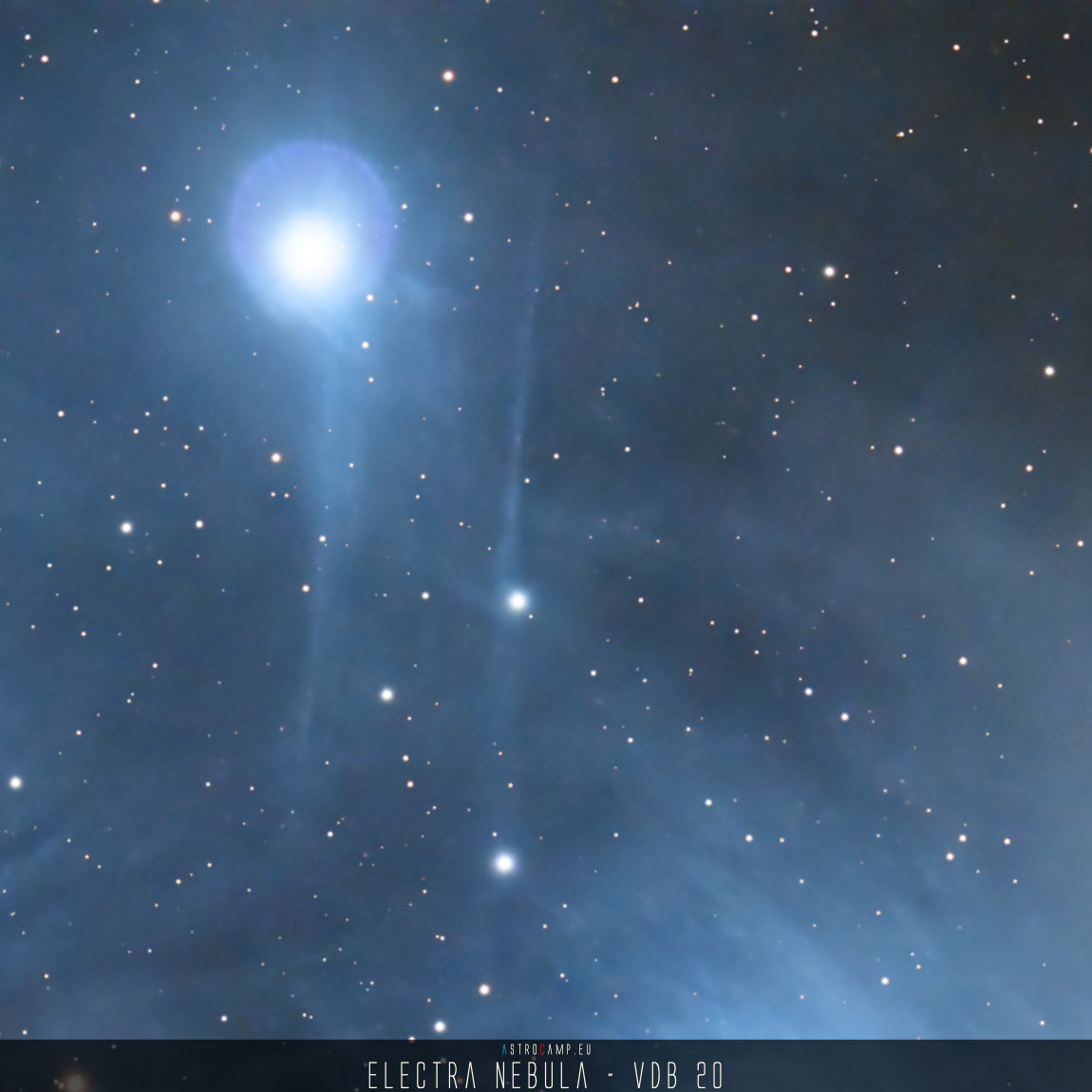
Seasonal Object: Electra Nebula
vdB 20, is a reflection nebula located in Taurus, approx. 400 ly away. It reaches its annual culmination at astron. midnight in late Nov
more: astrocamp.eu/en/vdb-20-elect…
#astrophotography #astronomy #space #sky #clearskies #deepsky #DeepSkyObject
ALT Electra Nebula
1
20
76
1,159
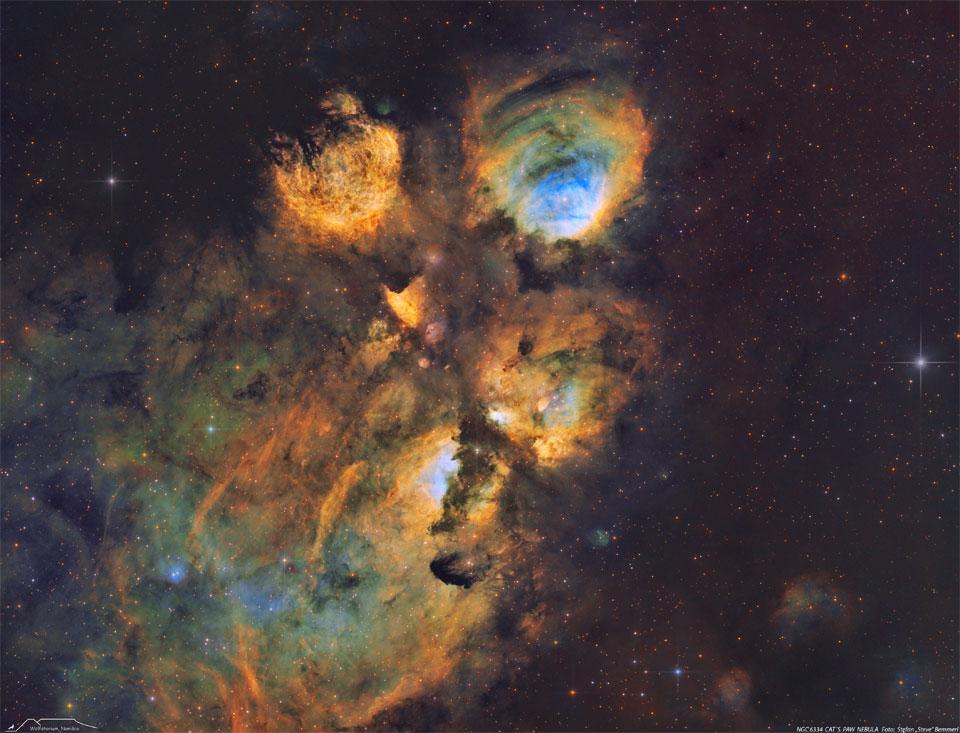
NGC 6334: The Cat's Paw Nebula
Source: apod.nasa.gov/apod/ap220510.…
#CatsPawNebula #NGC6334 #EmissionNebula #BearClawNebula #Scorpius #DeepSkyObject #Astrophotography #Space #Cosmos #Astronomy #Nebula #Stars #Hydrogen #Oxygen #Sulfur #StarBirth #MillionYears #LightYears #APOD
1
1
2
148

24 Oct 2024
Comet Tracker Tonight: When And Where To See It On Thursday
by Jamie Carter
loom.ly/aYjJrdg
#CometTracker #ThursdayNightSkies #BinocularViewing #CosmicCoatHanger #CometAtlasVisibility #StargazingTip
#OphiuchusConstellation #CometFadingFast #DeepSkyObject #HunterSupermoon
2
3
14

1 Sep 2024
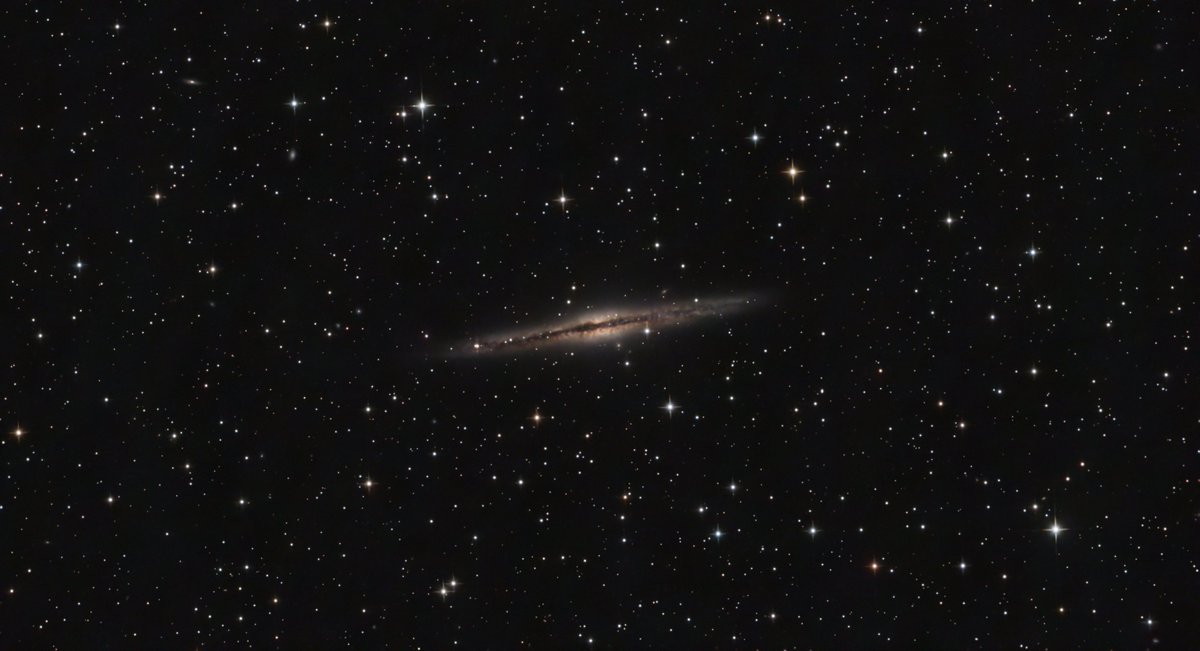
NGC 891,
a beautiful, first time capture of an edge-on barred spiral galaxy, my favorite type of galaxy to image.
These galaxies just have this unique and fascinating look to me, I sometimes picture how you could fly over the galaxy and at some point the galaxy’s disk stretches out below you.
My favorite from this edge-on galaxy “group” is probably the Needle Galaxy (NGC 4565), I’m looking forward to image this pearl in the near future!
But don’t get me wrong, I really love the look of this one too!
Setup:
Camera: Player One Uranus-C
Scope: SW Explorer 150pds
Mount: SW HEQ-5 Pro
Filter: Optolong L-Pro
Calibration Frames:
15 darks
30 flats
Gain: 185
Subs: 222 x 180sec
Total exposure time: 11h 6min
#ngc891
#silversliver
#galaxy
#silverslivergalaxy
#andromeda
#needle
#edgeon
#galaxies
#needlegalaxy
#askar
#skywatcher
#optolong
#zwo
#playerone
#astrophotography
#astrophoto
#astronomy
#astro
#dso
#deepspacephotography
#deepskyphotography
#deepspаce
#deepskyimaging
#deepsky
#deepskyobject
#universe
#deepskyastrophotography
#space
#spacephotography
4
104
29 Aug 2024
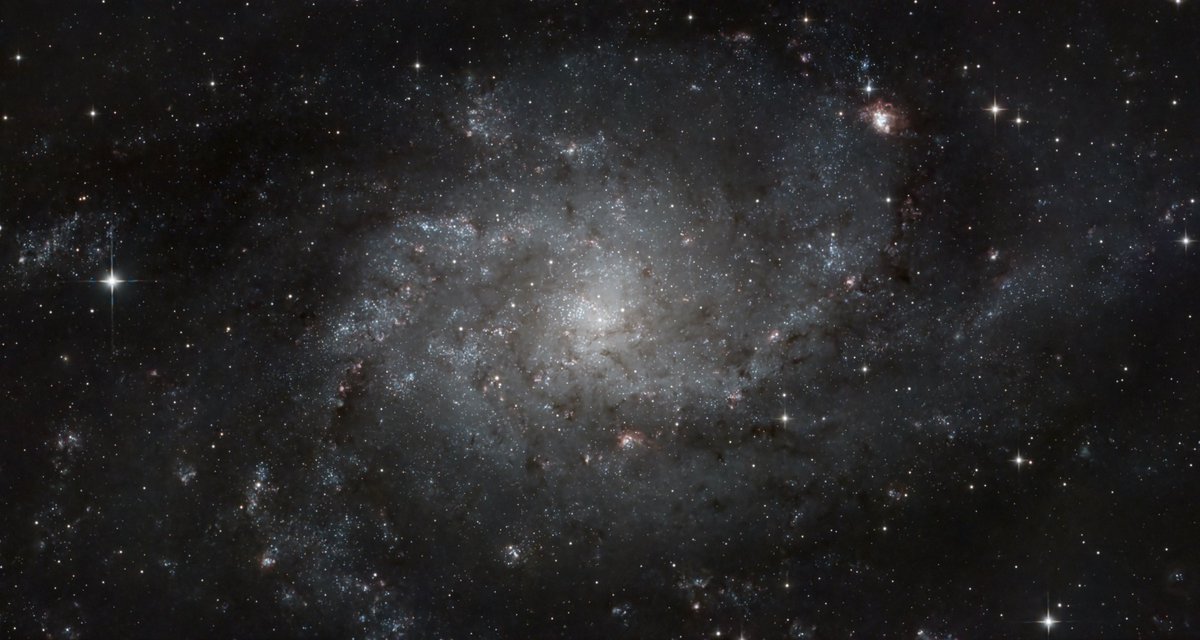
The Triangulum Galaxy (M33)
The amount of detail you can capture and see, made this one quite an interesting target (like all deep sky objects!) to image.
One cool detail is the nebula in the upper right corner, NGC 604. This is a nebula in ANOTHER galaxy!
The next post will be NGC 891, an edge-on spiral galaxy, probably my favorite type of galaxy to observe because of the unique look.
Setup:
Camera: Player One Uranus-C
Scope: SW Explorer 150pds
Mount: SW HEQ-5 Pro
Filter: Optolong L-Pro
Calibration Frames:
10 darks
30 flats
Gain: 185
Subs: 290 x 180sec
Total exposure time: 14h 30min
#messier33
#m33
#galaxy
#ngc604
#triangulum
#triangulumgalaxy
#milkyway
#galaxies
#ngc598
#askar
#skywatcher
#optolong
#zwo
#playerone
#astrophotography
#astrophoto
#astronomy
#astro
#dso
#deepspacephotography
#deepskyphotography
#deepspаce
#deepskyimaging
#deepsky
#deepskyobject
#universe
#deepskyastrophotography
#space
#spacephotography
3
98

23 Aug 2024
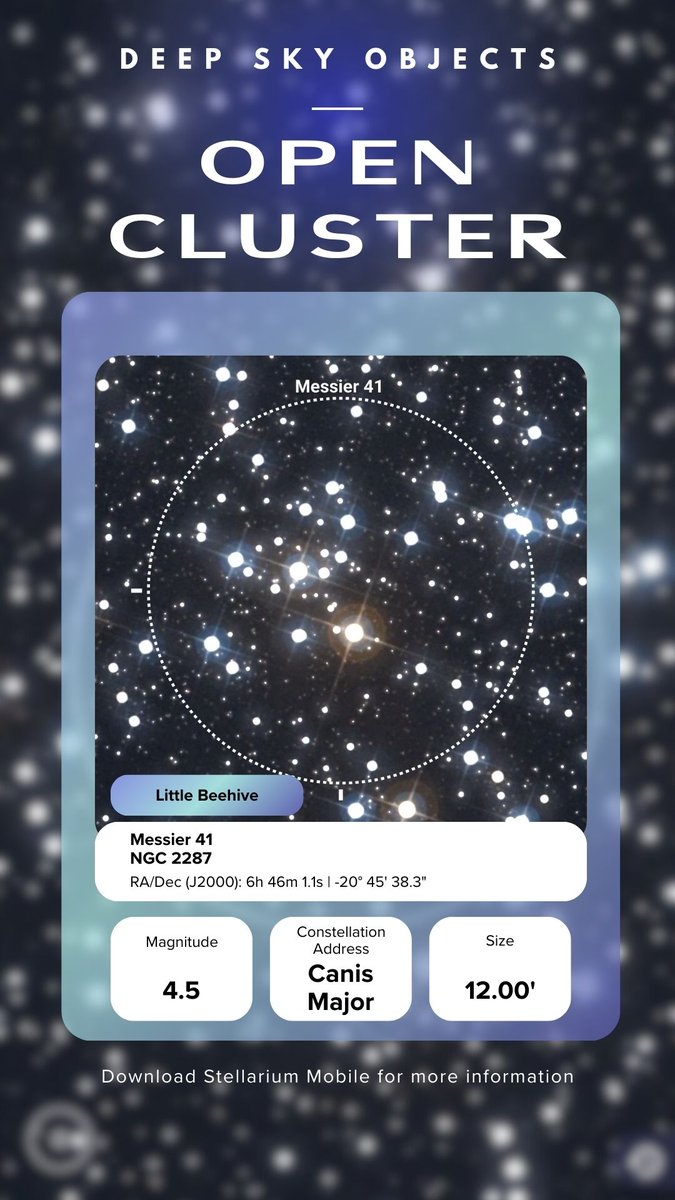
The Little Beehive Cluster is located about 4 degrees south of Sirius, the brightest star in the night sky, making it relatively easy to find. It can be seen with the naked eye under good conditions.
#DeepSkyObject #OpenCluster
1
1
9
627
16 Aug 2024
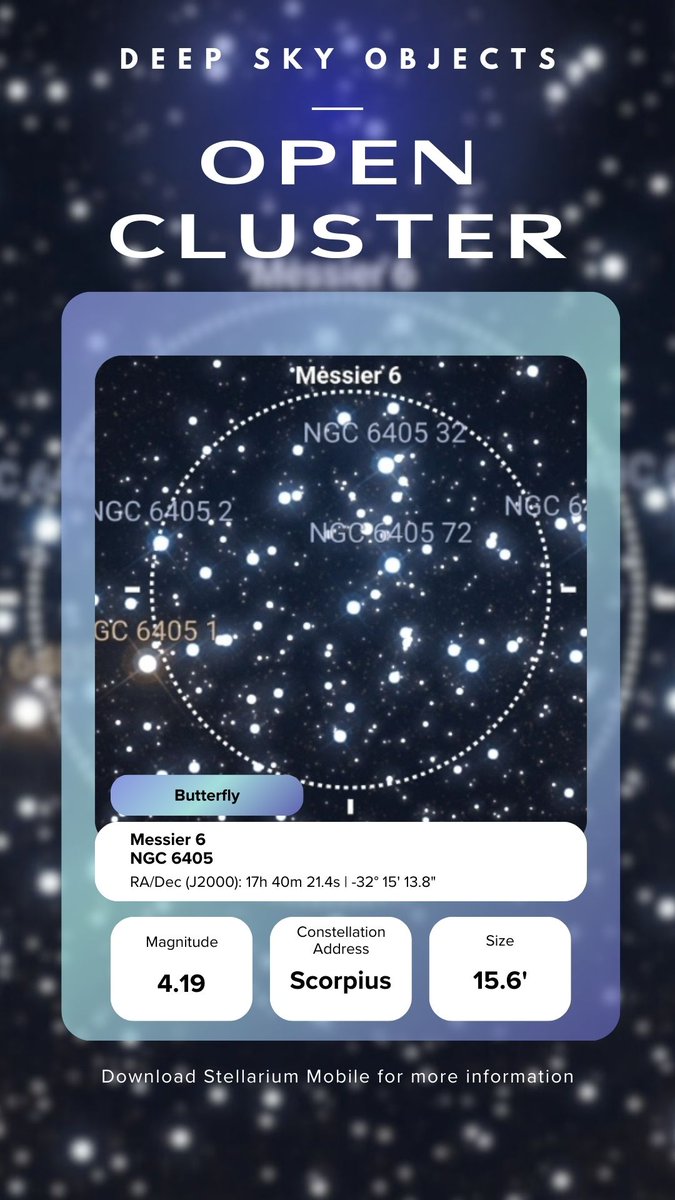
Butterfly Cluster is visible with the naked eye under dark skies and can be easily observed with binoculars or small telescope. Its brightest stars form a pattern that resembles the wings of a butterfly.
#DeepSkyObject #OpenCluster
3
430
9 Aug 2024
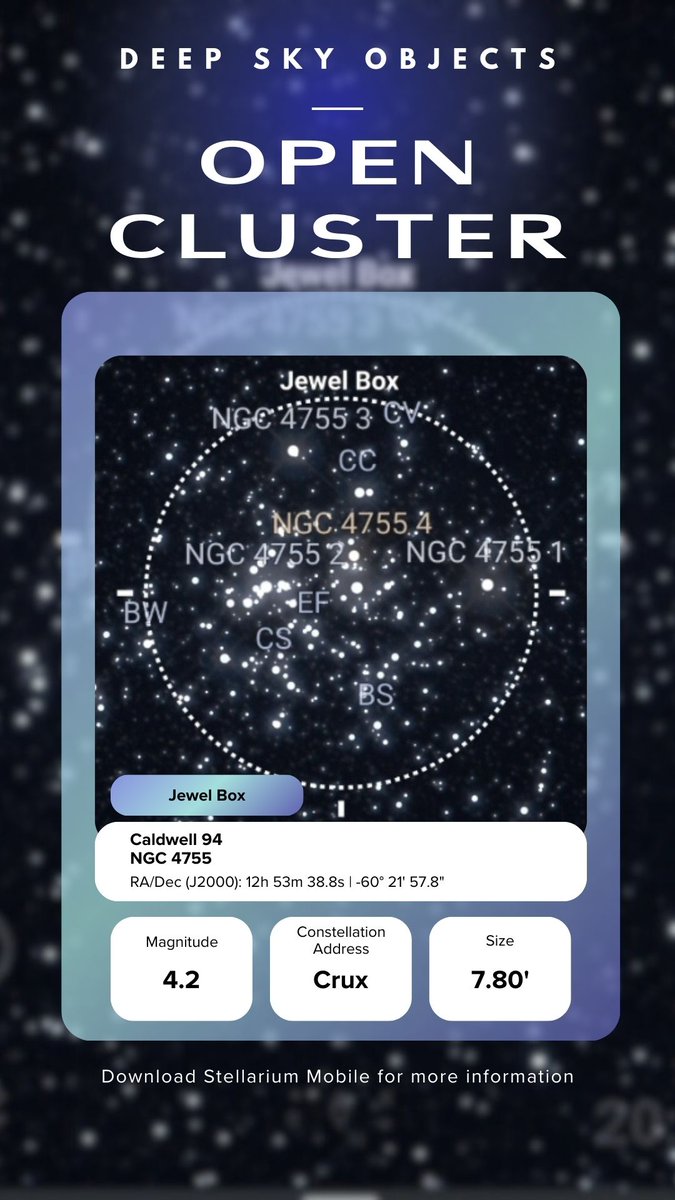
This open cluster is famous for its strikingly colorful stars, which include bright red, blue, and white stars. Together, this creates an appearance that resembles jewels hence the name, Jewel Box
#DeepSkyObject #OpenCluster
1
9
429
3 Aug 2024
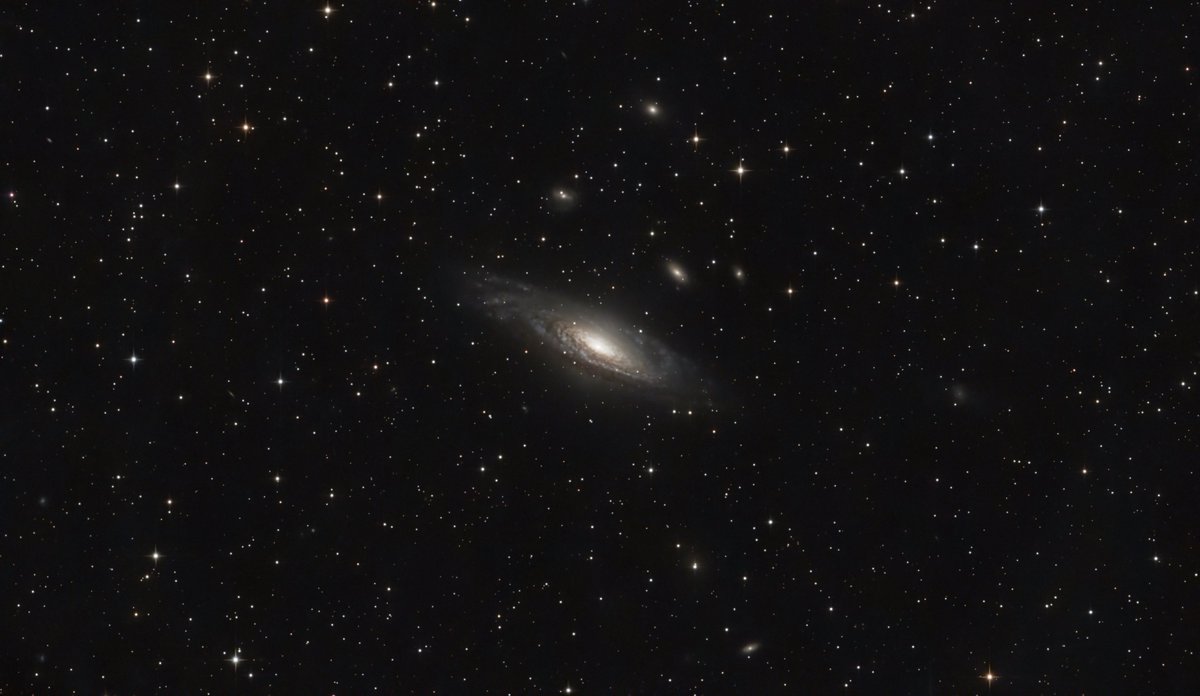
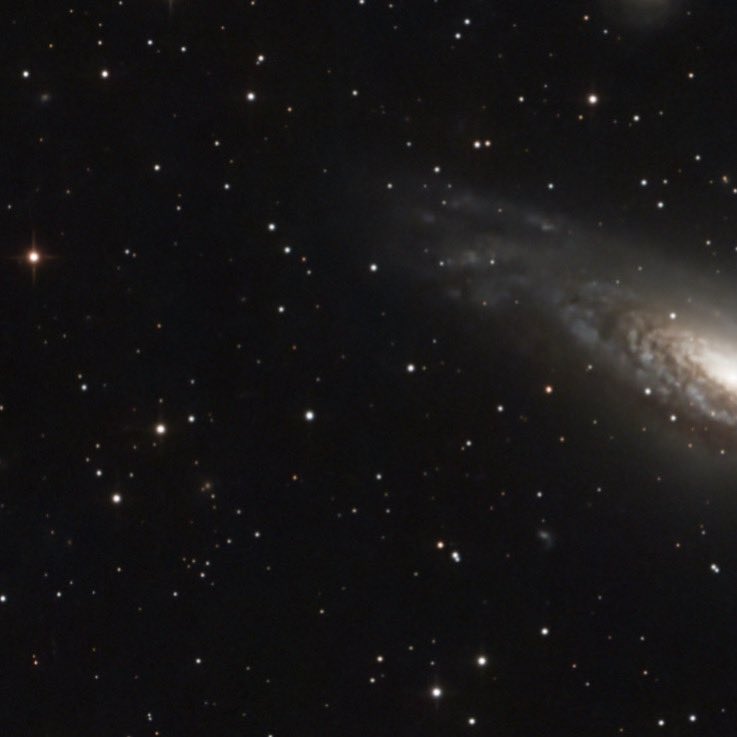
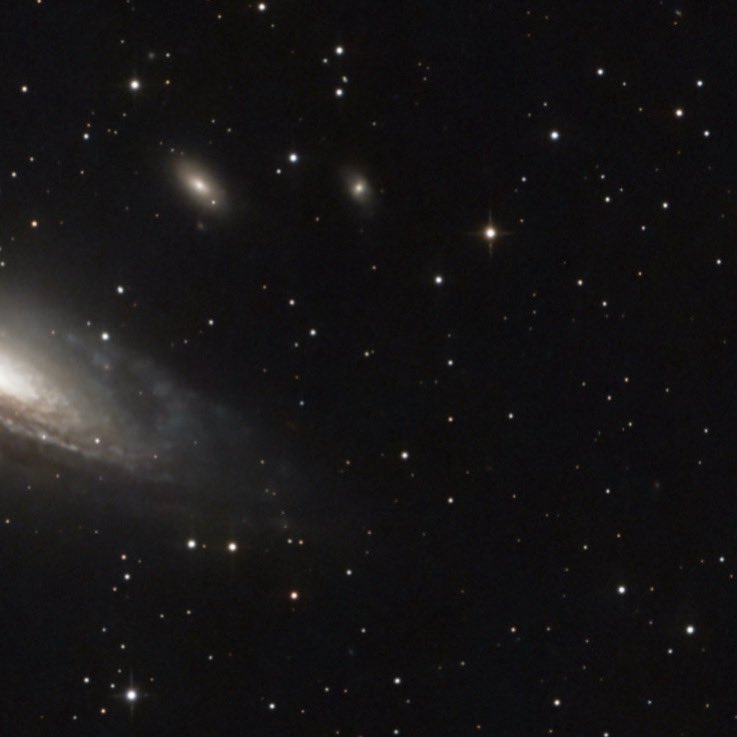
Milky Way’s twin - NGC 7331
Imaging this galaxy was very interesting, as it was my first time imaging a distant galaxy with a proper, big scope, and my first time using NINA.
Also, I particularly enjoy photographing galaxies, perhaps even more than nebulae.
There’s just something about the vastness and the distance of the universe and galaxies…
I think I will be using NINA from now on, as it is just more versatile than APT. But there’s a small problem, the Three Point Polar Alignment doesn’t seem to work properly. After alignment and each imaging session, PHD2 shows an approximate 9 arc minute polar alignment error.
I will look into it and hope I can improve it somehow.
Despite this problem, the image turned out great!
Setup:
Camera: Player One Uranus-C
Scope: SW Explorer 150pds
Mount: SW HEQ-5 Pro
Filter: Optolong L-Pro
Calibration Frames:
10 darks
30 flats
Gain: 185
Subs: 260 x 180sec
Total exposure time: 13h
#ngc7331
#ngc
#galaxy
#caldwell30
#pegasus
#milkyway
#milkywaystwin
#galaxies
#c30
#askar
#skywatcher
#optolong
#zwo
#playerone
#astrophotography
#astrophoto
#astronomy
#astro
#dso
#deepspacephotography
#deepskyphotography
#deepspаce
#deepskyimaging
#deepsky
#deepskyobject
#universe
#deepskyastrophotography
#space
#spacephotography
3
192