
12 Feb 2025
> My current favoured approach is CTV CSFS followed by CAT ECMath Arith ops
would
11 Feb 2025

On February 28th, 2025, I will endorse a covenant upgrade plan. If you don't care what I have to say, that's fine. But a variety of folks have been asking me to weigh in, and I do not want to be in the position of gatekeeping the formation of consensus. I don't personally plan to do any implementation, but I will provide mentorship and guidance for those who wish to make that effort and will throw my full throated support behind a sufficiently organized effort. My current favoured approach is CTV CSFS followed by CAT ECMath Arith ops.
Between now and February 28th, I'll consider potential roadmaps. For me to consider an option, please make a PR to github.com/JeremyRubin/utxos… describing your proposal, I invite everyone to participate in discussing and evaluating these proposals on the github. At the end of this period, I'll merge any proposal that is still open (and meets basic sanity requirements), and then publicly endorse my preferred path.
I will not be endorsing any proposal that does not have a clear deployment plan and team of capable advocates. I am perfectly happy with the outcome of endorsing nothing at all. I see no reason why a coherent plan of action, started today, could not have an upgrade live on Bitcoin before the end of the year. The main blocker seems to be the developers who care failing to find a Schelling point to rally around. Short of that, perhaps this effort can serve to coordinate the community around a common goal.
Below, I'll discuss two potential paths I would love to see submitted, that I could see myself endorsing.
CTV CSFS followed by CAT EcMath Arith
After thinking long-and-hard about the current state of Bitcoin, I believe that the superior approach is to start with an attempt to activate a soft fork containing CTV and CSFS. These are two opcodes that are well studied, well reviewed, and well understood. They pose a minimal risk to Bitcoin, but both help enable key improvements to Bitcoin projects like Lightning, Ark, BitVM, Vaults, Mining Pools, DLCs, and more. They do not enable -- to the best of anyone's knowledge -- arbitrary computation smart contracts. Adding these two opcodes seems uncontroversial, with broad technical consensus. This upgrade can proceed over the next year, although I don't pretend to know exactly what an activation would look like.
While that soft fork is being built and deployed, I believe a second proposal for deployment should be developed, centered around OP_CAT. This upgrade would contain OP_CAT, as well as a few additional opcodes for the most common uses of OP_CAT. This would include elliptic curve operations (such as ECADD, TWEAKADD, ECMUL) appropriately costed, as well as 64 bit math operations, and perhaps some tools to ensure encodings for bitcoin data types can be structured/destructured without needing to go through hoops in script. This is not a full "GSR" effort, but rather ensuring that smart contracts don't take on excessive technical debt with OP_CAT to emulate functionality that should have been delivered as a specific opcode. There are great implementation targets to evaluate these extensions against, such as implementation complexity for STARK verifiers. This also buys time for the community to fully consider and study the impacts of MEV, while using the tools from CTV CSFS to drive more decentralization.
I'd also love to see a team of developers formalize a proposal for the above plan, and submit to the utxos.org repo. If you're interested in working on this, you can find an issue to discuss the proposal here github.com/JeremyRubin/utxos…
CTV CSFS CAT
I also see a strong potential for a soft fork that is just CTV CSFS CAT, advanced immediately. I would also love to see that proposal submitted and backed by a team of advocates to advance this packaged proposal. If you're interested in working on it, you can find an issue to discuss here: github.com/JeremyRubin/utxos… I personally do not think this approach is as likely to acheive consensus, but I think it may be more likely to find a qualified team willing to do the work.
6
831

11 Feb 2025
On February 28th, 2025, I will endorse a covenant upgrade plan. If you don't care what I have to say, that's fine. But a variety of folks have been asking me to weigh in, and I do not want to be in the position of gatekeeping the formation of consensus. I don't personally plan to do any implementation, but I will provide mentorship and guidance for those who wish to make that effort and will throw my full throated support behind a sufficiently organized effort. My current favoured approach is CTV CSFS followed by CAT ECMath Arith ops.
Between now and February 28th, I'll consider potential roadmaps. For me to consider an option, please make a PR to github.com/JeremyRubin/utxos… describing your proposal, I invite everyone to participate in discussing and evaluating these proposals on the github. At the end of this period, I'll merge any proposal that is still open (and meets basic sanity requirements), and then publicly endorse my preferred path.
I will not be endorsing any proposal that does not have a clear deployment plan and team of capable advocates. I am perfectly happy with the outcome of endorsing nothing at all. I see no reason why a coherent plan of action, started today, could not have an upgrade live on Bitcoin before the end of the year. The main blocker seems to be the developers who care failing to find a Schelling point to rally around. Short of that, perhaps this effort can serve to coordinate the community around a common goal.
Below, I'll discuss two potential paths I would love to see submitted, that I could see myself endorsing.
CTV CSFS followed by CAT EcMath Arith
After thinking long-and-hard about the current state of Bitcoin, I believe that the superior approach is to start with an attempt to activate a soft fork containing CTV and CSFS. These are two opcodes that are well studied, well reviewed, and well understood. They pose a minimal risk to Bitcoin, but both help enable key improvements to Bitcoin projects like Lightning, Ark, BitVM, Vaults, Mining Pools, DLCs, and more. They do not enable -- to the best of anyone's knowledge -- arbitrary computation smart contracts. Adding these two opcodes seems uncontroversial, with broad technical consensus. This upgrade can proceed over the next year, although I don't pretend to know exactly what an activation would look like.
While that soft fork is being built and deployed, I believe a second proposal for deployment should be developed, centered around OP_CAT. This upgrade would contain OP_CAT, as well as a few additional opcodes for the most common uses of OP_CAT. This would include elliptic curve operations (such as ECADD, TWEAKADD, ECMUL) appropriately costed, as well as 64 bit math operations, and perhaps some tools to ensure encodings for bitcoin data types can be structured/destructured without needing to go through hoops in script. This is not a full "GSR" effort, but rather ensuring that smart contracts don't take on excessive technical debt with OP_CAT to emulate functionality that should have been delivered as a specific opcode. There are great implementation targets to evaluate these extensions against, such as implementation complexity for STARK verifiers. This also buys time for the community to fully consider and study the impacts of MEV, while using the tools from CTV CSFS to drive more decentralization.
I'd also love to see a team of developers formalize a proposal for the above plan, and submit to the utxos.org repo. If you're interested in working on this, you can find an issue to discuss the proposal here github.com/JeremyRubin/utxos…
CTV CSFS CAT
I also see a strong potential for a soft fork that is just CTV CSFS CAT, advanced immediately. I would also love to see that proposal submitted and backed by a team of advocates to advance this packaged proposal. If you're interested in working on it, you can find an issue to discuss here: github.com/JeremyRubin/utxos… I personally do not think this approach is as likely to acheive consensus, but I think it may be more likely to find a qualified team willing to do the work.
36
67
265
87,197

16 Dec 2024
How did I discover Ethereum?
In 2016, I was attending an academic Bitcoin workshop and there was a really fun talk titled:
—— Rock, Paper and Scissors ——
“Step by Step Towards Creating a Safe Smart Contract: Lessons and Insights from a Cryptocurrency”
It was a really fun talk.
Several groups of PhD students tried to implement the ‘rock, paper, and scissors’ game using smart contracts on Ethereum. It was implemented with Serpent too.
The talk highlighted how each group made a mistake in the game’s implementation which empowered players to cheat or lose funds.
I found the talk interesting for two reasons:
- I had spent ~2 years trying to build smart contracts on Bitcoin and mostly failed due to the awkwardness of script.
- Multiple speakers were very excited about how Ethereum enabled this use-case, even though the contracts had bugs.
At this stage in my life, I was a bit of a bitcoin maxi, having grown up in the IRC channels. I wouldn’t say that I dismissed Ethereum, but I just didn’t look into it, since others who I respected had called it a scam.
—— Ballot.sol and Private Voting ——
I was very inspired by the talk, so much so, that I made it my mission to implement a smart contract when I returned to England.
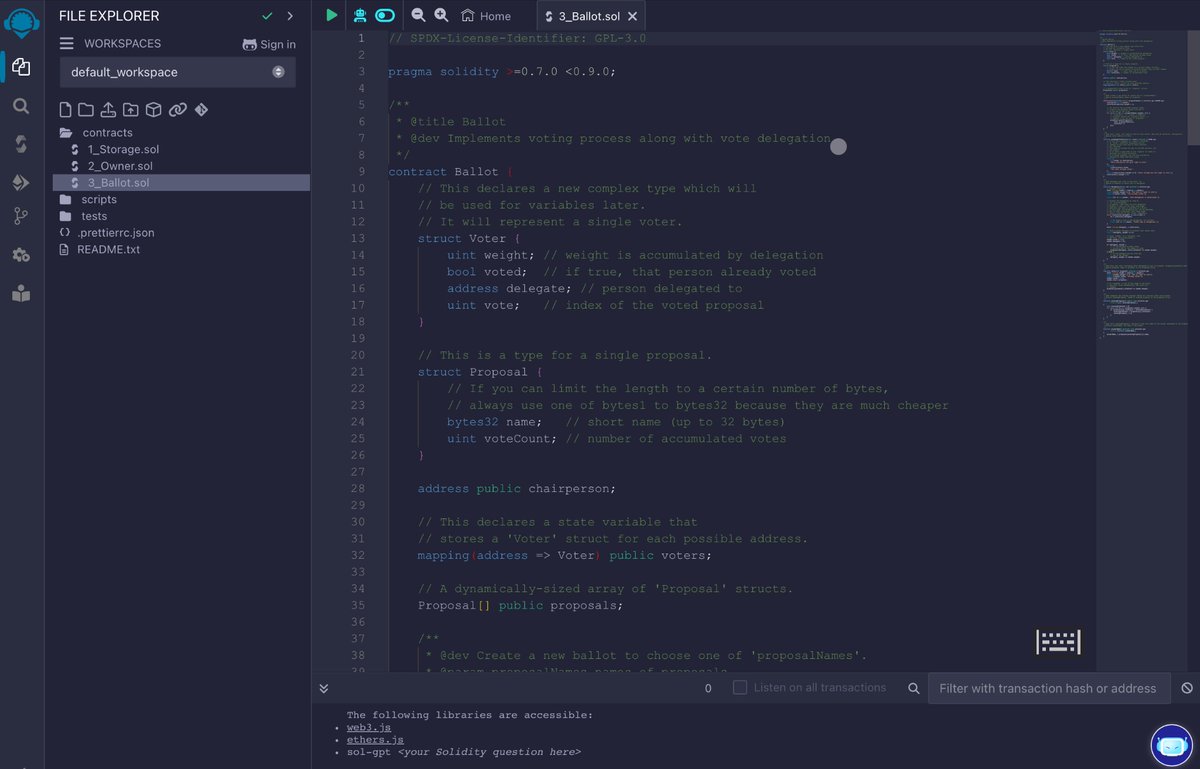
Like nearly all new developers to Ethereum, I opened the remix IDE and discovered Ballot.sol.
It is a voting smart contract:
- Admin can put up a proposal
- Admin can register voters
- Voters must cast vote before deadline
- All votes are public and there is a running tally
It is a great introduction to smart contracts for new developers, especially today as on-chain voting is a real-use case on Ethereum & DAOs.
As a PhD student, I wanted to implement something really interesting, so I decided that it might be fun to implement a private voting protocol where all the cast votes remain private and only the final tally is public.
I spent a few weeks reading different voting protocols until I told my advisor @haofeng66 about the project. He forwarded a self-tallying protocol that he worked on during his PhD and it ticked all the boxes:
- Private voting
- Tally public
- No tallying authority
It was very much in the spirit of crypto to remove intermediaries & empower the people.
—— Implementing Zero Knowledge Proofs ——
The self-tallying protocol had two zero knowledge proofs:
- Schnorr Signature (i.e., prove ownership of key)
- 1-out-of-2 ZKP (i.e., the ‘bit’ is ZERO or ONE)
I found a library that implemented ECMath.sol, thankfully, and I spent the summer implementing the voting protocol including a front-end.
It was really fun, but I ran into so many issues:
- Implementing Math is hard, it either works it or it doesn’t work, debugging hard.
- Ran into several EVM issues & callstack errors.
- ‘Spam attacks’ stopped me deploying my voting protocol on mainnet since the gas limit was reduced to 2m gas per block.
Additionally, ECMath, was just very gas intensive and expensive.
For example, the 1-out-of-2 ZKP cost ~2.5m gas.
On hindsight, I am probably one of the first people to attempt to implement ZKPs on Ethereum, I didn’t really think about that at the time.
—— Presenting Open Vote Network ——
I implemented the code, put together the paper, and released everything into the wild.
Today, it still remains my most cited research paper, even though it’s mostly just documenting and evaluating an implementation.
I think people liked it as it really demonstrated the ability to use ZKPs on Ethereum, it was easy to understand and relatable, plus the cryptography is a nice little party trick to make it all work.
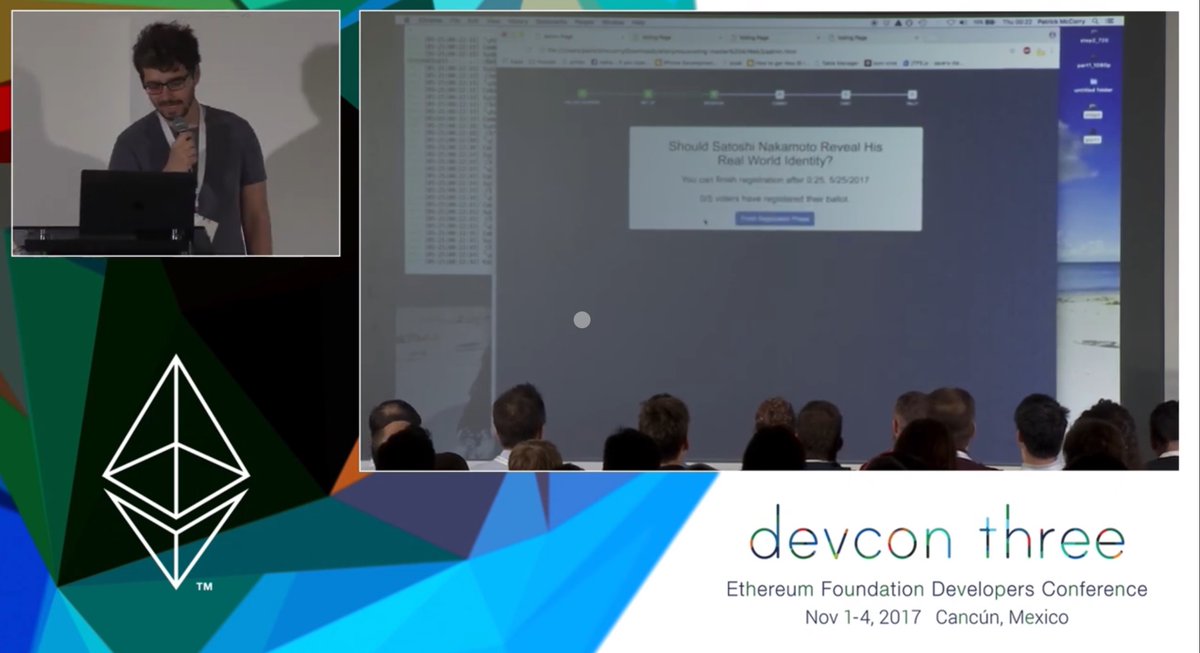
It opened doors for me, including the Ethereum Foundation sponsoring my first trip to devcon @ cancun (albeit; sharing a bed with @mr_ligi lmao), where I really got to meet many folks in person.
—— Why does this matter? ——
Ethereum is a community that is willing to accept anyone, especially if they come along with ‘proof of work’ to demonstrate something interesting/quirky/unique.
It doesn’t matter who you are — even an anime pfp girl — will be welcomed with open arms.
We should never give up our willingness to experiment, to be ‘bold’ enough to execute on projects that others think is not possible / won’t work, and to never settle/oscillate.
Ethereum, for most of its life, has always had external influencers doubting it. Calling it a scam to lacking a North Star.
Sentiment can have an impact. It stopped me getting involved early on as I listened to the wrong voices. I’m very grateful to watch quirky PhD students talk about their work and it hooked me in.
So it is really our job, as people who live the values of Ethereum, to clearly communicate and continuously promote it.
And most importantly, we should not resort to the same tactics of scaremongering, or be afraid to learn what other ecosystems are doing and if it is worthwhile, to bring it back to the mothership :)
10
15
110
15,557

17 Apr 2024
The interdisciplinary research team @FU_Berlin led by MATH members investigated, both biologically and mathematically, the fundamental mechanisms that determine neuronal wiring. The results emerged of MATH and ECMath projects.👇
17 Apr 2024

Fascinating @ScienceMagazine publication! 👏
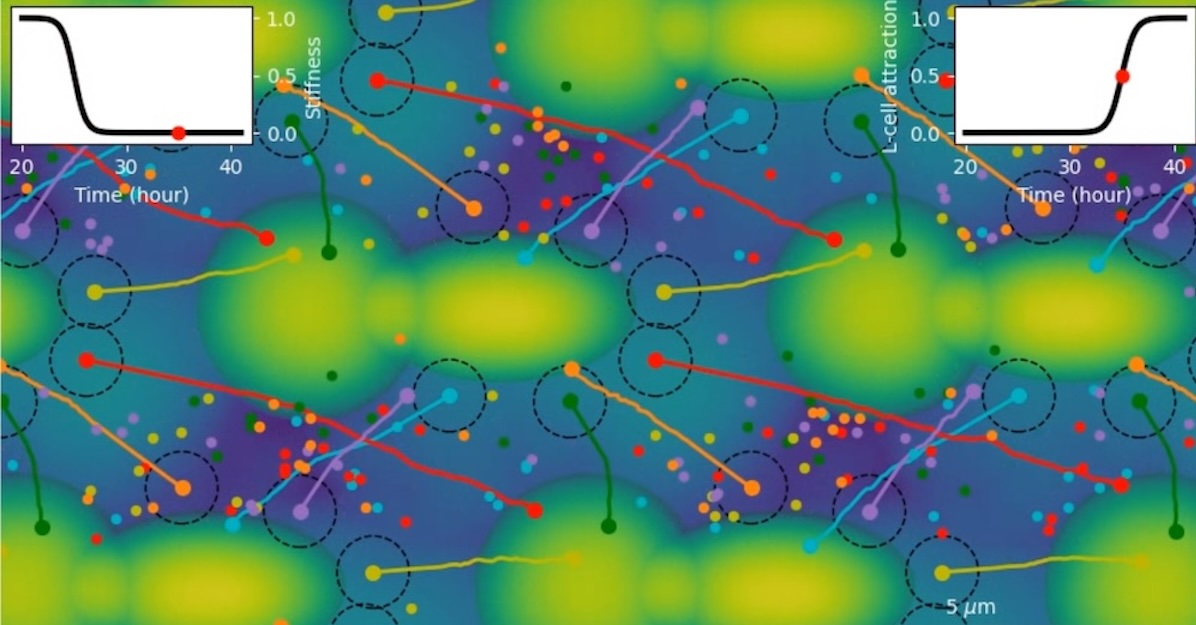
Self-Organization: Is that how you build a brain?
Neurobiologists and mathematicians at @FU_Berlin investigated in fruit flies that “neural superposition wiring” is determined through self-organization.
👉 tinyurl.com/4n7k2jn2
3
195

6 Jun 2023
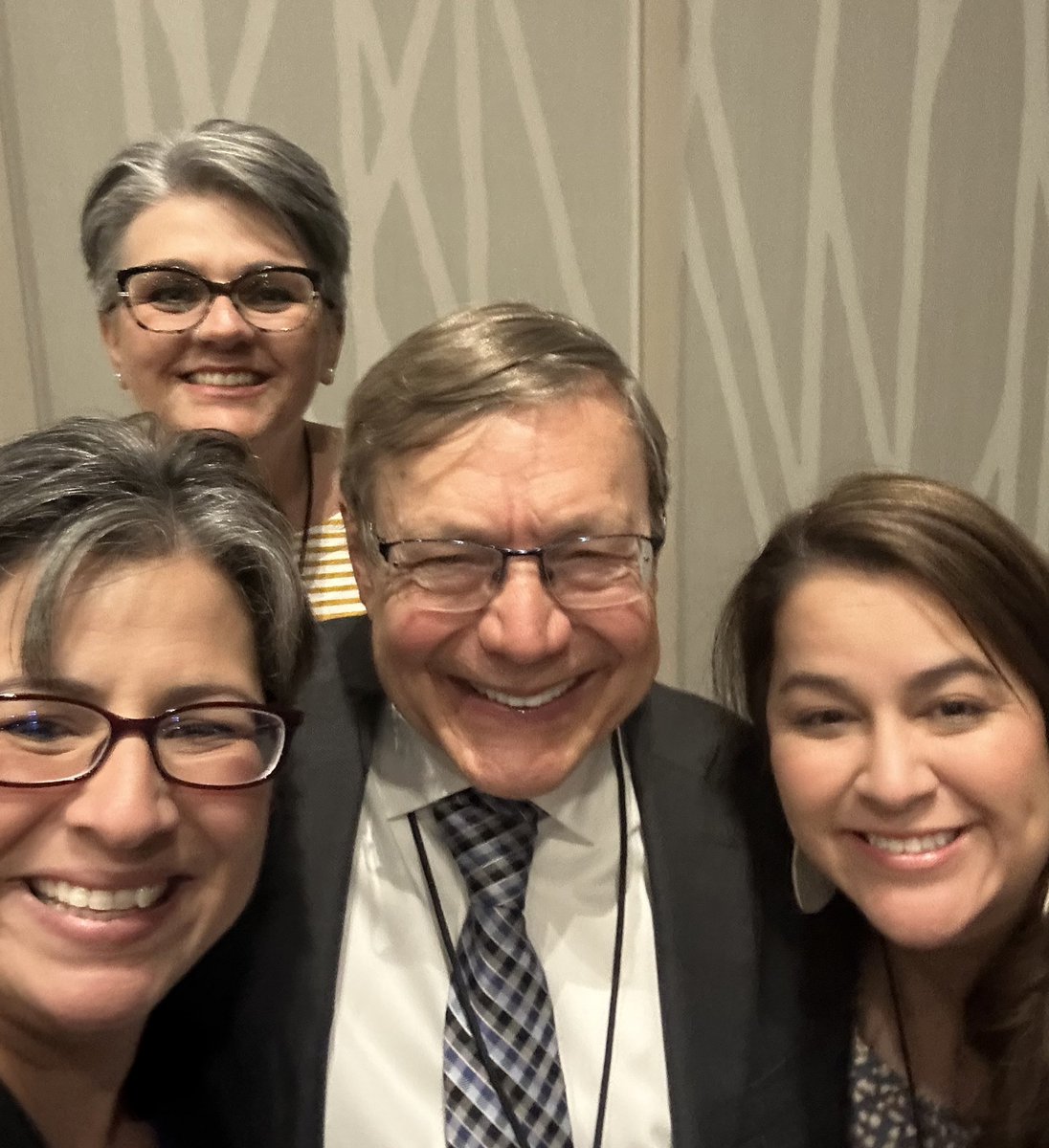
Thank you @DHClements for a great session this morning. We cannot wait to spread our new knowledge and understanding of children’s math development. #naeycINST #ecmath #earlychildhood @yessicapls @eceneisd
2
6
272

23 May 2022
Happy #MathPositiveMonday. I did something risky I want to share with you. Let me know what think. carriecutler.com/post/why-i-…
#iteachmath #mtbos #earlychildhood #ecmath #preschool
3

28 Feb 2022
Early childhood educators, here is a student-created game your children might enjoy! #STEMstartsEarly #Kinderchat #ECmath @kassiaowedekind
1
4

8 Nov 2020
Join us at #cmcmath @CAMathCouncil tomorrow (Sunday) 10:30-11:30 to discuss the power of IAs for #ECmath. Excited to collaborate with @CarrythZero. (and yes, that's an image of palm trees because we are sad we're not in Palm Springs).

1
3
14

21 Mar 2020
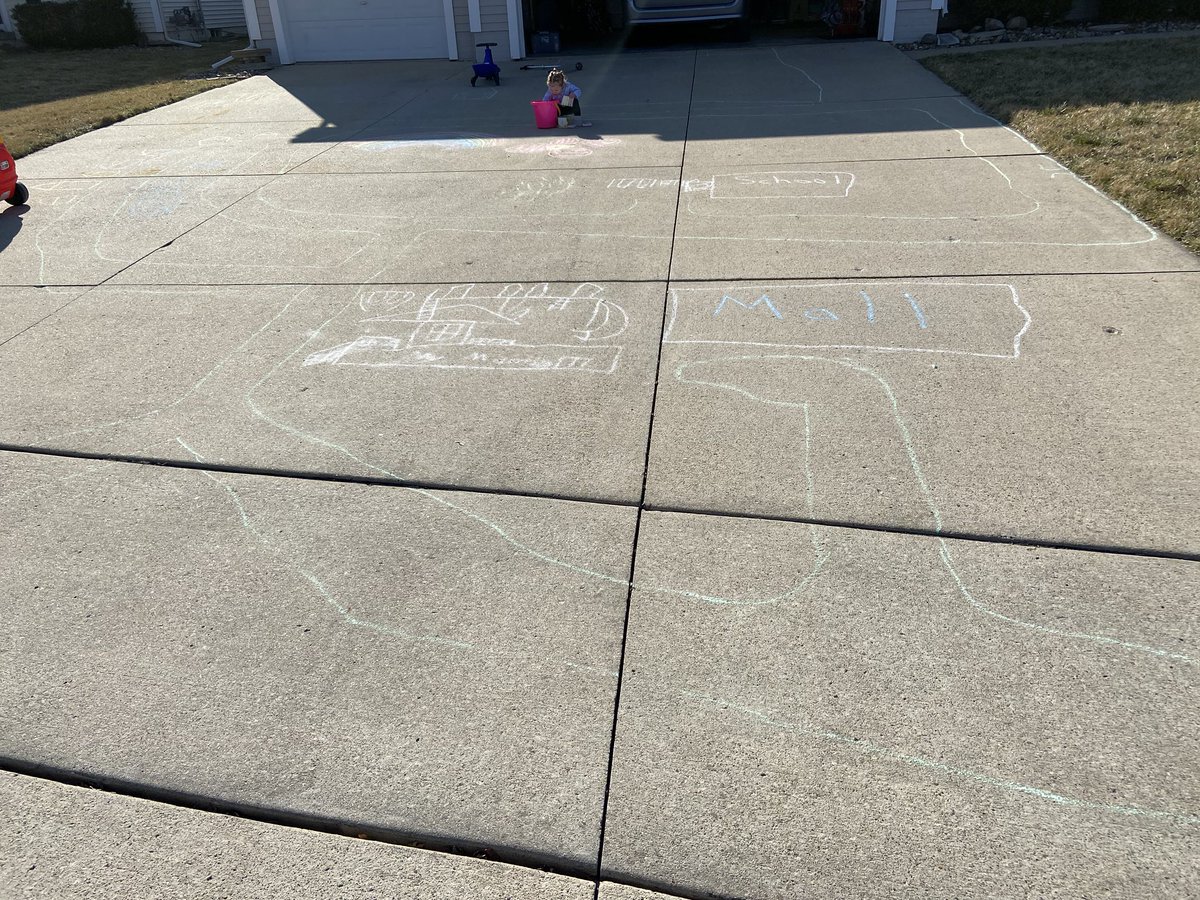
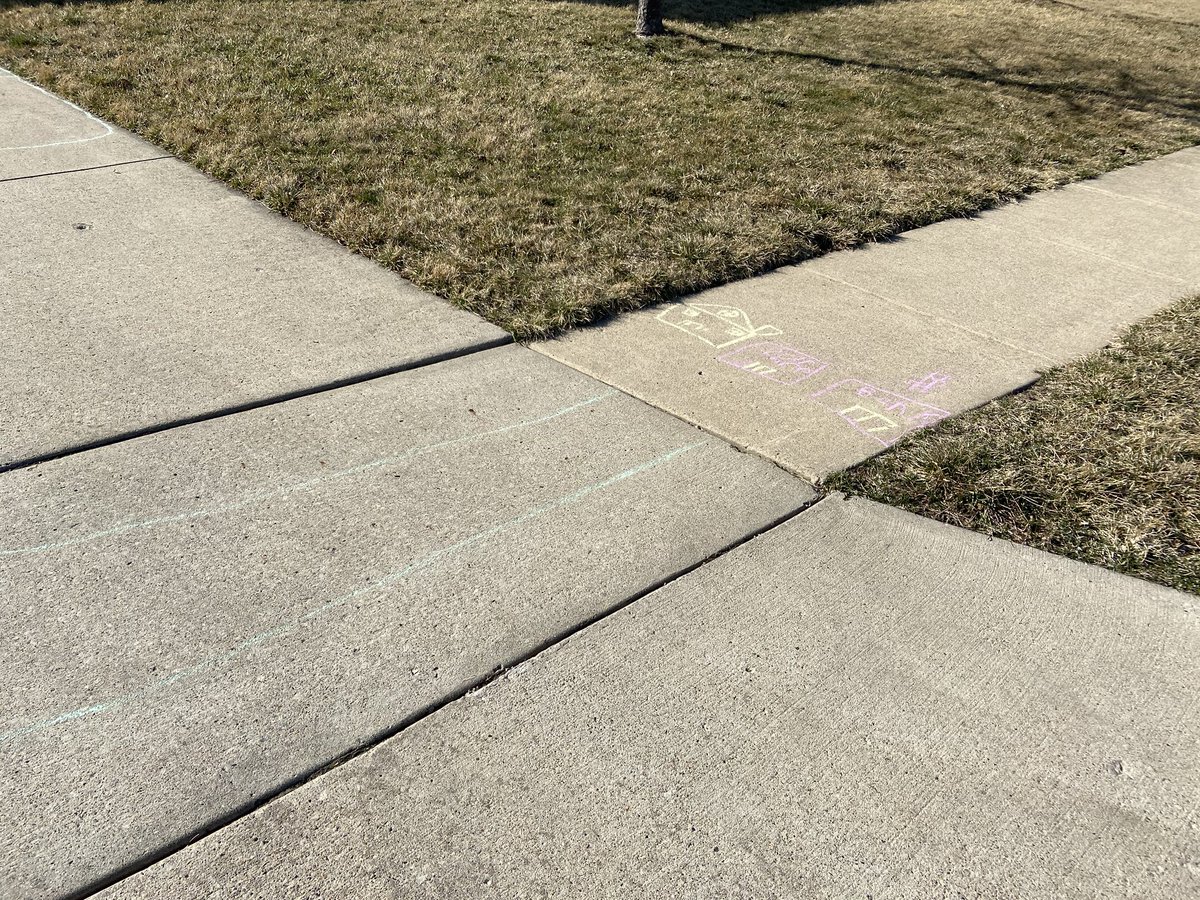
Out for a run and my 1st grade neighbor drew a map on his driveway. The mall, school, church, and dollar tree made it on the map. 😊 #ecmath #spatialawareness #learningisfun
1
3

1 Nov 2019
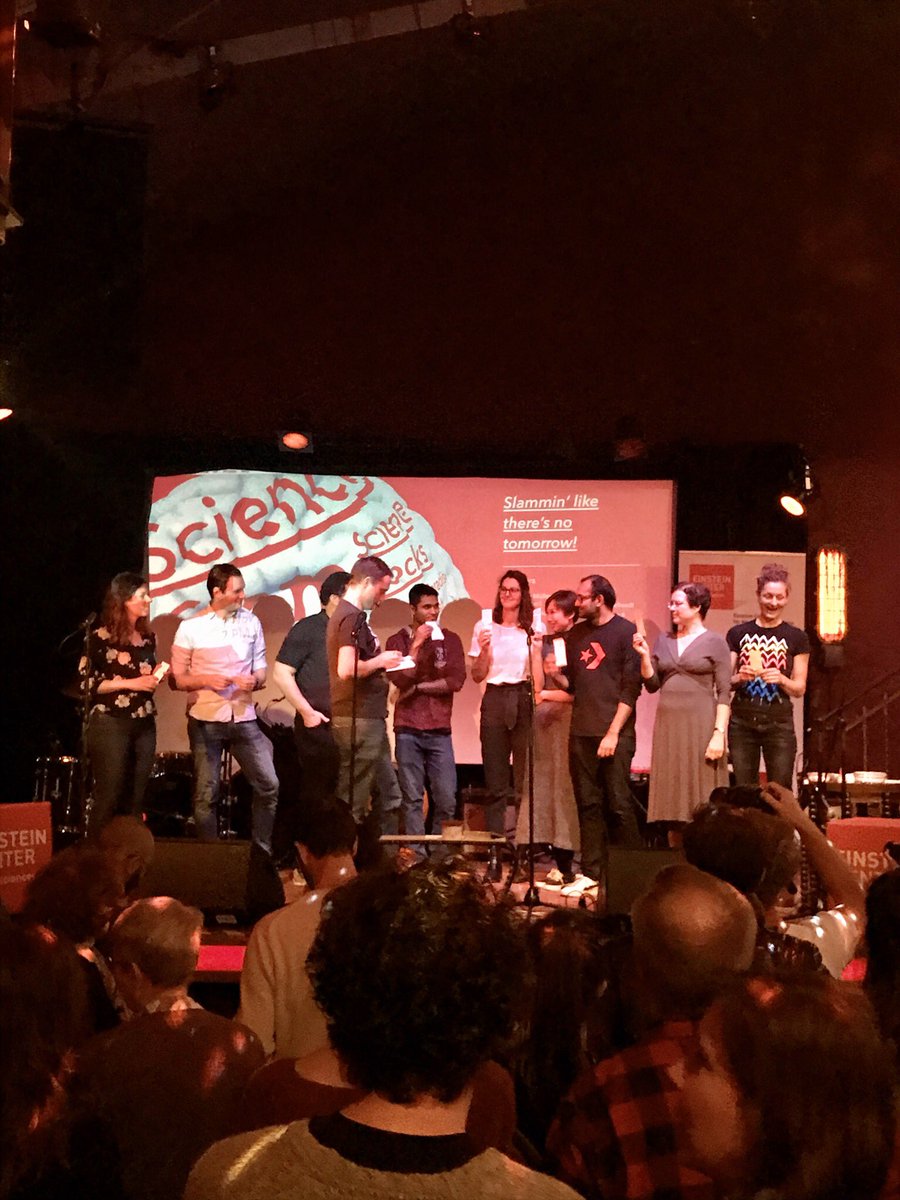
We’re ready and exciting for the science slam of Einstein Centers @ECN_Berlin @ECDigitalFuture #EinsteinCenterChronoi #ECMath #Einstein-Zentren @BerlinSciWeek @jcjmueller Science rocks!
3
28 Oct 2019
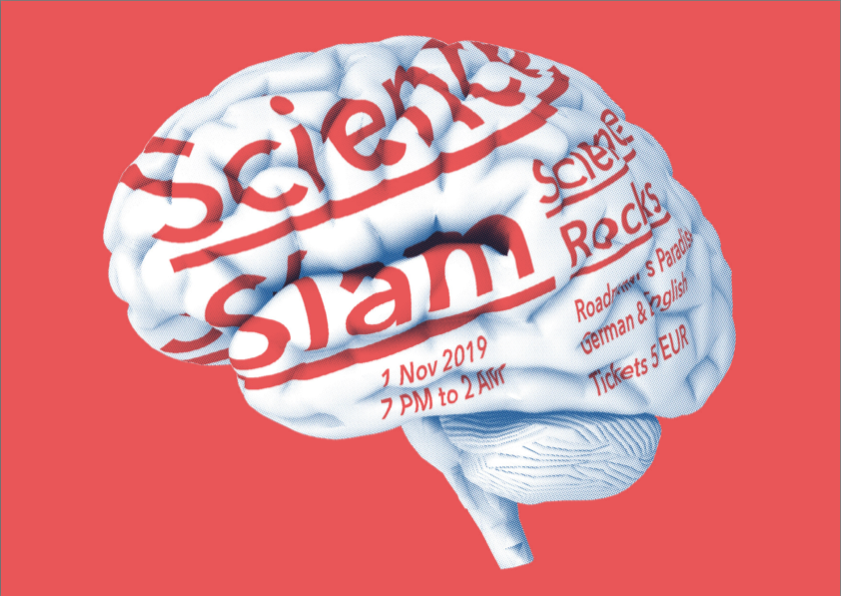
Slammin' like there's no tomorrow! Come and join the #ScienceSlam of Einstein Centers on Nov 1st 🎤t1p.de/9syy @ECN_Berlin @ECDigitalFuture #EinsteinCenterChronoi #EinsteinCenterCatalysis #NeuroCure #ECMath @BerlinSciWeek
3
6

4 Sep 2018
Wait! What's this? Math sorting by attribute and the Ss had to decide HOW to sort bc there were MANY DIFFERENT WAYS it could have been done? Geniuses here @DornNPD117 . #ecmath #funmath

1
7

How to boost math skills in the early grades http://hechingerreport.org/how-to-b… #ecmath #mathematics #earlychildhood #ece
1
New evidence on the benefits of small group math instruction for young children brook.gs/2JxJXZ2 via @BrookingsInst #ecmath #earlychildhood #mathematics
2
3

28 Feb 2018
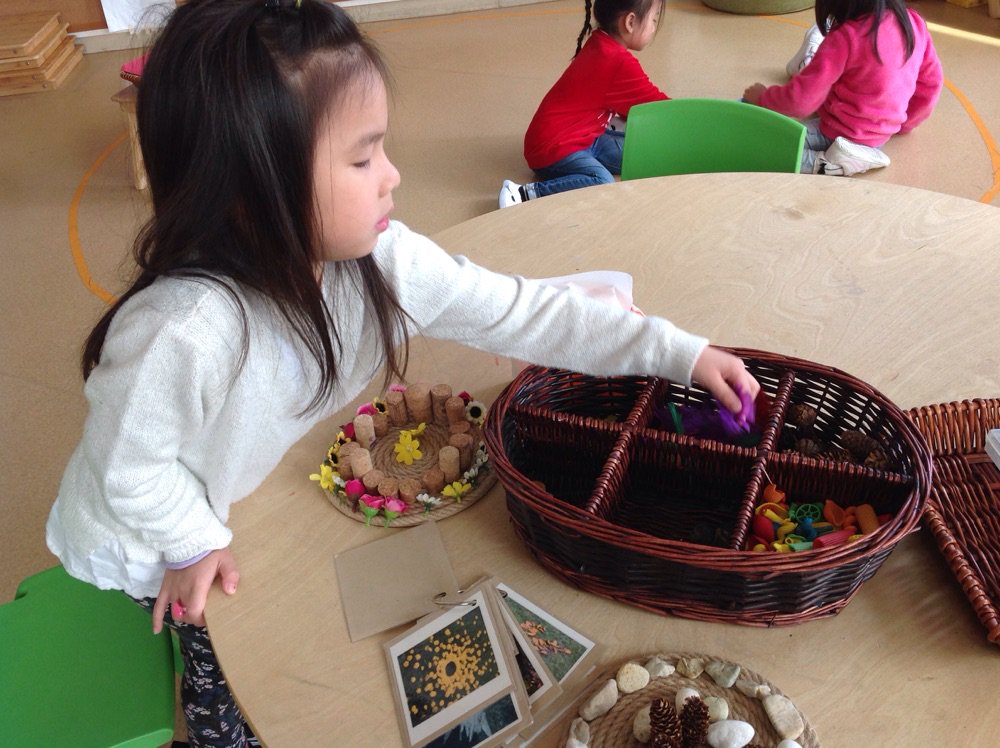
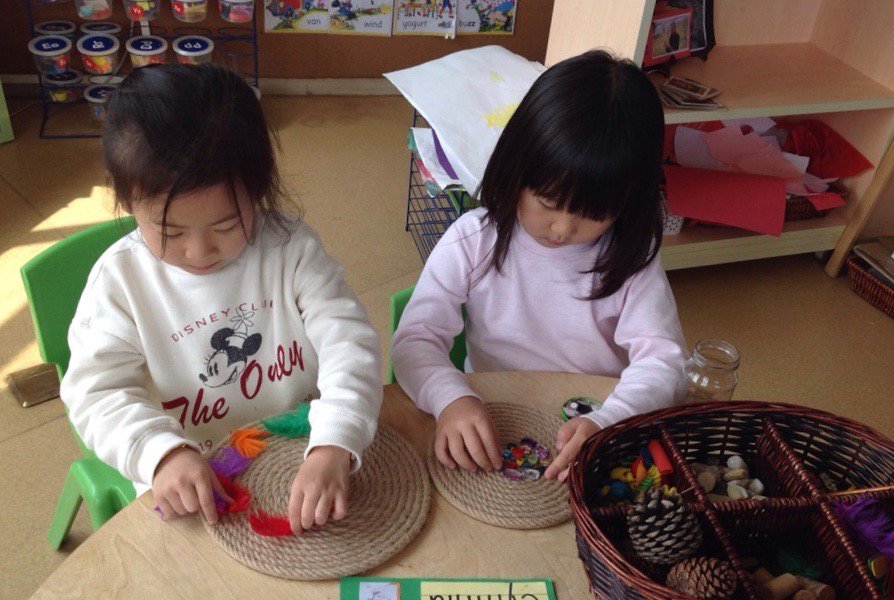
exploring patterns & symmetry; these artists used such concentration & created their own masterpieces using #looseparts, inspired by Andy Goldsworthy. #creativity #peace #ecmath #isdwow #issedu
1


11 Aug 2017
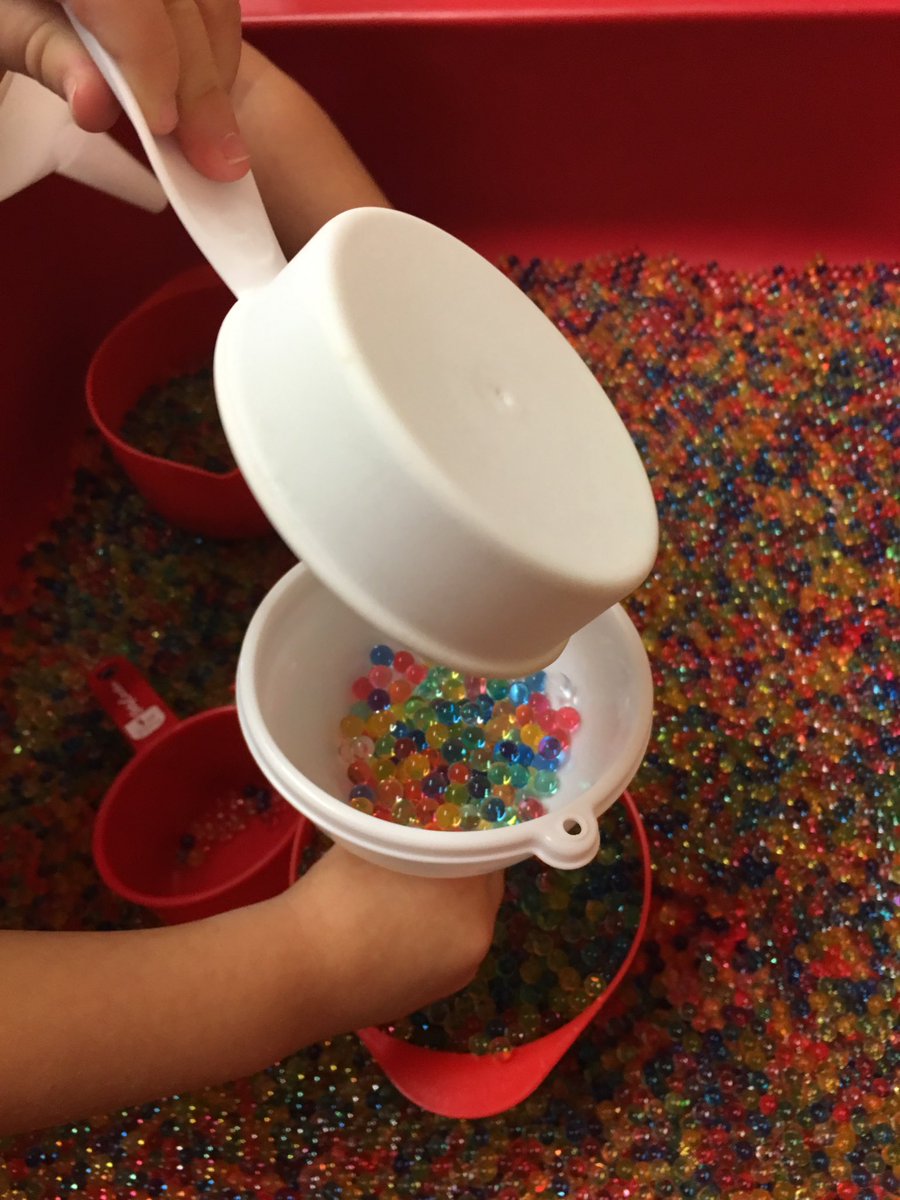
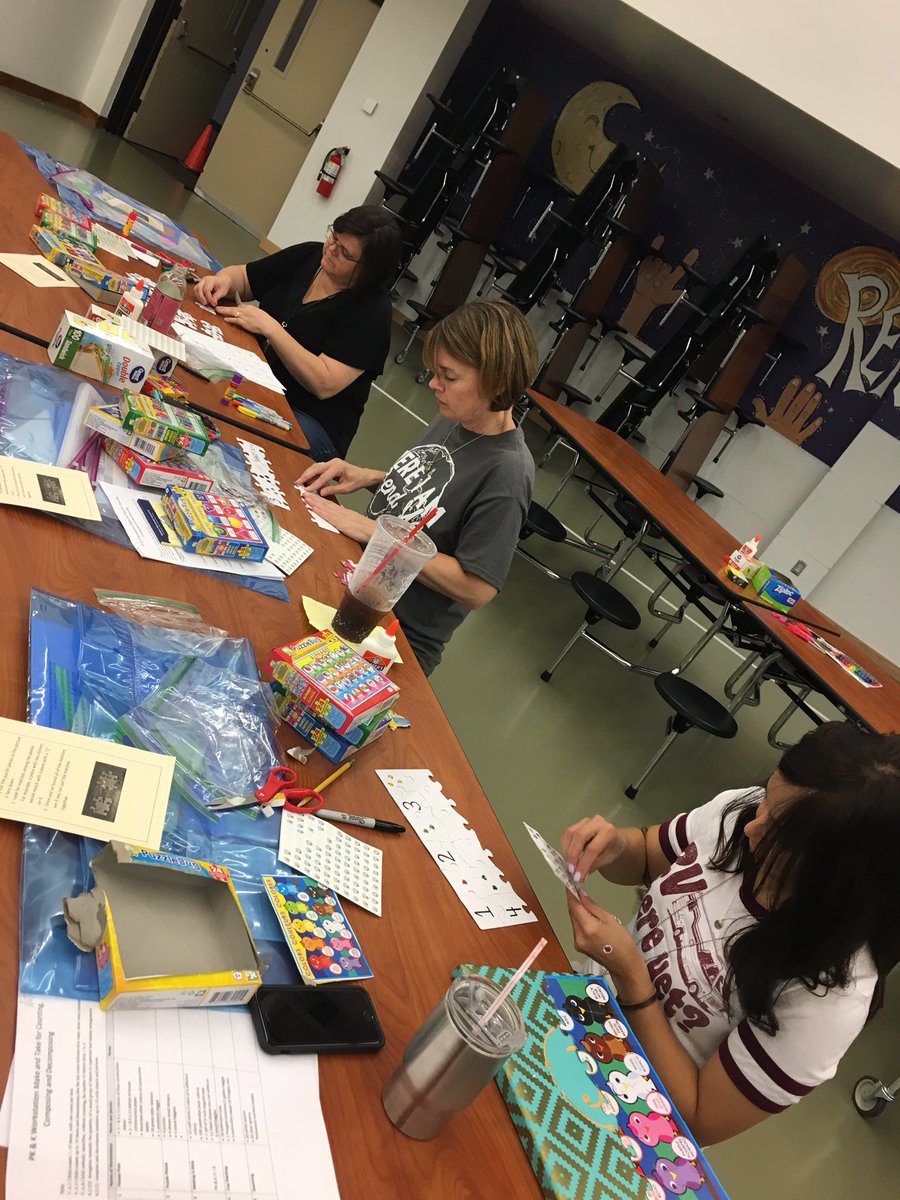
@AliefPreK @HCDE_Math puzzles and math go together for great learning activities! #ecmath #deepthinking #engage #playmatters #learn
1
6
1 Apr 2017
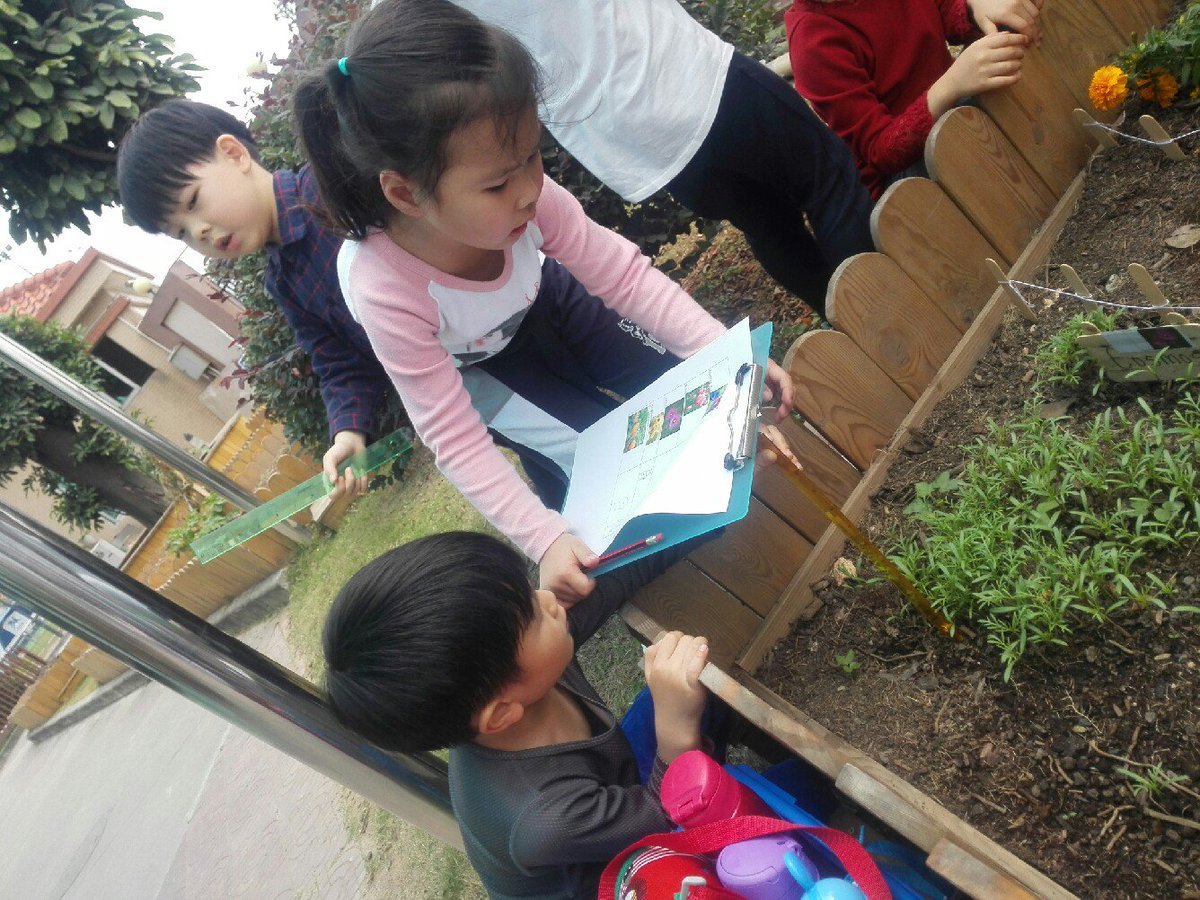
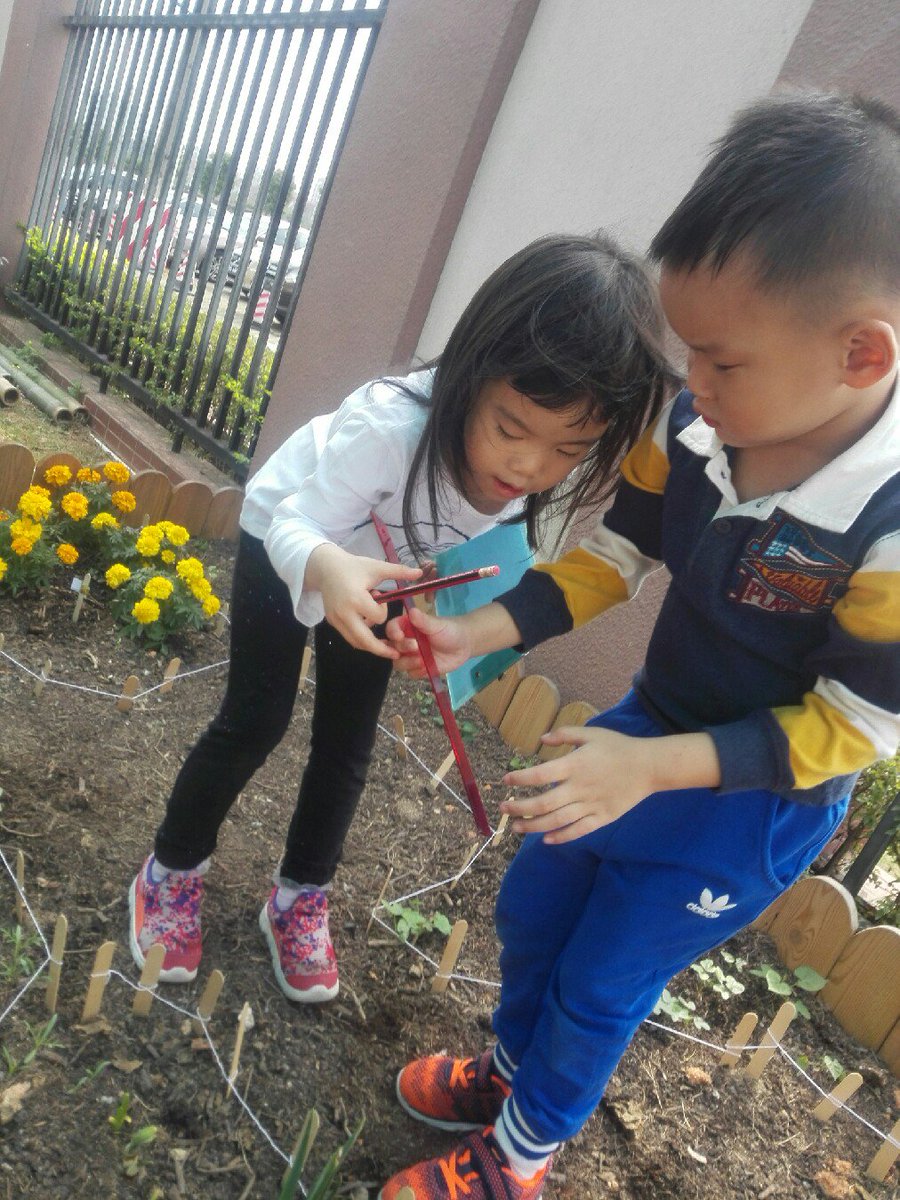
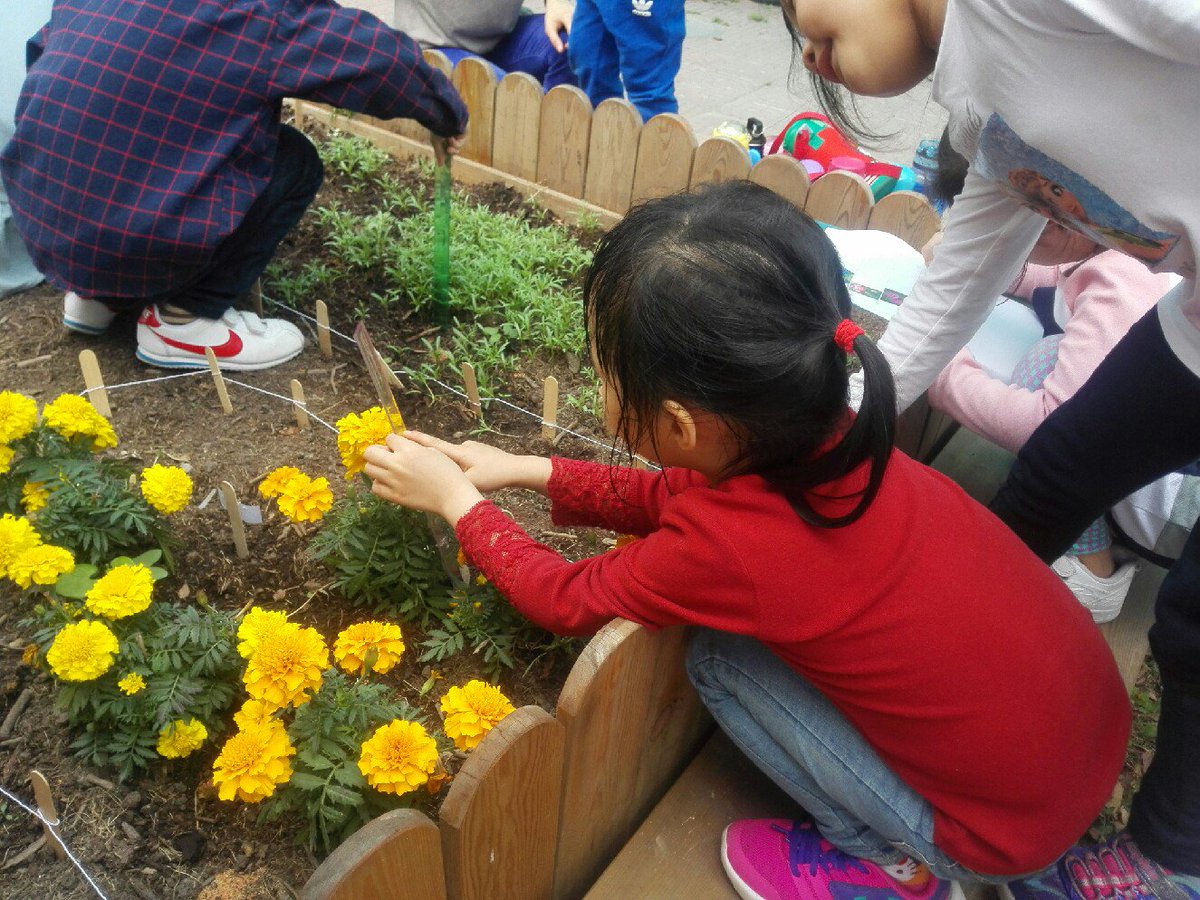
Excitement, focus and discovery while caring for their garden! #issedu #isdwow #earlychildhood #outdoorlearning #ecmath
7
18 Mar 2017
Caught measuring! "how tall are you?" I love this pic!🤣#ecmath #issedu #isdwow #earlychildhood #playbasedlearning

1
11
21 Feb 2017
Ss working together to measure the growth of the flowers in our butterfly garden! #isdwow #issedu #ecmath #outdoorlearning #ECE
2
12