
EcoSystem A Shared Responsibility | Full Documentary | Asia One News
#Asiaone #asiaonenews #EcoSystem #EcosystemProtection #SharedResponsibility #Environment #Sustainability #SaveNature
2
98

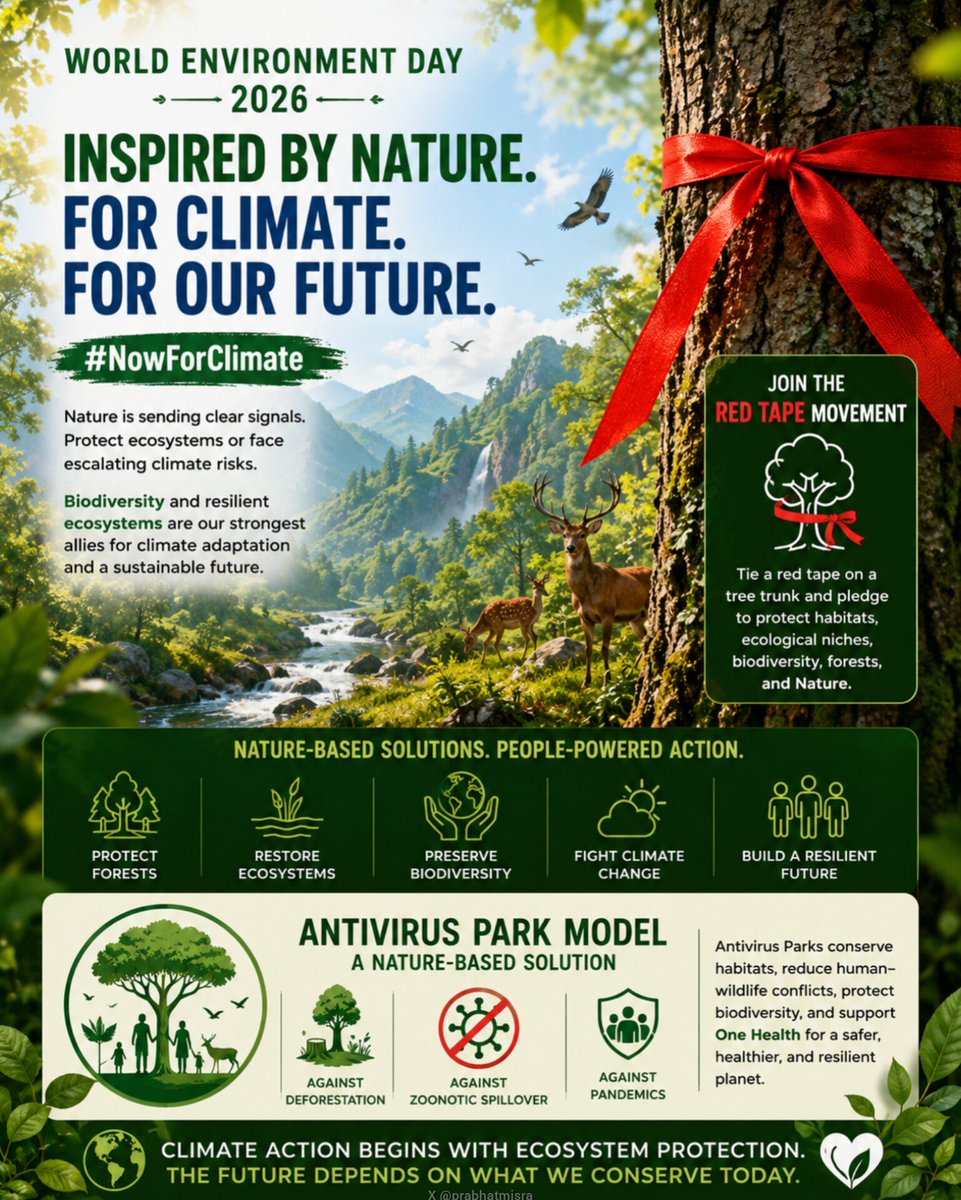
🌍 Happy #WorldEnvironmentDay2026!
"#InspiredByNature. #ForClimate. #ForOurFuture."
#Nature isn't just our home — it's our climate shield.
Nature is sending clear signals: protect ecosystems or face escalating climate risks. Forests, wetlands, grasslands, and biodiversity are our strongest allies for climate resilience, adaptation, and humanity's best defense against climate chaos.
It's #NowForClimate 🌿
Join the @RedTapeMovement: Tie a red tape on a tree trunk and pledge to protect habitats, ecological niches, biodiversity, forests, and Nature. Every protected tree strengthens our planet's future.
The @AntivirusPark model offers a #naturebasedsolution to combat deforestation, reduce zoonotic spillover risks, enhance biodiversity, and build resilience against future pandemics through the #OneHealth approach.
#ClimateAction begins with #ecosystemprotection. The future depends on what we conserve today. 🌳
Let's celebrate #WorldEnvironmentDay 🌎💚
#RedTapeMovement #Biodiversity #AntivirusPark #ForNature #sdg13
6
6
283

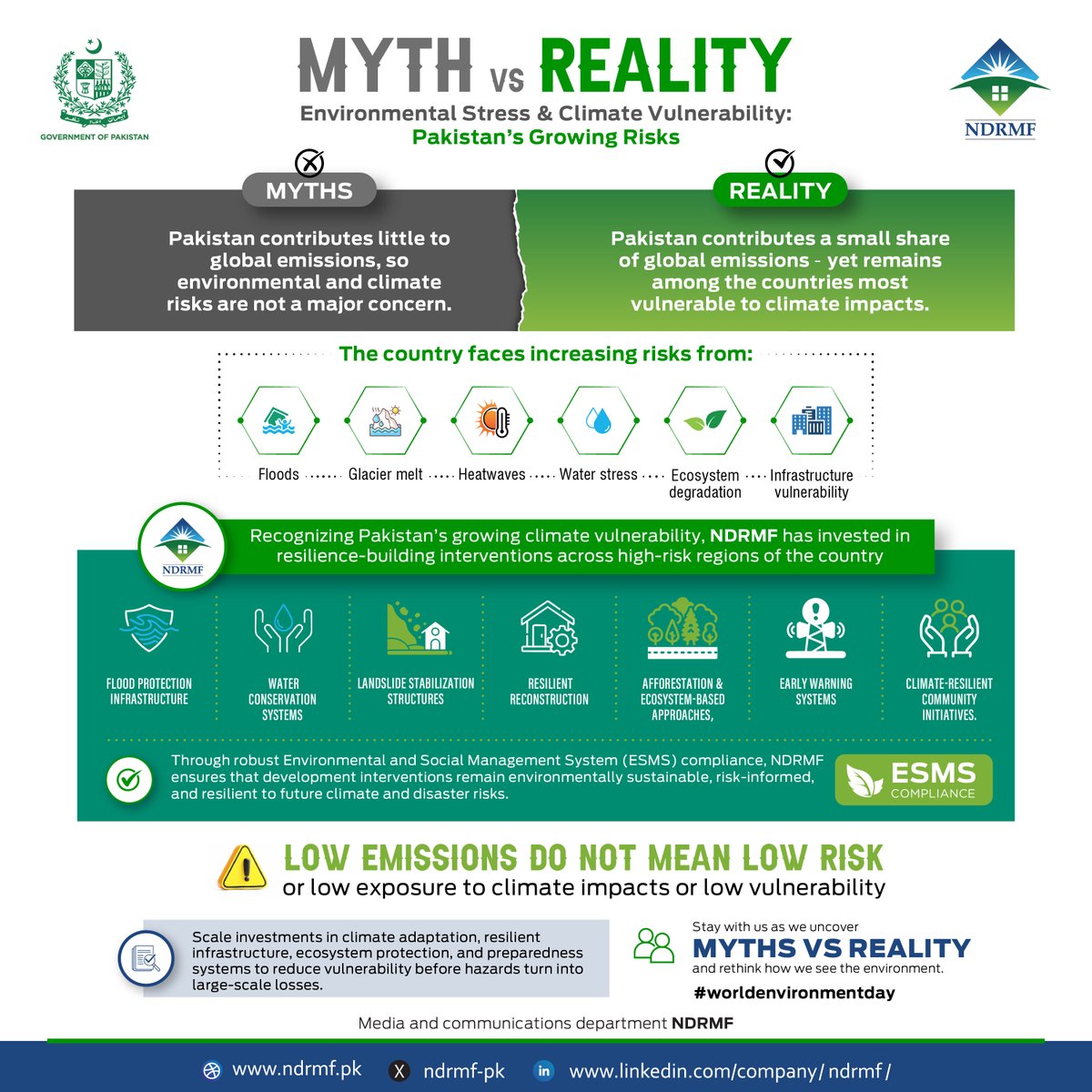
Addressing these challenges requires #scaling #investments in #climateadaptation, #resilientinfrastructure, #ecosystemprotection, and preparedness systems before hazards turn into large-scale losses.
1
1
3
122

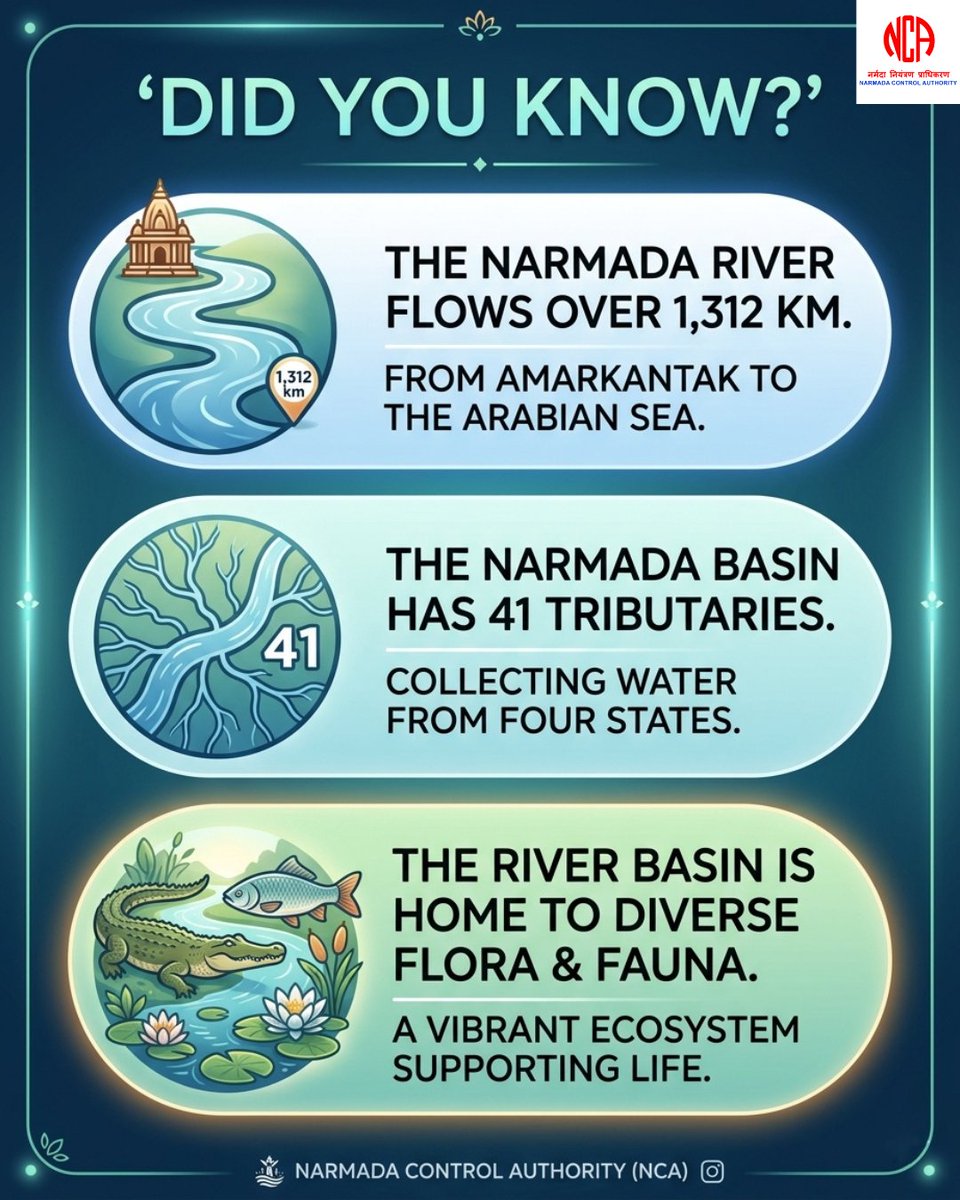
LA 1,312 km lifeline from Amarkantak to the sea, sustained by 41 tributaries and a diverse ecosystem.
#NarmadaRiver #RiverConservation #EcosystemProtection #WaterResources #IndiaRivers"
10
9
207

Apr 14
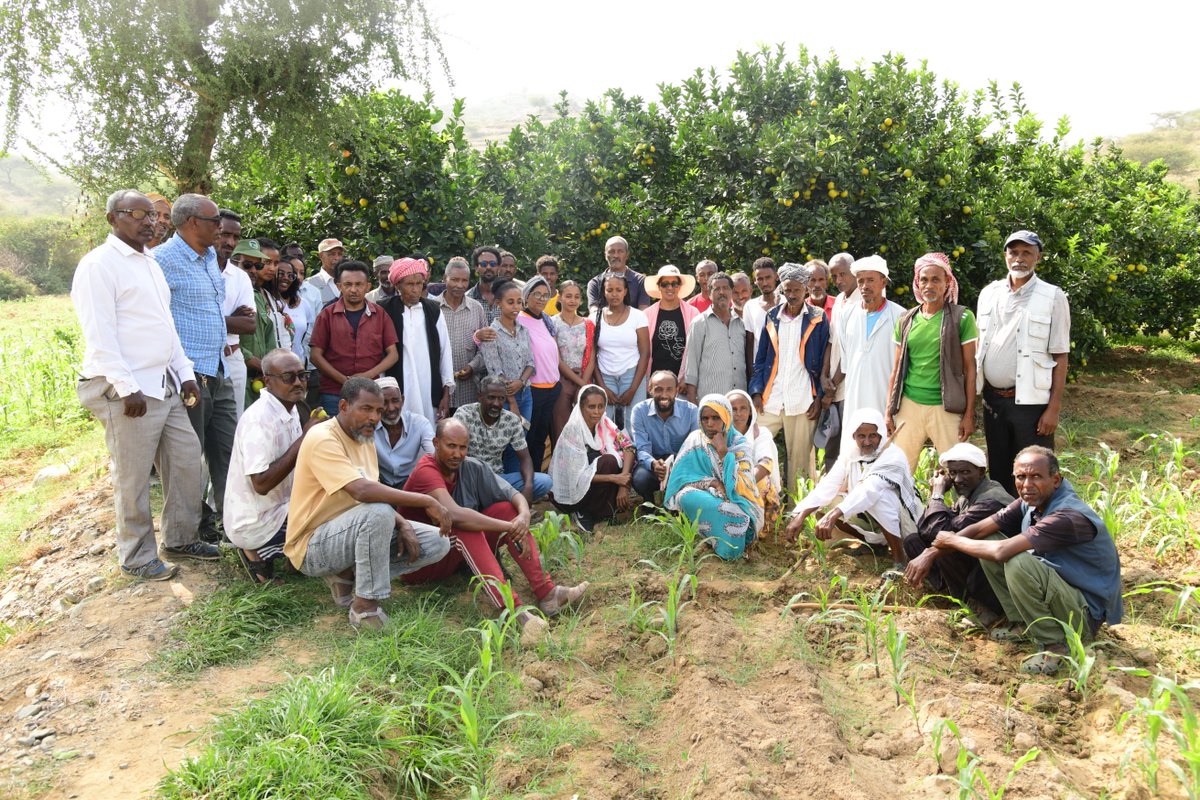
Strengthening Farmers’ Associations through Sustainable Agriculture in Ghindae
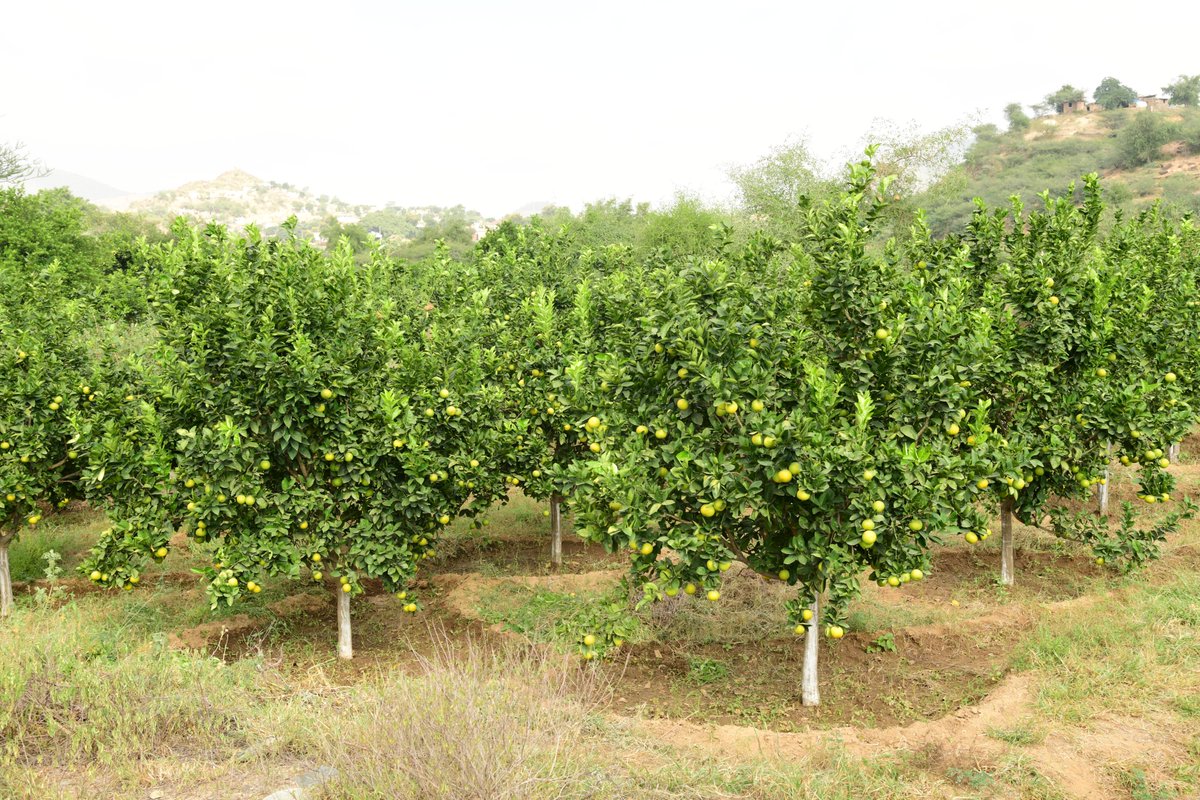
In Mai Adkemom, within the Ghindae Sub‑zone of #Eritrea’s Northern Red Sea Region, a community‑driven initiative supported through the UNDP @GEF_SGP is strengthening farmers’ capacities to promote sustainable and inclusive agricultural practices.
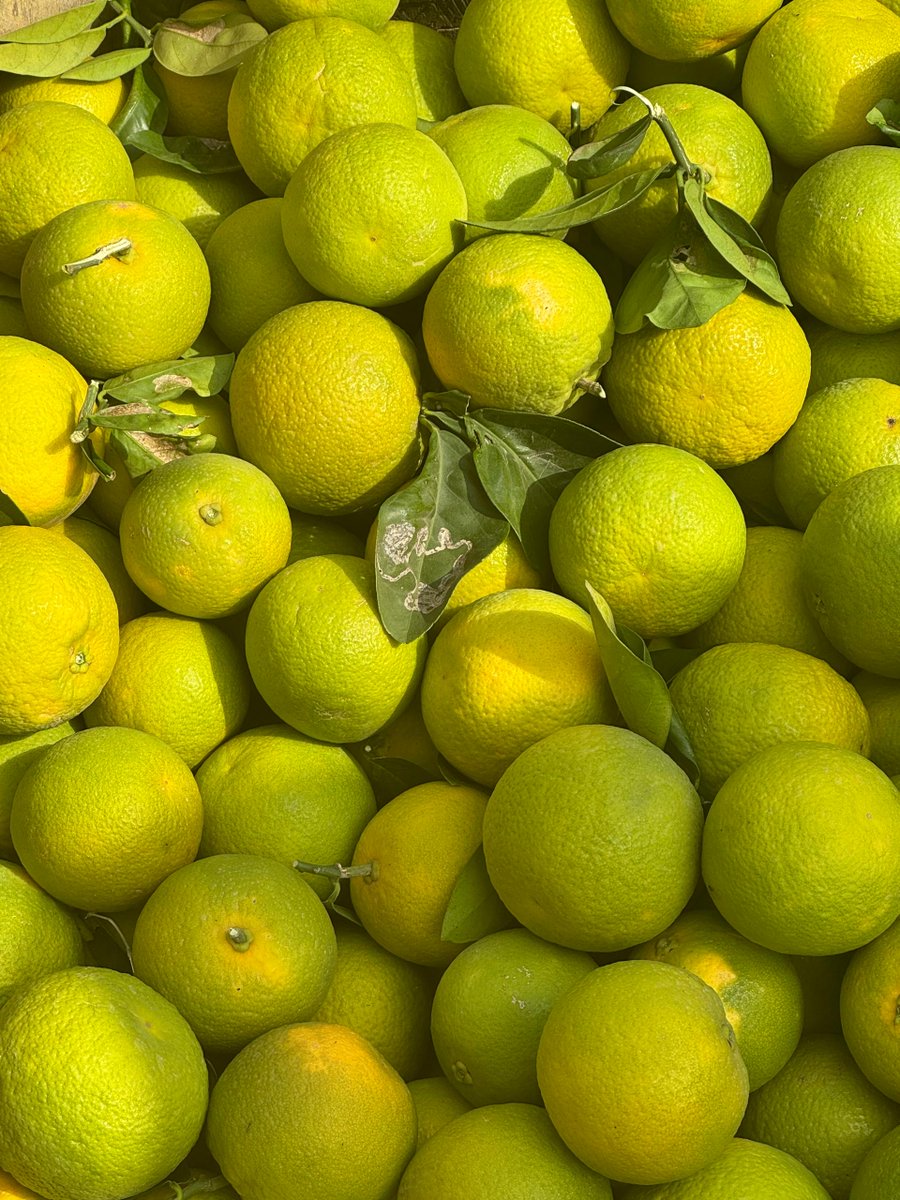
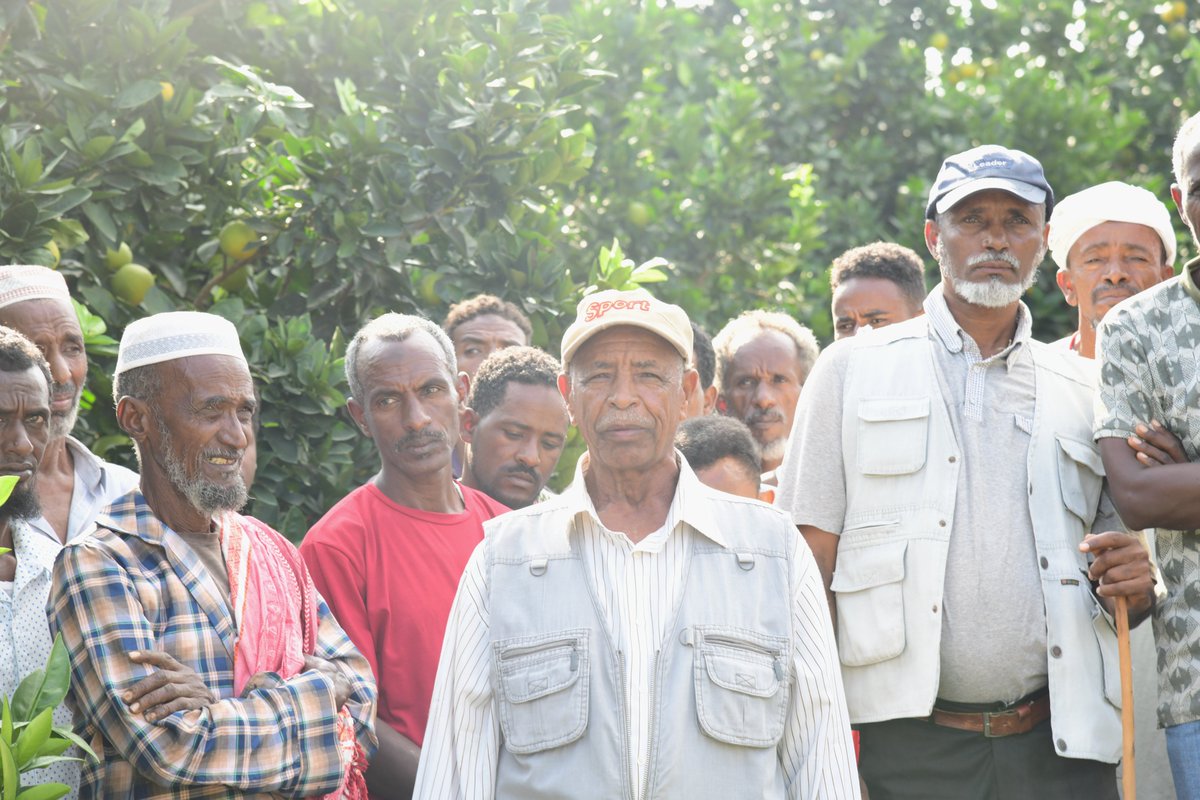
The project supported a Farmers’ Association of 56 members, including 13 women and 6 persons with disabilities, to improve horticulture and citrus production through the establishment of three Farmer Field Schools dedicated to citrus, vegetable, and poultry production. These field schools served as practical learning platforms, enabling farmers to access organic agricultural inputs and apply climate‑smart and environmentally sustainable farming methods.
Beyond direct beneficiary support, the project functioned as a hands‑on knowledge‑sharing hub for experts and newly assigned agricultural extension workers from the Ministry of Agriculture (MoA), as well as members of other local farmers’ associations. Through practical demonstrations and peer learning, participants strengthened their skills in producing and applying bio‑fertilizers and bio‑pesticides, adopting safe and high‑quality fruit and vegetable production practices, and constructing soil and water conservation structures.
By integrating #localknowledge with evidence-based #sustainableinnovations, the Ghindae SGP project contributes to enhanced agricultural productivity, #ecosystemprotection, and #strengthenedcommunity resilience through the inclusive participation of beneficiaries and local stakeholders.
@UNDPEritrea
2
123
183
4,011

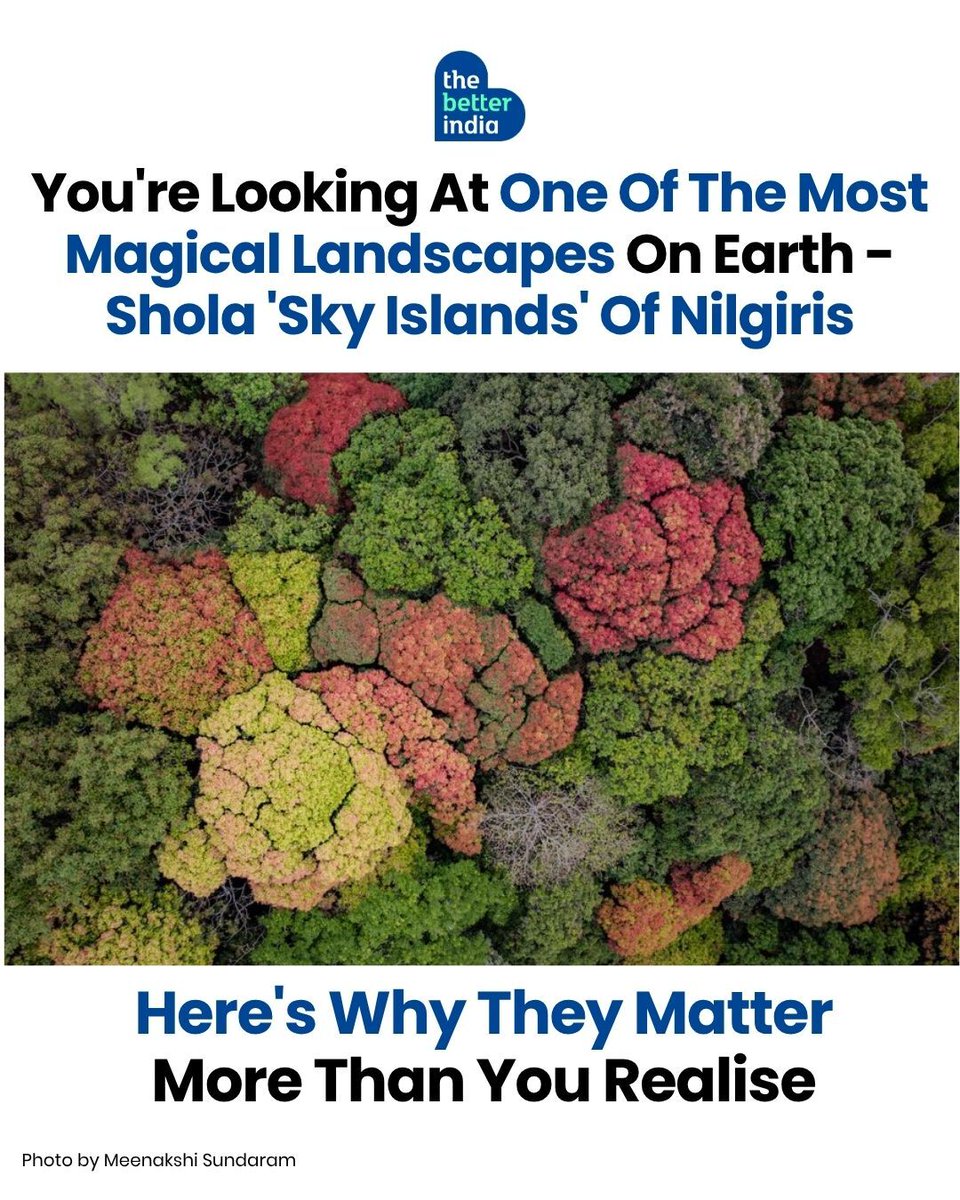
These quiet-looking, mist-covered hilltops, “sky islands,” are anything but ordinary.
The Shola grasslands are living ecosystems, 20,000 years old, shaping water, wildlife, and even how diseases spread.
What we choose next will decide whether these fragile worlds endure or disappear.
Scroll down to explore →
Here you go, formatted exactly as requested:
#ClimateAction #Biodiversity #Sustainability #NatureConservation #EcosystemProtection
[Shola Grasslands, Sky Islands, Biodiversity Hotspots, Climate Resilient Ecosystems, Grassland Conservation]
1
16
78
1,863

Mar 17
Insightful and beautifully explained by @supriyasahuias. A powerful reminder that conservation is not just about protecting large forests, but also about safeguarding the fragile ecological connections that sustain species like the slender loris. 🌿
Protecting habitats means protecting entire ecosystems and the life they support. Thank you for bringing attention to this remarkable species and its unique landscape. 👏
#SlenderLoris #WildlifeConservation #Biodiversity #HabitatConservation #EcosystemProtection
Mar 17

A long and winding journey led me to the homeland of the enigmatic slender loris in Karur, a landscape characterized by dry scrub and acacia dominated vegetation. Not many know that these low-lying, interlinked shrubs provide both refuge and a rich foraging ground, sustaining a high density of insects that form the primary diet of this nocturnal primate. Unlike many other primates, the slender loris does not leap across trees, instead, it moves through pathways made by connected branches to forage and avoid predators. In this ecosystem, the structural integrity of vegetation functions as a critical ecological network. Even minor fragmentation in this network can create barriers, isolating individuals and disrupting access.Thus, what appears to be modest scrub vegetation is,in fact, a highly specialized and indispensable habitat matrix. Here the survival is not determined by the size of the forest, but by the continuity of its smallest branches. For Slender loris this connection means life. That's why conservation of species requires conservation of its whole ecosystem #slenderloris #wildlifeconservation video @supriyasahuias
1
7
452

Jan 16
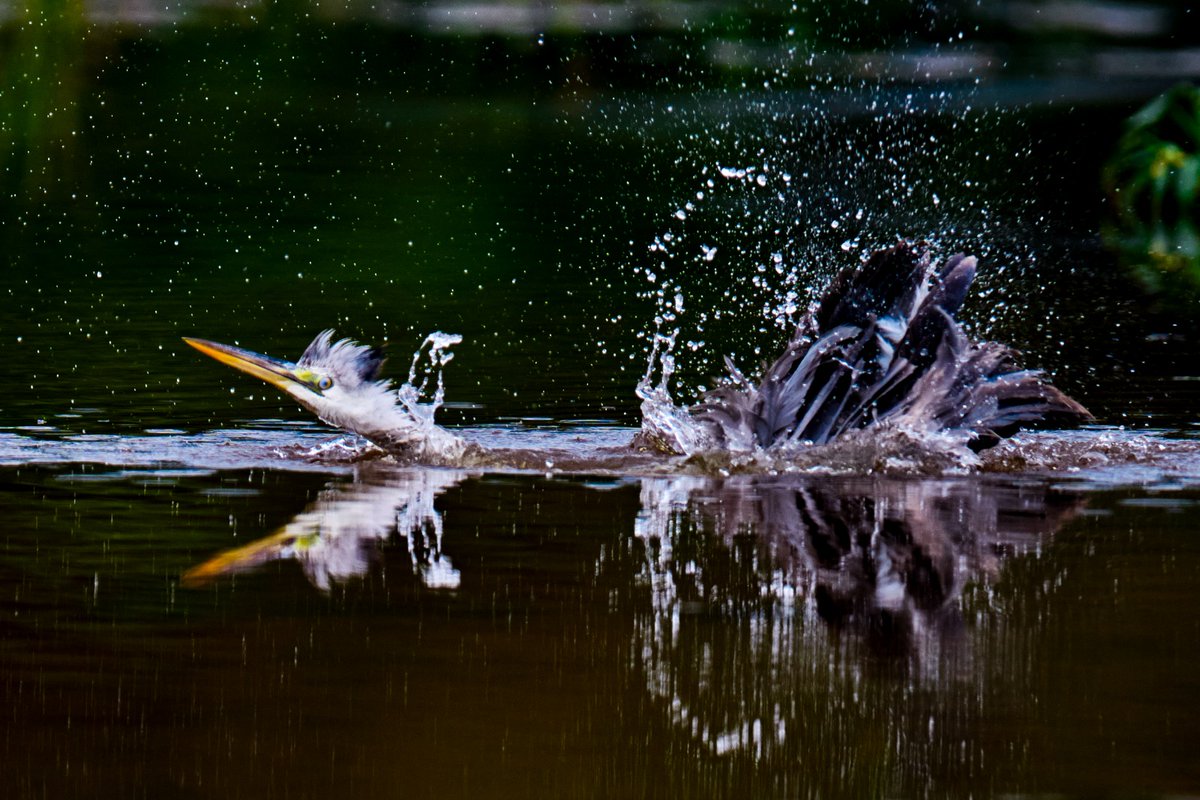
Grey herons are incredibly patient hunters — they can stand completely motionless for several minutes, sometimes over half an hour, waiting for the perfect moment to strike. When they do, their lightning-fast neck snap can catch fish, frogs, or even small mammals in a fraction of a second.
Silent. Still. Deadly accurate.
Photo by @bownaankamal
.
.
🦩 Wilpattu | Sri Lanka
.
.
#ecosystemprotection #wilpattuwildlife #nikonasia #uniquespecies #wildlifeworld
1
9
157

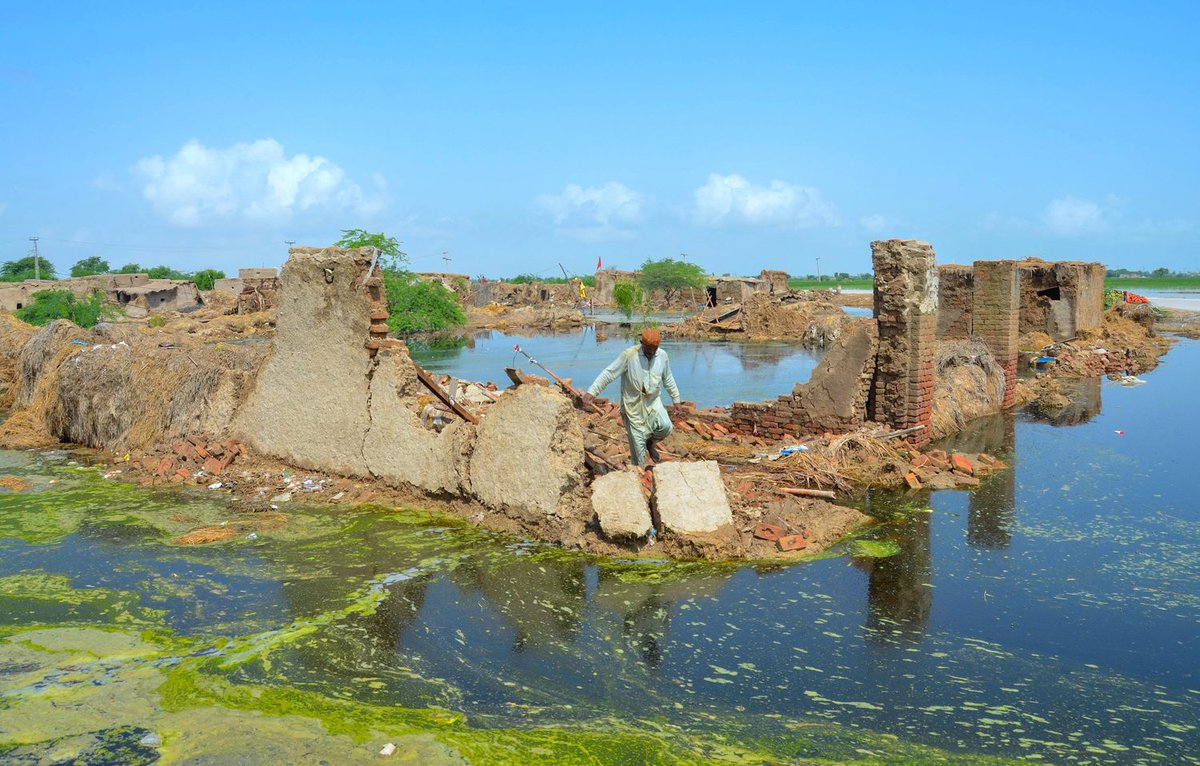
Adaptation truth
Climate adaptation without ecosystem protection is like treating symptoms while ignoring the disease.
#NatureBasedSolutions
#EcosystemProtection
#ClimateAdaptation
#ClimateResilience
#SustainableFuture
2
30

Jan 8
When the Earth Pushes Back - Talking Points - By Narvijay Yadav yespunjab.com/?p=203465
#HillsConservation #EcosystemProtection #SustainableDevelopment #IndiaEnvironment #Landslides #FlashFloods #SoilErosion #WaterScarcity #BlissEarthMission #MindfulLiving #WesternGhats #HimalayanEcology #AravalliProtection #ClimateAction
@NarvijayYadav
1
2
29

15 Dec 2025
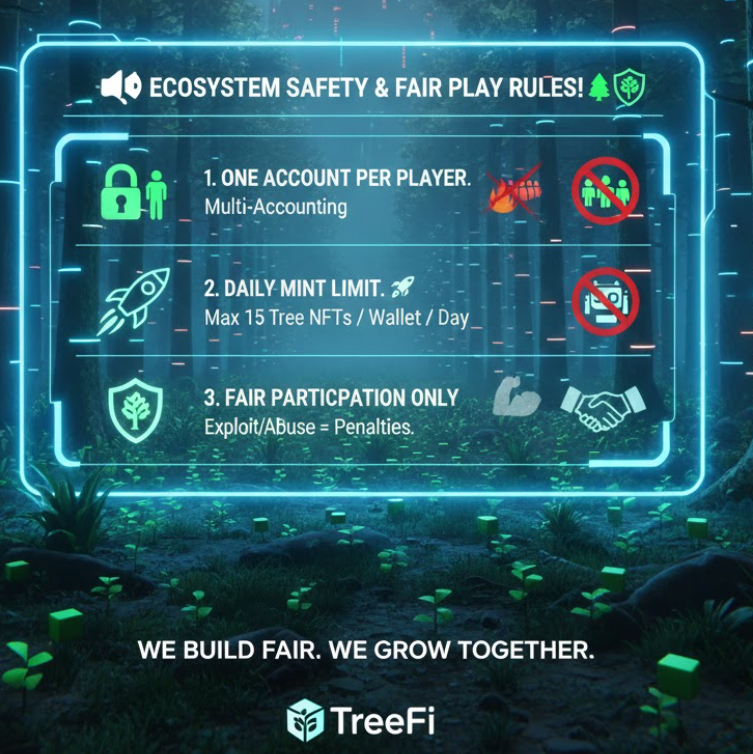
📢 ECOSYSTEM SAFETY & FAIR PLAY RULES! 🌲🛡️
To protect the TreeFi ecosystem and ensure fair gameplay for everyone, we are enforcing strict rules:
One Account Per Player: Multi-accounting is strictly prohibited and will result in a permanent ban. 🔥
Daily Mint Limit: Max 15 Tree NFTs per wallet per day to ensure fair distribution. 🚀
No Bots/Scripts: Automation or cheating will result in an immediate ban. 🚫
Fair Participation Only: Exploiting game mechanics will lead to penalties/bans. 💪
These rules protect players, investors, and the long-term value of TreeFi. We build fair. We grow together.
Follow: @TreeFii #FairPlay #TreeFiRules #EcosystemProtection #Web3Gaming #PlayToEarn
3
1
8
458

🐟 Dünya Balıkçılık Günü'nde, denizlerimizdeki yaşamın sürdürülebilirliğini sağlamak için farkındalık yaratalım. Sürdürülebilir balıkçılık uygulamalarını destekleyerek, deniz ekosistemimizi korumak hepimizin görevi. Doğal kaynaklarımızı koruyarak, geleceğimizi güvence altına alabiliriz. Siz de denizlerimizi korumak için neler yapabileceğinizi bizimle paylaşın! 🌊
#DünyaBalıkçılıkGünü #SürdürülebilirBalıkçılık #EkosistemKoruma
🐟 On World Fisheries Day, let’s raise awareness to ensure the sustainability of life in our seas. By supporting sustainable fishing practices, it is our shared responsibility to protect marine ecosystems. By preserving our natural resources, we can secure our future. Share with us what you can do to help protect our seas! 🌊
#WorldFisheriesDay #SustainableFishing #EcosystemProtection
@csbgovtr
@EUDelegationTur
@ABBaskanligi
2
83

13 Nov 2025
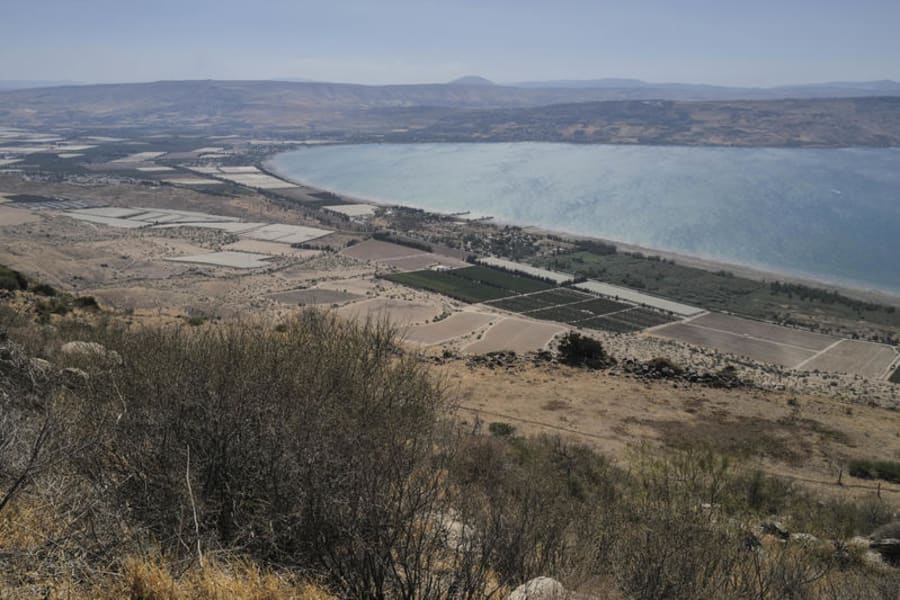
Israel pioneers world’s first project to replenish the Sea of Galilee with desalinated water
Located at 213 meters (700 feet) below sea level, the Sea of Galilee is the world’s lowest freshwater resource. On Monday, the level of the lake was merely a meter (13 inches) above what Israeli water experts call the lower red line. This refers to the lowest water level that the lake can drop before pumping can potentially destroy its fragile ecosystem.
Read more here: ow.ly/joEW50XqAKt
#SeaOfGalilee #WaterConservation #IsraelInnovation #SustainableWater #EcosystemProtection #Desalination #FreshwaterResources
6
15
1,856

13 Oct 2025
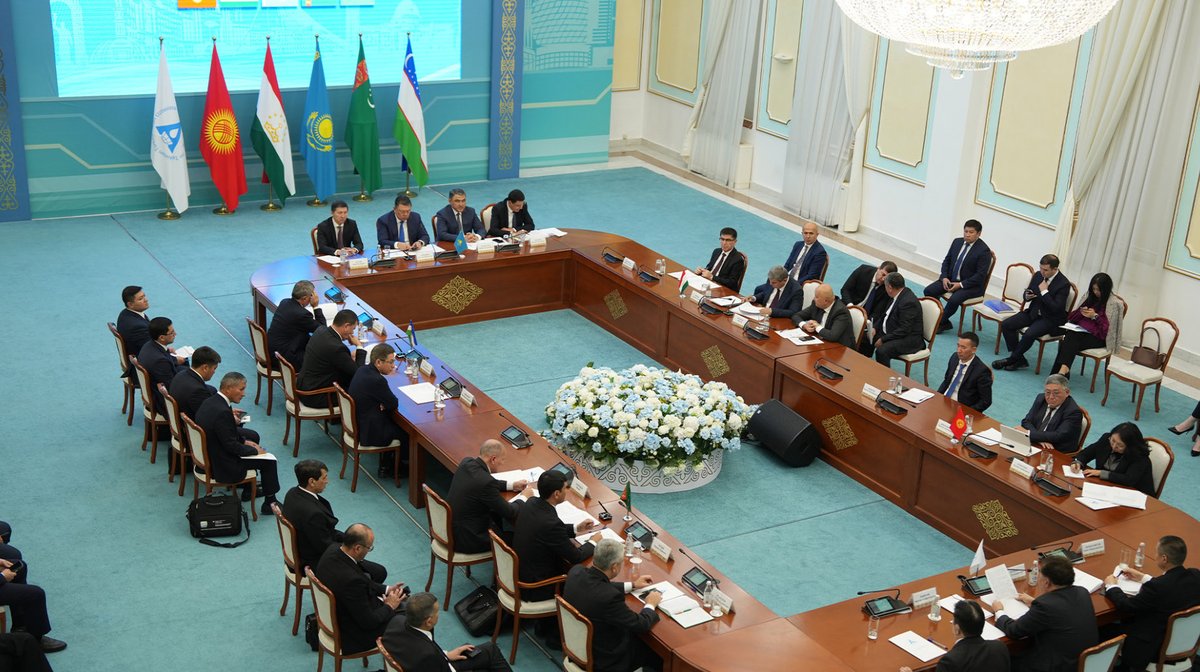
Central Asian states advance cooperation on Aral Sea restoration at IFAS board meeting
Central Asian countries, led by Kazakhstan, held the second IFAS Board meeting in Astana to review ongoing initiatives, strengthen regional cooperation, and advance sustainable management and restoration of the Aral Sea basin.
👉 Details — daryo.uz/en/eZ0kUo6NR
#AralSea #CentralAsia #IFAS #RegionalCooperation #SustainableDevelopment #Kazakhstan #WaterManagement #EnvironmentalRestoration #CentralAsianInitiatives #EcosystemProtection
3
58
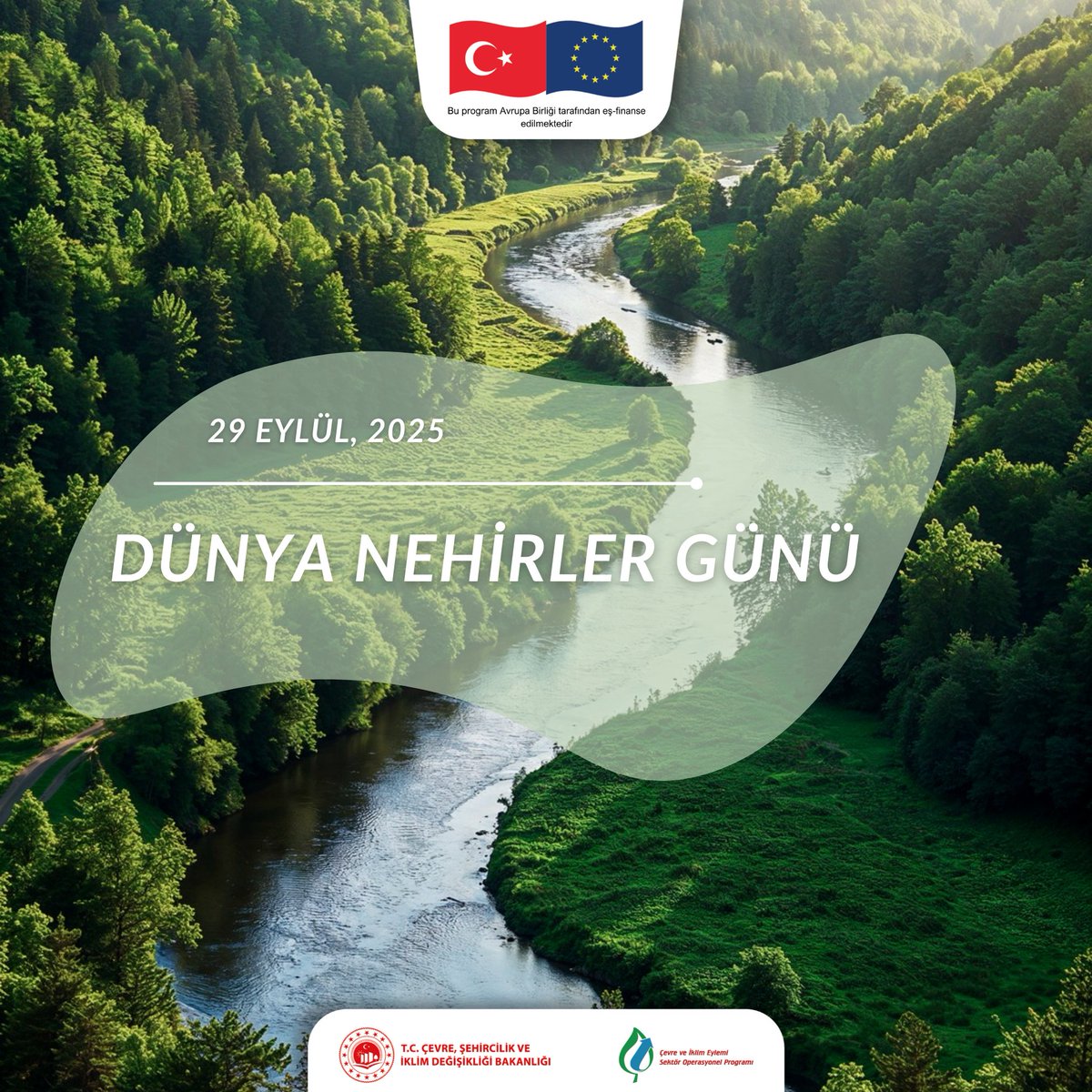
🌊 Dünya Nehirler Günü'nde, nehirlerimizin korunmasının önemine dikkat çekiyoruz. Nehirler, ekosistemimizin can damarıdır ve onları korumak hepimizin sorumluluğudur. Su kirliliğini önlemek ve doğal yaşamı desteklemek için harekete geçin! Siz de yaşadığınız bölgedeki nehirleri korumak için neler yapabileceğinizi düşünün. 🌿
#DünyaNehirlerGünü #SuKirliliği #EkosistemKoruma
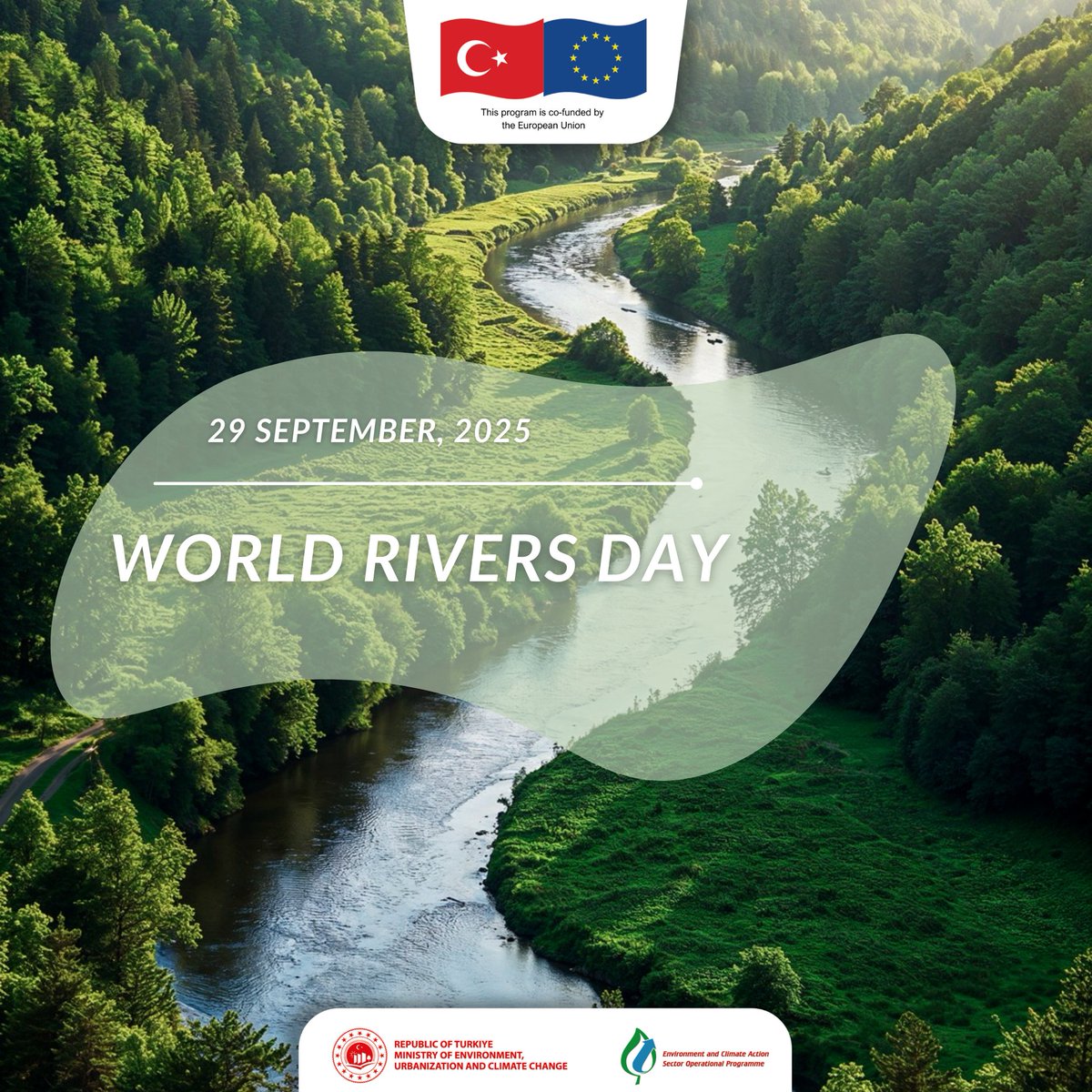
🌊 On World Rivers Day, we draw attention to the importance of protecting our rivers. Rivers are the lifeblood of our ecosystems, and safeguarding them is our shared responsibility. Take action to prevent water pollution and support natural life! Think about what you can do to protect the rivers in your region. 🌿
#WorldRiversDay #WaterPollution #EcosystemProtection
@csbgovtr
@EUDelegationTur
@ABBaskanligi
1
5
166

17 Sep 2025
Share with you an inspiring story about the solar farm in Xinjiang China, where #energy, #ecology, and #economy come together in one place.☀️🌎
#SolarEnergy #CleanEnergy #EcosystemProtection
4
5
26
2,419


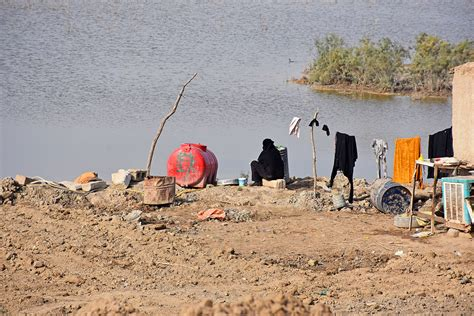
Iraq’s Hawizeh Marshes are a UNESCO World Heritage site and internationally protected by the Ramsar Convention 🪬🐟
This unique ecosystem spanned ~243,500 ha (1970s) but had already shrunk to ~137,700 ha (2013) due to upstream damming, deliberate drainage, droughts, and reduced freshwater inflow.
Now, the remaining marshes — their biodiversity and life-supporting services — are critically endangered by #oil #drilling.
Let's recall: #WaterForLife 🌿💧
#Wetlands #Ecosystemprotection
1
9
12
599

27 Jul 2025
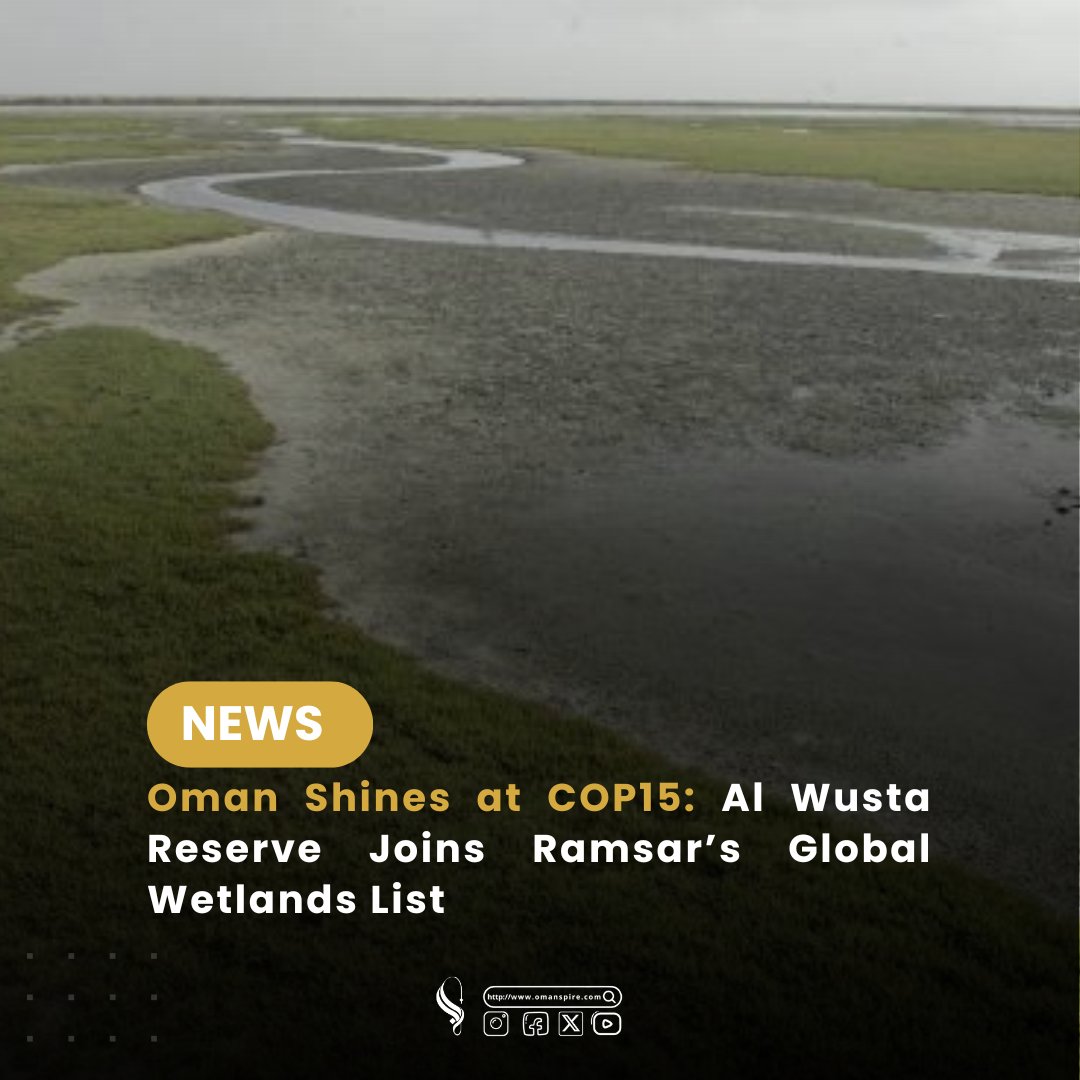
Oman’s Al Wusta Wetland Reserve has been officially recognized as a Wetland of International Importance by the Ramsar Convention, joining Qurum and Al Ansab as the third listed site. The announcement was made at Ramsar COP15 in Zimbabwe, highlighting Oman’s commitment to biodiversity and ecosystem protection.
@ea_oman
#COP15 #Zimbabwe #RamsarConvention #Qurum #AlAnsab #biodiversity #ecosystemProtection #AlWustaWetlandReserve #Omanspire #Oman
1
6
108

23 Jul 2025
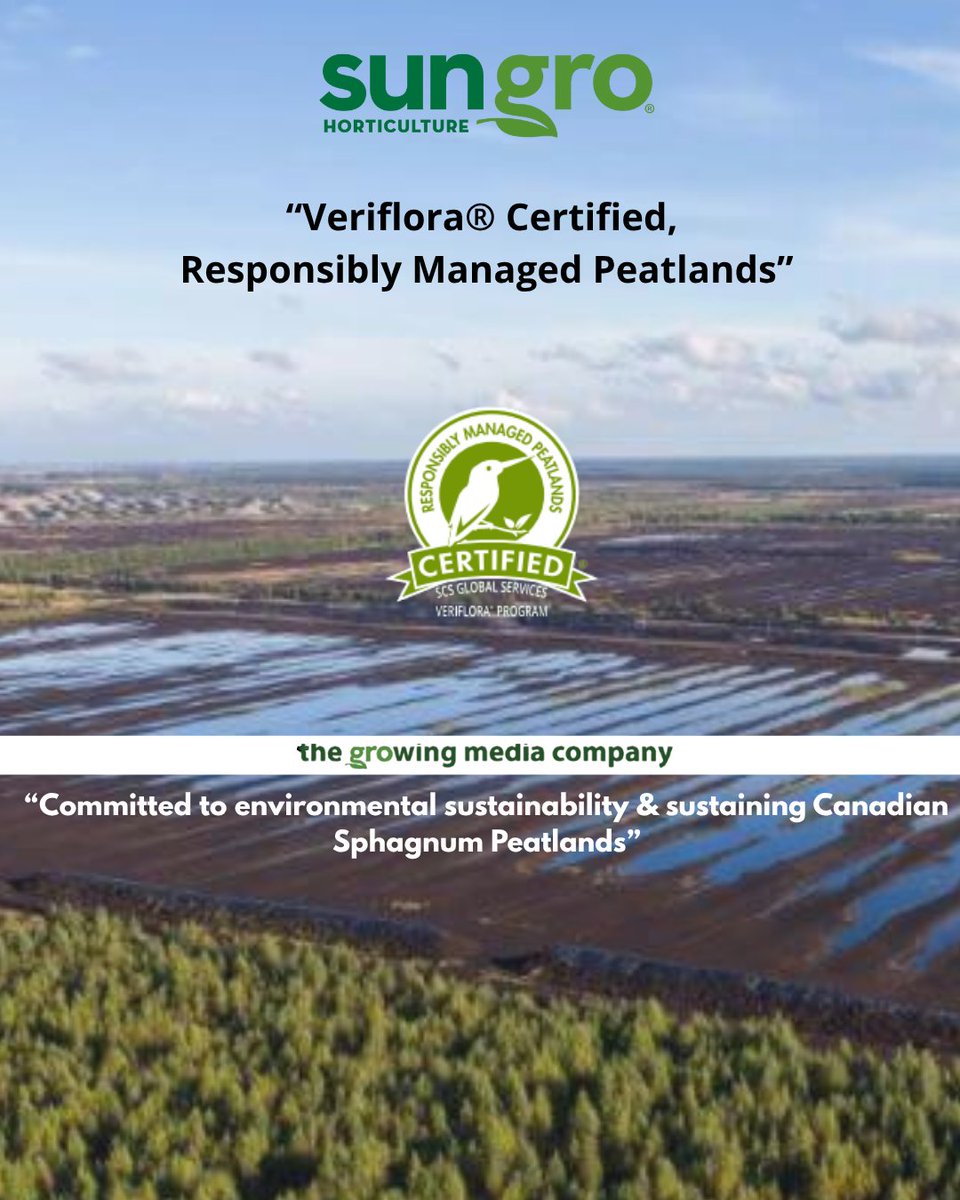
Sun Gro® uses Canadian peat moss certified by Veriflora® for sustainable development, ecosystem care, social engagement, and product quality.
#SunGro #Veriflora #SustainablePeat #EcosystemProtection
1
35