There you go. The United States is built on a limitless ethos of entrepreneurship, innovation, and excellence. Canada is built on feminized and "empathetic" parasitic taxation fuelled by envy and resentment toward those who produce.


1,486
7,751
35,472
563,919

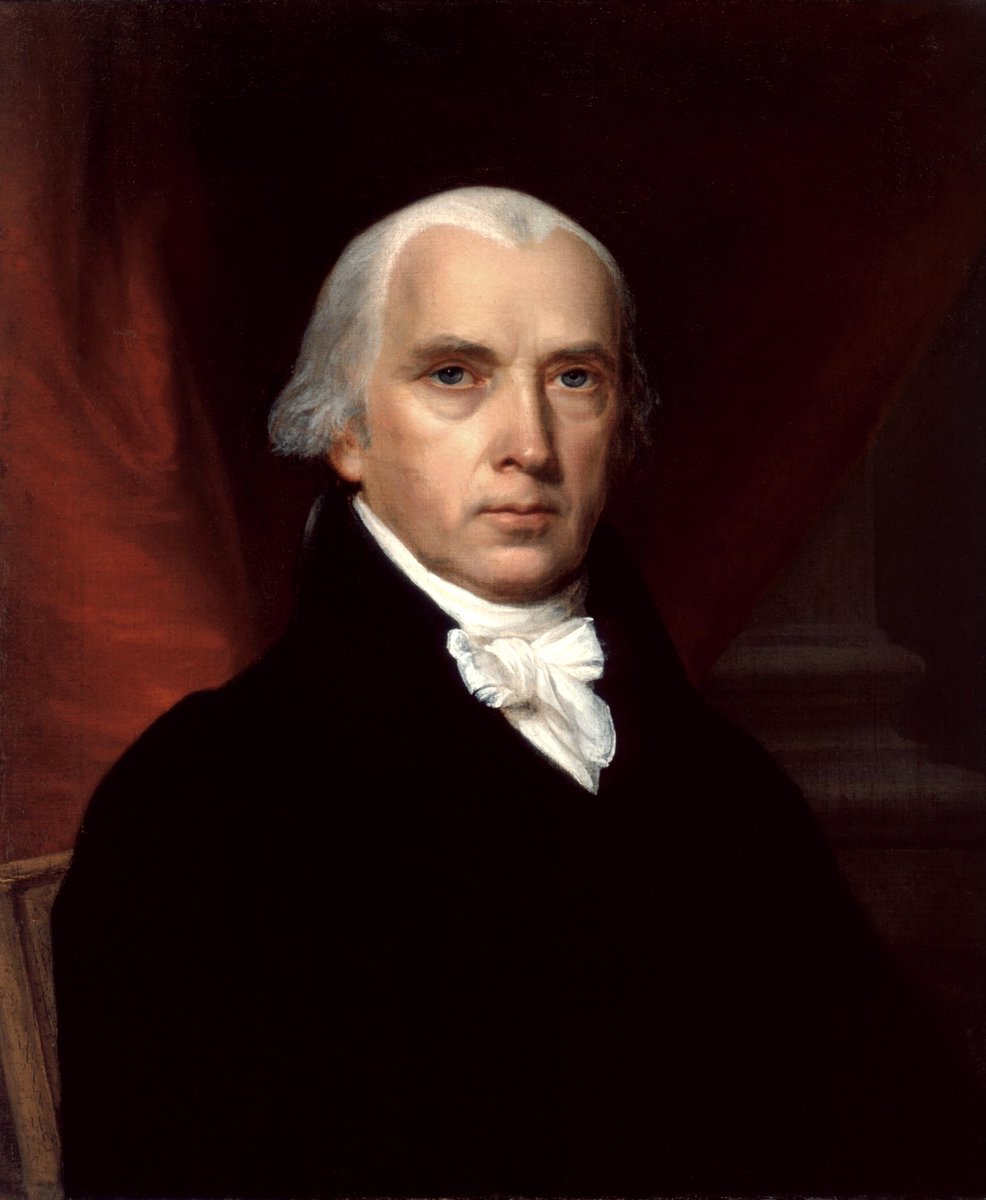
Jay Cost's James Madison bio had a neat section on this (I.E. how what would become the American System combined Hamiltonian economics with a Madisonian ethos)

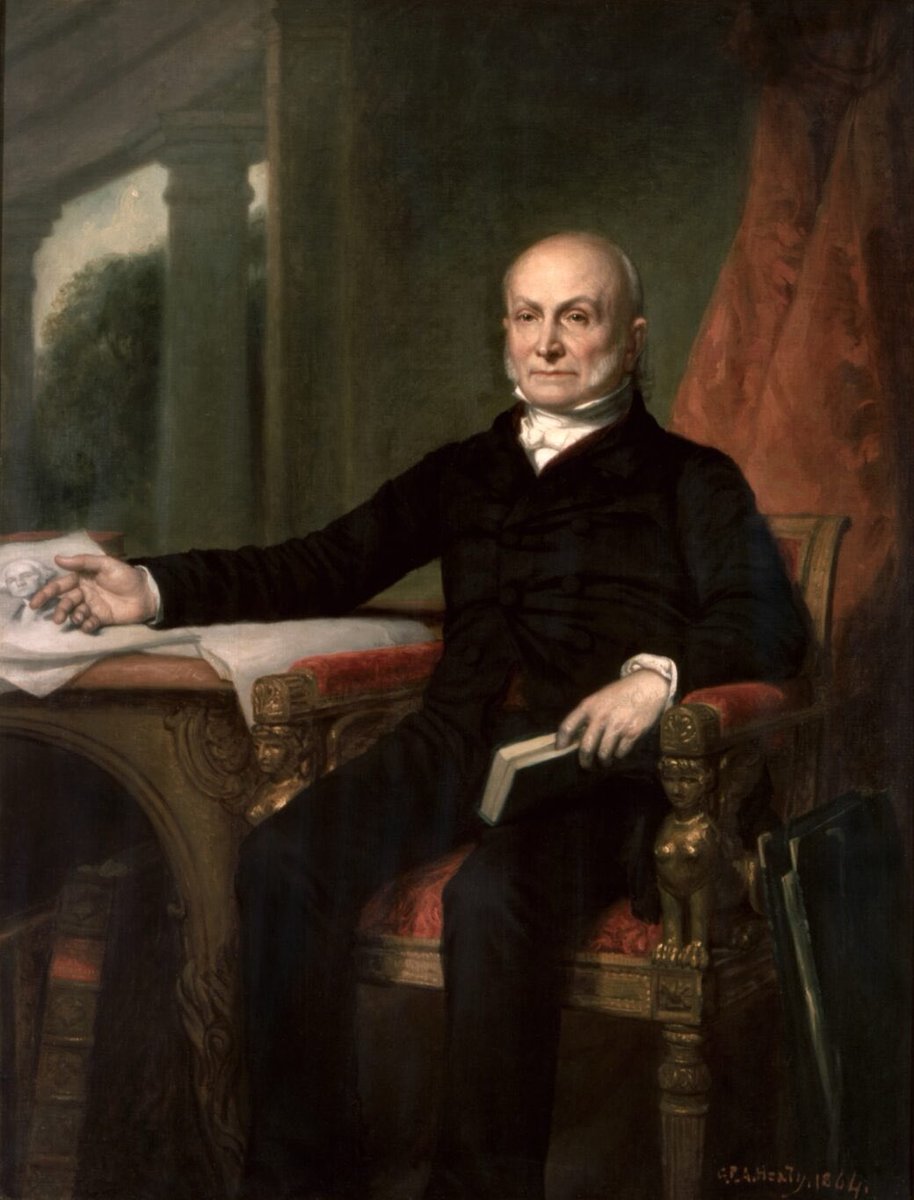
Why support Hamilton regarding this when the great synthesis between Jeffersonianism and Hamiltonianism exists
1
1
8

4

it's so fucked up, man.
the reason why I fell in love with web3 / crypto because of the ethos that we're trying to uphold here.
sadly, as we're both seeing over the past few years, even here, was infested by politics and now, gambling too.
so yup, I honestly dont know what to do next from here.
3

This is far from the whole answer, but I really think the American attitude towards self-defense, honor, & justice plays a part. The 2A codifies this ethos practically, & makes it explicit & actionable. I think we have a low tolerance for injustice & barbarism (when we know it’s happening).
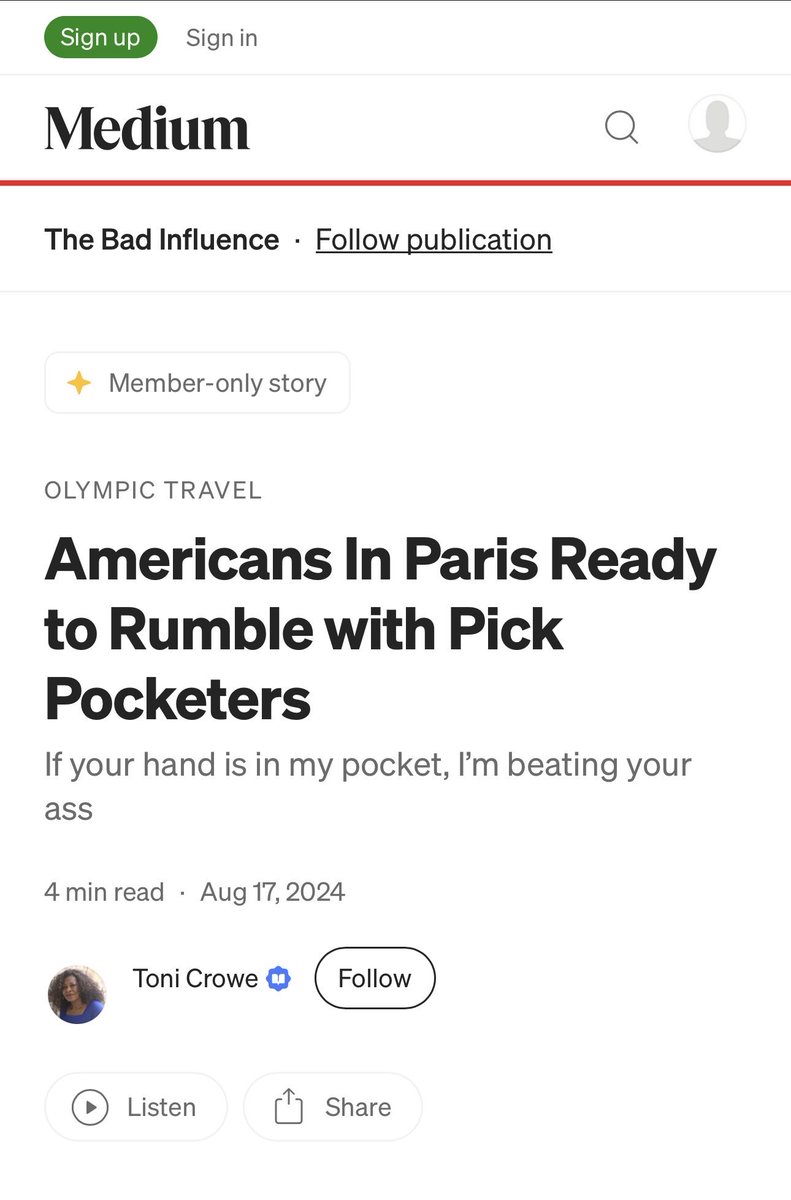
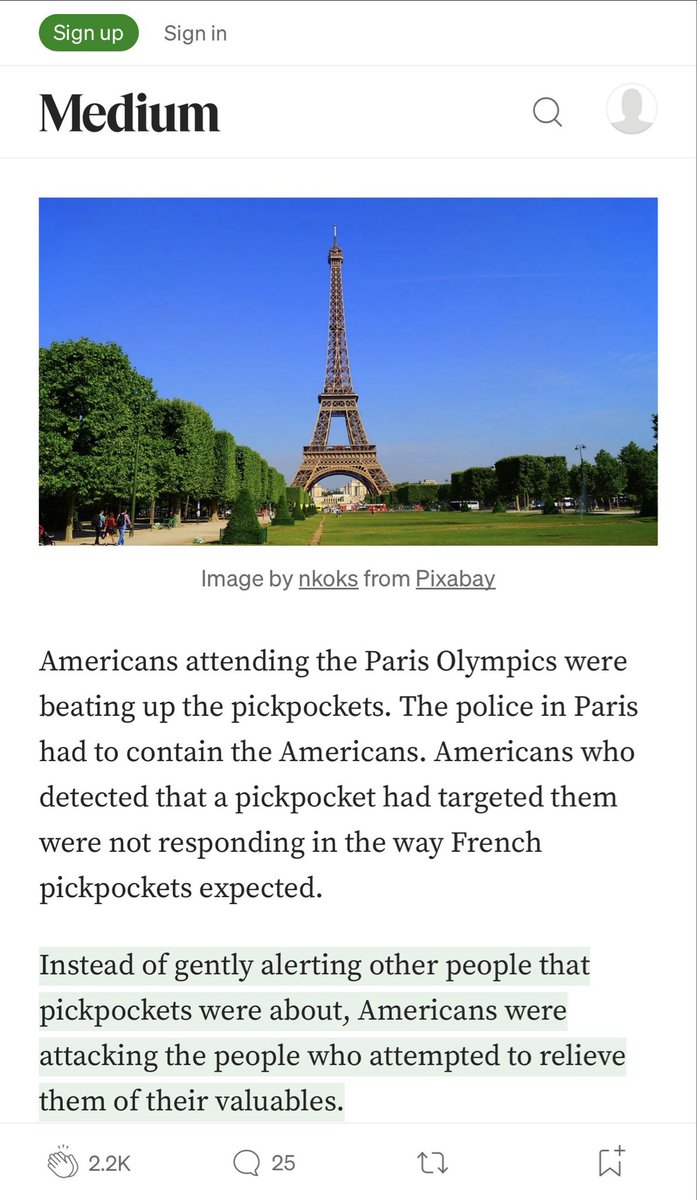
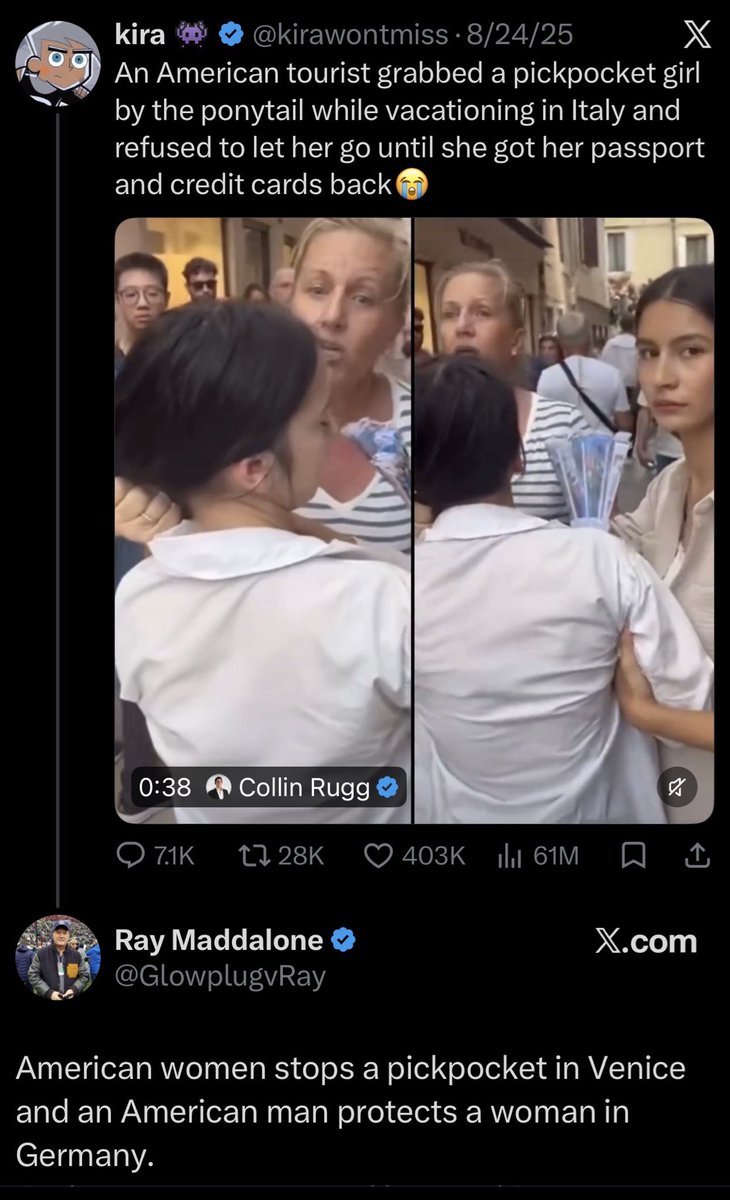
This was on display (& slightly humorously) when, during the Paris Olympics, Parisians seemed to be shocked by Americans’ short tempers & violent resistance to pickpocketers. The police had to put out notices to “please contact them & wait for assistance” or some such plea. The American audience’s response to learning this was to scoff. Obviously, this is a much more mild situation & one that didn’t involve what has essentially worked out to be a conspiracy between criminals & the agencies that are tasked with protecting citizens from them, as it appears the grooming gang scandal is. But, I do think it is a representation of the American ethos towards crime, & how we react to others perpetrating it on us. We feel justified in reacting, including through violence. “Frontier justice” was a thing.
Our moral scaffolding is Christian. This shapes our ideas of justice, righteousness, equality, virtue, tolerance, dignity, & decorum. This Christian scaffolding is more intact & robust in the US, than in the UK. The Christian moral foundation that the US’ constitutional order was built upon informed so much of our culture, despite the US never being founded as a formal Christian state. Americans don’t have to be Christian to adhere to & believe in the foundational truths this moral foundation girds. It’s the same foundation that informed the Western Tradition at large (human rights, free speech, private property, etc.) but America made it explicit & nonnegotiable with its founding.
I believe this American outlook would prevent an American grooming gang scandal, but that would require large amounts of Americans being aware of such scandal happening.


two questions falling out of this for americans
1. why did this not seem to happen in the US; and relatedly,
2. what steps can we take to ensure that this never happens in the US
2
51

The CRUSR starts with a 16.50 match-grade, threaded stainless steel barrel tension-wrapped in carbon fiber for dramatic weight reduction, improved heat dissipation and accuracy. This sits atop a magazine tube that is devoid of the cartridge cutout found on other Henry rifles to keep out dirt and debris. A Diamond-Like Carbon (DLC) is applied to exterior moving parts like the bolt body, trigger, hammer and side loading gate for superior wear and weather resistance and Cerakote is applied to all other external surfaces. Midnight Bronze for the M-LOK handguard and synthetic buttstock and Midnight Blue for all other external surfaces. The receiver-mounted Picatinny rail or the Weaver 63B hole spacing underneath it, the Field Ethos team opted for the reliability of iron sights and the quick target acquisition of a ghost ring rear sight. The muzzle end of the barrel is topped with a brass bead front sight, the base of which is also finished with Cerakote.

7
Mohit Andurkar🇮🇳 retweeted

Environmental conservation has always been integral to India's ethos.
17
57
279
8,233

These two rabbis are here to inform you on morality goyim
By the way... someone ask Johnathan Greenblatt about his time with the Ethos Water company and how they sourced their water from drought stricken California
1
18

Since you’re being so nice (thank you) I’ll take another stab. What exactly was this Cleese/Python ethos? When they weren’t making fun of the Irish, Scots, Belgians, French etc? Bureaucracy, deja vu, the Spanish Inquisition, investment bankers, pet shop owners? Twits? 🤷♂️
4

24m
It’s also simply an extension of their keep the poors out business model which is just antithetical to the ethos of the experience
I really do doubt that outside guests are having that big of an impact on transit or resort experience
And realistically it’s probably them not hiring or rehiring enough bus drivers
One of the times I stayed at a hotel recently I think I waited 40 minutes for a bus and it was a moderate hotel
Not like it was a huge line or anything causing that it’s just they didn’t have enough frequency
Disney used to be the spared no expense park where them kind of doing these extra things was expected because well they’re Disney
Idk I can go on and on
8

There's a lot Polish followers can find compelling in the American Warrior Ethos. I'd say target cultural differences are negligible, no matter how much commies would like to see a wedge put between our cultures.
Thank you for your service! -- from Poland ^_^
2
7


🟢 NZ 🇳🇿 Legacy Media. - The Tax payer funded State broadcaster @rnz_news in keeping with it's ideologically driven ethos is acting more like as the PR agent for NZ Greens.
Expect a lot biased reporting from RNZ.
@MediawatchNZ

1
43