
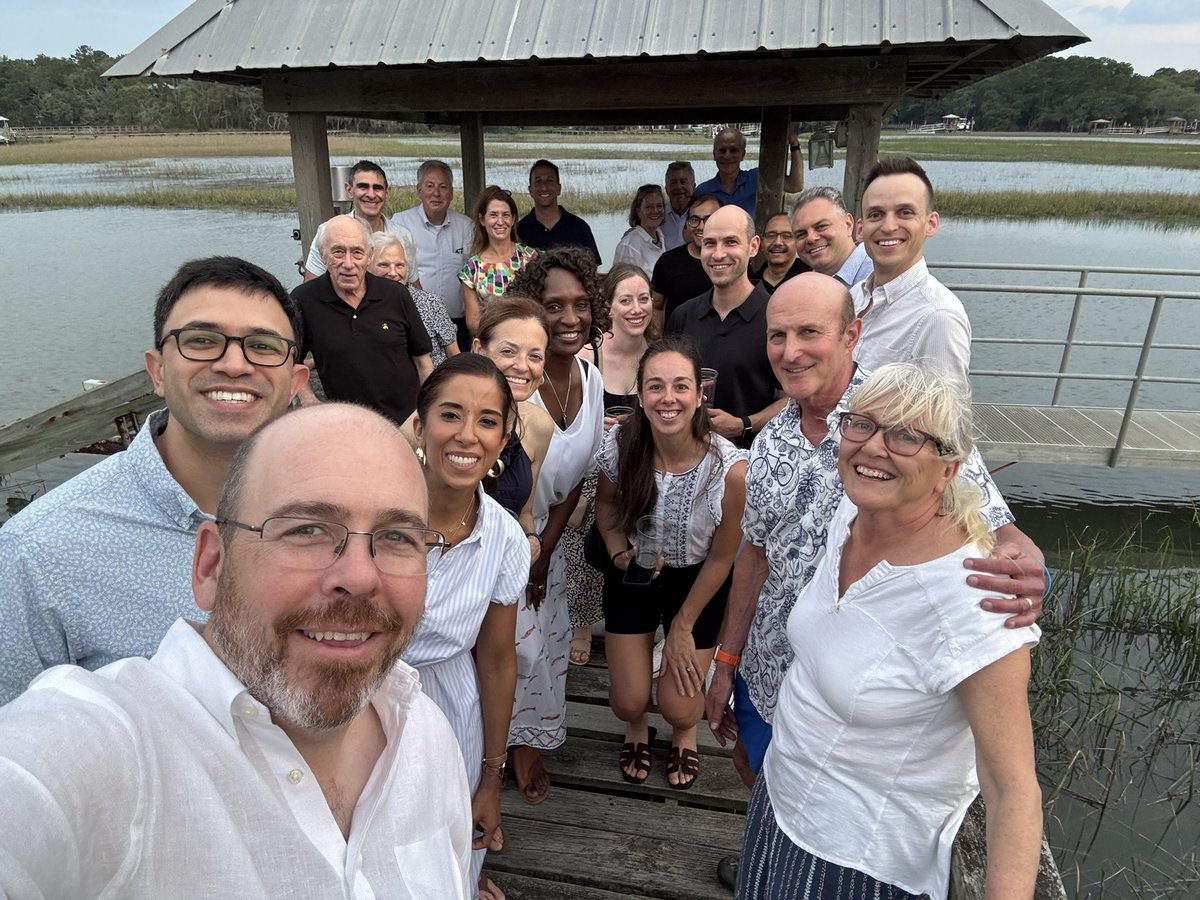
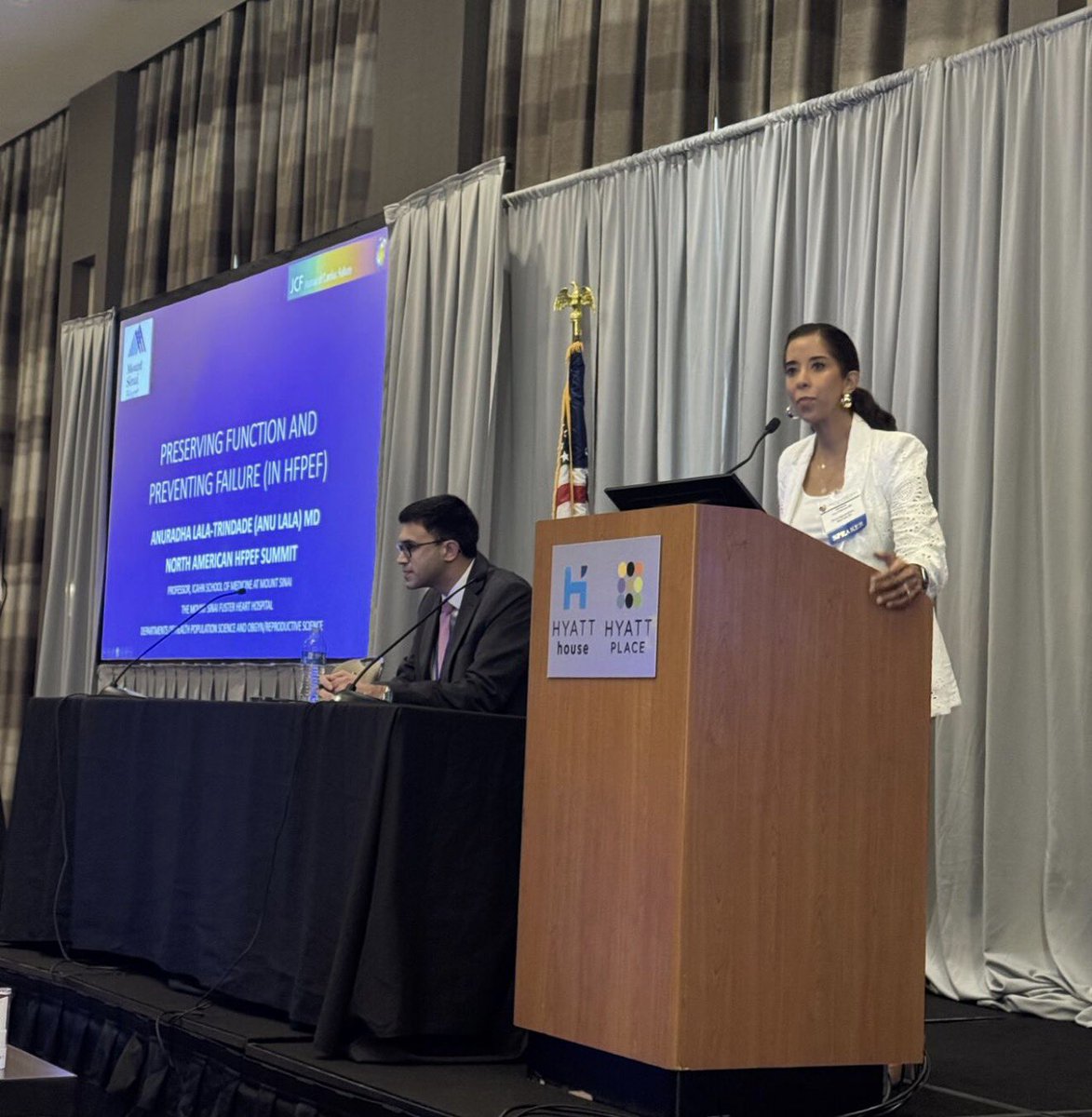
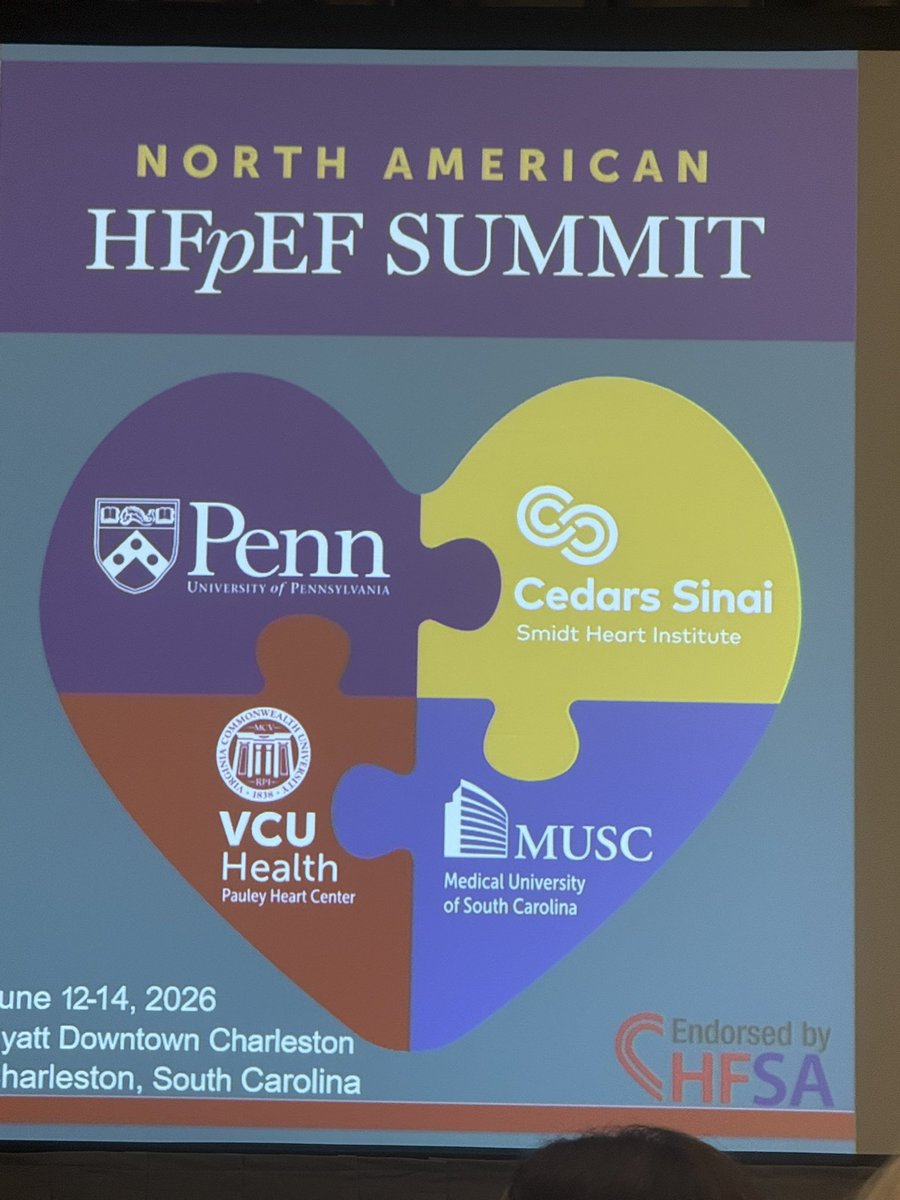
A true delight to be at the North American HFpEF Summit thanks to @LitwinSheldon , #RyanTedford & so many others, speaking on the urgency of HFpEF prevention: proactive screening, assessment & treatment! #FunctionNotFailure - this is our lane, and the clock is ticking!
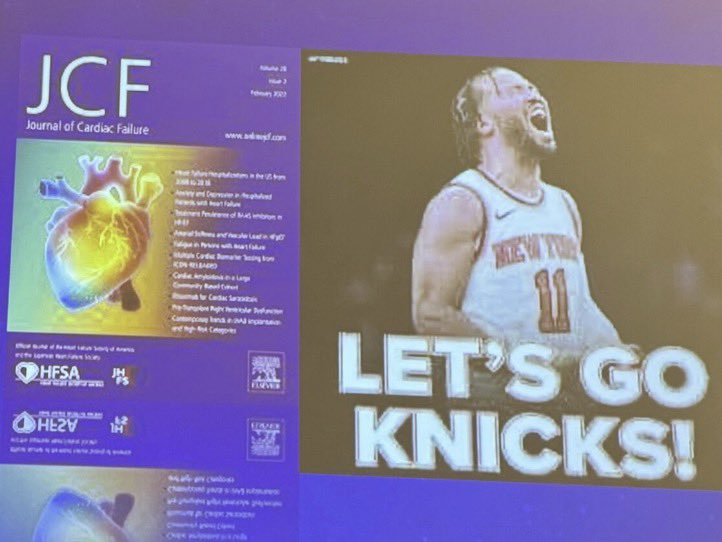
Also, let’s go Knicks (and @JCardFail for 2 sim pubs with the meeting!)🤩
1
10
217
Brilliant work by @PamTaubMD & colleagues @UCSDCardiology
GLP based drugs need to be delivered as a part of a broader comprehensive program to confer the best results!
#FunctionNotFailure

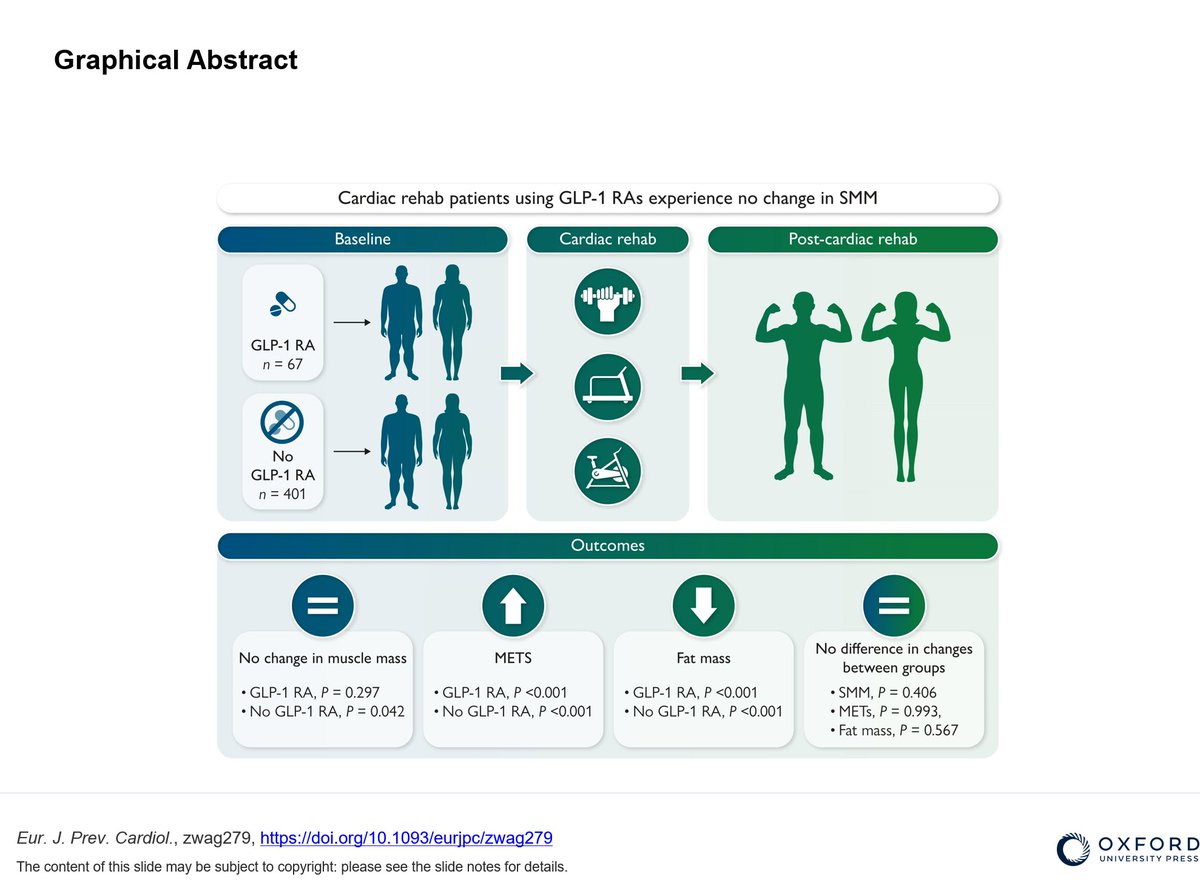
Our new paper is out in the European Journal of Preventive Cardiology #EJPC looking at body composition changes in patients taking GLP-1 receptor agonists while going through our Pritikin intensive cardiac rehabilitation program at @UCSDCardiology
academic.oup.com/eurjpc/adva…
Congratulations to my mentees who led this study: UC San Diego medical students Ian Jennings and Kristine Ly, UCSD undergraduate Mariam Marooki, and research coordinators Gavin McLLaren and @marissadzotsi . Not all weight loss is equal and quality of weight loss matters. When patients lose weight on GLP-1 RAs, the muscle they keep matters just as much as the fat they lose.
Across 468 patients, those on GLP-1 RAs improved their fitness and lost fat while holding their skeletal muscle mass steady. In a structured cardiac rehab setting built around supervised resistance training, aerobic exercise, we did not see the muscle loss that has been a concern with this class of medications.
Just as important, everyone in cardiac rehab improved their fitness by roughly 3 METs, whether or not they were on a GLP-1. That is a meaningful number. Each 1-MET improvement is associated with a 10 to 25% reduction in mortality, so a gain of this size translates into a substantial improvement in cardiovascular outcomes. It is a powerful reminder of what structured cardiac rehab delivers.
The takeaway for preventive cardiology: GLP-1 therapy works best as part of a comprehensive program. Combined with structured exercise and nutrition, patients gain multiple cardiometabolic benefits and preserve the muscle that keeps them strong and functional. We need to utilize cardiac rehab more! @MWilkinsonMD @hsbhatia @dranulala @purviparwani @DrMarthaGulati @VietHeartPA @EJPCEiC @SamiaMoraMD @EugeniaGianos @JamalRanaMD @Bweber04 @MonSangh @ditchhaporia @khurramn1 @MichaelJBlaha @Jcontreras75 @emilyswlau @EmilyManoogian @SatchinPanda
1
2
13
2,075
1
35
2,890

Felt the need to repost this with the correct year!
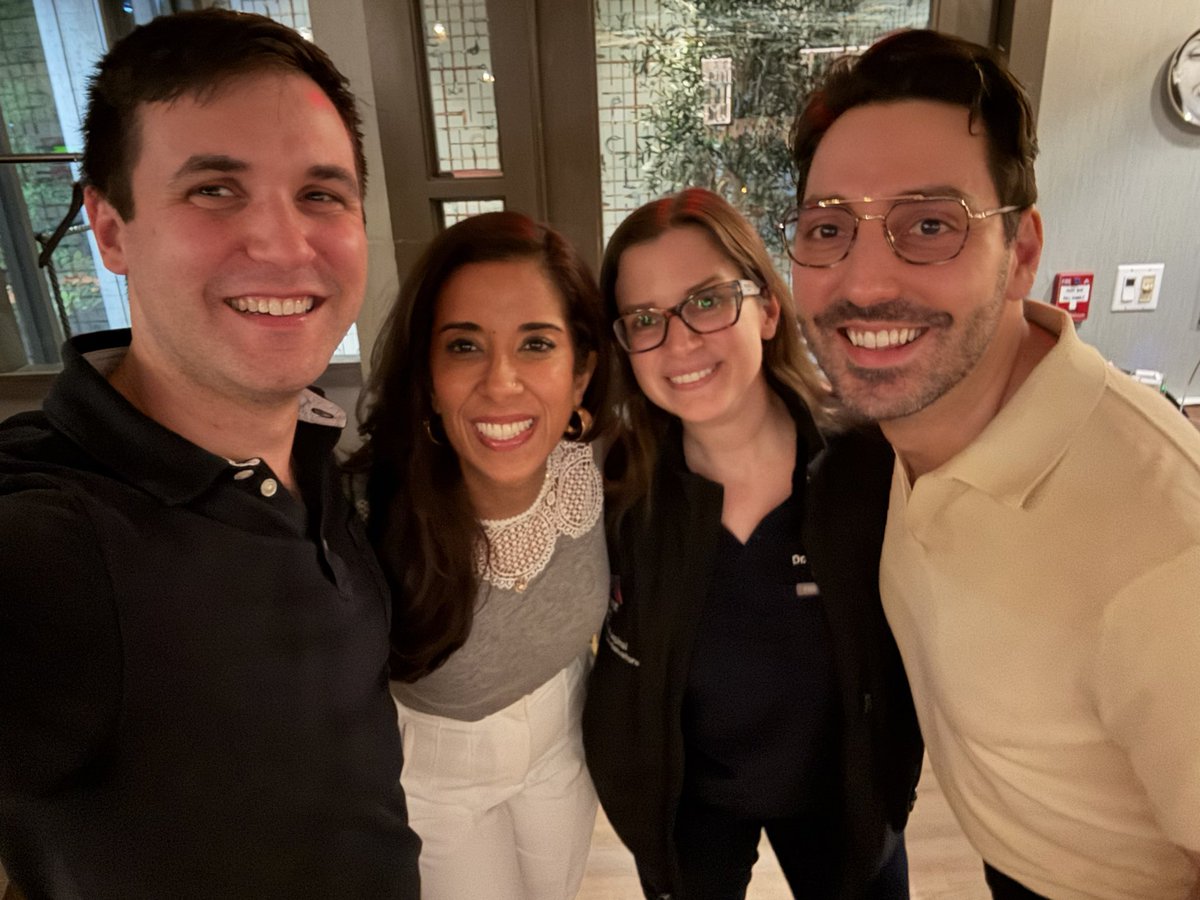
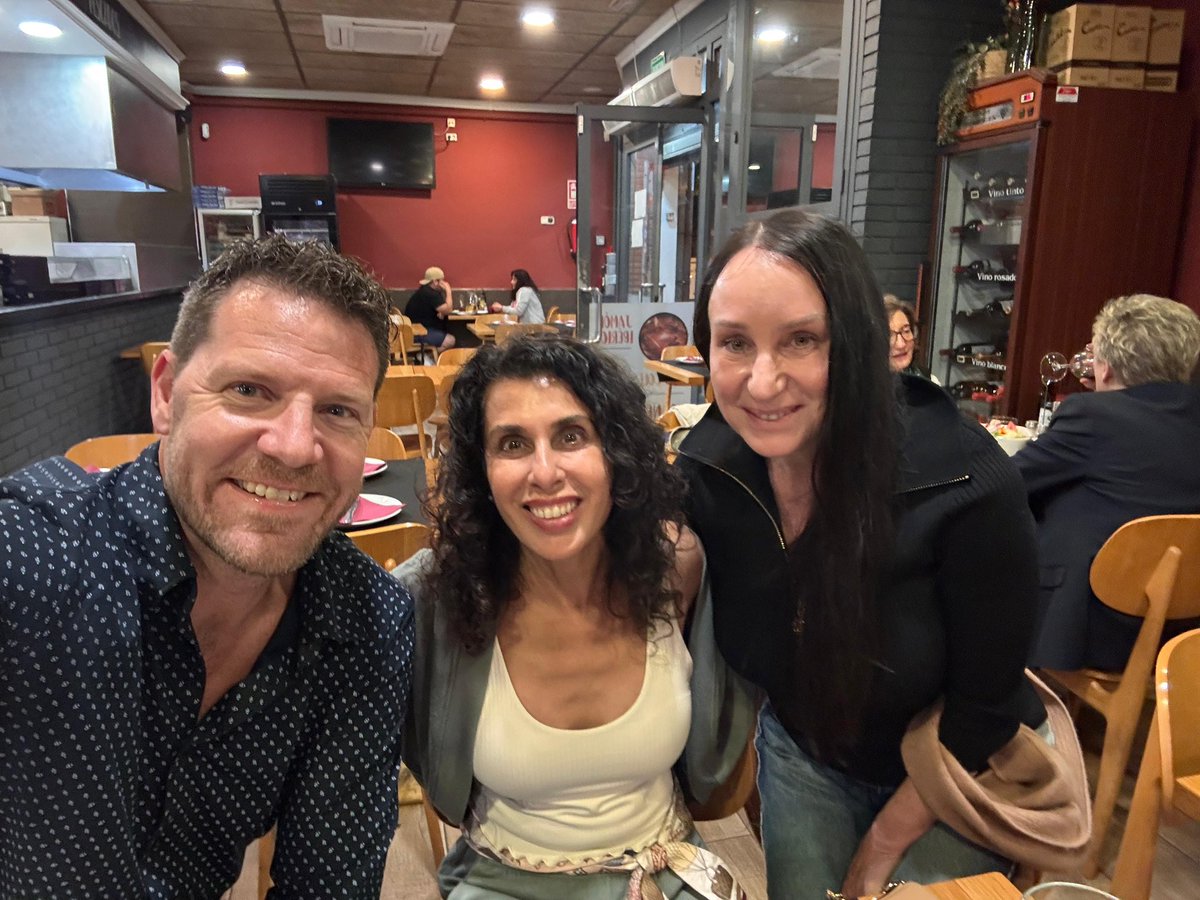
Best part of #HeartFailure26 will always be the people!
Thanks for not letting me fall asleep from jet lag right away @robmentz @ShelleyZieroth @escardio
#functionnotfailure
1
1
33
1,367
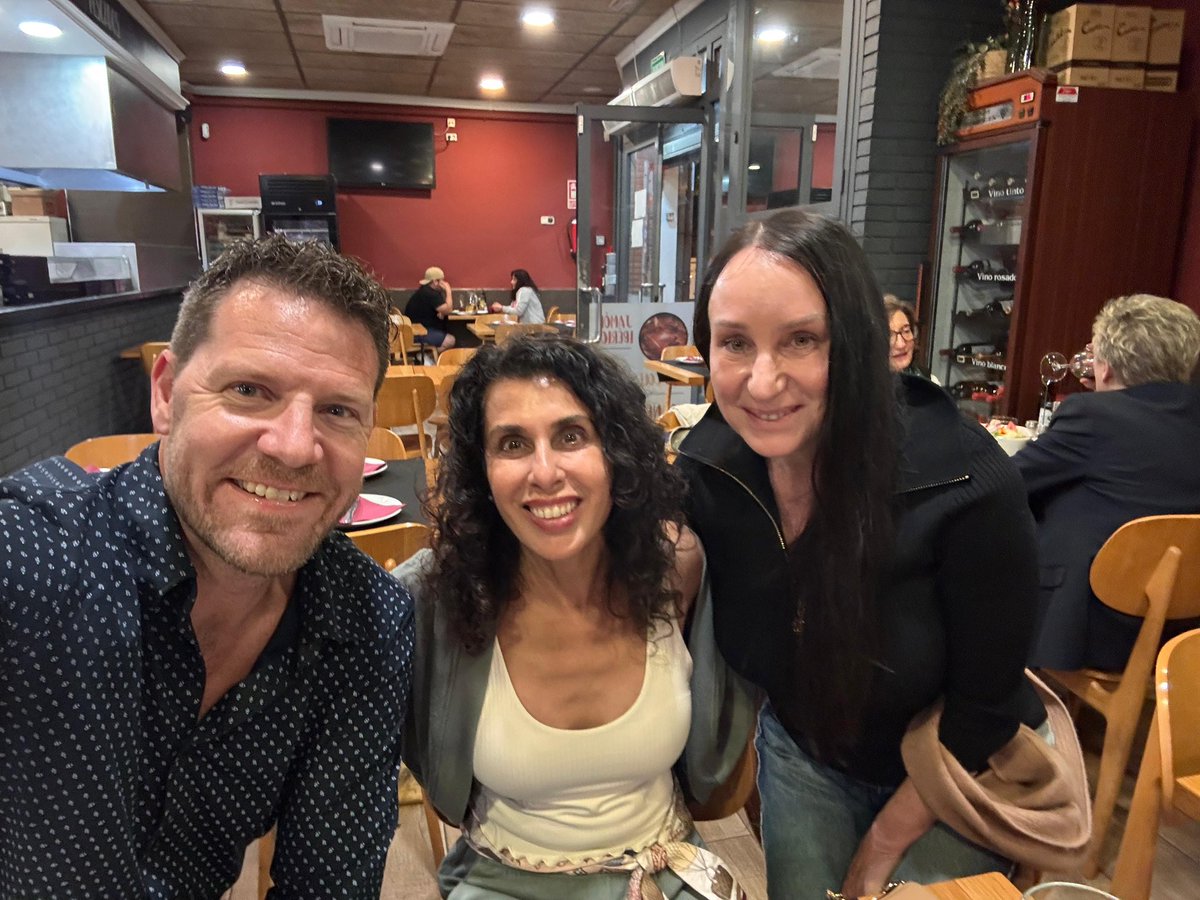
Best part of #HeartFailure2016 will always be the people!
Thanks for not letting me fall asleep from jet lag right away @robmentz @ShelleyZieroth
#functionnotfailure
3
2
49
3,913
This statement!!!!!
Thanks @JCardFail @HFSA for this amazing document to help us all understand #HFmEF
It’s a new era in #heartfunction
#functionnotfailure

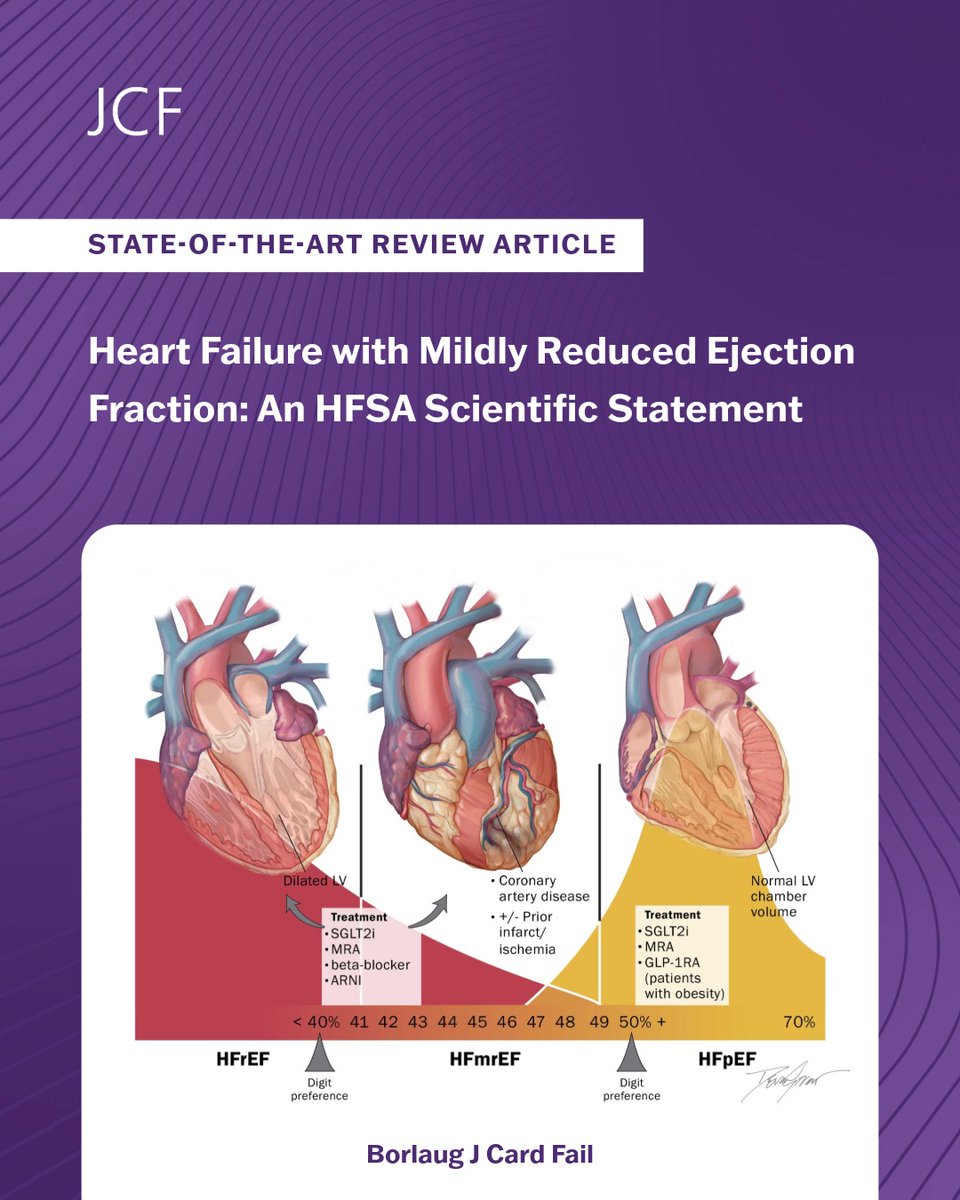
HF with mildly reduced EF (HFmrEF) sits between HFrEF & HFpEF; where does it truly belong?
A new HFSA Scientific Statement examines its epidemiology & pathophysiology & provides a comprehensive management framework for this understudied HF phenotype🫀
🔗 bit.ly/4sKAy21
1
23
61
10,884

Apr 12
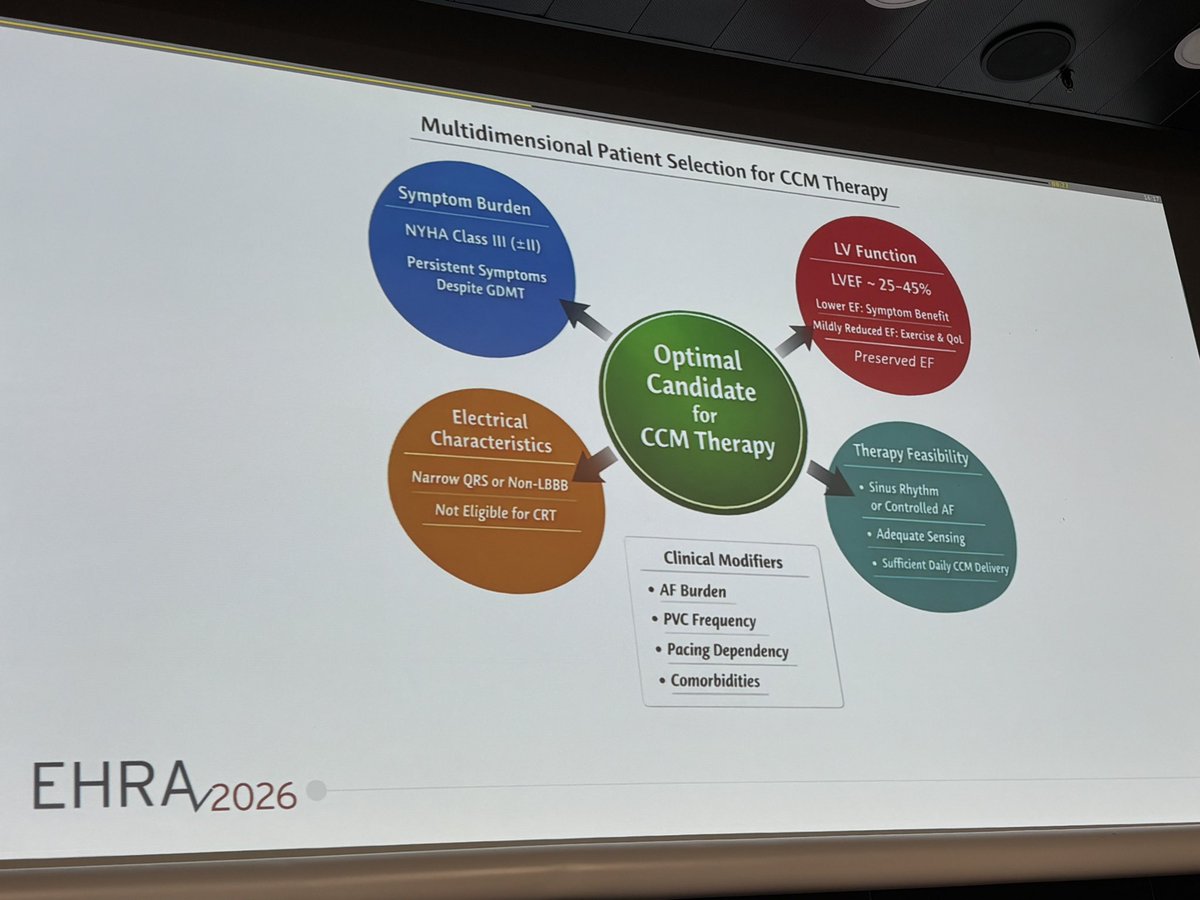
Selection criteria for heart #functionnotfailure patients who might benefit from #CCM - from
Dr. Nadia Apsromonte
#EHRA26
#HF
#cardiaccontractilitymodulation
7
19
1,939
Apr 12
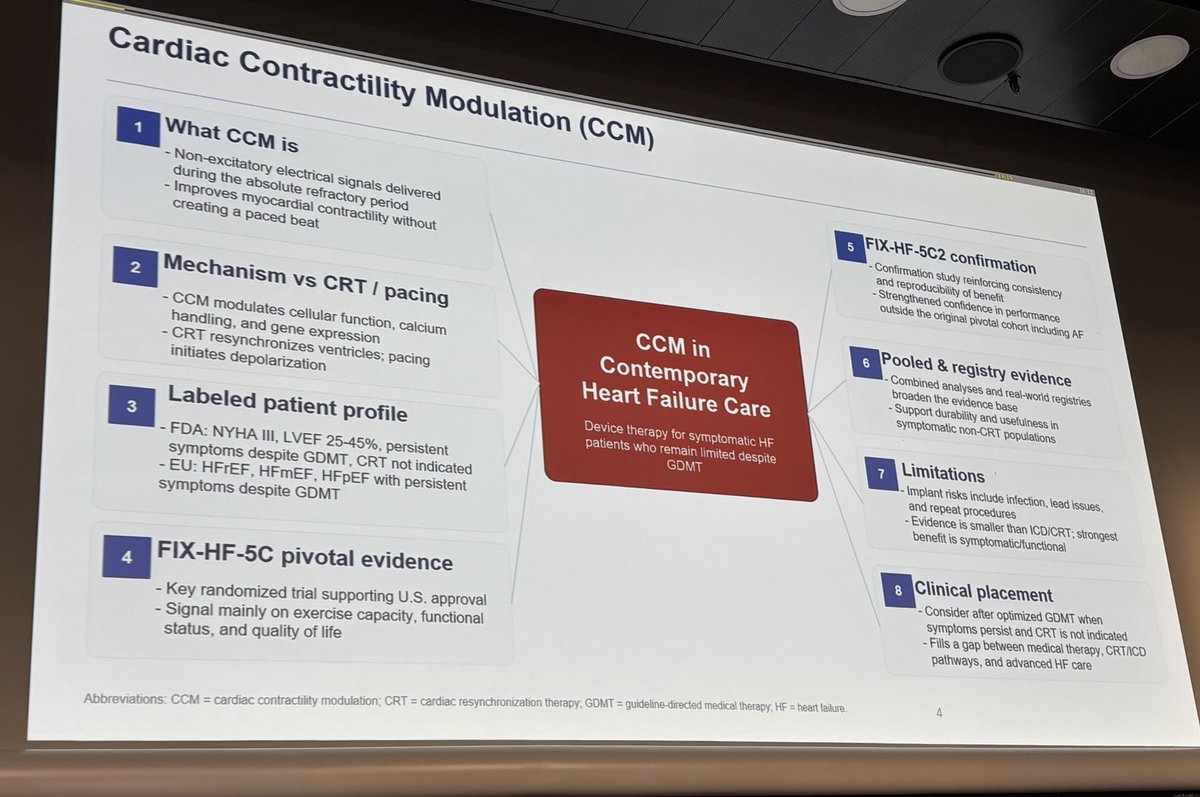
Nice overview algorithm/slide by Dr. Nadia Apsromonte of where #CCM may fit into the treatment of heart #functionnotfailure patients
#EHRA26
#HF
#cardiaccontractilitymodulation
8
20
2,079
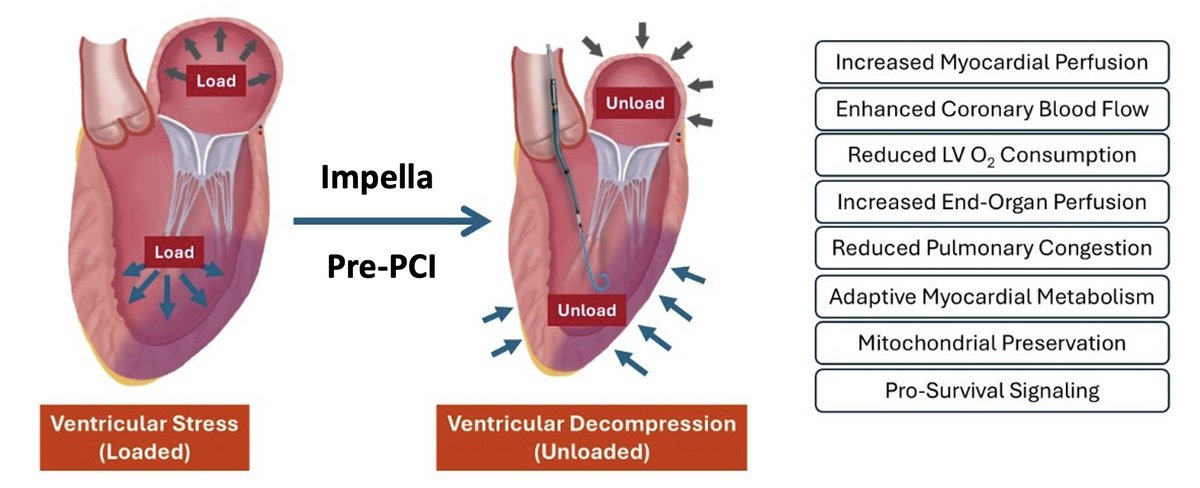
📢STEMI-DTU. Presented today & in @JACCJournals
The need to knows:
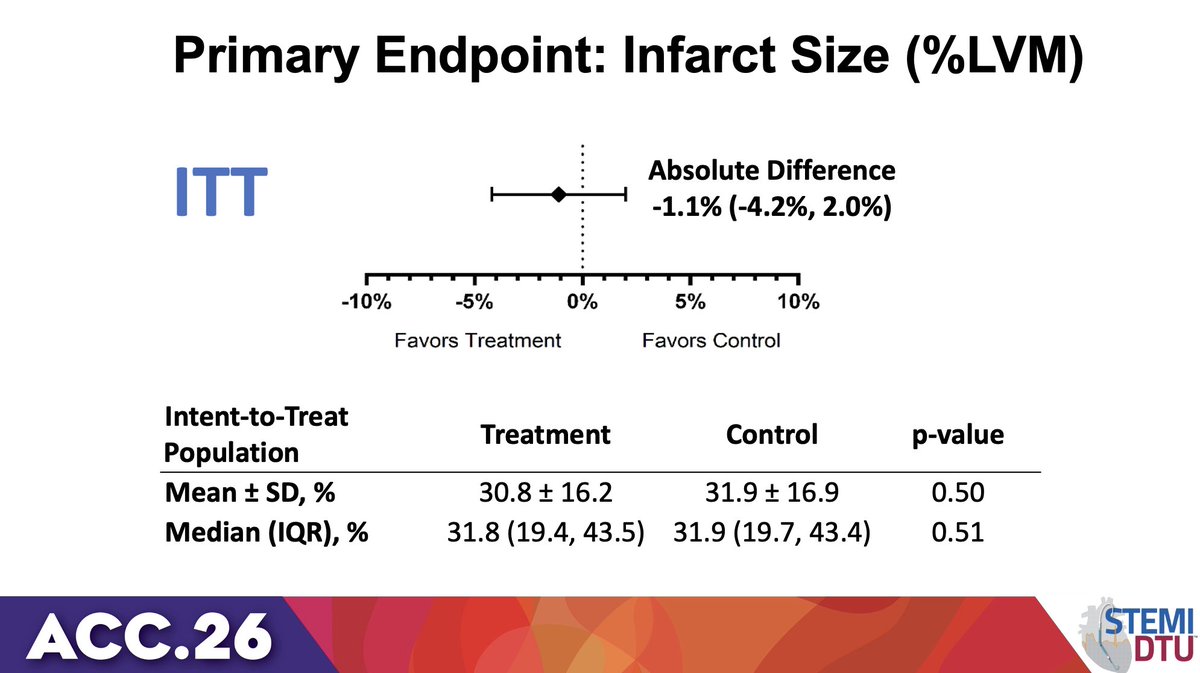
1. Anterior STEMI 🚫shock. (4500 screened, 3800 excluded!) --> 527 pts randomized to
a) Impella CP intentional 30-min PCI delay vs.
b) immediate PCI
2. WHY? 🤔Mechanically precondition the heart before opening the artery to protect myocardium
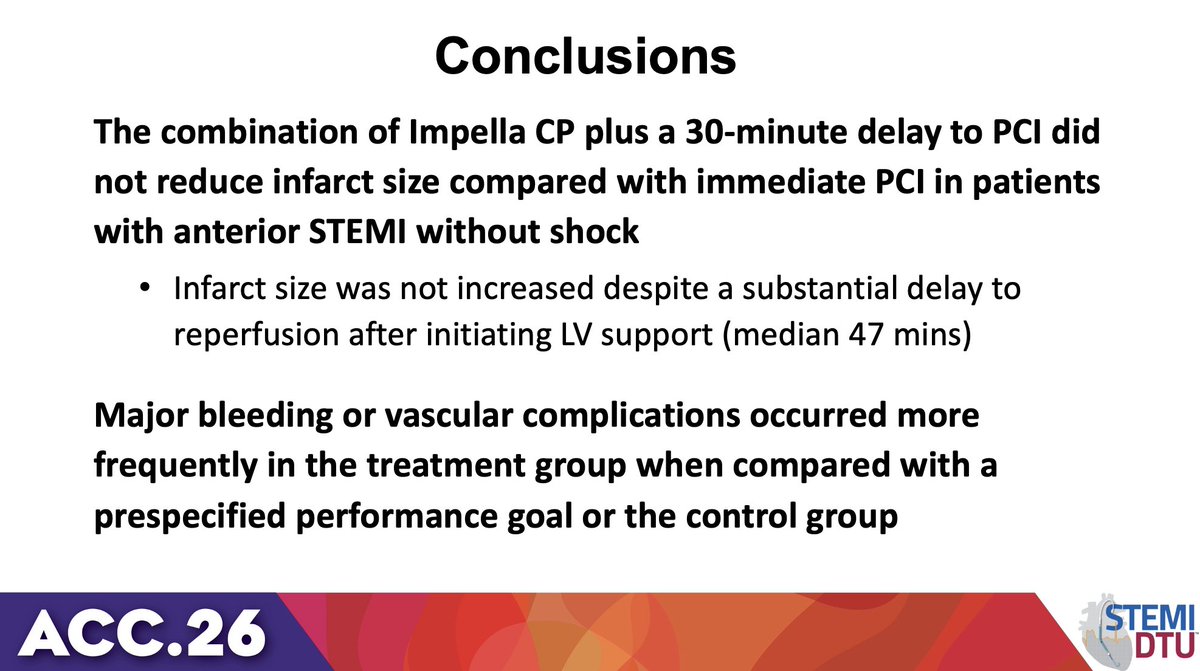
3. RESULT? 📢 Neutral. Infarct size ~31% LV mass in BOTH arms.
BUT — NO ⬆️in infarct size despite ~47 extra min of ischemia!
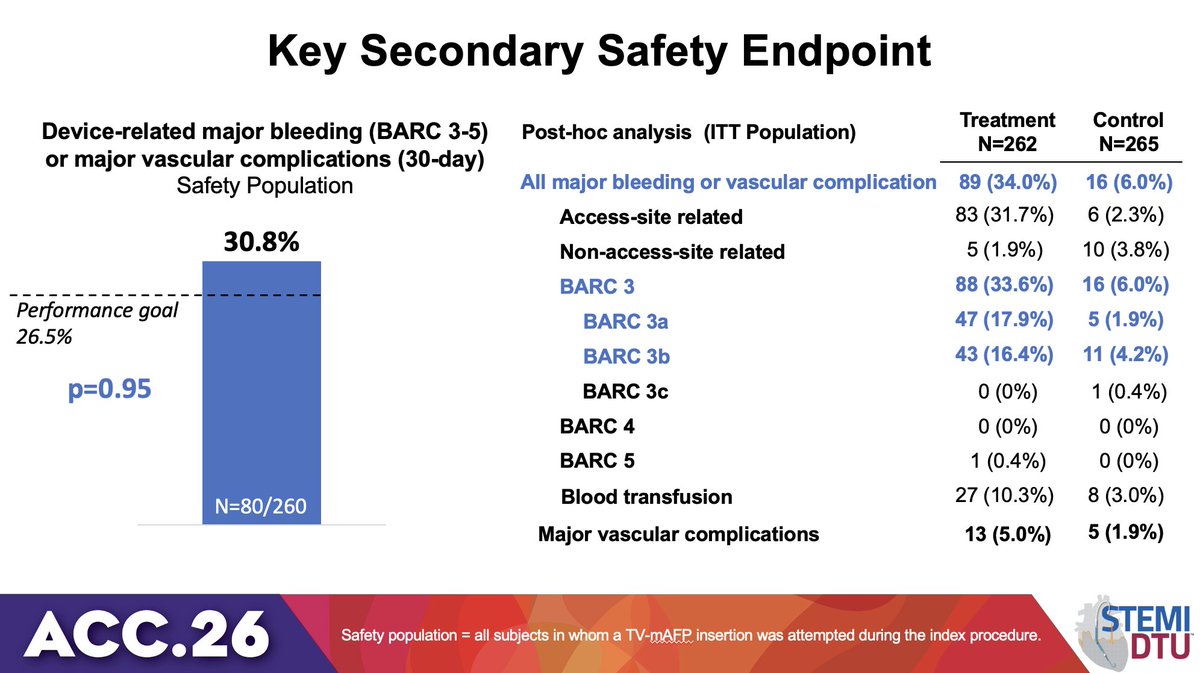
4. SAFETY? 34% major bleeding/vascular complications in Impella arm. US sites: 23%. Outside US: 49%
Next steps? device drug (here pts were hypertensive potentially limiting Impella benefit?) - Optimize afterload before reperfusion?
Why keep going?
BC ~75% of anterior STEMI survivors develop HF within 5 years. So maybe the story isn't over yet...
Want to hear more? Join me at the MEET THE TRIALISTs session today w/@navinkapur at 1130am! ZONE1
#FunctionNotFailure
6
23
66
6,060
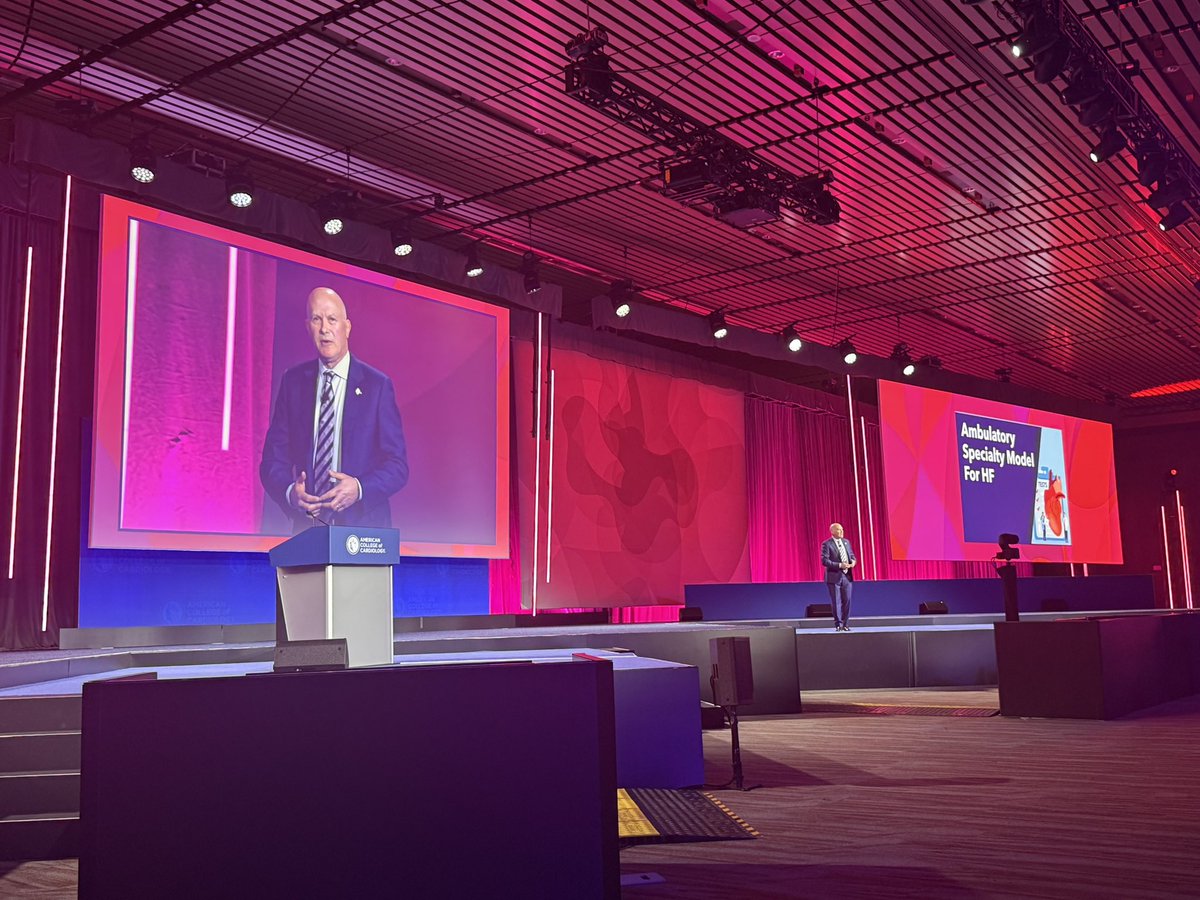
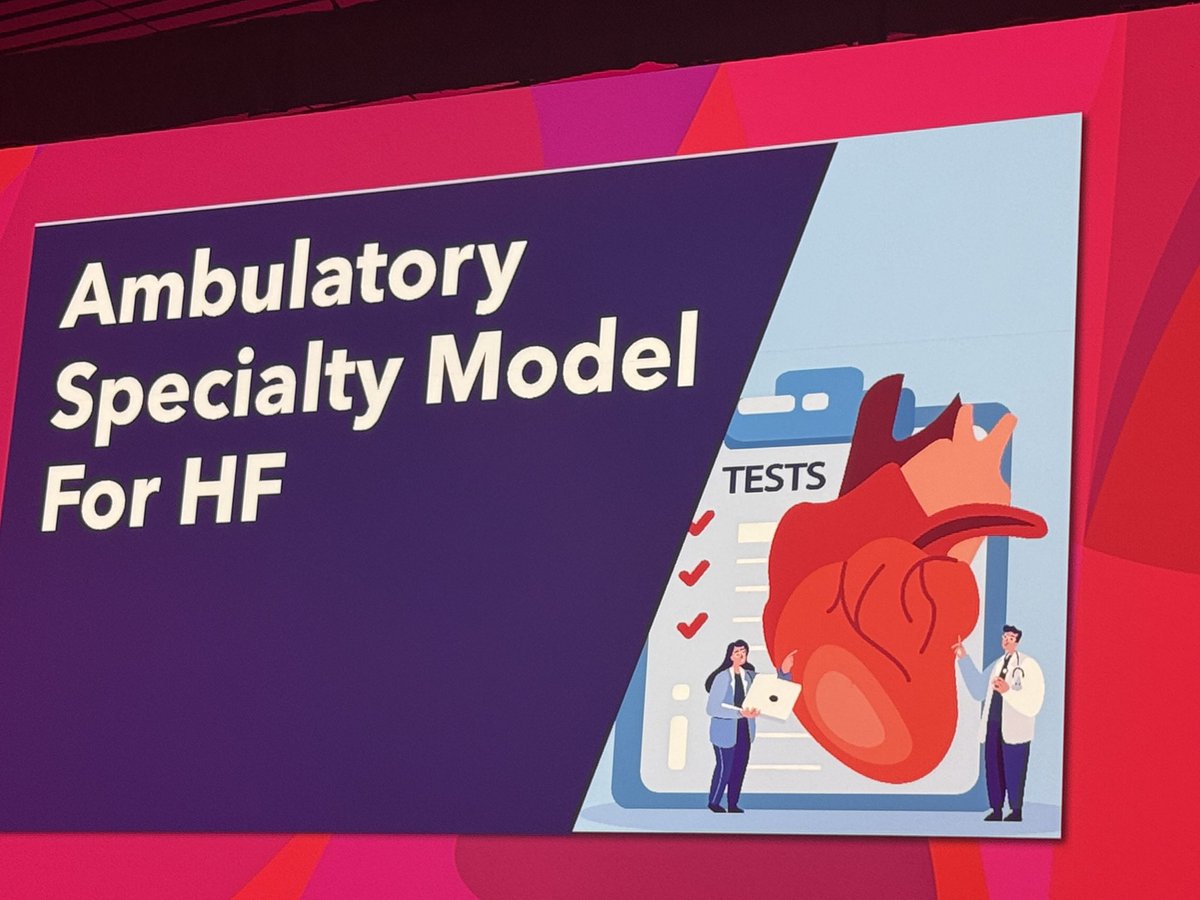
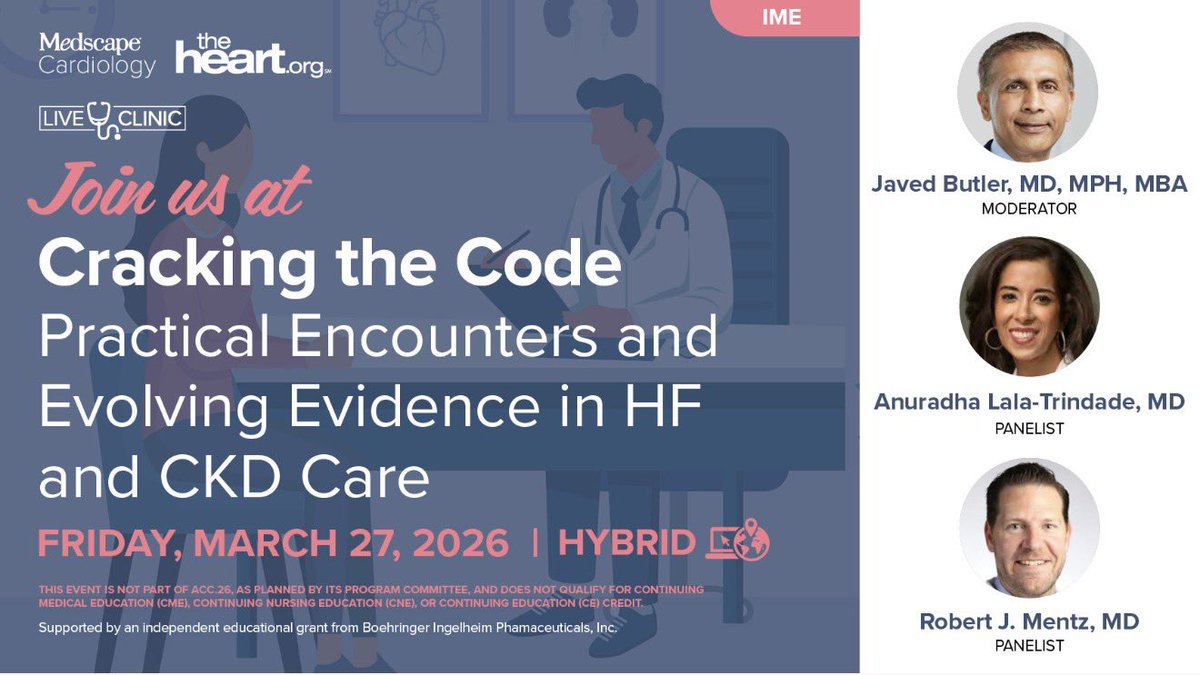
👉👉👉Join us tonight for real-world clinical scenarios at the intersection of #FunctionNotFailure & #CKD
as we discuss solutions and the latest in evidence-based care!!!!
@MedscapeHeart @Medscape
1
7
19
3,517

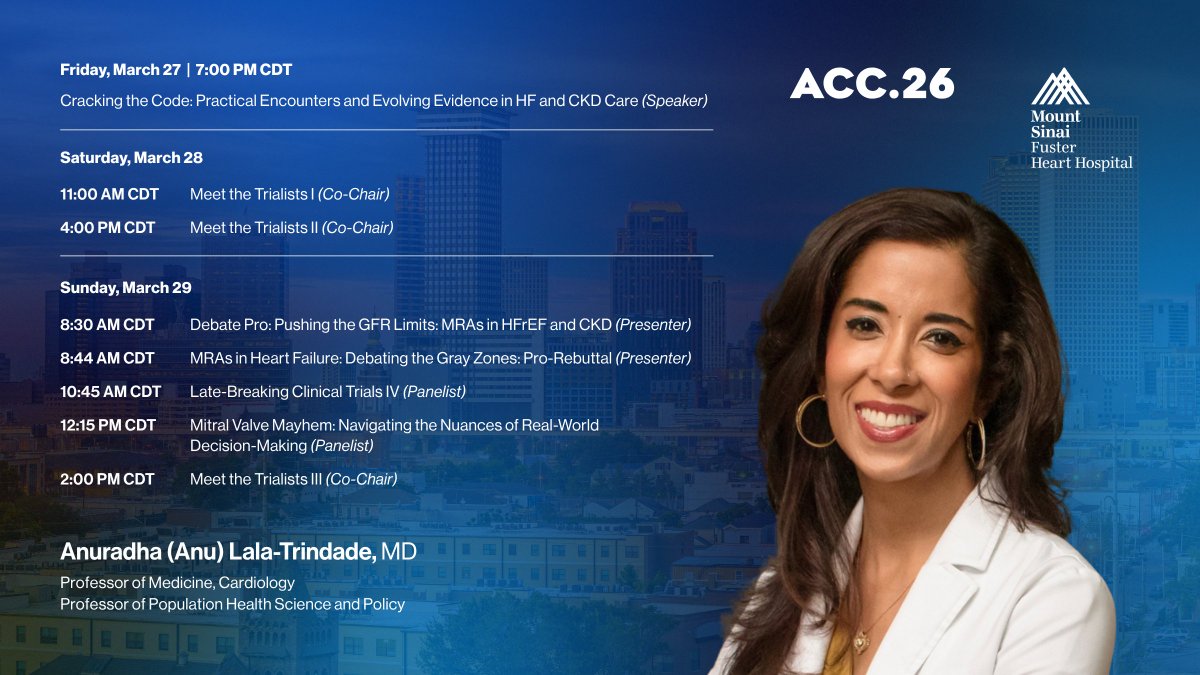
Attend @dranulala's #ACC26 sessions to learn about the latest breakthroughs in cardiovascular care and medicine.
#CardioX #Cardiology #FunctionNotFailure @IcahnMountSinai @ACCinTouch
1
4
23
1,929
Heart failure care is in a remarkable era.
At #THT2026 I spoke with Mandeep Mehra about xenotransplantation, the future of MCS, and an important truth:
Innovation matters.
But so does expanding access to LVAD and transplant today.
Great collaboration with @JCardFail @HFSA and @crfheart . 🫀Stay tuned for more hot takes from JCF at THT!
#FunctionNotFailure @robmentz @ShashankSinhaMD @jozinetm @AndrewJSauer @RyanTedfordMD @noshreza @JasonKatzMD @preventfailure @DrMarthaGulati @SantosGallegoMD
At the Technology and Heart Failure Therapeutics (#THT2026) Meeting, co-EIC @dranulala sat down with Mandeep Mehra for a rapid 2-minute JCF soundbite on the evolving landscape of advanced heart failure therapies.
🧵👇
9
20
3,477
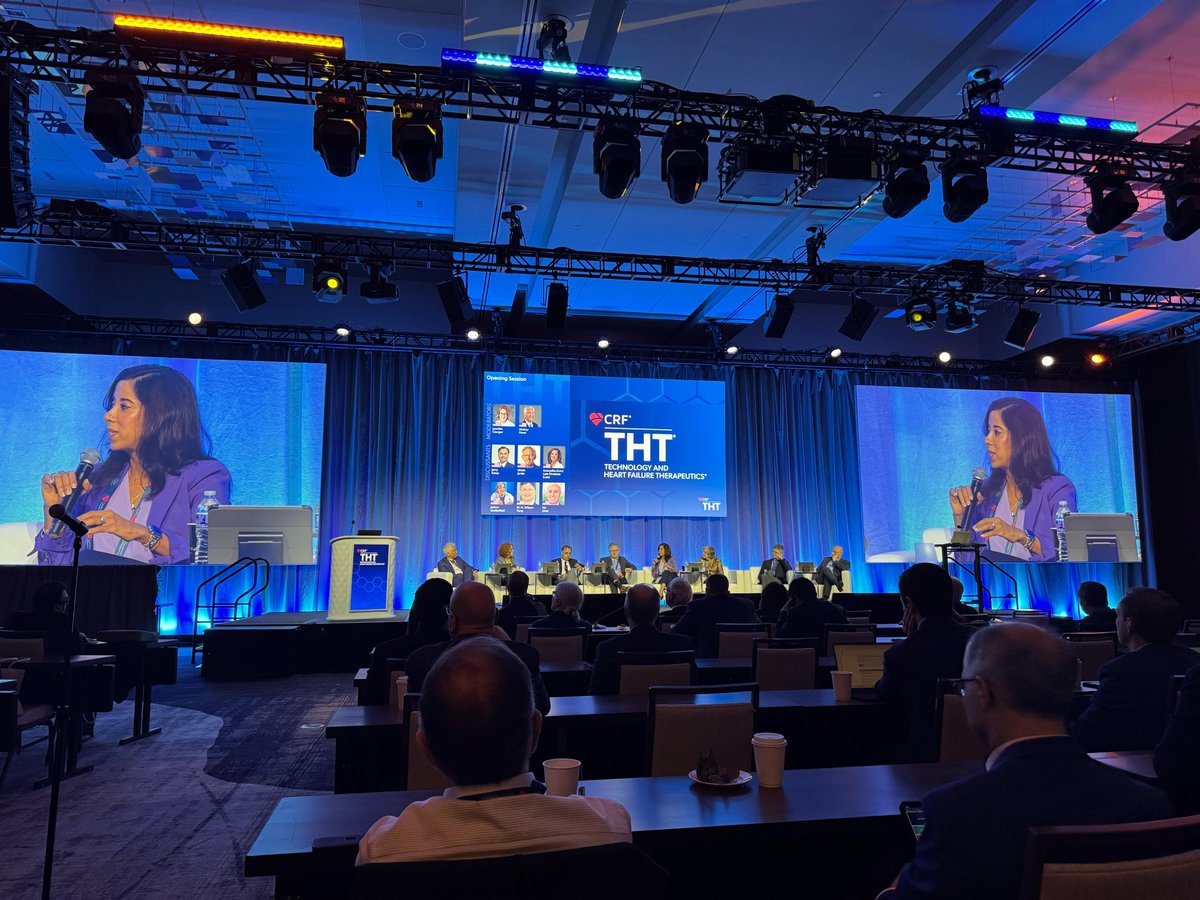
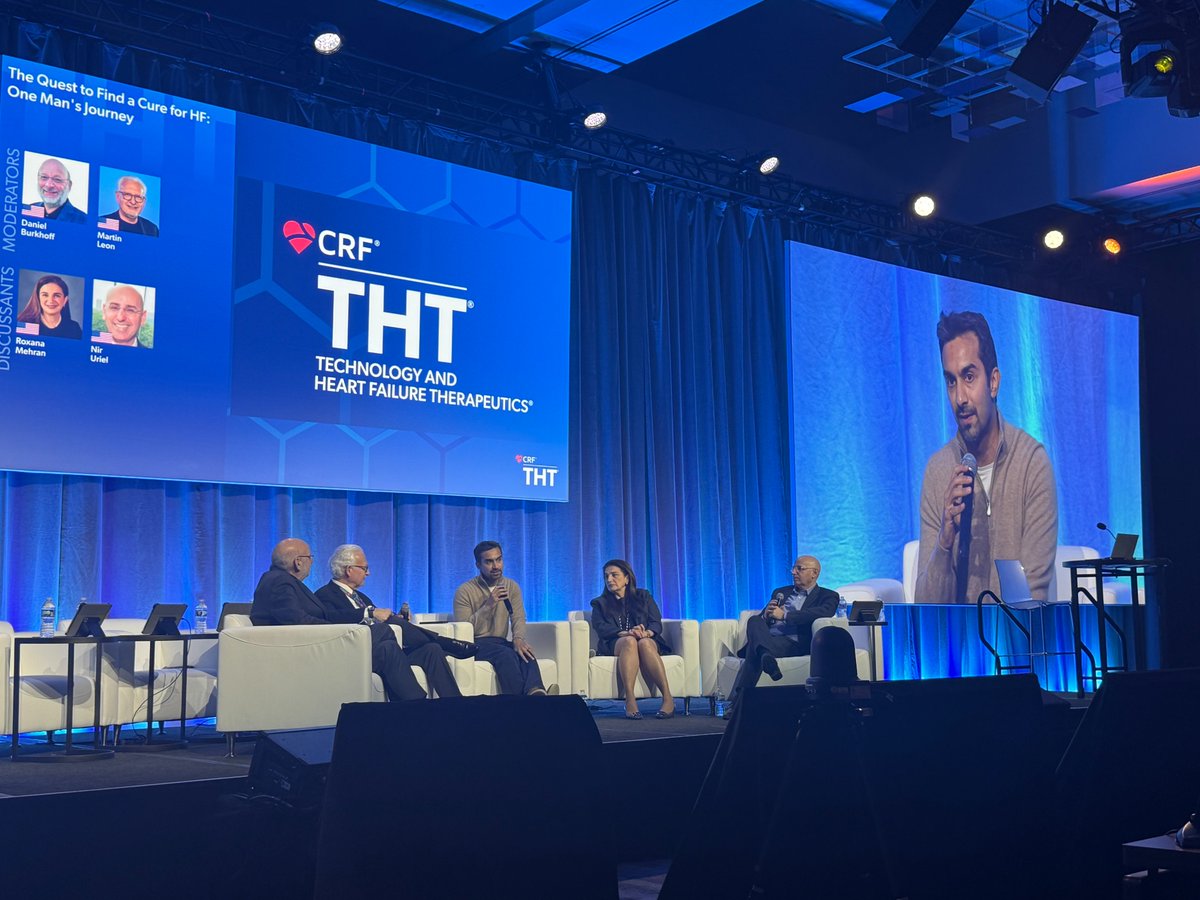
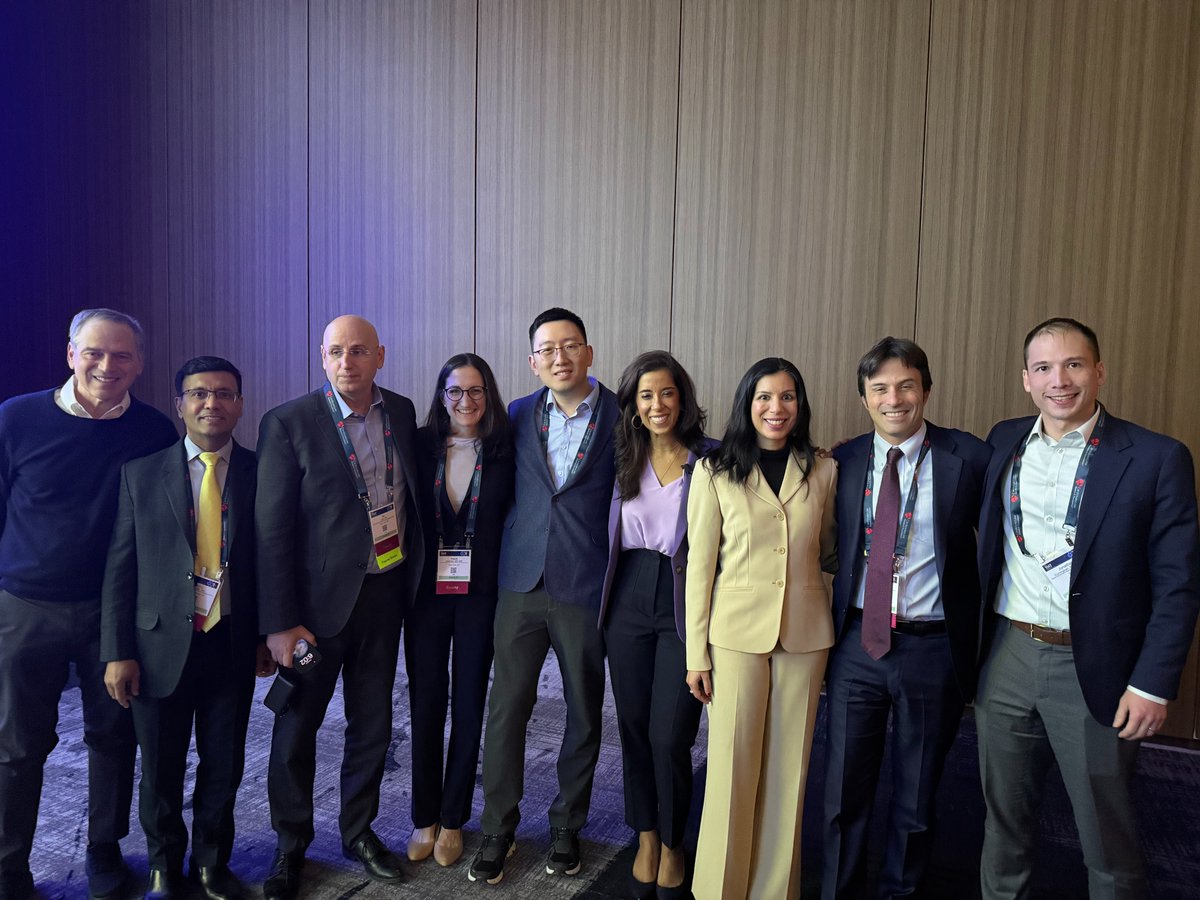
#THT2026 in Boston was a🌟reminder of how fast the field of #FunctionNotFailure is evolving — and how much possibility lies ahead when clinicians, scientists, engineers, trainees & innovators come together
A few highlights that stayed with me:
🌟incoming @ACCinTouch president @Drroxmehran interviewed keynote speaker @apoorva_mehta on purpose 🙌
🤖 AI in Heart Failure
No longer theoretical. From risk prediction to remote monitoring and phenotyping, the question is not “CAN AI help?” — it’s HOW do we implement it thoughtfully & responsibly? Great panel w/@hmkyale @AmiBhattMD & others
🌊 Decongestion in Acute HF
“Just get the fluid off.” Sounds simple… but is far from it. Hospitalization for acute HF is THE critical window to rethink the whole picture — comorbidities, follow-up, and GDMT optimization.
🧬 Xenotransplantation & the next chapter of MCS-
Some of the most forward-looking discussions. Durable MCS must reach the people who need it alongside innovation, and xenotransplantation is moving closer to clinical reality with kidney leading the way 🐖🫘🫀
🏆 Fellow Abstracts
Always a highlight. The next generation of investigators brought incredible science and energy. Our field is in good hands. #ACCFIT
🎥 Coming soon: short video soundbites recorded with @crfheart @HFSA and @JCardFail — sharing key insights from the meeting.
Grateful to be part of a community pushing the boundaries of what’s possible for patients living with HF, massive thanks to @BurkhoffMd for his vision and leadership. #FunctionNotFailure
2
8
42
2,378
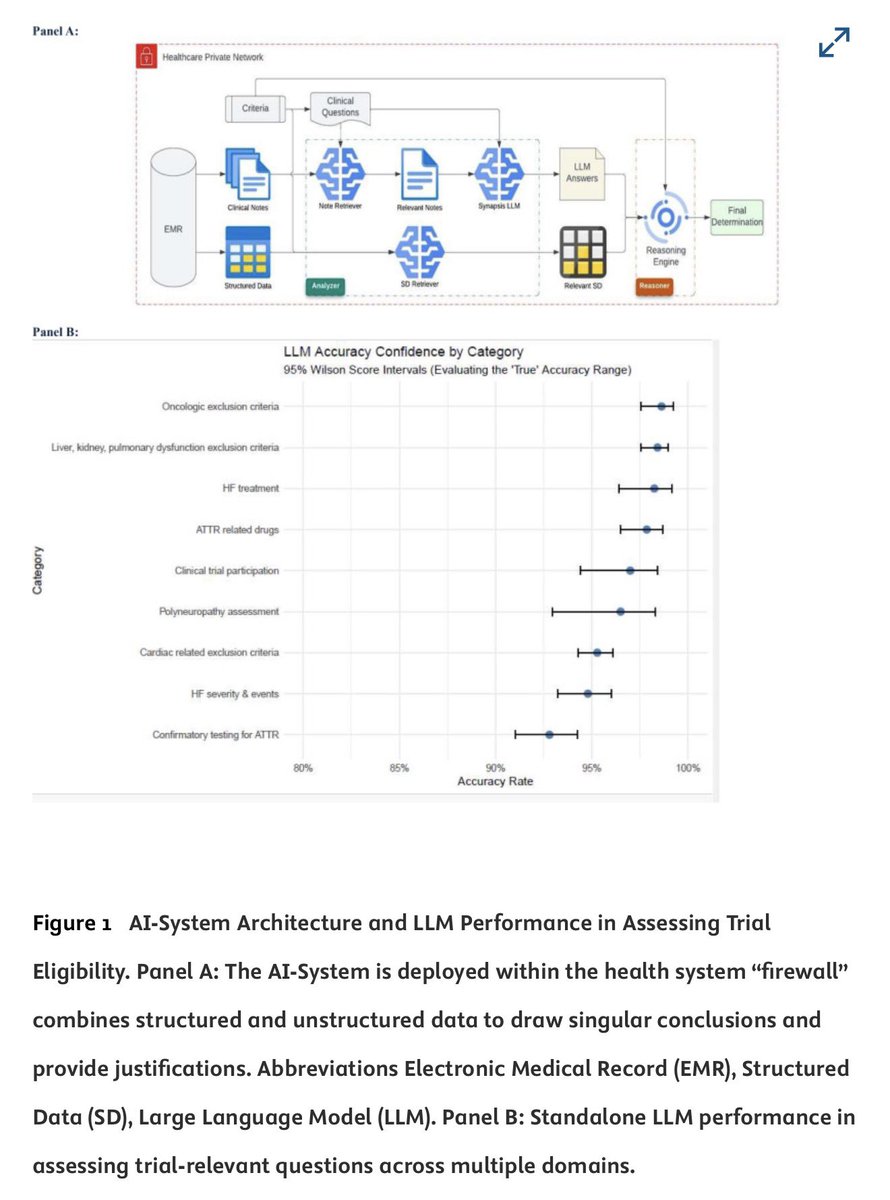
🔥Real time AI use to ⬆️ clinical trial screening efficiency & enrollment! Sim pub @#THT2026 by @tremartyn et al.
🫀 AI-powered chart review for ATTR-CM trial eligibility —
🤖 1,476 EMRs processed in just 6 days
🎯 96% accuracy vs physician review
📋 99% NPV — rejection almost always appropriate
👀 97% eligible patients missed by routine screening
⚕️ 60% not even connected to a HF doc!😱
🏾 37% Black patients identified vs 7% through standard recruitment
✅ Clinician-in-the-loop kept it safe actionable
AI finding patients we miss. The future of equitable trial enrollment?🙏🏽 @JCardFail
onlinejcf.com/article/
#FunctionNotFailure @hfcollaboratory
1
13
20
2,339
Milton Packer listening to an AI HFpEF avatar talk about the adipokine hypothesis at #THT2026 Our new world 🙃#FunctionNotFailure
1
6
28
3,205
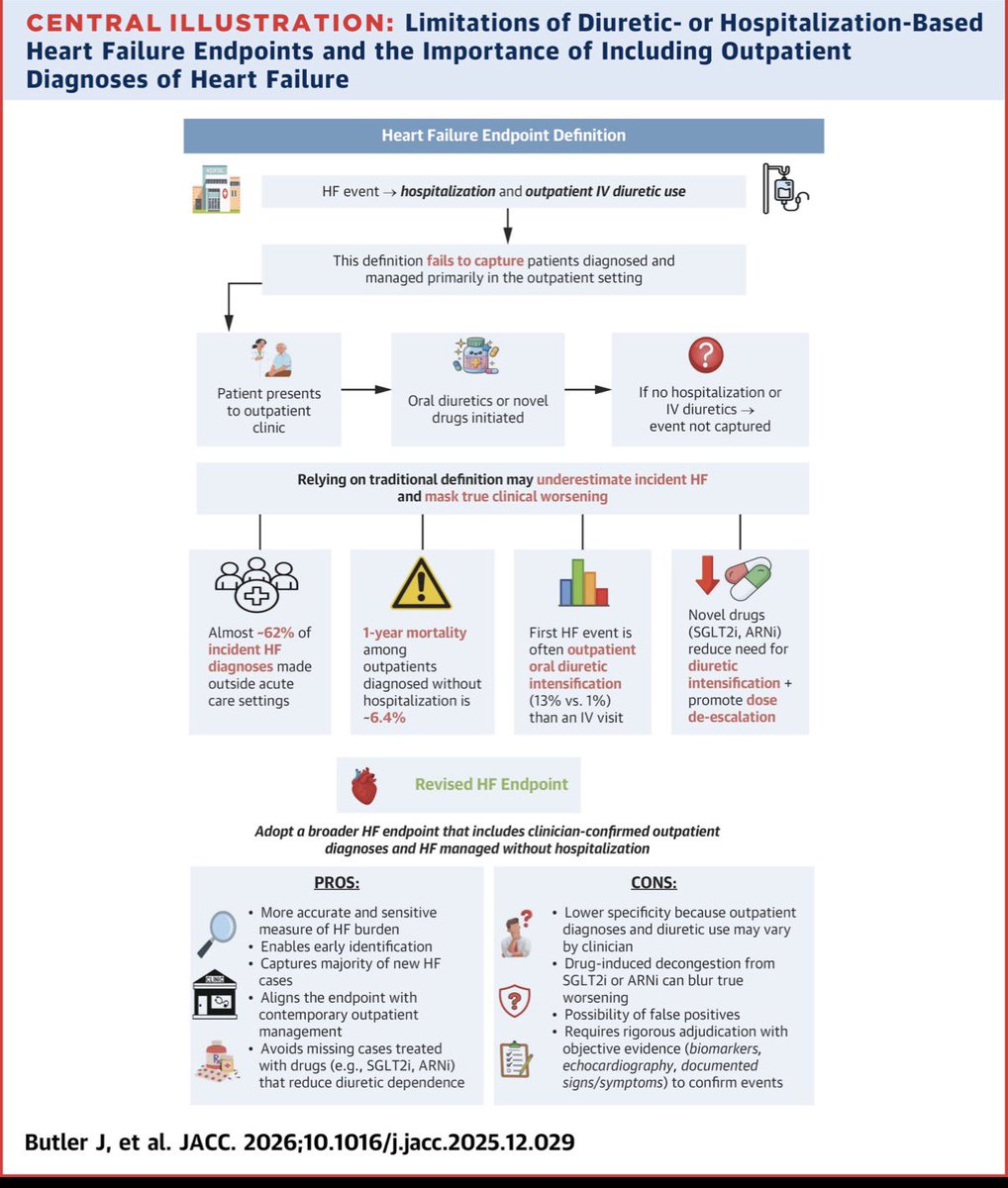
Heart Failure Prevention: Evidence Generation, Trial Design, and Regulatory Pathways
#heartfailure #heartfailureawareness #CVprev @JavedButler1 #functionnotfailure
🙏🏽 for including me in this important paper leading the pathway ahead
@JACCJournals
📎 shorturl.at/Omv9e
3
14
57
3,196
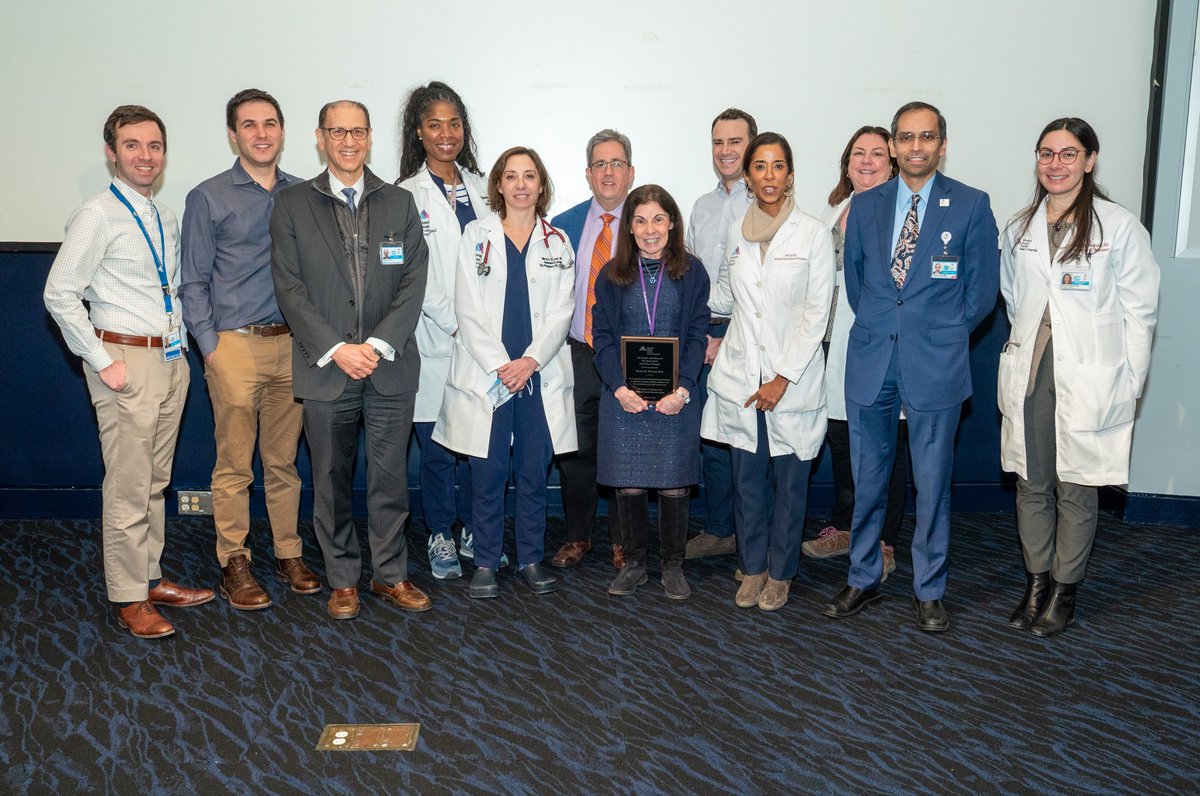
The inaugural Donna Mancini Cardiology Grand Rounds @MountSinaiHeart with none other than @texhern speaking about the challenges and potential of harnessing AI for clinical trial success! A proud moment for our whole #FunctionNotFailure team! What a legacy @DonnaMancini11 ❤️@DLBHATTMD @IcahnMountSinai @DCRINews
2
1
32
1,624
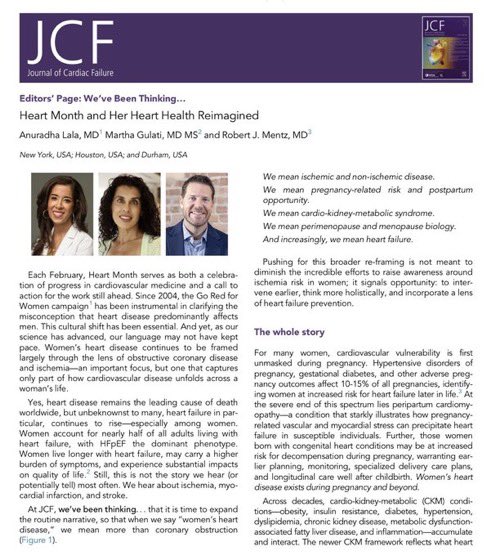
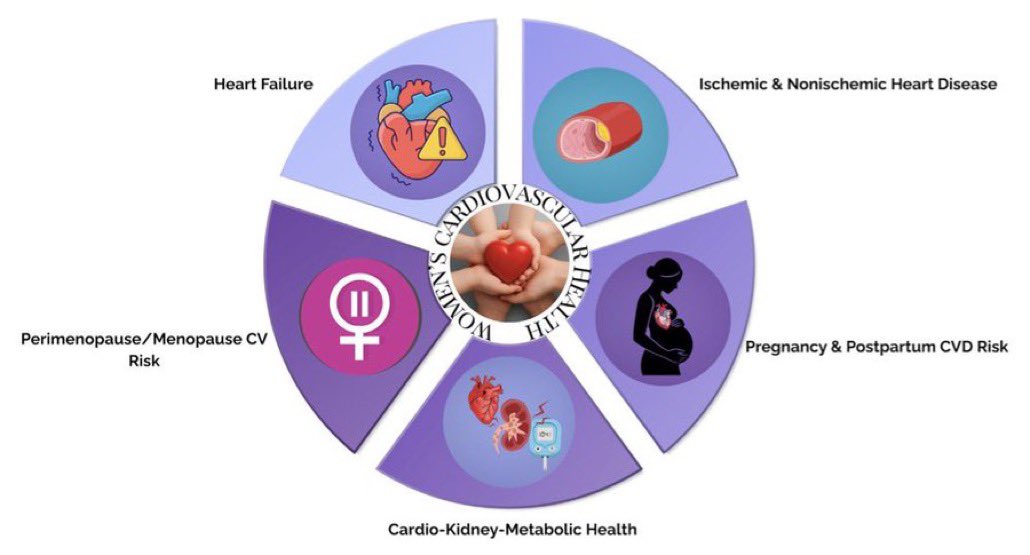
Our editorial in @JCardFail @dranulala @robmentz
“Heart Month & Her Heart Reimagined”
We speak of #GoRedforWomen & CAD but we need to start thinking about Her Heart & #HeartFailure #HeartFunction across the lifespan #functionnotfailure #CVprev
🙏🏽 Anu & Rob for including me in this important piece ♥️
📎 shorturl.at/TtJq4
11
52
2,366
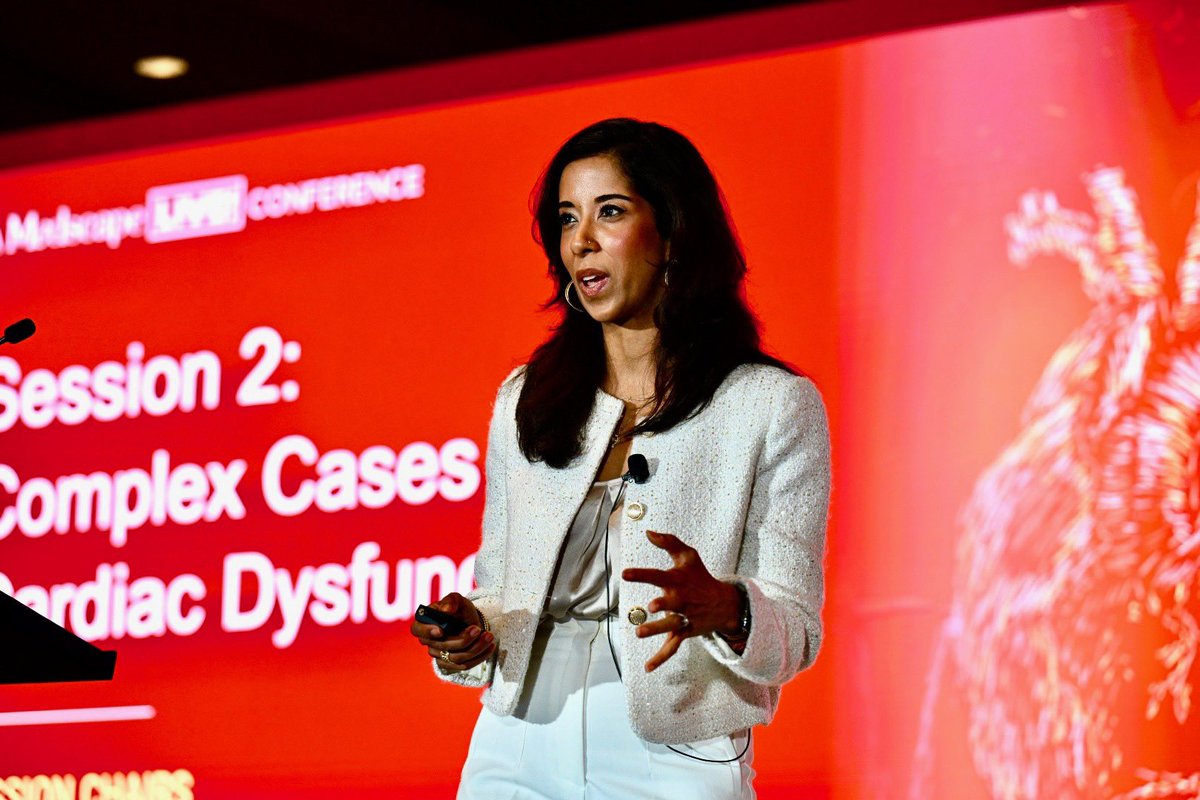
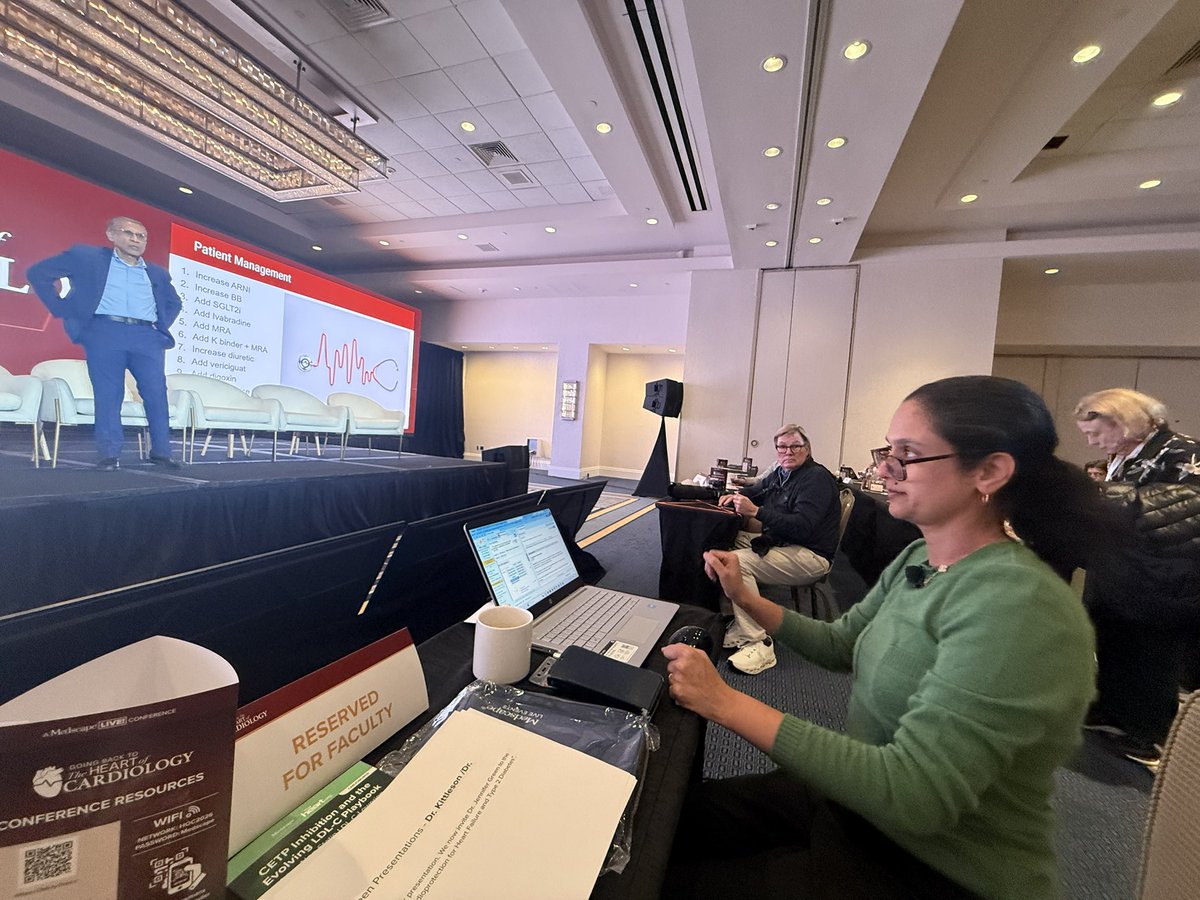
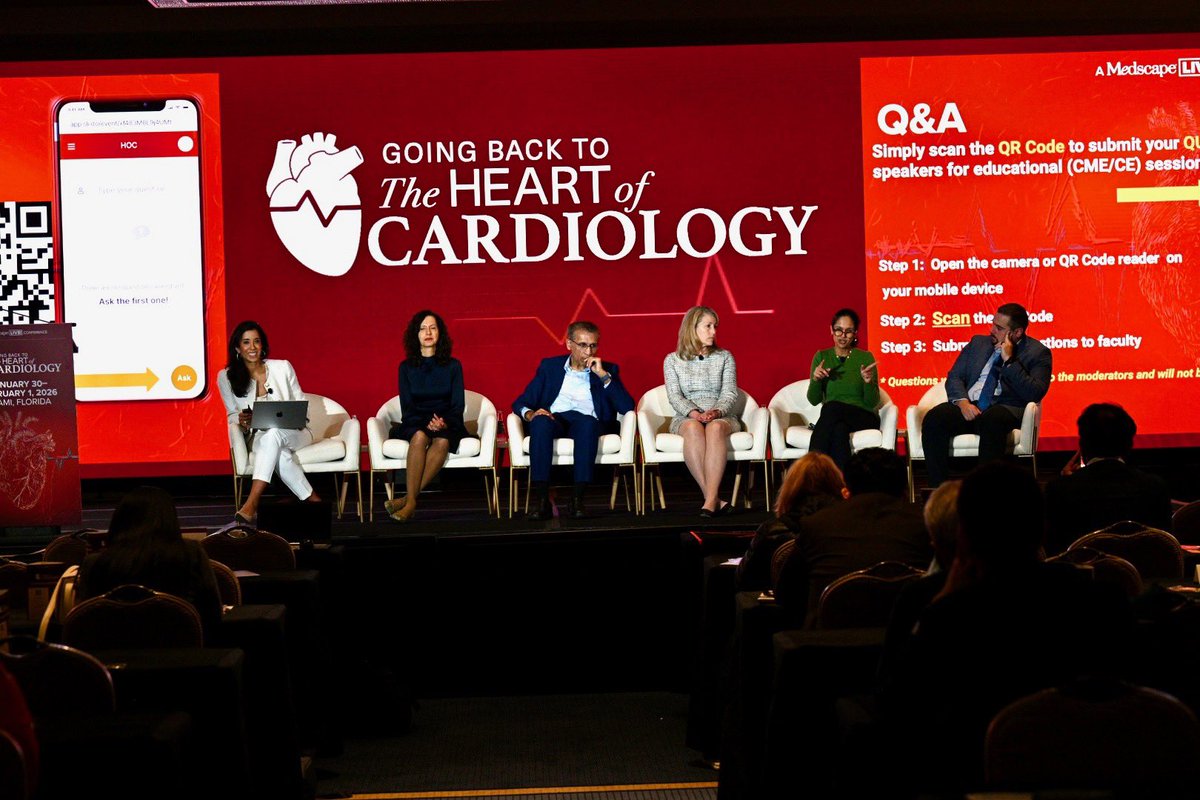
This was such a fun & educational session! An expert endocrinologist to teach us 🫀what we’re missing, screening for HF, CKMH w/@hvanspall , @MKIttlesonMD & @JavedButler1 bantering about #FunctionNotFailure management in real time, @MasriAhmadMD schooling us on HCM & 🤔thinking about when it is NOT HFpEF …we covered a lot!…#HeartofCardio @theheartorg @DrMarthaGulati
Jan 31

🌴 Miami. 🩺 Medicine. 🇧🇳 Momentum.
Join the cardiology community at #HeartofCardio 2026 for cutting-edge science and real-world insights that shape cardiovascular care. Join peers and leaders: @JavedButler1 | @MasriAhmadMD | @hvanspall | @MKIttlesonMD | @dranulala. 💥 Click here for details: wb.md/4sE2XrL
1
7
49
5,638