
May 25
AICOUNSEL (DOT) SUBSTACK (DOT) COM
* Have begun logrthmic juggernaut phase
* Futurecasting AI AI (qua) Law - the only place
* 3 years
* Highest level global attorney/builder comment
* Read in 82 jurisdictions WORLDWIDE
* Still and always FREE OF CHARGE
What are you waiting for? Get in here now!
3
8
814

May 24
Imagine the year is 2060
There are 12 companies that represent 70% of GDP, and the other 30% of GDP is 20 million “small companies”. 12 winners.
Instead of wondering “how could that happen?” instead try to think…
Q: What do those 12 companies do?
Is it the Mag7 5, or does something else happen? 34 years is a long time!
It’s the Mag7 who have double digit growth above $20bn revenue scale, this is what it takes to win.
Another way to think about this is to think about what the big economic sectors will be?
Travel?
Media?
Energy?
Food & Beverages?
Insurance?
But who knows? Recently the global economy is 60% services and 40% manufacturing. But that is probably not going to stay the same either.
Another way to think about it, is that governments are going to collect and spend 25-40% of GDP, what will governments want? Will that change? Probably but maybe not, human nature doesn’t change, but maybe human nature has to compete for government attention with something else?
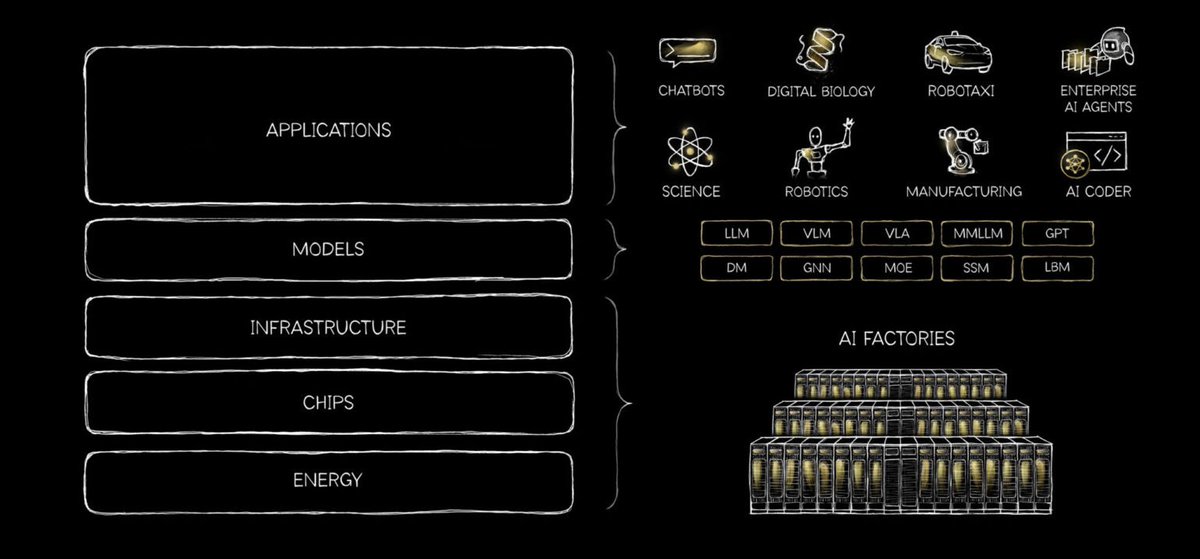
… Another useful model that we have today is Jensen’s 5 layer cake.
Applications and models are ‘services’ and energy, chips and infrastructure are all ‘manufacturing’.
The top is “fast”, fast capital cycles, easy to disruption, fleeting advantages.
The bottom is “slow”, slower capital cycles, harder to disrupt, lasting advantages.
I would suggest that the top will be the highly democratised 20 million small companies, and as you go closer to the bottom, you now get to these huge opportunities to build an enduring industrial titan.
You probably end up with…
1-2 energy companies
2-3 chip companies
3-4 infrastructure companies
4-5 model companies
20 million application companies
This is clearly a grotesque oversimplification and is over prescriptive futurecasting, but this is the structure of the AI industrial revolution.
If you want to build a company that could be 1 of the 12 titans, where in the 5 layer stack would you build it?
Once you see this, you start to understand Meta’s capex (they need a model, or to commoditise the layer below them) and Apple’s quiet focus on edge inference (on device chips).
It’s hard to see far and strategically if you live in the fast capital cycle zone, likewise it’s hard to see inside the applications tempest if you live in the strategic capital intensive zone.
It’s a bit of a consensus that software / apps are cooked, but it’s not yet a consensus to see that the power law means all the titans are in the bottom 4 layers, and all big M&A exit opportunities will be in those bottom 4 layers.
Nvidia was the only major cashflow in this stack below the app layer, Anthropic is rapidly taking their place there too.
Everyone else has to R&D their way in, M&A their way in, or startup and win their category.
If you’re doing anything outside of the bottom 4 that’s great, but you are not going to be 1 of the 12 Titans in 20 years or so time.
You should invest all your time and effort accordingly.
10
23
128
6,725

May 21
Alex breaks down why winning isn't just about the final outcome, it's about loving the micro feedback loops of your craft
“True mastery is building yourself into the asset, finding internal rewards in the daily grind, and futurecasting the epic story you’ll tell later.”
1
4
67

May 21
i return to @sebkrier’s coasean bargaining at scale as a rare futurecasting piece that stays grounded, feels plausible, and explains simply why ordinary people might have reason to be excited about broad diffusion
2
20
904

May 6
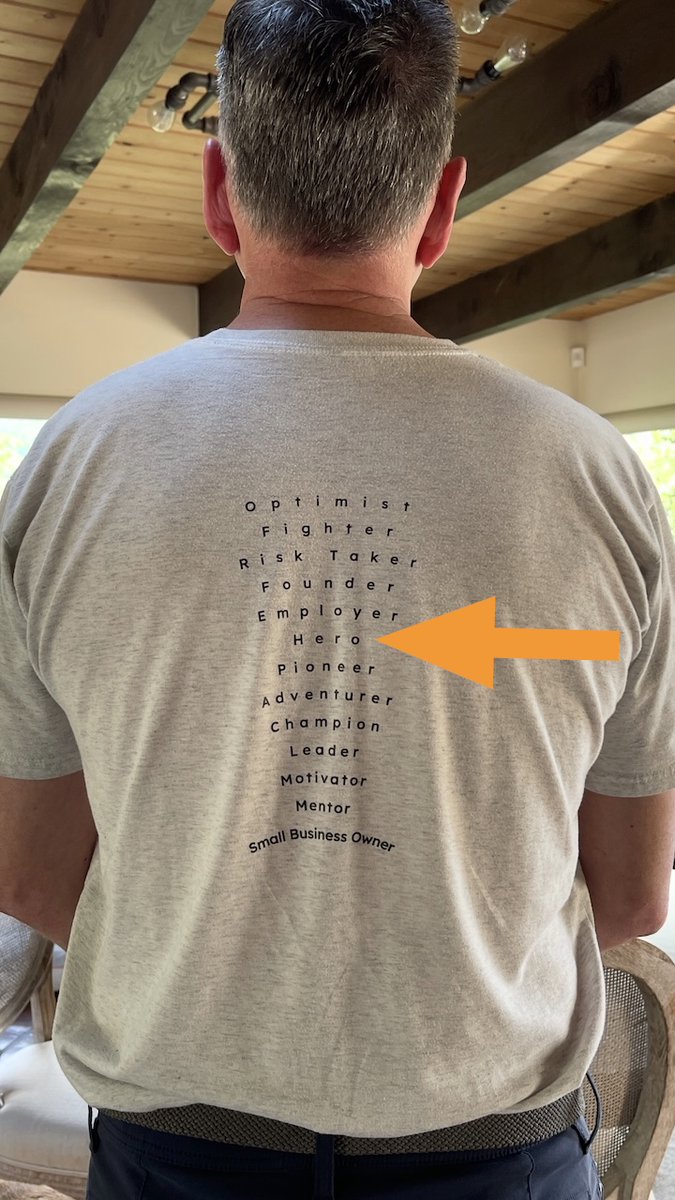
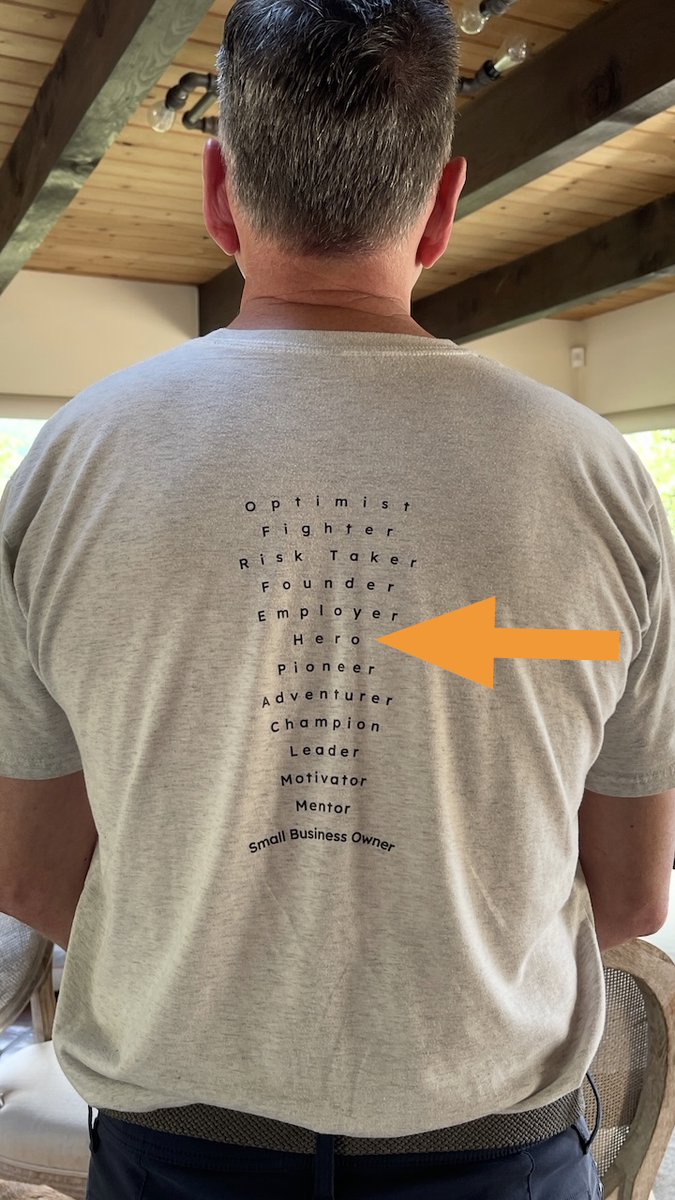
Small Business Owners are Heroes
This is one of my favorite t-shirts.
The shirt celebrates Entrepreneurs and Small Business Owners.
These people are Heroes, and I will fight anyone who disagrees.
Here is why you should use the Hero Framework as you build your business and life.
It’s a Quest.
Creating something from nothing, in business and life is a significant journey that takes decades.
Putting yourself in the role of the Hero in this quest helps motivate you to power through the tough times.
Heroes need Allies.
You won’t succeed on your own. Victorious Heroes build great teams around them to create systems for success.
Heroes serve.
The best kind of leadership is in service to others. You will be leading your employees, vendors, business partners, and family – in service to them.
Heroes use magical tools.
Leverage, technology, delusion, and other tools aid heroes in their quests. You should constantly be on the lookout for these magical items.
Heroes have Multi-Lives
When Heroes fail, they don’t die. They are reborn to fight another day.
Heroes have sidekicks.
Good Heroes mentor others. Sharing your wisdom and experience is an essential part of success.
Heroes can see the future.
Focusing on outcomes is a superpower. Heroes use FutureCasting to see the end game and create the systems to reach it.
Heroes love sequels and spin-offs.
New businesses, new product lines, and expanding into new areas are all part of being a Hero.
I've done this journey alone and I've done it with others. Framing myself as the Hero of my own story has helped me to lead an uncommon life.
Follow me @ShannonJean for more motivation. If you’re struggling and feel alone – my DMs are open.
2
16
1,128

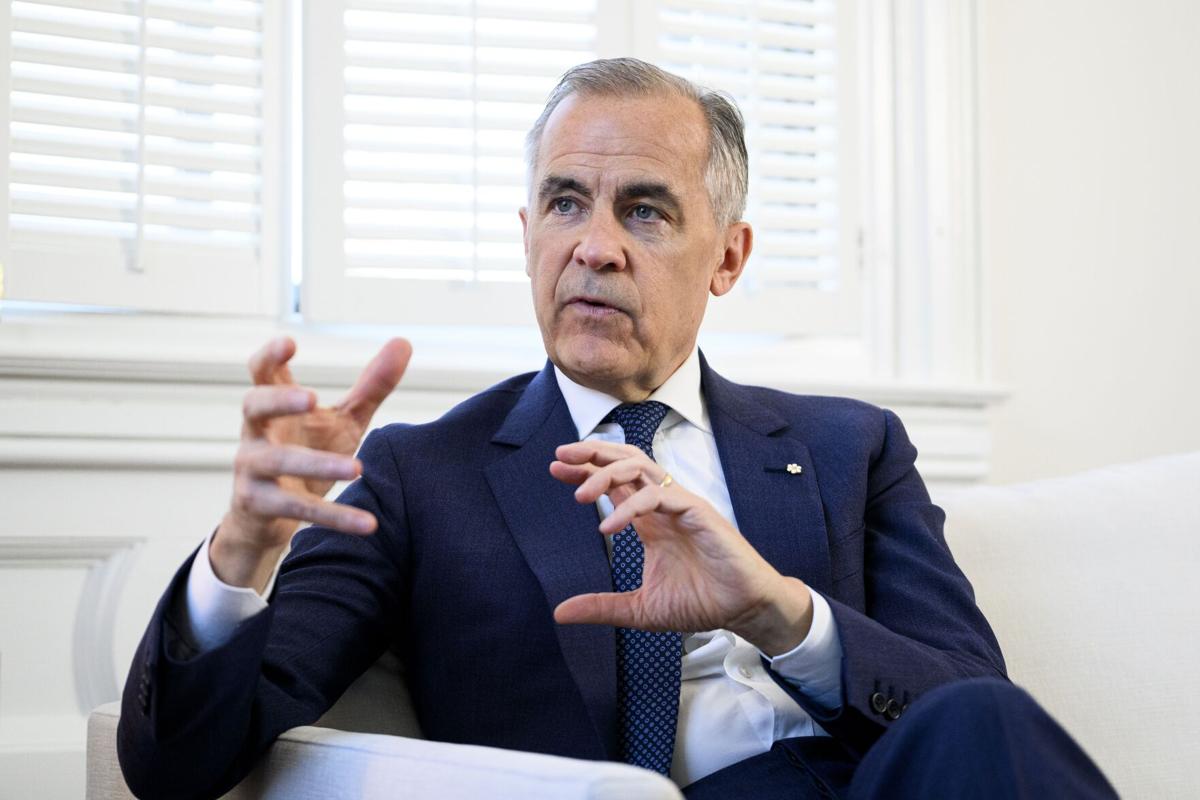
I get what @althiaraj is saying here. And there’s truth that the budget and SEU are firmly aligned with the Carney government, not the Trudeau government.
But. I think the electoral coalition changed pretty radically and this is futurecasting. Will that coalition hold? 🤷🏻♂️

Mark Carney has forgotten who helped get him elected, @althiaraj writes thestar.com/politics/politic…
Find out more at nationalnewswatch.com
7
6
21
3,261


Mar 24
dang this map is like futurecasting google maps' traffic layer. when will you be able to predict every traffic accident 30 minutes in advance?
1
46
2,963

Mar 1
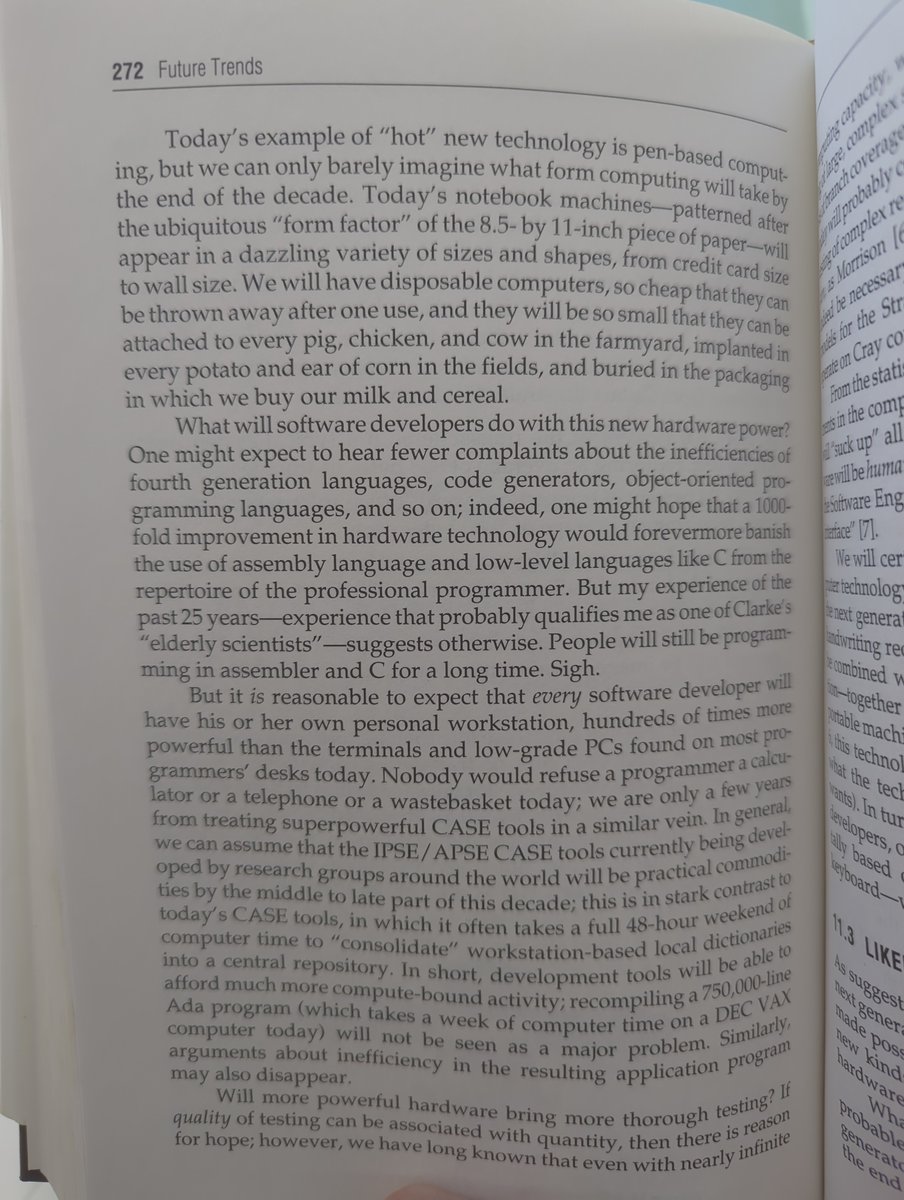
Pretty damn good futurecasting for 1991! I got a lot out of this book!
1
2
92


🌍 Futurecasting 21st Century Global Health: Anticipating Threats and Preparing Responses
We're delighted to announce UCL-Lancet Lecture 2026 with Prof Natalia Kanem
📅 12 March
📍 Cruciform Lecture Theatre LT1
🕓 17:00 to 20:00
🔗 Register here: bit.ly/3YWu3MR
2
123
🌍 Futurecasting 21st Century Global Health: Anticipating Threats and Preparing Responses
We're delighted to announce UCL-Lancet Lecture 2026 with Prof Natalia Kanem
📅 12 March
📍 Cruciform Lecture Theatre LT1
🕓 17:00 to 20:00
🔗 Register here: bit.ly/3YWu3MR
1
2
167
🌍 Futurecasting 21st Century Global Health: Anticipating Threats and Preparing Responses
We're delighted to announce UCL-Lancet Lecture 2026 with Prof Natalia Kanem
📅 12 March
📍 Cruciform Lecture Theatre LT1
🕓 17:00 to 20:00
🔗 Register here: bit.ly/3YWu3MR
1
3
163

Jan 17
Right, or Jeffries could be president. I was just limiting my futurecasting. Removing JD is a remote enough possibility that there could be an unknown speaker by then.
1
1
25
Jan 16
Small Business Owners are Heroes
This is one of my favorite t-shirts.
The shirt celebrates Entrepreneurs and Small Business Owners.
These people are Heroes, and I will fight anyone who disagrees.
Here is why you should use the Hero Framework as you build your business and life.
It’s a Quest.
Creating something from nothing – in business and life is a significant journey that takes decades. Putting yourself in the role of the Hero in this quest helps motivate you to power through the tough times.
Heroes need Allies.
You won’t succeed on your own. Victorious Heroes build great teams around them to create systems for success.
Heroes serve.
The best kind of leadership is in service to others. You will be leading your employees, vendors, business partners, and family – in service to them.
Heroes use magical tools.
Leverage, technology, and other tools aid heroes in their quests. You should constantly be on the lookout for these magical items.
Heroes have Multi-Lives
When Heroes fail, they don’t die. They are reborn to fight another day.
Heroes have sidekicks.
Good Heroes mentor others. Sharing your wisdom and experience is an essential part of success.
Heroes can see the future.
Focusing on outcomes is a superpower. Heroes use FutureCasting to see the endgame and create the systems to reach it.
Heroes love sequels and spin-offs.
New businesses, new product lines, and expanding into new areas are all part of being a Hero.
In what other ways does the Hero Framework help Entrepreneurs power through adversity to succeed?
2
13
2,493
🌍 Futurecasting 21st Century Global Health: Anticipating Threats and Preparing Responses
We're delighted to announce UCL-Lancet Lecture 2026 with Prof Natalia Kanem
📅 12 March
📍 Cruciform Lecture Theatre LT1
🕓 17:00 to 20:00
🔗 Register here: bit.ly/3YWu3MR
3
213

16 Dec 2025
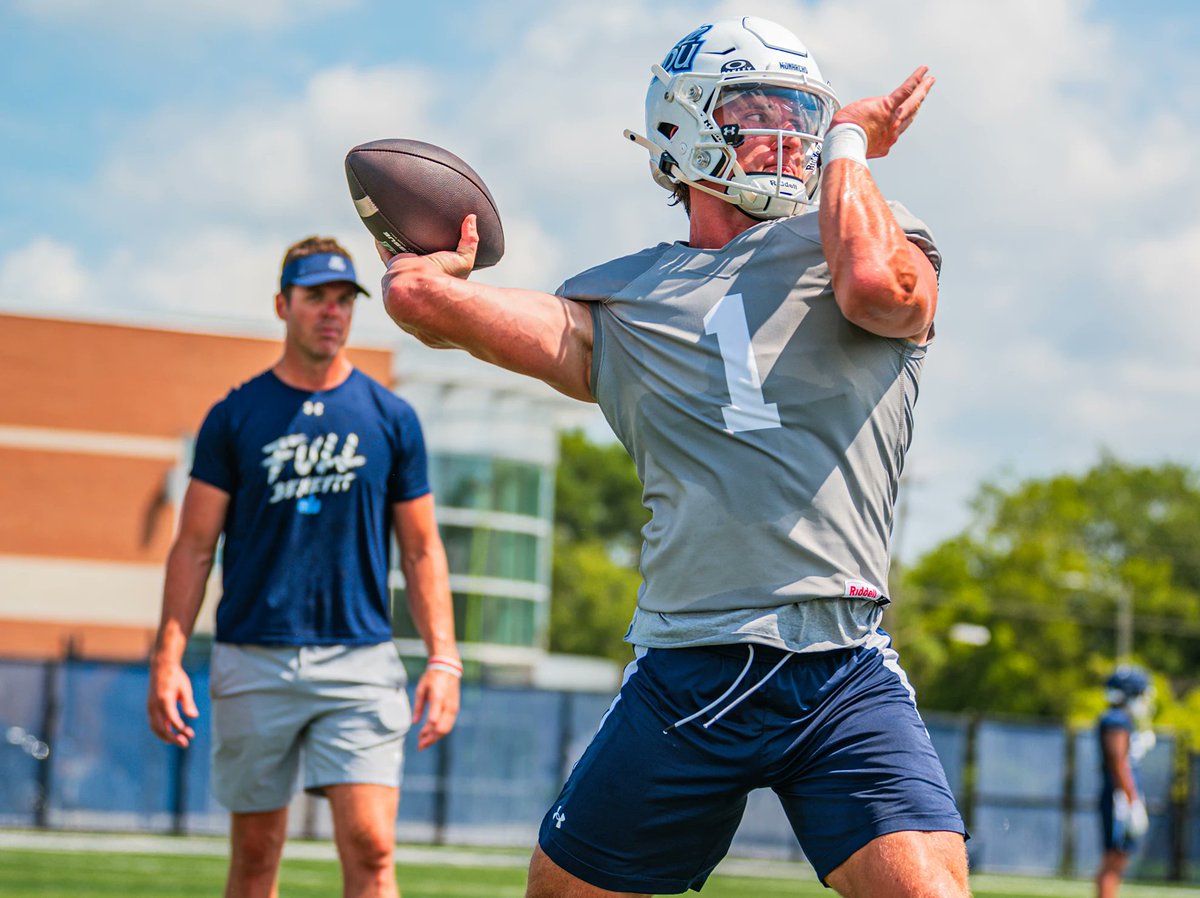
Futurecasting the 2026 QBs in the transfer portal through sourcing and best fit.
1. Brendan Sorsby (CIN -> Texas Tech)
2. DJ Lagway (UF -> LSU)
3. Sam Leavitt (ASU -> Miami)
4. Dylan Raiola (NEB -> Oregon)
5. Aidan Chiles (MSU -> Florida)
6. Colton Joseph (ODU -> Virginia Tech)
7. Jaden Craig (HARV -> Stanford)
8. Trey Owens (TEX -> Oklahoma State)
9
8
81
40,078

8 Dec 2025
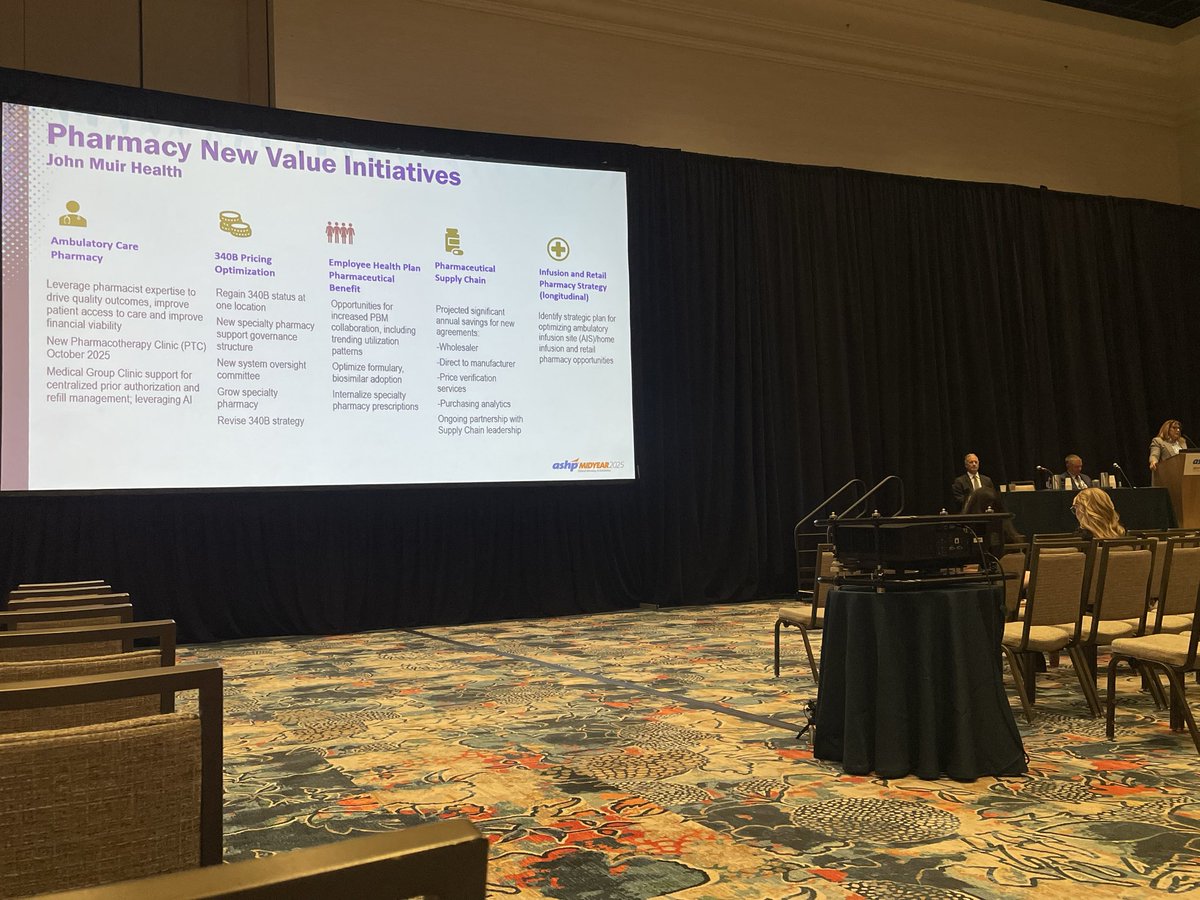
Futurecasting
System-Level Pharmacy:
Key Roles of Leaders in Driving Value
#ASHP25 #sefhmidyear25
¿quieres saber más?? sigue leyendo ⏬
1
3
7
202

7 Nov 2025
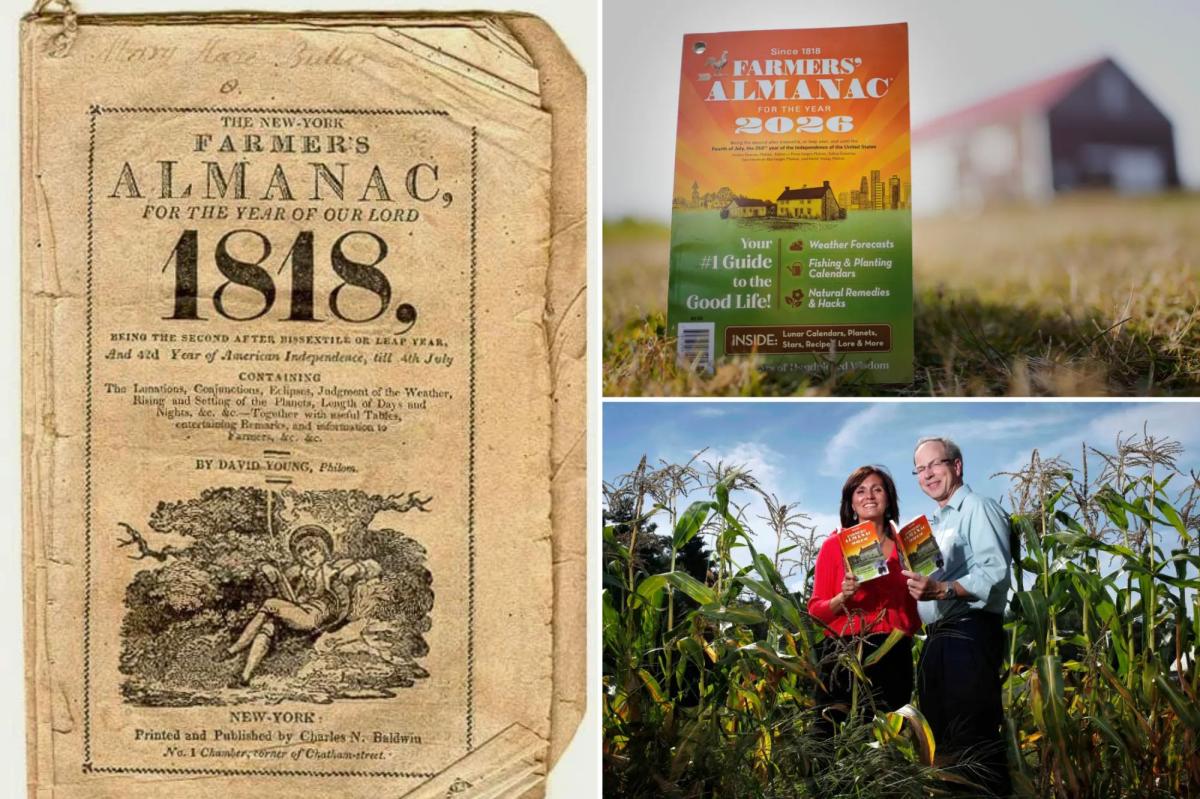
Farmers’ Almanac fans and editors mourn loss of beloved ‘American staple’ as futurecasting classic goes out of print — after 208 years trib.al/JPwLoJX
2
17
50
15,878