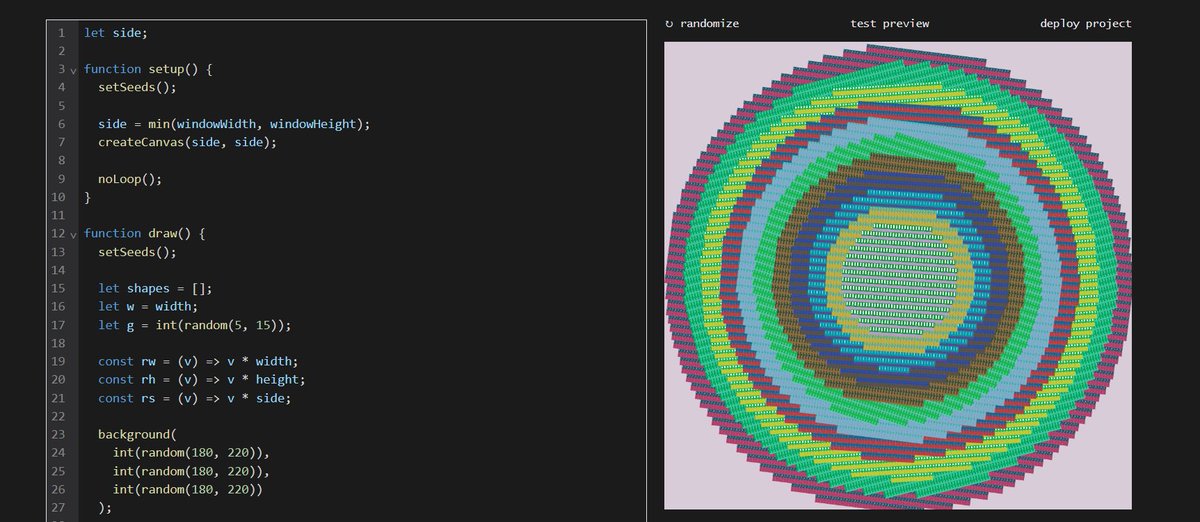
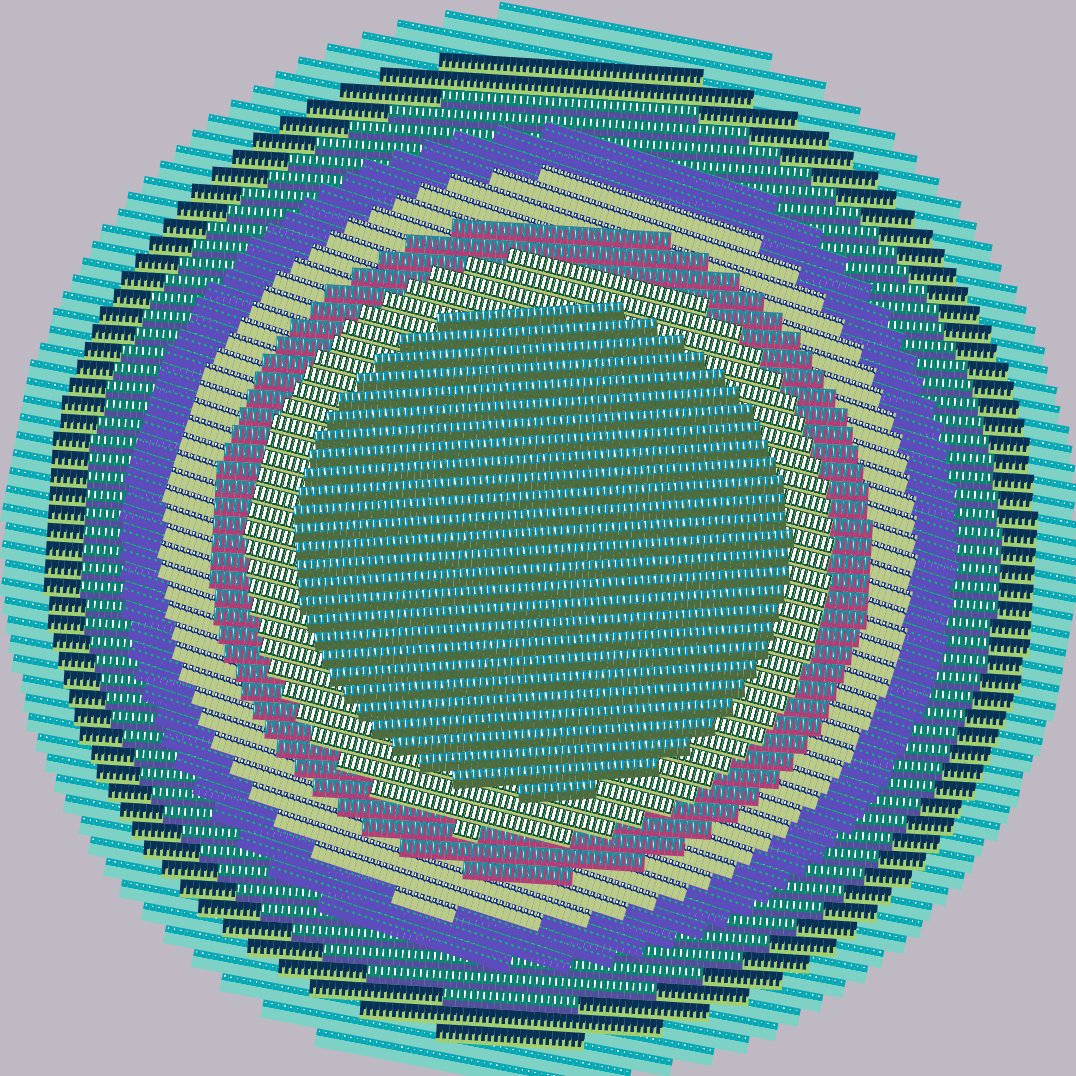
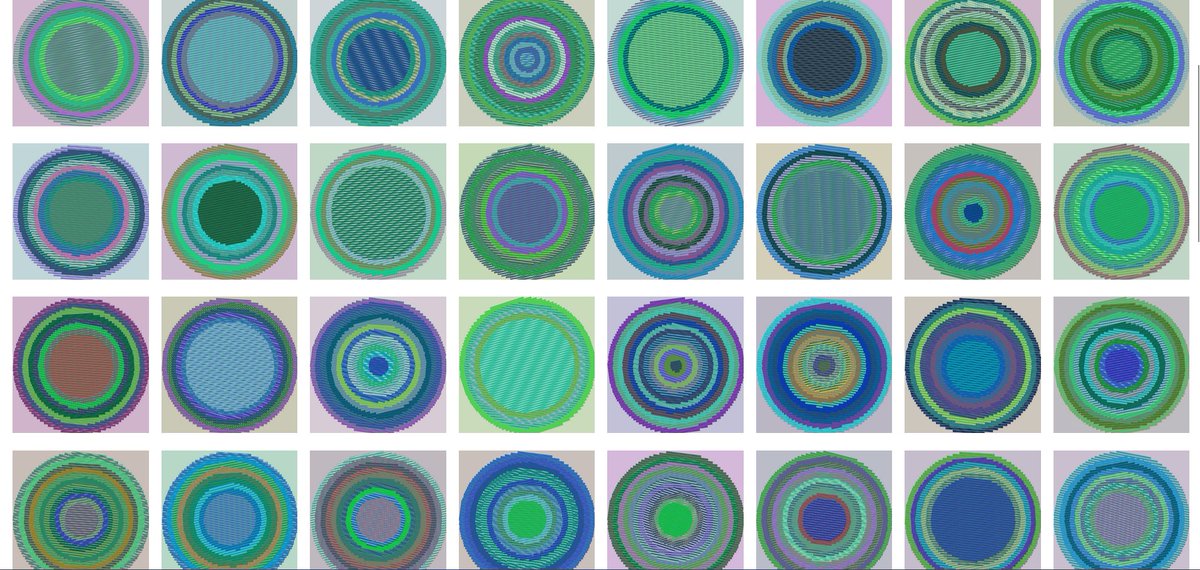
ZimZeleno is Onchain ✨
‘Feels less like an image of nature and more like a memory of it — a moment where computation and landscape meet to evoke endurance, stillness, and time.' — AI review 🌲
Release on 17 Mar 2026/ 17:00 at
@fx_hash_
CHECK FOR GIVEAWAY 👇
#generativecoding #p5js

4
11
42
3,125

📣 Deal of the Day 📣 Jan 24
Save 45% TODAY ONLY!
Coding with AI: Examples in Python & selected titles: hubs.la/Q040ckgh0
Practical techniques to accelerate software development using generative AI. @JeremyCMorgan #GenAI #CodingTools #GitHubCopilot #GenerativeCoding #python
This book takes you through several small Python projects with the help of AI tools; skips the baby steps and goes straight to the techniques you’ll use on the job, every day. You’ll learn to sidestep AI inefficiencies like hallucination and identify the places where AI can save you the most time and effort.

1
6
49
1,287

16 Dec 2025
Built in p5.js and composed in @figma
#p5js #generativecoding #loader #pixelmapping #experiment #vibecoding #figma #webdevelopment #userinteraction #pixel #motion #vibecoding #animation #code #fypviraltwitter
2
3
222

13 Dec 2025
"Vibe coding" misled a huge number of people.
Not because experimentation is bad, but because the term blurred the line between exploration and engineering.
If this had been framed as generative coding, much of the damage wouldn't have happened.
"Generative coding" clearly implies:
- the code is produced, not understood by default
- human review and engineering judgment are required
- outputs are starting points, not finished systems
"Vibe coding", on the other hand, suggested:
- intuition over fundamentals
- skipping architecture and tests
- chaos as a virtue
- senior engineers just "wing it"
In reality, what looks like "vibes" in experienced engineers is:
- pattern recognition
- hard-earned mental models
- failure anticipation
- selective discipline
Vibes are fine for:
- rapid experiments
- throwaway prototypes
- creative exploration
But the moment code is:
- shared
- deployed
- depended on
- scaled
vibes must stop and engineering must start.
Language matters.
We didn’t just popularize a workflow, we normalized a misunderstanding.
Calling it generative coding would have set the right expectations.
Calling it vibe coding did not.
#vibecoding #vibecode #generativecoding #gencode
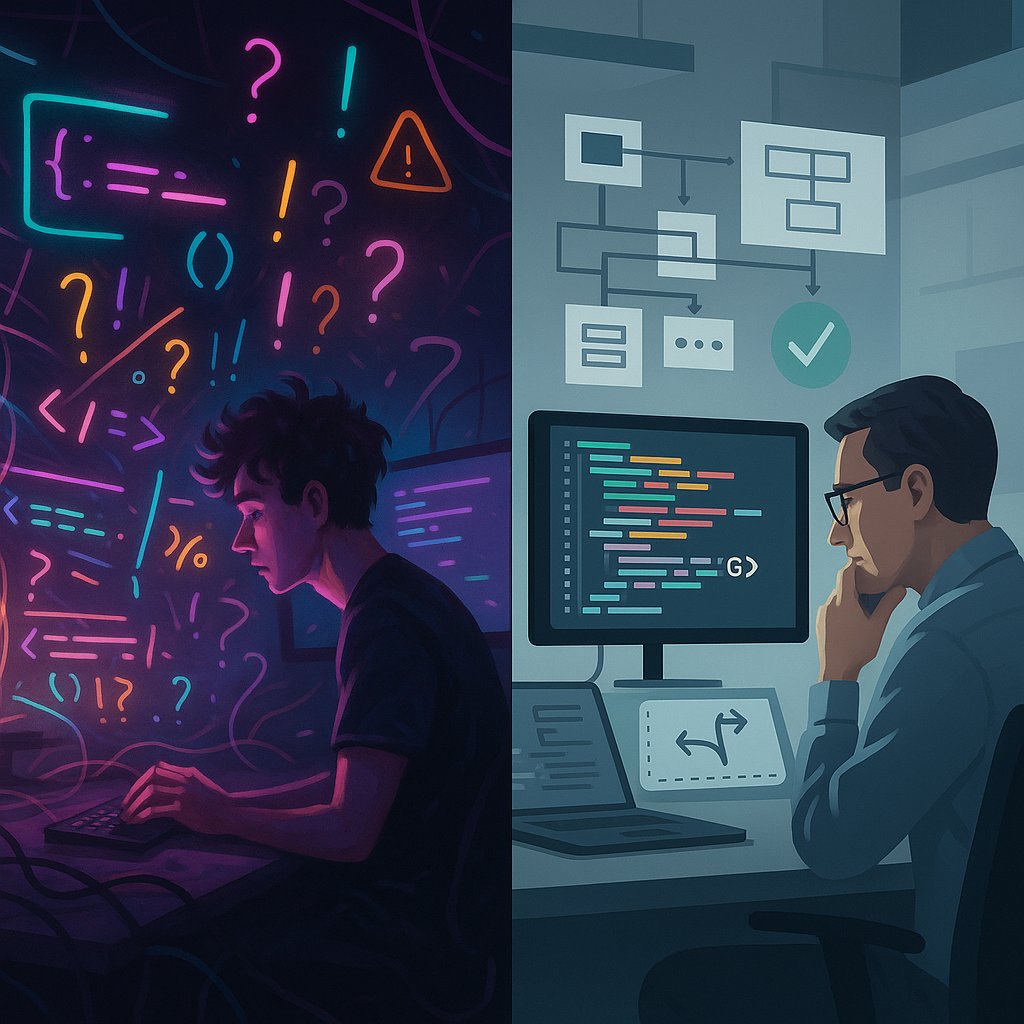
ALT Split-screen illustration comparing two coding approaches. Left side shows a chaotic workspace with neon colors, floating code fragments, tangled wires, and a developer coding instinctively amid visual noise and confusion. Right side shows a calm, structured environment with clean lighting, modular code blocks, architecture diagrams, passing tests, and version control symbols, where a developer thoughtfully reviews AI-generated code. The contrast emphasizes chaos versus reproducibility, intuition versus engineering discipline, and the importance of human oversight.
1
1
4
391
7 Dec 2025
Built in p5.js and composed in @figma
A smooth pixel-reveal animation where a portrait forms piece by piece.
#p5js #generativecoding #noise #pixelmapping #experiment #vibecoding #figma #webdevelopment #userinteraction #pixel #motion #vibecoding #animation #code #fypシviral
2
3
7
498
'Ledina'
'This work does not speak about code; it speaks from code. That is what places it firmly within the heart of creative coding — where technology acts as a medium, not the message' — AI review 🎉
Release on 09 Dec 2025 at 17:00 at @fx_hash_
#generativecoding #p5js 👇

8
14
42
2,449
1 Dec 2025
A generative experiment blending XOR noise, pixel mapping, and controlled fragmentation. Built in p5.js and composed in @figma
#p5js #generativecoding #noise #pixelmapping #experiment #vibecoding #figma #webdevelopment #userinteraction #pixel #motion #vibecoding #animation #fyp
1
4
178

1 Dec 2025
gm☕️ Happy Monday fam!🌥️
Tetragons #246 by @NFTBiker on @fx_hash_
It all starts with a simple dot. If we enlarge it, we realize that it is in fact a square, and that we can assemble several of them, evenly spaced, to build a grid.
#generativecoding #generativeart $FXH

22
6
40
654
30 Nov 2025
gm☕️ Happy Sunday fam!🌨️
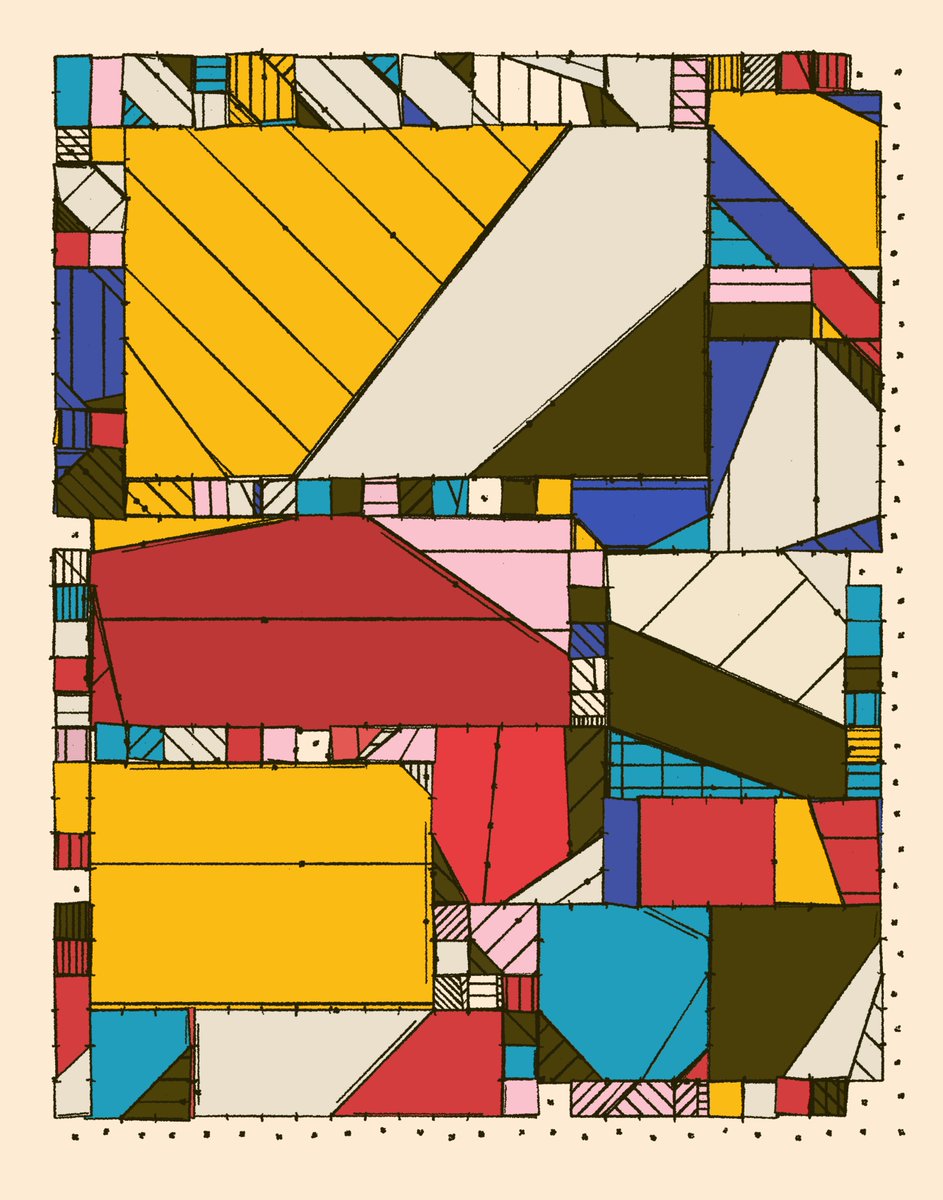
Somewhere in Between #17 by @gorillasu @KUMALEON_ @proofofx_ on @fx_hash_
Somewhere in Between is a token that plays with geometry and color.
#generativecoding #generativeart $FXH
43
3
51
601
29 Nov 2025
gm☕️ Happy Saturday fam!🌦️
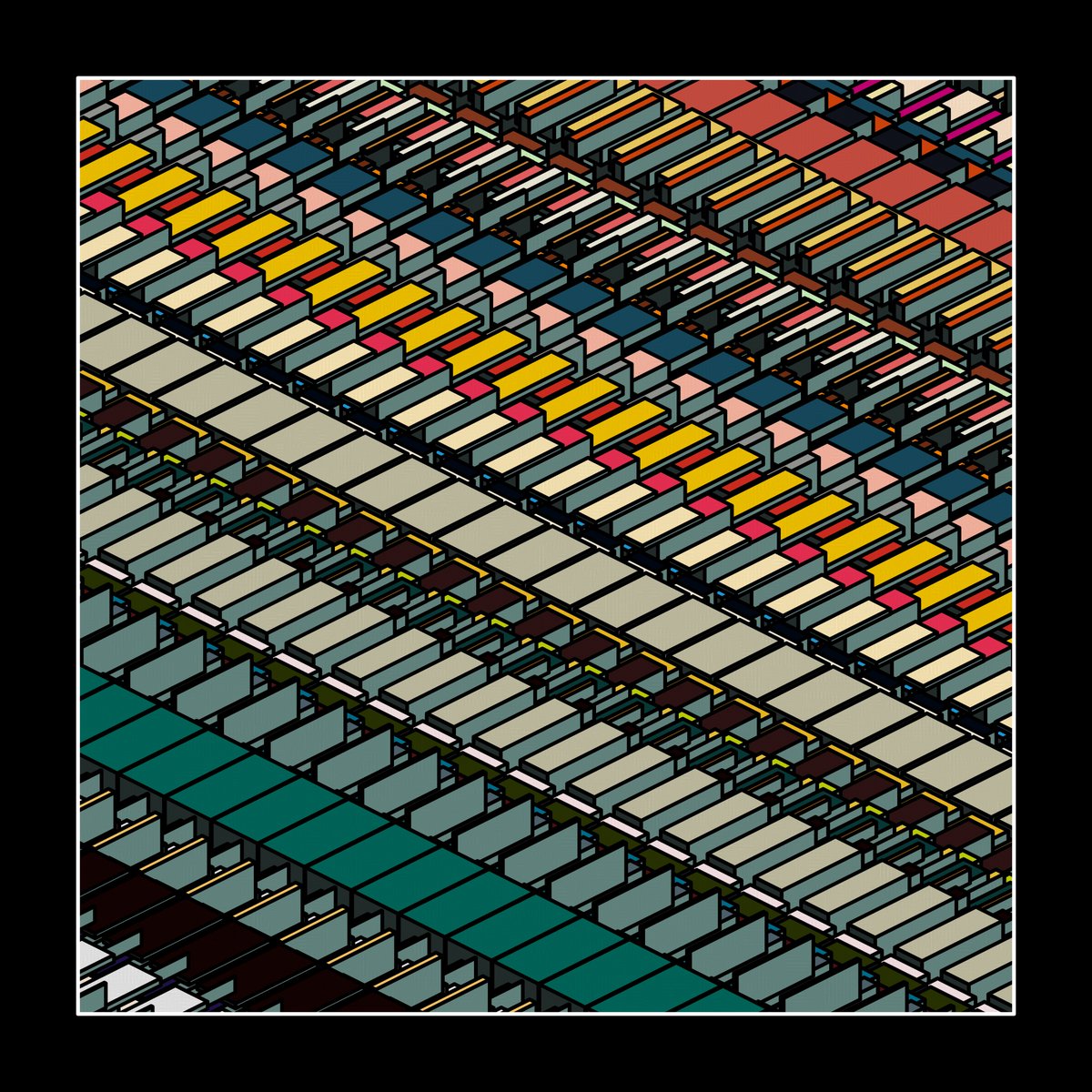
Melodic #77 by @Reptile_tez on @fx_hash_
A rhythm of color and form, an order that resonates within complexity. "Melodic" is a visual exploration of geometric harmony.
#generativecoding #generativeart $FXH
31
8
48
897
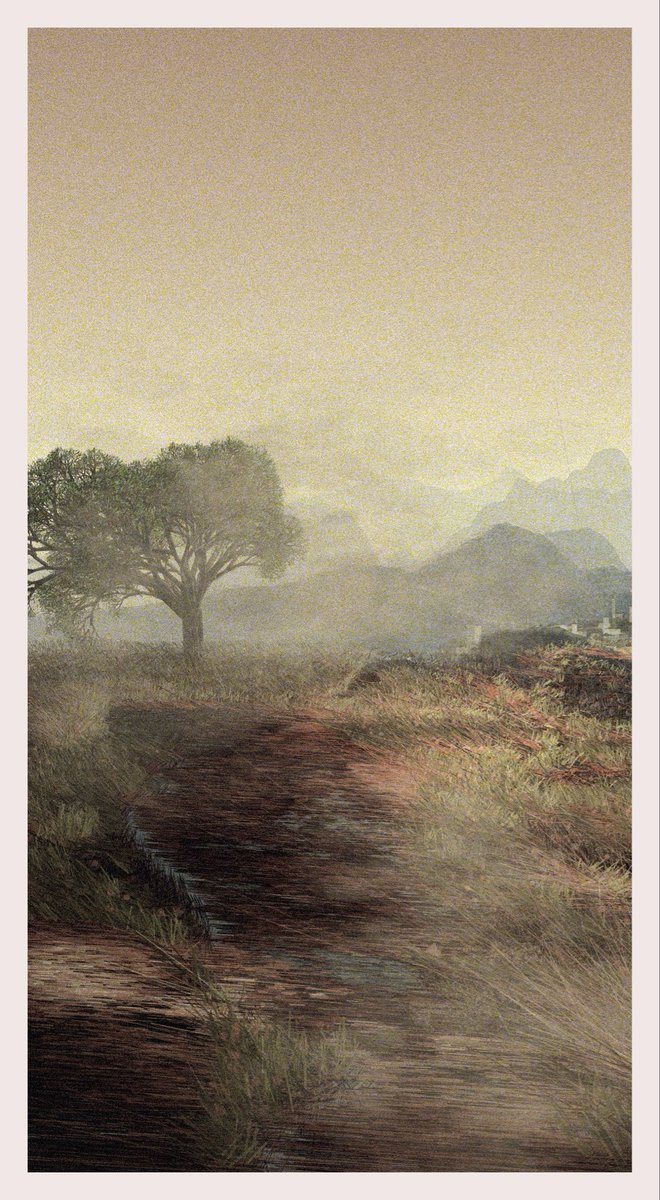
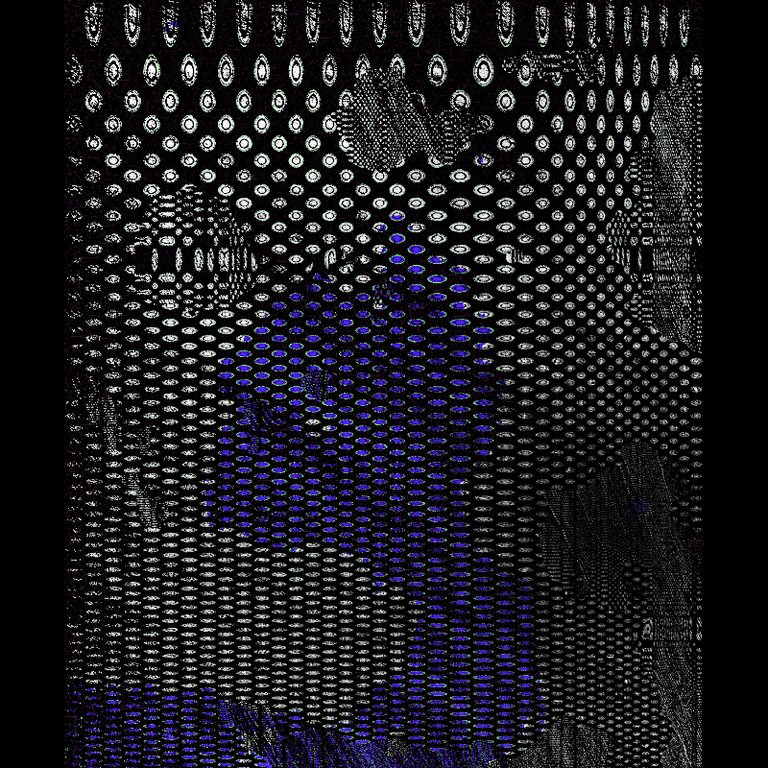
With thousands of iterations, really struggling to choose one to share…
Pure #p5js #generativecoding




4
4
51
2,491


24 Nov 2025
1
4
124

24 Nov 2025
I just used a video generative AI 'Dreamina AI' to create a cartoon-style video of my kitten. What do you think?
#Dreamina #GenerativeAI #generativeartist #generativecoding #ragdoll
2
6
246

23 Nov 2025
GM X!
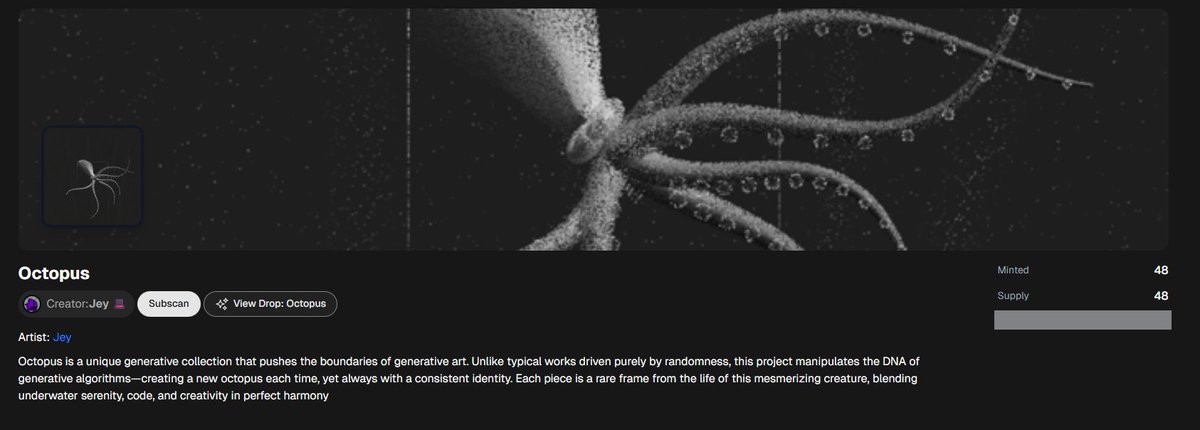
OCTOPUS Generative Art / Minted out in under 2 hours on the @ChaoticApp platform
#generativecoding
5
8
119
23 Nov 2025
gm☕️ Happy Sunday❄️
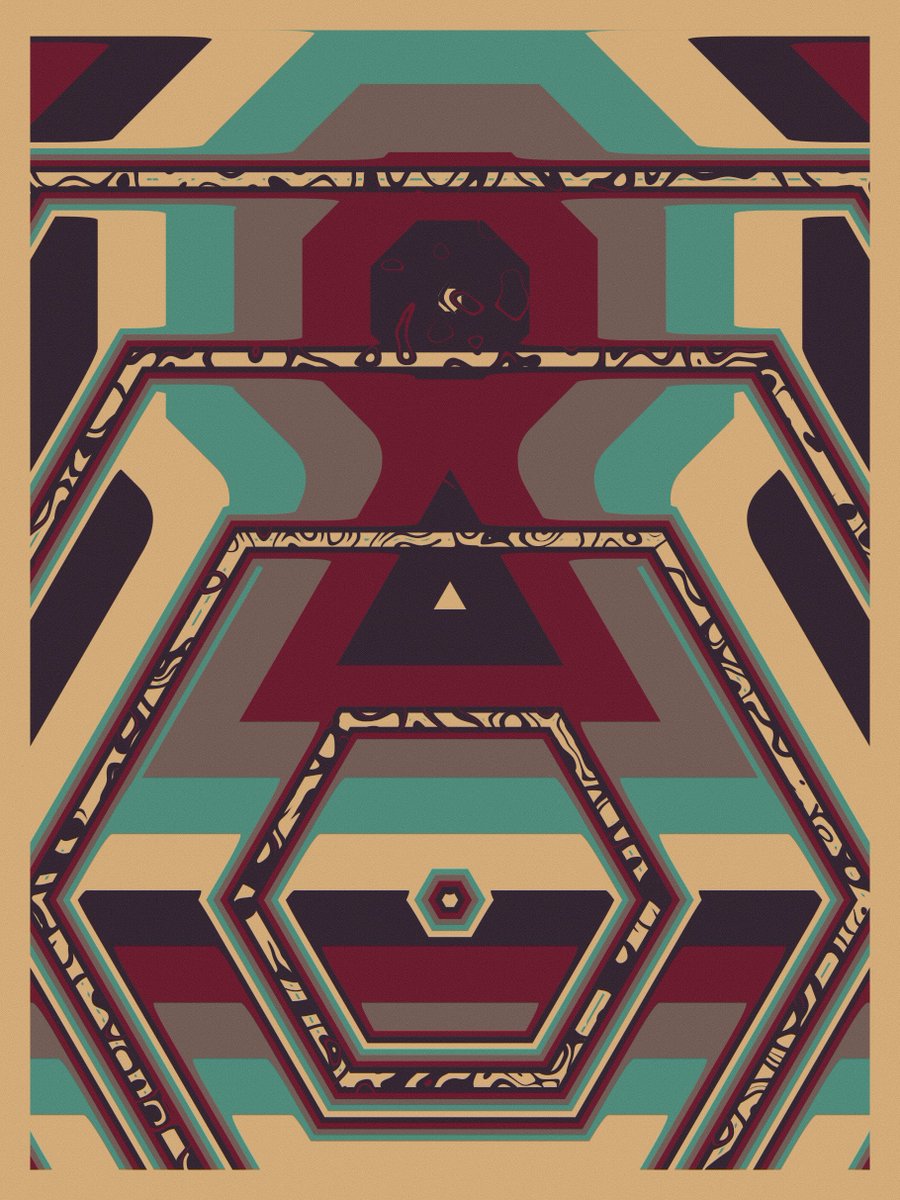
Divergent Convergence #117 by @JessHewittArt on @fx_hash_
Compositions of shapes and noise, order and chaos. Where does order end and chaos begin?
#codeart #genart #generativecoding $fxh
4
1
8
171

21 Nov 2025
'Matrix' (2025)
Cohesive shapes create form
▫️Generative
▫️Interactive
▫️Animated
1/1
Auction starts at 50 Tez
Behavioural extracts shown in clips 🔽
Created for @artcommissiontz
ACTZ Gallery Exhibition: 'Shape/Form'
Curated by @scottx
Link below 🔽
#tezosart #generativecoding
1
4
9
421


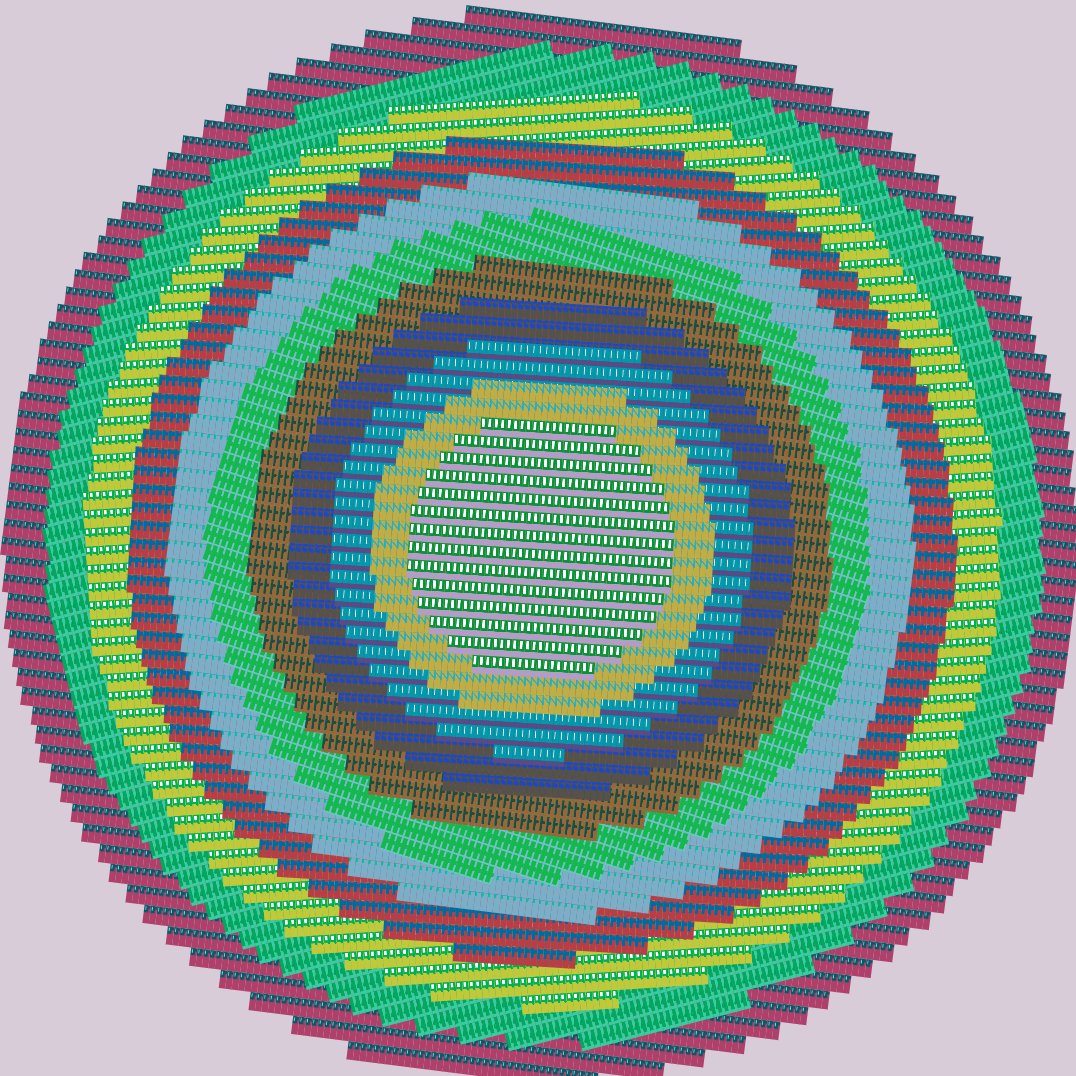
My new project, "Arachne" is now available on @editart_xyz ⚡💚
✨ Made with #p5js 👩🏻💻
🌀 20 editions
🌀 3 #tezos
LINK🔗
editart.xyz/series/KT1R75ZmV…
#generativecoding #creativecoding #generativeart #NFT #TezosArts #Circle #art #JavaScript #Creativity
1
3
7
625