Ramesh Ramachandran retweeted

#security #UNCLOS #GrayZone #GreyZone #Hybrid #war #military #Navy #Balikatan #destroyers #Abukuma #EEZ #Pacific

Inside Scarborough Shoal: How China is Secretly Building a New Floating Base Near Philippines
🔗 youtu.be/ELlbcWwv4tA

1
58

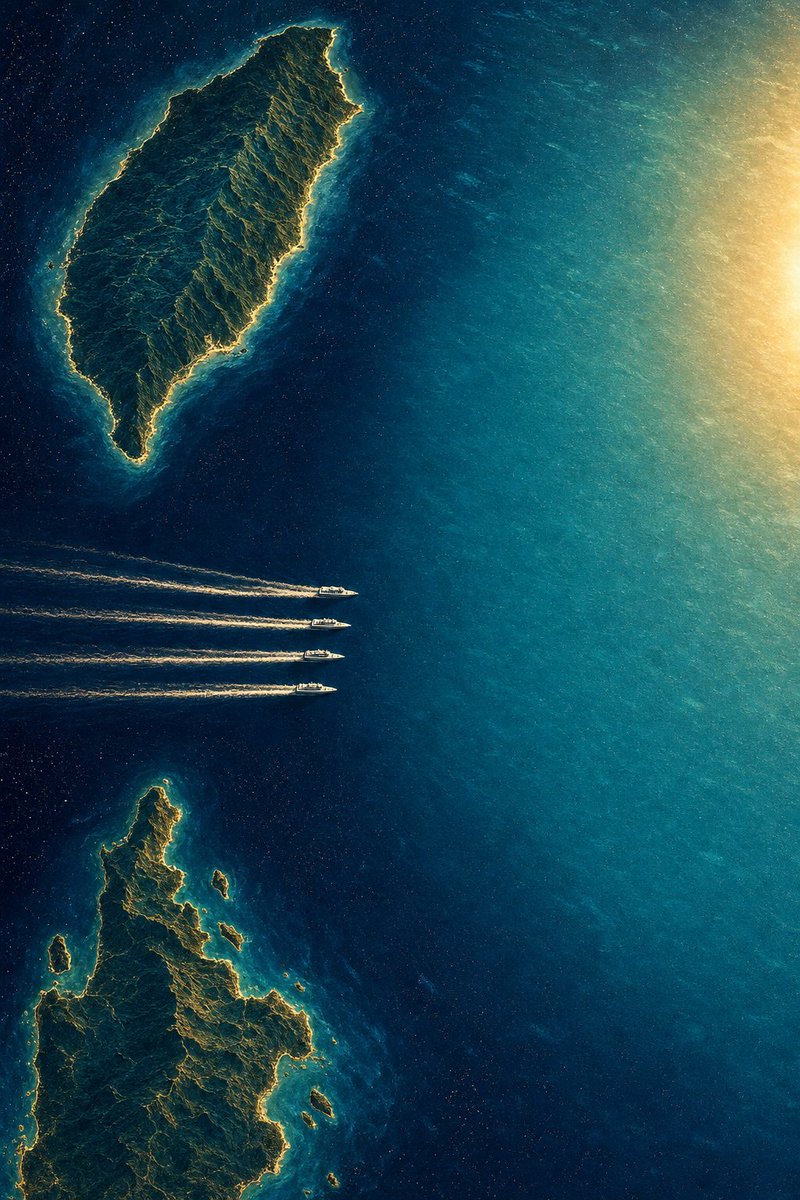
🚨BASHI BREAKOUT: On June 7, a 🇨🇳Chinese maritime task force pushed past the Bashi Channel and into the open Pacific.
None were warships. They were coast guard, maritime safety and rescue vessels. The kinds of ships Beijing uses when it wants its presence read as an assertion of lawful jurisdiction over its neighbors' waters.
Hours later, the #CCP-run @globaltimesnews called the operation "a sovereignty declaration with both legal significance and political signaling."
They did not bury the lede. We shouldn't either.
The target was not 🇹🇼#Taiwan alone. It was a maritime delimitation negotiation between 🇯🇵#Japan and the 🇵🇭#Philippines, two 🇺🇸US treaty allies trying to settle their overlapping maritime claims under the 1982 🇺🇳UN Convention on the Law of the Sea, in waters Beijing's own maps don't even claim.
Beijing decided the talks were "completely illegal and void," then ran a multi-agency paramilitary operation to make the point. Coast guard cutters. Provincial Maritime Safety Administration ships. A specialized ocean rescue vessel.
All white-hulled. None of them warships. By design.
Then Beijing had its own state media label the operation a sovereignty declaration, accused the peaceful negotiators of provocation, then cited that label as justification for its own escalation.
This is how China's #grayzone strategy actually works. Not aircraft carriers, not destroyers. A paramilitary force flying civilian colors, advancing a law-enforcement vocabulary, in which patrols like this one first become routine, then become the basis for sovereignty claims the world is expected to accept.
#America's 2026 National Defense Strategy commits to "a strong denial defense along the #FirstIslandChain." The first real test of that doctrine has not come from PLA Navy warships. It has come from white-hulled civilian ships flying a law-enforcement banner, in waters belonging to America's allies.
Allied doctrine needs to grow up.
The First Island Chain has been breached, not by a gray-hulled navy fleet but by white hulls and a vocabulary.
The question now is whether Washington, Tokyo, Taipei and Manila treat this as one more isolated incident to manage, or as the paramilitary challenge to a free and open Indo-Pacific that it actually is.
🔗 Link in the reply below.
4
15
30
1,571
生存戦略 retweeted

Jun 12
▪︎FG09-α
Jim Dunlop®︎ UK TORTEX WHITE JAZZ III 1.35mm
▪︎FG09-β
Jim Dunlop®︎ UK FLOW STANDARD 1.5mm
GRAYZONEで明日14:00から先行販売します↓
grayzone.tokyo
一般発売は7/2〜各楽器店にて。
取り扱い店舗一覧↓
moridaira.jp/shop/


3
41
283
15,671
The Empire is Crumbling🌹 retweeted

25 Jan 2022
After 5 years, I have left The Grayzone. I am proud of the journalism I did there, but we're going in different directions.
I will be continuing my journalism at a new outlet, @Multipolarista, with articles, videos, and podcasts, in English and Spanish:
youtube.com/watch?v=dq5RWJU0…
272
331
2,194

Stream looks a bit different! Mission grinding in Lamang in @GrayZoneWarfare tonight!
youtube.com/watch?v=9GcHYNtu…
twitch.tv/ghostreaper93
#grayzonewarfare #grayzone #gzw #everymovematters #spearhead
1

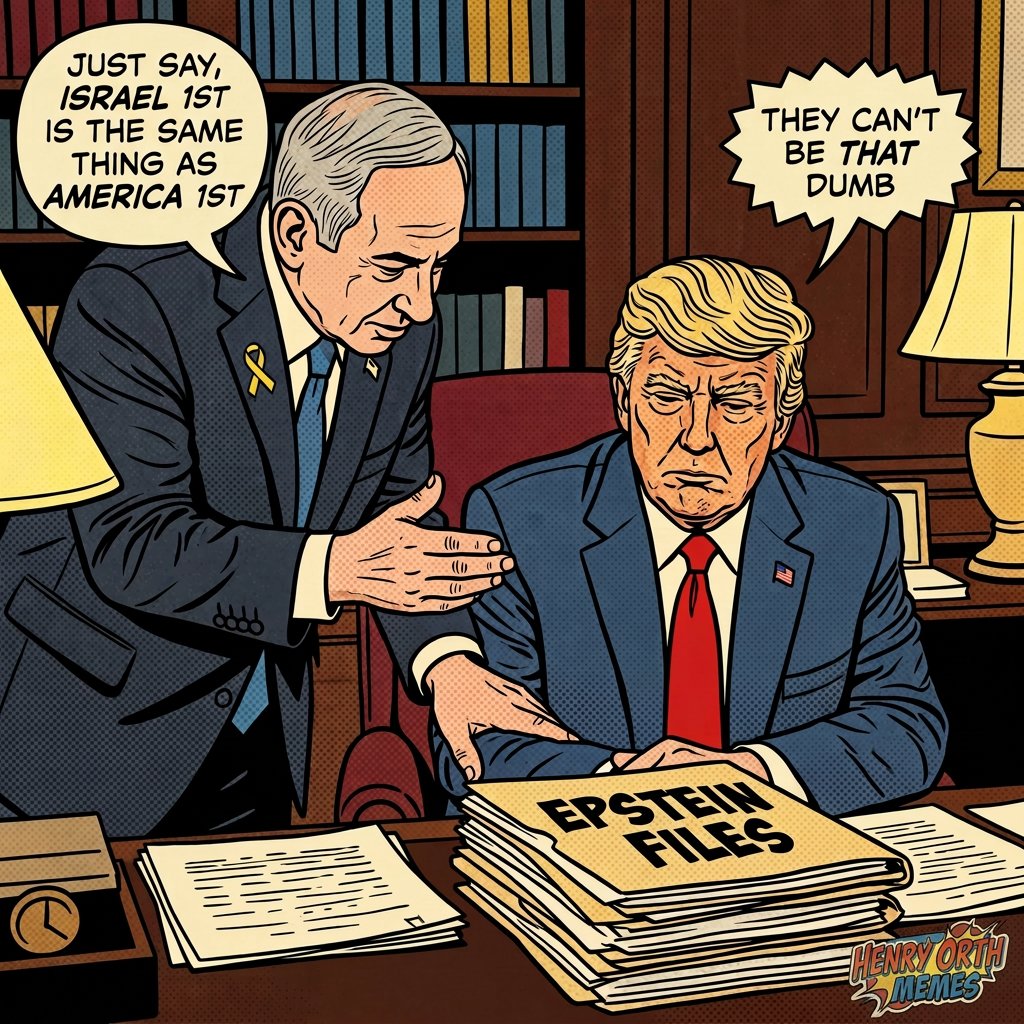
Along with these Jews.
Max Blumenthal
Jewish journalist, founder of The Grayzone*
Directly confronting outgoing Secretary of State Antony Blinken at his final press conference on January 16, 2025, Blumenthal shouted:
"How does it feel to have your legacy be genocide? You waved the white flag before Israeli fascism. You smirked through a genocide."
He has also stated in interviews that Israel's operation is:
"The most high-tech assault in history... using AI to do targeting in ways we haven't seen before... to maintain the entire population registry of Gaza and track the population's movements in order to kill them."
Norman Finkelstein
Jewish political scientist and author, son of Holocaust survivors
In an interview with Al Arabiya English's Riz Khan, Finkelstein stated:
"Gaza is a huge concentration camp. It is sealed shut from the outside world. Half of its population are children. If you deny any food, fuel, water or electricity to a captive population sealed off from the world in a huge concentration camp, then you are in effect issuing a death sentence on that population... By the commonsensical definition of genocide, Israel is carrying out a genocide in Gaza."
He has further stated in lectures that:
"Israel could not act without American support... The US has enabled the genocide in Gaza with bombs, money, and political and diplomatic support."
Dave Smith
Jewish-descent comedian and libertarian commentator
Speaking directly to a conservative audience at a Turning Point USA summit, Smith stated:
"Israel is committing a genocide in Gaza. And I say this as someone who rejects the conflation of criticism of Israel with antisemitism. Zionism is a colonial political movement - it is not synonymous with Judaism."
He was also notably described by a pro-Israel outlet as having "accused the Jewish state of 'genocide'" in debate with Douglas Murray on the Joe Rogan Experience, specifically challenging conservatives who oppose abortion to explain why they support what he called the killing of Palestinian children.
Glenn Greenwald
Jewish-American journalist, co-founder of The Intercept*
On Democracy Now, Greenwald stated:
"The comments from Israel's defense minister - who said 'there are no innocent people in Gaza' - is basically the mentality of a genocidal maniac, and is reflective of what Israel is... The Western governments that enable this, led by the U.K. and the United States, are very much complicit in everything that's being done to the Palestinians, which are war crimes and, increasingly, apartheid and genocide."
All four of these men are Jewish, all explicitly reject the idea that criticizing Israel constitutes antisemitism, and all have used the word "genocide" directly in reference to Israeli military operations in Gaza. Their Jewish identity makes them particularly difficult for opponents to dismiss using accusations of antisemitism.
1
25

**Here's a hypothetical response in Max Blumenthal's sharp, historically grounded style:** --- "Let's be clear: acknowledging internal problems in Latin America doesn't require whitewashing the elephant in the room — decades of US intervention that actively shaped the very conditions you're describing. Yes, corruption, gangs, and bad governance exist. No serious person denies that. But pretending these are purely 'internal drivers' or 'self-inflicted' ignores how Washington repeatedly destabilized the region, cleared the ground for predators, and then acted shocked by the results. Take Honduras: the 2009 coup — backed and legitimized by Hillary Clinton and the Obama administration — didn't just remove a president. It unleashed a wave of privatization, corruption, and violence that turned the country into a narco-state and migrant factory.
US-trained forces and neoliberal policies didn't magically heal governance; they hollowed it out. NAFTA and CAFTA weren't neutral trade deals. They flooded markets with subsidized US agriculture, destroyed small farms, and pushed millions into urban slums or northward. That economic dislocation fed the gangs and desperation you're talking about. The violence and corruption didn't predate US meddling in a vacuum — they flourished in the vacuums US policy created. Venezuela? The 'self-inflicted collapse' line is the standard regime-change propaganda. Oil dependency was a problem, sure. But US sanctions — especially the financial blockade and oil sector sanctions — carpet-bombed the economy, triggered hyperinflation, shortages, and the largest exodus. Independent economists and on-the-ground reporting show the sanctions massively amplified the crisis.
Washington didn't just watch Venezuela fail; it helped engineer the pain to force regime change, then blamed Maduro while scooping up assets and migrants as the predictable blowback. Countries that 'prioritized rule of law and markets'? Many that avoided heavy US coups or sanctions did better — but the ones Washington targeted with intervention, death squads (School of the Americas graduates), and economic warfare got the opposite.
Honest discussion requires admitting that US actions often undermined sovereign choices, propped up compliant elites, and created the instability that corruption and gangs thrive in. This isn't 'one-sided blame.' It's rejecting one-sided denial. US politicians and media skip this history because it exposes the bipartisan empire: create the push factors through meddling and exploitation, then demonize the people fleeing the wreckage as an 'invasion.' Real accountability starts with ending the interventions and sanctions that keep manufacturing migration crises."
--- This aligns with Blumenthal's consistent Grayzone reporting and commentary: he stresses structural US responsibility (coups, sanctions, trade deals) as a primary driver that enables or worsens local failures, rather than treating them as separate or predominant. He views narratives emphasizing only "internal" causes as tools to justify further intervention.
1
16
Lord Sarcastico retweeted

13 Feb 2023
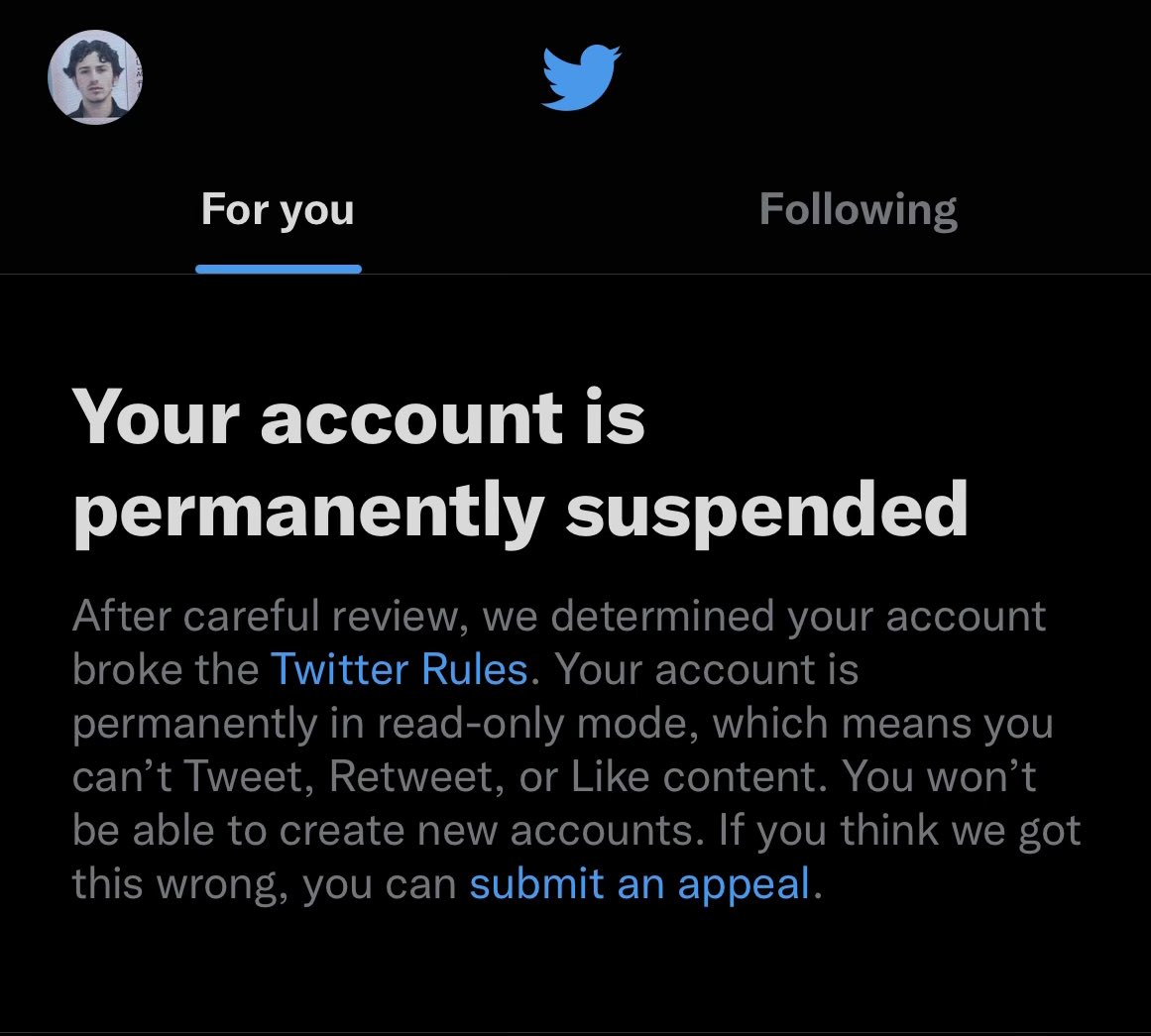
The account of journalist and frequent Grayzone contributor @loffredojeremy was permanently suspended for no stated reason under @elon’s new regime, which claims a commitment to free speech
241
843
2,836
372,963

Max Blumenthal is well-known as a far-left conspiracy nut.
Blumenthal and The Grayzone became well-known for challenging or downplaying mainstream reporting about China's treatment of Uyghurs in Xinjiang. Critics accused him of minimizing one of the largest human-rights abuses of the 21st century.
Blumenthal repeatedly challenged mainstream accounts of Syrian government responsibility for some chemical-weapons incidents and argued that evidence had been manipulated or suppressed. Called out for b.s.
Since Russia's invasion of Ukraine, Blumenthal and Grayzone have argued that Western and NATO policies played a major role in causing the conflict and have challenged many mainstream narratives about the war.
Anyone who cites this guy is just as stupid crazy as he is.
11

Check out this article documenting the MIND NUMBING betrayal of the United States!
Israel’s man inside the CIA betrayed the US, new files show
by Kit Klarenberg & Wyatt Reed; August 15, 2025, The Grayzone
thegrayzone.com/2025/08/15/c…
4

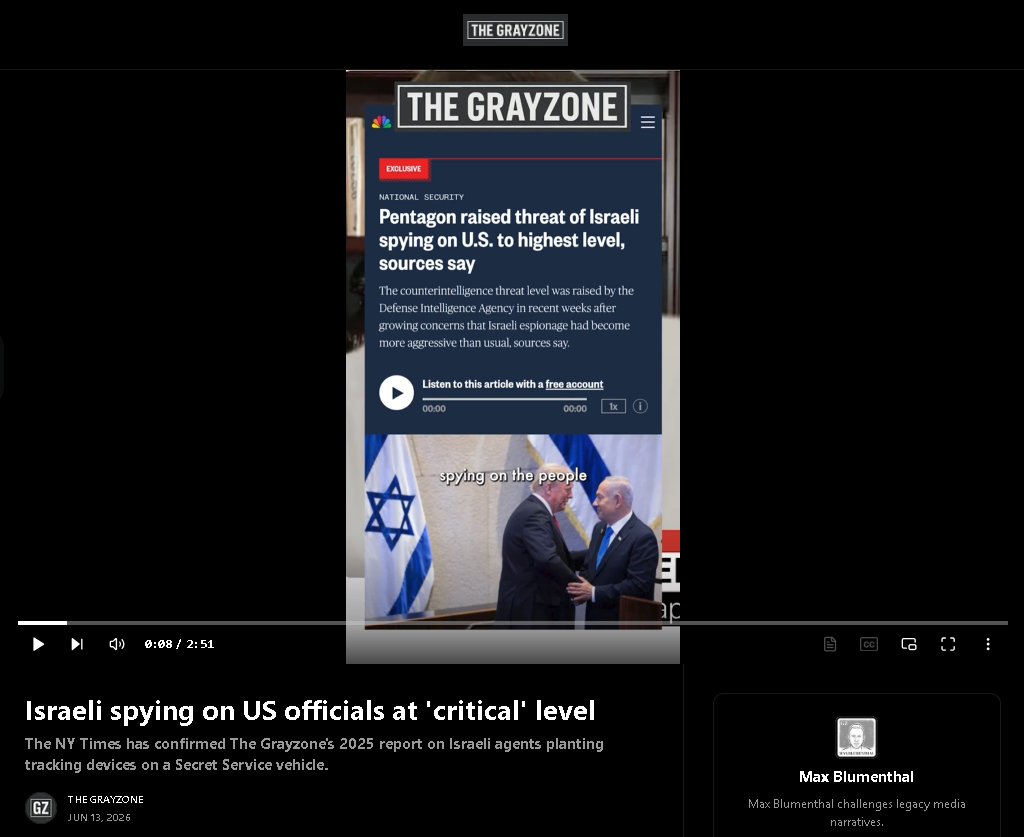
Israeli spying on US officials at 'critical' level, by @TheGrayzoneNews open.substack.com/pub/thegra…
The NY Times has confirmed The Grayzone's 2025 report on Israeli agents planting tracking devices on a Secret Service vehicle.
The Grayzone
Jun 13, 2026
4

11h
Harsh V. Pant ✍️ आज की सुरक्षा प्रतिस्पर्धा अब सिर्फ ज़मीनी सीमाओं तक सीमित नहीं है। यह साइबरस्पेस, सप्लाई चेन, इंफ्रास्ट्रक्चर और समुद्री मार्गों तक फैल चुकी है। देश सीधे युद्ध से बचते हुए ‘ग्रे-ज़ोन’ रणनीतियों के जरिए अपने लक्ष्य साध रहे हैं, जिससे शांति और संघर्ष की रेखा लगातार धुंधली होती जा रही है। #GrayZone #CyberSecurity #Geopolitics #MaritimeSecurity #SupplyChain #GlobalSecurity orfonline.org/hindi/research…
11

23h
Albaner wehren sich gegen Kushner-Projekt und kritisieren Einfluss von Groß-Israel
youtube.com/watch?v=2Me7TYyj…
Max Blumenthal von The Grayzone spricht mit Richter Andrew Napolitano über Albaniens „Flamingo-Revolution“, die durch die Enthüllung eines von Jared Kushner orchestrierten, vom Golf gesponserten Luxusprojekts auf der unberührten Insel Sazan ausgelöst wurde.
Blumenthal erklärt, dass die Albaner nicht nur ihre nationale Souveränität verteidigen, sondern auch erkennen, wie ihre Regierung vom „Greater Israel“-Projekt unterwandert wird.
1
46

Jim Dunlop UKシグネチャーピック
GRAYZONEにて先行発売中🎸
⚪FG09-α UK TORTEX WHITE JAZZ III PICK 1.35MM
⚫FG09-β UK FLOW STANDARD PICK 1.5MM
全国楽器店での発売は
🗓️6/25 予約受付開始
🗓️7/2 一般発売開始
の予定です。
お楽しみに✨

1
5
501

Jun 13
Max Blumenthal is an American journalist, author & political commentator known for his strong criticism of U.S. foreign policy & Israeli govt actions, regarding Palestine. He founded The Grayzone, a media outlet focused on investigative reporting about war & propaganda.
2
69
88
1,018
みなと@ギター好き retweeted
Jun 5
【告知】
FURCH Selected Model Tour 2026
featuring GRAYZONE
と題しまして、島村楽器さんと手を組んで全国5ヶ所でイベントやります!
是非!!!お待ちしております。
guitarsele.com/article/staff…

2
38
218
17,124