
Jun 9
Viral Infections Age the Host: Biological Aging Accelerates in Proportion to Viral Pathogenicity
Can viruses make organisms biologically older?
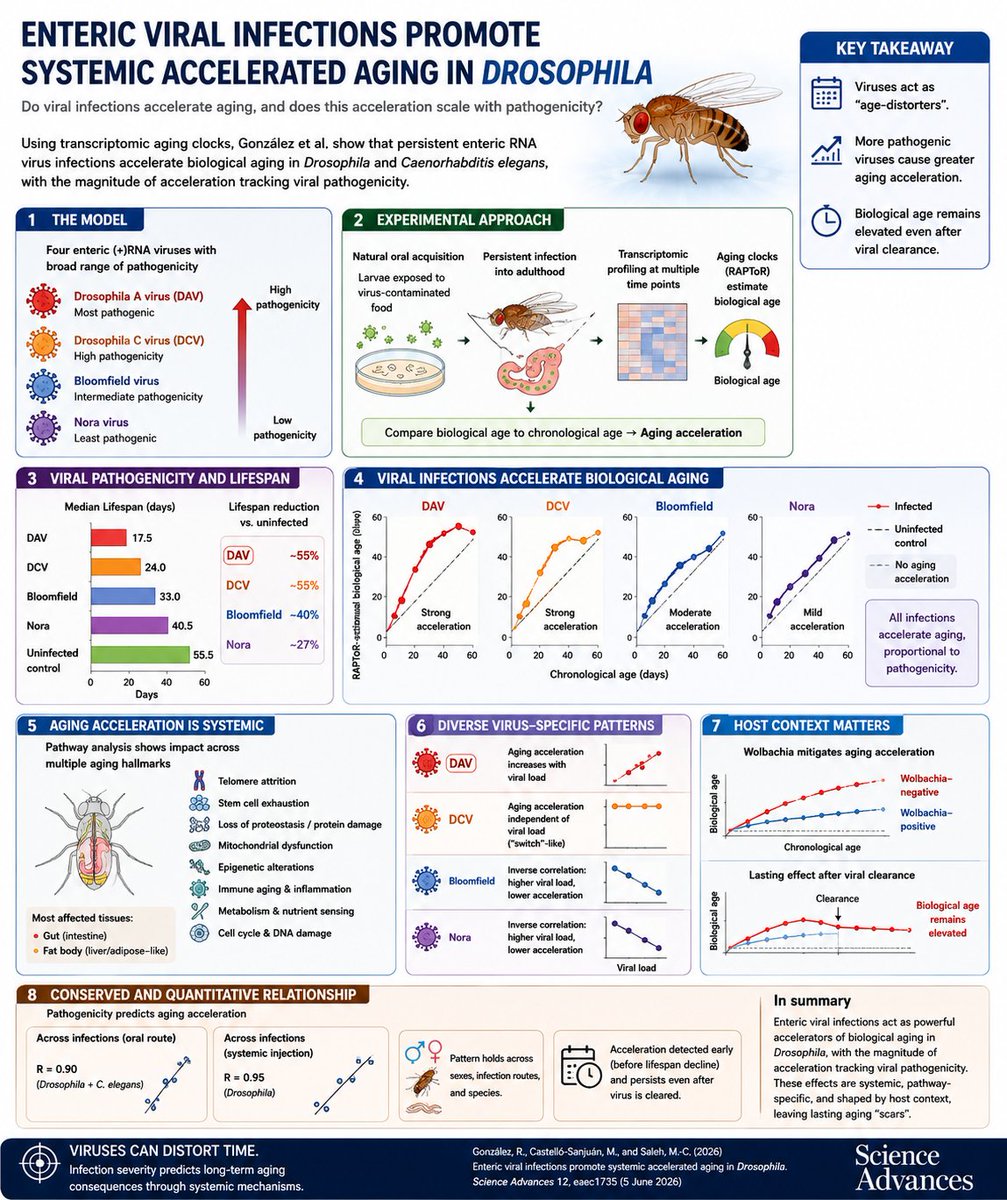
A new Science Advances study provides quantitative evidence that the answer is yes. Using transcriptomic aging clocks in Drosophila melanogaster, researchers demonstrated that persistent enteric viral infections accelerate biological aging, and the magnitude of aging acceleration closely tracks viral pathogenicity.
The team examined four naturally occurring RNA viruses spanning a wide virulence spectrum:
• Drosophila A virus (DAV)
• Drosophila C virus (DCV)
• Bloomfield virus
• Nora virus
More pathogenic viruses produced stronger lifespan reduction and greater biological age acceleration. DAV and DCV shortened lifespan by ~55%, while Nora virus caused only modest effects. Importantly, transcriptomic aging clocks revealed that biological aging increased long before death occurred.
One of the most surprising findings was that aging acceleration was systemic.
Affected pathways included:
✓ Telomere attrition
✓ Stem-cell exhaustion
✓ Loss of proteostasis
✓ Mitochondrial dysfunction
✓ Epigenetic alterations
✓ Immune aging and inflammation
The strongest tissue-level effects occurred in:
• Gut
• Fat body (functional liver/adipose equivalent in flies)
Different viruses appeared to accelerate aging through distinct mechanisms.
DAV showed a direct positive relationship between viral load and aging acceleration.
DCV behaved like an aging "switch"—producing severe aging acceleration largely independent of viral burden.
Bloomfield and Nora viruses displayed inverse correlations, suggesting that host immune responses themselves contribute substantially to aging.
The relationship proved remarkably quantitative.
Across oral infections in flies and nematodes, viral pathogenicity strongly predicted biological aging acceleration (r = 0.90). The same pattern remained when viruses were introduced systemically through injection (r = 0.95).
Host context also mattered.
The bacterial endosymbiont Wolbachia, well known for antiviral protection, significantly reduced virus-induced aging acceleration. However, one of the most important observations was that biological age remained elevated even after viral clearance, suggesting that infection leaves durable aging scars.
Why this matters
The work provides a conceptual framework linking infection biology and aging biology.
Rather than simply causing disease, viruses may function as "age-distorters" that shift an organism's biological trajectory. The study suggests that chronic or severe infections can leave persistent aging signatures long after pathogen control is achieved.
Although performed in flies and nematodes, the authors found that many affected pathways involve evolutionarily conserved aging mechanisms shared with mammals, raising the possibility that similar principles operate in humans.
Reference
González R, Castelló-Sanjuán M, Saleh MC. Enteric viral infections promote systemic accelerated aging in Drosophila. Science Advances. 2026;12:eaec1735. DOI: 10.1126/sciadv.aec1735.
#Aging #Virology #Immunology #Inflammaging #BiologicalAge #Drosophila #SystemsBiology #Longevity #ScienceAdvances #HostPathogenInteractions
3
11
250

Research Fellow (Cell Biology)
Nanyang Technological University
See the full job description on jobRxiv: jobrxiv.org/job/nanyang-tech…
#Cellstress #CRISPRscreen #hostpathogeninteractions #radicals #tissuerepair
#ScienceJobs
jobrxiv.org/job/nanyang-tech…
2
1,231
You are excited in revealing how pathogens drive infectious disease. Then we have the perfect opportunity for you. Come join our group! #PhD Student
Open PhD-Student position: Microbe-Host interaction. University of Tübingen
University of Tübingen
See the full job description on jobRxiv: jobrxiv.org/job/university-o…
#cellculture #HighContentScreening #hostpathogeninteractions #innateimmunity
#ScienceJobs
jobrxiv.org/job/university-o…
5
876
The Li Lab at UConn Health is seeking a highly motivated Postdoctoral Fellow to use our innovative approach to study host-microbe interaction.
Postdoc at UConn health on host-microbe interaction and innate immunity @Kai_Li_IDImmune
UConn Health
See the full job description on jobRxiv: jobrxiv.org/job/uconn-health…
#bacterialhostinteraction #hostpathogeninteractions #innateimmunity #phagosome #proteomics #proximitylabeling
#ScienceJobs
jobrxiv.org/job/uconn-health…
3
4
1,256

📢 New eBook: Dive into our new eBook on zoonotic pathogens—spanning ecology, genomics, immunology, and microbiomes—to sharpen surveillance, models, and interventions for emerging disease threats. 🔬🦠📚 #ZoonoticInfection #OneHealth #InfectiousDisease #HostPathogenInteractions
Learn more 👉fro.ntiers.in/AAZb
3
3
228
🌟 Call for Submissions! 🌟
The Research Topic of Toxoplasma gondii explores human and animal studies that dissect the inflammation–pathology axis across acute infection, stage conversion to cysts, and chronic immune surveillance, including mechanistic work on IFN-γ/CD4 –driven control and downstream tissue effects. 🦠#Toxoplasma #ToxoplasmaGondii #Parasitology #Immunology #Inflammation #InfectiousDisease #Microbiology #OneHealth #Pathogenesis #HostPathogenInteractions
Learn more 👉 fro.ntiers.in/Wzhz8cyrgZb
2
2
111

25 Nov 2025
Hyperbolic Graph Embeddings Reveal the Host–Pathogen Interactome
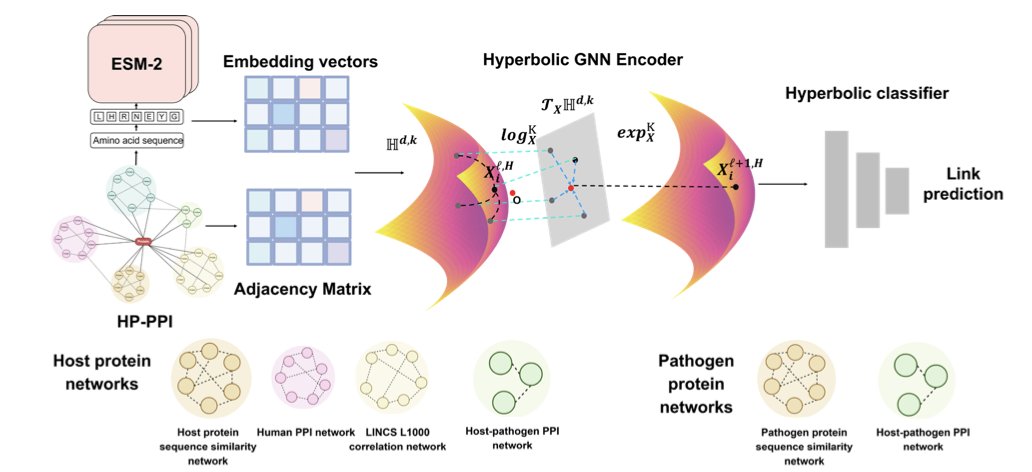
1. Researchers have developed a novel deep learning framework called ApexPPI that uses hyperbolic Riemannian space to map host–pathogen protein interactions with high accuracy. This approach captures the hierarchical and scale-free nature of biological networks more effectively than traditional Euclidean methods.
2. The study integrates multimodal biological data, including protein sequences, gene perturbation experiments, and interaction networks, to predict interactions between host and pathogen proteins. This multi-task learning strategy enhances the model's ability to generalize across diverse datasets.
3. By leveraging hyperbolic embeddings, the model achieves state-of-the-art performance in predicting host–pathogen interactions, with an AUROC of 0.905. This demonstrates the power of hyperbolic geometry in representing complex biological networks.
4. The framework identifies thousands of high-confidence interactions, including many involving human G-protein-coupled receptors (GPCRs), which are promising targets for therapeutic interventions.
5. Predicted interactions are validated using AlphaFold3 structural modeling and Pyrosetta binding energy calculations, ensuring that the identified interactions are not only topologically plausible but also structurally and energetically favorable.
6. The study highlights the potential of advanced AI techniques to unravel complex biological systems and provides a valuable resource for discovering new treatments for infectious diseases.
📜Paper: arxiv.org/abs/2511.14669
#HyperbolicGraphs #HostPathogenInteractions #AIinBiology #DeepLearning #ProteinInteractions #Bioinformatics
1
7
718
28 Sep 2025
ppIRIS: deep learning for proteome-wide prediction of bacterial protein-protein interactions
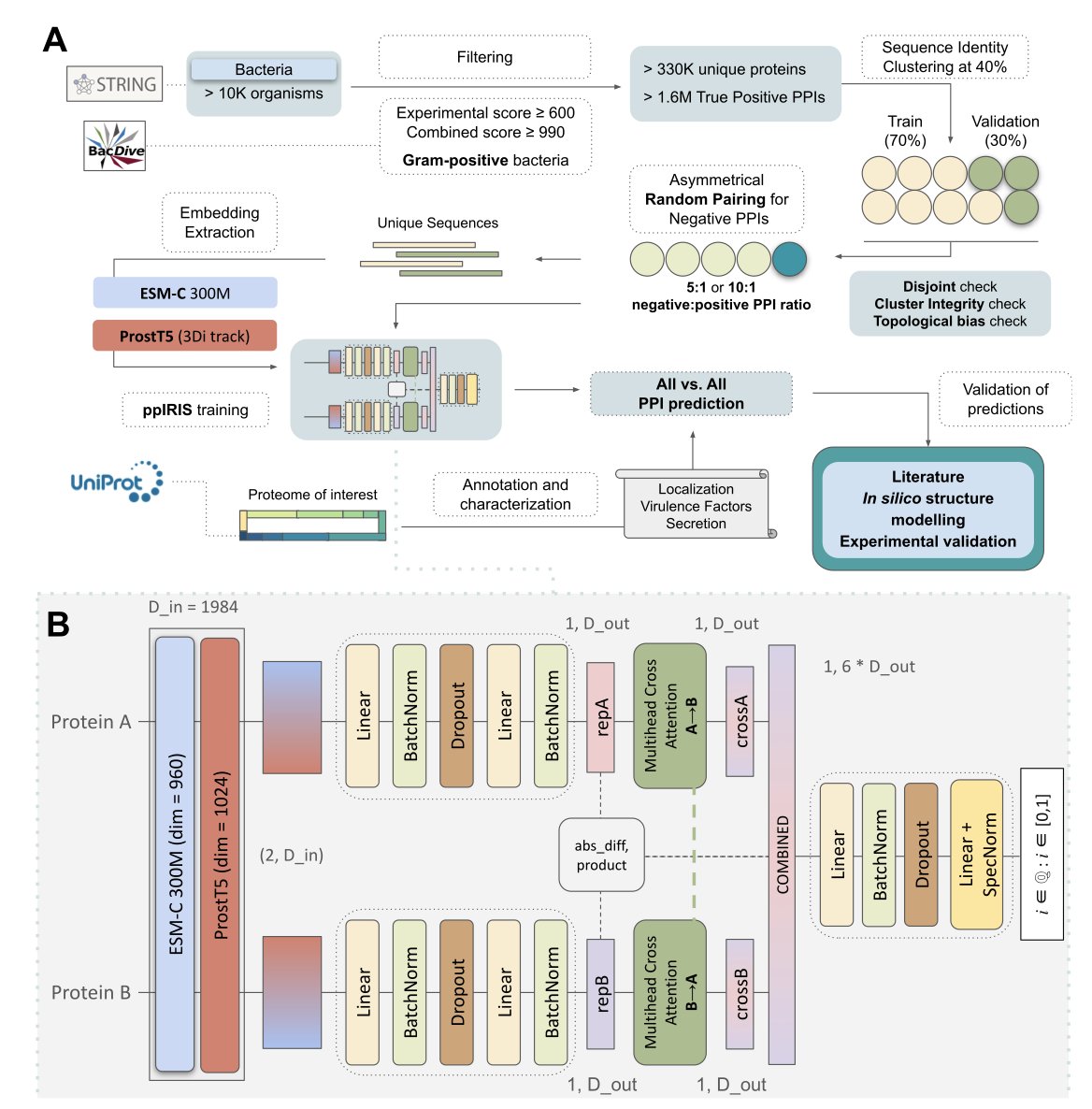
1. The article introduces ppIRIS, a lightweight deep learning model designed to predict bacterial protein-protein interactions (PPIs) directly from sequence. This model integrates evolutionary and structural embeddings, achieving state-of-the-art accuracy while enabling rapid proteome-wide screening.
2. Traditional experimental approaches to mapping bacterial interactomes are incomplete due to technical limitations. Computational methods often lack generalizability or are too resource-intensive. ppIRIS addresses these challenges by combining ESM-C and ProstT53Di embeddings within a Siamese network architecture, offering a balance between precision and recall.
3. When applied to Group A Streptococcus (GAS), ppIRIS revealed functional clusters linked to virulence pathways, including nutrient transport, stress response, and metal scavenging. This demonstrates the model’s potential for uncovering key interactions in bacterial pathogens.
4. For host-pathogen predictions, ppIRIS recovered 56.2% of known GAS-human plasma interactions, with enrichment in complement, coagulation, and protease inhibition pathways. Experimental validation confirmed several novel predictions, highlighting the model’s applicability for systematic discovery of cross-species PPIs.
5. The model’s architecture includes a dual-embedding fusion approach and a feature interaction module that captures both individual protein characteristics and relationship patterns between proteins. This design emphasizes practical deployability, allowing for rapid scans on widely available GPUs.
6. The authors also explored the interaction landscape of GAS M1 virulence factors with human proteins, revealing coherent functional modules targeted by multiple virulence factors. This analysis provides valuable insights into the host-pathogen interface and potential targets for therapeutic intervention.
7. The ppIRIS codebase, including dataset preprocessing, embedding extraction, training, and inference pipelines, is available on GitHub, making it accessible for further research and development in the field of bacterial PPI prediction.
📜Paper: biorxiv.org/content/10.1101/…
#ProteinInteraction #DeepLearning #BacterialPathogens #HostPathogenInteractions #Bioinformatics #Proteomics
1
13
1,569
7 Jun 2025
AlphaFold models of host-pathogen interactions elucidate the prevalence and structural modes of molecular mimicry
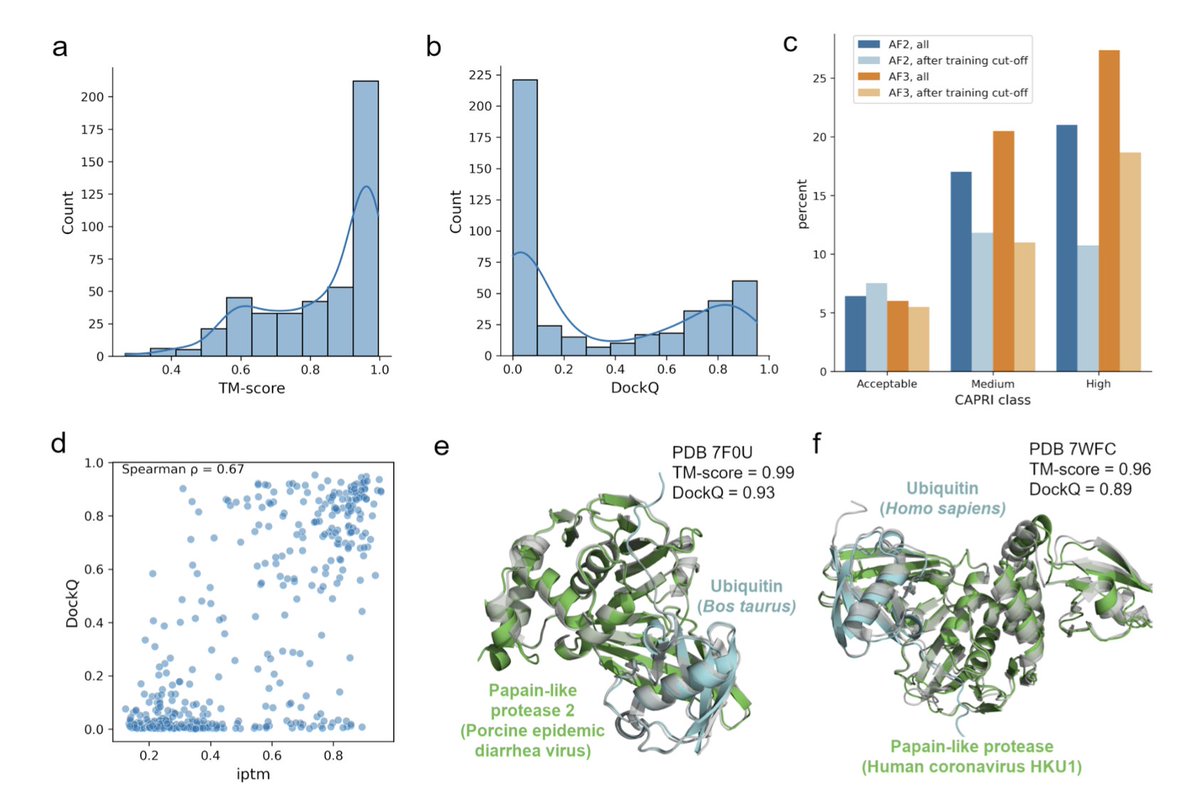
1.This study utilizes AlphaFold models to predict the structures of host-pathogen protein-protein interactions (PPIs), shedding light on the prevalence and mechanisms of molecular mimicry, a strategy pathogens use to hijack host cellular processes.
2.By predicting the structures of 6,782 pathogen-human PPIs, the authors identify 803 models of higher confidence, demonstrating that AlphaFold can be used to study complex host-pathogen interactions at a structural level.
3.The results show that pathogens often target similar interfaces within human proteins, suggesting convergent evolution in pathogen interaction mechanisms. This convergence is particularly notable in cases where pathogens mimic human protein interaction sites.
4.The study categorizes molecular mimicry into three structural modes: 1) mimicry via the same domain family, 2) mimicry via similar structural motifs, and 3) mimicry through short linear motifs (SLiMs), with the latter being the most common.
5.Experimental validation of predicted interactions shows that AlphaFold's predictions can be accurate, with 8 out of 12 linear motif interactions confirmed in binding assays, including 3 viral linear motif interactions.
6.The study highlights how pathogens may use molecular mimicry to manipulate host cellular machinery, either by redirecting host proteins toward their own processes or by disrupting host functions.
7.The authors propose that their findings could be useful for drug development, especially by targeting pathogen-specific interfaces that mimic human ones, potentially leading to the discovery of novel therapeutic strategies.
8.While the study provides valuable insights, it also acknowledges the limitations of the AlphaFold approach, particularly for interactions involving large protein complexes or interfaces with more complex conformational dynamics.
📜Paper: biorxiv.org/content/10.1101/…
#MolecularMimicry #HostPathogenInteractions #AlphaFold #StructuralBiology #ProteinInteractions #DrugDiscovery #ComputationalBiology
19
83
6,750
7 Jun 2025
AlphaFold models of host-pathogen interactions elucidate the prevalence and structural modes of molecular mimicry
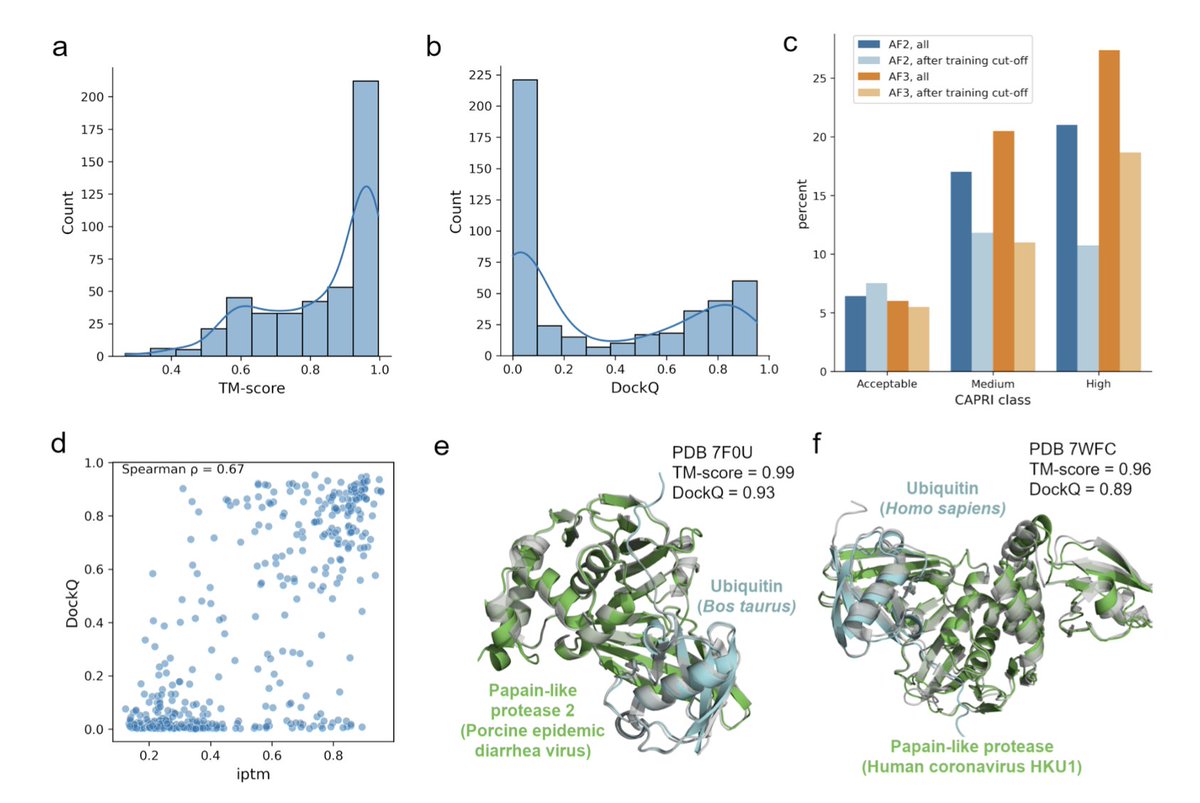
1.This study utilizes AlphaFold models to predict the structures of host-pathogen protein-protein interactions (PPIs), shedding light on the prevalence and mechanisms of molecular mimicry, a strategy pathogens use to hijack host cellular processes.
2.By predicting the structures of 6,782 pathogen-human PPIs, the authors identify 803 models of higher confidence, demonstrating that AlphaFold can be used to study complex host-pathogen interactions at a structural level.
3.The results show that pathogens often target similar interfaces within human proteins, suggesting convergent evolution in pathogen interaction mechanisms. This convergence is particularly notable in cases where pathogens mimic human protein interaction sites.
4.The study categorizes molecular mimicry into three structural modes: 1) mimicry via the same domain family, 2) mimicry via similar structural motifs, and 3) mimicry through short linear motifs (SLiMs), with the latter being the most common.
5.Experimental validation of predicted interactions shows that AlphaFold's predictions can be accurate, with 8 out of 12 linear motif interactions confirmed in binding assays, including 3 viral linear motif interactions.
6.The study highlights how pathogens may use molecular mimicry to manipulate host cellular machinery, either by redirecting host proteins toward their own processes or by disrupting host functions.
7.The authors propose that their findings could be useful for drug development, especially by targeting pathogen-specific interfaces that mimic human ones, potentially leading to the discovery of novel therapeutic strategies.
8.While the study provides valuable insights, it also acknowledges the limitations of the AlphaFold approach, particularly for interactions involving large protein complexes or interfaces with more complex conformational dynamics.
📜Paper: biorxiv.org/content/10.1101/…
#MolecularMimicry #HostPathogenInteractions #AlphaFold #StructuralBiology #ProteinInteractions #DrugDiscovery #ComputationalBiology
2
773

6 Mar 2025
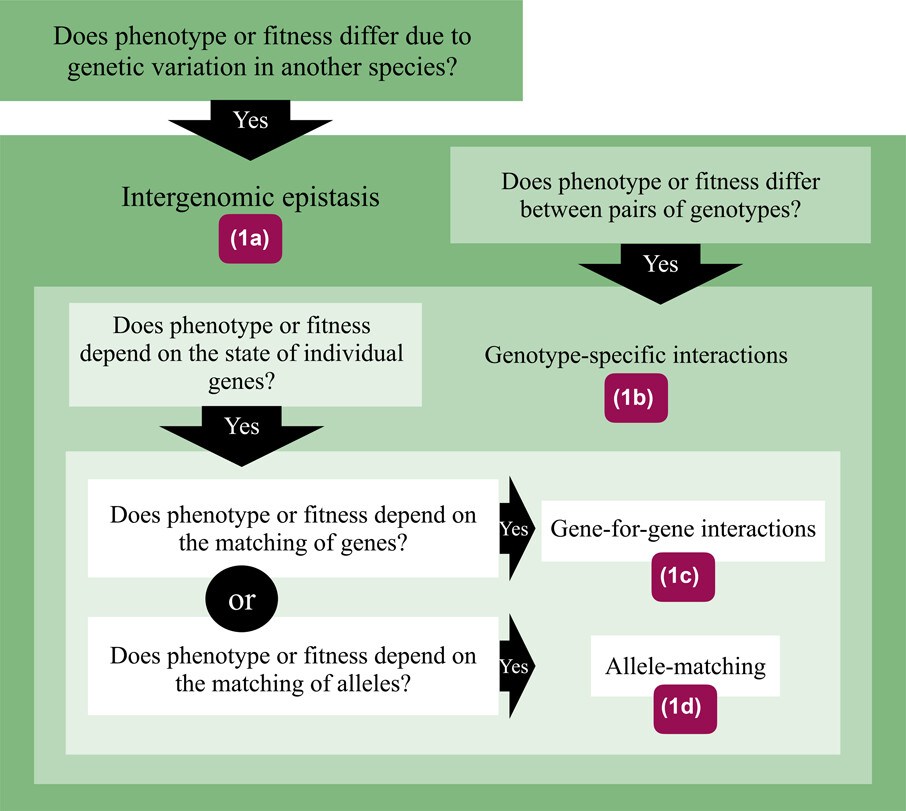
Studying the genetic basis of ecological interactions with intergenomic epistasis
doi.org/10.1111/oik.10835
#GxGInteractions #SpeciesInteractions #CoEvolution #HostPathogenInteractions #Epistasis #EcoEvolutionaryDynamics
1
2
5
480

10 Sep 2024
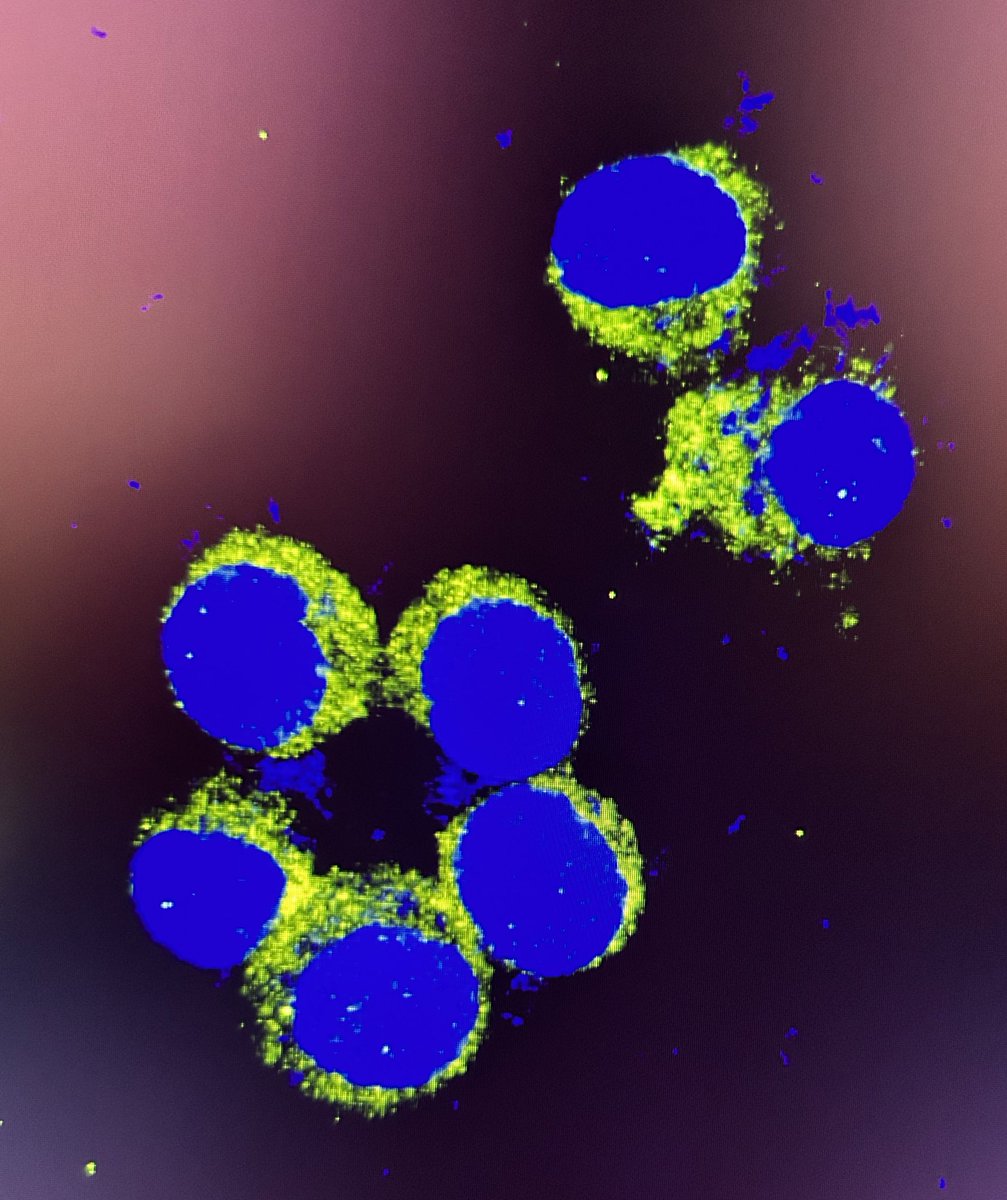
Rings we women in science get … #Macrophage #immunecell #immunofluorescence #hostpathogeninteractions #immunity
3
38

8 Jul 2024
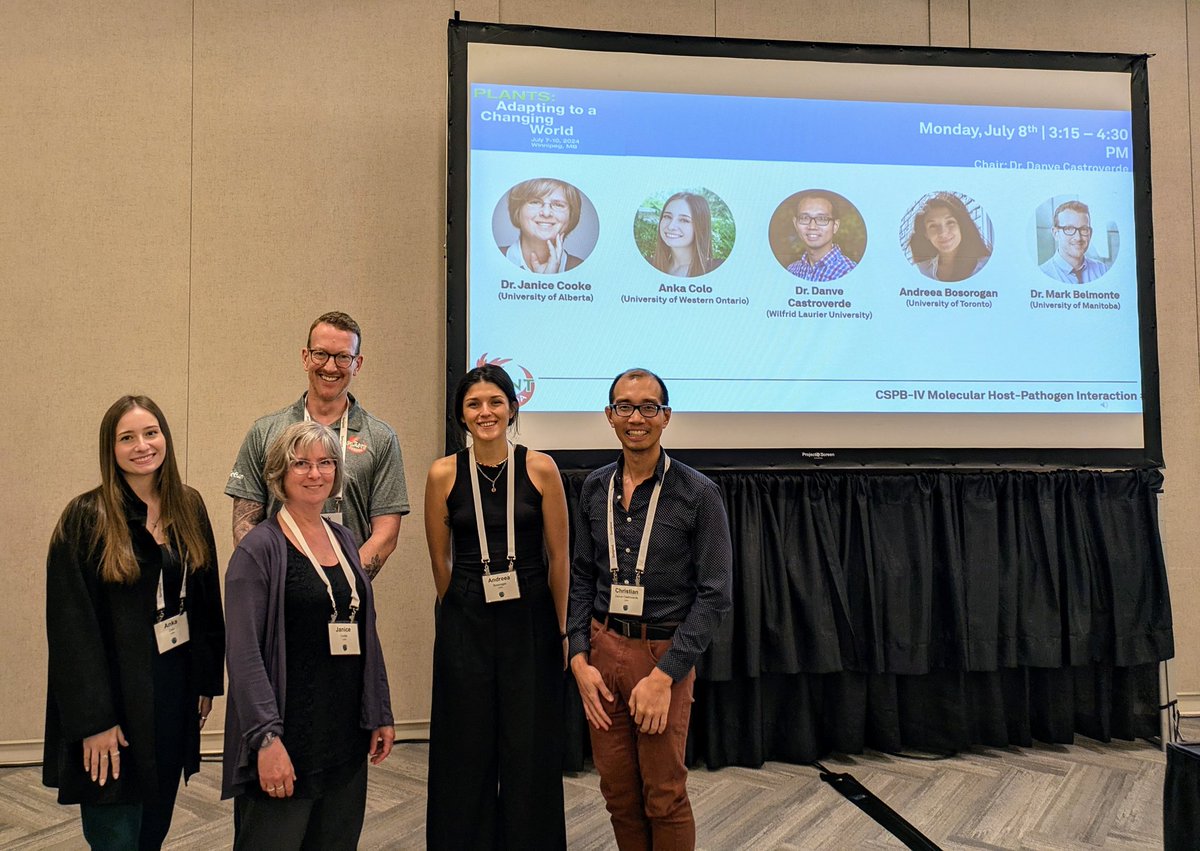
It was an honour to chair this #PlantCanada2024 session with an excellent lineup of scientists from all over Canada! @cspbscbv #PlantBiology #HostPathogenInteractions #PlantImmunity
4
24
1,551

12 Jun 2024
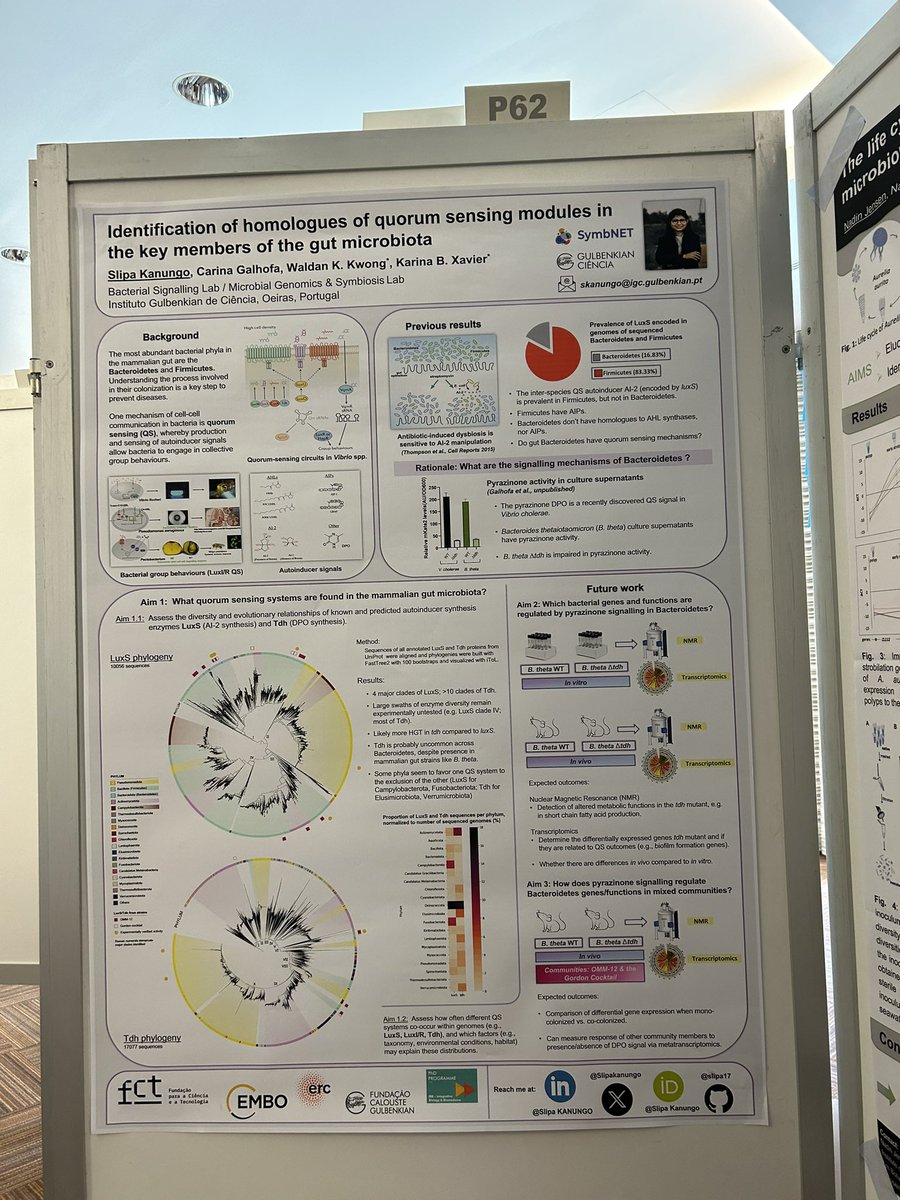
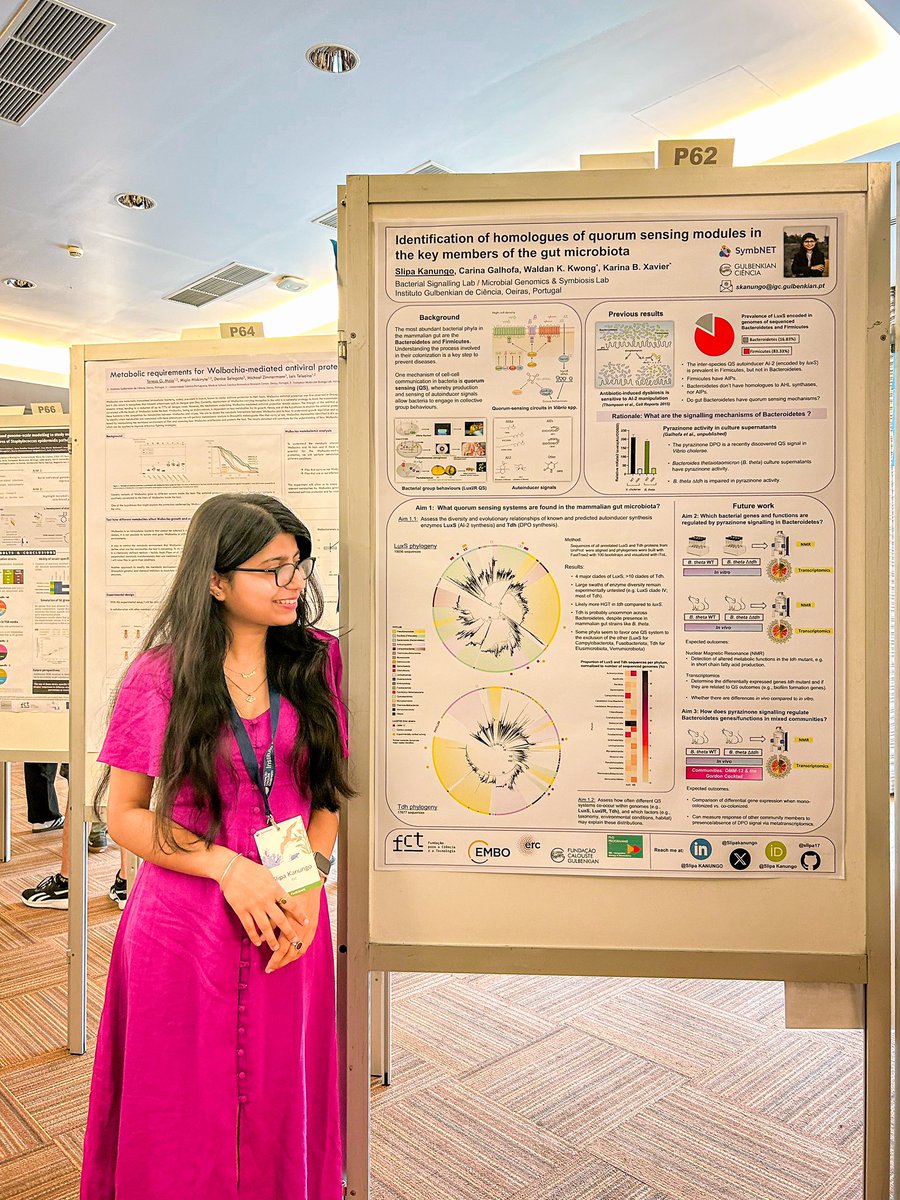
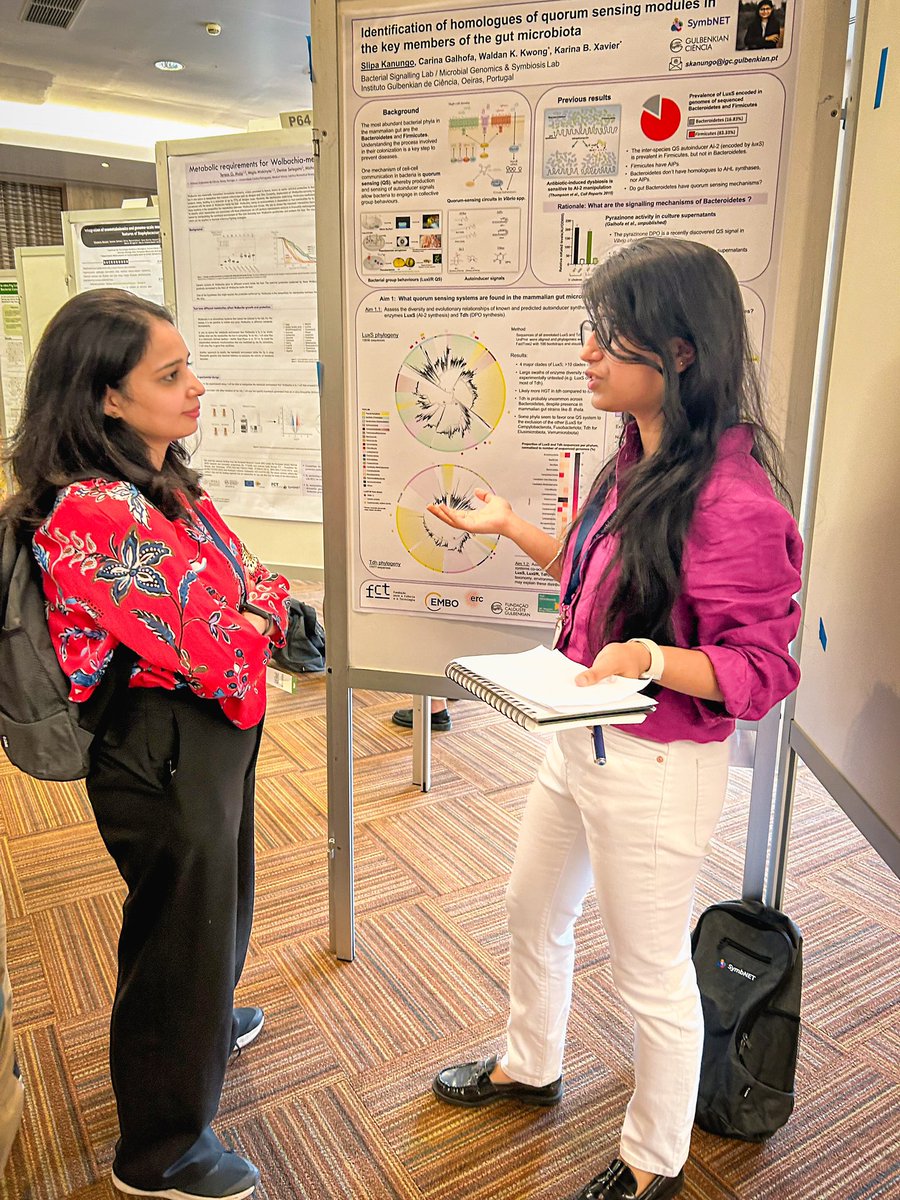
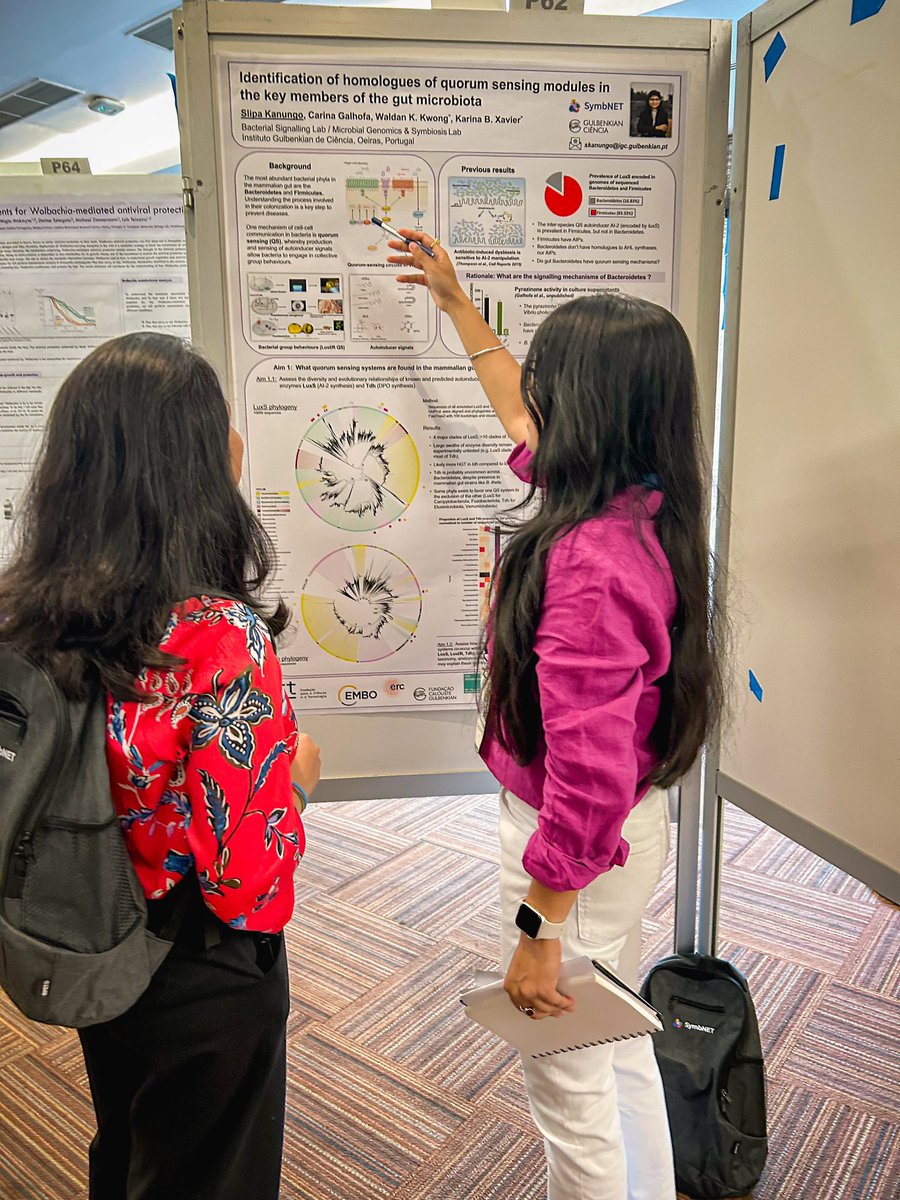
Presenting my PhD project and its objectives at @SymbNET International Conference. Thank you @KarinaXavierLab and @wk_kwong and team for your supervision! #symbNET2024 #QuorumSensing #Phylogeny #hostpathogenInteractions
1
1
14
865

7 Jun 2024
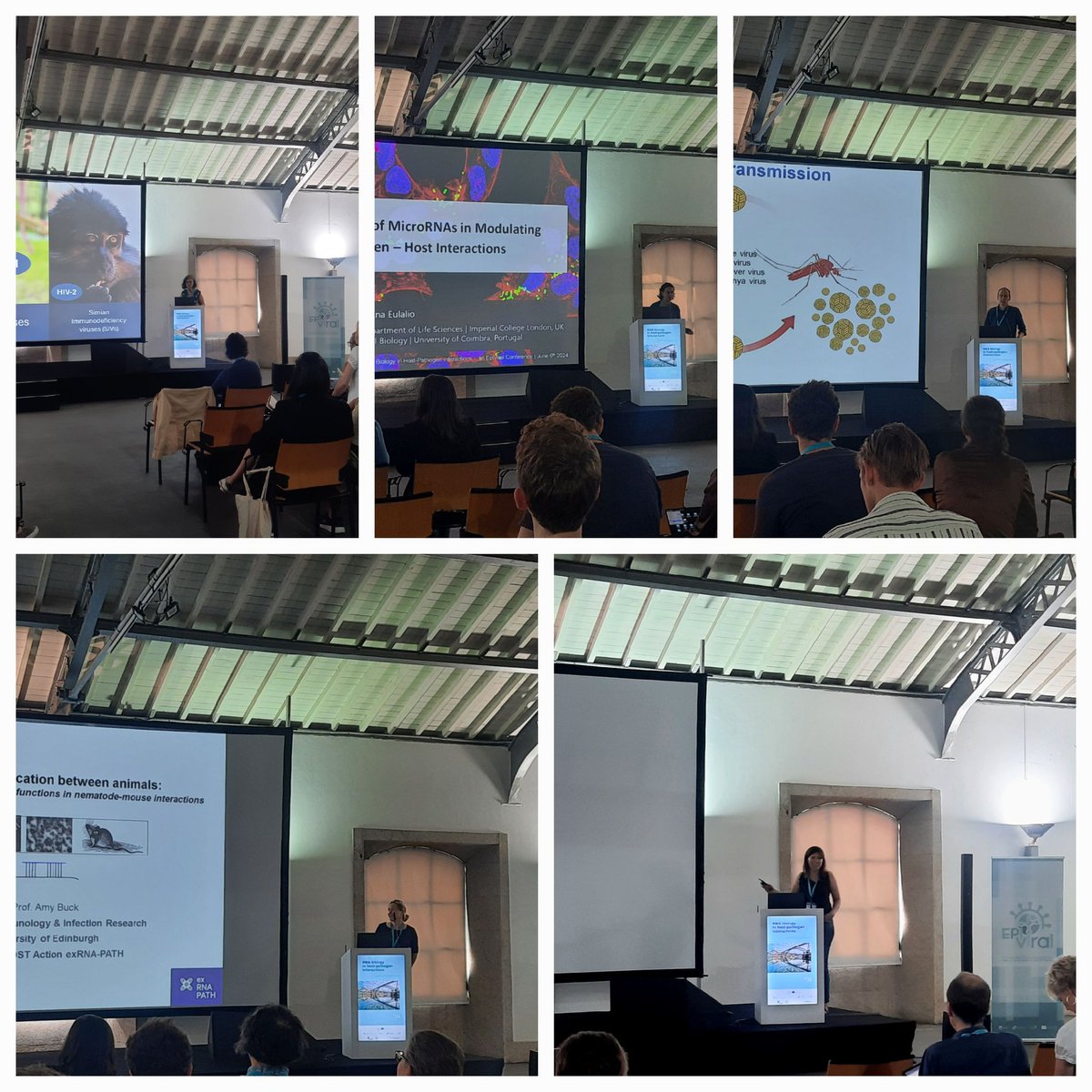
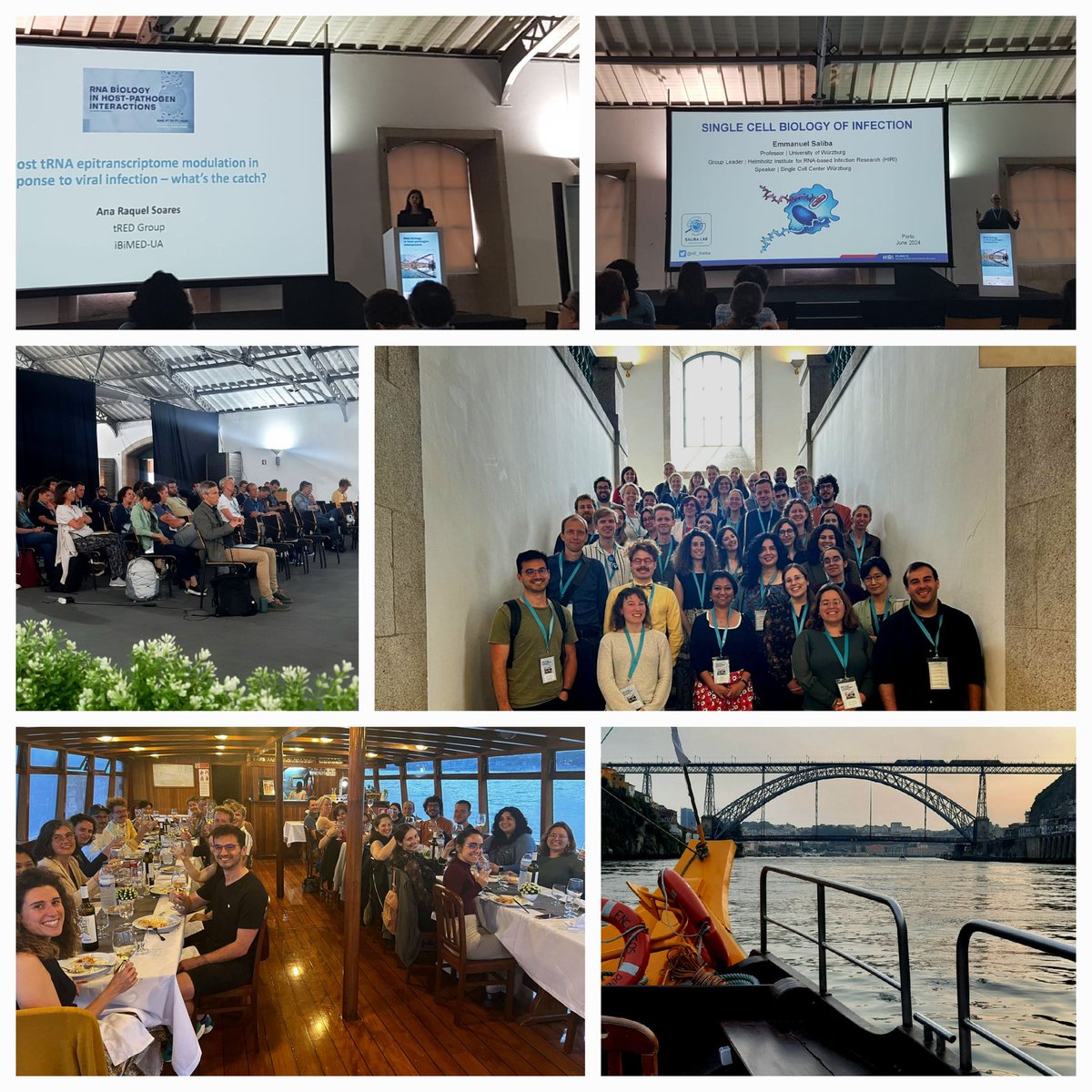
👌Day3 #RNABHPI2024
We learned about the role of #NonCodingRNA and the #HighThroughputMethods for analyzing RNA in the context of #HostPathogenInteractions.
In the end of the day, participants had the opportunity to network during the conference dinner.
1
7
135
6 Jun 2024
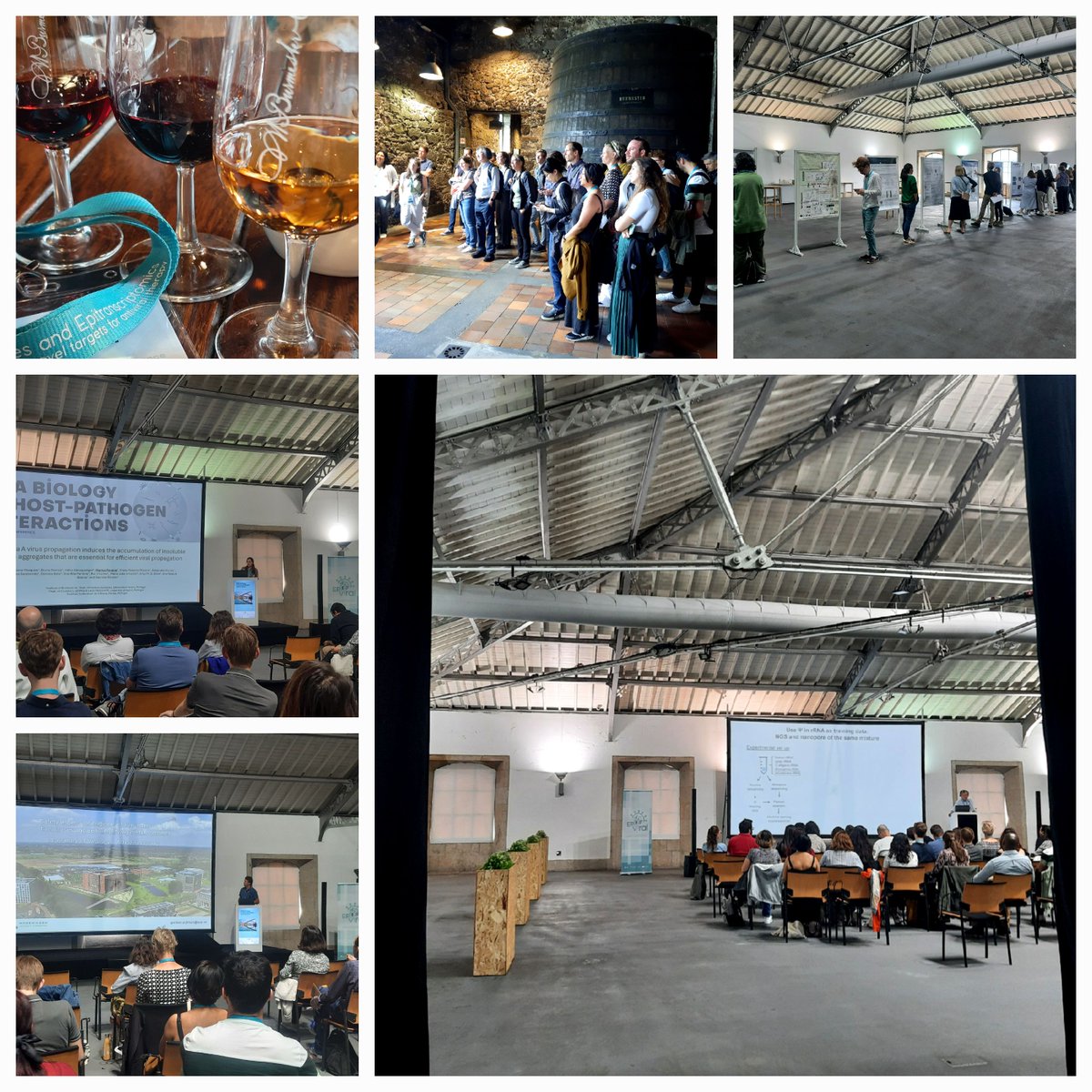
✌️Day 2 #RNABHPI2024
In addition to the discussions about #RNAmodifications and #RNAbasedtherapies in the context of #HostPathogenInteractions, participants also presented their work during the flash talks and poster sessions. At the end we visited Burmester wine cellar.🍷
1
1
3
573

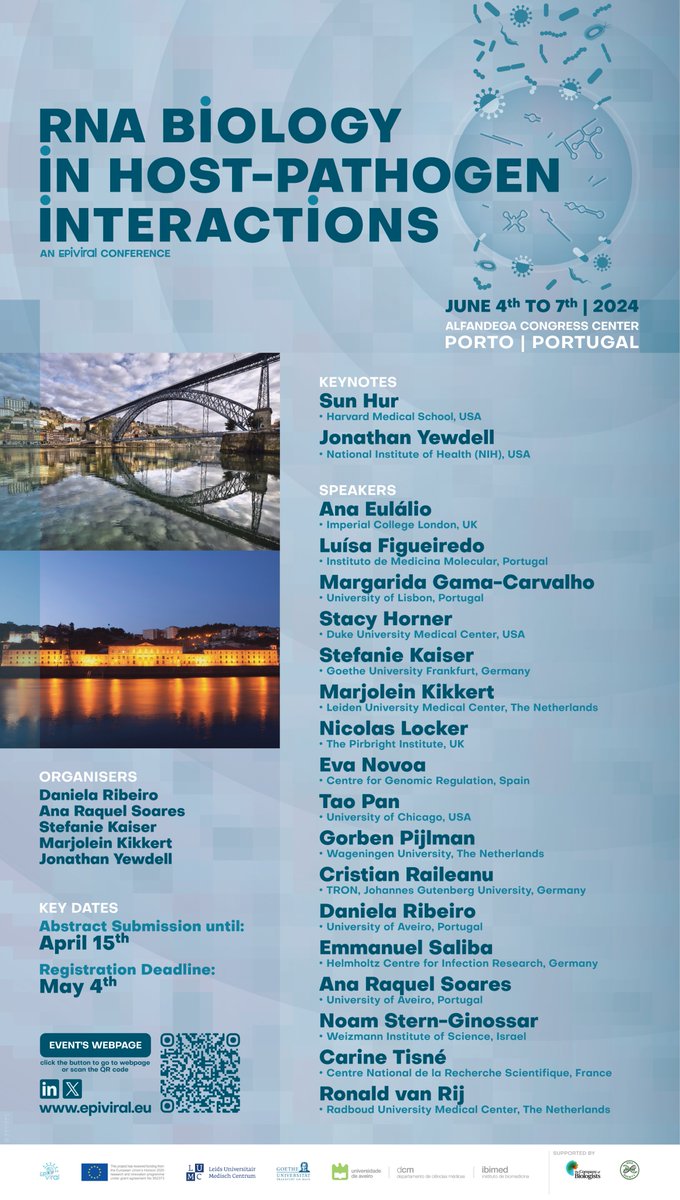
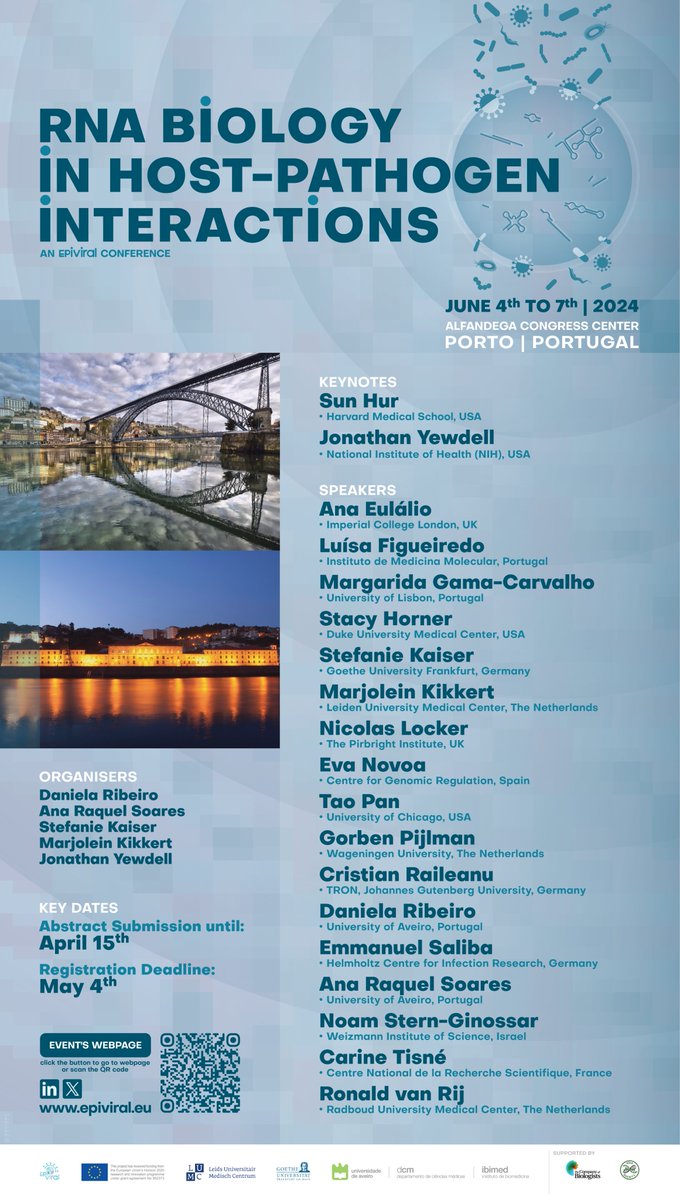
⚠️Submit your work -
Abstract deadline coming soon!
Join us for our @viral_epi conference on #HostPathogenInteractions and #RNAbiology from June 4-6, in Porto 🇵🇹
Organized by: @UnivAveiro @goetheuni @LUMC_Leiden
Supported by: @RNASociety @Co_Biologists
5 Apr 2024

🚀Only 10 days left until the abstract submission deadline!
If you haven’t submitted, now’s the time!
Don’t miss out on this opportunity!
More info: bit.ly/RNAHostPath
@UnivAveiro @LUMC_Leiden @goetheuni
@dribeirolab @SoaresRna @LabKaiser
@RNASociety @Co_Biologists
2
5
239
28 Mar 2024
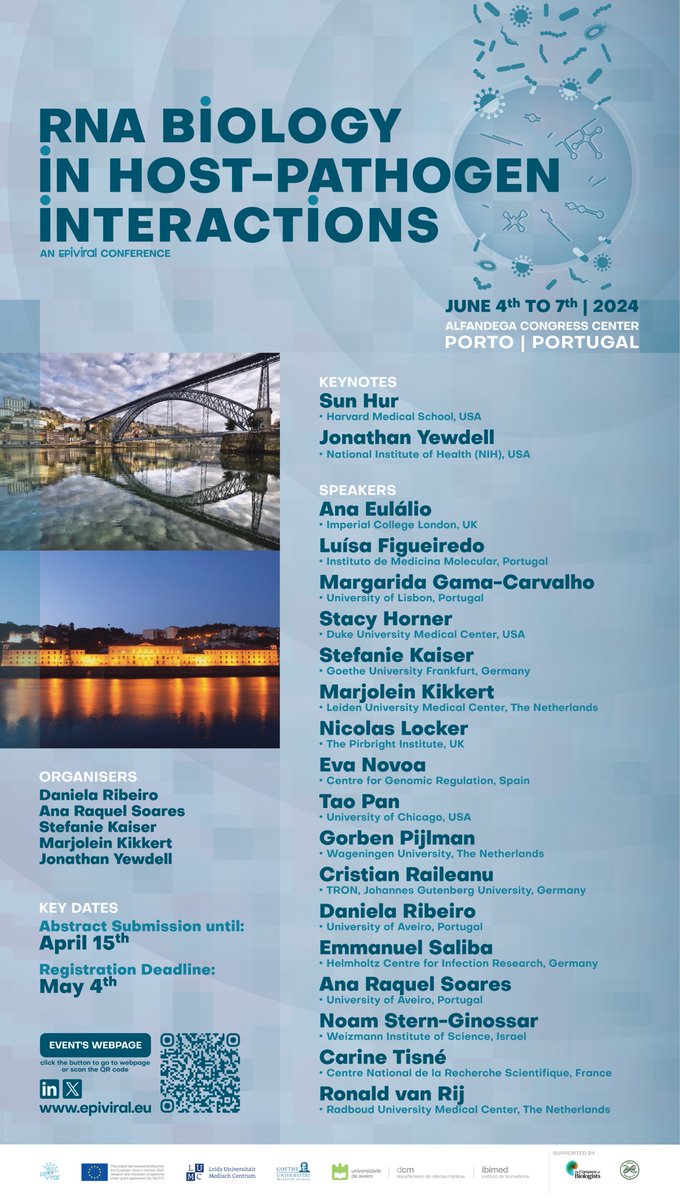
📢Exciting News
🎉 The detailed program for our upcoming conference is now available!
Don't miss out!
Check it now: bit.ly/RNAHostPath
Abstract Deadline: April 15
Registration deadline: May 4
#RNAbiology #Pathogens #HostPathogenInteractions #Conference #Research
1
4
5
560

29 Feb 2024
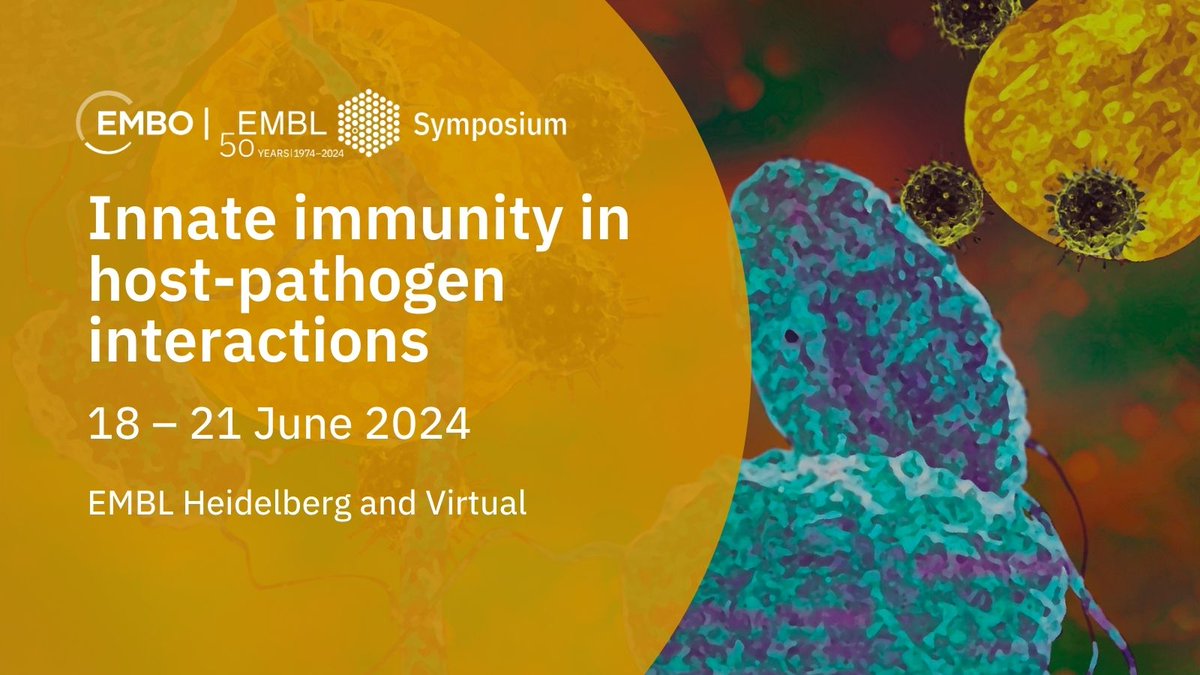
⏰ There's less than a month left to submit your abstract for #EESImmunity! 🦠🧫 Will you be one of the 20 speakers selected from abstracts? Don't miss your chance 💪
💻 s.embl.org/ees24-08
✍️ Submit abstract by 26 Mar
#innateimmunity #cellautonomousimmunity #hostpathogeninteractions #infectionbiology
1
7
3,779
14 Feb 2024
Secure your spot now!
Registration and abstract submission are OPEN for the conference on "RNA biology in host-pathogen interactions"!🧬🦠
Check out the speakers lineup!🔍
More details: bit.ly/RNAHostPathInt
#RNA #hostpathogeninteractions #viruses #bacteria #parasite #fungi
4
5
403