
An aphid infestation on a plant is an opportunity to observe a network of prey-predator and parasitic relationships. In late May, a grape honeysuckle (Lonicera reticulata) was clobbered by aphids; most of its flowers failed to open, the buds covered with greenish-gray aphids, the leaves spattered with aphid honeydew and molted aphid skins. This proved to be a substantial invitation:
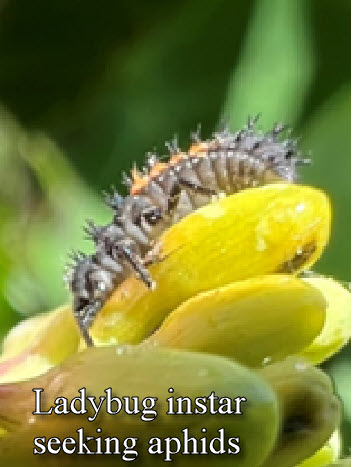
· Asian harlequin ladybugs (Harmonia axyridis) and ladybug larvae appeared, consuming numerous aphids. Imported as biocontrol for aphids as long ago as 1916; the downside is that it carries a Nosema fungus that’s fatal to native 7-spotted ladybugs (Coccinella septempunctata).
· Hoverflies, including the beautiful oblique streaktail, Allograpta obliqua, arrived and began to lay, sometimes on the underside of leaves, but more often inserting the eggs deep within the stunted buds.
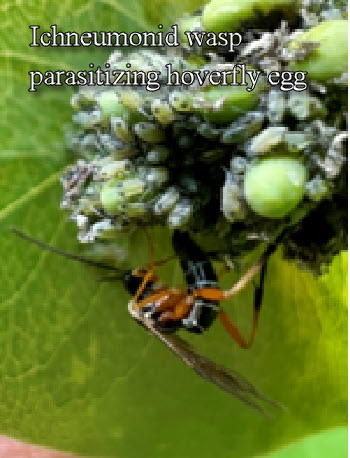
· Soon, parasitoid wasps arrived, Ichneumonid spp, which were not there for the aphids but the hoverfly eggs. Tapping the buds with their antennae, the tiny wasps sought out the concealed hoverfly eggs and injected their own into them.
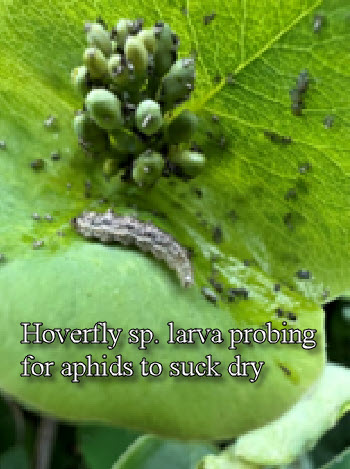
· A few hoverfly larvae were sucking aphids dry, and often wore the emptied husks on their bodies to prove it.
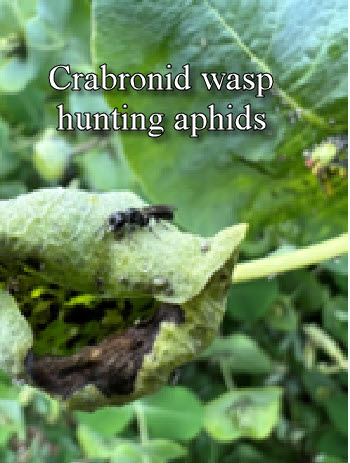
· Small black Crabronid wasps captured aphids in their mandibles for their brood, flying them back to nests inside stalks they had industriously hollowed out.
· Fruit flies showed up for honeydew (the sweet, sticky excrement of aphids).
· A minute, non-native, metallic turquoise-and-red jewel wasp appeared, Pseudomalus auratus. Fond of honeydew, it’s also a cuckoo that parasitizes a number of bee and wasp species, including the Crabronids. Cuckoos sneak into a bee or wasp nest and lay. This species has another reproductive tactic: lay an egg on the aphid and let the aphid-hunting Crabronid unwittingly transport it back to its nest, enabling the cuckoo larvae to kill the Crabronid brood and consume their stores: defines kleptoparasite.
· No aphid mummies were visible, indicating an absence of the tiny Braconid wasps that parasitize aphids.
· A plant louse, a spittlebug, and ants numbered among the visitors, as well as a potter wasp (Ancistrocerus sp.), likely there for nectar, along with a small carpenter bee (Ceratina sp.).
A guest post from Maggie Schwed, SBC Pollinator Consultant. Part of the RSPP/SBC Partnership. For more information on Stone Barns visit @stonebarns on IG.
6

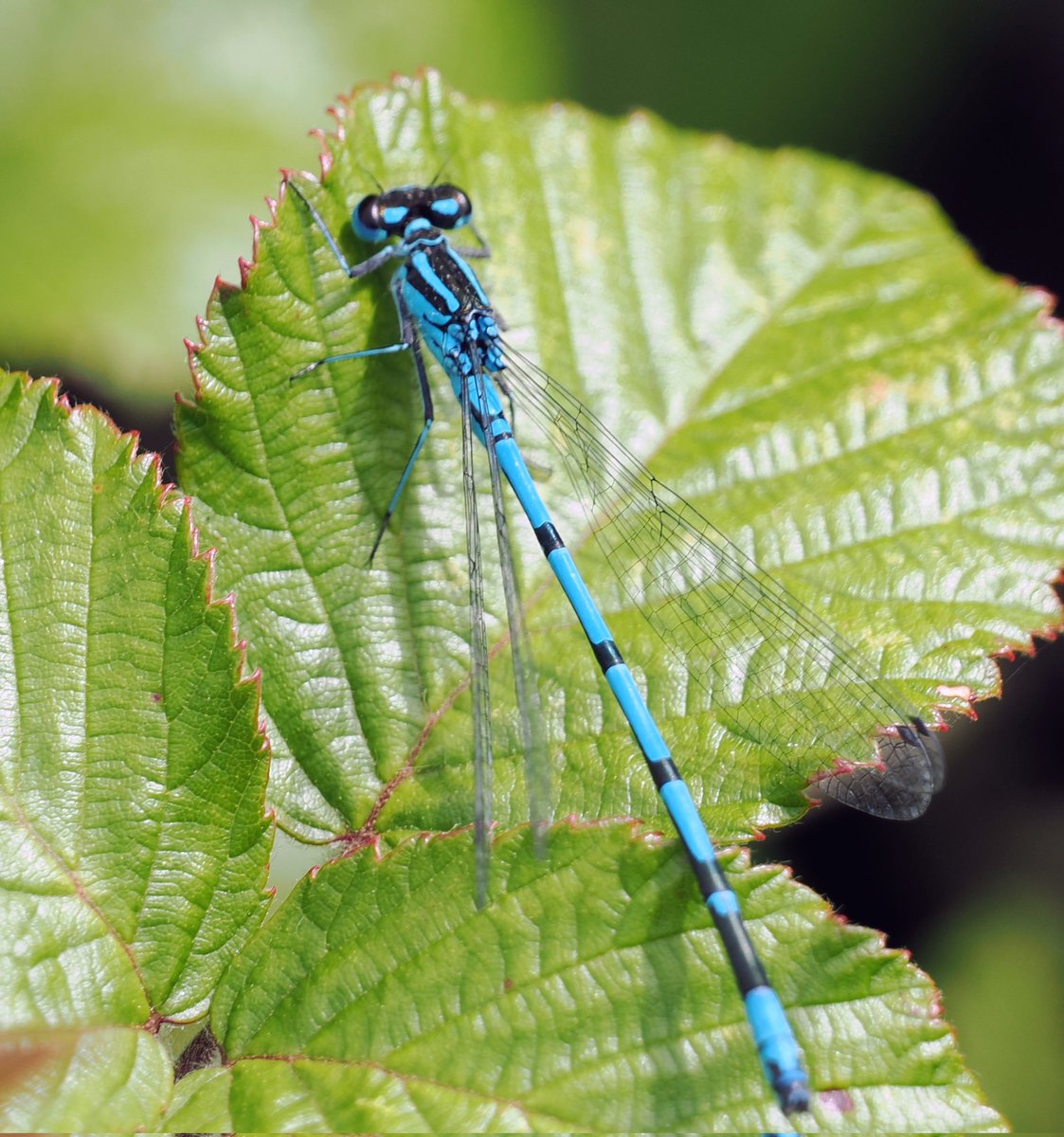
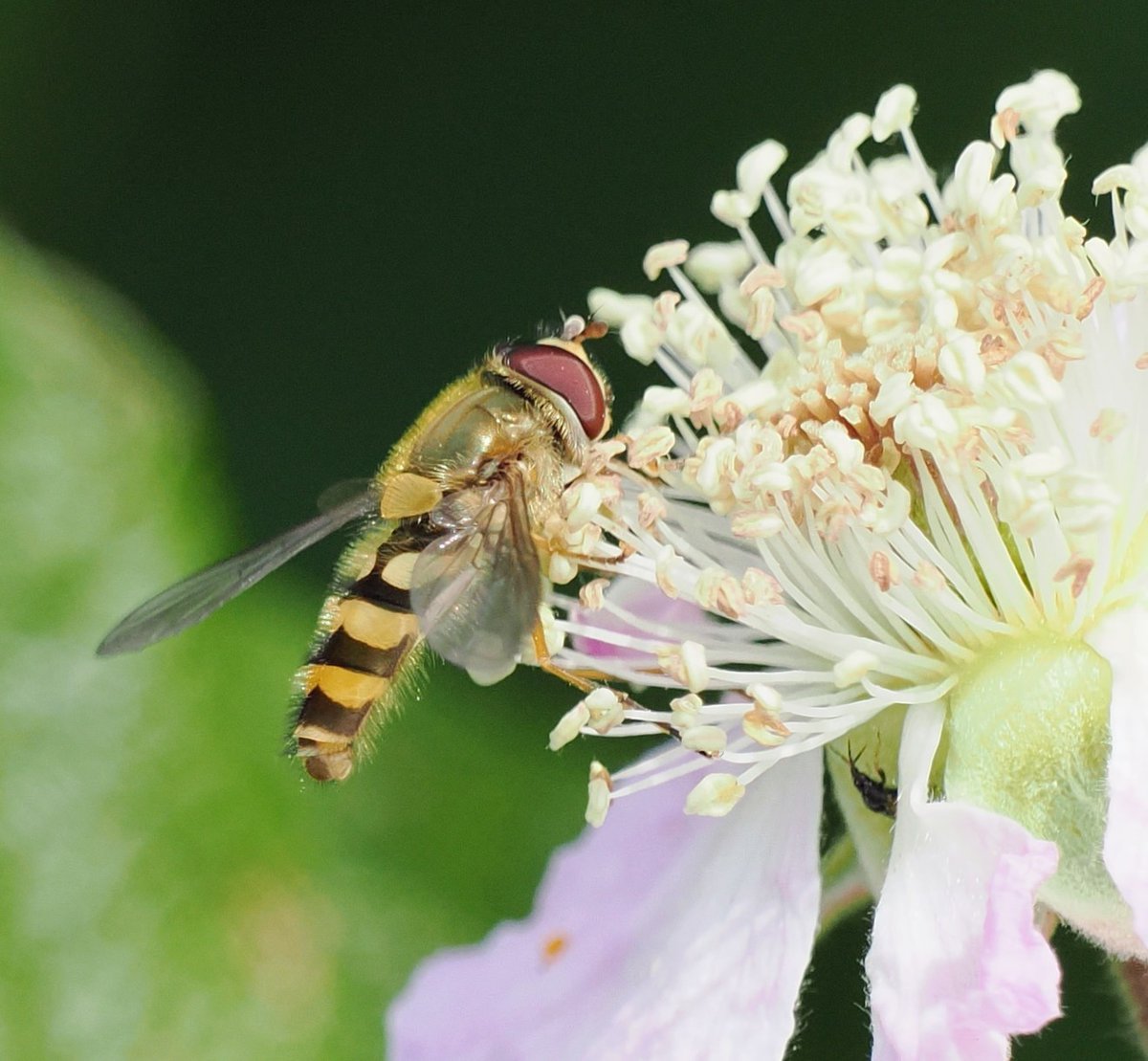
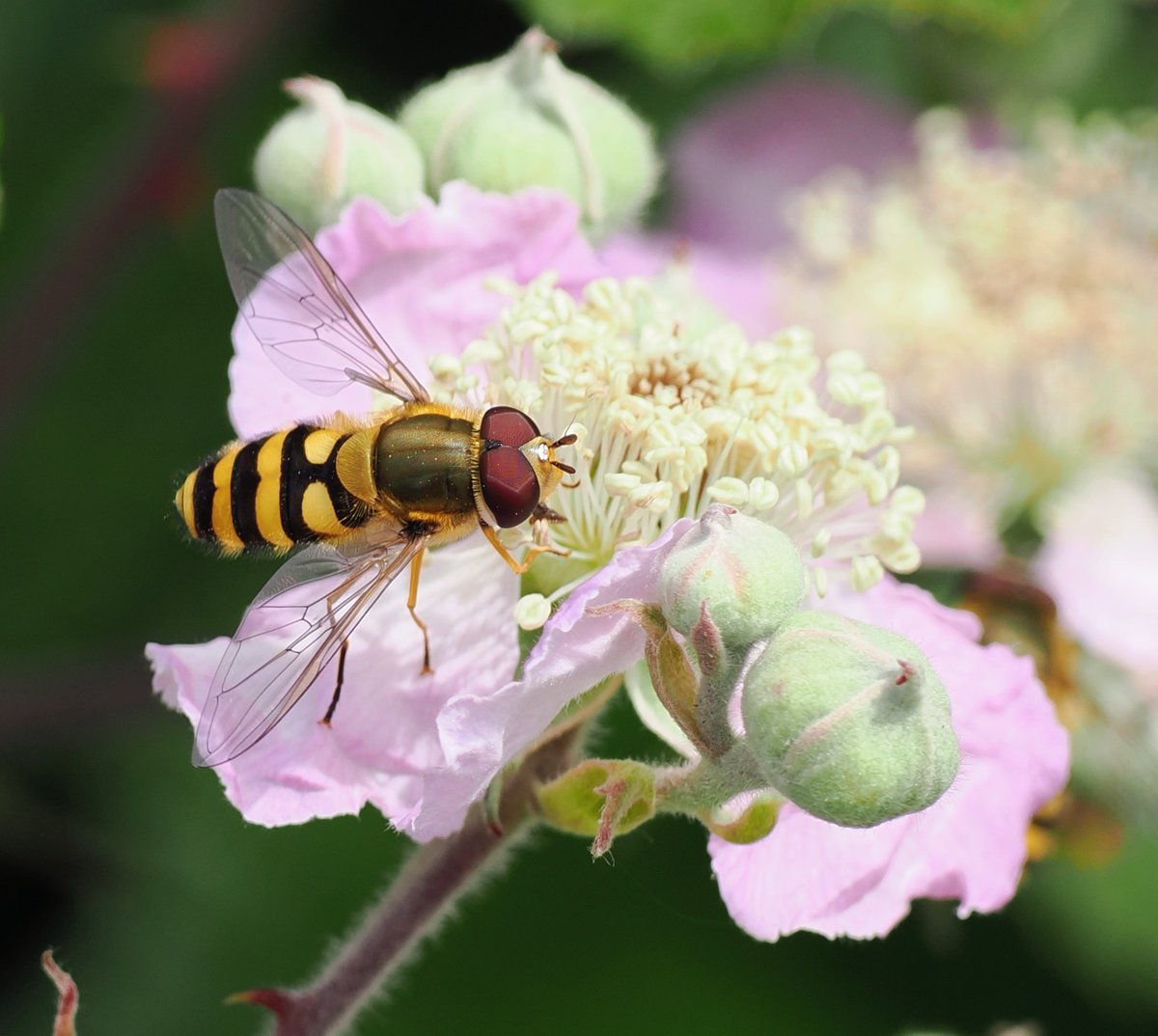
Also saw some Azure blue Damselfly and Syrphus Ribesii hoverflies at j12 today
3
Cindy Webster retweeted

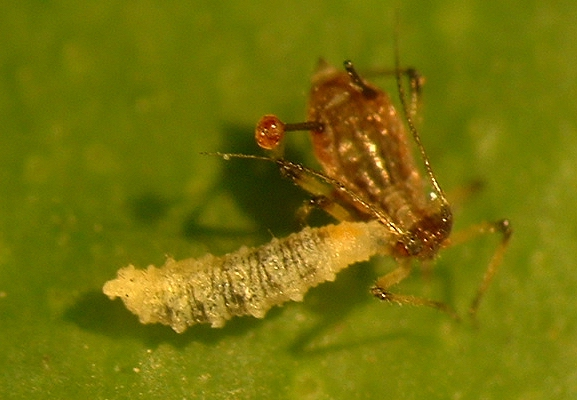
Hoverflies are featured in this week’s #PestFactsWA newsletter. Larvae recently found near Katanning — and that’s great news! These tiny predators feast on soft‑bodied pests, especially aphids, making them powerful natural allies in the field. @GRDCWest sbrew.link/VemQqLne
3
3
344

Same here in North Yorkshire, it's the middle of June and I can count on one hand the number of bees I've seen this year. No hoverflies either, the hedgerows and fields are silent. #bees
6

I've been letting the weeds flower and pulling them up when they make seed. The hoverflies love cow parsley
1
6
Bookworm Bean retweeted

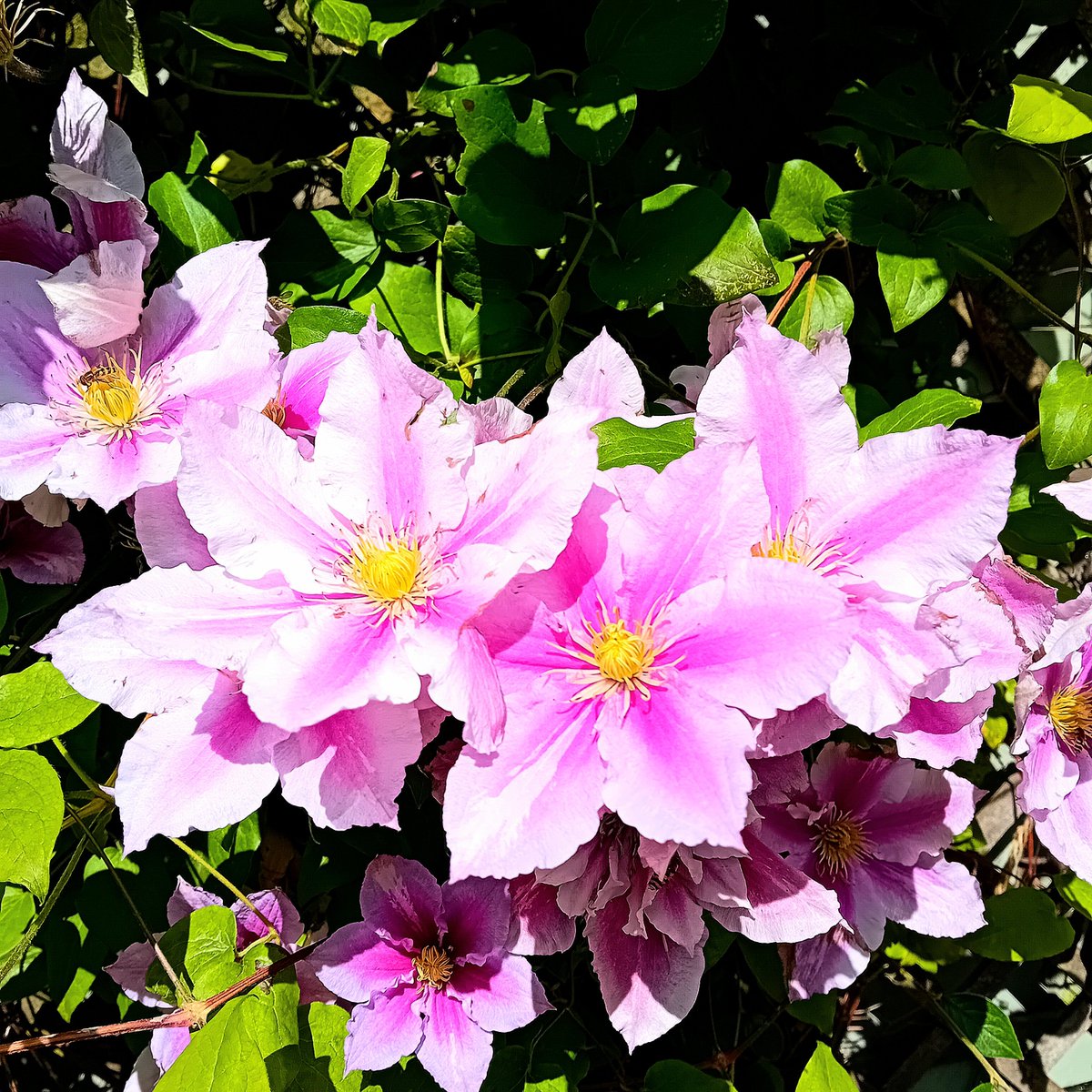
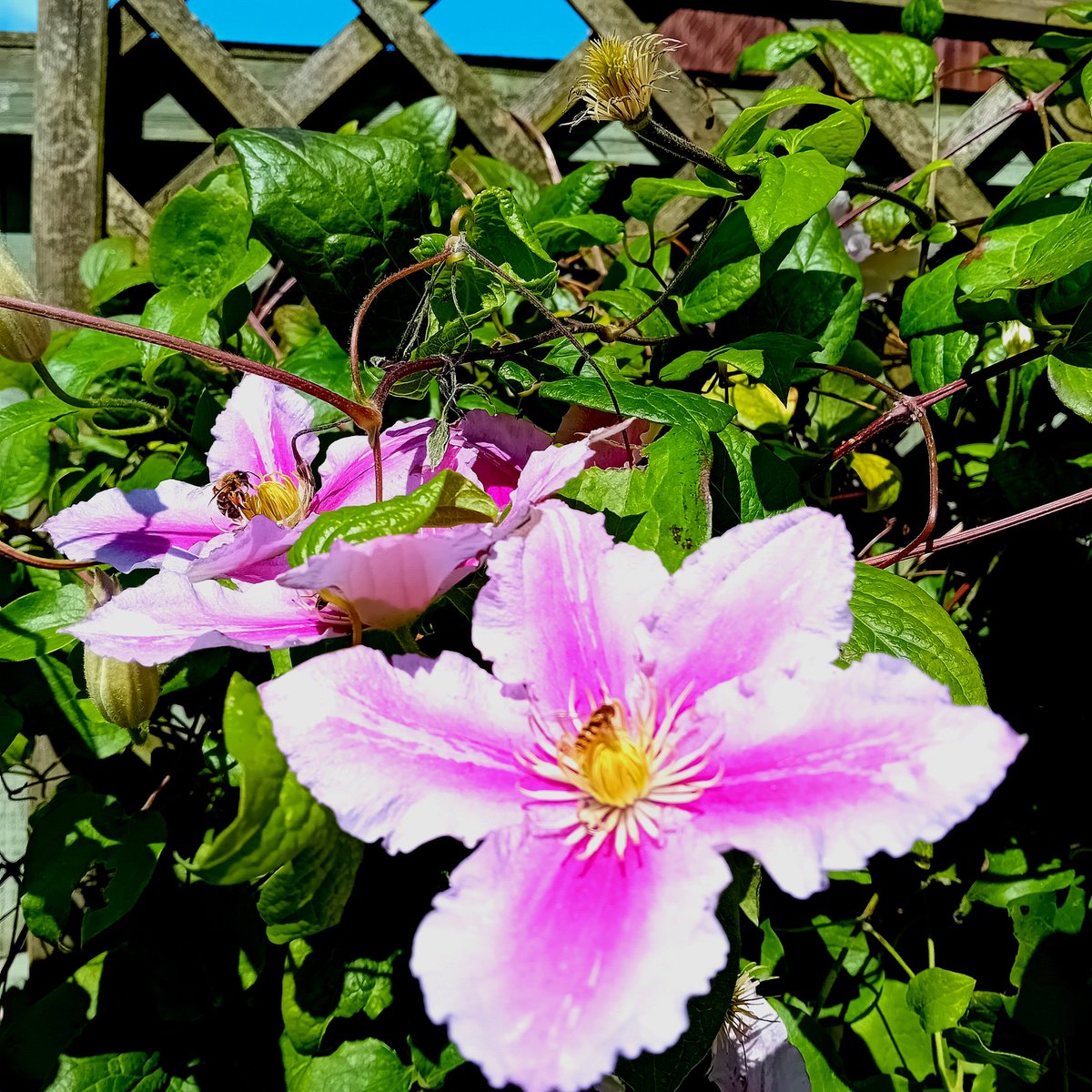
Dozens of hoverflies and bees on the clematis. 😍
3
1
24
234

Jun 14
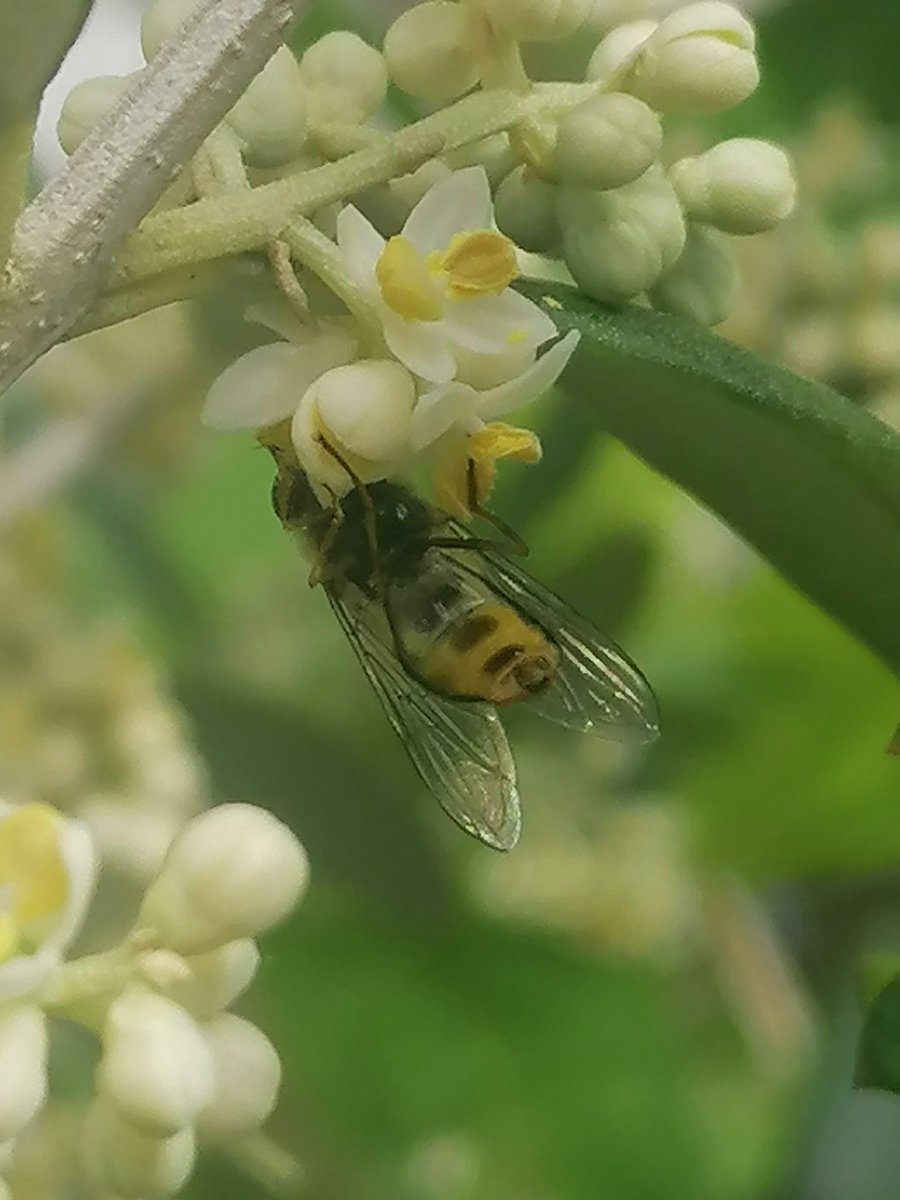
ALT Hoverfly on olive blossom
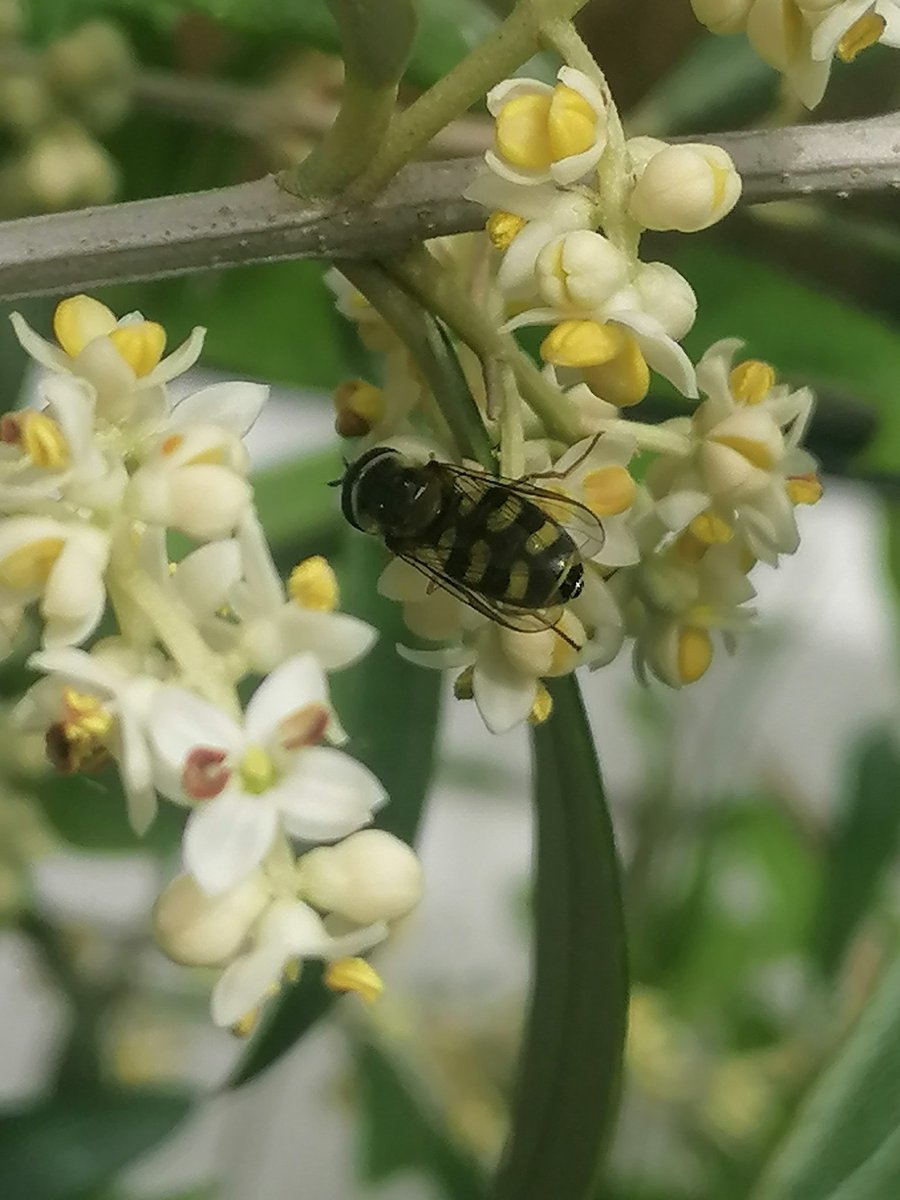
ALT Hoverfly on olive blossom
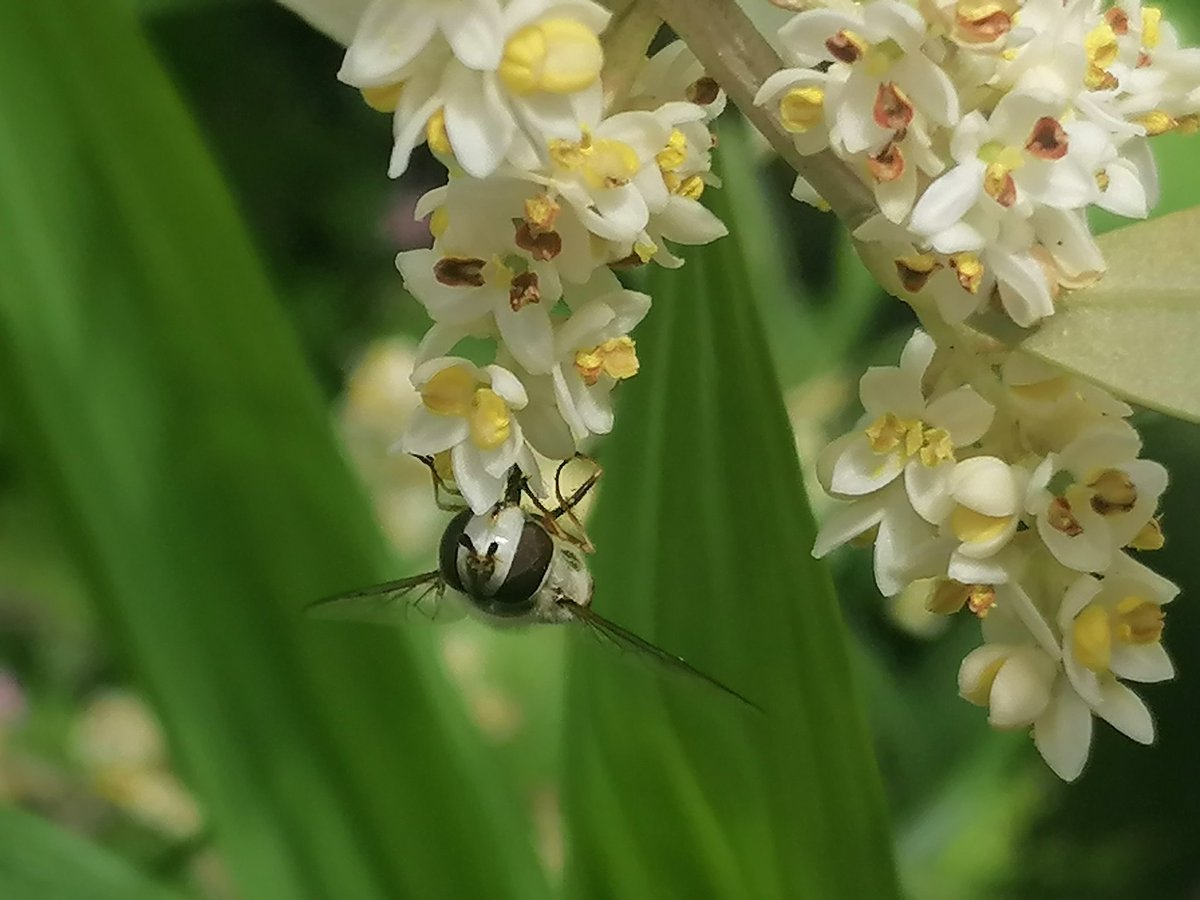
ALT A hoverfly feeding on olive blossom
7

An aphid doesn't wait around to start a family.
Many species clone themselves all summer, and some daughters are already carrying the next generation before they're even born. Under good conditions, populations can double every few days.
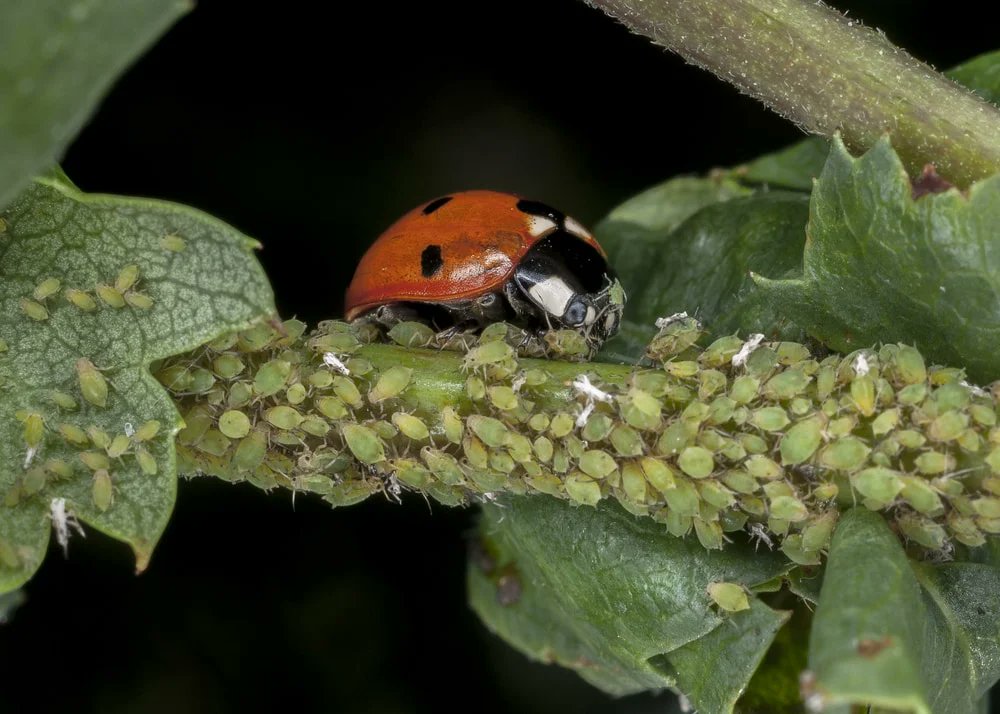
The ladybug eating those aphids is on a much slower clock. It takes weeks to go from egg to adult.
That's why pesticides backfire.
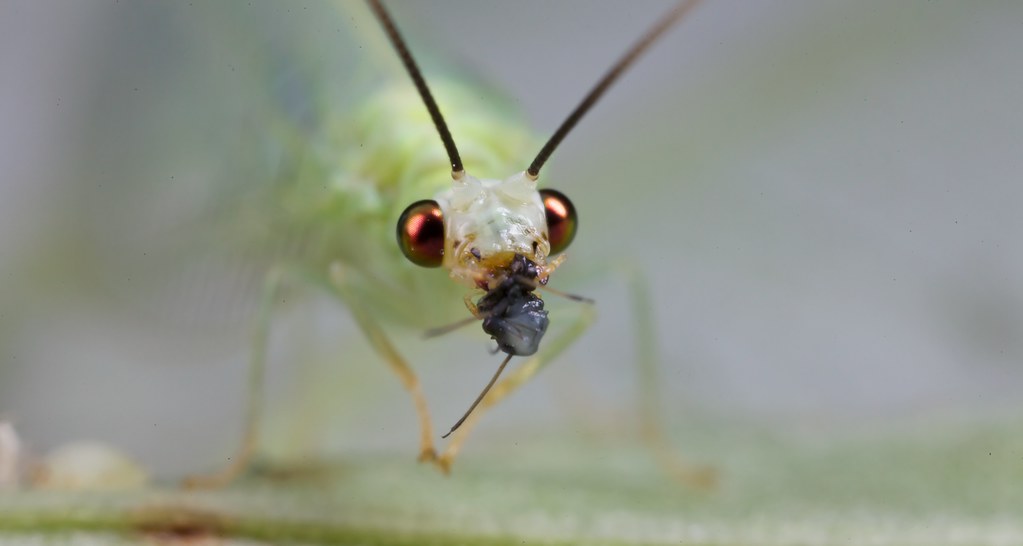
Broad-spectrum insecticides don't just kill aphids. They kill the lacewings, hoverflies, ladybugs, and tiny wasps that keep aphids in check. For a few days the leaves look clean.
Then the race starts again.
The aphids reproduce fast and recolonize quickly. Their predators recover more slowly. Sometimes that leaves plants with fewer defenders than they had before, and outbreaks can come back even worse.
Spider mites are notorious for this. They're often minor pests until spraying wipes out the predators that normally suppress them.
That's the trap. You're eliminating the slow-breeding cavalry to briefly inconvenience the fast-breeding enemy.
The better strategy is often patience. A few aphids are food for the predators you want. A perfectly spotless leaf with no natural enemies is only one aphid away from becoming a problem.
4
112
440
10,957

A perfect Sunday Yellow post Martine! Beautiful, I adore Hoverflies, they are so pretty 💛
1
3
87
David 🌍 retweeted

May 31
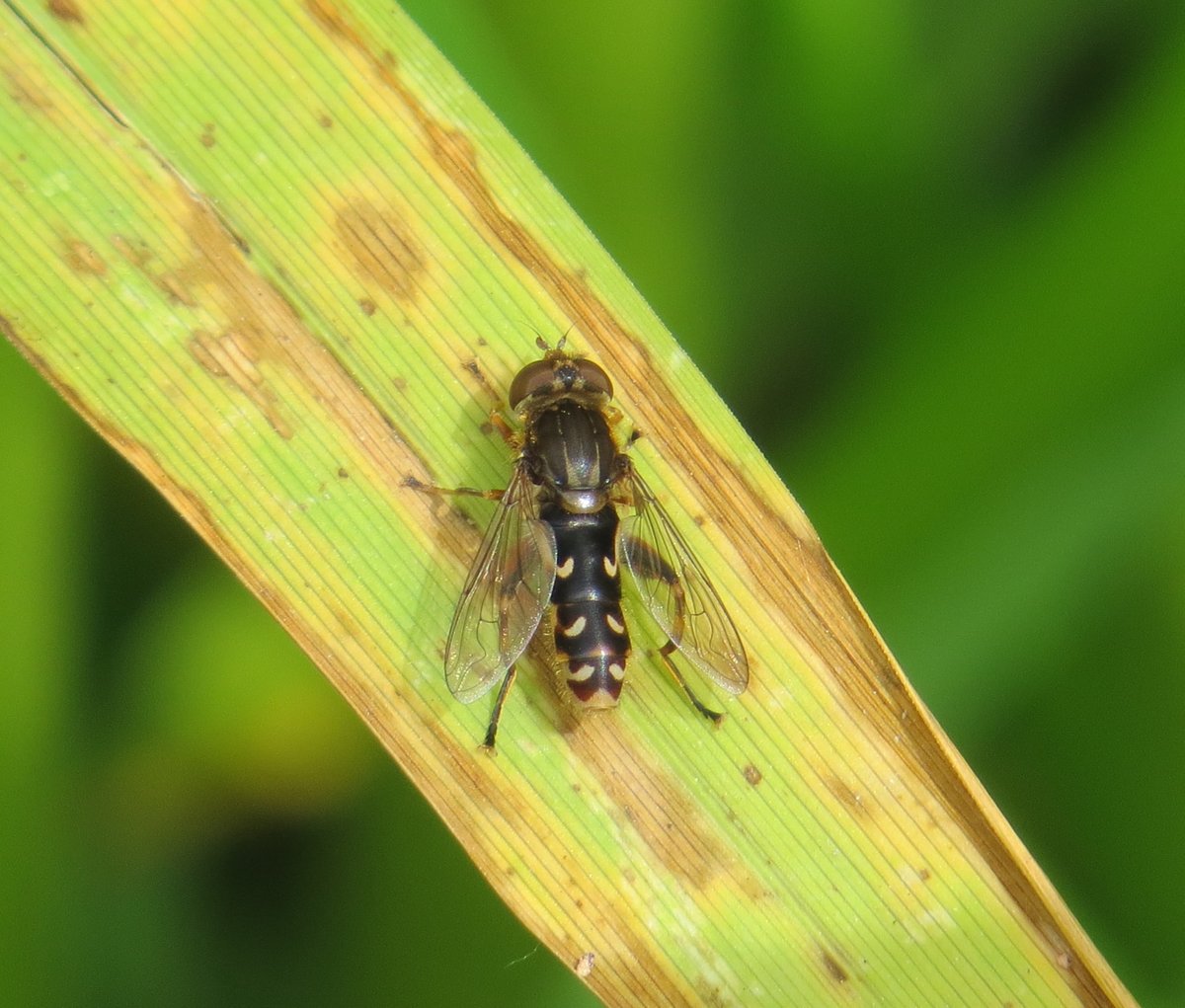
A couple of nice hoverflies seen locally today, Anasimyia contracta and Xanthogramma pedissequum.

1
2
18
198
Folks talk like marigolds throw up some kind of invisible force field around the garden. Just plant a few next to your tomatoes and every bug gets the memo to stay away. Sadly, that's some gardening folklore.
But don't write them off, because what they actually do is better than the myth.
First, the roots are a real weapon. French marigolds (native to Mexico and Guatemala) release compounds, including one called alpha-terthienyl, that suppress root-knot nematodes, the microscopic worms that wreck the roots of tomatoes, peppers, and carrots.
That's well-documented science, not garden lore. The catch is you have to plant them thick, as a dense block or cover crop, not as a lone flower.
Second, there's evidence they can help suppress whiteflies. A controlled study found French marigolds planted among tomatoes gave off airborne limonene, the citrusy compound you smell when you brush the leaves, and it measurably reduced greenhouse whitefly numbers.
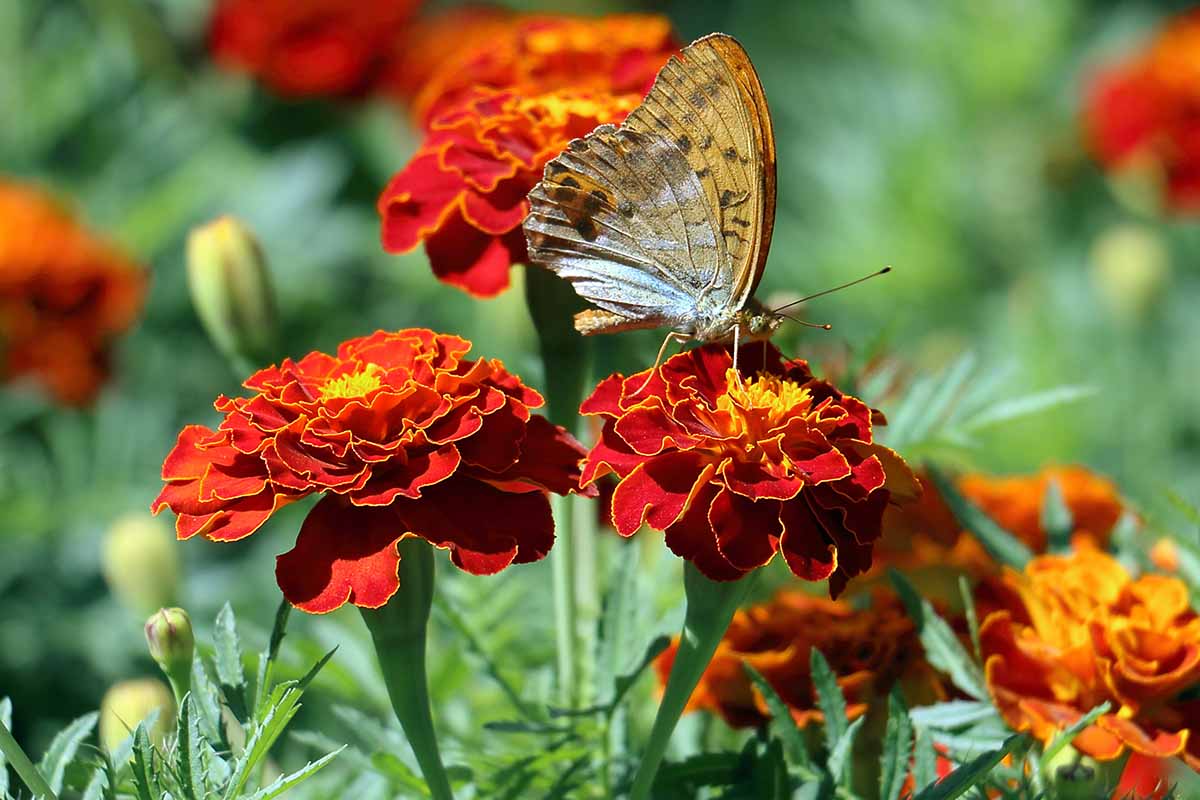
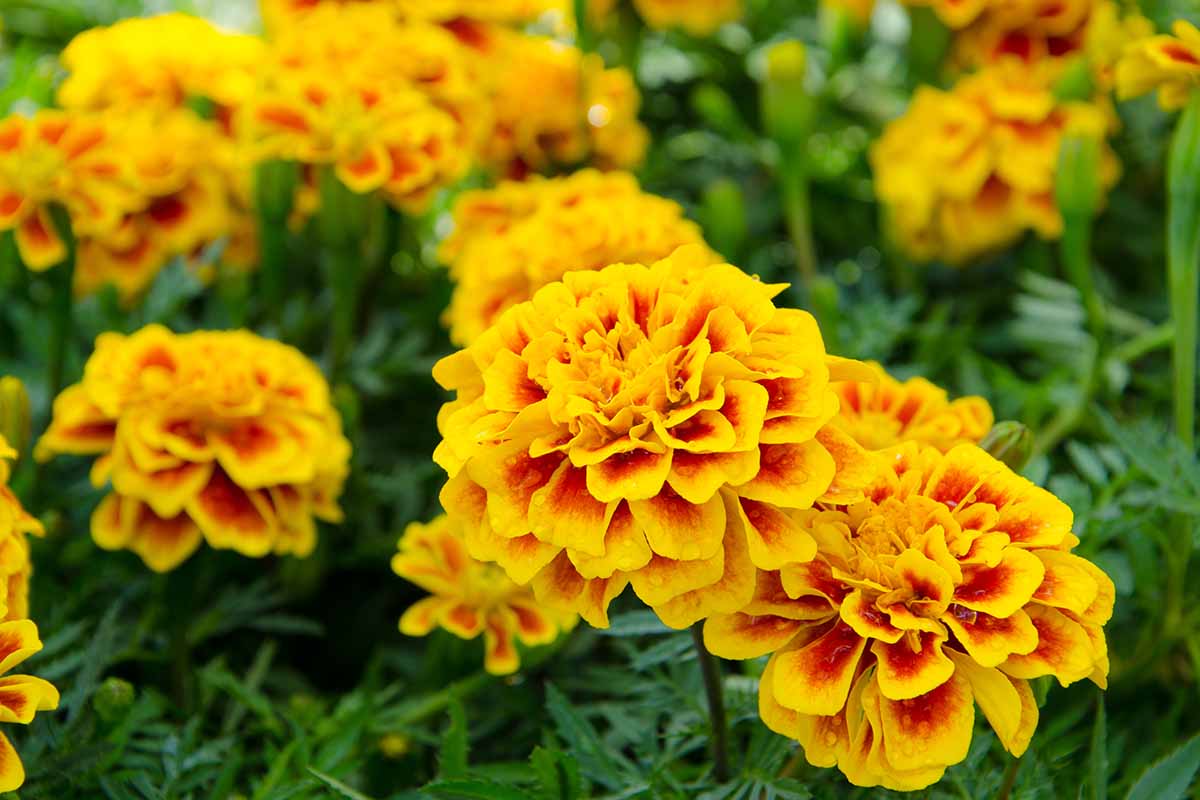
Third, they feed your bodyguards. Single-flowered marigolds provide nectar and pollen that attract hoverflies, lacewings, and parasitic wasps, many of whose young go on to hunt aphids and caterpillars for you. Skip the big pom-pom doubles, though. They're bred for looks, and pollinators have a harder time reaching the rewards.
And on top of all that they're tough, cheap, and bloom from spring until frost. So plant marigolds, just plant them for what they really do.
25
290
1,306
21,494
Deaglán de Paor retweeted

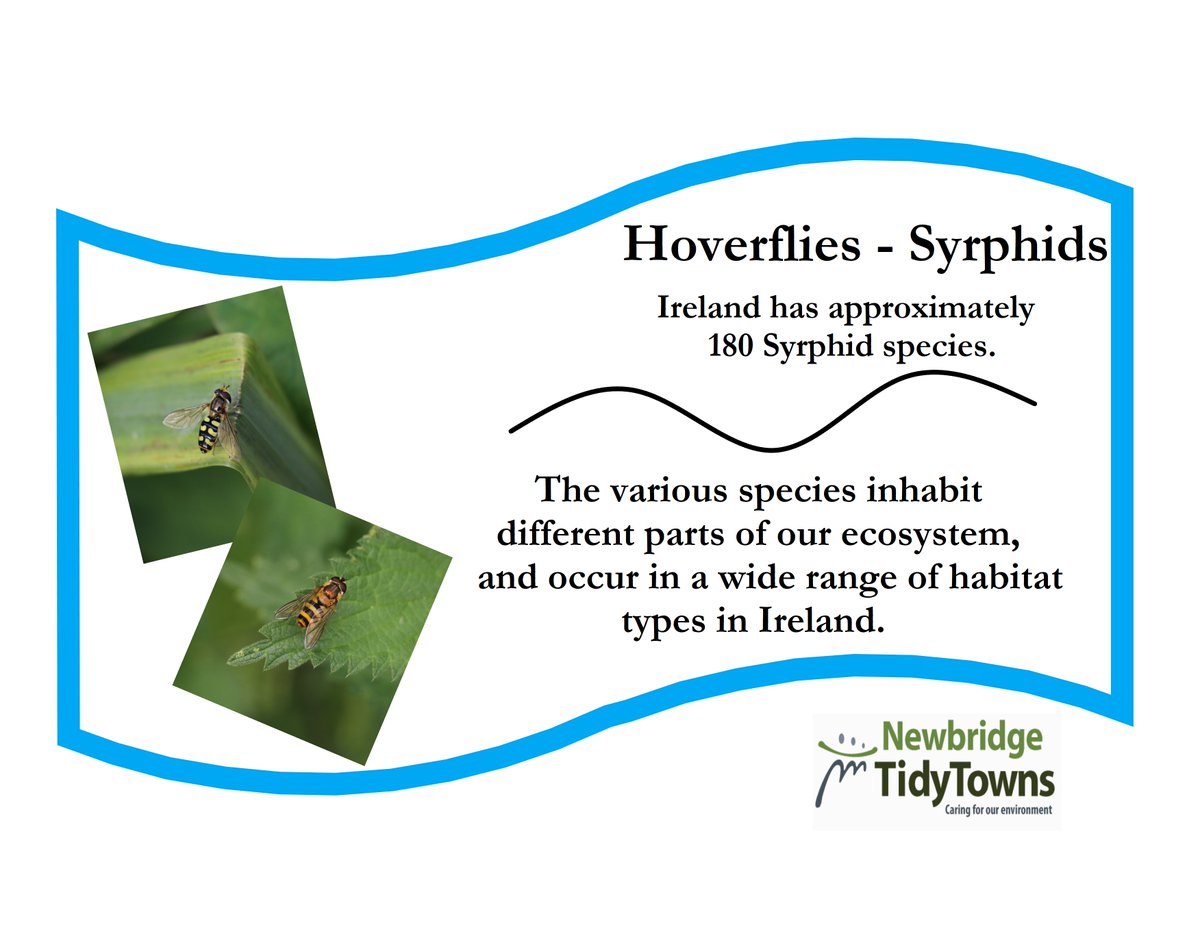
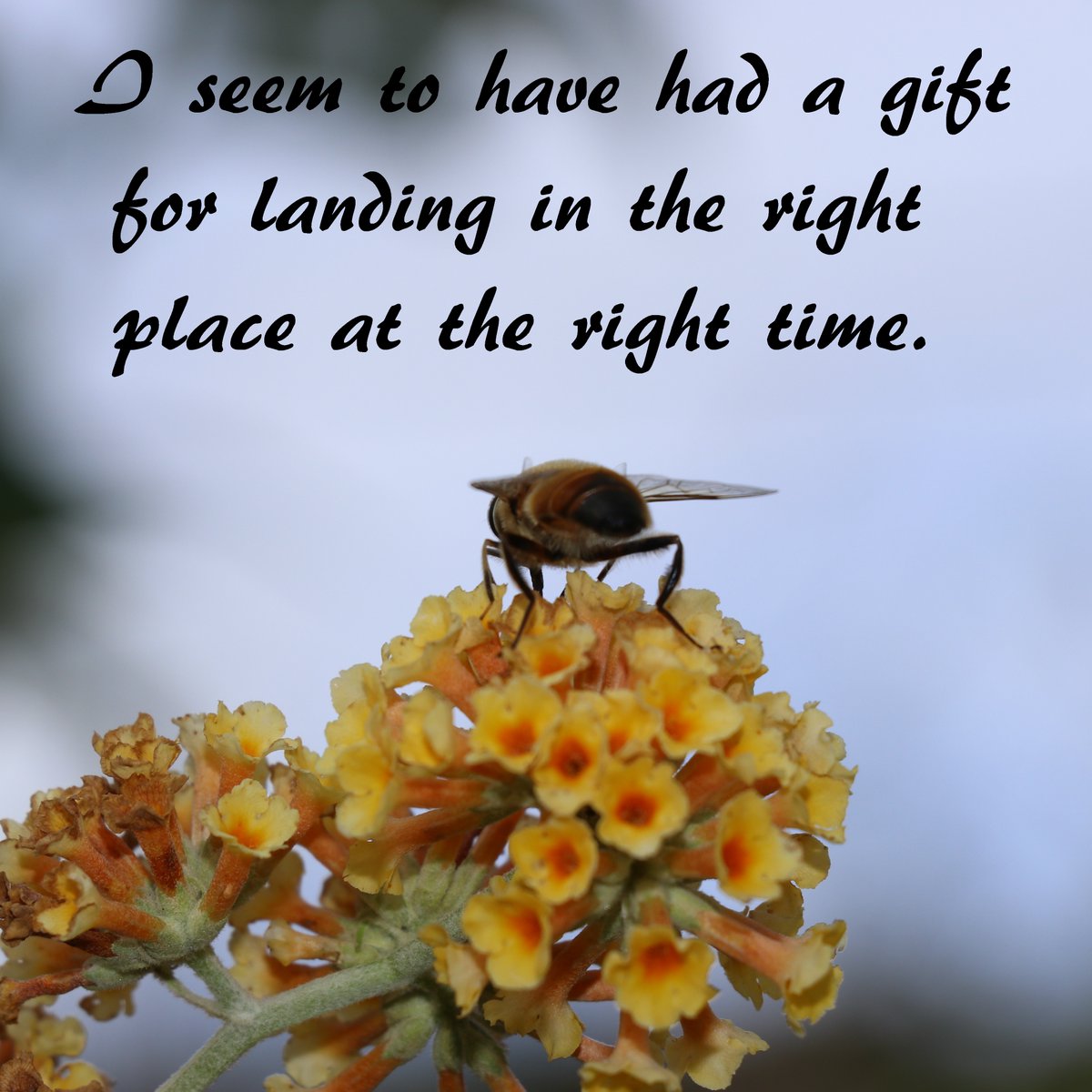
#Hoverflies are “true flies” they don’t sting or bite & come in a variety of sizes, shapes & colours some with striking colours / patterns.
As their name implies many hoverfly species “hover” holding a steady position basking in the sunshine & are excellent #Pollinators
2
4
33

Jun 12
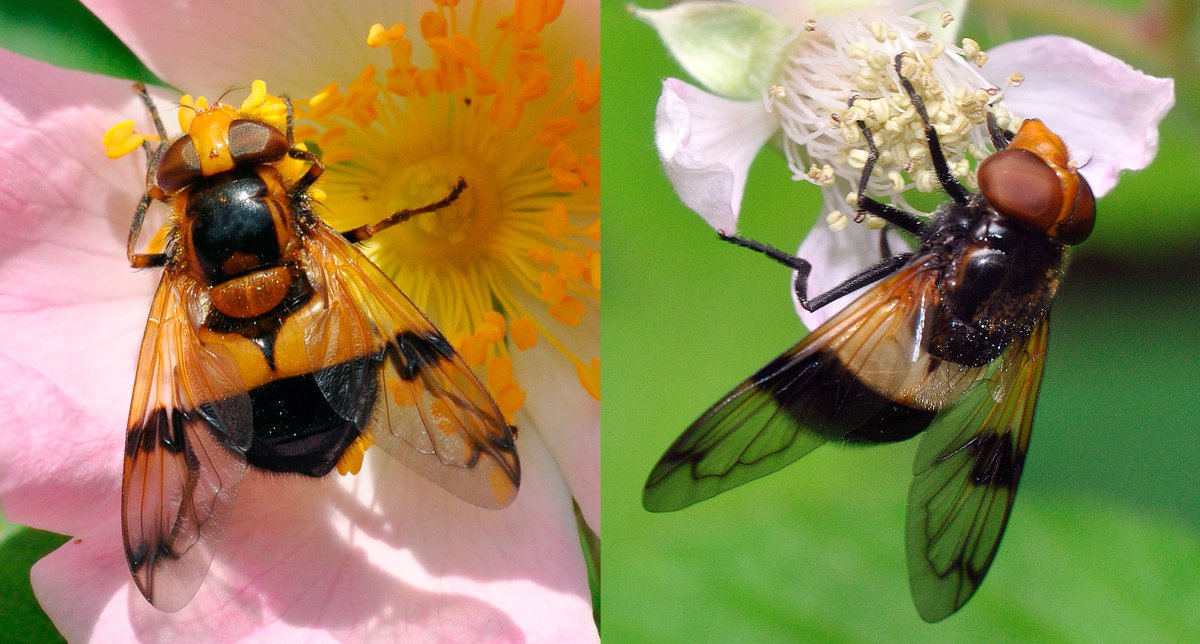
Two large hoverflies seen on a lunchtime walk @BBOWT's Bowdown Woods, nr Newbury - left: Volucella inflata (Orange-belted Plumehorn) right: Volucella pellucens (Pied Plumehorn) - about time after this gloomy week. Check out our flyble bit.ly/4dqQI8Z @DipteristsForum
11
112

Jun 12
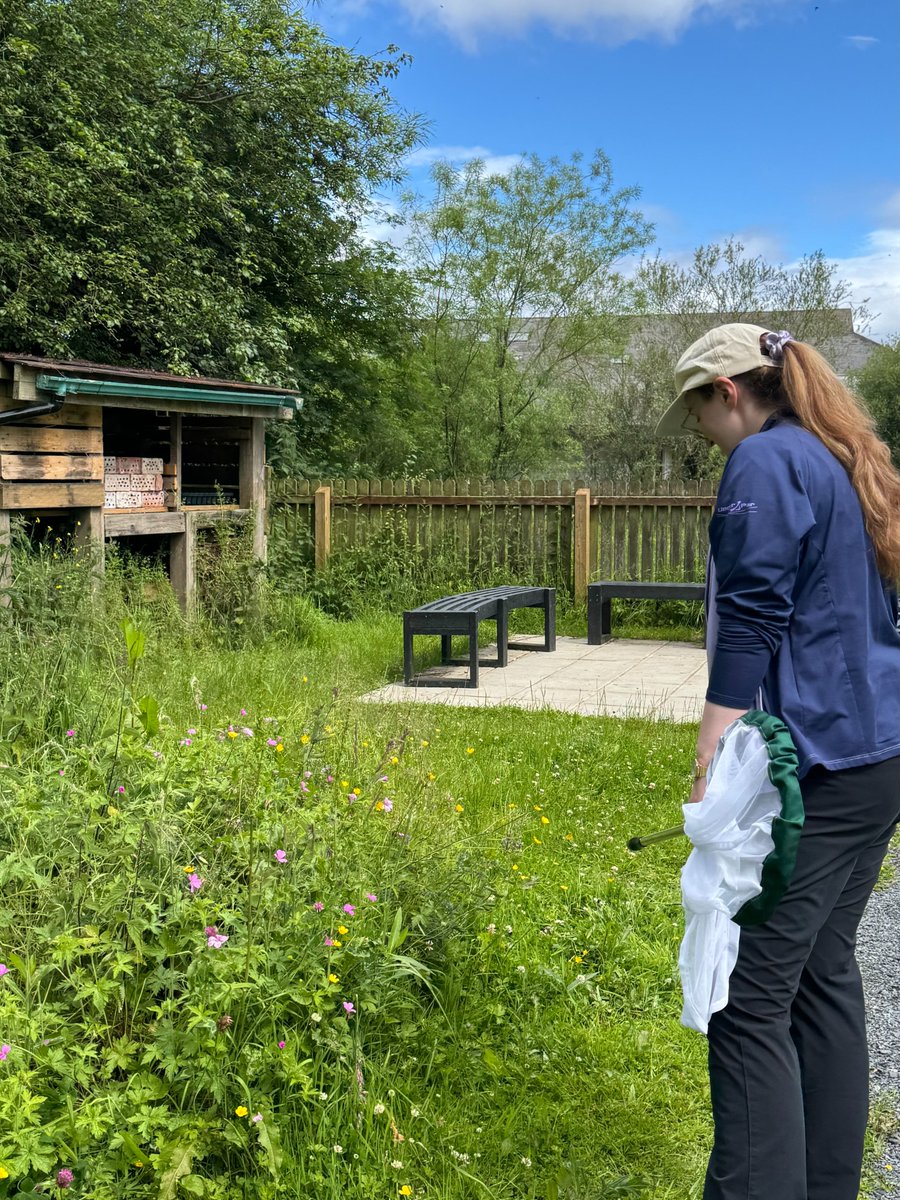
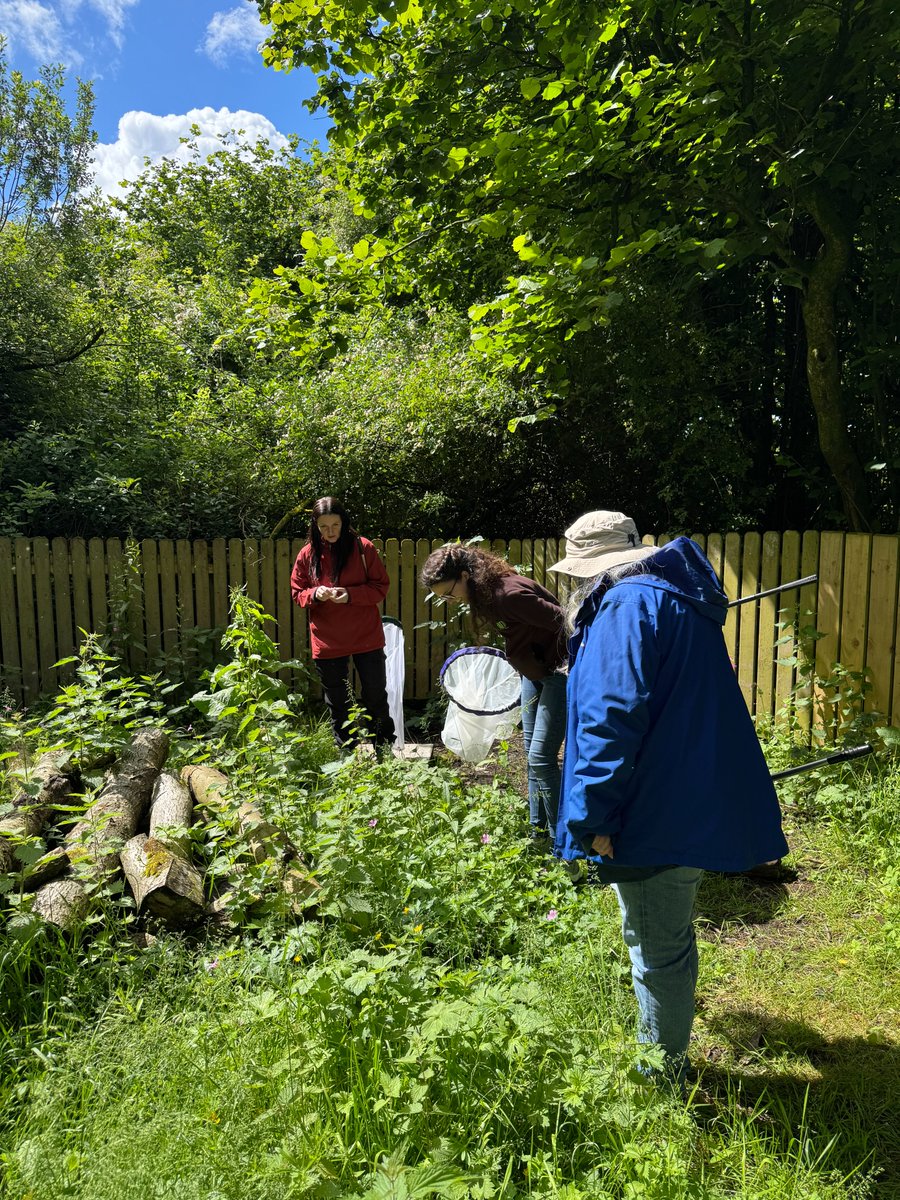
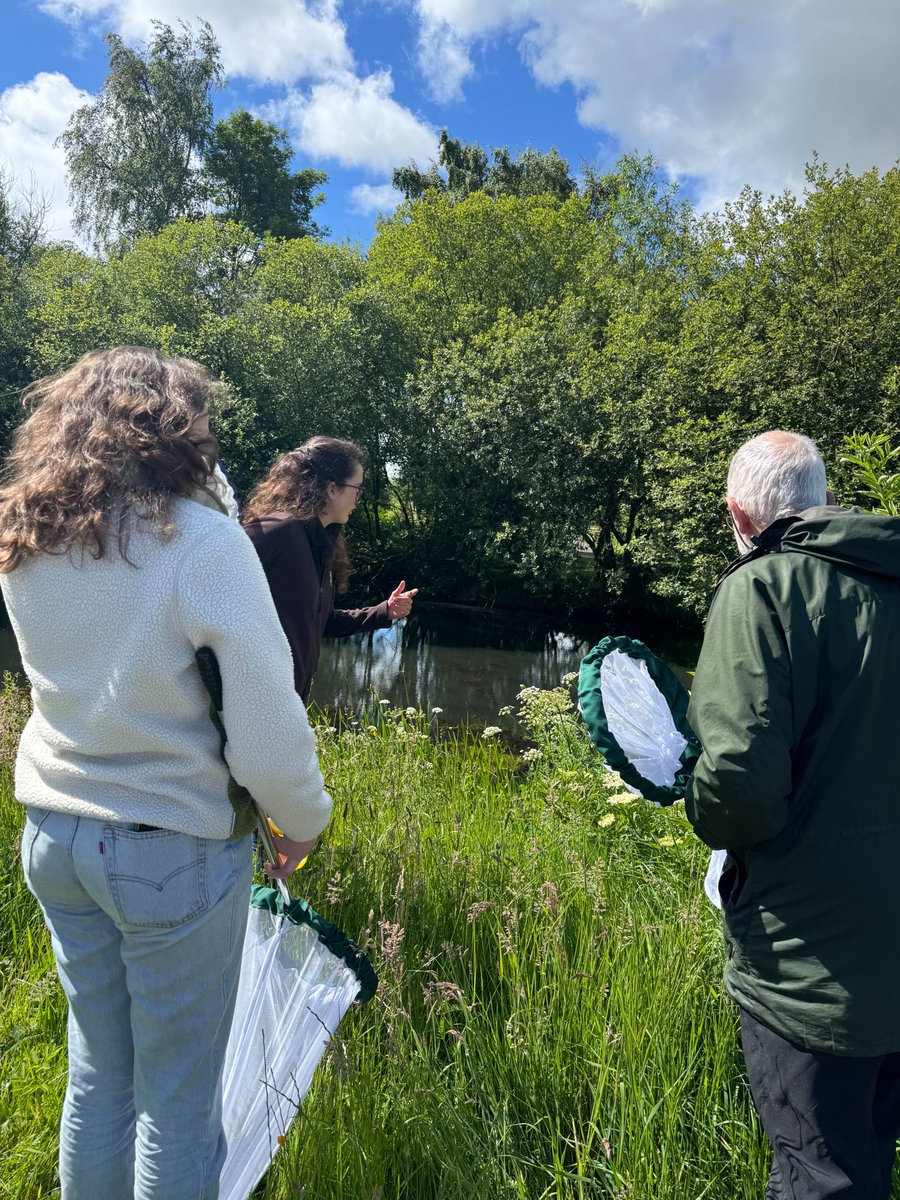
On Tuesday, we spent a morning in the sun looking for hoverflies at Oxford Island.
This was the first ID course for our Hoverfly Recording Project!
Thanks to Anna Hart for teaching us about this under-recorded species group.
Seen a hoverfly? Get recording on the iRecord app!
1
13


Jun 12
Also your 'bee' is a bee imitating Syrphid Fly (sometimes called hoverflies.) So both the fly and the spider are using camo.
1
6
173

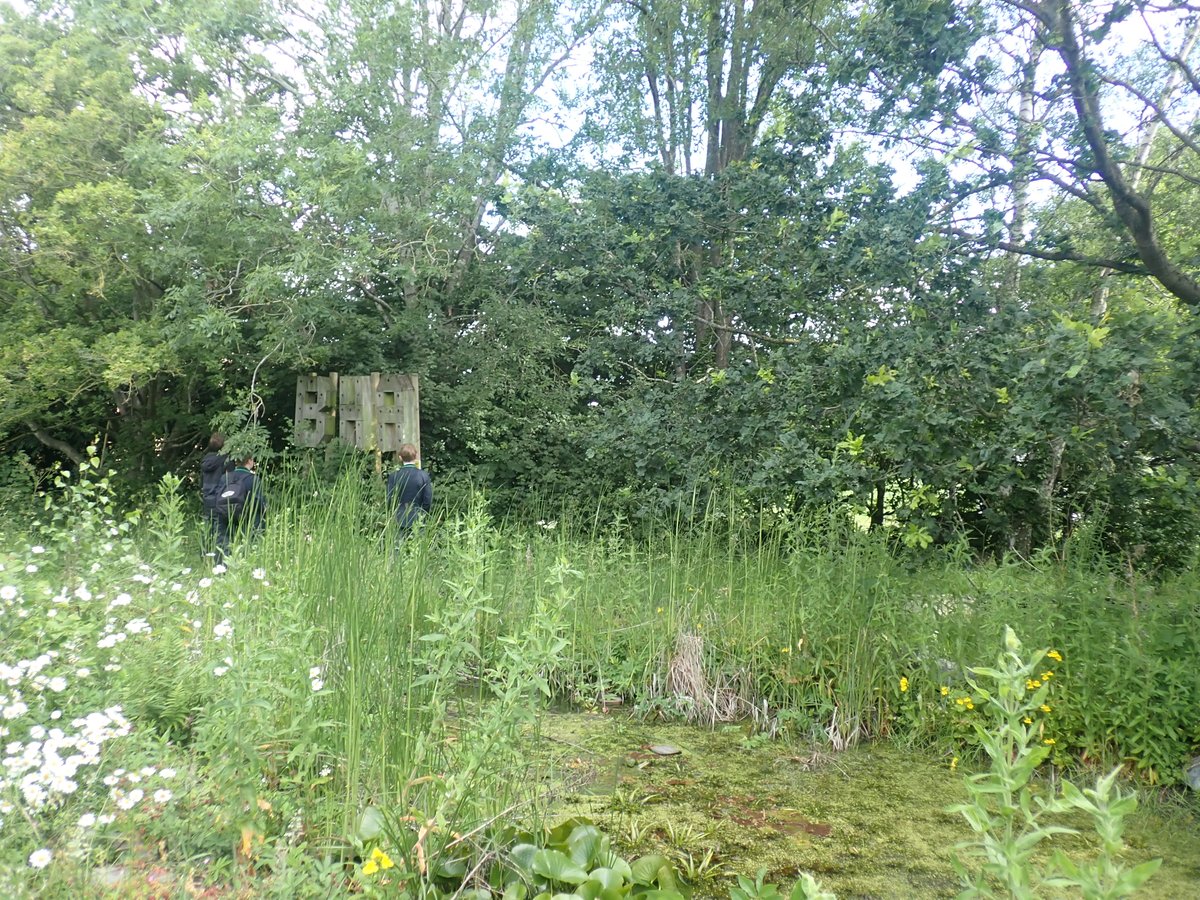
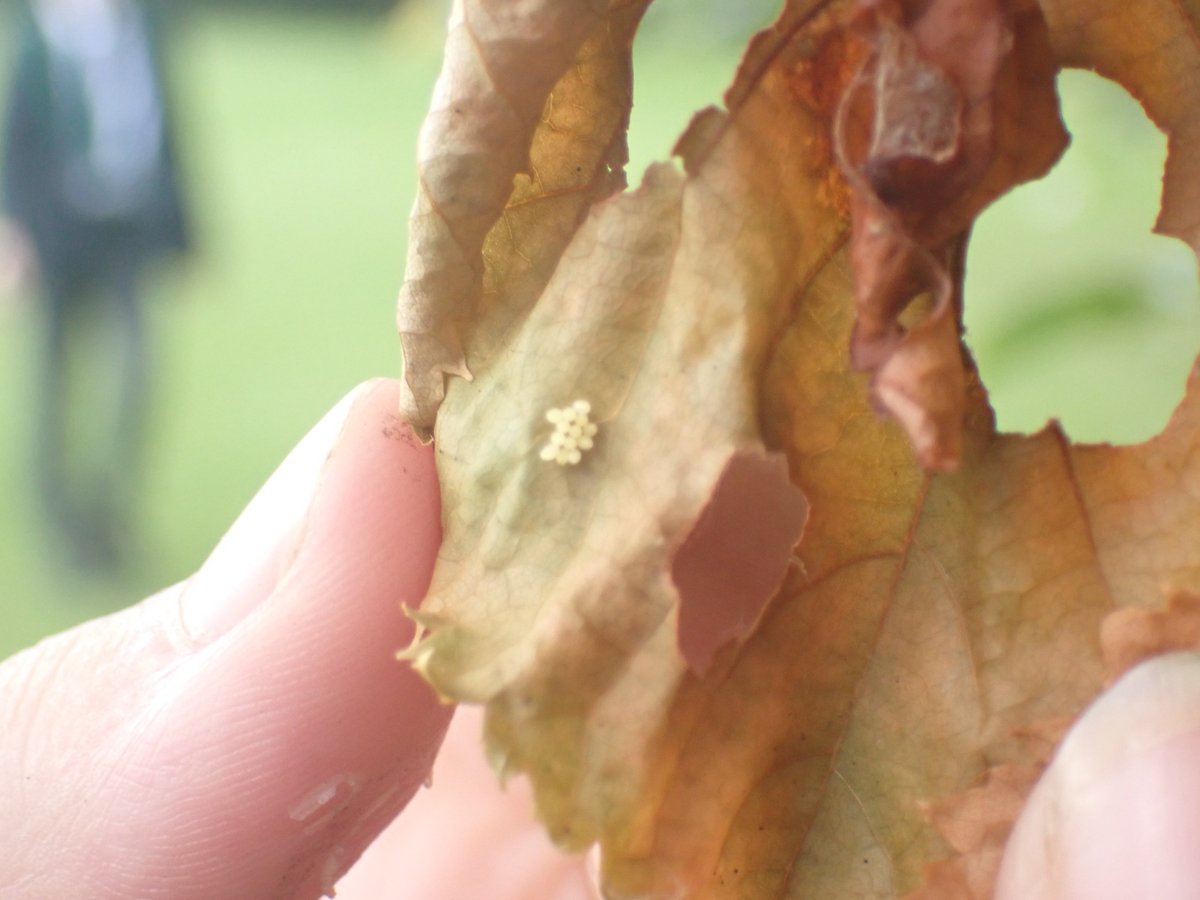
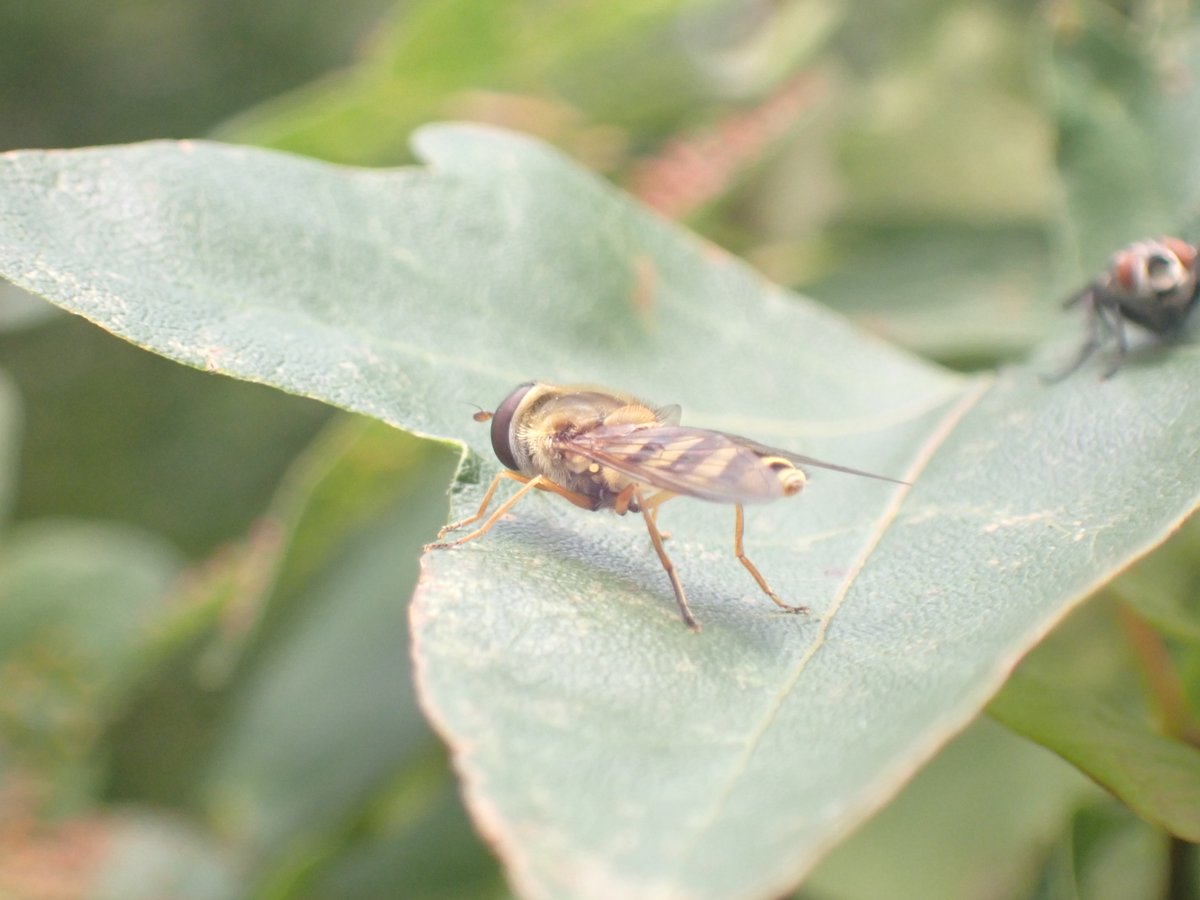
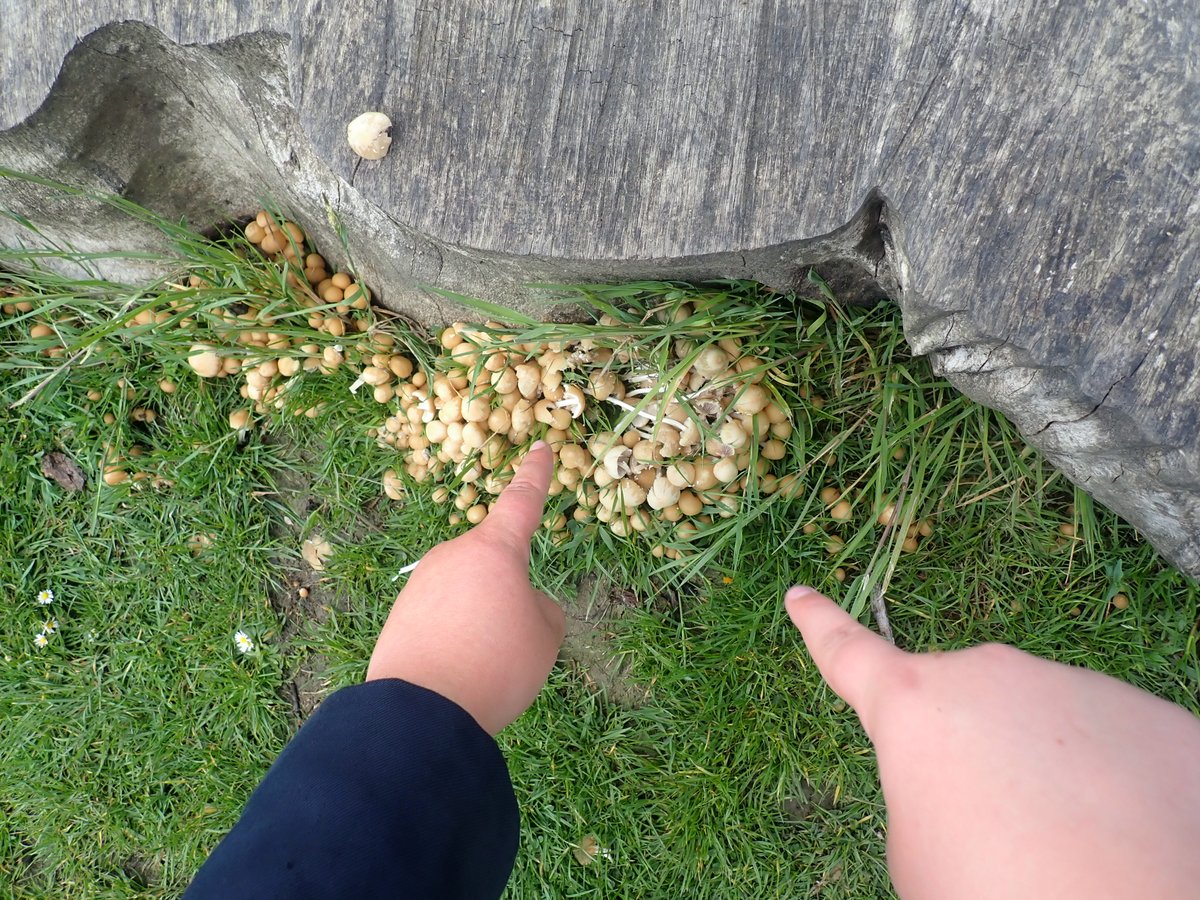
Exploring our school grounds with the #Wildlifewanderers before lessons begin, finding new #wildflowers in the #Wildlifegarden, insect eggs on the lime tree in the #Wildlifecorridor, hoverflies everywhere and fungi in the #Friendshipgarden.
💚🌼🐝🪲🥚🍄
#EducationNaturePark
5
144