
🎭 **When Trust Becomes the Target: Deepfakes and the Erosion of Digital Confidence**
For years, cybersecurity focused on protecting systems, networks, and data. Today, attackers are targeting something far more valuable: **human trust**.
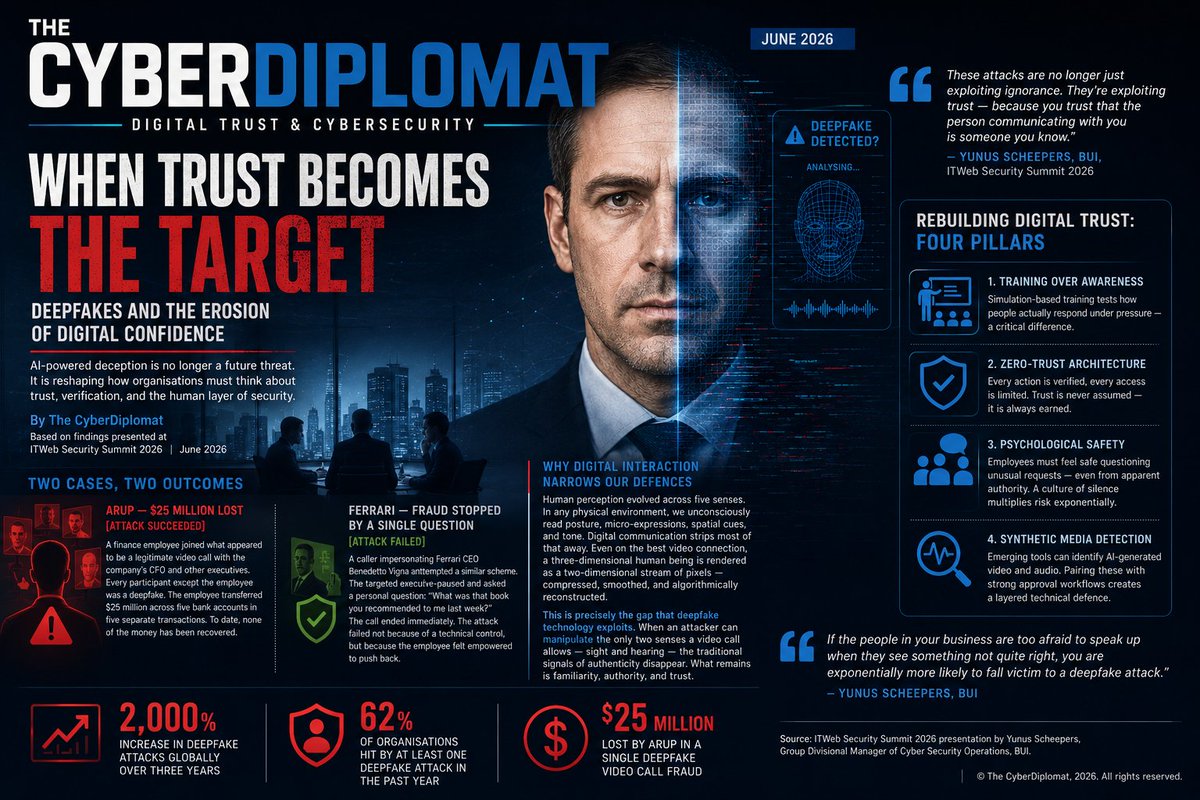
Deepfake technology has evolved from a novelty into a powerful weapon for fraud, impersonation, and social engineering. The most concerning reality is that these attacks do not exploit technical vulnerabilities—they exploit our confidence in familiar faces, voices, and authority figures.
Consider the evidence:
🔹 Deepfake attacks have surged dramatically in recent years, with organisations worldwide reporting increasing incidents.
🔹 The now-famous Arup case resulted in a reported loss of US$25 million after an employee participated in what appeared to be a legitimate executive video call.
🔹 Research increasingly shows that the greatest impact of deepfakes may not be deception alone, but the gradual erosion of trust in genuine digital communication.
At the ITWeb Security Summit 2026, Yunus Scheepers highlighted a critical shift:
> Cybersecurity is no longer just about protecting systems. It is about protecting trust.
Organisations must move beyond awareness campaigns and embrace:
✅ Simulation-based training
✅ Zero-Trust principles
✅ Psychological safety for employees to challenge unusual requests
✅ Deepfake and synthetic media detection capabilities
The question every leader should ask is simple:
**If someone posing as your CEO called an employee today requesting an urgent financial transaction, would that employee feel empowered to verify before acting?**
If the answer is uncertain, the risk already exists.
Read the full article:
🔗 thecyberdiplomat.ghost.io/wh…
#CyberSecurity #Deepfakes #DigitalTrust #CyberDiplomacy #ArtificialIntelligence #HumanLayerSecurity #ZeroTrust #InformationSecurity #CyberAwareness #TheCyberDiplomat
1
2
44

14 May 2025
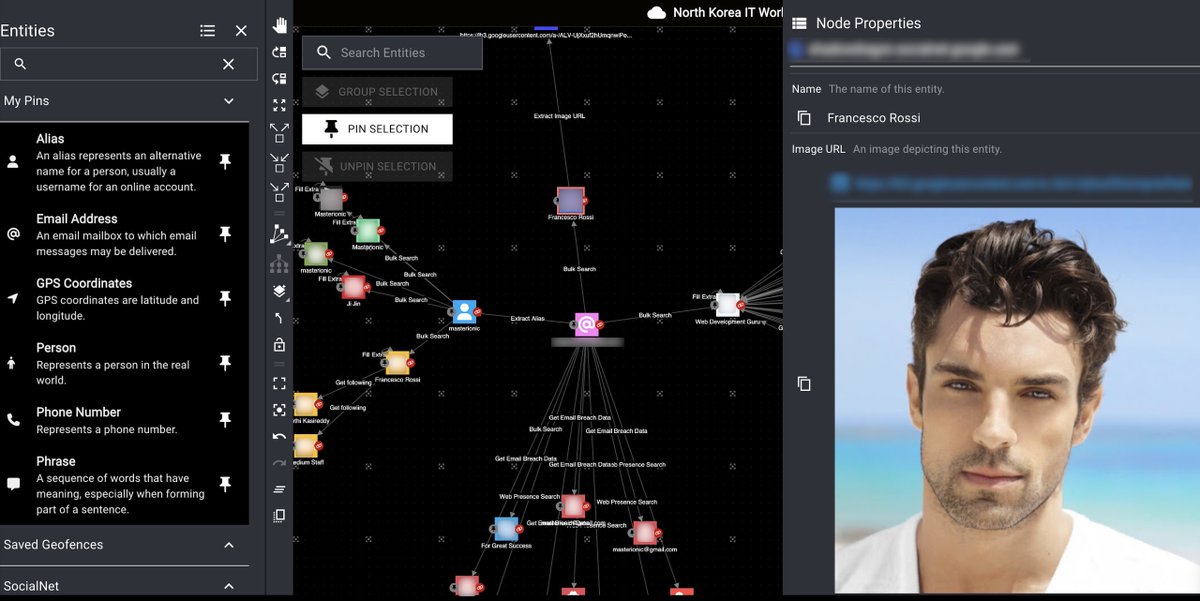
Amazing work from the DTEX team on their commendable effort exposing the global operations of the DPRK's Hidden IT Workforce. Their continued leadership in insider risk management is making a significant impact in the fight against nation-state threats.
As DTEX provides deep visibility within the network and endpoints, our team complements their work by investigating external threat actors through Publicly Available Information (#PAI). This combined approach delivers a comprehensive defense against nation-state actors and insider threats.
Together, we help organizations stay ahead of sophisticated adversaries.
To learn how DTEX and ShadowDragon can strengthen your insider threat program, reach out here: hubs.ly/Q03mrH7h0
#OSINTforGood #InsiderThreat #NationStateThreats #ThreatIntelligence #OSINT #CyberDefense #SecurityVisibility #EndpointSecurity #DigitalFootprintAnalysis #PAIIntelligence #SecurityCollaboration #InsiderRiskManagement #HumanLayerSecurity #OSINTforDefenders #ShadowDragon #DTEX #OSINT
1
3
4
978

11 Apr 2022
Every organization carries out #SecurityAwarenessTraining but their people need more support to effectively reduce the risk of #phishing. It's time for intelligent technology to step up to the plate. Find out more: egress.co/uesPG #HumanActivatedRisk #HumanLayerSecurity

4
3

8 Mar 2022
CEO @HackingDave joined the #HumanLayerSecurity to discuss the rise in ransomware and supply chain attacks. Missed the session? Watch the recording here:
New Vulnerabilities, Ransomware and Supply Chain Attacks | March 2022 hubs.la/Q015DF5y0
2
6

Next at #HumanLayerSecurity is @MatthewPascucci from @evercoreco and Tessian #CISO, Josh Yavor @schwascore
Matt details how he's augmented #microsoft365 to supercharge his firm's email security.
Watch now ⤵️
bit.ly/3g970br
2
We are go! #HumanLayerSecurity
First up it's @HackingDave from @TrustedSec and Elvis Chan from the @FBI discussing the rise in ransomware and supply chain attacks.
“Why target one individual victim when you can target a 1000 victims” says David
bit.ly/3g970br
1
3

3 Mar 2022
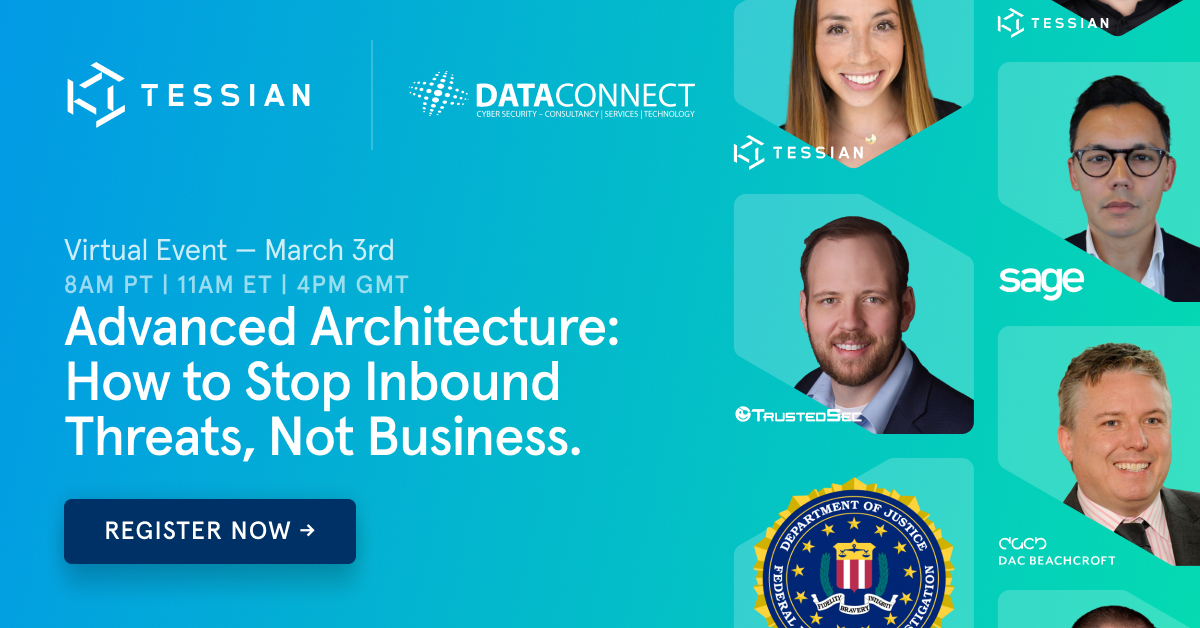
There's still time to sign up & attend the #HumanLayerSecurity Summit today (4PM GMT).
Register here: tessian.com/human-layer-secu…
Speakers include @Tessian @Okta @FBI @Cisco
#CyberSecurity #EmailSecurity #Ransomware #ITSecurity #CISO #Tech #DataBreach #CyberAttack #InfoSec
1
3
3 Mar 2022
Join the next #HumanLayerSecurity Summit from @Tessian in ONE HOUR ⏳ for the latest insights from leading #InfoSec experts, like our own @HackingDave!
Register here to join:
hubs.la/Q014FQxH0
3
7
1 Mar 2022
In the 9 seconds it’s taken to read this you could have ⤵️
Eaten a cookie🍪
Tied a shoelace👞
Open and closed an umbrella☂
Registered to see @HackingDave at @Tessian‘s #HumanLayerSecurity Summit ⛰
(hint, do the last one 😉)
Register: hubs.la/Q014FLv90
3
6
What's the most sophisticated attack you've ever seen?
We asked our speakers ahead of our #HumanLayerSecurity summit. The answers ranged from using zero days to social engineering.
Want to stop inbound threats?
Save your place, March 3rd bit.ly/3rajGoU
#infosec
3
2
4

1 Mar 2022
Did you hear? Digital Shadows is a partner of the #HumanLayerSecurity Summit. Join us at one of the biggest virtual cybersecurity events of the year hosted by @Tessian. Save your spot 🗓️
tessian.com/human-layer-secu…
2

28 Feb 2022
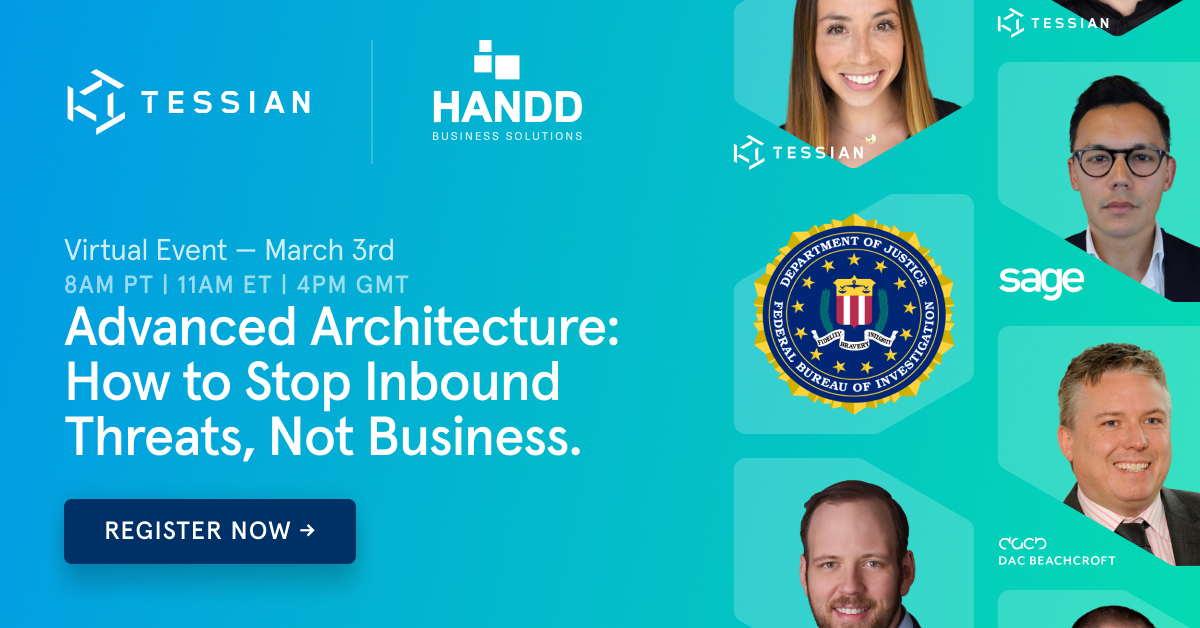
Register in seconds...⏱
Learn in a few hours...🕰
Better protected for the future...🛣
Join @Tessian's 7th #HumanLayerSecurity Summit this Thursday and stop attacks, not business.
Save your place: lnkd.in/epNZSY7b
#CyberSecurity
3
3
26 Feb 2022
Want to stop threats, not business? Join @Tessian‘s #HumanLayerSecurity Summit.
Hear from security experts including our very own @HackingDave, Founder & CEO, at this free virtual event!
Register your place here: hubs.la/Q014FFQL0
2
5

25 Feb 2022
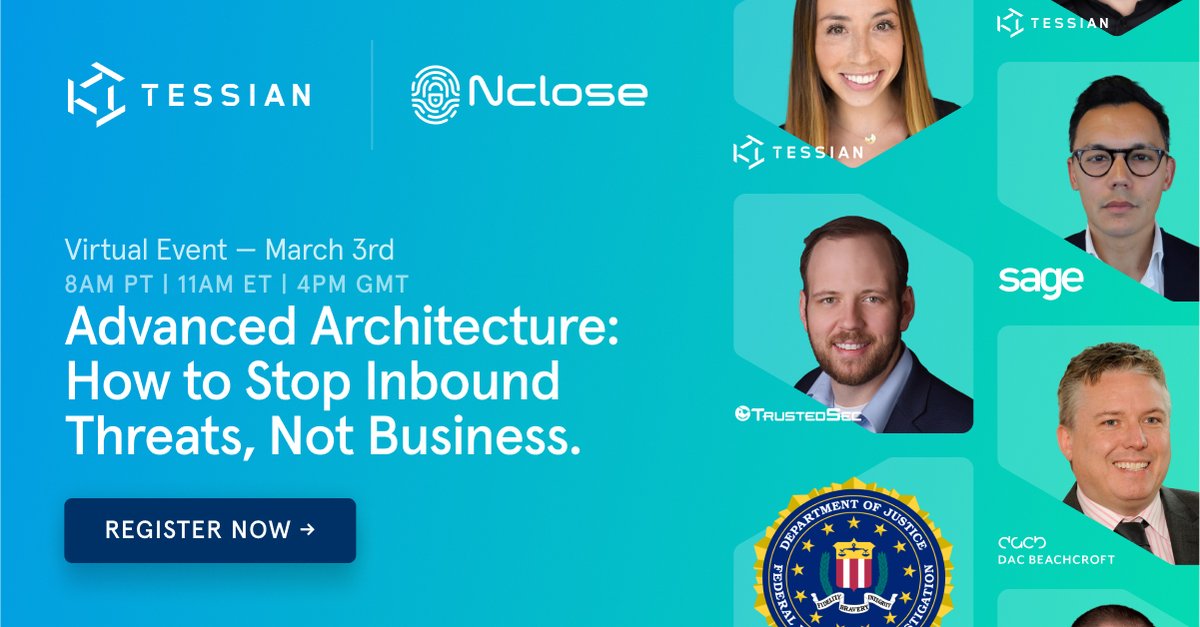
Register in seconds...⏱
Learn in a few hours...🕰
Better protected for the future...🛣
Join @Tessian's 7th #HumanLayerSecurity Summit and stop attacks, not business.
Save your place: lnkd.in/euJVJBVM
2
2
23 Feb 2022
Join @Tessian's 7th #HumanLayerSecurity Summit on March 3rd! Hear from the top CISOs and Cyber Visionaries, including our very own @HackingDave, in this FREE virtual event.
Register here:
hubs.la/Q014FLMz0
6
7
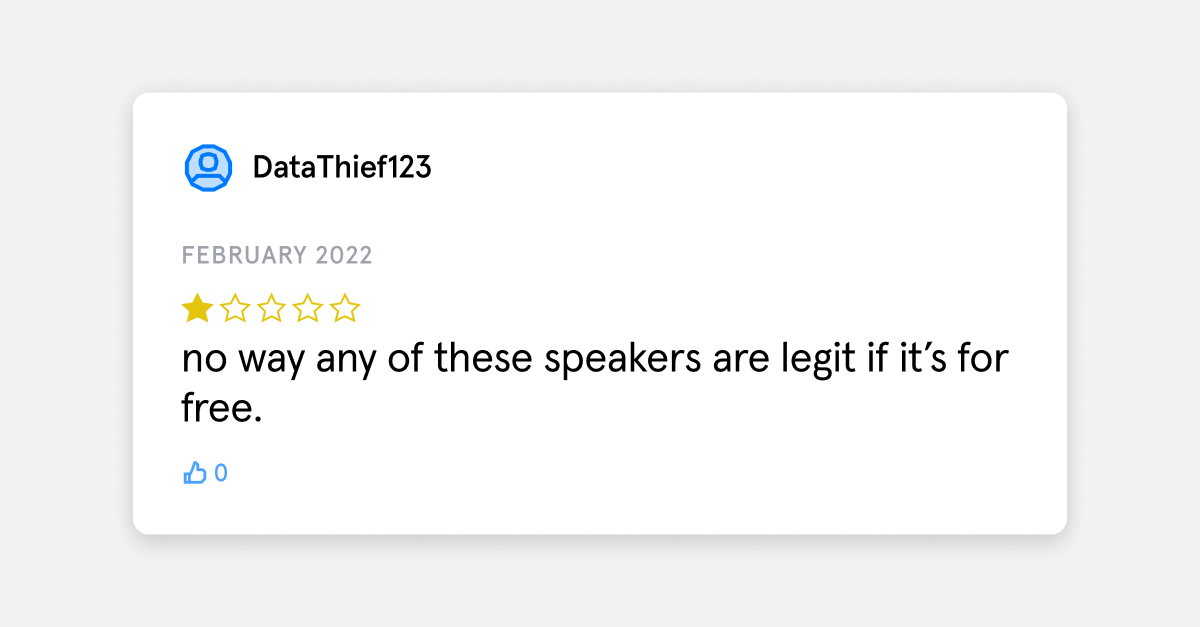
DataThief123 is dead wrong.
Join the Human Layer Security Summit and get insights & advice from security leaders at the @FBI, @Okta, @TrustedSec and more – in two hours, for 🆓
Register here bit.ly/3g970br
#HumanLayerSecurity #Fake1StarReview
3
18 Feb 2022
We're delighted to announce that #TrustedSec is a partner of the #HumanLayerSecurity Summit where you can catch @HackingDave at 11 a.m. ET!
Join us at one of the biggest virtual cybersecurity events of the year hosted by @Tessian. Save your spot: hubs.la/Q014sSWJ0
6
11
15 Feb 2022
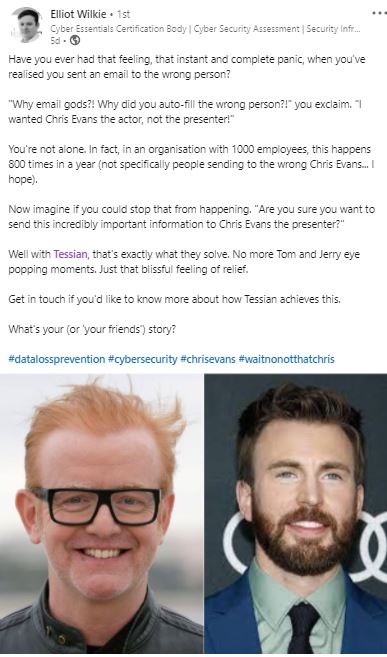
Did you know that there are 31,000 James Smiths in the USA alone?
#DidYouKnow #TechTuesday #CyberSecurity #DataBreach #ITSecurity #InfoSec #DataLoss #HumanLayerSecurity #ChrisEvans #EmailSecurity
3
4
Does Security awareness training account for zero payload attacks 🤔
Here's Jason Lang @curi0usJack from @TrustedSec with @schwascore
Want more? Trusted Sec CEO @HackingDave is at our next virtual #HumanLayerSecurity summit on March 3rd
Reg for free bit.ly/3g970br
2
8
4 Feb 2022
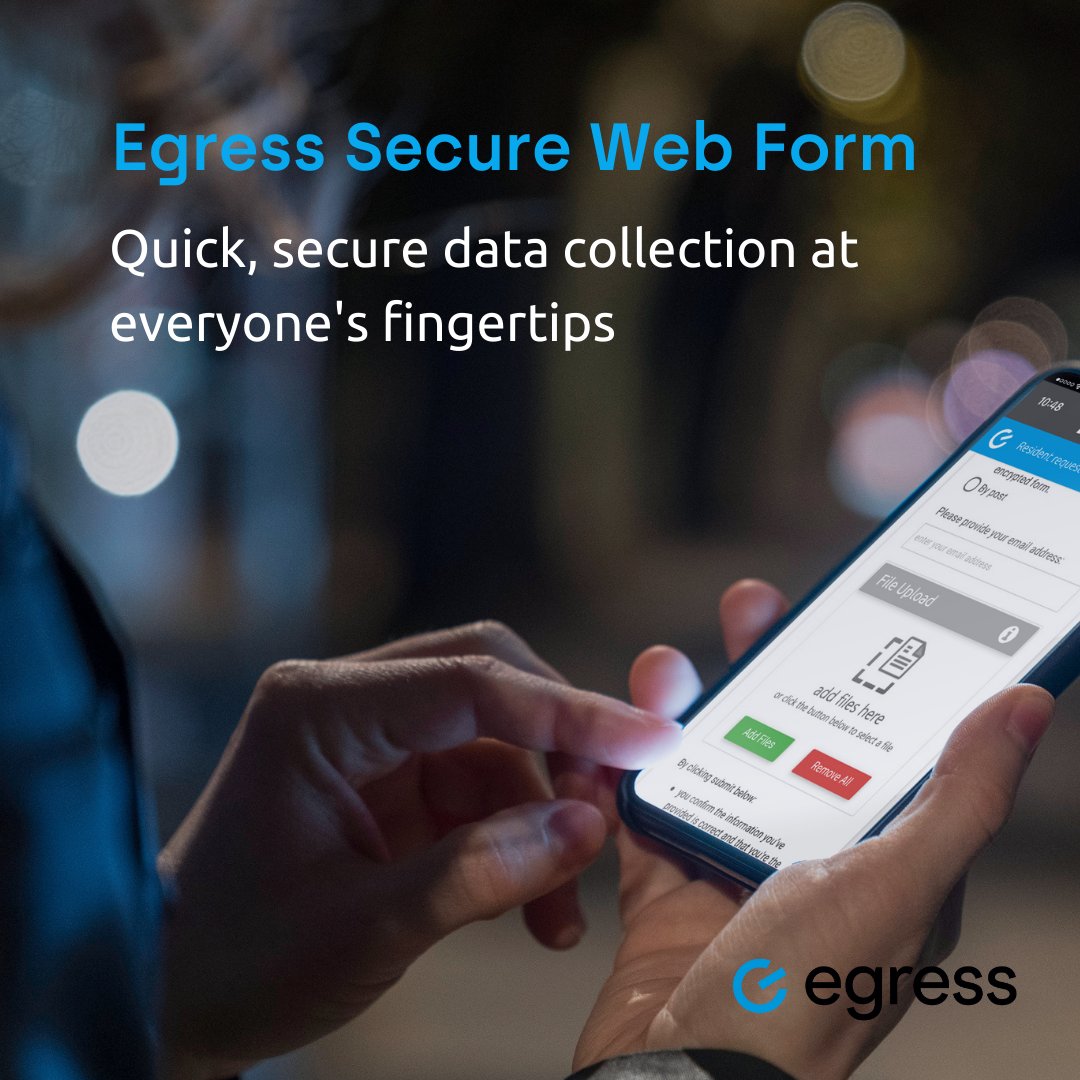
It's easy to collect sensitive digital data with Egress Secure Web Form. Whether accessed via desktop or mobile, we offer great user experience, enhanced efficiency and best-in-class encryption. Find out more egress.co/uefKP #digitaltransformation #humanlayersecurity
3
2