
DAY 222, MASK 1 | JUNE 14, 2026
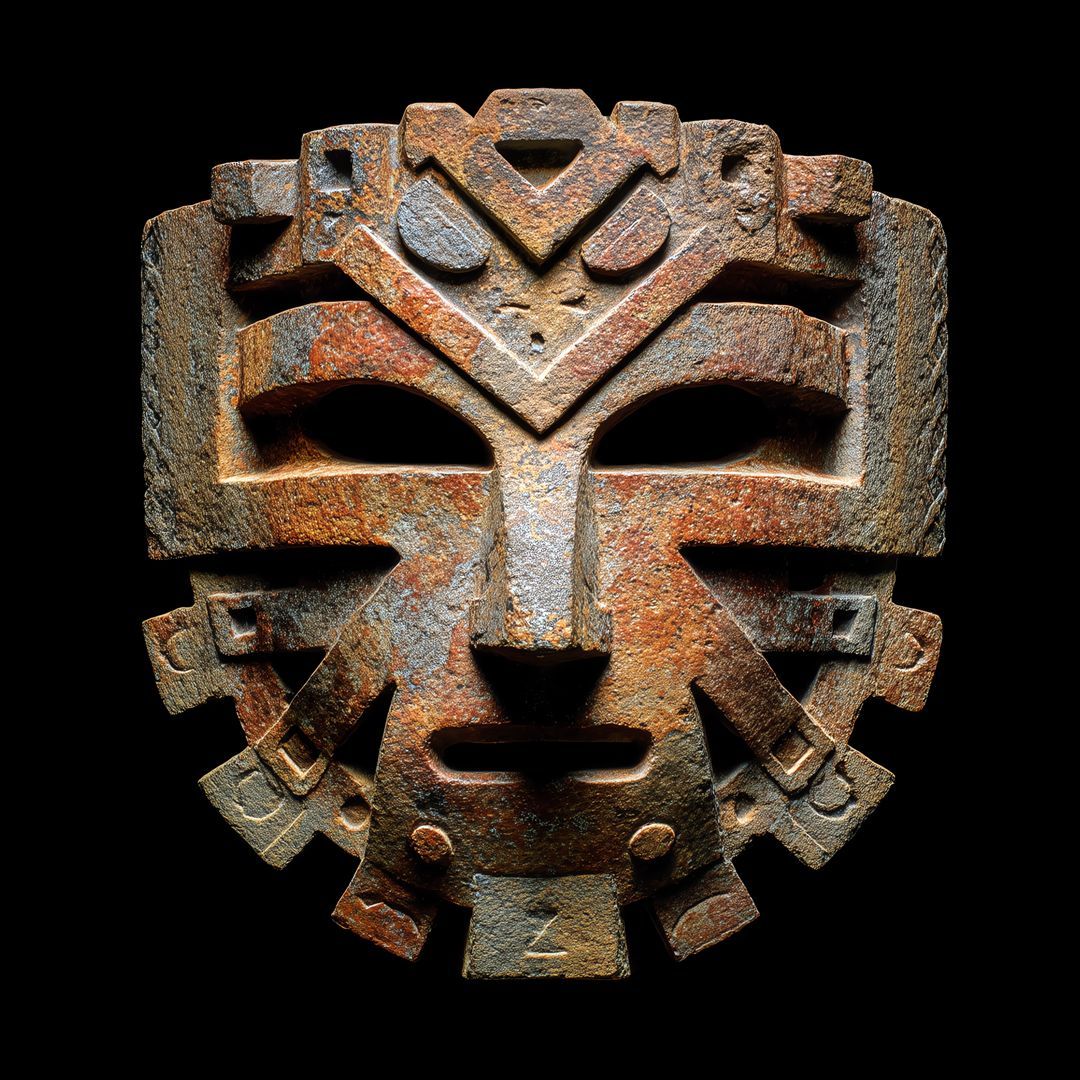
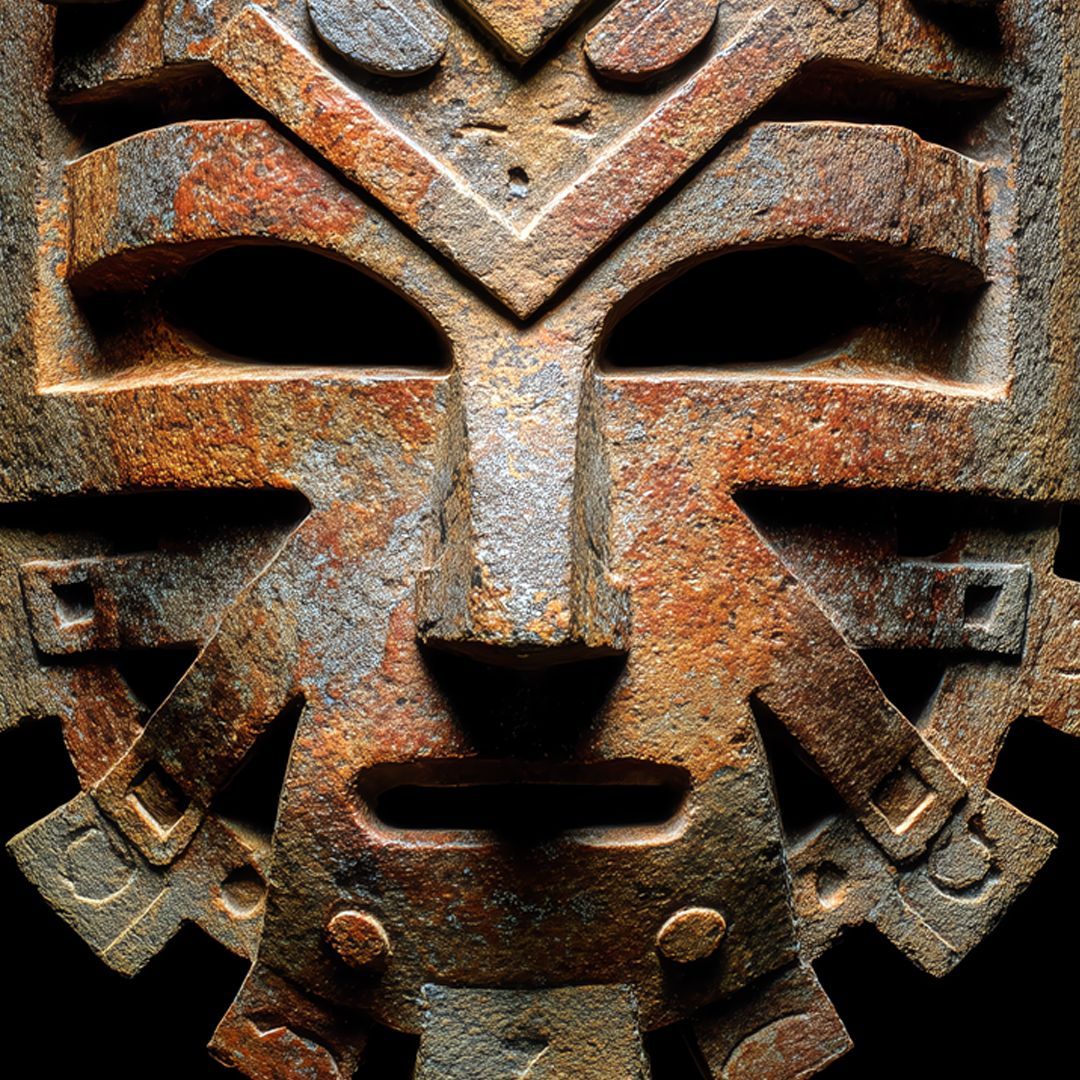
The Inca Sacred Geometer Chakana Mastery Mask
From the sacred plateaus of Tawantinsuyu—where the high peaks pierce the clouds and geometric principles guide empire-spanning construction, where master geometers translated celestial observation into architectural form creating structures of extraordinary precision and spiritual significance—emerges a mask embodying the profound authority of the sacred geometer and astronomical specialist.
Constructed through careful stone carving demonstrating geometric precision refined to essential mathematical completeness, this mask represents the Inca Sacred Geometer Chakana Mastery Mask: the specialist-keeper whose mastery of geometric principles, understanding of astronomical cycles, knowledge of the chakana sacred geometry, and capacity to encode cosmic order into stone and space enabled the creation of monuments of extraordinary sophistication and demonstrated excellence recognized across pre-Columbian American civilizations.
The Inca Sacred Geometer represents geometric mastery through rectilinear excellence and cosmic knowledge integration: embodying sophisticated understanding of geometric principles and astronomical observation; understanding that cosmic principles organize all reality through mathematical relationships; translating celestial knowledge into architectural and spatial expression; maintaining authentic geometric practice through demonstrated mathematical precision; radiating cosmological authority through refined geometric form.
Token #284 | 0.008 ETH
manifold.xyz/@thefacelessart…
Journey deeper: thefaceless.art/portfolio/in…
The mask chooses. 🩸
THE FACELESS ART / 365 Cultures. 365 Days. One Sacred Commitment.
#TheIncaSacredGeometer #TheMaskChooses #IncaCulture #AndesHeritage #TawantinsuyuPride #IncaGeometricMastery #ChakanaCross #AstronomicalIntegration #SacredGeometry #RectilinearPrecision #CosmicOrder #IncaArchitecture #AndesianCulture #IndigenousKnowledge #GeometricPerfection
2
7
Olmeca - Brain retweeted

🌎 Pachamama, cuerpo-territorio y agencia compartida en OHBM 2026
#fNIRs #NIRS #neuroscience #IndigenousKnowledge #Territory #OHBM2026
brainlatam.com/blog/pachamam…
16
10
42

Eine Sternscheibe mit den Sternnamen der Ainu und deutsch beschrifteten IAU-Sternbildern wird Wirklichkeit.
Was ist das Hoshi-Kotoba Project?
🌏 Unterstützerinnen und Unterstützer aus dem Ausland sind herzlich willkommen!
Das Hoshi-Kotoba Project erforscht Sternnamen der Ainu, die in Dokumenten überliefert sind, die vor etwa 200 Jahren nach Europa gelangten. Auf Grundlage dieser historischen Quellen entstehen eine Sternscheibe, eine Website und ein Begleitheft, um dieses Wissen zu bewahren und einem breiteren Publikum zugänglich zu machen.
Wir glauben, dass dieses Projekt nicht nur für Menschen in Japan interessant ist, sondern auch für alle, die sich für japanische Kultur, indigene Kulturen, Astronomiegeschichte und kulturelles Erbe interessieren.
Projektseiten sind bereits auf Englisch und Traditionellem Chinesisch verfügbar.
Besuchen Sie gerne die Projektseite und erfahren Sie mehr über dieses Vorhaben.
Wenn Sie dieses Projekt interessant finden, würden wir uns sehr über ein Teilen oder Weiterverbreiten freuen. 🌌📚✨
ainu-constellations.official…
#Ainu
#AinuCulture
#Ethnoastronomy
#IndigenousKnowledge
#CulturalHeritage
#HistoryOfAstronomy
#JapaneseCulture
#LeidenUniversity
#HumboldtUniversity
#HoshiKotoba
42
☆星ことばプロジェクト☆
ただ今、"Hoshi-Kotoba Project"と題し、200年前に欧州に渡った和語(日本語)-アイヌ語の対語集に含まれる星や天体にまつわるワードをまとめ、星座早見盤と解説をつくる取り組みをしています。
和語とアイヌ語の対語集として最古の文献は「蝦夷方言藻汐草」が有名ですが、金田一京助教授も触れなかった、地味ながら深い気づきも得たので、今回は然るべき方法で情報を残す、という取組までが目標です。
詳細はこちら
ainu-constellations.official…
ただ今、制作活動費をクラウドファンディングにて募っています。
単純にこのプロジェクトで制作するものが欲しい~っていうだけでもうれしいです。
ぜひリポストで情報拡散の協力もお願いします!
#Ainu
#AinuCulture
#Ethnoastronomy
#IndigenousKnowledge
#CulturalHeritage
#HistoryOfAstronomy
#JapaneseCulture
#LeidenUniversity
#HumboldtUniversity
#HoshiKotoba
70
🌏 海外朋友也可以參與這個企劃!
Hoshi-Kotoba Project 透過研究約 200 年前傳至歐洲的文獻中所記錄的愛努語星名,製作星座盤、解說網站以及手冊,讓更多人能夠接觸並了解這些珍貴的歷史資料。
我們相信,這個企劃不僅能引起日本國內讀者的興趣,也能吸引世界各地對日本文化、原住民族文化、天文學史及文化遺產有興趣的人們關注。
目前已提供英文與繁體中文專屬頁面。
歡迎前往企劃網站了解更多內容。
如果您身邊有對日本文化感興趣的朋友,也歡迎分享或轉發這個企劃給更多人。🌌📚✨
ainu-constellations.official…
#Ainu
#AinuCulture
#Ethnoastronomy
#IndigenousKnowledge
#CulturalHeritage
#HistoryOfAstronomy
#JapaneseCulture
#LeidenUniversity
#HumboldtUniversity
#HoshiKotoba
149
🌏 Supporters from overseas are also welcome to join this project!
The Hoshi-Kotoba Project explores Ainu star names recorded in documents that reached Europe about 200 years ago. Based on this research, we are creating a planisphere, a website, and a booklet to share these historical records with a wider audience.
We believe this project may be of interest not only to people in Japan, but also to those around the world who are interested in Japanese culture, Indigenous cultures, the history of astronomy, and cultural heritage.
Dedicated project pages are available in English and Traditional Chinese.
Please visit the project page to learn more.
If you know people around the world who are interested in Japanese culture, we would greatly appreciate it if you could share or repost this project. 🌌📚✨
ainu-constellations.official…
#Ainu
#AinuCulture
#Ethnoastronomy
#IndigenousKnowledge
#CulturalHeritage
#HistoryOfAstronomy
#JapaneseCulture
#LeidenUniversity
#HumboldtUniversity
#HoshiKotoba
41

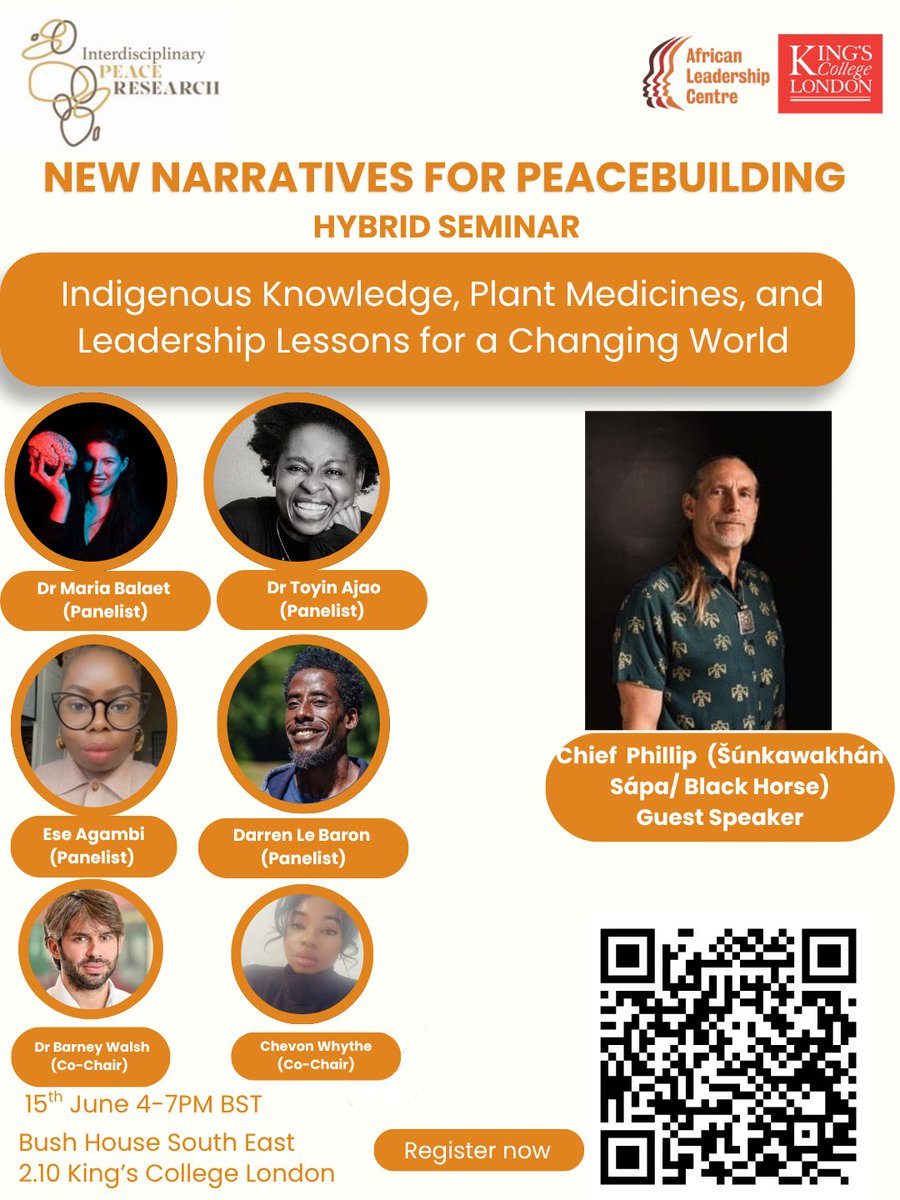
Join us on 15 June 2026 for the @ALC_KCL seminar: "New Narratives for Peacebuilding: Indigenous Knowledge, Plant Medicines, and Leadership Lessons for a Changing World."
Featuring Chief Phillip (Šúnkawakhán Sápa/Black Horse), Founder of Ancestral Voice – Institute for Indigenous Lifeways and exploring indigenous approaches to peacebuilding, plant medicines, leadership, and social transformation in the Global South.
#Peacebuilding #IndigenousKnowledge #Leadership #GlobalSouth #AfricanLeadershipCentre #KingsCollegeLondon
1
3
57

Come walk with me in the Qiviut Inc. kipusvik. And it’s a small world when you run into folks who know your iluq from Iqaluit ❤️ I’m sporting majean_recovers aqllit ❤️ #sewyupik #yupik #indigenous #indigenousart #indigenousartist #indigenousknowledge #sharingart #sharingiscaring
3
111
Come for a short stroll with me around Nuuk ❤️ #sewyupik #yupik #indigenous #indigenousart #indigenousartist #indigenousknowledge #sharingart #sharingiscaring #sharingalaska #qaspeq #kuspuk #atikluk #sewing #sharingknowledge #sewinglove #travel #nuuk #visitnuuk
1
2
102

Jun 11
🚨Dean Radin Says Indigenous Australians Already Knew About Telepathy
One of the more interesting moments from Dean Radin's Joe Rogan interview for me wasn't about Stargate, remote viewing, or classified intelligence programs. It was actually the part where he described giving a talk to the Australian government about telepathy and consciousness.
Radin said there were ministers and military people in the room, and after the talk, one of the ministers, who represented Indigenous Australians, came up to him and said "We've known this stuff for thousands of years."
The West still tends to treat telepathy, intuition, non local consciousness, and human to human connection as fringe subjects that need to be rediscovered in a lab setting before they are allowed to be taken seriously, but many Indigenous cultures have spoken about these abilities for generations, as part of life, survival, family and communication.
In the Australian outback, before phones or modern communications, people still found ways to remain connected. Western science is only now slowly trying to measure what older cultures have already understood through lived and shared experience.
Maybe consciousness is not as private, isolated and locked inside the skull as you might think. Some cultures never forgot what modern society trained itself to ignore.
Source:
youtu.be/4Uk0_1yqdJo
#DeanRadin #JoeRogan #Telepathy #Consciousness #RemoteViewing #NoeticScience #IndigenousKnowledge #NonLocalConsciousness #Stargate #HiddenScience #UAP #NHI
12
18
162
10,396
Viladinur Ruhi retweeted

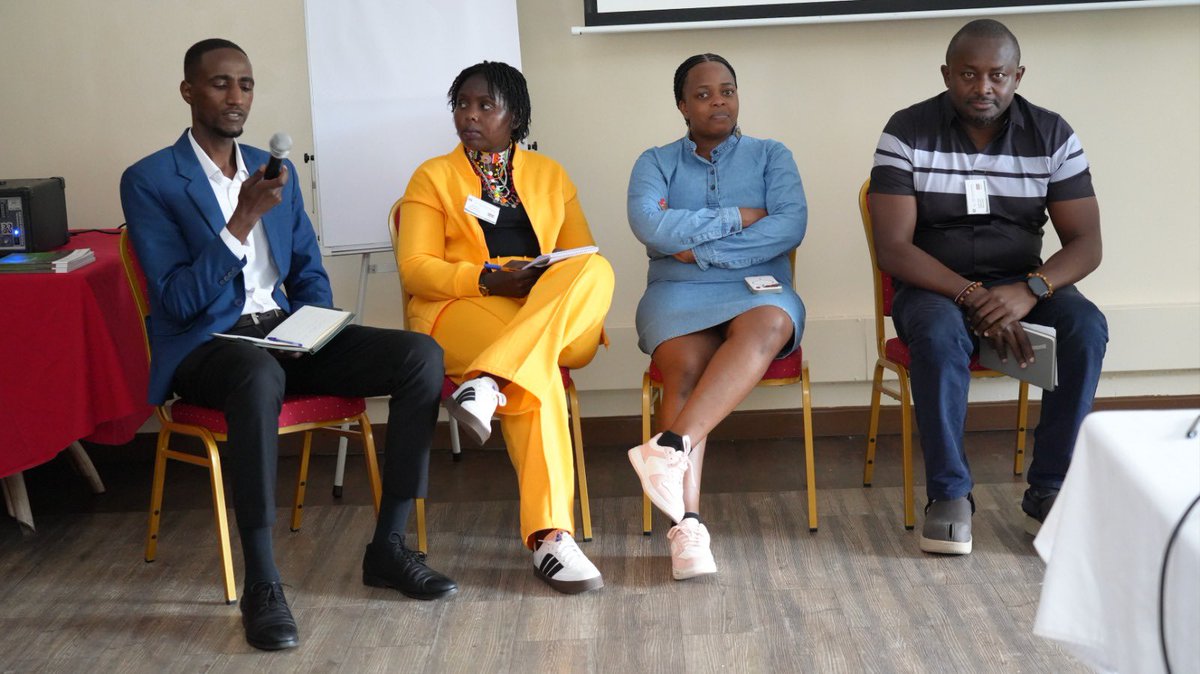
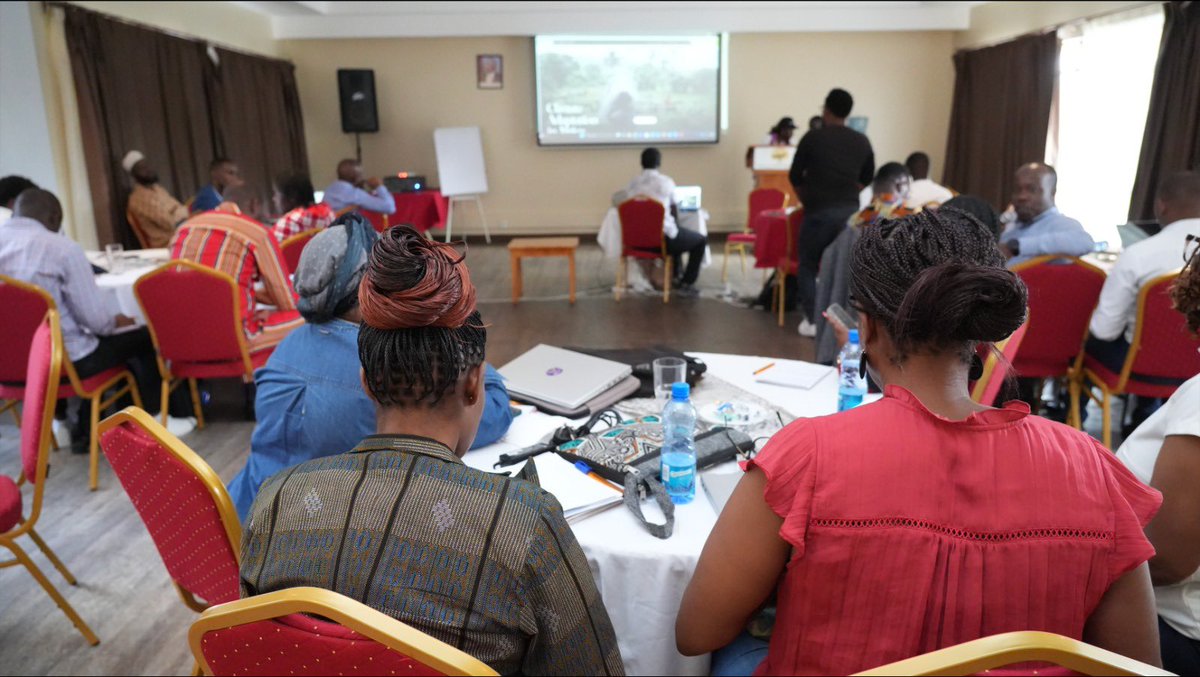
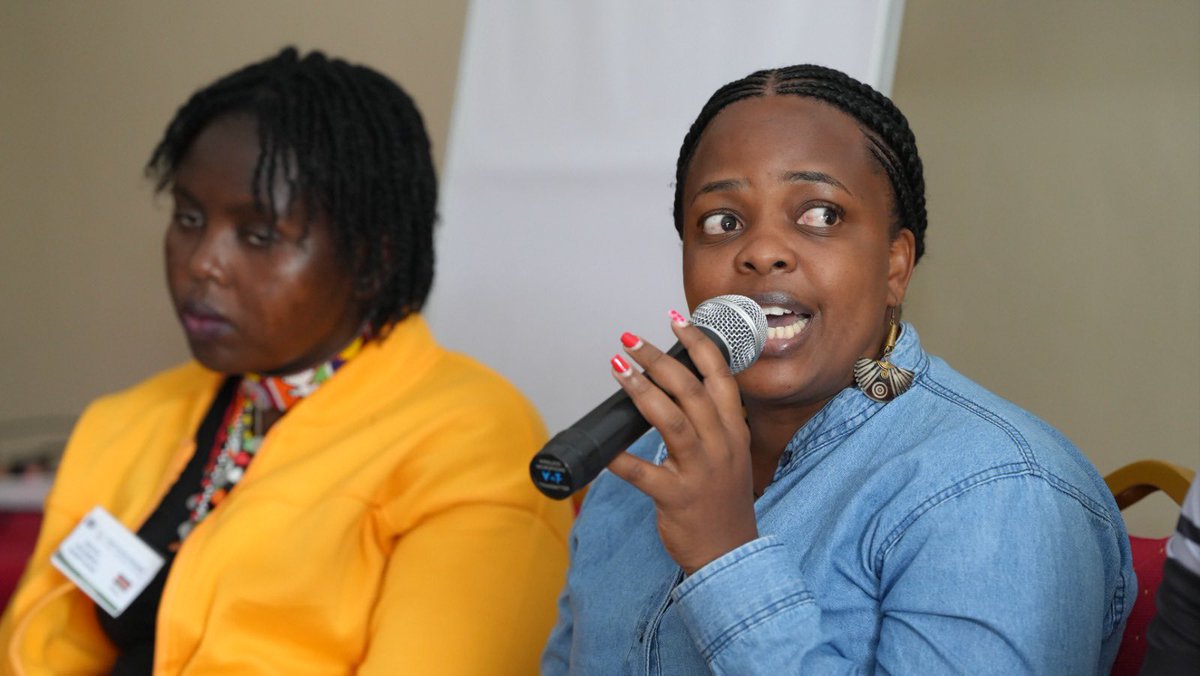
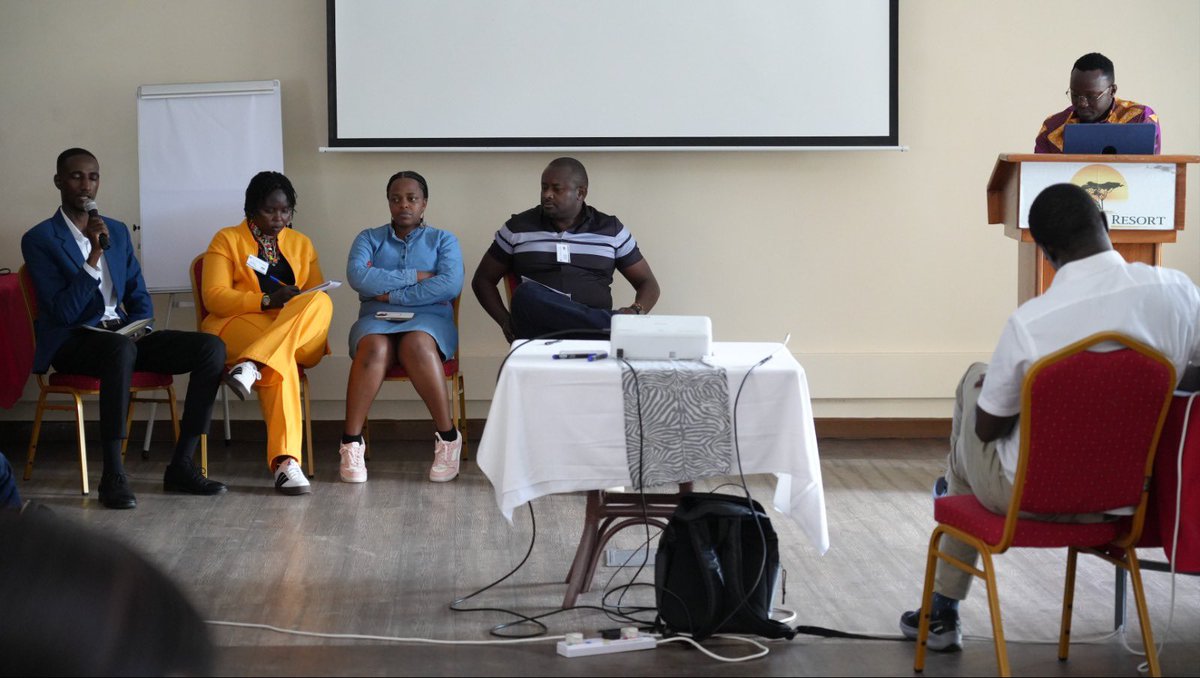
Day 3 📌Privileged to be among the panel centering #LandRights #SoilHealth #Indigenousknowledge, #Agriculture for #Climate in Africa.When #women lead #adaptation, communities do not only survive climate change they build resilience, justice, and sustainable futures. #Adapt2live
1
8
23
316

🌍 #IndigenousKnowledge isn't a footnote — it's foundational to climate solutions.
Join our panel at #LCAW2026
📅 Mon 22 June | 🕑 14:00–15:30 UK
📍 #Wellcome Trust, London
👇Register via the QR code
#LondonClimateActionWeek #ClimatePolicty #ClimateJustice #IndigenousPeoples

2
40

Spirituality, Community, and Seasonal Life
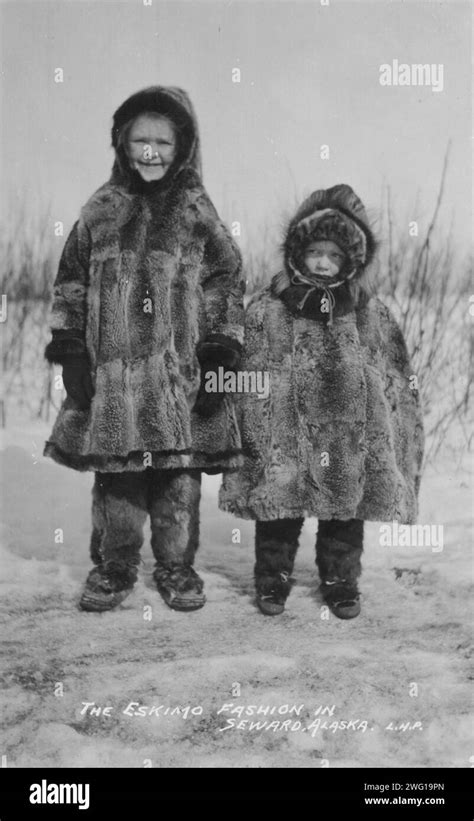
Inuit life was deeply spiritual. The people saw themselves as part of a living world filled with spirits (inua) that inhabited animals, the land, ice, and weather.
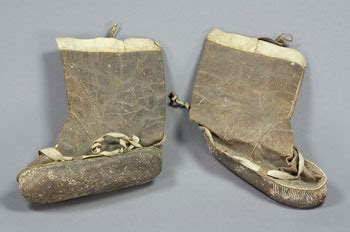
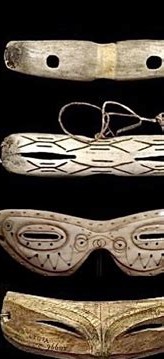
Images (left to right):
Young Inuit children in traditional fur clothing — highlighting family, community, and the transmission of knowledge across generations.
Pair of beautifully made fur boots (mukluks) — showing the incredible skill in clothing that kept people alive in extreme cold.
Intricately carved masks — used in ceremonies, storytelling, dances, and shamanic rituals.
Key elements:
Angakkuq (shamans): Spiritual leaders who communicated with spirits to heal the sick and ensure successful hunts.
Respect for animals: Hunters performed rituals before and after a kill. Nothing was wasted — every part of a seal or caribou had a purpose and was treated with gratitude.
Community & seasons: Strong emphasis on sharing food, oral storytelling, drum dancing, and throat singing. Elders passed down vital knowledge, and children learned by watching and participating.
This holistic worldview — blending practicality, spirituality, and community — helped the Inuit thrive for centuries in one of the world’s harshest environments.
#Inuit #ThuleCulture #Angakkuq #ArcticSpirituality #IndigenousCanada #CanadianArctic #IndigenousKnowledge #IndigenousHistory
1
2
462
It was an incredible spread of yugtaq food ❤️ #sewyupik #yupik #indigenous #indigenousart #indigenousartist #indigenousknowledge #sharingart #sharingiscaring #sharingalaska #qaspeq #kuspuk #atikluk #sewing #sharingknowledge #sewinglove #travel #nuuk #nuukgreenland #food #foodies
69

Jun 10
4
47

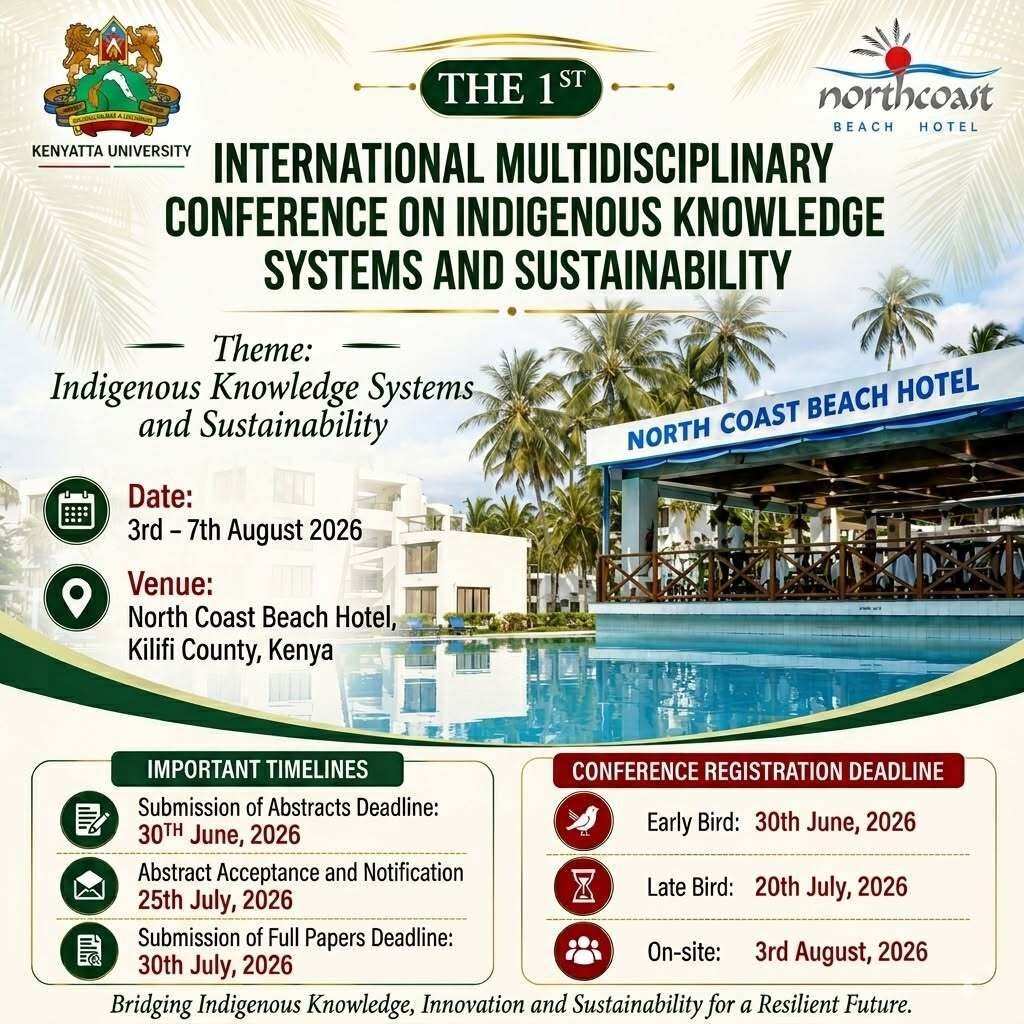
The 1st International Multidisciplinary Conference on Indigenous Knowledge Systems and Sustainability is happening!
Join Kenyatta University and the North Coast Beach Hotel for a transformative academic experience focused on "Bridging Indigenous Knowledge, Innovation and Sustainability for a Resilient Future."
📅 Date: 3rd – 7th August 2026
📍 Venue: North Coast Beach Hotel, Kilifi County, Kenya
⏳ IMPORTANT TIMELINES:
Submission of Abstracts Deadline: 30th June, 2026
Abstract Acceptance & Notification: 25th July, 2026
Submission of Full Papers Deadline: 30th July, 2026
🎟️ REGISTRATION DEADLINES:
Early Bird: 30th June, 2026
Late Bird: 20th July, 2026
On-site: 3rd August, 2026
Don't miss the chance to share your research and collaborate with global experts. Submit your abstracts and secure your spot today! 👇
multidisciplinaryconference@ku.ac.ke
docs.google.com/.../1FAIpQLS…
#KenyattaUniversity #IndigenousKnowledge #SustainabilityConference #Research #AcademicConference #KilifiCounty #Kenya2026
3
1
1
270
Peggy retweeted

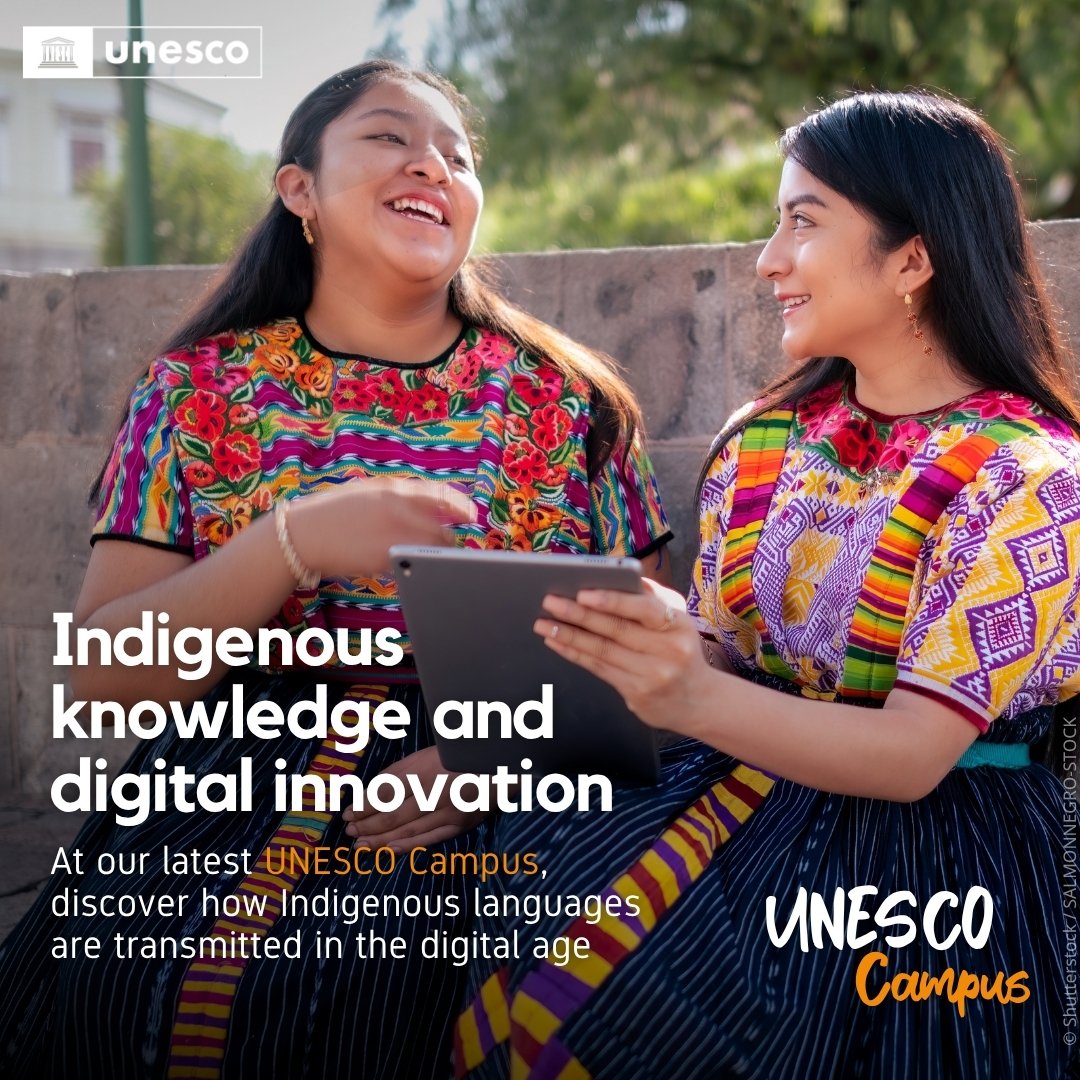
In the digital age, #IndigenousKnowledge uses technology to better transmit and promote languages and traditions.
At the latest #CampusUNESCO, students from around the world and experts explored how modernity can help protect diversity.
🔗 unes.co/g1jbib #TECH4ALL @ILDecade @HUAWEI_TECH4ALL @6c_Conseil
6
32
99
15,234

Preserving cultural heritage and embracing innovation don’t have to be separate goals.
Technology can help Indigenous communities document, share, and celebrate their languages and traditions for generations to come. 🌱
#Tech4All #IndigenousKnowledge

In the digital age, #IndigenousKnowledge uses technology to better transmit and promote languages and traditions.
At the latest #CampusUNESCO, students from around the world and experts explored how modernity can help protect diversity.
🔗 unes.co/g1jbib #TECH4ALL @ILDecade @HUAWEI_TECH4ALL @6c_Conseil
1
60