
Jun 12
Humans as Energy: Memory Is Stored Wisdom
Memory is one of the most powerful forms of human energy.
Not memory as nostalgia. Not memory as living in the past. Not memory as refusing change.
Memory as stored wisdom.
Every person, family, business, community and country carries memory. Some of it is written down. Much of it is not. It lives in habits, stories, warnings, skills, customs, place names, old buildings, repeated mistakes, remembered kindnesses, family sayings, working practices and lessons learned the hard way.
Memory tells us what mattered.
It tells us what failed.
It tells us what people endured.
It tells us what should not be repeated.
A society without memory becomes easy to mislead. It starts every argument as if nobody has ever faced similar choices before. It treats old lessons as obstacles rather than inheritance. It mistakes novelty for intelligence and forgets that many modern problems are old problems wearing new clothes.
That does not mean the past should rule the present. Some things from the past needed to end. Some customs were unjust. Some institutions failed people. Some attitudes were cruel, narrow or wrong. Honest memory must include both pride and correction.
But a society that throws away memory does not become free.
It becomes shallow.
Memory gives depth to judgement. It helps people recognise patterns. It allows a skilled worker to say, “We tried that before and this is what went wrong.” It allows a community to say, “This place was built by effort and should not be neglected.” It allows a family to say, “We survived worse than this, and we know how to hold together.” It allows a country to say, “We have made mistakes, but we have also rebuilt, reformed and carried on.”
Memory is not only found in museums, archives or history books. It is found in people.
The retired nurse who remembers how wards changed.
The tradesperson who knows why a joint failed twenty years later.
The firefighter who understands how panic moves through a building.
The teacher who has seen generations of children pass through the same classroom.
The small business owner who remembers what happened when banks withdrew support.
The grandparent who knows the family stories that explain who people are.
These people carry living memory. When they are ignored, a country wastes stored human energy.
Modern systems often have a dangerous habit of confusing newness with improvement. A new platform. A new structure. A new department name. A new strategy. A new set of targets. Sometimes change is needed. Sometimes it is overdue. But change without memory can become expensive repetition.
The same mistakes are rediscovered by younger teams who were never told why the last solution failed.
The same procurement errors return under new branding.
The same buildings are designed without understanding how people actually use them.
The same management fashions are imported with fresh language and familiar consequences.
The same social problems are described as if nobody warned about them years before.
This is waste.
Not just financial waste, but memory waste.
Good organisations protect memory. They document properly. They listen to experienced staff. They value handovers. They keep records that are useful, not merely compliant. They distinguish between “we have always done it this way” and “we learned something important here.” They allow younger people to challenge, but also require them to listen.
Good societies do the same.
They teach history with honesty. They preserve buildings that still carry meaning. They respect local knowledge. They protect craft and technical skills. They remember public service. They tell difficult truths without destroying shared belonging. They allow a nation to mature rather than simply swing between denial and self-contempt.
Memory is also part of responsibility.
When we remember properly, we understand that we are not the first people to live, work, suffer, love, build, fail, hope or sacrifice. We inherit more than assets. We inherit duties. We inherit unfinished work. We inherit warnings. We inherit examples.
That can steady a society.
In a world of instant reaction, memory slows us down in the right way. It asks: have we seen this before? What did it cost last time? Who paid the price? What was promised? What was forgotten? What should we carry forward, and what should we finally leave behind?
Memory does not prevent progress.
It gives progress roots.
A tree without roots may grow quickly for a while, but it will not stand well in a storm. The same is true of people, families, institutions and nations. Without memory, we become easier to shake, easier to divide, easier to flatter and easier to frighten.
Human energy does not only live in effort today.
It also lives in what has been learned across years.
A wise country does not worship the past. Nor does it discard it carelessly.
It studies it.
It honours what was good.
It corrects what was wrong.
It passes forward what is useful.
Because memory, properly held, is not a chain around the future.
It is stored wisdom for the road ahead.
#HumansAsEnergy #Memory #Wisdom #HumanEnergy #Heritage #PublicPolicy #GoodGovernment #Community #IntergenerationalLearning #NationalRenewal
48

Through this initiative, @WOYODEV will work closely with stakeholders, community members,& partners to create safer, more informed,&more empowered communities.
@FMCIDENigeria #YouthDevelopment #WomenEmpowerment #SkillsDevelopment #IntergenerationalLearning #SustainableDevelopment
1
2
8

Jide Allen, a reporter with Kwara State Radio Broadcasting Corporation and coordinator at Midland FM, described the workshop experience as both eye-opening and practical.
According to him, "The training here today has provided the opportunity for we the old school to appreciate what technology has brought to our job, and it's been very expository, I have been exposed to recent technologies that could help us to our job better, though not over relying on it because we still need the human factor to make our jobs real".
He also noted that one interesting part of the presentations, for him, was on how images and photos can be used to tell stories.
This session is part of the Digital Storytelling for Ethical Technology and Intergenerational Collaboration project implemented by SAYDi, with support from @FoundationHadis and funding from Luminate.
#BuildTech #DigitalStorytelling #IntergenerationalLearning
2
4
46

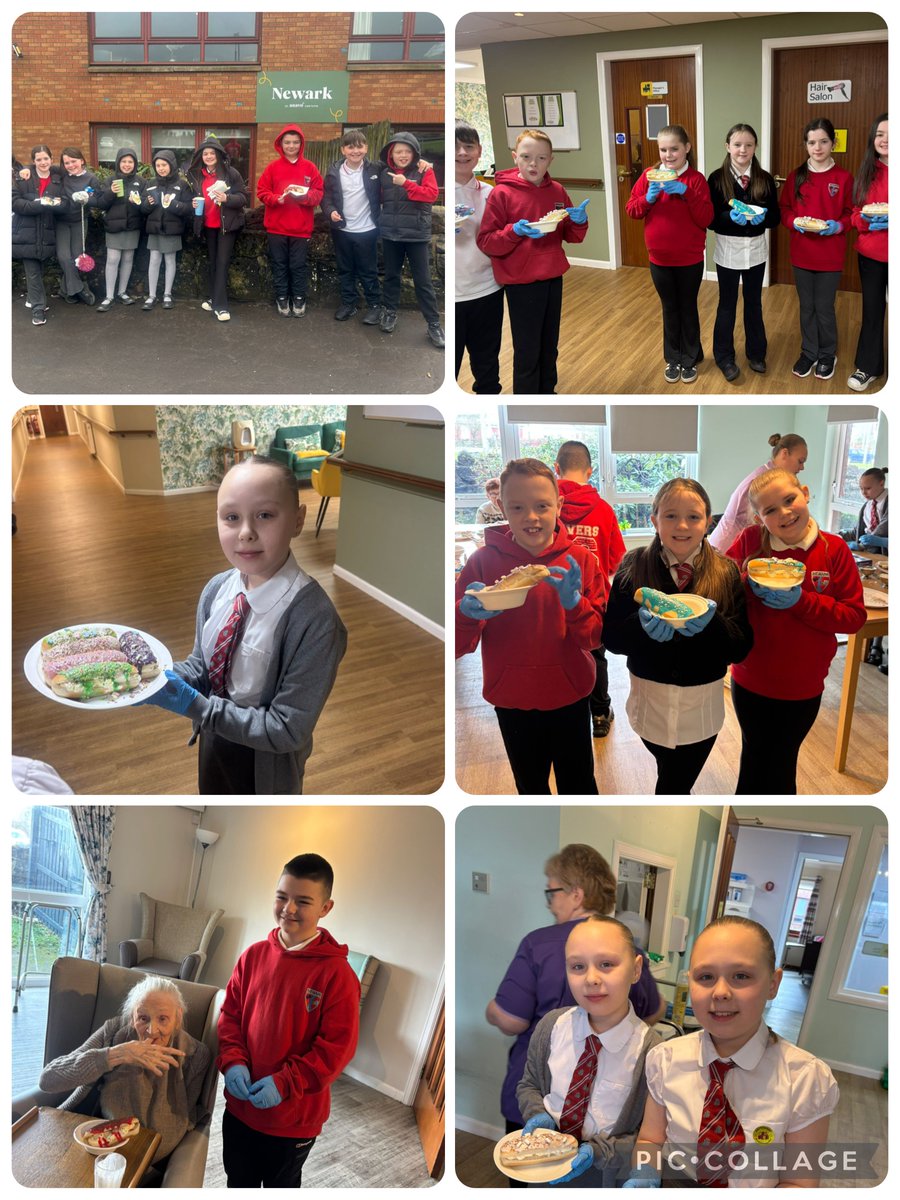
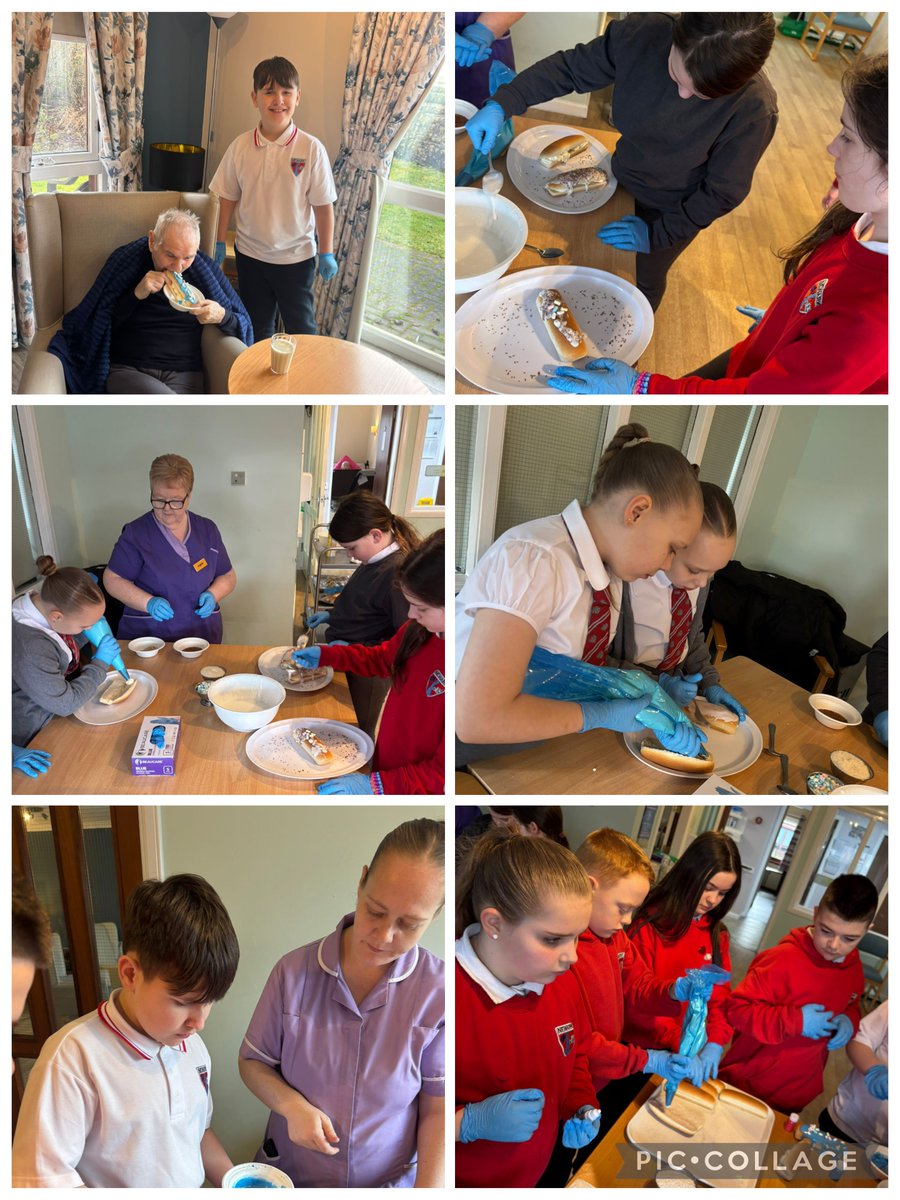
Some of our P6 7 pupils spent time at Newark Care home today celebrating ‘International Sticky Bun Day’ with the residents. They filled, decorated and ate sticky buns! Funwas had by all judging by the happy faces and the cakes! #Togetherweshine #intergenerationallearning
11
933

Feb 15
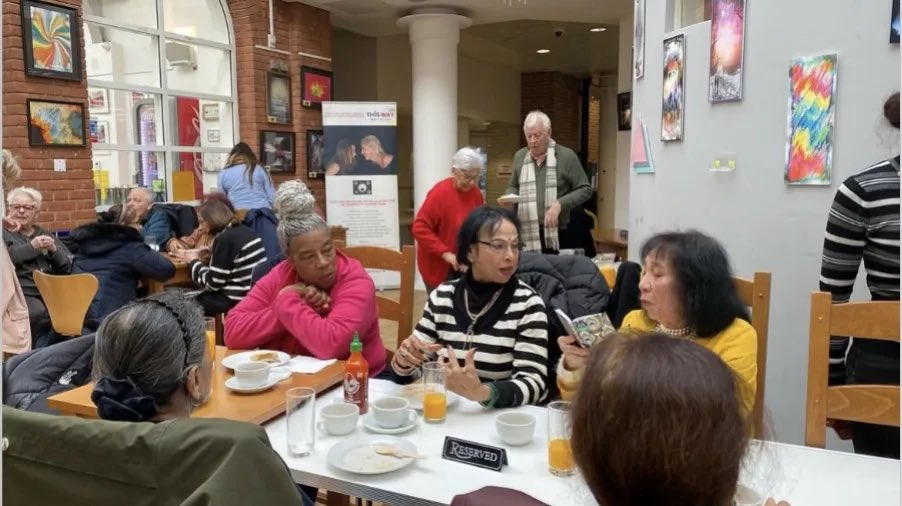
Delighted to share a blog post highlighting the work of @MSHFoundations ‘s Intergenerational Dementia Café, an initiative focused on inclusion, collaboration and improving dementia support for under represented communities.
The blog by Nusaibah Hasan, a researcher from EMPOWER Dementia Network reflects on the learning, experiences and impact of bringing young people and older adults together through meaningful engagement, creating spaces where dignity, understanding and shared learning can thrive.
Read the full blog here:
empowerdementia.co.uk/msh-fo…
#DementiaCare #IntergenerationalLearning #Inclusion #CommunityMentalHealth #EmpowerNetwork #DementiaFriendlyCommunities @KingsCollegeLon
1
2
67

5 Dec 2025
OPINION
Gen Z inspires carefree living and confidence
Writer: Asha Iyer Kumar
Click- dailypioneer.com/2025/column…
#GenZ #GenerationZ #LifeLessons #ModernWisdom #SelfWorth #EmotionalIntelligence #Boundaries #Confidence #MindfulLiving #YouthPerspective #IntergenerationalLearning #LifeInYourFifties #PersonalGrowth #RespectYouth #LifeWithEase
1
7
80

26 Nov 2025
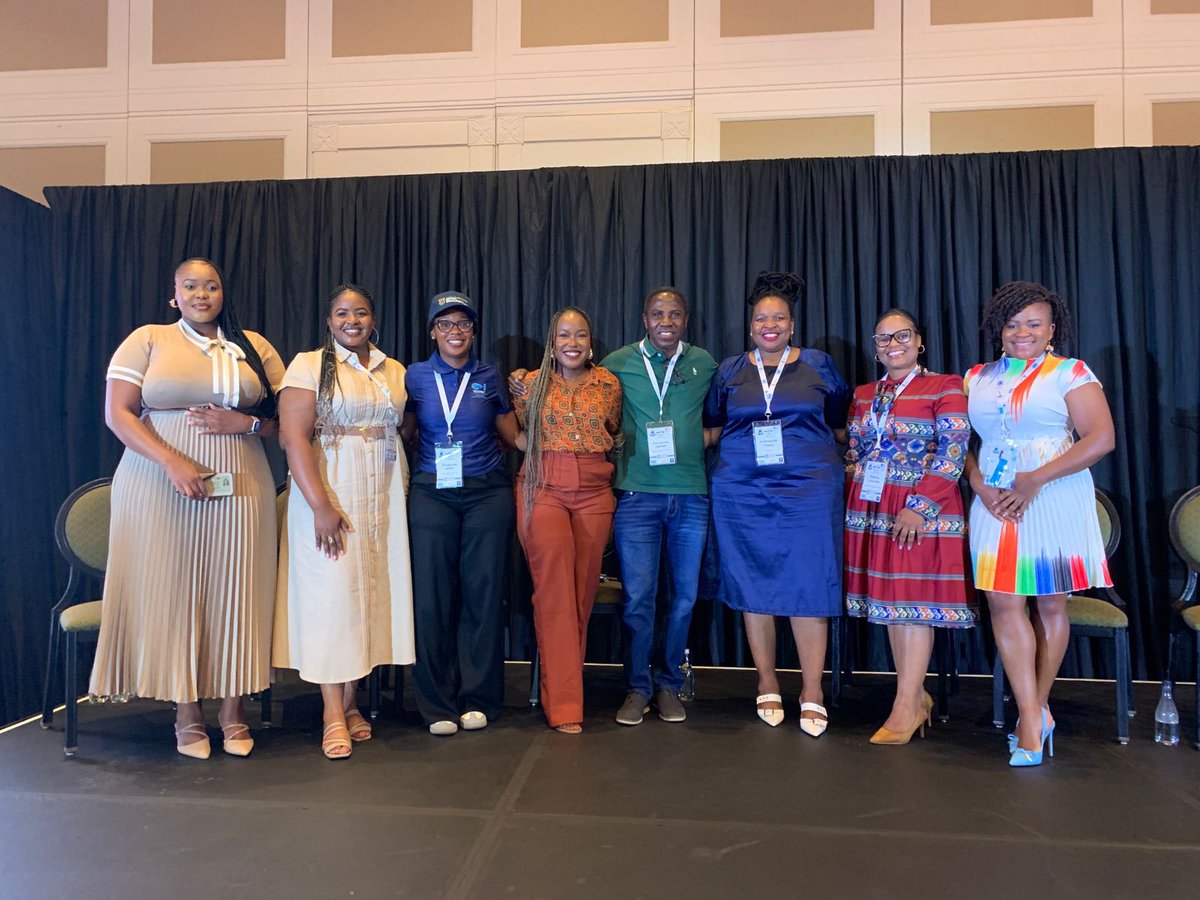
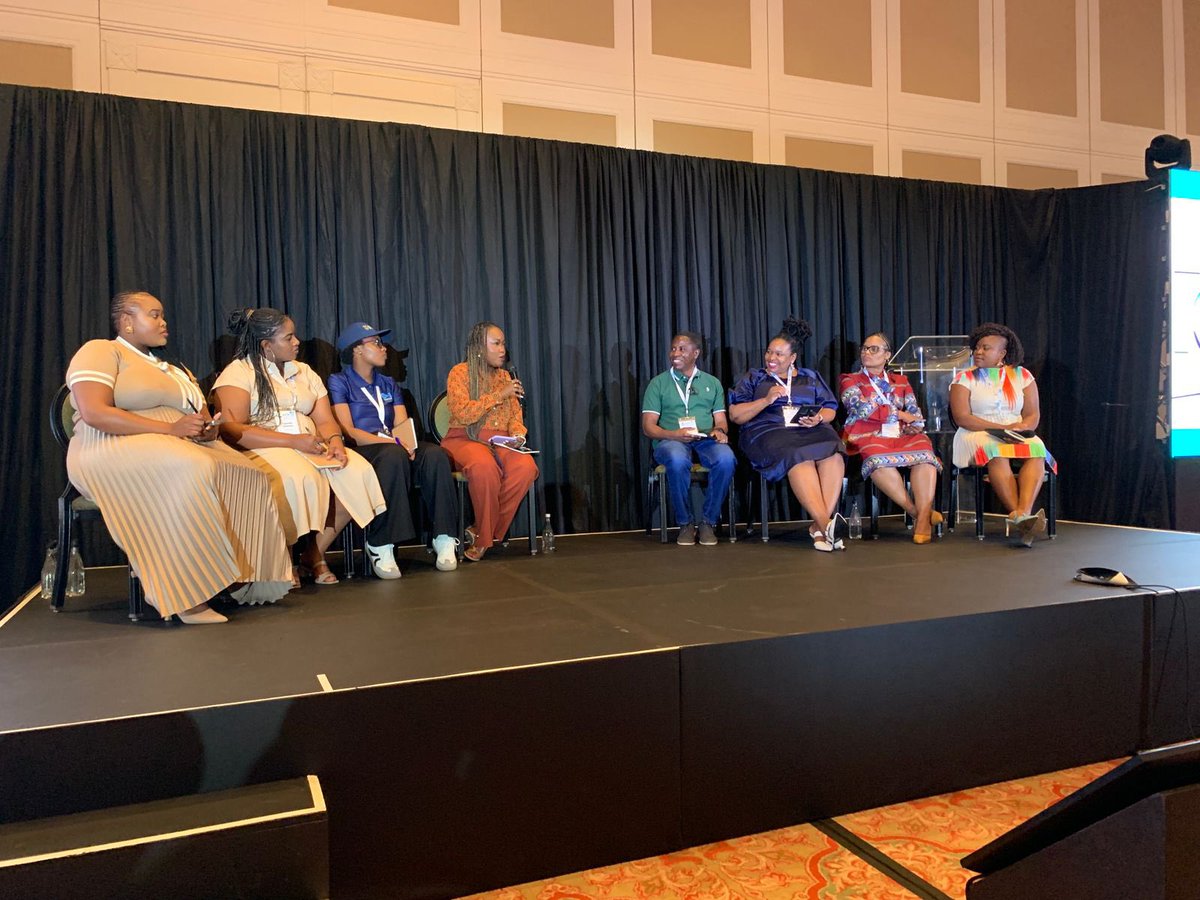
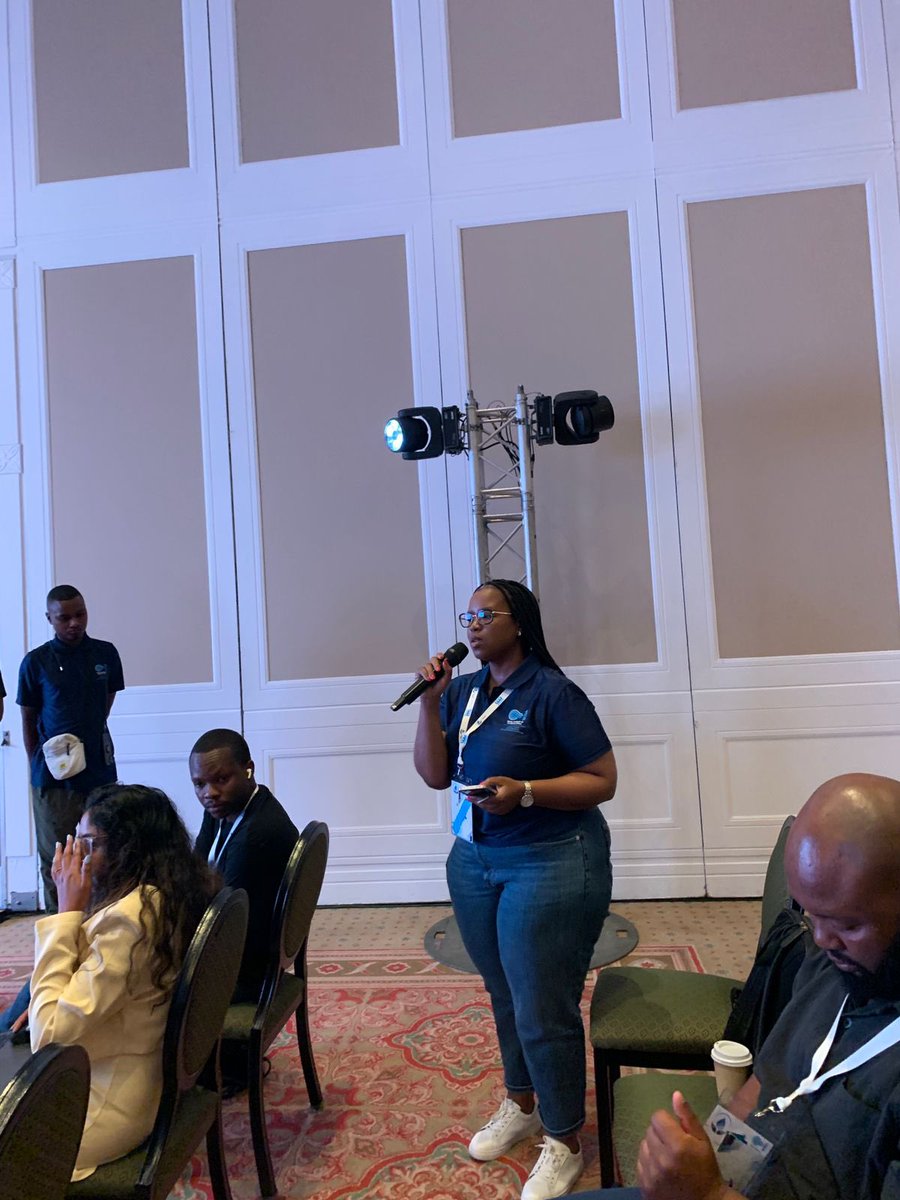
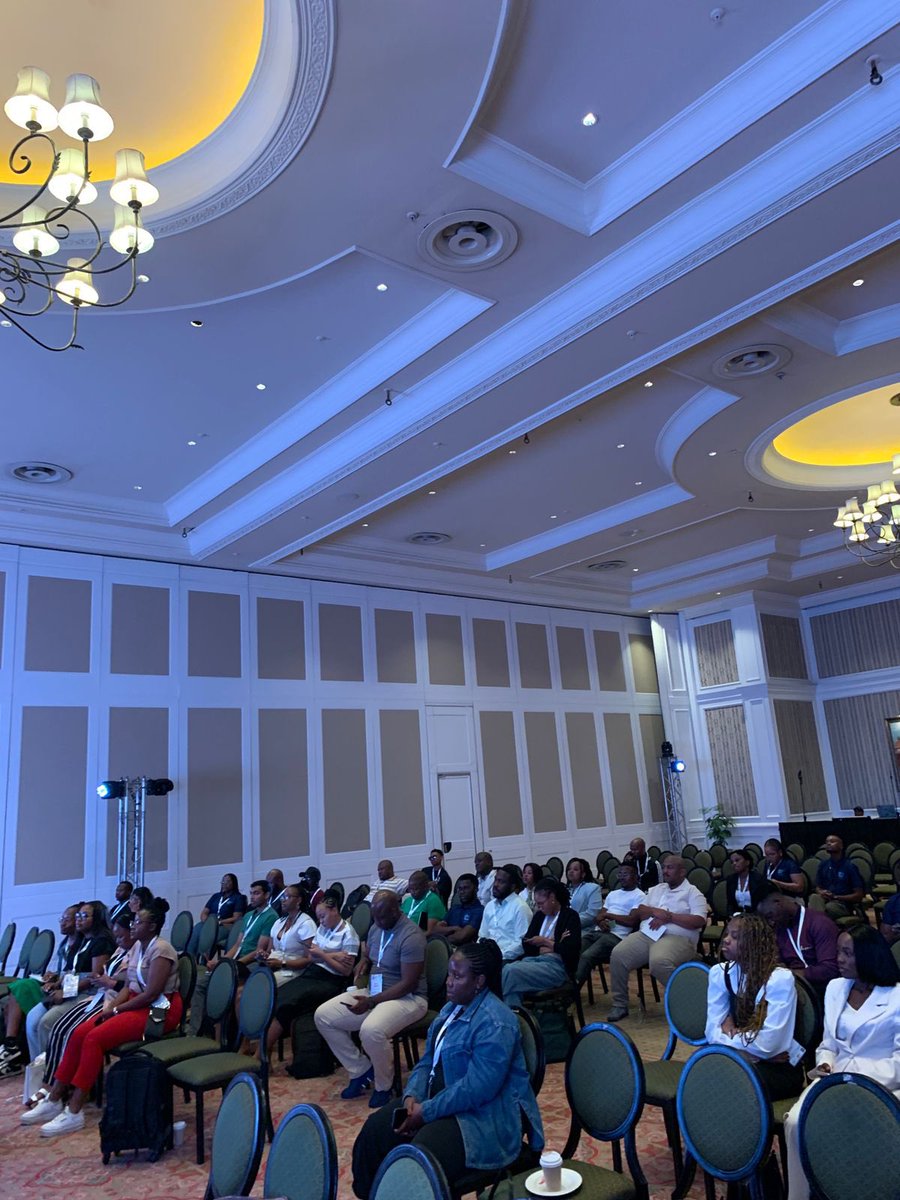
The WRC Intergenerational Dialogue was a success. We successfully merged the innovative energy of youth with the expertise of senior professionals to discuss succession planning, mentorship, and key soft skills.
Top takeaways:
1Opportunities are available: Youth, take charge!
2Learn from the Best: Industry experts are ready to guide.
3Drive Change: Get involved and bring communities along.
Let's transform #silostosynergy in the water sector.
#WaterSector #YouthEmpowerment #Mentorship #IntergenerationalLearning #WRC #WISA_YWPConference2025
2
94

5 Nov 2025
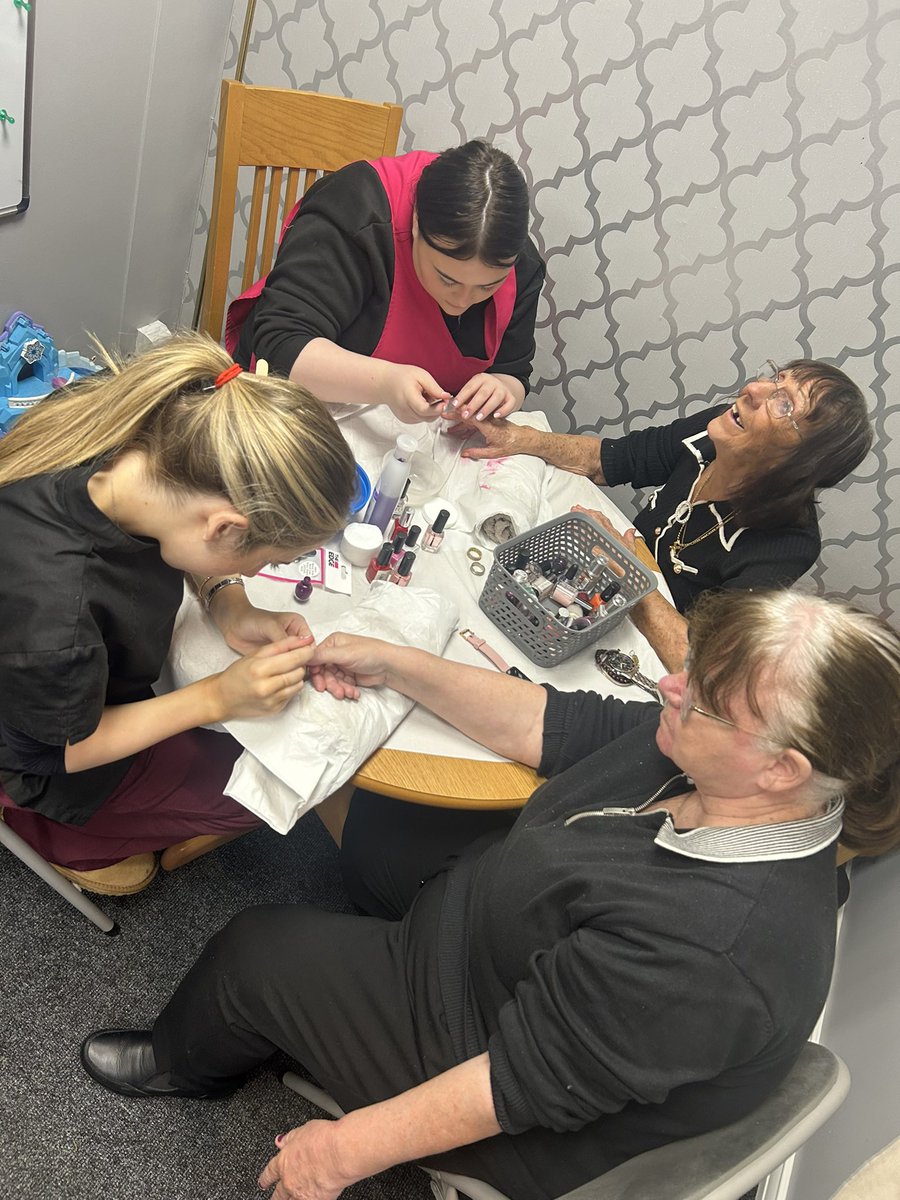
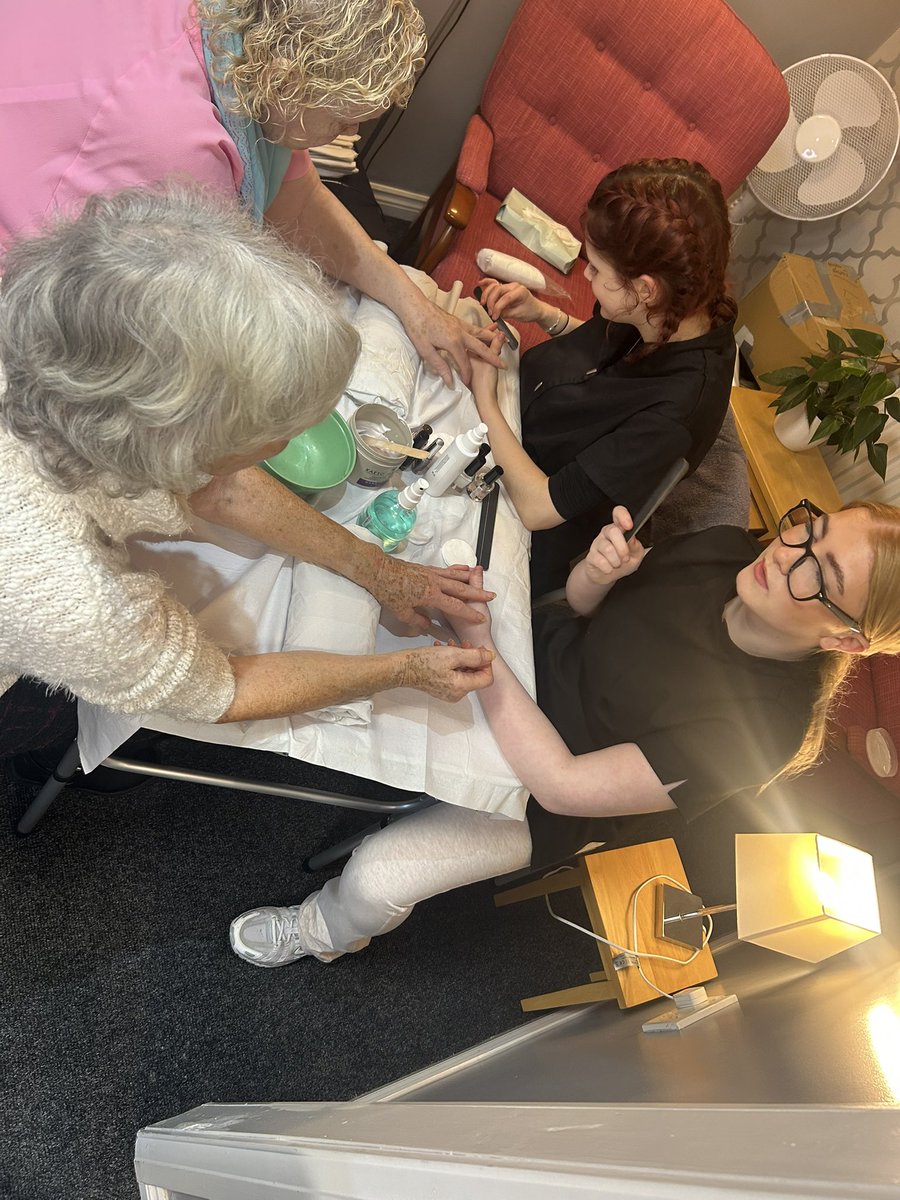
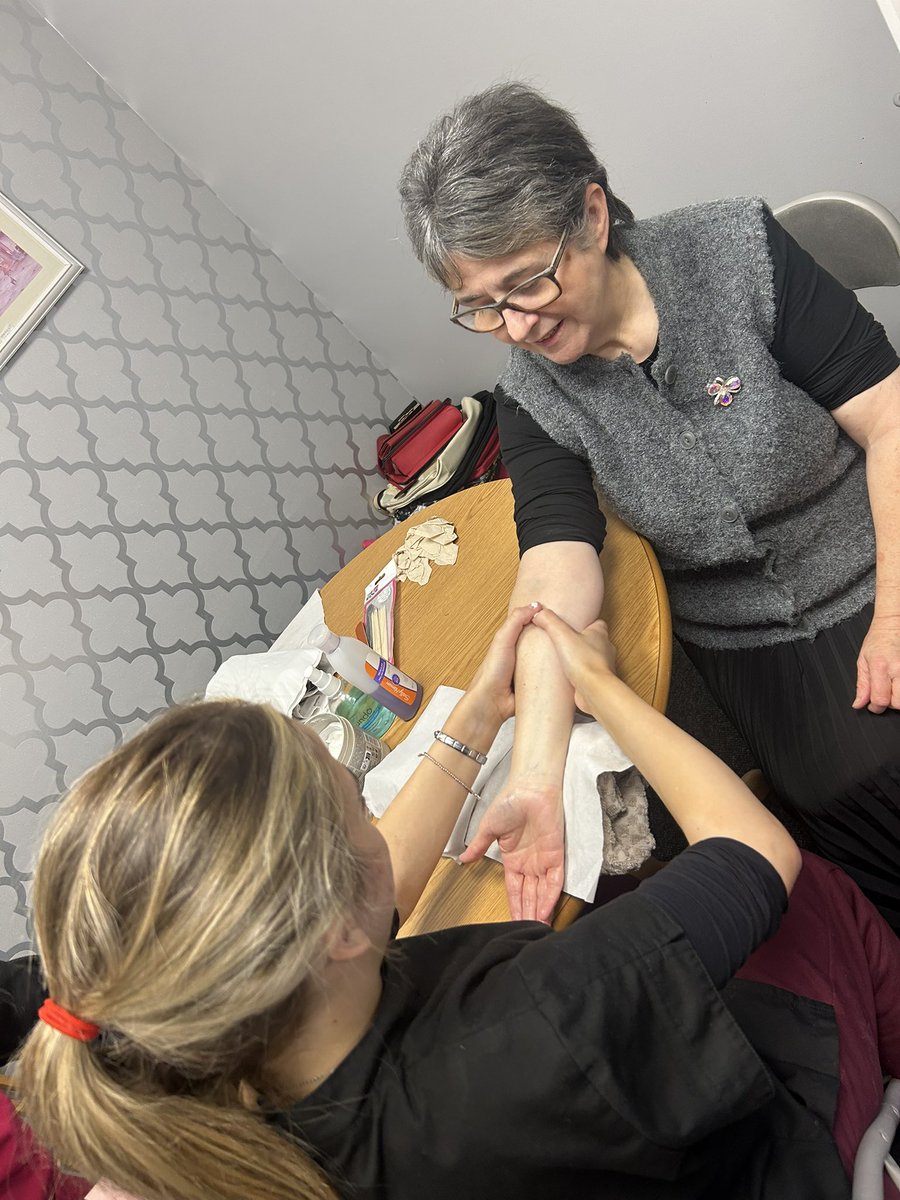
EVIP beauty learners @Glasgow_Clyde started their work in the community today, offering beauty treatments to our wonderful partners, The Listening Heart. The girls were fantastic showing off great practical skills & professionalism @GvsGlasgow #intergenerationallearning
1
5
328

25 Oct 2025
We love George ❤️❤️❤️ Our eldest member of the Best of Egypt Tour group in May who travelled by himself but was never by himself. So funny 🥰 We travel as a family! Loved how everyone looked out for each other. #intergenerationallearning #bestofegypttour
1
3
790

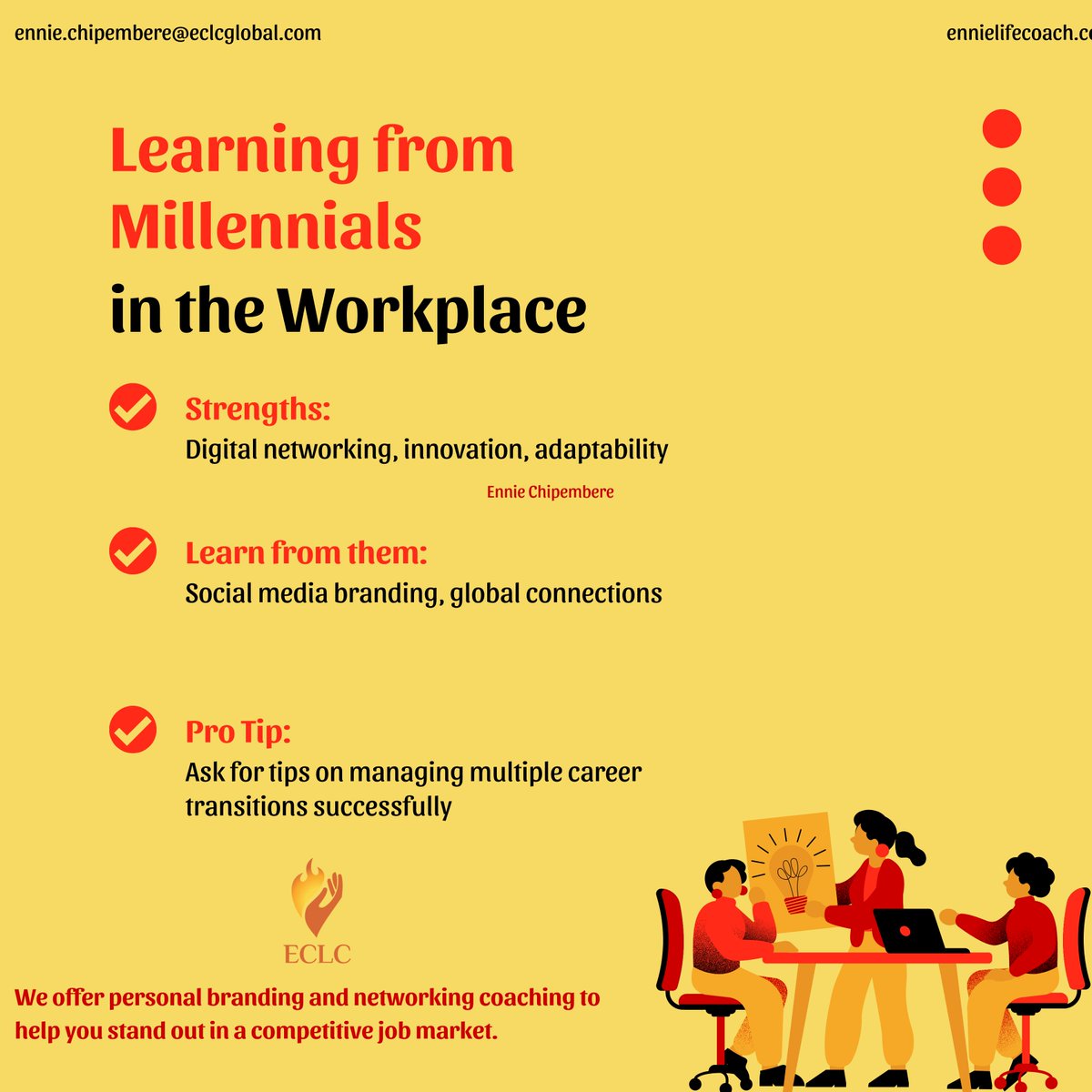
Millennials are tech-savvy, adaptable, and globally connected. They have redefined how careers are built, often moving between roles and industries while leveraging digital tools to grow their networks.
💡 Why it matters: They can show you how to thrive in the digital age and how to create opportunities instead of waiting for them.
Tips to Learn from Millennials:
1. Ask about using social media to build your personal brand.
2. Learn how to adapt quickly to changing workplace trends.
3. Explore how to manage career transitions strategically.
📣 How do you use technology to grow your career?
📌 We offer personal branding and networking coaching to help you stand out in a competitive job market. Contact Coach Ennie to learn more.
#CoachEnnie #millennials #generationy #digitalcareers #intergenerationallearning
1
1
77
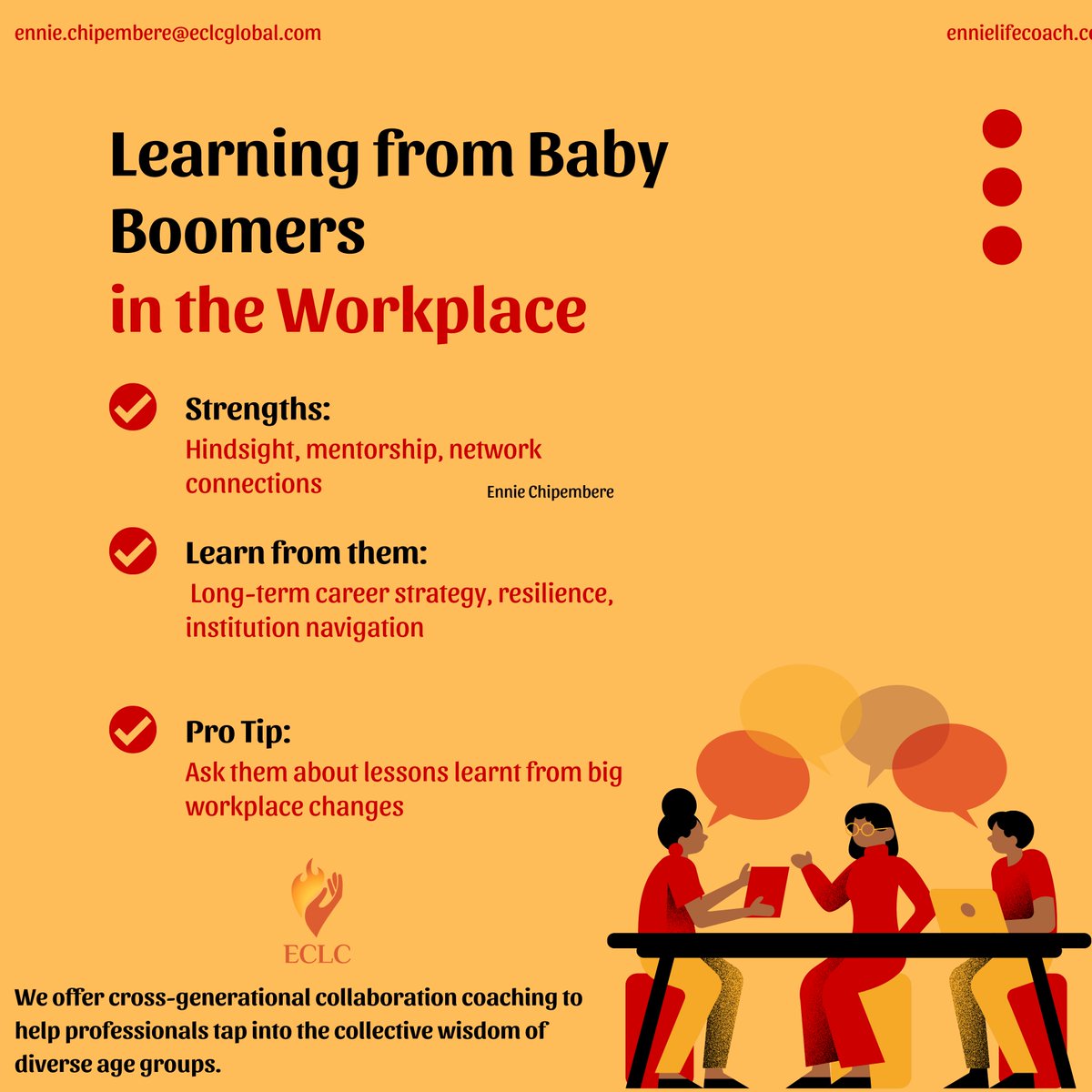
Baby Boomers bring decades of experience, resilience, and insight to the workplace. They have navigated major global and organisational changes and can offer guidance on everything, from long-term career planning to building strong professional relationships.
Why it matters: They have seen what works and what does not, and their hindsight can save you years of trial and error.
Tips to Learn from Baby Boomers:
1. Ask about navigating workplace politics.
2. Learn how they have built professional credibility over time.
3. Seek advice on handling big career transitions.
📣 Question for You: What is one piece of advice you have learnt from a more experienced colleague?
📌 We offer cross-generational collaboration coaching to help professionals tap into the collective wisdom of diverse age groups.
#CoachEnnie #babyboomers #generationsatwork #intergenerationallearning #careerplanning #workplacewisdom
1
1
1
113
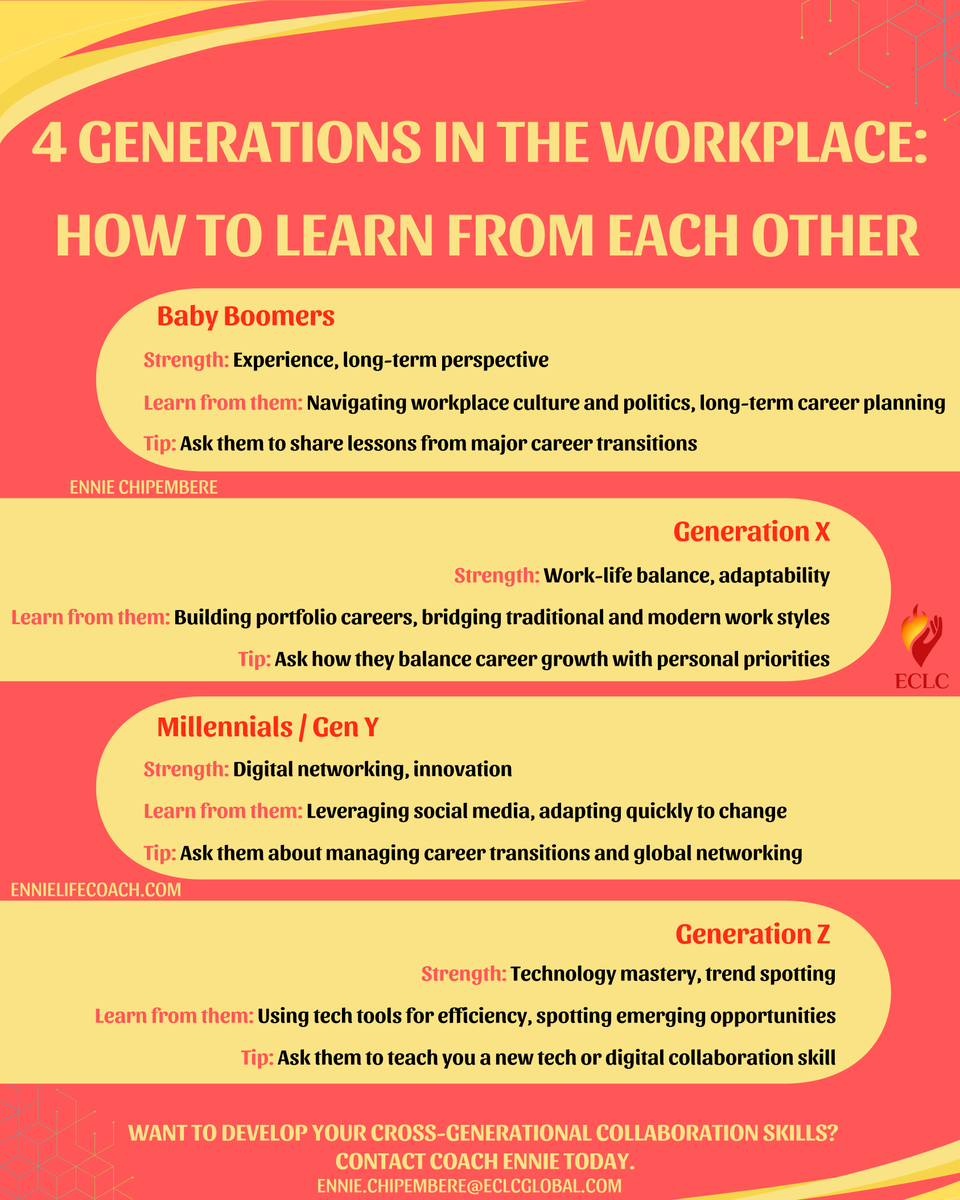
In today’s workplace, it is common to have 3 or even 4 different generations working side-by-side. That means a tremendous opportunity for intergenerational learning but also the potential for misunderstanding.
When we understand the strengths and preferences of each generation, we can:
1. Build stronger workplace relationships
2. Expand our professional networks
3. Learn skills that might not exist in our own generation
💡 Remember: your generation is not a limitation; it is part of your professional strength. And the more we value and learn from each other, the stronger our workplaces become. Whether you are a Baby Boomer, Gen X, Millennial, or Gen Z, you bring unique skills, experiences, and perspectives to the table.
📣 Tip: Find a mentor or “reverse mentor” from a different generation; you will be surprised at what you can learn from each other!
💬 Which generations are most represented in your workplace, and what is one thing you have learnt from another generation?
📌 Need help building intergenerational collaboration skills? We offer coaching and training sessions to help professionals and teams bridge generational gaps effectively.
#CoachEnnie #intergenerationallearning #workplaceculture #careerplanning #softskills #coachmentoring #generationsatwork #careerdevelopment
1
2
129
8 Aug 2025
We love George ❤️❤️❤️ Our eldest member of the Best of Egypt Tour group in May who travelled by himself but was never by himself. So funny 🥰 We travel as a family! Loved how everyone looked out for each other. #intergenerationallearning #bestofegypttour
3
7
17
1,081


19 Jun 2025
🌟 Dunbar Grammar School 🌟
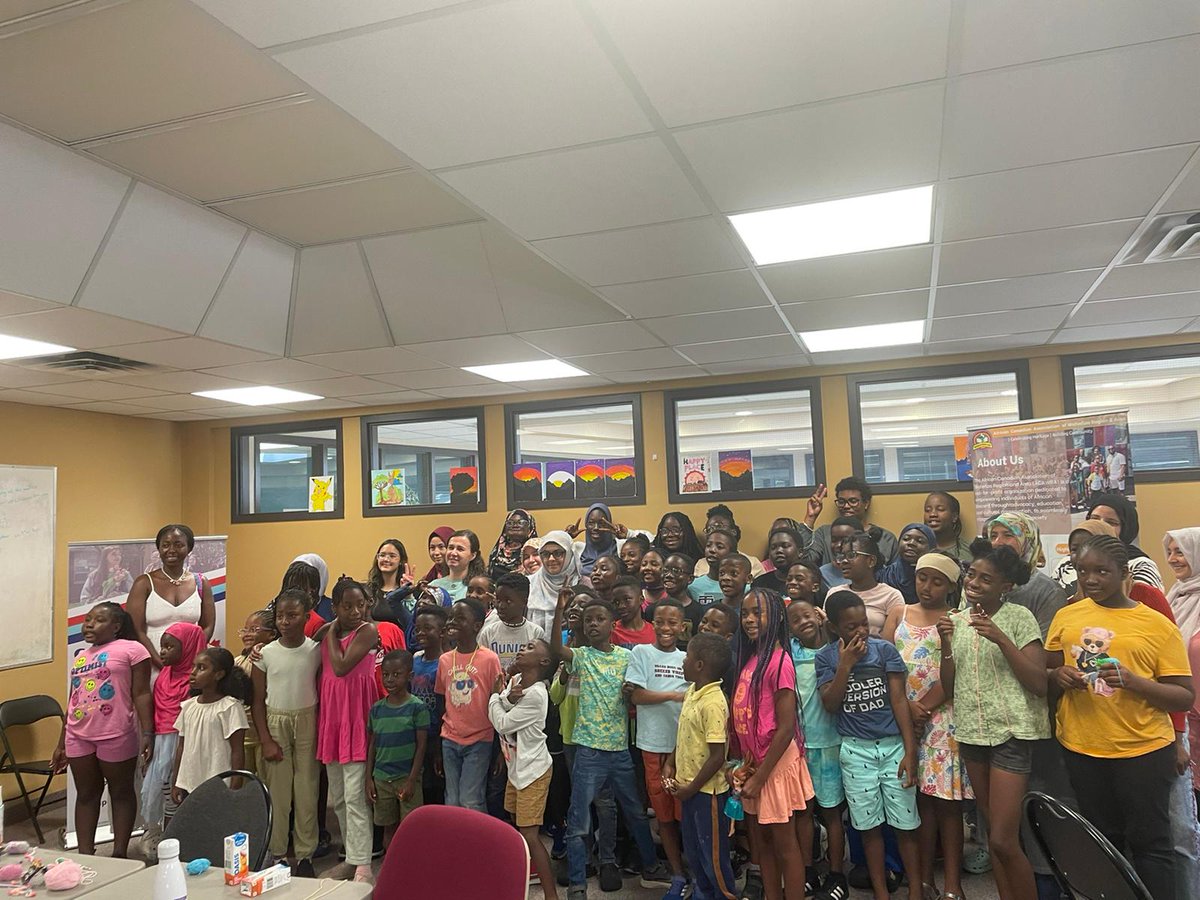
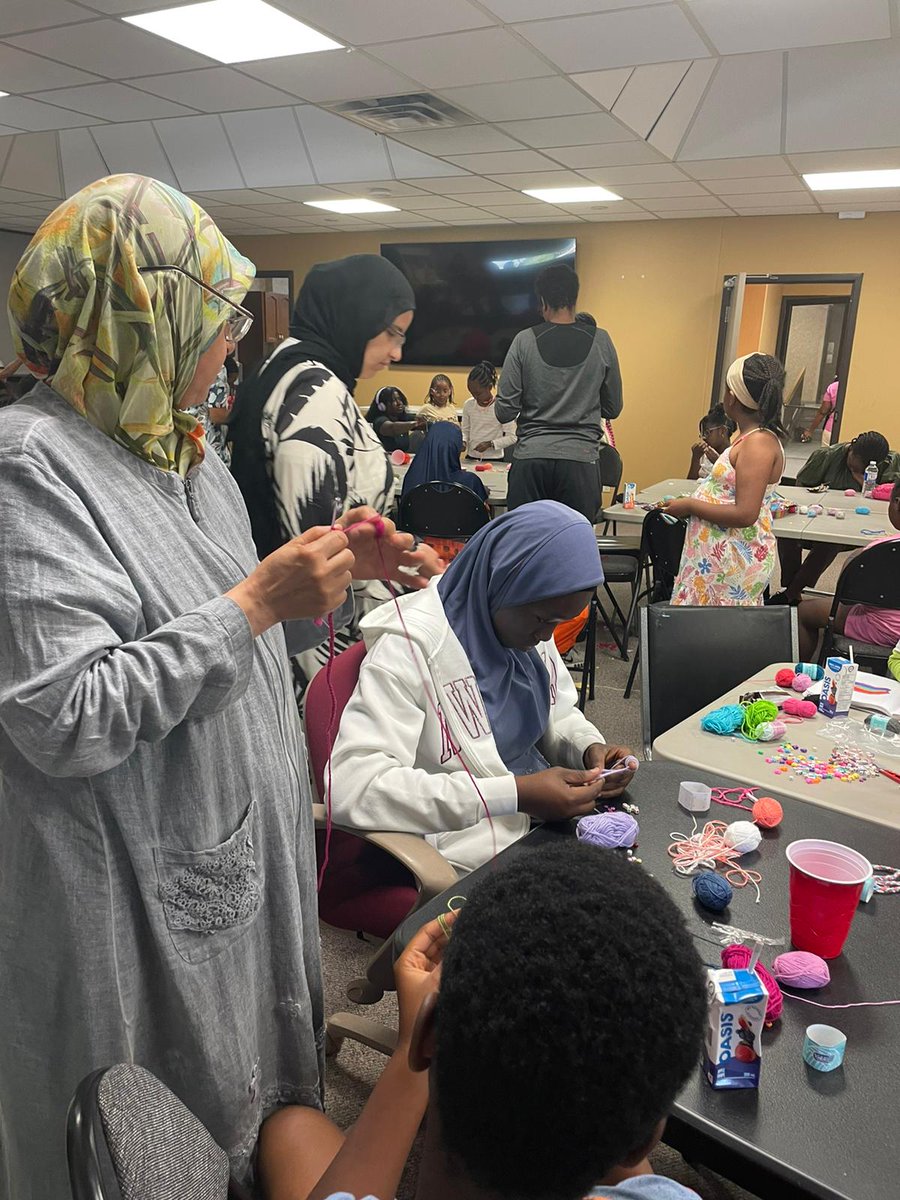
During a visit, HM Inspectors found intergenerational programmes were having a positive impact on attendance and attainment.
For the full case study, visit: ow.ly/LPs050WcfGu
#InclusiveEducation #IntergenerationalLearning #HMIEcasestudy
1
14
2,024

12 Jun 2025
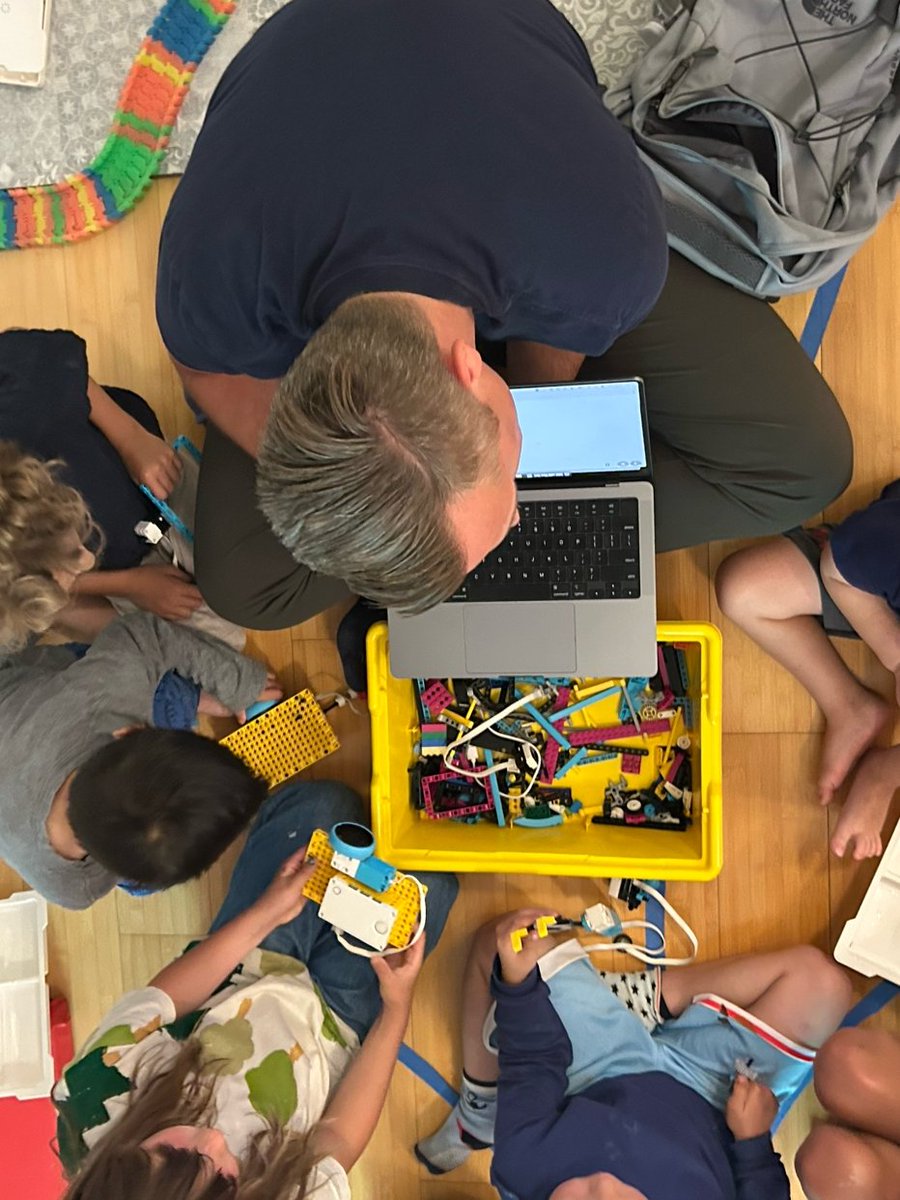
Building robots, designing dream outfits, making seed bombs — just another day of learning and creating together at Edge Esmeralda. 📷
#EdgeEsmeralda #AllOneThing #LearningTogether #CreativePlay #IntergenerationalLearning #HandsOnFun
3
59
6 Jun 2025
“Learning was never meant to be alone. Not kids separated from adults. Not school separated from life. It was always All One Thing—and we’re bringing it back.”
#AllOneThing #IntergenerationalLearning #LearningTogether #WholeLifeLearning #BeyondTheClassroom #FamilyCentered #RealWorldLearning #IntegratedLiving #LifelongLearning #CommunityMatters
1
2
5
227
30 May 2025
🎧 Turntables tiny hands = big beats.
Kids learning to DJ with @qendresahhoti at Edge Esmeralda — because learning should sound this good.
#AllOneThing #EdgeEsmeralda #IntergenerationalLearning #FamilyCamp #FutureDJs #HandsOnLearning #CommunityInAction
1
2
123
16 May 2025
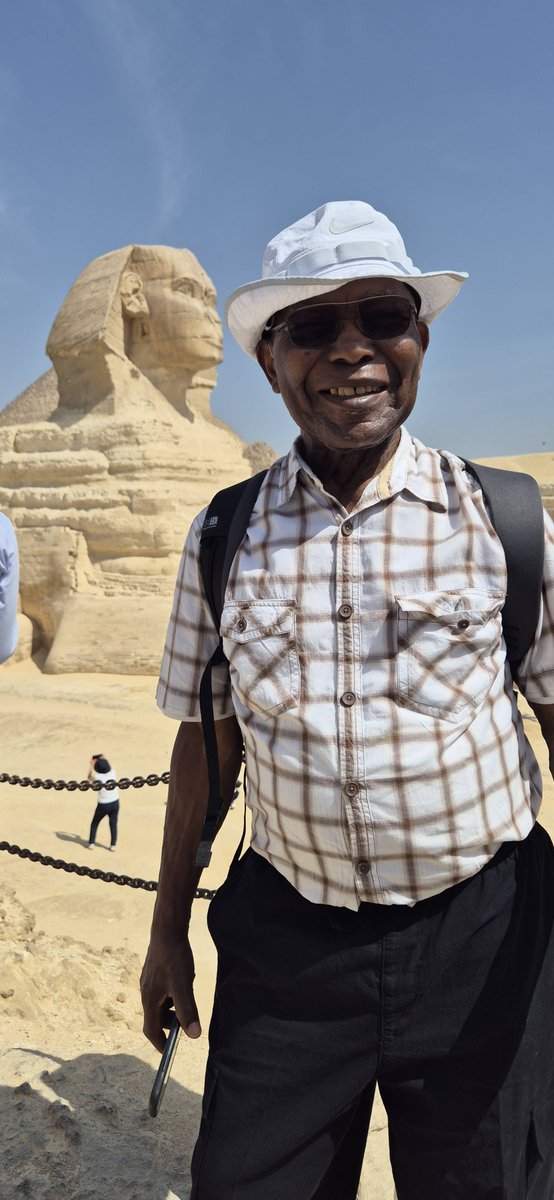
We love George ❤️❤️❤️ Our eldest member of the group who travelled by himself but was never by himself. So funny 🥰 We travel as a family! Love how everyone looks out for each other. #intergenerationallearning #bestofegypttour
1
7
738

30 Apr 2025
We visited Antonine House Care Home yesterday where our children confidently interacted with the residents. We planted flowers, coloured in pictures and sang some spring songs. The highlight of the trip was meeting a lady who is 100 years old. #intergenerationallearning

2
200