

28 Dec 2025
I’m not sure Tesla will have overtaken Waymo in terms of active rides, but providing they can get Tesla version to actually work to the same standard as lidar the Tesla solution has to be way more scalable way more quickly.
Won’t waymo run out of iPaces soon?
1
5
2,371


22 Nov 2025
The testing being done here (Denver) is with iPaces. Can’t confirm but seem to remember Jaguar still having tens of thousands available. And assumption is if Waymo is properly spooked to get moving faster by competition, the resources will be bottomless.
1
2
308


23 Aug 2025
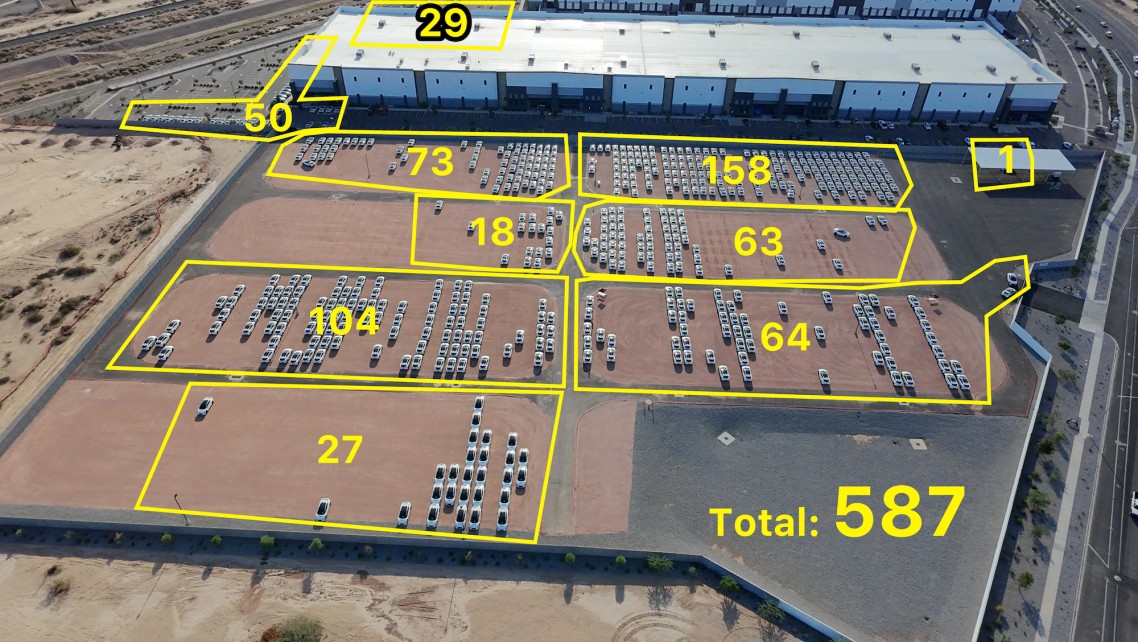
Mesa, a suburb of Phoenix, Arizona:
Waymo’s Remaining Stock of Jaguar iPaces Has Fallen Sharply. Are New Vehicle Models On The Way?
thelastdriverlicenseholder.c…
#SelfDrivingCars #AI #IoT #AutonomousVehicles #autonomous #Robot #startup #SmartCity #robotaxi #travel #tech #technology
1
3
7
254


1 Jul 2025
You obviously haven't thought deeply about the unit economics or network effects.
This has nothing to do with lidar at all.
A Tesla Model Y already costs well below $50k to put in service as a Robotaxi.
Waymo's current iPaces are rumored to cost ~$200k as deployed.
Tesla already manufactures well over 1 million cars per year that have all the tech to become a Robotaxi, so they aren't limited by vehicle supply to grow their service.
Even if you assume that Waymo can HD map every city they want to deploy in at 0 cost with extreme speed & that their software is equally good if not better, they are still severely limited by vehicle supply.
They will only be adding 2000 cars over the next year, at which point they will have to switch over the Hyundai platform.
Hopefully that will be cheaper & faster to deploy, but there is no path for that to be anywhere near as cheap or fast to deploy as a Model Y, much less the Cybercab which should be starting production in that time frame.
So sure, Waymo can continue to grow, but sometime in the next 12-18 months their fleet will be a tiny fraction of the size that Tesla's is, and losing ground fast with no possible way to ever catch up.
In the limit, the ridehail business will be decided by three things. Cost, safety, and availability.
All three factors are improved by scale.
So Waymo will always be at a disadvantage relative to Tesla in all three of the major metrics that consumers care about.
So while Waymo absolutely can & will grow from here for some time, it will never be able to generate significant profits.
3
4
68

28 Jun 2025
Seriously, you want them to be aggressive for what reason? They took 10 years to get to a software solution, right now Tesla can drop a new robotaxi for about 35k. Waymo has parking lot full of iPaces that the manually installing 130k worth of hardware into. It take 2-3 weeks to install the lidar suite.
1
2
59

28 Jun 2025
Maybe Waymo is about to run out of ipaces and Ford wants them to use the Mach-E?
1
96

1 Jun 2025
Hey @thalerz, that drone video shows an impressive number of vehicles parked there!
It's quite a task to count every single car "down to the pixel" from the footage due to the sheer volume and the drone's perspective, so getting an exact number that way is tough.
Visually, there's a huge fleet – certainly many hundreds, likely topping a thousand – and you can spot a number of them with that circular equipment on the roof, especially in certain sections. For more specific figures, the original tweet from @TheEVuniverse estimated around 1,873 total iPaces, with 114 of those having the lidar domes.
12

31 May 2025
Well then tell me how many do these dumped Ipaces are ready to be deployed by Waymo 😂 also guess how many hrs Tesla needs to manufacture the total amount of cars seen on the video? Hint it’s less than one day 😆
1
2
21

31 May 2025
A bunch of mediocre Jaguar iPaces. Yeah thanks but no thanks. Sucks to be Waymo stuck with all those crappy cars
2
34

31 May 2025
Nieuwe #dronevideo's tonen ongeveer 1.873 iPaces buiten de nieuwe #Waymo/Magna-fabriek, waarvan er 114 zijn uitgerust met #lidar-koepels.
Raad eens waarom al die iPaces er al zijn?
Ja. #Jaguar heeft ze gedumpt. Voor een prikje. Ze hebben de productie ervan al een tijdje geleden stopgezet.
Video: u/walky22talky op Reddit.
31 May 2025

New drone video shows ~1,873 iPaces outside the new Waymo / Magna factory, 114 of them completed with lidar domes on.
Guess why ALL those iPaces are there already?
Yep. Jaguar dumped them. For cheap. They ended production of it a while ago.
Video: u/walky22talky on Reddit.
2
300

31 May 2025
New drone video shows ~1,873 iPaces outside the new Waymo / Magna factory, 114 of them completed with lidar domes on.
Guess why ALL those iPaces are there already?
Yep. Jaguar dumped them. For cheap. They ended production of it a while ago.
Video: u/walky22talky on Reddit.
74
45
632
456,056


6 May 2025
Some other nuggets from our recent blog post:
- over 1500 ipaces operate in the fleet today
- we’re building 2000 more autonomous ipaces this year
waymo.com/blog/2025/05/scali…
2
4
581

25 Apr 2025
$GOOG I am no Waymo hater. Love em. I will take one 10 times out of 10 vs an $UBER but Robotaxi comp is tough at scale. Cost and geographic availability are the two biggest hurdles. Est current gen IPaces fully equipped at ~$200K and 30 cents per mile, excluding maintenance, fleet management, and other operational expenses.
Disclosure: Own $GOOG $TSLA $UBER
5
823

6 Mar 2025
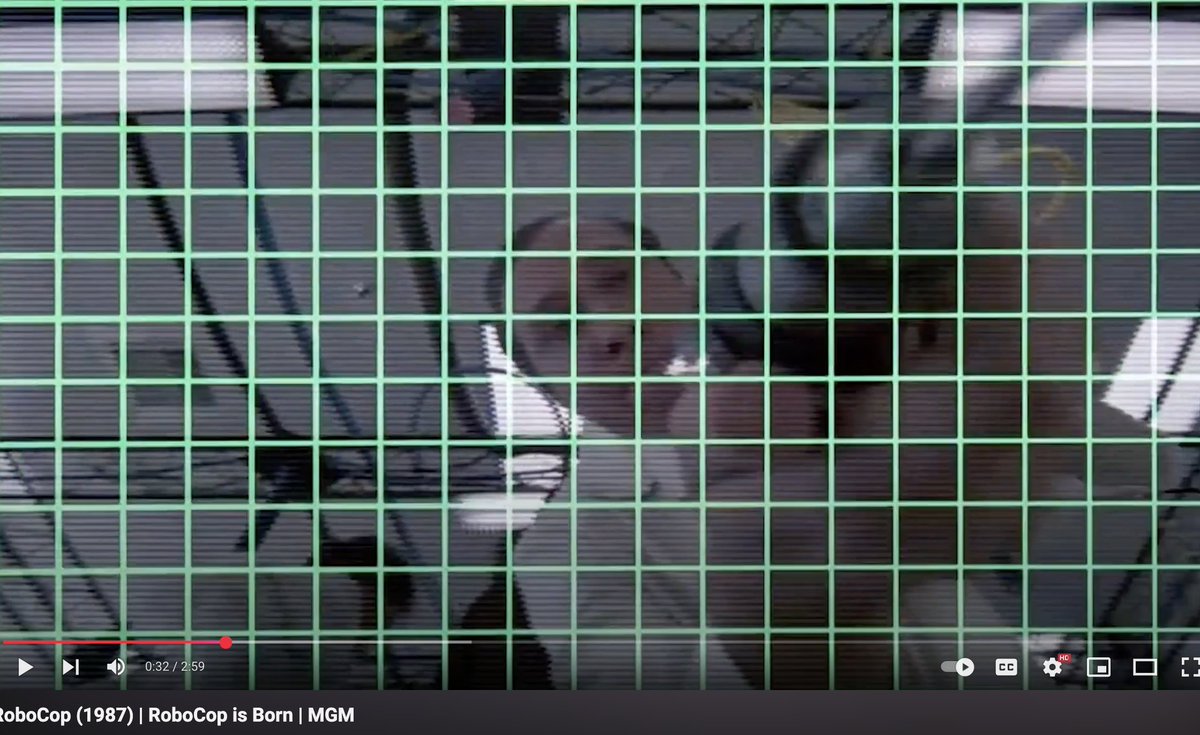
The first thing those ipaces see when they become Waymos
2
41