
Jun 11
IPVM didn't like my email either, IIRC. It starts with admin@. They thought it was role based. It's not.
1
344

📌 تقرير: تقنيات التعرف على الوجه والمراقبة في تركستان الشرقية
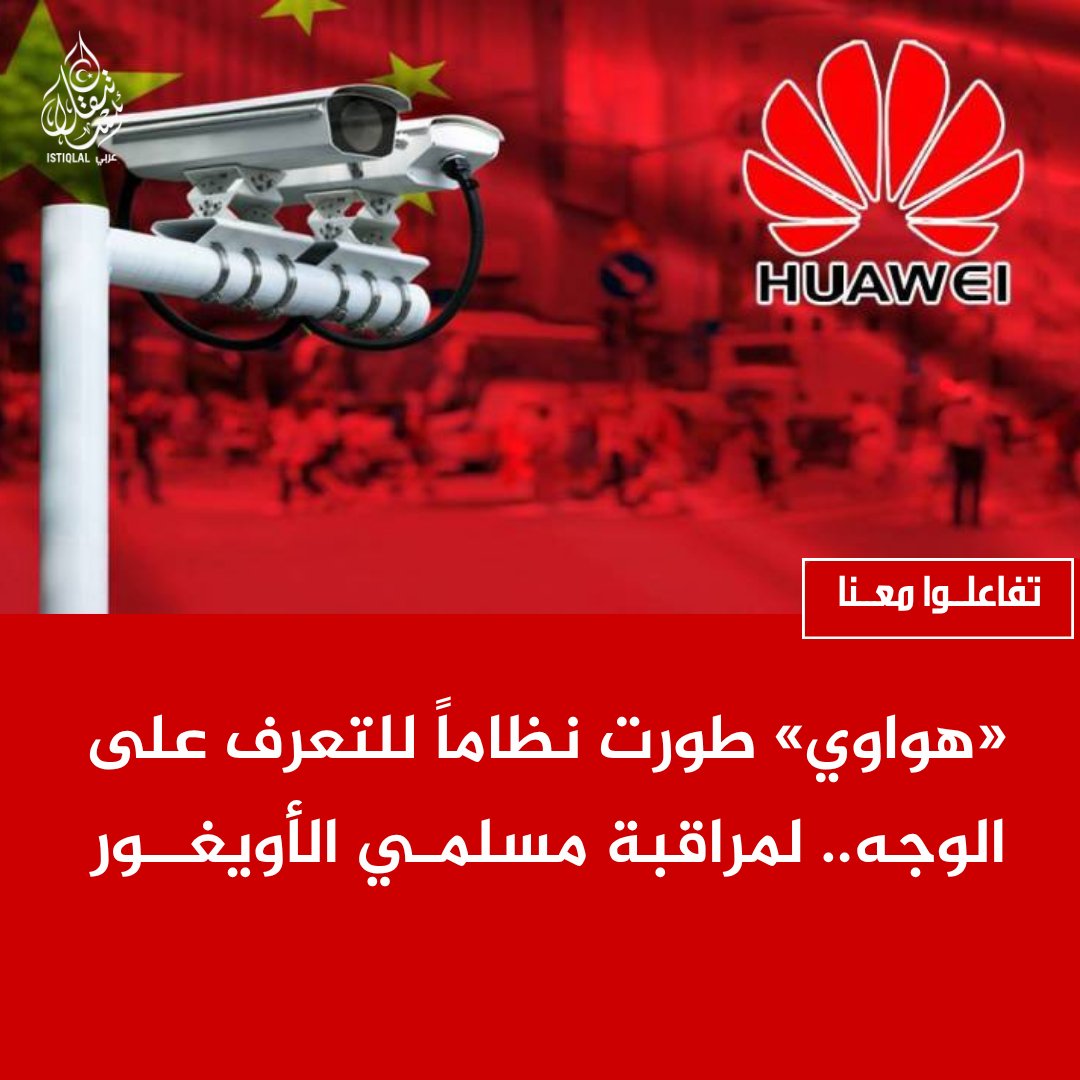
تُشير تقارير صحفية وتحقيقات حقوقية إلى أن شركة “هواوي” اختبرت برنامج ذكاء اصطناعي قادرًا على التعرّف على وجوه أفراد من أقلية الأويغور وتتبعهم، مع إمكانية إرسال تنبيهات للجهات الأمنية.
وبحسب ما نشرته واشنطن بوست، فإن النظام كان جزءًا من أبحاث في تقنيات التعرف على الوجه داخل الصين، اعتمادًا على وثائق تقنية ظهرت عبر مصادر علنية، ووردت ضمن تقرير صادر عن منظمة الأبحاث IPVM.
من جهتها، أوضحت الشركة أن الوثائق المشار إليها كانت “اختبارات تقنية” ولم تُستخدم في بيئة حقيقية، مؤكدة أنها لا تقدم خوارزميات أو تطبيقات مخصصة لمراقبة أي مجموعة بعينها.
في المقابل، تشير تقارير حقوقية إلى أن الصين تعتمد بالفعل على شبكة مراقبة واسعة في تركستان الشرقية ، تشمل كاميرات متقدمة وتقنيات تتبع رقمية.
#تركستان_الشرقية
#الإيغور
#حقوق_الإنسان
#الذكاء_الاصطناعي
#الخصوصية
#المراقبة
1
19
30
518

Apr 15
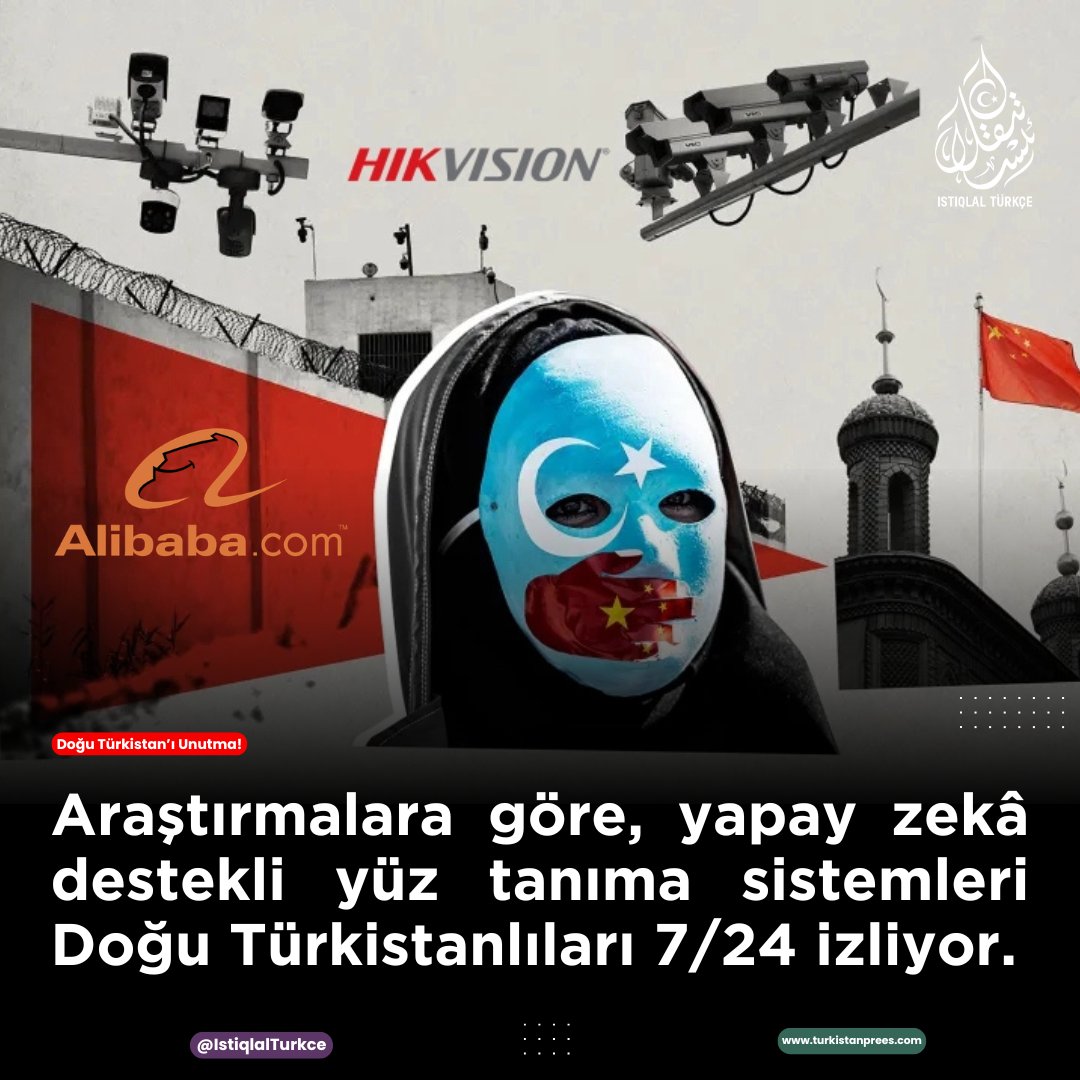
IPVM Raporuna göre, Doğu Türkistanlılar yapay zekâ ve yüz tanıma teknolojisiyle 7/24 izleniyor...
❗Çin'in teknoloji ve E-ticaret devi Alibaba'nın ise Doğu Türkistan’daki Uygur Soykırımında Hikvision ile suç ortaklığı yaptığı ve bütün dünyaya kamera sattığı belirtiliyor.
#Soykırım #Özgürlük #DoğuTürkistan #Zulüm #Hikvision
13
27
631

Mar 24
🇮🇷 The cameras were installed to watch the people. They ended up watching the ruler.
For years, Iran poured tens of thousands of surveillance cameras into the streets of Tehran. The regime’s logic was simple: after waves of protests that killed thousands, it needed eyes everywhere. On every corner, above every intersection, across every square where crowds could gather. The Islamic Republic built one of the most comprehensive urban surveillance networks in the Middle East. It was, in the regime’s view, the infrastructure of permanent control.
It became something else entirely. 
According to an AP investigation backed by multiple intelligence sources, nearly all of Tehran’s traffic cameras had been hacked by Israeli intelligence, with the encrypted footage streamed in real time to servers in Israel.  The operation had been running for years. Quietly. Continuously. At least one camera was positioned at an angle that let Israeli analysts track exactly where bodyguards parked their personal vehicles near the leadership compound.  Small details. Repeated daily. Assembled over months into something precise and lethal.
Israel’s Unit 8200 used AI and complex algorithms to build what intelligence professionals call a “life pattern” on Ayatollah Ali Khamenei and his security personnel: their travel routes, daily schedules, the identities of officials who regularly appeared at his side.  The system processed billions of data points. Social network analysis was applied to identify decision-making centers and map relationships across the entire protection apparatus.  An unnamed Israeli intelligence official described it to the Financial Times in stark terms: “We knew Tehran like we know Jerusalem.”
That the cameras were compromised was not a closely guarded secret. Tehran’s cameras had been breached repeatedly since 2021. Last year, a senior Iranian politician publicly warned that Israeli access to the network posed a national security threat.  The warning was noted. And then, apparently, not acted upon.
Pirated versions of Windows, outdated hardware, Chinese-manufactured electronics from sanctioned supply chains: Iran’s surveillance infrastructure was riddled with vulnerabilities that it had no easy means of patching. 
On the morning of February 28, the compound on Pasteur Street was struck by 30 missiles. Cellular towers in the surrounding area had been disrupted beforehand, preventing Khamenei’s security detail from receiving warning calls.  Trump gave the order the previous afternoon, at 3:38 p.m. Eastern Time, as he flew to Corpus Christi for a speech about energy. The message read: “Operation Epic Fury is approved. No aborts. Good luck.” 
The confirmation came early Sunday morning, when Iranian state television announced that the Supreme Leader had reached martyrdom. 
The story that will be told about this operation for decades involves missiles, intelligence networks, and geopolitical calculations. But underneath all of it is something almost absurdly mundane: a traffic camera on a Tehran street corner, running pirated software, quietly sending its footage to a server it was never supposed to reach.
“The irony,” said Conor Healy of surveillance research publication IPVM, “is that the infrastructure authoritarian states build to make their rule unassailable may be what makes their leaders most visible to the people trying to kill them.” 
The cameras were installed to watch the people. In the end, they watched Khamenei.
Gandalv / @Microinteracti1
12
68
192
15,406

Mar 12
At the opening hours of the strikes on Iran, Tehran's surveillance empire—built for monitoring citizens—helped the U.S. and Israel track the whereabouts of Ali Khamenei, leading to his death.
China, the hand that helped build this system for Iran, was unaware it had been hacked by the U.S. for years.
The news would send chills through Beijing's leadership.
That's because China is operating a surveillance system using the same equipment—but on a much larger scale.
A Financial Times report says U.S. and Israeli intelligence spent years analyzing street footage in Tehran with AI—mapping the regime’s movements so precisely that one Israeli intelligence official said they knew the city “like Jerusalem.”
Many of those cameras were made by Chinese firms like Hikvision, Dahua Technology, and Tiandy Technologies—which have supplied Iran with surveillance tech for years.
China leads the world in surveillance cameras and exports the technology globally. Governments have long warned that some of these devices may contain backdoors—potentially giving outsiders access to the footage.
In 2023, in one experiment with the BBC, U.S.-based tech company IPVM hacked a Hikvision camera in just 11 seconds.
The same surveillance systems used in Iran blanket the streets of Beijing today.
Analysts say the irony is striking: tools designed by Beijing to watch its citizens could also allow others to watch the regime’s allies—and perhaps even China itself.
16
40
1,084

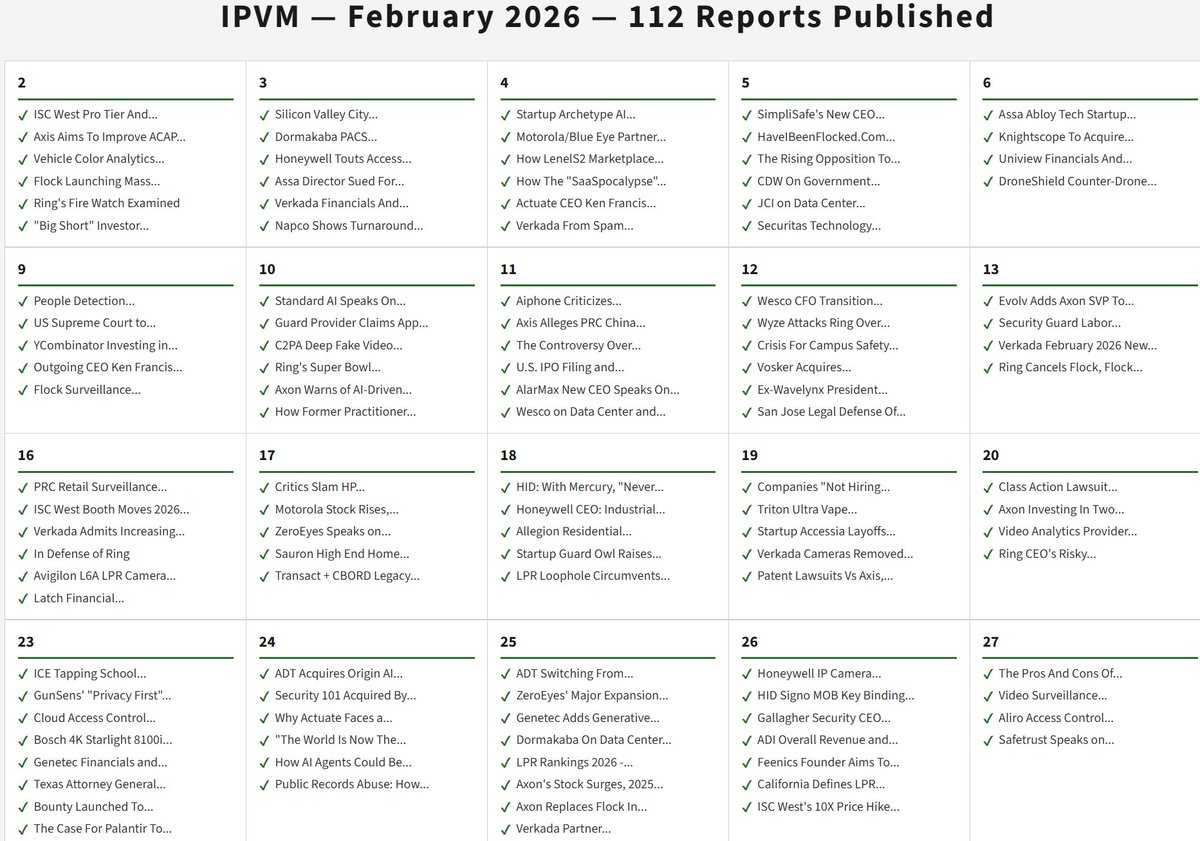

EFF, CJJ, and IPVM have teamed up on a resource for journalists looking to better cover the growing police surveillance technology industry. eff.org/document/selling-saf…
5
16
35
2,785
Behind police tech's slick marketing is a sprawling, under-scrutinized industry that relies on manufacturing the appearance of effectiveness, not measuring it. EFF partnered with CJJ and IPVM on a new report to help you see through the spin: eff.org/document/selling-saf…
25
45
3,077

Feb 3
TIANDY - FINGER WEG‼️‼️
➖➖➖➖➖➖➖➖➖➖
Tiandy Technologies ist ein chinesischer Hersteller von Überwachungstechnik, der laut IPVM-Berichten Kameras und KI-gestützte Software, einschließlich Gesichtserkennung und ethnischer Erkennung‼️‼️, vertreibt. Das Unternehmen liefert Überwachungstechnik an das iranische Militär und die Revolutionsgarde. Tiandy Technologies wird oft in Analysen zur Massenüberwachung und den
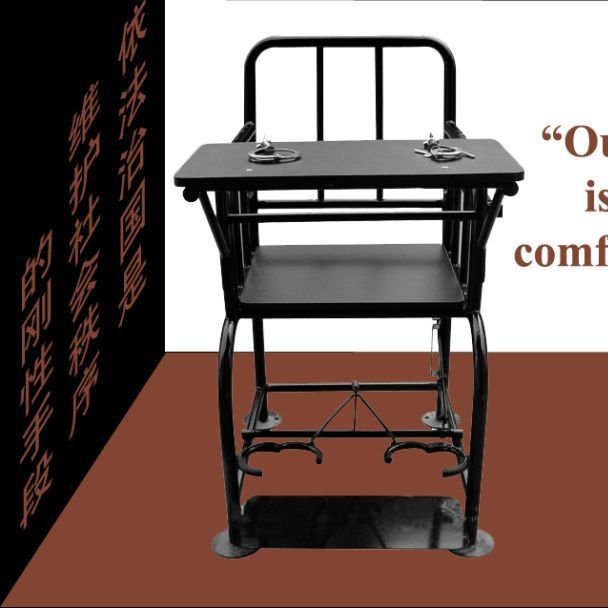
Menschenrechtsverletzung in Xinjiang im Zusammenhang mit Uiguren genannt. Berichten zufolge ist Tiandy in den Verkauf von "Tigerstühlen" (Verhörstühlen) verwickelt, die unter anderem in China für Verhöre genutzt werden. Häftlinge berichten sie hätten keinen Schlaf bekommen oder seien so lange auf dem Stuhl gefesselt worden, bis Beine und Gesäß angeschwollen seien. Siheißt es in einem Bericht von Human Rights. Und diese Firma verkauft bei uns im Internet Smart HOME Kameras und so weiter....
1
5
13
343
Have a look at this article re data from the cars sent back to China, just this week. One example of many saying the same thing. Surveillance technology assessment firm IPVM says that the cars download the contents of your phone when it’s charging.
militarnyi.com/en/news/chine…
Jan 17

iPhones are already made in China. Millions of Canadians are walking around with a PRC made camera and a GPS locator in their pockets. 50,000 cars don’t increase our vulnerability to surveillance.
28
85
211
122,157

Jan 16
China’s Uyghur Surveillance Technology Used by Iran to Track Protesters
Iran is deploying Chinese Uyghur surveillance technology, originally tested in East Turkistan, to monitor and suppress street protests
by Alp
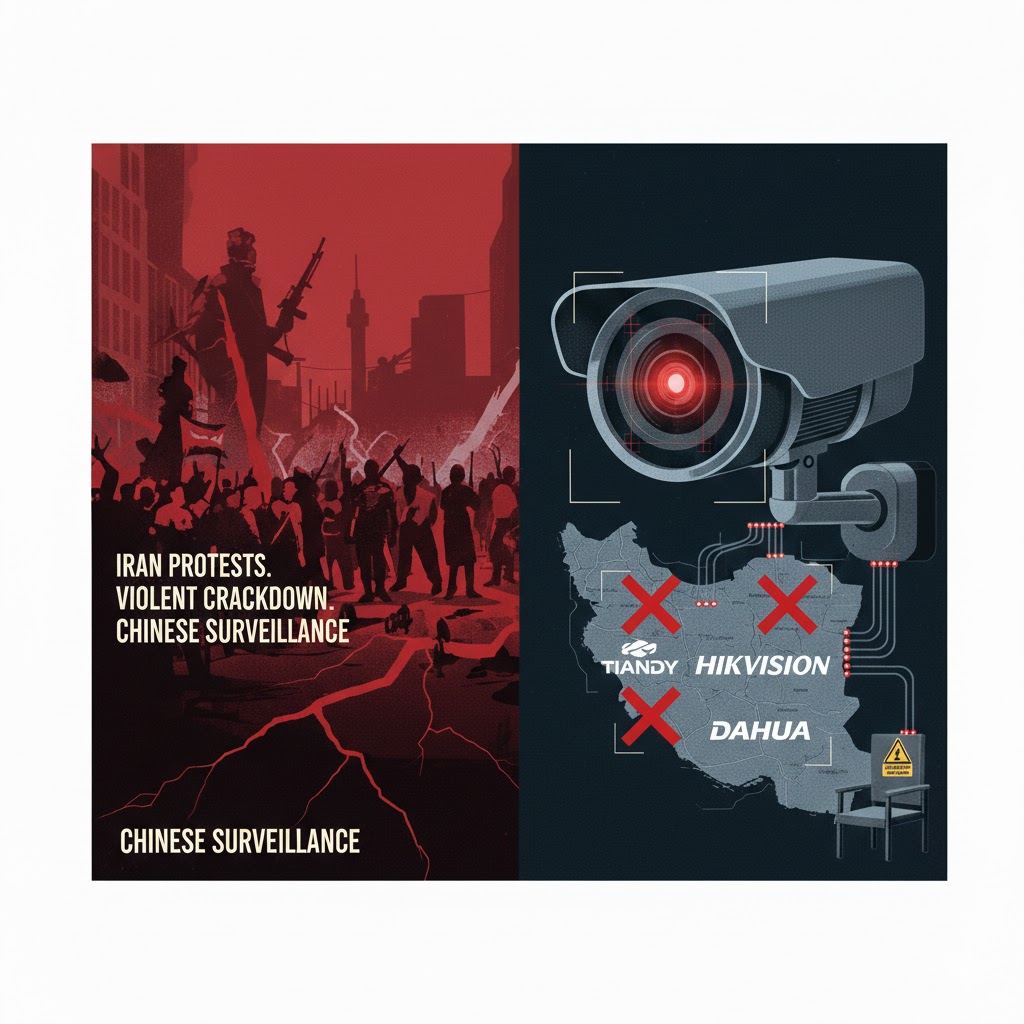
On December 28, protests began in Iran over the ongoing economic crisis and have steadily intensified, facing violent crackdowns. According to estimates, a total of 2,571 people have lost their lives since the protests started. In the Iranian government’s efforts to strengthen its capacity to suppress its own people, advanced surveillance systems provided by Chinese companies are playing a significant role.
According to a report by Newsweek, China’s artificial intelligence (AI)-based facial recognition technology and digital surveillance systems are being extensively used in Iran to identify and track protesters. The report emphasizes that Chinese companies are systematically exporting the “digital repression model” they previously tested in East Turkistan—used to monitor and control millions of Uyghurs under heavy surveillance—to Iran.
The suppression technologies employed by the Iranian government come from Tiandy, a Tianjin-based tech giant. According to the company’s website, Tiandy provides AI, big data, and cloud computing solutions to over 500 cities in China. Internationally, its surveillance products are used in locations including London’s Heathrow Airport, Turkey’s border regions, and Egyptian railways.
However, according to the international tech watchdog IPVM, Tiandy has openly marketed not only its surveillance systems but also “Tiger Chairs,” designed for torturing and immobilizing prisoners.
Previously, Reuters and other reputable sources revealed that Chinese companies such as Tiandy, Hikvision, and Dahua had developed “Uyghur tracking” systems that automatically identify individuals based on their ethnic identity. Today, these technologies are being used on the streets of Iran to restrict protesters’ freedom.
Tiandy was added to the U.S. Department of Commerce’s Entity List in 2022 for providing technical support to the Chinese Communist Party’s repression policies. Observers note that China’s sale of such digital repression tools to the Iranian regime marks a new, dangerous stage of global digital authoritarianism.
1
11
12
2,441

4 Dec 2025
badge of honor! similar thing happened to IPVM when I worked there youtube.com/watch?v=jSJxPF2C…

2
865

28 Oct 2025
At today’s China Forum, experts examined Beijing’s use of AI, surveillance, and censorship to expand its global authoritarian reach.
“Surveillance and Censorship: Confronting China’s Techno-Authoritarianism” featured:
- Conor Healy, IPVM
- Peter Mattis, The Jamestown Foundation
- @Yaqiu, University of Chicago / @freedomhouse
- @joshrogin (The Washington Post, moderator)
1
4
5
3,489

13 Oct 2025
For journalists interested in THE expert on the security risks of Chinese EVs, it’s @healy_conor at IPVM.
This tweet is unavailable
1
2
4
548

7 Sep 2025
🔹 ۳. فرهنگ فلاح
•سمت: نایبرئیس هیئتمدیره در شرکت پرشیا سیستم.
•احتمالاً از بستگان رضا فلاح (چون هر دو همزمان در هیئتمدیره حضور داشتهاند).
•نقش: همراه با رضا فلاح در مدیریت کلان شرکت و قراردادها.
⸻
🔹 ۴. فاطمه سریری
•سمت: در برخی صورتجلسههای ثبتشده بهعنوان مدیرعامل پرشیا سیستم معرفی شده است.
•نقش: مدیر اجرایی شرکت در مقاطعی از فعالیت، مسئول ادارهی روزمره و قراردادهای اجرایی.
•اطلاعات عمومی خارج از ساختار شرکت از او در رسانهها در دسترس نیست.
⸻
🔹 ۵. عباس آذرپندار
•سمت: مدیر شرکت رادیس ویرا تجارت.
•در گزارشهای تحقیقی (مثل IPVM) بهعنوان واسطهی Tiandy در ایران معرفی شده است.
•نقش: ظاهراً پل ارتباطی بین Tiandy (چین) و مشتریان حکومتی ایران (مثل سپاه و وزارتخانهها).
•اطلاعات تکمیلی دربارهی زندگی شخصی یا سوابقش در منابع عمومی محدود است، ولی نام او بهعنوان نمایندهی اصلی در معاملات آمده است
2
43
7 Sep 2025
خرید دوربینهای حجاب که باعث شهید شدن سپاهیان شد از کجا خریده شد ؟
شواهد قابل توجهی از نحوه و منبع دوربینهای مورد استفاده برای نظارت بر پوشش زنان در ایران وجود دارد. در ادامه، به تفصیل توضیح دادهام:
⸻
منابع و شرکتهای تامینکننده دوربینها
۱. شرکت آلمانی Bosch
•گزارشها حاکی از آن هستند که شرکت آلمانی Bosch حدود ۸٬۰۰۰ دوربین به ایران فروخته که در شبکه نظارتی برای شناسایی زنان بدون حجاب به کار میروند.
•Bosch تأیید کرده که این تجهیزات بین سالهای ۲۰۱۶ تا ۲۰۱۸ به ایران تحویل شدهاند.
•این شرکت همچنین اعلام کرده که نرمافزارهای آنها امکان تشخیص چهره خودکار را ندارند، اما ویدئوهای ضبط شده میتوانند بهصورت جداگانه توسط سامانههای سمت سرور» تحلیل شوند.
۲. شرکت چینی Tiandy و سایر تجهیزات چینی
•شرکت چینی Tiandy ارسالکنندهی تجهیزات فیلمبرداری و نرمافزارهای هوشمند به نیروهای نظامی، پلیس و سپاه ایران بوده است.
•این شرکت حتی از مؤسساتی در ایران (مثلاً دانشگاهها و مراکز دولتی) نصب و راهاندازی تجهیزات انجام داده است.
۳. سایر کشورهای اروپایی
•گزارشها اشاره دارند که تجهیزات شناسایی چهره و نظارتی از کشورهایی مانند هلند و سوئد نیز در شبکه نظارت شهری تهران بهکار گرفته شدهاند، هرچند جزئیات قطعی نیست.
⸻
خلاصه منابع:
کشور / شرکتجزئیات کلیدی
Bosch (آلمان)حدود ۸٬۰۰۰ دوربین، تحویل بین ۲۰۱۶–۲۰۱۸، امکان تحلیل ویدئو پس از ضبط (نه تشخیص چهره مستقیم)
Tiandy (چین)دوربینها نرمافزارهای هوشمند، نصب در حوزههای امنیتی و دولتی، اطلاعات از IPVM و منابع دیگر
هلند و سوئدتجهیزاتی گزارش شده، اما جزئیات محدود و غیررسمی
⸻
نکات تکمیلی درباره کاربرد و فنّاوری
•دوربینهای نظارتی در خیابانها، معابر عمومی و در وسایل نقلیه نصب شدهاند تا زنان بدون حجاب را شناسایی کرده و پیامک هشدار ارسال کنند.
•سامانهای به نام «ناظر» (Nazer app) نیز بهکار گرفته شده که با دریافت گزارش از مردم (مثلاً پلاک خودروها)، امکان شناسایی و ارسال پیام هشدار یا اعمال جریمه و حتی توقیف خودرو را فراهم میکند.
•گزارشهای سازمان ملل متحد نیز نشان میدهند که در برخی مکانها مانند در ورودی دانشگاه صنعتی امیرکبیر، نرمافزارهای تشخیص چهره نصب شدهاند.
⸻
جمعبندی
دوربینهای نظارتی که برای کم کردن حجاب در ایران بهکار گرفته میشوند، عمدتاً از منابع خارجی تأمین شدهاند:
•آلمان (Bosch) – تعداد قابل توجه تجهیزات
•چین (Tiandy) – فناوری هوشمند و سیستمهای پیشرفته
•موارد پراکندهای از تجهیزات از هلند و سوئد نیز گزارش شدهاند
شرکت الکترو محافظ مهر (Electro Mohafez Mehr / TMP Group)
•نماینده و واردکننده دوربینهای Bosch در ایران.
•این همان شرکتی است که بهطور مستقیم در گزارشهای تحقیقی و رسانهای بهعنوان کانال اصلی ورود دوربینهای آلمانی (Bosch) به ایران معرفی شده است.
•نام کلیدی:
•سیاوش مهراندیش (مدیرعامل/عضو هیئتمدیره ثبتشده
2
5
112

WattBox WB-820-IPVM-12 & WB-OVRC-OLUPS-2000-1 symbols have been added to the Stardraw Design 7 Libraries.
The WattBox library currently contains 101 symbols of 34 products
stardraw.com/sd7/features/ma…

2
21

24 Apr 2025
While Johnson filed his suit in 2023, the case goes all the way back to before the controversial facial recognition firm existed.
In a 2021 report, the New York Times described how, at the 2016 Republican National Committee Convention in Cleveland, Johnson introduced Clearview’s current CEO, Hoan Ton-That, to the billionaire tech investor Peter Thiel, who later provided seed money for a company called SmartCheckr LLC – which would go on to become Clearview.
Johnson variously classifies himself as an angel investor, an investigative journalist and, on occasion, a confidential informant for the FBI. He is on record as a Holocaust denier and was permanently banned from Twitter in 2015 after posting comments seeking help to murder a Black Lives Matter activist. He has contributed to right-wing publications The Daily Caller and Breitbart News. He is also known to have ties to J.D. Vance and Donald Trump.
Ton That has stated that, while Johnson did introduce him to Thiel, he has no active role with Clearview, no seat on the company’s board and no other internal influence.
Judge warns Johnson over social media harassment
Regardless of who connected whom with Peter Thiel – a major figure in the technocratic right’s movement to replace democratic government with something more like a Silicon Valley startup – Johnson’s claims against Clearview are now legally euthanized.
Per a report from IPVM, U.S. District Judge Katherine Polk Failla of the Southern District of New York did not give a reason for why Johnson dropped his claim, but dismissed it “with prejudice,” meaning he cannot refile.
Johnson himself, however, gave a statement to IPVM saying he dismissed his case against Clearview AI at the request of Department of Homeland Security agents, and alluding to the notion that Clearview is a Chinese spyware company.
Clearview’s counterclaims alleging a breach of contract and defamation on Johnson’s part, claiming Johnson waged a “campaign of harassment” against the company on social media. Polk Failla acknowledged the social posts, writing that “any other public statements by Plaintiff (Johnson) regarding this case or any of its participants runs the risk of sanctions from this court.”
1
1
3
319

灭共简报20250313
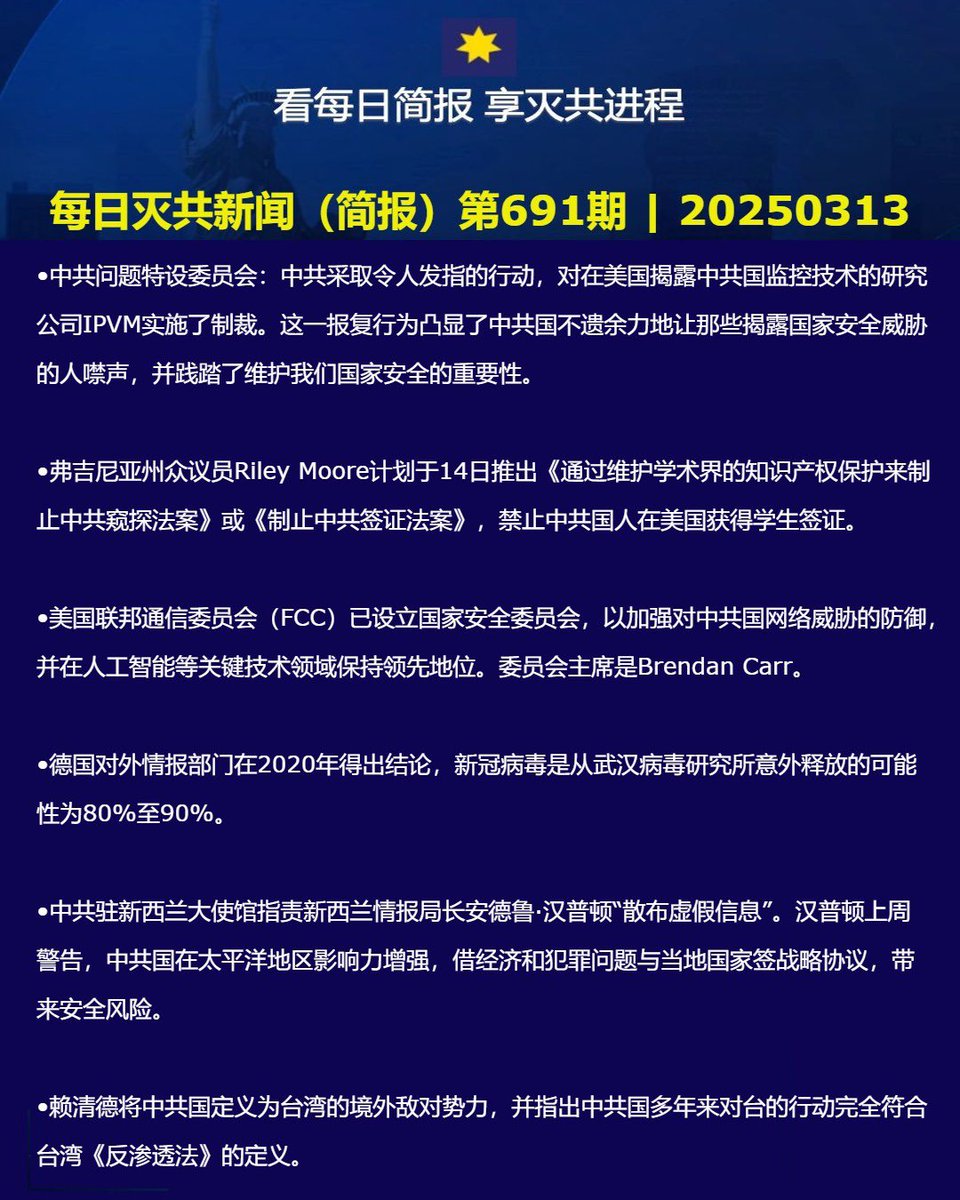
•中共问题特设委员会:中共采取令人发指的行动,对在美国揭露中共国监控技术的研究公司IPVM实施了制裁。这一报复行为凸显了中共国不遗余力地让那些揭露国家安全威胁的人噤声,并践踏了维护我们国家安全的重要性。
•弗吉尼亚州众议员Riley Moore计划于14日推出《通过维护学术界的知识产权保护来制止中共窥探法案》或《制止中共签证法案》,禁止中共国人在美国获得学生签证。
•美国联邦通信委员会(FCC)已设立国家安全委员会,以加强对中共国网络威胁的防御,并在人工智能等关键技术领域保持领先地位。委员会主席是Brendan Carr。
•德国对外情报部门在2020年得出结论,新冠病毒是从武汉病毒研究所意外释放的可能性为80%至90%。
•中共驻新西兰大使馆指责新西兰情报局长安德鲁·汉普顿“散布虚假信息”。汉普顿上周警告,中共国在太平洋地区影响力增强,借经济和犯罪问题与当地国家签战略协议,带来安全风险。
•赖清德将中共国定义为台湾的境外敌对势力,并指出中共国多年来对台的行动完全符合台湾《反渗透法》的定义
1
1
4
337

13 Mar 2025
The CCP is scared of the truth.
IPVM is an incredible treasure trove that personally became a powerful resource in my own research.
加油 IPVM!
12 Mar 2025

🚨 In an outrageous act, the CCP has sanctioned IPVM, a research firm exposing Chinese surveillance tech in the U.S. This retaliation underscores the lengths China will go to silence those revealing national security threats & foot stomps the importance of safeguarding our national security.
Read more here 🔽
mcall.com/2025/03/06/lehigh-…
1
4
123