
but Face to face is basically a Todd Edwards song, sorry to break it to you, that's the garage microsampling genius right there
1
1
9
169

Jun 12
Published article by @IRNAS_CSIC and now available in our institutional repository, Digital_CSIC
Título: Capillary microsampling enables on-site collection and storage of plant sap
Autor: Hedberg, Ellinor et al...
URI: hdl.handle.net/10261/435548

19

Jun 8
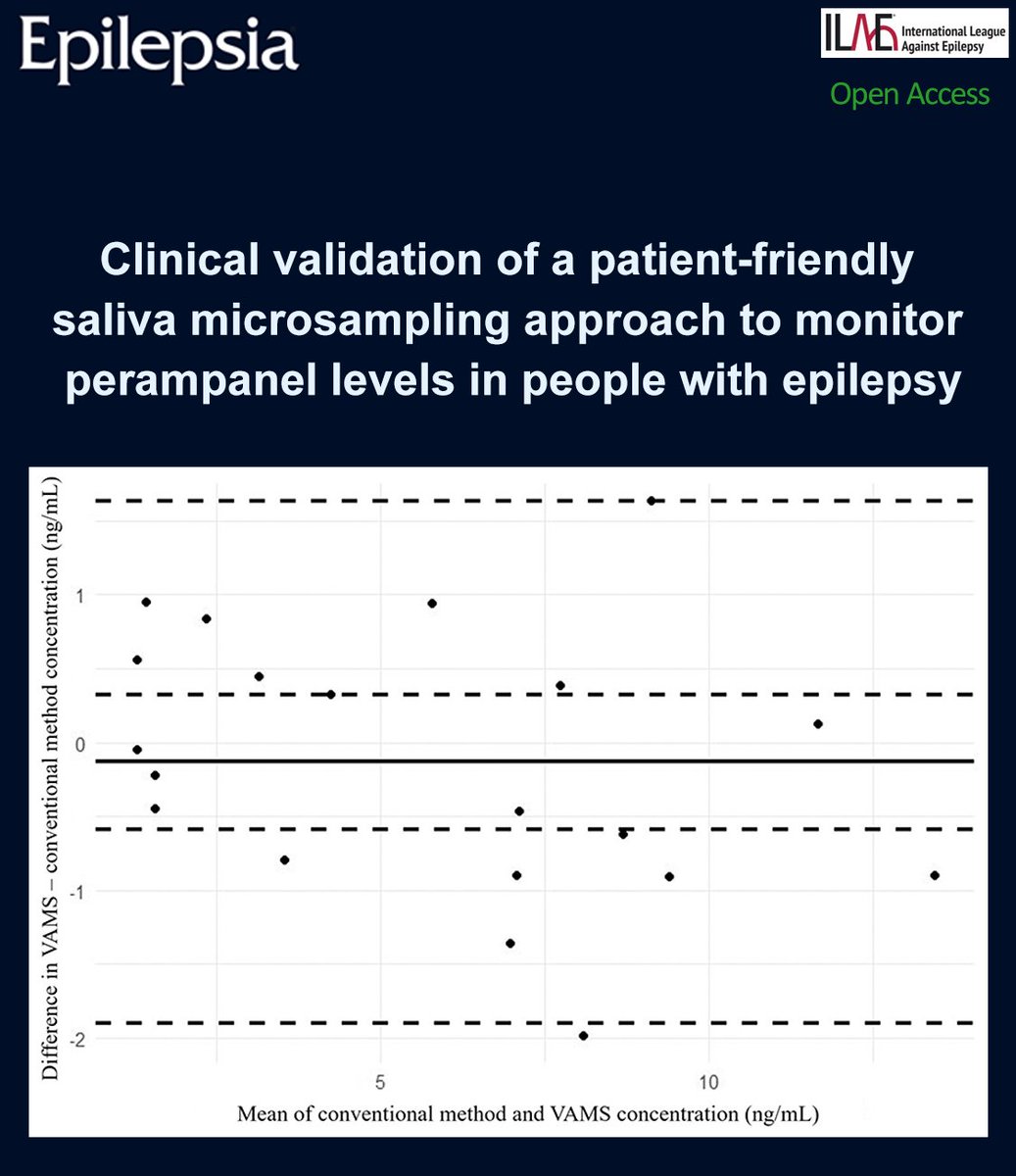
Saliva-VAMS provides a non-invasive alternative for perampanel therapeutic drug monitoring.
doi.org/10.1002/epi.70302
#epilepsy #ILAE #epilepsiajourn #microsampling #perampanel #saliva #therapeuticdrugmonitoring
1
198

Clinical validation of a patient-friendly saliva microsampling approach to monitor perampanel levels in people with epilepsy dlvr.it/TSgf8v #Neurology #Epilepsy
1
2
114
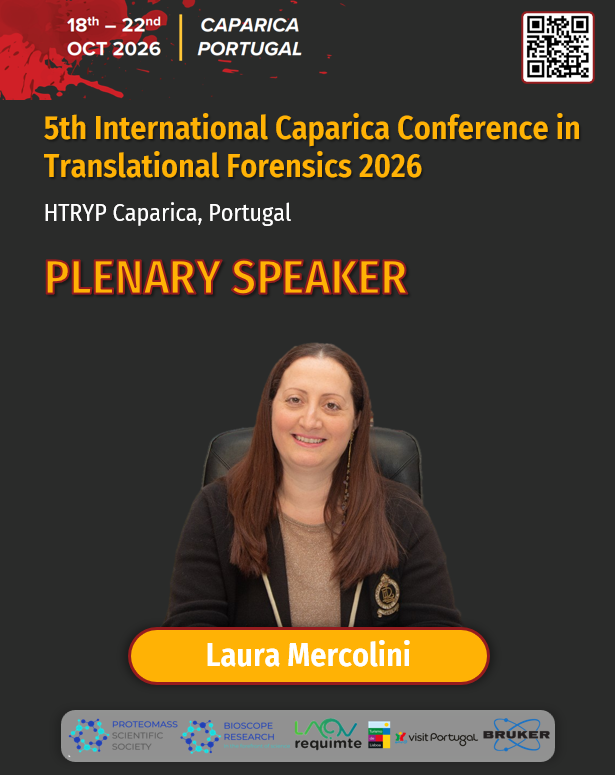
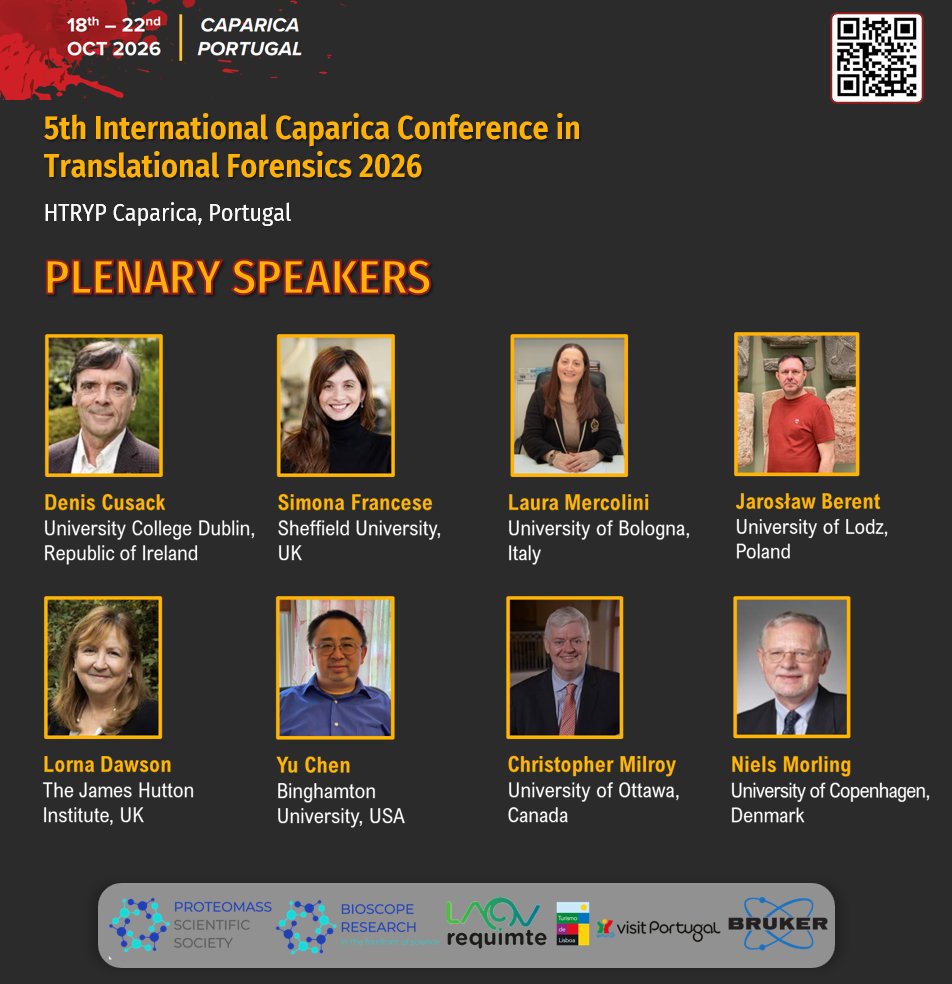
We are pleased to announce Dr. @Laura_Mercolini as a Plenary Speaker at #Forensics2026. An internationally recognized expert in pharmaco-toxicological analysis, therapeutic drug monitoring, and microsampling technologies, Dr. Mercolini brings pioneering contributions to precision medicine and analytical toxicology.
We look forward to her inspiring scientific insights.
#bioscoperesearchgroup @laqv_requimte
5
5
127

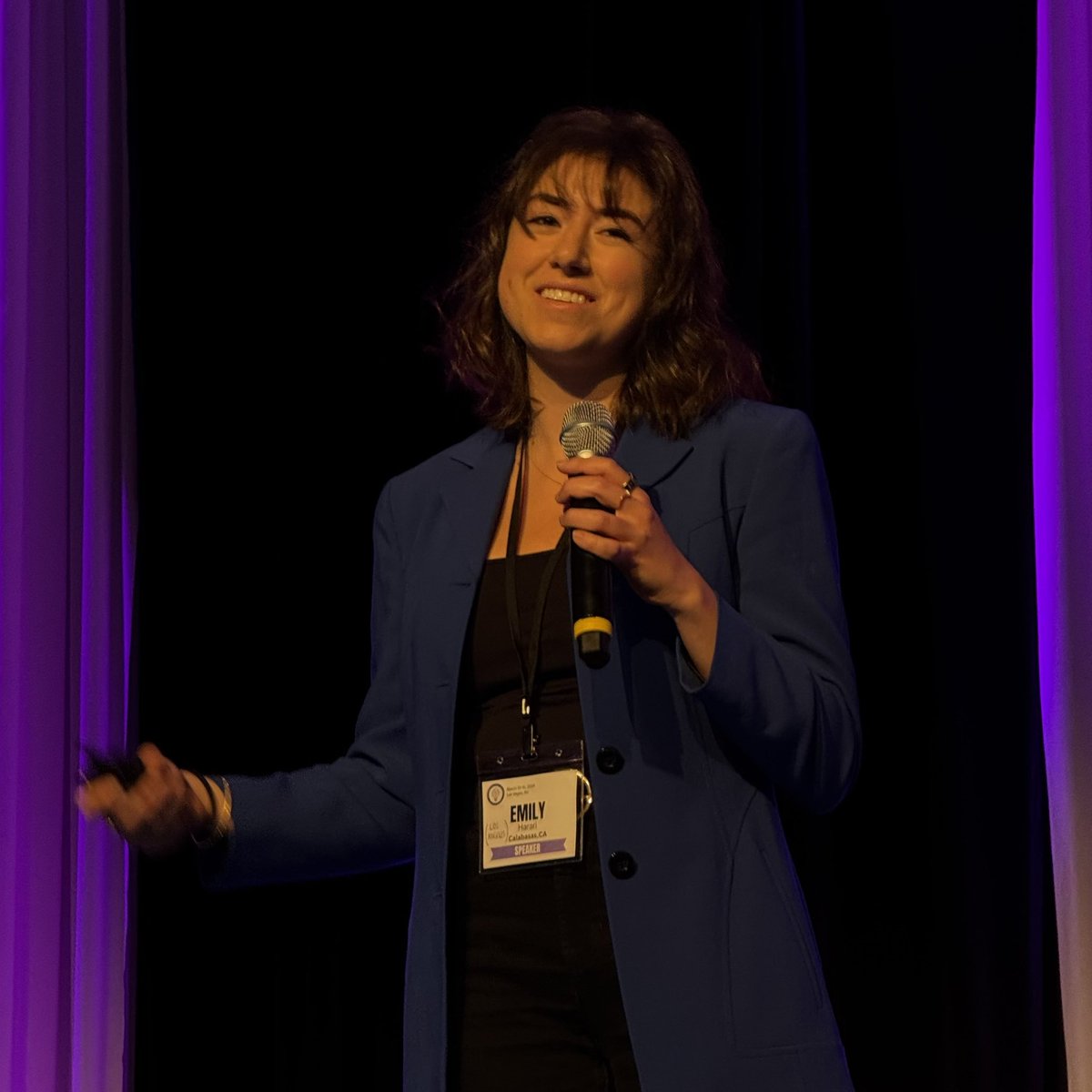
Emily Harari on stage at #CoSci, Las Vegas.
How to actually personalize medicine
Most lab reference ranges are built on population averages.
But none of us are the “average.”
Emily talks about microsampling. Small, simple blood samples people can collect at home and send in regularly.
The idea is to build your own baseline over time, instead of comparing yourself to a population range that may not fit you at all.
@realDaveFeldman @realCSF
4
13
1,110


Feb 11
Quero fazer plunderphonics com house e aprender a técnica de microsampling
2
2
52

10 Dec 2025
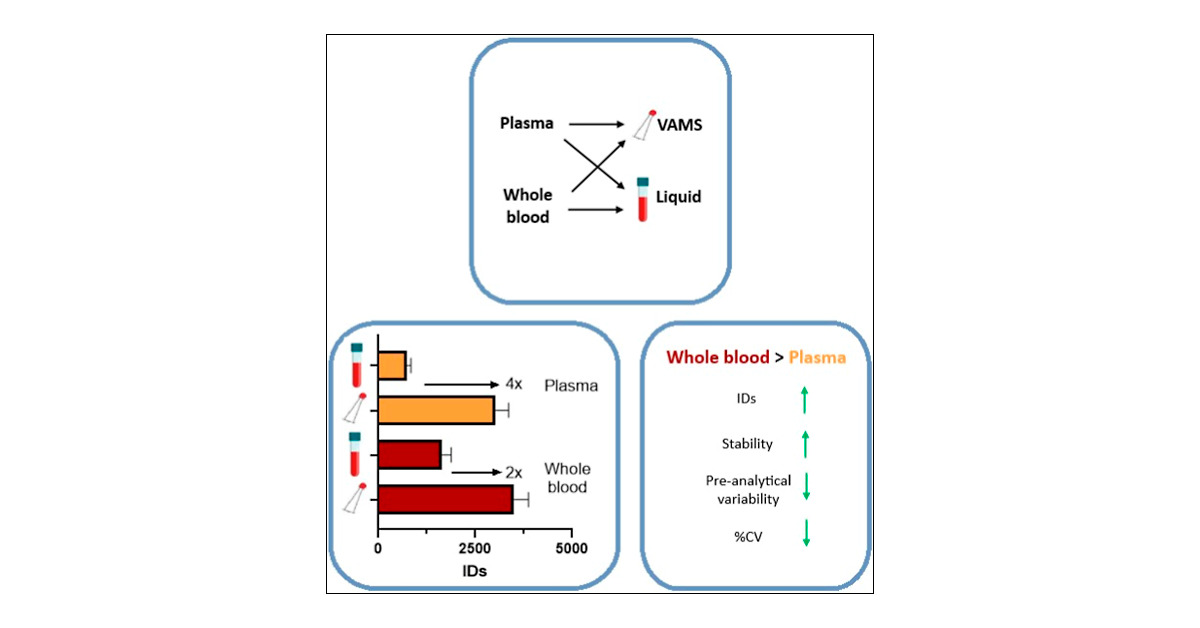
(J Proteom Res) [ASAP] Advancing Blood Proteome Analysis Past the Plasma Age: Mass Spectrometry of Whole Blood and Plasma Collected with Volumetric Absorptive Microsampling Devices dlvr.it/TPkWkY (RSS) #MassSpecRSS
1
2
81

7 Dec 2025
Personally I would want to modify it to suck up liquid instead of depositing it for single-cell or even single-organelle analysis. Researching microsampling approaches like that was a big part of my PhD work
2
16

7 Dec 2025
Numerous technologies are being developed to move beyond traditional blood draws, focusing on wearable sensors (sweat, interstitial fluid), microsampling devices for at-home finger-prick collection, and advanced lab tech using AI and multi-omics for deeper insights from tiny samples, aiming for continuous monitoring and less invasive tracking of health markers. While a complete replacement is still in progress, these innovations offer more frequent, convenient, and comprehensive data than standard blood tests.
Wearable & Non-Invasive Technologies
Sweat Sensors: Flexible patches can monitor vital signs, pH levels, and other biomarkers directly from sweat.
Interstitial Fluid Patches: Devices that analyze the fluid between cells, offering a less painful way to track blood-similar chemicals.
Smartphone-Based Imaging: Using a phone's camera to detect conditions like anemia from a fingernail photo.
** Microsampling & Lab-on-a-Chip**
Multi-Omics Microsampling: At-home finger-prick collection of tiny blood drops analyzed in labs to measure thousands of molecules (proteins, fats, etc.) at once.
Continuous Monitoring Chips: Lab-on-a-chip devices that can turn blood snapshots into continuous streams of data for specific proteins.
Home Testing Platforms: Devices like SiPhox's chip system use home-collected samples and provide patient/physician dashboards for biomarker tracking.
Artificial Intelligence & Advanced Analytics
AI-Powered Tests: AI helps analyze vast datasets from single blood samples (or other sources) to detect hundreds of biomarkers, leading to more personalized health insights.
Key Advantages Over Traditional Tests
Continuous vs. Snapshot: Moving from single-point-in-time data to real-time or frequent monitoring.
Less Pain & Invasiveness: Avoiding large needle draws.
At-Home Convenience: Enabling self-monitoring and remote tracking.
Comprehensive Data: Analyzing thousands of molecules (multi-omics) instead of just a few.
3
7
1,492

4 Dec 2025
Simple answer: hybrid consumer lab strategy for $HIMS.
- Capillary sampling for monthly/quarterly routine panels (A1c, lipids, thyroid, hormones) that support GLP-1 and HRT programs.
Re: concerns about capillary stability...modern microsampling (DBS/VAMS-style stabilization) solves the historical issues around fidelity, transport, and hemolysis. And acquiring YourBio gives the company IP and device engineering to build a next-gen, stabilized version in-house.
- Venous draws (Quest $DGX / at-home phlebotomy) remain the path for comprehensive labs and advanced diagnostics like GRAIL, which are done 1–2×/year.
This is the standard clinical model today: capillary for routine monitoring, venous for full panels. $HIMS is executing it at scale.
What you’re framing as “lack of clarity” is just normal product maturation. As investors, our job is to connect public signals and understand the direction of execution, not expect daily play-by-play as if we’re sitting in the internal standups. Product, clinical, and R&D teams iterate constantly behind the scenes.
2
115

1 Dec 2025
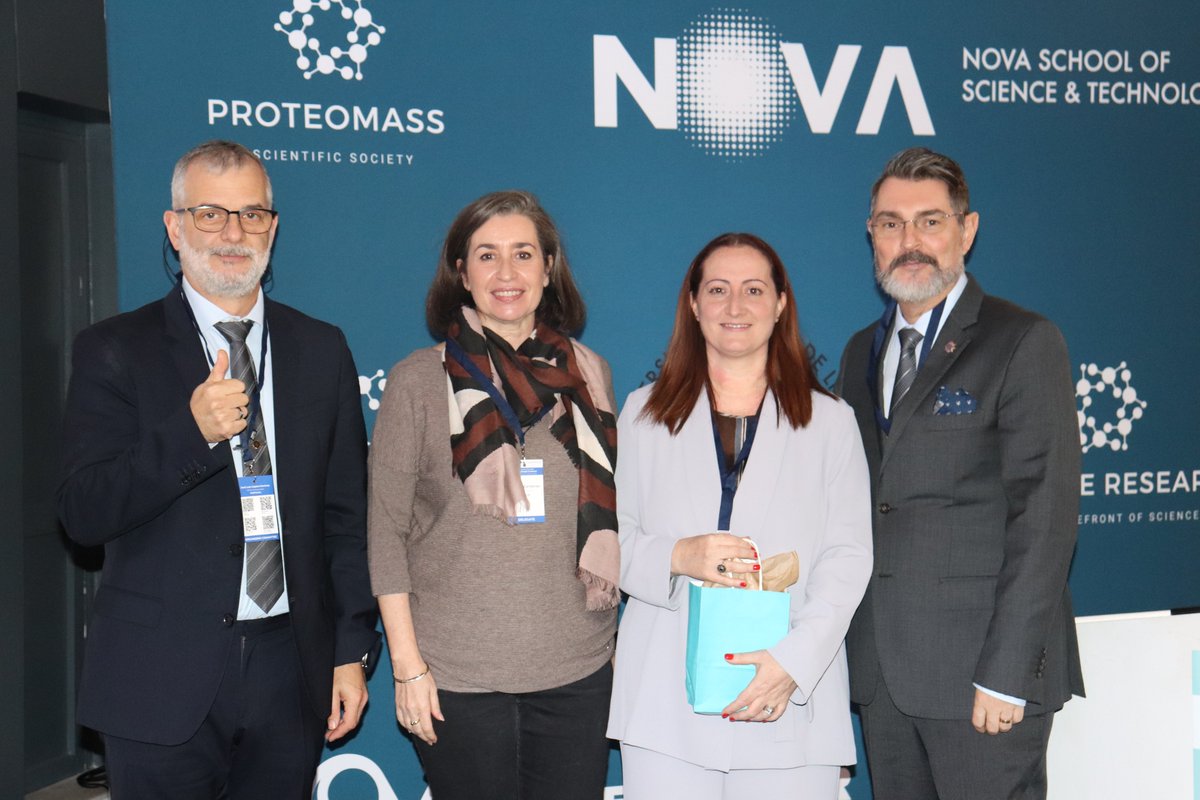
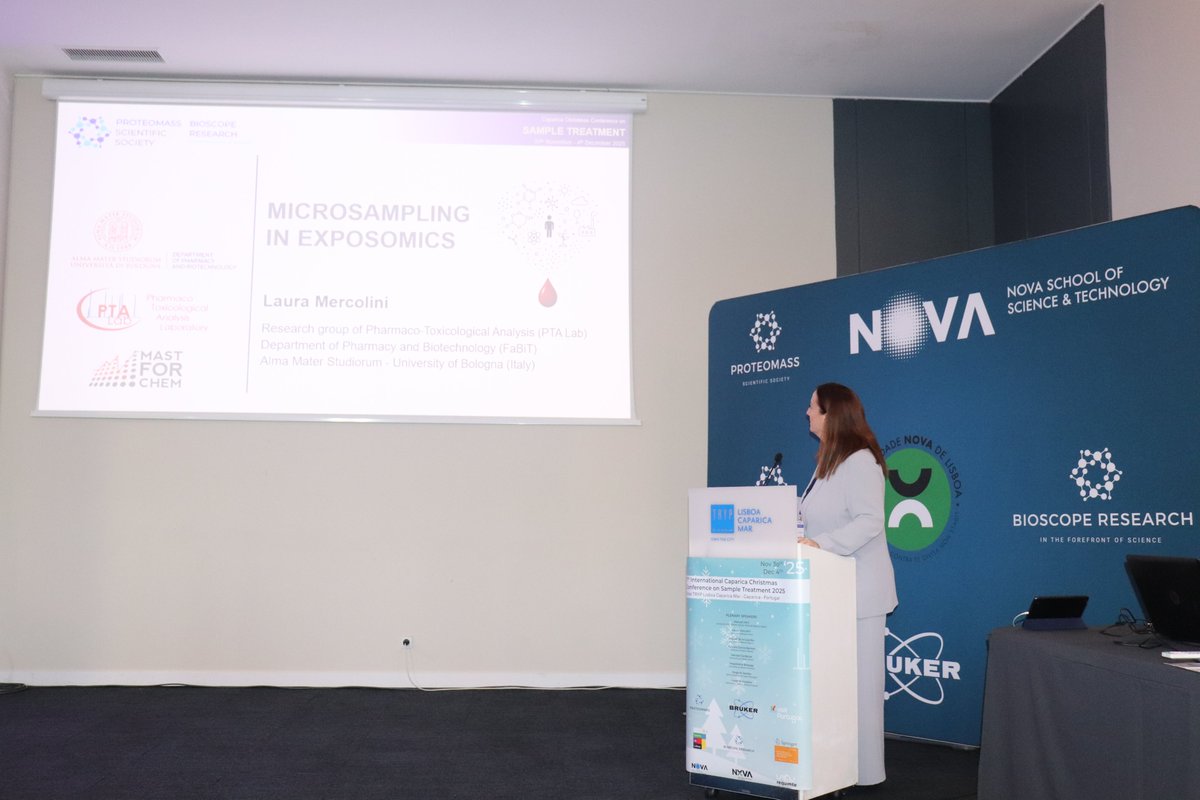
🧪 Monday Session - Oustanding talk by Laura Mercolini, University of Bologna (Italy), plenary at #SampleTreatment2025.
On microsampling in exposomics.
#bioscoperesearchgroup #proteomasss
2
7
191

26 Nov 2025
Friends, I have a new album and it's a visual album, 8 tracks with their respective videos.
All together it forms a visual story that I will seek to exhibit in its entirety next year.
For this project, in addition to my handmade glitch microsampling sound and my characteristic ultra visual processing, I stepped completely out of my comfort zone: I made my own masks, acted, and even danced, ha.
It was an intense but very cool process and I am grateful to @OTONOspace for publishing it.
Here you can listen to the first two tracks:
otonolabel.bandcamp.com/albu…
And here you can see the first visual single:
CHIMESINK
409.mx/CHIMESINK/
1
5
9
288

6 Nov 2025
🔬 A new chapter in heart care advancement
Dive into our project using metabolomics & microsampling for congenital heart disease. Revolutionizing paediatric care by easing patient challenges and boosting detection 🌿
Support innovation your way—invest … ift.tt/Sn0Dv94
1
4
67
30 Oct 2025
🔬 Unveiling the future of paediatric heart care 🌍
Metabolomics meets cutting-edge microsampling to tackle congenital heart disease. Our goal? Reduce patient burden & enhance detection.
Why invest? With $GDAO, you contribute towards tangible change an… ift.tt/4Dz2ByC
1
3
58

23 Oct 2025
【WORKS】
MPC GIRL USAGIさん @usagibeats_ のニューアルバムに作曲・アレンジ・ボーカル・ミックス・マスタリングなどで全面的に参加しました。
Microsampling・Cut-up Houseの手法を取り入れて、キャッチーさとクラブフロア的なグルーヴを目指しました。
聴いてね
lnk.to/w556l4
8
22
6,825
21 Oct 2025
USAGIさん @usagibeats_ ニューアルバムにアレンジ / 演奏 / ボーカル / ミックス / マスタリングなど全面的に参加しました
Microsampling・Cut-up Houseの手法を取り入れて、キャッチーさとクラブフロア的なグルーヴをうまく融合できた自信作です
まもなく0:00より配信開始なので聴いてね🐰
21 Oct 2025

【NEWS】MPC GIRL USAGI、ニューアルバム『Balance』発表
アレンジャーとしてAcidclankが全面参加。「第2フェーズ」の方向性を鮮明に打ち出すエレクトロニックサウンド spincoaster.com/news/mpc-gir… @usagibeats_


3
15
6,704
19 Oct 2025
🔬 Pioneering breakthroughs in heart disease 🏥
Imagine reshaping paediatric heart care with metabolomics and microsampling. This project targets complex congenital heart disease, easing patient burden 🌿
Invest with $GDAO to support real-world impact … ift.tt/L4hRn72
2
6
90

10 Oct 2025
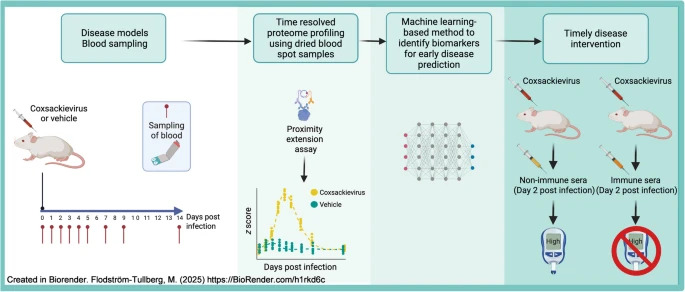
Up front & free to read in our Oct issue #editorspicks: Frequent longitudinal blood microsampling and proteome monitoring identify disease markers and enable timely intervention in a mouse model of type 1 diabetes link.springer.com/article/10…
1
5
423