
Take professional help
If you are someone who frequently gets panic attacks, sometimes more than once a day, seek professional help before it turns into something worse.
#ReadOn #ProfessionalHelp #MentalHealthAwareness #panicattacks #meditation #yoga #healthymind
1
7
Smitakuchekar retweeted

Jun 11
3
16
65
1,602

Jun 12
19

Panic Attack or Heart Attack? Understanding the Difference
In a discussion with Dr. Abhishek Shukla, Senior Geriatrician, Dr. Nirupma Jaiswal, MD Psychiatry (KGMC, Lucknow), explained an important medical concern. Many patients arrive at hospitals with complaints of severe chest pain, palpitations, breathlessness, and fear, believing they are having a heart attack. However, after evaluation, some of these episodes are found to be panic attacks rather than cardiac emergencies.
Dr. Jaiswal explained that panic attacks can closely resemble heart attacks, making it difficult for patients to differentiate between the two. A typical panic attack usually reaches its peak within minutes and often subsides within 30–40 minutes. Stressful thoughts, traumatic memories, or perceived threats can activate the amygdala, the brain's alarm center. This activates the hypothalamus, hippocampus, and brainstem, leading to the release of adrenaline and noradrenaline.
These stress hormones prepare the body to respond to danger. As a result, the heart beats faster, breathing becomes rapid, blood pressure may rise, and chest discomfort can occur. Muscles throughout the body become tense, sometimes causing significant pain. Reduced blood flow to the digestive system may lead to nausea, while some individuals experience feelings of unreality or detachment from their surroundings.
Patients experiencing recurrent panic attacks should seek medical evaluation to rule out heart disease and consult a psychiatrist when appropriate. Treatment may include medications such as sertraline, paroxetine, lorazepam, or alprazolam under medical supervision. Deep breathing exercises and relaxation techniques can also help by improving oxygen-carbon dioxide balance and reducing anxiety symptoms.#PanicAttack #PanicAttacks #PanicDisorder #AnxietyAttackSupport & #MentalHealthMatters #MentalHealthAwareness #AnxietyRelief #MentalHealthSupport #CalmDown #GroundingTechniques #Mindfulness #Breathe #HeartAttack #HeartDisease #Cardiology #HeartHealth
99
Panic Attack or Heart Attack? Understanding the Difference
In a discussion with Dr. Abhishek Shukla, Senior Geriatrician, Dr. Nirupma Jaiswal, MD Psychiatry (KGMC, Lucknow), explained an important medical concern. Many patients arrive at hospitals with complaints of severe chest pain, palpitations, breathlessness, and fear, believing they are having a heart attack. However, after evaluation, some of these episodes are found to be panic attacks rather than cardiac emergencies.
Dr. Jaiswal explained that panic attacks can closely resemble heart attacks, making it difficult for patients to differentiate between the two. A typical panic attack usually reaches its peak within minutes and often subsides within 30–40 minutes. Stressful thoughts, traumatic memories, or perceived threats can activate the amygdala, the brain's alarm center. This activates the hypothalamus, hippocampus, and brainstem, leading to the release of adrenaline and noradrenaline.
These stress hormones prepare the body to respond to danger. As a result, the heart beats faster, breathing becomes rapid, blood pressure may rise, and chest discomfort can occur. Muscles throughout the body become tense, sometimes causing significant pain. Reduced blood flow to the digestive system may lead to nausea, while some individuals experience feelings of unreality or detachment from their surroundings.
Patients experiencing recurrent panic attacks should seek medical evaluation to rule out heart disease and consult a psychiatrist when appropriate. Treatment may include medications such as sertraline, paroxetine, lorazepam, or alprazolam under medical supervision. Deep breathing exercises and relaxation techniques can also help by improving oxygen-carbon dioxide balance and reducing anxiety symptoms.#PanicAttack #PanicAttacks #PanicDisorder #AnxietyAttackSupport & #MentalHealthMatters #MentalHealthAwareness #AnxietyRelief #MentalHealthSupport #CalmDown #GroundingTechniques #Mindfulness #Breathe #HeartAttack #HeartDisease #Cardiology #HeartHealth
80

Jun 12
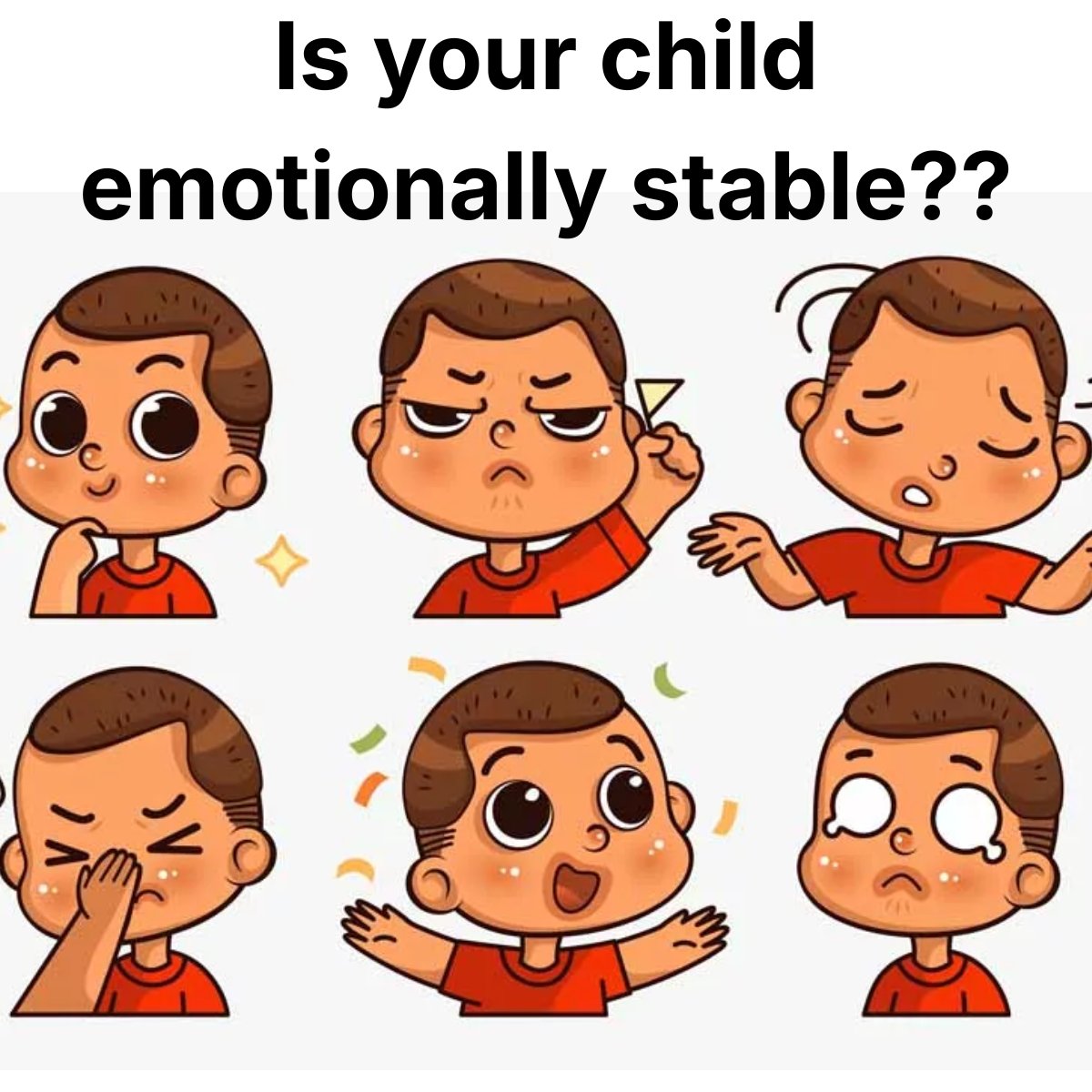
Check out the blog on: Is your child emotionally stable??
Visit our blog: blogger.com/blog/posts/59714…
#mentalhealth #Anxietydisorders #bipolardisorders #brainhealth #depression #mentalillness #neurodegenerativediseases #panicattacks #sleepdisturbances #stress #brain #NeuroCon2026
3

Jun 10
Let the anxiety be there.
And do your best not to add more fear to it.
#anxiety #panicattacks #acceptance
14

Read our helpful #PANDAS guide on symptoms, treatments, and sources for support. bit.ly/1bjkRaZ #OCD #tics #anxiety #PanicAttacks
33
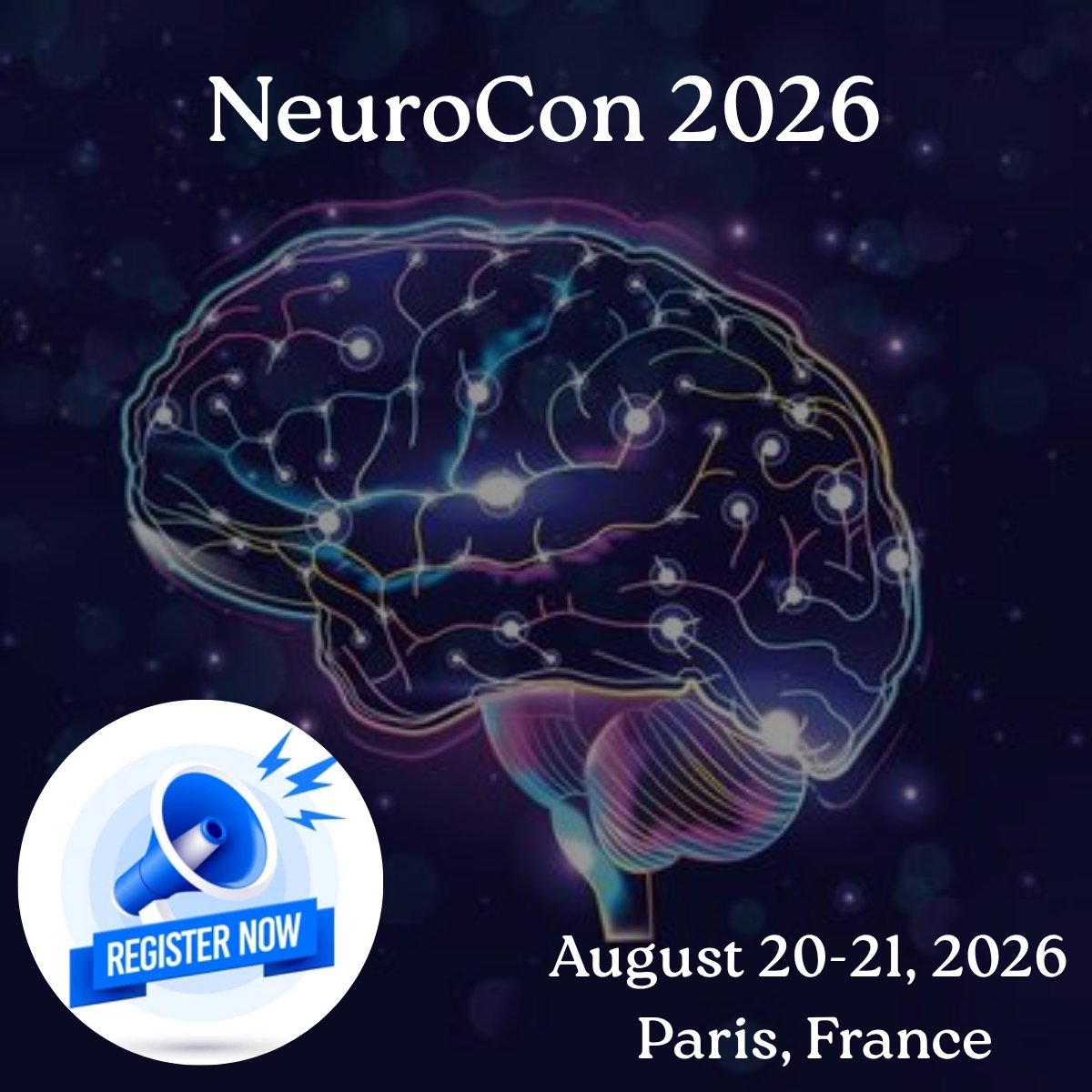
#RegisterNow for the Global #Congress on #Neuroscience and #Psychiatry scheduled on August 20-21, 2026 in #Paris #France.
Confirm your slots in #NeuroCon2026
#psychology #mentalhealth #mentalillness #neuroscientists #psychiatrists #panicattacks #depression #anxiety #depression
19

Suffering Through a Severe Anxiety-filled Panic Attack and Surviving to Tell the Tale
loncaslerbixby.medium.com/su…
#CreativeWriting #Medium #truetale #LifeIs #anxiety #depression #panicattacks #mentalhealth #socialanxiety
1
2
25