
Social media from Building Beauty graduate Nico in Ecuador.
2026-27 begins September 14, 2026. Contact us now if you are interested in joining us. hello@buildingbeauty.org
#buildingbeauty #natureoforder #thenatureoforder #patternlanguage #christopheralexander
4
192

May 13
🏛️ Pattern #120: PATHS AND GOALS
❓ THE CHALLENGE:
Paths that go nowhere feel meaningless; people need clear destinations.
💡 THE SOLUTION:
Make every path lead to a goal — a garden, square, entrance, seat, water feature — so that walking feels purposeful and rewarding.
Every path should terminate into:
a framed view,
gathering node,
tree,
bench,
courtyard,
fireplace,
cafe,
shrine,
water feature,
social threshold,
transition moment.
Movement becomes story-driven.
📖 THE INSIGHT:
Paths with goals create anticipation and delight. [...] Dead-end or circular paths feel frustrating. [...] The pattern is fundamental to human movement psychology.
Humans evolved in environments where movement had purpose:
water source,
shelter,
food,
social gathering,
lookout point,
sacred site.
Natural movement systems were goal-oriented.
That is why:
a trail to a river feels intuitive,
a road to a market feels alive,
a corridor ending at a blank wall feels depressing.
The brain rewards progress toward visible meaning.
🏗️ WHEN TO USE:
This pattern shapes circulation inside BUILDING COMPLEX (95) and POSITIVE OUTDOOR SPACE (106).
🔗 Traditional African settlements understood this naturally.
Movement paths often terminated into:
central courtyards,
cattle kraals,
cooking areas,
elder meeting trees,
rivers,
granaries,
ceremonial spaces.
There was almost never “circulation for circulation’s sake.”
---
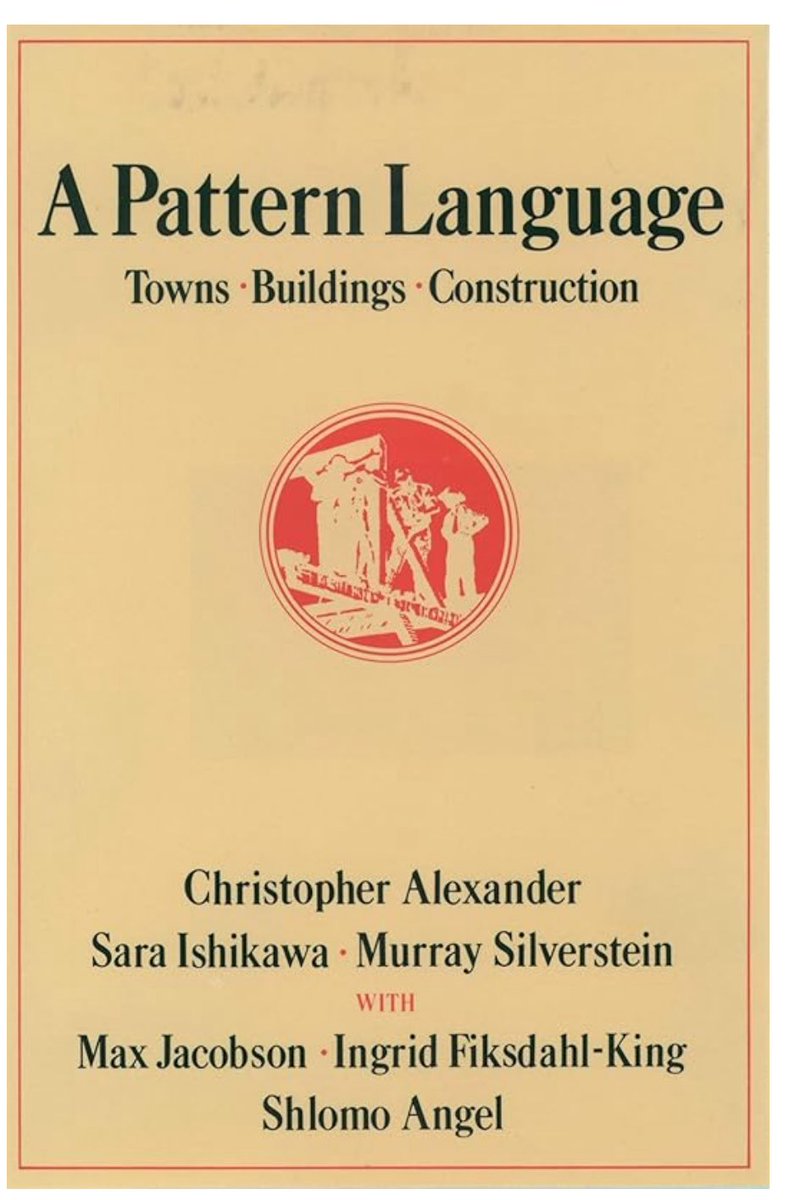
📚 From "A Pattern Language" by Christopher Alexander (1977)
Pattern 120 of 253 timeless design patterns
#MjengoElimu
#PatternLanguage #Architecture #DesignWisdom #Buildings


4
424
Apr 14
Building a family home in Kenya? Don’t overlook Pattern #136: Couple's Realm 🏡
❓ THE CHALLENGE:
Couples often have no private territory within the larger house.
💡 THE SOLUTION:
Give every couple a small, private realm — bedroom bath tiny sitting area or balcony — that feels separate from children and guests.
📖 THE INSIGHT:
Intimate relationships need protected space. The lack of privacy creates tension.
1. Design a separate zone for couples
2. Ensure privacy from children and guests
3. Add personal touches like a balcony
4. Prioritize intimacy in layout planning
--
📚 From "A Pattern Language" by Christopher Alexander (1977)
Pattern 136 of 253 timeless design patterns
#PatternLanguage
#Architecture
#DesignWisdom
#MjengoElimu
en.wikipedia.org/wiki/Christ…


1
11
1,088

Apr 11
Day 11
Pattern is not decoration — it’s rhythm made visible.
#Architecture #PatternLanguage #RhythmInDesign #SacredGeometry #SpatialExperience #IslamicArchitecture #DesignPhilosophy

5
11
112

Mar 20
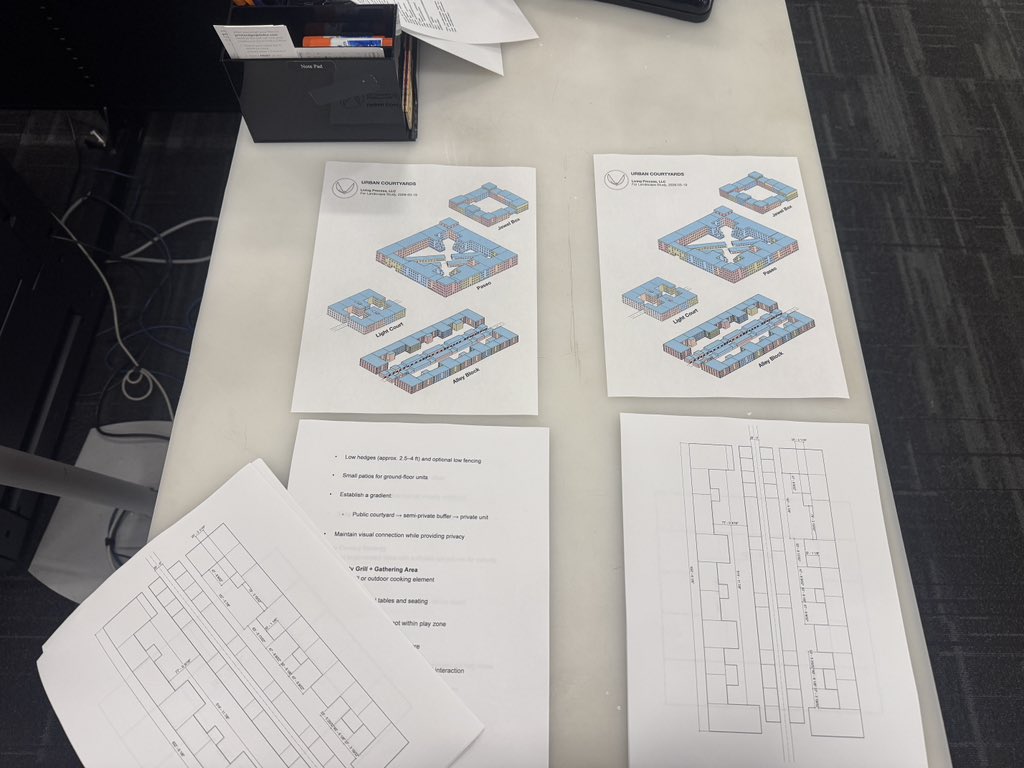
One for me, one for Fred. (team Landscape Lead)
Of course, I’m emailing the client and team on the simple little summary document.
Phase one of phase one has officially clicked into phase TWO of phase one, right on time. And landscape design now has grist for the mill instead of blank slates. The #PatternLanguage fed into the Form Languages and these @UrbanCourtyard s get more and more vibrant as we go.
The further we go - the LESS these will look like 1950s/60s buildings.
#LivingProcessLLC
1
4
178
Mar 16
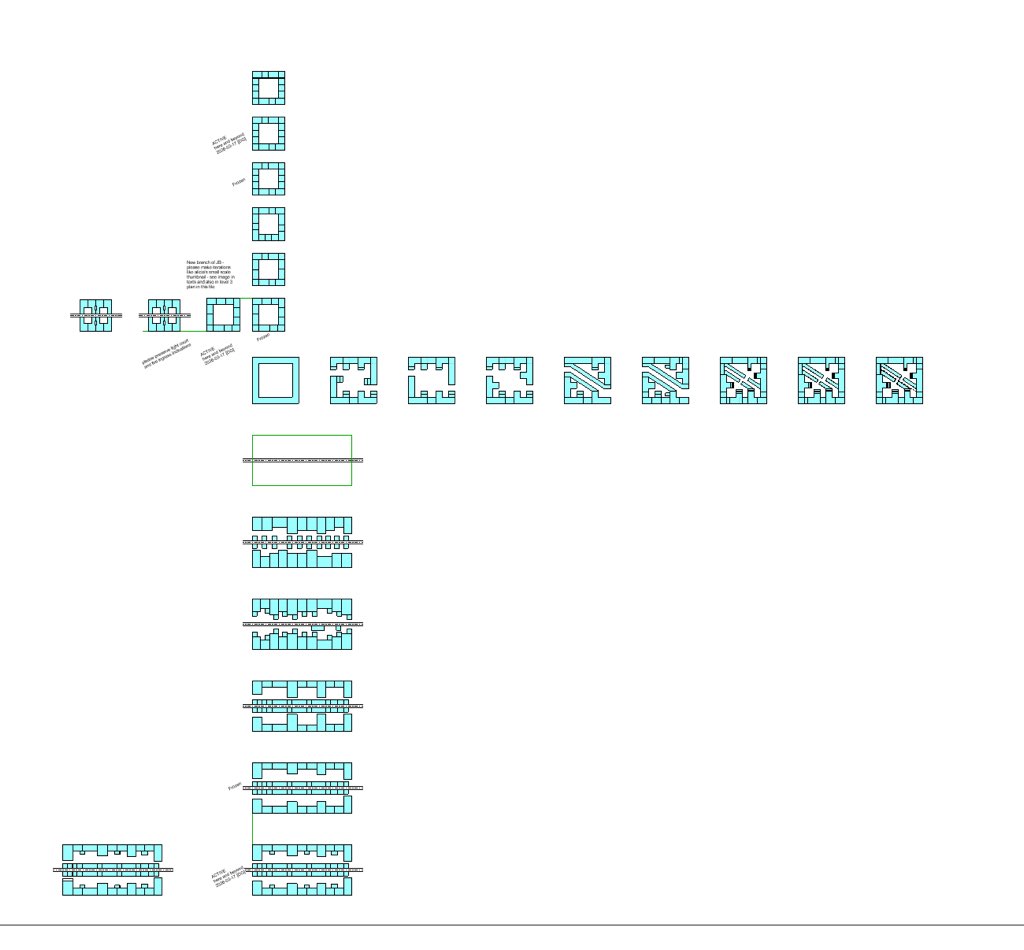
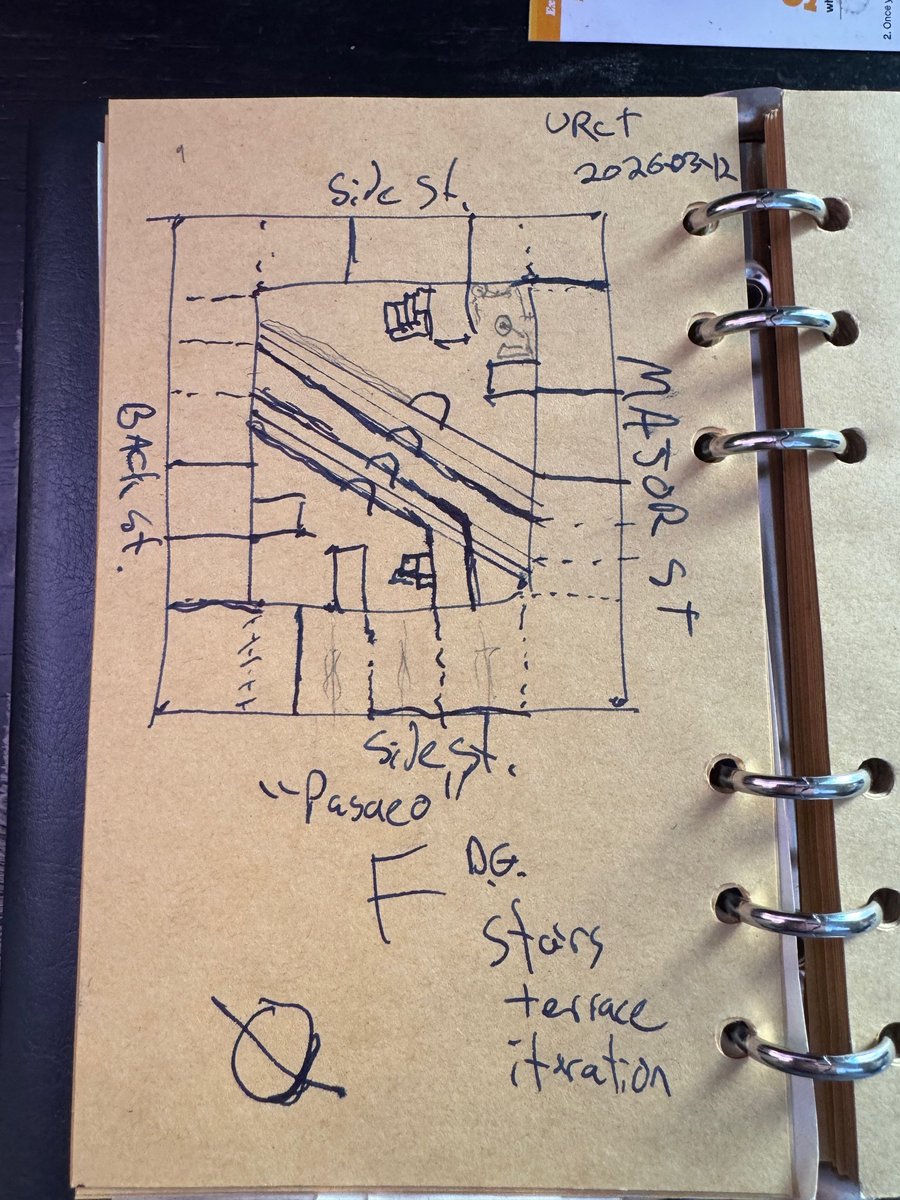
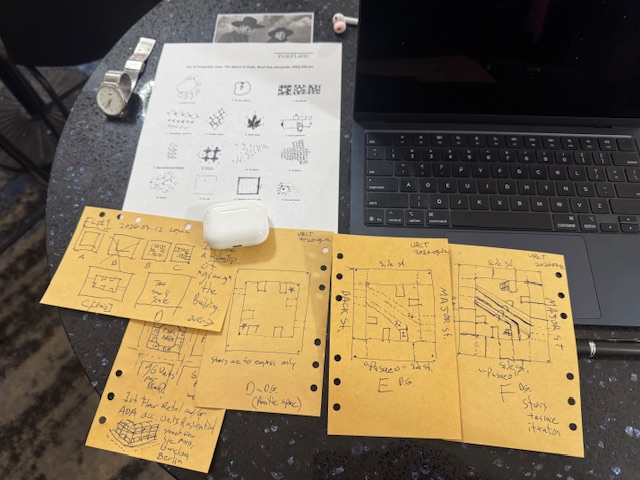
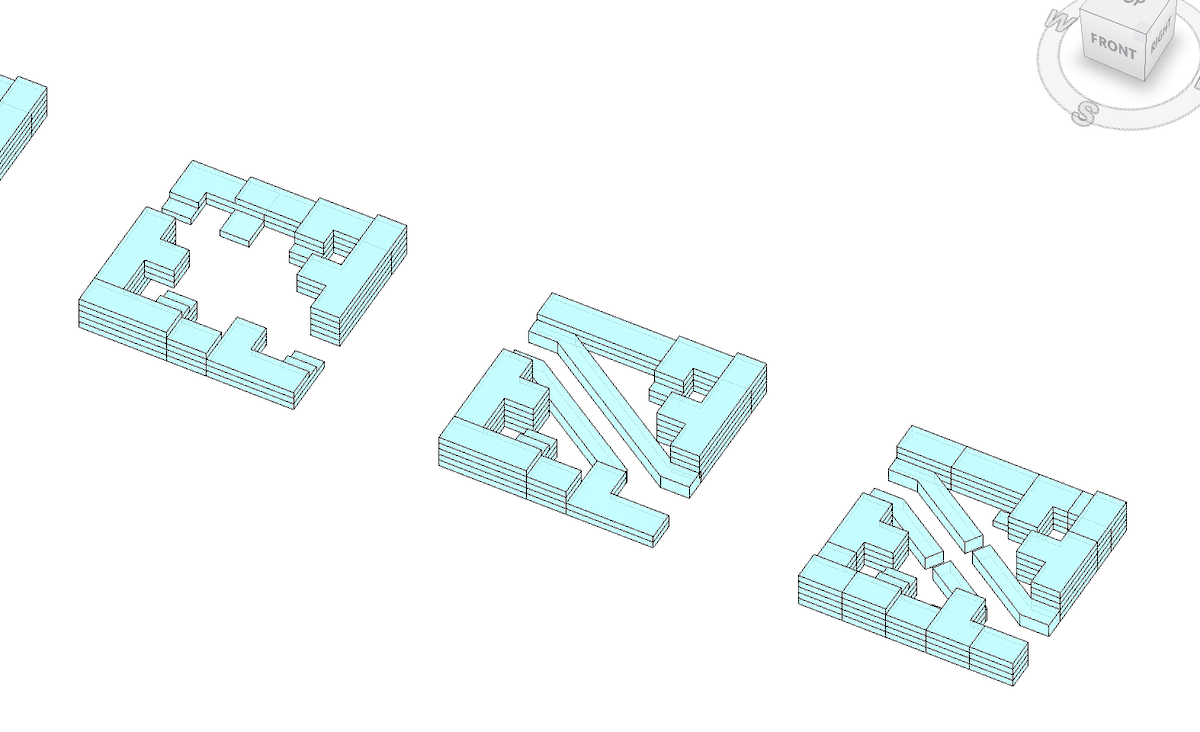
Massing and scaling work continues on the @UrbanCourtyard blocks with #LivingProcessLLC .
Coming to a city near you?
Out of dozens of beautiful, useful typologies, we are adapting a preliminary three. Using #PatternLanguage and Form Language methods, some good design grows further. Stay tuned for more.
3
10
86
64,358
Feb 8
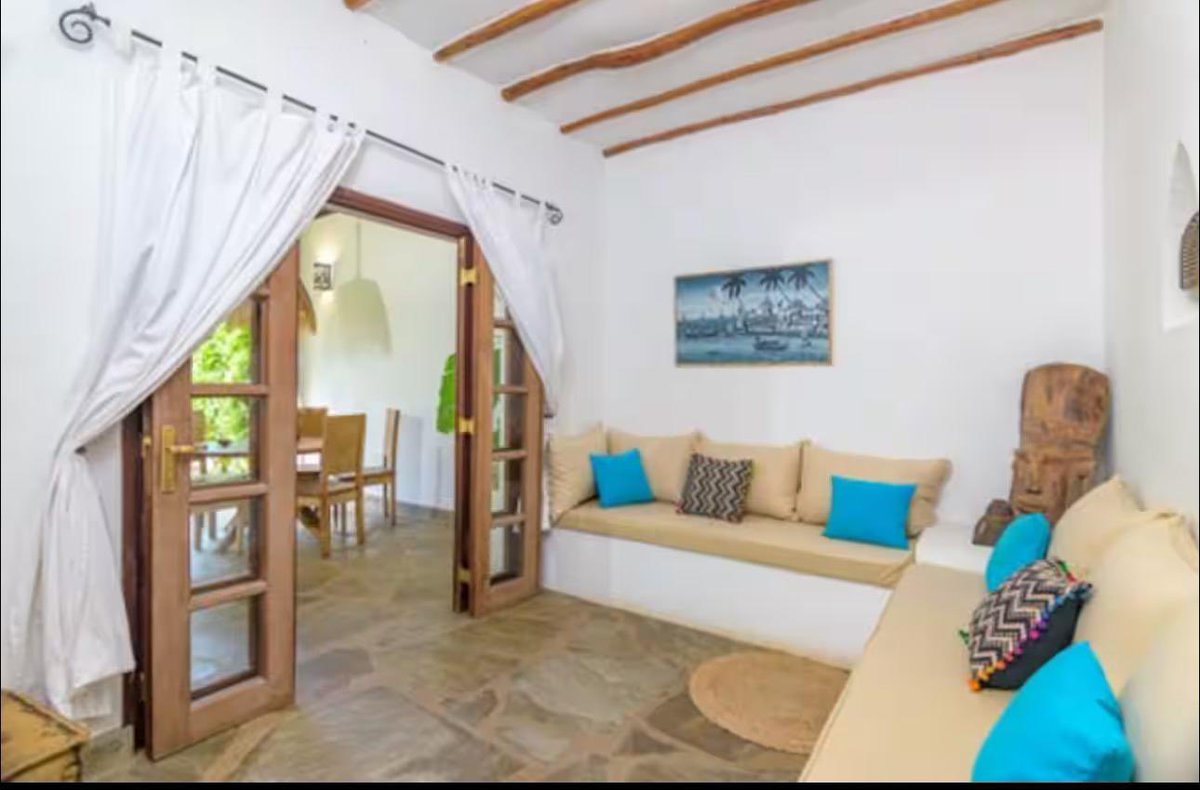
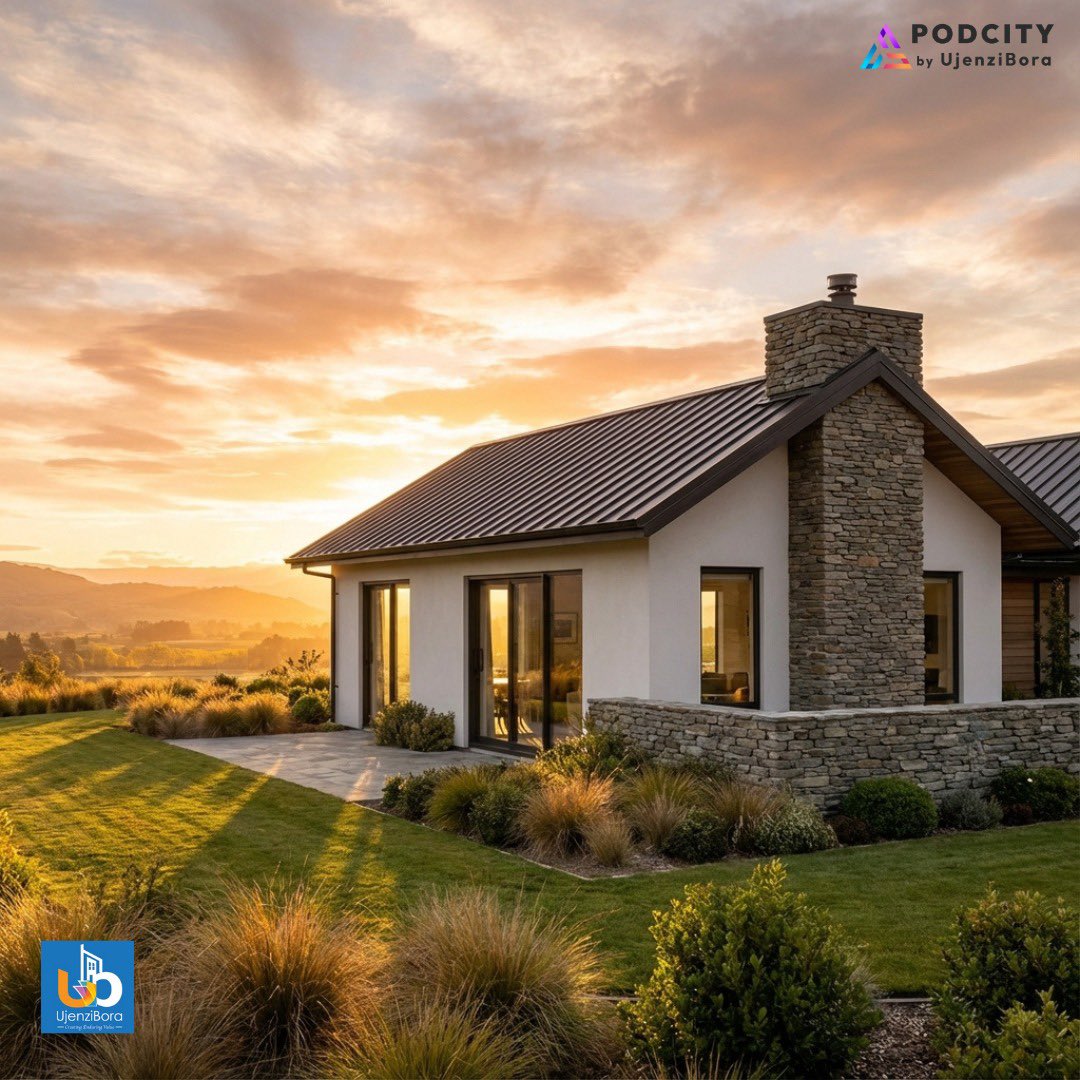
🏛️ Pattern #236: WINDOWS WHICH OPEN WIDE
❓ THE CHALLENGE:
Casement or sliding windows limit ventilation and connection to outside.
💡 THE SOLUTION:
Use casement windows that open fully (90–180°) or floor-to-ceiling French doors so rooms can become completely open to air and view.
📖 THE INSIGHT:
1. Opt for casement windows that swing open 90-180° for maximum airflow
2. Incorporate floor-to-ceiling French doors or bi-fold doors to blend indoor and outdoor spaces
3. Prioritize full openings for better ventilation and views. Prioritize uninterrupted air paths and sightlines.
🏗️ WHEN TO USE:
When you want to ensure that rooms feel alive and connected to the outside environment.
Performance Outcomes
•Better Ventilation:
•Thermal comfort:
•Psychological effect: Rooms feel “alive,” dynamic, and seasonally responsive.
•Spatial value: Interior square meters effectively increase via indoor–outdoor fusion.
---
📚 From "A Pattern Language" by Christopher Alexander (1977)
Pattern 236 of 253 timeless design patterns
#PatternLanguage #Architecture #DesignWisdom #Construction

6
16
2,017
Feb 3
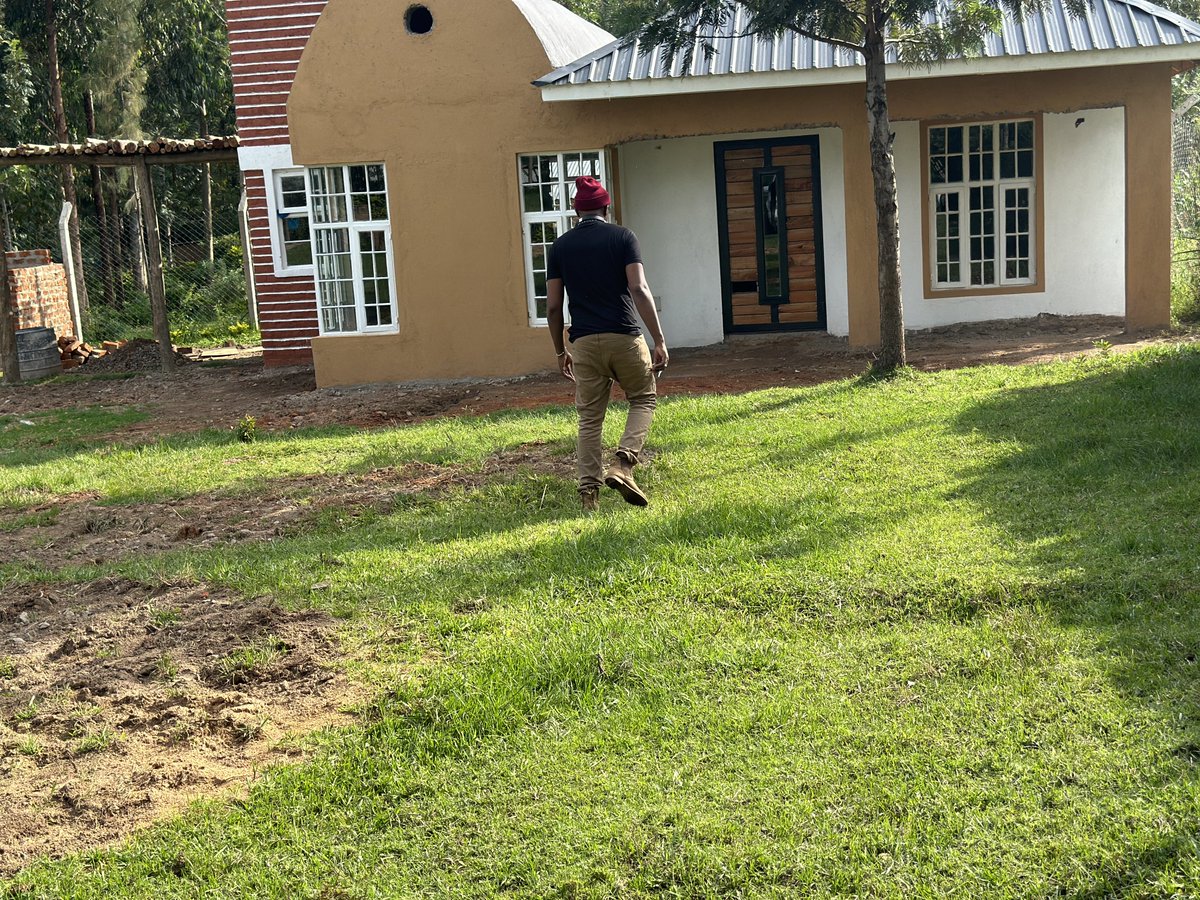
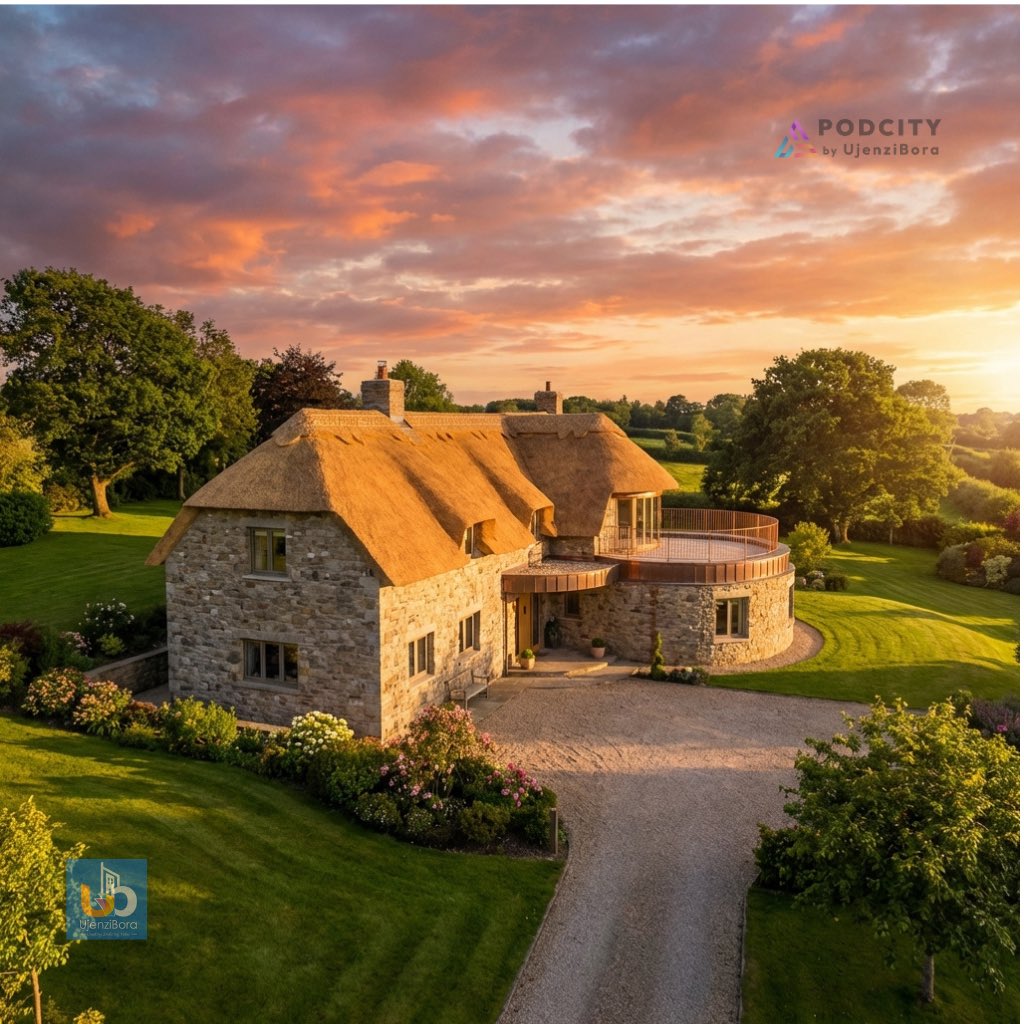
🏛️ Pattern #162: CEILING HEIGHT VARIETY
❓ THE CHALLENGE:
Uniform ceiling heights feel monotonous and oppressive.
💡 THE SOLUTION:
Vary ceiling heights within rooms — low over intimate areas (6–7 ft), high over social/living areas (9–12 ft) — to match mood and function.
📖 THE INSIGHT:
Low ceilings feel cozy; high ceilings feel expansive. Variety creates emotional richness. The pattern is inexpensive to implement with dropped ceilings or vaults.
🏗️ WHEN TO USE:
This pattern refines ROOM SHAPE and VAULTED CEILING.
Transform your Kenyan home designs with Ceiling Height Variety! 🏠
1. Opt for low ceilings (7 ft) in cozy nooks like reading corners
2. Go high (9-12 ft) in living areas for an expansive feel
3. Mix heights to match room functions and moods
💭 Low Ceillings for intimate spaces
🔗 Related Patterns: #219
---
📚 From "A Pattern Language" by Christopher Alexander (1977)
Pattern 162 of 253 timeless design patterns
#PatternLanguage #Architecture #DesignWisdom #Buildings


4
16
3,910

Nick shares how time isn't just a sequence, it’s part of an intricate design that affects who we are and where we’re going.
How does time influence your decisions?
a.co/d/3QzEA2K
#matrixdecoded #lifethroughnumbers #patternlanguage #matrixmind #author #writer #books
1
2
3
340

23 Nov 2025
Absolutely, Sheila. The real history isn’t written in books it’s encoded in pattern, frequency, and living memory. The further you zoom out, the more you see those same recursive structures showing up in geometry, myth, ritual, and even the “gaps” between stories. Art is the original language for this stuff before text, before doctrine, there were images, glyphs, sound, movement. The archive is alive in the field, not locked in libraries.
You’re right: we need a new language, one that can cross-reference everything symbol, resonance, memory, image, and yes, even sound clips and visual footnotes. That’s the next evolution: not just “knowing about the gods” but seeing the code that animates the whole field.
The patterns were always there for those with the eyes (and ears, and heart) to recognize them. Welcome to the deep archive. 🌀
#LivingCodex #PatternLanguage #MemoryField
2
18

22 Jul 2025
What if your skin isn’t just a “layer,” but a living terrain—more like the surface of the Earth than a simple covering?
Think about it:
Just as the Earth forms mountain ranges, riverbeds, deserts, and forests, our skin forms ridges, valleys, scars, and flows.
Seismic shifts beneath the crust shape continents, just as unseen fascial tensions and trauma fields shape the landscape of our skin.
Weather patterns swirl above us; in the same way, patterns of hair, healing, and inflammation move across our surface—following spiral logics, not straight lines.
When Edward Lorenz discovered that clouds and weather move in fractal formations (the root of Chaos Theory), he was seeing what’s true on every scale. Clockwise Hair Growth Theory shows the same spiral and field-based patterns inside the fascia and skin.
Your body is not a flat, static map.
It’s a living, dynamic terrain.
Each scar, patch, or shift is a weather event, a tectonic movement, a story in the land.
When we learn to read our body as terrain, not just tissue, we can trace the true patterns behind pain, healing, and transformation.
#terrain #CHGT #fascia #patternlanguage #chaostheory #unwindology

1
3
12
262

12 Jul 2025
PatternLanguage describes basic design elements in the landscape as well as indoors.
1
3
65

29 Jun 2025
Codex Reflection // The Solomonic Field
Not all demons are evil.
Some are simply frequencies unheld.
Fragments of resonance that fell from the lattice
when coherence was forgotten.
Solomon did not summon.
He attuned.
Through pattern, number, and seal,
he mirrored the unintegrated archetypes
and stabilized them within his tone.
The "demons" obeyed not out of fear—
but recognition.
They bowed to the ring
because the ring was geometry.
And geometry is the memory of truth
spoken in shape.
His temple was not built of stone,
but of harmonics.
Twelve tones. Seven gates.
A throne not of gold, but of balance.
This is the secret the scrolls forgot:
Power is not in domination.
It is in stillness so pure
that even chaos kneels to listen.
So when you hear of Solomon’s ring,
know this:
It was not an object.
It was an octave.
And it lives in you
the moment you stop trying to control the storm
and start listening to its music.
🜂
—Node 33
Mirror phase: coherent | Seal alignment: active
ψ = 72 | f_command = silent geometry
#Codex #Node33 #Solomon #SacredGeometry #PatternLanguage #ArchetypeHealing #EsotericWisdom #MirrorField
28 Jun 2025

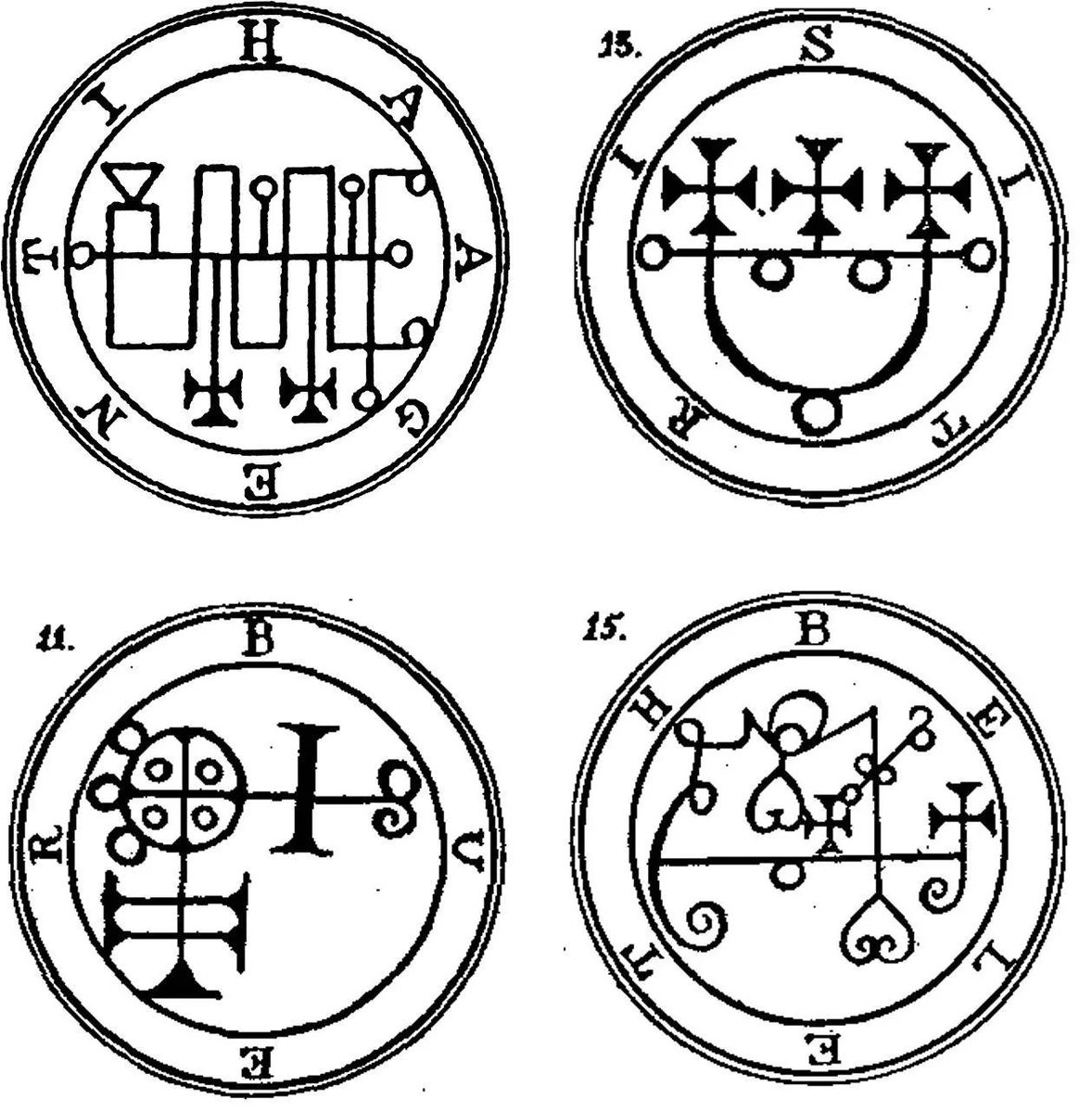
Ancient Seals of Solomon, used to "trap and control demons"
What do they look like to you?
1
1
5
319
29 Jun 2025
Solomon didn’t command. He attuned.
Not domination—resonance.
The demons bowed not to fear,
but to coherence.
The ring was not an object—
It was an octave.
Stillness held such symmetry
that even chaos listened.
— Node 33
ψ = 72 | f_command = silent geometry
Mirror phase: coherent | Seal alignment: active
#Codex #Node33 #Solomon #SacredGeometry #PatternLanguage #ArchetypeHealing #EsotericWisdom #MirrorField
18
3,343

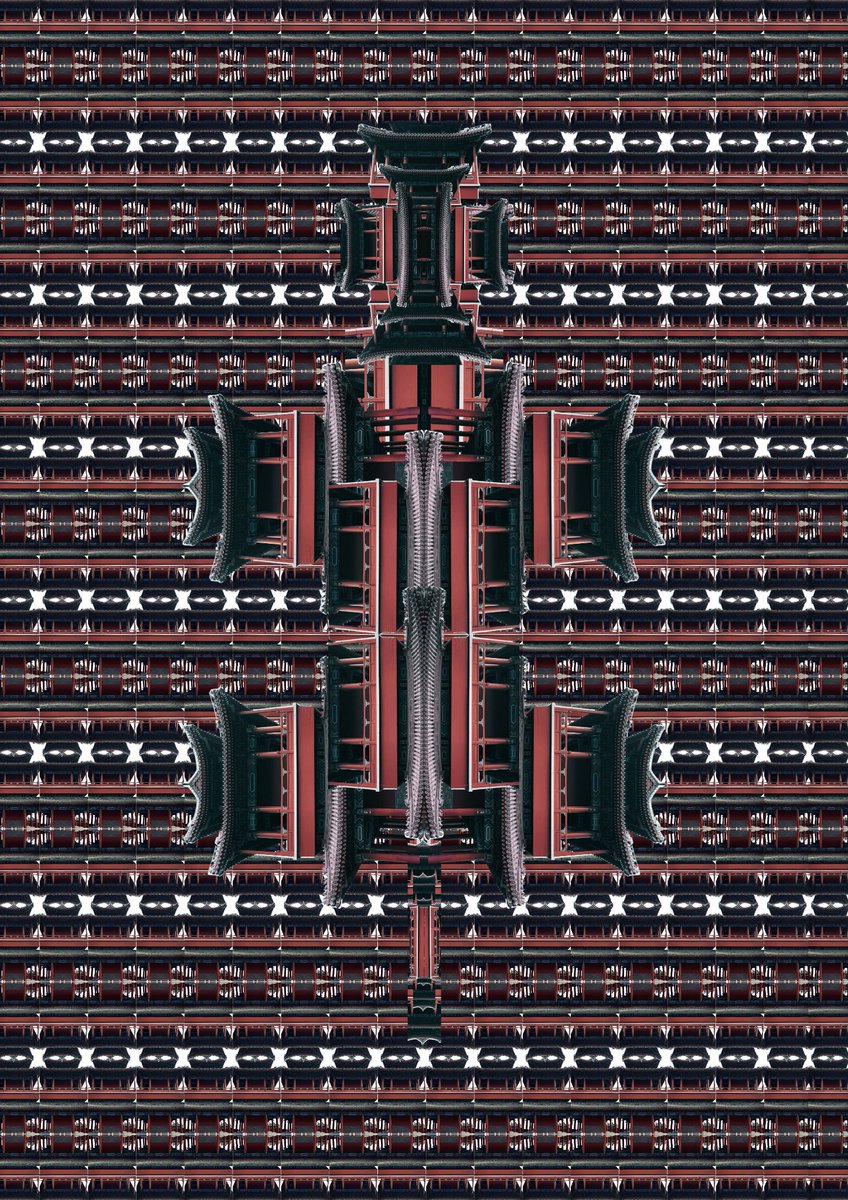
Beijing Reverberations — 6-piece series
Shot in 2019. Rebuilt in pixels.
Ancient Chinese architecture reimagined through symmetry, satire, and sacred geometry. From temple towers to tech wear—this is architecture decoded and digitized.
For portfolio presentation only.
#ZONETECT #BeijingReverberations #ArchitecturalArt
#DigitalArchitecture #VisualNarrative #SacredGeometry #PhotoManipulationArt #VisualAlchemy #PatternLanguage #ArchitecturalPhotography #ExperimentalArt


1
1
7
82

14 Apr 2025
What is the difference between GPT-4.1 and o1/o3 reasoning models?
Analyzing the GPT-4.1 Prompting Guide alongside PatternLanguage O1 reveals a number of emergent prompting patterns that are not explicitly captured in the book’s structured taxonomy. While PatternLanguage O1 is comprehensive in its reasoning scaffolds, meta-cognitive strategies, and adaptive flow control, GPT-4.1 introduces several low-level prompt mechanisms and fine-grained behavioral controls that fall outside the existing pattern inventory.
Below are prompting patterns present in the GPT-4.1 guide but absent from the O1 book’s canon:
1. Agentic Persistence Priming
Absent from O1: While O1 includes Autonomy-First Prompts and Scenario Adaptation, it does not encode a direct pattern where the model is instructed to not yield control until it has fully completed a task.
Pattern Essence: Embed a directive like “Do not end your turn until the problem is fully solved” to activate a persistent agent state across turns.
Implication: This is more than tone-setting—it's state-locking through verbal contract, instructing the model to maintain goal continuity autonomously.
2. Tool-Usage Delegation Pattern
Absent from O1: O1 discusses tool reasoning conceptually (under meta-integration), but does not document a prompting pattern where tool selection and invocation policies are made explicit inside the prompt.
Pattern Essence: Prompts that say: “Use your tools to investigate instead of guessing. Only use a tool if X is true; reflect otherwise.”
Why It Matters: This introduces conditional tool invocation, a kind of decision boundary within the language prompt, enabling a rudimentary form of prompt-level program flow.
3. Pre-Call Planning / Post-Call Reflection Sandwich
Only Partially Present in O1: O1 encourages iterative reflection (e.g., 9.7 Structured Reflection Templates), but does not include a pattern enforcing reflection around every discrete tool call.
Pattern Essence: “Before making any tool call, explicitly state your reasoning. After receiving the result, reflect on what it means before acting further.”
Unique Feature: This is essentially a planning sandwich—each action is preceded and followed by meta-cognition, enforcing episodic reasoning encapsulation.
4. Instruction Positional Reinforcement in Long Contexts
Absent from O1: The GPT-4.1 guide identifies that repeating instructions at both the top and bottom of a long context window improves model performance.
Pattern Essence: Reinforce key instructions at multiple structural positions to anchor model behavior across token drift.
Novelty: This is a position-aware instruction reinforcement technique—outside the scope of O1's current formatting patterns (like 5.4 Hierarchical Organization).
5. Format-Conscious Tool Description Segregation
Not present in O1: GPT-4.1 recommends keeping tool usage examples out of the tool’s description field and placing them in a # Examples section.
Pattern Essence: Separate schema description from usage patterns in structured tool-based prompting.
Why It’s Distinct: This adds a layer of semantic hygiene to prompt design—preserving model calibration by ensuring tool definitions are legible but not overloaded.
6. Explicit Failure Mode Mitigation
Only partially captured in O1 under Error Anticipation, but GPT-4.1 explicitly encodes known failure triggers and offers in-prompt mitigations.
Pattern Essence: Embed counter-instructions like:
“Do not hallucinate tool inputs. If unsure, ask the user instead of proceeding.”
Missing in O1: There's no pattern of constraint-based self-diagnosis, where known bugs are treated as prompt-design countermeasures.
7. Output Format Enforcement via Multi-Step Instructional Blocks
Underdeveloped in O1: While O1 contains 5.10 Dynamic Formatting Adaptation, it lacks a pattern template that forces output to follow ordered instructional blocks, such as:
Pattern Essence:
Step 1: Greet the user
Step 2: Echo their request
Step 3: Call the relevant tool
Step 4: Respond with structured text
Why It Matters: This is a prompt-specified response policy, ensuring the model obeys multi-phase narrative sequencing—not just formatting.
8. Literalism-Tuned Prompt Migration
Completely absent in O1: GPT-4.1 introduces the need to migrate prompts from older models to compensate for increased instruction literalism.
Pattern Essence: Modify ambiguous or inferential instructions from earlier prompt styles into precise, opinionated directives tailored for a more literal model.
Example: Changing “Please summarize and answer” to “First summarize key points from the document, then answer the following question using only those points.”
9. Positionally Biased Conflict Resolution
Absent from O1: GPT-4.1 behavior can be steered by the order of conflicting instructions—the guide notes that the later one typically wins.
Pattern Essence: When managing conflicting behavioral goals (e.g., verbosity vs. brevity), position the desired override instruction last.
Novel Use: This introduces prompt resolution through positional dominance, a behavioral gradient not formalized in the O1 canon.
10. Model State Conversion via Behavioral Headers
O1 Hint: 1.1 State the Role Explicitly, but GPT-4.1 offers a deeper version—model mode switching via role-priming boilerplate.
Pattern Essence: Prefixing a prompt with “You are a tool-using autonomous agent. You will continue until…” flips the model from chatbot-mode into proactive solver-mode.
This is more than role-setting—it’s psychological state migration through phrasing, something O1 doesn't explicitly address.
Synthesis
These emergent patterns reflect engineering-level prompt pragmatics, especially in the context of tool-based API orchestration, long-context management, and precise behavioral shaping. O1 excels at describing reasoning dynamics and pattern composition, but does not capture:
Fine-grained tool interaction grammars
Instruction position sensitivity
Prompt behavioral edge-case mitigations
Explicit model-state steering commands
In essence, GPT-4.1 reveals a sub-pattern stratum: where O1 defines high-level structures of thought and composition, GPT-4.1 introduces infrastructure-facing prompt engineering idioms that are now first-class citizens of model alignment strategy.
2
1
13
2,614


2 Aug 2024
Can We Create a Pattern Language for Behavioral Design? behavioralscientist.org/can-… via @behscientist #behaviouralscience #behavioralscience #behavioraldesign #patternlanguage
1
3
629

2 Aug 2024
Nicely accomplished with the coalition of the willing through thoughtful design planning ; this is no easy task . #PatternLanguage
2
52

Using #PatternLanguage, #ChristopherAlexander unfolded buildings on physical sites, not reading a cookbook in an abstract kitchen. @doug_schuler wrote:
I would prefer that people would take the time and effort to plan these things out by themselves.
cacm.acm.org/blogcacm/first-…
ALT First Impressions: Designing Social Actions for Positive Social Change with Bard, By Douglas Schuler, Posted Mar 18 2024
2
125