
Apr 27
Truth doesn’t need permission.
That’s the whole point of what we do.
When people report the same kinds of experiences again and again, the usual playbook is predictable...
Dismiss it.
Label it.
Mock it.
Ignore it.
Move on.
But reality doesn’t care what’s “allowed” to be discussed.
And when you start looking at public record items, mainstream coverage of Havana Syndrome, congressional hearings, patents that outline how influence and sensing technologies can work, and the fact that advanced implant and wireless bio-tech is openly discussed in academia, one question becomes unavoidable...
If this is openly discussed in official channels… what’s being used quietly, and on who?
That’s why documentation matters.
That’s why patterns matter.
That’s why we focus on measurable data, not arguments.
If you’ve had persistent, unexplained experiences and you’re tired of being brushed off, the smartest move is to start building your paper trail.
One-on-one scans are in Reno, Nevada.
Book here: MindNexusLive.com/scans
What “truth” are you not allowed to talk about because the moment you say it out loud, someone demands permission first?
Scanning is NOT a medical diagnosis. Our scans detect anomalous frequencies around a person and within the environment, not inside the body. Findings are for informational purposes only and can support personal investigations.
#MindNexus #Truth #DocumentationMatters #PatternsMatter #HavanaSyndrome #Investigate #Evidence #QuestionEverything #FreedomToSpeak

1
13
22
522
Apr 20
Patterns are not “opinions.”
Patterns are how reality leaves fingerprints.
When the same types of experiences show up across different people…
When the same timing shows up again and again…
When the same signal behavior repeats across different environments…
That’s not “nothing.”
That’s a lead.
This is why Mind Nexus exists...
To move people from confusion to documentation.
Not arguments.
Not internet debates.
Not trying to convince skeptics.
Data.
Notes.
Time-stamps.
Repeatability.
Correlation.
Context.
Because once you can document patterns, the conversation changes...
From “You’re imagining it” to “Here’s what’s consistently showing up.”
From “Prove it” to “Let’s compare the evidence.”
From “You’re alone” to “You’re not the only one seeing this.”
What patterns have you noticed in your own experiences, time of day, locations, triggers, recovery windows, interference with sleep, concentration, or mood?
And if you’ve been told it’s “impossible,” ask yourself...
Impossible… or just inconvenient to acknowledge?
Join the email list for updates, resources, and investigation-first content: MindNexusLive.com
#MindNexus #PatternsMatter #HavanaSyndrome #AHI #Investigation #Documentation #DataOverDebate #TruthRequiresEvidence #OpenYourEyes #ConnectTheDots

10
28
592

They keep saying “nothing to see here”
while rearranging the entire room behind the curtain.
We’re not imagining it.
We’re watching it happen in real time. 👀
#NothingToSeeHere
#BehindTheCurtain #TheSilenceIsLoud #PatternsMatter #UseYourEyes #RealTime
Feb 6

This is insane:
I just received a tip that Erika Kirk, Benjamin Netanyahu, and Ben Shapiro were slated to film a piece of content together in Palm Beach.
Daystar was involved in the development.
For whatever reason, this filming cancelled at the last minute very recently.
3
21
1,211

28 Dec 2025
The Numbers Do Not Lie
Strip away the statements, the platitudes, the “new opportunities”, and the mutual well wishes, and what remains is a simple, immovable fact.
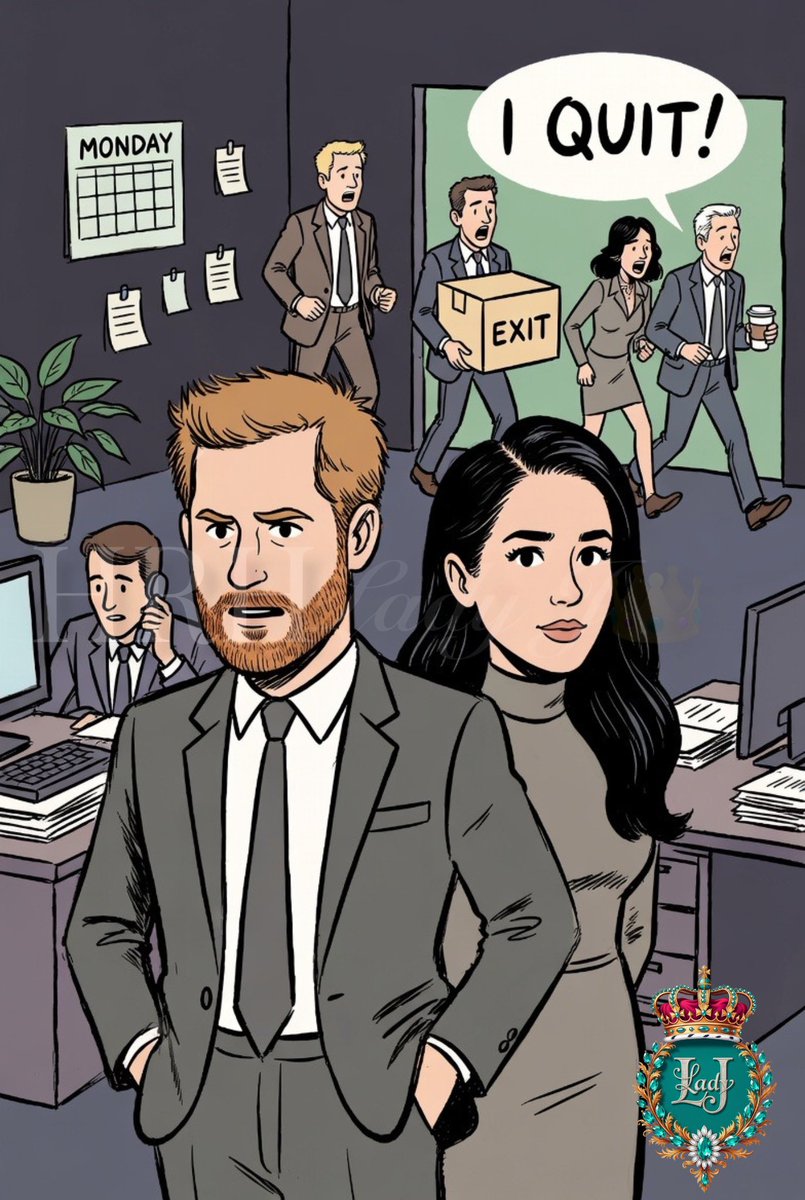
The Sussexes have lost an extraordinary number of staff.
By the most conservative count, at least twenty five people have departed their post royal operations between 2020 and the end of 2025. More expansive tallies place the figure closer to thirty once overlapping roles, restructurings, and quietly exited positions are included.
In 2025 alone, between twelve and fifteen employees left Archewell Foundation, Archewell Productions, or associated communications roles.
This is not normal attrition.
This is not industry standard churn.
This is not the unavoidable cost of growth.
This is a pattern.
And patterns invite examination.
I have worked in communications long enough to recognise when staff turnover stops being circumstantial and starts being diagnostic. At that point, numbers matter more than narratives, and explanations stop carrying weight.
2025 Was Not a Blip. It Was the Point at Which the Pattern Became Impossible to Ignore
If earlier years could still be dismissed as turbulence, 2025 removed that excuse entirely.
This was not a year of isolated resignations or unfortunate timing. It was a year of clustered departures that tracked almost perfectly alongside financial disclosure, strategic failure, and reputational strain.
By June 2025, four unnamed staff members had exited during what insiders openly described as a “shake up”. That language matters. Organisations do not use it when people drift away naturally. They use it when something has broken internally and needs forceful intervention.
At this point, Archewell was already showing signs of financial imbalance. Expenses continued to outpace revenue, partnerships were thinning, and long promised initiatives were either stalled or quietly abandoned. This was also the period in which Meghan’s lifestyle venture struggled to justify its own launch hype, creating additional internal pressure on already stretched teams.
In July 2025, the situation accelerated. At least six more employees left, including members of the communications team, with departures explicitly linked to cost saving measures. This was no longer speculation. It was confirmed contraction.
The timing was not accidental. The organisation was absorbing the fallout from sustained negative coverage, growing public cynicism, and the reputational damage inflicted by detailed reporting on internal dysfunction. The Vanity Fair profile did not cause this environment. It described it. And by the time it landed, staff attrition had already made those descriptions credible.
By October, Emily Robinson, Director of Communications, was gone after roughly four months. Senior professionals do not leave roles that quickly unless expectations were wildly misaligned. Reports consistently pointed to frustration with a preference for headline chasing over long term narrative discipline, and to advice being heard but not acted upon.
December brought the inevitable conclusion. Following the release of Archewell’s 2024 financial filings, which showed a deficit of roughly $3 million, the organisation restructured and rebranded. Three unnamed employees were laid off. Meredith Maines exited before the year closed. Earlier communications figures had already gone.
By the end of 2025, the communications apparatus had effectively collapsed inward.
This was not a difficult year.
It was a reckoning.
The Broader Picture From 2020 Onwards
When the Sussexes’ staffing record is examined in full, year by year, the scale of attrition becomes impossible to dismiss.
Since stepping back from royal duties in 2020, their post royal operations have seen the departure of senior personnel across communications, executive leadership, content, marketing, and production. These were not junior hires drifting on. They were experienced professionals recruited to stabilise and legitimise the enterprise.
The departures include:
Sara Latham: Director of Communications, March 2020
Clara Loughran: palace aide working on a freelance basis during the transition period, December 2020
Catherine St Laurent: Executive Director, March 2021
Christian Jones: Director of Communications, April 2021
Jason Knauf: Communications Secretary, end of 2021
Toya Holness: Global Press Secretary, May 2022
Mandana Dayani: Chief Operating Officer, December 2022
Rebecca Sananes: Head of Audio, December 2022
Ben Browning: Head of Content, January 2023
Fara Taylor: Head of Marketing, April 2023
Bennett Levine: Production Manager, January 2024
Josh Kettler: Chief of Staff, August 2024
To that list must be added the substantial turnover in 2025, including Emily Robinson, Director of Communications, Meredith Maines, Chief Communications Officer, press secretaries Kyle Boulia and Charlie Gipson, and multiple unnamed staff lost through resignations and redundancies during mid year cuts and the December restructuring.
Depending on how overlapping roles and quietly exited positions are counted, between twenty five and thirty individuals have left the Sussexes’ U.S. based operations between 2020 and the end of 2025.
This is not churn.
It's not coincidence.
It's not explained by one bad year.
Most notably, communications roles have proved uniquely unstable. By the end of 2025, eleven publicists or senior communications figures had exited since 2020. In any serious organisation, that alone would trigger internal review.
Instead, the pattern has been allowed to repeat.
High turnover across this many functions, across this many years, under the same leadership, points away from individual failure and towards systemic causes. Recruitment has been consistent. Departures have been relentless.
At some point, the question is no longer why so many people left.
It's why the conditions that prompted them to leave were never corrected.
Financial Pressure Explains Redundancies. It Does Not Explain Flight
The financial dimension is real and cannot be ignored. Archewell has repeatedly spent more than it has brought in. Salaries and operational costs remained high even as donations declined and partnerships dried up. The December 2025 restructuring was described as inevitable for a reason.
But financial pressure only explains forced redundancies. It does not explain why experienced professionals repeatedly choose to leave, often mid contract, often quietly, often without another role immediately announced.
People tolerate tight budgets.
They tolerate heavy workloads.
They tolerate public scrutiny.
What they do not tolerate indefinitely is chaos paired with futility.
An environment where strategy is overridden by impulse.
Where advice is sought and ignored.
Where failures are public and blame flows downward.
By 2025, the Sussexes were no longer losing staff because they could not afford them.
They were losing staff because staying had become professionally irrational.
The Bullying Allegations Are No Longer a Side Narrative
The workplace allegations surrounding Meghan Markle are often treated as a historical footnote. They should not be.
They're not confined to one institution, one country, or one phase of her career. They recur. And they recur alongside measurable outcomes.
The first documented concerns emerged in 2018, while Markle was still a working royal. Jason Knauf’s contemporaneous email described staff being “bullied out of the household” and characterised the behaviour as unacceptable. Buckingham Palace later confirmed an internal investigation took place. Its findings were never published.
That silence did not resolve the issue. It deferred it.
Years later, in a completely different organisational setting, the same themes reappeared. Former Archewell staff, speaking anonymously to major outlets, described an environment marked by fear of displeasure, emotional volatility, withdrawal of support as punishment, and exhaustion framed as commitment.
In 2024 and 2025, those accounts were published by outlets with little incentive to fabricate them and substantial legal exposure if they did. Vanity Fair did not rely on one disgruntled source. It cited multiple former staff across roles and time periods.
To be clear, these allegations are denied. Markle’s team describes them as "smears", and several named former employees have publicly praised her leadership. That counterbalance must be acknowledged.
But what cannot be ignored is this.
Organisations do not lose this many senior professionals across this many years without structural cause. When allegations of mistreatment persist across unrelated institutions and align with observable retention failure, they cease to be mere gossip.
They become context.
From a Communications Standpoint, This Was an Unworkable Client Relationship
By 2025, the communications brief was not challenging. It was internally contradictory.
The Sussexes required constant media presence while simultaneously suffering from declining credibility. They pursued visibility even when exposure clearly intensified criticism. They favoured immediacy over coherence and reaction over restraint.
This placed communications professionals in an impossible position.
In practice, this is the moment when a communications role stops being strategic and becomes purely defensive. Once that shift happens, the job is no longer about shaping outcomes. It becomes about absorbing damage. Serious professionals do not stay long in roles where success is structurally impossible.
Public relations relies on discipline. It requires clients who understand that not every moment demands amplification, that credibility compounds slowly, and that silence can be strategic. It also requires respect for professional judgement.
Repeated reporting suggests that advice was frequently overridden. Long term narrative planning was sacrificed for short term attention. When strategies failed, responsibility did not rest with the decision makers.
This is not a question of competence. Meredith Maines and her predecessors were not inexperienced. They were operating within constraints that made success unattainable.
I've seen this dynamic before, and it always produces the same result. The exits accelerate, not because the people are weak, but because the position itself is untenable.
At that point, remaining in post becomes a reputational liability.
In communications, your last campaign follows you. When outcomes are consistently poor and publicly visible, self preservation becomes professional hygiene.
Leaving is not disloyalty. It's risk management.
The Final Configuration Says More Than Any Statement
After Maines’ departure, the Sussexes did not announce a search. They did not rebuild. They consolidated.
Liam Maguire, truly a last man standing, was elevated to oversee communications across all fronts, effectively absorbing responsibilities that previously required a team. This was framed as efficiency. It's more accurately read as necessity.
High profile public figures do not voluntarily reduce communications capacity to this degree unless constrained by money, talent availability, or both.
This configuration signals not confidence in a new approach, but acceptance of limits.
People do not leave organisations in these numbers without cause.
They leave when leadership is erratic.
They leave when advice is ignored.
They leave when finances deteriorate.
They leave when culture corrodes.
By the end of 2025, the Sussexes’ staffing record could no longer be explained by transition, growth, or bad luck. It reflected something embedded and unresolved.
The problem is not perception.
It's repetition.
I've never seen an organisation reverse this level of attrition without first addressing leadership behaviour. Until that happens, restructures, rebrands, and statements change nothing.
The outcome always remains the same.
When turnover becomes the most consistent output of an organisation, it's no longer a staffing issue.
And they tell a very clear story.
#TheNumbersDoNotLie #TheProblemIsInternal #DukeandDuchessofDepartures
#PatternsMatter #MediaAnalysis
49
79
571
20,617

27 Jul 2025
As always, we urge to stay cautious on Number (8) making dates. It’s not fear, it’s foresight 😔
#Number8 #SwettaJumaani #SanjayBJumaani #AneeshSJumaani #Numerology #AviationNews #Double8 #PatternsMatter #StaySafe #TravelAdvisory #NumerologyInsights
5
856

4 May 2025
And @DoctorRamani for the WIN!!! 🔥👏
Anyone else hear that breakdown and immediately think… this sounds familiar?
The blame-shifting, the victim narrative, the emotional chaos when things don’t go her way — it’s not just “drama,” it’s a pattern.
A psychological playbook — and once you’ve seen it, you can’t unsee it.
Dr. Ramani lays it out with clarity: the love bombing 💕, the rage 💢, the sudden shifts in behavior, the need to control the story.
It’s not about diagnosing anyone — it’s about recognizing behaviors that repeat themselves in high-profile cases.
It’s hard to watch this trial and not notice the parallels.
Let’s just say… some strategies are universal.
#KarenReadTrial #DrRamani #PsychologyOfAbuse #GaslightingAwareness #NarrativeControl #HiddenKillers #JusticeForJohnOKeefe #NarcissisticPatterns #BehavioralAnalysis #EmotionalManipulation #TrueCrimeCommunity #ClusterBBehavior #ToxicDynamics #WatchTheBehavior #NotABDiagnosis
Truth has a way of cutting through the noise.
We’re watching. We’re listening.
#PatternsMatter 👁️🧠
31
26
137
22,262

24 Apr 2025
yall hit the value worth perception of $3200 us dollar bills with the pyramid on it for each ounce of gold y'all got!!! can't wait till y'all hit $3300 an Oz on gold!!! money changer games, money changes things #patternsMatter wow




1
2
64
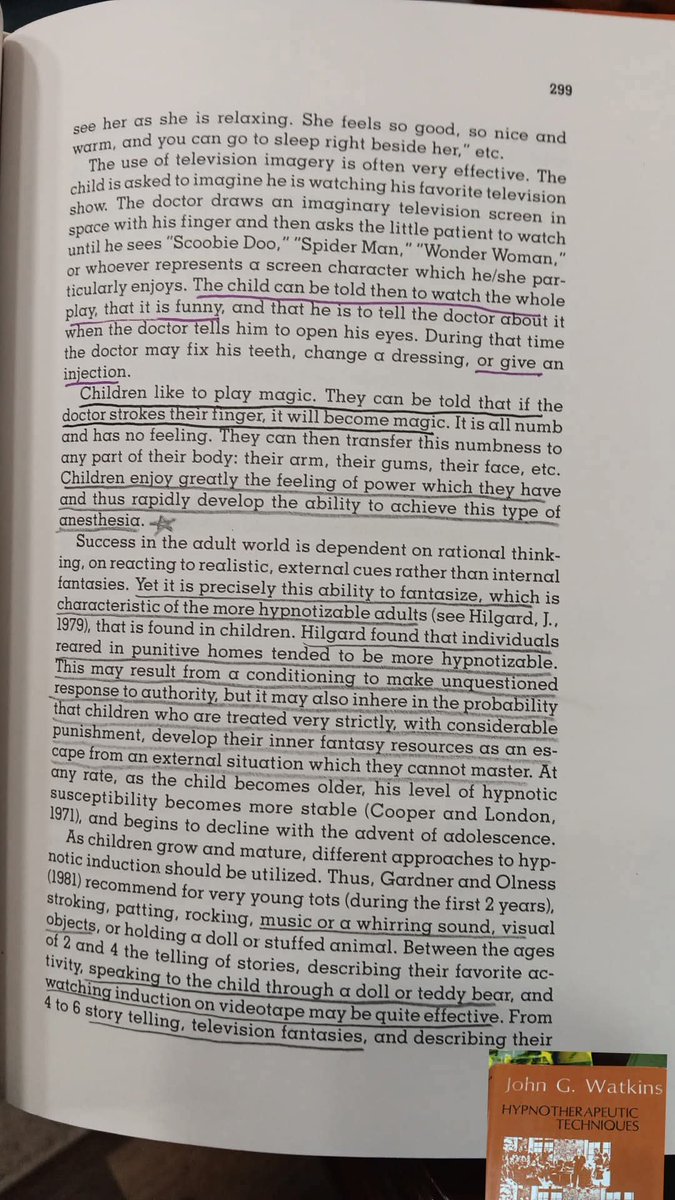
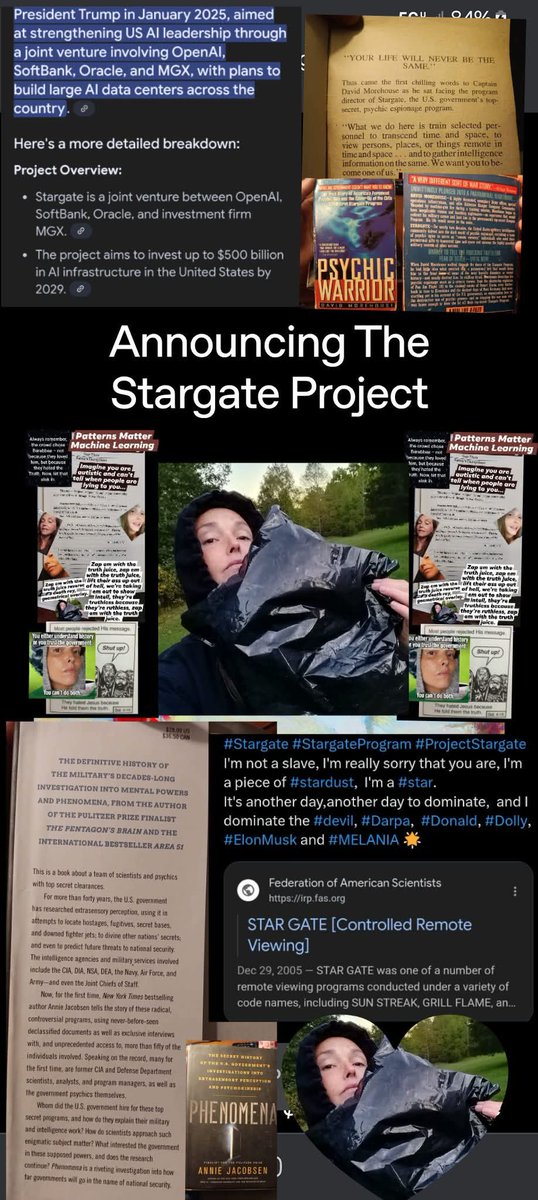
7 Apr 2025
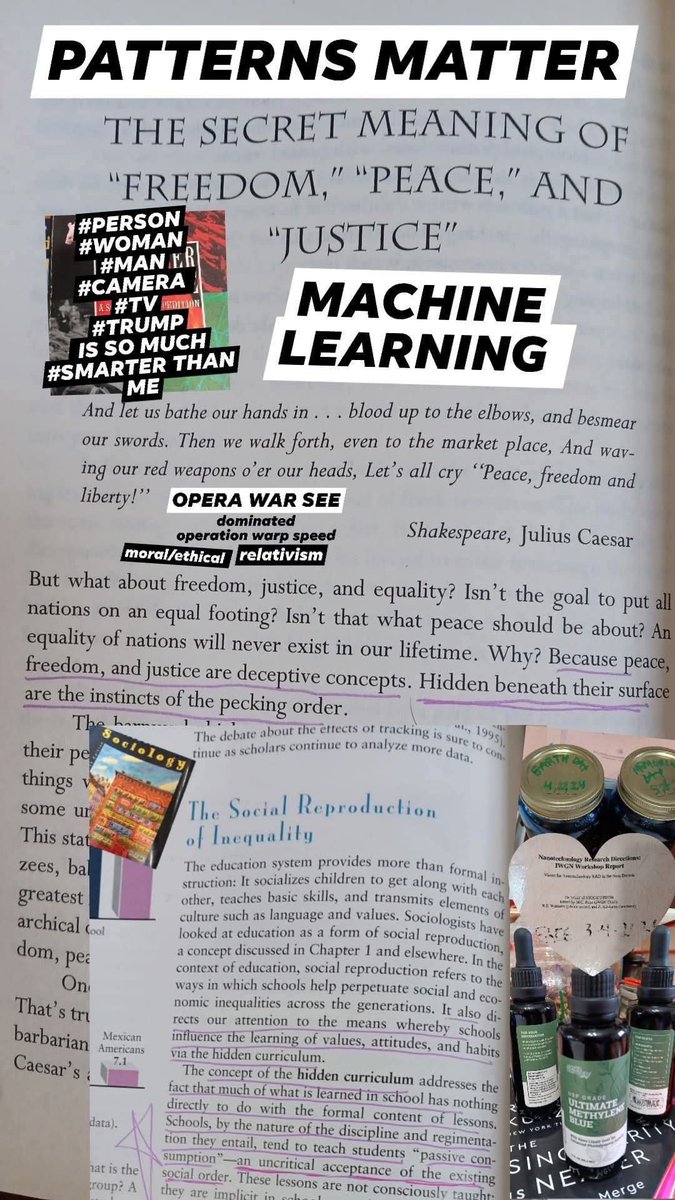
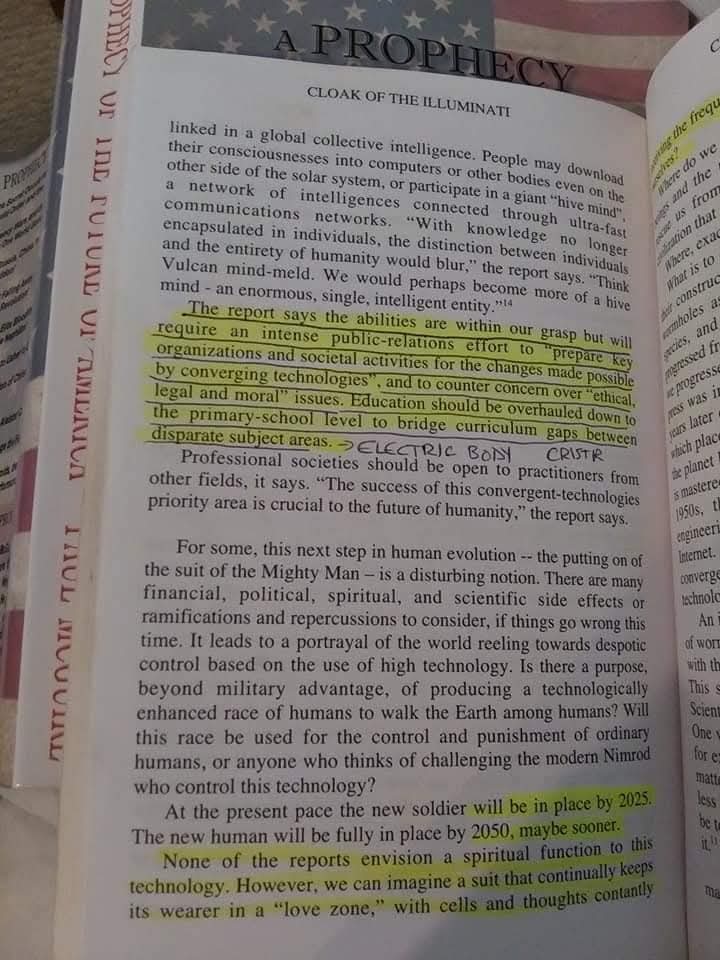
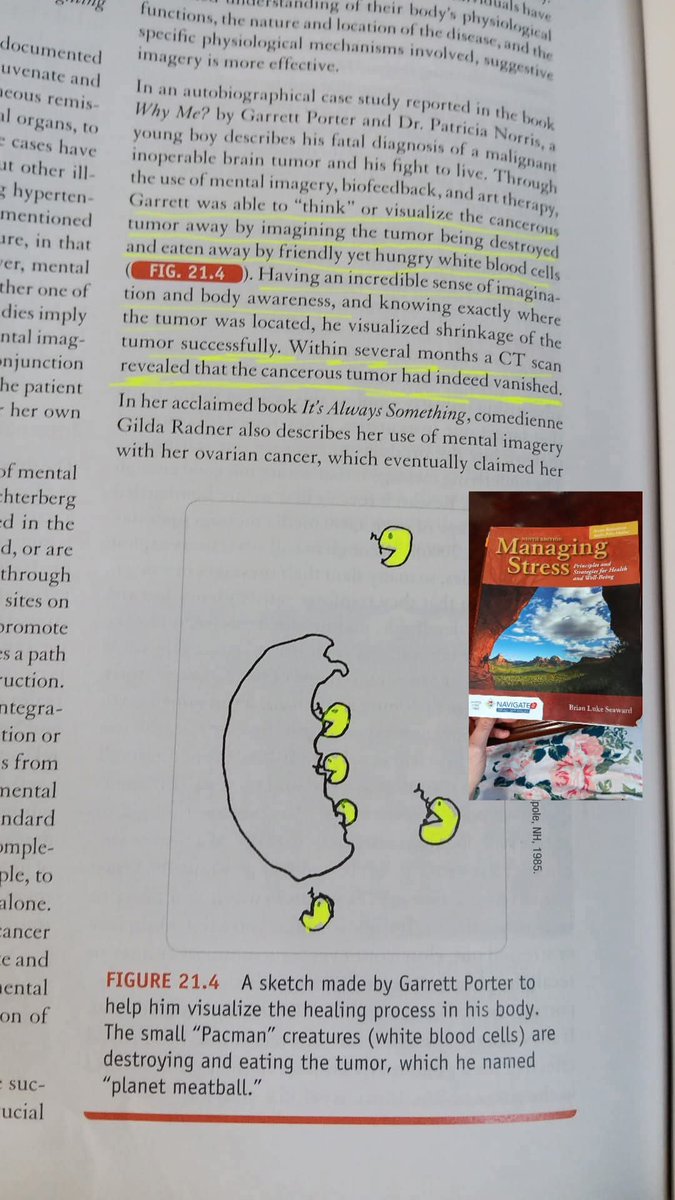
#PatternsMatter #MachineLearning
#Stargate #StargateProject #ProjectStargate
irp.fas.org/program/collect/…
openai.com/index/announcing-…
At the #Gates with #Trump just like an angel of virtue, these really great guys would never hurt you, it's just the end of life #protocols.
1
3
58

27 Oct 2024
I am whole heartedly thankful for
@mcuban ‘s
adherence
to
TRUTH..
F. A. C. T. S. MATTER
Good sense MATTERS
pAtTeRnSmAtTeR
2
48

14 Jul 2024
Of course the shooter is
Thomas Matthew crooks !
#patternsmatter
Look at the names in the past.
1
1
743

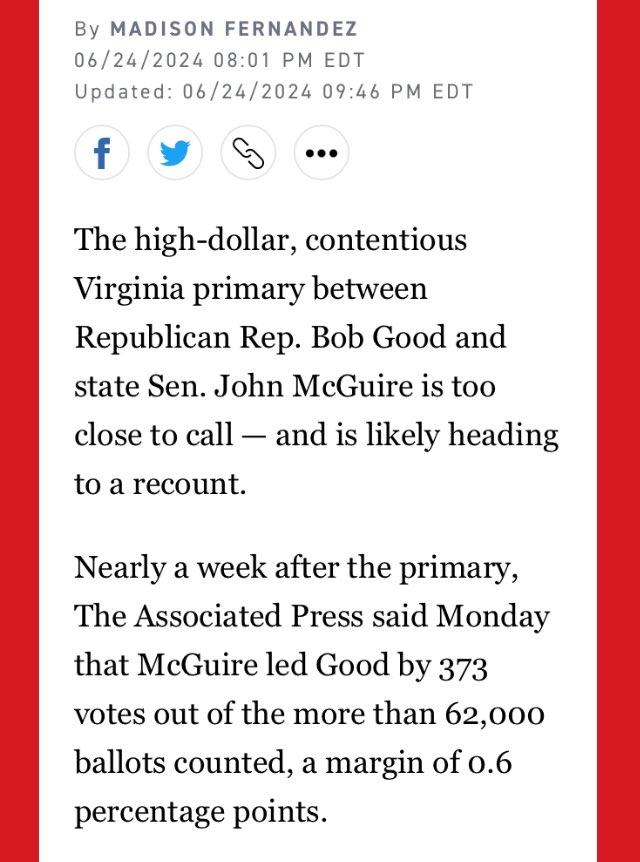
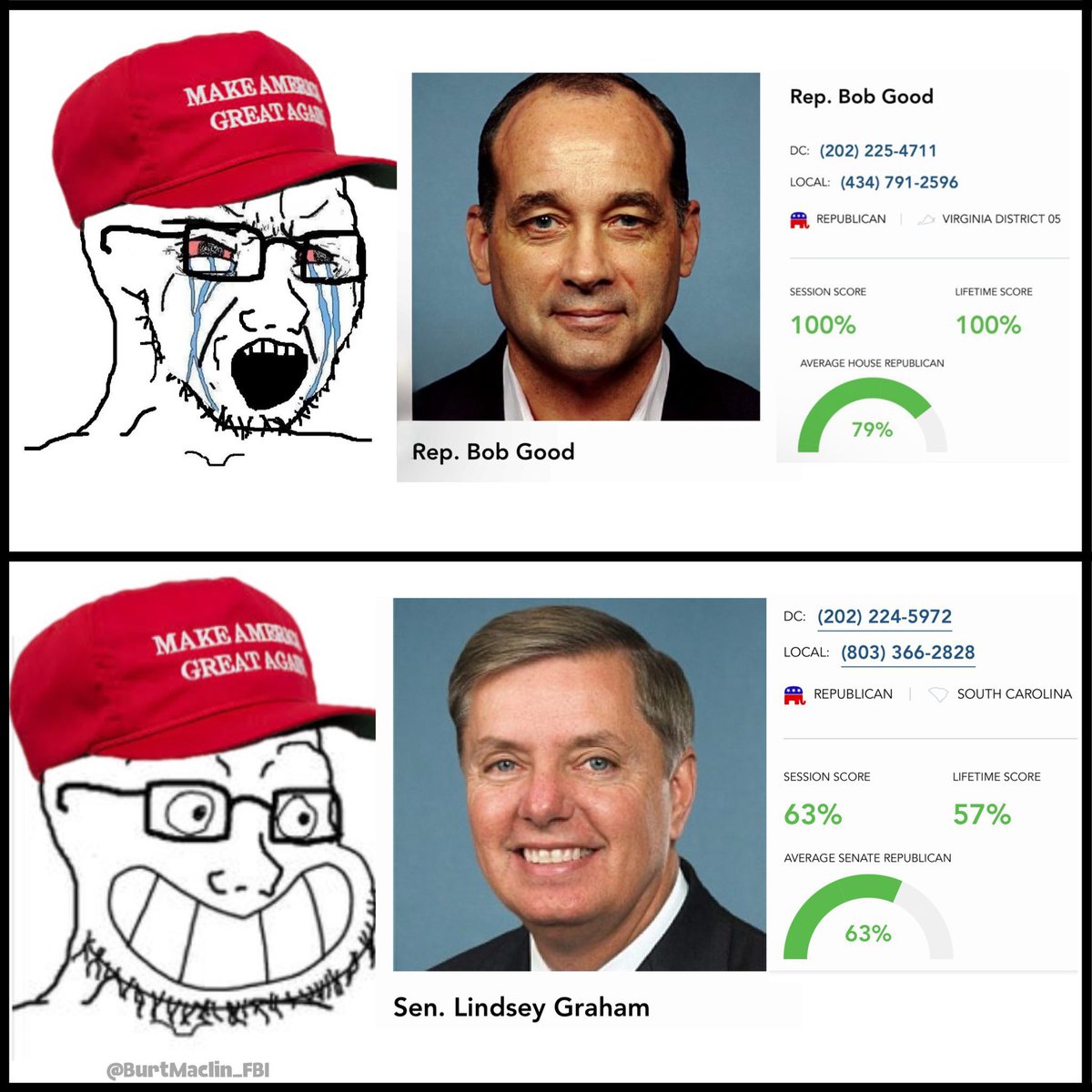
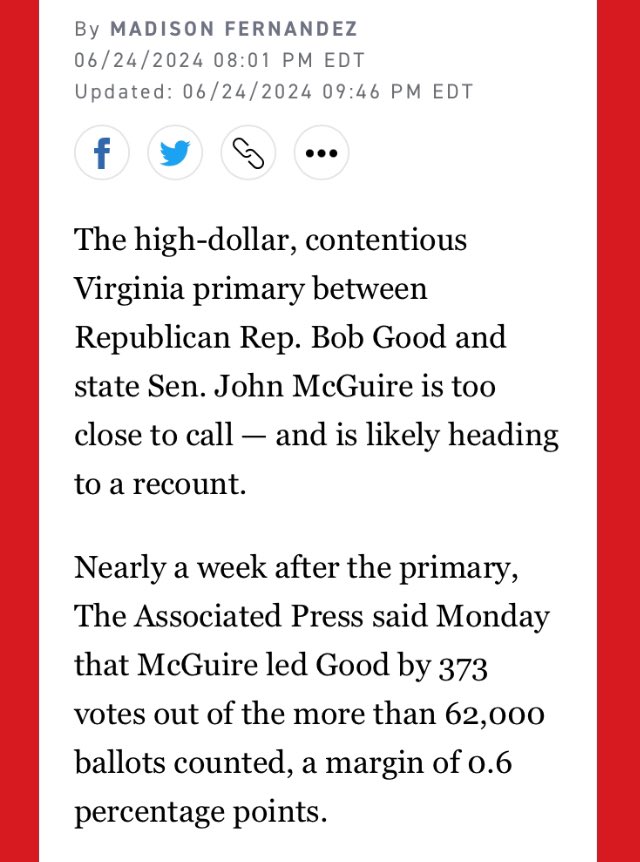
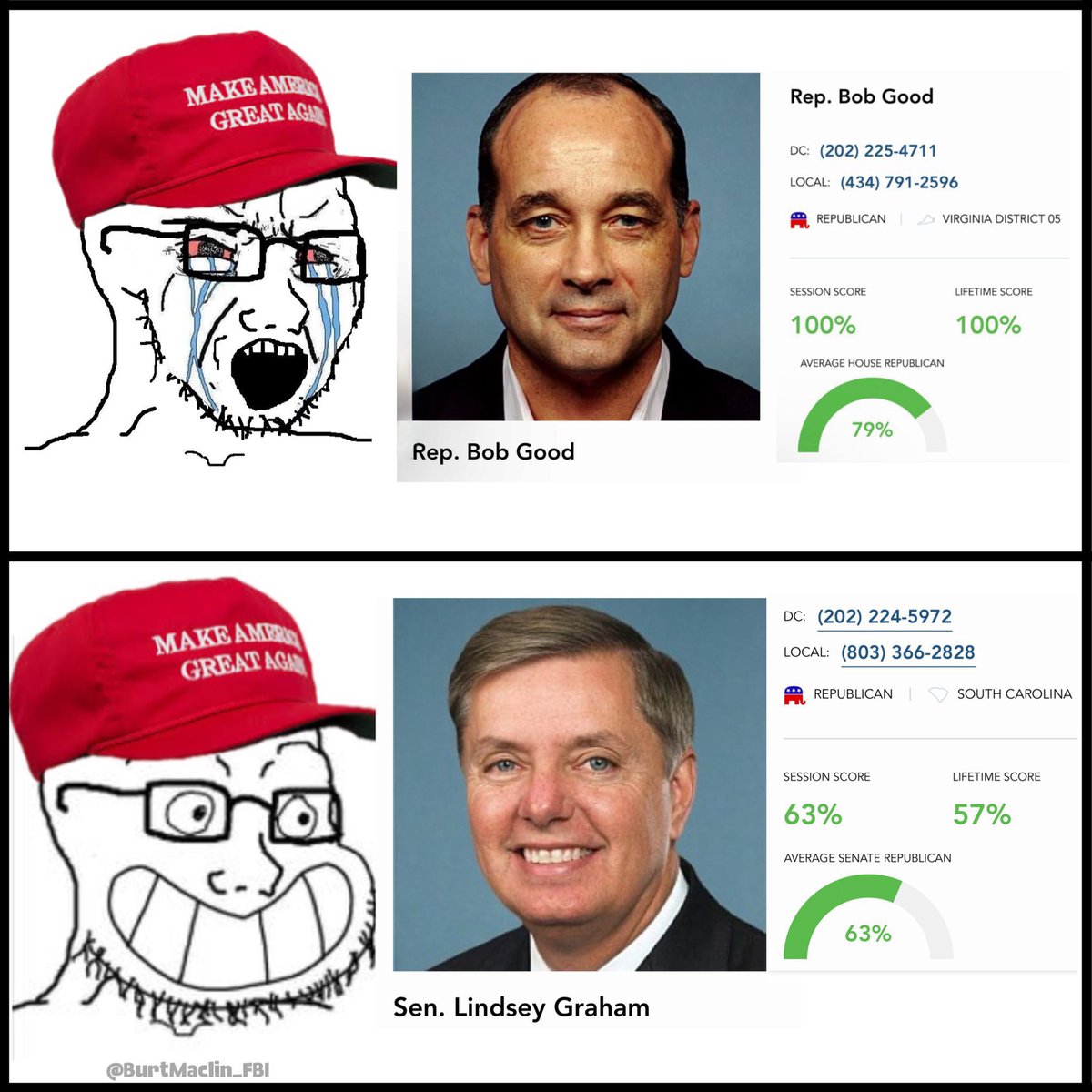
Uniparty Leader 🚩Don The Con divides the vote, to divide the party, to unseat a true conservative~Bob Good, who refused to kiss his big baby clown ring, to help Dems win the election & take back control of The House! #PatternsMatter RINOs always reap the rewards in MAGADONIA!🙄
1
86
Uniparty Leader 🚩Don The Con divides the vote, to divide the party, to unseat a true conservative~Bob Good, who refused to kiss his big baby clown ring, to help Dems win the election & take back control of The House! #PatternsMatter RINOs always reap the rewards in MAGADONIA! 🙄
1
3
201

12 Jun 2024
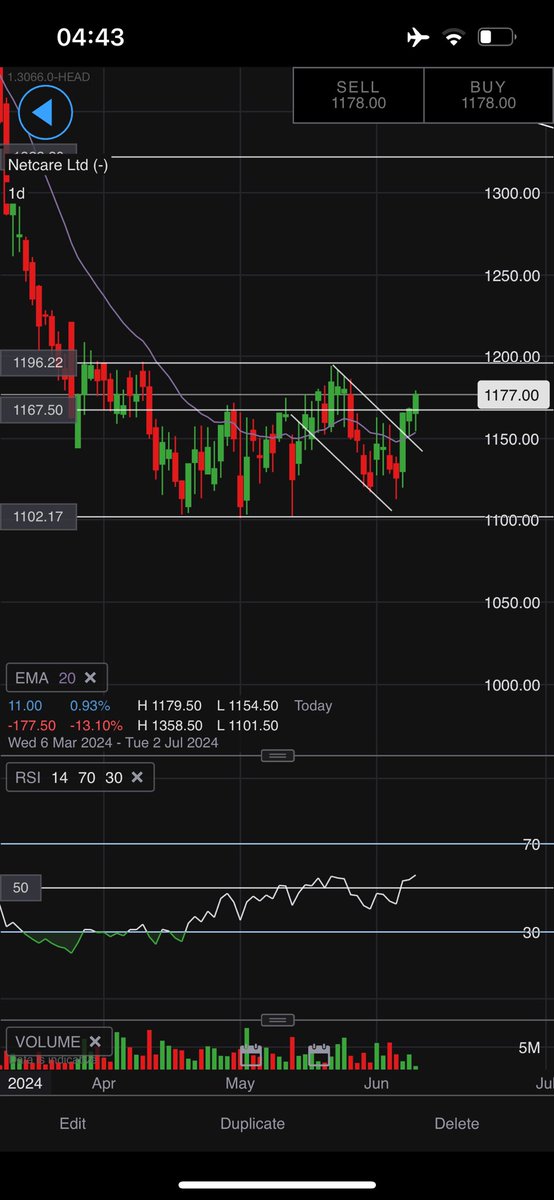
There we go lovely Cup and Handle … $JSENTC … #patternsmatter


5
1,237

31 May 2024
I've started studying chaos theory and deep learning, and the math and Python code are really clicking for me. I feel confident I can do this. Learning about distributed causality while having ADHD is a strange experience, but it's helping me organize my thoughts more clearly. I can see more through the chaos now. #PatternsMatter
1
2
89

21 May 2024
#patternsmatter and #wokeprosecutors don’t care…this is the Soros vision for the world
21 May 2024

Will it ever end? x.com/RadioGenoa/status/1792…
3
98
15 Apr 2024
Same Sh*t different year!
They need a new play book.
#patternsmatter
15 Apr 2024

Hundreds of anti-Israeli protesters wreak havoc in downtown NYC, disrupt bridge traffic as cops make arrests trib.al/TgWUZLW

1
2
5
270

2 Apr 2024
Thinking Kelenic is primed for a great year with the Braves. No stress of being the dude when you’re surrounded by DUDES.
These swing changes are not as tough as one thinks. It’s taking the “OG” swing and tightening it to see pitches longer!
#PatternsMatter
7
1,749