
Fluent AI output can feel reliable even when something is inaccurate or misleading. In healthcare and education texts, that difference matters a lot.
#Translation #AI #PlainLanguage
3

#PlainLanguage examples for financial services. How to write in plain la... youtu.be/nhwY-diICs4?si=1_DO… via @YouTube
12

Jun 15
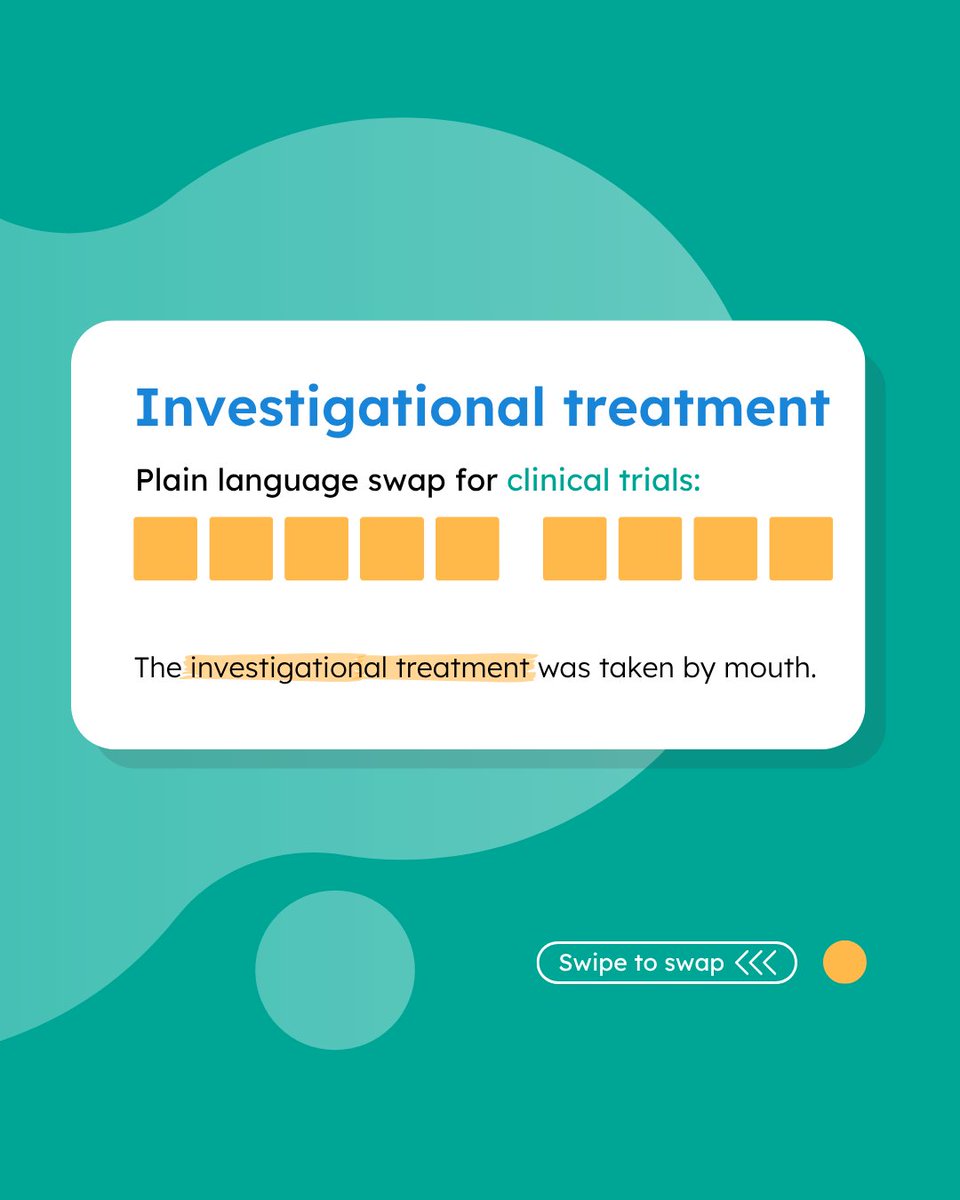
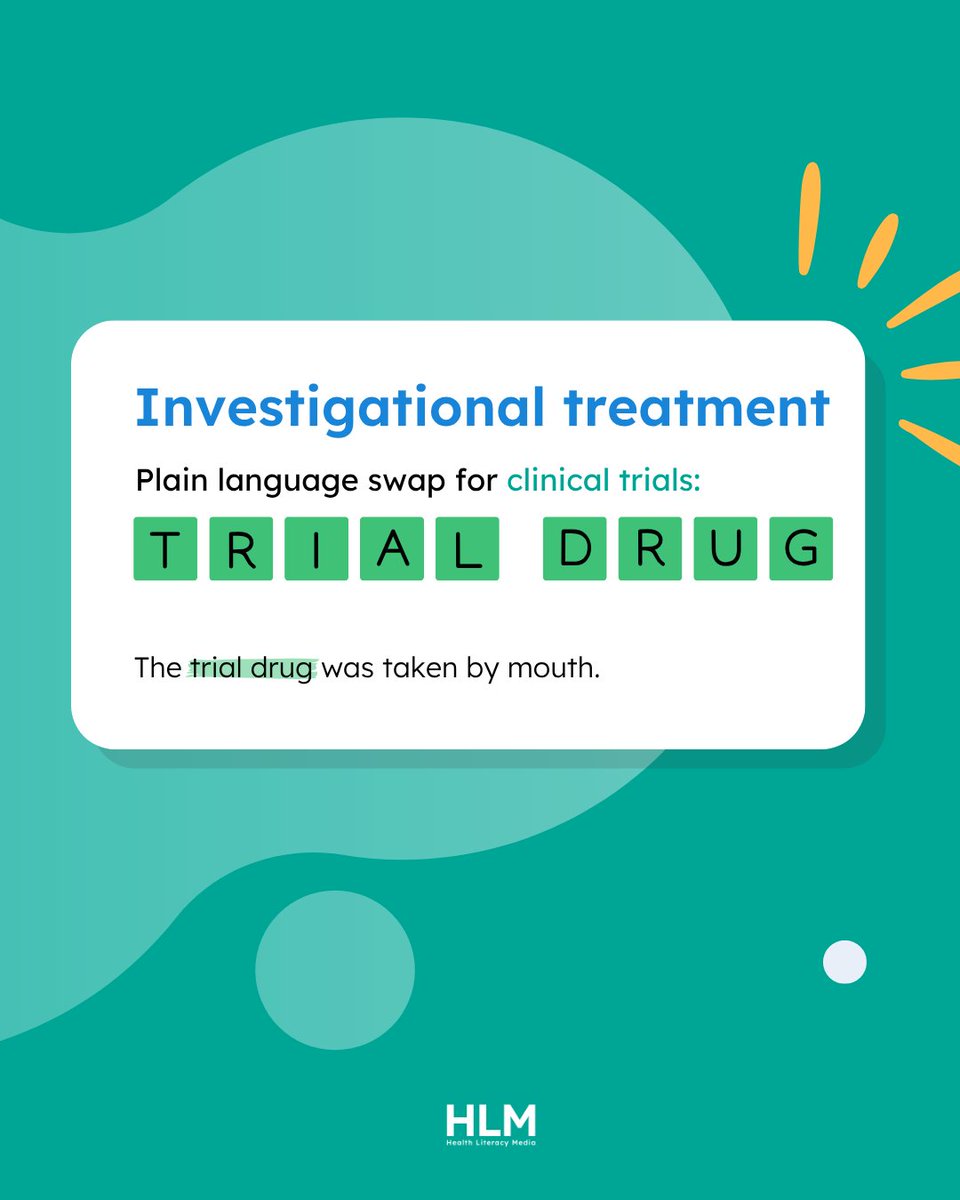
💡 Help your audience understand the first time by using “trial drug” instead of “investigational treatment.” #PlainLanguage #PlainLanguageWordSwap #ClinicalTrials #HealthLiteracy
3
From Complex to Clear: Practical Techniques for Better Client Communicat... youtu.be/JKUVgKJ-xXI?si=CaB9… via @YouTube #FinancialPlanners #ClearCommunication #PlainLanguage
5

Jun 9
Why Thoughtful Systems Feel Simpler Because They Have Been Taken More Seriously
Simple is not the same as simplistic.
The best systems often feel simple because someone thought very hard about them.
There is a common misunderstanding in organisational and public life that simplicity must mean lack of depth. If a process feels smooth, a service feels clear or a system feels easy to use, some assume it cannot have required much serious thought. Complexity, by contrast, is often mistaken for sophistication. The harder something is to navigate, the more “serious” it can appear from the inside.
This is usually the wrong way round.
In reality, thoughtful systems often feel simpler precisely because they have been taken more seriously.
That is what good design does.
It absorbs complexity before complexity reaches the user.
It anticipates confusion.
It joins up handovers.
It clarifies language.
It removes unnecessary steps.
It makes ownership visible.
It sequences things in a way people can actually follow.
In short, it does the hard thinking upstream so that ordinary people do not have to do unnecessary hard work downstream.
That is not superficial.
It is disciplined.
This matters because many weak systems mistake visible complexity for evidence of diligence. More forms, more caveats, more stages, more duplicated requests, more institutional wording, more approvals, more layers of process. Each part may have emerged for a reason, but the whole begins to feel heavy, obscure and tiring. The public, or even staff, then spend large amounts of time compensating for a system that has not been organised tightly enough to make sense as a whole.
That is not seriousness.
It is accumulated untidiness dressed up as rigour.
A thoughtful system is different. It still contains rules, checks, standards and safeguards. It is not casual about risk. It does not confuse simplicity with carelessness. But it asks a more intelligent question.
How can all this seriousness be arranged in a way that does not burden people more than necessary?
That is the mark of real maturity.
Because there is nothing impressive about a system whose internal complexity spills outward onto the user simply because nobody took responsibility for making it coherent.
This principle applies almost everywhere.
A good public service may involve legal duties, operational limits and formal process, but still feel understandable because the person using it knows what is happening and what comes next.
A good transport system may involve extraordinary technical complexity beneath the surface, yet feel intuitive to the passenger because information, timing and routing have been handled sensibly.
A good school may contain countless safeguarding, curriculum, staffing and behavioural systems, yet feel calm and legible to parents and pupils because the culture translates complexity into clarity.
A good housing service may involve contractors, inspections, scheduling and compliance, yet still feel manageable to the resident because communication is good, handovers work and no one is expected to become their own case manager.
In each case, the simplicity the user feels is not the absence of depth.
It is the result of depth properly organised.
This is why thoughtful systems so often feel calmer. Calm is usually a consequence of preparation, not luck. The institution has already done the joining up, the sequencing, the clarifying and the anticipating. It has decided not to leave the burden of making sense of things with the person least equipped, least informed or least resourced to carry it.
That is respectful.
It is also efficient.
Because every piece of confusion not prevented at the design stage usually reappears later as more contact, more chasing, more complaint, more rework, more staff strain and more mistrust. Systems that feel difficult often create costs they then spend more money trying to manage.
Thoughtful systems save some of those costs before they arise.
There is also a trust dimension here. People are more likely to trust systems that feel considered. They may not know the internal detail, but they can feel whether the process has been shaped by someone who cared enough to make it coherent. They notice when the wording is clear, when the next step is obvious, when the handover works, when the answer arrives in a form that can actually be used.
That creates confidence.
By contrast, systems that feel clumsy, fragmented or overcomplicated often generate a very particular kind of mistrust. People begin to suspect, sometimes correctly, that the organisation itself no longer fully understands the shape of its own process. The complexity starts to feel less like seriousness and more like institutional self entanglement.
That is corrosive.
This is one reason leadership matters so much. The best leaders do not ask only whether a system is compliant, defensible or technically complete. They also ask whether it can be lived with. They understand that a process can be correct in fragments and still poor as a whole. They know that the true test is whether the user, the frontline worker or the ordinary citizen can navigate it without unreasonable waste of time, energy or dignity.
That kind of leadership respects thought.
And it respects the public.
There is also a deeper lesson in this. Truly thoughtful systems are often modest in how they present themselves. They do not need to look labyrinthine in order to prove that thought has taken place. Their authority lies in the opposite direction. They feel clean because clutter has been reduced. They feel clear because ambiguity has been worked on. They feel simple because confusion has been anticipated and designed down.
That is hard work.
And it is serious work.
Perhaps more serious than many institutions admit, because it requires the discipline to stop admiring complexity and start taking responsibility for what complexity does to people.
That is where system design becomes moral as well as managerial.
A badly thought through system wastes time, drains patience and punishes the less confident.
A thoughtful one reduces avoidable burden before it spreads.
That is no small difference.
And it is why good design so often feels simpler than bad design.
Not because it contains less thought.
But because it contains more of the right kind.
Simple is not the same as simplistic.
The best systems often feel simple because someone thought very hard about them.
What do you think?
Where have you seen genuinely thoughtful systems that felt simple because they had been well designed?
And where do institutions still too often confuse visible complexity with seriousness, when in fact it may be a sign that not enough thinking has been done?
#ServiceDesign #SystemsThinking #Leadership #PublicService #Clarity #Trust #UserExperience #PlainLanguage #Professionalism #BritainsFuture

66

If your audience has to work hard to understand your message, your message isn't working hard enough.
Plain language builds trust, improves accessibility, and drives action. Clarity isn't simple—it's powerful.
Read more: elationcommunications.com/pl…
#PlainLanguage #Accessibility
2
A translation can preserve the original meaning and still feel hard to process for the reader. That matters even more in healthcare and education texts. #Translation #PlainLanguage
2

UX Bukowski:
Write short. Cut the noise.
One verb per button, one job per screen.
Don't explain yourself to death.
Silence is your weapon.
White space keeps readers from drowning.
Let the error message forgive,
not punish, not blame.
Your word choice matters.
Pick the short one. Always.
Test it aloud — if your tongue trips,
the eye will stumble too.
Stop hiding behind kindness.
Be direct. Be true.
Let the interface disappear.
#ux #Bukowski #whitespace #plainlanguage

2
187

May 28
From ARCH #Disability Law Centre:
"Updated factsheet!
What is the UN Convention on the Rights of Persons with #Disabilities (CRPD) and the Optional Protocol?
Learn about:
• What the Optional Protocol is
• Who can make a complaint
• When and how to file
• What the #UN can do
• Where to get support
Available in English, French!
Full Factsheet: archdisabilitylaw.ca/resourc…
#CRPD #DisabilityRights #UNOptionalProtocol #ARCHDisabilityLaw #AccessibilityMatters #HumanRights #PlainLanguage"
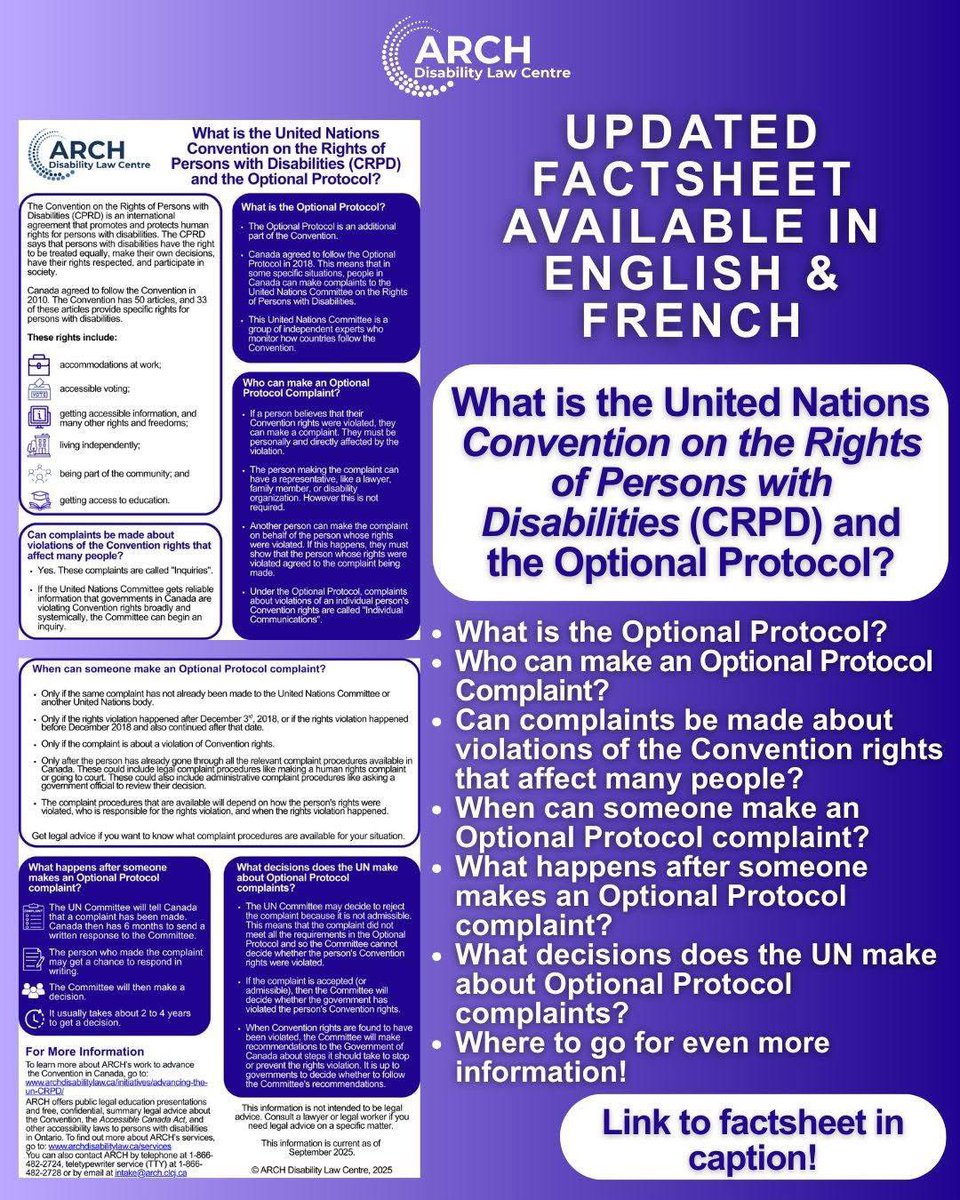
ALT Fact sheet covered in info, link in body copy.
2
15
16
327

Nueva norma ISO de #LenguajeClaro (Escritura Científica) lenguaje-claro.com/iso-publi… #PlainLanguage
4
3
181

Apr 26
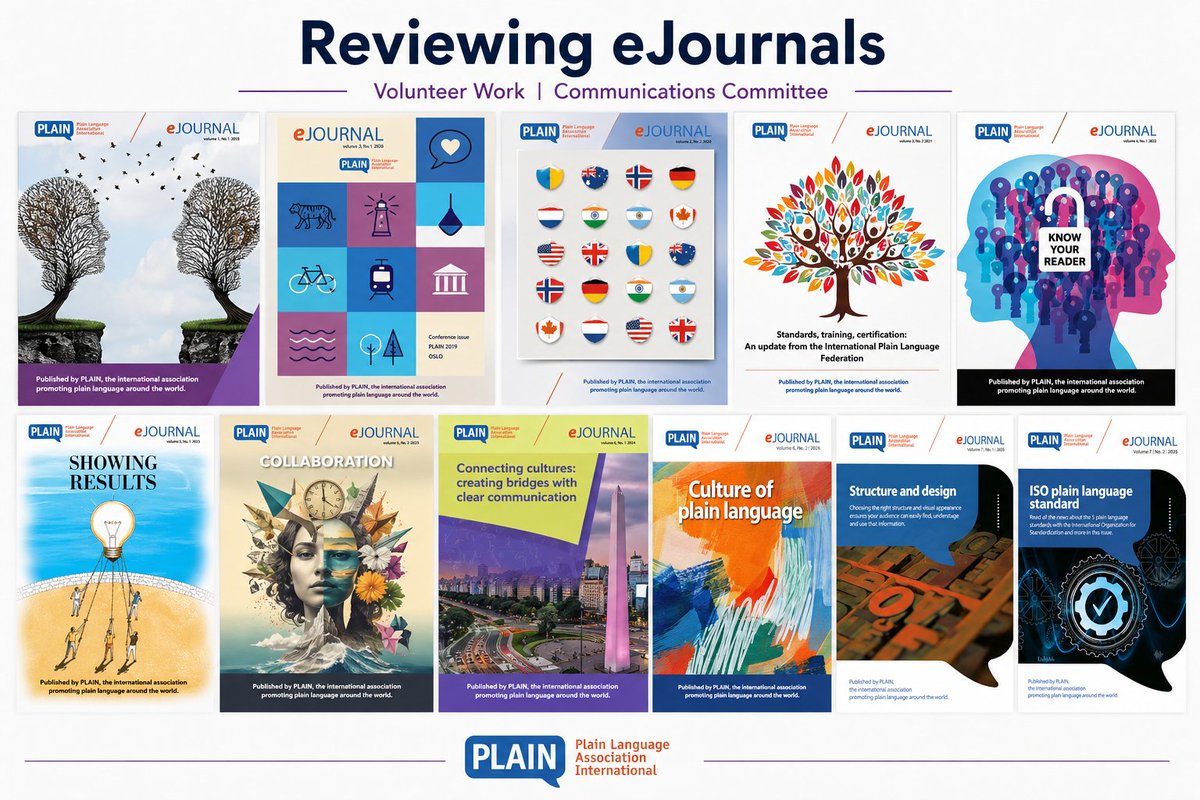
🗣️Over the past few months, I've been volunteering for #PLAIN as part of the Communications Committee and building a database 📊with the articles from the e-journal . Hopefully, you'll see it in the coming weeks!
#plainlanguage #clearcommunication
🔗 plainlanguagenetwork.org
2
25

Go back to law school, dumbass! What about the phrase "All persons born or naturalized in the United States, and subject to the jurisdiction thereof, are citizens of the United States" is ambiguous which even opens the door to judicial interpretation? #FourCorners #PlainLanguage
1
66

Law written only for lawyers is not law for the people.
It is law over the people.
When the language of justice is inaccessible, justice itself becomes a privilege.
That is not a legal problem.
It is a democracy problem.
#Accesstojustice #Legalreform #India #Judiciary #Plainlanguage #Inclusion
5
19
Piden al Congreso de los Diputados que proponga una ley de lenguaje claro archiletras.com/actualidad/p… Vía @archiletras #LenguajeClaro #PlainLanguage
2
75

26 Nov 2025
In my last meeting with these pain researchers, it is my intent to advocate intensely and intently for a Plain Language version.
#PlainLanguage #Accessibility
2
15

25 Nov 2025
UNPOPULAR OPINION: SEO reports should be written in plain English.
Stop hiding results behinds complicated jargon. We need clear, simple language so everyone understands the actions needed.
Clarity wins. Always
Do you agree? 👇
#SEO #Marketing #DigitalMarketing #PlainLanguage
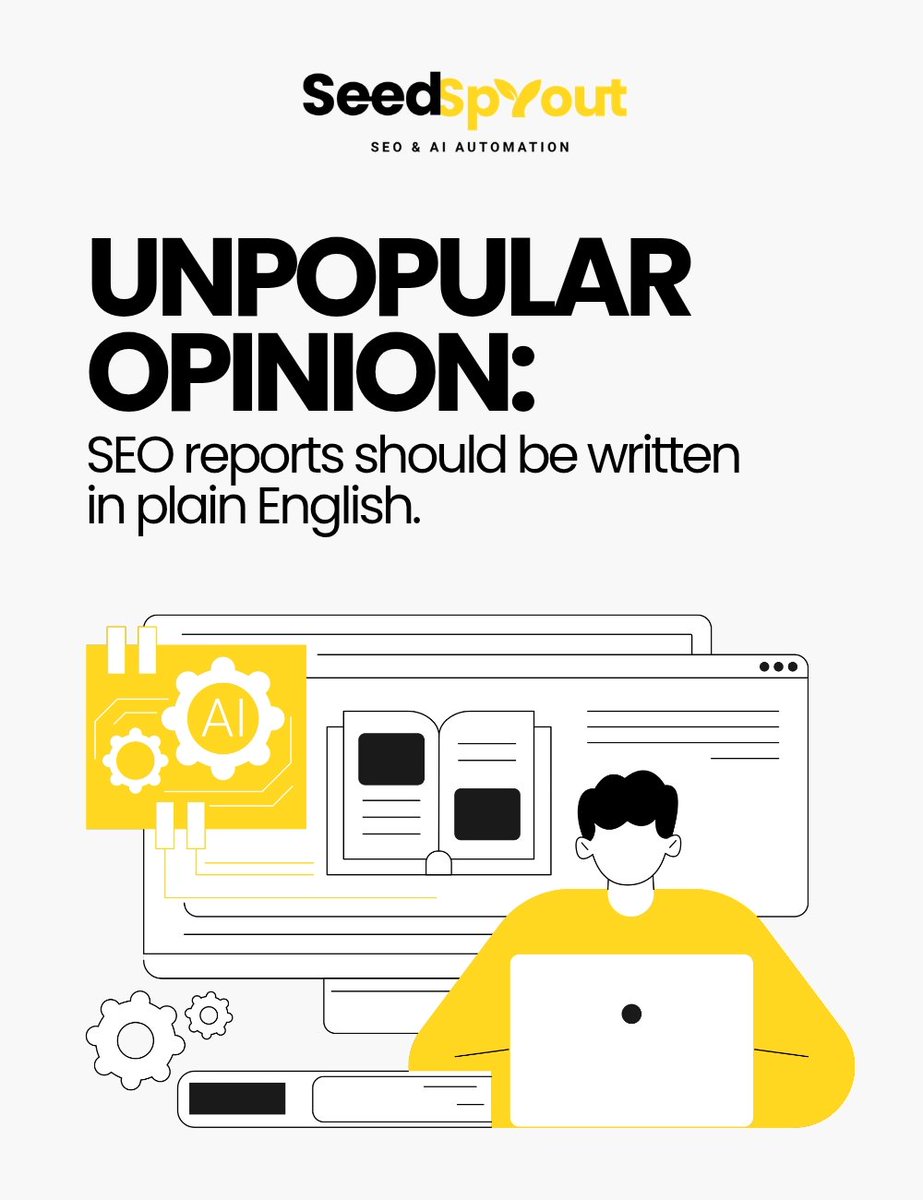
ALT A graphic with a yellow and black color scheme. The central text reads, "UNPOPULAR OPINION: SEO reports should be written in plain English." Below the text is a line art illustration of a person sitting at a desk, looking at a laptop. The screen shows a browser interface. To the left, large gear illustrations show an "AI" chip connecting to the screen, suggesting automation and technology simplifying content creation and analysis.
1
1
4
182

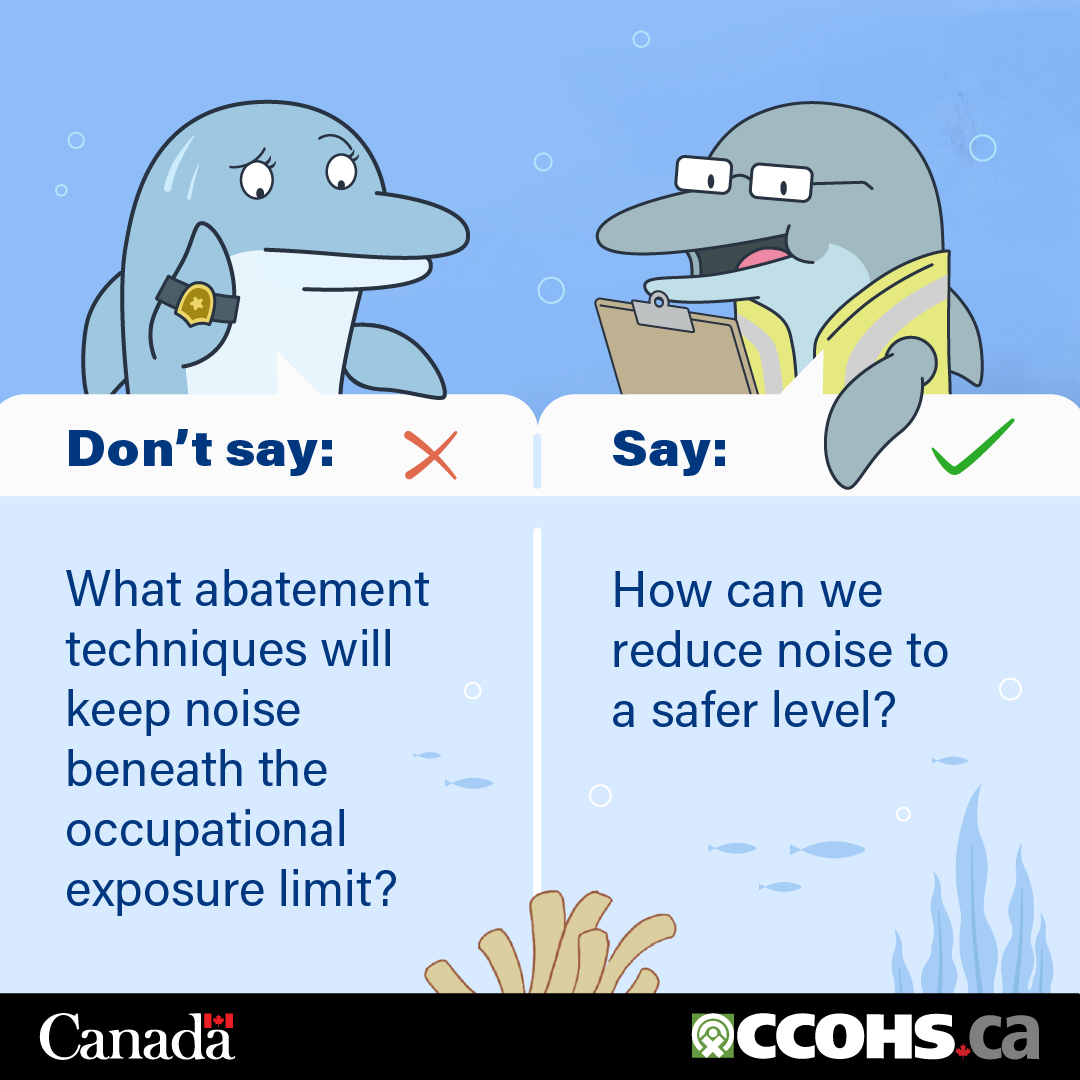
When it comes to workplace health and safety, plain language helps. Use short sentences and words everyone understands.
More #PlainLanguage tips: ccohs.ca/spell-it-out
#SpellItOut
1
2
125

5 Nov 2025
Clear language is centre-stage for the 1st half-day of #2025TEF. It’s the bedrock of trust, transparency and accountability, said @DaroValeria in her opening speech – and we can’t afford the political and financial cost of not being clear.
#xl8 #clearlanguage #plainlanguage

2
4
179

29 Oct 2025
Need to brush up on your #English #grammar, #punctuation or #PlainLanguage concepts? Get started with Peck’s English Pointers, one of the #LanguagePortal’s many writing tools! @FrancesLPeck ow.ly/7XZG50Xihqj

ALT A magnifying glass surrounded by an orange circle (one of the icons belonging to the Language Portal’s brand image). The following text appears in the magnifying glass: Peck’s English Pointers.
2
104
29 Oct 2025
New episode of DGT podcast: Languages and Technology!
Find out how the European Commission works with plain language to give people a clear picture of what the EU does.
🔗 link.europa.eu/mqDRVh
#ClearWriting #PlainLanguage #Transparency #DGTpodcast

1
3
228