
I never imagined I would be writing a post like this, but I need help.
For more than two years, I've been searching for stable full-time employment after losing my previous role.
During that time, I've submitted over 10,000 applications, reached out directly to recruiters, hiring managers, and founders, rebuilt my resume and portfolio countless times, expanded my network, pursued freelance opportunities, and treated my job search like a full-time job.
Despite all of that effort, I still haven't been able to secure stable employment.
What makes this especially difficult is that the stress has now started affecting my health. Recently, I was hospitalized with severe chest pain brought on by overwhelming stress and financial pressure. It was a wake-up call that this situation has become bigger than a job search.
To keep going while searching for work, I've exhausted my savings and accumulated more than $70,000 in credit card debt. Every day has become a balancing act between paying basic expenses, protecting my health, and continuing to pursue opportunities.
This is not a post I ever wanted to make, but I've reached a point where I cannot solve this alone.
I'm asking my network for help.
If you know of any opportunities in design leadership, product design, UX, service design, strategy, operations, consulting, freelance work, contract roles, or remote positions, I would be incredibly grateful for an introduction or referral.
Even sharing this post could help it reach someone who has an opportunity, a connection, or advice that could make a difference.
I still believe that one opportunity can change everything. One conversation. One referral. One person willing to open a door.
Thank you to everyone who has supported, encouraged, and believed in me during this journey. Your kindness has helped me keep going on some very difficult days.
If you'd like to connect, offer advice, share opportunities, or support my GoFundMe, please send me a message.
Thank you for reading and for helping this reach the right people.
#OpenToWork #JobSearch #Hiring #DesignLeadership #UXDesign #ProductDesign #ServiceDesign #RemoteWork #CareerTransition #Networking
gofund.me/ea8cde3c1
1
1
44
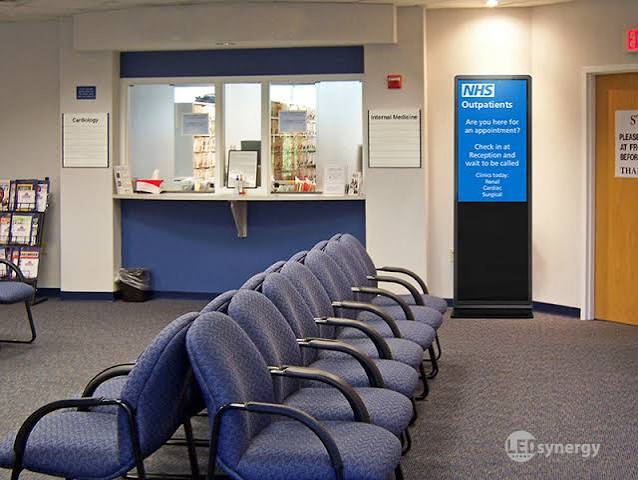
Why Calm Systems Reduce Panic Before Panic Starts
Panic rarely begins at the loudest moment.
It often begins much earlier, in uncertainty.
When people think about panic, they usually picture the visible stage of it. Raised voices. Crowding. Confusion. Breakdown in order. Stress becoming behaviour. A room, a service, a crowd or a conversation tipping from manageable tension into something much harder to control.
But panic rarely appears from nowhere.
More often it grows in the space where people stop feeling held by the system around them. They no longer know what is happening, who is responsible, what comes next or whether anyone is really in charge. The atmosphere shifts. Confidence thins. Small uncertainty becomes collective unease. Collective unease then becomes something larger.
That is why calm systems matter so much.
They reduce panic before panic starts.
This is not only true in emergencies. It applies in ordinary public life as well. A calm system is one that gives people enough clarity, structure and visible competence that they do not feel the need to generate their own crisis response just to get through it. It does not rely on people being endlessly patient, self interpreting or self calming in the face of avoidable confusion. It does more of that work itself.
That matters enormously.
In a hospital, a calm system may mean clear signage, clear updates, visible triage, staff who know the route, and enough communication that waiting does not become disorientation. In transport, it may mean clear disruption messaging, visible staff presence, realistic alternatives and a process that feels organised even under strain. In housing, it may mean a resident understanding what will happen next, who owns the issue and when to expect movement, so that uncertainty does not spiral into frustration and despair. In schools, it may mean routines, communication and adult steadiness strong enough that anxiety in children or parents does not spread unnecessarily.
The same truth appears again and again.
People can tolerate difficulty better than they can tolerate unmanaged uncertainty.
This is why calm should not be mistaken for passivity. A calm system is not one that is slow, emotionally distant or disengaged. It is one that remains coherent under pressure. It keeps sequence. It makes ownership visible. It gives people enough information to stay oriented. It does not inflame what could have been steadied.
That is a serious operational achievement.
And it has moral weight too.
Because panic is costly. It costs time, trust, energy and judgement. It can make people feel foolish, helpless or trapped. It can escalate situations that were difficult but still recoverable into situations that are much harder on everyone involved, staff included. A system that does little to prevent avoidable panic is often asking the public to absorb emotional pressure that better design and better leadership could have reduced.
That is not fair.
Calm systems lower that burden.
They do so in practical ways. They explain. They structure. They communicate. They sequence. They remove ambiguity where they can. They prepare staff to respond with steadiness rather than visible disorder. They know that emotion is often shaped by environment, tone and information long before it becomes visible behaviour.
That is why panic prevention is largely a design question.
A queue is less likely to become agitated if people know why it is moving slowly and what to expect. A waiting room is less likely to become tense if the process feels intelligible and staff appear composed. A repair issue is less likely to become an angry dispute if the resident has clear updates and a believable route forward. A public meeting is less likely to deteriorate if the chair, the structure and the expectations are clear from the outset.
In each case, calm is not magic.
It is the product of systems taken seriously enough to anticipate where uncertainty will gather and to reduce it before it multiplies.
This is one reason leadership presence matters so much. Calm is contagious, but so is visible uncertainty at the top. If leaders appear flustered, evasive or detached, others begin compensating. People lose trust in the route. They start creating their own. Rumour grows. Frustration sharpens. Suspicion spreads. By contrast, calm leadership, especially when joined to clarity, often prevents escalation precisely because people can feel that reality is being faced rather than avoided.
That is deeply stabilising.
It is also why communication plays such a large role. Calm systems do not wait until panic is visible before they start explaining. They explain early. They explain clearly. They do not withhold every uncertainty, but nor do they leave a vacuum in which people must imagine the worst. They know that silence often invites escalation faster than imperfect but honest information does.
There is a broader social lesson here too. A society that normalises chaotic systems, unclear process and visible institutional uncertainty ends up producing more ambient stress than it realises. People become quicker to assume the worst, quicker to distrust, quicker to defend themselves against systems that no longer feel able to carry ordinary pressure without spilling it back onto the user.
That is a poor cultural habit.
A mature society should want more calm than that.
Not artificial calm, built on denial or excessive smoothing over, but real calm, grounded in design, communication and competence. The kind of calm that does not ask people to pretend nothing is difficult, but helps them feel that the difficulty is still being contained by something organised, intelligible and serious.
That is a high standard.
And it matters in small places as much as large ones. A local office. A clinic. A school gate. A housing repair desk. A train platform. A customer line. A council process. A community meeting. In each case, the system either reduces avoidable panic through steadiness, or quietly helps create it through confusion.
That should focus the mind.
Because panic rarely begins at the loudest moment.
It often begins much earlier, in uncertainty.
What do you think?
Where have you seen calm systems prevent situations from escalating unnecessarily?
And where do institutions still too often create the uncertainty, silence or visible disorder that allows panic to grow before anyone names it?
#Leadership #SystemsThinking #PublicService #Trust #Clarity #Communication #ServiceDesign #Calm #HumanDignity #BritainsFuture
28

Jun 12
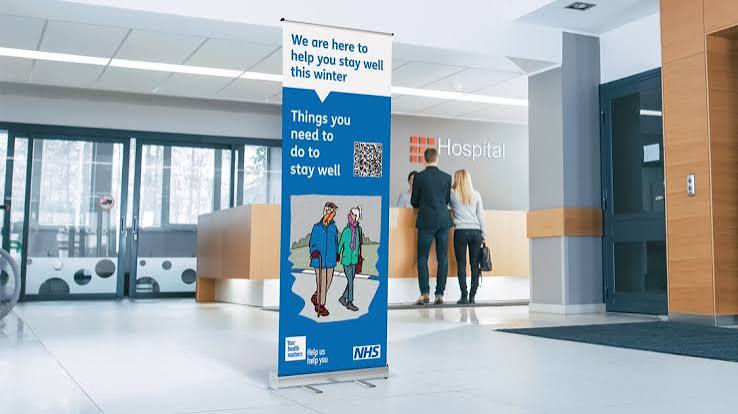
Why People Feel Safer In Systems That Explain Themselves Well
Uncertainty is not always danger.
But it often feels like it.
One of the most underestimated functions of a good system is the sense of safety it creates simply by being understandable. When people know where they are, what is happening, what comes next and who is responsible, they are better able to think, act and wait without unnecessary anxiety. When those things are unclear, even a formally sound process can feel unsettling.
That matters.
Because people do not experience systems only through outcomes. They experience them through atmosphere, clarity, sequence and whether the system appears to know what it is doing well enough to explain itself as it goes.
That is why people feel safer in systems that explain themselves well.
This is true in obvious places such as healthcare, policing or transport, but it is just as true in schools, housing, local government, utilities, workplaces and everyday public services. A person does not need to be in immediate physical danger to feel destabilised by opacity. Confusion itself creates a kind of strain. If you do not know who owns the issue, whether anything is moving, what you are waiting for or whether you have missed something important, the mind begins filling the gap.
That gap is rarely neutral.
It fills with doubt, second guessing and the sense that one may need to be on guard because the system is not doing enough to orient the person passing through it.
By contrast, a system that explains itself well does something quietly powerful. It reduces the number of things the user must hold in anxious suspension. It says, in effect, this is the issue, this is the route, this is the likely timeframe, this is who is handling it, and this is what you should do if the route changes.
That creates a steadier internal experience.
And that steadiness feels like safety.
This should not be dismissed as merely emotional. It has operational consequences. People who understand the process are less likely to make avoidable errors, less likely to chase unnecessarily, less likely to miss appointments or deadlines, and less likely to experience the institution as hostile or indifferent. Staff then spend less time managing uncertainty and more time dealing with the substance of the work.
In other words, explanation does not only comfort.
It improves function.
This is why clarity should be treated as part of safety, not as a soft extra added after the real work. In a hospital, a patient who understands what stage they are in, who is responsible and what comes next is not only calmer. They are also less exposed to the disorientation that makes already difficult situations harder to bear. In housing, a resident who has a clear timescale and named route for a repair is less likely to feel abandoned by the process. In transport, a passenger given clear explanation during disruption may still be frustrated, but is less likely to feel helpless. In a school, parents and pupils who understand a process are less likely to feel destabilised by it.
The same principle appears repeatedly.
People feel safer when systems make sense.
There is also a dignity element here. To explain a system well is to recognise that the person moving through it is not just a case to be processed, but a human being trying to keep their footing. Confusion can be tiring in ways institutions often underestimate. It asks people to carry uncertainty on top of whatever the original problem already was. A family dealing with housing issues is already under pressure. A patient awaiting results is already managing worry. A commuter facing disruption is already losing time. A parent navigating a school concern is already thinking about their child. In each case, poor explanation adds an extra layer of avoidable strain.
That is not a small thing.
This is why good systems take orientation seriously. They understand that explanation is not only about information transfer. It is also about psychological steadiness. Clear signage, clear wording, clear next steps, visible ownership and understandable pathways all contribute to whether a system feels navigable or threateningly opaque.
And that feeling often shapes trust.
A service may not be fast, but if it explains itself well, people are more likely to feel it is at least trying to carry them through the process seriously. A service may have limits, but if it states them plainly, people are less likely to feel manipulated by silence. A system may be under pressure, but if that pressure is explained honestly and coherently, people are more likely to remain with it than to turn on it.
That is a real form of resilience.
Poorly explained systems, by contrast, generate a specific kind of public insecurity. Even where the underlying intention is decent, the experience becomes harsher because no one has properly translated the process into something people can live with. People start protecting themselves through repeated contact, defensive behaviour and chronic low level vigilance. They stop trusting the system to hold the route, so they try to hold it themselves.
That is exhausting.
And it is often avoidable.
This is where leadership and design meet. The best leaders understand that explanation is not ornamental. They ask whether the system is intelligible at the point of use. They know that visible order, good communication and clear handover are part of what make institutions feel competent. They understand that a process can be technically sound and still feel unsafe if nobody has made the user’s path clear enough to stand on.
That is a serious design failure.
A mature institution should aim higher than that.
It should aim to reduce the avoidable anxiety created by opacity. It should want the person moving through the system to feel held, not merely processed. It should remember that clarity does not only inform. It reassures, stabilises and helps people remain human while dealing with something they may never have chosen to deal with in the first place.
That is a mark of civilisation as much as of management.
Because safety is not only about barriers, locks, guards and protocols.
Sometimes it begins with something quieter.
A system that can explain itself well enough that people do not feel alone inside it.
Uncertainty is not always danger.
But it often feels like it.
What do you think?
Where do you most clearly see explanation helping people feel safer in a system?
And where do institutions still create avoidable anxiety simply by failing to explain the process, the next step or the ownership clearly enough?
#ServiceDesign #SystemsThinking #PublicService #Trust #Clarity #Communication #HumanDignity #Leadership #UserExperience #BritainsFuture
57

Jun 12
🌟 Service Design Roles Worldwide! 💼
Explore 3 exciting opportunities today.
💡 Shape meaningful experiences and drive innovation across industries.
📌 Learn more 👉 servicedesignjobs.com/
#ServiceDesign #DesignJobs #Careers #Hiring #GlobalOpportunities #GetHired #SDJ
26
Jun 11
📌Spotlight on #ServiceDesign talent!
☕The Sunday Briefing features Service Designers exploring new opportunities each week.
Want to be included? DM us or comment on this post. 💯
#GetHired #GlobalOpportunities #SDJ
30
Jun 11
🚀 Service Design gigs just dropped! 🌍
We spotted 2 fresh roles.
💡 Perfect chance to design experiences that actually make a difference.
📌 Check them out 👉 servicedesignjobs.com/
#ServiceDesign #DesignJobs #Careers #Hiring #GlobalOpportunities #SDJ
30

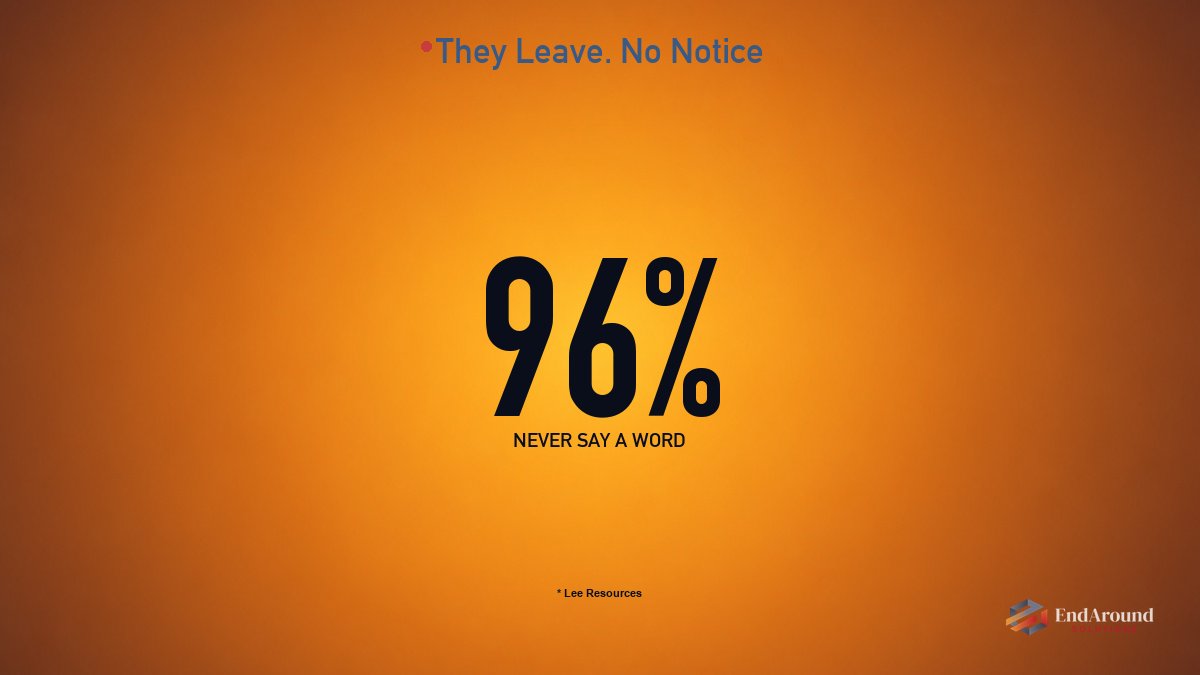
96% of unhappy customers never complain.
They just leave.
If your inbox is your CX dashboard, you're working from roughly 4% of the data.
#CustomerExperience #CX #CustomerRetention #CustomerFeedback #CustomerLoyalty #BusinessGrowth #CustomerSuccess #CXStrategy #ServiceDesign
3

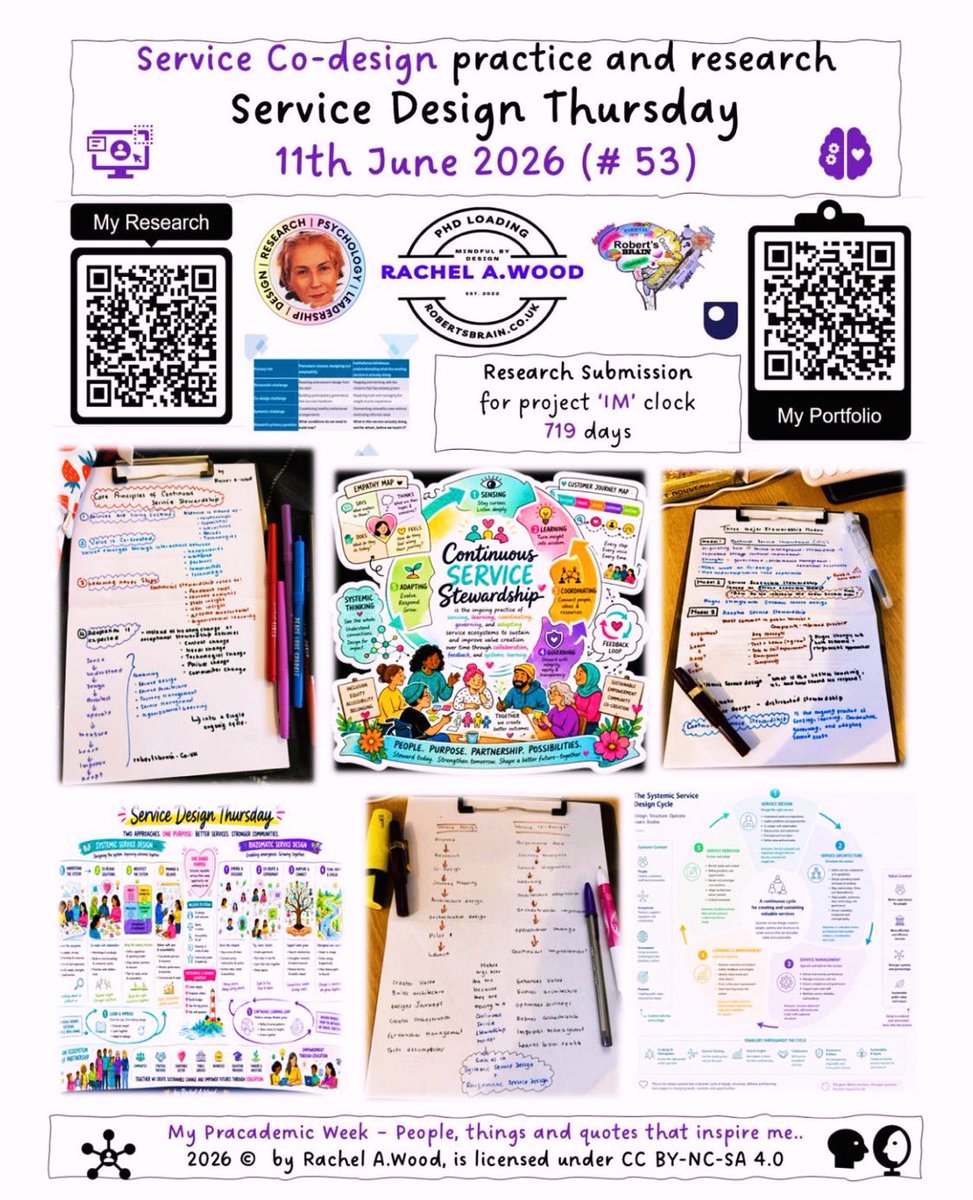
Service Design Thursday 11th June 2026 - the service stewardship edition. There’s some things in here that could be really transformational 😊✨🎢 @OpenUniversity @OU_STEM #design #research #psychology #servicedesign #servicestewardship
9

Our Service Design Leadership Lab starts today 10 June at 16:00 CEST.
Elevate your leadership from managing projects to leading change and empowering teams with Prof. Dr. Tina Weisser.
Register now: sdn-academy.org/leadership-l…
#ServiceDesign #Leadership #AI #SDNAcademy

1
79
I never imagined I would be writing a post like this, but I need help.
For more than two years, I've been searching for stable full-time employment after losing my previous role.
During that time, I've submitted over 10,000 applications, reached out directly to recruiters, hiring managers, and founders, rebuilt my resume and portfolio countless times, expanded my network, pursued freelance opportunities, and treated my job search like a full-time job.
Despite all of that effort, I still haven't been able to secure stable employment.
What makes this especially difficult is that the stress has now started affecting my health. Recently, I was hospitalized with severe chest pain brought on by overwhelming stress and financial pressure. It was a wake-up call that this situation has become bigger than a job search.
To keep going while searching for work, I've exhausted my savings and accumulated more than $70,000 in credit card debt. Every day has become a balancing act between paying basic expenses, protecting my health, and continuing to pursue opportunities.
This is not a post I ever wanted to make, but I've reached a point where I cannot solve this alone.
I'm asking my network for help.
If you know of any opportunities in design leadership, product design, UX, service design, strategy, operations, consulting, freelance work, contract roles, or remote positions, I would be incredibly grateful for an introduction or referral.
Even sharing this post could help it reach someone who has an opportunity, a connection, or advice that could make a difference.
I still believe that one opportunity can change everything. One conversation. One referral. One person willing to open a door.
Thank you to everyone who has supported, encouraged, and believed in me during this journey. Your kindness has helped me keep going on some very difficult days.
If you'd like to connect, offer advice, share opportunities, or support my GoFundMe, please send me a message.
Thank you for reading and for helping this reach the right people.
#OpenToWork #JobSearch #Hiring #DesignLeadership #UXDesign #ProductDesign #ServiceDesign #RemoteWork #CareerTransition #Networking
gofund.me/9220be6df
1
1
48
Jun 9
Why Thoughtful Systems Feel Simpler Because They Have Been Taken More Seriously
Simple is not the same as simplistic.
The best systems often feel simple because someone thought very hard about them.
There is a common misunderstanding in organisational and public life that simplicity must mean lack of depth. If a process feels smooth, a service feels clear or a system feels easy to use, some assume it cannot have required much serious thought. Complexity, by contrast, is often mistaken for sophistication. The harder something is to navigate, the more “serious” it can appear from the inside.
This is usually the wrong way round.
In reality, thoughtful systems often feel simpler precisely because they have been taken more seriously.
That is what good design does.
It absorbs complexity before complexity reaches the user.
It anticipates confusion.
It joins up handovers.
It clarifies language.
It removes unnecessary steps.
It makes ownership visible.
It sequences things in a way people can actually follow.
In short, it does the hard thinking upstream so that ordinary people do not have to do unnecessary hard work downstream.
That is not superficial.
It is disciplined.
This matters because many weak systems mistake visible complexity for evidence of diligence. More forms, more caveats, more stages, more duplicated requests, more institutional wording, more approvals, more layers of process. Each part may have emerged for a reason, but the whole begins to feel heavy, obscure and tiring. The public, or even staff, then spend large amounts of time compensating for a system that has not been organised tightly enough to make sense as a whole.
That is not seriousness.
It is accumulated untidiness dressed up as rigour.
A thoughtful system is different. It still contains rules, checks, standards and safeguards. It is not casual about risk. It does not confuse simplicity with carelessness. But it asks a more intelligent question.
How can all this seriousness be arranged in a way that does not burden people more than necessary?
That is the mark of real maturity.
Because there is nothing impressive about a system whose internal complexity spills outward onto the user simply because nobody took responsibility for making it coherent.
This principle applies almost everywhere.
A good public service may involve legal duties, operational limits and formal process, but still feel understandable because the person using it knows what is happening and what comes next.
A good transport system may involve extraordinary technical complexity beneath the surface, yet feel intuitive to the passenger because information, timing and routing have been handled sensibly.
A good school may contain countless safeguarding, curriculum, staffing and behavioural systems, yet feel calm and legible to parents and pupils because the culture translates complexity into clarity.
A good housing service may involve contractors, inspections, scheduling and compliance, yet still feel manageable to the resident because communication is good, handovers work and no one is expected to become their own case manager.
In each case, the simplicity the user feels is not the absence of depth.
It is the result of depth properly organised.
This is why thoughtful systems so often feel calmer. Calm is usually a consequence of preparation, not luck. The institution has already done the joining up, the sequencing, the clarifying and the anticipating. It has decided not to leave the burden of making sense of things with the person least equipped, least informed or least resourced to carry it.
That is respectful.
It is also efficient.
Because every piece of confusion not prevented at the design stage usually reappears later as more contact, more chasing, more complaint, more rework, more staff strain and more mistrust. Systems that feel difficult often create costs they then spend more money trying to manage.
Thoughtful systems save some of those costs before they arise.
There is also a trust dimension here. People are more likely to trust systems that feel considered. They may not know the internal detail, but they can feel whether the process has been shaped by someone who cared enough to make it coherent. They notice when the wording is clear, when the next step is obvious, when the handover works, when the answer arrives in a form that can actually be used.
That creates confidence.
By contrast, systems that feel clumsy, fragmented or overcomplicated often generate a very particular kind of mistrust. People begin to suspect, sometimes correctly, that the organisation itself no longer fully understands the shape of its own process. The complexity starts to feel less like seriousness and more like institutional self entanglement.
That is corrosive.
This is one reason leadership matters so much. The best leaders do not ask only whether a system is compliant, defensible or technically complete. They also ask whether it can be lived with. They understand that a process can be correct in fragments and still poor as a whole. They know that the true test is whether the user, the frontline worker or the ordinary citizen can navigate it without unreasonable waste of time, energy or dignity.
That kind of leadership respects thought.
And it respects the public.
There is also a deeper lesson in this. Truly thoughtful systems are often modest in how they present themselves. They do not need to look labyrinthine in order to prove that thought has taken place. Their authority lies in the opposite direction. They feel clean because clutter has been reduced. They feel clear because ambiguity has been worked on. They feel simple because confusion has been anticipated and designed down.
That is hard work.
And it is serious work.
Perhaps more serious than many institutions admit, because it requires the discipline to stop admiring complexity and start taking responsibility for what complexity does to people.
That is where system design becomes moral as well as managerial.
A badly thought through system wastes time, drains patience and punishes the less confident.
A thoughtful one reduces avoidable burden before it spreads.
That is no small difference.
And it is why good design so often feels simpler than bad design.
Not because it contains less thought.
But because it contains more of the right kind.
Simple is not the same as simplistic.
The best systems often feel simple because someone thought very hard about them.
What do you think?
Where have you seen genuinely thoughtful systems that felt simple because they had been well designed?
And where do institutions still too often confuse visible complexity with seriousness, when in fact it may be a sign that not enough thinking has been done?
#ServiceDesign #SystemsThinking #Leadership #PublicService #Clarity #Trust #UserExperience #PlainLanguage #Professionalism #BritainsFuture
63

QuestionForGroup : How would you describe the “taste in the mouth” that you leave with your customers and clients?
How can you know?
What does a dog cracker have to do with leadership, marketing, customer delight, and service design?
More than I expected.
I noticed that when I give my dog a salty cracker, I instinctively turn it salty side down before placing it on his tongue. Why? Because I know what he enjoys, and I do not want him to miss the first taste.
That small detail became a leadership question:
Where do our customers, clients, donors, volunteers, members, guests, or participants need us to “turn the cracker over”?
The little details are often where trust is built. They communicate care before we explain our mission statement. They help people feel expected, welcomed, remembered, and served.
In this Leaning Leadership Ladder reflection, I explore how leaders can examine the experience they are actually delivering — not just the service they think they are offering — and how to assess whether people are merely satisfied or genuinely delighted.
Deliver your services salty side down.
#Leadership #CustomerExperience #CustomerDelight #ServiceDesign #MarketingStrategy #SmallBusiness #NonprofitLeadership #OrganizationalLeadership #ClientExperience #VolunteerEngagement #WorkshopsToGo #LeaningLeadershipLadder #TomSims #SaltySideDown
linkedin.com/pulse/deliverin…
20
🌟 Service Design Roles Worldwide! 💼
Explore 3 exciting opportunities.
💡 Shape meaningful experiences and drive innovation across industries.
📌 Learn more 👉 servicedesignjobs.com/
#ServiceDesign #DesignJobs #Careers #Hiring #GlobalOpportunities #GetHired #SDJ
1
44

Jun 9
Hiring: Service Design Manager - Remo
#ServiceDesign #LeanMethodology #AgileProjectManagement #CharityJobs #UKJobs #ProcessImprovement #MentalHealthCareers #UserCentredDesign
obtainjob.com/2026/06/hiring…
9
Jun 9
Hiring: Service Design Manager - Remote
#ServiceDesign #LeanMethodology #AgileProjectManagement #CharityJobs #UKJobs #ProcessImprovement #MentalHealthCareers #UserCentredDesign
obtainjob.com/2026/06/hiring…
8
Jun 8
Why The Best Services Feel Easier Without Feeling Careless
Good service should feel easier.
That does not mean it should feel sloppy.
One of the persistent misconceptions in public and organisational life is that ease and seriousness sit in tension. If a service feels simple, calm and straightforward, some assume it must be superficial. If it is rigorous, accountable and safe, others assume it must be slow, heavy and difficult to navigate. The implication is that people must choose between a service that is easy to use and a service that is properly run.
That is a false choice.
The best services feel easier without feeling careless.
This matters because many people have grown used to friction being presented as proof of seriousness. Extra forms, repeated checks, unclear routes, multiple handovers, vague waiting periods, defensive communication and endless procedural drag can all acquire a kind of false legitimacy. They may look responsible from the inside, but from the outside they often feel like what they are, evidence that the system is passing its own confusion or caution on to the user.
That is not a mark of quality.
It is often a mark of poor design.
A truly well run service should not feel chaotic or casual. It should still have standards, safeguards, records, ownership, process and clarity. But those things should work in a way that reduces burden rather than multiplying it. The user should not have to experience the full internal complexity of the institution in order to receive an ordinary outcome.
That is where good design shows itself.
A strong service is usually easier not because it cares less, but because it has thought harder.
It has considered the handover.
It has clarified the next step.
It has reduced duplication.
It has improved the wording.
It has decided who owns the issue.
It has built better links between internal parts of the system.
In short, it has done more of the hard work itself so that the user does not have to.
That is what makes the best services feel easier.
And that ease is not accidental.
It is earned through discipline.
This can be seen everywhere. In healthcare, a well designed pathway may still involve complexity, but it feels less bewildering because the patient knows where they are, what happens next and who is responsible. In housing, a good repairs service may still require scheduling and inspection, but it feels more manageable because the resident is not left chasing blindly. In education, a school process may still be formal, but it feels more workable because parents are not expected to decode institutional language just to understand the basics. In transport, a service may still be complex beneath the surface, but it feels more reliable because the public journey has been designed with clarity in mind.
In each case, the service is not more careless.
It is more competent.
This distinction is important because badly run systems often hide behind seriousness. They imply that the user’s difficulty is the inevitable cost of due process, when often it is simply the cost of weak process. The problem is not that the institution is being careful. The problem is that it has failed to organise its care in a way that ordinary people can live with.
That is not the same thing.
The best services understand this. They know that the public experience of the service is part of the service, not an afterthought. They know that a confusing process is not redeemed by the fact that it is technically thorough. They know that if people repeatedly emerge from the system unclear, delayed or exhausted, then something important is not working well enough, even if every internal rule can be defended in isolation.
This is one reason service design deserves more respect. It is not just about aesthetics, convenience or customer satisfaction in the shallow sense. It is about whether a serious function can be delivered in a way that is intelligible, proportionate and humane. It is about whether the institution has taken enough responsibility for its own complexity that the person on the outside does not have to absorb it all.
That is a high standard.
And it should be.
Because time, attention and patience are finite. The public are not blank spaces into which institutions can pour endless administrative drag without consequence. People are managing work, care, money, health, travel, school, housing and daily life all at once. A service that adds avoidable friction is not just inconvenient. It is taking something from people that they may have very little of to spare.
This is why ease can be a sign of respect.
Not the ease of cutting corners, but the ease that comes when an institution has taken the trouble to make a serious process more navigable. It says, more or less, we are not going to make this harder than it genuinely needs to be.
That is not softness.
It is disciplined consideration.
And it often requires more effort from the organisation, not less. To make something clear, smooth and proportionate usually means doing more design work upstream. It means spotting ambiguity before it reaches the user. It means investing in better communication, better handovers, better ownership and better sequencing. It means resisting the institutional temptation to let internal complexity spill outward unchecked.
That is what maturity looks like in service design.
There is also a trust element here. People trust services more when they can use them without feeling as though they are constantly fighting the shape of the organisation. Ease builds confidence when it is joined to seriousness. It gives the impression, correctly, that somebody has thought not only about the task, but about the person coming into contact with the task.
That is powerful.
It is one of the reasons the best services often feel calm. Not because they are indifferent to risk or loose with responsibility, but because they have done enough work beneath the surface that the user does not have to carry all the instability, uncertainty or confusion themselves.
That should be the goal.
Not a service that feels casual.
A service that feels considered.
Good service should feel easier.
That does not mean it should feel sloppy.
What do you think?
Where have you seen services become easier to use without sacrificing seriousness or standards?
And where do institutions still too often assume that if a process feels difficult, that must mean it is being run properly?
#ServiceDesign #PublicService #Leadership #Trust #SystemsThinking #UserExperience #PlainLanguage #HumanDignity #Professionalism #BritainsFuture
76
I never imagined I would be writing a post like this, but I need help.
For more than two years, I've been searching for stable full-time employment after losing my previous role.
During that time, I've submitted over 10,000 applications, reached out directly to recruiters, hiring managers, and founders, rebuilt my resume and portfolio countless times, expanded my network, pursued freelance opportunities, and treated my job search like a full-time job.
Despite all of that effort, I still haven't been able to secure stable employment.
What makes this especially difficult is that the stress has now started affecting my health. Recently, I was hospitalized with severe chest pain brought on by overwhelming stress and financial pressure. It was a wake-up call that this situation has become bigger than a job search.
To keep going while searching for work, I've exhausted my savings and accumulated more than $70,000 in credit card debt. Every day has become a balancing act between paying basic expenses, protecting my health, and continuing to pursue opportunities.
This is not a post I ever wanted to make, but I've reached a point where I cannot solve this alone.
I'm asking my network for help.
If you know of any opportunities in design leadership, product design, UX, service design, strategy, operations, consulting, freelance work, contract roles, or remote positions, I would be incredibly grateful for an introduction or referral.
Even sharing this post could help it reach someone who has an opportunity, a connection, or advice that could make a difference.
I still believe that one opportunity can change everything. One conversation. One referral. One person willing to open a door.
Thank you to everyone who has supported, encouraged, and believed in me during this journey. Your kindness has helped me keep going on some very difficult days.
If you'd like to connect, offer advice, share opportunities, or support my GoFundMe, please send me a message.
Thank you for reading and for helping this reach the right people.
#OpenToWork #JobSearch #Hiring #DesignLeadership #UXDesign #ProductDesign #ServiceDesign #RemoteWork #CareerTransition #Networking
gofund.me/0f63197b4
1
44
🌟 Hot Service Design Roles! 💼
5 companies are on the lookout for #ServiceDesign talent.
💡 Ready to shape experiences that matter?
📌 Apply now 👉 servicedesignjobs.com/
#ServiceDesign #Careers #Hiring #SDJ
31
I never imagined I would be writing a post like this, but I need help.
For more than two years, I've been searching for stable full-time employment after losing my previous role.
During that time, I've submitted over 10,000 applications, reached out directly to recruiters, hiring managers, and founders, rebuilt my resume and portfolio countless times, expanded my network, pursued freelance opportunities, and treated my job search like a full-time job.
Despite all of that effort, I still haven't been able to secure stable employment.
What makes this especially difficult is that the stress has now started affecting my health. Recently, I was hospitalized with severe chest pain brought on by overwhelming stress and financial pressure. It was a wake-up call that this situation has become bigger than a job search.
To keep going while searching for work, I've exhausted my savings and accumulated more than $70,000 in credit card debt. Every day has become a balancing act between paying basic expenses, protecting my health, and continuing to pursue opportunities.
This is not a post I ever wanted to make, but I've reached a point where I cannot solve this alone.
I'm asking my network for help.
If you know of any opportunities in design leadership, product design, UX, service design, strategy, operations, consulting, freelance work, contract roles, or remote positions, I would be incredibly grateful for an introduction or referral.
Even sharing this post could help it reach someone who has an opportunity, a connection, or advice that could make a difference.
I still believe that one opportunity can change everything. One conversation. One referral. One person willing to open a door.
Thank you to everyone who has supported, encouraged, and believed in me during this journey. Your kindness has helped me keep going on some very difficult days.
If you'd like to connect, offer advice, share opportunities, or support my GoFundMe, please send me a message.
Thank you for reading and for helping this reach the right people.
#OpenToWork #JobSearch #Hiring #DesignLeadership #UXDesign #ProductDesign #ServiceDesign #RemoteWork #CareerTransition #Networking
gofund.me/51b56ab9d
1
5
85
